
Bunker Fuel Shortages Loom After US Counter Blocks Strait of Hormuz
US naval counter‑operations have effectively blocked commercial traffic through the Strait of Hormuz, disrupting the primary route for bunker fuel shipments to Asia. Analysts warn that within two to three months container lines could encounter a global shortage of low‑sulfur bunker fuel, a critical input for emissions‑compliant vessels. The scarcity will elevate demand for ships equipped with exhaust gas cleaning systems, which can burn cheaper high‑sulfur fuel. Approximately 40% of the world’s container fleet already has such scrubbers, giving them a competitive edge.

U.S. and Iran Inch Toward Framework Deal to End War, U.S. Officials Say
U.S. and Iranian negotiators are moving toward a framework agreement that could end the war before the April 21 ceasefire expires, with Pakistan, Egypt and Turkey mediating. Behind the scenes, Vice President Kamala Vance, envoy Steve Witkoff and adviser Jared Kushner have been exchanging...

CBP Preps Tariff Refund Portal for April 20 Launch
U.S. Customs and Border Protection will activate its dedicated IEEPA tariff refund portal, CAPE, on April 20 at 8 a.m. EDT. The system will allow importers to submit refund requests electronically, with 82% already signed up for e‑payments. CBP estimates about $127 billion...

Trump Threatens Another Major Firing
President Donald Trump intensified his campaign against Federal Reserve leadership, warning he will fire Chair Jerome Powell if a new chair is not confirmed soon. He has nominated former Fed Governor Kevin Warsh as Powell's successor, but Senate Banking Committee...

India’s Trade Gap Narrows as Middle East War Hits Shipments
India’s trade deficit narrowed to $20.67 billion in March, well under the $28.5 billion forecast, as both imports and exports slipped amid Middle East shipping disruptions. Imports fell 6.5% year‑on‑year to $59.59 billion, while exports dropped 7.4% to $38.92 billion. The conflict in the...

Why the US Needs the PROSPER in the Pacific Act
U.S. Rep. Ed Case is urging Congress to pass H.R. 6619, the PROSPER in the Pacific Act, which would restore duty‑free treatment for Pacific Island imports similar to the pre‑2020 Generalized System of Preferences. The legislation targets critical vulnerabilities exposed by rising...

China’s Africa Strategy Is Shifting and Iran Conflict Will Speed It Up
China is pivoting its Africa strategy from resource extraction to investment, centering the effort in Hunan Province’s “Hunan Model.” The model, formalized through the China‑Africa Economic and Trade Deep Cooperation Pilot Zone and a dedicated exhibition, streamlines logistics, free‑trade zones,...

War Will Drain the Gulf’s $6trn Treasure Chest
Six Gulf Cooperation Council sovereign wealth funds now manage over $5 trn in assets, up from $3 trn in 2021, and have deployed more than $430 bn since 2021 across AI, private credit, sports and tech. The ongoing regional war threatens to erode...

South Korea’s Harder Line on Israel Amid Energy Shock
South Korea’s President Lee Jae‑myung publicly criticized Israel, prompting a sharp diplomatic clash and the closure of the Israeli embassy in Seoul. The dispute coincided with Washington’s decision to redeploy Korean air‑defense systems to the Middle East, heightening alliance tensions....
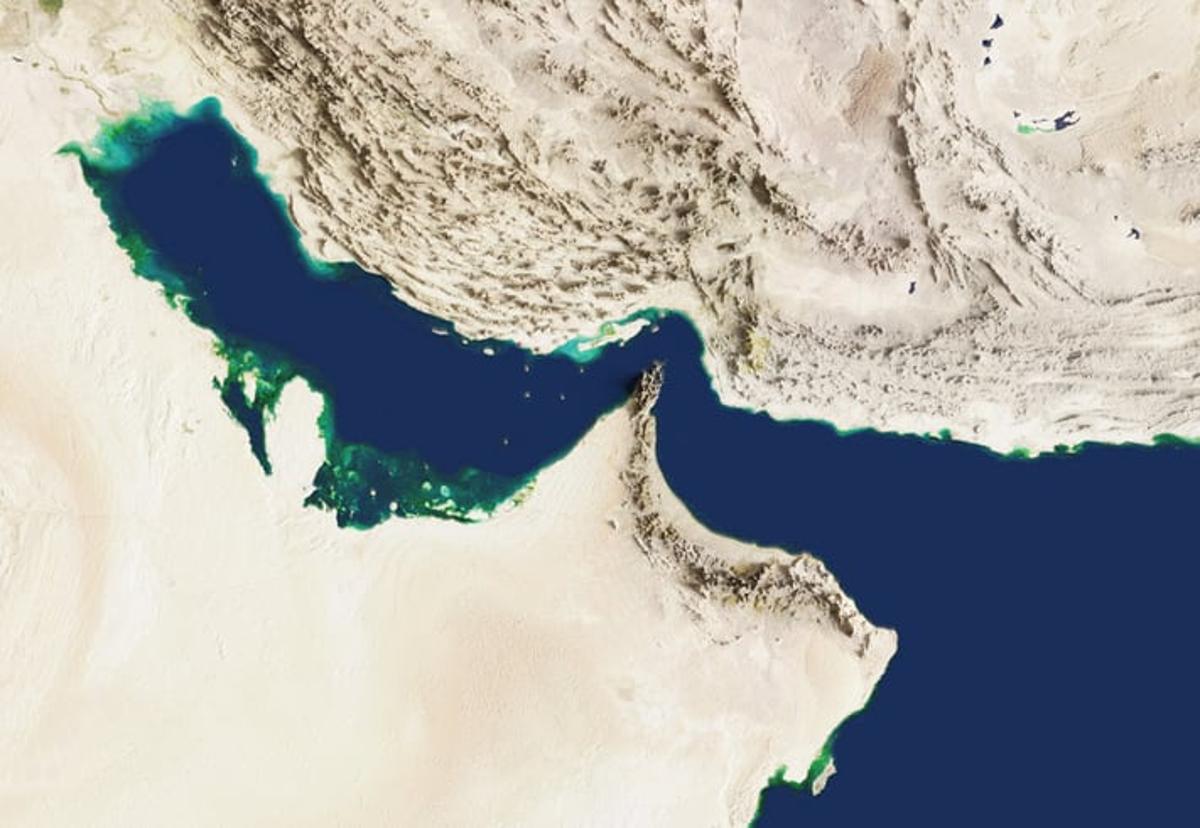
US Naval Blockade of Iran Sparks Global Trade Shock
Washington announced a full naval blockade of Iranian ports, cutting all seaborne commercial trade. The move follows stalled peace talks in Pakistan and has pushed crude oil above $100 a barrel while sending Middle East‑to‑Asia shipping rates to six‑year highs....
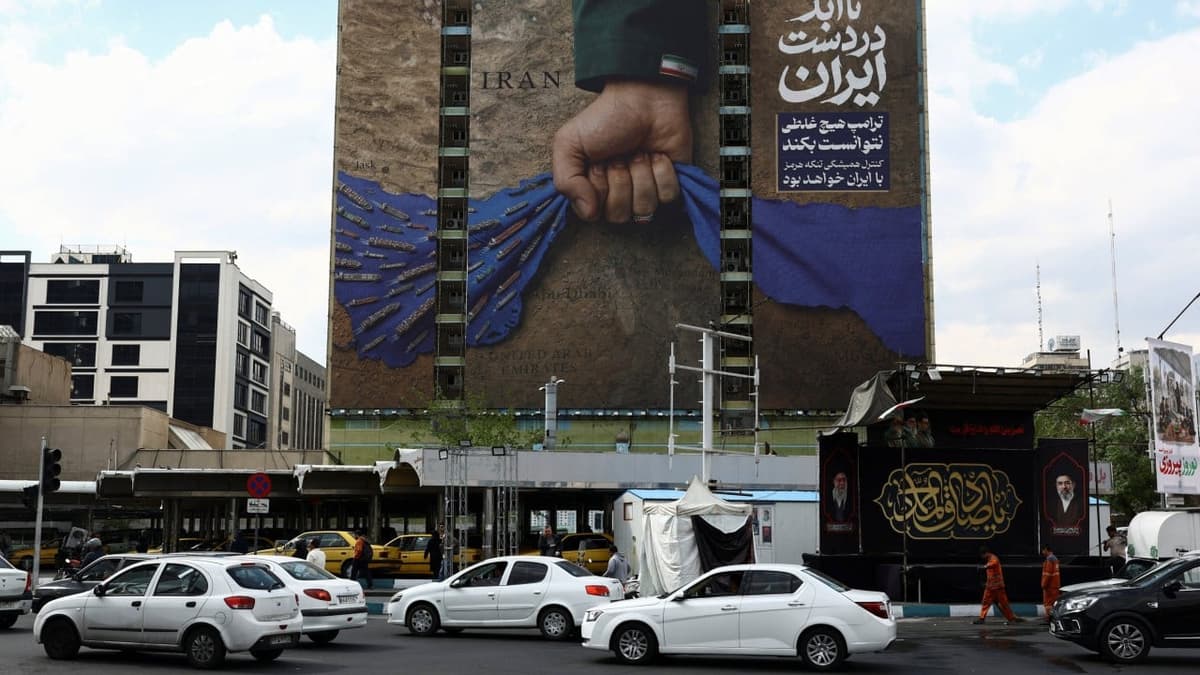
US Officials Claim China Is ‘Hoarding’ Oil. What Does the Data Say?
U.S. Treasury officials accused China of hoarding oil amid the US‑Israeli‑Iran conflict, but customs data shows China’s crude imports actually slipped 2.8% in March 2026 after an 8.9% year‑on‑year rise in the first quarter. Port inventory indices fell in early...

Monitoring Turkey: Geopolitics Compounds Macro Challenges
Turkey’s economy remains under strain as inflation expectations were lifted to 27.5% for 2024, driven by higher energy costs and a tax‑adjusted petrol price regime. The government’s fiscal gap narrowed to a 12‑month deficit of 2.2% of GDP—about $75 bn—thanks to...

IMF Says War Should Spur Faster Adoption of Renewable Energy
At the World Economic Outlook launch, IMF chief economist Pierre‑Olivier Gourcinas warned that the war in the Middle East should accelerate the shift toward renewable energy to protect economies from energy shocks. He compared the current oil shortfall to the...
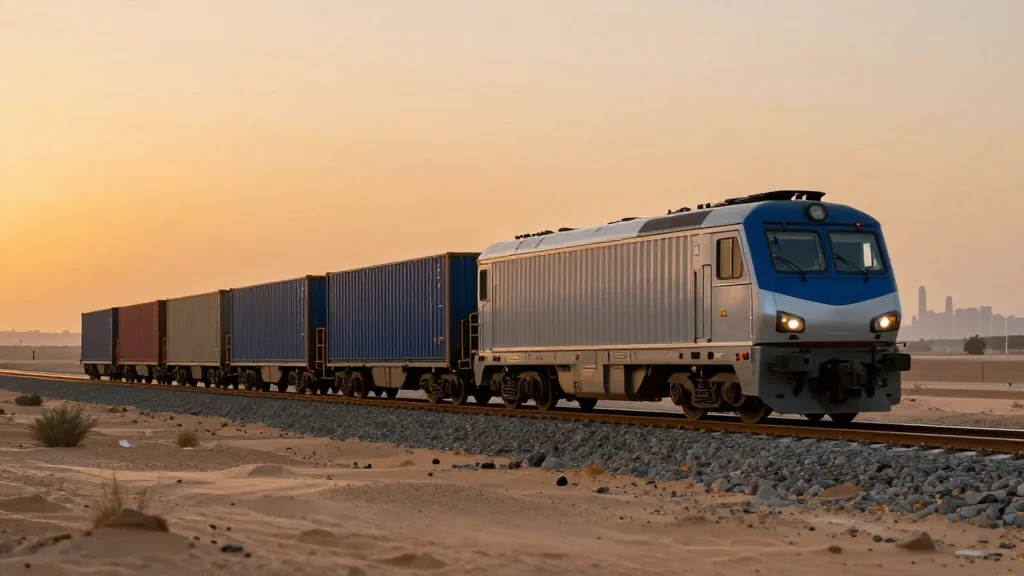
Rail Shippers Raise Concerns About Middle East Conflict (UPDATED 4/15)
The Fertilizer Institute and the Alliance for Chemical Distribution have each sent letters to the Surface Transportation Board urging Class I railroads to prioritize fertilizer shipments and warning against unjustified surcharges amid the Strait of Hormuz closure caused by the...

Amid the Hormuz Crisis, Indonesia Rewrites Its Energy Playbook
Indonesia’s government responded to the Strait of Hormuz disruption with a two‑pronged strategy: domestic fuel subsidies and demand controls were kept steady while the president launched an intensive diplomatic tour of Japan, South Korea and Russia. The visits produced concrete...

Chancellor Drives Global Push for ‘Responsive and Responsible’ International Action in Face of War
British Chancellor Rachel Reeves led a joint statement with finance ministers from 11 economies to coordinate a responsible response to the Middle East conflict’s economic fallout. The ministers pledged to keep trade open, safeguard energy shipments through the Strait of...

How Other Countries Are Responding to Surging Oil Prices - and Why Spain Is in a Good Position
Rising oil prices triggered by the Iran‑Houthi conflict have prompted a patchwork of policy responses across Europe. The United Kingdom, grappling with high debt, has resisted new fuel‑duty cuts beyond a £5 bn ($6.3 bn) annual program, while Germany introduced a two‑month...

The Hidden Risk in Africa’s Ukraine War Returnees
Kenyan officials warn that the return of Africans who fought in the Russia‑Ukraine war poses a hidden security threat. Estimates suggest up to 2,700 Africans were recruited, with Kenya alone having 38 citizens in Russian hospitals, 16 missing, and about...

China’s $4.5 Billion Headache: The Niger-Benin Pipeline and the Limits of Non-Interference
In February 2026 China warned its citizens after rebel attacks on the CNPC‑operated Niger‑Benin pipeline, a $4.5 billion project designed to lift Niger’s oil output to 90,000 barrels per day and recover a $400 million loan. The 1,950‑km line, linking Niger’s Agadem...

Three Elements Trump’s ‘Pax Silica’ Needs to Succeed
The State Department launched Pax Silica, an AI supply‑chain coalition with eleven signatory nations, aiming to build a trusted partner network that can rival China’s dominance. Unlike prior efforts, the initiative groups members by specific AI‑related capabilities and places the...

Risk Rally Stalls as Front-Running Peaks, Markets Await Deliverables From Second US-Iran Talks
Risk‑on markets have stalled as investors shift from pricing a prospective US‑Iran cease‑fire to awaiting concrete outcomes from a second round of talks. Oil prices fell below $90 a barrel, erasing the war‑premium that had buoyed risk assets and weakening...

How the US-Israel War on Iran Is Affecting African Economies
The US‑Israel blockade of the Strait of Hormuz has choked a key oil and fertilizer corridor, driving fuel prices up 30‑70% across Africa and as high as 150% in Somalia. East African and some North African nations that depend on...

EXEC: BRP, Inc. Suspends Fiscal 2027 Guidance Based on U.S. Tariff Impact
BRP Inc., the maker of Ski‑Doo, Sea‑Doo and Lynx, has halted its fiscal 2027 outlook after the U.S. Section 232 amendment imposed a 25% tariff on the total value of imported snowmobiles and most off‑road vehicles. The company estimates the change...

Saudi Logistics Lifeline ‘Won’t Go Back in the Box’ Post-War
The Iran‑War accelerated the creation of a Gulf land‑bridge, a 47‑day effort linking Saudi ports, rail and road corridors to bypass Red Sea disruptions. Saudi‑based Flow Progressive Logistics highlighted the Saudi International Corridor and a new rail line connecting King...

Power Insider: The Markets Are Obsessed with the Strait of Hormuz. Why It Matters Less than You Think
Traders are fixated on the Strait of Hormuz, believing ship traffic can forecast oil prices, but new Saudi and UAE pipeline capacity has halved the waterway’s relevance. The U.S. naval blockade of Iranian ports adds volatility, yet the market’s real...

Spain Expands Access to China with Agreements to Export Pistachios and Dried Figs
Spain and China have signed six new agreements, including five collaboration protocols and a memorandum of understanding on denominations of origin, to open the Chinese market to Spanish pistachios and dried figs. The deals build on a 2023 almond export...

Expensive Oil Not a SPX Death Sentence, But Bad Enough
Oil prices briefly breached $100 per barrel after a failed U.S.-Iran peace deal and a Hormuz blockade, reviving concerns about a repeat of past market headwinds. Quantitative analysis shows the S&P 500 historically posts a -6.9% average six‑month return when oil...
Policy Paper: Decision No 1/2026 of the Specialised Committee on Participation in Union Programmes Under the Trade and Cooperation Agreement,...
On 15 April 2026 HM Treasury issued Decision No 1/2026, a policy paper that amends Protocol I of the EU‑UK Trade and Cooperation Agreement (TCA). The amendment refines the framework governing the United Kingdom’s participation in Union programmes, including research, innovation and climate initiatives....

Dachser Warns of Geopolitics-Driven Rate Spike as Acquisitions Prop up Growth
Dachser warned that geopolitical tensions have reignited freight‑rate volatility, with ocean rates on the China‑Germany lane climbing over 20% and air rates rising more than 35% since the Middle East conflict began. After a 12.6% drop in air‑sea revenue to...

Hormuz Blockade Hits Gulf Sites as Traders Scramble for White Wood
The closure of the Strait of Hormuz on Feb. 28 caused the price of Austrian spruce 2×4 framing beams in the Gulf to jump 52%, from about $6.30‑$6.90 to $9.60‑$10.20 per piece. Shipping costs surged, with surcharges of $3,600‑$5,000 per 40‑foot...
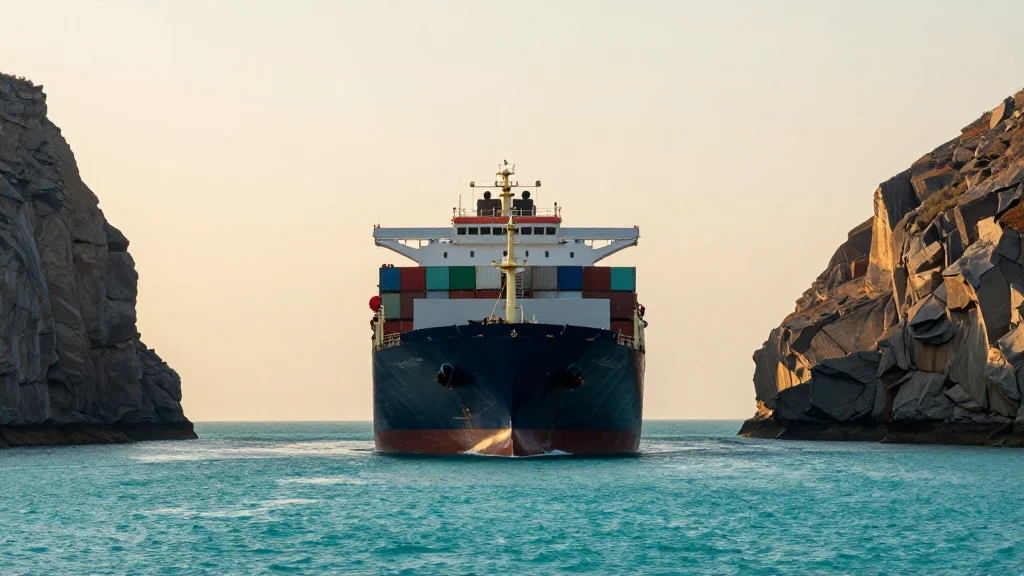
Indian Firms Fear Supply Chain Fallout
The effective closure of the Strait of Hormuz is reverberating through India’s industrial sectors, inflating freight, insurance and transit times for both energy and non‑energy commodities. Senior Treasury executives cite disrupted Middle‑East exports, slower remittances and rising energy shortages as...

Africa’s Refinancing Stress Returns as Global Liquidity Tightens Again
The United Nations is urging African nations to fast‑track the African Financing Stability Mechanism (AFSM) as global liquidity tightens amid higher interest rates and the Middle‑East conflict. African countries such as Egypt, Tunisia and South Africa face hard‑currency bond maturities...

Strait Stalemate: ‘Trade Will Find a Way’, but It Will Be Costlier and Take Longer
The ongoing instability in the Strait of Hormuz has forced container lines to overhaul operations, moving from an initial service suspension to costly indirect routings and now to a slower, more expensive reopening. Drewry’s three‑phase model captures the shift from...

Kyodo News Digest: April 15, 2026
Japan announced a $10 billion aid package to help Asian nations secure crude‑oil supplies amid soaring prices, while deepening a strategic partnership with Poland that expands economic and security cooperation and reaffirms support for Ukraine. The IAEA reported that North Korea’s...
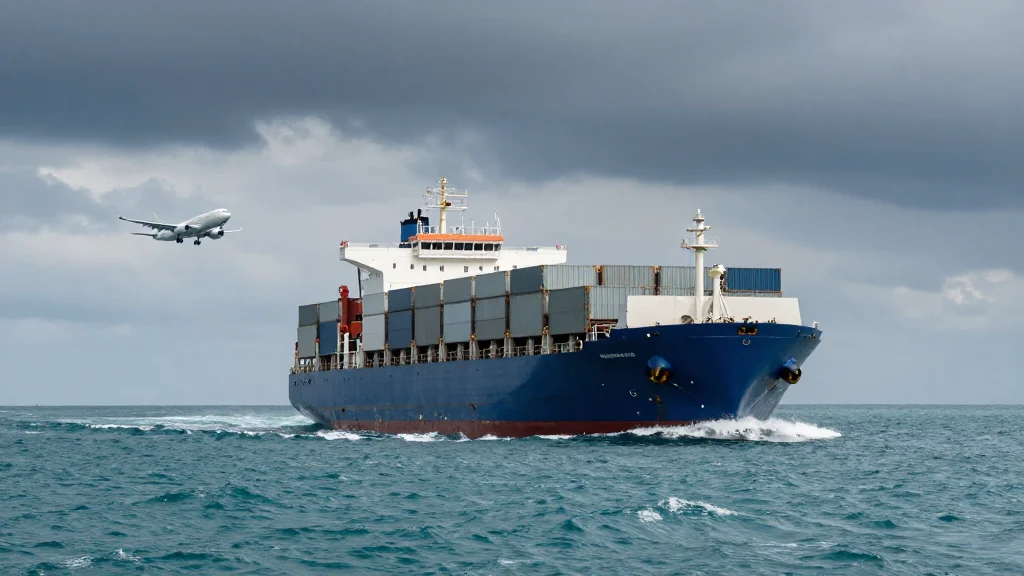
How the Middle East Crisis Could Alter Apparel Supply Chains for Good
The ongoing crisis in the Strait of Hormuz is disrupting maritime routes that many apparel brands rely on for raw material and finished‑goods shipments. Higher freight rates and unpredictable delays are forcing companies to reassess their sourcing strategies. Industry analysts...

Rupee Settles 9 Paise Lower at 93.44 Against US Dollar
The Indian rupee settled at 93.44 per U.S. dollar on Wednesday, slipping 9 paise after an earlier rally. The decline was driven by a rebound in Brent crude to $96.21 a barrel and a surge in March wholesale price index inflation...

Nearly 60% of U.S. Farmers Say Their Finances Are Getting Worse as Fertilizer, Fuel Costs Rise: Survey
A new American Farm Bureau Federation survey shows 58% of U.S. farmers say their finances are worsening as fertilizer and fuel costs surge due to Middle East shipping disruptions. Fertilizer prices jumped from $139 to $217 per acre, a 56%...
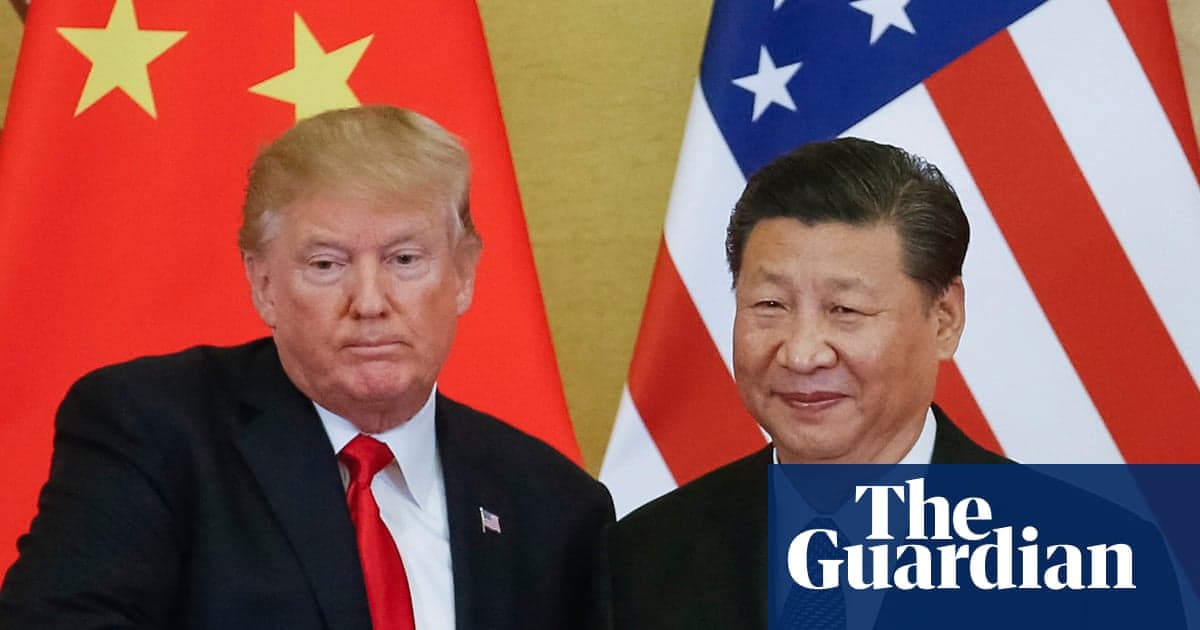
Short-Term Gains for China From US-Iran War May Turn to Longer-Term Pain
The U.S. strike campaign against Iran has turned a short‑term windfall for China into a looming strategic headache. While higher oil prices initially insulated Beijing—thanks to its stockpiles and a 12% share of Iranian crude—rising pump prices and the risk...
![[Interview] Ivan Krastev: The ‘West’ of the Cold War-Era Will Not Return](/cdn-cgi/image/width=1200,quality=75,format=auto,fit=cover/https://static.euobserver.com/2026/04/019d7e24-9ca8-7000-9c16-4c3b76a4bfeb-1.webp)
[Interview] Ivan Krastev: The ‘West’ of the Cold War-Era Will Not Return
In an interview with Respekt, political analyst Ivan Krastev warns that the Cold‑War‑era concept of the "West" is irretrievable as Europe grapples with identity, security and rising populism. He argues the EU must abandon the notion of full 27‑nation integration...

Ford’s Farley Now Calls Chinese OEMs “Devastating” Threat to US
Ford CEO Jim Farley told Fox News that Chinese automakers would be a "devastating" threat to U.S. manufacturing and cybersecurity, warning that their entry would harm the country. At the same time, multiple reports reveal Ford is actively courting Chinese...

Chinese Steelmakers Coordinate Response to EU’s Carbon-Linked Import Imposts
Chinese steelmakers are coordinating a joint response to the EU’s fully implemented Carbon Border Adjustment Mechanism (CBAM). They are revising export strategies, compliance systems and pricing models to address new carbon‑price differentials. The EU’s expansion of CBAM to downstream products...
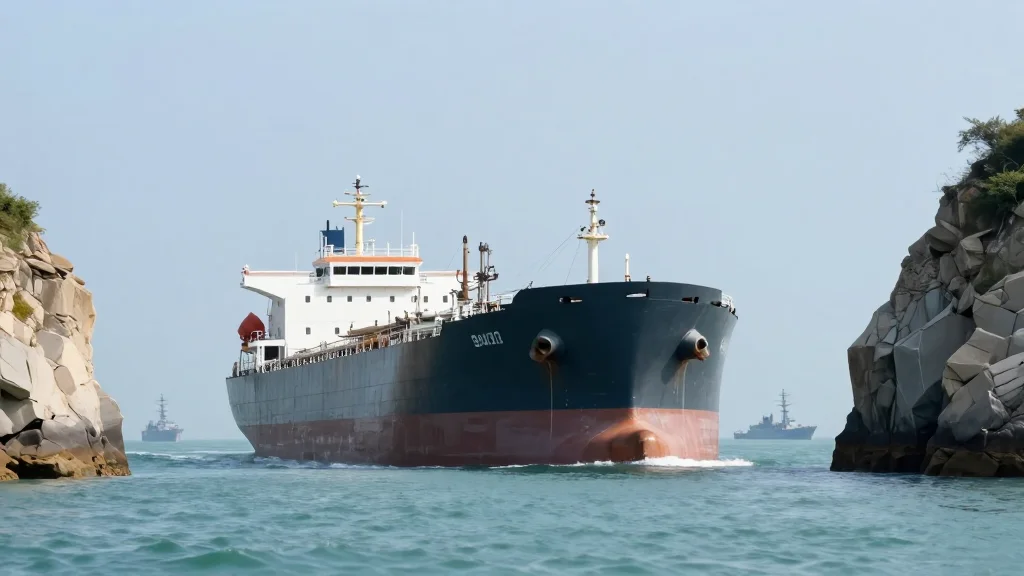
New Episode: How Have Global Oil Supply Chains Shifted Around the Iran Conflict?
The latest episode of Energy Technology examines how the US‑Israel‑Iran conflict has reshaped global oil supply chains. With the Strait of Hormuz closed and U.S. blockades on Iranian vessels, Middle Eastern exporters such as Saudi Arabia and the UAE have...

New Episode: How Have Global Oil Supply Chains Shifted Around the Iran Conflict?
The latest Energy Technology episode examines how the US‑Israel‑Iran confrontation has reshaped global oil supply chains. With the Strait of Hormuz closed and U.S. blockades on Iranian tankers, Middle‑East exporters such as Saudi Arabia and the UAE have trimmed output...
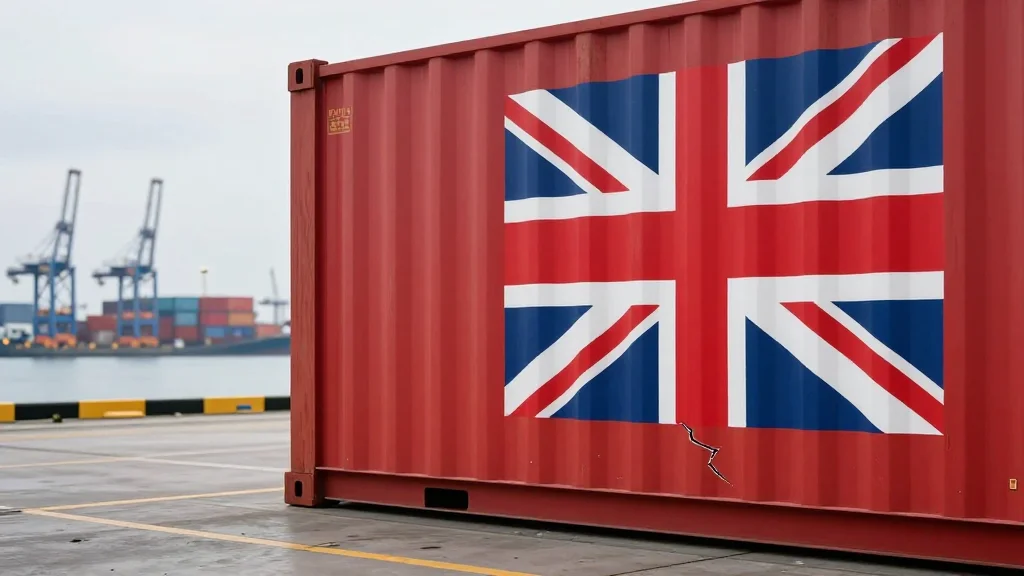
Manufacturing, Retail Among UK Sectors at Risk From Shipping Disruption
Cleveland Containers warns that UK businesses face heightened exposure to maritime disruptions, with 85% of freight by weight moving by sea in 2024. Recent Red Sea instability forced container ships to detour around the Cape of Good Hope, adding weeks...

India’s March Trade Deficit Narrows to $20.67 Billion on Year
India’s merchandise trade deficit narrowed to $20.67 billion in March 2026, driven by a sharper decline in imports than exports. Exports fell 7.4% to $38.92 billion, while imports dropped 6.5% to $59.59 billion, easing the gap. Including services, the overall trade deficit contracted...

India Gets Fertilizer Offers Near $1,000 as War Stokes Costs
India’s latest urea tender, the world’s largest nitrogen‑fertilizer buyer, received bids hovering around $1,000 per metric ton. More than two dozen suppliers, including Aramco Trading Co. and Ameropa Asia, submitted offers as the conflict in Iran pushes global fertilizer costs...

Eurozone Industrial Production Was Sluggish Ahead of Middle East War
Eurozone industrial production edged up 0.4% in February but remains below 2025 levels, signaling a weak start to 2026. The modest gain was uneven, with Germany, France and the Netherlands posting declines while Italy saw a slight rise and Ireland...

Bloomberg Daybreak: Trump Says Iran War End in Sight (Podcast)
President Trump signaled that the six‑week Iran conflict could be winding down, sparking optimism in equity markets and easing pressure on global oil prices. He suggested peace talks may resume within two days and hinted that the recent two‑week cease‑fire...

Oil Prices Inch Higher After A Two-Day Slump
Oil prices rebounded on Wednesday after a two‑day slump, with Brent crude climbing to $96.18 a barrel (+1.5%) and WTI to $92.40 (+1.2%). The previous declines were sparked by an International Energy Agency warning that sustained high prices could curb...

EU Cracks Down on Chinese Goods Bypassing Tariffs via Belt and Road Initiative
On April 15, 2026, the European Commission announced anti‑dumping duties on glass‑fibre produced by Chinese firms operating in Egypt, Bahrain and Thailand, aiming to block Belt‑and‑Road routes used to evade EU tariffs. The duties, ranging from 11 % to 25.4 % of...