Today's Nutrition Pulse
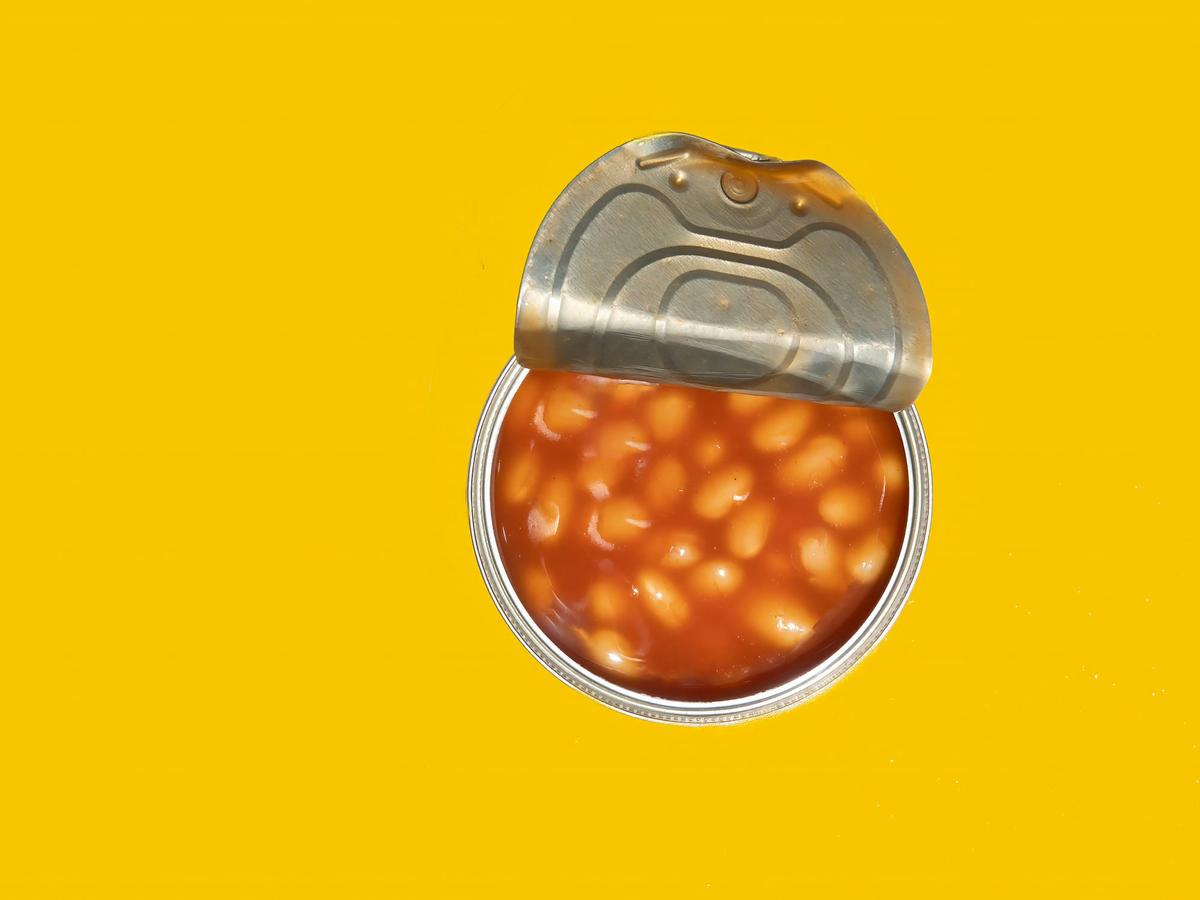
Europe’s fibre frenzy: excess intake can backfire
While most Europeans still miss the UK’s 30 g daily fibre target, recent trends have pushed some consumers to exceed 50–70 g per day. Such high intakes are linked to bloating, diarrhea, constipation and reduced mineral absorption, especially when fibre is increased rapidly without sufficient hydration.

Why GLP-1 Medications Require Expert Nutrition Guidance
GLP‑1 medications are reshaping obesity and diabetes treatment by delivering significant weight loss, but their appetite‑suppressing effects can lead to protein shortfalls, vitamin gaps, and muscle loss. A recent Academy of Nutrition and Dietetics survey found 98% of professionals flag nutrition‑related risks for patients on these drugs. Without dietitian support, up to two‑thirds of users regain weight after discontinuation, eroding health gains. Integrating registered dietitian nutritionists into GLP‑1 care can prevent deficiencies, preserve lean mass, and generate up to $35,000 in lifetime savings per patient.

Study at European Obesity Congress Disproves Childhood Adiposity Rebound Theory
Researchers led by Professor Andrew Agbaje presented data at the European Congress on Obesity that overturns the 42‑year‑old adiposity rebound theory. Using waist‑to‑height ratios, the study argues that rising muscle mass, not a rebound in body fat, explains BMI patterns...
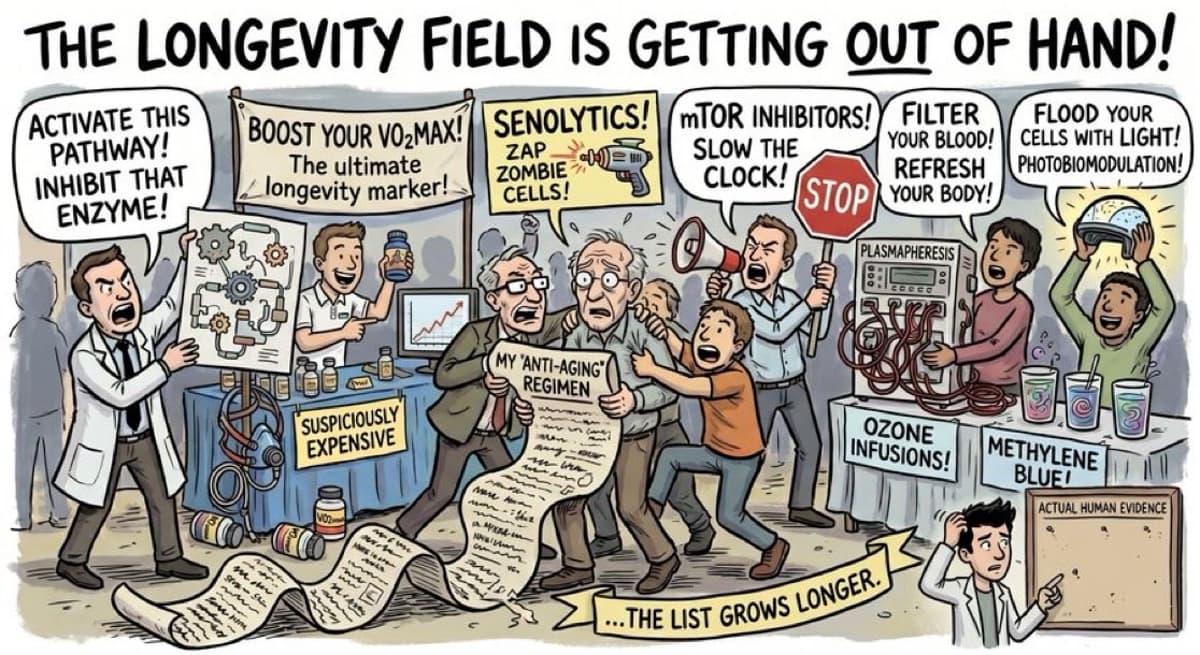
Longevity Obsession Ignoring Youth Health Crisis
Yesterday I published my latest Substack article and went to bed feeling something was missing. This morning I realized what it was. I had left out two key sections: • One for the hundreds of millions of people with real metabolic dysfunction...
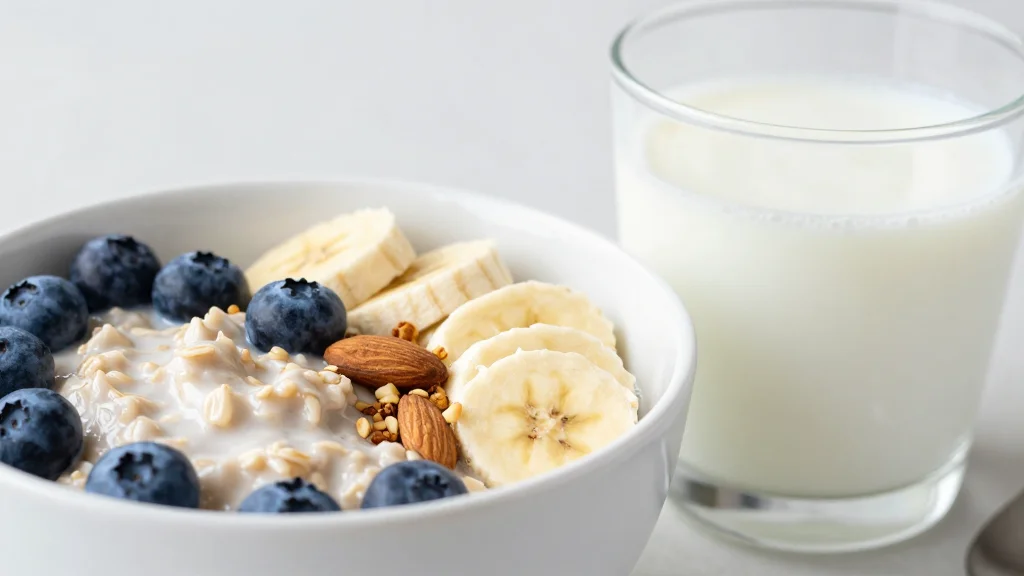
Protein‑rich Breakfast
Big breakfast diet composition impacts on appetite control and gut health: a randomized weight loss trial in adults with overweight or obesity "The HPWL diet was superior to the HFWL diet for suppressing subjective appetite (P=0.003). The faecal microbiota analysis showed beneficial...
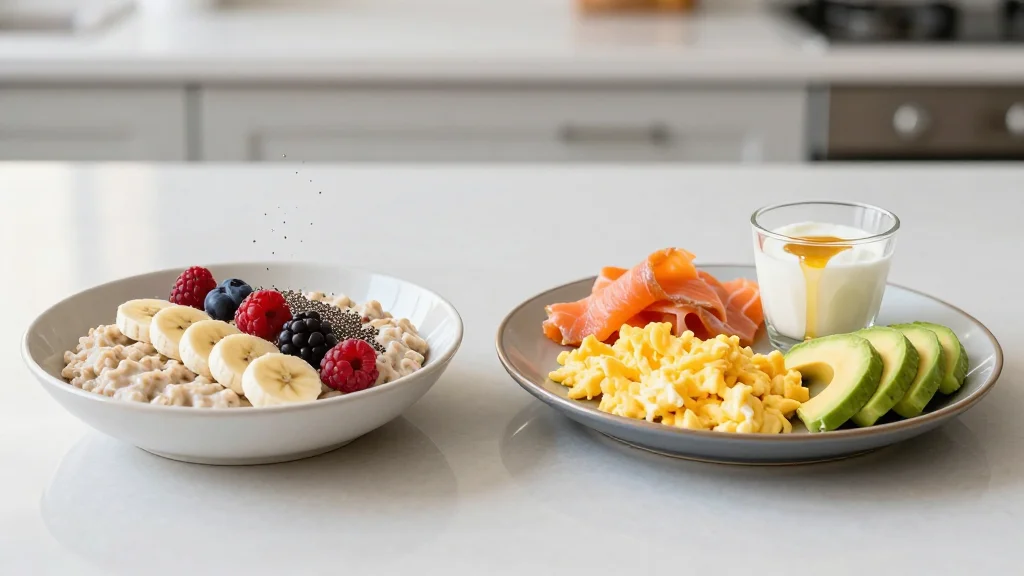
High‑Fiber Breakfast Trims More Weight Than High‑Protein, Study Shows
A randomized crossover trial in Taiwan found that a high‑fiber breakfast diet produced about 1 kg more weight loss than a high‑protein breakfast over 71 days, while also boosting beneficial gut bacteria. The high‑protein regimen, however, suppressed appetite more effectively. The...
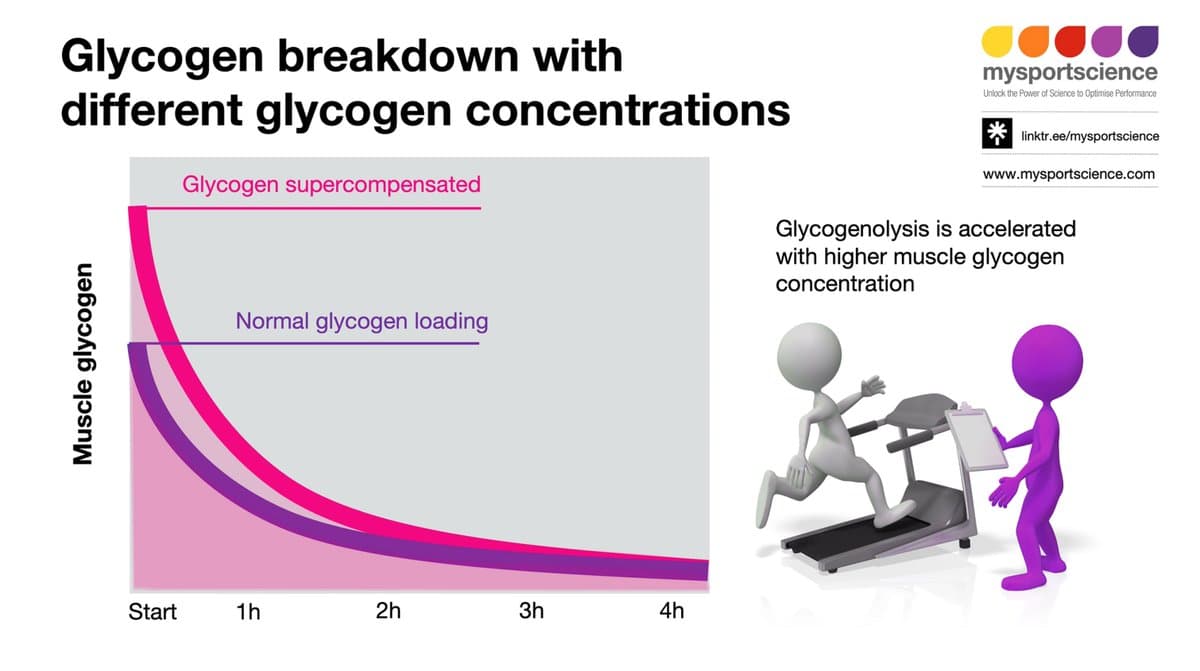
Extreme Glycogen Loading Can Accelerate Breakdown, Not Boost Performance
Is it necessary to follow an extreme glycogen loading protocol? Or will you simply accelerate glycogen breakdown? Read the blog to find out: https://t.co/4tRxNEPTAA https://t.co/Grta1nNNWy
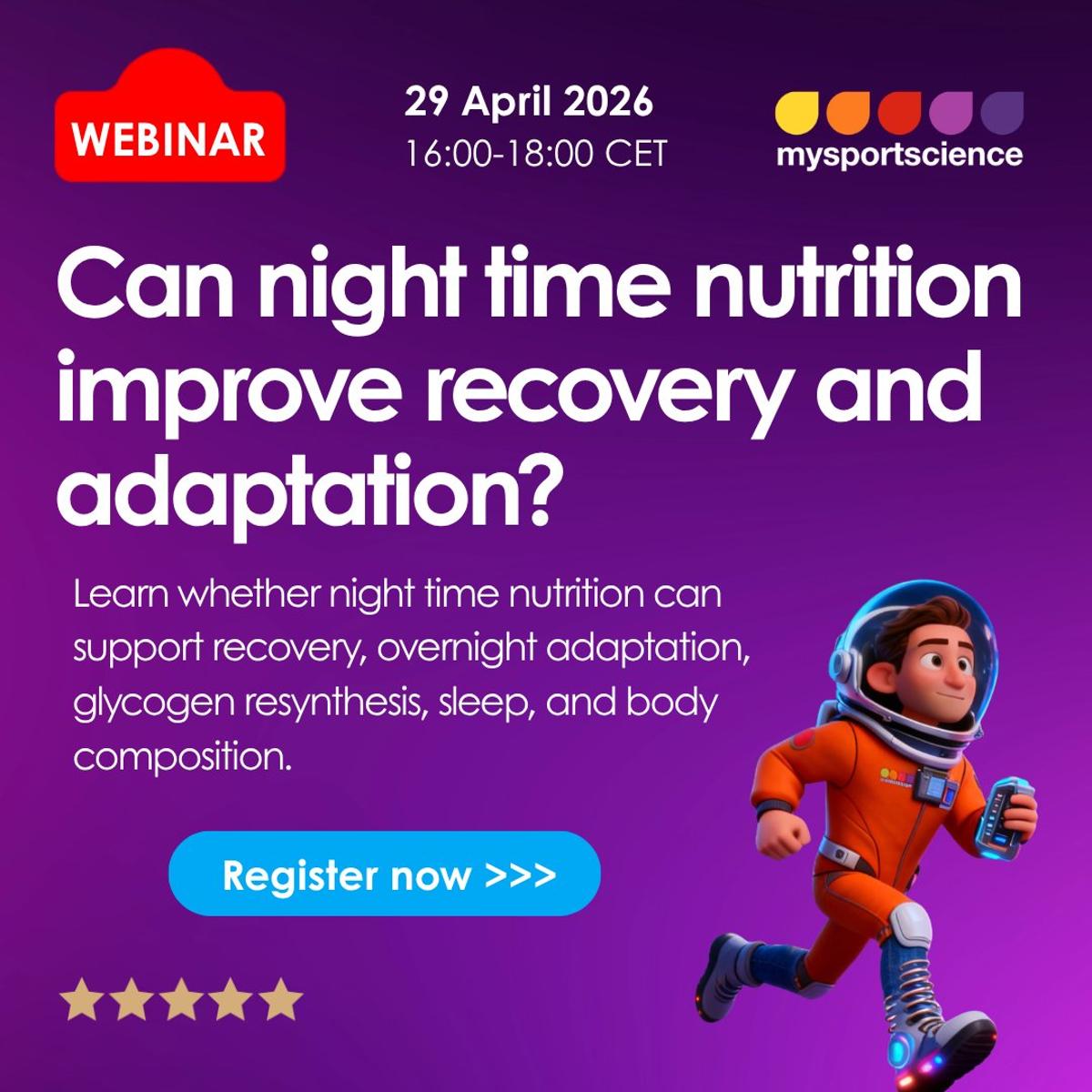
Pre‑Sleep Nutrition Boosts Muscle Recovery and Next‑Day Performance
In this live webinar, we will explore whether pre sleep nutrition can affect muscle protein synthesis, glycogen restoration, sleep, body composition, and next day readiness. Find out more: https://t.co/UXBWDt3JIP https://t.co/7uocd3yDXB

Mediterranean Diet Linked to Reduced Dyspepsia in Elderly
A cross‑sectional study of older adults in geriatric outpatient clinics found that higher adherence to the Mediterranean diet was strongly linked to fewer and milder dyspeptic symptoms. Researchers used validated diet and symptom questionnaires and controlled for age, BMI, comorbidities,...
:max_bytes(150000):strip_icc():format(jpeg)/dates-nutrition-facts-2000-367b6229847b4b9887d85b0946806035.jpg)
10 Health Benefits of Dates—And Delicious Ways to Eat Them, According to RDs
Registered dietitians outline ten evidence‑backed health benefits of dates, ranging from improved gut health and blood‑sugar regulation to lower LDL cholesterol and stronger bones. A typical serving—about a quarter‑cup or two to four large dates—provides roughly 5 g of fiber, 167 mg...
:max_bytes(150000):strip_icc():format(jpeg)/cheese-for-lactose-intolerant-GettyImages-506909702-41d34b9e308641d4ada5ac3c42429e3c.jpg)
13 Cheeses You Can Eat Even If You're Lactose-Intolerant
A recent article lists 13 cheeses that are safe for lactose‑intolerant consumers, highlighting that aged, hard varieties and several soft cheeses contain minimal lactose. Nutrition experts Catherine Rall and Steve Carper explain that cheeses with 0‑3% lactose per serving are...

Should You Give Your Child Melatonin? What the Research Actually Says
Melatonin supplement sales in the United States surged from $285 million in 2016 to $821 million in 2020, reflecting a sharp rise in pediatric use. A recent survey indicates that roughly one in five school‑aged children received melatonin in the past month....

Moderate Calorie Restriction Lowers Fat C3, Slowing Aging
Moderate calorie restriction in humans reduces levels of the immune protein C3 in fat tissue, potentially slowing aging and inflammation without the negative effects of severe dieting or weight loss. aging
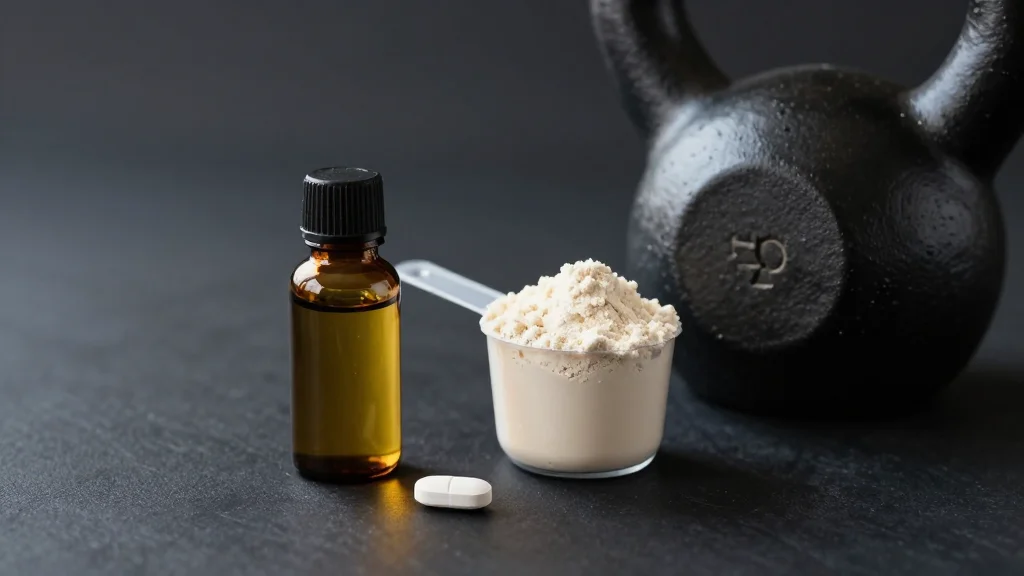
Beyond Calcium: Vitamin D, Protein and Exercise Essential for Bone Strength
Orthopedic specialists say calcium supplements alone are insufficient for preventing fractures. A new consensus emphasizes vitamin D, adequate protein, and regular weight‑bearing activity as the missing pillars of bone health, reshaping nutrition advice and supplement markets.

Spanish Study Finds Daily Intermittent Fasting May Slow Biological Aging
Researchers in Spain have published a clinical trial showing that a daily intermittent‑fasting regimen can modestly slow epigenetic signs of aging in older adults. The findings, appearing in Nature Medicine, add scientific weight to a practice long championed by the...

50 High-Protein Breakfasts For Weight Loss That’ll Keep You Full For Hours, According To Dietitians
A new guide lists 50 high‑protein breakfast ideas aimed at weight loss, backed by dietitian insights and recent research. Experts advise 15‑30 g of protein each morning to boost satiety, regulate blood sugar, and preserve lean muscle. Studies cited show protein...

Superfoods May Deplete Minerals—Supplements Fill the Gap
What if the superfoods you eat every day are actually stealing minerals from your body? Spinach, kale, sweet potatoes, almonds, and raspberries are all designed by nature to limit how much you consume, and glyphosate-sprayed foods make it worse. That's exactly...

Start High‑Dose Folic Acid Pre‑Pregnancy Cuts Birth Defects 45%
Initiating high-dose folic acid before pregnancy is linked to a 45% lower risk of major birth defects in children of women using antiseizure medication, with no protective effect observed if supplementation begins after pregnancy starts. epilepsycare

For CVD Patients, Calcium Supplements May Spur Recurrent Events
A Hong Kong observational study of 237,782 cardiovascular disease (CVD) patients found that calcium supplements increase the risk of recurrent heart attacks, strokes, and hospitalizations, especially when taken without vitamin D. After propensity‑score matching, calcium‑only users showed a 10% higher composite...

Effects of Dietary Fermented Passion Fruit (Passiflora Edulis Sims) Peel on Growth Performance, Intestinal Morphology, and Cecal Microbiota in Lingshan...
A 2026 Frontiers in Nutrition study evaluated fermented passion‑fruit peel (FPFP) as a feed ingredient for Lingshan broilers. Replacing 10% of the basal diet with FPFP yielded the highest final body weight, total gain and average daily gain while lowering...
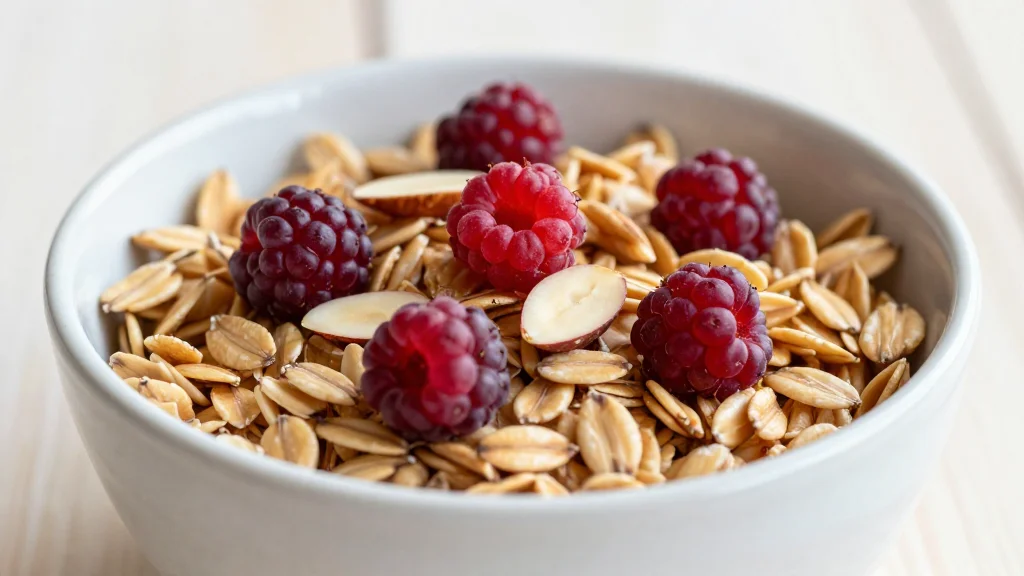
The Impacts of Ready-to-Eat-Cereals and Cereal Fibers on Gut Health, Body Weight, and Cardiometabolic Health
Ready‑to‑eat cereals (RTECs) are a major source of dietary fiber in North America, yet Americans consume only about half of the recommended daily intake. Recent systematic reviews show that wheat‑based RTECs and other high‑fiber cereals improve bowel function, enhance gut...

Is Bone Broth Good for You?
Bone broth has surged into mainstream wellness, buoyed by celebrity endorsements and social‑media buzz. Proponents tout it as a natural remedy for appetite control, skin health, bone strength, and gut function. However, scientific reviews find modest nutrient content and limited...

Stop Eating Three Hours Before Bed for Better Sleep
One of the simplest things I do for sleep is to stop eating about 3 hours before bed. It's something that’s supported pretty consistently in the research. When you eat (especially a large meal), you’re activating the sympathetic nervous system... not what...

New Delivery Bypasses Diet, Fuels Cells with Urolithin A
Only 30% of people can actually produce Urolithin A from food. And even if you are one of them, you would need six cups of pomegranate juice a day to hit the minimum effective dose. Scientists have found a way...
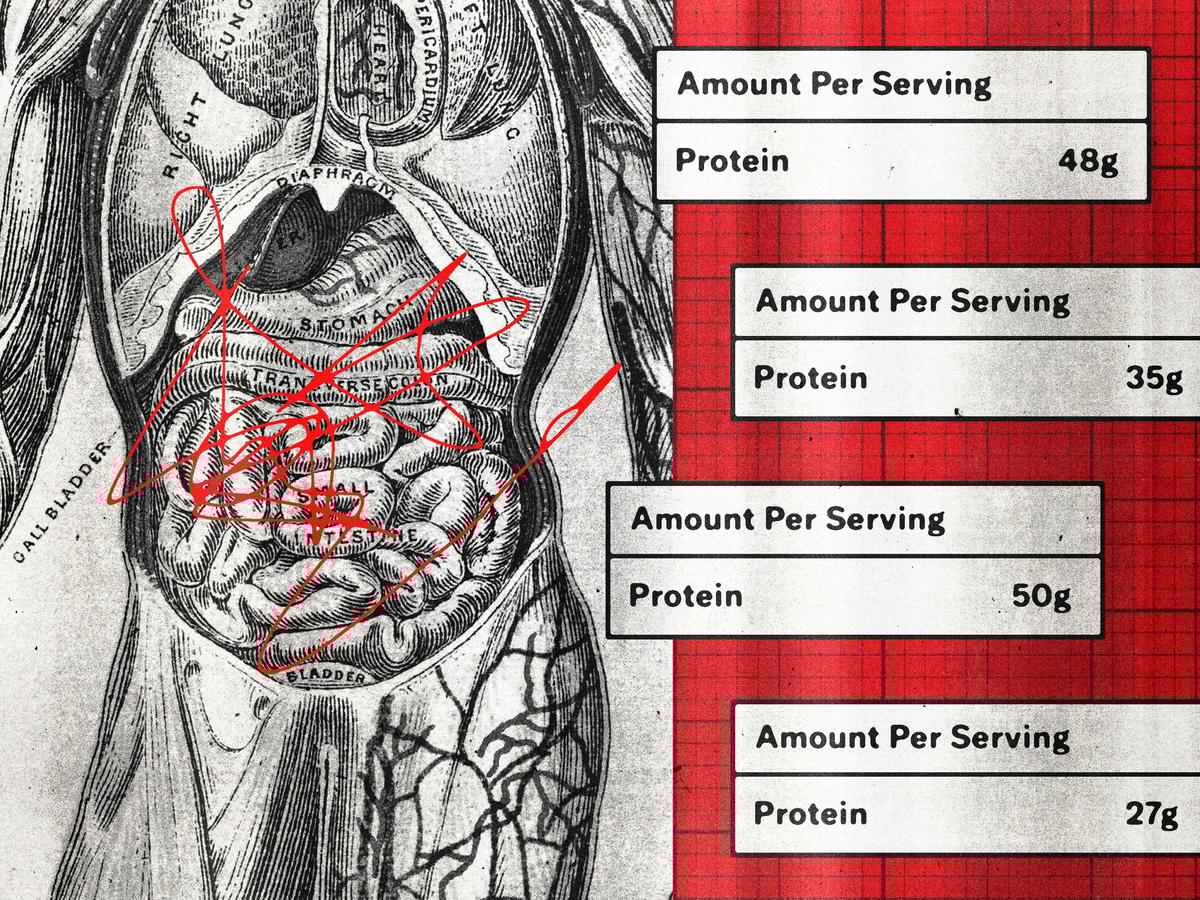
Is Your Proteinmaxxing Hurting Your Gut?
Protein is a cornerstone of muscle maintenance and satiety, but for the roughly three million Americans living with inflammatory bowel disease (IBD), the equation is more nuanced. Chronic inflammation and malabsorption can raise protein requirements, yet excessive or poorly digested protein...
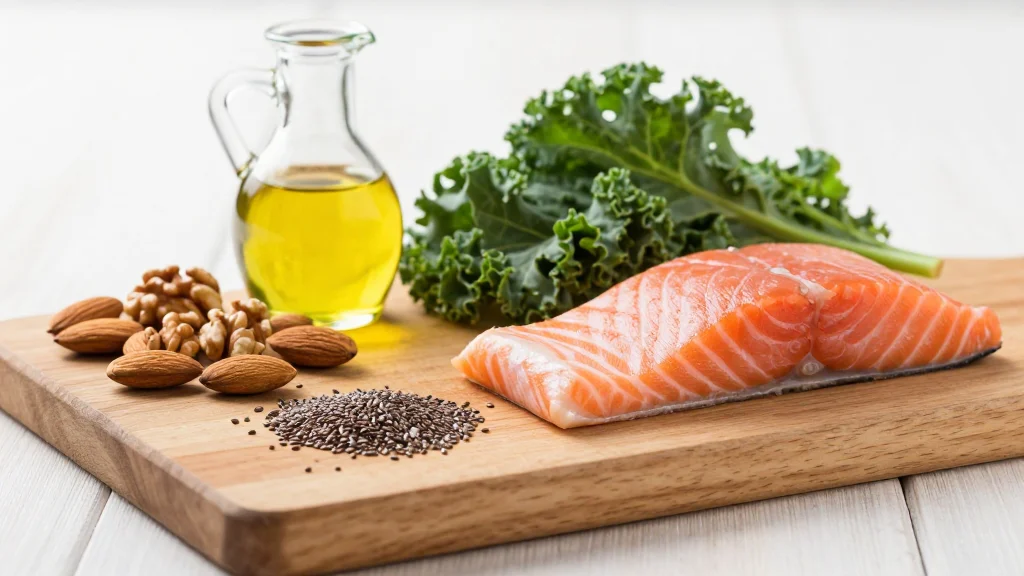
Nutrition Experts Emphasize Two Essential Fats and Their Food Sources
Nutrition experts convened to underline the importance of two essential dietary fats, pointing to nuts, seed oils, leafy greens, and fish as primary sources. Their consensus highlights a shift toward nutrient‑dense fat choices amid ongoing public confusion about dietary recommendations.

No Evidence Vitamin K Shot Causes Jaundice, Cancer
Vitamin K shot - quick facts: * Package inserts # proof of causation. * There is no evidence the vitamin K shot causes jaundice, cancer, or SIDS. * It is not a
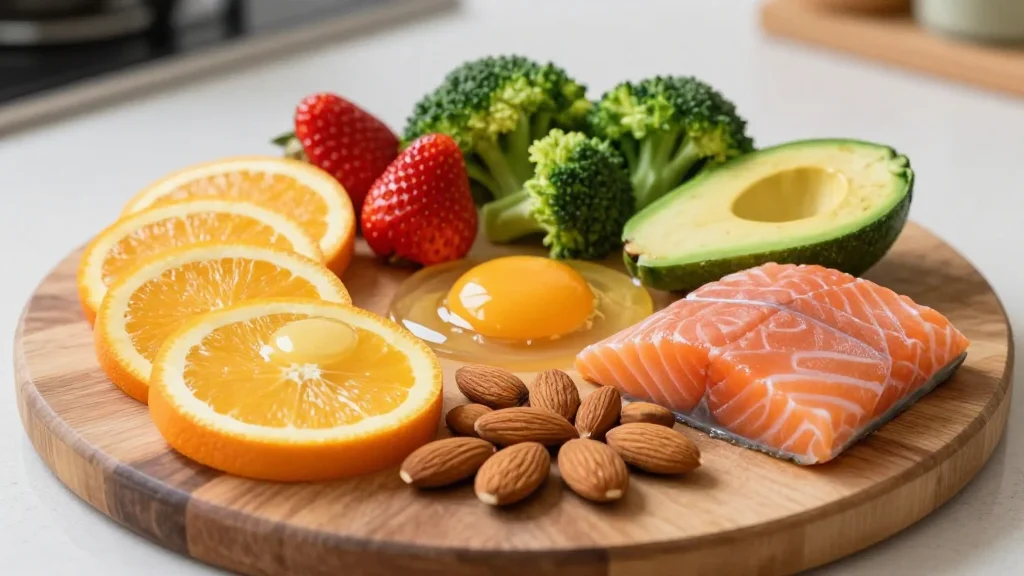
Nutrients Behind Common Ailments Doctors Overlook
WHAT DOCTORS DON'T TELL YOU • Chapped lips: B2, B3, B6 and iron • Dandruff: Zinc, B6 and omega-3 • Headaches: Magnesium and B2 • Constant fatigue: B12, D and iron • Weakness: B1, D and magnesium • Hair loss: Biotin (B7), A and E • Brittle...

New Study Highlights Fructose’s Unique Role in Metabolic Disease
A new Nature Metabolism review led by Richard Johnson reveals that fructose acts as a distinct metabolic signal, not merely an extra calorie. The authors show that fructose bypasses key regulatory steps, driving de novo lipogenesis, ATP depletion, and metabolites...

Strategic Fuel Station Placement Boosts Carb Intake and Recovery
Something seemingly so simple as putting a fuelling station in the right place can be the difference between players achieving total daily carb intakes or recovering optimally the day before a match. Simple strategy. Big pay-off. tomcoughlin.co.uk #nutritionist #nutrition #performancenutritionist #sportsnutrition
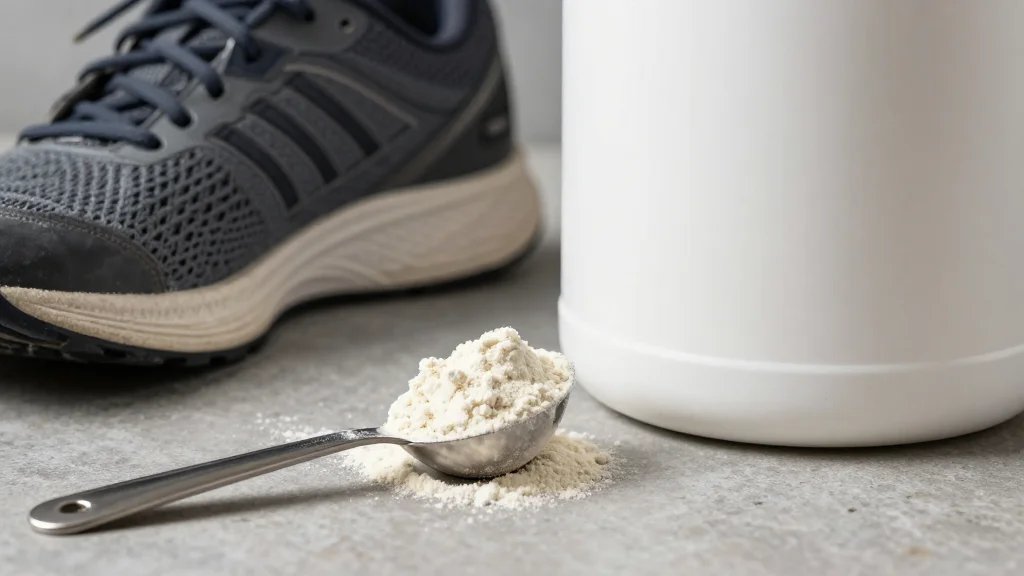
Runners World Review Finds Protein Tops the List of Effective Runner Supplements
Runners World released an expert review that evaluates which supplements actually benefit runners, concluding that protein has the strongest evidence for performance and recovery. The piece cites sports dietitians and researchers, warning that supplements cannot replace a solid food foundation...
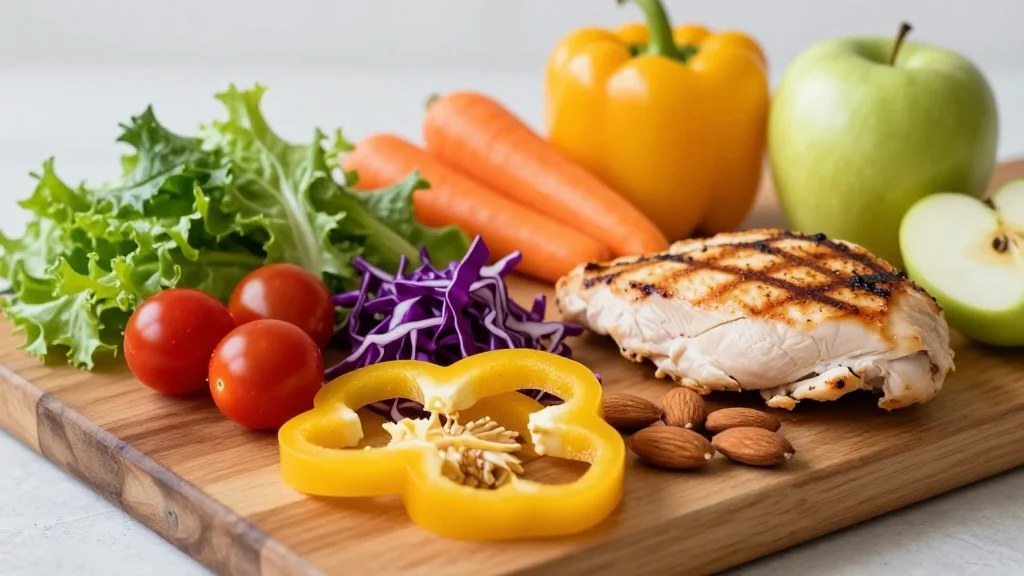
Weight Loss Needs Variety, Not Monotonous Meals
What you think: eating the same thing every day is good for me and helps me lose weight. What I, as a sports dietitian thinks: eating the same thing every day is not sustainable and this person needs to diversify the...

7 Science-Backed Ways to Lower Your Blood Pressure Naturally
Nearly half of U.S. adults face hypertension, a condition linked to heart disease and rising healthcare costs. A new article outlines seven science‑backed habits—combined cardio and strength training, stress management, quality sleep, nitrate‑rich vegetables, potassium‑dense foods, fatty‑fish omega‑3s, and reduced...
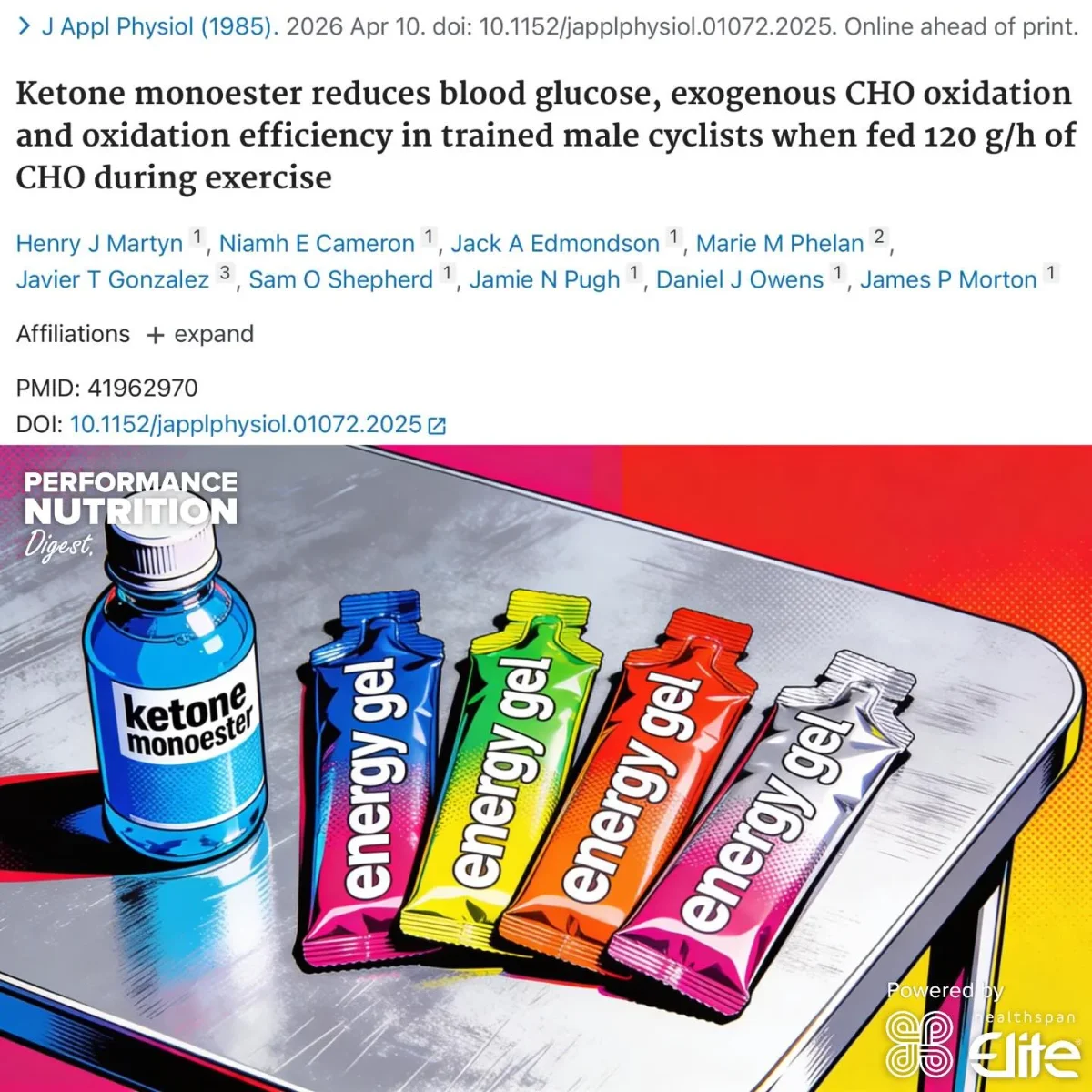
Ketone Ester Adds No Benefit to 120 G/Hr Carbs
Ketone monoester does not offer metabolic advantage when consuming 120 g/hr carbohydrate 🥤 This new study recruited 8 trained male cyclists to a crossover design where they completed 3hr at 95% lactate threshold (LT) followed by 150% LT to exhaustion tests...

Optimize Performance: Pre‑Exercise, Sleep Nutrition, and Recovery
Dr Ormsbee will explore: - pre exercise fuelling - pre sleep nutrition - recovery and muscle protein synthesis - glycogen restoration Register here using the early-bird offer: https://t.co/Fg2QSJQ4dC https://t.co/kv7TV7NFxW
CDC Data Shows 14% Rise in Supplement‑Linked Illnesses Among Adults 65+
The Centers for Disease Control and Prevention reported a 14% jump in supplement‑related illnesses among adults aged 65 and older over the past year. The rise comes as supplement use remains near‑ubiquitous in this age group, prompting public‑health officials to...
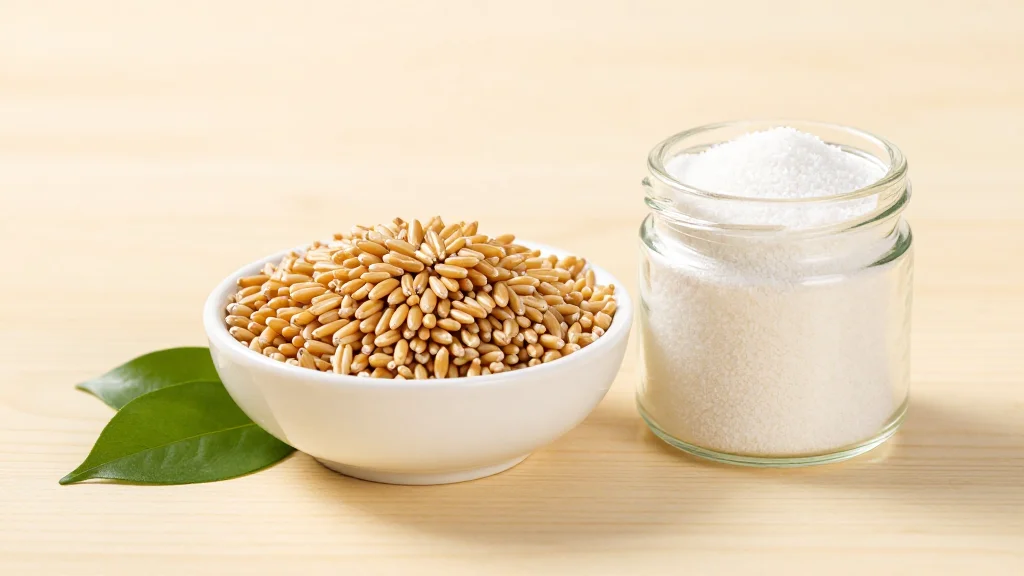
Wheat Bran Plus Resistant Starch Improves Fecal Health Markers
Combining wheat bran with resistant starch has more beneficial effects on fecal indexes than does wheat bran alone https://t.co/c5q4PlNB2l
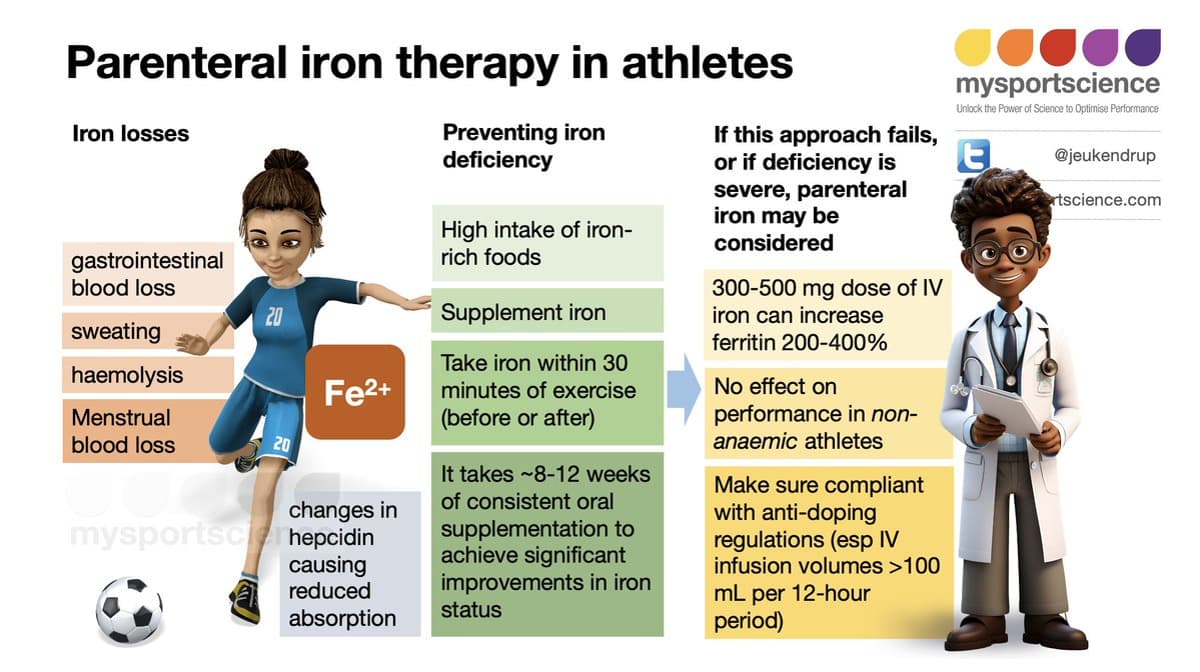
When Diet Fails: Iron Infusions for Athletes
Iron deficiency is common among athletes. Under certain scenarios, diet and supplementation may not be sufficient. This blog describes scenarios where iron infusion or injection may be an appropriate treatment option https://t.co/1ybdvV0t1g https://t.co/GQJ8YmacvU

I Gave up Eating Sugar. This Is What I Learned
BBC health correspondent Melissa Hogenboom eliminated all added refined sugars for six weeks, allowing only natural sugars from whole fruit and complex carbs. She discovered that added sugars permeate everyday foods—from deli sandwiches to ready‑meal sauces—and that cutting them eliminated...
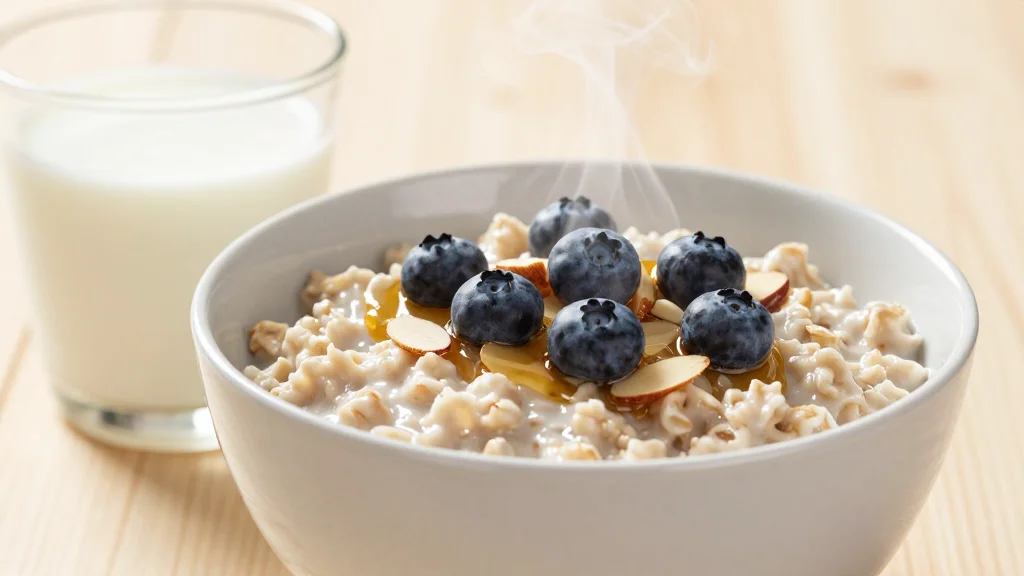
Two-Day Oatmeal Diet Cuts LDL by 10%
Cholesterol: 2-day oatmeal diet may help reduce LDL levels by 10% https://t.co/R0WWUUxAKN via @mnt #CardioTwitter #hearthealth #MedTwitter #health #nutrition
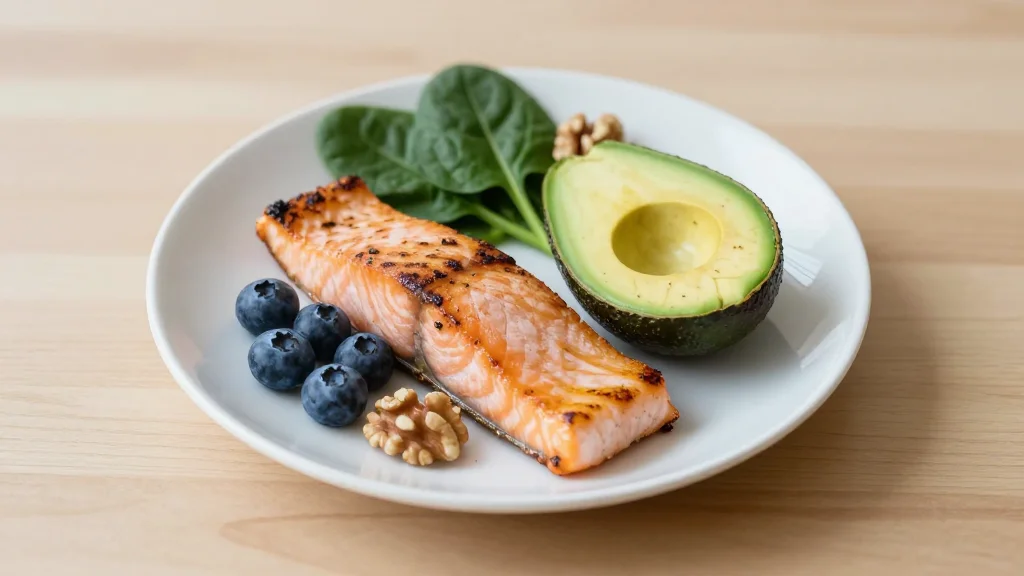
10 Science-Backed Ways To Improve Your Mitochondrial Health Daily
Mitochondrial health has moved from a textbook concept to a daily wellness priority, influencing energy, aging, and resilience. Experts explain that light exposure, movement, nutrition, sleep, and stress management directly shape mitochondrial function. The article outlines ten science‑backed habits—ranging from...

Is It Better To Snack Or To Avoid Snacking Altogether? An RD Weighs In
Registered dietitian Molly Knudsen argues that snacking isn’t inherently harmful; when a snack delivers at least 10 grams of protein and 4 grams of fiber, it can stabilize blood sugar, curb hunger, and support lean muscle. Whole‑food options such as avocado, almonds, and...

Can Sparkling Water Boost Metabolism and Help with Weight Loss?
A brief analysis in BMJ Nutrition Prevention & Health finds that sparkling water may modestly increase glucose uptake and metabolism, but the effect is too small to drive meaningful weight loss. The author likens the CO₂‑induced alkalinity shift to processes...

Science Shorts: Ginger Extract for Weight Loss, Ashwagandha for Sports and More
A wave of recent nutrition studies published in journals such as Nutrients and Phytotherapy Research highlights several promising supplement interventions. Steamed ginger extract (480 mg) demonstrated significant weight‑loss and body‑fat reductions over 12 weeks, while a multi‑nutrient fortified milk improved processing‑speed...

Hydrogen-Rich Water Reduces Premenstrual Symptoms and Improves Quality of Life
A randomized, double‑blind trial published in BMC Women’s Health found that women who drank 1,500‑2,000 mL of hydrogen‑rich water each day during the luteal phase experienced a measurable drop in PMS symptom scores and reported better physical and psychological quality of...

Nix Biosensors Teams with Baylor Athletics for Campus‑Wide Real‑Time Hydration Monitoring
Nix Biosensors has signed a two‑year agreement with Baylor University to equip all 19 Division‑I programs and roughly 450 student‑athletes with its Nix Pro wearable, delivering individualized, real‑time sweat and electrolyte data. The partnership aims to transform hydration protocols, reduce...

Plant‑Based Diet Cuts Multimorbidity Risk in Seniors, Study Finds
A multinational research team has demonstrated that increasing plant‑based food consumption markedly reduces the likelihood of older adults developing two or more chronic conditions. The findings, published this week, provide empirical backing for dietary biohacking strategies aimed at extending healthspan....

Episode 194: Tommy Wood Discusses How to Future-Proof the Adult Brain
In this episode, neuroscientist Dr. Tommy Wood expands on his new book, The Stimulated Mind, outlining science‑backed strategies to future‑proof the adult brain against dementia. He emphasizes that neuroplasticity persists throughout life and that diet, exercise, and continual mental challenge...
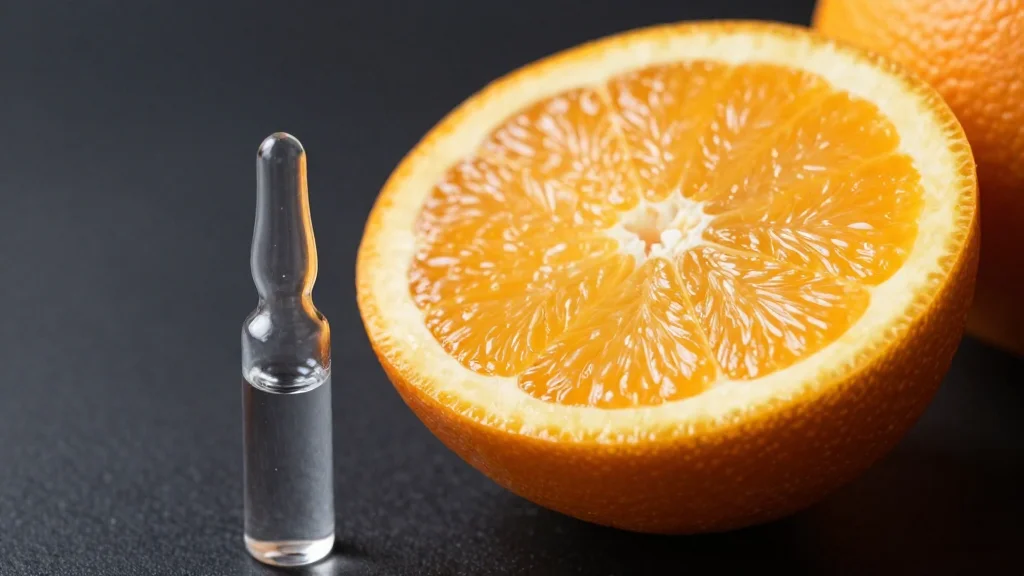
Vitamin C Cuts Iron‑Related Aging Markers in Monkeys
Researchers have demonstrated that high‑dose vitamin C supplementation lowers iron‑induced oxidative damage and senescence markers in aged cynomolgus monkeys. The findings point to a nutraceutical strategy for slowing cellular aging and have sparked interest across the biohacking community.

High-Dose Folic Acid Slashes Birth Defect Risks
A large Nordic study of over 13,000 pregnancies shows that high‑dose folic acid taken at least one month before conception cuts the risk of major congenital anomalies in children of women using antiseizure medications by about 45%, an absolute reduction...

Ancient Pomegranate Remedy Validated by Modern Science
Pomegranates have been used by Persian and Greek doctors for thousands of years to improve vitality, and modern science is finally catching up to why. https://t.co/6Ei5AXfk1Y