
Suzhou Spring-Sea Bio-Pharmaceuticals Identifies New GLP-1R Agonists
Suzhou Spring‑Sea Bio‑Pharmaceuticals announced the discovery of a novel series of glucagon‑like peptide‑1 receptor (GLP‑1R) agonists that demonstrate high potency and prolonged half‑life in pre‑clinical models. The compounds show superior glucose‑lowering efficacy compared with existing market leaders and exhibit favorable safety signals in early toxicology studies. Spring‑Sea plans to advance the lead candidate into IND‑enabling studies by Q4 2026, targeting both type‑2 diabetes and obesity indications. The announcement positions the company as a rising contender in China’s fast‑growing peptide therapeutics sector.

Holiday Notice
Jiangsu and Shanghai Hengrui Pharmaceuticals have patented selective Nav1.8 sodium‑channel blockers that demonstrate potent analgesic effects with minimal off‑target activity, opening a new avenue for chronic pain treatment. Parallel research highlights how chronic inflammation reshapes the bone‑marrow microenvironment, driving hematopoietic...

Metasurface Enables Supersensitive, Superfast Thermal-Based Photodetector
Researchers at Duke University have created a metasurface‑enhanced pyroelectric photodetector that operates at a record‑breaking 3‑dB bandwidth of 2.8 GHz, equivalent to a 125 picosecond rise time. The device uses an ultra‑thin array of silver nanocubes atop a gold mirror, separated by...

Scientists Develop Gene-Edited Wheat that Can Make Toasted Bread Less Carcinogenic
Scientists at Rothamsted Research have used CRISPR to edit wheat genes responsible for free asparagine, the precursor of the carcinogen acrylamide formed during toasting. Field trials showed up to a 93% reduction in asparagine without any yield loss, and bread...
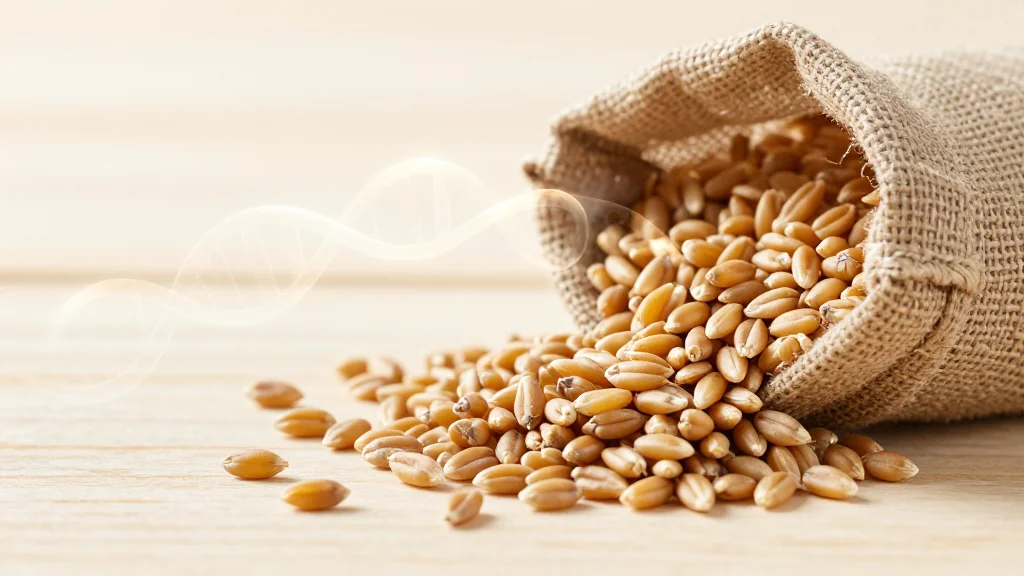
CRISPR-Edited Wheat Leads to Reduced Acrylamide Without Yield Loss
Scientists at Rothamsted Research have used CRISPR/Cas9 to create wheat lines with dramatically lower free asparagine, achieving reductions of up to 93% while maintaining normal yield and protein levels. Field trials showed that bread and biscuits made from the edited...

Sanofi Immune Drug Hopeful Posts Mixed Results in Mid-Stage Tests
Sanofi reported mixed Phase 2 results for its bispecific antibody lunsekig. The drug achieved its primary and key secondary endpoints in moderate‑to‑severe asthma and chronic rhinitis with nasal polyps, showing reduced exacerbations, improved lung function and smaller polyps. Conversely, lunsekig failed...

Biogen Collaborates with Alloy Therapeutics to Advance Antisense Therapeutics
Biogen has signed a collaboration and license agreement with Alloy Therapeutics to use the company’s AntiClastic antisense oligonucleotide (ASO) platform on multiple undisclosed targets. The deal provides Alloy with an upfront cash payment, additional milestone fees and tiered royalties on...

In-Space Manufacturing’s Billion-Dollar Problem: Great Science, No Business Model
In‑space manufacturing has demonstrated scientific promise for decades, yet no product has achieved commercial viability. The primary obstacle remains the economics of launching, operating, and returning payloads, which far exceed the market value of niche items like ZBLAN fiber or...

UF/IFAS Breeding Disease-Resistant Lettuce
University of Florida’s Institute of Food and Agricultural Sciences is close to releasing disease‑resistant lettuce varieties, backed by a $500,000 USDA‑NIFA grant. Researchers are leveraging a rare Macedonian lettuce that naturally resists bacterial leaf spot and have bred hundreds of...

After Artemis: What a Sustained Lunar Presence Actually Means for Deep Space Exploration Economics
The Artemis program, now entering its crewed Artemis II flight, aims to transition from short‑term visits to a permanent lunar presence, with landings slated from 2028 and a base camp envisioned for the 2030s. Total program costs through 2025 are projected...
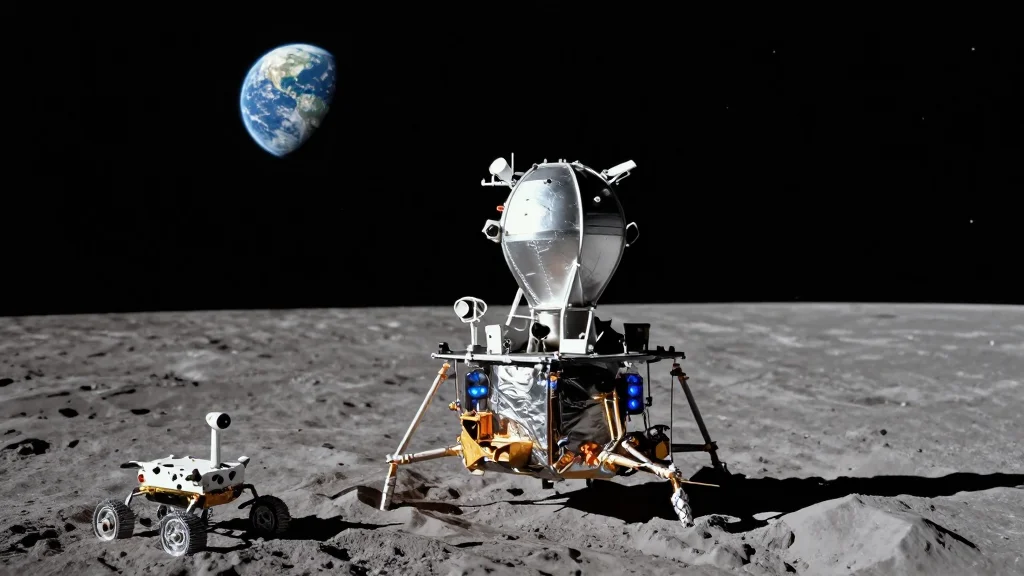
NASA’s Artemis Era May Finally Solve Three Major Moon Mysteries
NASA’s Artemis program, now in its crewed Artemis II flight, is laying the groundwork for a sustained lunar presence that could finally answer three long‑standing moon mysteries. Upcoming Artemis IV (targeted for 2028) will deliver the Lunar Environment Monitoring Station, creating the...

Your Vitamin D Levels in Midlife Could Shape Your Brain Decades Later
A 16‑year longitudinal study of 793 middle‑aged adults found that higher vitamin D levels in their 30s‑40s were associated with lower tau protein accumulation later, a biomarker linked to Alzheimer’s disease. Participants with vitamin D above 30 ng/mL showed reduced tau...

Scientists Just Watched Alzheimer’s Damage Happen in Real Time
Oregon State University chemists have unveiled a real‑time method to observe how metal ions trigger amyloid‑beta protein clumping, a hallmark of Alzheimer’s disease. The technique captures aggregation events second by second and quantifies how chelating molecules can interrupt or reverse...

World Health Day FAQ: How Global Science Is Having Clinical Impact
World Health Day 2026 spotlights a wave of global partnerships that are turning research breakthroughs into everyday clinical care. AI‑driven bioinformatics platforms from MD Anderson and SOPHiA Genetics are converting complex genomics into bedside decision tools, while collaborations such as...

Earth Observation Operators Push to Deliver Satellite Images Within Minutes
Earth‑observation firms are racing to shrink image‑delivery latency from hours to minutes, with Vantor showcasing a 13‑minute turnaround and BlackSky’s Gen‑3 satellite delivering first‑light imagery within hours of launch. Government and commercial clients now demand sub‑20‑minute, often sub‑10‑minute, access to...

Sanofi's Bispecific Lunsekimig Has Mixed Readouts in Phase 2
Sanofi reported mixed phase 2 results for its bispecific antibody lunsekimig, which targets IL‑13 and TSLP. The drug met primary endpoints in the AIRCULES asthma trial and the DUET study for chronic rhinosinusitis with nasal polyps, showing reduced exacerbations and improved...

Sanofi Bispecific Sails Through Asthma, Sinusitis Trials, but Disappoints in Eczema
Sanofi announced mixed mid‑stage results for its bispecific nanobody aimed at treating multiple immune‑mediated diseases. The drug achieved its primary endpoints in Phase 2 trials for asthma and chronic rhinosinusitis with nasal polyps, demonstrating clinically meaningful improvements. Conversely, the same molecule...

Defra Unveils £90m Support for England's Rare Birds, Beavers and Butterflies
Defra has announced a £90 million funding package aimed at protecting England’s most threatened native wildlife, including rare birds, beavers and butterflies. The programme, described as the largest ever investment in species recovery, will finance reintroduction projects, habitat restoration and monitoring...

How the European Space Agency Became the Quiet Power Behind Most of Humanity’s Earth Observation Infrastructure
ESA’s Copernicus programme provides free, high‑resolution Earth observation data that underpins a global analytics ecosystem. The policy has enabled European satellite constellations like Sentinel and national projects such as Italy’s IRIDE, creating a distributed industrial supply chain across dozens of...

Tip-of-the-Tongue Syndrome
The tip‑of‑the‑tongue (TOT) phenomenon, also known as lethologica, is a temporary retrieval failure where the brain senses a word’s presence but cannot access it. Neuroscientists link the experience to activation in the left inferior frontal gyrus and temporal‑parietal regions, indicating...

Moon Milestones: A Rundown of Artemis 2's Many Spaceflight Firsts
Artemis 2 launched on April 1, marking NASA’s first crewed flight toward the Moon in over five decades and the inaugural launch of astronauts aboard an Orion capsule mounted on a Space Launch System rocket. The mission followed a full free‑return trajectory,...

NASA’s Artemis II ‘Free Return’ Trajectory Lets Gravity Do the Driving
NASA’s Artemis II mission began its return leg on April 6, following a free‑return trajectory that uses lunar gravity to swing the Orion capsule back to Earth without major engine burns. The crew set a human spaceflight distance record of 252,756 miles,...

Generare Bags $21.6m for Nature-Derived Drug Leads
Paris‑based biotech Generare closed a €20 million Series A to expand its nature‑derived compound library. The company claims it uncovered more than 200 previously unknown microbial small molecules in 2025, outpacing the rest of the field combined. Generare’s platform scans microbial genomes,...

Physicists Moved Volatile Antimatter by Truck for the First Time Ever — Paving the Way for Groundbreaking New Research
Physicists at CERN successfully transported 92 antiprotons in a portable trap aboard a truck for an 8‑kilometre loop around the Geneva campus, marking the first time antimatter has been moved without annihilation. The experiment proved that the delicate vacuum and...

STAT+: Merck’s Experimental HIV Prevention Pill Could Be Made for Less than $5 a Year, Researchers Say
Merck’s experimental HIV‑prevention pill MK 8527 could be manufactured for less than $5 per patient annually, according to a recent cost‑analysis. The drug is in two late‑stage clinical trials that will report efficacy data in the second half of 2027. Earlier...

News Diary 6-12 April: Artemis II Returns to Earth, EU Entry/Exit System Goes Live, the Masters
NASA’s Artemis II crew set a new record for the farthest human distance from Earth and is slated for a Pacific Ocean splashdown later this week, marking a critical milestone toward a lunar landing. Meanwhile, the European Union’s Entry/Exit System went...

Luteolin as a Dietary Flavonoid for Brain Health: Modulating Neuroinflammation and Cognitive Decline in Neurodegenerative Disorders
Luteolin, a flavone abundant in celery, parsley and other herbs, possesses antioxidant and anti‑inflammatory properties that enable it to cross the blood‑brain barrier and influence neurodegenerative pathways. Its oral bioavailability is modest, but nano‑delivery systems and phospholipid complexes significantly boost...

Identification of Nutritional Risk Factors and Construction of a Nomogram Prediction Model in AIDS Patients
A 2026 study of 110 AIDS patients identified low body mass index, low CD4⁺ T‑lymphocyte count, and low serum albumin as independent nutritional risk factors. Using these three routinely measured variables, the authors built a nomogram that achieved an area...

Association of Dietary Phytochemical Index with Sleep Quality, and Inflammatory Markers in Adults with Type 2 Diabetes: A Cross-Sectional Study
Researchers analyzed 675 adults with type 2 diabetes to assess how the dietary phytochemical index (DPI) relates to sleep quality and inflammation. Participants in the highest DPI quartile slept longer, had higher sleep efficiency, and reported better subjective sleep scores than...
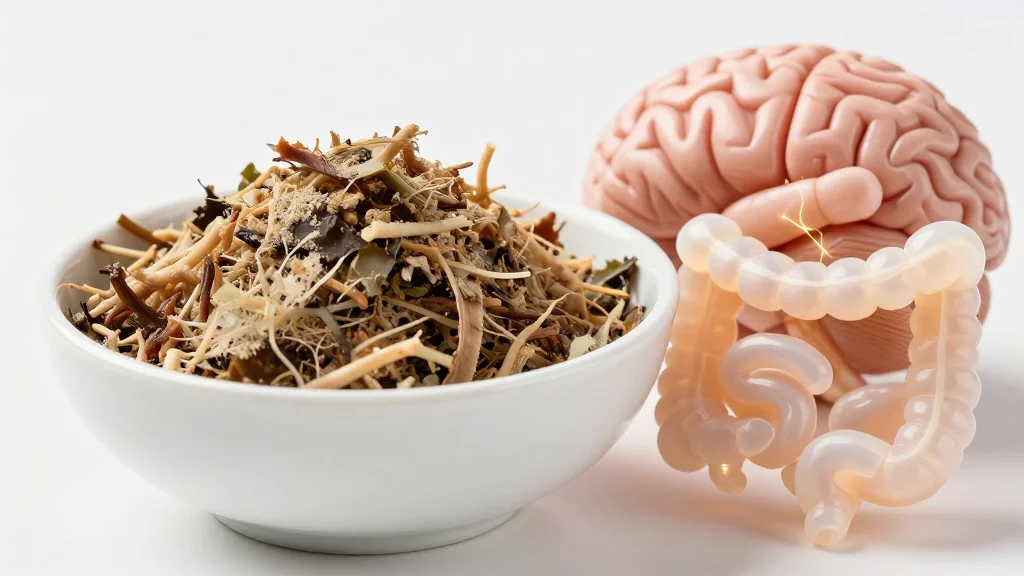
Gut-Brain Health Effects of PREbiotics in Older Adults with Suspected COgnitive DEcline: Design of the PRECODE Randomised Placebo-Controlled Trial
The PRECODE trial is a four‑arm, double‑blind, placebo‑controlled study enrolling 164 adults aged 60‑79 with subjective cognitive decline (SCD+) and additional lifestyle risk factors. Over 26 weeks participants receive chicory inulin, resistant dextrin, seaweed polysaccharide, or maltodextrin placebo to test whether...

Selective Anticancer Activity of Vachellia Nilotica Fruit Extract: Integrated Phytochemistry with Antioxidant, Antimicrobial, and Cancer Cell Targeting
Researchers evaluated methanolic fruit extract of Vachellia nilotica, revealing high phenolic (419 mg GAE g⁻¹) and flavonoid (245 mg QE g⁻¹) contents that confer strong antioxidant activity (IC₅₀ ≈ 31.8 µg mL⁻¹). The extract inhibited a range of bacteria, producing up to 23 mm inhibition zones, and suppressed growth of several...
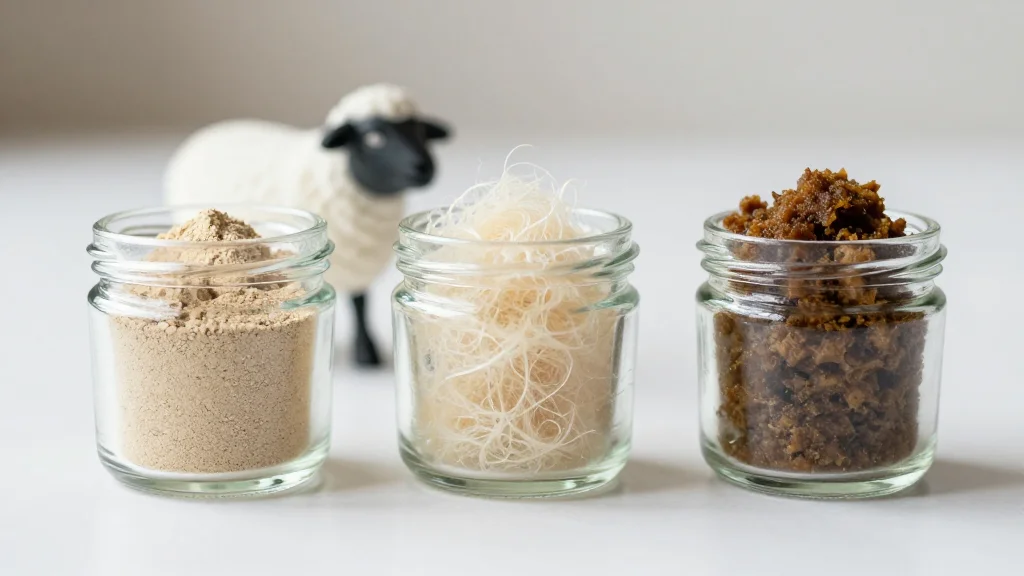
Fermented Cotton Stalks Preserve Colonic Epithelial Integrity in Hu Sheep via the Microbiota–Metabolite–NF-κB/MLCK Axis and Mitigate the Adverse Effects of...
A recent study compared three processing methods for cotton stalks—grinding, steam explosion, and microbial fermentation—when fed to Hu sheep at 40% of the diet. Fermented cotton stalks (FJ) delivered the highest average daily gain (322 g d⁻¹), reduced colonic free gossypol, ammonia...

Food-Derived Dihydromyricetin and Metabolic Dysfunction-Associated Steatotic Liver Disease: A Preclinical Systematic Review and Meta-Analysis
A systematic review and meta‑analysis of 14 murine studies evaluated dihydromyricetin (DHM) as a nutraceutical for diet‑induced metabolic dysfunction‑associated steatotic liver disease (MASLD). Across the pooled data, DHM consistently reduced hepatic triglycerides, total cholesterol, and liver enzyme levels (ALT, AST,...

Development of Functional Foods with Stable Encapsulated Docosahexaenoic Acid
The review outlines recent biotechnological advances that stabilize docosahexaenoic acid (DHA) for functional foods through encapsulation techniques such as micro‑, nano‑, and emulsion systems. It highlights the shift toward microalgal and genetically engineered plant sources, providing vegan‑friendly, sustainable DHA supplies....

Ultrasound- and Circumference-Based Quadriceps Mass Is an Independent Predictor of 28-Day Mortality in Critically Ill Patients
A prospective study of 603 ICU patients found that bedside measurements of quadriceps muscle – both circumference and ultrasound thickness – independently predict 28‑day mortality. Higher quadriceps circumference (QC) and greater ultrasound‑derived thickness under minimal (QT‑min) and maximal (QT‑max) transducer...

Italian Coffee Consumption May Be Linked to Better Liver Health
Italian researchers examined coffee intake and brewing methods in 1,426 adults, finding that moderate consumption of unfiltered Italian‑style coffee was associated with a roughly 50% reduction in metabolic dysfunction‑associated steatotic liver disease (MASLD) risk. The protective effect grew modestly with...

From York to Glover: What Two Centuries of Erased Exploration Tell Us About Who We Send Into the Unknown
NASA’s Artemis II mission on April 6 saw Victor Glover become the first Black astronaut to orbit the Moon, piloting the Orion spacecraft past the lunar far side. The flight covered roughly 252,800 miles, breaking Apollo 13’s distance record and marking a historic...

New CAR-T Approach May Extend Osteosarcoma Survival
Researchers at Case Western Reserve University and University Hospitals have engineered a novel CAR‑T cell therapy, OSM CAR‑T, that targets oncostatin M receptors on osteosarcoma cells. Preclinical experiments demonstrated potent in‑vitro killing and significant tumor burden reduction in multiple mouse...

This Landmark Study Just Linked Pesticide Exposure To Cancer Risk
A new study in Nature Health mapped 31 widely used pesticides across Peru and linked higher regional pesticide exposure to increased cancer incidence. Although none of the chemicals are classified as carcinogenic individually, their combined presence appears to elevate risk...

Jurassic Bag: From Dinosaur DNA to Designer Goods – How Biofabrication and Automation Could Reshape Materials
The luxury label Enfin Levé unveiled a handbag made from collagen reconstructed from Tyrannosaurus rex protein fragments, created through synthetic biology, AI‑driven sequence prediction, and automated bio‑fabrication. Fossil collagen was used to design a genetic blueprint, expressed in engineered cells,...

Why the Most Powerful Computer of 2026 Might Be Made of Living Cells, Not Microchips
Researchers at the University of California, Santa Cruz have trained lab‑grown brain organoids to solve the classic cart‑pole balancing problem, demonstrating a proof‑of‑concept for biological computing. The experiment used stem‑cell‑derived neural tissue, electrically interfaced to provide training signals, and was...

Re: Prognostic Score for Predicting Respiratory Admissions Among Patients with Chronic Obstructive Pulmonary Disease in Primary Care: Development and Validation...
Researchers responded to feedback on their COPD admission risk score, noting that among six candidate predictors only diabetes remained statistically significant. The model, built on the Birmingham Lung Improvement Studies (BLISS) dataset, was externally validated in the ECLIPSE and CPRD...
What Scientists Hope to Learn From Artemis II's Moon Mission
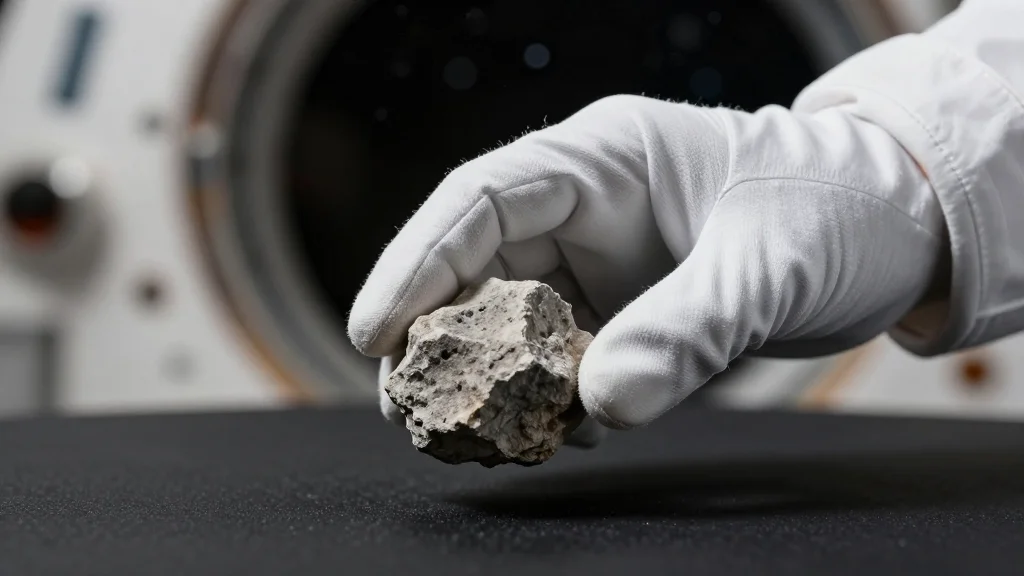
Artemis II, NASA’s first crewed lunar flyby since Apollo, will orbit the Moon to test life‑support, navigation and deep‑space communications. Astronauts will provide human observations that can reveal surface details cameras miss, echoing Apollo’s unexpected discoveries. The mission focuses on the...

Firehawk Launches Oklahoma Rocket Motor Plant
Firehawk, a Dallas‑based aerospace firm, broke ground on its Great Plains Arsenal rocket motor and propellant plant in Lawton, Oklahoma. The 340‑acre facility is designed to scale domestic production of 3D‑printed hybrid rocket motors for defense applications. The move follows...

The Sky Today on Tuesday, April 7: Comet C/2025 R3 (PanSTARRS) Enters the Scene
Comet C/2025 R3 (PanSTARRS) entered the night sky on April 7, shining at roughly 6th magnitude and already displaying a vivid green coma and yellow tail. Astronomers expect it to brighten by about two magnitudes before the end of the month, though...

Scientists Say 7 Days of Meditation Can Rewire Your Brain
Researchers at UC San Diego demonstrated that a seven‑day residential retreat combining meditation, guided visualizations, and open‑label placebo activities produced measurable changes in brain function and blood biology. Functional MRI showed reduced activity in self‑referential brain regions, while post‑retreat plasma...
This Diet Could Slash Cholera Infections by up to 100x
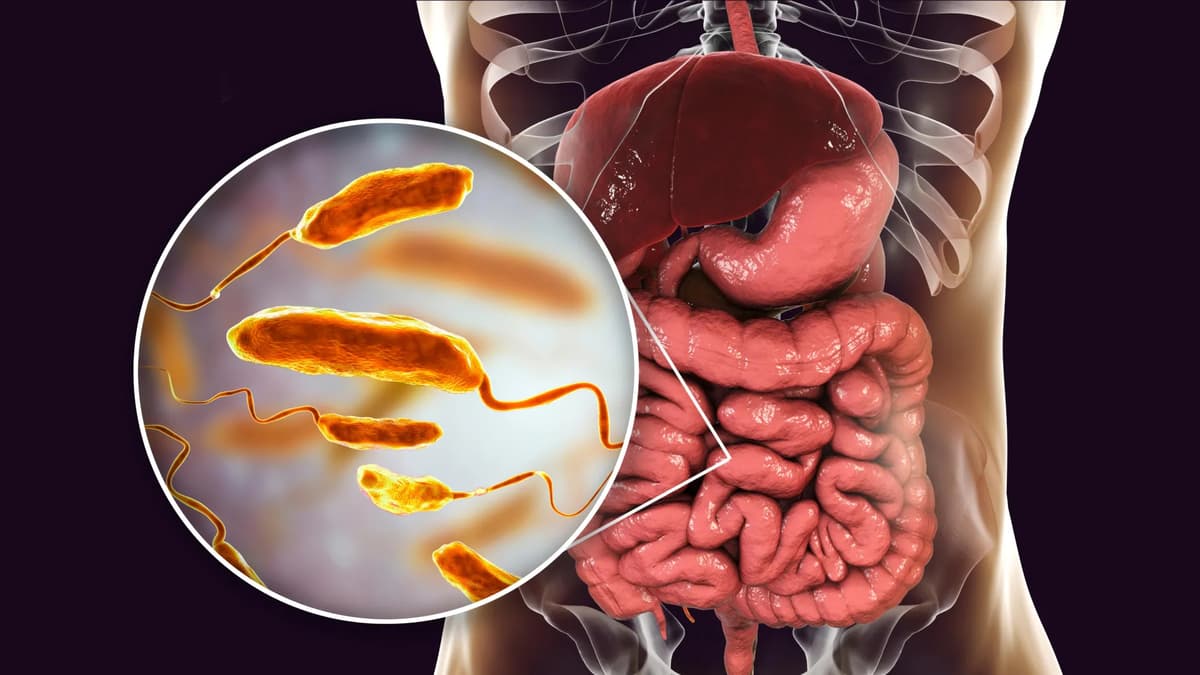
University of California, Riverside researchers discovered that diets high in the dairy protein casein and wheat gluten can reduce cholera bacterial colonization in the gut by up to 100‑fold in mice. The protein‑rich diet outperformed high‑fat and carbohydrate‑heavy regimens, which...

Sulfur‐Vacancy Anchoring Suppresses Dynamic Surface Reconstruction in Ni‐Doped ZnS Nanospheres to Trigger the Lattice Oxygen Mechanism
Researchers have shown that sulfur vacancies in nickel‑doped zinc sulfide nanospheres suppress dynamic surface reconstruction during the oxygen evolution reaction (OER). The vacancies limit metal dissolution and promote formation of a Ni‑Zn(OH)2/ZnS heterojunction, which weakens Zn‑O bonds and activates the...
Programmable Biohybrid Probiotics with Long‐Term Storage Stability for Enhanced Intestinal Microbiota Regulation and Ulcerative Colitis Treatment
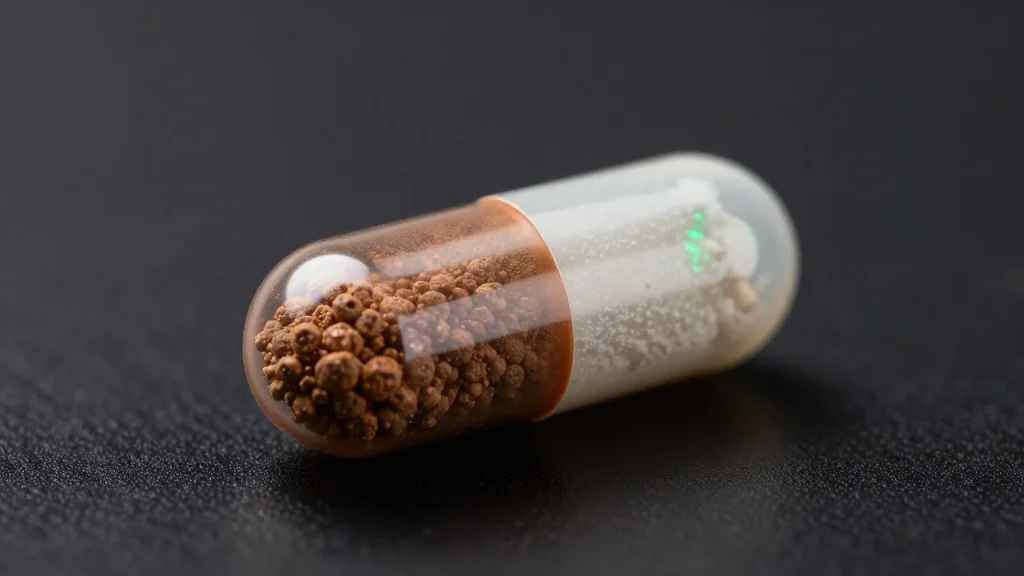
Researchers unveiled a multilayer encapsulation platform that merges a metal‑polyphenol network, silica shell, and iron‑based metal‑organic framework to shield the anaerobic probiotic Bifidobacterium longum. The system achieved a 41‑fold boost in aerobic storage stability and an 871‑fold increase in gastric...

Highly Reproducible Synthesis of PbS Quantum Dots With In Situ Halide Passivation for Short‐Wave Infrared Imaging Chips
Researchers have introduced a highly reproducible method for synthesizing lead‑sulfide (PbS) quantum dots using ethyl ziram as the sulfur precursor. The process yields self‑terminated growth, delivering monodisperse particles with superior surface passivation and photoluminescence quantum yields. Integrated into short‑wave infrared...