
Fed Flags Overheated Markets as Top Stability Risk
The Federal Reserve’s latest Financial Stability Report warns that market froth remains the top risk to financial stability. Asset valuations, especially equities, stay at the high end of historical ranges while equity volatility has risen since the November report. Treasury yields are above 15‑year averages and short‑term Treasury liquidity showed vulnerability amid heightened geopolitical tension. Despite these pressures, the Fed finds the banking sector sound, though leverage at hedge funds and life insurers remains elevated.

Fed’s Eyes Turn to Inflation: Heard on the Street Recap
The U.S. added 115,000 jobs in April, keeping the unemployment rate at 4.3% and prompting the Federal Reserve to pivot its focus from rate cuts to inflation data. Four months ago the Fed worried about a fragile labor market; today...

InvestingLive Americas Market News Wrap: US Jobs Growth Surprises to the Upside
U.S. non‑farm payrolls jumped by 115,000 in April, far exceeding the 62,000 forecast, underscoring a resilient labor market. The strong jobs data bolstered equity optimism, with the Nasdaq climbing another 5% this week and up 30% over the past six...
Labor Economy Workers Keep the Jobs Market Moving
The U.S. labor market added 115,000 jobs in April, keeping the unemployment rate steady at 4.3%. Hiring was concentrated in front‑line sectors—healthcare, transportation and warehousing, and retail—showing continued demand for in‑person workers. Average hourly earnings rose 3.6% year‑over‑year, staying slightly...
Fed Sees Private Credit Redemptions as ‘Manageable’ Risks
The Federal Reserve’s latest financial‑stability report says that redemption requests from private‑credit funds remain “limited and manageable,” despite modest outflows exceeding inflows in the first quarter of 2026. The central bank highlighted that several large private‑credit managers have temporarily blocked...

Weak Consumer Confidence, Rising Inflation Dim Peak Season Hopes
The National Retail Federation and Hackett Associates warn that the U.S. peak shipping season could be muted in 2026 due to weak consumer confidence and rising inflation. The ongoing war with Iran, now in its third month, is identified as...
Kevin Warsh Is Right About Fed Reform — but His Inflation Solution Is a T...
Kevin Warsh, the Fed chair nominee, argues that a coming AI‑driven productivity boom will act as a disinflationary force and give the Federal Reserve room to cut rates. He couples this view with a broader reform agenda that includes balance‑sheet...

Labor Market Adds 115,000 Jobs, Exceeds Forecasts Despite Iran War
U.S. payrolls added 115,000 jobs in April, outpacing forecasts despite the highest tariffs since the 1930s and a war‑driven surge in fuel prices. The unemployment rate held steady at 4.3%, with gains spread across retail, warehousing, healthcare and transportation. Chicago...

Jobs Report Encouraging, but Consumers Remain Pessimistic
The U.S. Labor Department reported 115,000 nonfarm jobs added in April, far surpassing the 55,000 forecast and prompting an upward revision of March’s gain to 185,000. The unemployment rate held steady at 4.3% and wages rose 3.6% year‑over‑year, marking the...

The Federal Reserve Is Quickly Running Out of Reasons to Cut Interest Rates
The Federal Reserve’s window for cutting rates is narrowing as recent data show a steadier labor market but persistent inflation. April’s payrolls rose by 115,000, a modest gain that eases pressure for easing, while the March CPI held at 3.3%,...

April 2026 Jobs Report: Labor Market Shows Signs of Stabilization
The April 2026 jobs report shows the U.S. labor market stabilizing. Employers added 115,000 nonfarm jobs, well above the 55‑70k forecast, while the unemployment rate held steady at 4.3%. Real wages rose 3.6% year‑over‑year, outpacing inflation. The data gives the...

April's Jobs Report Revealed a Hidden Talent Pool of 4.9 Million
April’s jobs report showed 115,000 new positions and a headline unemployment rate of 4.3 percent, but it also uncovered a surge in underemployment. The number of workers in part‑time jobs for economic reasons rose by 445,000 to 4.9 million, pushing the broader...
What to Know About the Report.
U.S. employers added 115,000 jobs in April, beating forecasts and keeping unemployment at 4.3%. This follows a revised March gain of 185,000, marking two months of solid hiring after a two‑year low‑hire, low‑fire period. However, average monthly gains over the...

U.S. Economy Adds 115,000 Jobs in April, Construction Sector Sees Gains
U.S. nonfarm payrolls added 115,000 jobs in April, keeping unemployment at 4.3% and pushing average hourly earnings up 3.6% year‑over‑year. The gain follows a revised 185,000‑job increase in March, with monthly averages now 76,000 since the start of 2026. Construction...

US Consumer Confidence Hits Record Low as Americans Fret About Rising Prices; Jobs Report Beats Forecasts – as It Happened
U.S. consumer sentiment slipped to a record‑low 48.2 in May, reflecting heightened anxiety over inflation and energy costs. Meanwhile, the April jobs report showed the economy added 115,000 jobs, well above the 62,000 forecast, keeping the unemployment rate steady at...

Jobs Data Comes in Strong, Crushing Estimates. This Is What It Means for Advisors
U.S. nonfarm payrolls rose by 115,000 in April, beating Reuters' forecast of 62,000 and the Wall Street Journal's 55,000 estimate, while the unemployment rate held steady at 4.3%. The stronger‑than‑expected jobs report lifted the S&P 500 0.7% and the Dow 0.2%,...

Prices for Everyday Household Items Experience Highest Monthly Increase Since September
Numerator’s April 2026 Consumer Goods Price Index shows everyday household items rose 0.49% month‑over‑month and 2.4% year‑over‑year, marking the strongest monthly gain since September 2025. Prices were flat in March after a 0.21% rise in February. The CGPI, which tracks roughly 20%...

US Adds 115,000 Jobs in April, Jobless Rate Flat
The U.S. Bureau of Labor Statistics reported a gain of 115,000 non‑farm jobs in April, keeping the unemployment rate unchanged at 4.3%. This marks the first set of back‑to‑back monthly job gains in almost a year, with March’s figure revised...

The Big Four Recession Indicators: April 2026 Employment
The latest U.S. employment report showed non‑farm payrolls rose by 115,000 in April, a slowdown from March’s 185,000 gain but still above the 65,000 jobs forecast. The unemployment rate held steady at 4.3%, matching expectations. These figures feed into the...

Fed's Goolsbee: Inflation Has Not Been Great. Job Market Is Pretty Much Stable
Federal Reserve President Austan Goolsbee told investors that inflation remains stubbornly high even as the labor market shows little sign of weakening. He highlighted that price pressures stem from more than just energy costs and pre‑date the Ukraine war, suggesting...
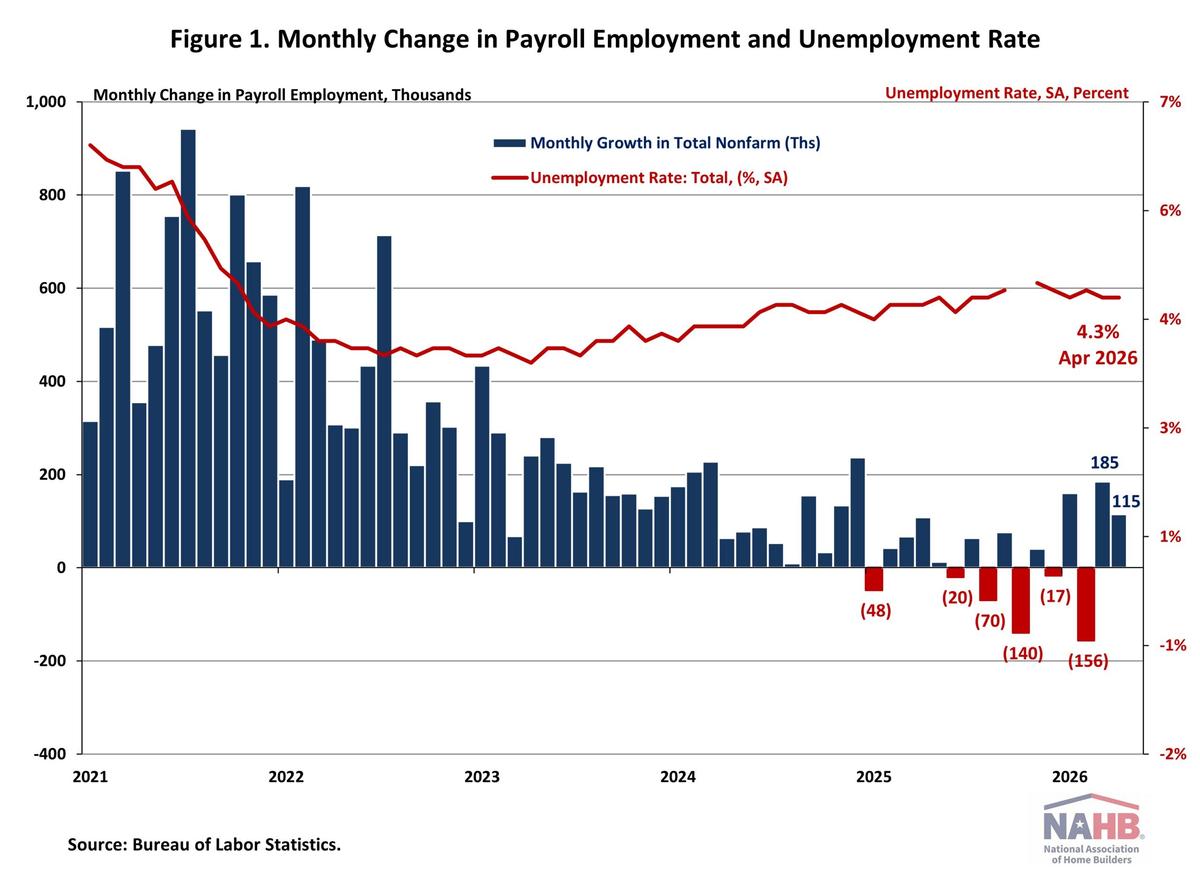
U.S. Economy Adds 115,000 Jobs in April
The Bureau of Labor Statistics reported that U.S. nonfarm payrolls rose by 115,000 in April, keeping the unemployment rate steady at 4.3%. Job gains were concentrated in health care (+37,000), transportation and warehousing (+30,000), and retail trade (+22,000). Average hourly...

Employers Added 115K Jobs in April, Including 1.2K in Accounting
U.S. non‑farm payrolls rose by 115,000 jobs in April, outpacing economists' forecasts while the unemployment rate held at 4.3%. The gains were led by health‑care, transportation and warehousing, and retail‑trade, with professional and business services adding 7,000 jobs, including 1,200...

The Job Market Is Healing for Everyone—Except in the Office
The U.S. labor market added 115,000 jobs in April, keeping the unemployment rate at 4.3% and marking the second consecutive month of solid growth after a sluggish 2025. Gains were broad, led by health care, transportation and warehousing, while the...

BLS Jobs: +115K, Double Expectations
The U.S. Bureau of Labor Statistics reported 115,000 jobs added in April, more than double the 55,000 consensus forecast, while the unemployment rate held at 4.3%. Healthcare (+37K), transportation/warehousing (+30K) and retail (+22K) drove the gains, whereas information, federal government...

Healthcare Adds 37,300 Jobs in April: 4 Things to Know
Healthcare employment rose by 37,300 jobs in April, aligning with the sector’s 12‑month average of 32,000 monthly gains, according to the U.S. Bureau of Labor Statistics. Ambulatory services led the surge with 18,200 new positions, while hospitals added 4,300 and...

Fed Data Suggest Japan Sold U.S. Debt Amid Intervention
The Federal Reserve reported a $8.7 billion drop in its custody of marketable U.S. Treasuries, bringing the total to $2.73 trillion for the week ending May 6. The decline coincides with Japan’s Ministry of Finance spending roughly $55 billion to support the yen, suggesting...

Record South American Feed Grain Surpluses. The Corn & Ethanol Report 05/08/2026
A USDA Economic Research Service analysis shows record feed‑grain surpluses in South America, with Argentina’s corn harvest already 30% complete and projected at 63‑67 MMT—about 4 MMT above domestic demand. The excess supply is pressuring global corn markets, and U.S. corn is...
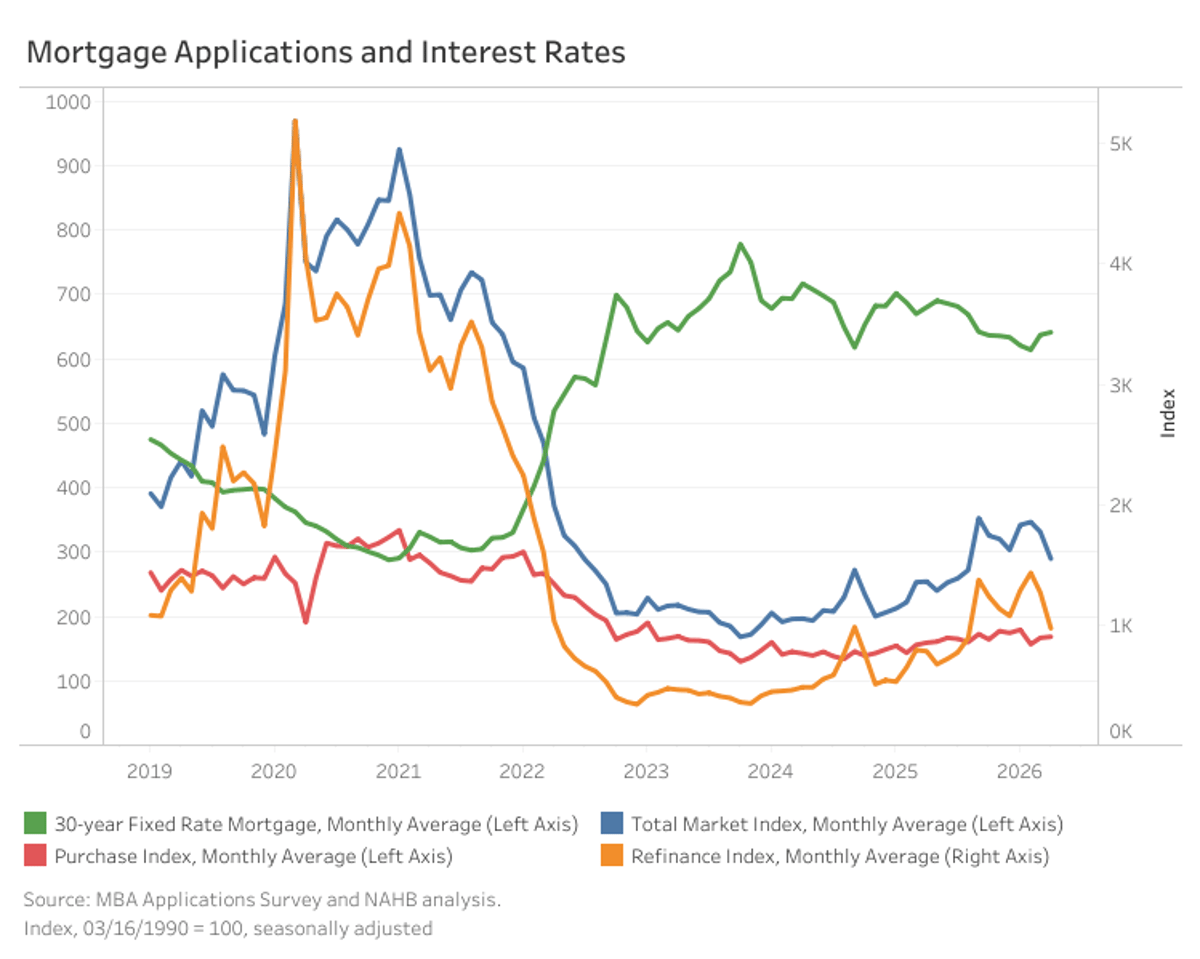
Mortgage Applications Retreats Further in April
Mortgage application activity declined in April, with the Mortgage Bankers Association’s Market Composite Index dropping 12.4% month‑over‑month, though it remained 14.2% higher than a year earlier. The average 30‑year fixed‑rate mortgage rose to 6.41%, up four basis points but still...

April Trucking Jobs Report Shows a Big Increase in Hiring
Truck transportation employment rose by 4,300 jobs in April, bringing the sector to 1,496,600 positions—the strongest monthly gain since September 2023. The increase follows a sharp layoff wave after Yellow Corp.’s shutdown, suggesting some displaced workers found new roles. Industry...

April's Blockbuster Jobs Report Dims Hopes for Imminent Fed Rate Cuts
The U.S. Bureau of Labor Statistics reported 115,000 jobs added in April, keeping the unemployment rate at 4.2% and labor‑force participation at a 2021 low of 61.8%. The gain outpaced consensus forecasts by roughly 40,000 jobs, driven primarily by health‑care,...

Federal Reserve Turns Focus to Inflation as Job Market Stabilizes
The Federal Reserve can keep its policy rate steady at 3.5%‑3.75% as the labor market shows resilience, adding 115,000 jobs in April and holding unemployment at 4.3%. However, the war in Iran has pushed oil‑related costs higher, sending gasoline to...

Mortgage Rates Likely to Hold Steady After April Jobs Report Shows Stronger Hiring, Softer Wages
The April jobs report showed employers added 115,000 positions, far exceeding the 62,000 forecast, while the unemployment rate held at 4.3% with a slight unrounded uptick. Wage growth slowed to a 0.2% monthly increase and 3.6% year‑over‑year, below expectations. The...

The U.S. Economy Keeps Adding Jobs but Full-Time Work Is Getting Harder to Find
The U.S. added 115,000 jobs in April, keeping the unemployment rate at 4.3%, but the quality of those jobs is shifting. Part‑time employment surged by 445,000, pushing the total to 4.9 million, indicating that full‑time openings are drying up. While healthcare,...

April 2026 Jobs Report: Moving, But Not Moving Along
The U.S. Bureau of Labor Statistics reported that nonfarm payrolls rose by 115,000 in April, keeping the unemployment rate steady at 4.3%. Average hourly earnings increased 0.2% from March and are up 3.6% year‑over‑year. Healthcare added 618,000 jobs over the...

Job Gains Were Steady in April, but Wage Growth Continued to Weaken
U.S. payrolls added 115,000 jobs in April, pushing the three‑month average to 48,000 per month. Gains were concentrated in health care, transportation and warehousing, while the federal workforce shed another 9,000 jobs, marking a cumulative loss of 345,000 since January...

US Labour Market Stable in April
April’s US labour market showed solid stability, with the unemployment rate unchanged at 4.3% and non‑farm payrolls rising by 115,000 jobs. Job growth was concentrated in healthcare, while government and information sectors posted declines. The data weakens arguments for further...

Strong April Jobs Report Masks a Looming Workforce Crisis
The U.S. added 115,000 jobs in April, outpacing expectations and keeping the unemployment rate at 4.3%. Economists warn that a shrinking labor pool, driven by an aging population, reduced immigration and discouraged workers, masks a looming talent shortage. A looming...

Back-to-Back US Jobs Gains, but Hiring Caution Lingers
U.S. payrolls posted a second straight monthly increase, with April adding 115,000 jobs versus a 65,000 consensus forecast. The unemployment rate held at 4.3% even as household surveys showed a modest rise in joblessness. Average hourly earnings grew 0.2% month‑over‑month,...

Markets Embrace Strong US Employment Report, but Iran Remains the Bigger Risk
The U.S. April jobs report showed non‑farm payrolls rising by 115,000, nearly double expectations, while the unemployment rate held at 4.3%. Average hourly earnings grew only 0.2% month‑over‑month, keeping wage‑inflation pressure modest. Meanwhile, Canada’s labor market surprised on the downside,...

Economy Added 115,000 Jobs in April Despite Mixed Signals
The U.S. added 115,000 jobs in April, keeping the unemployment rate steady at 4.3%. Gains were led by health care, transportation and warehousing, and retail, while federal employment fell. Underlying softness appeared as newly unemployed workers rose 358,000 and part‑time‑for‑necessity...
U.S. Payrolls Rose by 115,000 in April, with Unemployment at 4.3%
The U.S. Bureau of Labor Statistics reported that nonfarm payrolls rose by 115,000 in April, outpacing the Dow Jones forecast of 55,000 but falling short of March's 185,000 surge. The unemployment rate held at 4.3%, indicating a resilient labor market...
US Added 115,000 Jobs in April in Surprise Gain Amid Iran War Uncertainty
The U.S. Labor Department reported an unexpected gain of 115,000 jobs in April, far outpacing the 55,000 jobs economists had forecast. The unemployment rate held at 4.3%, unchanged from the prior month, despite heightened uncertainty from the US‑Israel conflict with...

Worried Inflation Is Back? Why Active Fixed Income Wins
March’s CPI rose 0.9% month‑over‑month, lifting annual inflation to 3.3% as energy costs surged 10.9% amid Middle‑East tensions. The unexpected stickiness may force the Federal Reserve to reconsider its rate‑cut path, creating headwinds for traditional bond portfolios. Active fixed‑income ETFs,...

AI Is Distorting Practically Everything About the Economy
The Wall Street Journal warns that AI is warping U.S. economic data, inflating growth and profit figures while masking weak underlying activity. Capital spending by the five largest AI hyperscalers is projected at $800 billion this year and $1.1 trillion next, roughly...

U.S. Debt Hits a Concerning Milestone, and Experts Say Trump’s Policies Could Worsen It
The U.S. Treasury reported that federal debt reached $31.26 trillion in March, slightly surpassing the nation’s nominal GDP of $31.21 trillion. This marks the first time the debt‑to‑GDP ratio has exceeded 100 percent since World War II, echoing the brief pandemic surge. Economists warn...
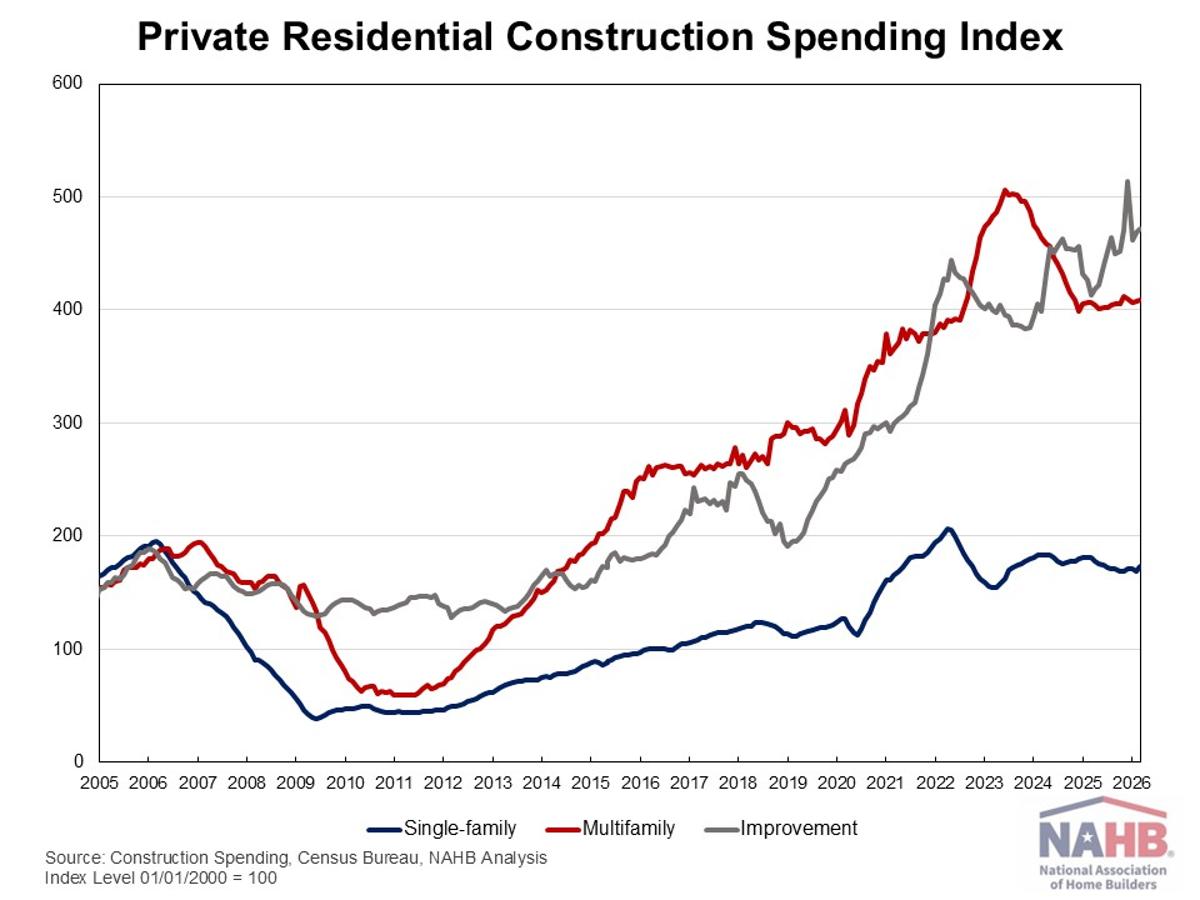
Private Residential Construction Spending Increases in March
Private residential construction spending rose 1.7% in March 2026, ending two consecutive months of decline and putting the year‑over‑year figure 3.6% higher. Gains were broad‑based, with single‑family construction up 2.7% month‑over‑month, multifamily edging up 0.3%, and home‑improvement spending increasing 0.9%....

Forget Rate Cuts — a Veteran Broker Says New Fed Chair Warsh Will Print Money Instead
Veteran mortgage broker Amir Nurani warns that new Fed chair Kevin Warsh is unlikely to cut rates, favoring higher rates and quantitative easing instead. Warsh’s track record shows opposition to the zero‑rate era during COVID and a preference for disciplined, inflation‑focused...

Fed Needs Policy Clarity to Preserve Independence, G-30 Report Says
The Group of 30, led by former New York Fed chief William Dudley, issued a report warning that the Federal Reserve must sharpen its policy execution and communication to safeguard its independence amid political attacks. The think‑tank outlined eight recommendations, including a...

NY Fed Survey of Consumer Expectations:1Y Inflation Higher @ 3.6% vs 3.4%. 5Y Steady at 3%
The New York Fed’s Survey of Consumer Expectations shows one‑year‑ahead inflation expectations rose to 3.6% in April from 3.4% in March, while three‑year expectations held at 3.1% and five‑year at 3.0%. Households now anticipate lower gasoline price growth (5.1% vs...

Disney Parks Send Strong Message on U.S. Consumers
Disney reported a record $9.5 billion in fiscal Q2 revenue for its Experiences segment, a 7% year‑over‑year increase, despite a 1% dip in domestic park attendance. Per‑capita guest spending rose faster than foot traffic, reflecting strong demand for premium experiences. The...