Today's Fitness Pulse

High‑Dose Antioxidants May Undermine Exercise Gains in Older Adults
A new review finds that taking supraphysiologic amounts of vitamin C and E together with collagen blunts exercise‑induced muscle growth, bone density improvements, and neuroprotective adaptations in older adults. Randomized trials reported lean‑mass gains of only 1.4% versus 3.9% in placebo groups when such high‑dose antioxidants were used, while moderate doses supported structural health.

Does a Low-Carbohydrate Diet Impede Endurance Sports Performance?
The American Journal of Clinical Nutrition’s Great Debates series pits two leading experts against each other on whether low‑carbohydrate, high‑fat (ketogenic) diets hinder endurance performance. Louise Burke argues that carbs deliver more oxygen‑efficient energy, so strict carb restriction can slow athletes during high‑intensity efforts. Timothy Noakes counters that after a 4‑6‑week adaptation, low‑carb athletes can oxidize fat at high rates and perform on par with high‑carb peers. Both agree that ingesting carbs during prolonged exercise improves outcomes, but the debate highlights gaps in understanding fuel utilization at elite levels.
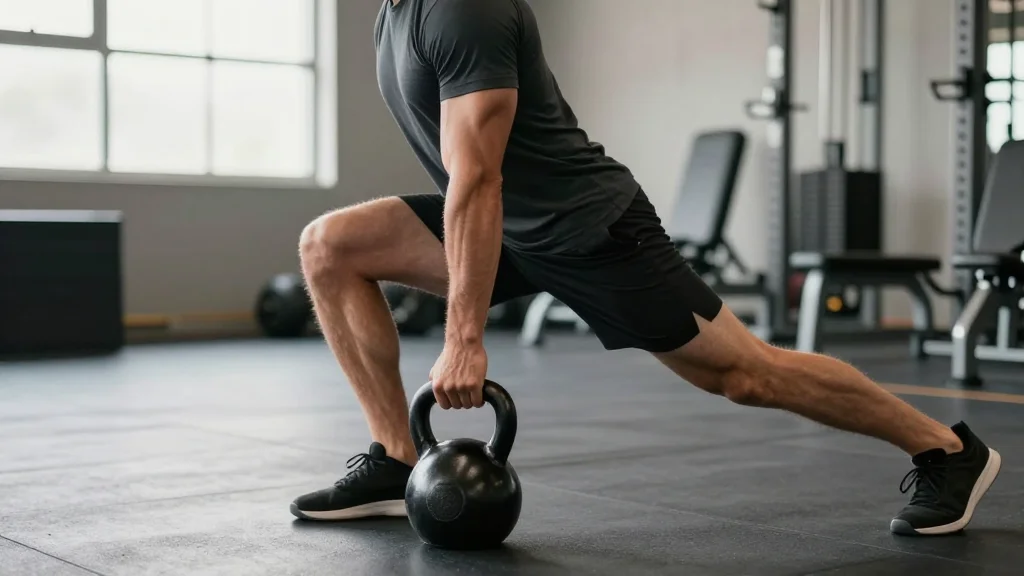
Lock Your Leg Like a Back Kick for Better RDLs
Single leg RDLs are one of the most 🔥 exercises for combat sports. It’s loaded single leg balance. Here’s how you can do them better- Lock out the leg that’s going behind you like a back kick. Engaging your entire up...

7 Tips for Surviving and Loving Long Course Season
The article outlines how swimmers can successfully transition from short‑course to long‑course season by adjusting mindset, technique, and pacing. It stresses that long‑course races feel slower because there are fewer turns, so athletes should prioritize stroke efficiency and race feel...

Buffy the Exercise Slayer: Sarah Michelle Gellar’s EMS Workout Trend Explained
Actress Sarah Michelle Gellar has popularized whole‑body EMS (electromyostimulation) suits, joining a growing list of celebrities who wear the gear during pilates‑style workouts. EMS delivers electrical impulses to multiple muscle groups, promising a 20‑minute session can mimic hours of conventional training. Clinical...

Burn the Ships: May 2026
Two Percent released its May 2026 Burn the Ships workout, dubbed MFEMF’R, as the latest installment in its monthly high‑intensity routine. The 40‑50‑minute session blends the author’s favorite exercises and is designed for a global community of subscribers who train together...
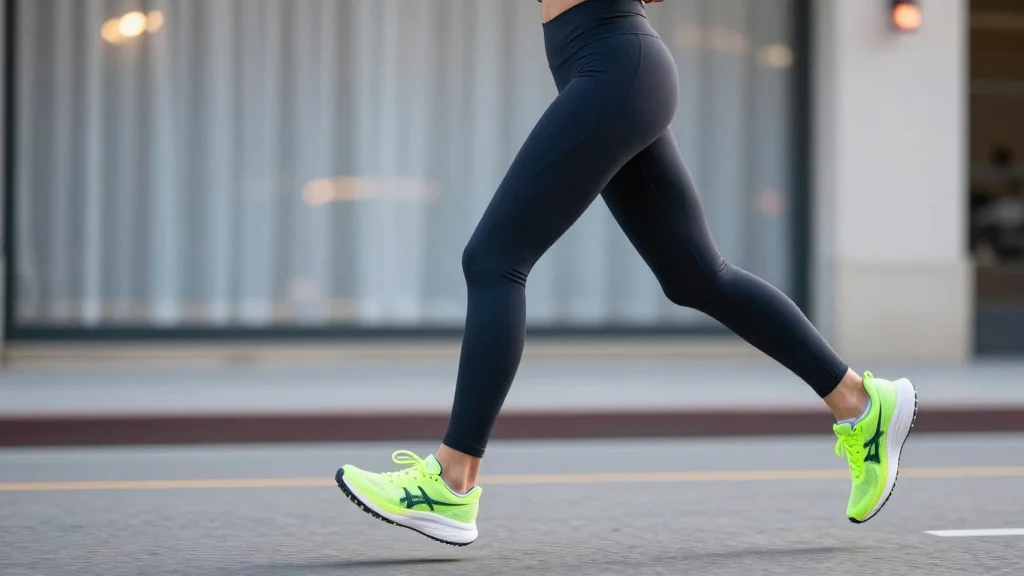
Cynthia Erivo Shatters London Marathon PR, Credits Running for Stage Stamina
Cynthia Erivo ran the London Marathon in 3:21:40, shaving nearly 14 minutes off her previous best, and says the regimen powers her demanding one‑woman stage performance. The actress worked with Brooks coach Erika Kemp and treats runs as meditation, highlighting...
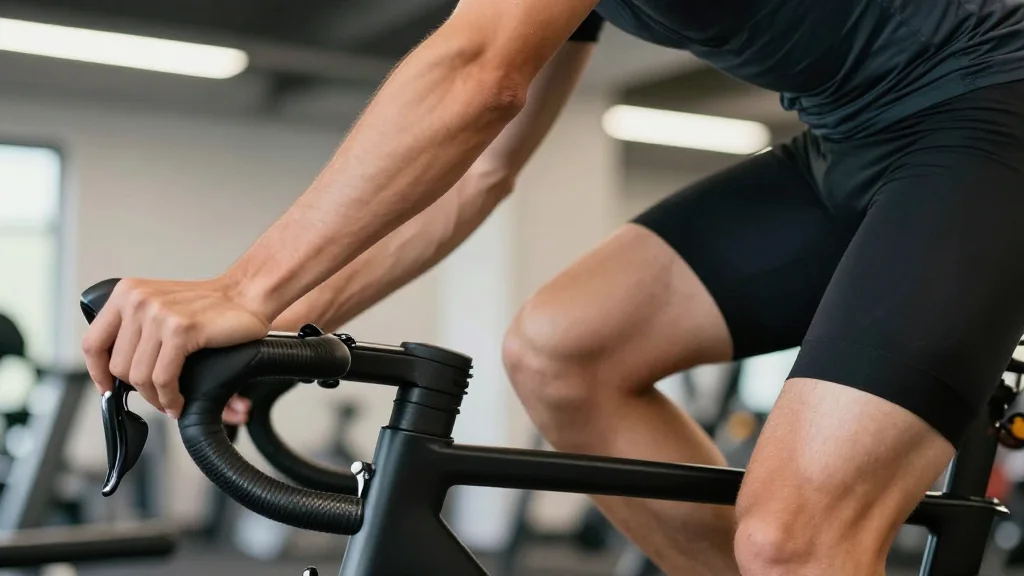
Self‑Selected Music Boosts Workout Endurance by 20% Without Extra Effort
Researchers at the University of Jyväskylä found that letting exercisers choose their own music lengthens high‑intensity cycling sessions by nearly 20%, adding about six minutes on average, while heart rate and lactate remain unchanged. The low‑cost, zero‑effort hack could help...

Do You Really Need 1 Gram of Protein Per Pound of Body Weight Per Day?
The long‑standing bodybuilding rule of 1 gram of protein per pound of body weight is being re‑examined after several meta‑analyses suggested a lower threshold of about 0.7 g/lb. Critics point out that the 2018 study’s confidence interval was wide (0.47‑1.0 g/lb) and its...
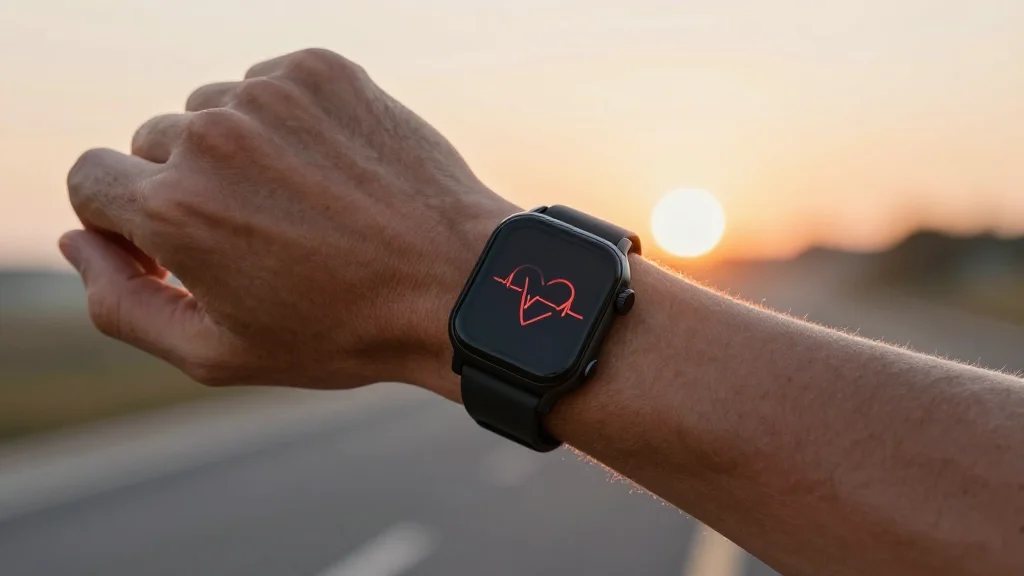
One Year Training Cuts HR 25 Beats, Boosts Efficiency
A very interesting question that we did a deep data dive on the #MADcrew forum about... https://t.co/GjhhFK2p7c Average improvement in E.F. across the entire group over 1 year was 0.21. At typical training paces (and, of course, assuming volume builds), this would be...
Warm‑ups Activate Your Nervous System, Not Just Muscles
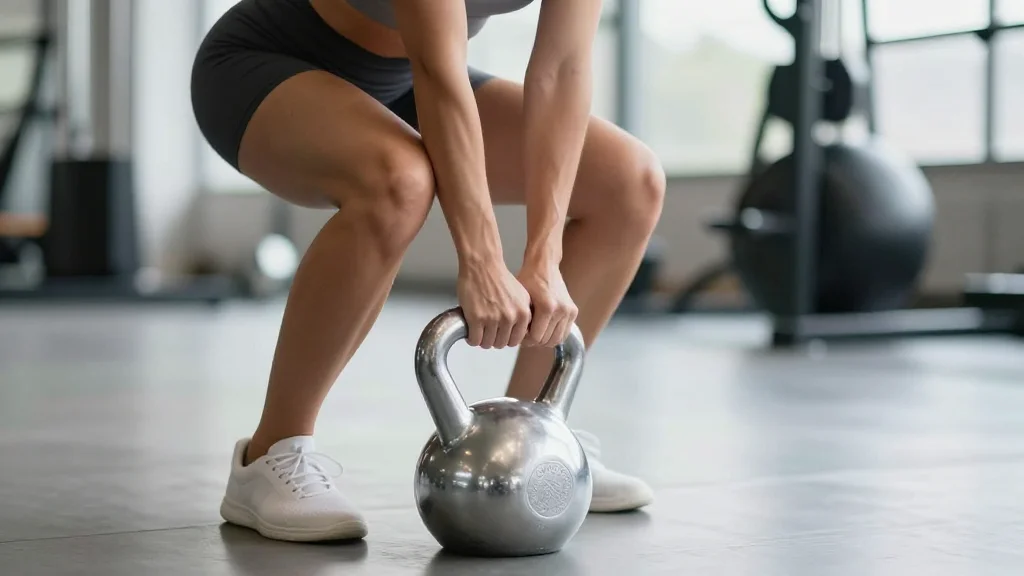
How and why I warm up : Most people think of a warm-up as something you do to “get loose.” That’s not really the point. The real goal is to wake up the systems that control movement, coordination, and energy delivery...
Endurance Athletes Test Baking Soda and Broccoli Shots, Results Mixed
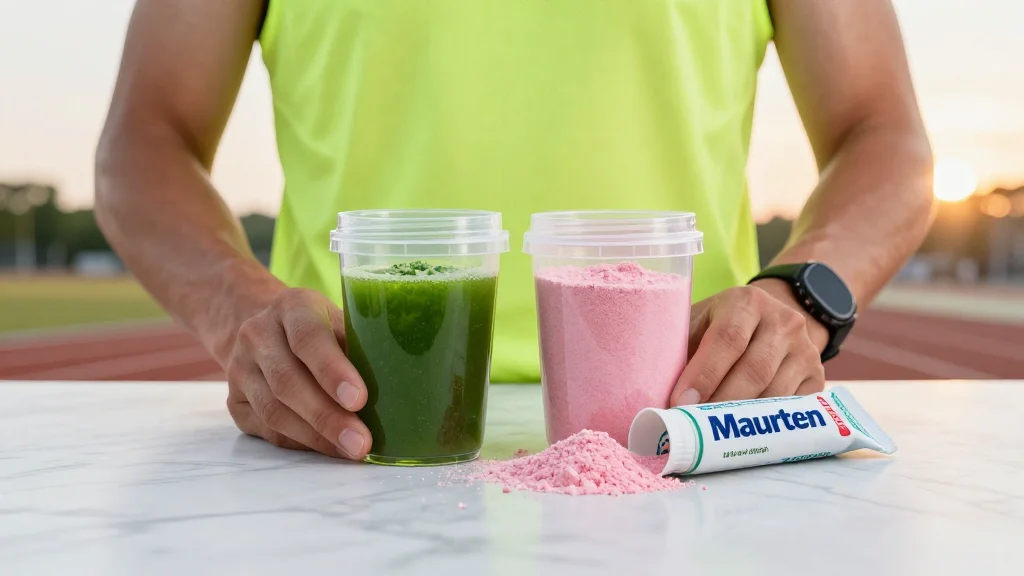
A competitive runner and registered dietitian evaluated three hot endurance supplements—broccoli shots, a pink powder and Maurten’s Bicarb system—over two months. While the hydrogel‑encapsulated baking soda caused no gut distress, performance gains were modest and inconsistent, underscoring lingering doubts about...
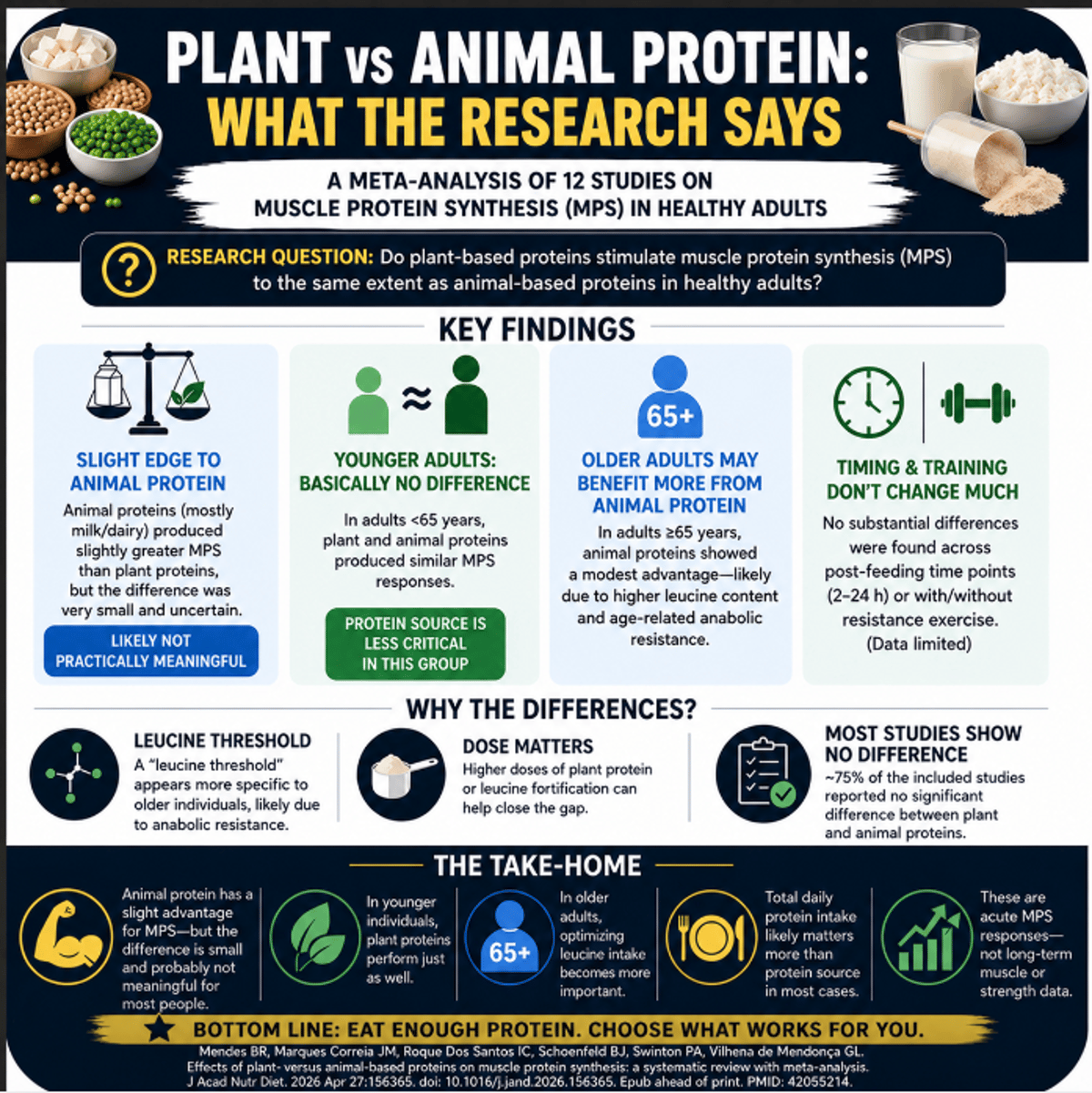
Animal Protein Edge Limited to Older Adults, Leucine Key
Our recently published meta-analysis found that animal-based proteins confer a modest advantage in stimulating muscle protein synthesis (MPS) compared to plant-based proteins (PMID: 42055214). At first glance, this might suggest a benefit to prioritizing animal protein for muscle building. However, the...
Study Shows Omega‑3 Supplements Boost Strength Gains in Active Adults
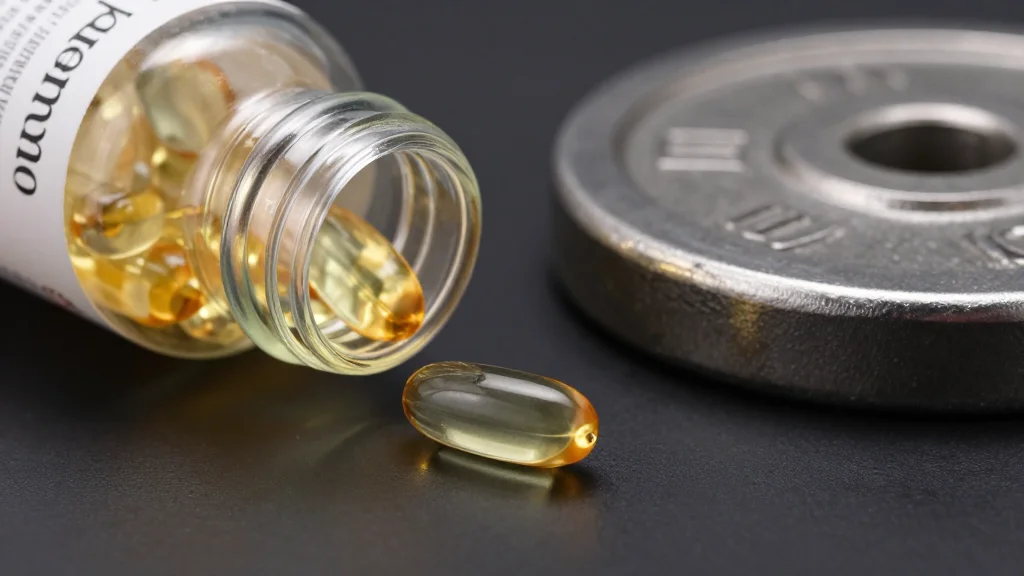
Researchers from the University of Greenwich and Anglia Ruskin University reported that several weeks of EPA and DHA supplementation enhanced muscle strength gains and recovery in resistance‑trained adults, highlighting a practical nutrition tool for athletes and gym‑goers.

Berkeley Scientists Pinpoint Early‑Night ‘Recovery Switch’ Driving Growth Hormone Surge
UC Berkeley neuroscientists have identified a hypothalamic circuit that ignites the nightly growth‑hormone surge during the first two‑to‑three hours of sleep. The discovery, reported in Cell, could give biohackers a new physiological window to time interventions for muscle repair, fat...

Garmin Cuts Epix Pro Gen 2 Price by 50%, Undercutting Samsung and Google
Garmin announced a 50% price cut on its Epix Pro Gen 2 Sapphire Edition, now $500 on Amazon, slashing the $1,000 MSRP. The steep discount positions the health‑focused watch as a compelling alternative to Samsung’s Galaxy Watch and Google’s Pixel Watch...
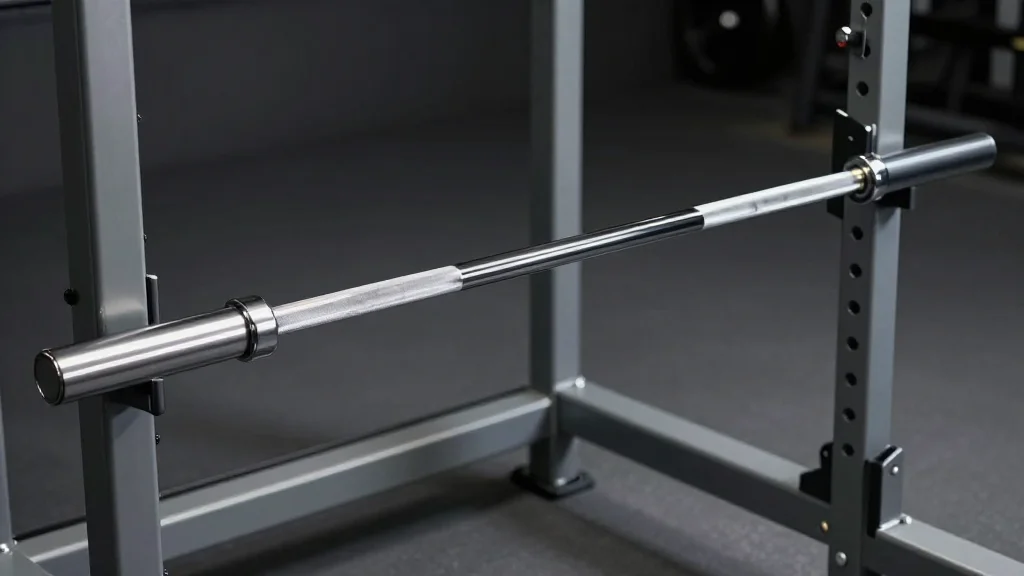
The Bar That Does What Two Bars Used to Do
EliteFTS unveiled the Rackable Cambered Spider Bar, a hybrid specialty bar that fuses the Safety Squat Bar’s yoke handles with the cambered bar’s lower center of gravity. Weighing 80 lb and measuring 86 in, it fits standard power racks and keeps shoulders...
Research Says Do This 2 Weeks Before Surgery To Recover Faster
A recent meta‑analysis of 23 randomized trials involving 2,182 patients found that pre‑surgery conditioning—known as prehabilitation—significantly improves outcomes. Exercise‑ or nutrition‑based programs cut postoperative complications by roughly 48% and can shorten hospital stays by about one day. Programs ranging from...
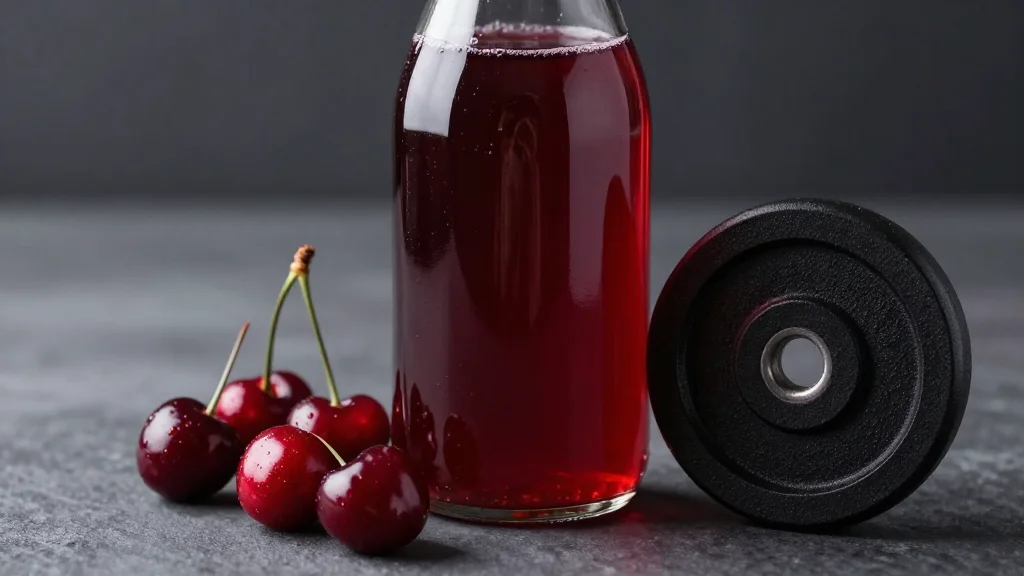
The Effect of Montmorency Tart Cherry Consumption on Athletic Performance and Post-Exercise Recovery in Healthy Adults: A Scoping Review
A scoping review of 28 randomized trials evaluated Montmorency tart cherry supplementation in healthy adults. Four of ten performance studies reported faster time‑trials or longer time‑to‑exhaustion, while seven of fourteen strength‑recovery trials showed accelerated muscle‑strength return. Only six of twenty‑two...
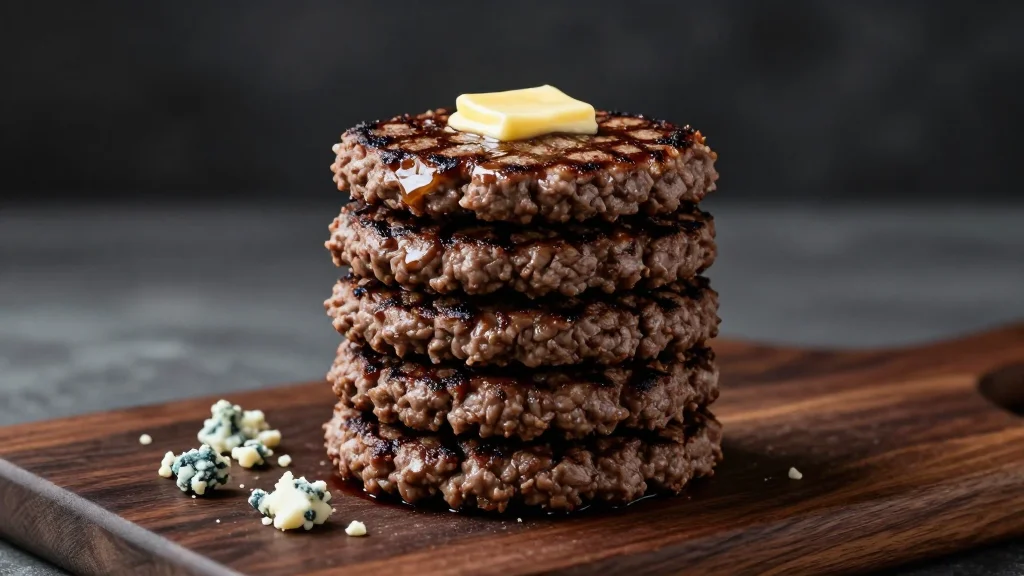
More Trouble Than I Am Worth: Chaos Is The Plan (T3hPwnisher Log)
t3hpwnisher posted a nutrition recap detailing a repeat breakfast of blue‑cheese crumbles and a dinner of seven burger patties with four packs of butter from Culver’s. A comment from simo74 praised the “chaotic genius” of using a high‑fat, low‑volume diet...
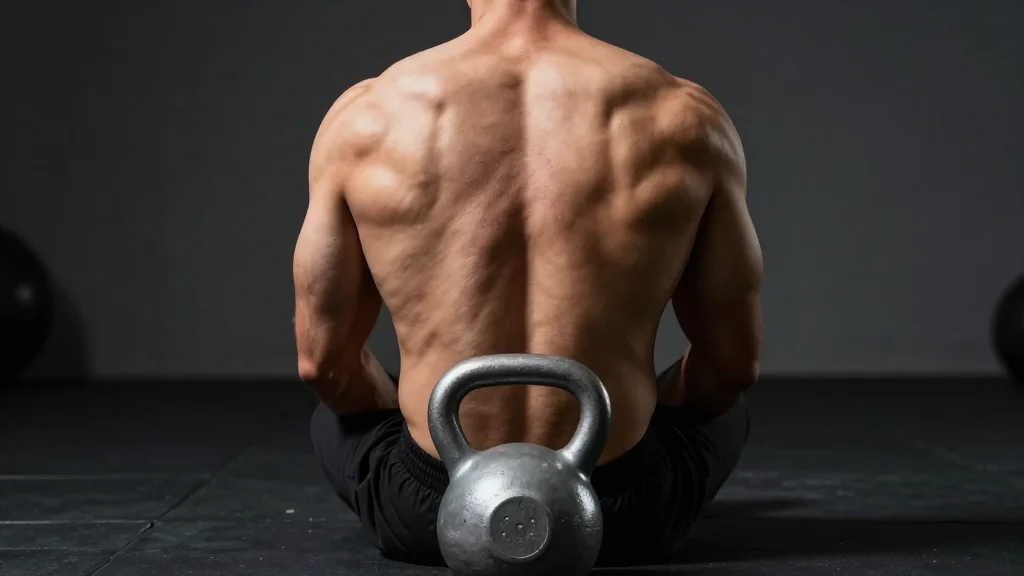
Doing Dumb Stuff as a College Kid
A college athlete logged a high‑volume back workout, hitting 15 wide‑grip pull‑ups and a max of 235 lb on Pendlay rows. Post‑session notes reveal a lat strain that prompted dropping Meadows rows before upcoming events. The post also highlights the writer’s...

Add Salt to Pre‑Workout for Bigger Gains
Stop fearing salt 🧂 If you add salt to your pre-workout, you will have more endurance in the gym, better pumps, and lift heavier weights 🔥 Use code TRIZZLEMAN for discount on supps: @legion
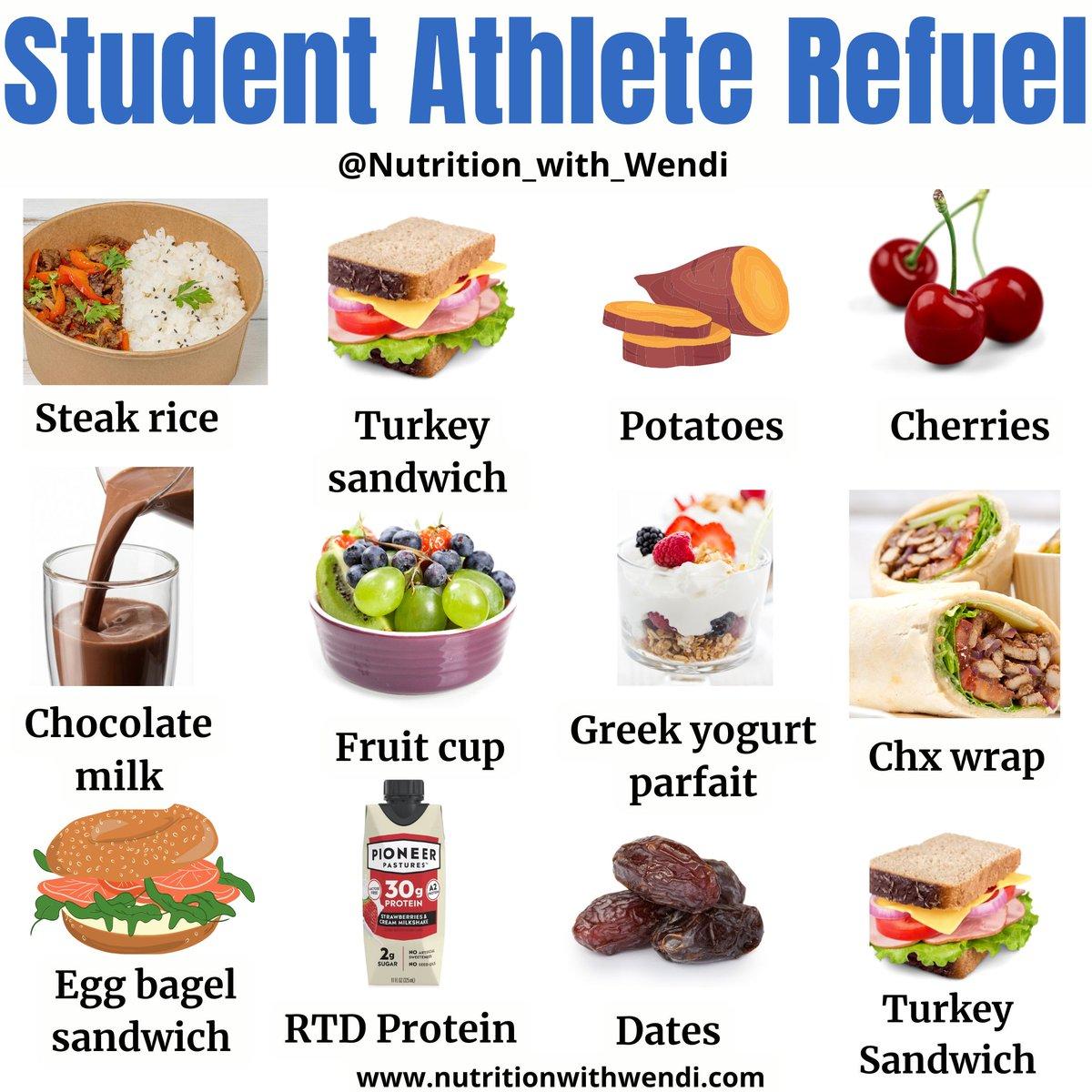
Balanced Snacks Power Muscle Growth and Endurance
Fuel smarter, play stronger 💪 If you’re an athlete, your snacks shouldn’t just “hold you over” they should actively support muscle growth, recovery, and sustained energy. The best options combine protein, fiber, and healthy fats to keep you fueled and focused. Example...
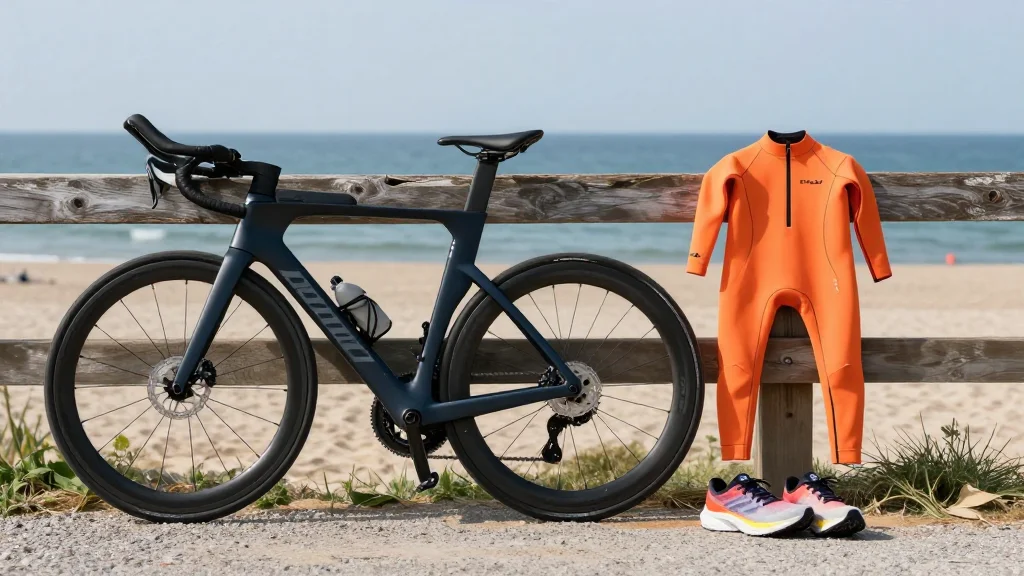
Study Finds Elite Ultra‑Triathletes Favor Steady Pace with Occasional Deep Slowdowns
Researchers analyzing the 2023 Swissultra Double Deca Iron ultra‑triathlon discovered that the sport’s fastest competitors maintain a relatively constant pace across swimming, cycling and running, interspersed with occasional, pronounced slowdowns. The study, based on data from 13 finishers, challenges the...
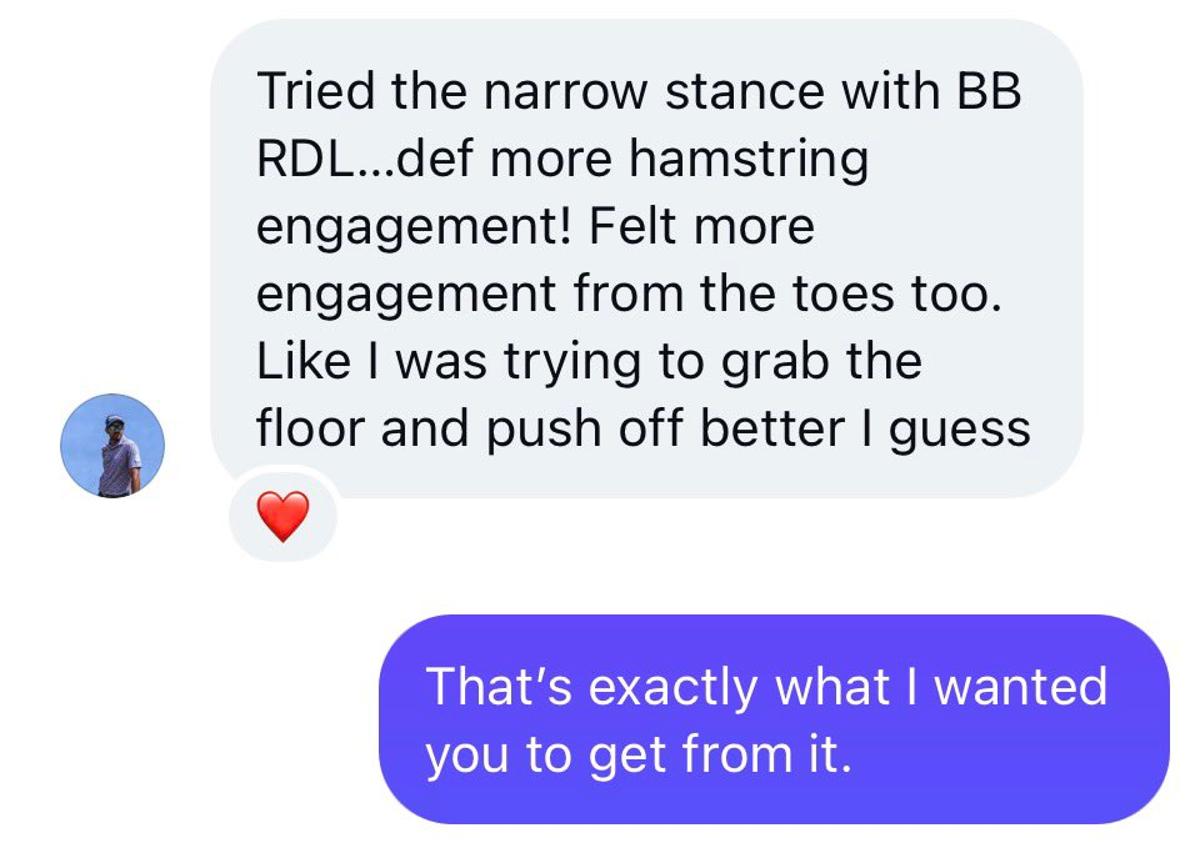
Are Your Barbell Hinges Delivering Real Results?
You say you are hinging with a barbell but are you actually getting results from the your practice? https://t.co/OsV6cUypFn
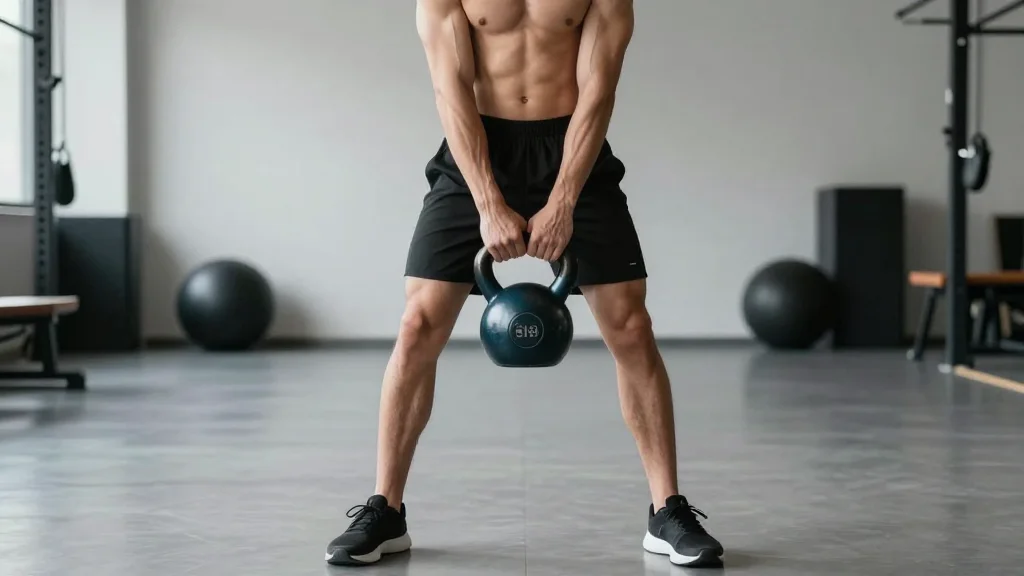
Staggered Hip Hinge Shows Up Everywhere in Training
Staggered Hip Hinge is everywhere. Staggered Broad Jump, Staggered Medball throw. You just need to look. @spikesonly

Exercise Reverses Muscle Aging via Mitochondrial Remodeling, Study Finds
Researchers led by David J. Glass published a study demonstrating that habitual exercise remodels skeletal‑muscle mitochondria, reversing age‑related functional decline in both mice and humans. The work, which examined 30 human muscle biopsies and multiple mouse models, highlights mitochondrial plasticity...
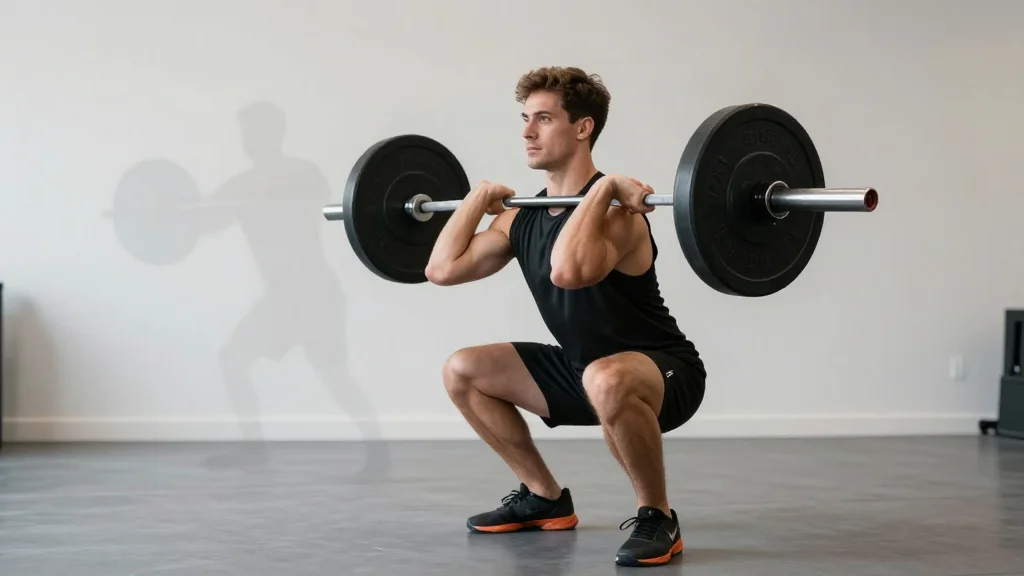
Prioritizing Speed Over Technique Hurts Athletes
Upside of social media is coaches will often pull their own pants down and show you the depth of their coaching. Seen instances of on video VBT tools leading whats happening over acutally moving well. When 1.2 m/s takes priority...
Gold Medal Skier Lindsey Vonn Opens up About Her Devastating Crash and Recovery
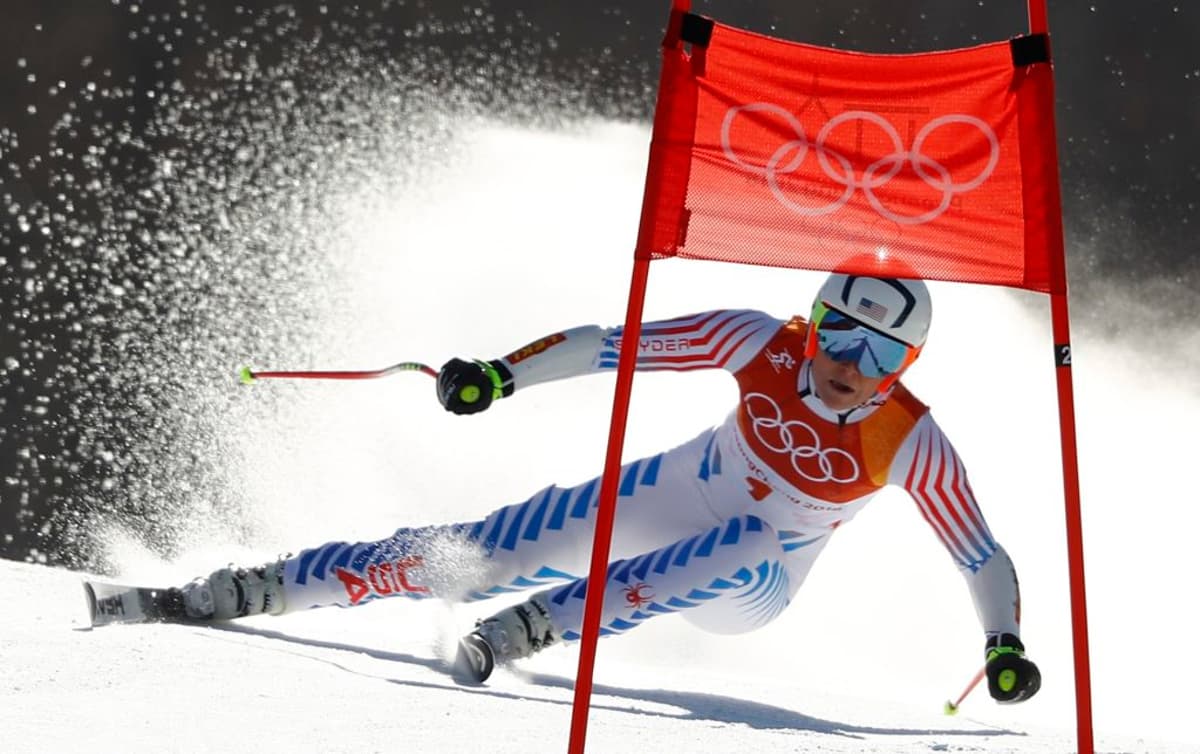
Lindsey Vonn, the 40‑year‑old former Olympic champion who became the oldest World Cup winner, suffered a catastrophic crash at the 2024 Italy Olympics, breaking her ankle and sustaining complex leg fractures. After five surgeries, she is now on crutches and...
Smart Shoes Provide Real‑Time Biomechanics to Prevent Injuries
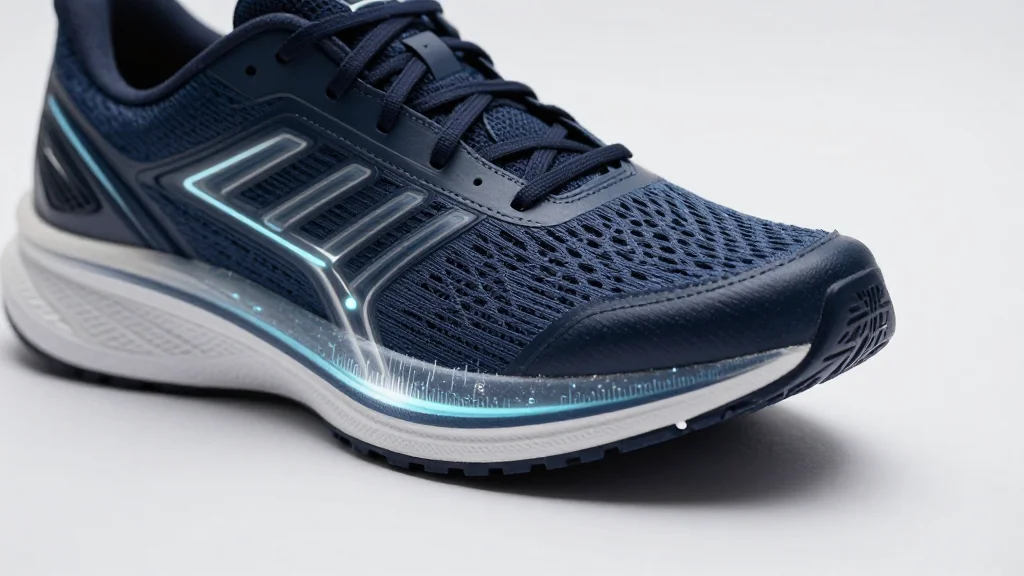
The future of wearables will be shoes. Imagine having your own biomechanics profile. You'll understand your unique movement patterns while running. And when things start to break down, you can stop or change your approach. This will short-circuit the injury cycle,...
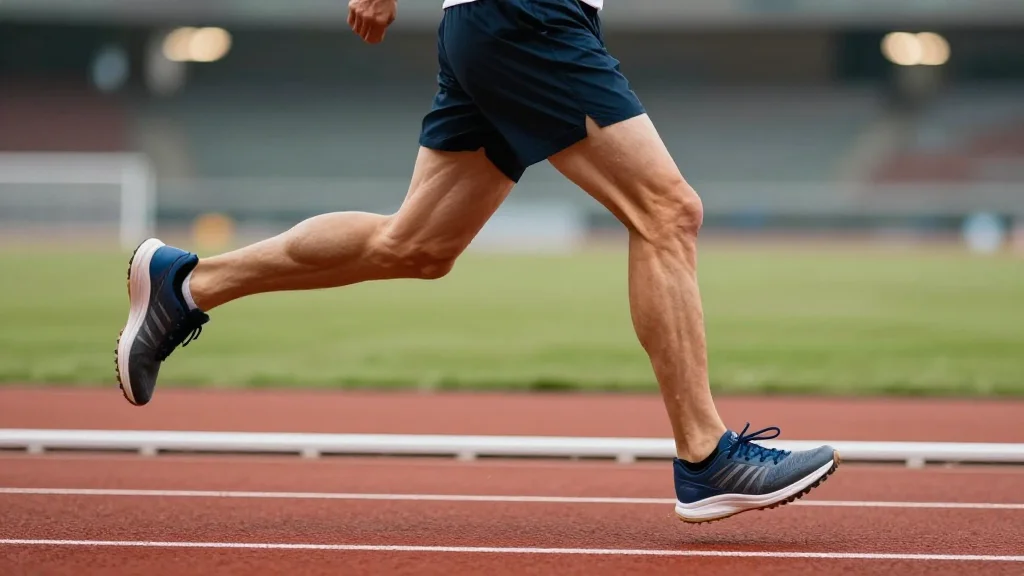
Pain Isn't Proof: Proper Sprint Training Beats Overdoing
Friend of mine two-days ago. 63yrs old. Trains every day. Ex-pro beach volleyball. Constantly tearing something. Quads sprinting, hamstrings and rotator cuffs in others. Tells me he did 30 x 30m max sprints; he was fried. I told him I’d...

There Are Two GLP-1 Side Effects Your Doctor Doesn’t Know About, and They Can Affect Your Workouts
A new *Nature Health* study used AI to scan 400,000 Reddit posts, finding that roughly 70,000 users were taking GLP‑1 drugs such as Ozempic, Wegovy, or Zepbound. While nausea and fatigue remain the most common side effects, about 4% of...
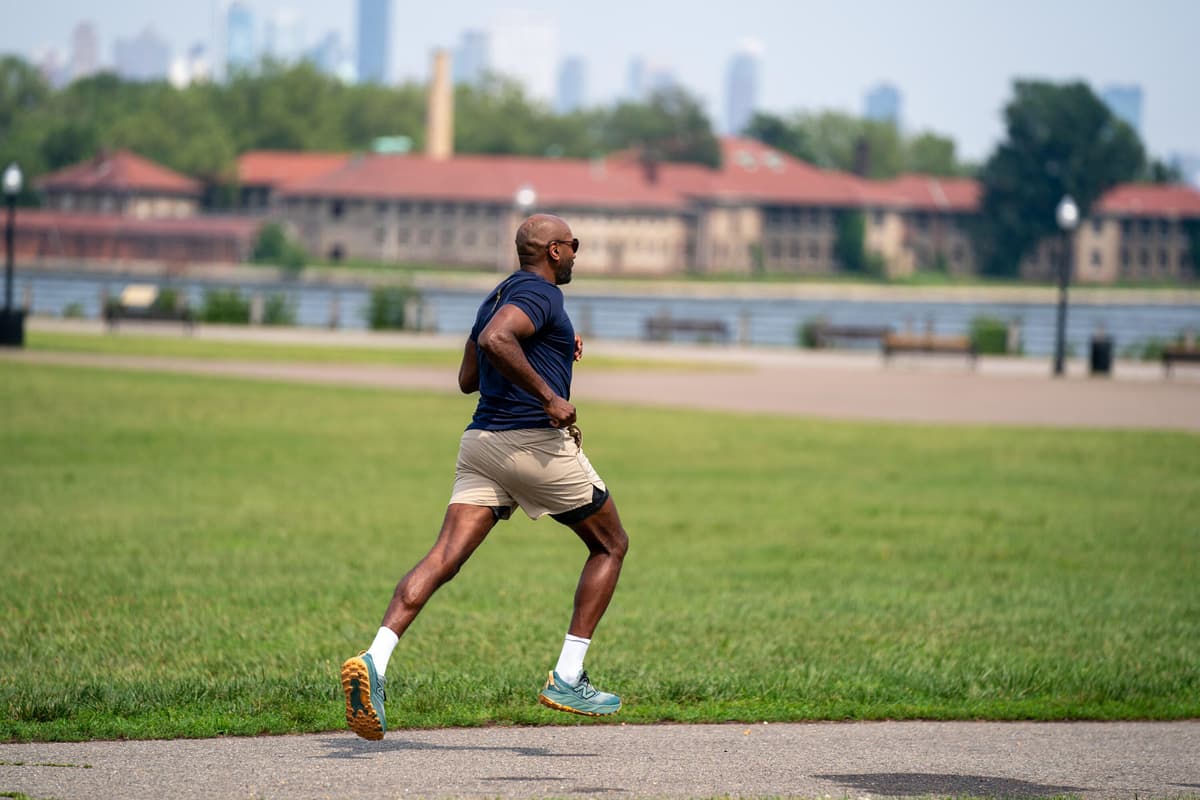
6 Signs of Weak Calves in Runners. Plus, the 3 Best Exercises to Strengthen Them.
Calf strength is crucial for runners, yet many suffer from weak gastrocnemius and soleus muscles, leading to injuries such as plantar fasciitis, Achilles tendinopathy, and knee pain. Physical therapists recommend using a single‑leg heel‑raise test—25 reps without wobble—as the benchmark...
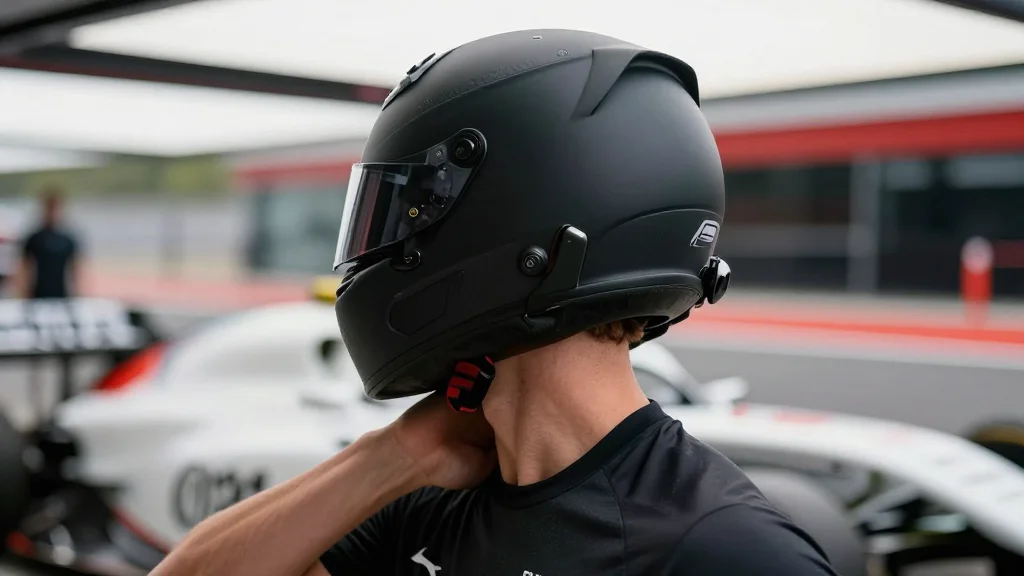
Formula 1 Neck‑Training Cuts ‘Tech‑Neck’ Pain for Office Workers, Study Finds
Researchers have demonstrated that a six‑week, Formula 1‑inspired neck‑strengthening program can significantly lessen neck discomfort among office workers. The pilot trial, involving 60 sedentary employees, reported measurable reductions in pain and improved posture, suggesting a low‑cost, high‑impact tool for workplace wellness.
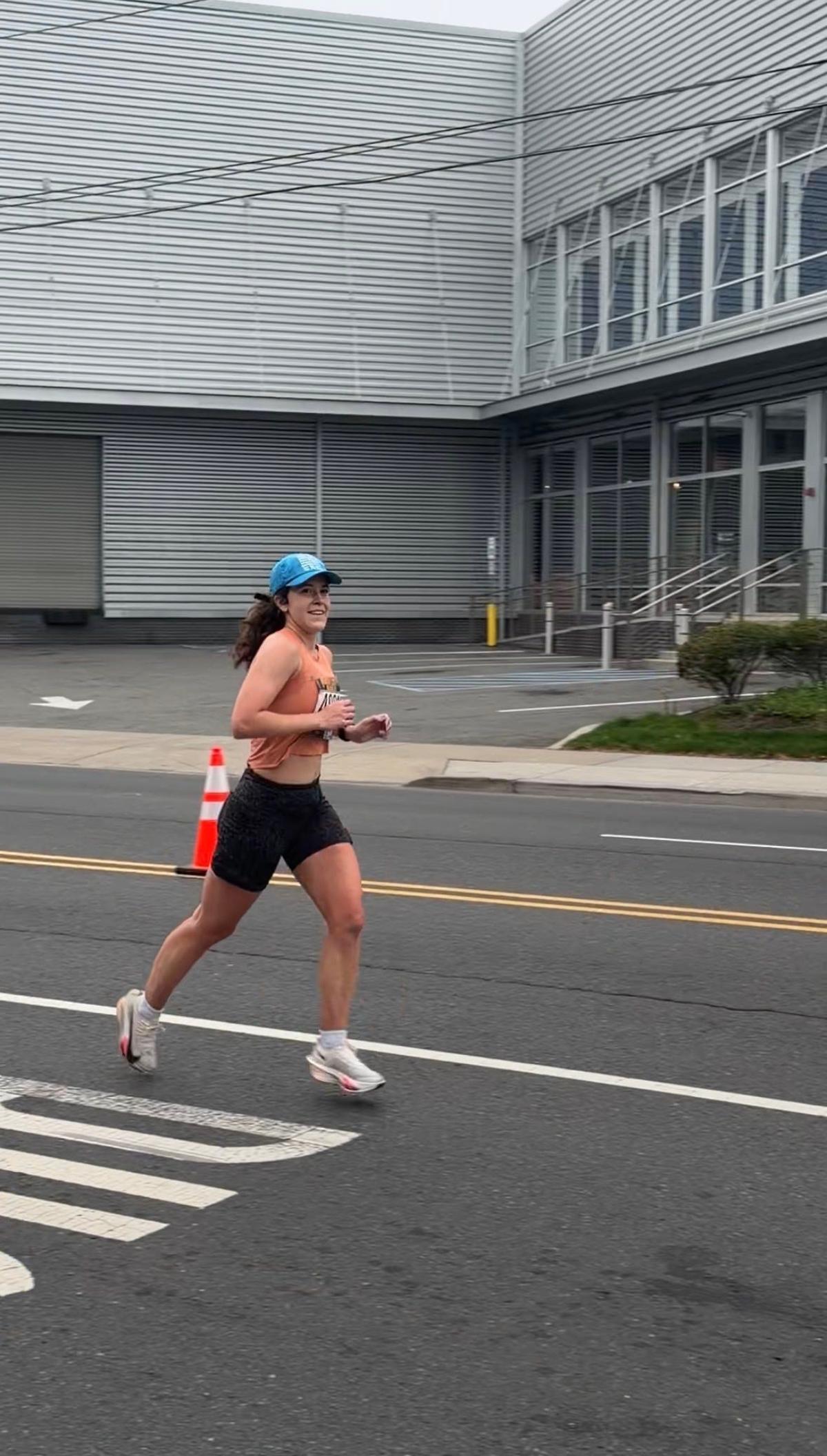
I Finally Broke Through in the Marathon. These 3 Training Tweaks Made All the Difference.
Runner Ashley Tysiac achieved a new marathon personal record of 3:11 at the Jersey City Marathon, the fastest time since her 3:15 debut in 2023. She credits three specific training adjustments: focused lactate‑threshold workouts, truly easy recovery runs, and a...
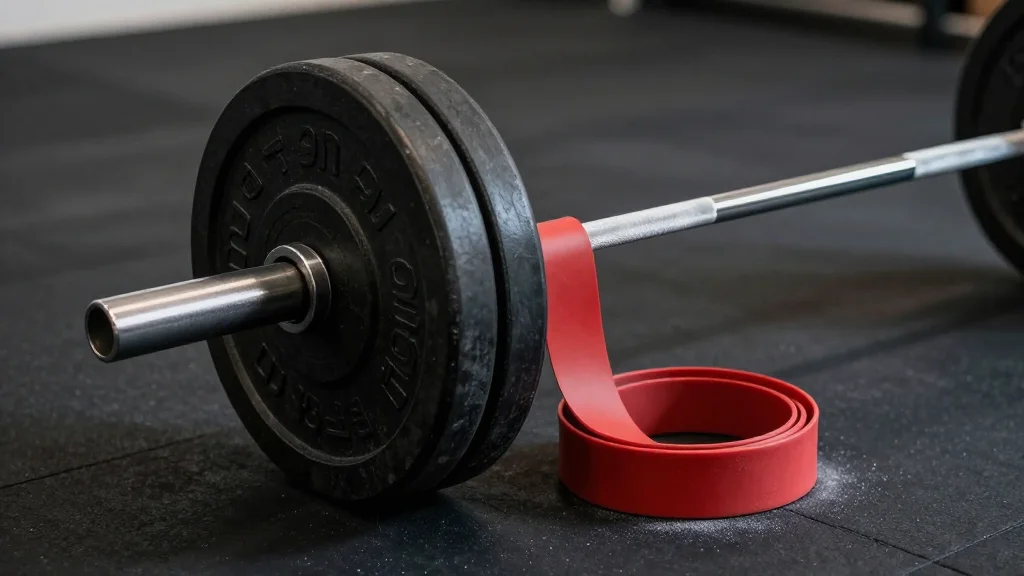
Eight Training Principles Most Lifters Will Never Apply
Dave Tate, veteran of Westside Barbell, shares eight training principles that prioritize subtraction over addition, seasonal periodization, and embracing discomfort to break strength plateaus. He argues that comfort traps lifters, peak intensity cannot be sustained year‑round, and mistakes are valuable...
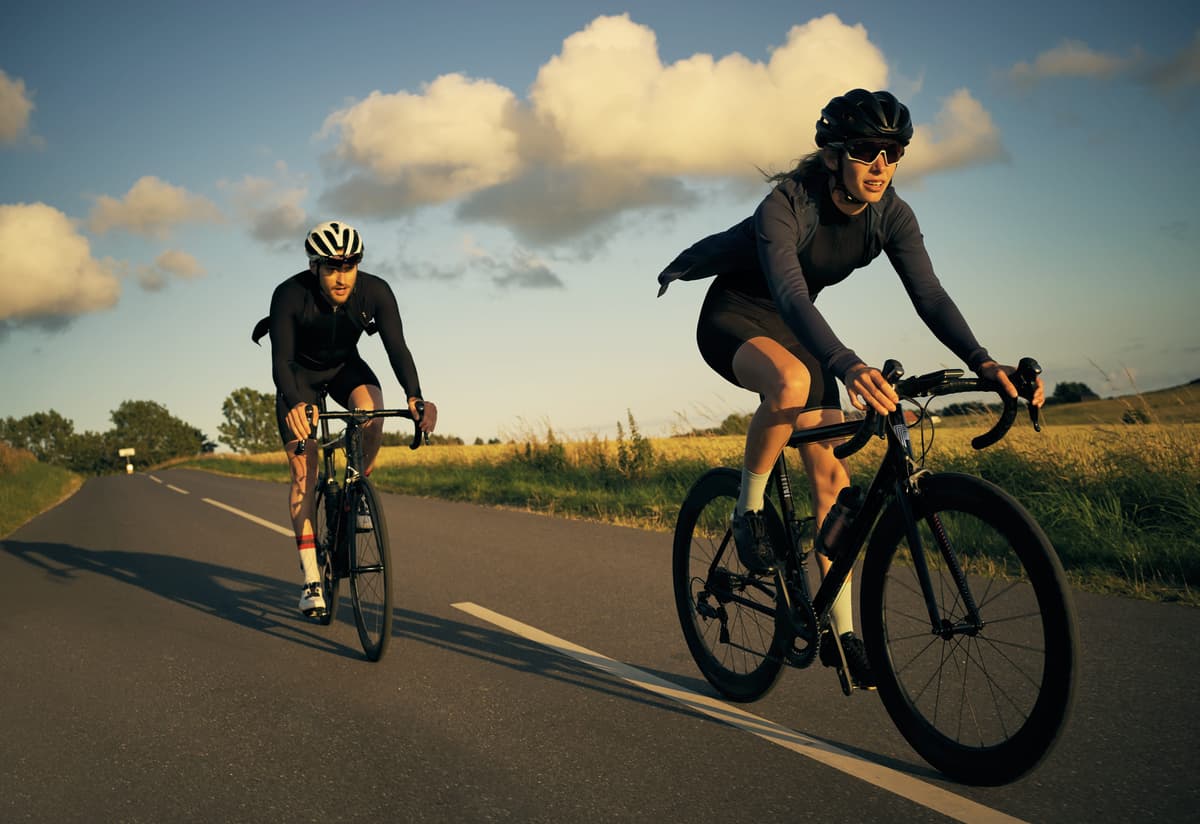
Want to Ride Stronger for Longer? Start With Zone 4
Zone 4, also known as threshold training, asks cyclists to ride at 91‑105% of FTP for sustained intervals, building the ability to maintain high power without fading. The article outlines a typical weekly structure—one 20‑60 minute Zone 4 session split into 10‑30 minute blocks...
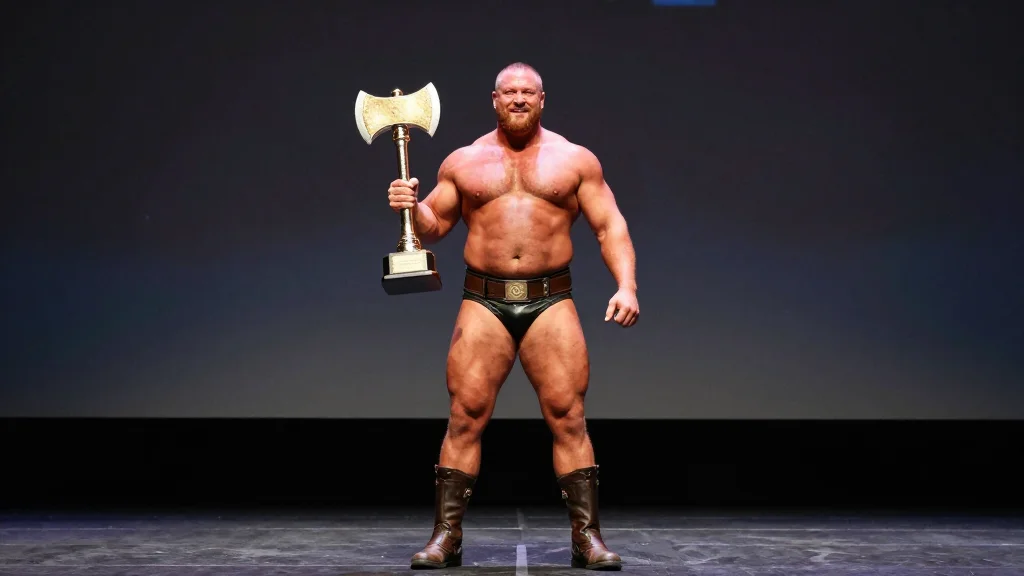
Mitchell Hooper Triumphs at 2026 World’s Strongest Man After Injury‑Riddled Campaign
Mitchell Hooper captured the 2026 World’s Strongest Man crown after battling multiple injuries throughout the season, underscoring the physical toll of elite strongman competition and its growing visibility in the fitness world.
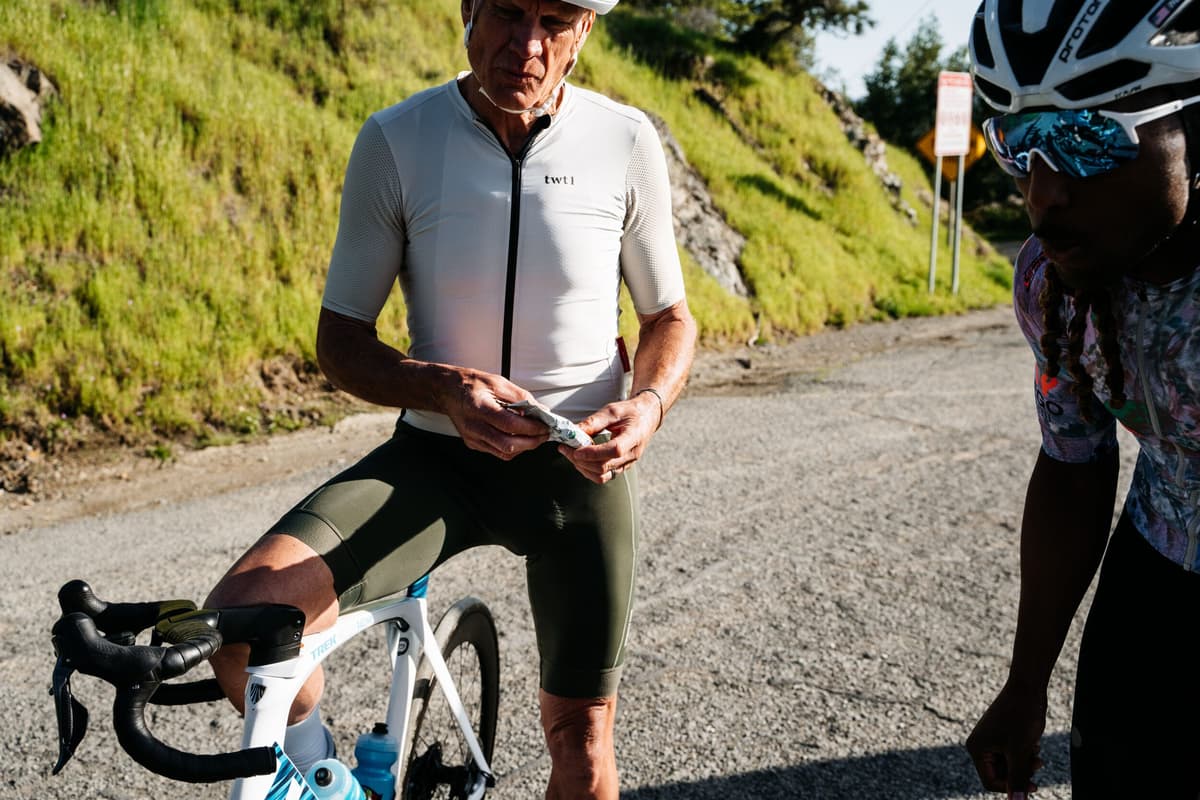
The Over-50 Cycling Problem Nobody Wants to Admit: You’re Underfueling
The Bicycling editors highlight a pervasive issue among cyclists over 50: chronic underfueling. Dietitian and coach Namrita Brooke explains that many senior riders skimp on carbohydrates, protein, and electrolytes, leading to slower recovery and diminished performance. The article recommends at...
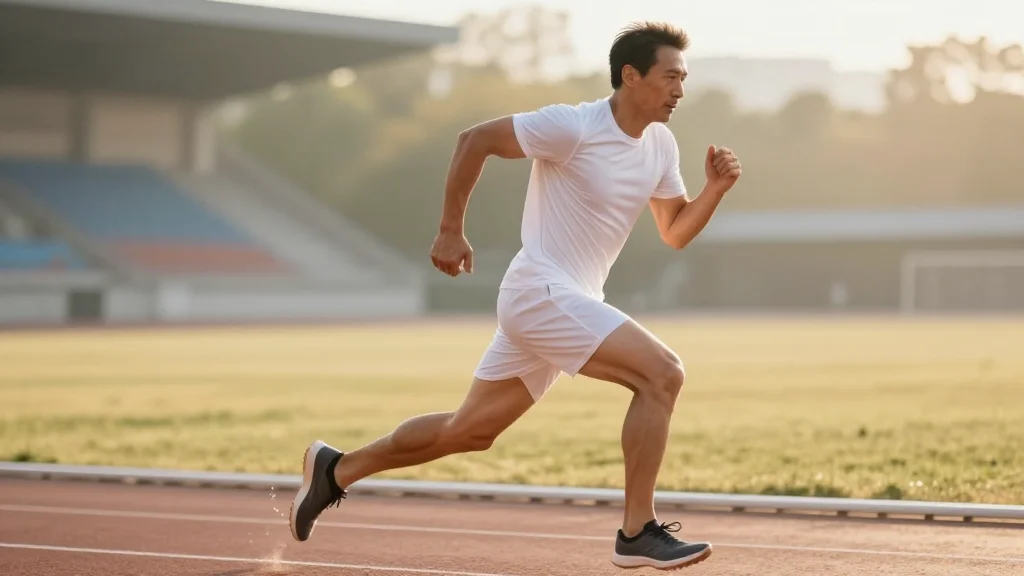
Age Can't Be Stopped, But Slowing Down Can Be
Getting older is not optional. But getting slower is. Power declines faster than strength with age. The fast-twitch fibers go first and athleticism follows. Most people accept it as inevitable and stop training the one thing that could slow it down....

Punch Power Is Learned, Not Born: Master Biomechanics
This article will teach you how to make your punches hard, faster, and more powerful, along with giving you exercises that aren’t commonly taught to fighters to increase their punching ability. I have never believed in the old boxing adage that...

April Launch Pad: Personalized Wellness, Ingestible Beauty and Gut Health
April’s launch roundup highlights a surge in gut‑centric and beauty‑from‑within products. Trace Minerals introduced a creatine‑electrolyte powder that pairs 5 g of creatine with sugar‑free flavors for performance and hydration. Designs for Health debuted a single‑donor probiotic aimed at restoring keystone...
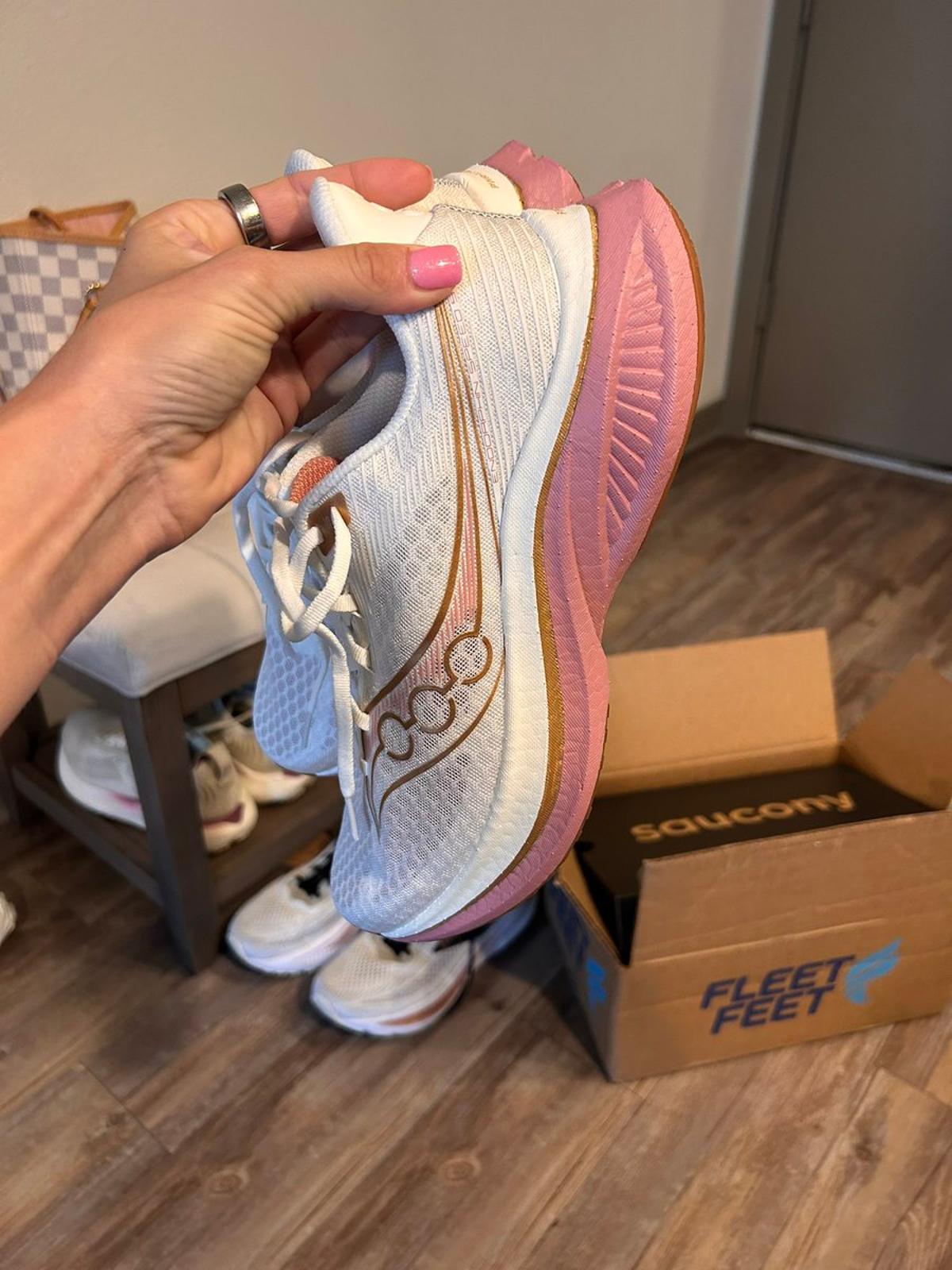
Rotate Your Shoes to Boost Performance and Prevent Injuries
🏃♀️ Runners… and fitness community IYKYK 💨Rotating your shoes isn’t extra… it’s smart training. 👟 Different movements = different demands on your body, and your shoes take the hit. When you rotate them, they last longer, perform better, and help reduce...

Nighttime Protein Aids Recovery without Causing Fat
Eating protein before bed does not automatically lead to fat gain. This blog explains how it can support recovery and muscle health. Read the blog: https://t.co/z3MoMcBdza
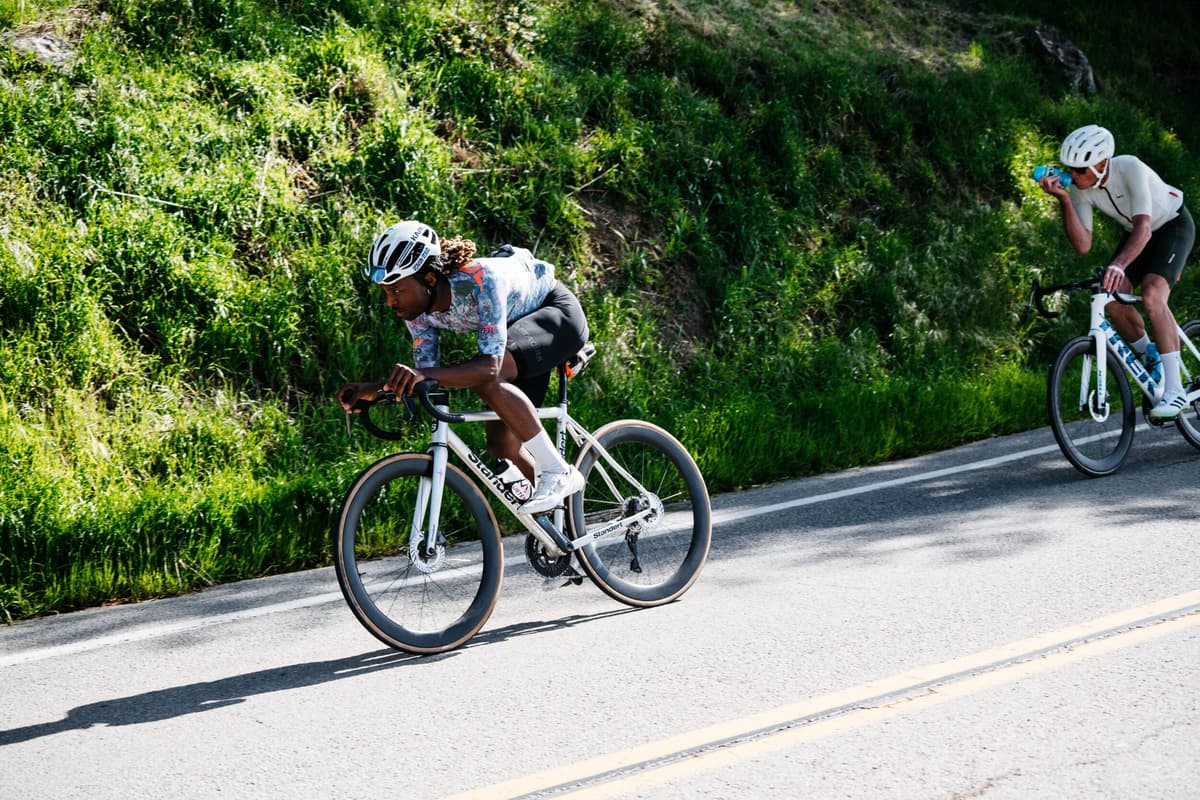
This 10 Minute Shoulder Mobility Routine Will Save Your Posture on the Bike
Cyclists face chronic shoulder tightness from prolonged forward‑leaning positions, which can impair breathing, performance, and everyday comfort. Trainer Natascha Grief proposes a ten‑minute, equipment‑free shoulder mobility routine that can be slotted into daily pockets of time, such as waiting for...
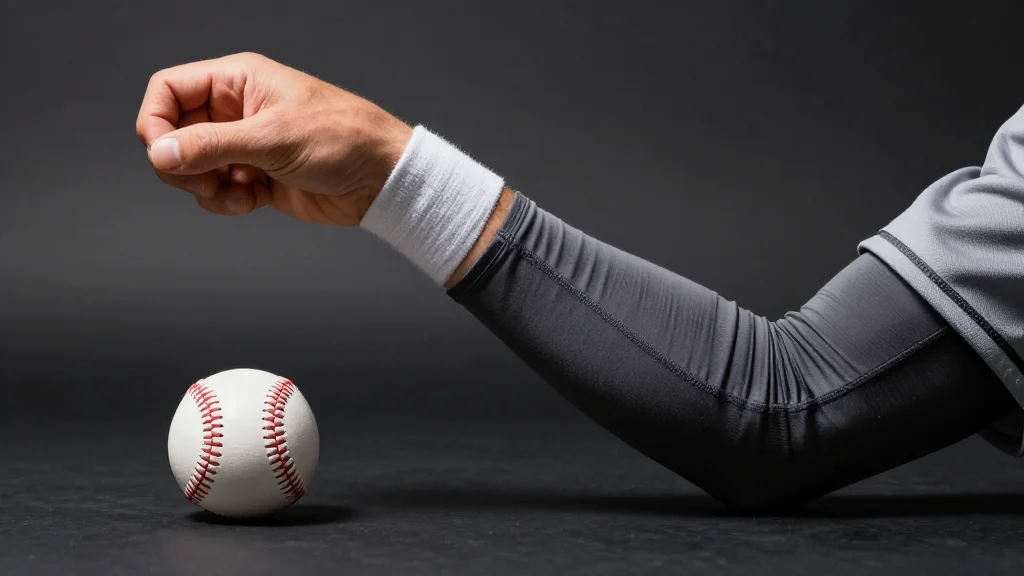
Follow Basic Guidelines, Not Complex Solutions, to Prevent Pitching Injuries
With pitching injuries, many people like to chase complex physics/sports medicine solutions. Instead, they should start with rigorous adherence to basic protective guidelines. >100 IP/yr = 350% increase in risk of youth arm injury. Anyone who can count can prevent...
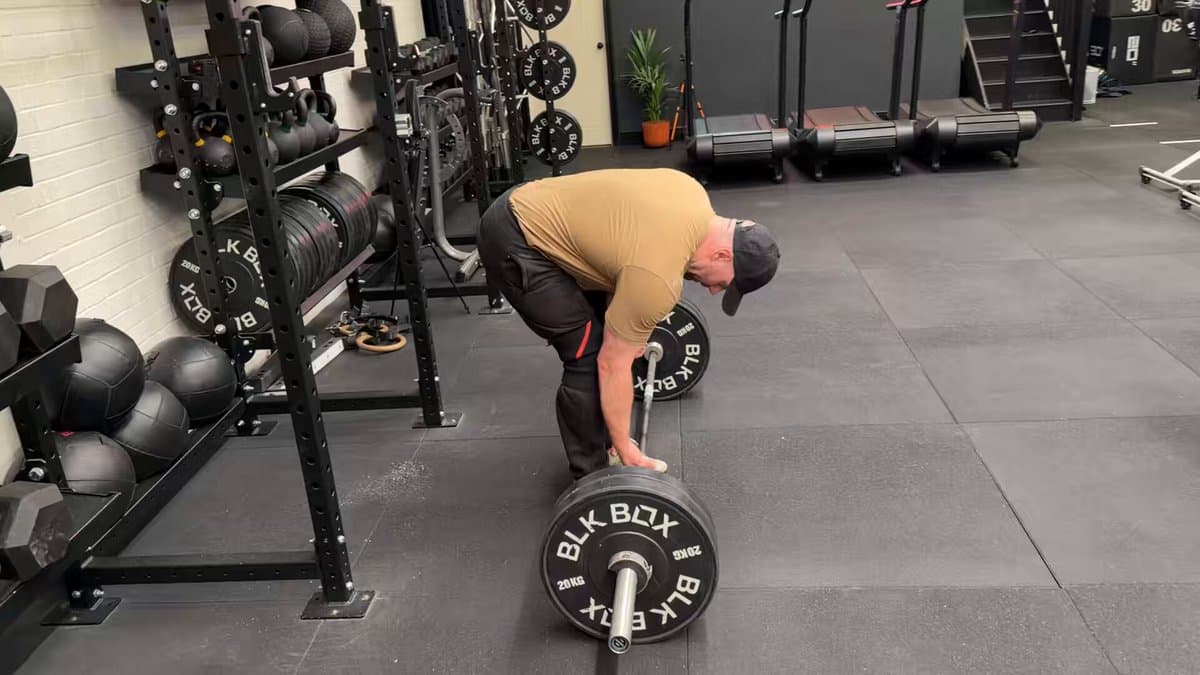
Heavy Cheat Rows Feel Right, RDLs Make Them Breezy
I’m a grappler at heart and heavy cheat palms up rows always feel “right”. Another benefit of heavy RDLs is rows always feel breezy. https://t.co/L4OHLqmqsk
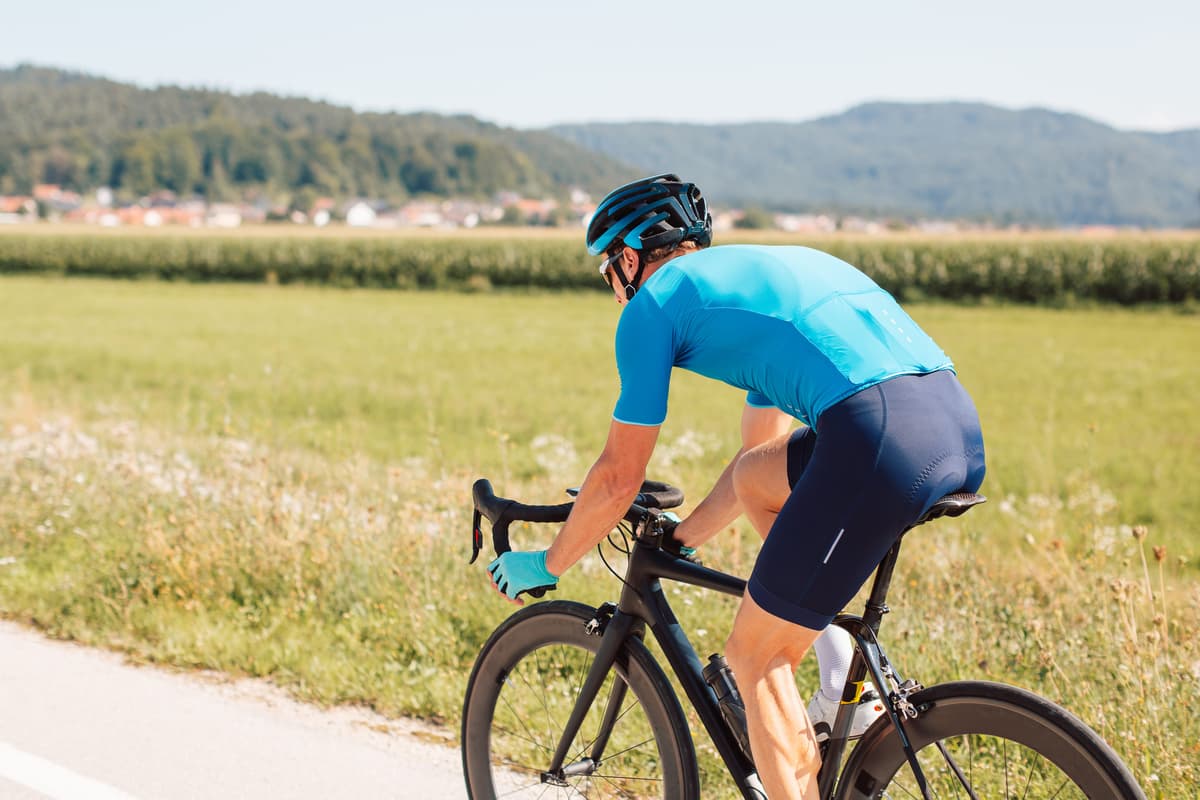
This HIIT for Beginners Guide Explains Why You Need the Challenge and How To Do It
High‑intensity interval training (HIIT) is gaining traction as a time‑efficient way to boost cardiovascular fitness, mental health, and longevity, with research showing measurable gains in VO₂ max within four weeks. For cyclists, HIIT sharpens both anaerobic power for sprints and aerobic...
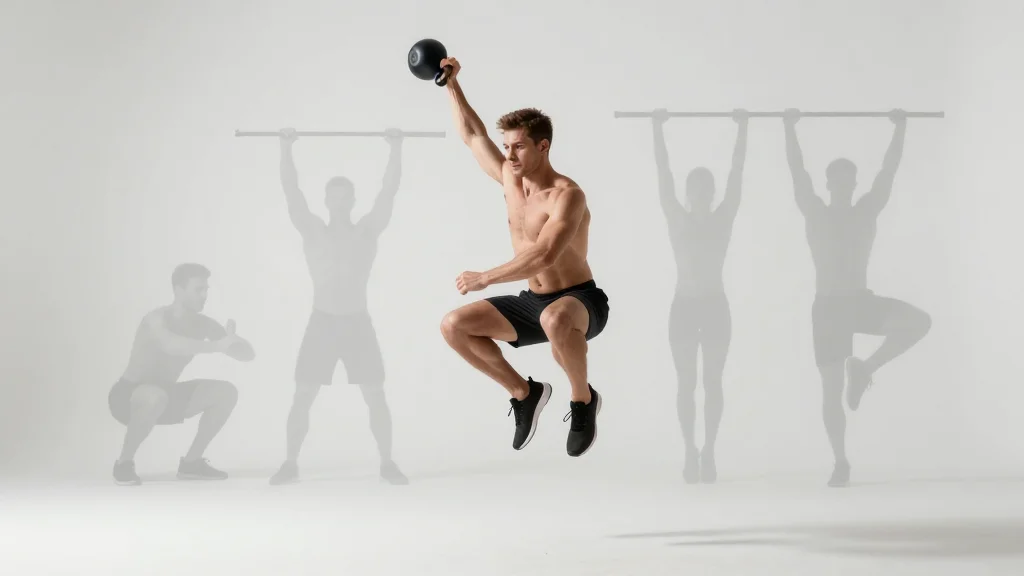
Bondarchuk’s Timeless 5‑Move Workout Blueprint
A winning session structure I picked up nearly 2 decades ago that I’ve always attributed to Bondarchuk is as follows: A) Total Body Explosive Movement B) Lower Body Movement C1) Upper Body Press C2) Upper Body Pull D) Weak Area I still use it to...

WHOOP Secures Contract for U.S. Navy CREW Program
WHOOP 🤝 U.S. NAVY 🇺🇸 I’m proud to share that WHOOP has been awarded a contract to support the U.S. Navy’s Command Readiness, Endurance, and Watchstanding (CREW) program. Learn more here: https://t.co/Ep9RXpvqe6
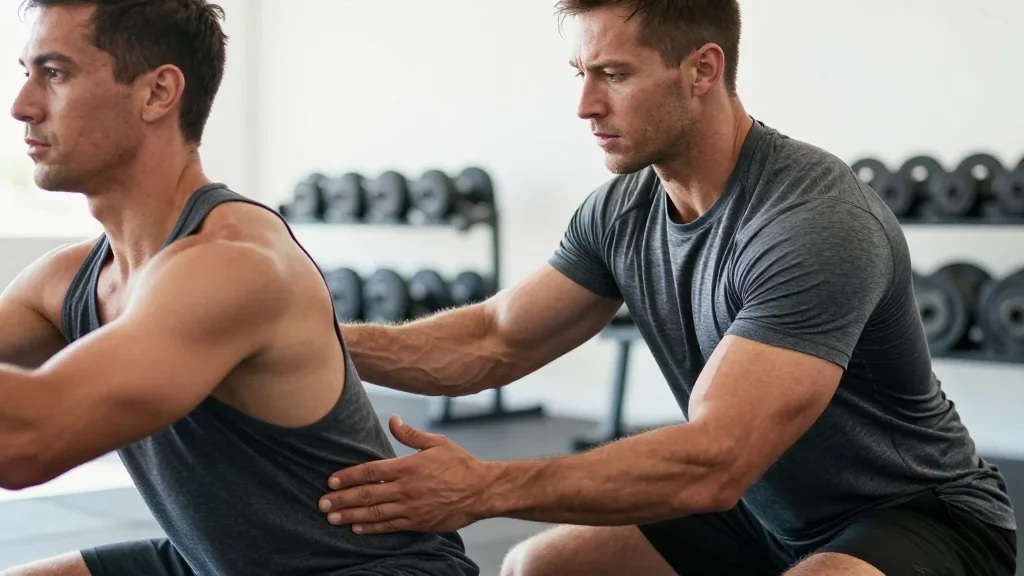
Coach with Craft, Intent, and Whole‑Person Development
Good coaches going forwards need to focus on craft over technocratic shortcuts, intent in every rep, deep understanding versus superficial optimization, and training the full human rather than isolated metrics or mechanics.