
'I Live in Vegas': Canadian Ag Producers Take Gamble with High Fuel, Fertilizer Costs
Canadian grain producers are confronting a sharp surge in diesel and fertilizer prices, which have nearly doubled since the Middle‑East conflict disrupted oil shipments through the Strait of Hormuz. Farmers such as Bruce Bird and Dave Reid pre‑purchased fuel and nutrients in the fall, tying up hundreds of thousands of dollars to secure inputs for the upcoming planting season. Despite these hedges, diesel now costs about $1.50 CAD per litre (≈$1.10 USD) and fertilizer prices are up roughly 40%, squeezing already thin profit margins. The cost pressure forces growers to consider crop adjustments or risk reduced yields.

The Big Question the Fed-Chair Hearing Leaves Open
Kevin Warsh, a former Fed governor and Trump ally, testified before the Senate Banking Committee, insisting he would act as an independent Fed chair. The hearing highlighted intense scrutiny over his willingness to resist President Trump’s push for lower rates...
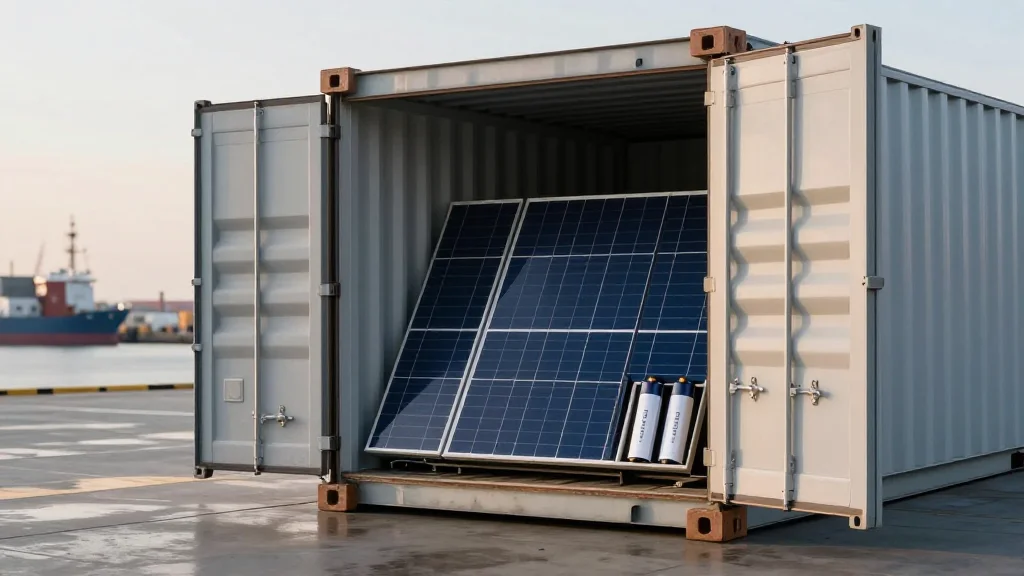
Study: Iran War Accelerating China's Solar and Battery Export Boom
China's exports of solar and battery components surged dramatically in March, reaching a record 68 GW of solar capacity—double February's level. The spike was driven by higher oil and gas prices caused by the Iran war, prompting worldwide demand for clean‑energy...
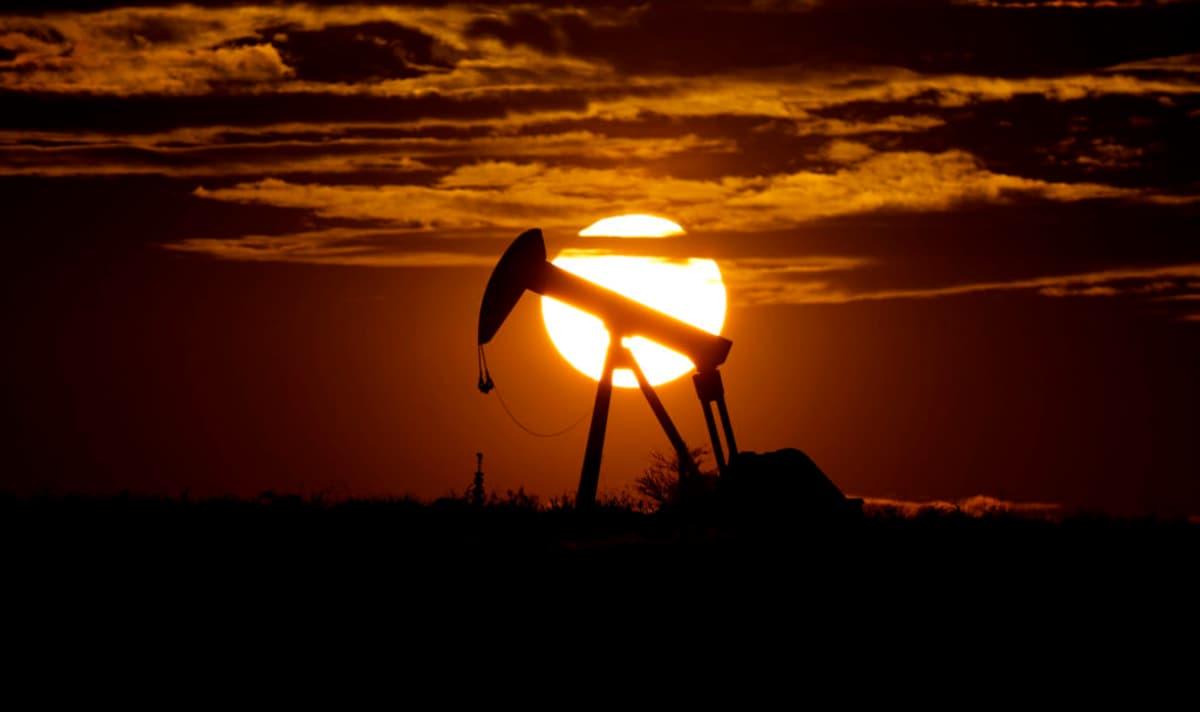
Hormuz Standoff the 'Largest Supply Shock' Ever Experienced, Says Global Energy Expert
Traffic through the Strait of Hormuz has virtually stopped after U.S. and Israeli strikes on Iran, cutting off roughly 20% of the world’s petrochemical flow. Karen Young of Columbia University estimates that about 600 million barrels of oil have been stranded...

Mr. Carney, Which CUSMA Strategy Is It This Week?
Sylvain Charlebois warns that Canada’s CUSMA strategy under Mark Carney is increasingly vague, with mixed messages about the deal’s value and strategic importance. An advisory council has been formed, but it omits primary producers and western farmer voices. Meanwhile, Mexico...

Argentina’s Economy Contracts in February
Argentina's economy contracted 2.1% year‑over‑year in February, marking the sharpest decline since September 2024 after a brief rebound in January. The slowdown was driven by an 8.7% drop in manufacturing, 7% fall in retail and wholesale trade, and a 6%...
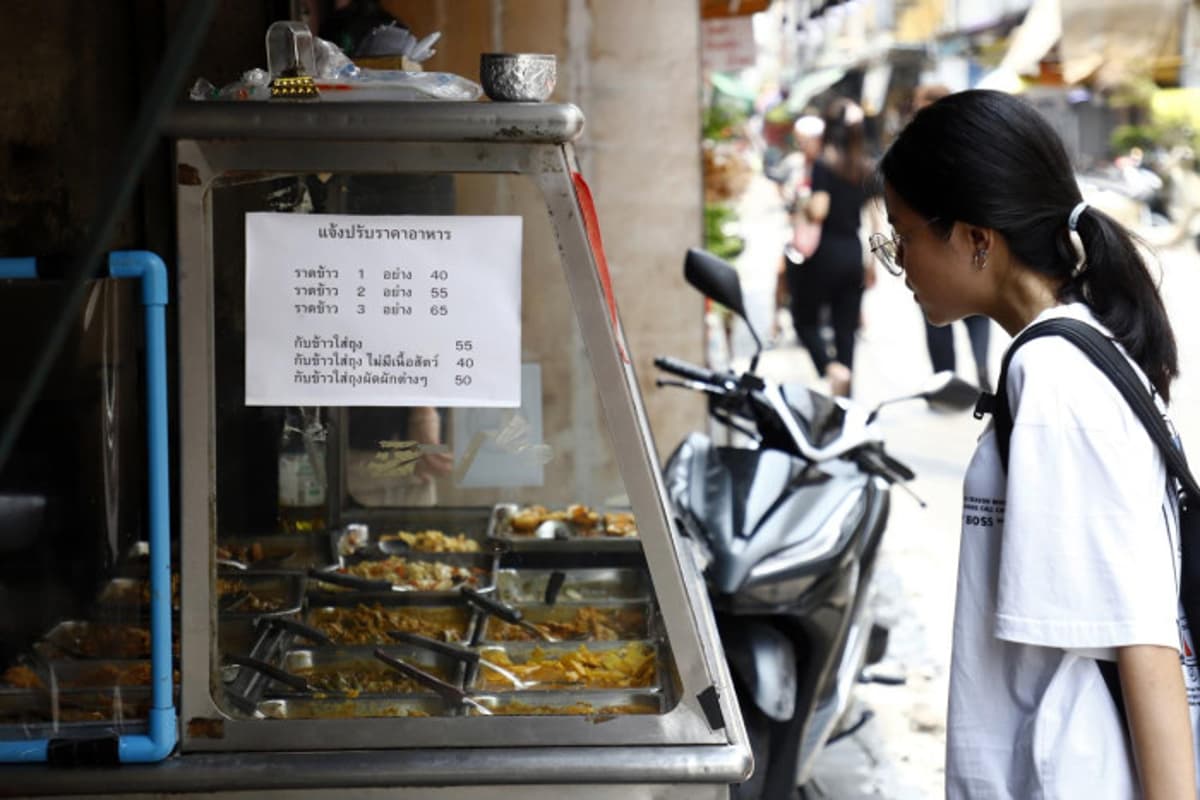
Thailand Exposed to Widening War Impact
Thailand’s economy is increasingly vulnerable as the Middle East conflict drives up oil prices, prompting the IMF to lower its 2026 growth forecast to 1.5%. The country imports about 52% of its energy from the region, amplifying exposure to price...

What Orbán’s Defeat in Hungary Means for the Western Balkans
Viktor Orbán’s surprise defeat on April 12 ends a 16‑year era in which Hungary acted as the Balkans’ chief patron of illiberal regimes. Under Orbán, Budapest funneled roughly $1.6 billion in foreign direct investment into the region, backing Serbia’s President Aleksandar Vučić, Chinese‑financed...
82 Percent of SMBs Have Raised Prices Due to Tariffs
A Netstock survey shows 82% of U.S. small and medium‑sized businesses have raised prices to offset Trump‑era tariffs, with 92% of those hikes coming directly from price increases. Over half of respondents now employ multiple mitigation tactics—such as supplier diversification,...
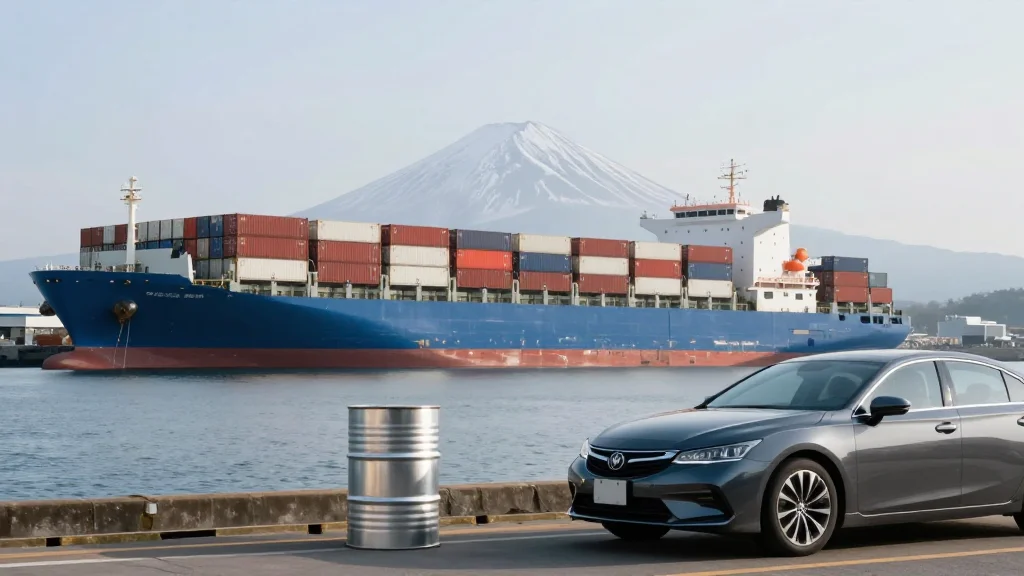
Japan Records Trade Deficit for 5th Straight Year as Trump's Tariffs Hit Auto Exports
Japan recorded a ¥1.7 trillion ($10.7 billion) trade deficit for the fiscal year ending March, marking the fifth consecutive year of shortfalls. Exports rose 4% while imports grew only 0.5%, but U.S. tariffs slashed auto shipments to the United States by 16%,...
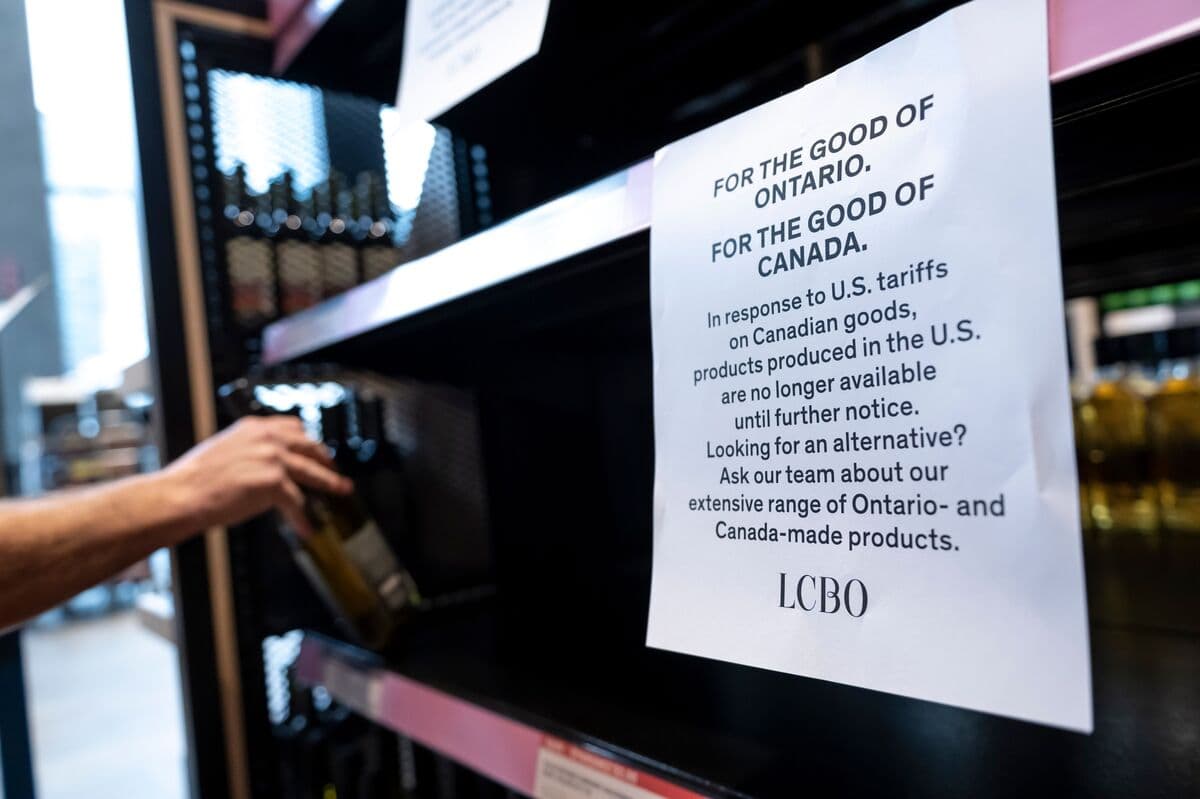
Canada and the US Are Having a Bar Fight Over Bourbon
Ontario Premier Doug Ford reaffirmed the province's ban on U.S. alcohol sales, tying its removal to a new US‑Mexico‑Canada Agreement (USMCA) deal. In Washington, U.S. Trade Representative Jamieson Greer warned Congress that enforcement action on Canadian wine and spirits could...
Canada's Prime Minister Says the US Does Not Get to Dictate Terms for a Trade Agreement
Canada’s prime minister, Mark Carney, said the United States cannot dictate terms of the USMCA as the agreement heads toward its July review. He highlighted trade irritants on both sides, including U.S. concerns over Canadian dairy, poultry, and alcohol restrictions,...

How Iran and the United States Are Planning Their Next Moves
President Donald Trump unilaterally extended the U.S.-Iran cease‑fire just before it was set to expire, prompting Tehran to label the continued American blockade of Iranian ports an act of war. The conflict has choked the Strait of Hormuz, a conduit...

Mideast War to Erase Nearly All 2026 Oil Demand Growth
Energy Intelligence’s latest forecast predicts that the Middle East war will wipe out almost all growth in global oil demand for 2026. The supply shock from disrupted production and export bottlenecks has driven the projected increase to near zero, a...

Brent Rises Back Above $100 as Focus Remains on Hormuz
Brent crude climbed back above $100 a barrel on Wednesday after President Donald Trump announced an indefinite extension of the U.S. cease‑fire with Iran. The move left the strategic Strait of Hormuz partially open while the U.S. blockade of Iranian‑flagged...

Charai for The National Interest: Judge Jared Kushner by What He Changed
The National Interest piece, authored by Atlantic Council analyst Ahmed Charai, assesses former White House adviser Jared Kushner by the concrete policy shifts he engineered during his tenure. It highlights Kushner’s role in brokering the Abraham Accords, reshaping U.S. aid to...

Sherman Says: The Dirty Secret in the Bond Market
DoubleLine debuted its "Sherman Says" podcast with Deputy CIO Jeffrey Sherman and strategist Ryan Kimmel discussing today’s macro backdrop. They highlighted persistent inflation from energy price swings, tariffs and elevated services costs, which keep the Federal Reserve’s policy path uncertain....
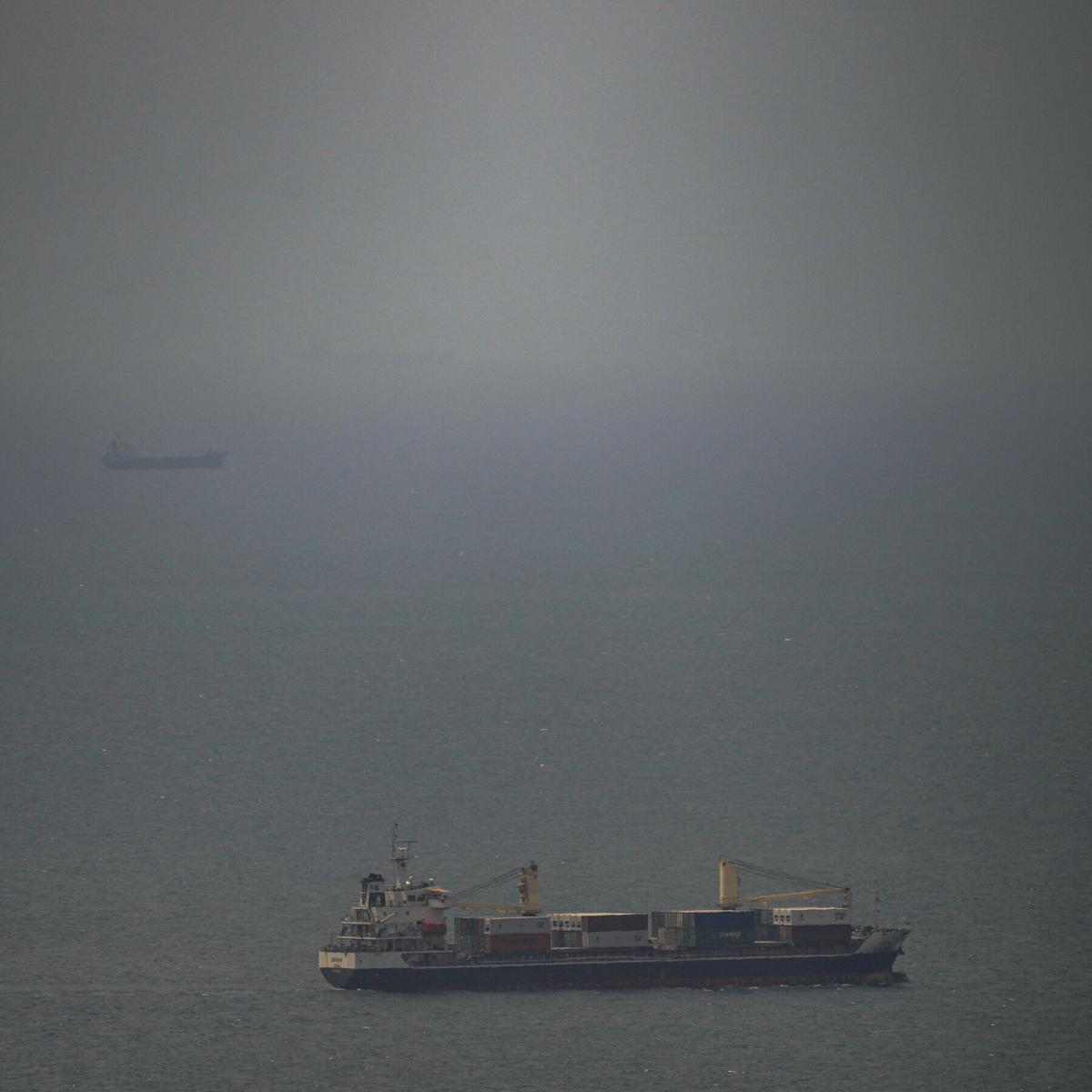
Iran Again Tightens Its Grip on Shipping in the Strait of Hormuz
Iran renewed its campaign in the Strait of Hormuz, striking two cargo vessels on Wednesday after traffic fell to a single ship on Tuesday—the lowest level since the conflict began eight weeks ago. The attacks effectively halted most shipping through...
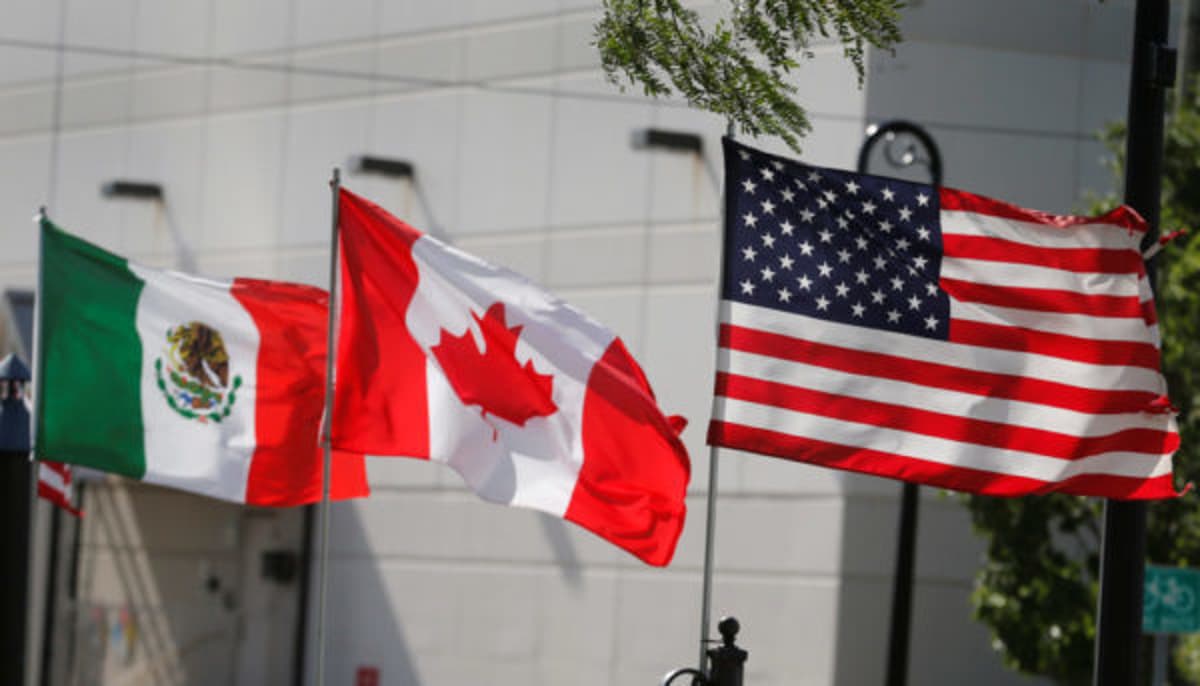
USTR Weighs in on USMCA Updates Prior to July Review
The U.S. Trade Representative is pushing for changes to the United States‑Mexico‑Canada Agreement that would better support American agriculture, emphasizing rules of origin and economic‑security provisions. Ambassador Jamieson Greer has been meeting with Mexican officials ahead of the joint July...

In Renegotiating the USMCA, Mexico Should neither Rush nor Stall
The United States‑Mexico‑Canada Agreement (USMCA) entered its mandatory review on March 16, prompting Mexico to weigh three strategic paths: pursue ambitious tariff protections and deeper supply‑chain ties, settle for the status quo, or accept a rushed deal that could harm its...

Stocks Rise as Investors Weigh Cease-Fire Extension
The S&P 500 nudged to a fresh record high on Wednesday as traders digested President Trump’s decision to extend the cease‑fire with Iran and the Iranian seizure of two cargo vessels near the Strait of Hormuz. Despite the diplomatic move, oil...

US Stocks Today: US Market Rises on Iran Ceasefire Extension and Solid Earnings
U.S. equities rallied on Wednesday after President Donald Trump announced an indefinite extension of the Iran cease‑fire, lifting a key geopolitical risk. The S&P 500 jumped 1.03% to 7,137.12, the Nasdaq rose 1.62% to 24,653.52, and the Dow gained 0.68% to...
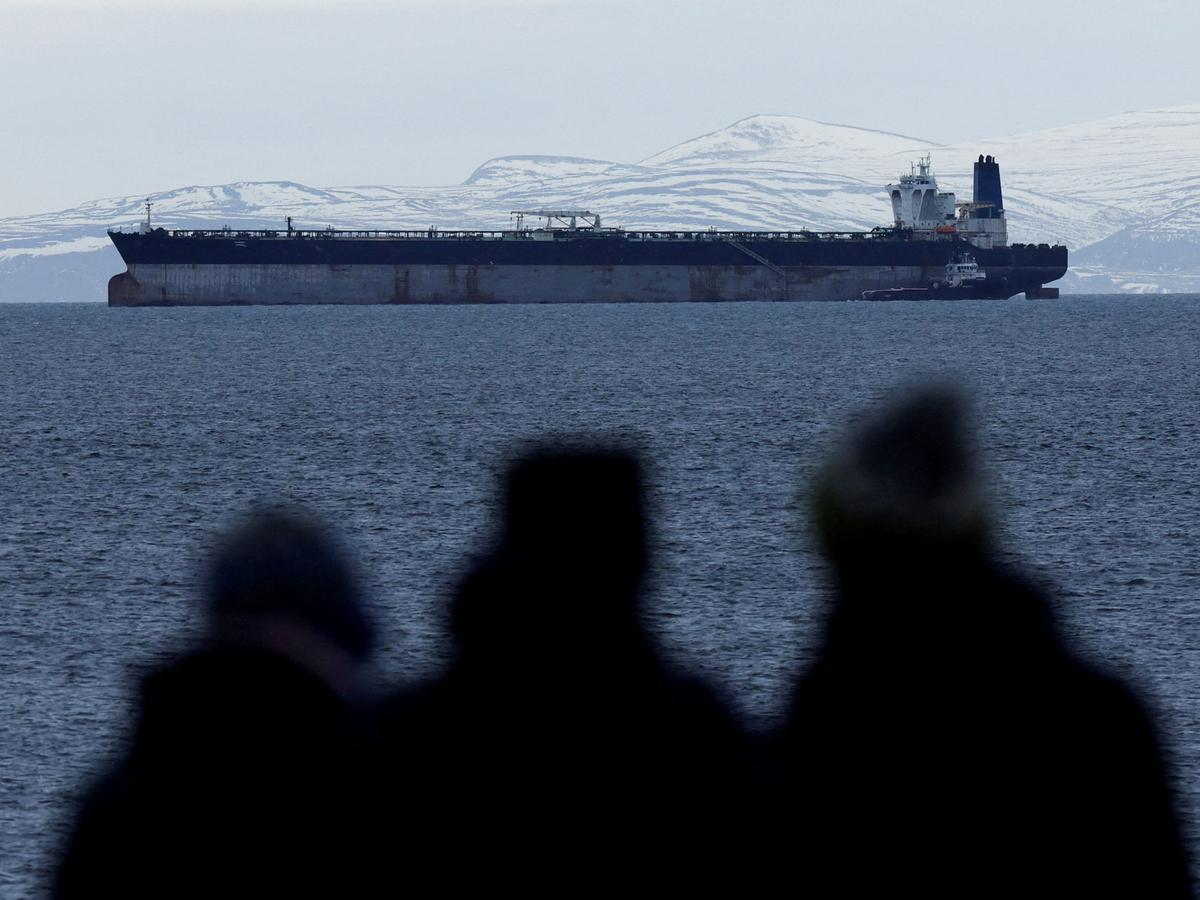
The Shadow Fleet Is Undermining the Maritime Order More Brazenly than Ever
In 2026 Baltic Sea nations, France, India and others intensified inspections, detaining more shadow‑fleet vessels than ever before. Russia responded by deploying naval escorts for shadow ships through the English Channel and Baltic Sea, while Iranian vessels continued to evade...

The Scuttlebutt at the 2026 Solar + Wind Finance & Investment Summit
The This Week in Cleantech podcast highlighted Iran’s recent strikes on aluminum smelters in the UAE and Bahrain, which pushed regional electricity prices up 11%. That surge lifted U.S. power costs to their highest level since Russia’s 2022 invasion of...

Canada’s New US Economic Advisory Committee Draws Backlash From Tech Leaders
Prime Minister Mark Carney announced a new Canada‑U.S. economic advisory committee to replace the 2025 Council on Canada‑U.S. Relations. The 24‑member panel is dominated by politicians and leaders from automotive, manufacturing and natural resources, with no representation from Canada’s tech...

So, Are We All Going to Get Refunded for Those Illegal Trump Tariffs?
On April 22, 2026, the U.S. Treasury announced it will begin issuing refunds for the Trump administration’s illegal tariffs, but only to businesses that paid the duties directly. An estimated $1,745 per American household was spent on those tariffs, yet...

America’s Descent Into State Capitalism Is Exaggerated
The article argues that claims of America sliding into state capitalism under President Donald Trump are overstated. While Trump repeatedly frames mortgage rates, gasoline prices, and stock market movements as battles the government must win, the federal response has been...

Mideast Gulf War May Dent Brazil Asphalt Demand
The Middle‑East conflict has pushed global asphalt prices sharply higher, lifting Brazil's delivered asphalt costs by more than 50% since the US‑Israeli war with Iran began in late February. Domestic refiners Acelen and Ream raised prices 25% and 40% in...

US Eyes Ag Outcomes From Trump’s May China Visit
U.S. Trade Representative Jamieson Greer told the House Ways and Means Committee that President Trump’s upcoming China visit will seek a broader agricultural commitment beyond soybeans. The administration also flagged a tough stance toward Canada as the US‑Mexico‑Canada Agreement (USMCA)...

Bessent Says 'Many' U.S. Allies Have Asked for Currency Swaps Amid Iran War Turbulence
U.S. Treasury Secretary Scott Bessent told a Senate appropriations hearing that many Gulf allies, including the United Arab Emirates, have asked for dollar‑denominated currency swap lines to offset the economic shock from the Iran‑U.S. conflict. A swap line would provide...
Extra Credit
Loomis Sayles’ Q1 outlook highlights rising geopolitical risk from the U.S.–Israel‑Iran conflict, which lifted energy prices and pushed the 10‑year Treasury yield from 4.17% to 4.32%. Despite these headwinds, corporate fundamentals remain solid, and earnings growth is seen as the primary...
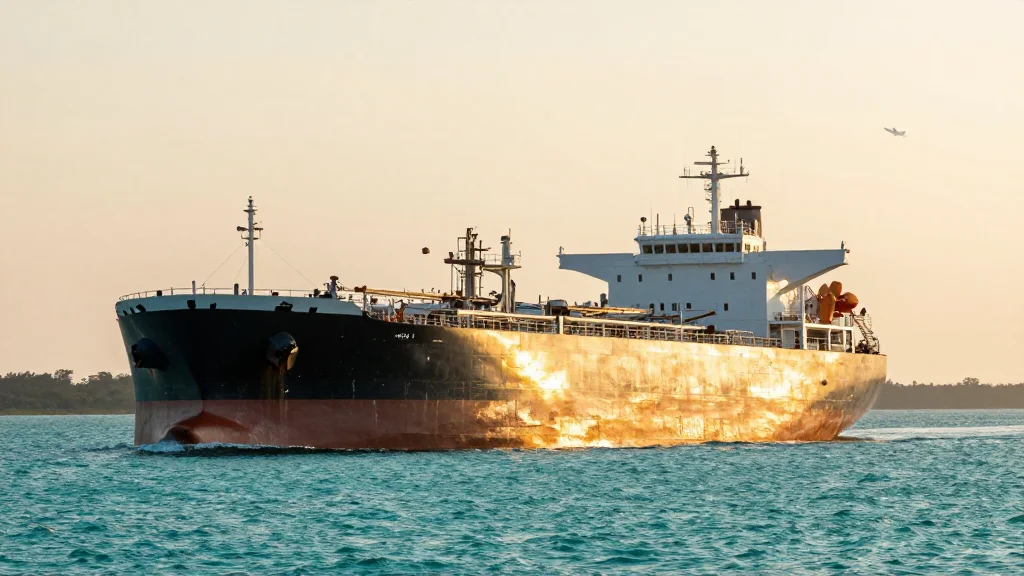
Breakbulk26: Loss of Persian Gulf Oil Supplies Difficult to Replace Quickly
At the Breakbulk26 conference, S&P Global Energy’s Amy Groeschel warned that the war in the Middle East could trap roughly 16 million barrels of crude and refined product in the Strait of Hormuz each day, a volume that cannot be replaced quickly....

EU Majority Resists French Call to Overhaul US Trade Deal
France is urging the EU Council to embed new safeguards into the EU‑U.S. Turnberry trade agreement, including a sunrise clause linking tariff removal to U.S. steel duties and a sunset clause that would end the pact in March 2028. A...

Oil Prices Rise Despite US-Iran Ceasefire Extension
Oil prices edged higher on Wednesday as Brent crude approached $100 a barrel and U.S. West Texas Intermediate rose above $90, despite the United States extending a cease‑fire with Iran. The extension has done little to ease market nerves, with...

The War in Iran Is Giving Accountants Economic Jitters
The Q1 2026 Global Economic Conditions Survey shows CFO confidence slipping to its lowest point since the pandemic, driven largely by the war in Iran. Geopolitical instability rose to the top risk priority for accountants, overtaking inflation and interest‑rate concerns....
The Tariff Refund Process Has Begun for Businesses. What About Customers?
The U.S. Customs and Border Protection has launched an online portal to begin refunding $166 billion in tariff revenue, but refunds are paid to the importer of record, not directly to consumers. Shipping giants DHL, FedEx and UPS said they will...
The AI Boom Is Single-Handedly Carrying the U.S. Import Market—And Adding $200 Billion to the Trade Deficit, Fed Study Finds
The Federal Reserve’s Minneapolis branch reports that AI‑related products accounted for 23% of U.S. imports in 2025, driving a 73% year‑over‑year surge that dwarfs the 3% rise in non‑AI goods. AI imports totalled roughly $265 billion versus $71 billion in exports, adding...

With No End in Sight in Hormuz, Get Income ETFs Now
Income-focused exchange‑traded funds have surged since the 2019 ETF rule, and active managers are now positioning them as a hedge against market turbulence. American Century’s short‑duration SDSI and multisector MUSI ETFs charge 0.32% and 0.38% expense ratios respectively, delivering yields...
Is a Perfect Financial Storm Gathering?
A confluence of three forces is creating what authors call a perfect financial storm: shadow banking is expanding at a breakneck pace, public debt in major economies is climbing toward historic highs, and the post‑2008 regulatory reforms remain only partially...

Gold Price Halts Two-Day Decline with US-Iran Ceasefire Extended
Gold prices halted a two‑day decline on Wednesday, stabilising above $4,700 an ounce after President Donald Trump announced an extension of the US‑Iran ceasefire. The pause follows more than 10% losses since the conflict began, as investors reassess geopolitical risk...

Market Wrap
Markets have been volatile this month as Iran‑related tensions lift the VIX to around 25, a level that signals moderate investor anxiety but not a crisis. Economic data remain upbeat: the Dallas Fed Weekly Index sits at 2.9, industrial production...

Structural Reforms for Long-Term Progress
The Philippines government has rolled out a series of short‑term relief measures, including a grocery price freeze until May 10 and temporary loan‑payment grace periods, to cushion households from rising costs. Inflation surged to 4.1% in March 2026, driven largely by...

ASEAN for Peace and Prosperity, Trade with China
ASEAN’s 14‑point chair statement, issued by the Philippines, reiterates a commitment to peace, open trade and regional energy resilience, highlighting frameworks such as the ASEAN Petroleum Security Agreement, Power Grid and Trans‑ASEAN Gas Pipeline. The Philippines, while chairing ASEAN, is...
The AI Economy Runs on Helium. The Iran War Just Created a $650 Billion Problem
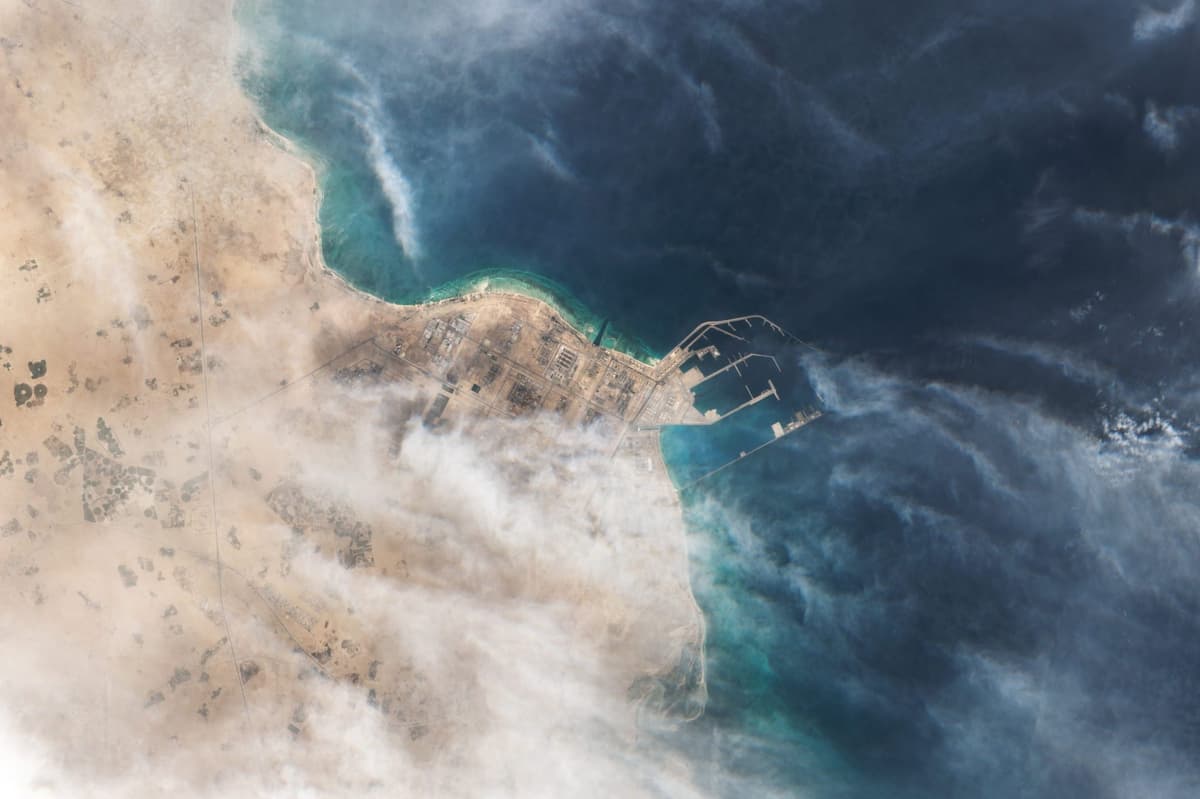
Moody’s Ratings warns that the Iran‑Israel conflict has disrupted Qatar’s Ras Laffan helium plant, creating a $650 billion supply‑chain risk for the AI economy. Helium, essential for wafer cooling, carrier gas and leak detection in semiconductor fabs, has no industrial substitute. The...
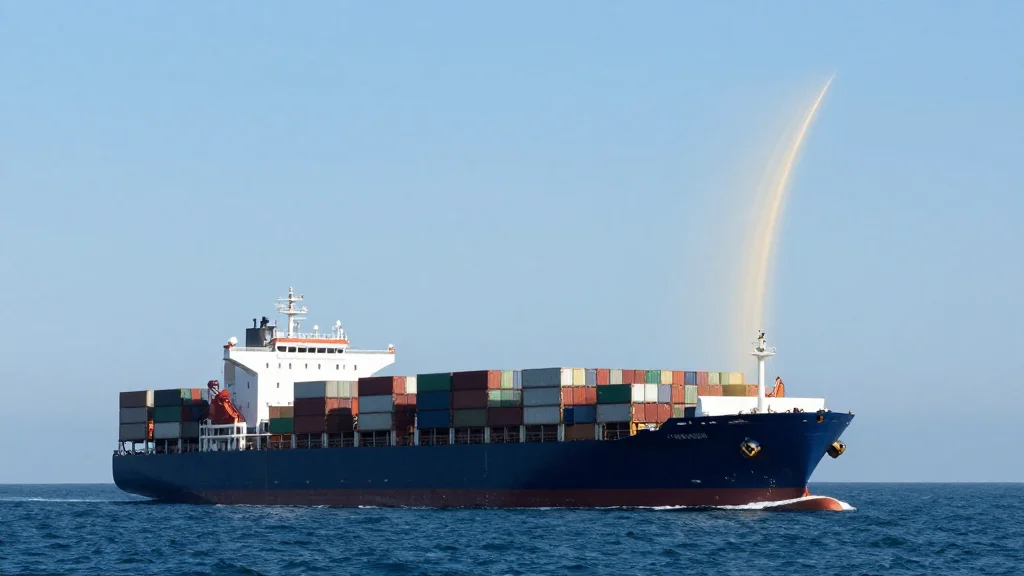
Ocean Shipping Surcharges Spurred by Iran War Weigh on Contract Talks
Ocean carriers are adding fuel surcharges and higher rates as the Iran‑triggered closure of the Strait of Hormuz pushes oil prices up. Shippers negotiating new ocean‑shipping contracts are grappling with these extra costs, while the Federal Maritime Commission has pushed...
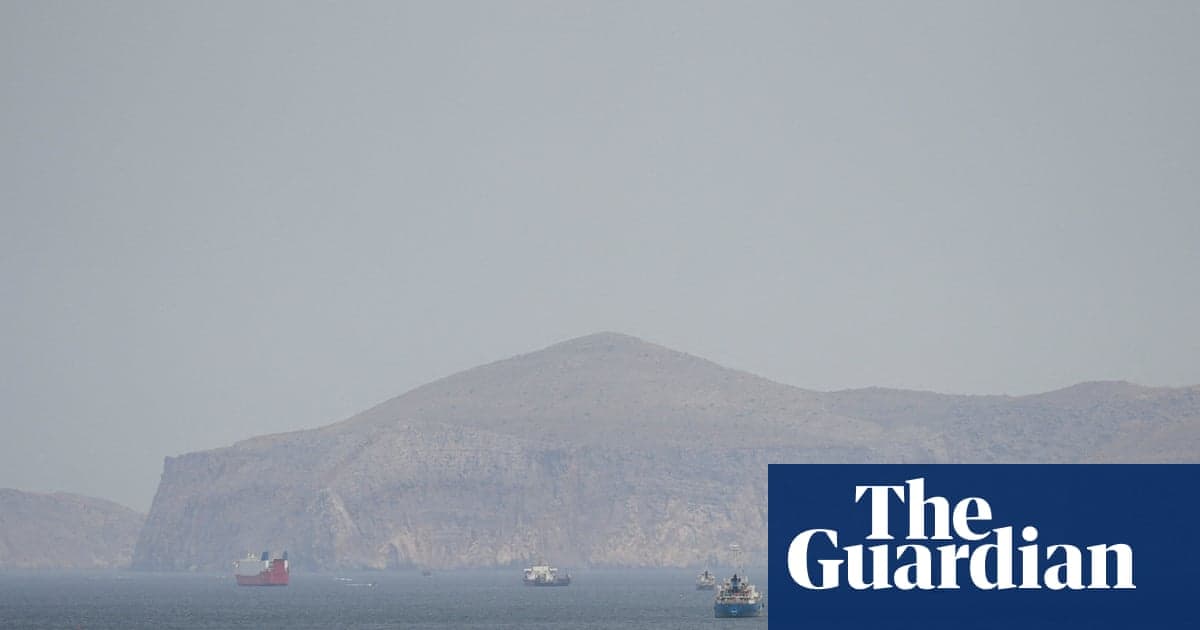
Strait of Hormuz Is Hosting Gunboat Diplomacy as US and Iran Vie for Most Effective Blockade
The Strait of Hormuz has turned into a naval showdown as the United States and Iran vie for dominance after President Trump shelved a planned air strike. Iran’s Revolutionary Guard is seizing and firing on commercial vessels, while the U.S....

How Firms Should React to Rivalry Between America and China in Critical Minerals
The United States and China are intensifying a strategic contest over critical minerals such as lithium, cobalt, rare earths and graphite, reshaping trade, industrial policy and supply chains. China currently dominates processing of rare earths and a majority of lithium,...

Caution at MPC as War Muddies View
The Reserve Bank of India’s monetary‑policy committee left the repo rate unchanged at 5.25% after its April 6‑8 meeting, citing persistent supply‑chain disruptions from the West Asia conflict. Minutes reveal that inflation is expected to rise, but the surge is...

Rates Spark: Swap Lines Imply some Pressure
The market has eased from earlier fears that a frozen Strait of Hormuz would cripple oil supplies, yet oil prices remain elevated as the closure persists and Iran refuses to negotiate without a US blockade lift. Bond yields are inching...
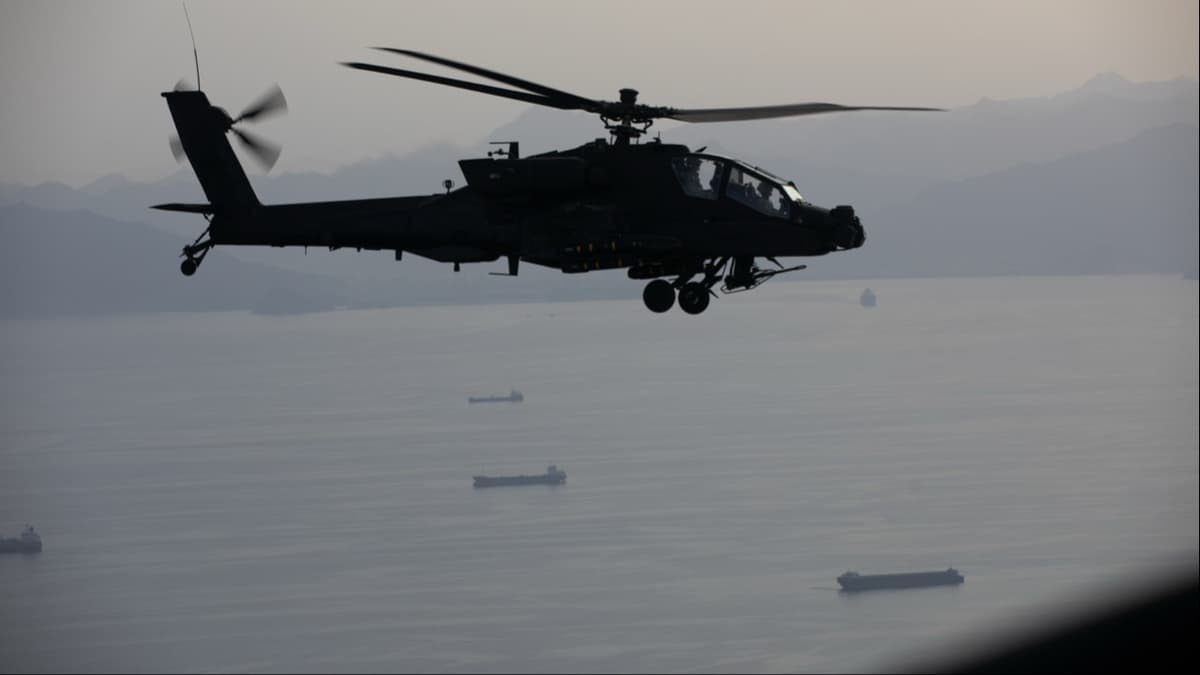
Charity Urges Seafarers Not to Run Hormuz Gauntlet as Attacks Escalate
The Seafarers’ Charity has warned crews against transiting the Strait of Hormuz after Iranian forces attacked three container ships on 22 April, intensifying a wave of assaults on commercial vessels. The International Maritime Organization and the International Transport Workers' Federation echoed...