Today's Science Pulse
UK-led study reveals hidden massive star clusters deep within nearby galaxies
Astronomers using the VLA and ALMA uncovered previously unseen giant star clusters embedded deep inside nearby galaxies. The findings show that young stellar activity drives the evolution of these galaxies, reshaping their interstellar environments. Multiple observations confirm the clusters act as hidden “ring factories” of star formation.
Also developing:
By the numbers: Foundation Alloy raises $22M Series A

Even a Little Alcohol Here and There Damages Brain Health, Study Shows
A Stanford-led MRI study of 45 healthy adults found that even low‑level, "low‑risk" alcohol consumption is associated with reduced cerebral blood flow, especially in the frontal and temporal lobes. The effect intensifies with age, with older participants showing broader perfusion deficits and thinner cortical tissue. Researchers attribute the changes to oxidative stress and caution that moderate drinking may not be neurologically harmless. The authors stress the need for larger trials before guidelines can be revised.

Crabs Consume Microplastics: Are They Still Safe To Eat?
Scientists confirm that crabs ingest micro‑ and nanoplastics and can break them into even smaller particles. Researcher Michael Kleinman, Ph.D., advises that eating crab remains safe if consumers practice moderation and avoid high‑concentration parts such as the gut and gills....

German Study Links Haunted House Sensations to Infrasound, Not Ghosts
A German research team has identified inaudible low‑frequency sound from aging building infrastructure as the cause of spooky feelings in old houses, challenging paranormal interpretations. The findings suggest physiological stress responses, not ghosts, explain why people feel a chill down...
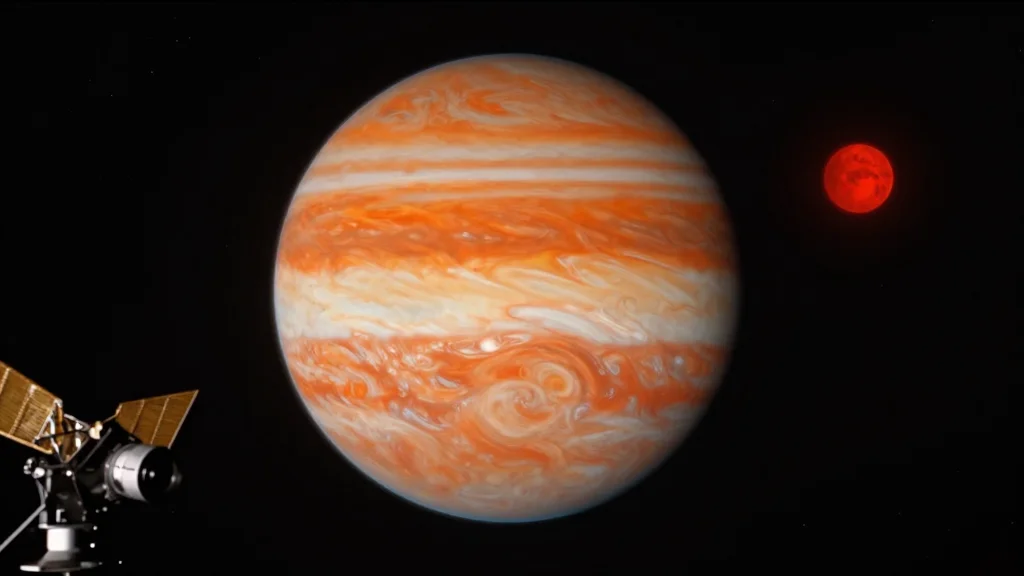
JWST Discovers ‘Forbidden’ Giant Planet with Core Rich in Heavy Elements
NASA's James Webb Space Telescope has identified TOI‑5205 b, a Jupiter‑sized gas giant orbiting a low‑mass M‑dwarf star, whose interior contains up to 100 times more heavy elements than its thin atmosphere. The discovery upends conventional theories of how giant planets form...
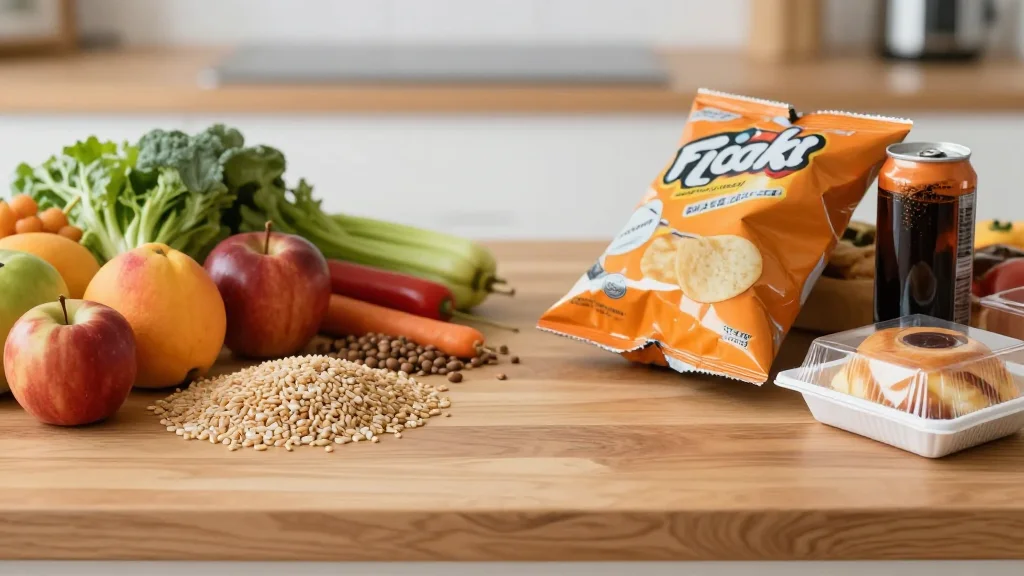
Study Links Ultra‑Processed Foods to Lower Attention and Higher Dementia Risk in Australian Adults
Researchers analyzing data from 2,192 Australian adults reported that each 10% rise in calories from ultra‑processed foods is associated with a measurable drop in attention performance and a modest increase in a dementia‑risk score. The findings add weight to calls...
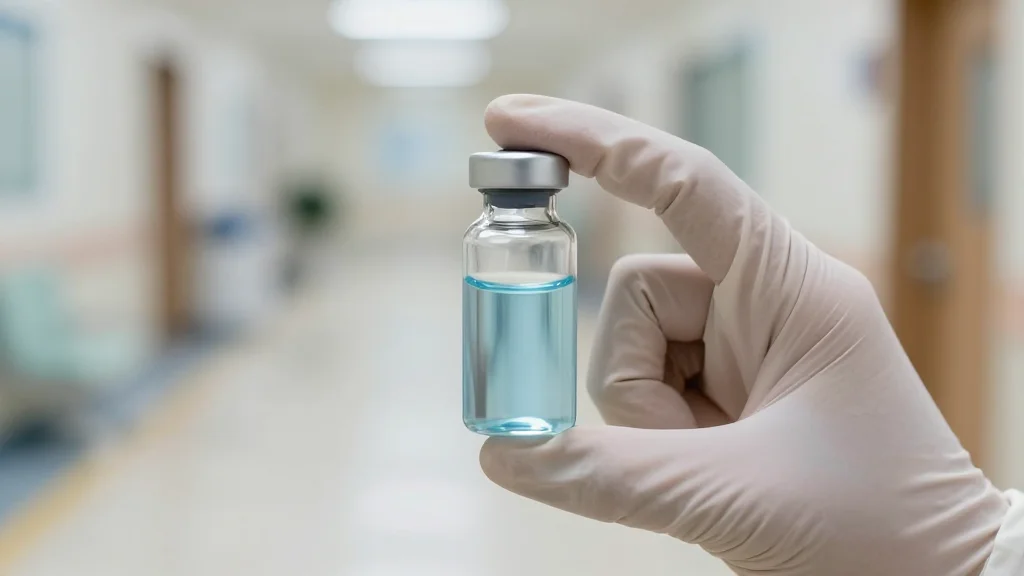
FDA OKs Bi‑weekly Teclistamab Dosing, Boosting Convenience in Relapsed Myeloma
The FDA has approved a supplemental Biologics License Application allowing teclistamab‑cqyv (Tecvayli) to be given at 1.5 mg/kg every two weeks for patients with relapsed/refractory multiple myeloma who have sustained a complete response for at least six months. The change follows...
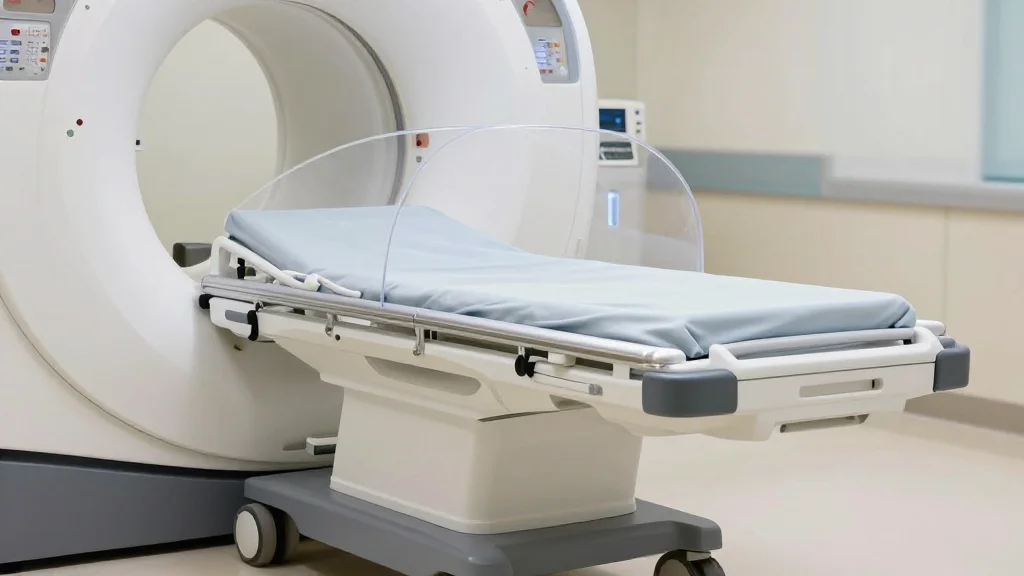
AIIMS Deploys India's First Bedside Portable MRI for Critical Care
AIIMS New Delhi has rolled out India’s first portable bedside MRI system, a low‑field device that can be wheeled into intensive care units. The technology promises faster, safer neuro‑diagnostics for unstable patients, marking a milestone in Indian health‑tech innovation.

AlphaFold Shows AI’s Real Power Beyond Chatbots
AlphaFold is a brilliant piece of AI tech but it’s not the same thing as a chat bot. Most of the products on the market are based on LLMS but the real revolutionary work has been happening in research science for...

Cervix Undergoes Massive Real‑time Remodeling During Labor
Your cervix has to open from less than a centimeter to 10 centimeters during labor. The cervix is made of dense collagen rich tissue that has to soften, thin out, and stretch. There are two things happening at once: dilation...

UCLA Engineers RNA‑Based Programmable Artificial Organelles for Cellular Nanomachinery
A UCLA team has demonstrated a method to build programmable artificial organelles inside living cells using RNA as both material and blueprint. Published in Nature Nanotechnology, the work promises more efficient synthetic‑biology tools and could reshape nanotech‑enabled therapeutics.

Argonne Lab Shows Electron‑on‑Neon Qubits Cut Noise Up to 10,000‑Fold
Researchers at Argonne National Laboratory and the University of Notre Dame have demonstrated that electron‑on‑neon qubits exhibit noise levels 10 to 10,000 times lower than traditional semiconductor qubits. The findings, published in Nature Electronics, could reshape the race for scalable...
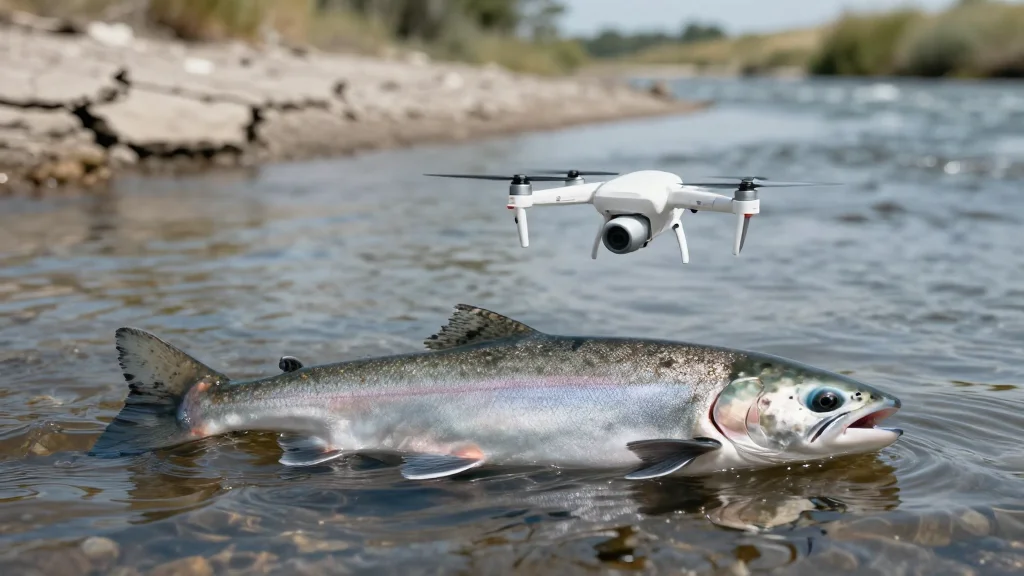
California's Juvenile Chinook Salmon Suffer Unprecedented Climate‑driven Mortality
Juvenile Chinook salmon in California face unprecedented mortality as droughts and floods, combined with altered river systems, disrupt their migration and reduce survival rates, highlighting the urgent need for diverse, climate-resilient habitats. climatechange

Why Fiber Matters More than You Think, According to Science
The article explains why dietary fiber matters, highlighting that its beta‑glycosidic bonds make it indigestible, unlike starch’s alpha bonds which are readily broken down for energy. This structural difference gives fiber its role in plant support and human gut health,...

Honeybees May Be Helping Spread Tree-Killing Myrtle Rust – New Research
New research shows honeybees can pick up and transport viable myrtle rust spores, challenging the view that wind alone spreads the fungus. Laboratory tests found spores on nearly half of returning foragers and viable in hive pollen for at least...
Gene Signature Swiftly Distinguishes Ebola From Other Illnesses
A newly identified gene pattern enables rapid and accurate distinction of Ebola infection from other diseases, offering potential for improved diagnostic tests in outbreak scenarios. genomics
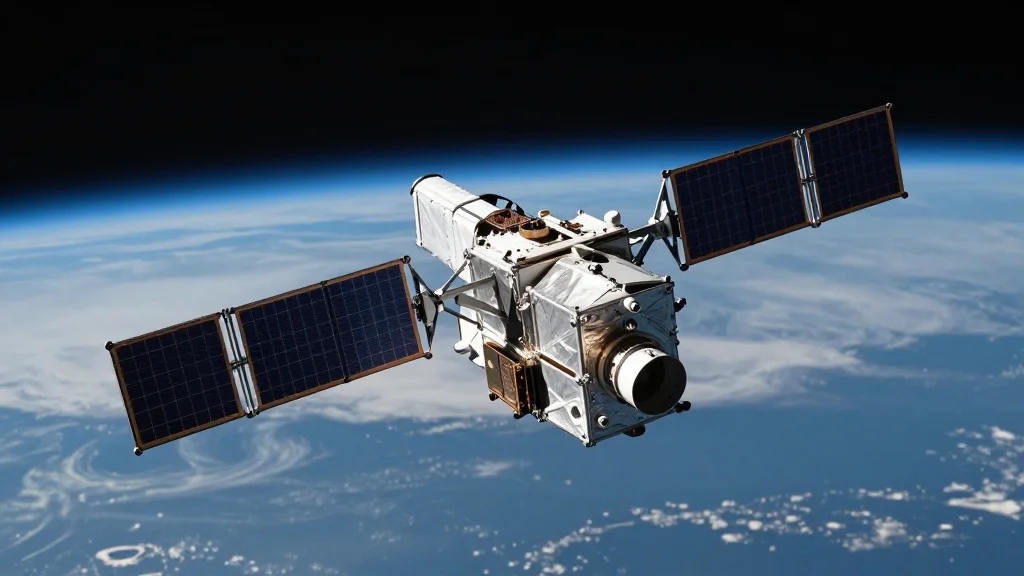
Planet Labs Is Not Selling Satellite Images. It Is Selling a Subscription to Watch the Entire Planet Change in Real...
Planet Labs launched three new Pelican high‑resolution satellites on May 3, expanding its fleet to nine and moving toward a 32‑satellite constellation capable of up to 30 daily revisits at 30 cm resolution. The company now sells subscriptions to a continuously refreshed,...
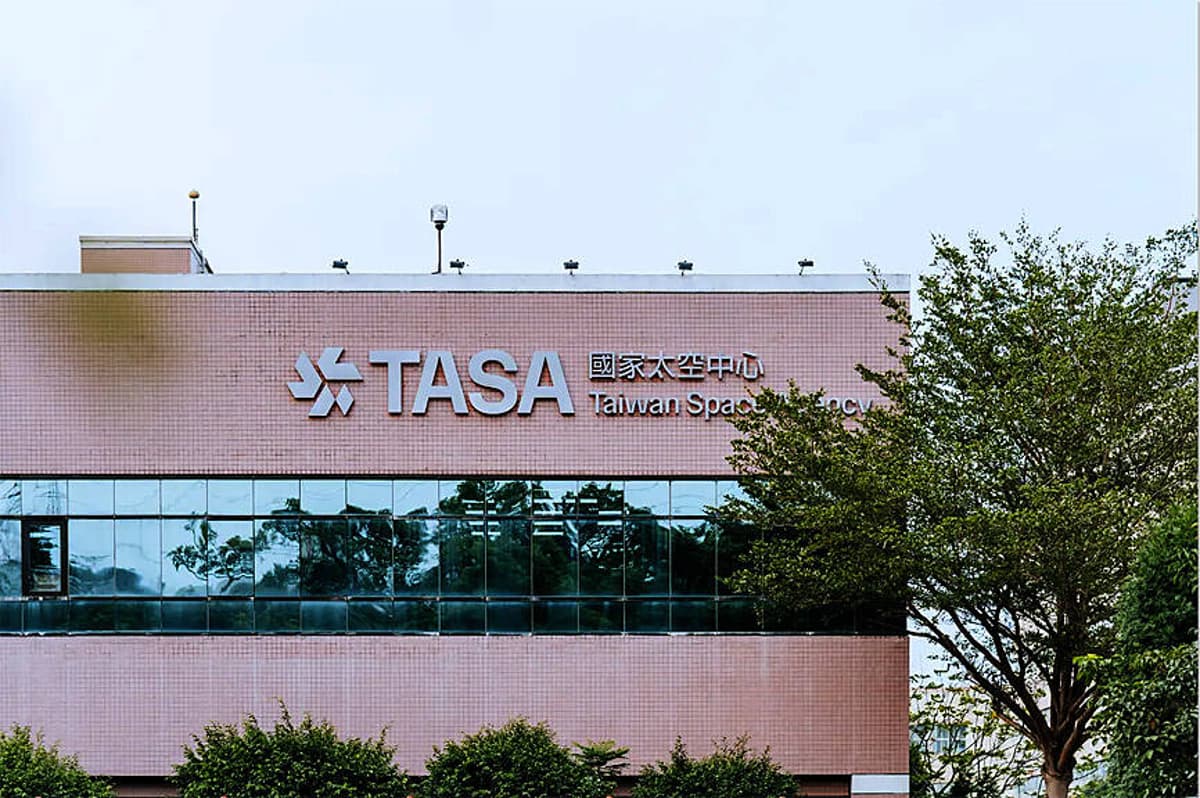
Space Startup Hub Set to Open in Q3
Taiwan Space Agency (TASA) will launch its first space startup hub, iSPARK, in Q3 2026 on the Boai campus of National Yangming Chiao Tung University in Hsinchu. The incubator, modeled after NASA, ESA and JAXA programs, is reviewing more than...
EU Green Hydrogen Scheme Embraces High-Tech Solar Foods
The EU‑funded BalticSeaH2 project, a cross‑border hydrogen valley linking Finland and Estonia, has added Finnish biotech firm Solar Foods as a strategic partner. Solar Foods will supply its protein‑rich Solein product, produced via a gas‑fermentation process that consumes green hydrogen,...
Health Is the Only Thing That Truly Matters
Everything feels important - until you get sick. Then you realise there was only ever one thing that truly mattered: Your health. As a bioscientist, I’ve dedicated my career to understanding how we protect it before it’s lost.

Natural Daylight in the Office Helps People with Type 2 Diabetes Control Blood Sugar
Researchers at the German Diabetes Center found that office workers with type‑2 diabetes who spent their daytime in natural daylight spent a larger share of the day (51 %) within a healthy glucose range, compared with 43 % under standard artificial lighting....
Molecular Diagnostics Boom: More Data, Consumer Market Ahead
Awesome, absolutely love this direction of molecular diagnostics/biomarker maximalism. We shouldn’t be afraid of more data. Especially excited to see it longitudinally for people. No reason this can’t be a big consumer market, paid out of pocket...

'A Dream Technology': Japanese Scientists Might Have Unlocked the Next Generation of Solar Panels that Stay Cooler and Last Longer...
Japanese researchers at Kyushu University, in partnership with Johannes Gutenberg University Mainz, have demonstrated a molybdenum‑based spin‑flip emitter that captures triplet excitons from singlet fission, delivering quantum yields between 110% and 130%. The spin‑flip material effectively multiplies charge carriers from...
GLP Success Sparked Unstoppable Peptide Boom
The (hard for some to accept) reality is that the popularity of GLPs, which of course have lots of RCTs to support them, are actually what opened the doors for the immense interest in all the other peptides. People are...
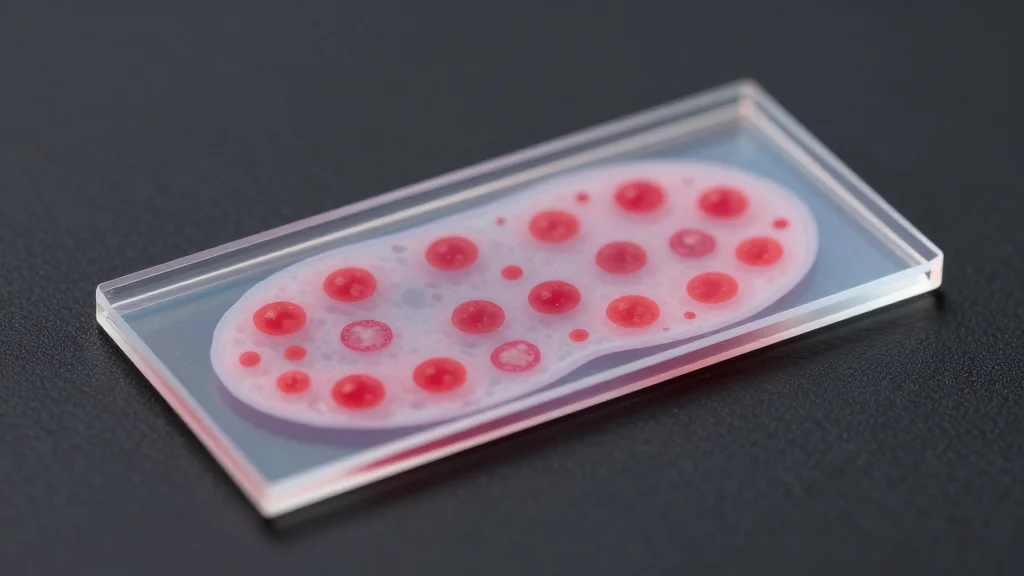
CD44+ Monocytes Drive Inflammation in Preemie Lung Disease
Researchers have identified CD44⁺ monocytes as a key driver of hyperinflammatory responses in bronchopulmonary dysplasia (BPD) among very premature infants. The study shows these cells are markedly elevated in BPD patients and release amplified cytokine storms when exposed to hyperoxic...
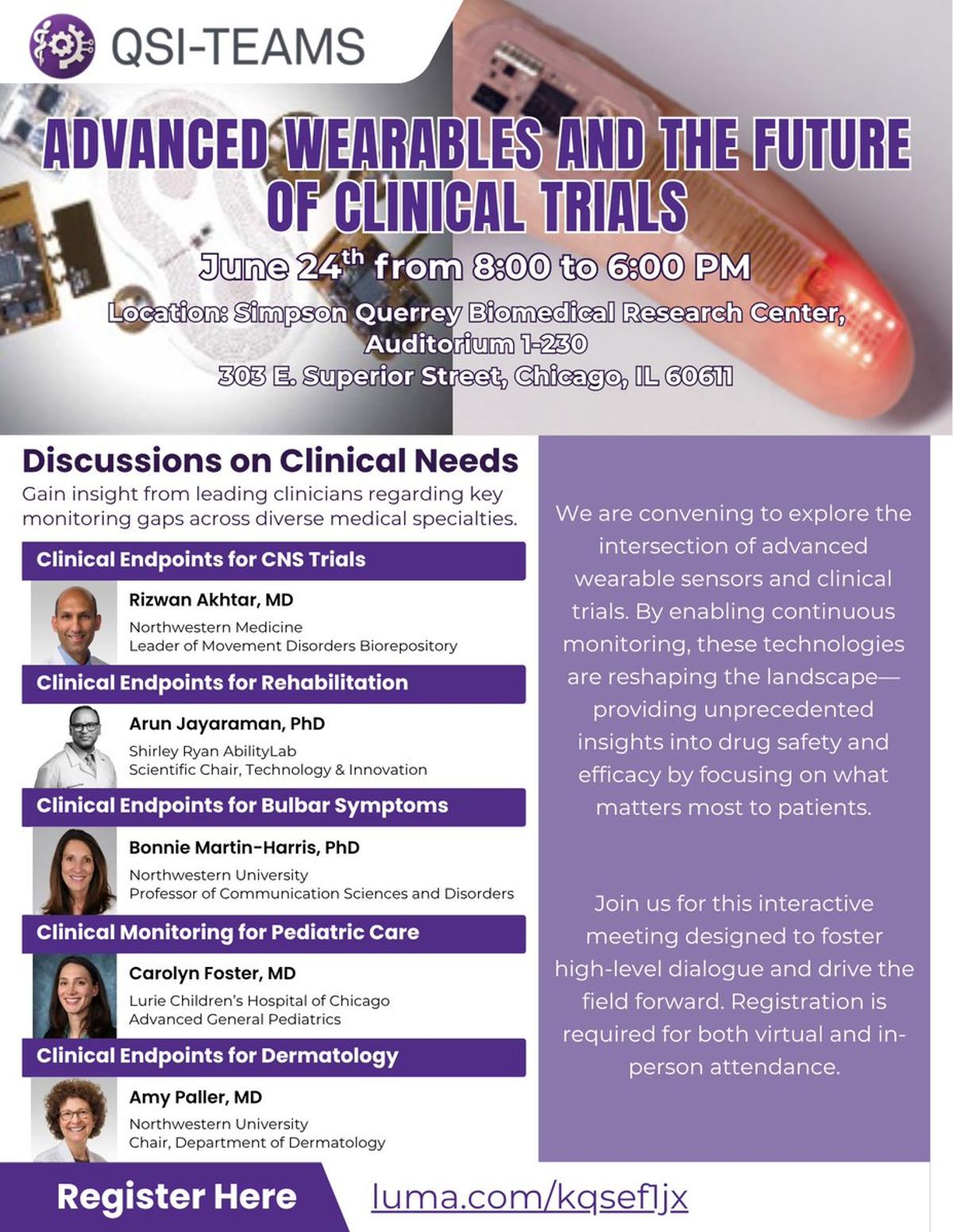
Wearables Transform Clinical Trials with Continuous Real‑World Data
Delighted to share details on an exciting forum that we are hosting here at the Querrey Simpson Institute for Bioelectronics at @NorthwesternU — Advanced Wearable Sensors and the Future of Clinical Trials — on June 24, 2026, at the...
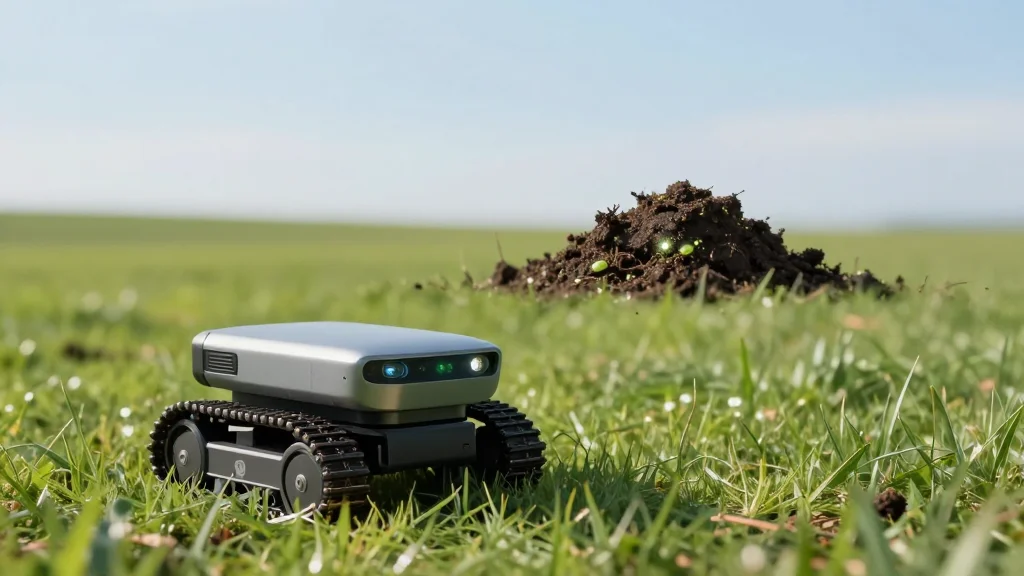
Warming Boosts Soil Antibiotic Resistance Genes by 24%
Long-term climate warming increases antibiotic resistance genes in grassland soils by nearly 24%, driven by shifts in microbial populations, raising concerns for public health and agricultural sustainability. antibioticresistance

Synthetic Biology Promised to Rewrite Life—With the Death of Its Pioneer, J. Craig Venter, How Close Are Scientists?
J. Craig Venter’s 2010 breakthrough—creating a cell controlled by a fully synthetic genome—proved that DNA could be written like software, launching modern synthetic biology. Since then researchers have engineered microbes to produce medicines such as artemisinin, explored bio‑fuel production, and built...
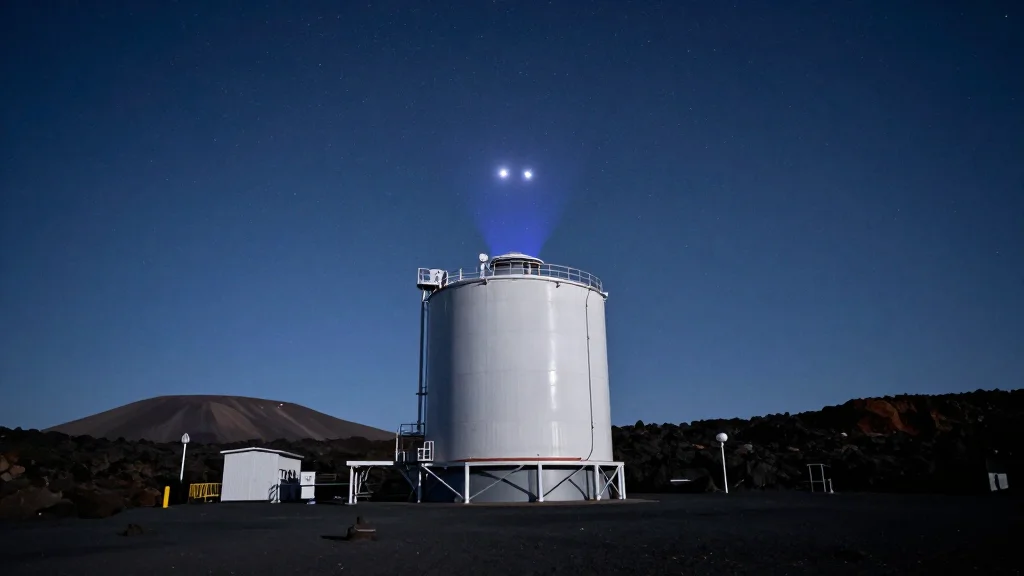
LHAASO Detects Binary Star LS I +61° 303 Emitting Gamma Rays Over 100 TeV
Scientists using the Large High‑Altitude Air Shower Observatory have confirmed that the binary system LS I +61° 303 emits gamma‑ray photons above 100 TeV, making it the first known gamma‑ray binary to reach ultra‑high‑energy levels. The discovery upgrades the system to a Galactic...
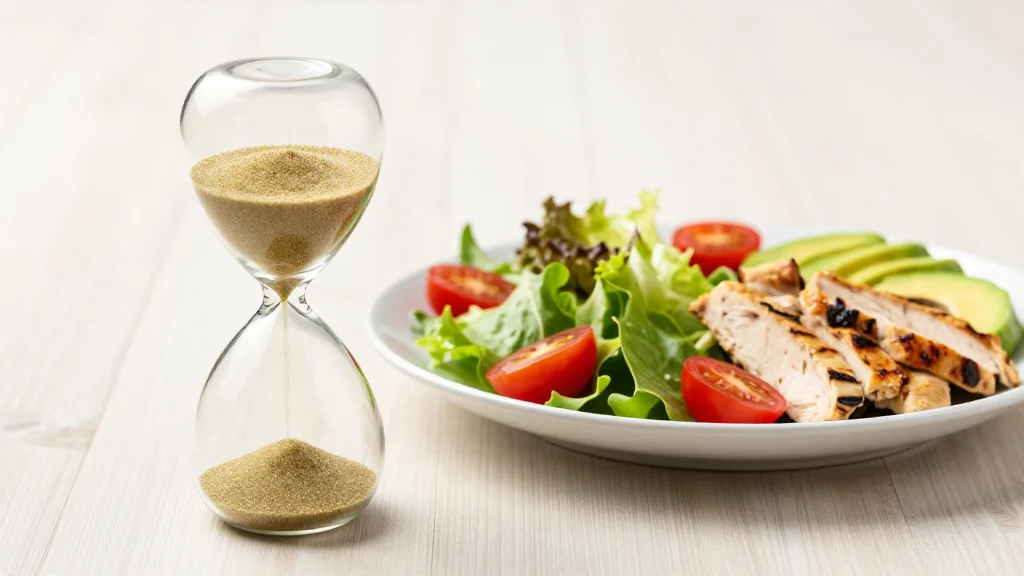
Eight‑Hour Time‑Restricted Eating Cuts Up to 4 Kg in Year‑Long Study
Researchers presented data at the European Congress on Obesity in Malaga indicating that an eight‑hour daily eating window helped overweight participants lose 3‑4 kg and keep the loss for a year. The trial involved 99 adults and reported high adherence rates,...

ACSM Revamps Strength Training Guidance, Emphasizing Consistency Over Complexity
The American College of Sports Medicine (ACSM) has overhauled its strength‑training position for the first time in 17 years, spotlighting consistency and simplicity over intricate programming. Expert coaches echo the shift, urging lifters to focus on regular, whole‑body work rather...
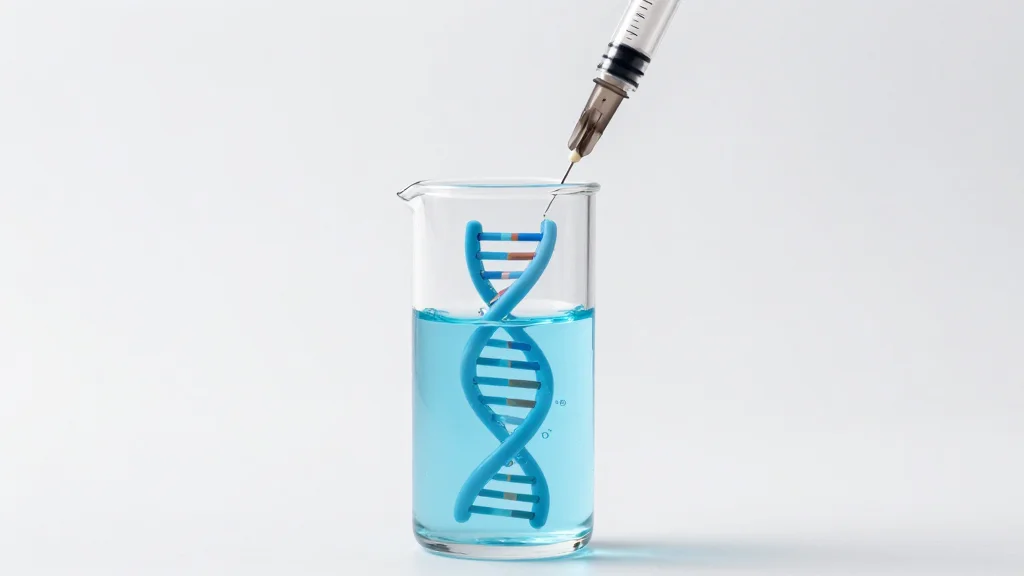
DNA‑Based Gene Therapy Slashes LDL Cholesterol by 47% in Mice, Bypassing Statins
Researchers at the University of Barcelona and the University of Oregon reported that a DNA‑based molecule lowered LDL cholesterol by about 47% in mice after a single injection. The approach silences the PCSK9 gene without the muscle and liver side...

IMO Sets Up World’s Largest Emission Control Area in North‑East Atlantic
The United Nations International Maritime Organization formally adopted a new Emission Control Area (ECA) for the North‑East Atlantic, the world’s largest, imposing stricter sulfur, nitrogen oxide and particulate limits on ships. The measure, backed by ICCT research, is projected to...

Brain Complexity Enhances Premature Newborns’ Maturity Evaluation
Researchers have demonstrated that measuring brain signal complexity provides a reliable indicator of physiological maturity in premature newborns. Using high‑density EEG and advanced signal‑processing algorithms, the study linked specific complexity patterns to gestational age and future neurodevelopmental trajectories. The approach...

Wearable-Derived Metrics May Monitor Treatment Response in IBD
Researchers presented data at Digestive Disease Week showing that sleep metrics captured by the Oura Ring can differentiate patients with inflammatory bowel disease who respond to biologic therapy from those who do not. In a 14‑week study of 60 adults,...
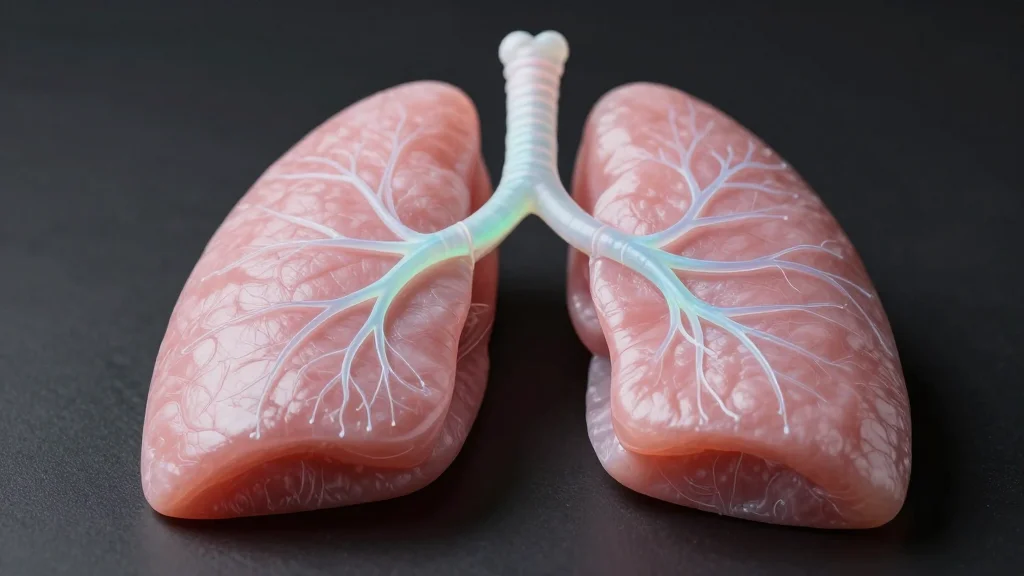
Axon Pathways Connect Small Gestational Age to Lung Restrictions
A 2026 Nature Communications study reveals that axon guidance pathways, traditionally linked to neural development, mediate the relationship between small for gestational age (SGA) birth and later spirometric restriction. Researchers analyzed genomic, transcriptomic and longitudinal lung‑function data from diverse cohorts...
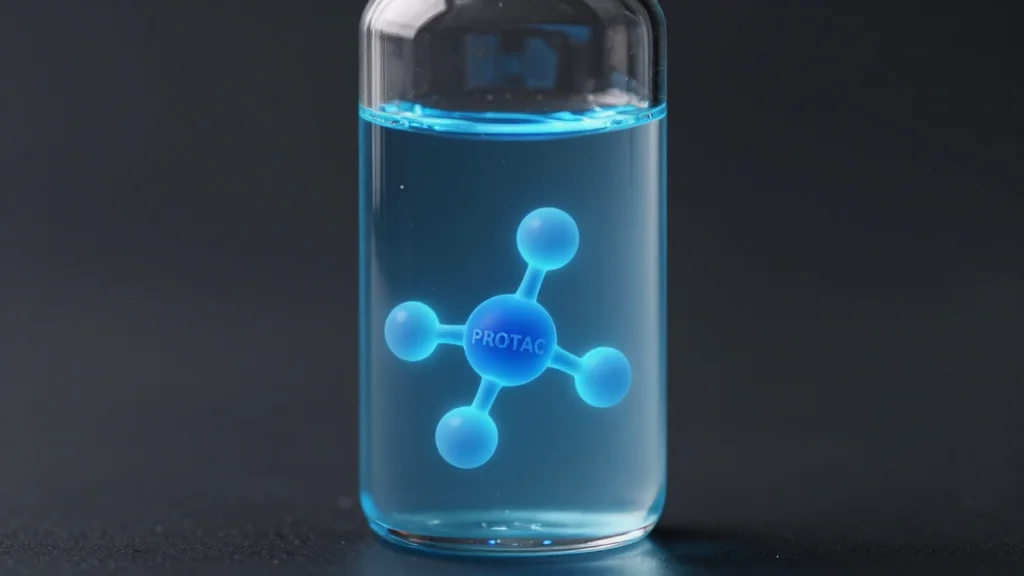
Pfizer, Arvinas Win FDA Nod for VEPPANU, First PROTAC Cancer Drug
Pfizer and Arvinas have secured U.S. FDA approval for VEPPANU (vepdegestrant), the first orally bioavailable PROTAC drug, targeting estrogen‑receptor positive, HER2‑negative, ESR1‑mutated advanced breast cancer after endocrine therapy failure. The decision validates the targeted protein degradation platform while raising questions...
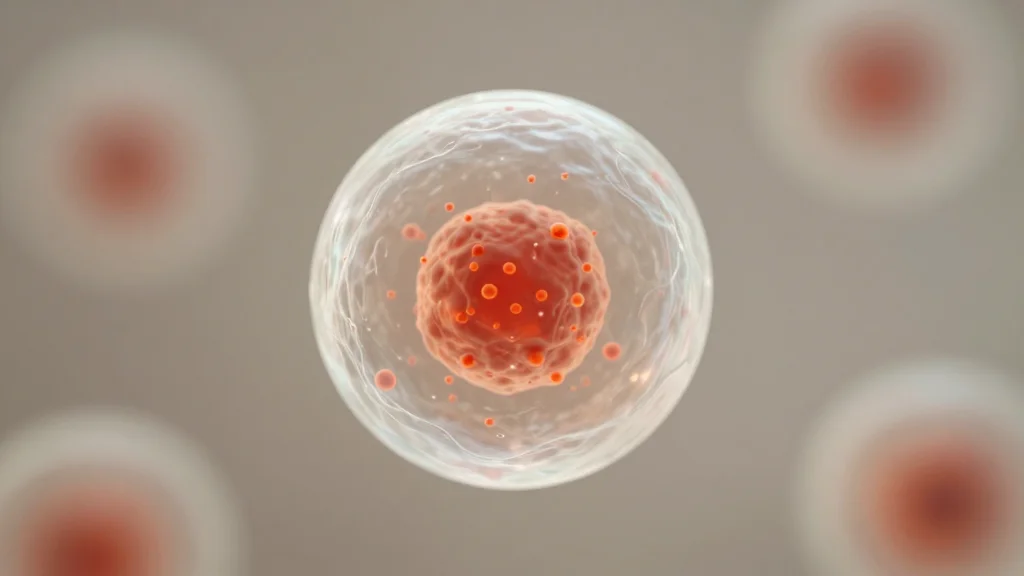
Mitochondrial Health Drives Egg Quality and Fertility
The largest cell in your body is your egg. It is one of the only cells you can see with the naked eye. It also contains more mitochondria than any other cell in your body. Hundreds of thousands per egg compared...

Scientists Just Discovered What Coffee Is Really Doing to Your Gut and Brain
Researchers at APC Microbiome Ireland, part of University College Cork, published a Nature Communications study showing that both caffeinated and decaffeinated coffee reshape the gut microbiome and positively affect mood. The trial compared 31 regular coffee drinkers with 31 non‑drinkers,...
Filters Can't Add Light; They only Attenuate Spectra
Do we think this is real? I’m struggling to see how a filter can *add* or enhance light in a certain spectrum because filters can only - by definition - filter light *out*. What am I missing?
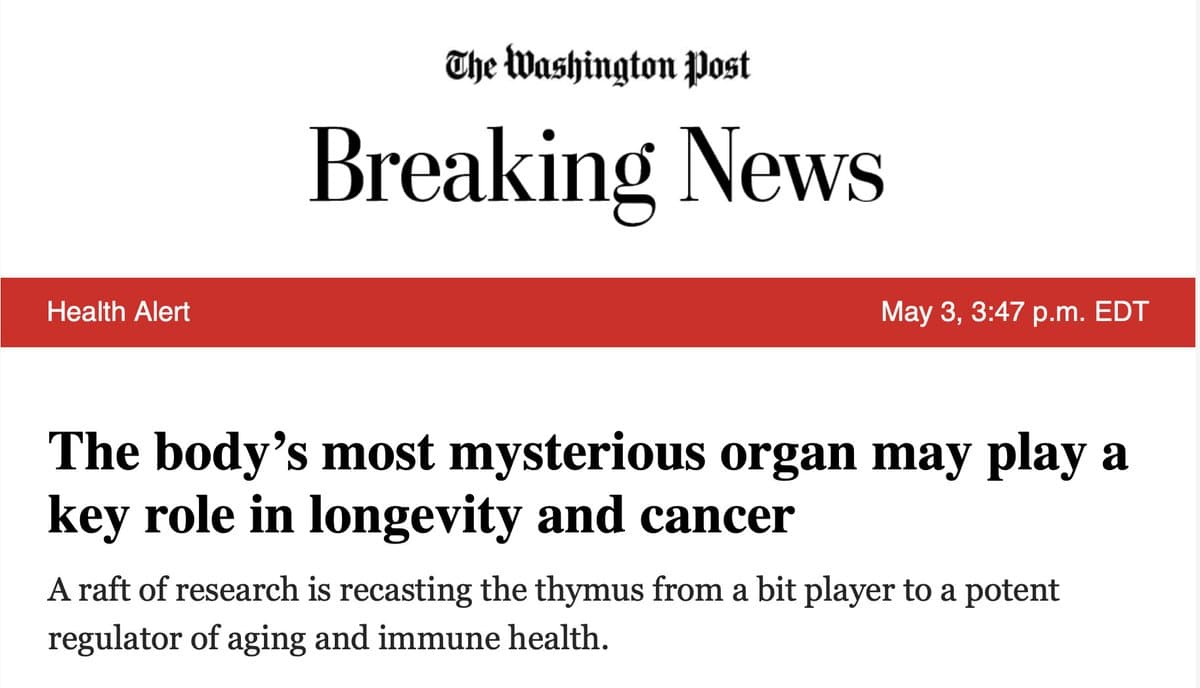
Nature Study Turns Into Immediate
I wrote about this 6 weeks ago at Ground Truths when the 2 @Nature papers by @HugoAerts and colleagues came out. Today it's a "Health Alert"! https://t.co/CgxBU7IAk1 https://t.co/24PijmLhzR
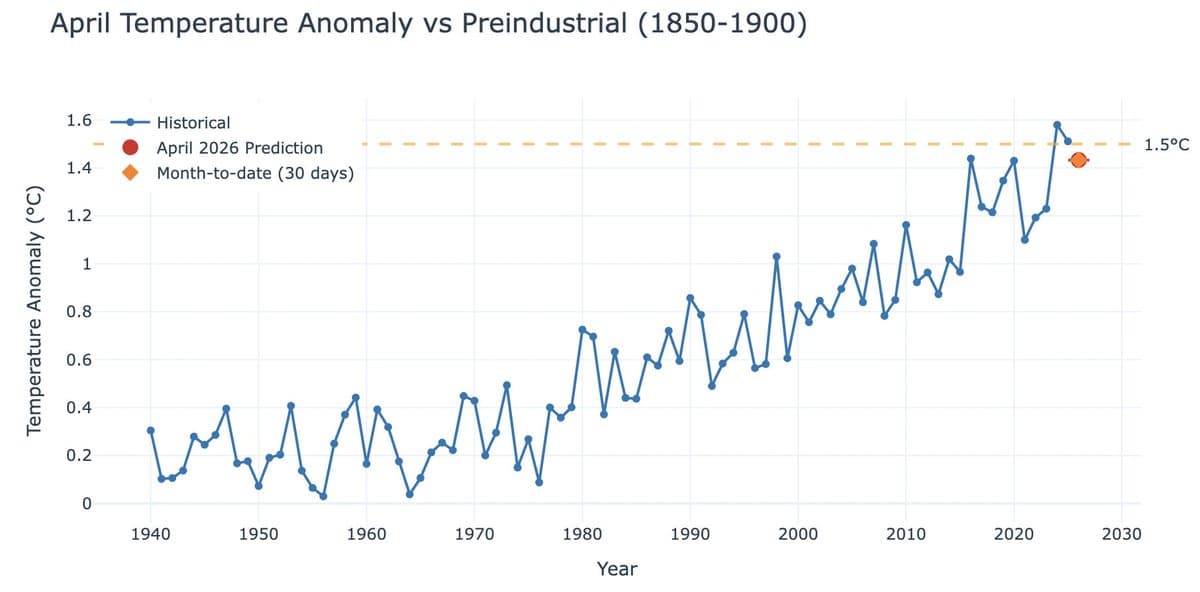
April 2026 Ranks Fourth Warmest, 1.43 °C Above Preindustrial
April 2026 was the 4th warmest on record in the ERA5 dataset, at 1.43C above preindustrial levels. https://t.co/wTmtcDnDea

Soyuz‑5 Launch Caps Decade‑Long Russo‑Kazakh Collaboration
In a post-script to Soyuz-5 inaugural launch, it worth mentioning that the flight was a culmination of a winding path not only for the rocket development project (starting in 2016), but also for the Russo-Kazakh Baiterek venture, rooted as far...
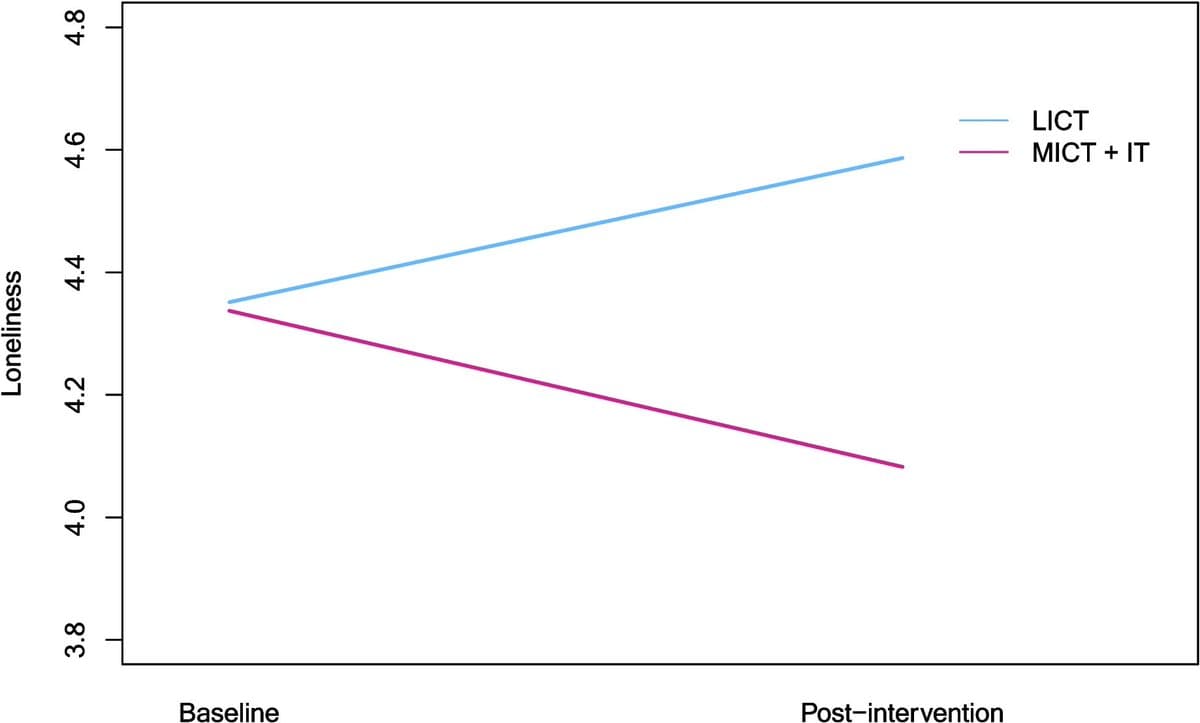
Higher‑intensity Aerobic Exercise Cuts Loneliness in Older Adults
Effects of aerobic exercise of different intensities on the social, emotional, and financial functioning of healthy older adults: results from a 16-week exercise randomized control trial https://t.co/SePImekLGY Interaction plot depicting change across time in loneliness by condition:
Vaccines, Not Geroscience, Drove Lifespan Gains; GLP‑1s Now Hype
fun facts: class of medicines that have most greatly extended human lifespan: vaccines class of medicines longevity docs are most excited by now: GLP1s did these come from geroscience? they did not by the way, NR didn't come from geroscience either
Longevity Genes Trade Growth for Extended Lifespan
if there were no aging, you would not have matured as a man in fact, the most powerful monogenic life-extending mutations in mice impair growth and maturation
Tadpoles, Dolly, and Salamanders Prove Age Reversal Possible
That’s what I used to think, too, but tadpoles, Dolly, and salamanders changed my mind about age reversal

Japanese Spin‑flip Material Could Triple Solar Panel Efficiency
Japanese scientists create new spin-flip material that could boost solar panel efficiency by up to 130%. https://t.co/ACVjzxCoAA

Falcon 9 to Slam Moon at Mach 7 This Summer
A Falcon 9 rocket will hit the Moon this summer at seven times the speed of sound https://t.co/BMbHxuNzaz https://t.co/OsFwB5cp3A
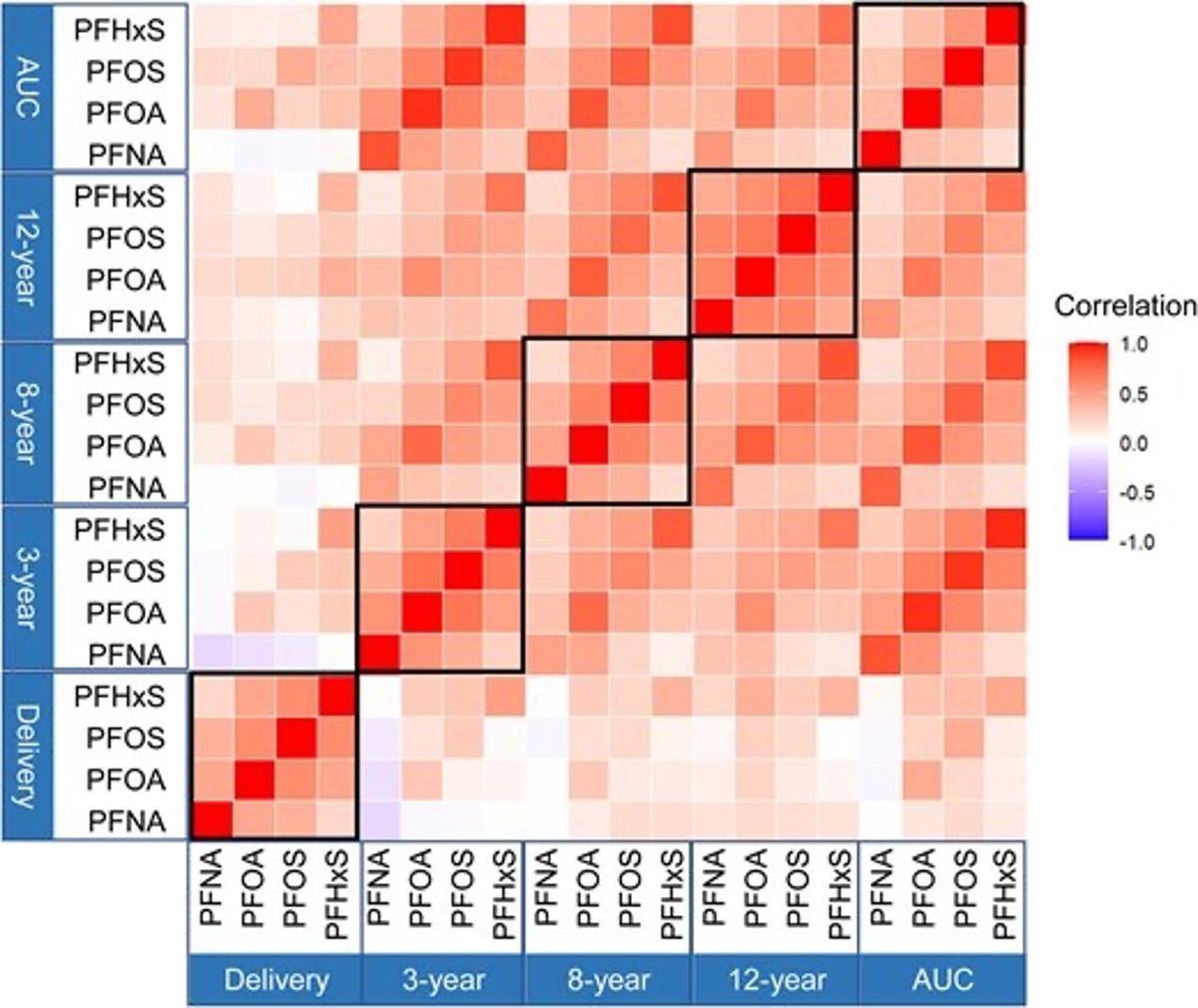
Early PFOA Exposure Linked to Lower Adolescent Bone Density
Per- and polyfluoroalkyl substances and adolescent bone mineral density: assessing periods of susceptibility 🦴 “Serum PFOA concentrations from delivery to age 12 years were associated with lower 1/3 distal radius BMD in early adolescence” https://t.co/rY8mLmmPi4 https://t.co/dOPKFYYm7m

Light Takes 15 Hours to Cross 10 Billion Miles
It would take a beam of light in a vacuum about 15 hours to travel 10 billion miles