
ExoMars 2028 Structural Models Arrive in Cannes for Environmental Testing
On May 12, 2026 Thales Alenia Space completed integration of ExoMars 2028 structural models in Turin and shipped them to Cannes for vibration and acoustic testing. The models replicate the carrier and entry‑descent‑landing modules that will deliver the Rosalind Franklin rover, part of a €522 million (~$570 million) ESA framework contract. Testing will continue in Turin for shock, separation and static verification before moving to the Proto‑Flight Model phase in 2027. The mission, slated for a Falcon Heavy launch from Kennedy Space Center in late 2028, aims to drill two meters into Oxia Planum for signs of life.

Sateliot, Turkcell Verify 5G NTN Connections
Turkcell partnered with Sateliot to demonstrate non‑terrestrial 5G (NTN) connectivity for IoT devices, conducting live trials in Barcelona and Istanbul. The tests linked Sateliot’s low‑Earth‑orbit satellites with Turkcell’s terrestrial 5G network, achieving seamless integration and continuous device coverage beyond the...

Star Catcher Company Profile: Space Power Infrastructure for the Next Orbital Economy
Star Catcher Industries, a Jacksonville‑based space‑infrastructure startup, is developing the first orbital power‑as‑a‑service network that beams concentrated solar energy to satellites using their existing solar arrays. The company announced a $65 million Series A on May 12, 2026, bringing total capital to $88 million...
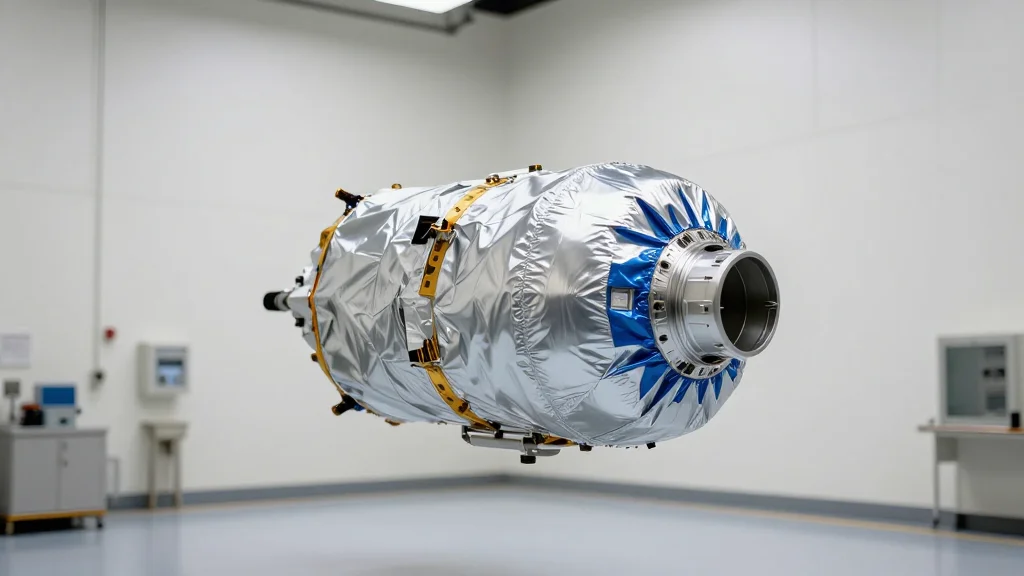
Katalyst Wraps Testing at NASA Goddard for Swift Boost Mission
Katalyst announced it has finished a series of environmental and performance tests at NASA’s Goddard Space Flight Center for its Swift Boost electric propulsion system. The testing campaign included thermal‑vacuum, vibration, and thrust‑stand evaluations, all of which met or exceeded...
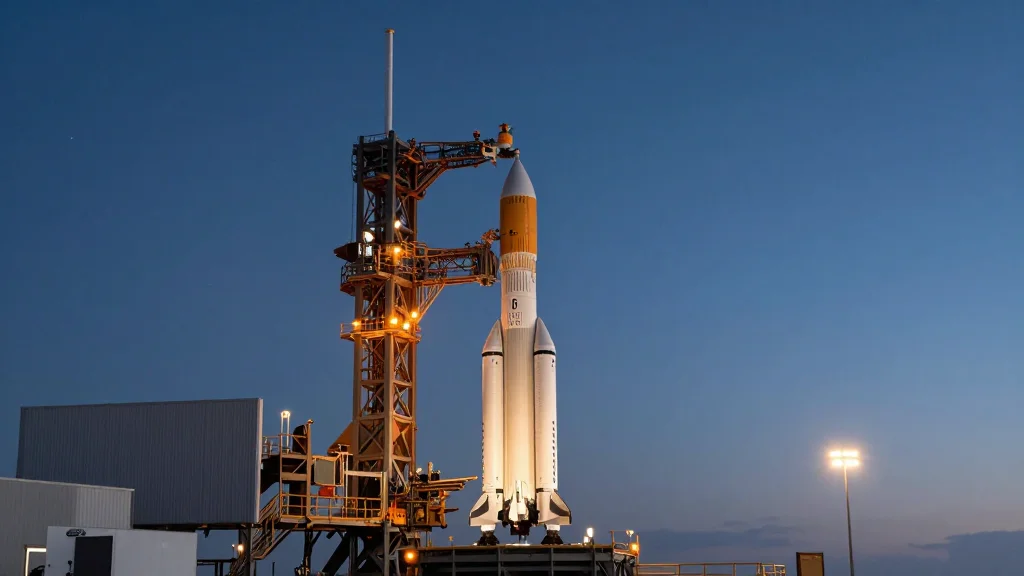
SpaceX Launches New Wave of NRO Reconnaissance Satellites
SpaceX successfully launched the National Reconnaissance Office’s NROL-172 mission on May 11, marking the agency’s 13th deployment of its “proliferated architecture” reconnaissance constellation. A Falcon 9 lifted off from Vandenberg Space Force Base’s SLC‑4E at 7:13:50 p.m. PDT (10:13:50 p.m. EDT). The...
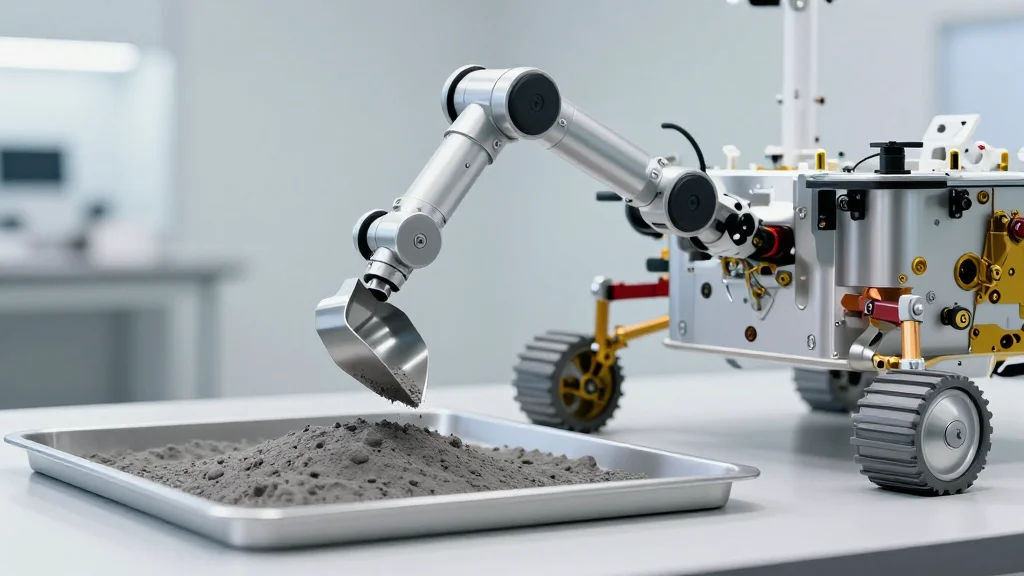
China Reveals AI-Powered Lunar Robot for 2029 Moon Mission
China’s Hong Kong University of Science and Technology team unveiled an AI‑powered lunar robot slated for the Chang’e‑8 mission in 2029. The 100‑kilogram, four‑wheeled rover combines a humanoid upper body with dual arms to transport payloads, install instruments and collect...

BryceTech to Steer Investment and Innovation Conversation at ASCEND 2026
BryceTech will curate a two‑day track at ASCEND 2026 in Washington, D.C., designating May 19 as Investors Day and May 20 as Innovators Day. The program will showcase the firm’s 10th‑year Start‑Up Space Report, which documented $10.9 billion in start‑up space investment in 2025,...

Why Does the Orion Capsule Carry Four Astronauts While Apollo Carried Three?
NASA’s Orion capsule is built to carry four astronauts, unlike Apollo’s three, because Orion serves the Artemis program’s broader, modular architecture. The larger crew capacity reflects increased habitable volume, modern automation, and the need for flexibility in lunar‑orbit, Gateway, and...

Space Force Awards TrustPoint $4 Million for LEO Navigation Demonstration
Space Force awarded Virginia startup TrustPoint a fully funded $4 million TACFI contract to demonstrate a GPS‑independent low‑Earth‑orbit navigation system. The company will build and launch a four‑satellite constellation and four ground stations within 12 months, conducting a live trilateration test. TrustPoint’s...
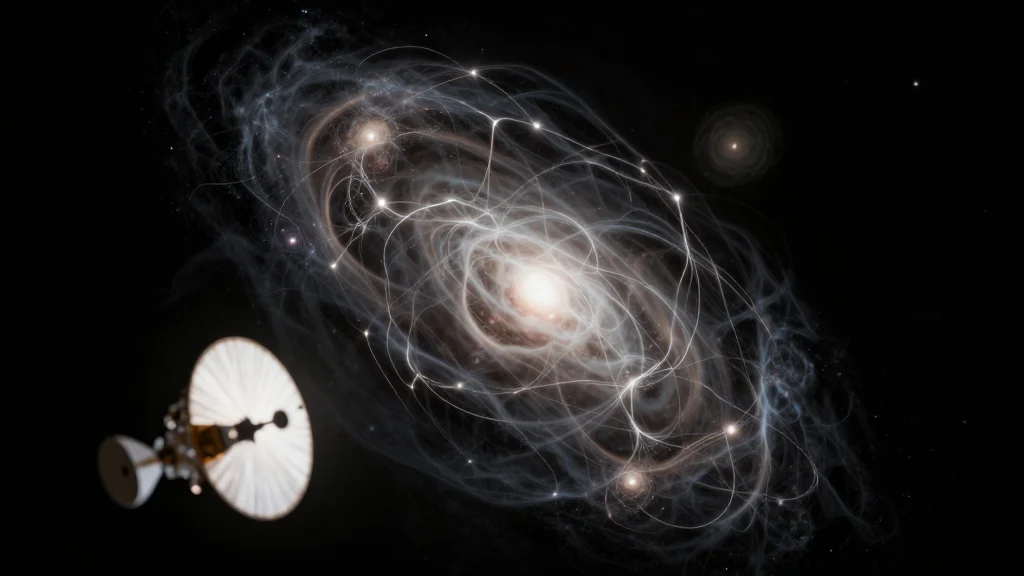
JWST Maps Cosmic Web in Record Detail Back to Universe's First Billion Years
Using its unprecedented infrared sensitivity, NASA’s James Webb Space Telescope has completed the COSMOS‑Web survey, the largest JWST General Observer program to date. Researchers at UC Riverside mapped the cosmic web with unprecedented detail, charting 164,000 galaxies across 13.7 billion years...
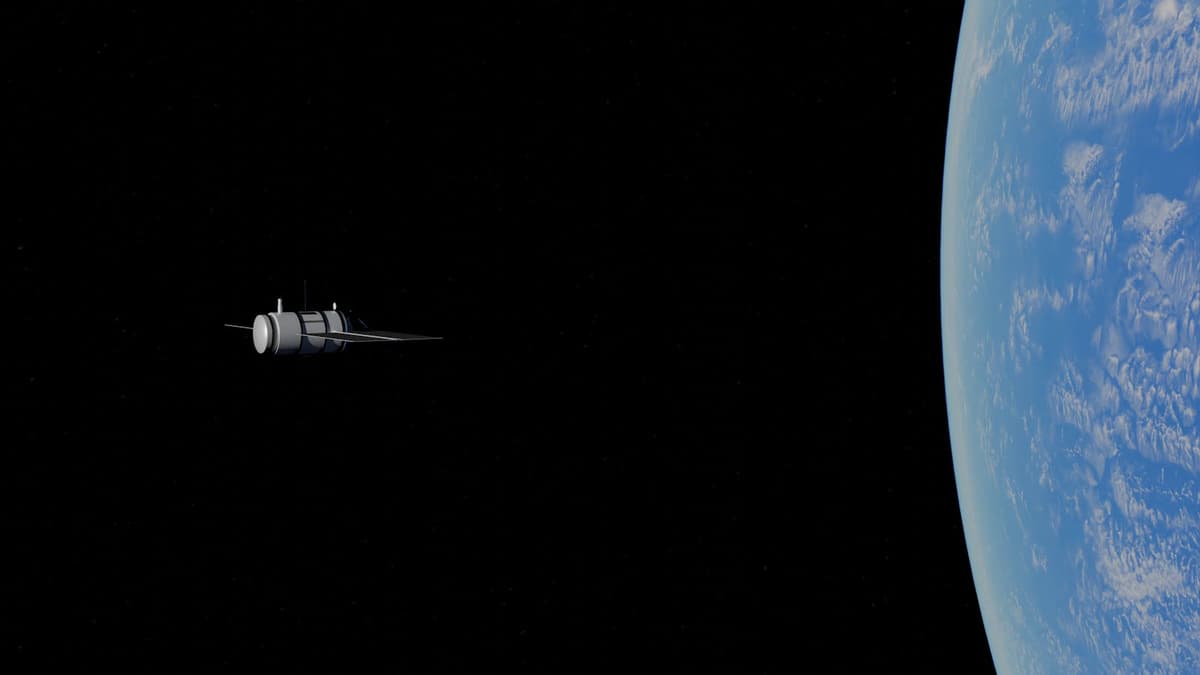
The NRO Just Quietly Flew Its 13th Mission in a Constellation Buildout Almost Nobody Covers — and the Real Story...
SpaceX launched NROL‑172, the 13th mission in the National Reconnaissance Office’s proliferated satellite architecture. The launch, from Vandenberg on a Falcon 9 with a recovered booster, is routine on the surface but marks the continued shift from a few large, expensive...

SmallSat Europe Speaker Focus: Gregg Burgess, Orion Space Solutions
Gregg Burgess, President of Orion Space Solutions, highlighted the company’s focus on very low Earth orbit (VLEO) satellites at SmallSat Europe. Orion’s flagship DARPA Ouija nanosatellite aims for long‑duration VLEO operations while measuring ionospheric conditions. In March 2026 the firm...

Star Catcher Closes $65M Series A
Star Catcher announced a $65 million Series A round, lifting its total capital to $88 million. The round was led by B Capital and co‑led by Shield Capital and Cerberus Ventures, with board seats for former Space Force chief Jay Raymond and senior energy...
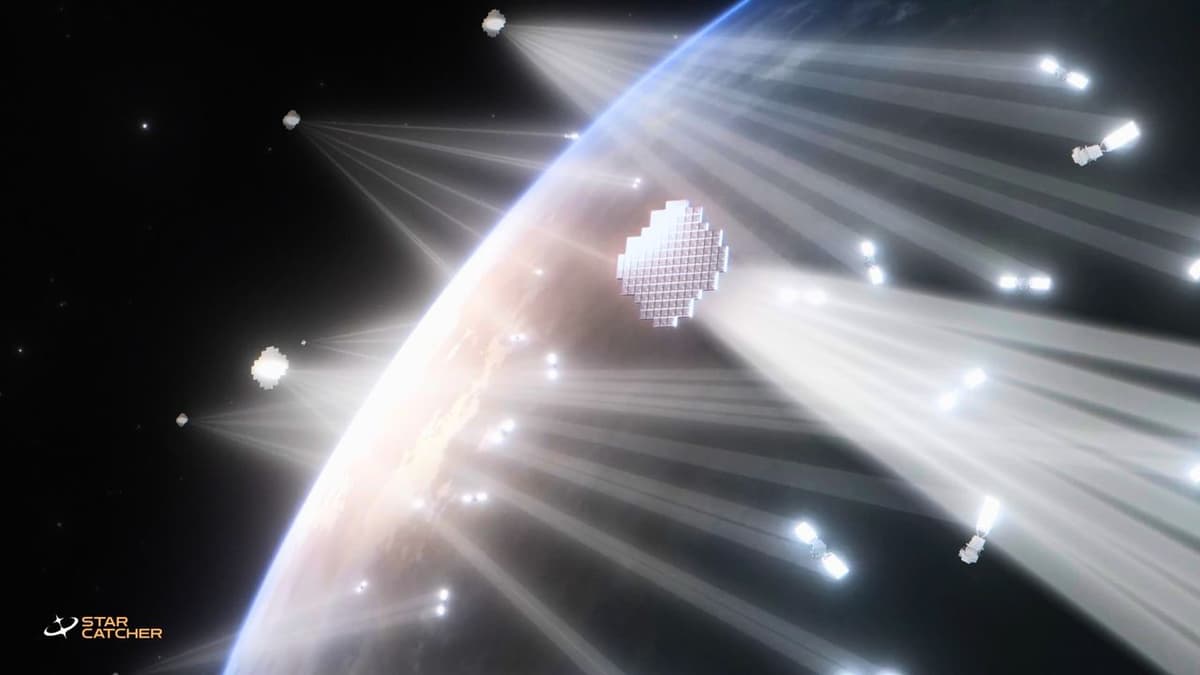
Star Catcher Just Raised $65 Million to Build the World's First Power Grid in Space — with Lasers
Star Catcher Industries announced a $65 million Series A round, bringing its total capital to $88 million, to develop the first orbital power grid that beams energy via lasers. The company’s “power node” satellites will harvest solar power and transmit it to client...
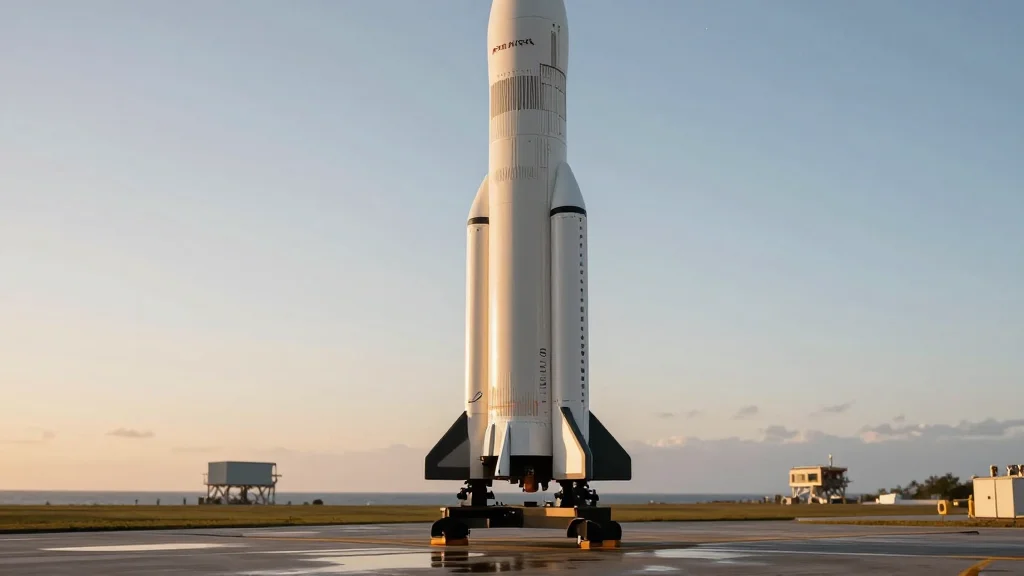
Poor Weather Causes NASA, SpaceX to Scrub Launch Attempt of 34th Cargo Dragon Mission to the Space Station
NASA and SpaceX scrubbed the CRS‑34 Cargo Dragon launch on Tuesday due to unfavorable weather, moving the liftoff to Wednesday, May 13 at 6:50 p.m. EDT. The mission will deliver roughly 6,500 lb of scientific experiments and supplies to the International Space...

Fenix Space Flies Tow-Launch Prototype
Fenix Space, a California launch startup, finished a week‑long test campaign of its alpha tow‑launch prototype, proving the vehicle can separate from a carrier aircraft and execute autonomous flight maneuvers. The system uses a horizontal‑lift approach, taking off and landing...

Orbital Data Centers Are Not Really an EO Business, Even for Now
Orbital data centers are being framed as a new AI‑compute infrastructure rather than a niche Earth‑observation service. Starcloud’s first satellite, equipped with an NVIDIA H100 GPU, targets synthetic‑aperture‑radar (SAR) processing to demonstrate on‑orbit compute, but investors see the broader market...
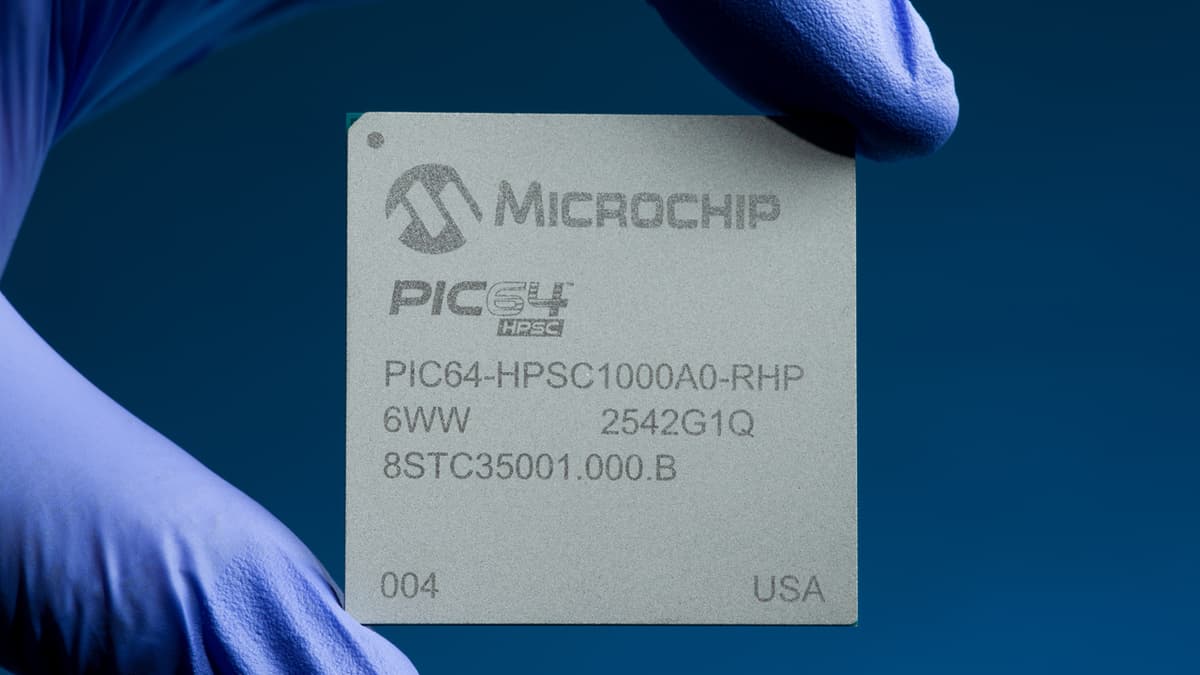
NASA Partners with Microchip to Build Next-Generation Spaceflight Chips with 100x the Power of Current Offerings — Chip Designed to...
NASA has teamed up with Microchip Technology to create a next‑generation system‑on‑a‑chip (SoC) for spacecraft that promises 100 times the computing capacity of today’s spaceflight processors. The partnership will produce two variants: a radiation‑hardened chip for deep‑space, Moon and Mars missions,...

Once Again, SpaceX Has Set a New Record for the Tallest Rocket Ever Built
SpaceX has stacked its newest Starship Version 3, a 408‑foot vehicle that eclipses previous models, at a brand‑new launch pad in South Texas. The rocket features uprated Raptor 3 engines delivering roughly 18 million pounds of thrust—about 10% more than earlier versions—and a...

NASA’s Apollo Moon Missions Relied on This Computer Scientist and Differential Equations
Margaret Hamilton’s software engineering made the Apollo 11 lunar landing possible by designing a fault‑tolerant onboard computer that could handle overloads and prioritize critical tasks. The guidance computer, with just 74 KB of ROM, solved differential equations in real time using...

SES Reiterates Outlook After Strong Q1
SES reported a robust start to 2026, with Networks revenue soaring 106% year‑on‑year and Mobility up 207.8%. Media revenue rose 42.9%, while the company signed €306 million (≈$334 million) in new contracts, including about €100 million (≈$109 million) from Media. New O3b mPOWER satellites...

A Low-Power Path to Mars Radiation Shielding Made With Innovative 3D Printed Basalt Structures
AAKA Space Studio in Ahmedabad 3D‑printed a radiation shield using olivine‑rich basalt from Salem and limestone from Ariyalur, creating a high‑fidelity Martian soil analogue. The shield, built with MiCO‑V concrete printing system, demonstrated both cosmic‑radiation attenuation and thermal stability during...

NASA’s Civil Space Technology Shortfalls 2026
NASA’s January 2026 Civil Space Shortfalls document reorders its technology gaps to start with lunar systems, treating the Moon as the operational proving ground for the Artemis program and the broader Moon‑to‑Mars architecture. It highlights critical shortfalls in spacesuits, power, dust...

Northrop Grumman Unveils LR-450 Positioning System for Diverse Space Missions
Northrop Grumman announced the LR‑450, a compact inertial positioning system that leverages its milli‑Hemispherical Resonating Gyroscope (mHRG) technology. The unit provides three‑axis orientation without external satellite signals, targeting small‑satellite, lunar and deep‑space missions. It builds on over 70 million hours of...

NASA Retaining Six-Month ISS Missions
NASA will keep a roughly six‑month crew rotation on the International Space Station, moving the SpaceX Crew‑13 launch to mid‑September and shortening Crew‑12’s stay to about seven months. The change is intended to maximize ISS utilization before its scheduled retirement...
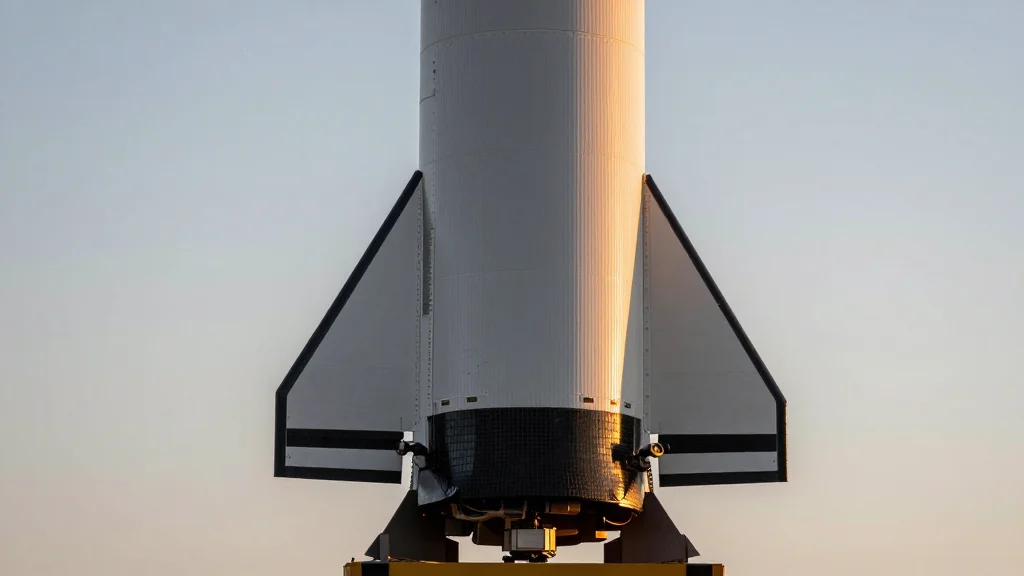
SpaceX Will Reuse Cargo Dragon a Sixth Time on Upcoming Launch to ISS
SpaceX’s Cargo Dragon will launch its sixth mission, CRS‑34, carrying roughly 3,000 kg of scientific cargo to the International Space Station. The launch is slated for 7:16 p.m. ET Tuesday from Cape Canaveral, with a Wednesday backup if the window is scrubbed....

Behind the Scenes of NASA's Artemis II
NASA public‑affairs specialist Madison Tuttle witnessed the Artemis II splashdown aboard the USS John P. Murtha, coordinating broadcast and relaying real‑time data to the public‑affairs team. She described the re‑entry dynamics—25,000 mph, 5,000 °F heat shield, six‑minute communications blackout—and the flawless parachute deployment that led...

UK Spent More than $22 Million for Starlink Supplies, Report Shows
The British Ministry of Defence has spent more than $22.6 million on SpaceX’s Starlink satellites and terminals over the past four years, funding both Ukrainian resistance and British forces abroad. Over 50,000 terminals have been shipped to Ukraine since the 2022...

BlackSky Shifts From “Imagery to Answers” As Gen-3 Constellation Hits Commercial Inflection
BlackSky’s third‑generation satellite constellation is now delivering 35‑centimeter resolution imagery in near‑real time, a capability once limited to classified systems. The company announced $160 million in new contracts and a $380 million backlog, highlighted by a $99 million Air Force IDIQ for large‑aperture...

Cowboy Space, Darkhive Detail Their Series B Rounds
Cowboy Space Corp., founded by Robinhood co‑founder Baiju Bhatt, closed a $275 million Series B that values the company at about $2 billion. The round, led by Index Ventures, will fund its first power‑beaming satellite and an AI‑focused data‑center module in partnership with...

Starlink Shuts Down Its GPS-Style Cheat Code. Researchers May Unlock It Anyway.
SpaceX's Starlink has abruptly disabled the location‑data feature that let users access its satellite‑based positioning and navigation (PNT) service via the mobile app. The move comes despite growing interest in Starlink as a resilient alternative to GPS, which is increasingly...
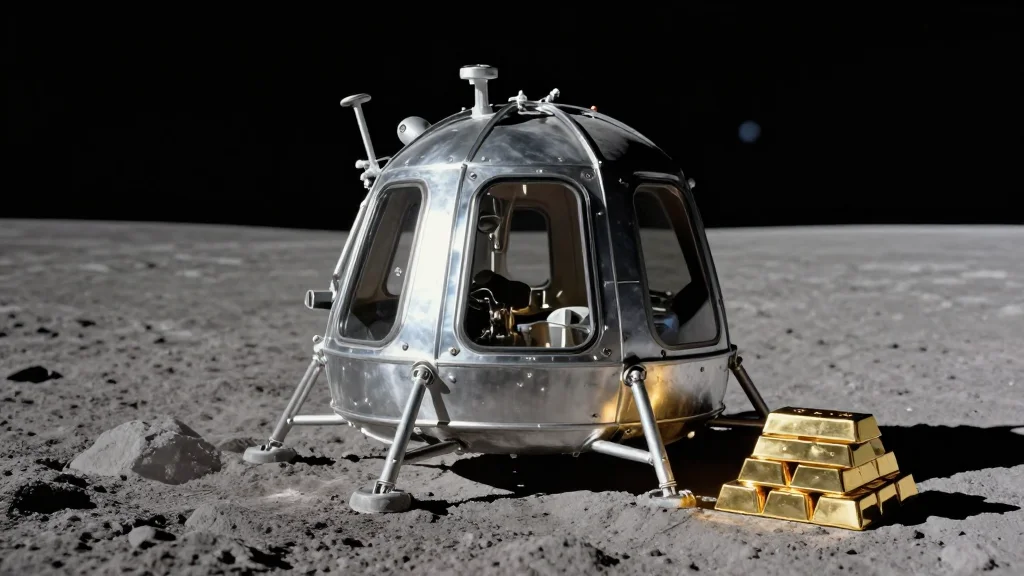
Lunar Outpost Raises $30M Series B for Lunar Surface Mobility; MDA Space Is Among the Consortium Partners
Lunar Outpost closed a $30 million Series B round led by Industrious Ventures, bringing its total venture capital to roughly $52 million. The funding will accelerate development of its autonomous lunar surface mobility suite, including the Starweave swarm software and Stargate command platform,...
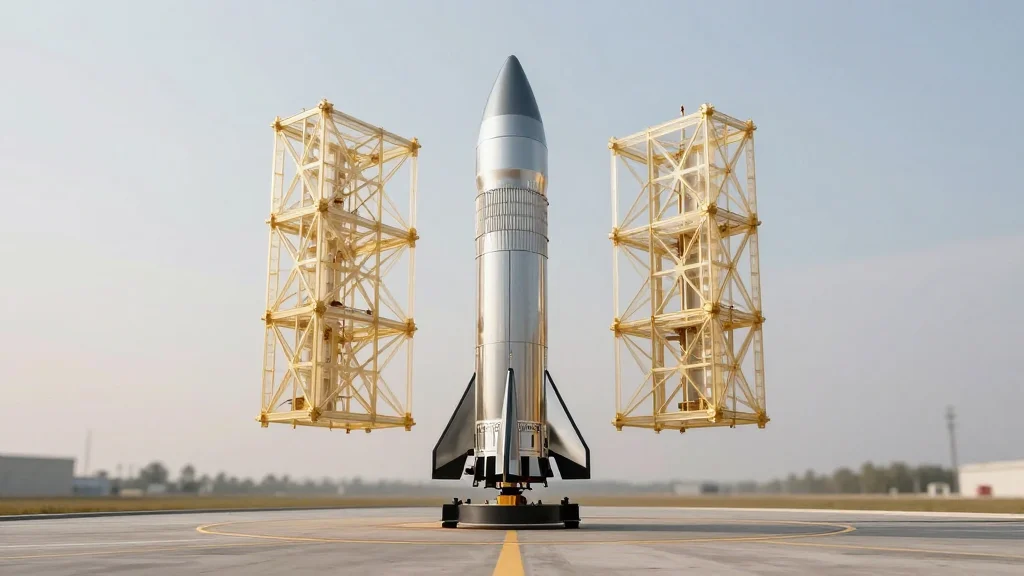
In Defence of Canada Briefing (Issue 9)
The U.S. Golden Dome missile‑defence initiative, backed by an initial $24.4 billion allocation, is reshaping continental security and creating a lucrative market for Canadian space firms. Kepler Communications, Telesat and MDA Space are positioning their technologies to become integral components of the...

Creotech Plans $118 Million Capital Raise, Investment in New Satellite Factory
Polish space‑tech firm Creotech Instruments announced a $118 million capital raise to fund a new satellite factory slated for completion by 2029. The investment will enable the company to quadruple its output to roughly 40 satellites a year, addressing a current...

Your Anomaly Detection Isn’t the Problem
The article contends that the dominant cost in satellite operations is not rare anomalies but the routine monitoring that occupies roughly 80% of engineers' time. A 2025 industry survey and case studies—such as Planet’s SkySat automation and the European Data...
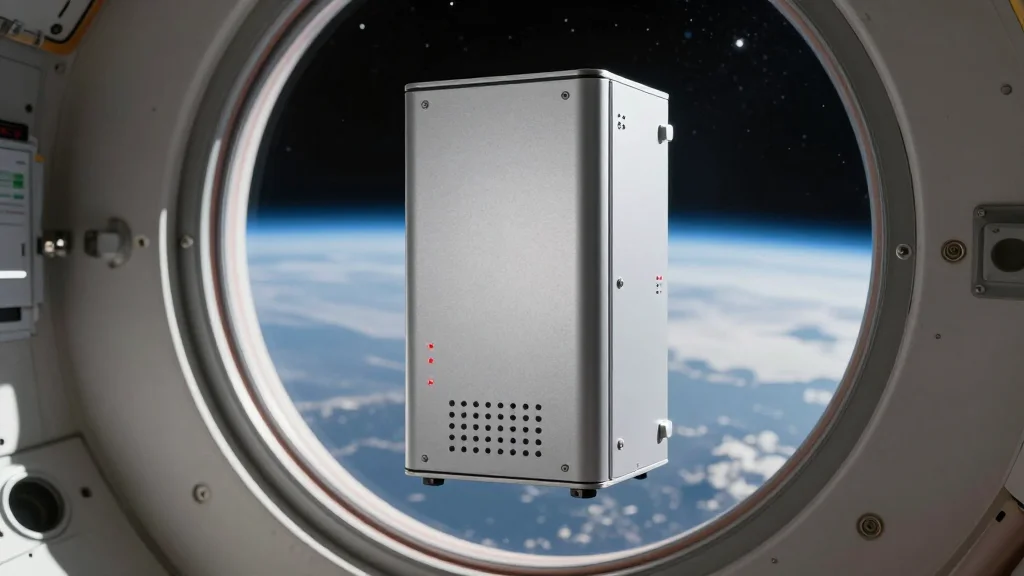
Red Hat Extends Open Source Technology Into Space
Red Hat and Voyager Technologies have successfully deployed Red Hat Enterprise Linux 10.1 and the Red Hat Universal Base Image to Voyager’s LEOcloud Space Edge micro‑datacenter aboard the International Space Station. The container‑optimized Linux platform provides a hardened, immutable operating...
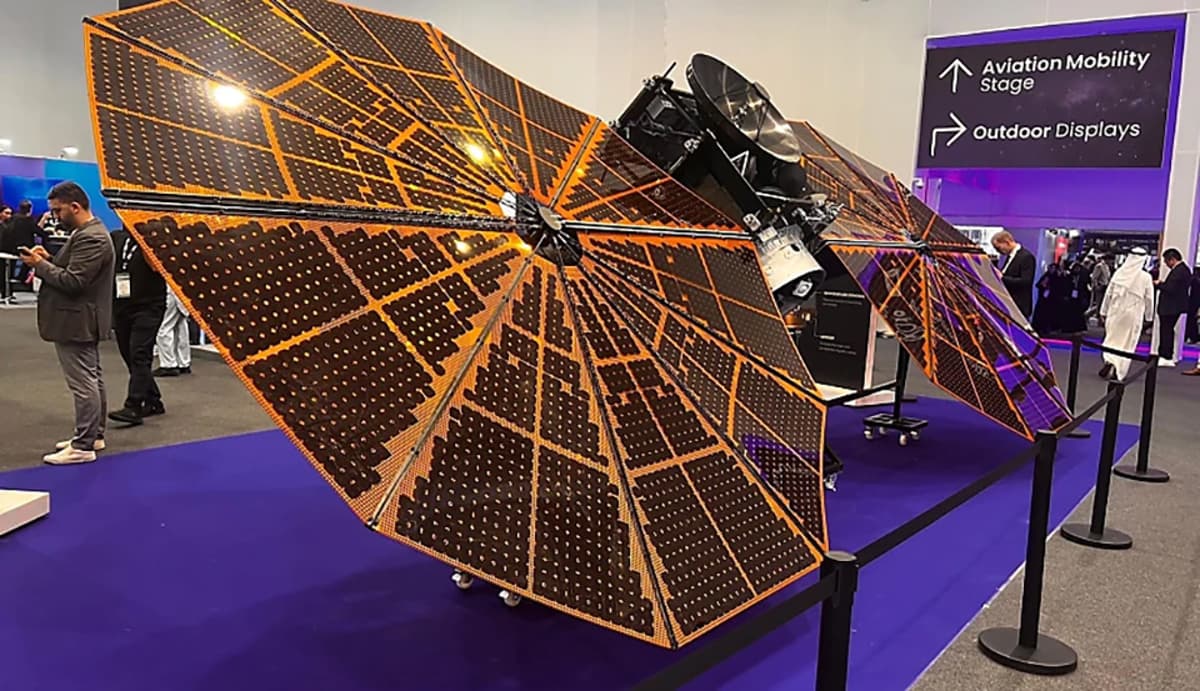
AICRAFT Expands Beyond Edge Computing with Advanced SAR Radar Electronics
Australian AI firm AICRAFT has secured Manufacturing Growth Accelerator funding to develop a low‑power front‑end electronics suite for synthetic‑aperture radar (SAR) payloads. Working with Flinders University and Indian antenna maker Guerin Technologies, the project integrates a custom analogue‑to‑digital converter with...

SmallSat Europe Speaker Focus: Frank M. Salzgeber, Nadir Space Venture
Frank M. Salzgeber, co‑founder of Nadir Space Venture, highlighted at SmallSat Europe how Europe’s mature small‑sat manufacturing base can meet the Gulf’s rapidly expanding demand. He noted Saudi Arabia’s space economy, now $8.7 billion, is projected to reach $31.6 billion by 2035,...

Skylo Seeks FCC Approval for Big D2D Device Expansion
Skylo, Verizon’s direct‑to‑device partner, has filed an FCC request to increase its authorized satellite device limits from roughly 1‑6 million per band to 10 million, 10 million and 50 million units across the ANT‑1, ANT‑2 and ANT‑3 categories. The company already supports 16 million devices...

D2D Satellite Operators Are Not Serving the Needs of MNOs
At Mobile World Congress 2026, D2D satellite providers showcased numerous contracts with mobile network operators, suggesting imminent large‑scale rollouts. In reality, deployments remain confined to a handful of markets and only basic services such as NB‑IoT, messaging, and narrowband data,...

Space42, Skylo Plot D2D Service Launch
UAE‑based Space42 has signed a deal with Skylo Technologies to launch a direct‑to‑device (D2D) connectivity service that will extend its Thuraya‑4 satellite footprint across more than 37 countries. The offering uses Skylo’s non‑terrestrial network platform and a standards‑based architecture, allowing...
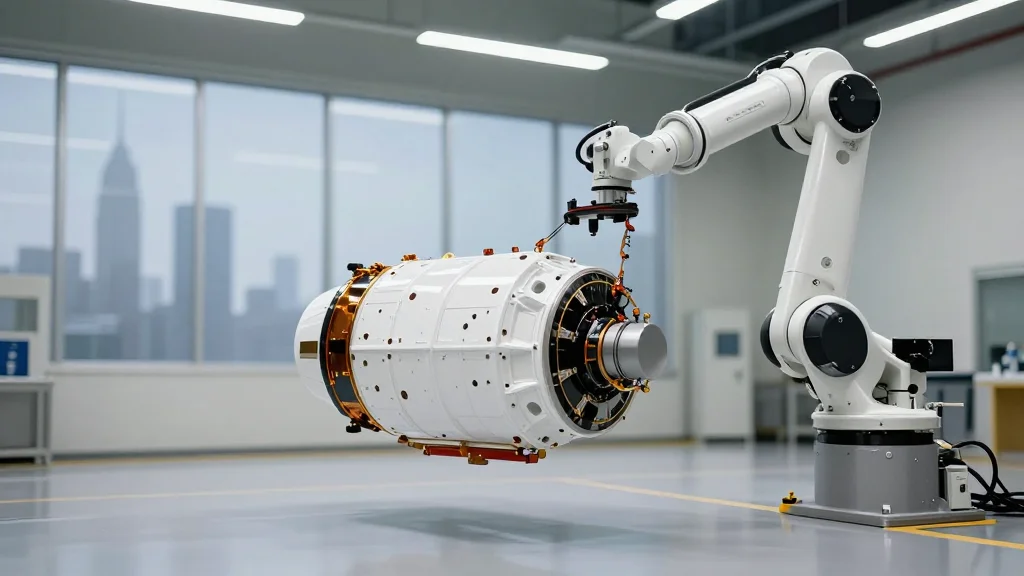
MDA Space Officially Opens New Montreal Facility to Support Satellite Prime Contractor Strategy
MDA Space has opened a 185,000‑square‑foot satellite manufacturing plant in Montreal, doubling its production footprint. The facility is designed for high‑volume assembly of the AURORA software‑defined satellites, targeting up to 400 units per year. Automated equipment and a proprietary test...
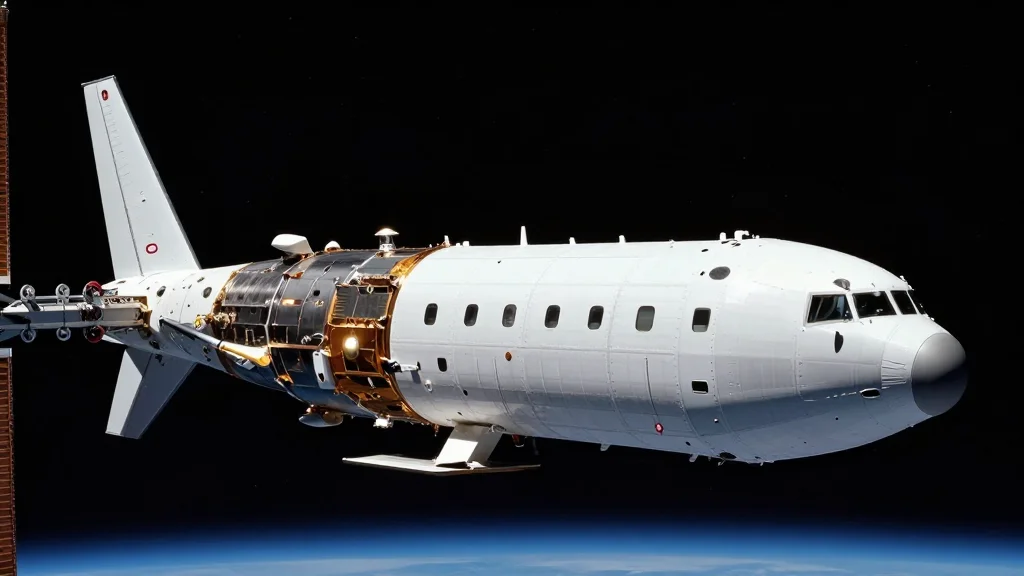
China Space Station: Docking of New Supply Ship
China’s Tianzhou‑10 cargo spacecraft successfully docked with the Tiangong space station on May 11, after Tianzhou‑9 departed. The uncrewed vehicle delivered nearly 6.2 tons of supplies, including food, water, 700 kg of propellant, a new space treadmill, and three upgraded extravehicular activity...
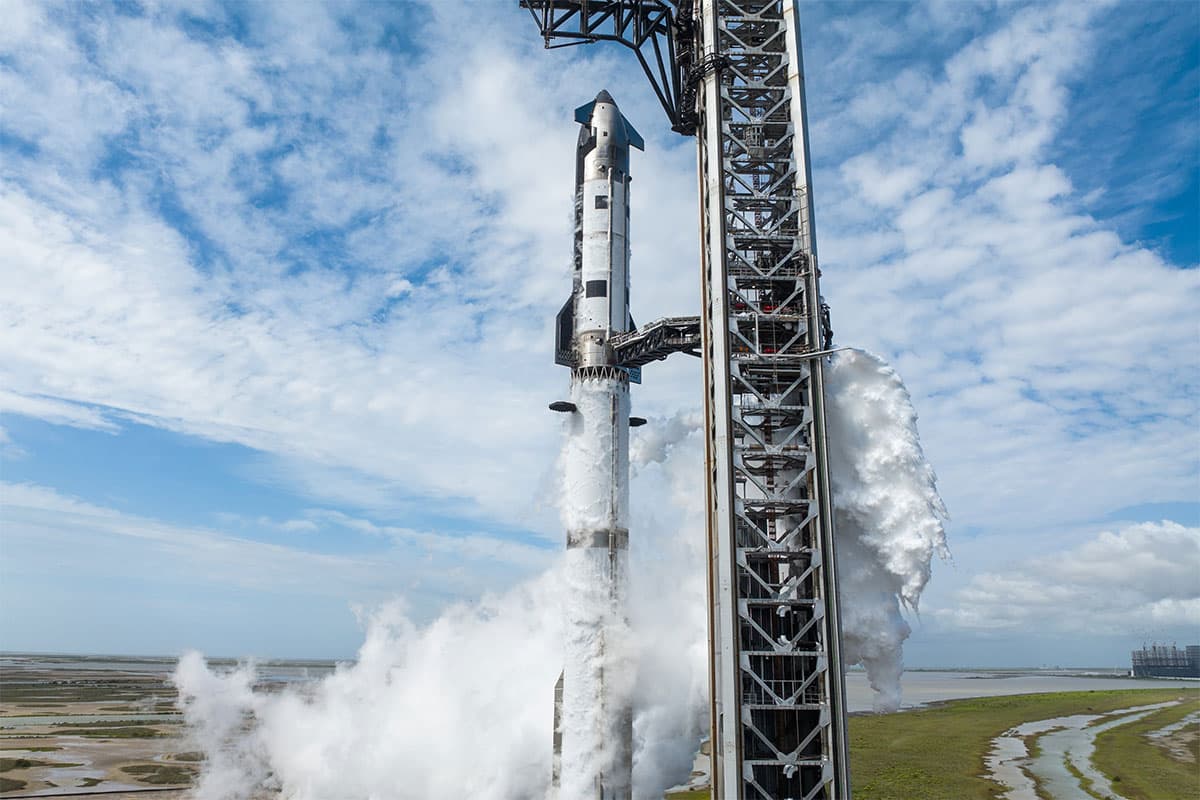
Starship V3 Booster Roars to Life in Major SpaceX Test
SpaceX performed a full‑duration static fire of the Starship V3 Super Heavy booster, igniting all 33 Raptor engines on its Texas launch pad. The test, lasting about six seconds, demonstrated the integrated propulsion system’s performance and confirmed that the vehicle’s...
JWST Discovers a Galaxy that Doesn’t Spin in the Early Universe
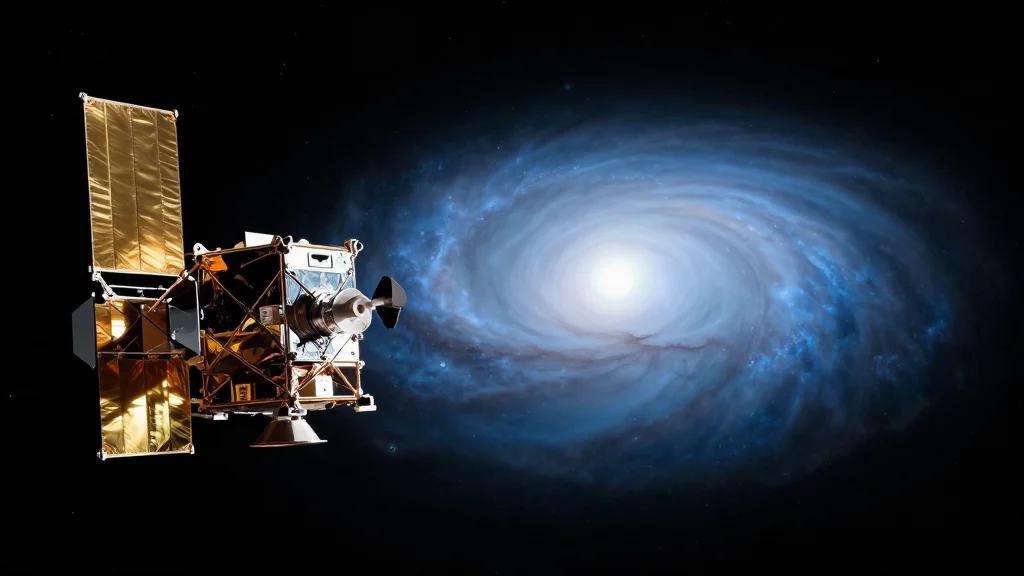
Astronomers using the James Webb Space Telescope examined three distant galaxies from roughly 1.8 billion years after the Big Bang. While one galaxy rotated normally and another appeared chaotic, the third—XMM‑VID1‑2075—was unexpectedly static, showing no measurable spin despite its massive size...
Cowboy Raises $275 Million to Build Rockets with Orbital Data Center Upper Stages
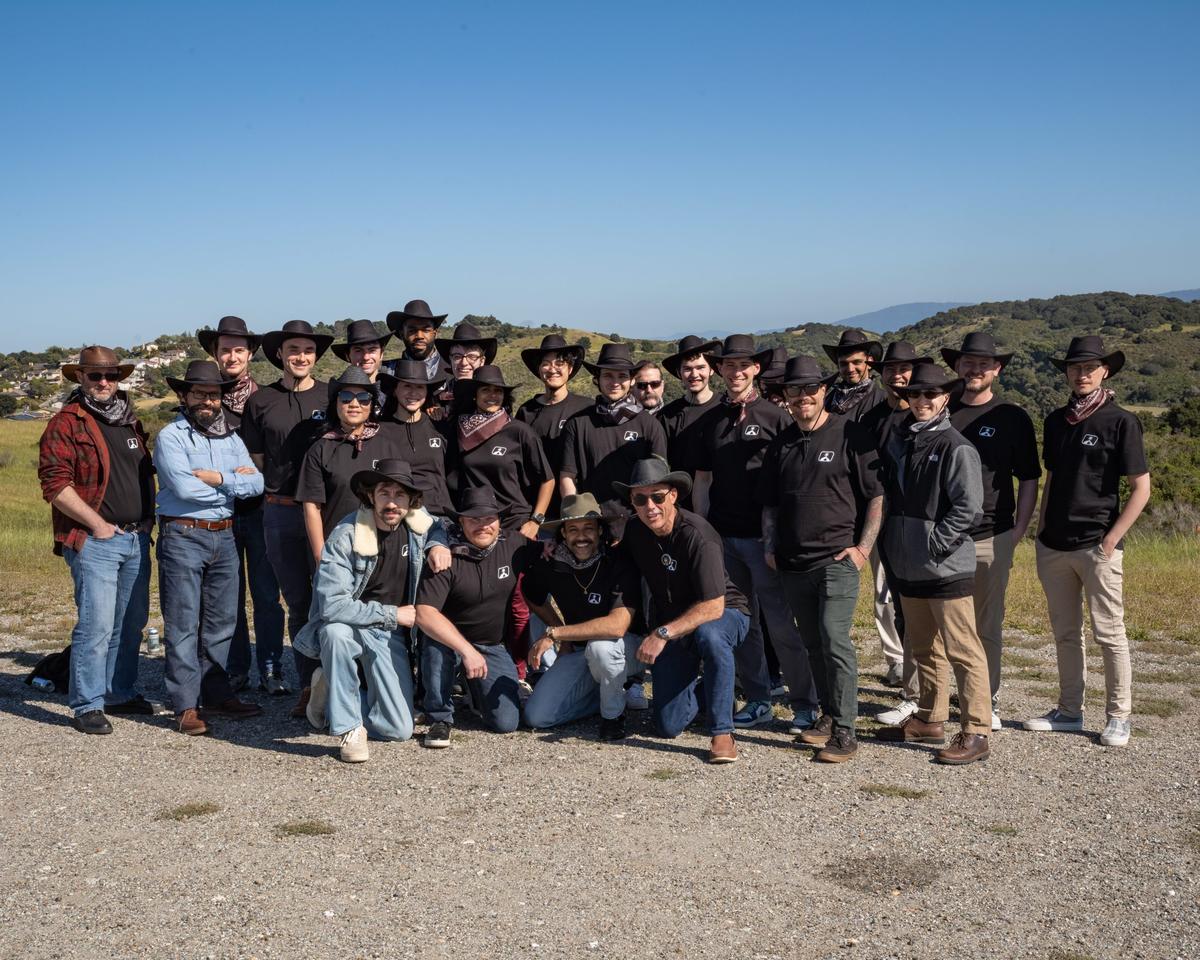
Cowboy Space, the former Aetherflux, closed a $275 million Series B round at a $2 billion valuation, bringing its total funding to roughly $365 million. The startup plans to build launch vehicles whose upper stages transform into orbital data‑center nodes, targeting AI‑intensive compute in...
Aetherflux Rebrands, Pivots Business—And Raises $275M
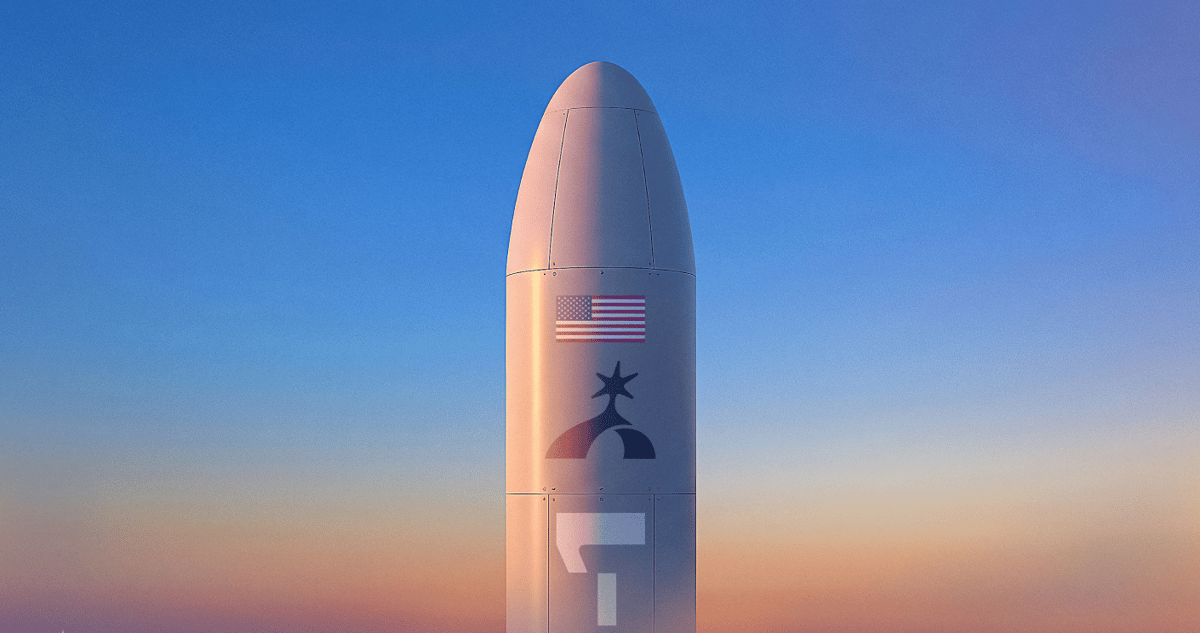
Aetherflux has rebranded as Cowboy Space Corporation and closed a $275 million Series B round at a $2 billion valuation. The company is pivoting from a sole focus on a solar‑power small‑sat constellation to a dual strategy that adds a dedicated launch vehicle...
SOCOM Taps SkyFi to Build Tactical EO Imagery Tools
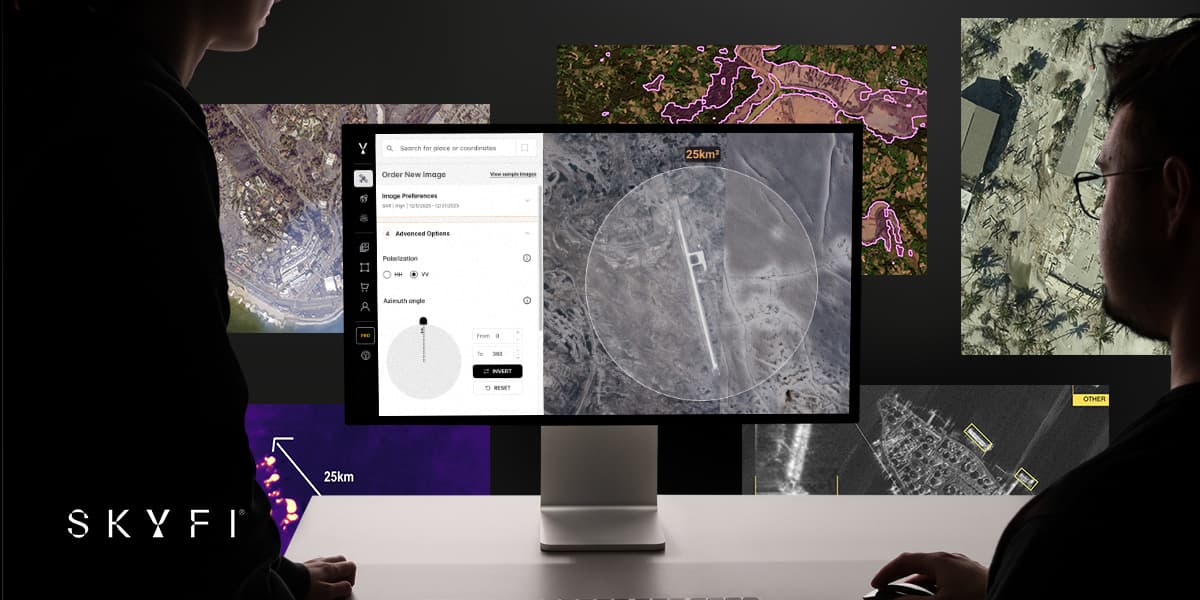
U.S. Special Operations Command (SOCOM) has selected commercial EO provider SkyFi to build a prototype sovereign intelligence platform that streamlines access to geospatial imagery for troops. The Phase 1 effort includes an Android Tactical Assault Kit plug‑in that lets operators task...
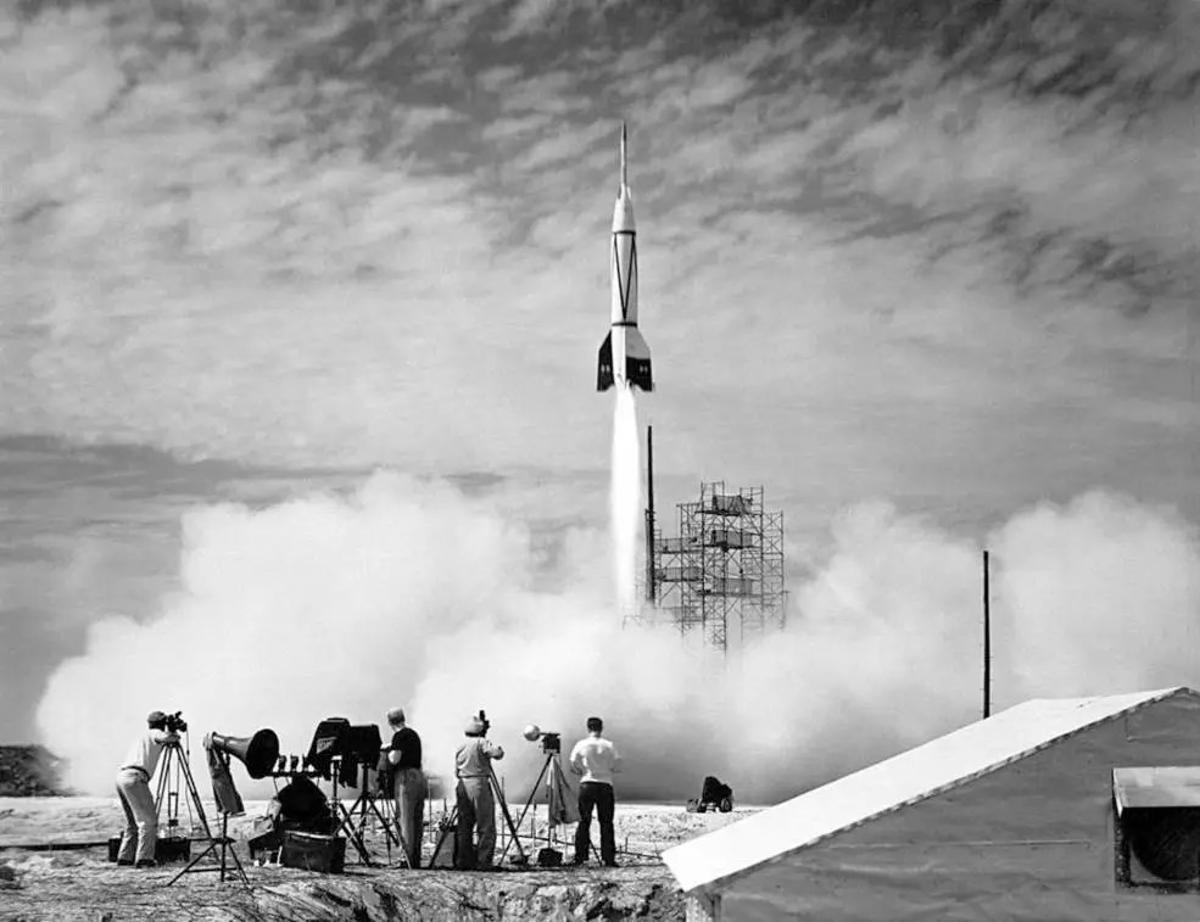
May 11, 1949: A Missile Range at Cape Canaveral
On May 11, 1949 President Harry Truman signed Public Law 60, establishing a joint Army‑Navy‑Air Force missile‑testing range at Cape Canaveral. The site’s Atlantic flight path, year‑round weather, and equatorial boost made it ideal for long‑range rockets. Early programs such as Redstone and Atlas...