
Sovereignty Got an Answer on Day 3. Two Answers, Actually, and a Commercial Veto.
Day 3 of SmallSat Europe 2026 delivered three practical definitions of space sovereignty: Spain’s model of full‑stack capability ownership backed by 85% public funding and the upcoming Miura 5 launch; Poland’s portfolio‑diversification approach that leverages its 4.8%‑of‑GDP defence budget to avoid single‑source dependence; and a commercial veto from GMV warning that a sovereign‑only on‑orbit‑servicing market collapses under Europe’s fragmented liability regime. The debate also highlighted the €5 billion (~$5.4 billion) Eutelsat refinancing that frames sovereignty as European‑control financing. The ESA ministerial in December will decide how Europe allocates funding across these competing layers.

A Head-to-Head Comparison BE-4 Vs. Raptor
Blue Origin’s BE‑4 and SpaceX’s Raptor 3 are the United States’ two flagship methalox engines, but they follow opposite design philosophies. BE‑4 uses an oxygen‑rich staged‑combustion cycle that emphasizes proven reliability and high per‑engine thrust, while Raptor 3 employs a full‑flow staged‑combustion...

Spatial Data Has Become a Weapon of War in the US-Iran War
The United States‑Iran conflict has entered a geospatial era where commercial satellite data is a decisive weapon. Iran is reported to be using Chinese‑linked Earth Eye and Emposat constellations to gather targeting intelligence, while Planet Labs has restricted real‑time imagery over...
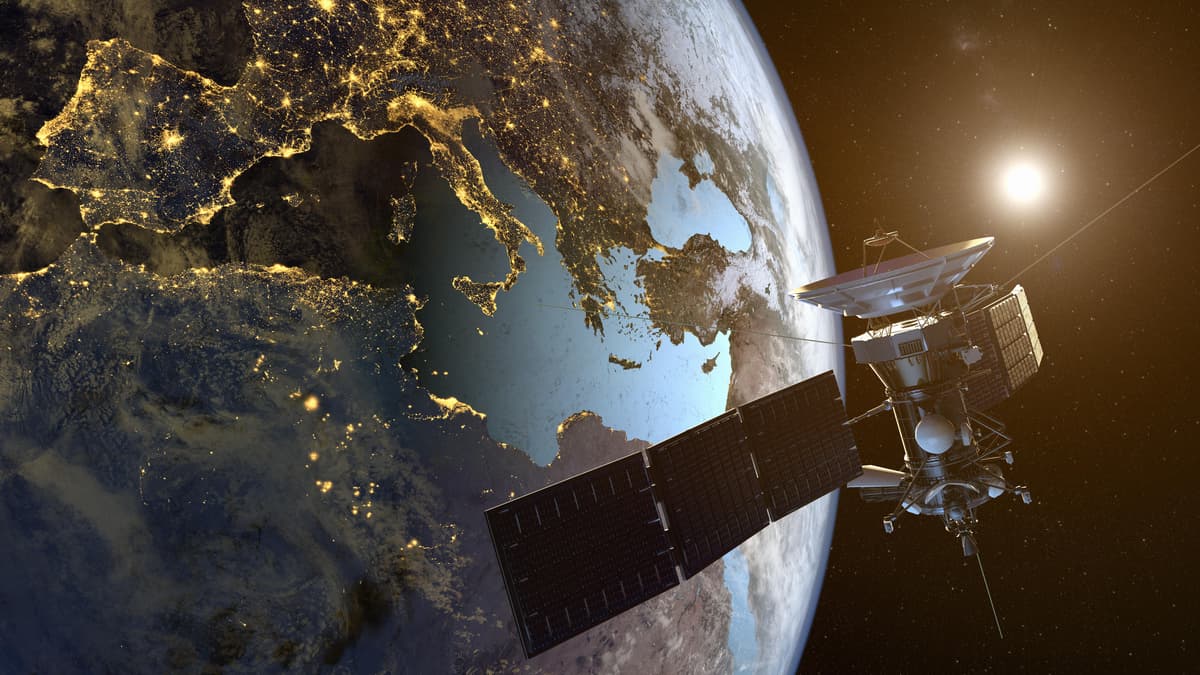
Amazon Leo Satellite Network Coming to Taiwan Through Far EasTone Partnership
Amazon Leo, the low‑Earth‑orbit broadband venture formerly known as Project Kuiper, has appointed Far EasTone Telecommunications as its authorized distributor in Taiwan. The deal hinges on regulatory clearances that could take nine to twelve months, with a target commercial launch...
Exploding Rocket Casts Doubts over Nasa's Moon Plans
Blue Origin’s New Glenn heavy‑lift rocket exploded during a routine engine test at Kennedy Space Center, destroying the sole launch pad (LC‑36) built for the vehicle. The blast halts New Glenn flights for months, jeopardizing NASA’s Moon Base 1 lander, the agency’s lunar...
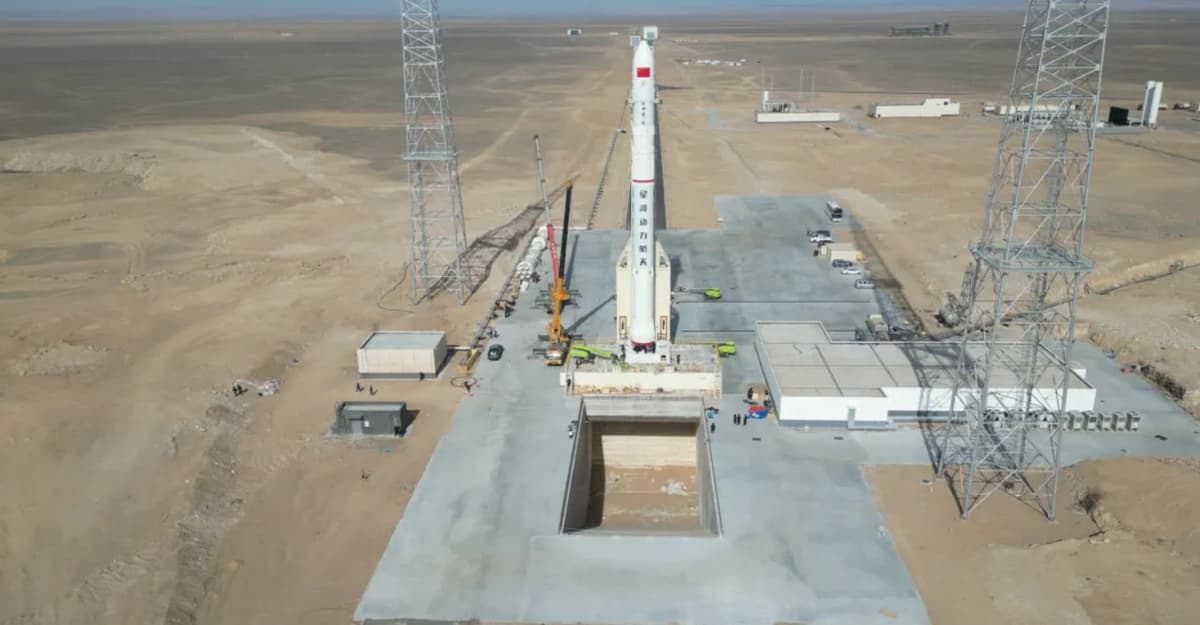
China’s Latest Batch of New and Reusable Rockets Are Close to Launch
China is preparing a wave of new rockets from state‑run CASC and private firms such as Galactic Energy, iSpace and Landspace, with most slated for launch or recovery tests in the first half of 2026. The Long March 12B, a 20‑ton LEO...
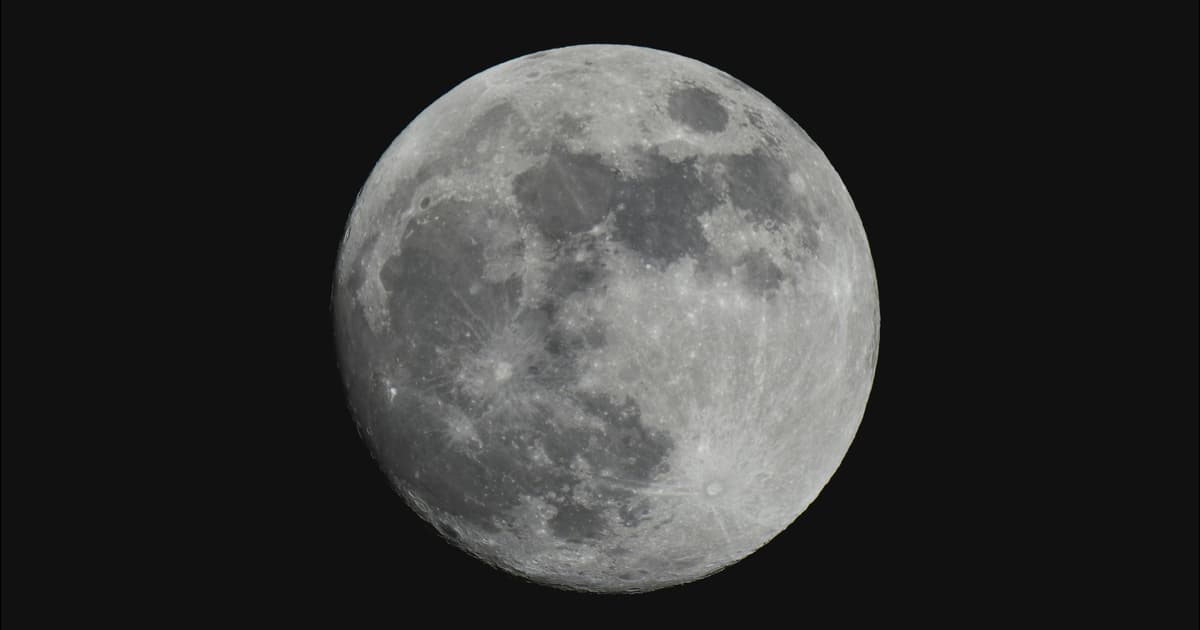
When NASA Deliberately Crashed Apollo Hardware Into the Moon, the Seismometers Left Behind Recorded Vibrations for Nearly an Hour —...
Between 1969 and 1972 NASA deliberately crashed spent Apollo hardware—lunar module ascent stages and Saturn V third stages—onto the Moon to create known seismic sources for the four‑station ALSEP network. The Apollo 12 module impact generated a vibration that rose over minutes,...

Flight Path to Profits: American Airlines Bets on SpaceX
American Airlines announced a partnership with SpaceX to equip more than 500 narrow‑body Airbus jets with Starlink satellite Wi‑Fi, with installation slated to start in the first quarter of 2027. The upgrade targets the A319, A320, A321, A321XLR and A321neo...
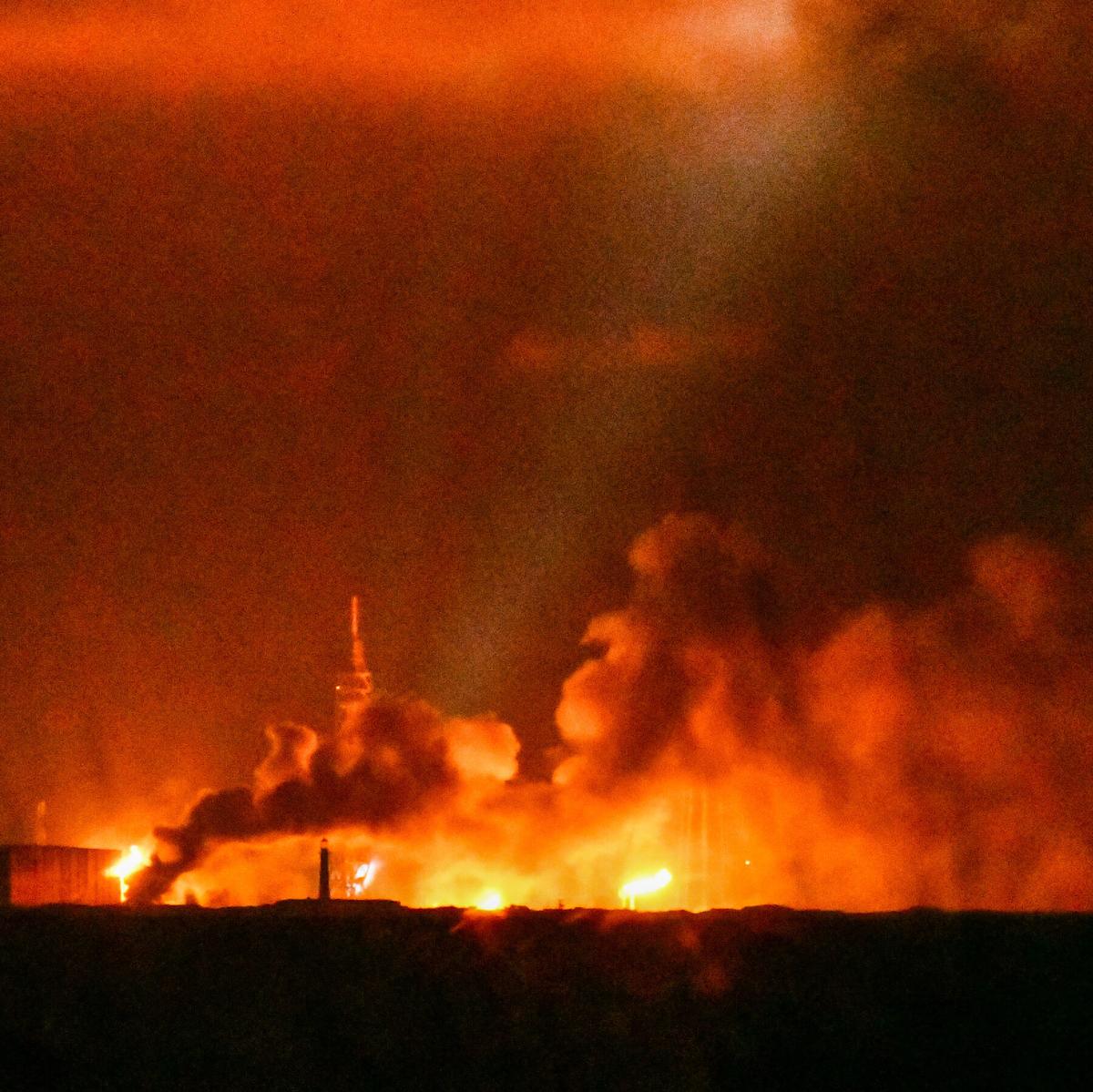
Blue Origin Rocket Blows Up on Florida Launchpad During Test
Blue Origin’s New Glenn rocket suffered a catastrophic explosion during a hot‑fire test on a Florida launchpad Thursday night. The blast damaged the company’s sole launch infrastructure at Cape Canaveral, though all personnel were accounted for. The vehicle was slated to...

Europe Celebrates Its Sovereignty Progress at SmallSat
At SmallSat Europe in Amsterdam, EU officials unveiled a suite of initiatives to cement European sovereignty in orbit. The European Commission proposed reserving at least two‑thirds of satellite spectrum for EU operators, while Italy, Germany and a pan‑European effort announced...
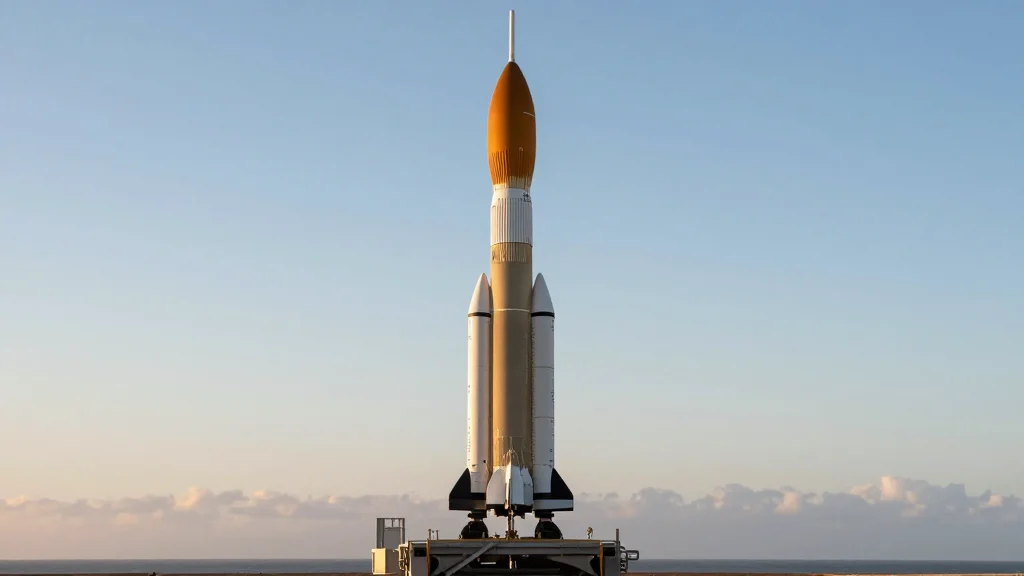
Live Coverage: SpaceX to Launch 29 Starlink Satellites on Falcon 9 Rocket From Cape Canaveral
SpaceX will lift off on Oct. 22, 2024 at 8:57 a.m. EDT from Cape Canaveral to deploy 29 Starlink broadband satellites as part of the 10‑53 mission, expanding its low‑Earth‑orbit network beyond 10,000 spacecraft. The launch will use Falcon 9 booster B1085...

Cobham Satcom Expands GMDSS Choice with New SAILOR 7200 Terminal
Cobham Satcom unveiled the SAILOR 7200 terminal, its first Iridium‑based GMDSS solution, at Posidonia 2026. The new unit joins the existing SAILOR mini‑C for Inmarsat, giving shipowners the ability to select between two satellite safety ecosystems without network lock‑in. Featuring an omni‑directional...
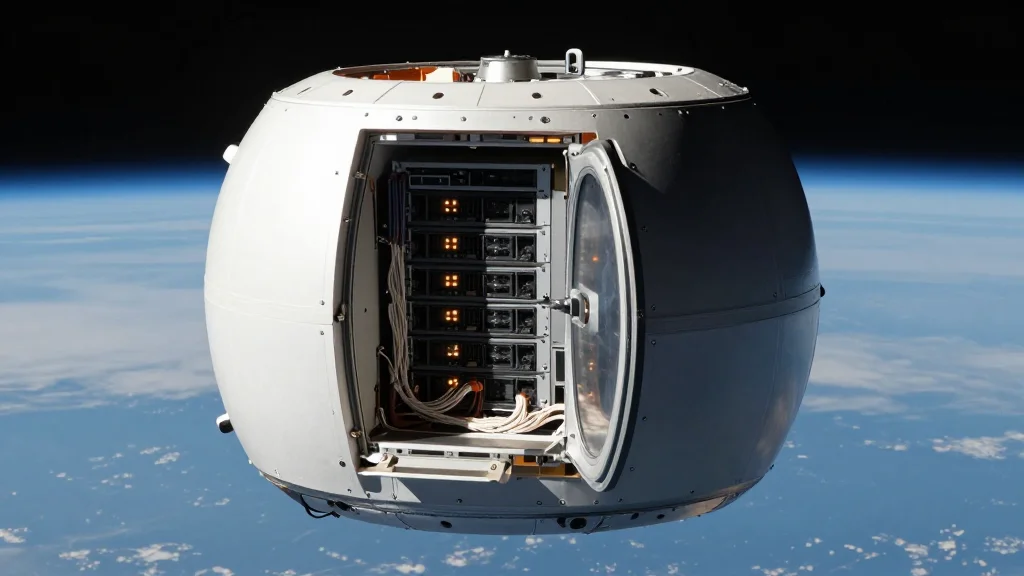
Orbital Data Centers Must Tackle Chip Lifespan, Launch Availability, and Cybersecurity Challenges
Experts at SmallSat Europe examined the hype around orbital data centers, noting that space‑based compute promises unlimited energy but requires custom silicon and massive launch capacity. Dr. Paul Struhsaker warned that rapid AI ASIC turnover shortens chip lifespans to two...

Space Solar Teams Up With Lonestar For Orbital Data Storage
Space Solar, a UK‑based in‑space power developer, signed a Letter of Intent with U.S. data‑in‑space pioneer Lonlonestar on 27 May 2026. The agreement creates a joint technical team to explore missions, investments and joint ventures for orbital data storage. Lonestar recently...

Canadian Consortium Led by NordSpace Awarded $3.2M From NGen for AI-Powered Space Propulsion Manufacturing
Markham‑based NordSpace Corp. is leading a Canadian consortium that secured CAD $3.2 million (≈US $2.4 million) from Next Generation Manufacturing Canada to fund an $8 million (≈US $5.9 million) AI‑powered hybrid additive‑subtractive manufacturing line for space propulsion. The partnership with Miltera, Pegmatis, Prime Powders and Bear Paw...
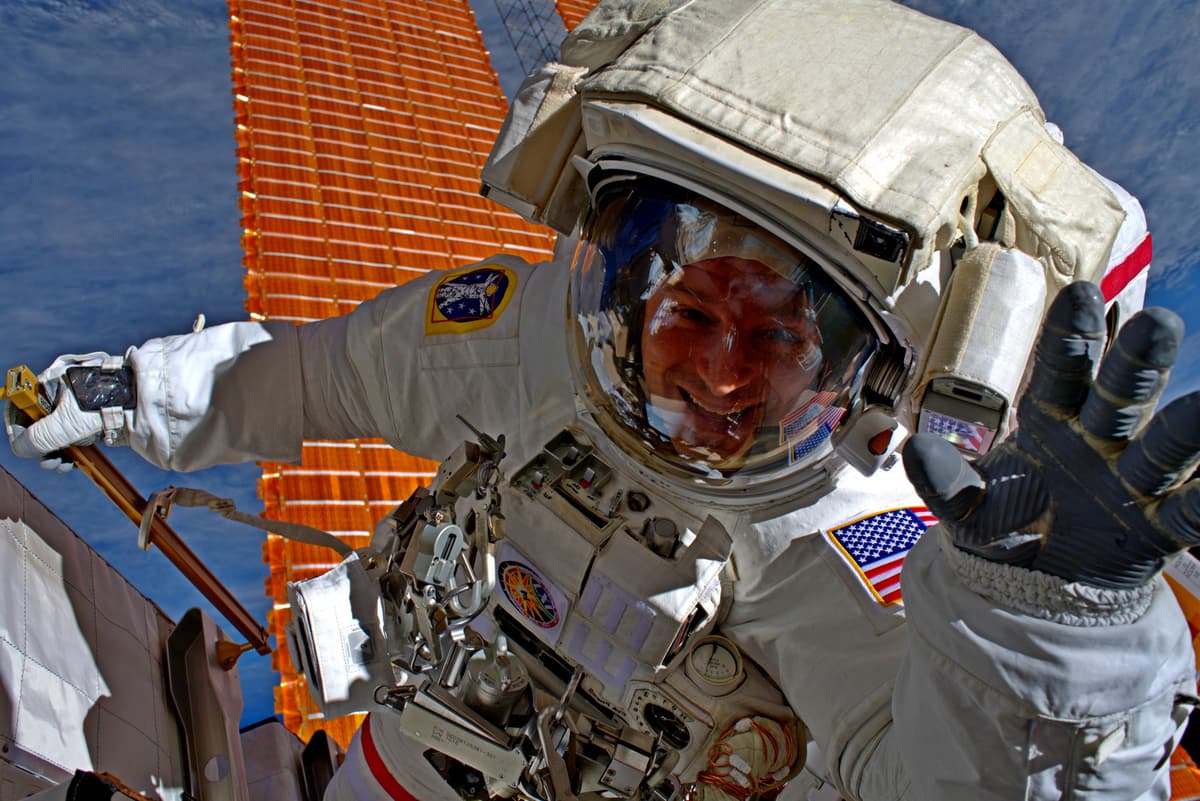
NASA Astronaut Andrew Morgan Retires
Former NASA astronaut and Army Brig. Gen. Andrew R. Morgan announced his retirement from NASA after a 12‑year tenure that included 272 days aboard the International Space Station. Morgan logged more than 115 million miles, completed 4,300 Earth orbits and performed seven...

Revolv Space Enters In-Orbit Servicing Market with Infinite Orbits Deal
Revolv Space, the Italian‑Dutch satellite hardware firm, has secured a contract with French in‑orbit services provider Infinite Orbits to supply its Solar Array Drive Assemblies (SADAs) for geostationary orbit (GEO) servicing missions. The deal marks Revolv’s first entry into the...

More Opposition to the EU’s New Space Law, This Time From European Companies
European aerospace leaders at SmallSat Europe voiced strong opposition to the EU’s draft Space Act, calling it monopolistic, slow and overly rigid. They warned that a twelve‑month licensing process would cripple the fast‑moving commercial space sector. Critics argue the legislation...
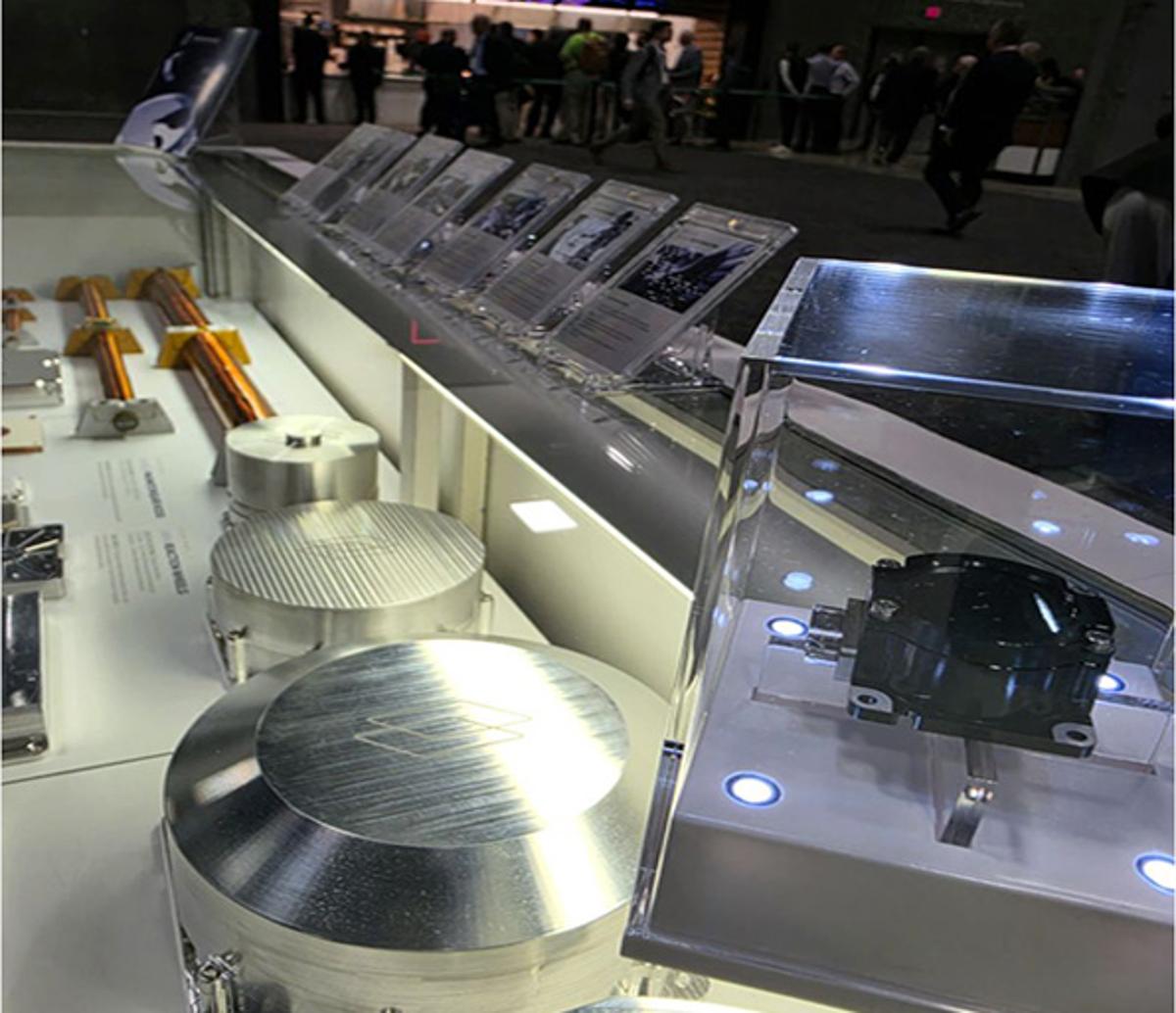
NewSpace Systems Announces European Expansion with New Netherlands Subsidiary
NewSpace Systems announced the creation of a European subsidiary in the Netherlands during the SmallSat Europe conference, marking a key step in its continental growth strategy. The new entity will initially focus on business development, customer engagement, and technical support...
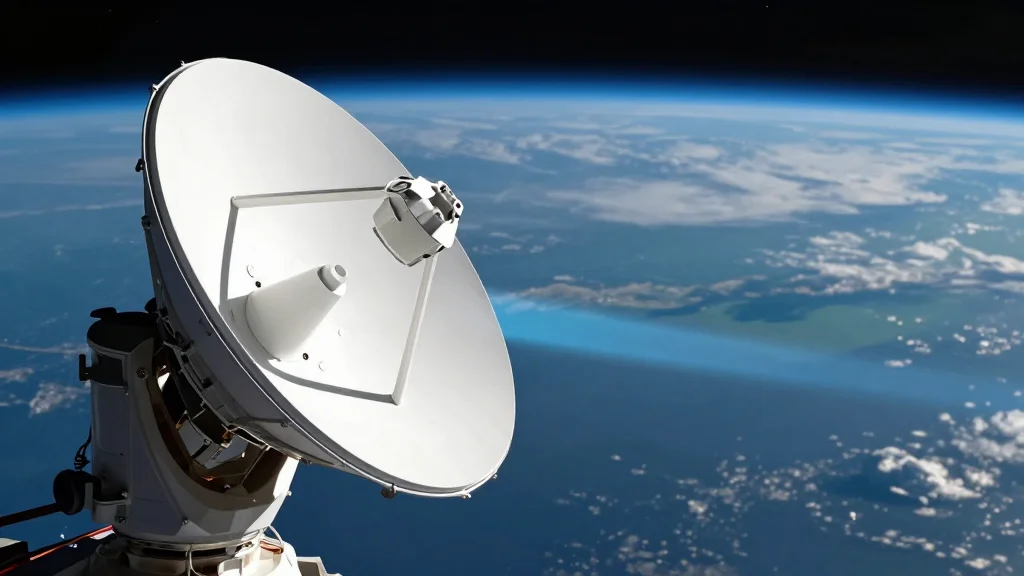
Japan’s IHI Begin to Benefit From ICEYE SAR Imagery
Japan’s IHI corporation will start using ICEYE’s synthetic‑aperture‑radar (SAR) imagery as the first two of a four‑satellite constellation become operational. The procurement, signed in October 2025, covers four Japan‑built SAR satellites with an option for 20 more. The high‑resolution radar data...

Germany Pushes European Military Space Command Initiative
Germany has unveiled a proposal to create a European Space Component Command, to be hosted in Germany and open to allied participation. The plan seeks to coordinate military space operations across Europe, preventing redundant capabilities such as multiple satcom constellations...
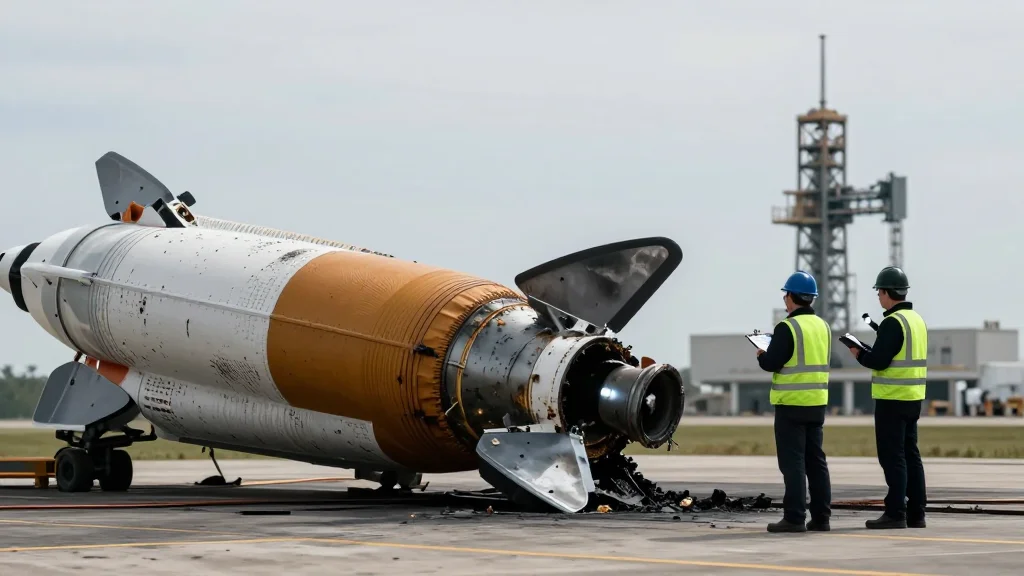
FAA Grounds Starship/Superheavy Pending Completion of SpaceX’s Investigation
The FAA has grounded SpaceX's Starship and SuperHeavy launch system following a mishap on the May 22 Flight 12 mission, where the SuperHeavy booster experienced engine failure during its return to the Gulf of America. The agency requires SpaceX to conduct a...
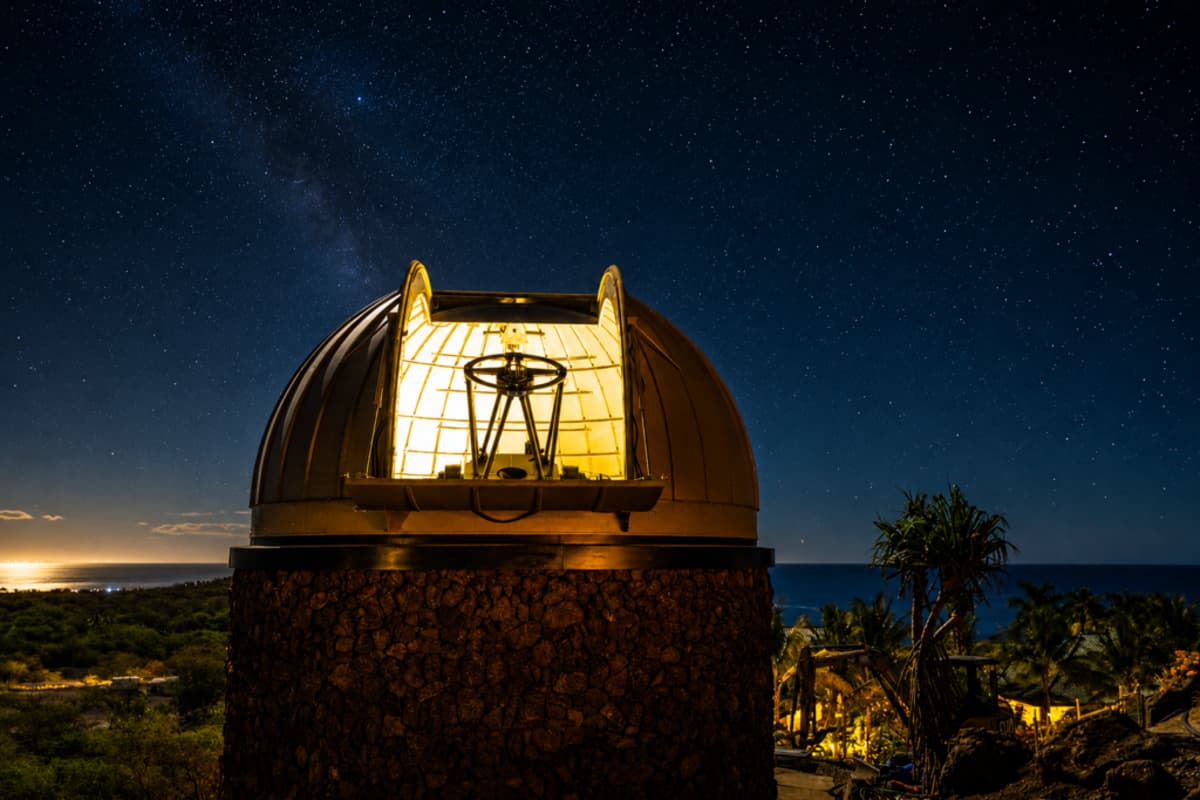
Observable Space Raises $90M Series A
Observable Space, formed by the merger of PlaneWave Instruments and OurSky, closed a $90 million Series A round led by Lux Capital. The funding will expand laser‑communication ground stations, ground‑based sensing, and in‑space optical payload production, including new manufacturing capacity in Detroit....
Inside Nasa's Plans for a Lunar Base
NASA’s Artemis program is moving toward a permanent lunar presence, with a crewed landing slated for 2025 and a surface habitat to follow by the late 2020s. The agency plans to use the Lunar Gateway as an orbital staging point,...
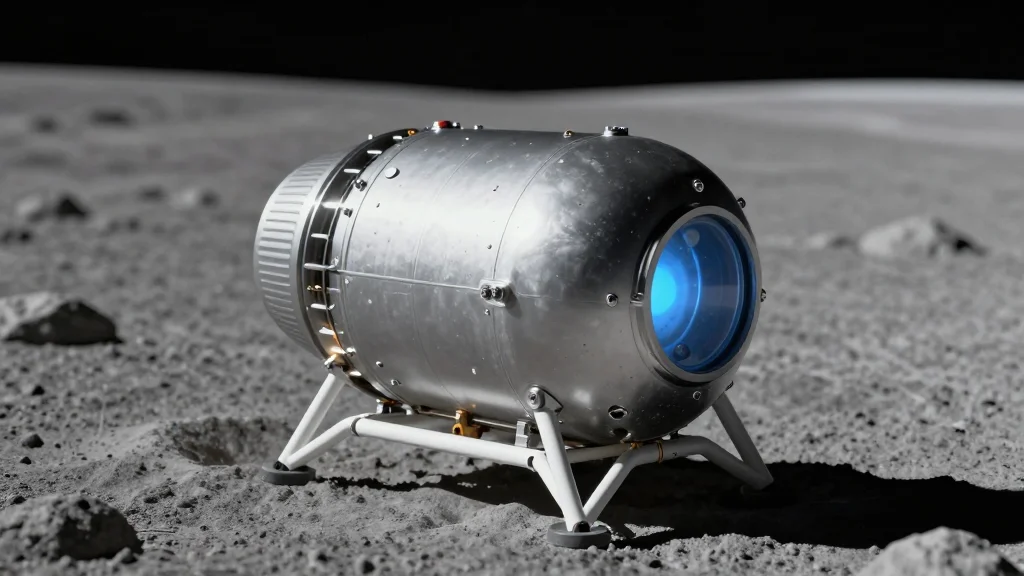
Experts Say Space Nuclear Power’s Biggest Obstacles Are Logistical, Not Technical
A workshop at AIAA’s ASCEND event highlighted that the primary barriers to space nuclear power are logistical, not technical. Experts noted that despite $20 billion spent over six decades, mission planning, policy continuity, and regulatory frameworks have repeatedly stalled progress. The...
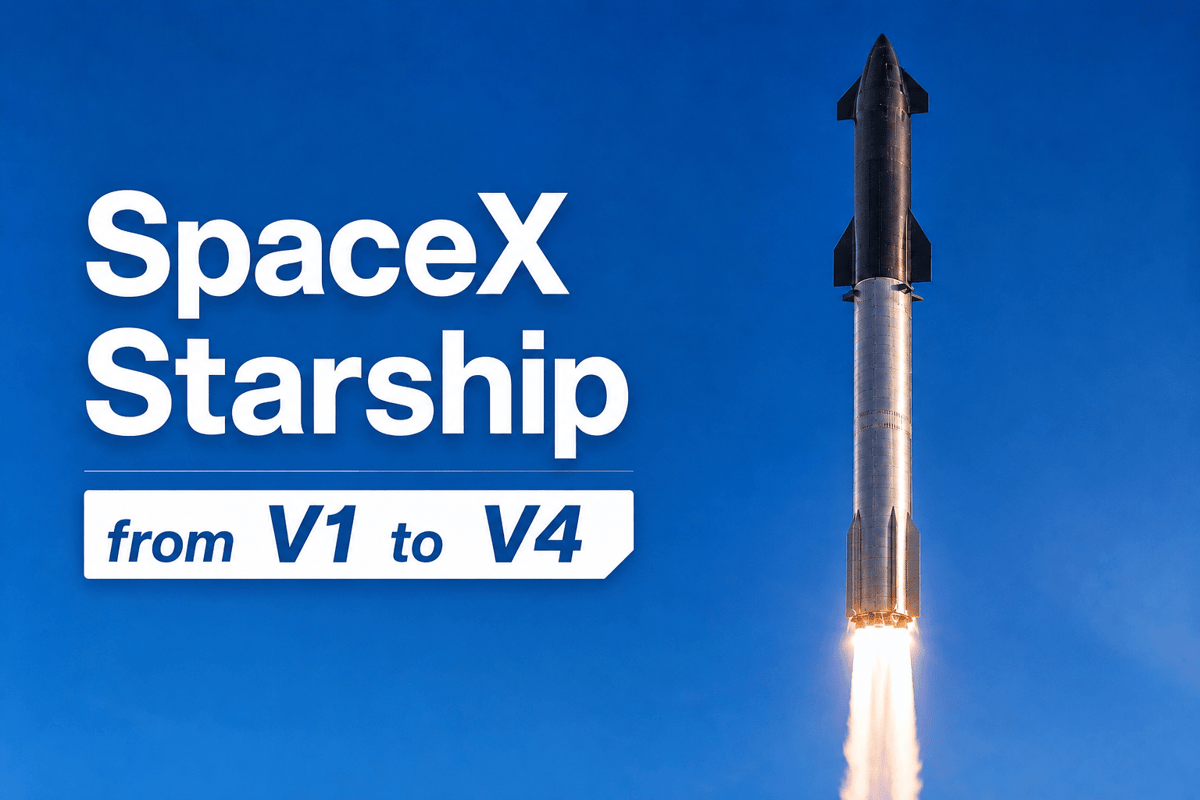
SpaceX Starship From V1 to V4
SpaceX’s Starship program has progressed through four distinct vehicle families, moving from early atmospheric prototypes to the V3 configuration that debuted on May 22 2026. V3 introduced Raptor 3 engines, a redesigned Super Heavy booster, docking interfaces and propellant‑transfer hardware, marking a shift...
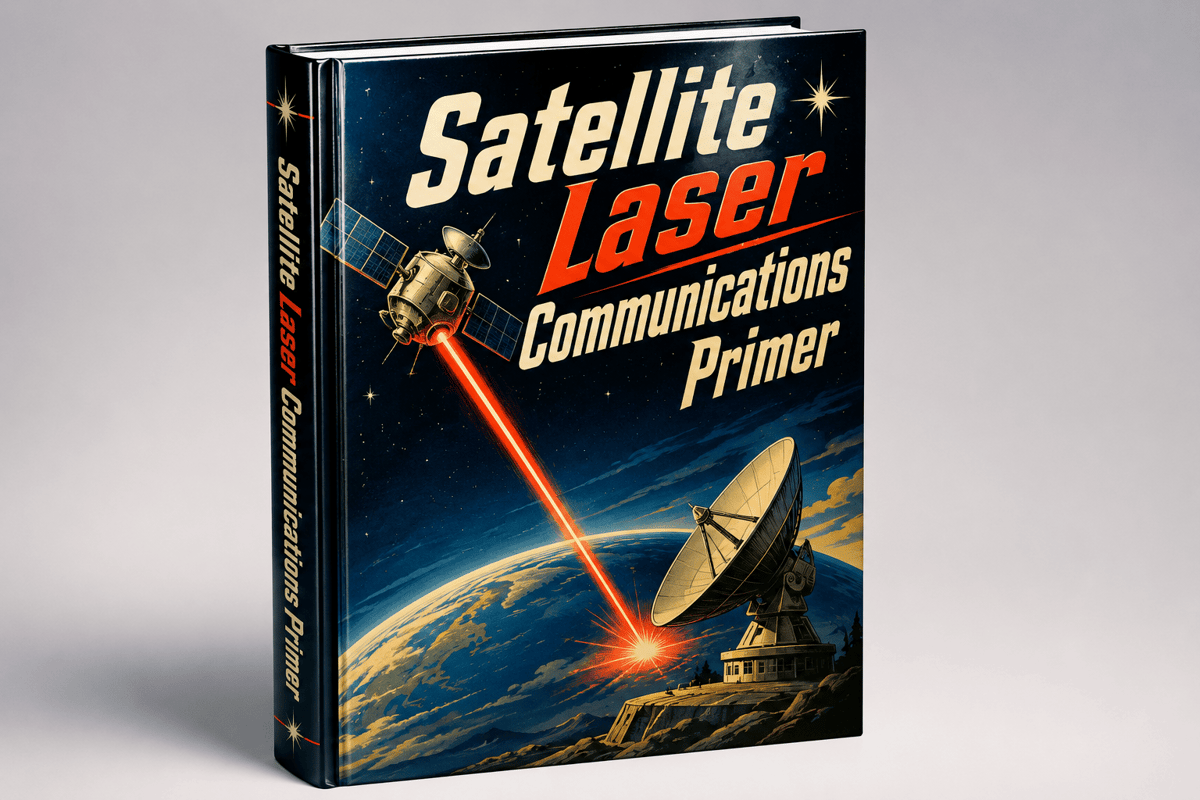
Satellite Laser Communications Primer
NASA’s Artemis II mission demonstrated a laser‑based optical terminal that moved 484 GB of high‑definition video, images, and telemetry between Orion and Earth, marking the first crewed lunar‑distance use of satellite laser communications. Recent demonstrations such as TBIRD’s 200 Gbps downlink (4.8 TB in...

The Propulsion Imperative Behind Golden Dome
Golden Dome redefines U.S. missile defense by centering propulsion in a massive satellite constellation equipped with sensors, interceptors, and AI‑driven command nodes. The program envisions thousands of orbiting assets that must maneuver quickly and survive contested environments, making propulsion the...

The Orbital Data Center Thesis Just Became an Economics Question.
At SmallSat Europe 2026, experts shifted the orbital data‑center debate from hype to hard economics. Dr. Paul Struhsaker argued that a megawatt‑class space data centre can only succeed with custom silicon, a plug‑in modular architecture, and launch costs under $300 per...

The Pixel War Is Over. The Integration War Is What Comes Next.
At SmallSat Europe 2026, industry leaders announced that Earth‑observation is entering an integration era, where fused multi‑physics data replaces the historic pixel‑by‑pixel model. ESA is issuing an invitation‑to‑tender to fund small‑sat missions that feed a common tasking and integration layer,...

AI Just Reached Production in European Space. The Trust Problem Is What Comes Next.
European space AI moved from demos to deployed products at SmallSat Europe 2026. Dublin‑based Ubotica demonstrated onboard hyperspectral processing that cut decision cycles from hours to ten minutes. Defence panel highlighted automation boundaries, stressing that sub‑second decisions must be automated...

Space Markets Emerges From Stealth With Coinbase Ventures Investment
Space Markets, a stealth‑mode startup founded in December, announced its public debut and secured investment from Coinbase Ventures. The platform will run on Coinbase’s Ethereum Layer‑2 network and aims to launch futures contracts for orbital commodities such as satellite bandwidth,...

UK Achieves First Laser Data Download From Satellite with Deployable Ground Station
On 27 May British engineers achieved the United Kingdom’s first optical downlink from space, using a deployable laser communications ground station built by Archangel Lightworks for Dstl. The TERRA‑M system, only 1.1 m tall and 0.7 m in diameter, transferred multiple gigabytes...

How to Tax Businesses in Orbit and Beyond
The Economist examines the emerging challenge of taxing commercial activities beyond Earth as private firms launch satellites, offer space‑based broadband, and plan asteroid mining and tourism. Governments in the United States and Europe are drafting tax rules, including income‑tax treatment...

Space, and Earth Observation
Private equity is rapidly moving into the space and earth‑observation sector as capital inflows hit historic highs. Recent transactions include DigitalBridge’s $1.05 billion acquisition of ArcLight and Alpine‑backed Apex Service Partners targeting a $10 billion valuation in a minority‑stake sale. ...
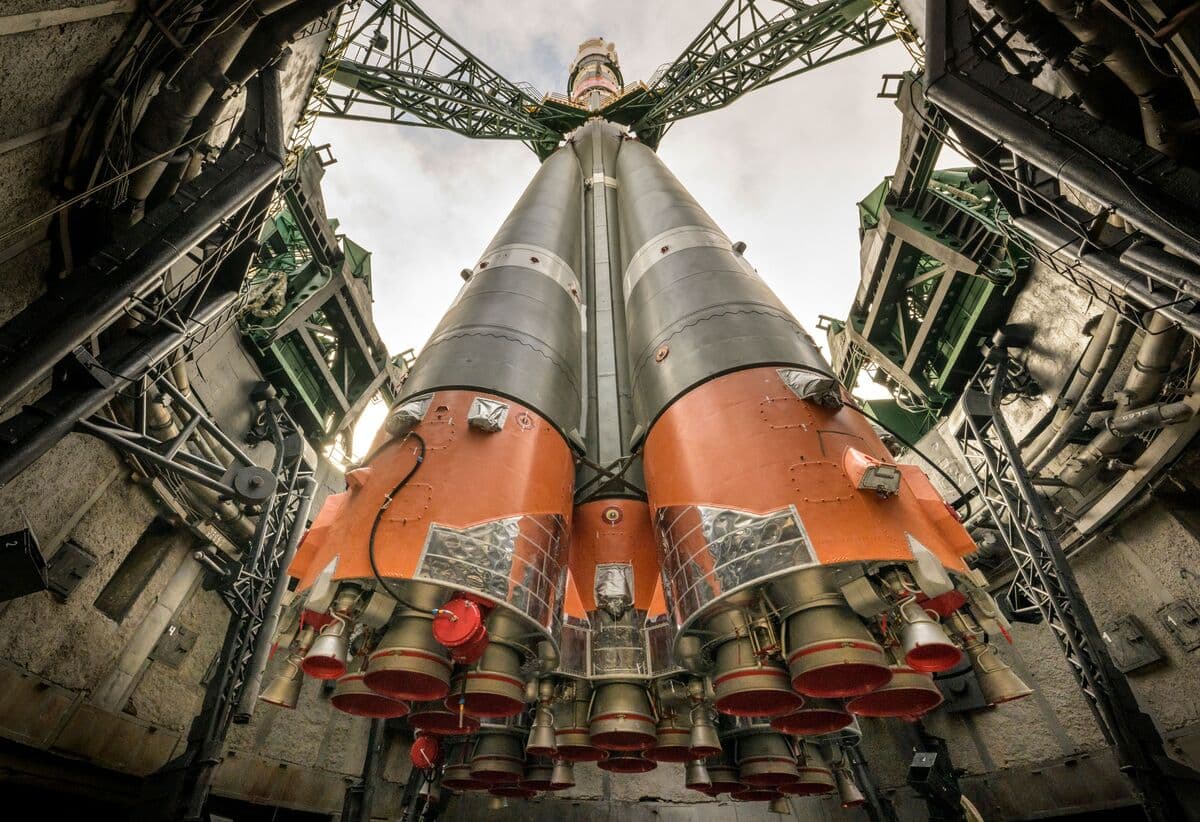
Russia Plans to Launch Crewed Spacecraft From Baikonur in July
Russia announced its first crewed launch from the Baikonur Cosmodrome this year, slated for July 14, 2026. The mission will carry three astronauts, including two Russian cosmonauts and a NASA astronaut, marking the first joint Russian‑American crew launched from Kazakhstan...

NASA Picks Astrolab for Artemis Lunar Rover Mission
NASA has chosen California‑based Astrolab as one of two providers for a crewed lunar rover under the Artemis program. Astrolab’s CLV‑1 rover folds to about 2 m for launch, then expands to roughly 4 m on the Moon and can travel up...
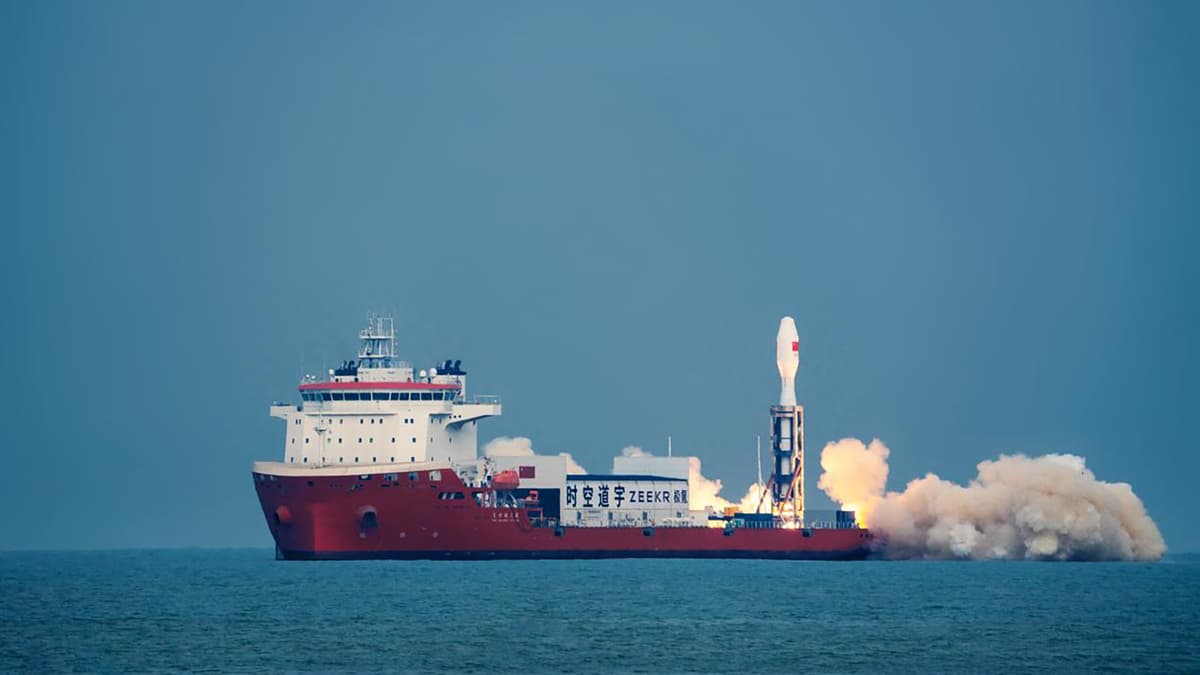
Geespace’s Next Test Is Building a Business Case for Satellite Infrastructure
Geespace has moved from building and scaling its 64‑satellite LEO constellation to the value‑realization stage, securing commercial partnerships in over 20 countries and targeting 72 satellites by year‑end. The company focuses on medium‑ and low‑speed satellite services for IoT, automotive,...

Amazon Will Acquire Apple’s 20% Stake in Satellite Firm Globalstar
Amazon announced it will purchase Apple’s 20% equity and voting stake in Globalstar, the satellite communications provider. The acquisition follows Amazon’s $11.6 billion deal to buy Globalstar outright, adding roughly $1.1 billion of Apple‑owned shares to the transaction. Amazon will create a...

What Is the Van Allen Belt?
The Van Allen belts are two doughnut‑shaped zones of trapped protons and electrons held by Earth’s magnetic field. Discovered by Explorer 1 in 1958, they were later mapped in detail by NASA’s Van Allen Probes, which revealed rapid changes and even a temporary...
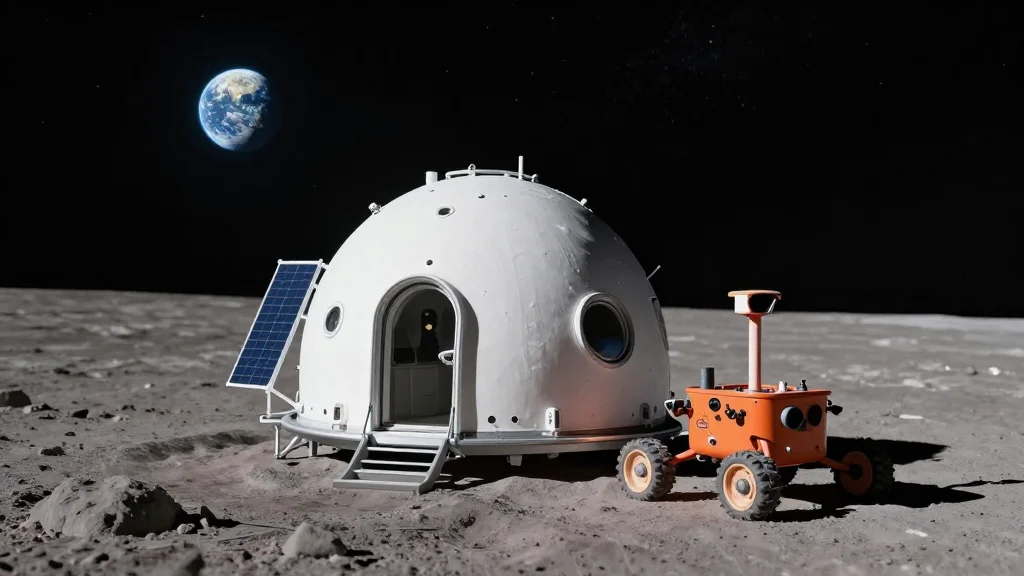
Moon Base: America’s Plan to Establish a Permanent Outpost on the Lunar South Pole
NASA Administrator Jared Isaacman announced the Moon Base program, a $30 billion effort to build a permanent U.S. outpost at the lunar South Pole. The plan unfolds in three phases starting in 2026, with Phase 3 delivering up to 150,000 kg of cargo...
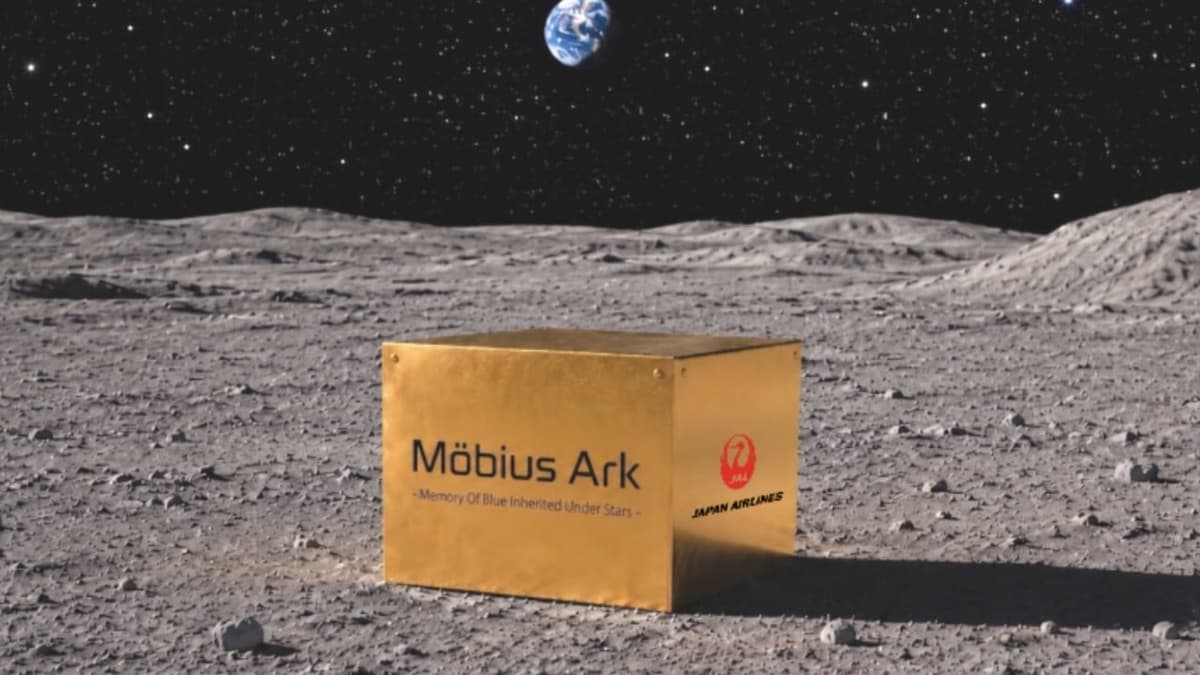
Japan Airlines Wants to Blast Human Culture Into Space and Land It on the Moon
Japan Airlines (JAL) has signed a memorandum of understanding with lunar‑landing start‑up ispace to launch the ARGO Trans‑Lunar Heritage Project, targeting a payload delivery to the Moon in 2028. The partnership will place Japanese cultural artefacts and regional specialties in...
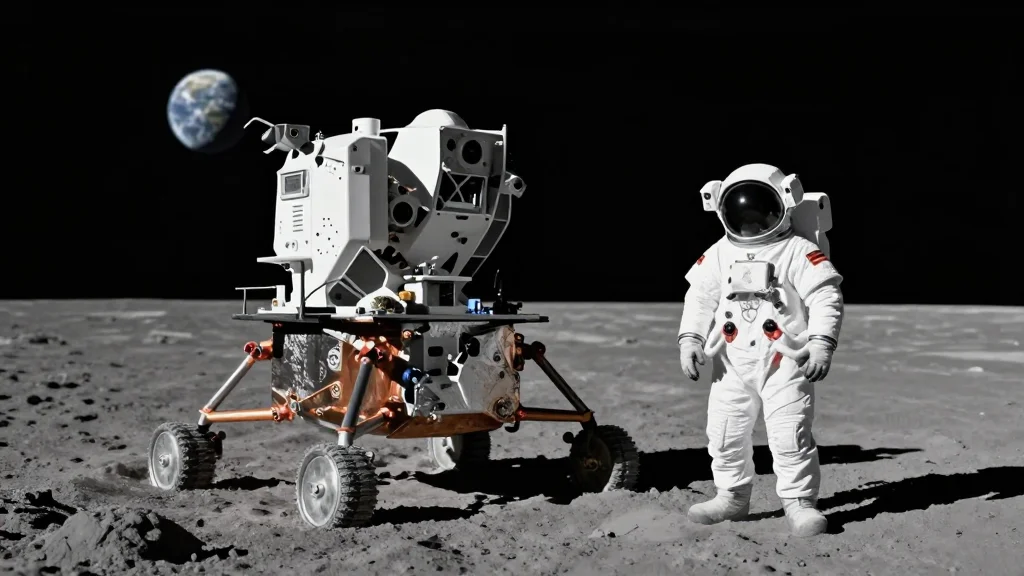
“We Will Spare No Effort”– China Blueprints Integration Plan for Human Moon Landing by 2030
China announced an integrated Lunar Exploration Program that merges its Chang'e robotic probes with the China Manned Space Agency’s human spaceflight efforts. The plan, unveiled by CMSA spokesman Zhang Jingbo at the Shenzhou‑23 pre‑launch event, sets a target of a...
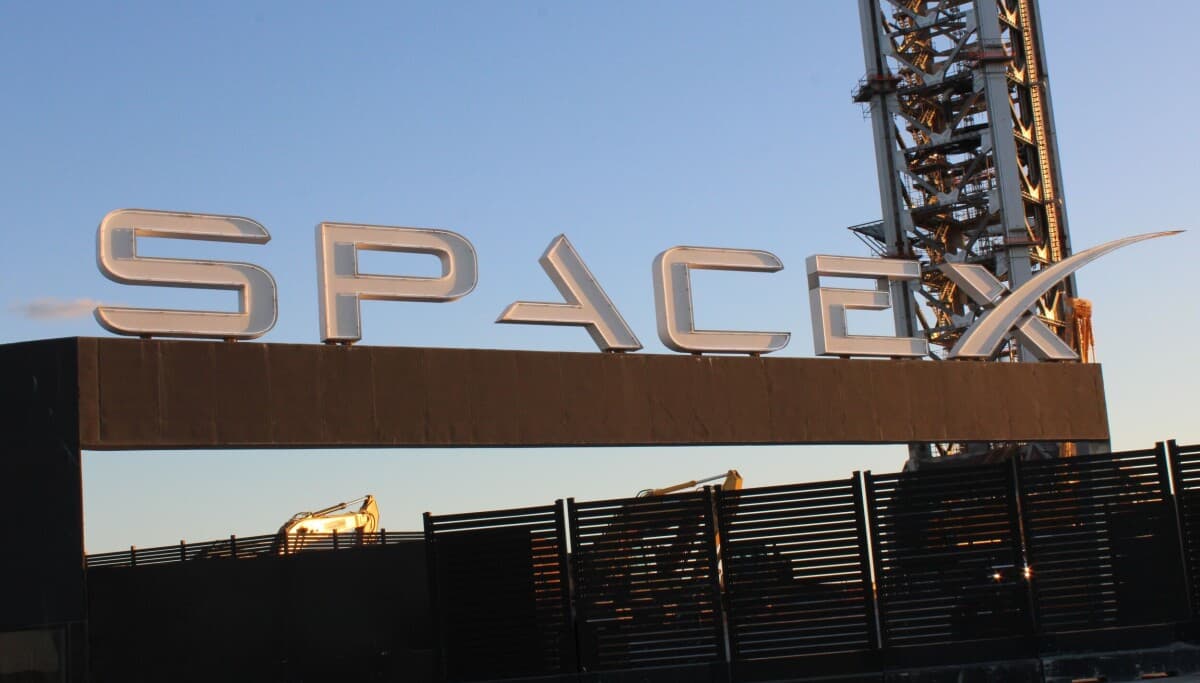
FAA Grounds SpaceX’s Starship After Another Launch Mishap
The FAA has grounded SpaceX’s Starship after the Super Heavy booster failed its flip maneuver and boost‑back burn, ending up in the Gulf of Mexico. The mishap, declared formal on Wednesday, marks the 12th Starship launch and the sixth FAA...
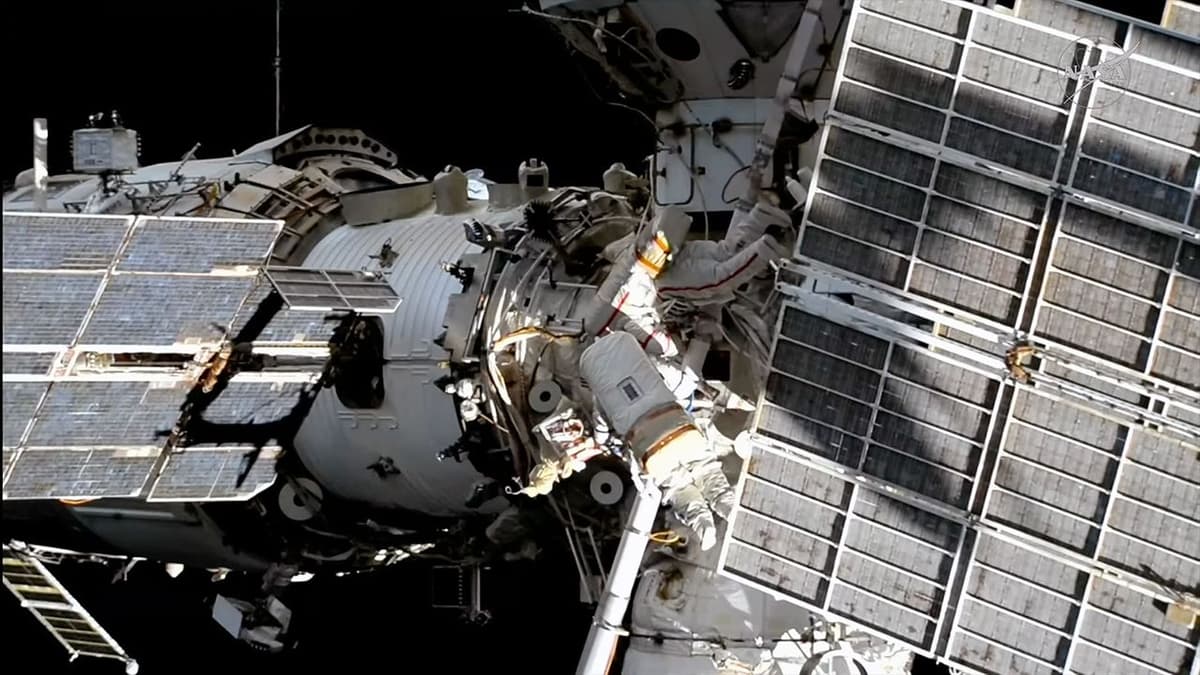
Russian Cosmonauts Install Sun-Watching Telescope on ISS During 6-Hour Spacewalk
Russian cosmonauts Sergey Kud‑Sverchkov and Sergei Mikaev completed a 6‑hour, 5‑minute EVA on May 27, 2026, installing the Solntse‑Teragerts solar‑radiation telescope on the Zvezda module and retrieving experiments from Poisk and Nauka. The new telescope will monitor solar flares to...
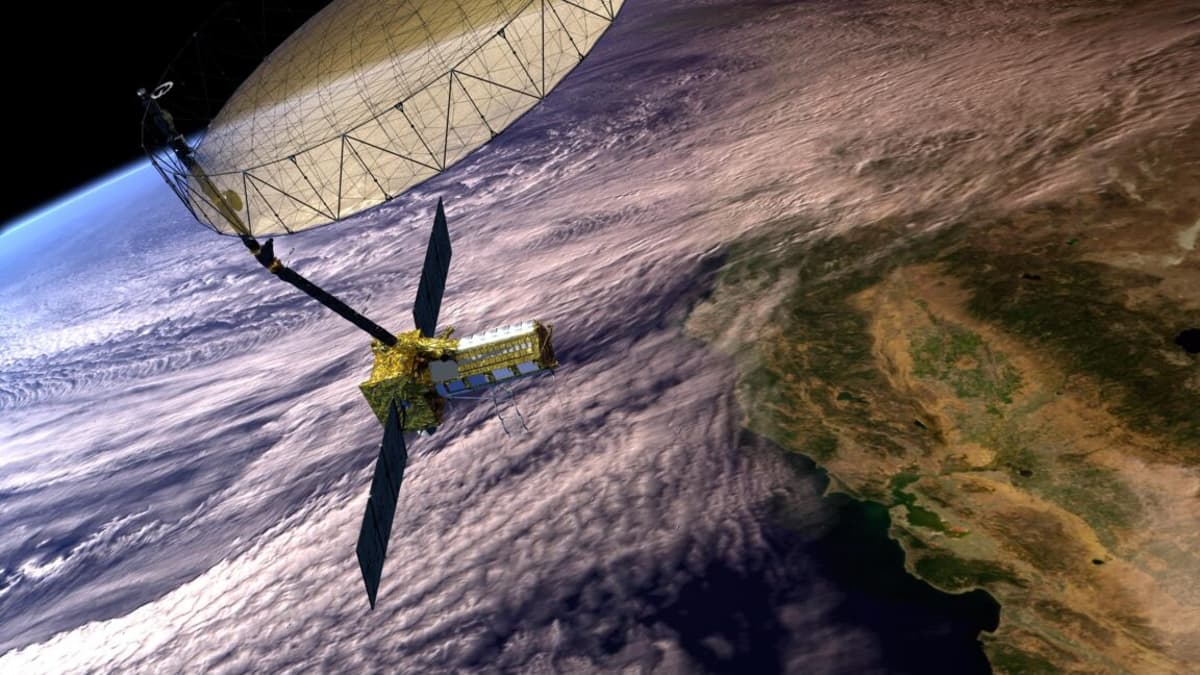
Mystery GPS Jammer in Iran Becomes Test for NASA Satellites’ Capabilities
NASA’s CYGNSS and NISAR Earth‑observing satellites were used in a controlled experiment to locate a mysterious GPS jammer near Shiraz, Iran. CYGNSS identified the jammer within 4.33 km (CEP 3.48 km) while NISAR achieved 6.26 km accuracy (CEP 6.88 km). A fused CYGNSS‑NISAR approach produced a...
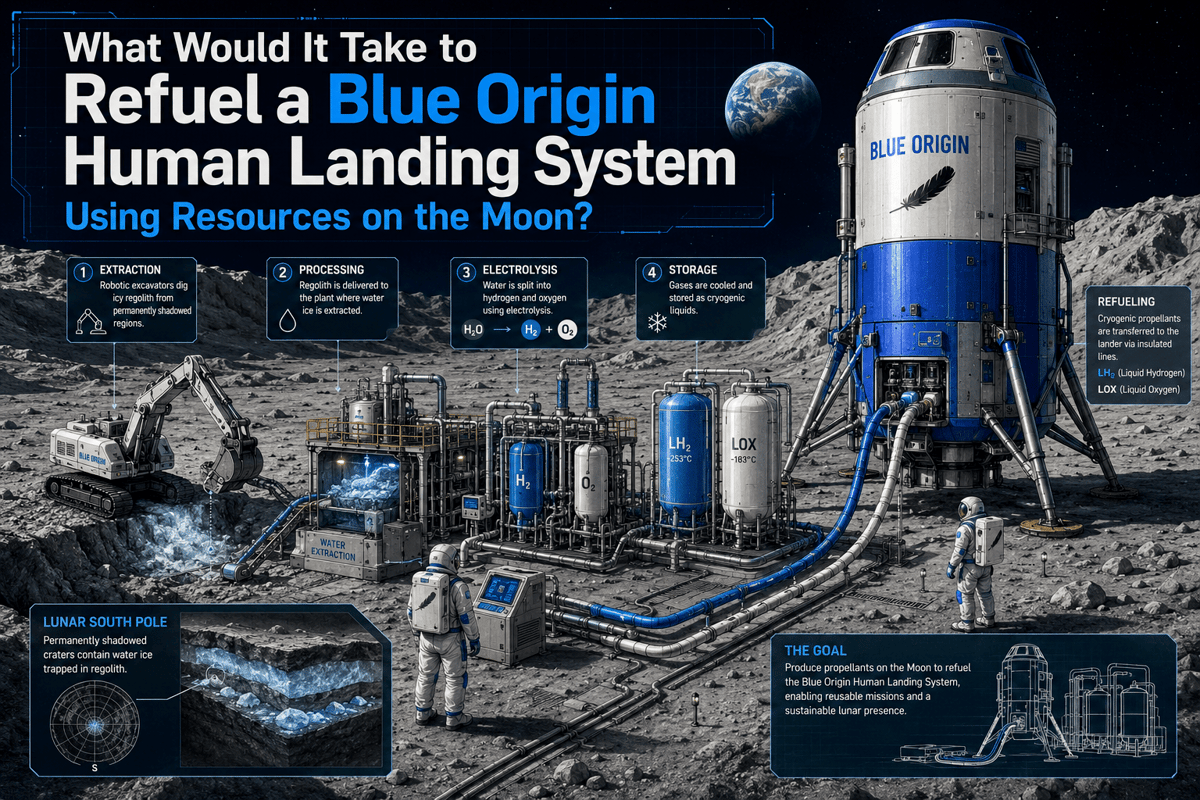
What Would It Take to Refuel a Blue Origin Human Landing System Using Resources on the Moon?
NASA’s $3.4 billion Blue Moon lander will need roughly 40 metric tons of LOX/LH₂ propellant for a crewed descent and ascent. Converting this to water means about 51 t of lunar ice must be extracted, with losses pushing the target to 57‑69 t. At...
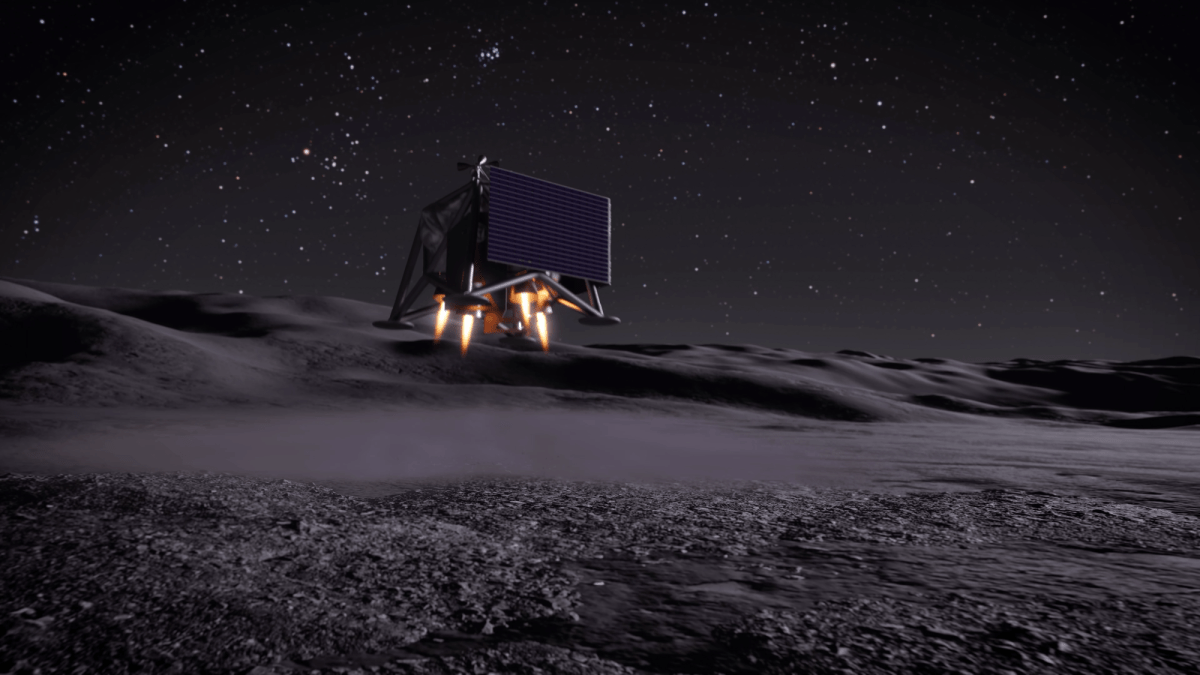
Four Drones Will Go Where No Astronaut Have Landed—Yet
NASA’s Jet Propulsion Laboratory is advancing the MoonFall mission, slated for a 2028 launch, which will deploy four 550‑pound drones to the Moon’s South Pole. Each drone will fly for up to a single lunar day (about 14 Earth days),...
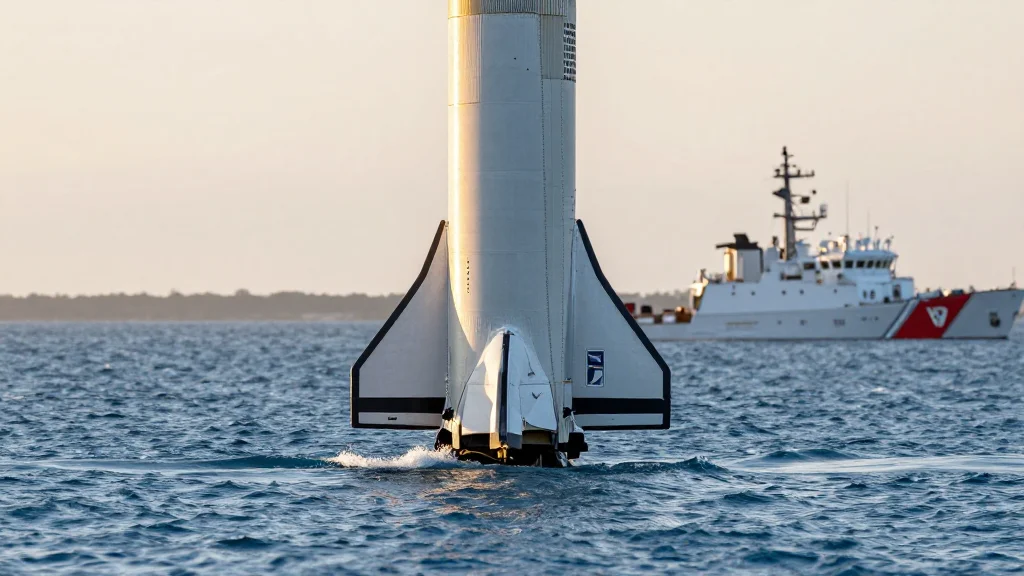
FAA Requires SpaceX-Led Mishap Investigation Before Resumption of Starship Launches
The FAA announced that SpaceX must complete a FAA‑overseen mishap investigation into the off‑nominal performance of Super Heavy booster B19 on Starship Flight 12 before it can launch Flight 13. During ascent, one of the 33 Raptor V3 engines shut down at...
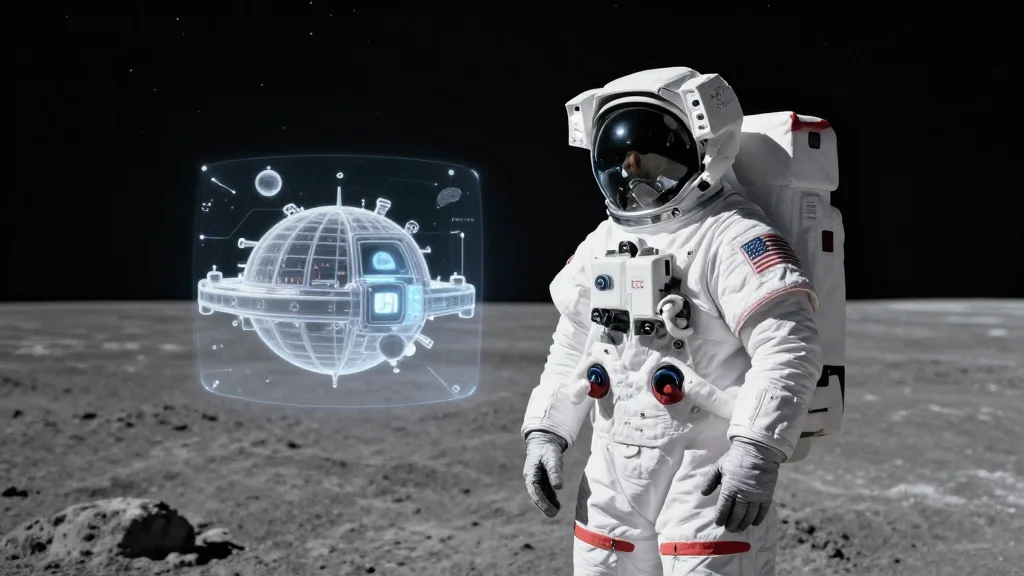
Moon Base Missions Face an Unseen Threat, and These Simulations Show Where It Could Strike First
Researchers at George Mason University have created an agent‑based simulation that models astronaut cognitive, social, emotional, and environmental interactions during lunar base operations. Running tens of thousands of scenarios, the model shows that larger crews accelerate skill development and improve...