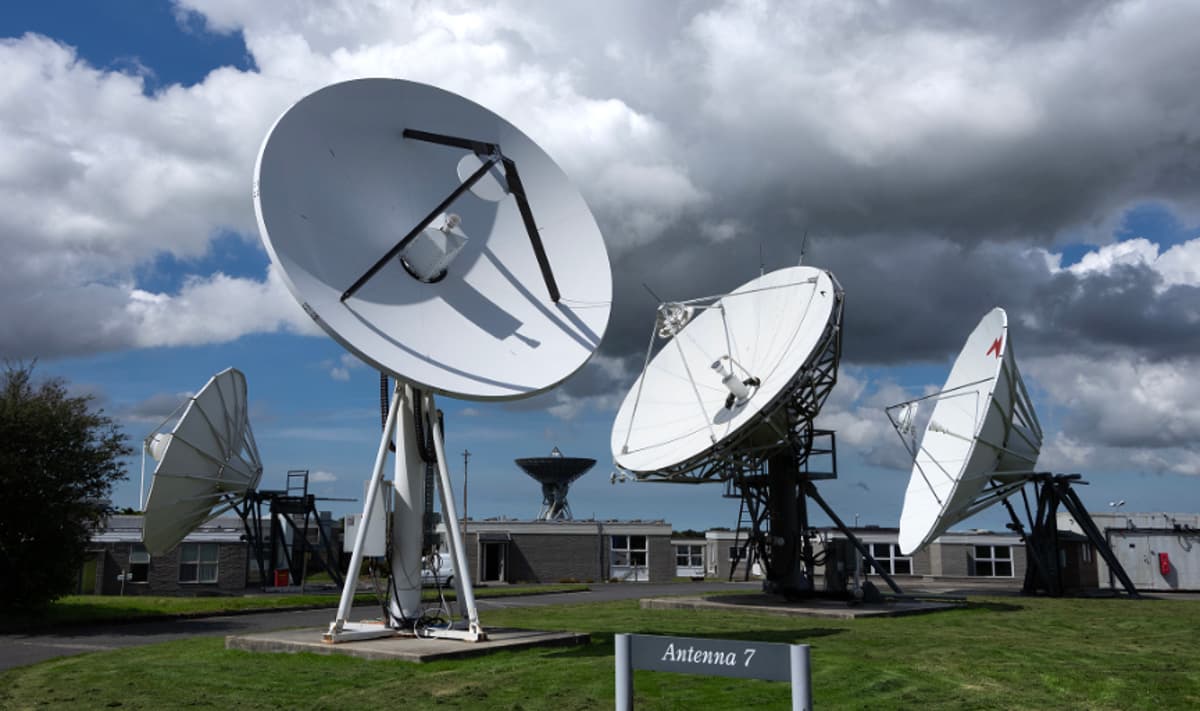
Intuitive Machines to Acquire Goonhilly Earth Station and COMSAT to Scale Deep Space Network
Intuitive Machines announced a definitive agreement to acquire Goonhilly Earth Station Ltd and its U.S. subsidiary COMSAT, adding 44 antennas and deep‑space assets to its portfolio. The deal creates a vertically integrated space‑to‑ground network spanning the UK and the United States, capable of supporting missions from low‑Earth orbit to the Moon. Goonhilly will operate as a wholly‑owned subsidiary, preserving its UK identity to satisfy the UK National Security and Investment Act. The acquisition follows record Q1 2026 results and lifts full‑year revenue guidance to $900 million‑$1 billion, with closing expected in Q3 2026.

SpaceX Is Now a Spectrum Holder, Not Just a Satellite Operator
On May 12 the FCC approved two transactions moving about 115 MHz of mid‑ and low‑band spectrum from EchoStar to AT&T and SpaceX. AT&T receives 50 MHz (30 MHz of 3.45 GHz and 20 MHz of 600 MHz) while SpaceX is granted 65 MHz across AWS‑3, AWS‑4...
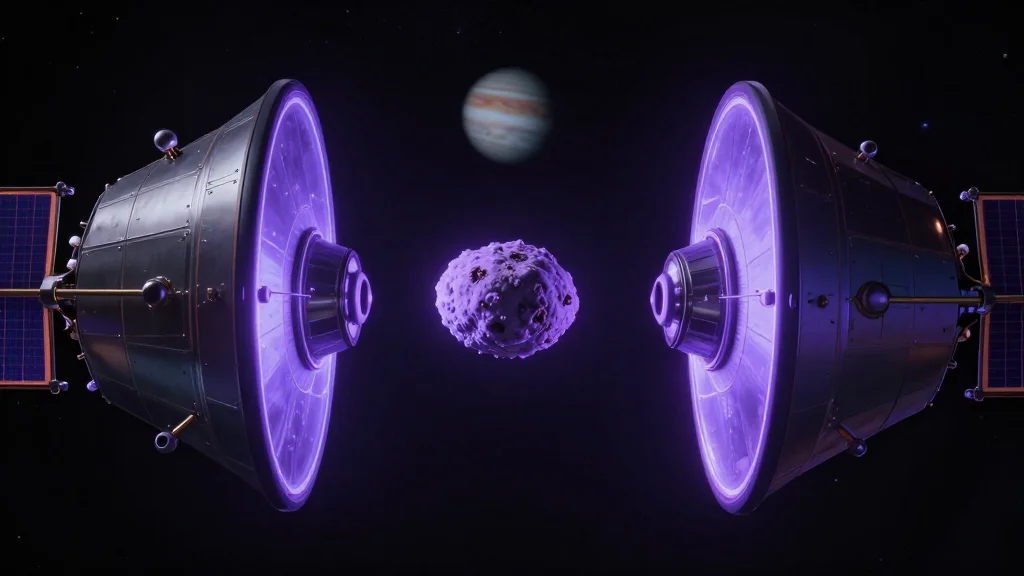
Europa Clipper and Juice Make Simultaneous UV Light Observatoins of Interstellar Comet 3I/Atlas
In November 2025 the Europa Clipper and JUICE spacecraft coordinated a rare simultaneous ultraviolet observation of interstellar comet 3I/Atlas as it passed between them. The dual‑view data captured hydrogen, oxygen and unusually high carbon emissions, with Europa Clipper imaging night‑side dust and JUICE recording...
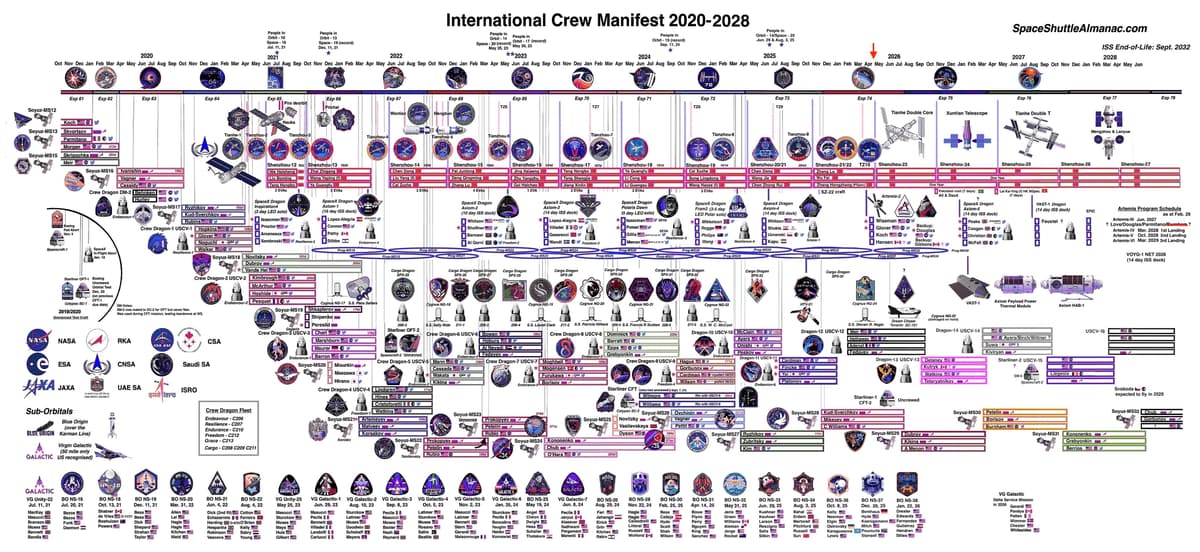
International Crew Manifest 2020-2028: The Human Spaceflight Traffic Map of a Crowded Decade
The International Crew Manifest for 2020‑2028 visualizes human spaceflight evolving from occasional government flights into a dense, multi‑provider traffic network. The schedule intertwines ISS rotations, China’s Tiangong crew swaps, Artemis lunar missions, and an expanding slate of private and sub‑orbital...

Delta Air Lines Passed On Starlink For A Reason More Valuable Than Wi-Fi
Delta Air Lines announced a partnership with Amazon’s low‑Earth‑orbit satellite network, Leo, to equip 500 aircraft beginning in 2028, opting out of SpaceX’s Starlink despite the latter’s proven airline deployments. The decision appears driven by Delta’s desire to retain its...
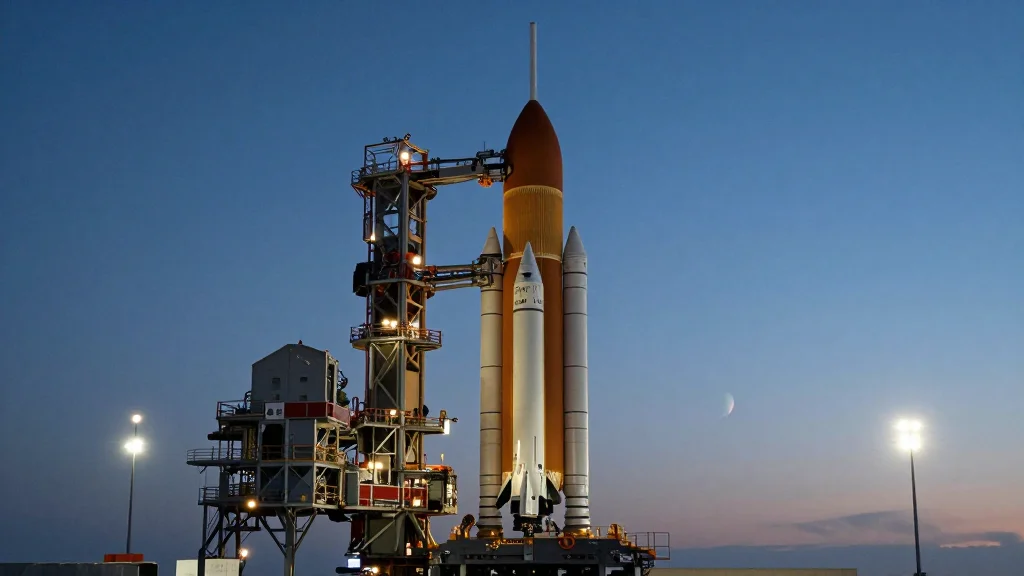
NASA Alters Artemis 3 Launch Vehicle Configuration
NASA announced that Artemis 3 will launch on the Space Launch System without its Interim Cryogenic Propulsion Stage. Instead, an inert spacer built at Marshall Space Flight Center will occupy the ICPS interface, preserving the vehicle’s dimensions. The change reflects a...
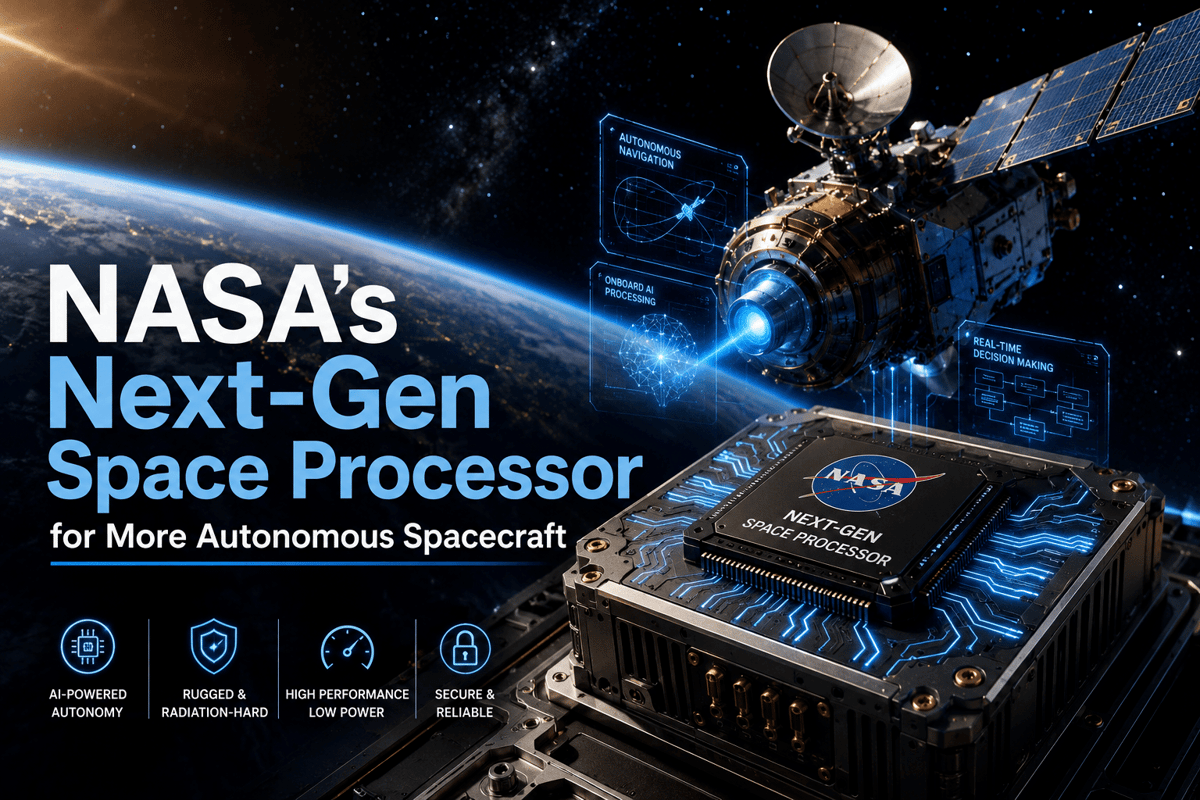
NASA’s Next-Gen Space Processor for More Autonomous Spacecraft
NASA announced that its High Performance Spaceflight Computing (HPSC) processor entered a multi‑month test campaign at JPL in February 2026. The radiation‑hardened system, built with Microchip’s PIC64‑HPSC family, claims up to 100 × the computational capacity of legacy flight computers and...
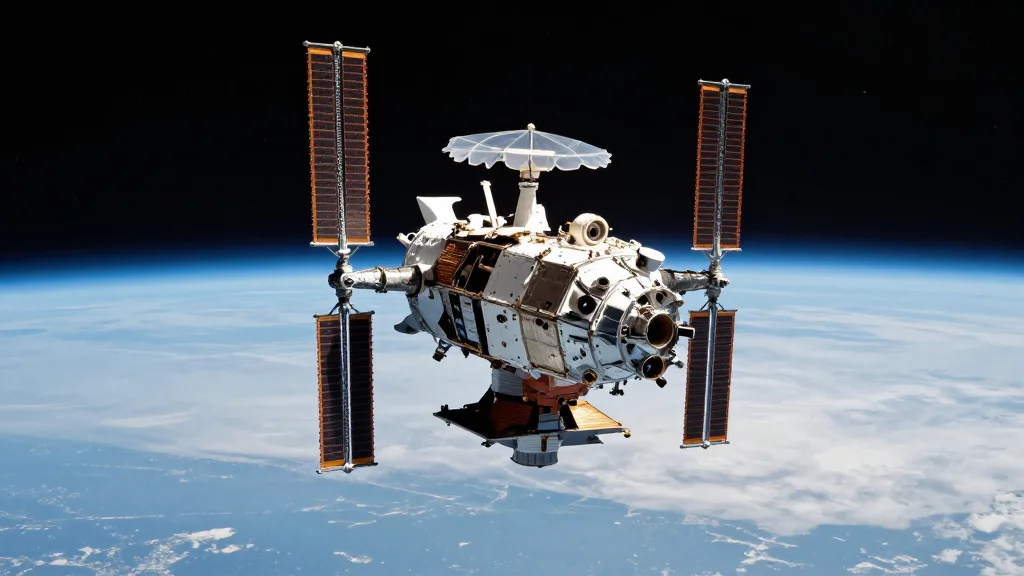
May 14, 1973: Skylab Launches
On May 14, 1973, NASA launched Skylab, the United States' first space station, weighing 170,000 lb, the heaviest payload ever sent to orbit. Within a minute, the micrometeoroid/thermal shield ripped away, damaging both solar arrays and causing temperature spikes. After an 11‑day delay...

Landspace Launches Improved Zhuque-2E, Long March 6A Lofts New Qianfan Satellite Group
China’s private launch firm Landspace successfully flew the upgraded Zhuque‑2E Y5, placing a 2,800‑kg payload into a 900‑km polar orbit and showcasing enhanced high‑mass capability. The rocket now delivers up to 4,000 kg to Sun‑synchronous orbit and 6,000 kg to low Earth...

India’s DST & IN-SPACe Win Integrated Sovereign Space & Geospatial Infrastructure Award | GWF 2026
India’s Department of Science & Technology (DST) and IN‑SPACe captured the Integrated Sovereign Space and Geospatial Infrastructure Award at the Geospatial World Leadership Awards 2026 in Amsterdam. The honor highlights a policy continuum—from the 2021 Geospatial Guidelines through the 2022...

Exclusive Briefing: A Webinar with Rocket Lab
On May 25, Rocket Lab and Beyond Earth Ventures will host a one‑hour webinar aimed at investors, founders, and asset managers interested in the emerging space‑launch economy. The session will demystify launch as an infrastructure problem, explain how launch slots are...
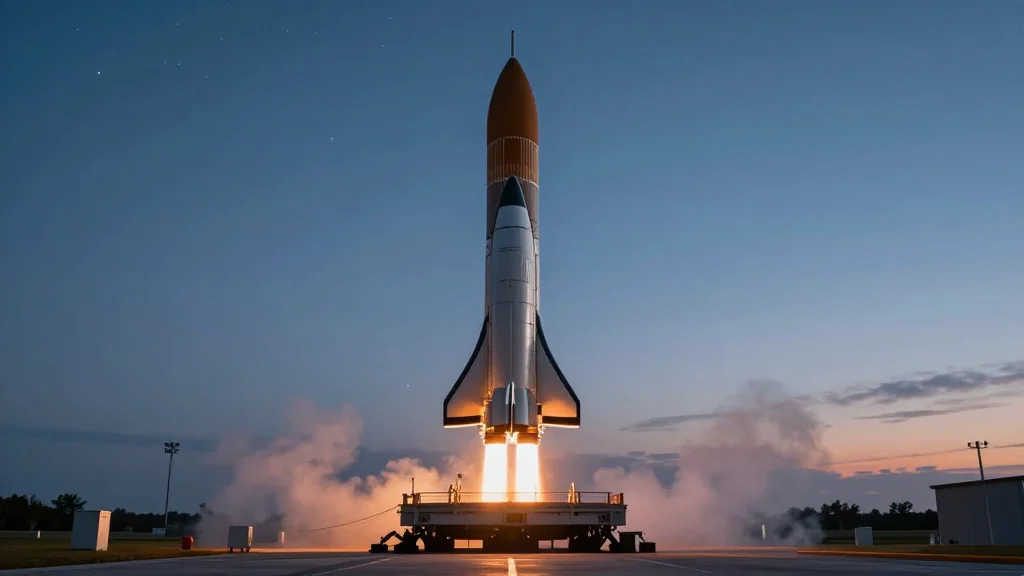
Chinese Pseudo-Company Launches Its Expendable Zhuque-2 Rocket
Landspace, a Chinese private launch firm, successfully placed an experimental payload into orbit on May 14 using its expendable Zhuque‑2 rocket, the world’s first methane‑fuelled vehicle to reach orbit. The launch from Jiuquan was not reusable, unlike the larger Zhuque‑3, which...
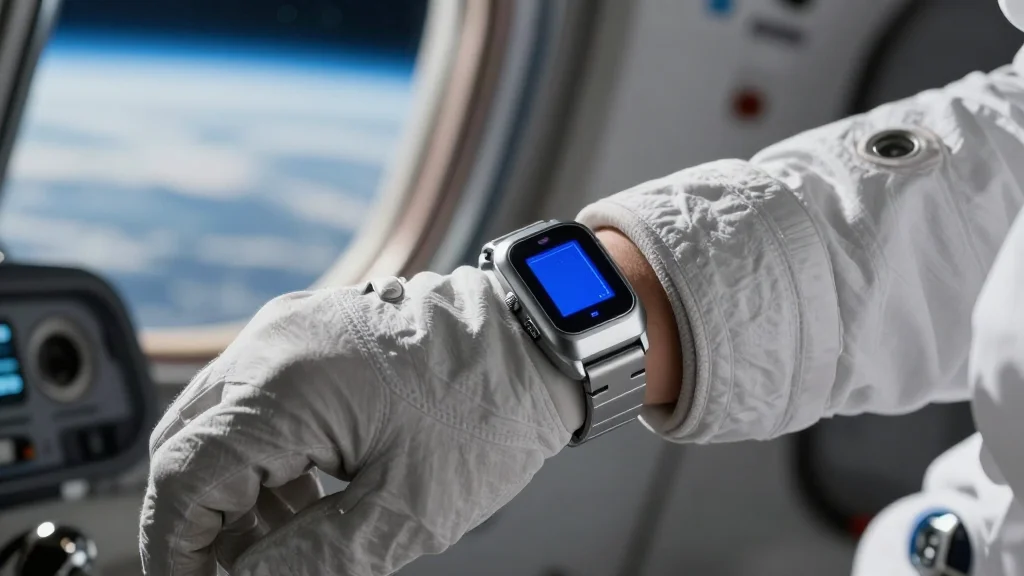
Wristwatch-Like Device Enables Assessment of Health Risks for Astronauts on Mission to the Moon
NASA confirmed that the Artemis 2 crew will wear a wristwatch‑like actigraph developed by Brazil’s Condor Instruments. The device combines accelerometers, light‑spectrum and temperature sensors to map sleep‑wake cycles and melanopic exposure in real time. By capturing circadian data during the...
Intuitive Machines Inc (LUNR) Q1 2026 Earnings Call Transcript
Intuitive Machines reported a transformative Q1 2026, highlighted by the integration of Lantaris Space Systems and a $175 million equity raise that broadened its satellite platform portfolio. The company posted Q4 revenue of $44.8 million, a $33.1 million operating loss driven by acquisition...
Sidus Space Inc (SIDU) Q1 2026 Earnings Call Transcript
Telesat Corporation reported 2025 revenue of $418 million and adjusted EBITDA of $213 million, while ending the year with $510 million in cash and $1.7 billion of debt maturing in December 2026. Management announced a three‑month delay of full global Lightspeed service to Q1 2028,...

Firefly’s Blue Ghost Mission 4 Clears Major Design Milestone Ahead of Lunar South Pole Mission
Firefly Aerospace announced that its Blue Ghost Mission 4 has cleared the preliminary design review, a critical checkpoint in NASA’s Commercial Lunar Payload Services (CLPS) program. The dual‑spacecraft mission, featuring the Blue Ghost lander and the Elytra Dark orbital relay, targets...
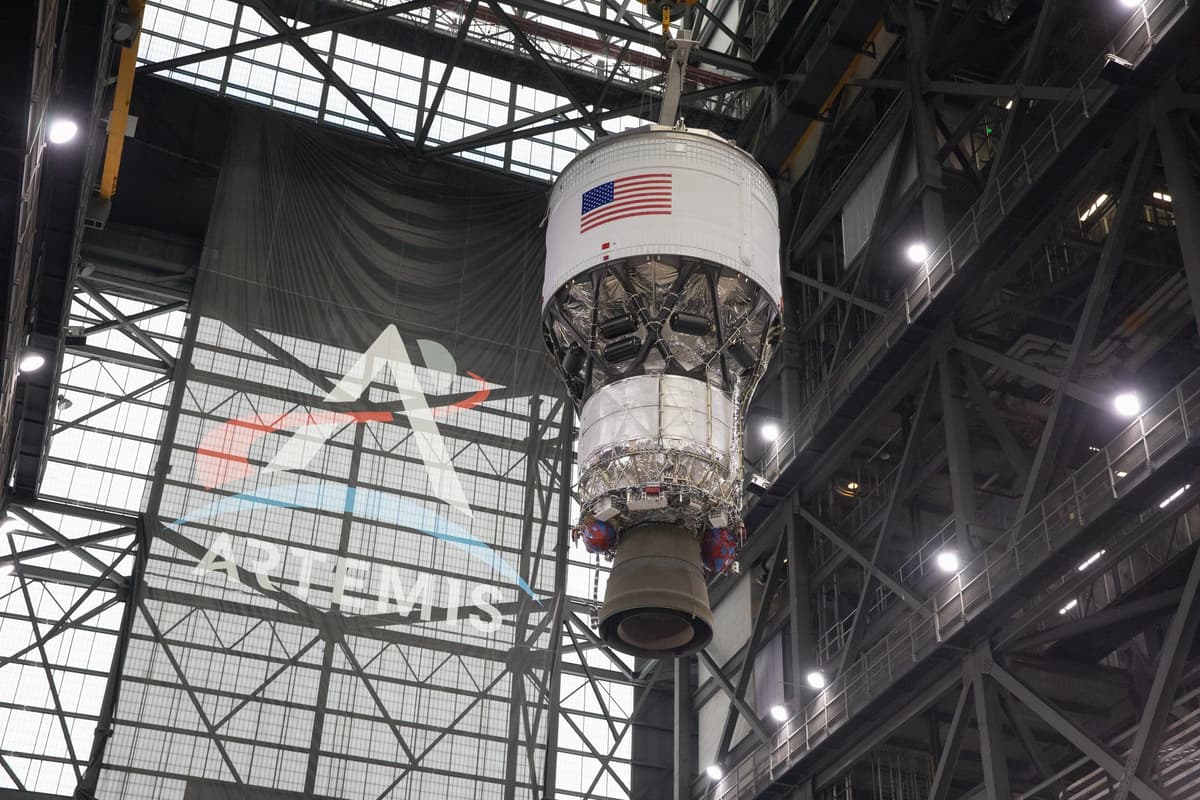
SLS to Launch without Upper Stage for Artemis 3
NASA announced that the Space Launch System will launch Artemis 3 without an upper stage, using an inert spacer in place of the Interim Cryogenic Propulsion Stage. The mission has been re‑scaled to a low‑Earth‑orbit test of rendezvous and docking with...

SES Extends IRIS² Review as Consortium Reaches Initial Project Milestone
SES announced on its May 12 Q1 2026 earnings call that the internal review of the EU‑backed IRIS² satellite constellation will be extended, pushing the final go/no‑go decision to mid‑2026. The SpaceRISE consortium—SES, Eutelsat and Hispasat—has reached the “Rendez‑vous 1” milestone, but SES...
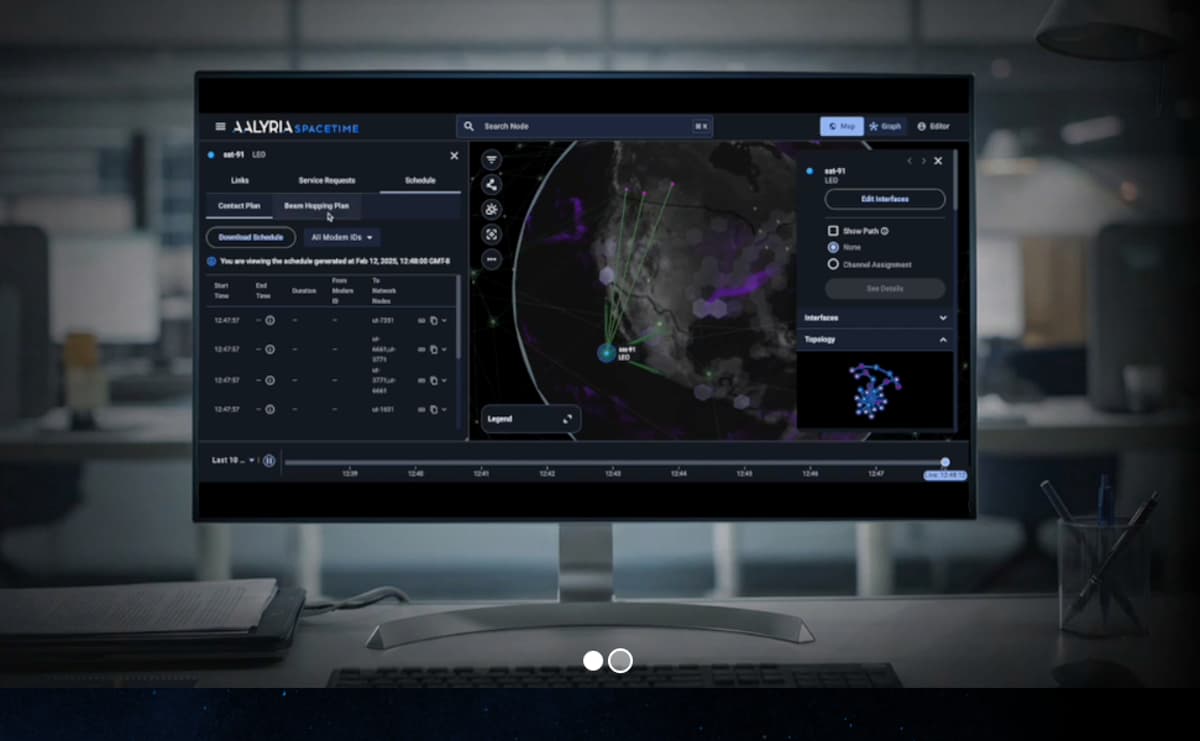
SpinLaunch to Collaborate with Aalyria for Network Orchestration
SpinLaunch announced a partnership with Aalyria Technologies to integrate the latter’s Spacetime network‑orchestration software into the Meridian low‑Earth‑orbit communications constellation. The collaboration will provide a vendor‑agnostic control layer that accelerates Meridian’s ground‑segment readiness and supports rapid deployment of LEO satellites...
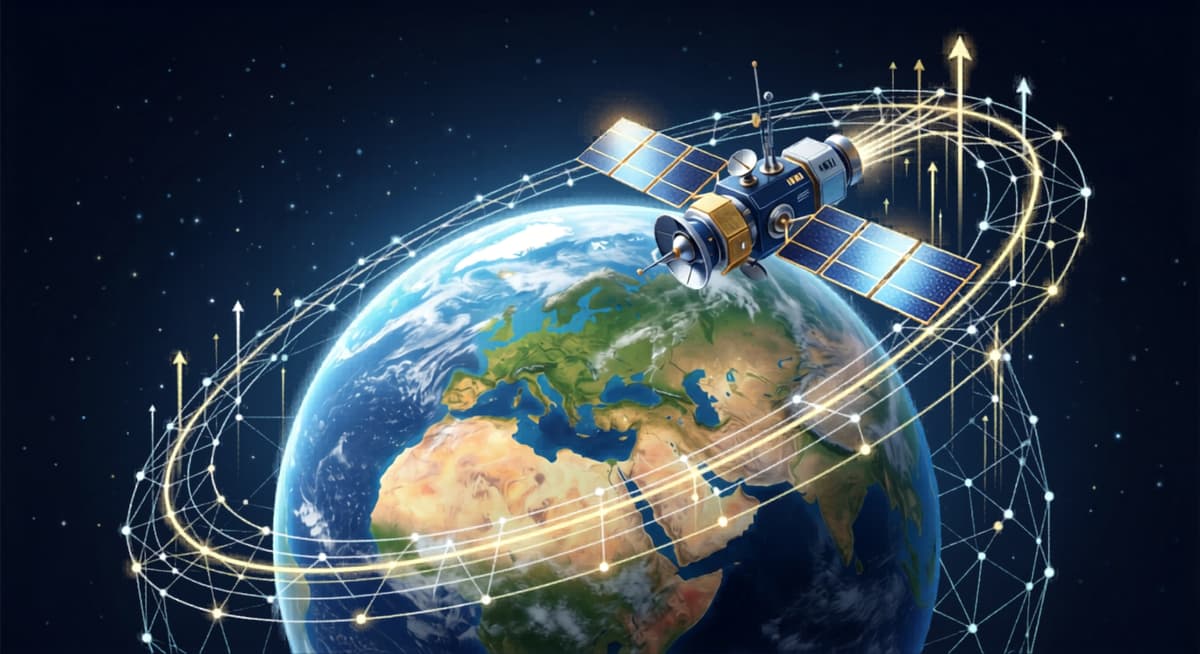
Secure World Foundation Issues Responsible Investment Guide for the Space Sector
Secure World Foundation released a February 2026 guide urging investors to treat space as a fragile, shared domain. The report notes that global capital poured into the sector reached roughly $55.3 billion in 2025, more than double the previous year. It argues...
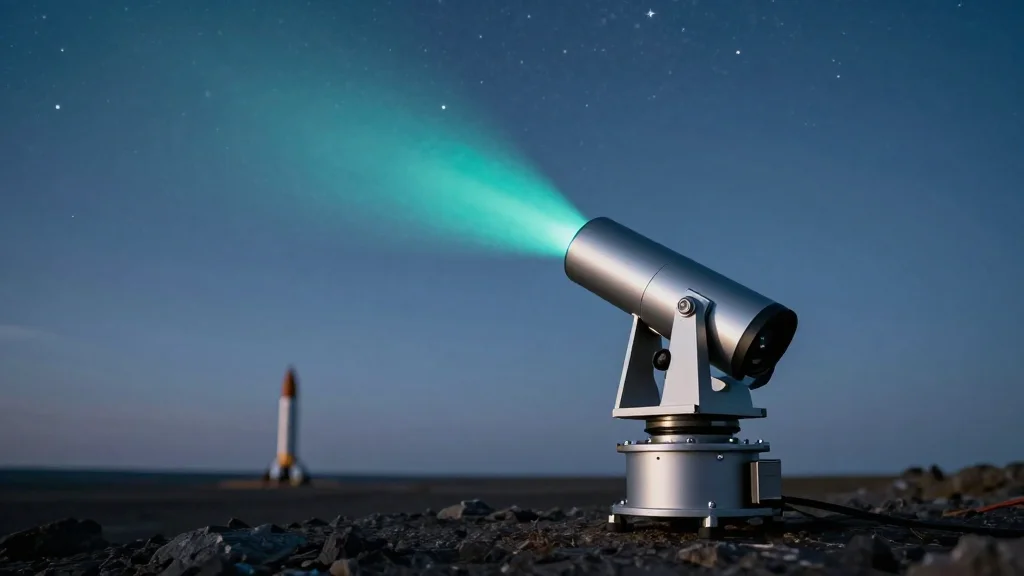
Eyeing Space Junk Re-Entries: Repercussions for Earth’s Atmosphere
LiDAR technology has begun detecting metal clouds generated by re‑entering space debris, marking a new frontier in atmospheric monitoring. In February 2025, a lithium‑rich plume linked to a SpaceX Falcon 9 upper stage was observed, revealing that artificial debris contributes measurable mass...

Bringing LEO to Private Networks: Logos Space Engineering VP Explains the Constellation’s Enterprise-Focused Design
Logos Space has secured FCC approval for a 4,178‑satellite low‑Earth‑orbit (LEO) constellation aimed at private, secure enterprise networks. Unlike consumer‑oriented constellations such as Starlink, the design emphasizes symmetric, Layer‑2/2.5 throughput and electronic‑warfare resilience for both commercial and government users. The...
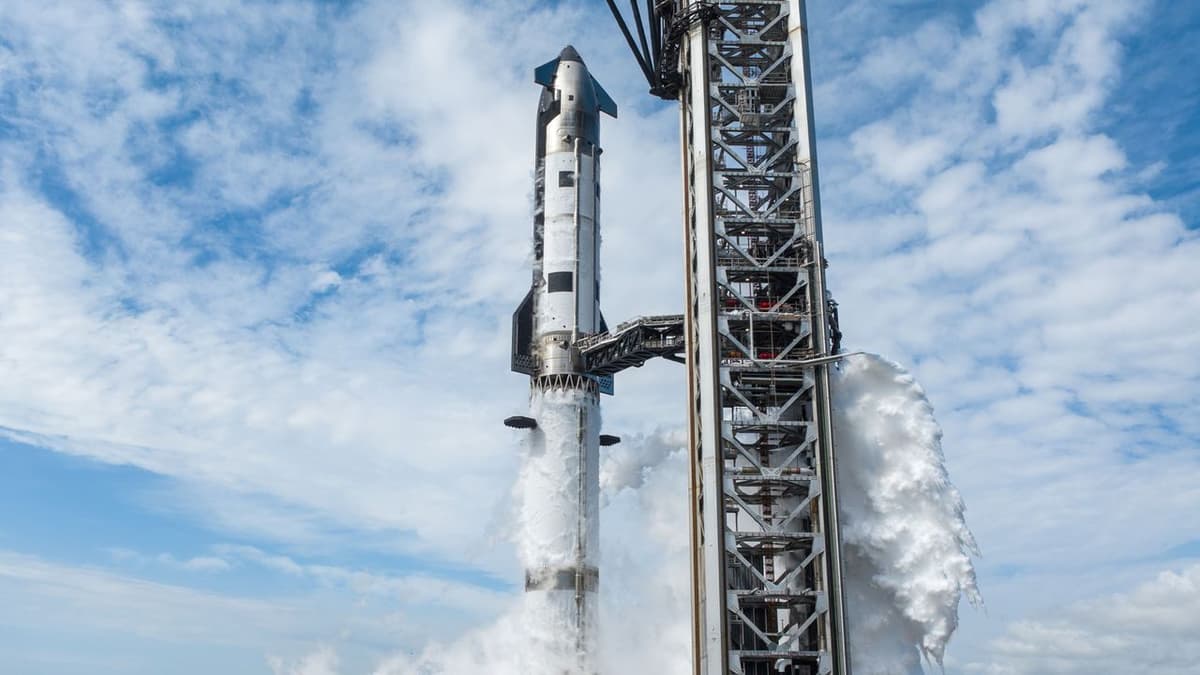
SpaceX Prepares to Launch Next-Generation Starship, the Tallest and Most Powerful Rocket Ever Built
SpaceX announced the maiden flight of Starship V3, the tallest and most powerful rocket ever built, slated for May 19. The 407‑foot vehicle features new Raptor 3 engines, an upgraded Super Heavy booster, and a redesigned launch pad. The sub‑orbital test...

Two Spacecraft Observed Both Hemispheres of Interstellar Comet Simultaneously
Two space‑based observatories—NASA's Parker Solar Probe and ESA's Solar Orbiter—successfully imaged both hemispheres of the interstellar comet 2I/Borisov at the same time. The coordinated campaign delivered high‑resolution visible and ultraviolet data that captured distinct outgassing jets on the comet's northern...
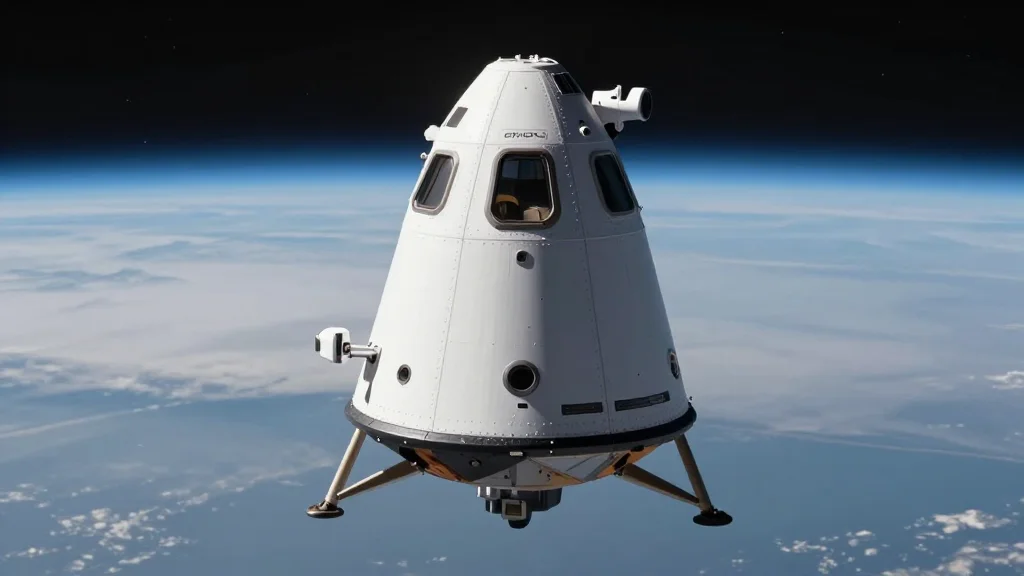
NASA Outlines Preliminary Artemis III Mission Plans
NASA released preliminary plans for Artemis III, an Earth‑orbit test flight slated for next year. The mission will launch four crew members aboard Orion on an SLS rocket that uses a non‑propulsive “spacer” in place of the interim upper stage. While...
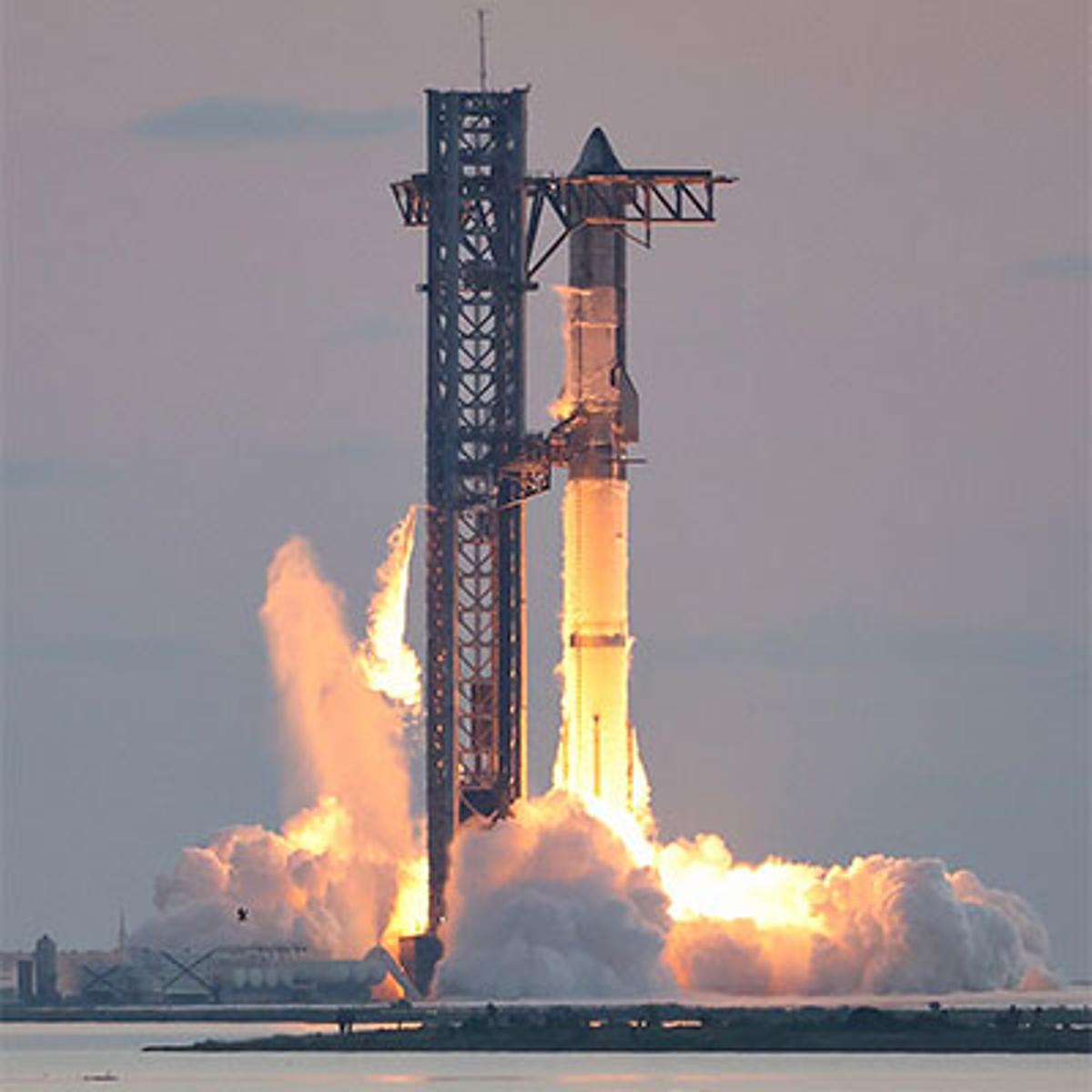
Starship V3 and Launch Pad 2 Set for Debut Mission May 19
SpaceX has set May 19, 2026 as the earliest date for the debut of Starship V3, its third major iteration, launching from the newly constructed Launch Pad 2 at Boca Chica. The flight will evaluate a suite of upgrades, including higher‑thrust Raptor engines, revised...
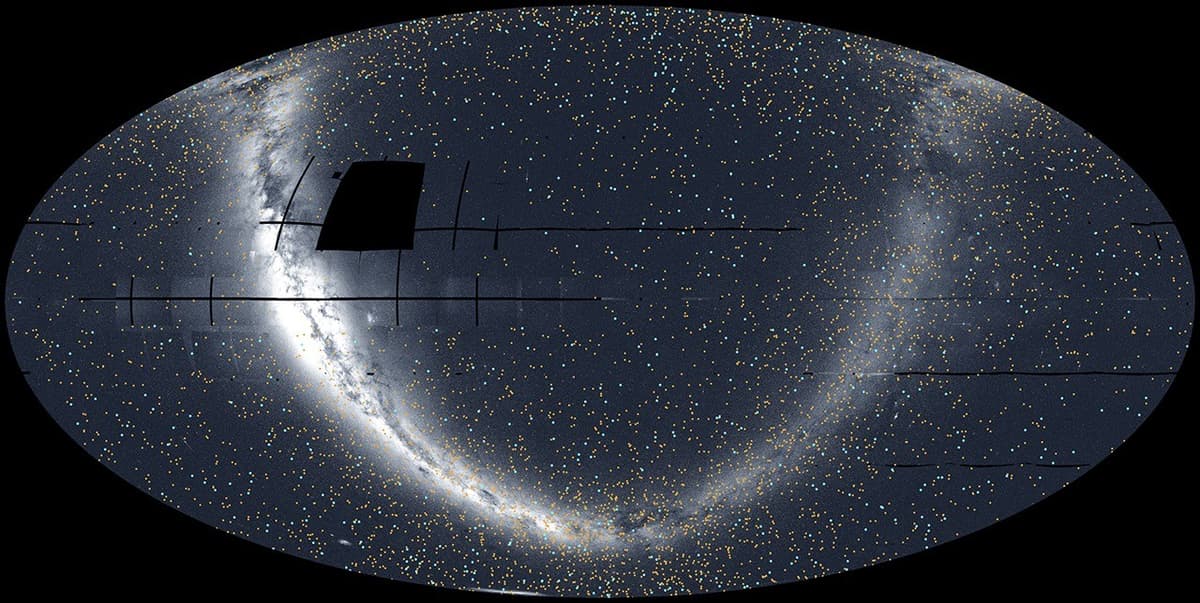
NASA’s Planet-Hunting TESS Reveals Dazzling Night Sky
NASA’s Transiting Exoplanet Survey Satellite (TESS) has released an all‑sky mosaic compiled from 96 observation sectors spanning April 2018 to September 2025. The image marks 679 confirmed exoplanets and 5,165 candidate worlds, filling gaps left by earlier surveys. TESS’s four‑camera system continuously...

Iran War Opens Opportunity for China to Flex Its GPS Alternative
China’s Beidou satellite navigation system has become a critical tool for Iran amid the ongoing conflict, offering the country a GPS‑free alternative for military and civilian operations. The system’s prominence was highlighted during President Donald Trump’s recent visit to Beijing,...
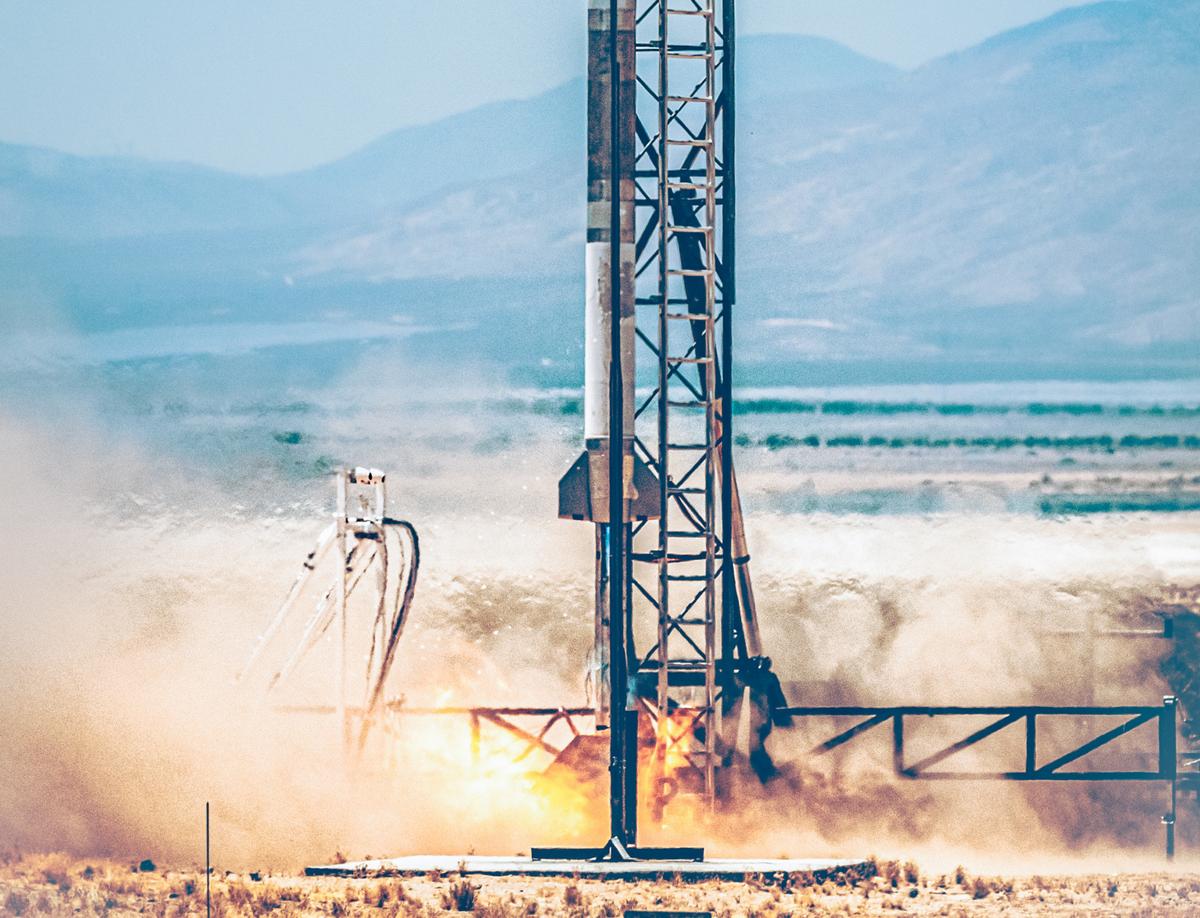
Exclusive: LEAP Launches Its First Rocket
LEAP, a Colorado‑based startup, completed the inaugural flight of its Bullfrog suborbital vehicle, reaching roughly 40 km altitude from Mojave’s Friends of Amateur Rocketry pad. The test validated a dual‑mode rocket engine, low‑cost proprietary fuel tanks and a rapid, containerized launch...

A Plan to Make Drugs in Orbit Is Going Commercial
Varda Space Industries has secured United Therapeutics as its first commercial partner to test drug manufacturing in orbit. The collaboration will send United's pulmonary‑arterial hypertension medicines to microgravity to grow novel crystal forms that could improve stability and efficacy. Varda...

Exobiosphere, Voyager Partner on ISS Mission
Exobiosphere has signed a contract with Voyager Technologies Europe to launch its Orbital High‑Throughput Screening Device on the International Space Station. The automated mini‑lab fits into standard mid‑deck lockers, keeps organ cells alive and delivers therapeutics without astronaut intervention, promising...
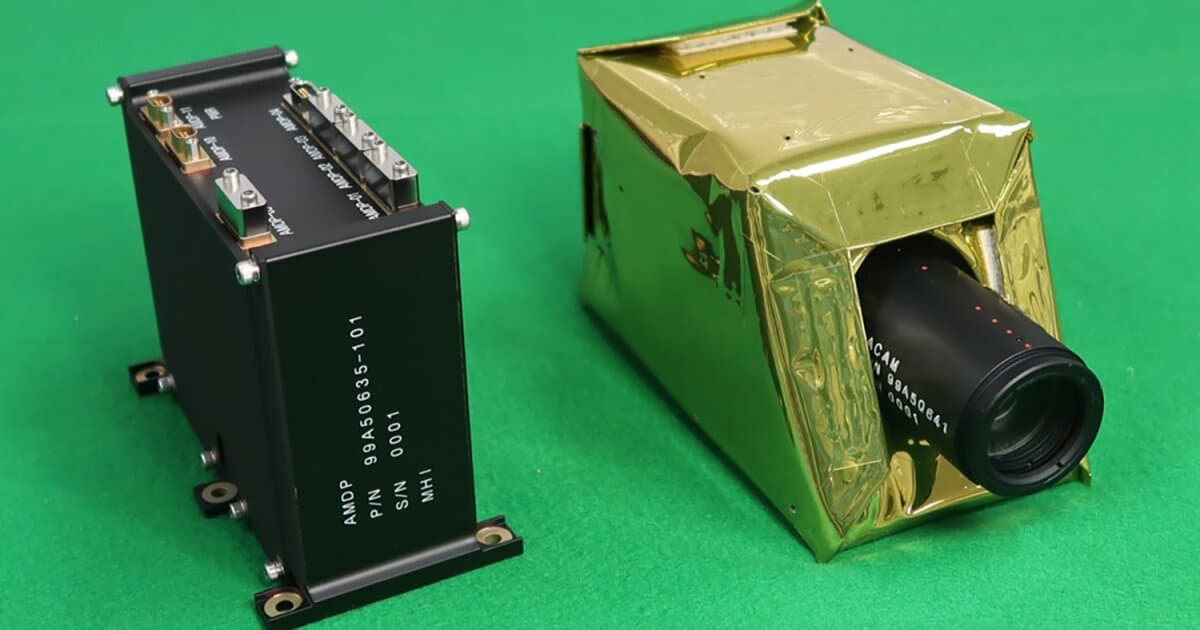
Ghost Ships Can't Hide From New Space-Based Tracking System
Japan’s Mitsubishi Heavy Industries, together with JAXA and the University of Tokyo, demonstrated a new space‑based tracking system called AIRIS aboard the RAISE‑4 satellite. The AI‑driven camera performs edge computing in orbit, isolating ship silhouettes against the ocean and transmitting...
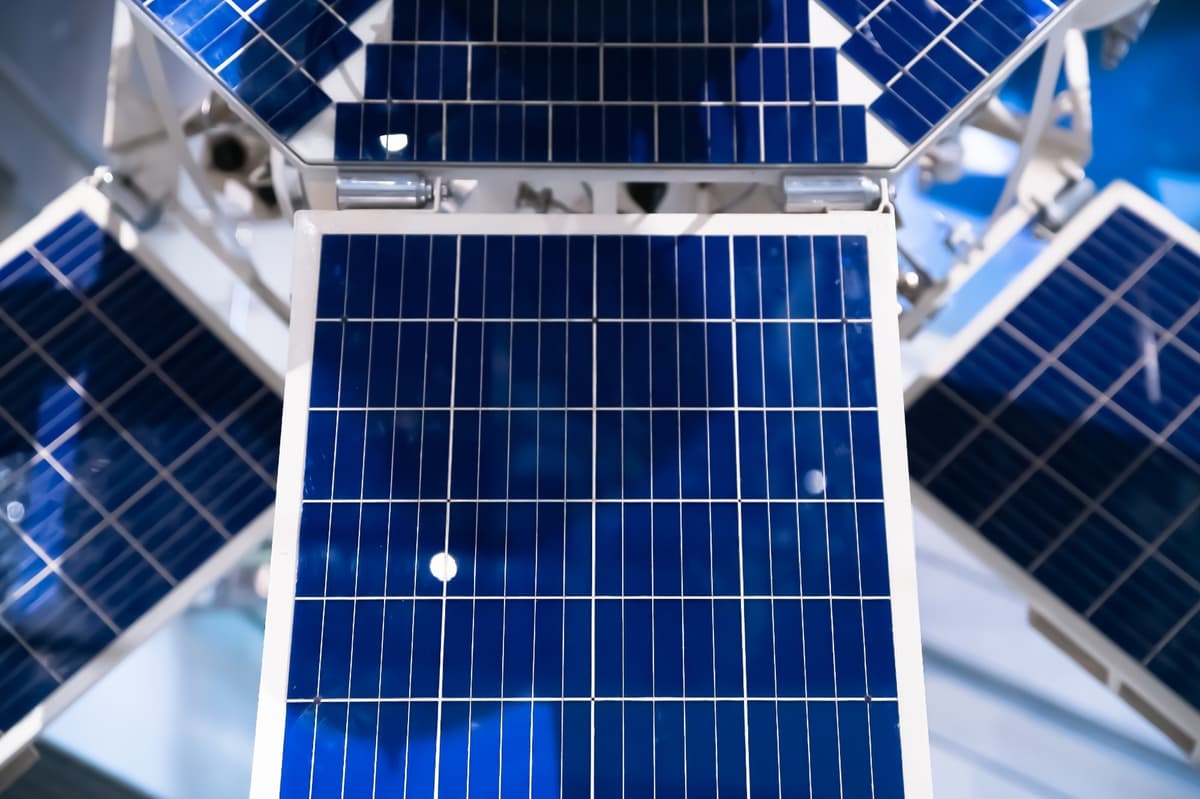
Graphene-ITO Electrodes Show Promise for More Efficient Space Solar Power
Researchers combined monolayer graphene with indium tin oxide (ITO) to create hybrid transparent electrodes, boosting nanoscale tunneling current by roughly 60% while preserving surface uniformity. Raman spectroscopy confirmed high‑quality graphene with minimal defects after transfer, and TUNA‑AFM mapping revealed smoother,...

Details On The Rock That Got Stuck To The NASA Curiosity Rover Drill
NASA's Curiosity rover experienced a drill jam on 25 April 2026 when a rock dubbed “Atacama” adhered to the drill bit. Engineers worked remotely to free the rock, which finally detached on 1 May and fractured on impact. Mast‑camera images captured on...

How the U.S. Is Vulnerable to Space Attack in a China Conflict Scenario
Former United Launch Alliance CEO Tory Bruno warns that a China‑China conflict could begin with a coordinated space and undersea‑cable disruption, leaving U.S. forces "blind." The scenario describes loss of communications over Taiwan and the Strait of Malacca, degraded missile‑warning...
May 12, 2026 Quick Space Links
The post bundles several space‑related updates: a Russian Angara rocket official was sentenced in absentia to seven years for fraud, Viasat unveiled a striking image of its ViaSat‑3 F2 satellite with its large reflector fully deployed, and the 2009 Atlantis launch...
Star Catcher Industries Nabs $65M Series A
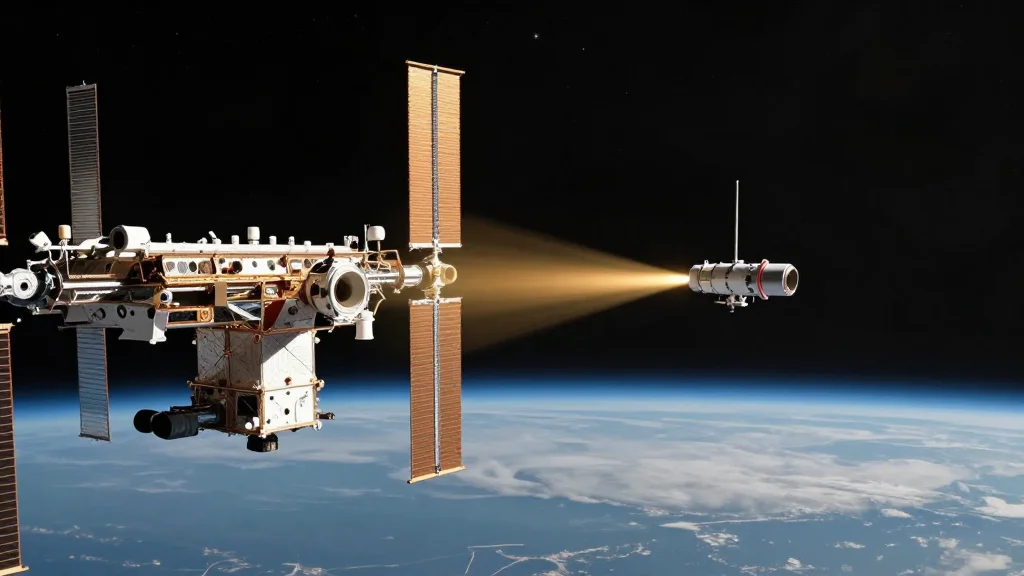
Star Catcher Industries announced a $65 million Series A round, led by B Capital with co‑leadership from Shield Capital and Cerberus Ventures. The new capital brings the company’s total funding to $88 million. Star Catcher is developing the first space‑based power grid that...
Curiosity Looks Closely at the Broken Slab that Had Been Stuck on Its Drill Bit
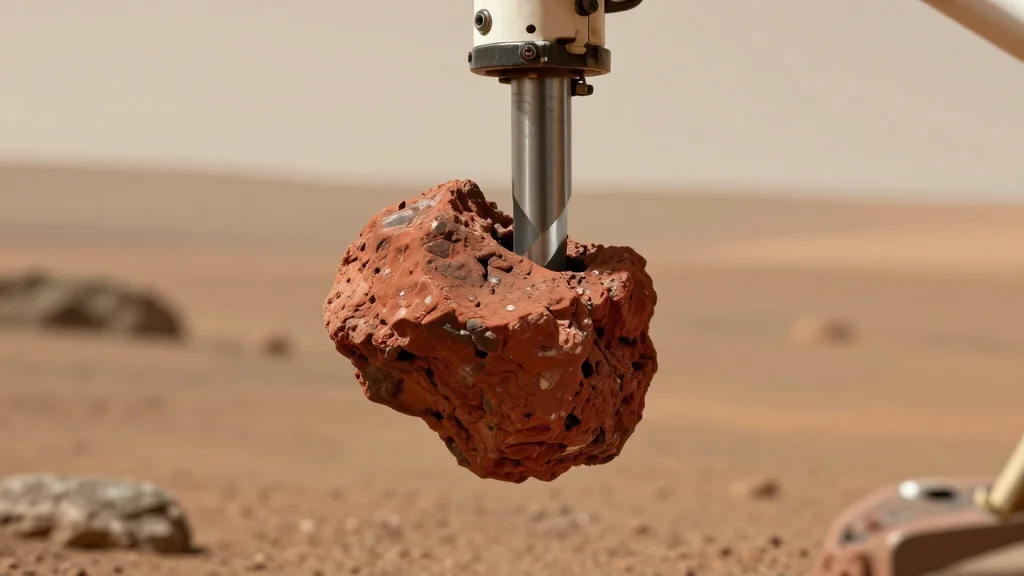
NASA’s Curiosity rover finally freed a 28‑pound rock slab dubbed "Atacama" that had been stuck on its drill bit, only to watch it shatter on the Martian surface. The science team quickly imaged the broken pieces and the newly exposed...

Almost Half of Everything Orbiting Earth Is Space Junk
Nearly half of all tracked objects orbiting Earth are classified as space junk, with 12,550 debris fragments representing 47% of the 33,269 known items. China is responsible for 34% of the debris, while the United States and the Russian‑aligned CIS...

Neo Space Group Selects ThinKom ThinAir Antenna for Multiple Airlines
Neo Space Group (NSG) has selected ThinKom’s ThinAir Ka2517 phased‑array antenna for installation on Saudia’s A320s and Riyadh Air’s upcoming A321neo fleet. Integrated by RAVE Aerospace, the kit will deliver multi‑orbit inflight connectivity through SES’s Open Orbits platform, offering up...

Quantum Space to Build Spacecraft in Tulsa
Quantum Space announced it will establish a manufacturing line for its Ranger series spacecraft in Tulsa, Oklahoma, with production slated to begin in early 2027. The 25,000‑to‑40,000‑square‑foot facility will initially create about 50 high‑skill jobs and will be housed in...

Fenix Space Company Profile: Reusable Tow-Launch Access for Orbital and Hypersonic Markets
Fenix Space, a California‑based aerospace startup, completed a week‑long flight‑test campaign of its alpha prototype in May 2026, demonstrating tow‑launch separation and autonomous glider maneuvers. The company plans to launch commercial services by 2028, initially targeting hypersonic test flights and small‑satellite...
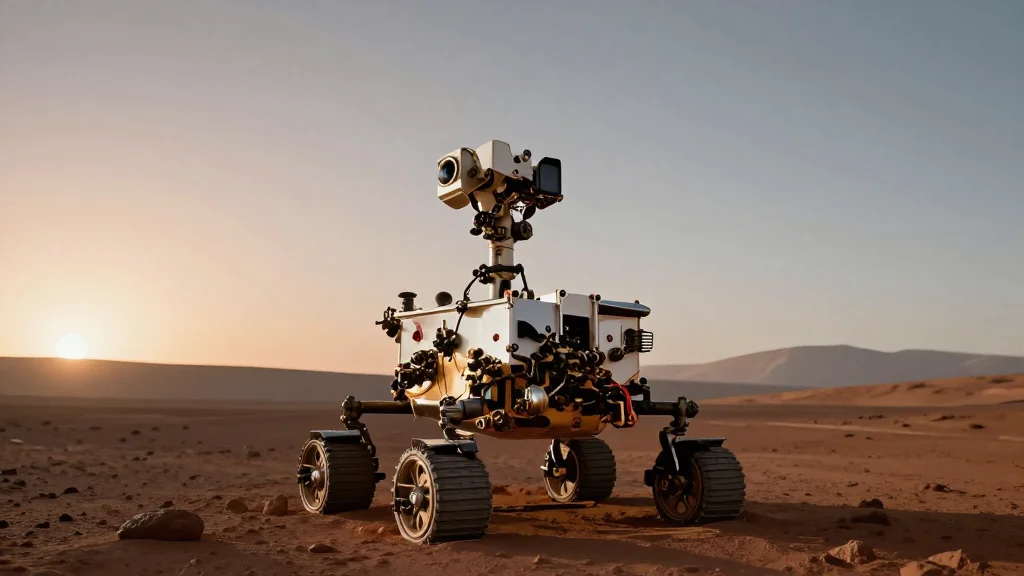
Perseverance Rover Snaps Selfie in Mars’s Western Frontier
NASA's Perseverance rover has taken a self‑portrait from the western edge of Jezero crater, marking the first selfie from that region on Mars. The image, captured by the rover’s navigation cameras, shows the rover’s mast and the surrounding basaltic terrain....

Russia Is Building Engines for Interstellar Travel While Nearly Two-Thirds of Rural Households Still Have No Indoor Plumbing — and...
In February 2026 Rosatom unveiled a prototype plasma rocket engine that can generate six newtons of thrust using 300 kW of power and promises to shrink a Mars transit from eight months to about 30 days. The test was conducted in a...
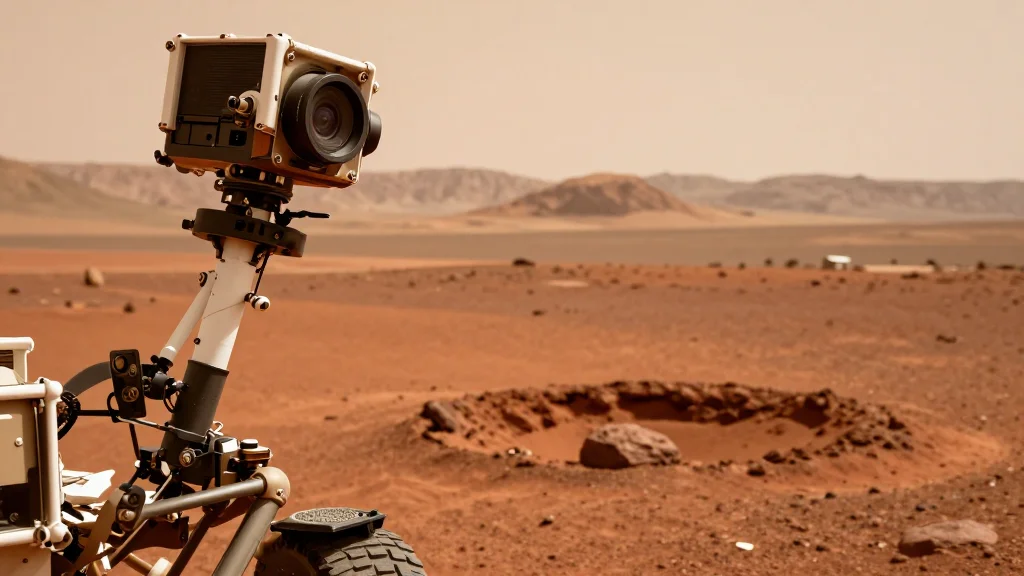
Perseverance Stuns in New Selfie
NASA’s Perseverance rover released a self‑portrait assembled from 61 images taken at the Lac de Charmes outcrop on March 11, 2026 (sol 1797). The composite shows the rover’s mast training and a circular abrasion patch created to expose fresh rock for analysis,...
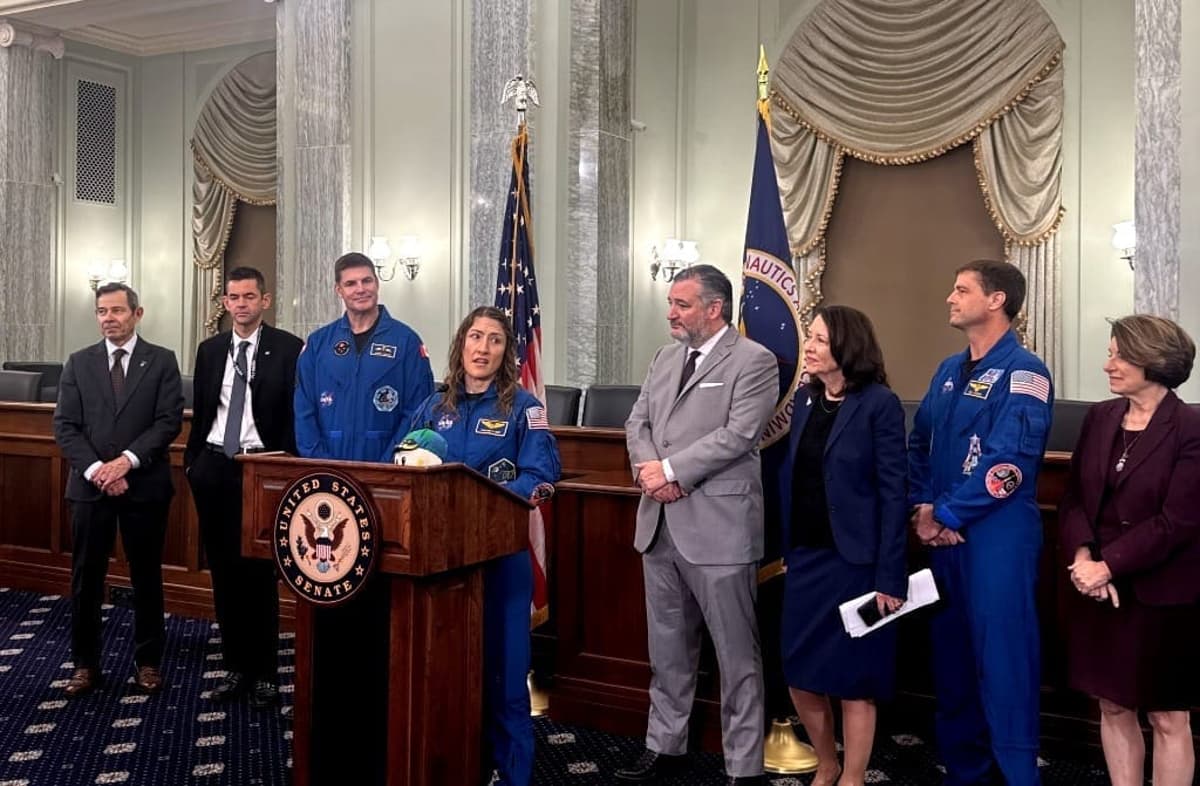
Senators Affirm Need For U.S. Dominance In Space Exploration
U.S. senators reaffirmed the strategic imperative of American leadership in space during a briefing with the Artemis II crew, following the unanimous passage of the NASA Reauthorization Act of 2026. The legislation secures funding and oversight for upcoming lunar and deep‑space...

FCC Proposes Making Spectrum Available for ‘Weird Space Stuff’
On March 26 the FCC released a Notice of Proposed Rulemaking titled “Spectrum Abundance for Weird Space Stuff,” inviting comments by May 11, 2026. The agency outlines two pathways to free up radio spectrum for emerging space activities: expanding existing...
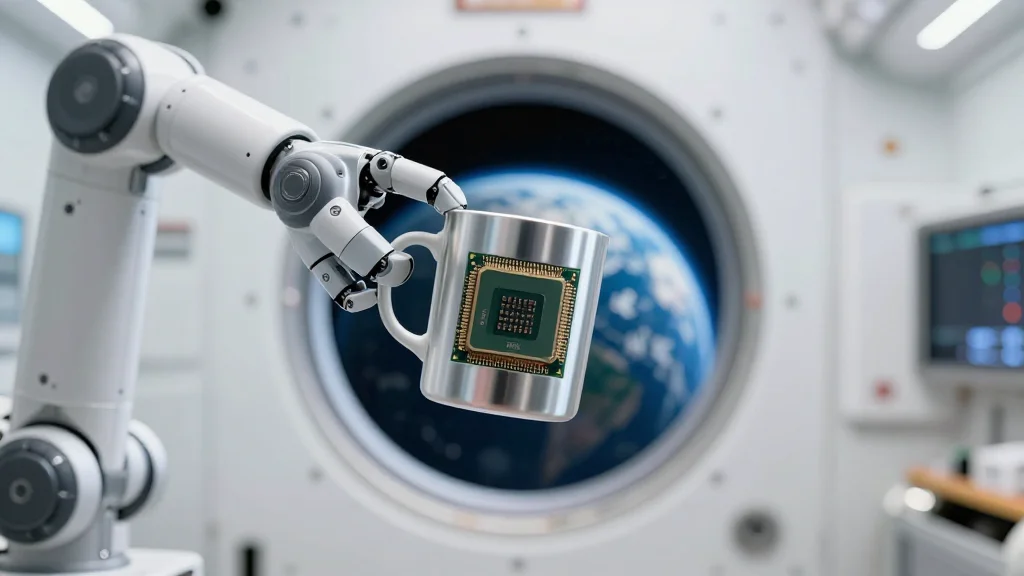
Hello Universe: NASA’s Next-Gen Space Processor Undergoes Testing
NASA’s Jet Propulsion Laboratory has begun rigorous testing of its Next‑Gen Space Processor (NGSP), a radiation‑hardened computer designed for deep‑space missions. The prototype demonstrated a 30% reduction in power consumption and twice the processing speed of the agency’s legacy hardware....

Satellite and the Upcoming Spectrum Auction
The FCC is set to auction at least 100 MHz of the Upper C‑band spectrum by mid‑2027, ending the long‑standing cost stability that satellite broadcasters relied on. This forces a rapid migration toward Internet Protocol (IP) and hybrid Ku‑band/IP distribution models...
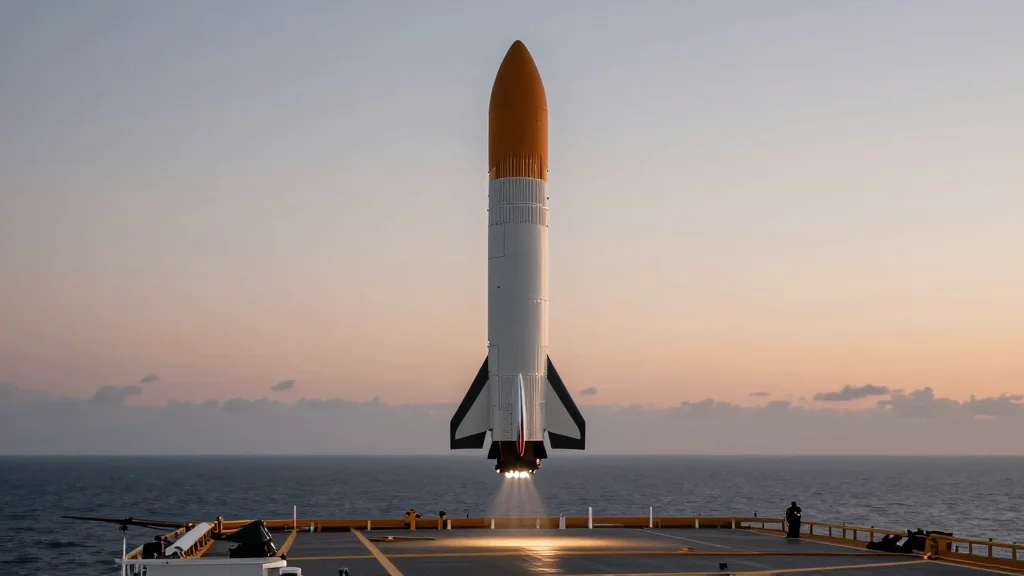
Two Overnight Launches From SpaceX and China
SpaceX lifted off from Vandenberg with a classified batch of National Reconnaissance Office satellites on a Falcon 9, marking the booster’s ninth flight and a successful drone‑ship landing. China followed with a Long March 6A launch from Taiyuan, adding up to 18 Qianfan...