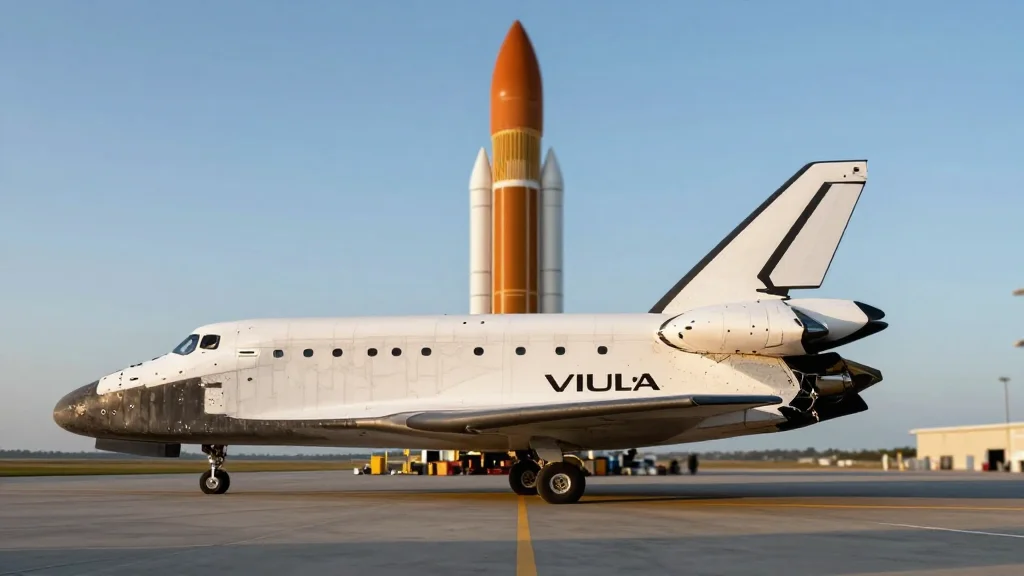
After NASA Contract Change, Sierra Space Seeks Path Forward for Dream Chaser
NASA has altered its contract with Sierra Space, removing the obligation to use Dream Chaser for a set number of ISS cargo flights as the station phases out. Sierra now targets a free‑flyer demonstration in late 2026, launching on a United Launch Alliance Vulcan Centaur and landing at Vandenberg. The company is repositioning the reusable spaceplane for national‑security missions, commercial‑station logistics, and satellite‑servicing roles. The shift raises questions about the vehicle’s commercial viability amid growing competition.

Britain Launches the First X-Ray Eye on Earth’s Magnetic Shield
A joint ESA‑China mission, SMILE (Solar wind Magnetosphere Ionosphere Link Explorer), launched on a Vega‑C rocket on 19 May and became the first satellite to image Earth’s magnetic shield in real time using X‑ray technology. The UK Space Agency contributed...

Rocket Lab’s 3D Printed Engine Hits 1,000 Units
Rocket Lab announced that its Long Beach plant has produced the 1,000th Rutherford engine, the world’s first 3D‑printed, battery‑powered rocket engine. The milestone follows a decade of scaling from one unit per month to a target of roughly 200 engines annually....
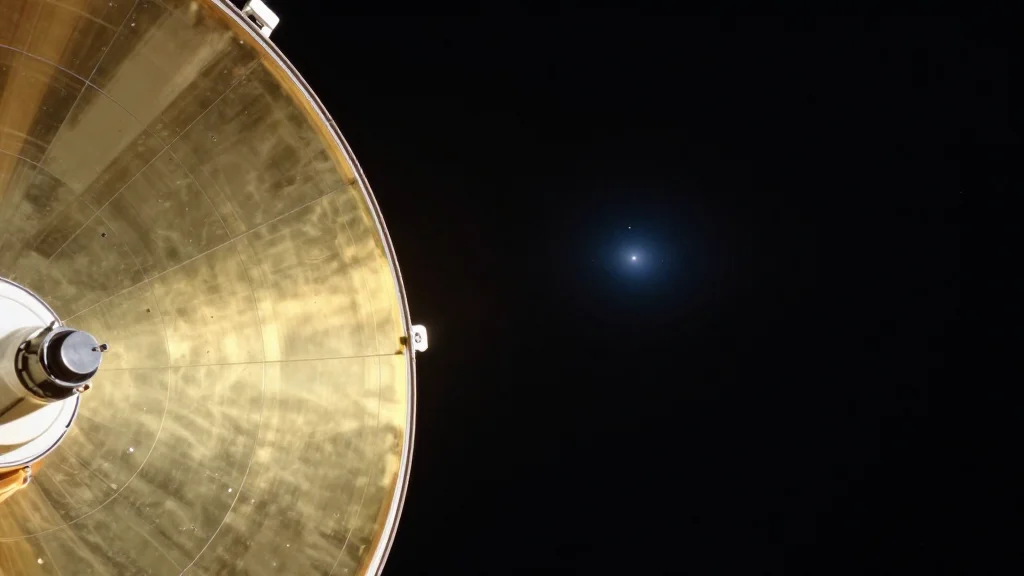
Webb Discovers One of the Universe's First Galaxies
Astronomers using the James Webb Space Telescope have detected an ultra‑faint galaxy, LAP1‑B, that existed just 800 million years after the Big Bang. The galaxy was magnified 100‑fold by gravitational lensing from a foreground cluster, allowing JWST to capture its spectrum....
The Mars Rovers Carry No Clocks Set to Earth Time, so the Engineers Driving Them Shifted Their Entire Lives to...
NASA’s Curiosity and Perseverance rovers operate on a 24‑hour‑39‑minute Martian sol, forcing JPL engineers to adopt the same schedule for the first 90 sols of each mission. The shift pushes alarms later each day, leading staff to sleep in California...

Satellite Services for Biodiversity Monitoring
Satellite biodiversity monitoring has shifted from selling raw imagery to providing repeatable, policy‑grade outputs such as alerts, change‑detection layers, and auditable reports. Public missions like Landsat, Copernicus, and NISAR supply the free data foundation, while commercial firms add higher‑resolution or...
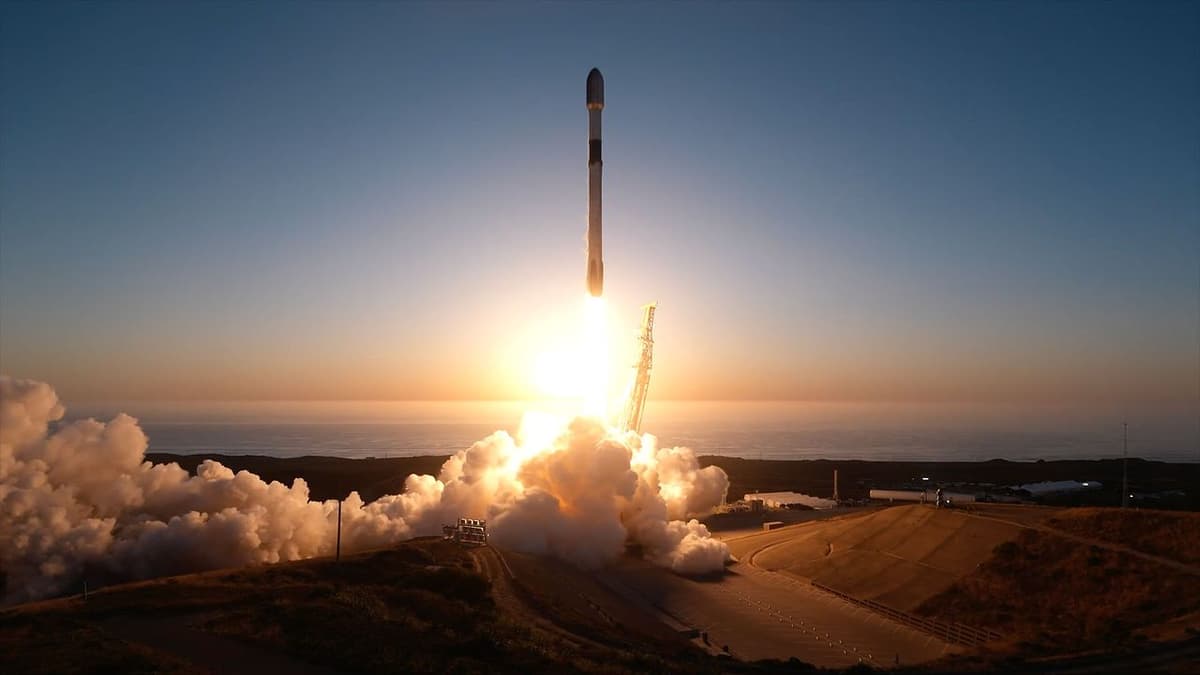
SpaceX Launches 24 Starlink Satellites on Falcon 9 Launch From California
SpaceX launched 24 additional Starlink satellites from Vandenberg Space Force Base on May 19, 2026, bringing the operational constellation to just under 10,500 units. The Falcon 9 booster B1103 completed its second flight, landing safely on the droneship “Of Course I...

GalaxySpace Unveils Deployable Umbrella Antenna For LEO Satellites
On May 18, 2026 GalaxySpace announced a deployable umbrella antenna designed for low‑Earth‑orbit satellites. The antenna claims up to ten‑fold stronger connectivity than conventional Q/V‑band steerable dishes and occupies less than 12% of the satellite’s stowage volume. Its integrated mesh‑forming...
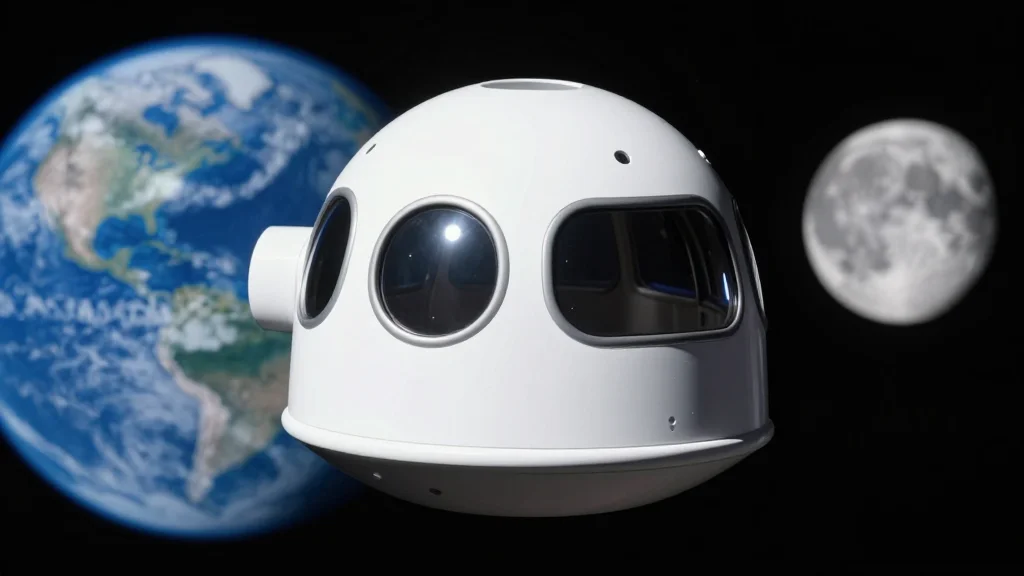
Isaacman: Chinese Taikonauts Likely to Fly Around Moon in 2027
NASA Administrator Jared Isaacman told the AIAA ASCEND conference that Chinese taikonauts are likely to fly around the Moon in 2027, ending the United States’ sole record of crewed lunar circumvention. He framed the development as a modern space race,...

China’s BeiDou Leads GPS, Other Rivals Across Belt and Road Network: Report
China’s home‑grown BeiDou navigation system now commands 58% of the positioning, navigation and timing (PNT) market in Belt and Road Initiative (BRI) countries, according to a new industry white paper. The broader Chinese PNT ecosystem generated roughly ¥1.33 trillion (about $196 billion)...

FCC OKs Anterix, Lynk Global Testing of Satellite D2D at 900 MHz
Anterix and Lynk Global have received an FCC experimental license to test satellite‑direct‑to‑device (D2D) communications on the 900 MHz band that Anterix licenses to utilities. The trials will use off‑the‑shelf devices—including smartphones, LMR radios, Toughbooks and routers—in both wooded and island...
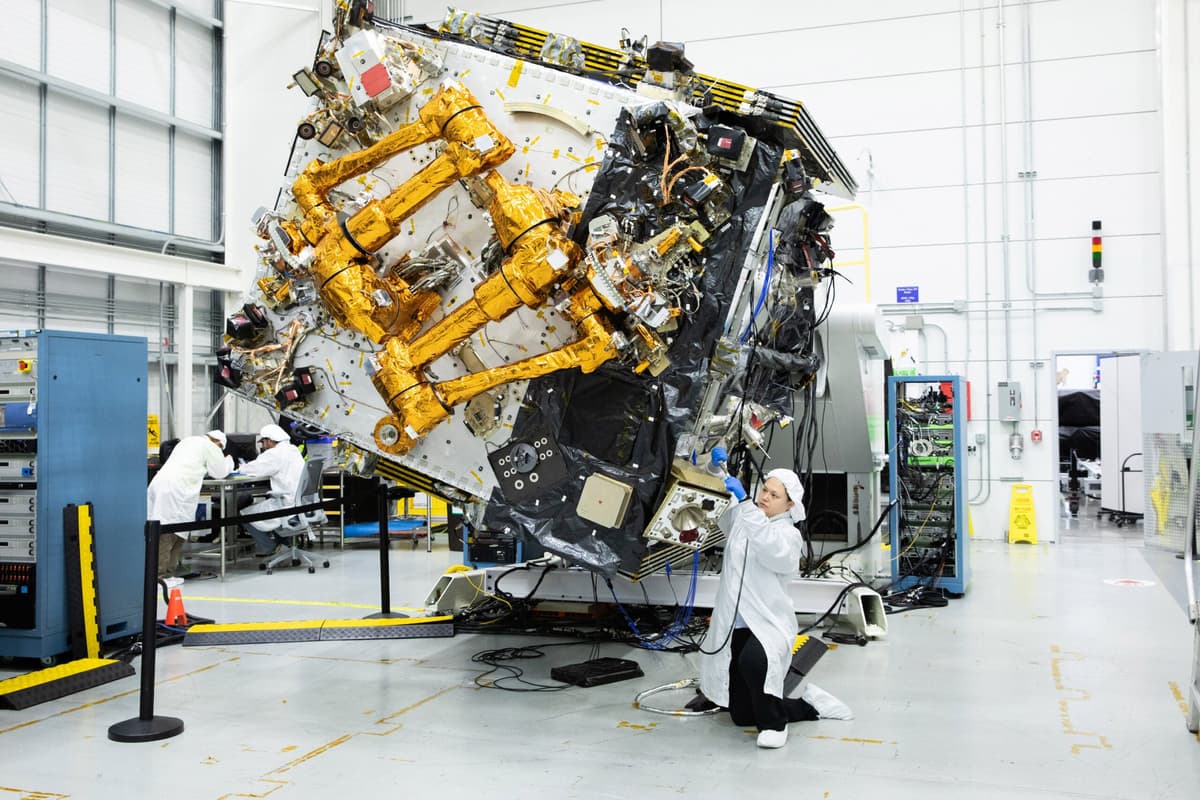
Northrop Grumman’s First MRV Readies for Summer Launch to Expand the Space Servicing Toolkit
Northrop Grumman’s SpaceLogistics will launch its Mission Robotic Vehicle (MRV) this summer on a dedicated SpaceX ride, marking the first commercial robotic in‑space servicing mission. The MRV, equipped with dual robotic arms, a standardized refueling interface and advanced docking sensors,...
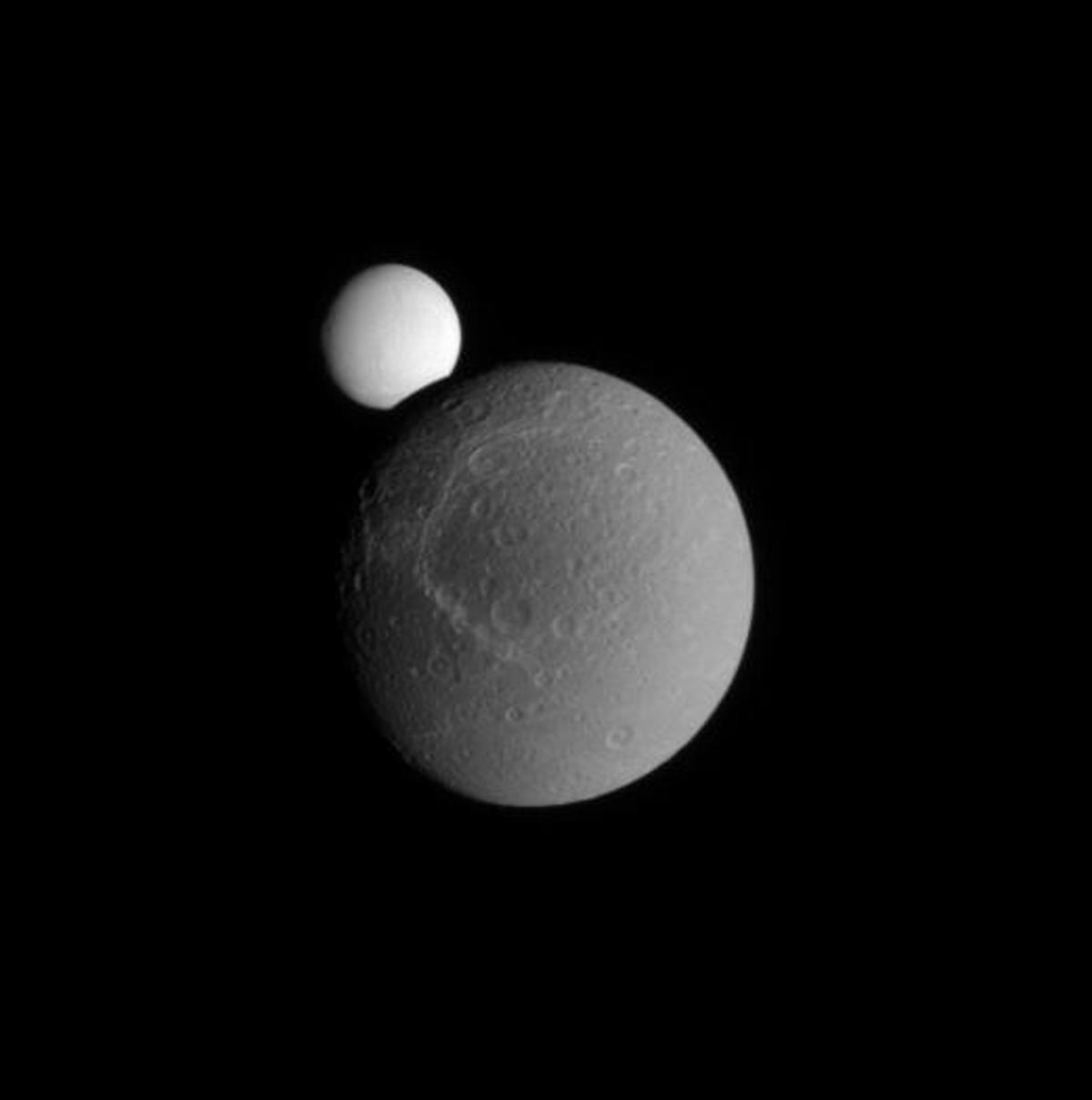
"I'll Buy 10 of Those"—NASA Science Chief Yearns for Mass-Produced Satellites
NASA’s science budget remains at roughly $7.25 billion—essentially flat since 2000—while Administrator Jared Isaacman emphasizes faster, cheaper missions. Science leaders like Nicky Fox argue for a fleet of $100 million “off‑the‑shelf” spacecraft rather than a few billion‑dollar flagships. The agency is exploring...
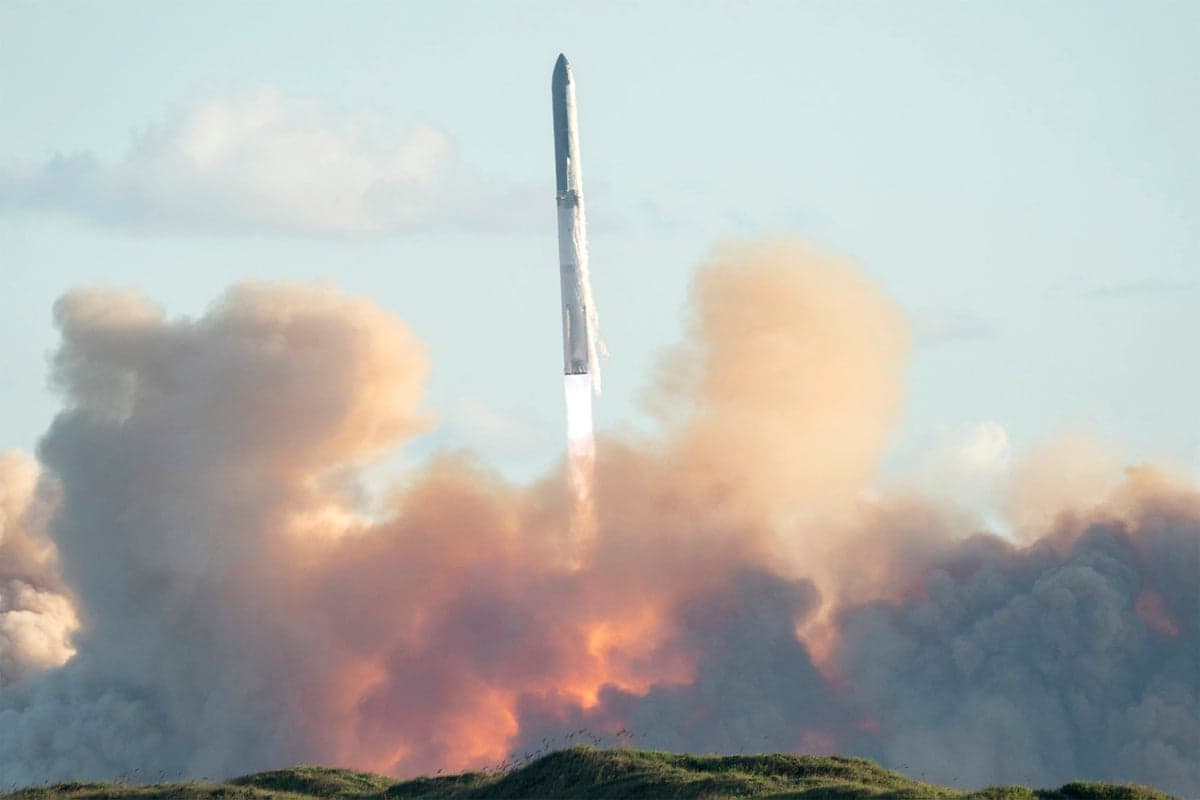
SpaceX Punts Starship V3 Launch to May 21 as Investigation Opens Into Starbase Worker’s Death
SpaceX has pushed the inaugural flight of its Starship V3 megarocket to the evening of May 21, with a launch window opening at 6:30 p.m. EDT. The delay follows a fatal fall of a contractor at the Starbase facility, prompting an OSHA...
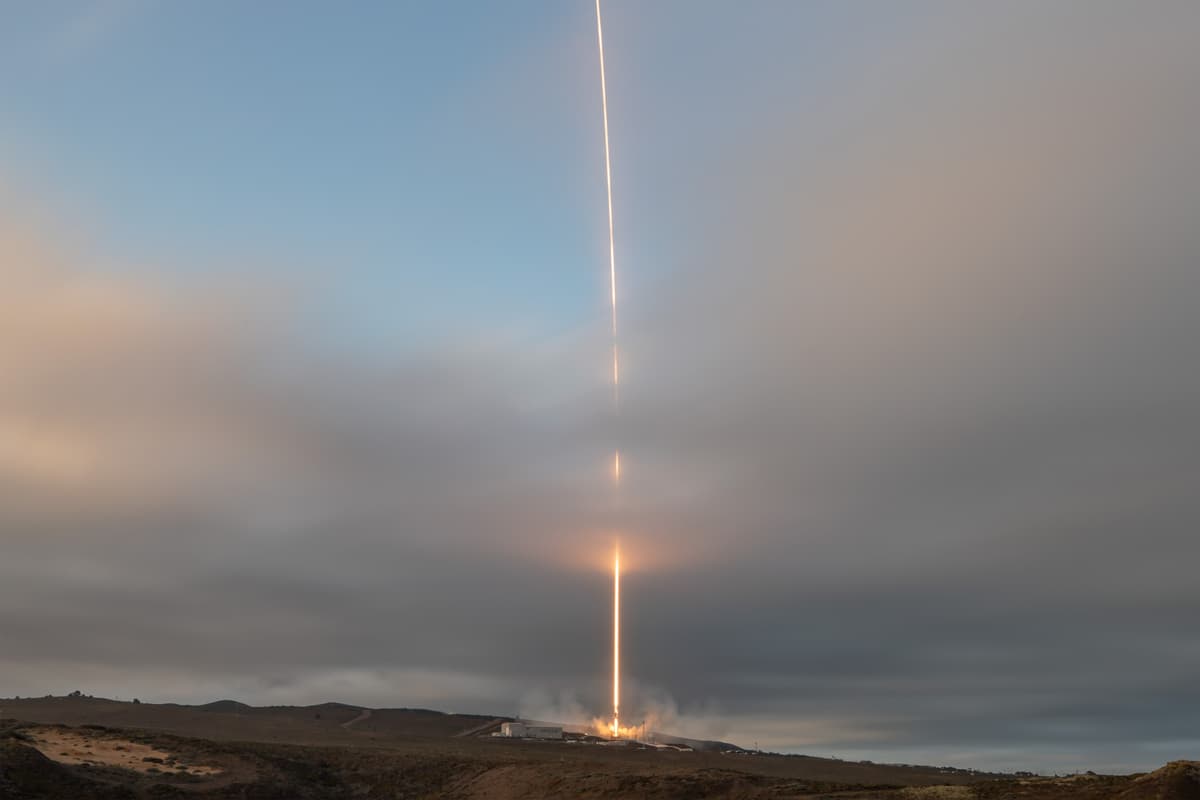
CSF Forecasts Launch Supply Running Low
The Commercial Space Federation (CSF) released a report forecasting explosive growth in launch demand, projecting 6,000‑230,000 satellites per year and up to 7,000 launches annually, which could outstrip current capacity by 2030. The study outlines three demand scenarios—government missions, approved...
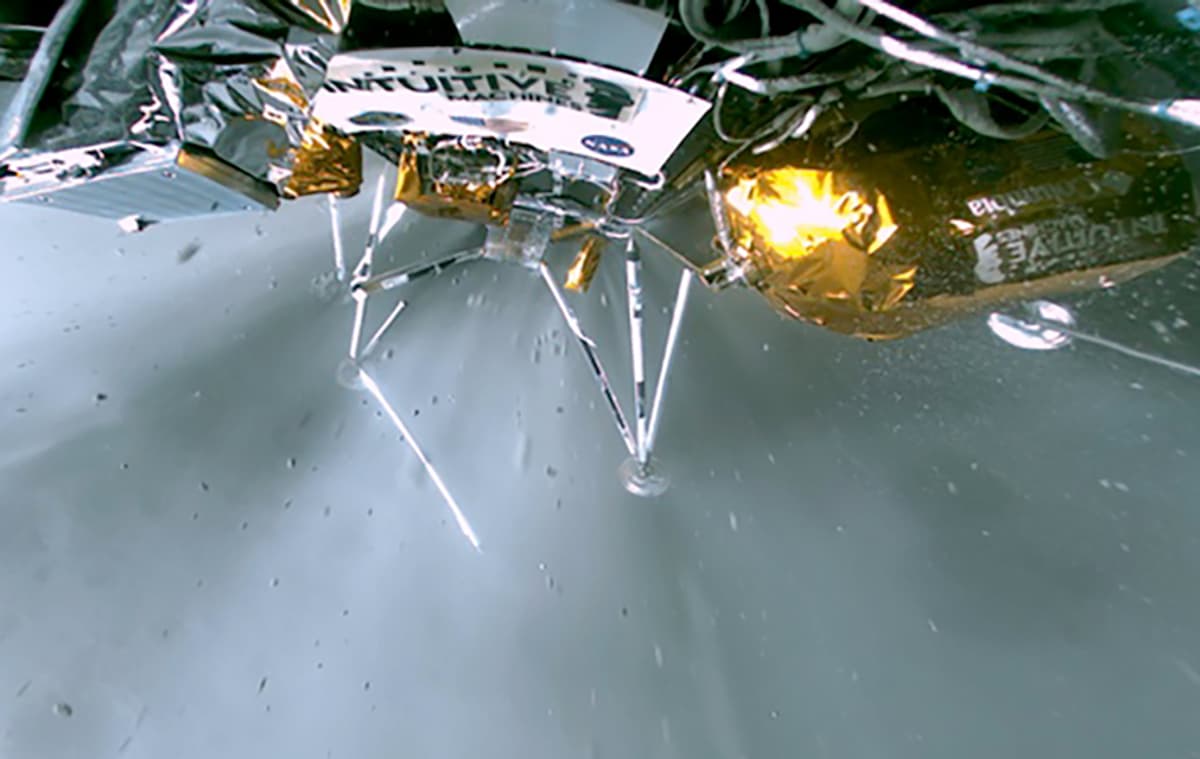
Intuitive Machines Secures Prime Contracts to Operate Key NASA and KARI Lunar Imaging Instruments
Intuitive Machines announced it will operate NASA’s Lunar Reconnaissance Orbiter Camera and KARI’s ShadowCam under two three‑year contracts worth $15.5 million and $4.5 million. The deals shift the firm from a lunar lander builder to a central provider of cislunar imaging and...
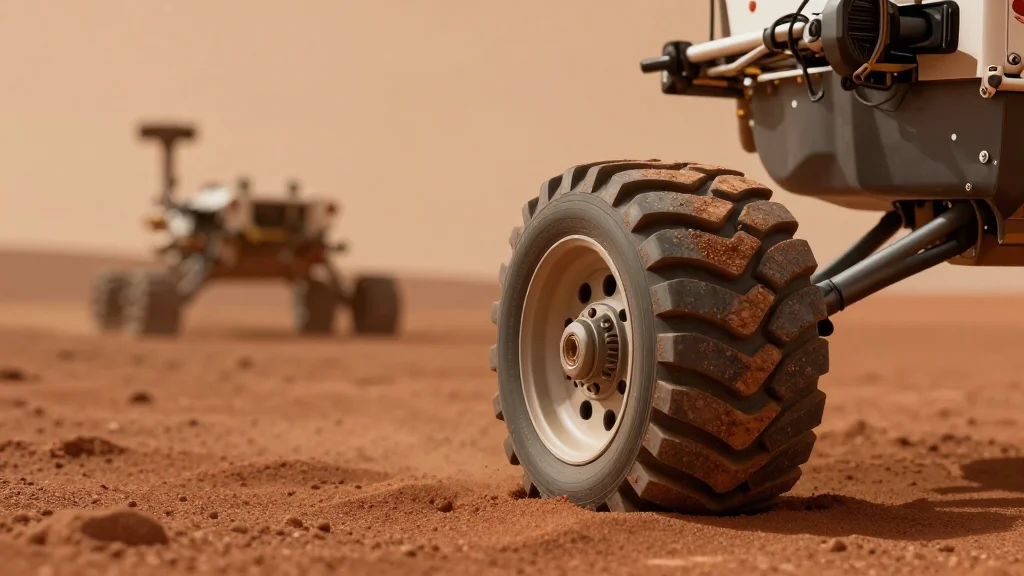
Innovative Mars Rovers 'Swim' Through the Sand
Researchers at the University of Würzburg have engineered a Mars rover prototype whose wheels mimic the sandfish lizard’s ability to "swim" through granular media. The biomimetic design generates longitudinal and lateral forces, allowing the vehicle to traverse soft sand without...

IDirect Government Launches WCore to Virtualize Military Satellite Modems
iDirect Government unveiled WCore, a virtualized waveform core and hardware abstraction layer for MILSATCOM on May 18, 2026. The software transforms single‑purpose satellite modem hardware into software‑defined modems that can run up to 16 waveforms across GEO, MEO, LEO and HEO constellations....

SpaceX Targets May 21 Launch for Most Powerful Starship Yet
SpaceX is targeting Thursday, May 21, for the launch of its most powerful Starship variant, the SN24. The launch will occur within a 90‑minute window that opens at 6:30 p.m. EDT from Boca Chica. SN24 incorporates upgraded Raptor engines and structural...

Vast High-Power Satellite Buses Extend a Space Station Company Into Orbital Infrastructure
Vast announced Vast Satellite, a 15 kW high‑power satellite bus line that repurposes technology from its Haven space‑station program. The bus offers 700 kg dry mass, over 350 kg payload capacity, and a five‑year design life, targeting communications, Earth‑observation, national‑security and orbital‑compute customers....

Astrolab’s Debut Lunar Rover to Deliver Four NASA Payloads to the Moon
Astrolab announced that its first lunar rover, the FLEX Lunar Innovation Platform (FLIP), will carry four NASA payloads to the Moon. The rover will be delivered aboard Astrobotic’s Griffin‑1 lander, with a launch targeted for later this year. Agreements have...

NASA, Lockheed Martin Say Artemis III Advancing, Facing Milestones This Year
NASA and its contractors are accelerating Artemis III preparations, targeting component stacking within the next two months. The Space Launch System’s core stage and solid rocket boosters are already positioned at Kennedy Space Center, and Lockheed Martin plans to deliver the Orion...
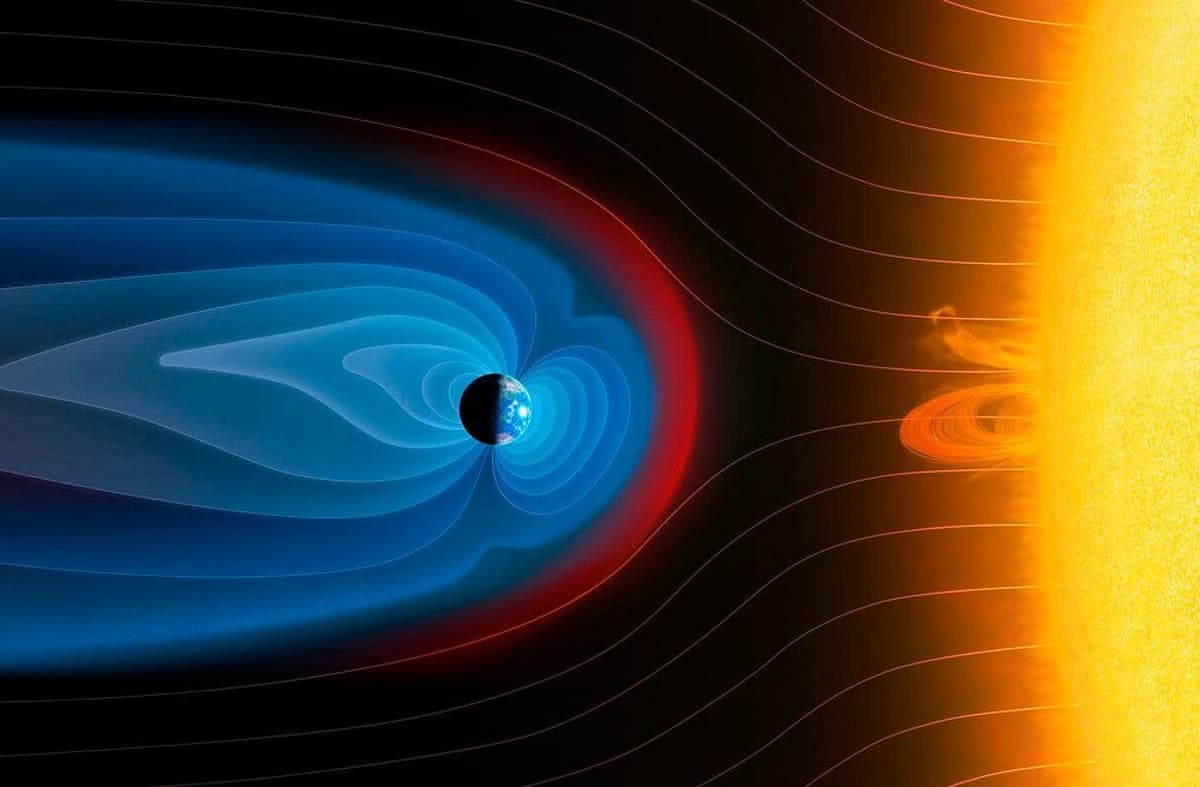
NASA’s New Shock Detectives Project Invites Volunteers to Help Study Solar Wind
NASA has launched the Shock Detectives citizen‑science project, inviting volunteers to sort more than a decade of Magnetospheric Multiscale (MMS) data that capture Earth’s bow‑shock region. Participants will label sections of the data as “chaotic” or “peaceful,” helping researchers pinpoint...

China Hails Latest Breakthrough on Space Solar Power Technology
Chinese researchers have demonstrated a wireless power transmission system that can beam kilowatt‑level energy to multiple moving targets at the same time. The ground‑based test mimics the dynamics of an orbiting platform, marking a tangible step toward space‑based solar power...
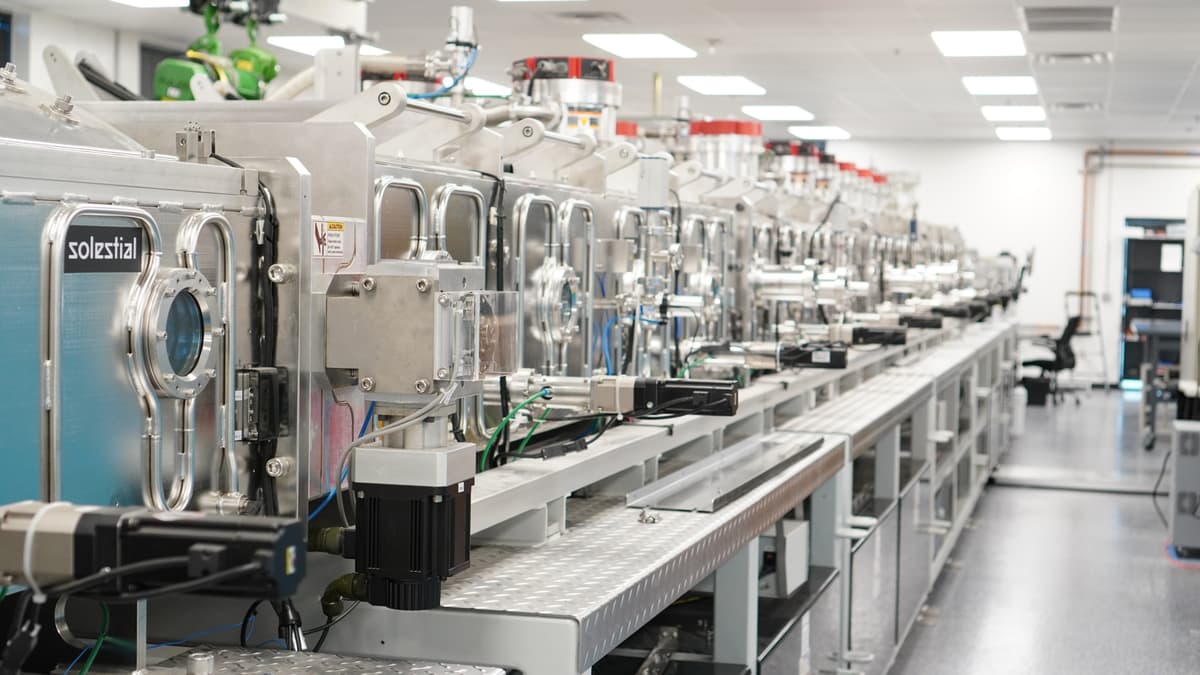
York Space Systems to Acquire Solestial
York Space Systems announced a definitive agreement to acquire Solestial, a U.S.-based maker of ultra‑thin, radiation‑hardened solar cells, for an undisclosed price. The deal, expected to close in Q2, marks York’s third acquisition in 2024 following All.Space ($355 M) and Orbion...

Vast Launches Satellite Bus Business Line
Vast, the commercial space‑station developer behind Haven‑1, announced a new satellite‑bus line aimed at the low‑cost, high‑volume, high‑power market serving communications, Earth‑observation and national‑security missions. The first customer has ordered four 15‑kW buses with an option to purchase up to...

ESA Project to 3D Print Protective Skin for Space Robots
The European Space Agency has launched a two‑year, €1.65 million (≈$1.8 million) Smart Skin for Exploration Cobots project to 3D‑print protective skins for robotic arms used in lunar, Martian and on‑orbit missions. Led by the Danish Technological Institute with partners Admatis, PIAP...
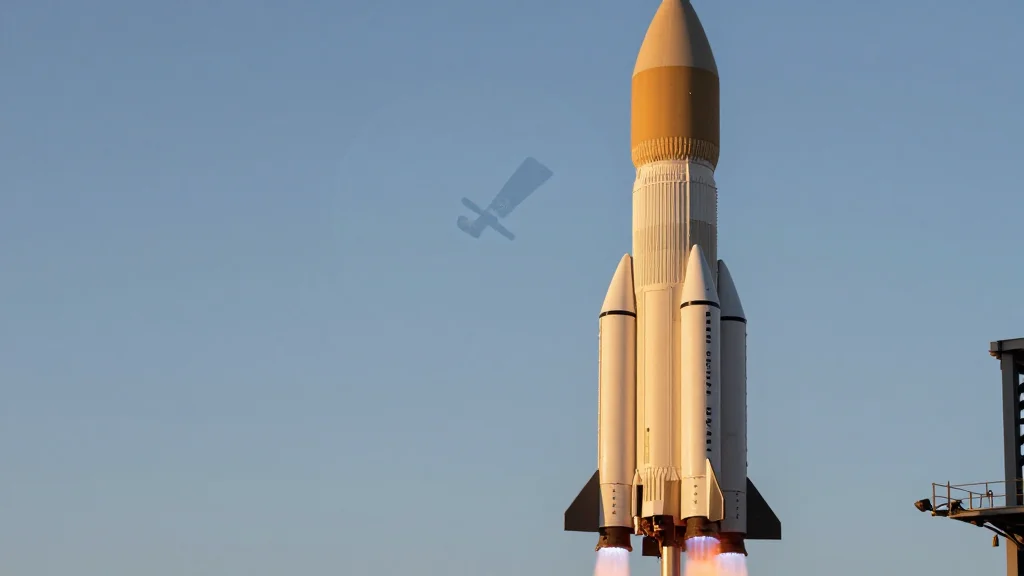
Avio Completes Its First Vega-C Launch for ESA
Avio successfully executed its first Vega‑C launch for the European Space Agency, delivering the SMILE solar‑wind telescope into orbit. This marks the first Vega‑C mission managed directly by Avio rather than Arianespace, signalling a shift in ESA’s launch procurement. The...

The Lab Trying to Make $100bn Worth of Satellite Data Actually Useful
Singapore has launched its first dedicated space innovation lab within IMDA’s Pixel hub, backed by Deloitte and run by the Singapore Space & Technology Think Tank. The lab aims to turn the $100 billion ASEAN GDP boost projected from Earth‑observation data...

SpaceX Starship’s 12th Flight Test Targeted for May 20, 2026: Launch Window Opens at 5:30 P.m. CDT
SpaceX has set a new target of May 20, 2026 for the twelfth integrated flight test (IFT‑12) of its Starship system, with the launch window opening at 5:30 p.m. CDT from the newly built Pad 2 at Starbase, Texas. The mission will be the...
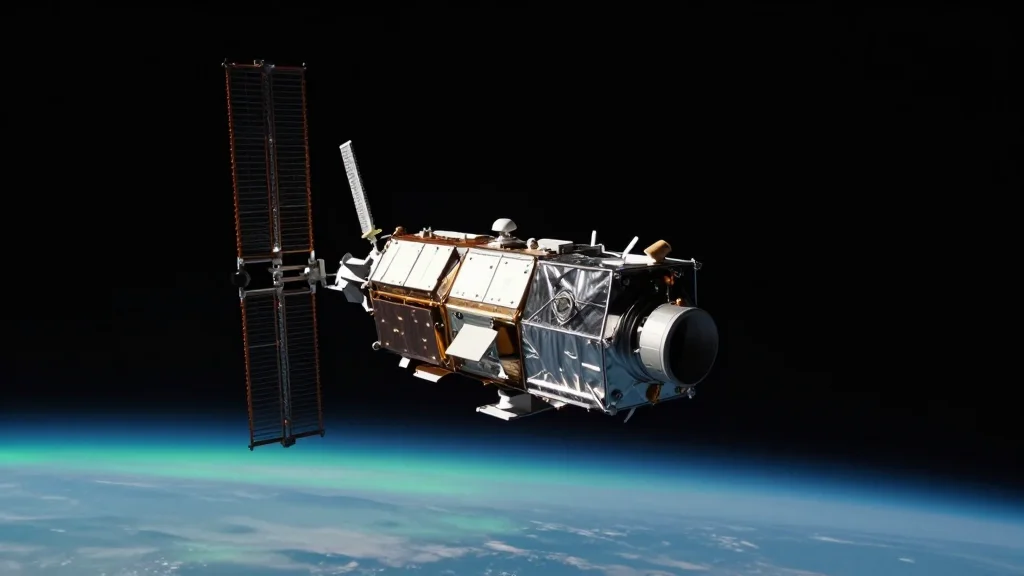
SMILE to Give Earth’s Magnetosphere Its First X-Ray
SMILE, a joint ESA‑Chinese Academy of Sciences mission, launched on May 18 from Kourou aboard a Vega‑C rocket. The spacecraft will be the first to use soft X‑ray emissions to produce global images of Earth’s magnetosphere and track auroral activity with...
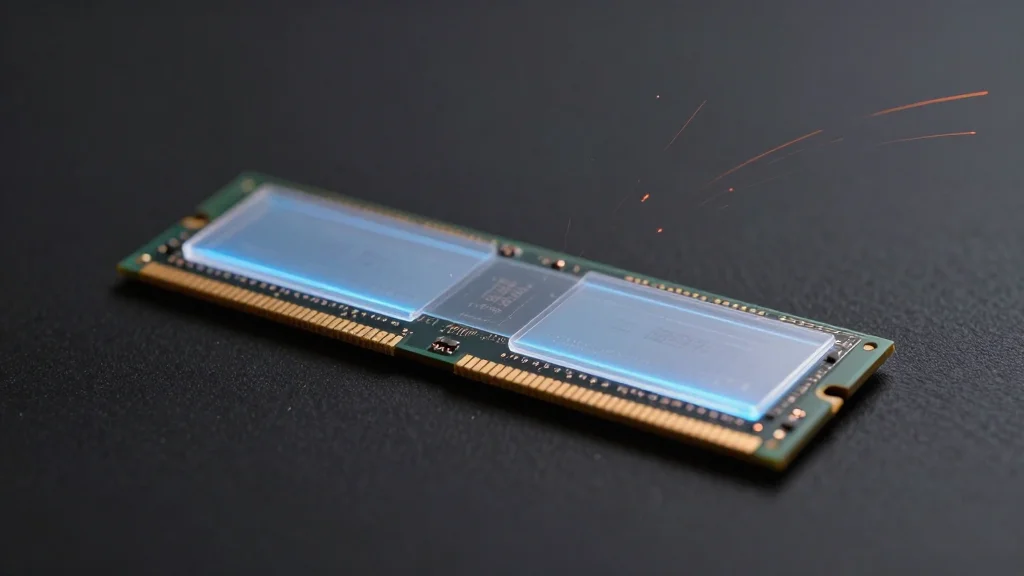
Georgia Tech Researchers Unveil Innovative NAND Flash Storage Technology for Deep Space Missions
Georgia Tech researchers have created a ferroelectric NAND flash memory that can survive radiation doses up to one million rads—about thirty times the tolerance of conventional charge‑trapping NAND. The device uses a hafnium‑oxide ferroelectric layer that stores data via polarization...
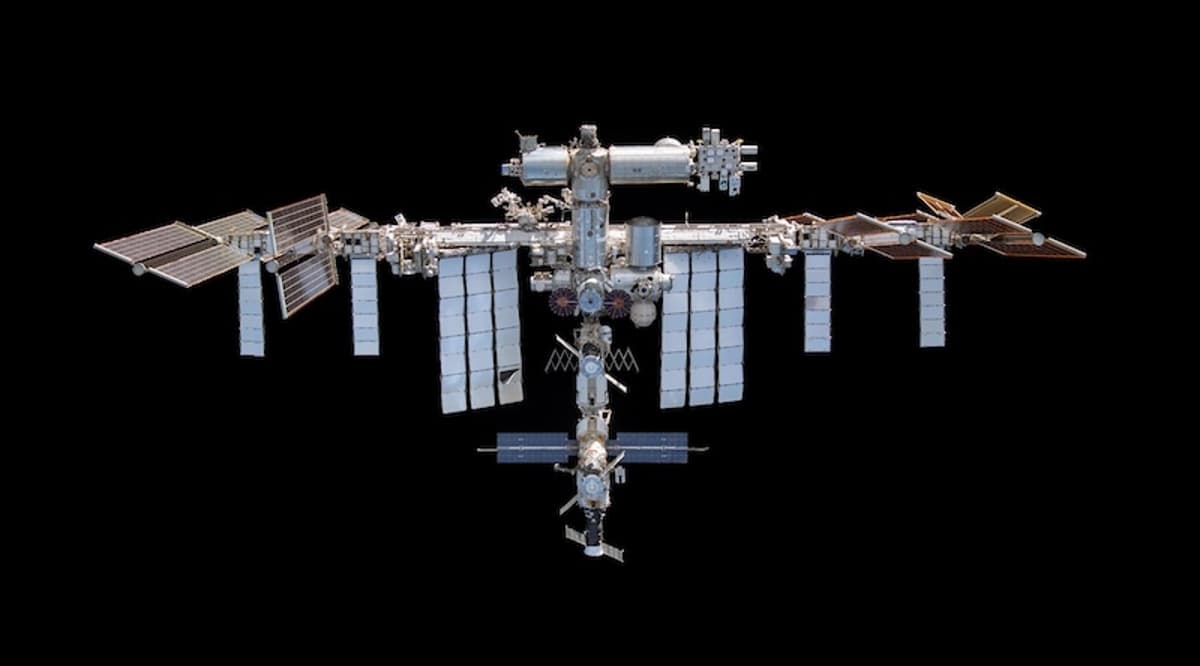
ISS National Lab Launches Orbital Edge Accelerator with up to $750,000 per Startup and ISS Flight Access
The ISS National Laboratory has opened applications for its 2026 Orbital Edge Accelerator, a six‑company program that offers up to $750,000 in venture funding and direct access to in‑orbit research on the International Space Station. Startups will receive mentorship, commercialization...
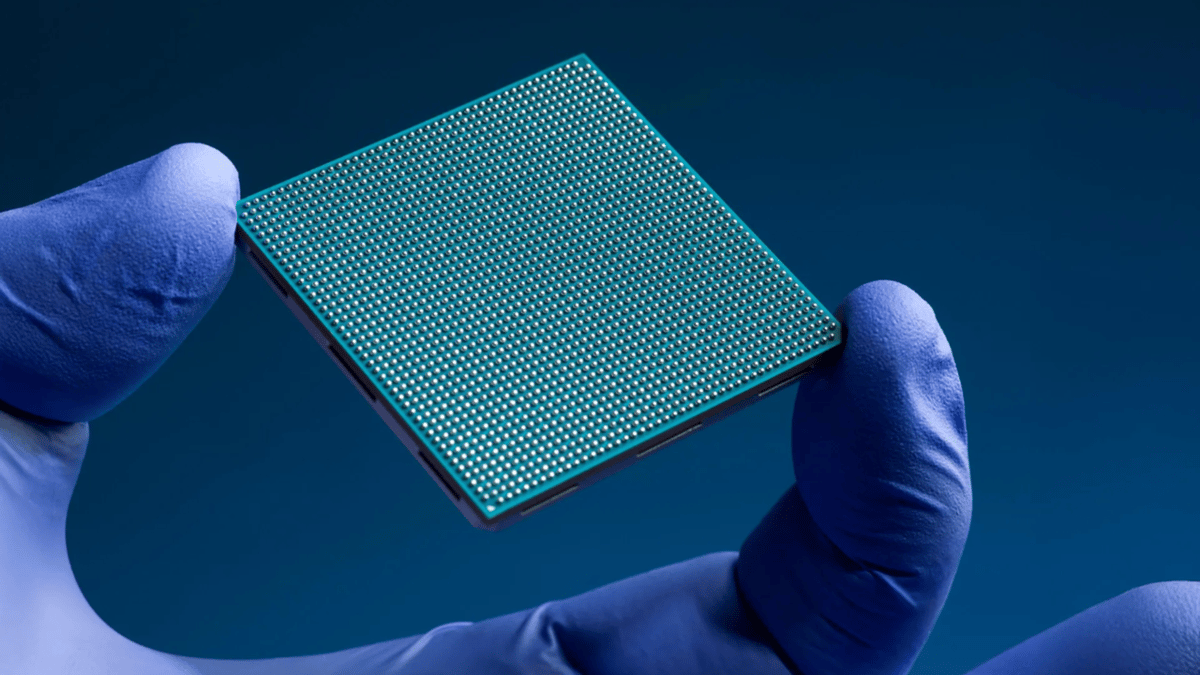
'I'm Sorry Dave': NASA Is Working on an AI Chip to Help Next-Generation Spacecraft Think for Themselves — so Clearly...
NASA’s High‑Performance Spaceflight Computing (HPSC) project is unveiling a new radiation‑hardened AI processor that promises up to 100 times the computing power of current spaceflight hardware, with early tests indicating performance as high as 500 times. The multicore chip is engineered to...

The Stratospheric Toll of the Megaconstellation Era
The rapid expansion of low‑Earth‑orbit megaconstellations is creating a hidden climate threat. A University College London study finds rockets deposit black‑carbon soot directly into the stratosphere, where it lingers for about three years and traps heat 540 times more efficiently...
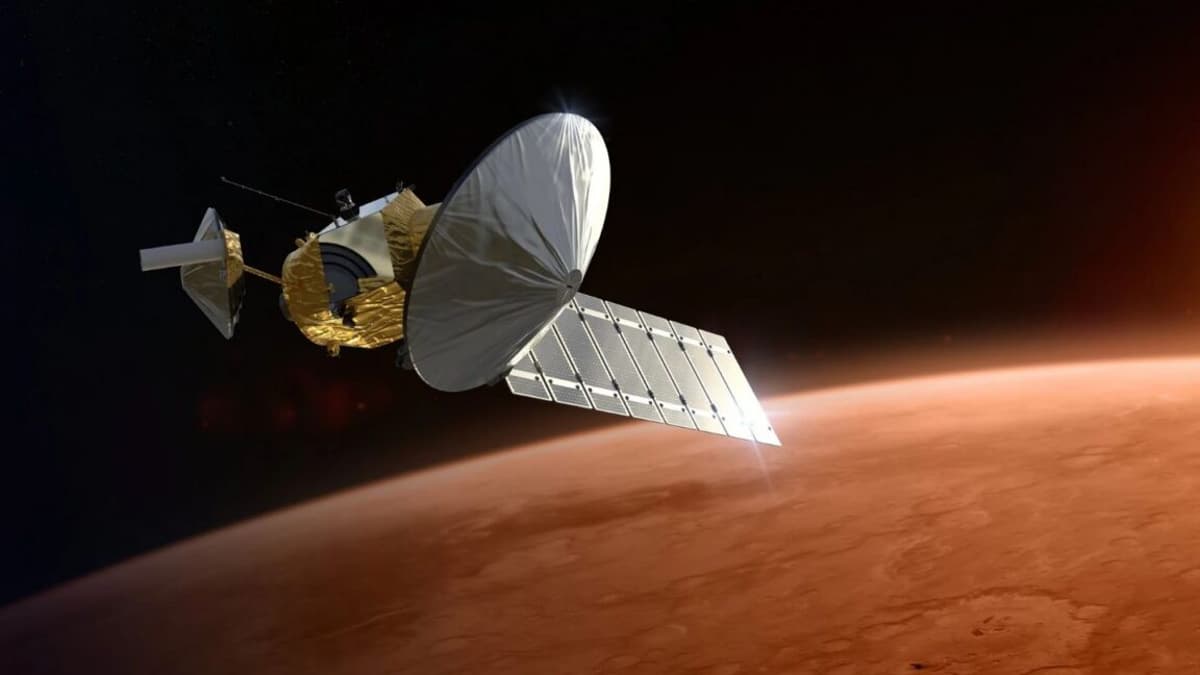
One Mars Spacecraft, Two Senators, and a Cloud of Questions
NASA issued a $700 million contract solicitation for a Mars Telecommunications Network (MTN) spacecraft to replace the aging Mars Reconnaissance Orbiter and enable a potential Mars Sample Return (MSR) revival. The solicitation, funded by a 2025 congressional appropriation, requires bidders to...

European Imaging Companies Step in to Fill Warzone Gap
European Earth‑observation firms are stepping in as U.S. satellite providers halt imagery of Iran and the Gulf conflict. The gap is driving demand from energy traders, insurers, shipping companies, and news outlets that rely on real‑time visuals of the Strait...
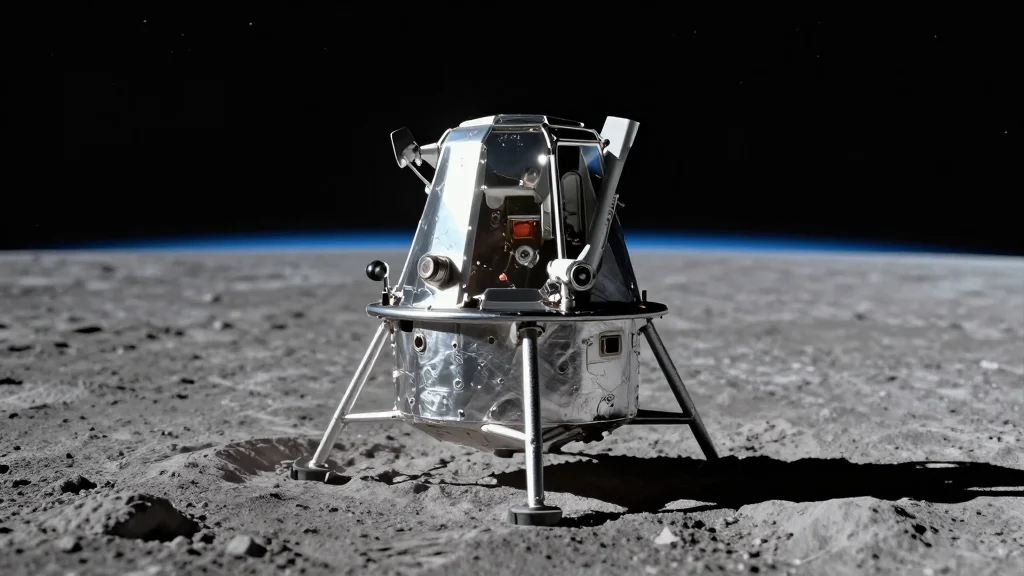
SpaceX, Blue Origin Human Moon Landers – What’s the Status?
NASA has committed nearly $7 billion to the Human Landing System (HLS) program since its 2019 launch and expects total spending to surpass $18 billion by fiscal year 2030. SpaceX and Blue Origin will each design, build and own a lunar lander,...
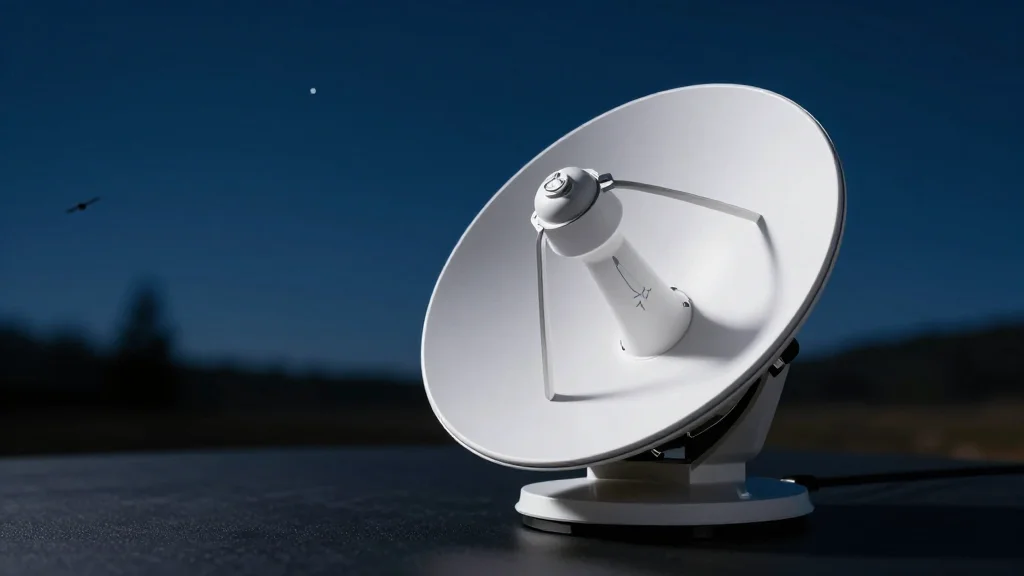
SpaceX Raises Starlink Prices Across Every Consumer Plan and Doubles the Cost of Standby Mode
SpaceX announced a $5‑$10 monthly increase on all U.S. Starlink consumer plans and doubled its Standby Mode fee from $5 to $10. The changes take effect immediately for new customers and from June 18 for existing subscribers. The move comes as...
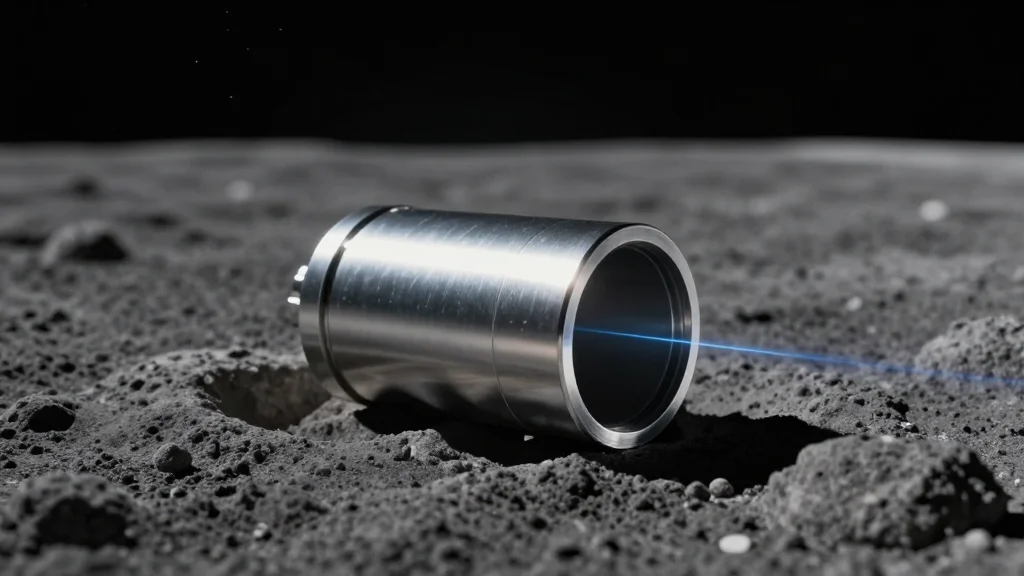
Dark Lunar Craters Could Host Ultrastable Lasers for Moon Navigation
Physicist Jun Ye and collaborators propose installing silicon‑based optical cavities in the Moon’s permanently shadowed south‑pole craters to create ultrastable lasers. The extreme cold (≈16 K) and ultra‑high vacuum would lock laser frequencies with unprecedented precision, enabling GPS‑like navigation, optical atomic clocks,...

Four NASA Payloads to Fly on Astrolab’s First Lunar Rover
Astrolab’s FLEX Lunar Innovation Platform (FLIP) rover will carry four NASA payloads on a Griffin‑1 lander launch slated for late 2024. The payloads include the METAL camera‑radiometer for helium‑3 prospecting, a lunar retroreflector array, the LDES dust‑degradation sensor, and a...
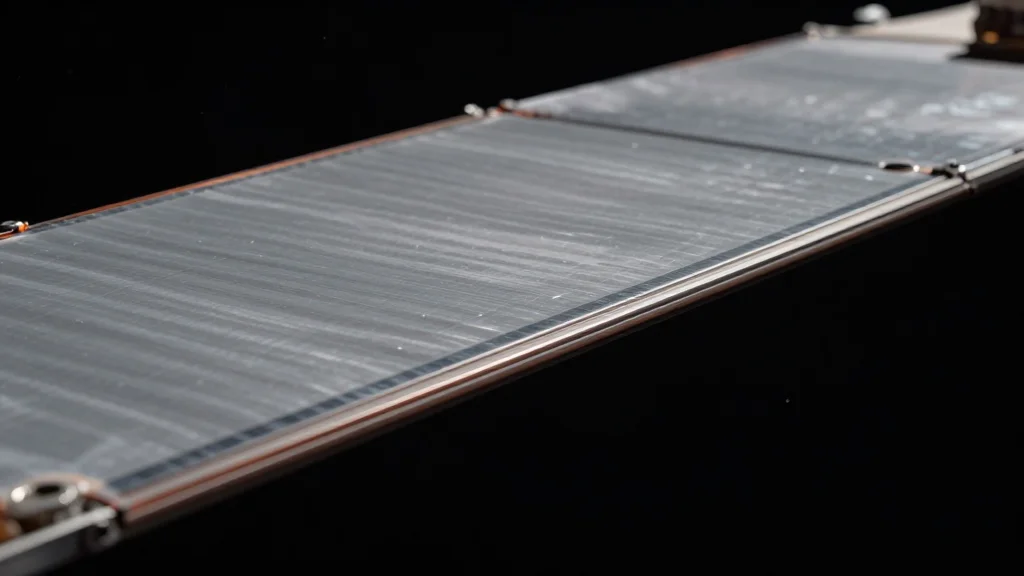
Blueshift Is Named Finalist in Inaugural Aviation Week Space Tech Challenge Awards
Blueshift, a Massachusetts‑based developer of thermal protection system materials, has been named a finalist in the Commercialization category of the inaugural Aviation Week Space Tech Challenge Awards. The company’s AeroZero tapes, ultra‑thin flexible thermal barriers, are engineered for low‑Earth‑orbit satellites and...

Cowboy Raises $275M and Files for 20,000 Orbital Data Centers, Forcing the ODC Thesis Into View
Cowboy Space Corporation, formerly Aetherflux, closed a $275 million Series B round led by Index Ventures, valuing the firm at $2 billion. The startup filed an FCC request to launch up to 20,000 low‑Earth‑orbit satellites—named “Stampede”—each housing a one‑megawatt data‑center payload with roughly...
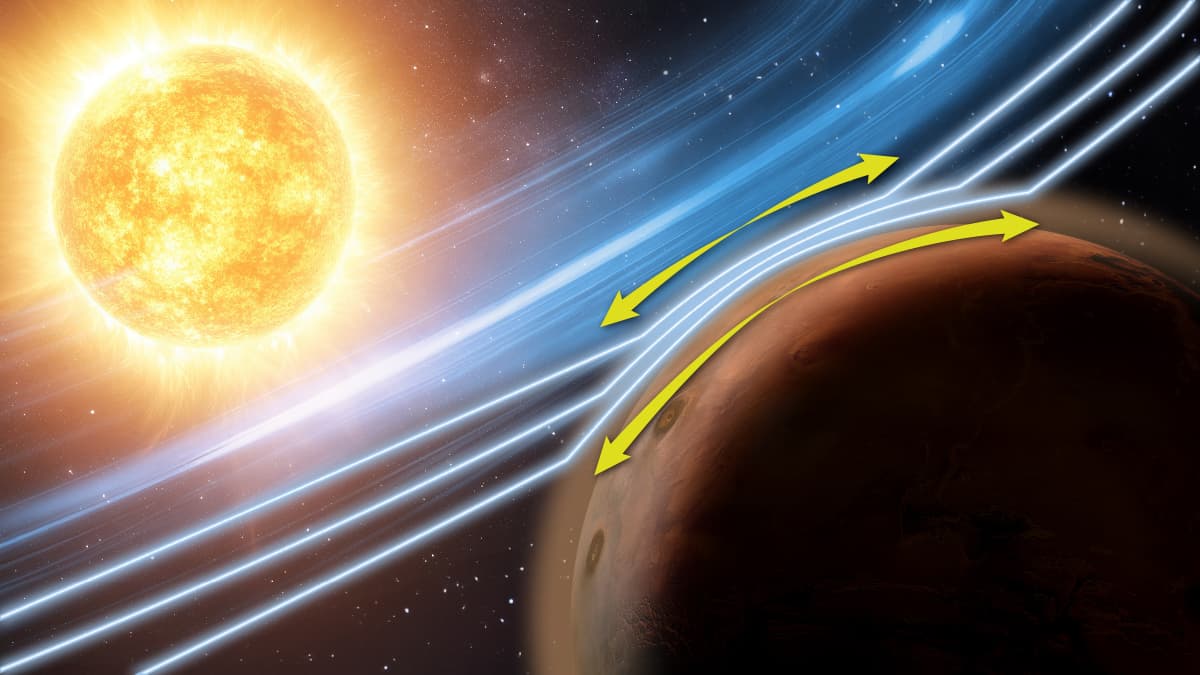
NASA’s MAVEN Makes 1st Discovery of Atmospheric Effect at Mars
In December 2023, NASA’s MAVEN spacecraft captured the Zwan‑Wolf effect—previously known only from Earth’s magnetosphere—within Mars’ ionosphere below 200 km. The phenomenon, observed during a powerful solar storm, shows charged particles being squeezed along magnetic flux tubes, altering atmospheric dynamics. Published...

SpaceX Starship V3 Delayed: When To Watch The Biggest Rocket Test Yet
SpaceX postponed the inaugural flight of its Starship V3 megarocket by one day, now targeting a launch on Wednesday, May 20 at 6:30 p.m. ET from Starbase, Texas. The test will feature 22 dummy Starlink satellites, showcasing both engineering progress and...

Europe Tests Laser Links as Satellite Comms Outgrow Radio
Europe is accelerating the transition to laser‑based satellite communications with the commissioning of the Holomondas Optical Ground Station in northern Greece. Built under the ESA‑backed PeakSat project and operated by Lithuanian firm Astrolight, the site receives data from CubeSats via...
AIAA, Amazon Leo, Eutelsat, Iridium, and SpaceX Release Reference Guide: “Satellite Orbital Safety Best Practices 3.0”
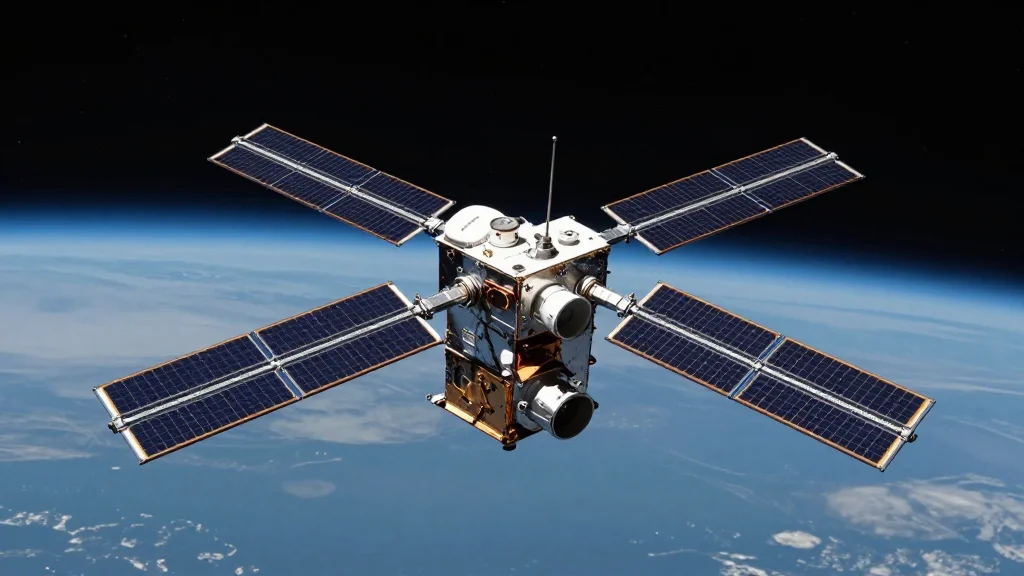
On May 18, 2026, the American Institute of Aeronautics and Astronautics (AIAA) and leading low‑Earth‑orbit operators—including Amazon Leo, Eutelsat, Iridium and SpaceX—released the third edition of their reference guide, “Satellite Orbital Safety Best Practices 3.0.” The updated guide expands the...
U-Space Selects Skynopy to Support Multiple Missions
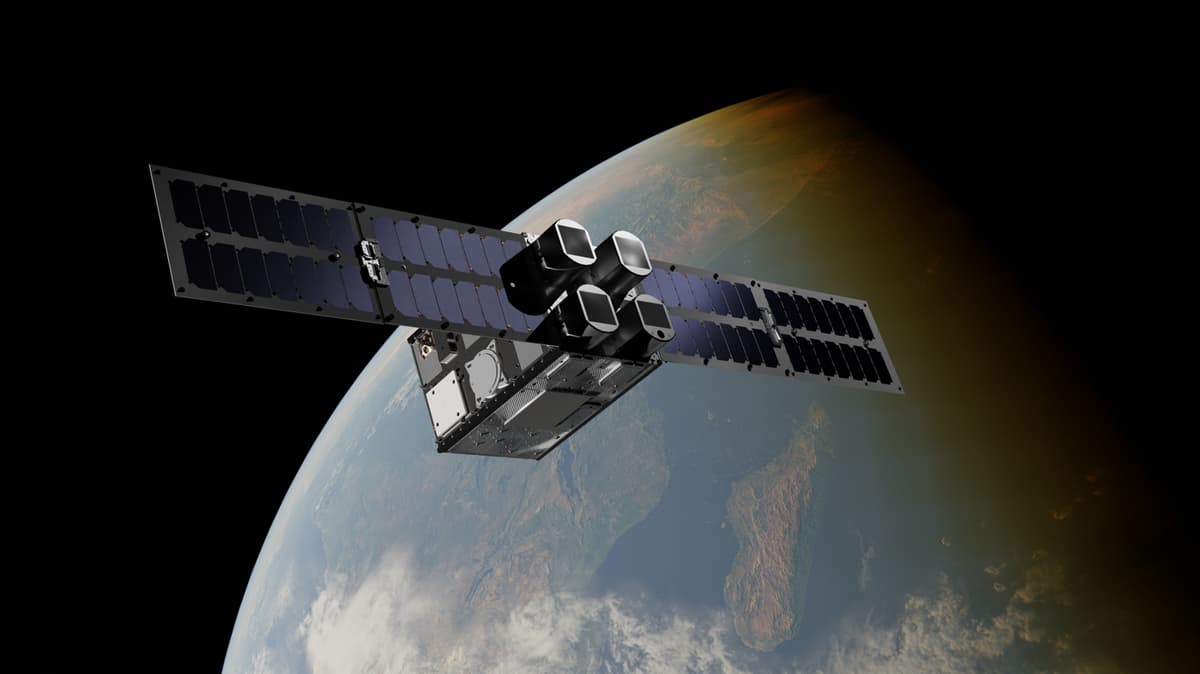
French satellite builder U‑Space has signed two agreements with ground‑station‑as‑a‑service provider Skynopy. The deals cover ground‑segment support for the existing SOAP and PANDORE LEO demonstrators and a joint effort to develop X‑band communications for future U‑Space missions, funded by ESA’s...
Images: NASA's Perseverance Captures Panorama at 'Arbot'
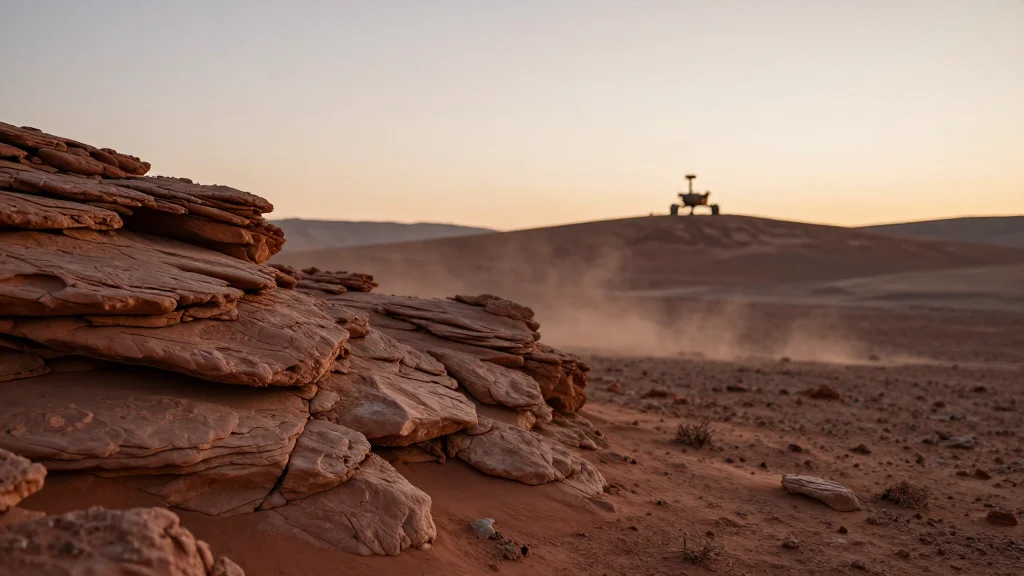
NASA’s Perseverance rover captured a 46‑image panoramic mosaic of the “Arbot” region on Mars on April 5, 2026 (sol 1882), marking the deepest westward push beyond Jezero Crater. The enhanced‑color panorama reveals a windswept landscape with diverse rock textures, providing one of the...
![[Startup Story] Lios’ Contract with ESA Renewed for €2 Million](https://hixhlmpcokxhartfkpyi.supabase.co/storage/v1/object/public/images/thumbnails/f439e07d6c6fdb54c103c40af975d07e.webp)
[Startup Story] Lios’ Contract with ESA Renewed for €2 Million
Dublin‑based Lios has secured a second renewal of its contract with the European Space Agency, receiving nearly €2 million (about $2.2 million) in co‑funding under the Future Launchers Preparatory Programme. The deal funds Phase 3, which will scale production of the company’s acoustic...