
Intelligent Remedies, Inc. - 681941 - 01/23/2026
The FDA issued a warning letter (CMS #681941) to Intelligent Remedies, Inc., alleging that ten of its products—including Pryenda, Athrombosyn, and VIRAsol—are marketed with therapeutic claims that classify them as new drugs. The agency says the claims violate the Federal Food, Drug, and Cosmetic Act because the products are intended to treat, prevent, or cure diseases without FDA approval. FDA also cites misbranding, noting the labels lack adequate directions for layperson use. Intelligent Remedies has 15 working days to detail corrective actions or risk legal enforcement such as seizure.

Ray’s Vitamins - 726694 - 04/24/2026
The FDA issued a warning letter to Ray’s Vitamins after discovering that its product “Yeicob Ácido Hialurónico” contains undeclared diclofenac and dexamethasone, classifying it as an unapproved new drug and a misbranded drug. The agency cited violations of sections 301(d), 505(a) and...

Phase 3 FUZION Data Show Guselkumab Benefit in Perianal Fistulizing Crohn Disease
Late‑breaking Phase 3 FUZION data presented at DDW 2026 show that guselkumab significantly improves combined fistula remission in adults with perianal fistulizing Crohn disease. At 24 weeks, remission rates were 28.3% with 100 mg every eight weeks and 27.0% with 200 mg every four weeks,...
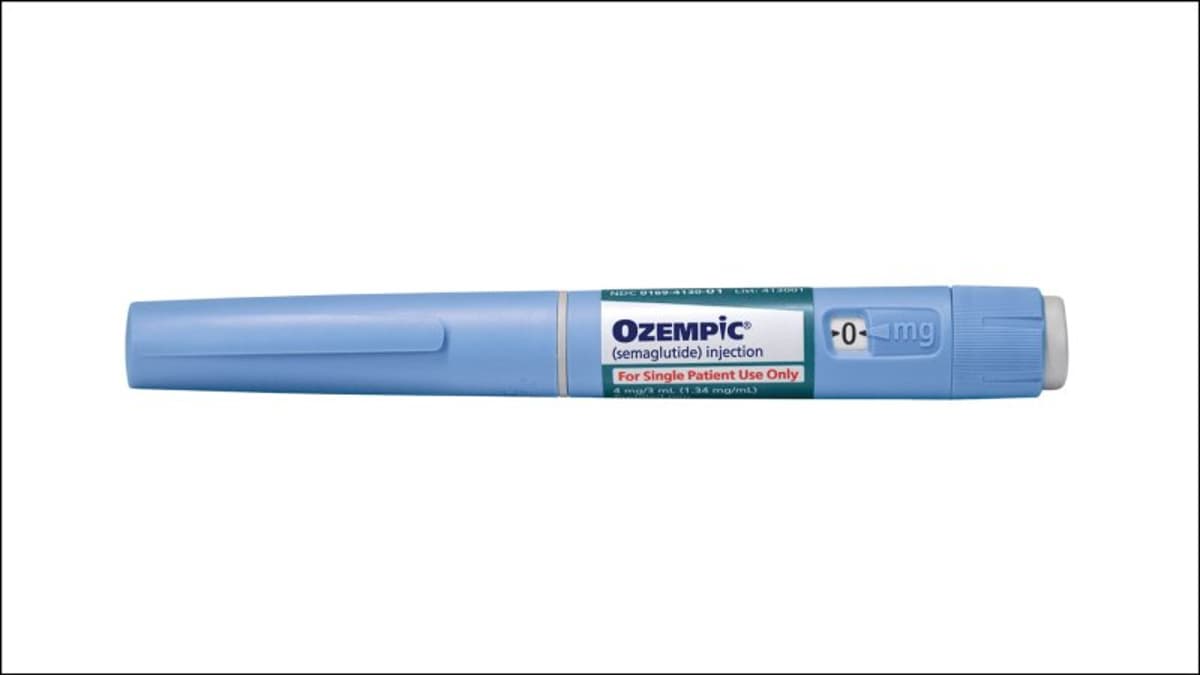
Do GLP-1 Drugs Like Ozempic Prevent Cancer?
GLP‑1 receptor agonists such as Ozempic, Wegovy, and the newly approved oral drug Foundayo have shown mixed evidence regarding cancer prevention. Some observational studies link them to lower obesity‑related cancer risk and improved survival, while other data show no association...

Japan’s Organoid Farm Scales Up Cultivated Meat Production & Teases New Facility
Japan’s Organoid Farm, a JGC Holdings subsidiary, completed a 200‑litre bioreactor demonstration that produced scaffold‑free cultivated beef using a patented bovine cell line capable of continuous division. The scaffold‑free suspension culture simplifies processing and cuts raw‑material and cleaning costs, providing...
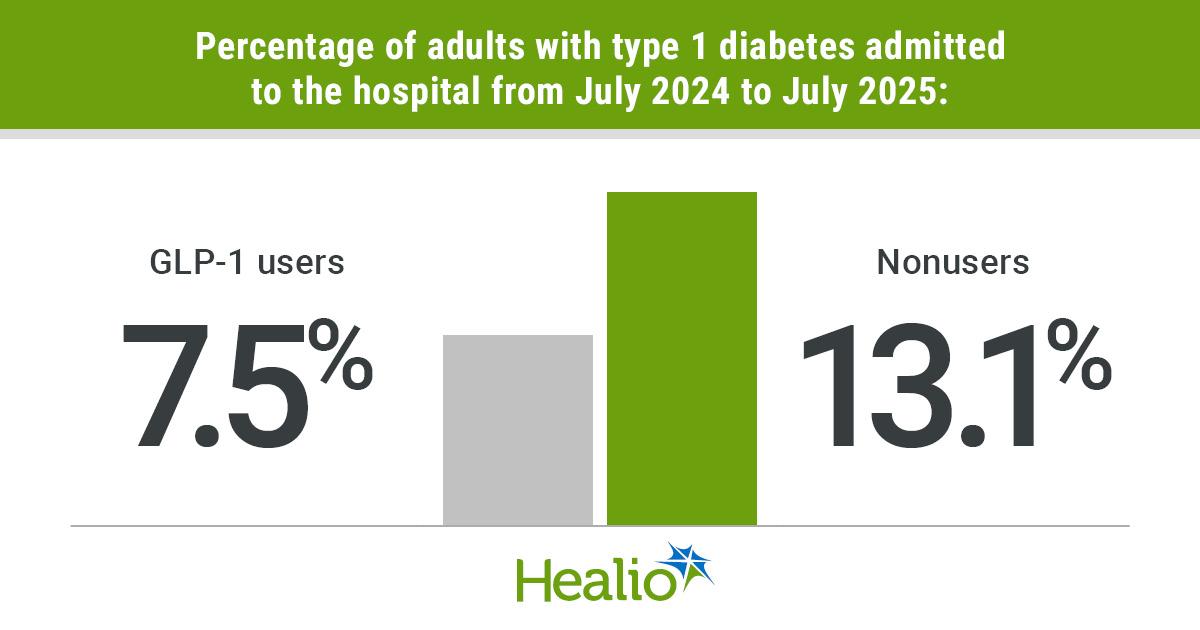
GLP-1s May Not Raise DKA, Pancreatitis Risk in Type 1 Diabetes
A single‑center study of 7,377 adults with type 1 diabetes found that none of the 255 patients using GLP‑1 receptor agonists were hospitalized for diabetic ketoacidosis (DKA) or pancreatitis over a one‑year period. Overall hospital admission rates were significantly lower for...

Disc Medicine Reports First Quarter 2026 Financial Results and Provides Business Update
Disc Medicine reported Q1 2026 results, highlighting the completion of enrollment in its Phase 3 APOLLO trial of bitopertin for erythropoietic protoporphyria, with topline data expected in Q4 2026. The company also announced that Phase 2 data for DISC‑0974 in myelofibrosis‑related anemia will be...

Minerva Neurosciences Provides First Quarter 2026 Financial Results and Business Updates
Minerva Neurosciences announced the start of its global confirmatory Phase 3 trial of roluperidone for negative symptoms of schizophrenia, enrolling about 380 patients across 40 sites, with the first patient screened in March 2026. The company reported a GAAP net loss...

STAT+: Cytokinetics Drug Myqorzo Meets Twin Efficacy Goals in Study of Genetic Heart Disease
Cytokinetics announced that its Phase 3 ACACIA trial met both primary efficacy endpoints for Myqorzo in patients with non‑obstructive hypertrophic cardiomyopathy, showing significant symptom relief and improved cardiovascular fitness. Myqorzo is already approved for the obstructive form of HCM, and this...

Slow Alzheimer’s Diagnoses ‘Mean UK Patients Missing Out on Experimental Treatments’
Alzheimer's Research UK warns that delayed or imprecise diagnoses are keeping UK patients out of a surge of experimental drug trials. While global trials hit a record 192 this year, fewer than 1,000 UK participants are enrolled in phase‑3 studies....

Fluorinated Amphiphilic Dendrimer to Improve PET Imaging of Cancer
Researchers engineered a fluorinated amphiphilic dendrimer nanocarrier radiolabeled with gallium‑68 to serve as a PET imaging agent. Fluorination lowered liver retention, accelerated renal clearance, and refined biodistribution, producing markedly higher tumor uptake in mouse models of glioblastoma and pancreatic adenocarcinoma....

Oxford Builds and Tests Structured Human Brain Tissue Using 3D Printing
Oxford University researchers have engineered layered human cortical tissue using stem cells, 3D printing and micro‑fluidics, then successfully implanted it into living mouse brains. The grafted tissue integrated with host neurons, formed functional synapses and reduced lesion size in traumatic‑brain‑injury...
Lannett Company and Sunshine Lake Pharma Report US FDA Approval of Langlara (Biosimilar, Lantus)
The U.S. Food and Drug Administration has granted interchangeable biosimilar status to Langlara, a copy of Sanofi’s Lantus insulin glargine. Langlara is approved for adults and children with type 1 diabetes and for adults with type 2 diabetes, based on data showing...

Mirum Pharmaceuticals Reports P-IIb (VISTAS) Trial Data on Volixibat in Primary Sclerosing Cholangitis (PSC) Patients with Cholestatic Pruritus
Mirum Pharmaceuticals announced that its Phase IIb VISTAS trial met the primary endpoint, showing volixibat (20 mg BID) reduced cholestatic pruritus in primary sclerosing cholangitis (PSC) patients by 2.72 points on the Adult ItchRO scale versus a -1.08 point change with...

STAT+: Johnson & Johnson Advances IBD Therapy, Despite Trial Miss
Johnson & Johnson's combination therapy JNJ-4804, pairing Tremfya and Simponi, failed to meet the primary clinical remission endpoint in two Phase 2b trials for ulcerative colitis and Crohn's disease, though it outperformed each drug alone. The DUET study results were...

Neonatal Steroids Affect Preterm Infant Body Composition
A recent correction in Pediatric Research by Kraemer et al. re‑examines how neonatal corticosteroid therapy alters body composition of preterm infants at hospital discharge. Using dual‑energy X‑ray absorptiometry, the study finds a relative increase in fat mass and modest reductions...

CDC HoSt-TT Certification for Siemens Healthineers Total Testosterone Test Expands Patient Access to Gold Standard Equivalent Results
Siemens Healthineers’ Atellica IM Testosterone II (TSTII) assay has received CDC Hormone Standardization Program certification for total testosterone (HoSt‑TT), confirming its results match the gold‑standard LC‑MS/MS method. The assay, available on Atellica IM and CI analyzers, is the only fully automated immunoassay to...

Sarepta, Amylyx and Neumora Look Ahead to Key Catalysts as Q1 Earnings Roll In
Sarepta Therapeutics, Amylyx, and Neumora Therapeutics are set to report Q1 results amid pivotal milestones. Sarepta faces scrutiny after two DMD patient deaths and awaits FDA review of Amondys 45 and Vyondys 53, plus a sirolimus safety study. Amylyx, after pulling its...

Comparing Antibiotic Outcomes in Preterm Infants
A recent multicenter cohort study examined how different antibiotic regimens affect outcomes in preterm infants born before 32 weeks. Researchers compared broad‑spectrum empiric therapy with a targeted, shorter‑duration approach, tracking mortality, necrotizing enterocolitis (NEC), late‑onset sepsis, and antimicrobial resistance. The...

Disruptions Threaten Progress in Inclusive Clinical Trials and Health Equity
JMIR Publications highlighted recent disruptions to inclusive clinical trials after a 2025 White House executive order targeting DEI programs. The order led to the termination and delayed funding of NIH‑funded studies, such as Dr. Mohottige’s kidney disease trial, affecting 383...
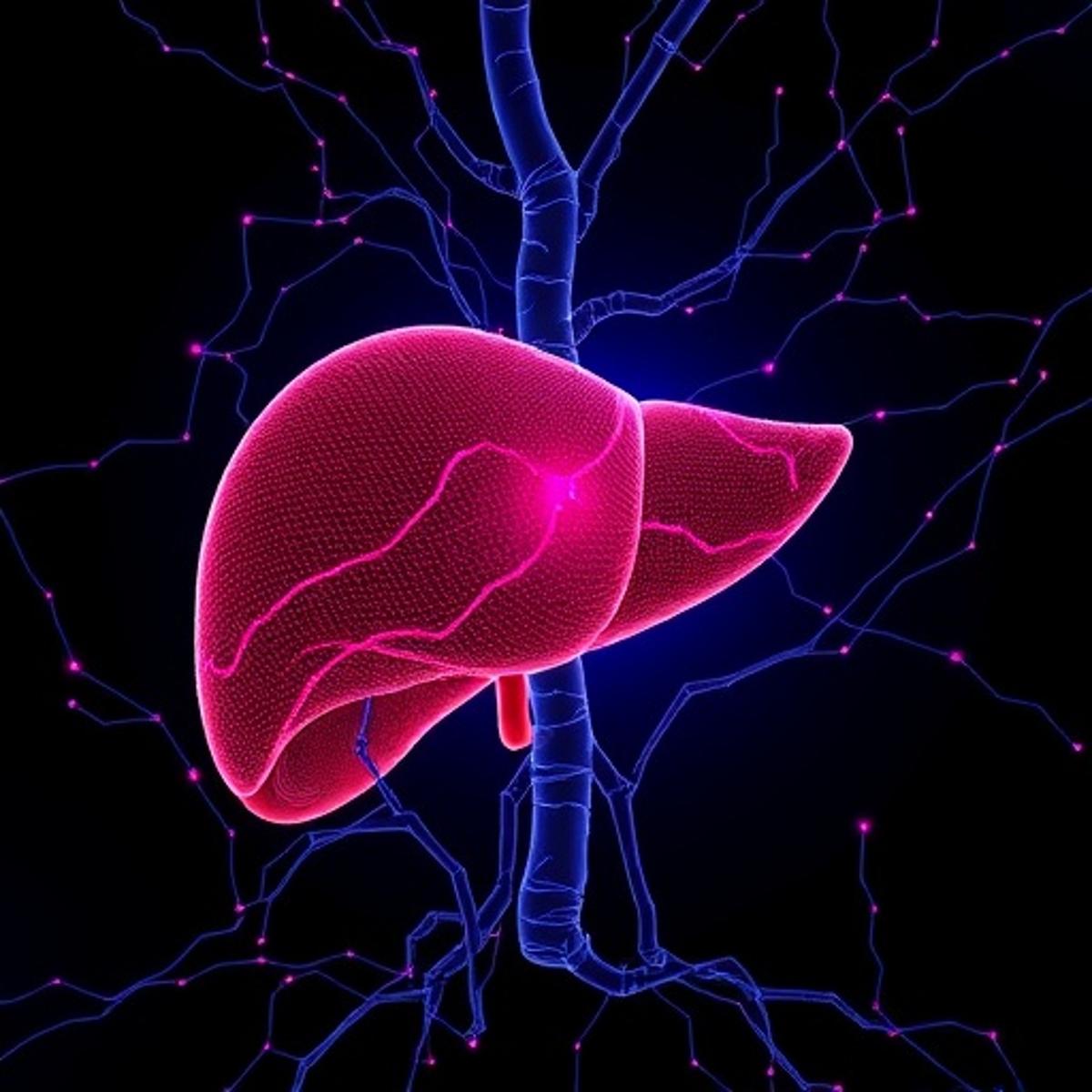
SIRT3-DsbA-L-TFAM Axis Limits Fatty Liver Disease
A new study identifies the SIRT3‑DsbA‑L‑TFAM signaling axis as a key regulator that limits the development of non‑alcoholic fatty liver disease (NAFLD). In mouse models, hepatic overexpression of SIRT3 increased DsbA‑L and TFAM expression, resulting in a roughly 40 % reduction...
Advances in Neonatal Cell Therapies: 2025 Update
The 2025 Neonatal Cell Therapies Symposium underscored the rapid maturation of manufacturing for cord blood, placental and amniotic‑derived cellular products, now operating under GMP certification. Robust quality‑management systems integrate donor eligibility, informed consent and continuous environmental monitoring to guarantee batch...
Special Packaging Enables Effective Mitochondrial Delivery
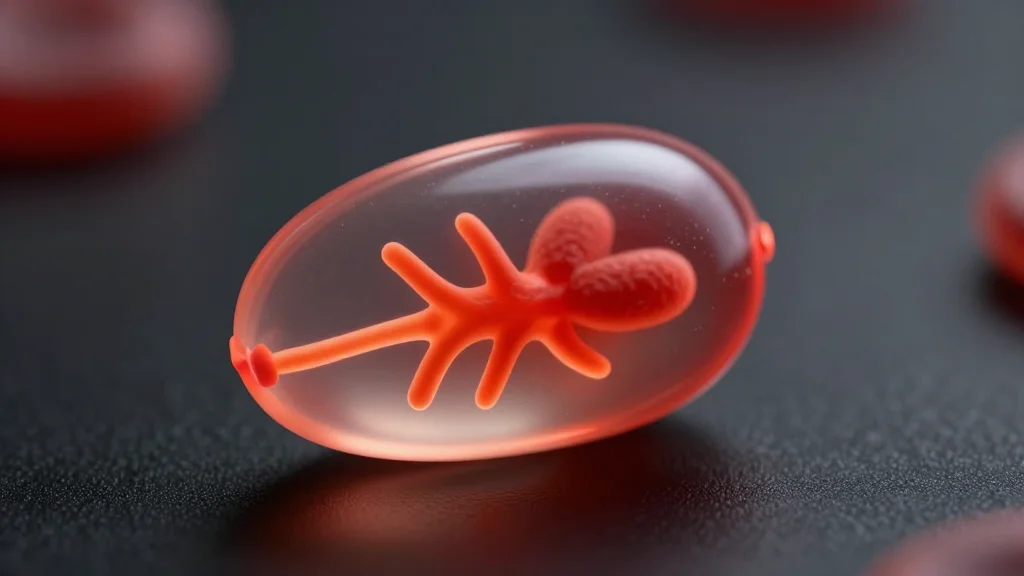
Researchers have engineered "mito‑capsules" by wrapping donor mitochondria in erythrocyte‑derived plasma membranes, a technique that markedly improves delivery and integration into recipient cells. In vitro, the capsules restored bioenergetic function in mitochondrial disease models, while in vivo studies demonstrated functional...

Cytokinetics Inc (CYTK) Q1 2026 Earnings Call Transcript
Cytokinetics reported a strong commercial debut for MYCorzo, generating $4.8 million in product revenue within the first nine weeks and securing an $11.9 million Bayer milestone payment. The drug saw rapid adoption, with over 425 prescribers and 70% of dispensed...

Grail Inc (GRAL) Q1 2026 Earnings Call Transcript
GRAIL reported Q1 2026 results showing revenue of $36.2 million, a 26% year‑over‑year increase, driven by 45,000 Gallery tests sold—a 39% volume rise. The company completed a $325 million private placement and secured a pending $110 million equity investment from Samsung to accelerate...

Ocugen Inc (OCGN) Q1 2026 Earnings Call Transcript
Ocugen reported major clinical progress across its gene‑therapy pipeline, completing enrollment for the OCU400 Phase 3 Limelight trial and delivering strong 12‑month efficacy data for OCU410 in geographic atrophy and OCU410ST in Stargardt disease. The company announced a rolling Biologics License...

Jazz Pharmaceuticals PLC (JAZZ) Q1 2026 Earnings Call Transcript
Jazz Pharmaceuticals reported a record $1.126 billion third‑quarter revenue, up 7% year‑over‑year, driven by double‑digit growth in its sleep franchise and Epidiolex. Xywav sales rose 11% to $431 million with 450 net patient adds, while Epidiolex posted a 20% increase to $303 million....

Alkermes Plc (ALKS) Q1 2026 Earnings Call Transcript
Alkermes reported $1.5 billion in 2025 revenue, driven by a 9% rise in its proprietary product portfolio, and closed the $775 million cash Avadel acquisition in February 2026, adding the LUMRIZE sleep‑medicine platform. The company forecast 2026 total revenue of $1.73‑$1.84 billion with...

Exelixis Inc (EXEL) Q1 2026 Earnings Call Transcript
Exelixis reported first‑quarter 2026 revenue of $611 million, driven by an $555 million cabozantinib franchise that grew 8% year‑over‑year and lifted global sales to $764 million, a 12.5% increase. The company posted record new patient starts for CABOMETYX, expanding its renal cell carcinoma...

Supernus Pharmaceuticals Inc (SUPN) Q1 2026 Earnings Call Transcript
Supernus Pharmaceuticals announced FDA approval of Qelbree, a non‑controlled ADHD medication for children aged 6‑17, with a U.S. launch planned for the second quarter of 2021. The company reported first‑quarter revenue of $130.9 million, a 38% year‑over‑year increase, driven by growth...

Adaptive Biotechnologies Corp (ADPT) Q1 2026 Earnings Call Transcript
Adaptive Biotechnologies reported $277 million total revenue for 2025, a 55% year‑over‑year increase, driven by a 46% jump in MRD revenue to $212 million and a 43% rise in clonoSEQ test volume to 30,038. Average selling price per test climbed 17% to...

Fasting Opens a Metabolic Window that Favors Anti-Tumor Immunity
Short‑term fasting reshapes the tumor microenvironment by temporarily increasing intratumoral isoleucine, creating a metabolic niche that cytotoxic CD8⁺ T cells can exploit. The study by Chen et al. shows that a 16‑hour fast elevates isoleucine levels, enhancing T‑cell effector programs and...

Neurocrine Biosciences Inc (NBIX) Q1 2026 Earnings Call Transcript
Neurocrine Biosciences reported Q1 2026 results with total product sales exceeding $2.8 billion, a 22% year‑over‑year increase driven by strong performance of INGREZZA and the first‑year launch of CRENESSITY. INGREZZA generated over $2.5 billion, up 9%, while CRENESSITY posted more than $300 million, covering...

Vertex Drops mRNA Cystic Fibrosis Program over 'Tolerability' Issues
Vertex Pharmaceuticals announced it is halting development of its mRNA‑based cystic fibrosis (CF) therapy after encountering tolerability and delivery challenges. The decision follows similar setbacks at other biotech firms pursuing mRNA treatments for CF. Vertex will refocus resources on its...

Philip Ashton-Rickardt: From Lab to Biotech Leadership
Philip Ashton‑Rickardt, a former immunology professor, has become a serial biotech builder, founding Smith Therapeutics in 2017 and later steering its CAR‑Treg assets into AZTherapies. He then served as chief scientific officer at Sigilon Therapeutics, guiding a 50‑person research team...
Blood Stem Cells Evade Immune Attack in Aplastic Anemia Through Gene Mutations
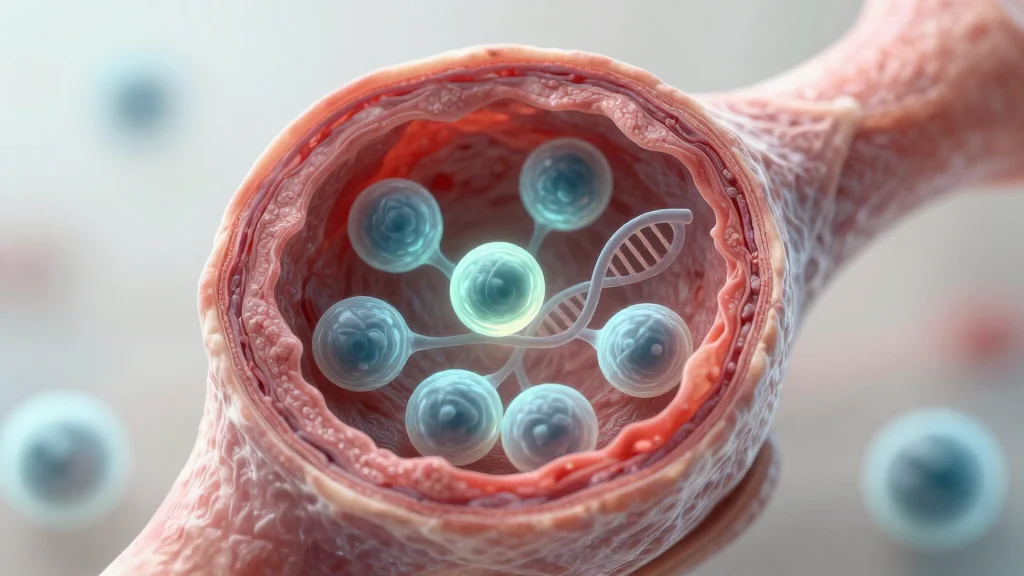
Scientists at St. Jude Children’s Research Hospital analyzed 619 aplastic anemia patients and discovered that multiple independent gene mutations in blood stem cells silence the disease‑triggering HLA risk allele, allowing those cells to evade autoimmune attack. Overall, 69% of patients...

FDA Expectations Create Potential Friction in New Form 483 Response Guidance
The FDA has issued a draft guidance outlining heightened expectations for Form 483 response submissions, emphasizing greater detail and faster turnaround. Cooley’s life‑sciences regulatory chair, Sonia Nath, warned that these demands could generate friction between regulators and manufacturers. She urged...

Protein Biomarkers in Practice: Strategies to Reduce Drug Development Risk
Protein biomarkers are emerging as pivotal tools for reducing risk across the drug development lifecycle. Advances in high‑throughput proteomic platforms now allow real‑time functional insights, enabling stronger target validation, patient segmentation, and measurable efficacy signals. An eBook from GEN compiles...

Delayed hCG Trigger Does Not Improve Oocyte Maturation Rate: Evidence From 9,319 IVF/ICSI Cycles Using Three Controlled Ovarian Hyperstimulation Protocols
A retrospective cohort of 9,319 first‑time IVF/ICSI cycles in China examined whether the proportion of dominant follicles at hCG trigger influences oocyte maturation. Across depot GnRHa, long GnRHa, and antagonist protocols, overall DFP showed no significant impact on maturation rates,...

Axsome Therapeutics, Inc. (AXSM) Q1 2026 Earnings Call Transcript
Axsome Therapeutics held its first‑quarter 2026 earnings conference call on May 4, 2026. CEO Herriot Tabuteau, CFO Nick Pizzie and CCO Ari Maizel presented the company’s financial results, commercial strategy and pipeline milestones. The discussion featured forward‑looking statements about upcoming Phase 3 data and reaffirmed...

Accelerating Precision Medicine with Rapid Front-Line NGS-April 30, 2026
Memorial Sloan Kettering Cancer Center (MSKCC) has deployed Pillar Biosciences' oncoReveal® Nexus 21‑gene panel as a rapid front‑line next‑generation sequencing (NGS) test, dramatically shortening turnaround time versus its standard MSK‑IMPACT comprehensive profiling. The targeted panel, validated through the MSK‑REACT program,...
FDA Details Class I Catheter Recall over Safety Risk
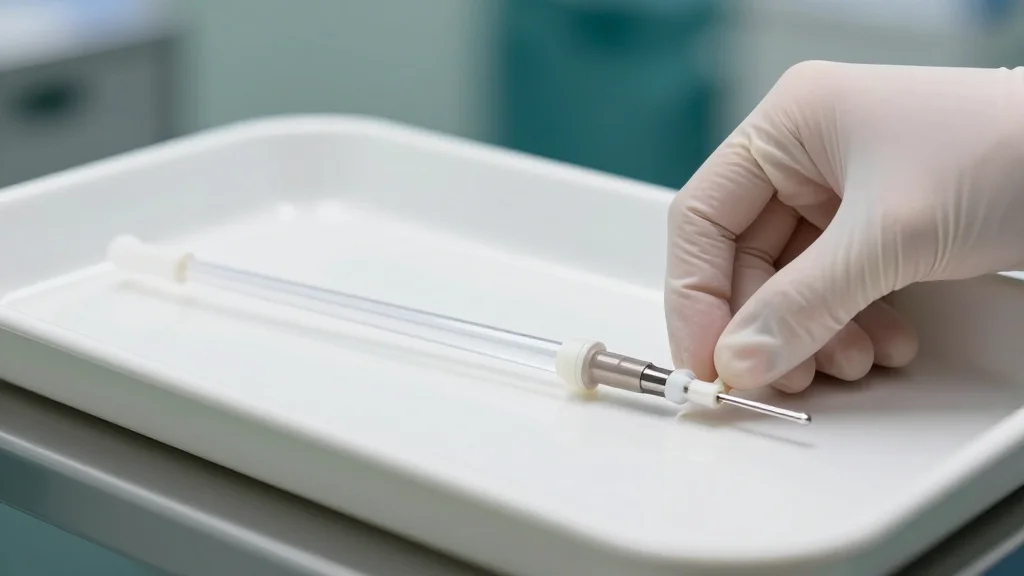
The FDA has finalized a Class I recall for Cook Medical’s Centimeter, Aurous and Beacon Tip Sizing Catheters after an April early‑alert flagged a risk of cracking or breaking during vascular procedures. A Class I recall signals a reasonable probability of serious...

TRACS Enables Strain-Level Tracking of Microbial Transmission
A new algorithm called TRACS (Transmission Clustering of Strains) can differentiate closely related bacterial strains by analyzing single‑nucleotide polymorphisms. The tool was applied to SARS‑CoV‑2, Streptococcus pneumoniae and Plasmodium falciparum datasets, revealing detailed transmission networks across hospitals, populations and mother‑infant...

AAPS NBC 2026 To Highlight Predictive Tools in Drug Discovery with Opening Plenary
The AAPS National Biotechnology Conference 2026 will open with a plenary by Johns Hopkins professor Thomas Hartung, focusing on artificial intelligence and new‑approach methods (NAMs) that enhance predictive toxicology and human‑relevant models. Hartung will detail how AI‑driven in‑vitro systems, organoids...

Novo Nordisk’s Wegovy Head Start on Pills Forces Investors to Rethink Eli Lilly's GLP-1 Dominance
Novo Nordisk’s oral Wegovy pill, launched in January at $149 a month, quickly doubled patient intake for telehealth provider LifeMD and attracted tens of thousands of new GLP‑1 users. The strong start has forced investors to reassess Eli Lilly’s position after...

Rett Syndrome Study Highlights Potential for Personalized Treatments
MIT researchers used 3‑D brain organoids derived from Rett patients to compare two common MECP2 mutations, R306C and V247X. The study revealed mutation‑specific structural, activity and network abnormalities, confirmed by patient EEG data. Targeted drug tests—an HDAC2 inhibitor for R306C...

FDA Search for New CBER Head Focused on Small Group of Final Candidates
The U.S. Food and Drug Administration has narrowed its hunt for a new head of the Center for Biologics Evaluation and Research (CBER) to three or four finalists. CBER is the agency’s hub for overseeing vaccines, blood products, and emerging...

Celcuity Strengthens Case for ASCO-Spotlighted Breast Cancer Drug
Celcuity announced that its experimental PI3K/mTOR inhibitor gedatolisib achieved statistically significant and clinically meaningful disease‑progression delays in two‑ and three‑drug combinations for patients with PIK3CA‑mutated, hormone‑receptor‑positive, HER2‑negative breast cancer. The data will be presented at the ASCO meeting in Chicago...

Passage Cuts 75% of Workforce After FDA Trial Design Request
Passage Bio announced it will cut roughly 75% of its workforce—about 18 of 24 employees—after the FDA rejected its proposed single‑arm registrational trial for PBFT02, a gene therapy targeting frontotemporal dementia with granulin mutations. The company expects to incur $3.3 million...

Latus Bio Raises $97M to Expand Gene Therapy Pipeline
Latus Bio announced a $97 million Series A financing round led by 8VC and DCVC Bio. The funding will accelerate its gene‑therapy pipeline focused on delivering adeno‑associated virus (AAV) capsids that can reach deep brain structures at dramatically lower doses....