Today's Global Economy Pulse
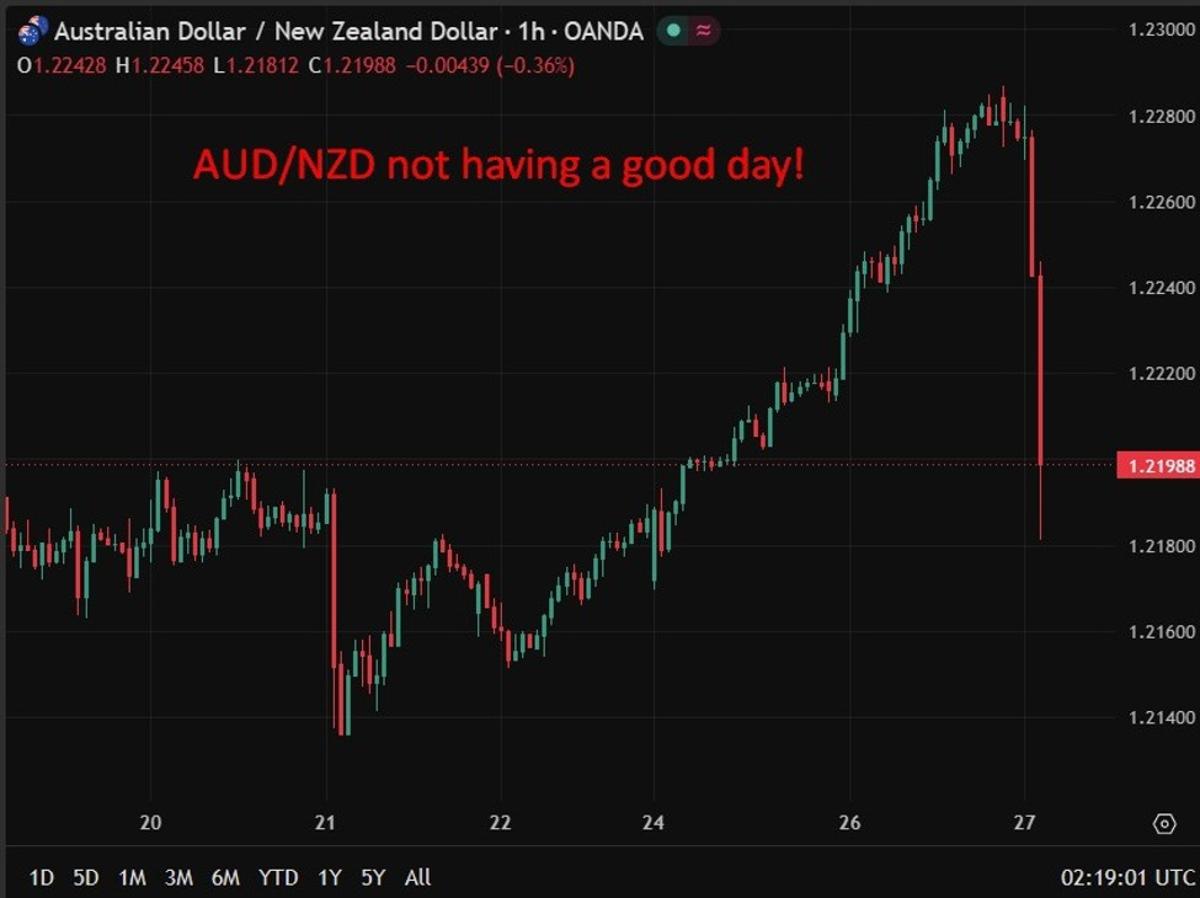
Australia's April CPI eases to 4.2% as fuel cuts mask rising core inflation
The consumer price index slipped to a 4.2% annual rise in April, missing the 4.4% forecast, helped by a temporary fuel excise cut that lowered transport costs. Meanwhile, the trimmed‑mean core inflation gauge rose to 3.4% year‑over‑year, the highest level since late‑2024, keeping pressure on the Reserve Bank of Australia’s policy outlook.
Indonesia’s Q1 2026 GDP Grows 5.6% as Investment Pushes Share to 32%
Indonesia’s economy expanded 5.61% year‑on‑year in the first quarter of 2026, driven by a record‑high investment contribution of 32%—about 1.8 percentage points of growth—according to Investment Minister Rosan Roeslani. The surge lifts the country’s GDP to roughly $230 billion at constant prices and $413 billion at current prices.

Middle‑East Tensions Push U.S. Treasury Yields Higher Across Curve
Geopolitical friction in the Strait of Hormuz sent U.S. Treasury yields up across the curve, the 10‑year reaching 4.44% (+6.6 bps). The rally in Brent crude to $114.44 a barrel and a revised Treasury borrowing estimate of $189 billion for Q2...
RBA Lifts Cash Rate to 4.35% and Warns of Further Hikes Amid Middle East Tensions
The Reserve Bank of Australia increased its cash rate by 0.25 percentage points to 4.35%, with eight of nine board members backing the move. Governor Michele Bullock linked the hike to inflation pressures from the Middle East and fiscal stimulus,...

'We Should Never Have Signed This Trade Deal with the US,' Leading MEP Says
French MEP Aurore Lalucq warned that the EU‑US trade deal signed in July 2025 should never have been concluded after President Donald Trump threatened to impose 25% tariffs on EU cars, far above the 15% ceiling in the agreement. The pact eliminates U.S....

Carney's Fiscal Update Plays a Charming Tune, but Falls Off at the End
Mark Carney’s spring fiscal update projects a 2025‑26 deficit of $66.9 billion, a modest improvement from the $78.3 billion forecast but still historic in size. The government relies on an accounting split that promises a balanced operating budget by 2028‑29 while overall...
America’s Simultaneous Management of China, Russia and Iran
The United States is simultaneously negotiating high‑stakes deals with China, Russia and Iran, a scenario rarely seen in modern geopolitics. Washington must balance trade concessions with Beijing, arms‑control talks with Moscow, and nuclear restrictions with Tehran, all while preventing any...

Does This Market Rhyme with 1926, 1928 or Even 1929?
The episode reviews the latest market turbulence driven by escalating tensions in the Persian Gulf, which have spiked oil prices and boosted the U.S. dollar, while U.S. equities show mixed reactions to AI hype and recent earnings. Key corporate updates...

Gold Dominates Zim’s Exports, Prices Deserve Credit, but a Production Boom Cannot Be Ignored
Zimbabwe’s gold exports surged to US$426.6 million in March 2026, representing 45.8% of total export value and over US$1.38 billion in the first quarter. While record gold prices above US$4,000 per ounce contributed, a structural boom driven by artisanal and small‑scale mining...

Trump’s Southeast Asia Trade Deals Are in Limbo
Malaysia has become the first Southeast Asian nation to formally terminate its tariff agreement with the Trump administration after the U.S. Supreme Court ruled the president lacked authority for the “Liberation Day” tariffs. The decision leaves six ASEAN members—Cambodia, Indonesia,...

Drowning in Debt, 8 Million Firms Miss Payments in Brazil
Brazil’s stock market has surged nearly 60% in dollar terms, but a hidden crisis is unfolding as 8.9 million firms—representing roughly $43 billion in delinquent debt—struggle to meet obligations. Borrowing costs have risen to a two‑decade peak, with the central bank’s Selic...

Why RBI Wants to Keep India's Gold at Home
The Reserve Bank of India repatriated more than 100 tonnes of gold in the six months to March, boosting domestic gold holdings to 680 tonnes, which now represent about 17% of its $698.5 billion total reserves. The gold share in RBI’s portfolio has...

UK 10‑Year Yield Premium Hits Growth, Treasury
The yield gap between UK and German 10-year government bonds is now nearly two full percentage points ( Bloomberg data below). While global yields are up across the board, the economic implications differ: This "UK premium" creates a bigger headwind for domestic...
India Among Most Resilient as Global Shocks Test Emerging Markets: Moody’s Ratings
Moody’s Ratings finds that India and Thailand have emerged as the most resilient large emerging markets amid a series of global shocks since 2020. Clear monetary policy frameworks, anchored inflation expectations and flexible exchange rates helped these economies absorb stress...

Listen: Trump Threatens with New Tariffs on Cars, Will the EU Retaliate?
President Donald Trump announced a hike in tariffs on European automobiles, raising the duty from 15% to 25%. The move targets key EU exporters such as Germany, Slovakia, Italy and Sweden, whose car plants rely heavily on the U.S. market....

Reform UK’s Immigration Policies Are a Significant Risk to the UK Economy | Sushil Wadhwani
Reform UK’s anti‑immigration platform could trigger a forced departure of up to two million residents, far exceeding prior deportation targets. The resulting loss of foreign‑born NHS staff and other skilled workers would strain health services, raise waiting lists, and ripple through...
Asia Fracturing Into Energy Security Haves and Have-Nots
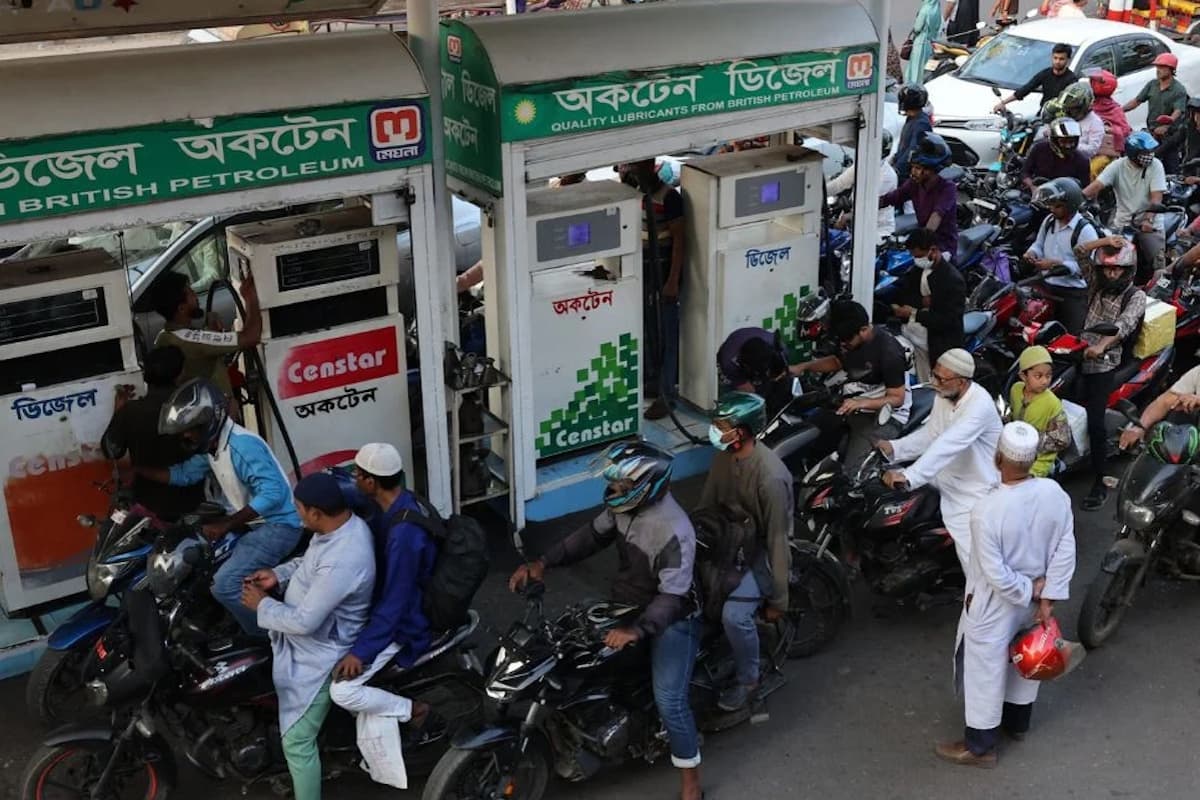
Asia’s once‑uniform growth story is fracturing into tiers defined by energy security. Wealthy economies such as Japan, South Korea and Singapore can leverage massive foreign‑exchange reserves to secure fuel and stabilize currencies, while lower‑resilience nations face soaring inflation, weaker currencies...

Asia Absorbs Rising, Uneven Cost of Energy Crisis Caused by War on Iran
Asia, the world’s largest oil‑importing region, is feeling the brunt of the energy shock triggered by the U.S. and Israel’s war on Iran. Oil imports fell 30% in April, the lowest level since 2015, prompting the Asian Development Bank to...
AUD/USD Slides; Short Below 0.7135, Target 0.7050
Macro: AUD/USD weakens after RBA hike; dollar strength & geopolitics. Key: 20-DMA 0.7135 pivot; break risks 0.7050 → 0.6840. Risk: bearish RSI/MACD. Trade: short <0.7135, target 0.7050. — Viktor Kopylov, PhD, CFA More insights: t.me/si14Kopylov

RBA Interest Rates: Michele Bullock Says Australians Poorer with ‘No Way Out’ as She Warns of More Rate Hikes
The Reserve Bank of Australia lifted its cash rate to 4.35% as oil‑price spikes from the US‑Israel‑Iran conflict push inflation higher. Governor Michele Bullock warned that the rate hike will not curb inflation in the short term and signaled that...

Gold's Outlook Remains Neutral-to-Bearish Amid Prolonged US-Iran Stalemate and Neutral Fed
Gold’s price continues to slip as the protracted US‑Iran standoff lifts real yields and strengthens the dollar, stripping the metal of the bullish catalysts that buoyed it earlier in the year. Federal Reserve Chair Jerome Powell’s confirmed tenure through 2028...

Five Things You Can Do to Save Money Now that Interest Rates Have Gone Up
Australia’s central bank lifted the cash rate by 0.25 percentage points to 4.35% as inflation stalled at 4.6%, aiming to curb spending. The hike will likely push mortgage repayments higher while offering savers modestly better deposit rates. Consumers are urged...

Middle East Weekly: Li Auto Expands UAE, Saudi Footprint; UAE Launches Industrial Fund; Qatar Rolls Out Business Measures; and More
Li Auto announced its entry into the UAE and Saudi Arabian markets, launching its L series through partnerships with Al Fahim Motors and Mohamed Yousuf Naghi Motors. Lenovo confirmed that its Riyadh factory will start commercial production this year, targeting two million devices annually...

FX Daily: It’s Good to Be Hawkish
Central banks in commodity‑exporting economies are tightening as oil prices stay high, with the Reserve Bank of Australia lifting its policy rate to 4.35% and Norges Bank expected to push rates to 4.25%. The Fed’s latest hawkish meeting has markets...

Australia Hikes Rates Again and Warns Inflation Will Stay Higher for Longer
The Reserve Bank of Australia raised its cash rate to 4.35%, matching the December 2024 peak and marking a third consecutive hike. The move reflects stubborn inflation, which climbed to 4.6% in March and remains above the 2‑3% target range....

Global Manufacturing Sees Growth in April but Momentum May Be Short-Lived – JP Morgan
The J.P. Morgan Global Manufacturing PMI jumped to 52.6 in April, the strongest reading since March 2022, and marked the ninth straight month above the 50‑point growth threshold. Four of the five PMI components – new orders, output, inventories and supplier...

Switzerland April CPI +0.6% vs +0.6% Y/Y Expected
Switzerland’s consumer price index rose 0.6% in April, matching the market’s year‑on‑year expectation. Core inflation eased to 0.3% year‑on‑year, down from 0.4% in the prior period. The data suggests a modest buffer for the economy, but a persistently strong franc...

What Are the Main Events for Today?
Swiss CPI is projected to rise to 0.6% YoY, up from 0.3% last month, reflecting higher energy costs, though the SNB is expected to look through the shock. In the U.S., the ISM Services PMI is forecast at 53.7, slightly...

Declining Chinese Investment in Israel, MoUs with Ras Al Khaimah (UAE), Projects in KSA, Oman, and Possibly Egypt.
Chinese investment in Israel has sharply contracted, reaching a low of 39 million NIS (about $11 million) in 2023 – just 0.12% of total foreign inflows. The decline reflects heightened great‑power rivalry, U.S. pressure, Israel’s new foreign‑investment screening, and the fallout from...
Europe Is Debating a Digital Euro But Progress Is Slow
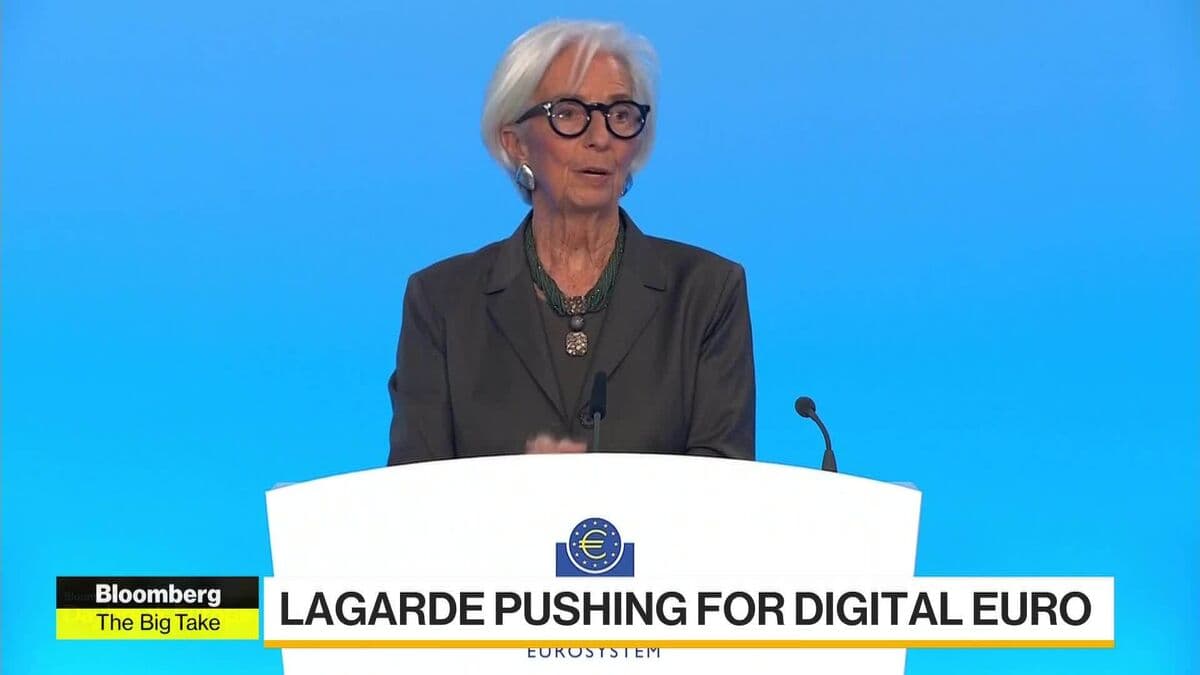
The European Central Bank, led by Christine Lagarde, is pushing for a digital euro but expects the first issuance no earlier than 2029. The initiative is framed as a geopolitical move to secure payment‑system sovereignty and reduce reliance on U.S....

Are Stocks a Good Inflation Hedge?
The author argues that stocks are not a reliable hedge against inflation, citing research that shows negative or low inflation betas for U.S. equities. A study by Fang, Liu, and Roussanov (2026) measured excess‑return betas to headline, core and energy...

The Rise and Fall of OPEC
The Organization of Petroleum Exporting Countries (OPEC) was founded in 1960 by five oil‑producing nations to challenge the dominance of the Western “Seven Sisters” oil majors. Over the next two decades OPEC expanded its membership and, by the 1973 oil...
Dollar Rises as US-Iran Ceasefire Comes Under Strain, Markets Brace for Escalation Without Panic
The U.S. dollar is gaining as the fragile U.S.–Iran cease‑fire shows signs of breaking. Iran expanded the conflict by striking the Fujairah Petroleum Zone in the United Arab Emirates, while the U.S. Navy reported sinking seven Iranian vessels in the...

Bond Yields Climb, Inflation Spikes, India Tax Surges
🌍 Global News Update: ⦿ US 10-year Treasury yield hit 4.456%, a 9-month high, with April jobs projected at 60,000, unemployment at 4.3%. ⦿ Philippine annual inflation surged to 7.2% in April 2026, a 3-year high, with transport inflation at 21.4%. ⦿ Canada's...
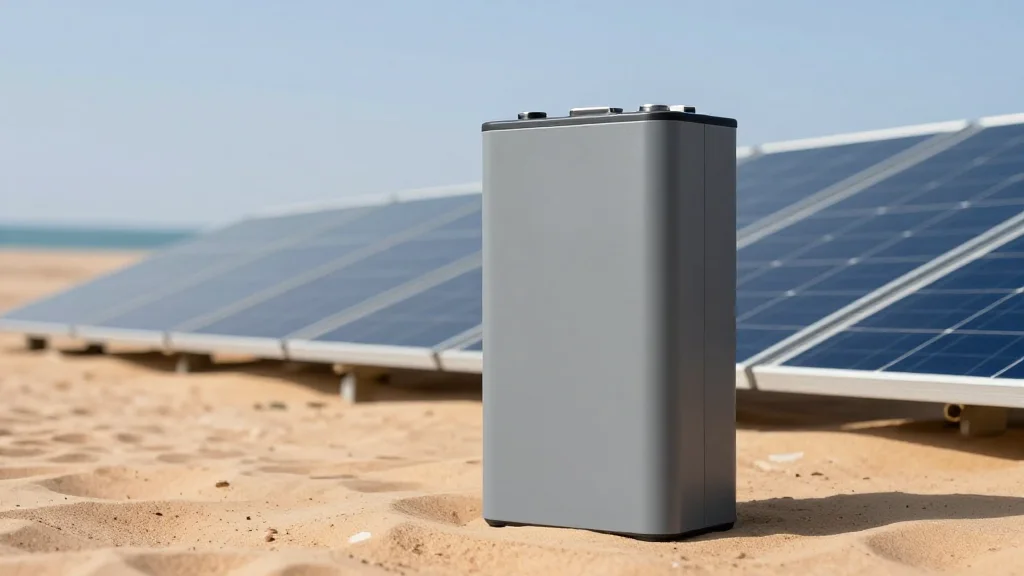
Renewables Ensure Energy Security Beyond Gulf Turmoil
Once renewables are built, they deliver power regardless of what happens in the Gulf. Energy security and clean energy are the same argument. 🎙️Was on Al Jazeera's Counting the Cost this week on how the Iran war is reshaping global energy. https://t.co/aCqud4oP8x
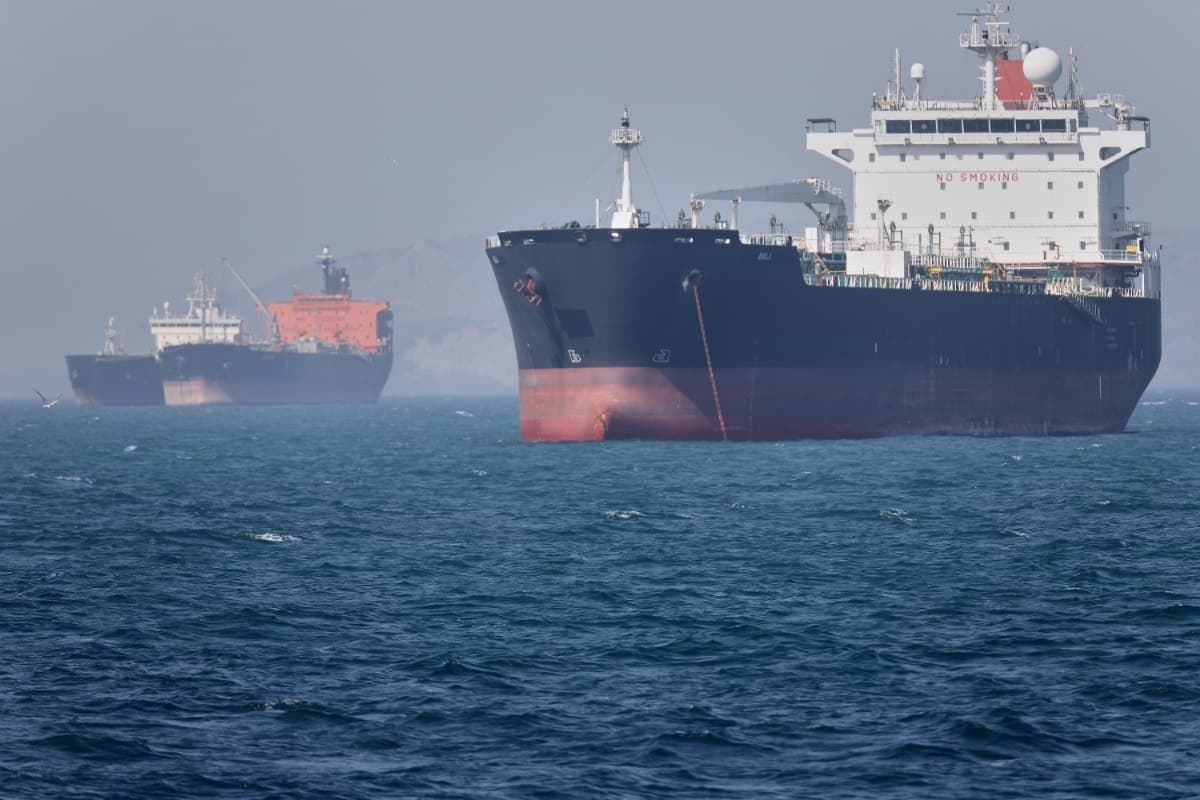
FTSE 100 Live: Stocks Dip After Oil Spikes on Hormuz Tensions
London’s FTSE 100 edged lower on Monday as oil prices spiked amid renewed tensions in the Strait of Hormuz. The United States announced it had struck seven Iranian boats attempting to block the narrow waterway, while Iran’s Revolutionary Guard warned...
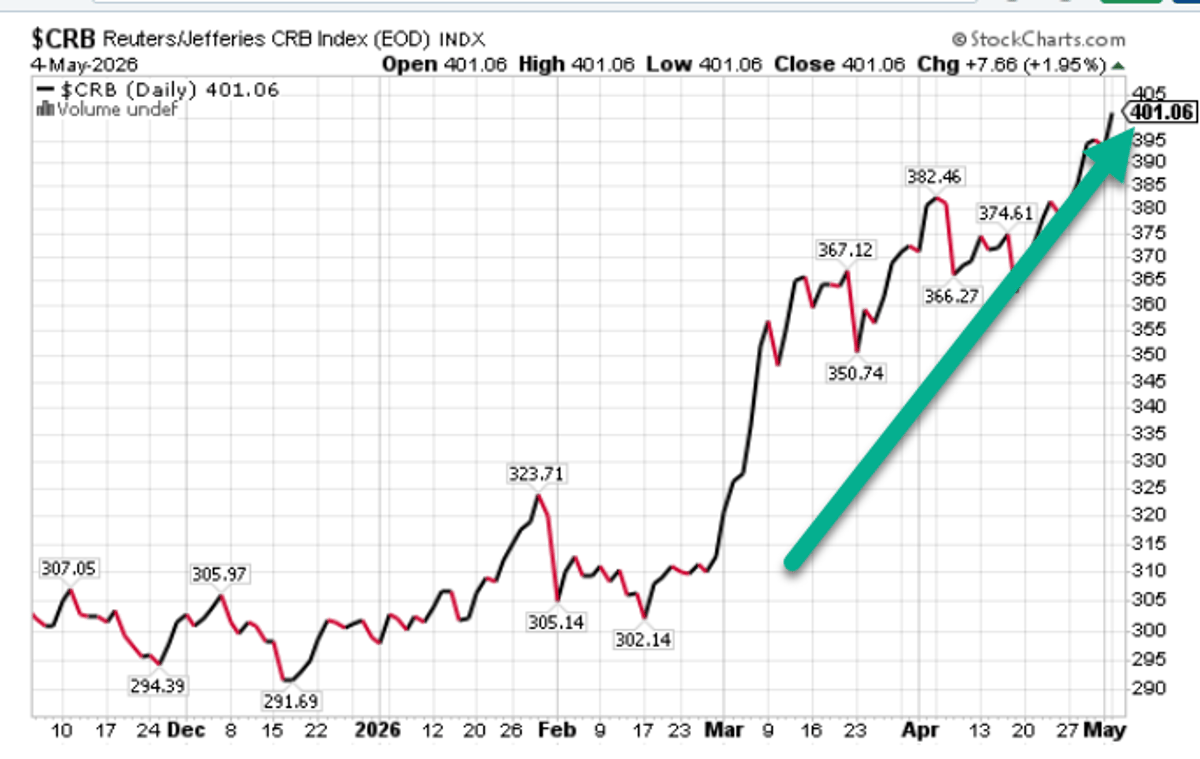
Commodities Hit New Inflation High; Fire Lagging Managers
COMMODITIES: as an Asset Class, ramped to yet another new Inflation Cycle High yesterday If your Money Manager is missing this and, worse, Long Treasuries, you need to fire them https://t.co/744Wx24k7A
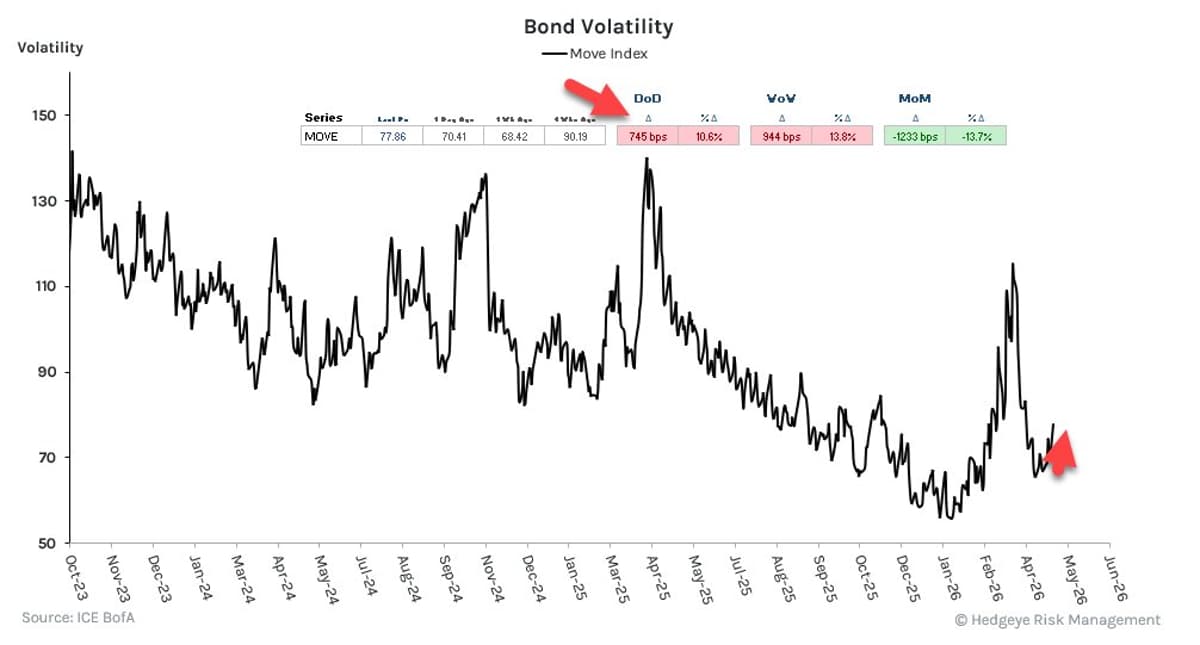
Hedgeye Signals Bond Volatility Breakout, Review at 9 AM
Big @Hedgeye TREND Breakout for Bond Market Vol that I'll review on The Macro Show 9AM https://t.co/niZaSORuLS
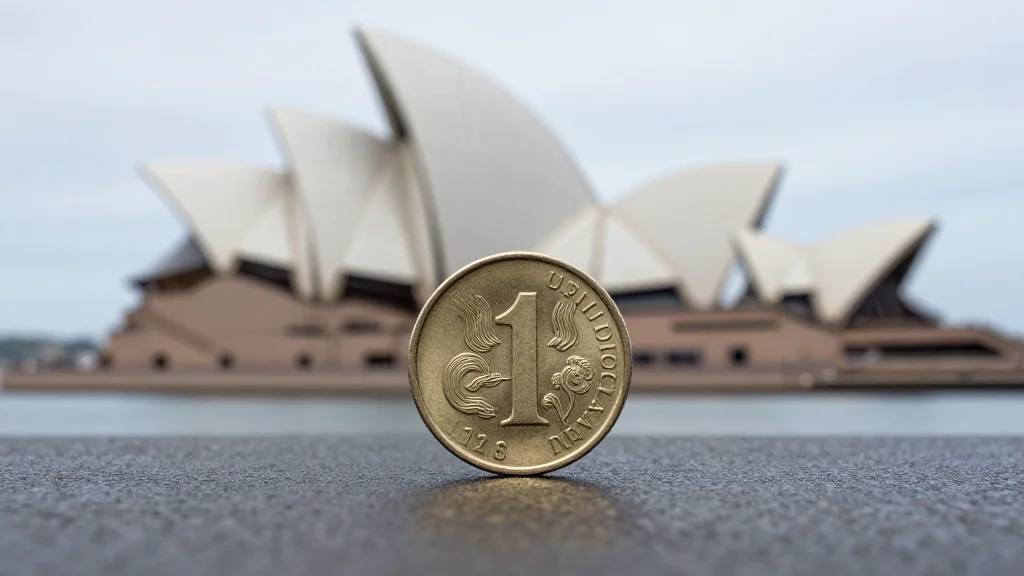
RBA Risks a Recession but Feels There's Nothing Else It Can Do
The Reserve Bank of Australia lifted the cash rate to 4.35%, marking its third increase this year as it battles persistent inflation and downgraded growth outlooks. In its latest Statement on Monetary Policy, the RBA projects GDP will stall at...

RBA Hikes Rates Again; Bullock Cautions Stimulus Before Budget
RBA raises rates for a third time this year as Bullock issues a softly softly warning on stimulus ahead of the budget https://t.co/0Bd8Mie9MV via @ft

Taiwan President Defies China, Insists on Africa Visit
JUST IN: Taiwan's president says it won't succumb to pressure over the Africa trip China criticized.

Oil, Metals, and the Dollar: What Treasury Professionals Must Watch
U.S. military action in the Strait of Hormuz has turned the waterway into a critical chokepoint, driving oil prices higher and tightening treasury payment timelines. At the same time, Iran’s attempts to use the Chinese yuan for oil fees highlight...
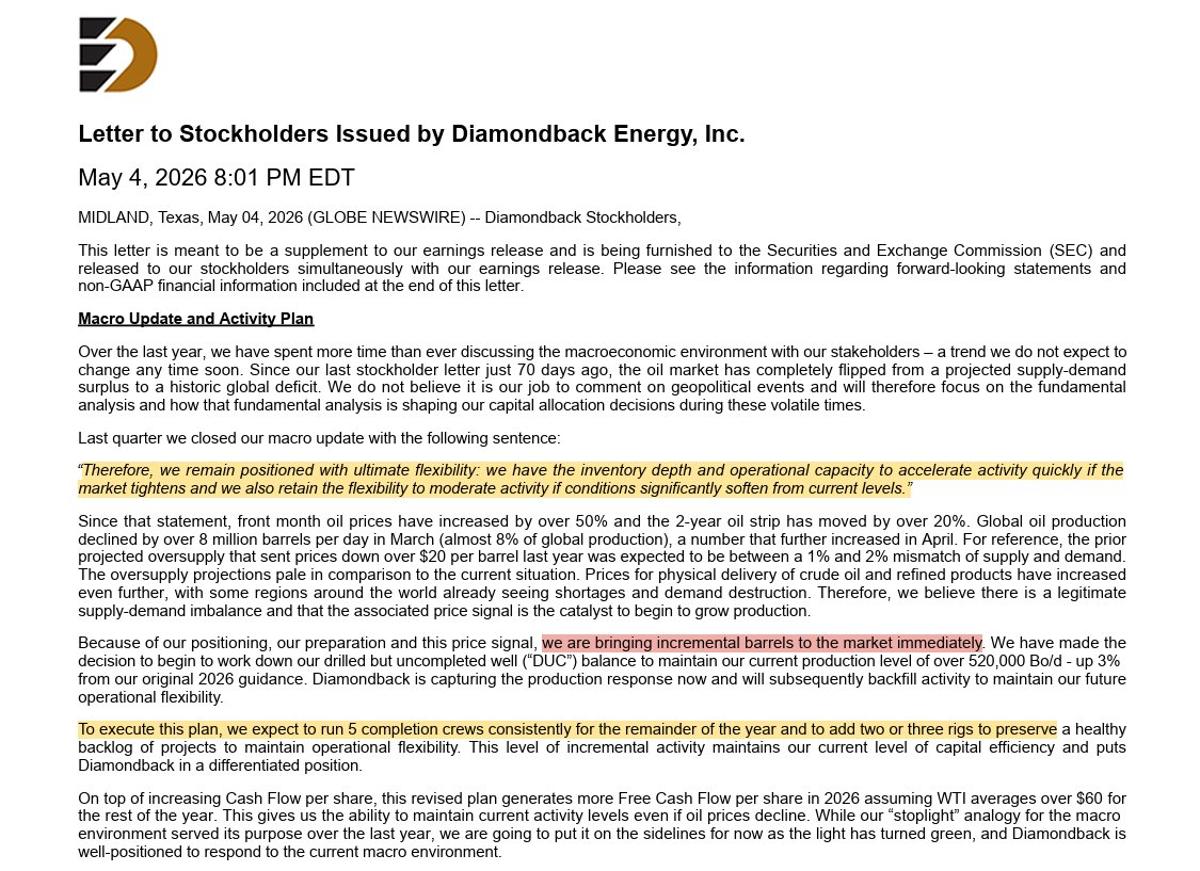
DiamondBack Ramps up Output; Shale Reacts to $80 Oil
DiamondBack Energy, one of the top US shale companies, says it will bring "incremental barrels to the market inmediately." US shale can not offset the closure of the Strait of Hormuz, but the idea that companies wouldn't react to >$80...
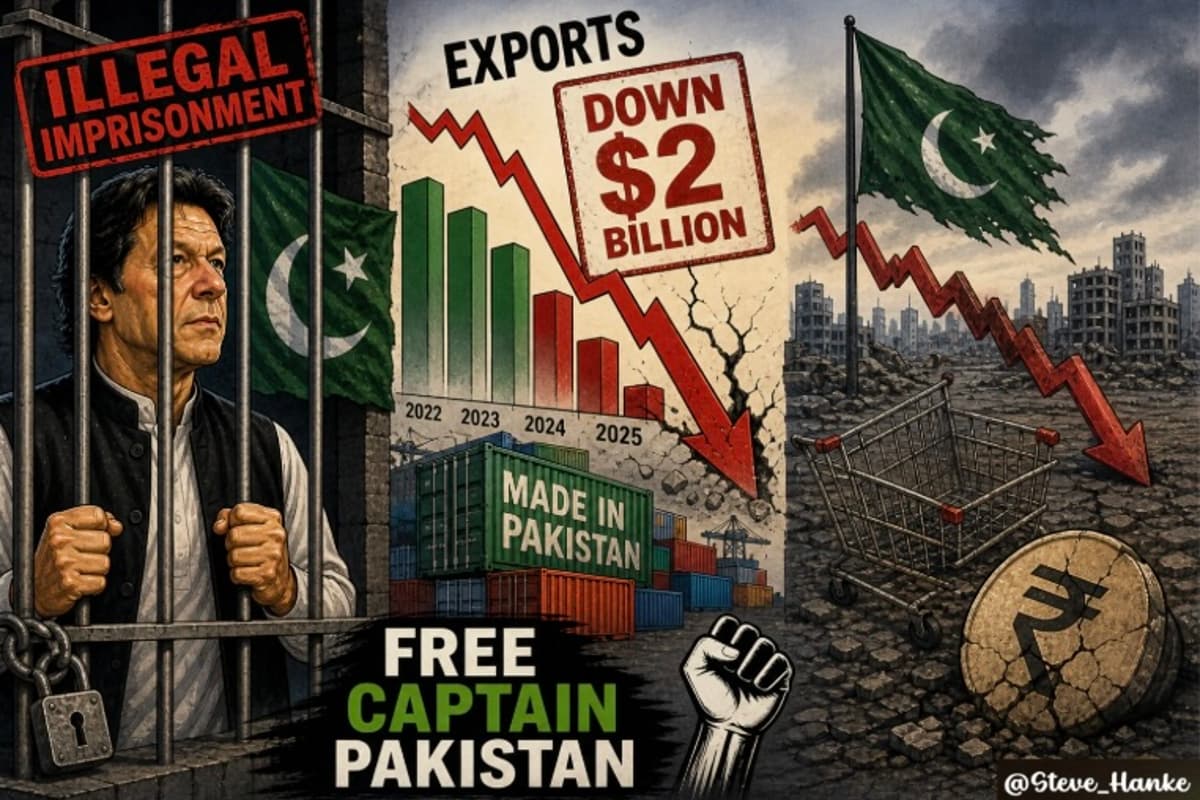
Imran Khan's Imprisonment Triggers $2B Export Loss
#PAKWatch🇵🇰: Since IMRAN KHAN'S ILLEGAL IMPRISONMENT, Pakistan's exports are DOWN $2 BILLION. Under the rule of PM Sharif, PAK has descended into an economic nightmare. PAK’S MILITARY RUNS THE SHOW = ECONOMIC NIGHTMARE. FREE CAPTAIN PAKISTAN. https://t.co/c9msFFviC5

China, Indonesia Debut Cross‑border QR Payments, Boosting Yuan
SCMP: "China and Indonesia have launched a new cross-border QR payment system, marking the latest step in Beijing’s drive to build a regional digital payments network as it pushes to internationalise the yuan and reduce dependence on the US dollar." https://t.co/NEt62G5jZ7

Rising Inequality Threatens China’s Common Prosperity Goals
1/2 SCMP: "Chinese citizens are facing growing inequality in wages and wealth, constraining the country’s “common prosperity” agenda at a time of slowing economic growth, a prominent economist, Zhejiang University dean Li Shi, has warned." https://t.co/JhNycibuSx
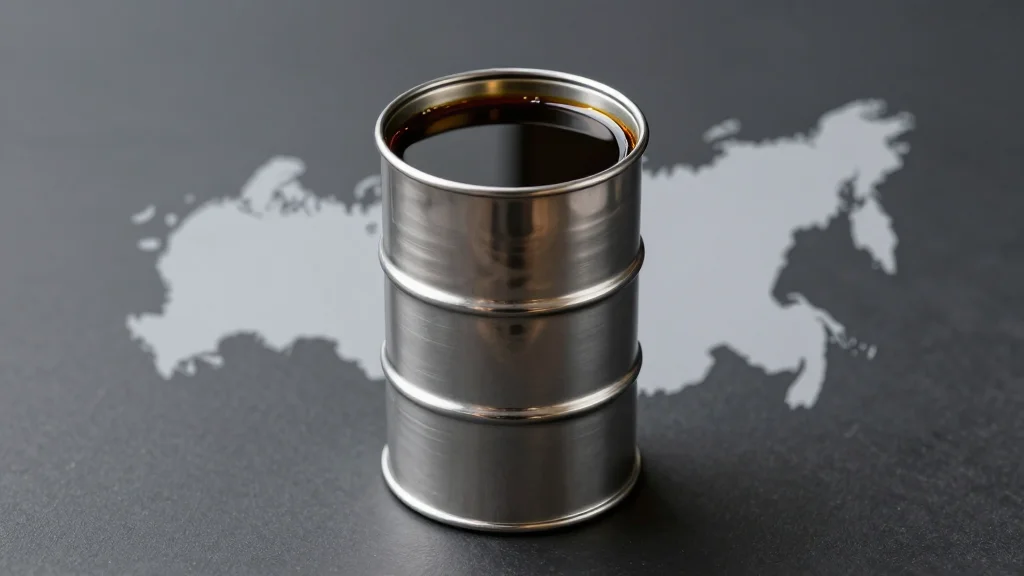
Urals Crude Doubles, Sanction Exemptions Reveal Strategic Desperation
Russian Urals crude is being sold at around $110 per barrel — more than double its price before the attack on Iran. Exempting Russian crude from US sanctions is either a deliberate strategic move (part of the plan) or a clear...
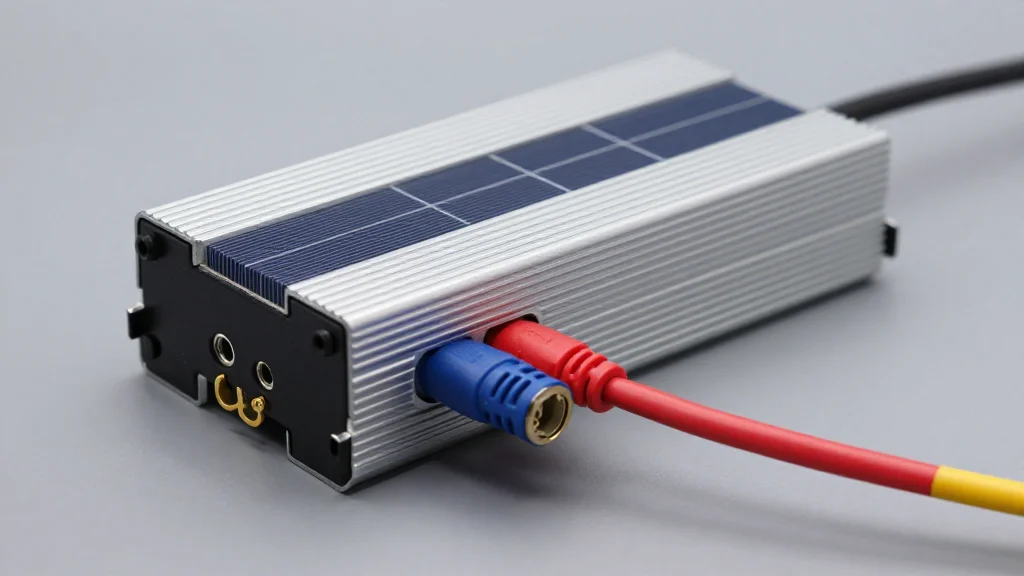
EU Bans Chinese Inverters From Funded Clean‑energy Projects
SCMP: "The EU has taken its most direct step yet to cut Chinese clean energy hardware out of publicly funded projects, banning Chinese inverters from all EU-funded schemes in a move Brussels described as the first in a series of...

Shenzhen's Retail Sales Stagnate Amid Strong GDP Growth
1/4 SCMP: "China’s top tech hub, Shenzhen, saw retail sales grow by just 0.5% year on year in the first quarter after reporting gross domestic product growth of 5.8% for the same period, casting a spotlight on its unbalanced development as... https://t.co/s3A260dwXx

Indonesia's Q1 2026 GDP Hits 5.6% Growth, Fastest Since
JUST IN: Indonesia's GDP grew by 5.61% annually in the first quarter of 2026, the fastest rate since 2022.
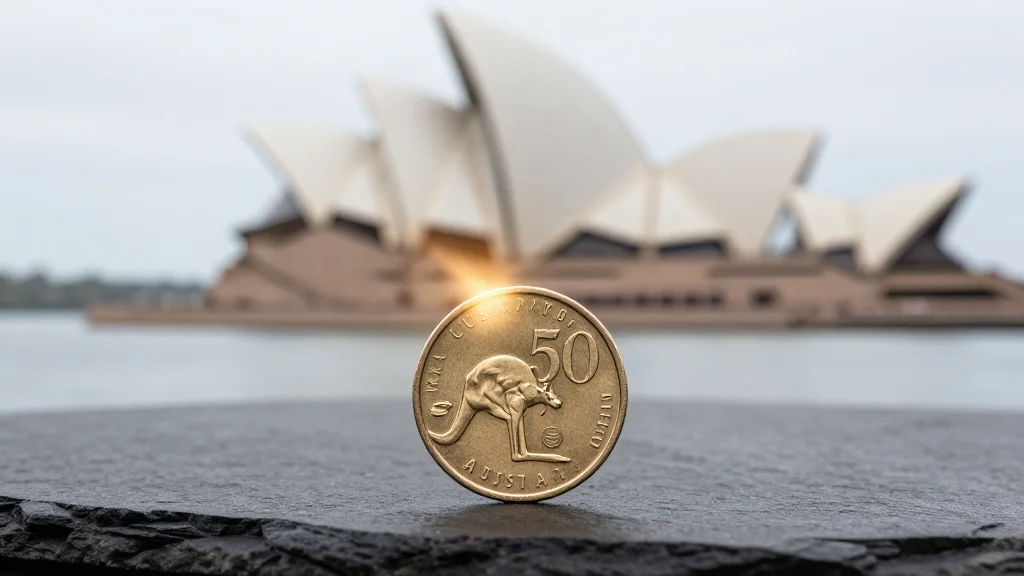
RBA Raises Rates to 2024 High Amid Stubborn Inflation
JUST IN: Australia's central bank hikes rates to the highest since 2024 as inflation remains elevated.