Today's Global Economy Pulse
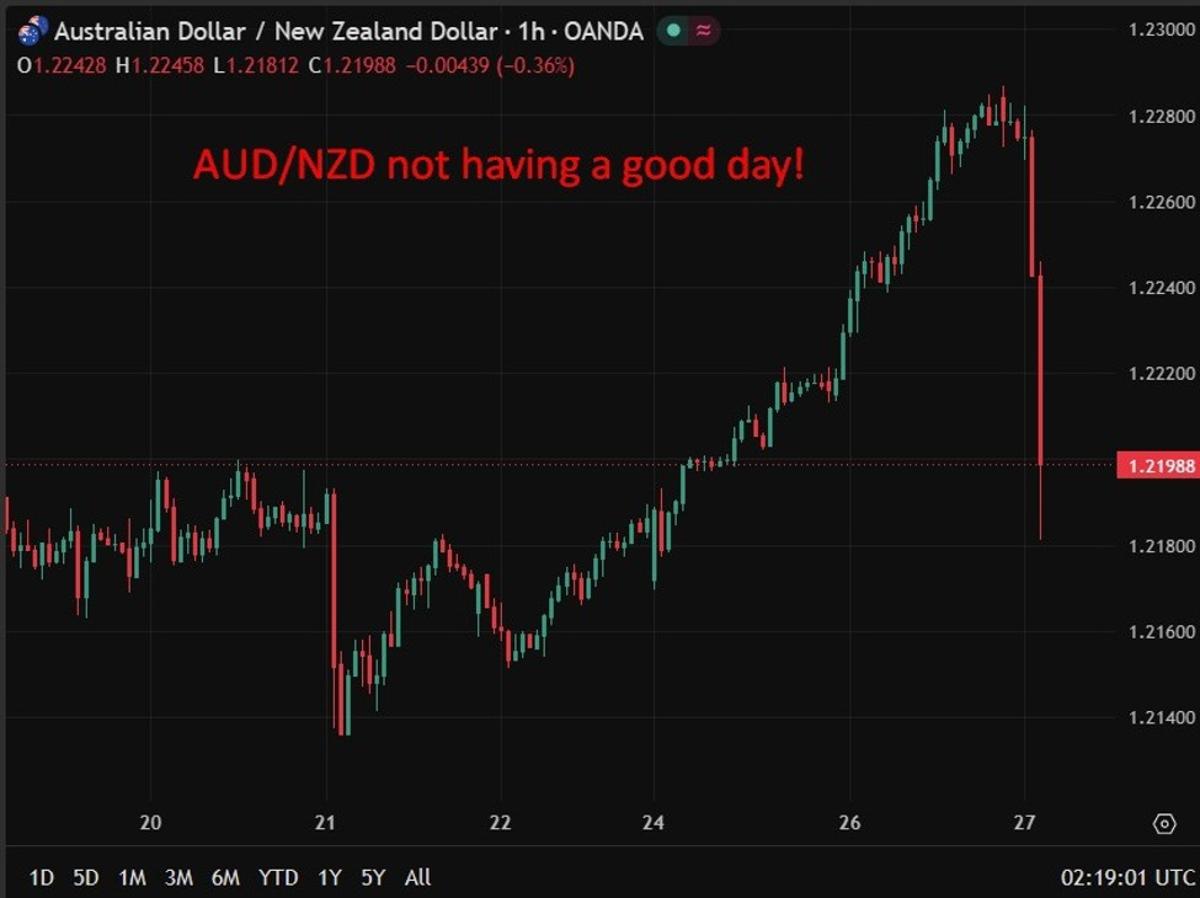
Australia's April CPI eases to 4.2% as core inflation hits 2024 high
Australia’s consumer price index slipped to a 4.2% annual rise in April, missing the 4.4% consensus as a temporary fuel excise cut trimmed transport costs. At the same time, the trimmed‑mean core inflation gauge rose to 3.4% year‑over‑year, the highest level since late‑2024, keeping pressure on the Reserve Bank of Australia’s inflation target.
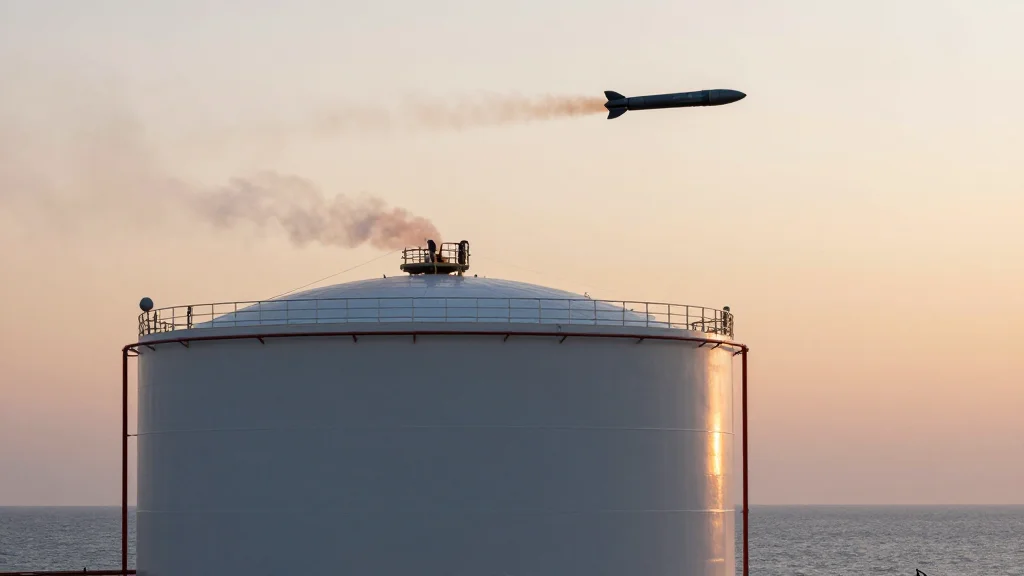
Oil Prices Jump After Iran Strikes UAE Fujairah Facility, Sparking Energy Supply Chain Concerns
Iran's missile attack on the Fujairah energy facility in the United Arab Emirates pushed crude benchmarks sharply higher, prompting a risk‑off market shift and heightened worries about the fragility of global oil logistics. The move lifted inflation expectations, pressured Treasury yields and forced traders to reassess supply‑chain risk in the Middle East.
U.S. Futures Slip 0.2% as Brent Crude Jumps Over 5% on Renewed Iran Tension
U.S. equity index futures slipped 0.2% and Brent crude surged more than 5% to over $113 a barrel on Monday, after Iran’s Fars agency claimed missiles hit a U.S. patrol boat and President Trump announced a “Project Freedom” escort for...
US Trade Gap Widens in March as AI Spending Boosts Imports
U.S. trade data for March showed the deficit expanding 4.4% to $60.3 billion, slightly above expectations. Imports increased 2.3% to $381.2 billion, with AI hardware, computers and autos driving the rise, while exports grew 2.0% to $320.9 billion, led by crude oil and...

ASEAN+3 Finance Ministers Commit Coordinated Action on Market Volatility and Middle East Risks
Finance ministers and central bank governors from the ten ASEAN members, China, Japan and South Korea issued a joint statement in Samarkand, pledging coordinated policy responses to rising market volatility and the fallout from the Middle East conflict. The bloc...
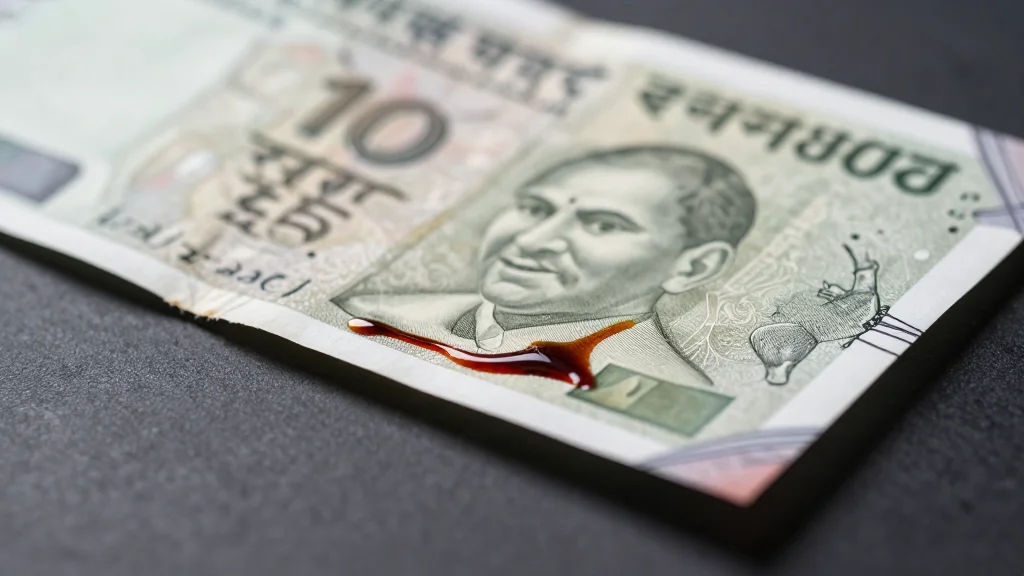
Indian Rupee Hits Record Low 95.33 as Oil Prices Surge Amid US‑Iran Stalemate
The Indian rupee slid to a historic low of 95.33 per dollar on Thursday, driven by soaring oil prices and hawkish Fed signals as the U.S.-Iran stalemate drags on. The drop also pushed Indian government bond yields higher, echoing stress...
War Puts LNG Future in the Spotlight
Asian imports of liquefied natural gas plunged to a seven‑year low as the Middle East war cut roughly a quarter of global LNG supply. The shortage drove spot prices to multi‑year highs and sparked a scramble for the limited cargoes...
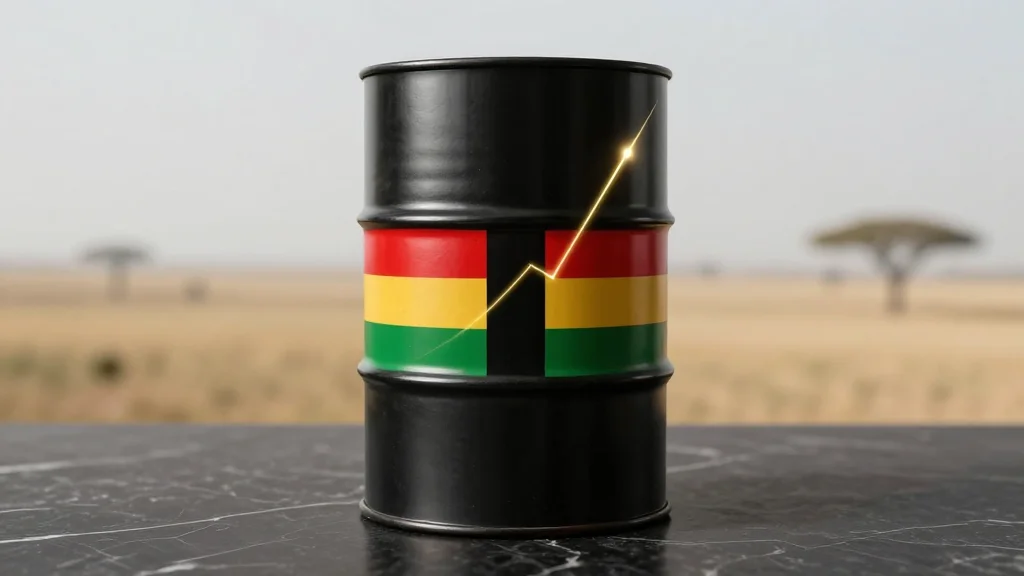
Dangote Petroleum IPO Targets $40‑50 Bn Valuation in First Multi‑Exchange African Listing
Dangote Group’s petroleum arm will list on several African exchanges, seeking a $40‑50 bn valuation that would make it the biggest IPO in Africa’s history. The move is positioned as a test case for cross‑border capital formation and a catalyst for...

Rates Spark: Triple-Whammy for Gilts
UK 10‑year gilt yields surged to 5.1%, the highest level since the 2008 financial crisis, as higher oil prices and a tight link to US Treasury rates create a double‑whammy for British government bonds. The rise is amplified by a...
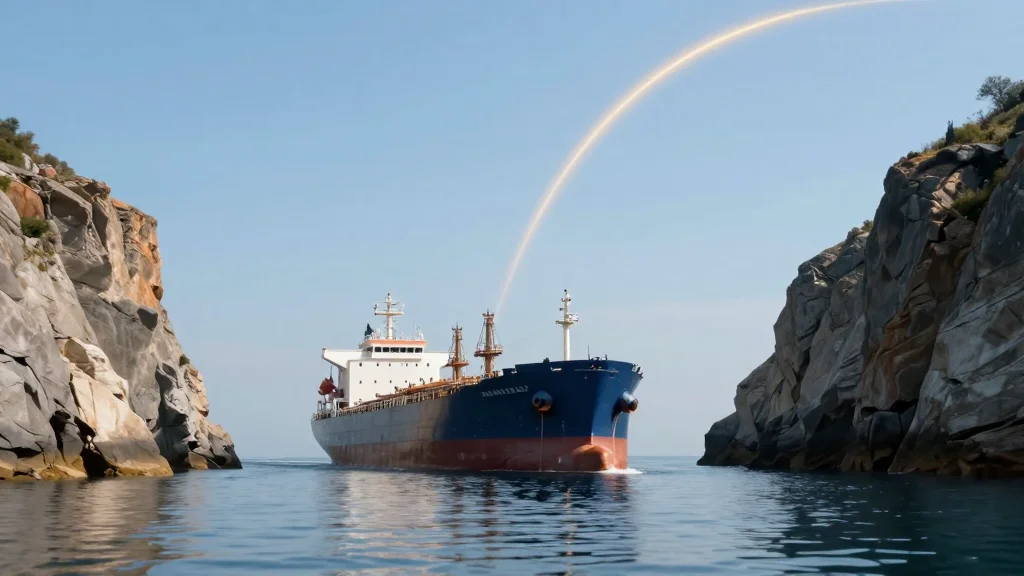
Gulf Tensions Push Oil Prices Higher and Deepwater Explorers Into the Red
U.S. and Israeli strikes on Iranian targets and a blockade of the Strait of Hormuz have driven crude oil prices up, sparking a rally in global commodity markets. At the same time, deepwater producer Kosmos Energy posted a widened first‑quarter...

March JOLTS Report: Reverting to 2025 Averages
The March JOLTS report shows job openings slipping to 6.866 million, the lowest level since the pandemic aside from December. Hires surged by 655,000, marking the strongest two‑year reading, while quits rose 125,000, bringing the quits rate back to its 2025...
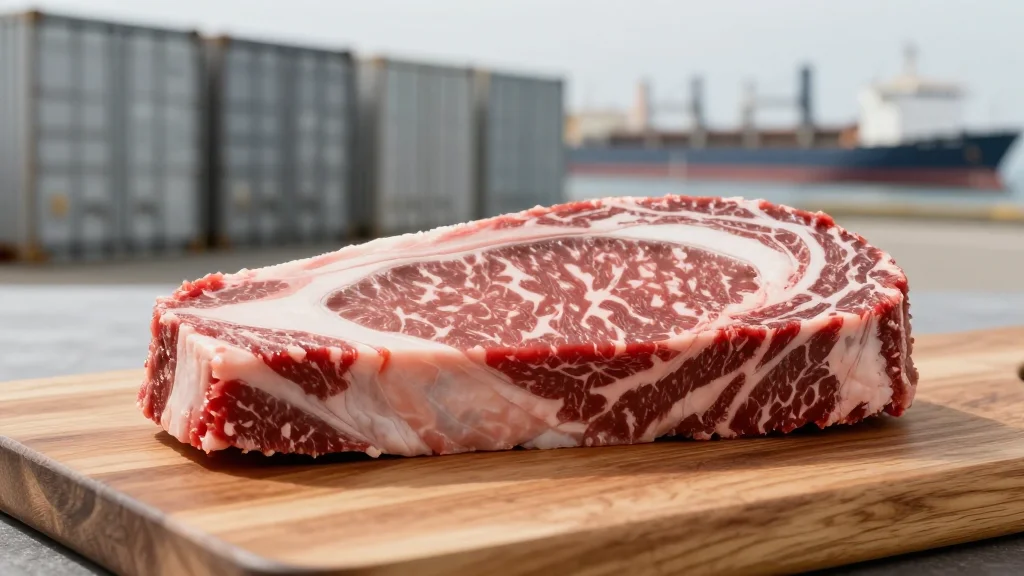
Canadian Cattle Association Warns Against Entering Mercosur Trade Deal
The Canadian Cattle Association (CCA) has warned that a prospective free‑trade agreement with Mercosur could jeopardize domestic beef producers. CCA argues the deal would increase imports of lower‑cost, lower‑standard beef from Argentina, Brazil, Paraguay and Uruguay, despite Canada already importing...
Central Asian Dynamics, Not US Policy, Drive Regional Cooperation
With due respect, I oversaw U.S. policy in Central Asia for part of the Bush 43 second term and we were most certainly "dealing with the region on its own terms." What has changed is not "American naïveté" because, in...

Kenya as Lynchpin for France's Broader Engagements with Africa
France is recalibrating its Africa strategy, moving beyond its traditional francophone strongholds toward a diversified partnership model. The 2026 Africa Forward Summit will be hosted in Kenya, marking the first time the event leaves a francophone nation. Kenya’s economy is...

‘Zeitenwende’ Is Anchoring Germany’s Role as a Baltic Sea Power
Germany’s "Zeitenwende" overhaul, driven by Chancellor Friedrich Merz, is reshaping Berlin into a Baltic Sea security anchor. Defense spending is slated to rise to roughly $178 bn by 2029—a 70% jump—backed by a trillion‑dollar loan and €50 bn ($55 bn) procurement plan. The navy...
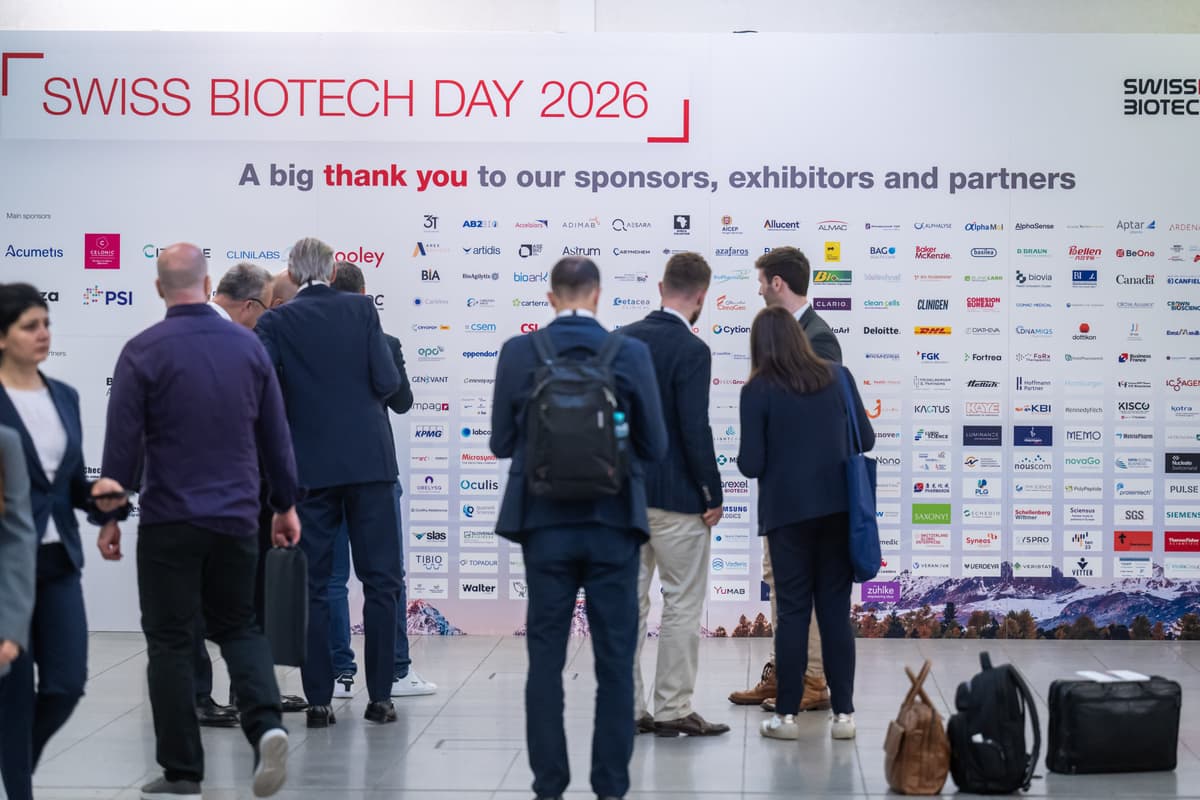
Swiss Manufacturing, Biotech Industry so Far Unfazed by Geopolitics
Swiss pharmaceutical manufacturing remains stable despite looming US tariff threats and broader geopolitical tensions. Industry leaders say output levels and export volumes have held steady through 2023, while biotech firms continue robust R&D spending. Analysts note that some multinational drugmakers...

Gold: Differences of Opinion
MacleodFinance explains why gold prices have stayed flat despite rising geopolitical risk and oil prices. In Western markets, higher oil fuels inflation and pushes interest rates up, making the cost of holding gold higher and the dollar more attractive. Asian...

Leaked Data Deal Fuels Concerns as Europeans Risk US Entry Bans for Critics of Trump
A leaked draft of a U.S.-EU biometric data‑sharing agreement reveals that Washington could deny entry or arrest EU citizens who criticize President Donald Trump. The proposal, pushed by the European Commission after U.S. threats to revoke visa‑free travel, would grant...

Riksbank Likely to Hold but Hawkish Risks Are Growing
The Swedish Riksbank is expected to leave its policy rate unchanged at 1.75% during the May 7 meeting, but analysts see a growing hawkish tilt as inflation risks rise. March’s CPIF inflation eased to 1.6% thanks to a sharp drop in...

US Stocks Hold Steady as Europe Drags, Global Outlook Bullish
Vanguard global stock index is up about the same amount as the US market this year. Europe is acting as a drag so far this year with other markets (eg Brazil) outperforming strongly. Seems like international investors have got comfortable with...

Preserving Inflation Targeting Framework’s Core Architecture Is a Policy Choice of Consequence: RBI Dy Guv Gupta
The Reserve Bank of India has renewed its inflation‑targeting framework, keeping a 4 percent headline CPI goal with a ±2 percent tolerance band through March 2031. Deputy Governor Poonam Gupta said the decision provides predictability amid geopolitical tensions, supply‑chain shocks and volatile energy...

Understanding Macron's Anglophone Africa Pivot
President Emmanuel Macron is shifting France’s Africa policy from the Francophone‑centric “Françafrique” model toward an inclusive partnership with anglophone and lusophone nations. The pivot, highlighted at the Africa Forward Summit in Nairobi, emphasizes moving from aid to co‑investment across security,...
National Bank of Poland Preview: Rates on Hold for Now with a Hawkish Tilt Likely
Poland’s National Bank (NBP) is expected to keep its policy rate at 3.75% after April CPI rose to 3.2% year‑on‑year, driven by stronger core inflation, and March activity outperformed forecasts. While the rate pause reflects caution, the Monetary Policy Council...

How Is China Responding to the Orange Drift?
The so‑called Trump Corollary, which pressures Latin American nations to choose between the United States and China, is unfolding far from the binary map many imagined. While Panama visibly pits Washington against Beijing, several self‑identified Trump allies—El Salvador’s Bukele, Argentina’s Milei...

Will the US Serra Verde Acquisition Help Break China’s Rare Earth Monopoly?
On April 20, USA Rare Earth announced a $2.8 billion acquisition of Brazil’s Serra Verde Group, backed by a $565 million loan from the U.S. International Development Finance Corporation. The deal includes a 15‑year government‑backed offtake vehicle that will channel all of Serra Verde’s rare‑earth ore...

Single Best Idea: Bercetche & Terry (Podcast)
Bloomberg Surveillance released a new "Single Best Idea" podcast episode on May 5, 2026, featuring market strategists Joumanna Bercetche and Heath Terry. Hosted by Tom Keene, the 3‑minute‑15‑second segment distills the guests' top investment thesis for the coming year. The...
UN Weighs Iran Sanctions as Strait Crisis Tests Fragile Truce
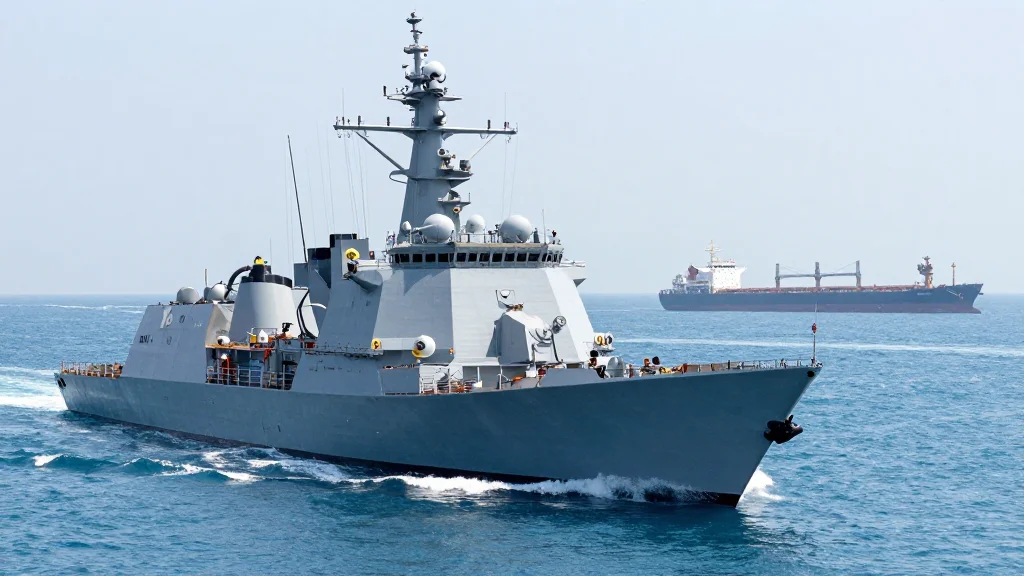
The UN Security Council will debate a US‑ and Bahrain‑backed draft resolution that could impose sanctions on Iran and, under Chapter VII, authorize force if Tehran does not stop attacks on commercial shipping in the Strait of Hormuz. Recent clashes, including...

Romanian Government Collapses, Currency Tumbles to Record Low
Romanian lawmakers voted 285‑4 to oust Prime Minister Ilie Bolojan, toppling his pro‑EU minority government. The no‑confidence motion was driven by the Social Democrats joining forces with the far‑right Alliance for Uniting Romanians. The collapse sent the leu to a...

Rising Oil and Rates Signal Impending Housing Collapse
Oil, rates, and housing – here's what I see coming: • Oil to $120-150 by fall • 10-year yield at 4.43% and climbing • Housing market about to get crushed • Higher fuel = recessionary You're spending the same but getting less." oil #economy #recession #housing...

The Canadian Who Spent Over 1,000 Days in Chinese Prison Warns Ottawa Is Walking Into Beijing’s Trade Trap
Michael Kovrig, a former Canadian diplomat who spent 1,028 days in a Chinese prison, warned Parliament that Ottawa’s trade pivot toward Beijing could trap Canada in a state‑subsidized electric‑vehicle (EV) strategy. He explained that China’s flood‑consolidate‑weaponize model, backed by roughly US$222 billion...

Iran’s Top Diplomat Abbas Araghchi to Visit China Days Ahead of Donald Trump
Iran’s top diplomat Abbas Araghchi is traveling to Beijing to meet Chinese foreign minister Wang Yi, marking the latest diplomatic push to end the Iran‑Israel‑U.S. conflict. The talks follow weeks of calls urging a cease‑fire and come after Araghchi’s recent trips...
DHL CEO Flags Jet Fuel Supply Constraints in Asia
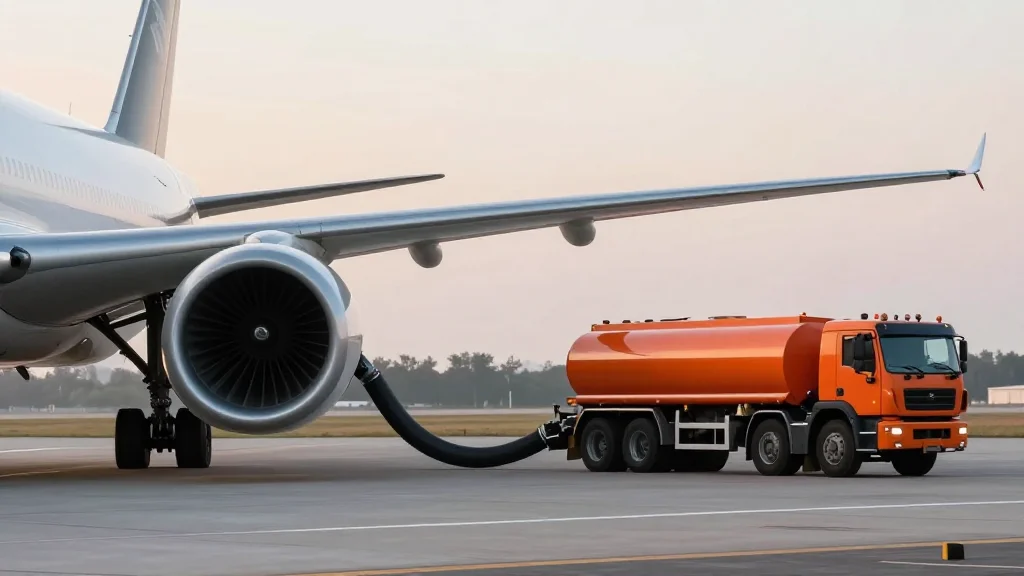
DHL Group’s CEO Tobias Meyer warned that jet‑fuel shortages are tightening at several Asian airports, a fallout from the Iran‑related disruption of oil flows through the Strait of Hormuz. While DHL’s major hubs such as Leipzig enjoy reliable fuel supplies,...
A Third Hike in Australia’s Official Cash Rate
The Reserve Bank of Australia raised its official cash rate for the third consecutive meeting, taking it to 4.35%, the highest level of the decade and matching the most restrictive stance since early 2011. Inflation remains elevated at 4.7%, a...
Watch: How Two-Way Risks Are Dividing the Fed’s Policy Outlook
The Federal Reserve remains split over its future rate path as it grapples with two‑way risks: stubborn inflation and the potential for an energy price shock. While wage growth and overall economic activity are slowing, price pressures stay above target,...
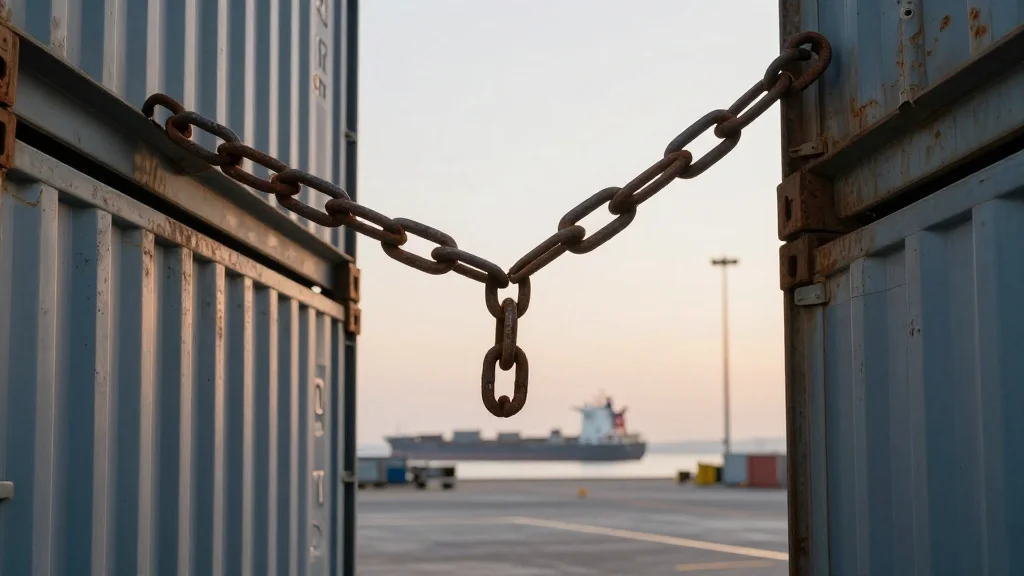
Middle East Conflict Sparks Unbuffered Global Supply Chain Shock
Coming up on CNN International to talk the conflict in the Middle East and ripple effects for the US and global economy. The shock is more than an oil shock, which is painful in its own right; it is...

U.S. Forms Global Coalition to Tackle Memory Chip Shortage
LOS ANGELES -- The U.S. is working to address the global memory chip shortage through a supply chain coalition with allies in Asia, Europe and the Middle East, a State Department official told Nikkei Asia Monday.
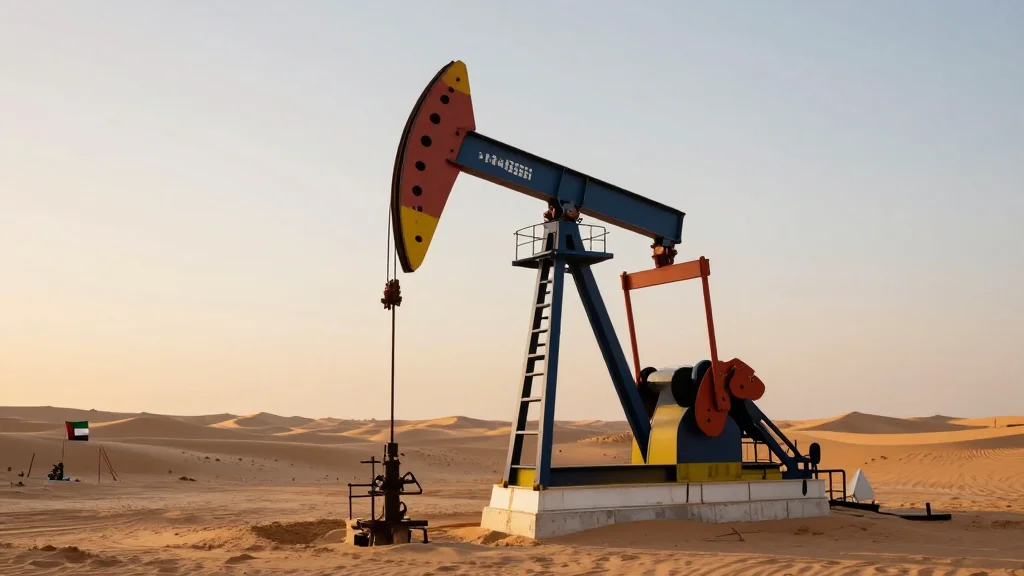
UAE Goes Its Own Way
The United Arab Emirates announced its departure from OPEC, becoming the bloc’s largest oil exporter after Saudi Arabia. The move follows Qatar’s 2019 exit and Angola’s in 2023, representing OPEC’s biggest capacity loss to date. UAE officials cite frustration with...
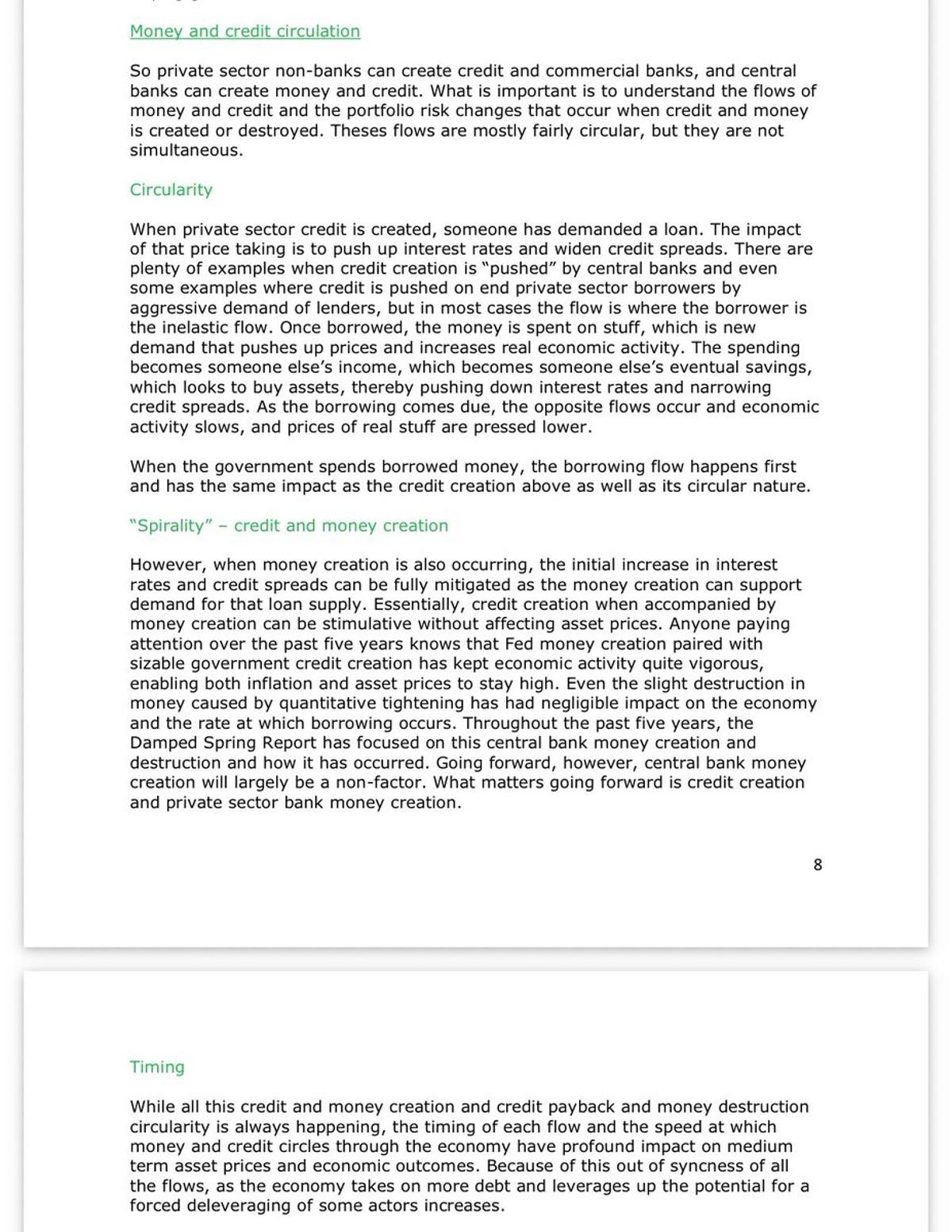
Credit Creation: Issuance Fuels Spending, Then Savings
A brief primer on credit and money creation and how issuance always becomes spending and then savings. It's a circle of life and the timing is what matters https://t.co/lWFuVh2MYC
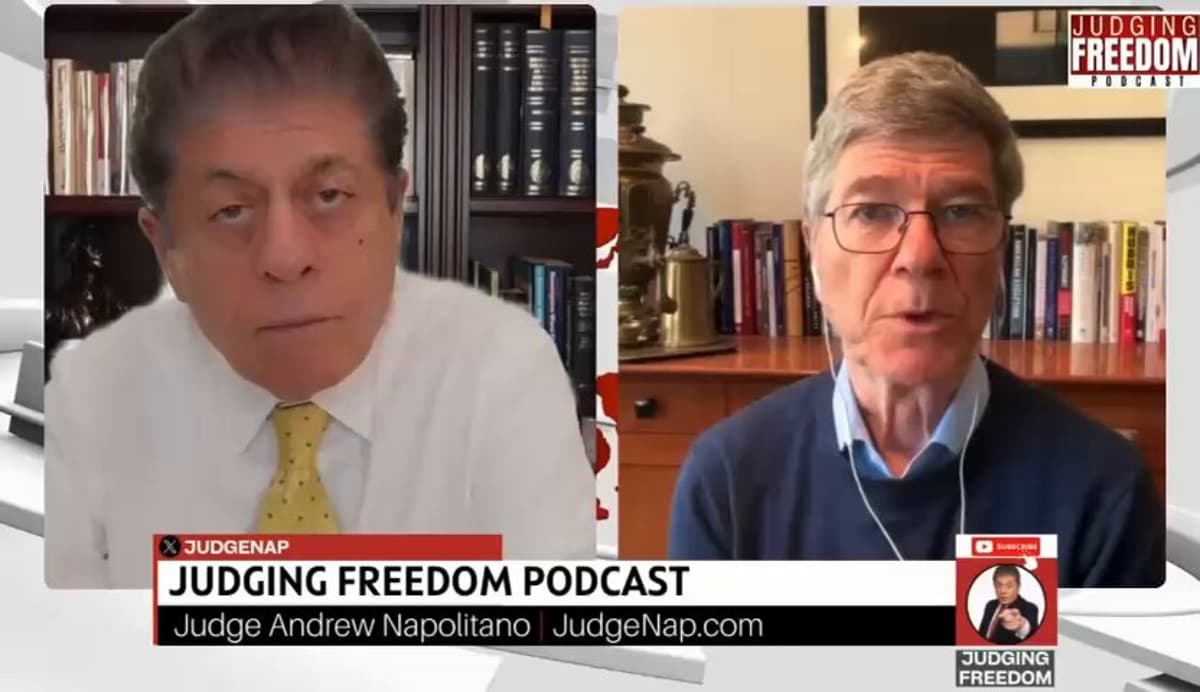
Sachs Warns US‑Israel Iran Escalation Will Devastate Global Economy
Distinguished Columbia Univ. Prof. Jeff Sachs on the RE-ESCALATION of the US-Israeli war on Iran: "It seems like the US, and especially Israel, are determined to go back to war. This will be absolutely catastrophic for the global economy." https://t.co/XFgVDhCI13
ECB May Hike in June,
🇪🇺 MNI sources: ECB set to hike in June, then keep options open 🇫🇷 France fighting back: *ECB'S VILLEROY: DON'T YET SEE SUFFICIENT SIGNS FOR RATE HIKE ✊
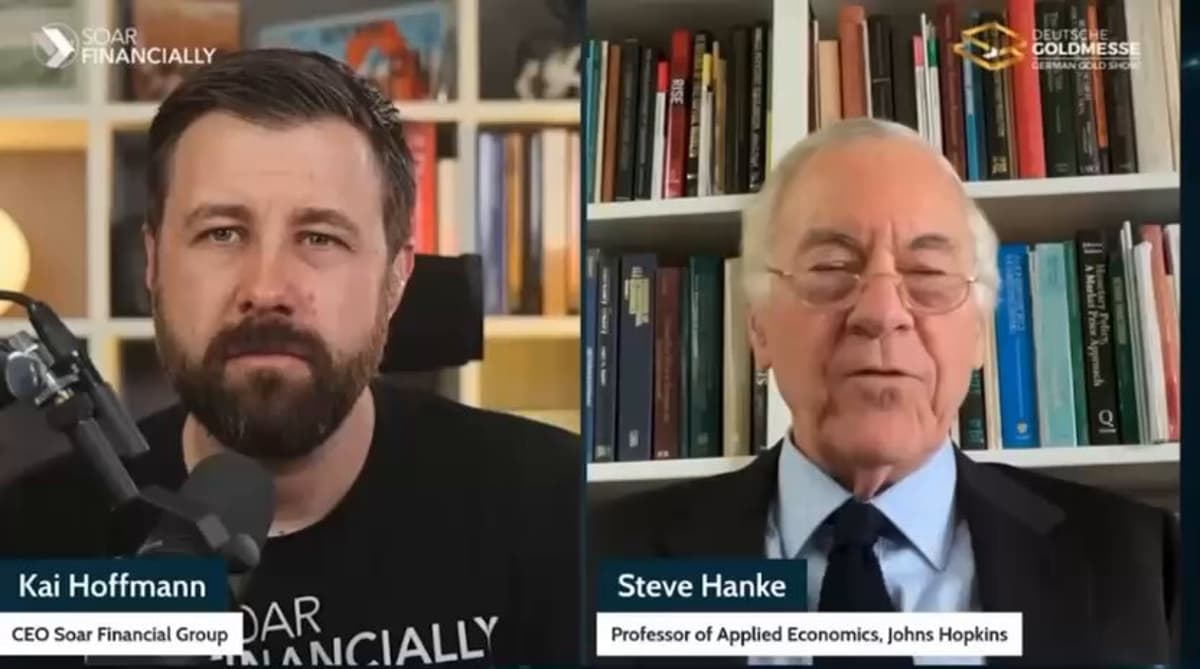
Dollar Remains Unrivaled; Alternatives Lack Appeal
My take on @soarfinancial on the 'de-dollarization' narratives: "The US dollar just DOMINATES EVERYTHING in the financial sphere. There just aren't any alternatives out there that are very attractive." LET'S FACE IT: THE USD IS THE BEST DIRTY SHIRT AROUND. https://t.co/Rtj6bTsKBc

US Index Rebounds to Record in 25 Days
I don't know if investors are truly "looking past the war in the Middle East," but it's pretty amazing that a major US stock market index took just 25 trading days to go from war jitters lows...to record highs 👇
Potential Multi‑Rate Hikes Create UST & SOFR Opportunities
Should the Fed in the next 12 months decide that it needs to hike rates, high odds it will need to hike more than once and more than 25 bps. UST and SOFR curves offering interesting opportunities

Iran's FM Visits Beijing Before Trump's China Trip
Iran Foreign Minister Headed to Beijing Ahead of Trump China Visit—Iranian Foreign Minister Abbas Araghchi is headed to Beijing for talks, days ahead of President Trump’s visit this month to meet his counterpart Xi Jinping in China. @laurnorman https://t.co/d35F5NJWz7

Trump Eager for Xi Summit Amid Ongoing US‑China Tensions
Trump Says He Looks Forward to Xi Summit as US-China Tensions Persist - Bloomberg https://t.co/QmkfBpfXwd
EU Funding Block Threatens Solar Supply, Risks Blackouts
EU blocks funds for key Chinese solar energy parts “In practice, this could mean a remote shutdown of member states’ networks leading to countrywide blackouts." Anything is possible...but.... https://t.co/FDkl759Yjg via @ft
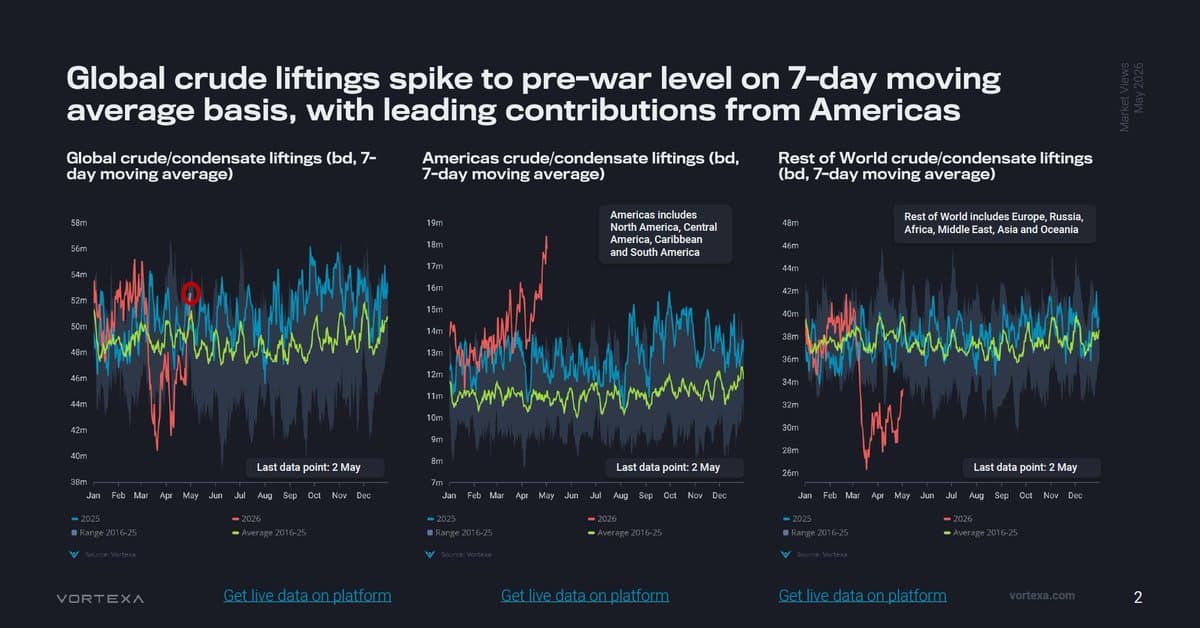
Global Oil Liftings Rebound to Pre‑war Levels.
CHART OF THE DAY: Impressive chart via @Vortexa. On a 7-day moving average, global oil liftings (into tankers) have **recovered to their pre-war level** due to a surge in liftings in the Americas. (Of course, that's helped by massive stock...

Markets Hold Steady Amid Geopolitical Turmoil Ahead of ISM
Markets are taking geopolitical chaos in stride. ✅ NASDAQ at record highs ✅ Oil down 3.5% ✅ Gold up ✅ USD lower vs majors (except JPY) ✅ RBA hikes, signals pause All eyes on the 10am ISM print - the real tell...
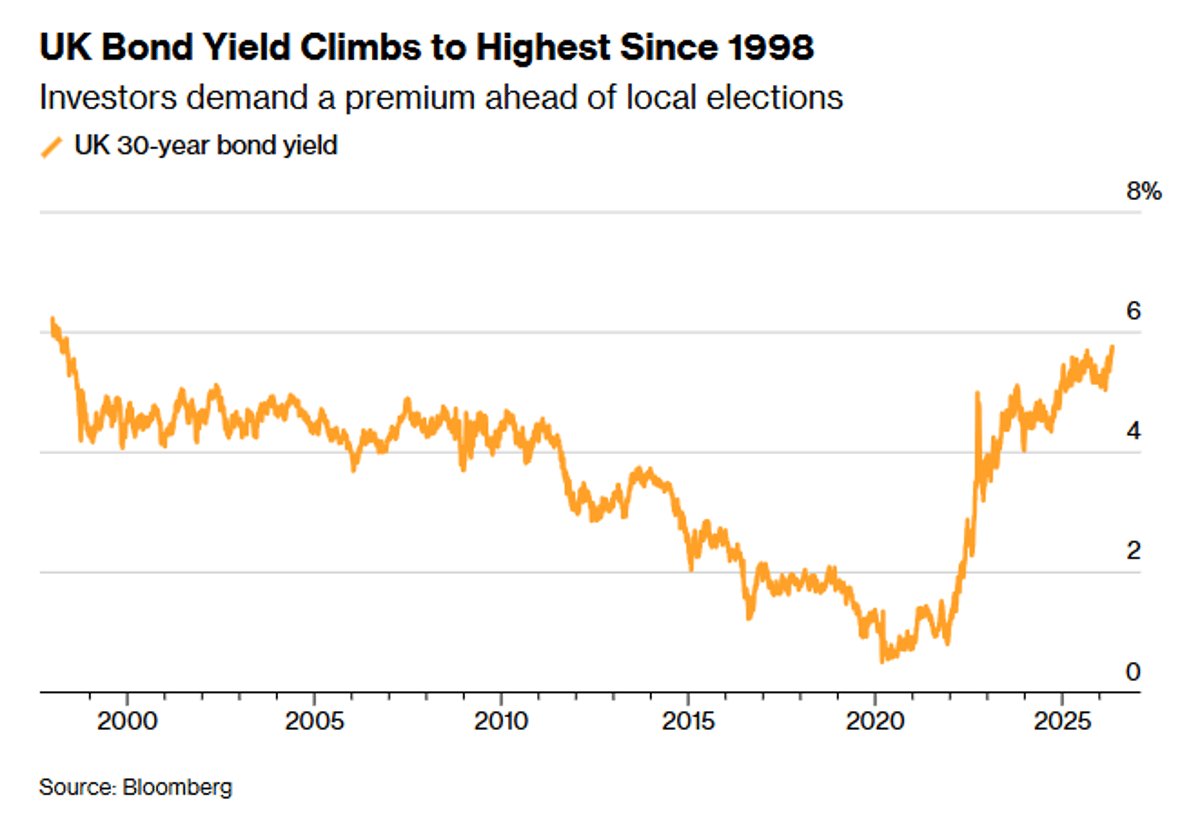
UK 30‑Year Yield Hits Highest Level Since 1998
UK bond selloff pushes 30-year yield to the highest since 1998 https://t.co/CNMg8iGy9M via @highisland https://t.co/jvM4S0LRPZ
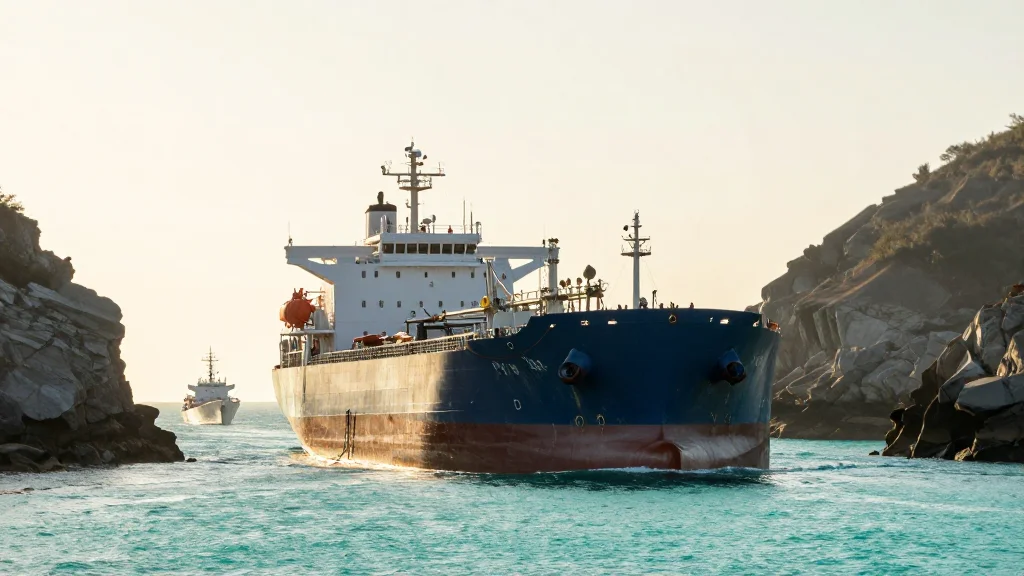
Project Freedom only Clears Outbound Tankers, Not Two‑way Flow
Project Freedom (the new US attempt to unblock the strait) is all about getting oil tankers out. So far, no indication the US is even contemplating a two-way traffic, with tankers going into the Persian Gulf. The later is a...
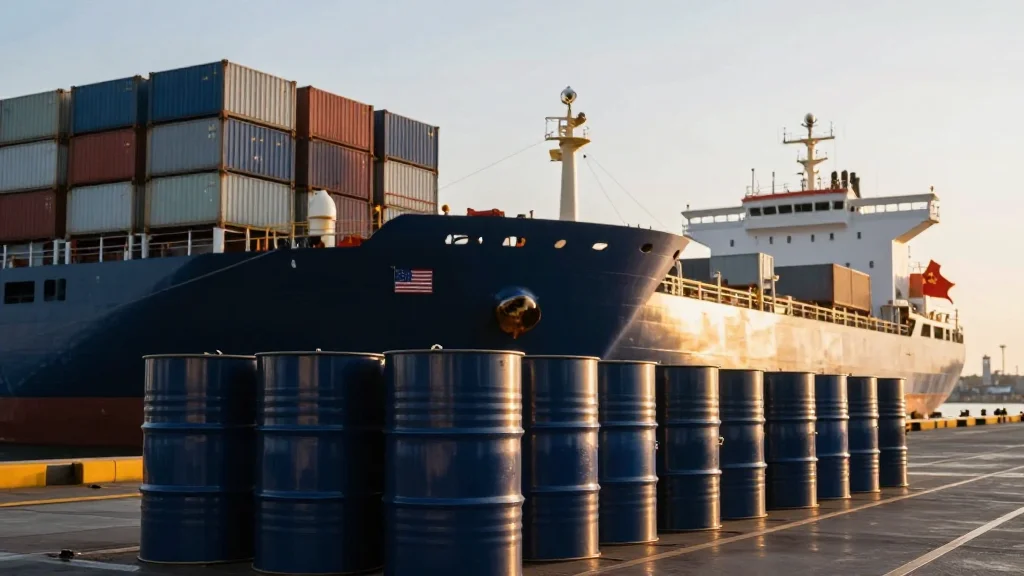
China Deploys Blocking Rule to Counter U.S. Sanctions
China Steps Up U.S. Sanctions Fight, Defying Blacklisting Over Iranian Oil—Beijing’s first-time use of ‘blocking rule’ comes ahead of expected Trump-Xi summit @hannahmiao_ https://t.co/1ePNqIE1df https://t.co/1ePNqIE1df