Today's Global Economy Pulse
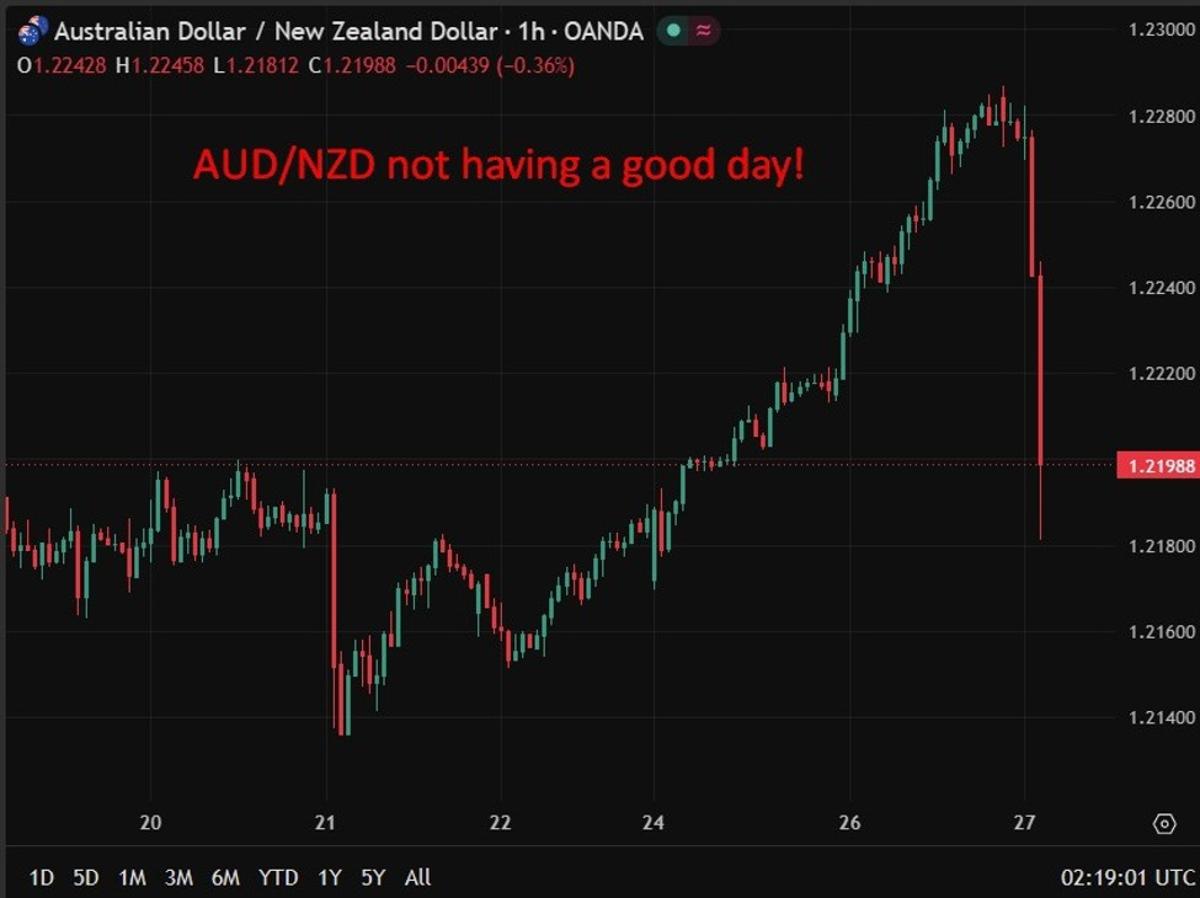
Australia's April CPI eases to 4.2% as core inflation hits 2024 high
Australia’s consumer price index slipped to a 4.2% annual rise in April, missing the 4.4% consensus as a temporary fuel excise cut trimmed transport costs. At the same time, the trimmed‑mean core inflation gauge rose to 3.4% year‑over‑year, the highest level since late‑2024, keeping pressure on the Reserve Bank of Australia’s inflation target.
Iran War Spurs Recession Fears as IMF Warns of Severe Global Fallout
Oil prices have surged more than 50% since the U.S.-Iran conflict began on Feb. 28, lifting Brent to $111 a barrel and sending the S&P 500 to a fresh intraday high. Energy analyst Amrita Sen warned investors are "sleepwalking" into a deep recession, while IMF chief Kristalina Georgieva cautioned that prolonged fighting could trigger far worse economic damage.
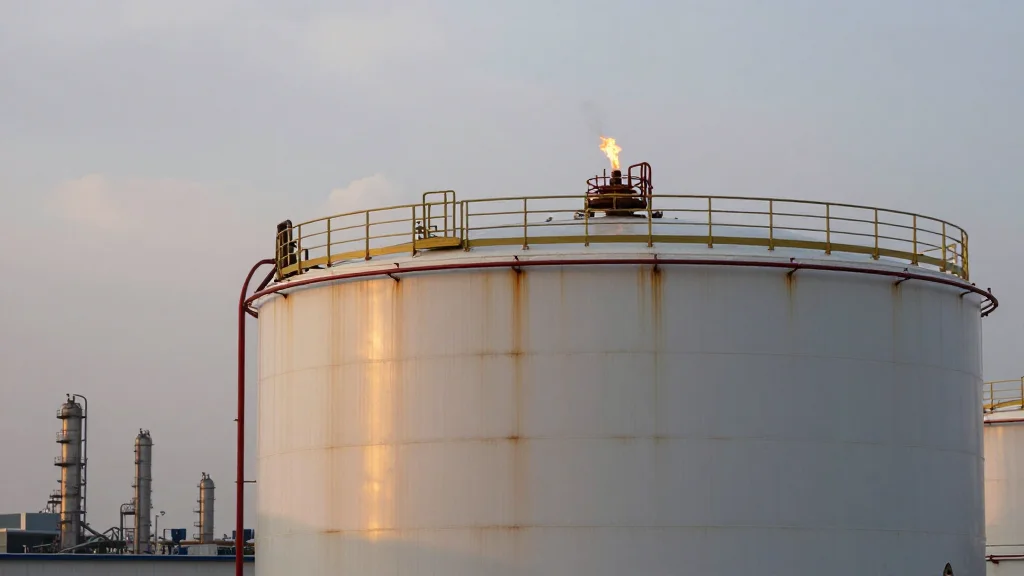
Australia's Geelong Refinery Outage Extends, Tightening Fuel Supply
Viva Energy announced that the fire-hit Geelong refinery will operate at reduced capacity for at least six weeks, cutting petrol output to about 60% and diesel and jet fuel to roughly 80%. The prolonged outage deepens Australia's fuel shortage risk...

Philippines' National Government Borrowings Drop 39.4% in March to $2.1 Billion
The Philippines' Bureau of the Treasury said gross national government borrowings fell 39.4% in March to P116.66 billion ($2.1 bn), with domestic debt plunging 70.4% to P46.76 billion. The decline reflects a front‑loading strategy, higher amortizations and external shocks from the Middle East...

US National Debt Reaches 100% of GDP
The U.S. public debt has surpassed 100 percent of nominal GDP, a ratio last seen after World War II. Treasury data attribute the rise to pandemic relief, higher defense outlays, and chronic deficits. Analysts warn that a debt‑to‑GDP level above one could...
New Report Documents How Central Asian States Abet Russian Sanctions-Busting
A new CGCPS report finds Central Asian states serving as a back‑door for Russia’s sanctions‑busting trade, channeling high‑priority dual‑use goods and financial flows. Exports of Common High Priority List (CHPL) items from Kazakhstan surged 400% in 2022 before falling sharply,...

Economic Flash: Risk Appetite Rapidly Returns
April’s market rebound showed risk appetite snapping back as the S&P 500 jumped nearly 11% on strong earnings and renewed AI enthusiasm. At the same time, inflation pressures resurfaced, with the core PCE index climbing to 3.2% – the highest level...

Redfin Economists’ Weekly Take: Volatile Rates Ahead as Fed Turns Hawkish and Energy Shock Builds
Redfin economists warn that interest rates will stay volatile as the Federal Reserve adopts a more cautious, hawkish tone amid rising inflation and an escalating Iran‑related energy shock. Core PCE inflation remains at 3.2% YoY, the highest since late‑2023, while...

The US Blockade of Hormuz: Who Holds the Advantage?
The United States entered its third week of a naval blockade in the Strait of Hormuz, forcing 38 Iranian‑linked vessels to divert and boarding several ships in the Indian Ocean. Iran has responded by reviving a selective‑closure policy and moving...
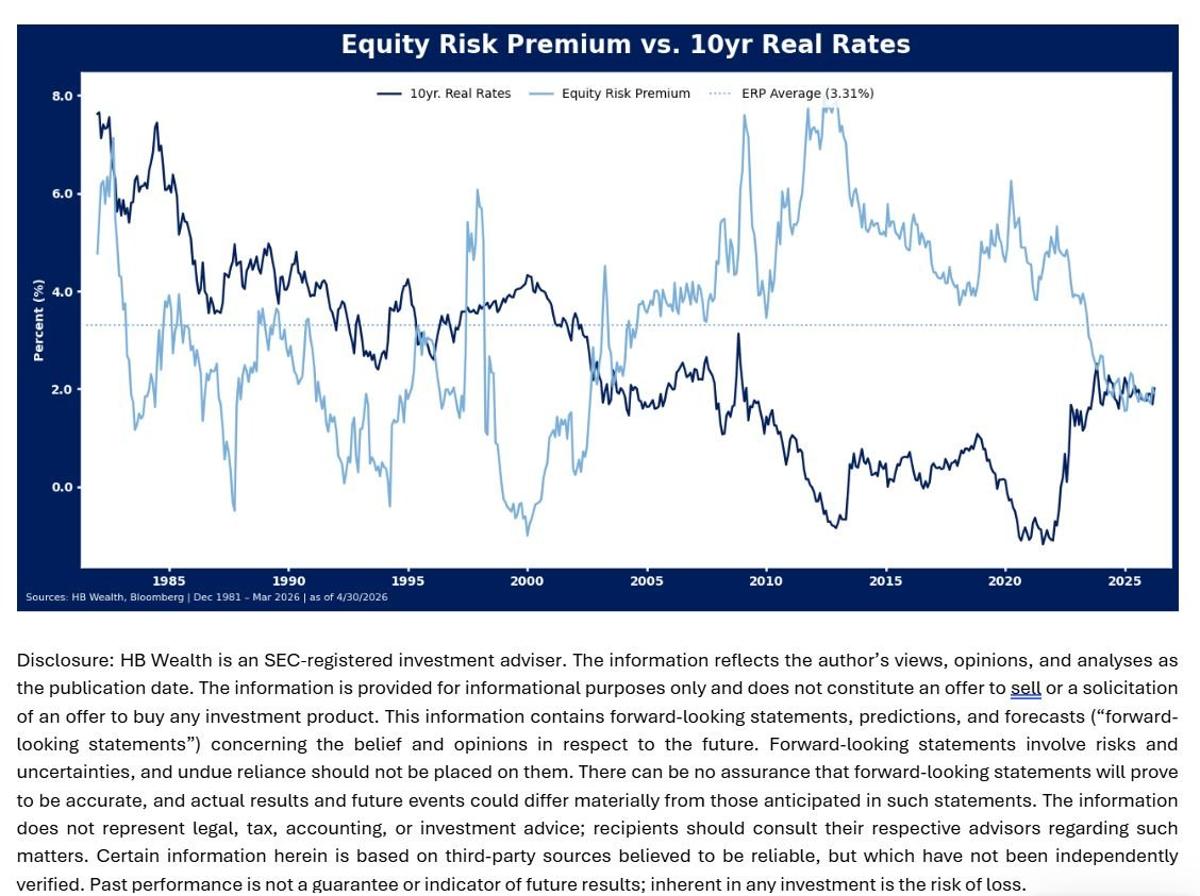
Negative ERP Signals Stock Risk, Current Levels Near Normal
The current ERP isn’t necessarily worrisome for forward equity returns. It’s roughly on par with the pre-2000 norm, which accompanied an annualized 14.8% rise in the S&P 500. The long-term average rolling annual gain is 8.1%. Greater risk to stocks emerges if the ERP slips to the fourth quartile of historical observations – where stocks historically struggled with below-average forward returns. Prospects for this may depend mostly...

PETER’S ASIAN BUSINESS & FINANCE BRIEFING – Tuesday 5 May 2026, 06:00 Hong Kong
US and Iran exchanged fire in the Strait of Hormuz, prompting President Trump to launch “Project Freedom” to free stranded vessels and pushing Brent crude to a session high of $115 per barrel. China responded by directing its companies to...
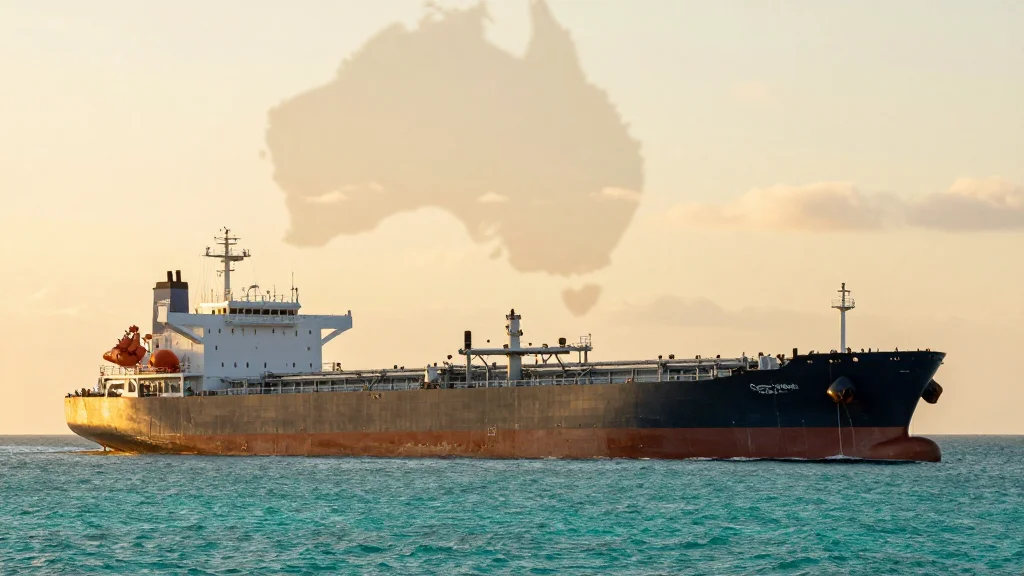
Singapore Oil Inflows Throw up Fuel Warning Light for Australia
Since the February 28 outbreak of the Middle East war, global oil logistics have been reshaped, with the Strait of Hormuz bottleneck only now rippling through Asian markets. Singapore’s oil imports have surged, diverting cargoes that would have traditionally passed through...
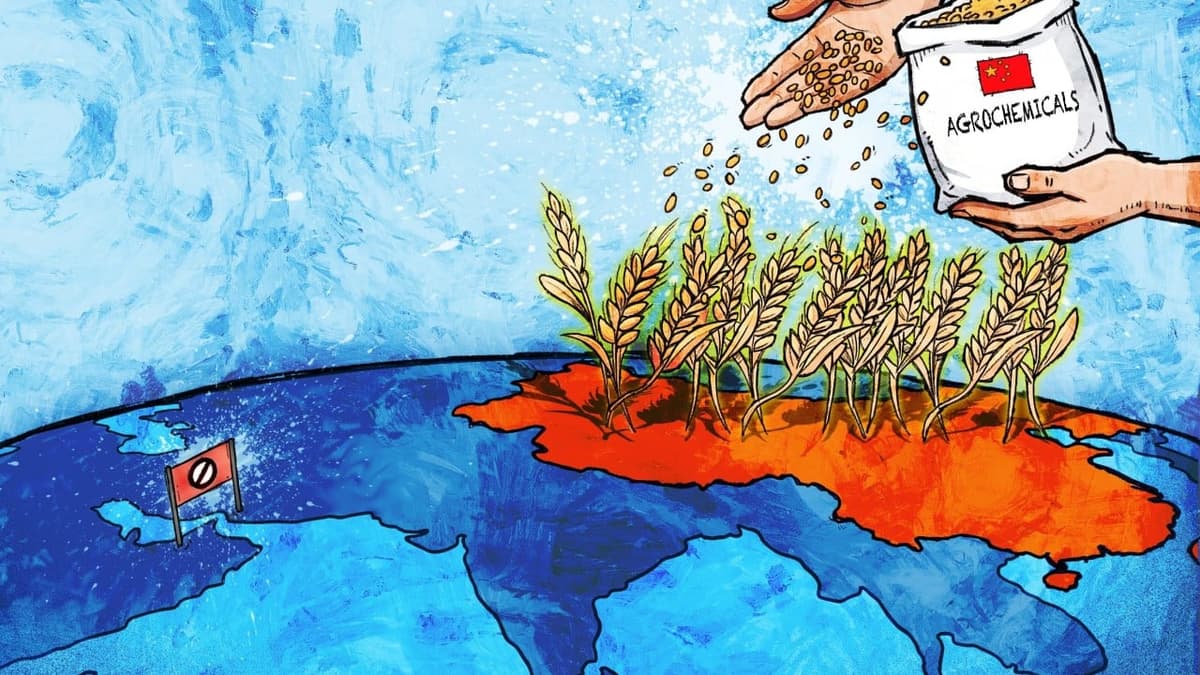
How the Middle East Crisis Is Expanding China’s Agrochemical Influence
Amid the escalating Middle East conflict, global farmers face uncertainty over fertilizer and pesticide supplies. China, which already accounts for roughly a third of worldwide fertilizer production and 70% of the raw materials for chemical pesticides, is poised to fill...
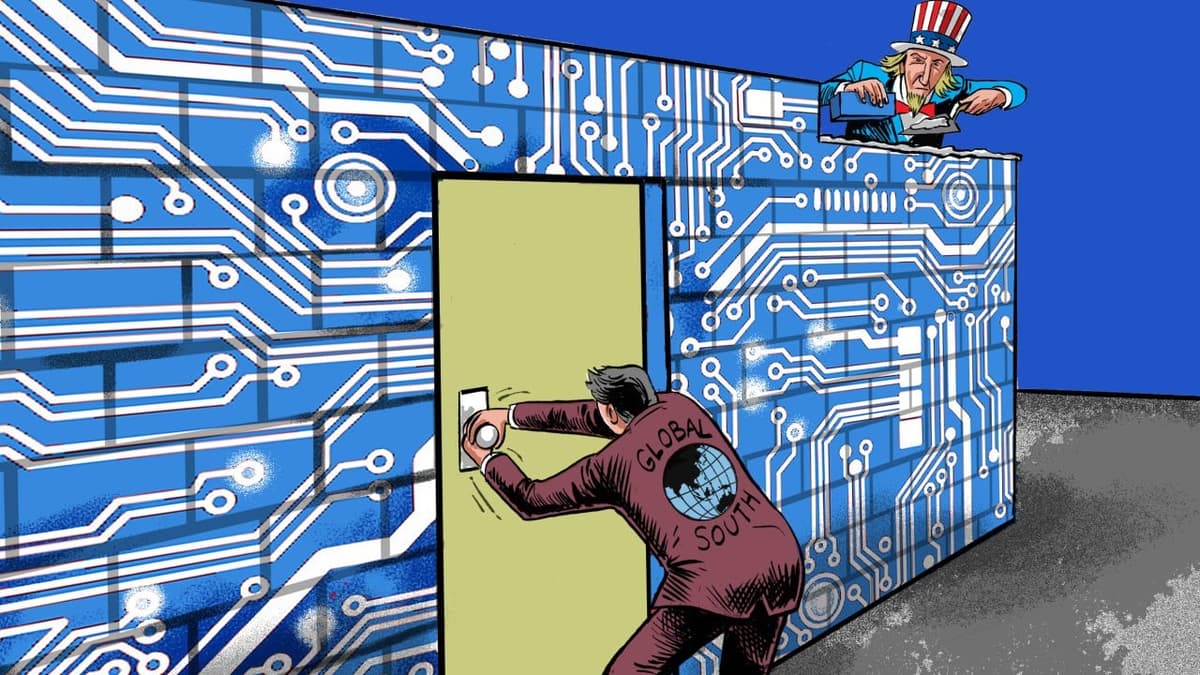
How US Tech Hegemony Is Locking Out the Global South
The United States is leveraging patents, export bans and alliance‑driven standards to cement a monopoly over emerging technologies such as 6G, creating a closed‑loop ecosystem that excludes non‑aligned nations. This strategy has choked the Global South, from African farmers forced...

Is Israel’s Interception of the Global Sumud Flotilla Legal?
Israeli naval forces stopped the Gaza‑bound Global Sumud flotilla in international waters off Greece, detaining two activists. The seizure occurred roughly 1,000 km from the Gaza Strip, prompting immediate legal questions about jurisdiction and the right to intercept vessels on the...
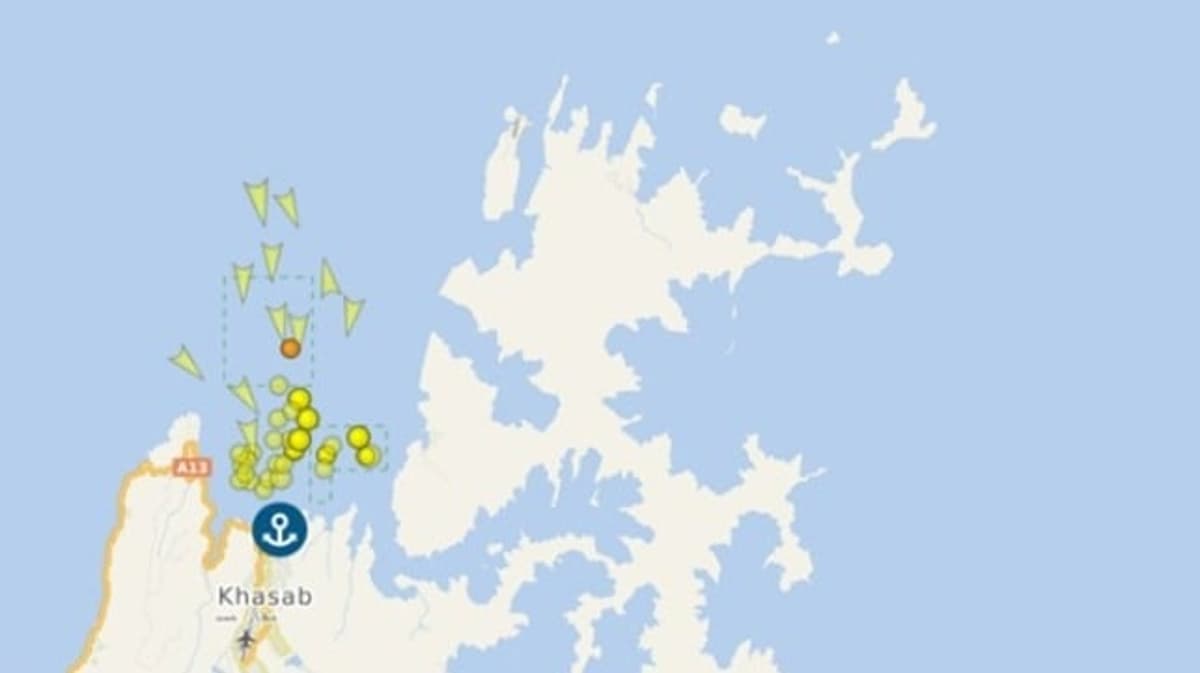
IRGC Threatens Ships at Anchor Off Musandam Peninsula
Iran’s Islamic Revolutionary Guard Corps (IRGC) Navy issued a repeated “serious warning” on Channel 16, ordering vessels anchored in Oman's Musandam port of Khasab to return to the Dubai anchorage. The directive also covered ships in nearby Omani ports of Mina Saqr...
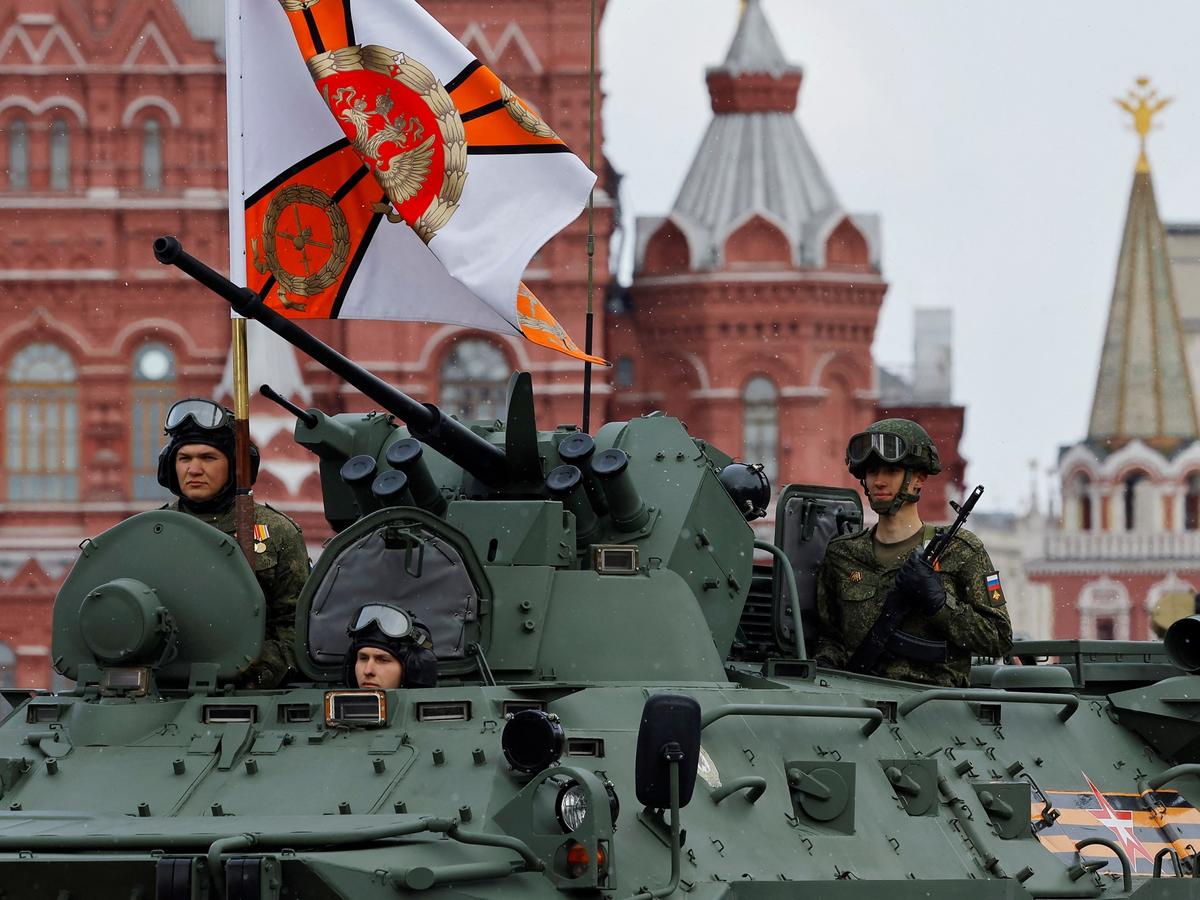
Russia and Ukraine Declare Competing Ceasefires
Russia’s Defence Ministry announced a unilateral cease‑fire for May 8‑9 to coincide with its Victory Day parade, while Ukraine set its own cease‑fire for May 5‑6. Kyiv’s President Zelenskyy said Moscow gave no official notice and warned Russia against attacks on the...
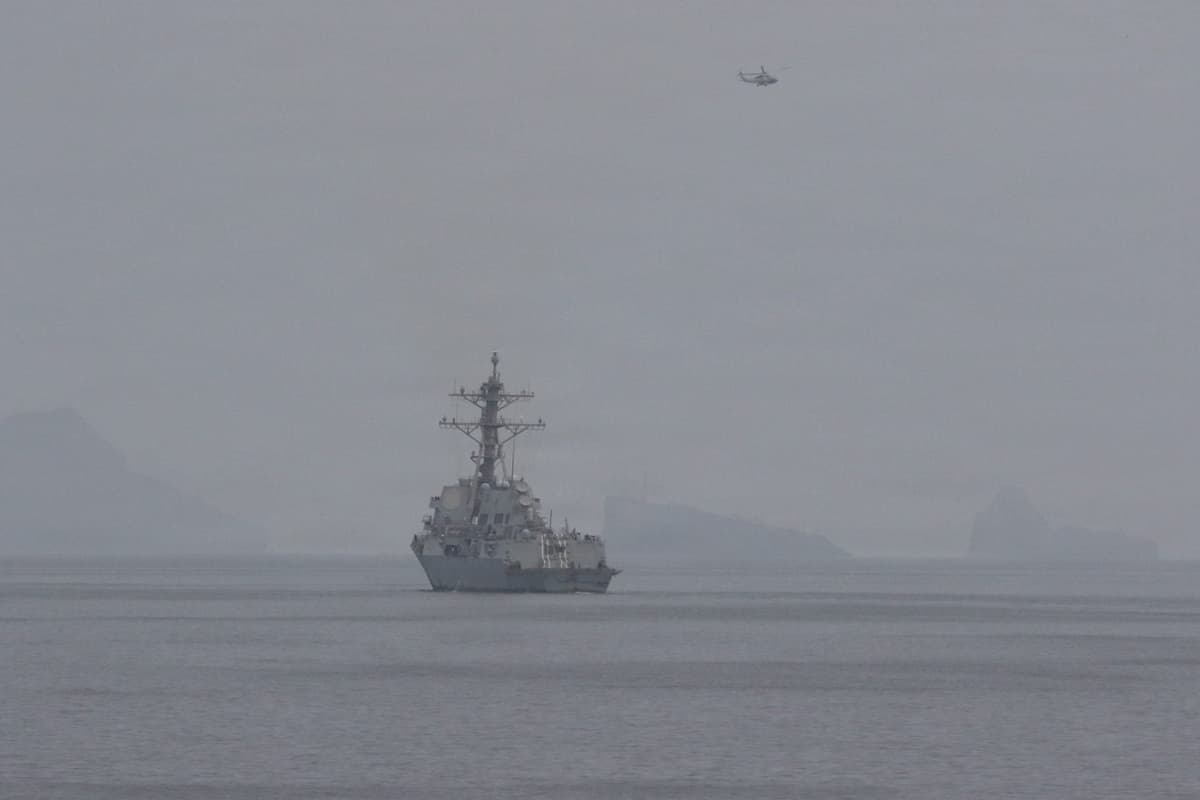
Maersk Ship Exits Hormuz Under U.S. Protection
Maersk confirmed that its U.S.-flagged roll‑on/roll‑off vessel Alliance Fairfax successfully transited the Strait of Hormuz on May 4 under U.S. military protection, marking one of the first escorted commercial passages since the February escalation between the United States and Iran. The...

Oil, Yields Higher on Persian Gulf Escalation, Stocks Down Slightly
Crude oil rebounded above $105 per barrel after reports of an Iranian strike on the UAE and a U.S. naval show of force in the Strait of Hormuz. The surge pushed oil to a peak near $107 before settling around...

IMF Says Worst-Case Global Economy Warning Is Now the Working Assumption - Oil Shock Hit
The International Monetary Fund has dropped its mild slowdown baseline and moved to an adverse scenario, warning that a prolonged Middle East conflict could keep oil at $125 a barrel through 2027. Georgieva said this price path would generate a...
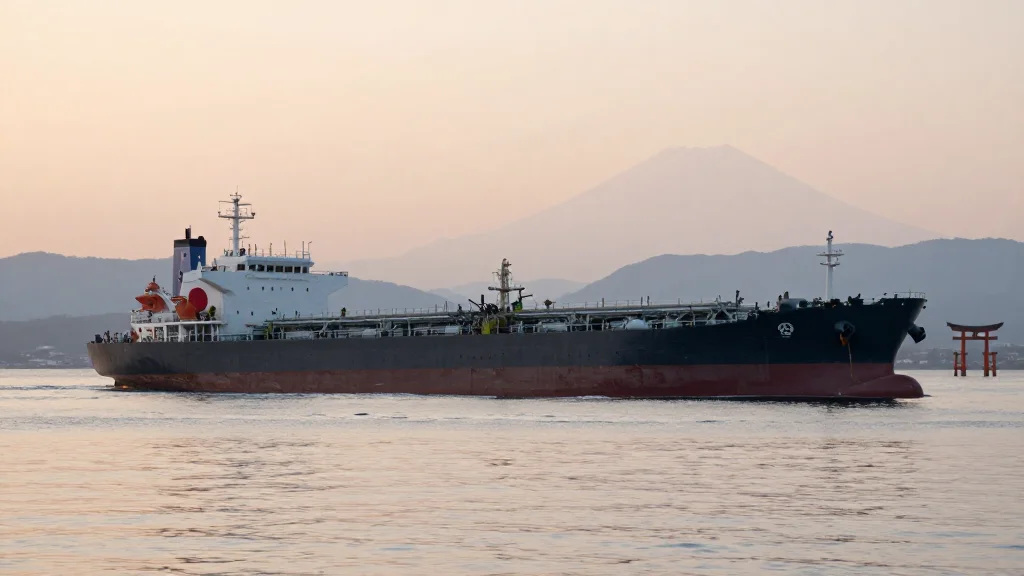
Japan to Receive Russian Crude as Hormuz Disruption Spikes Oil Logistics
A tanker carrying Russian crude is scheduled to dock in Japan tomorrow, marking the country's first post‑Hormuz import of Russian oil. The move comes as the Strait of Hormuz remains disrupted by the Iran‑U.S. standoff, pushing global oil prices above...

Bond Yields Are Rising. Why That Could End the Stock Market’s Rally.
U.S. Treasury yields have surged, pushing the 10‑year rate above 4.5% and prompting a pullback in equities. The S&P 500 slipped 0.4% while growth names like Amazon rose modestly and the bond‑focused TLT ETF fell 0.8%. Analysts warn that continued...

Dow Drops 557 Points as Iran Tensions Ramp Up: Stock Market Today
The Dow Jones Industrial Average slipped 1.1% to 48,941 as Middle East tensions escalated, pushing West Texas Intermediate crude above $106 a barrel. Norwegian Cruise Line’s stock plunged 8.6% after it missed Q1 revenue targets and warned that higher fuel...
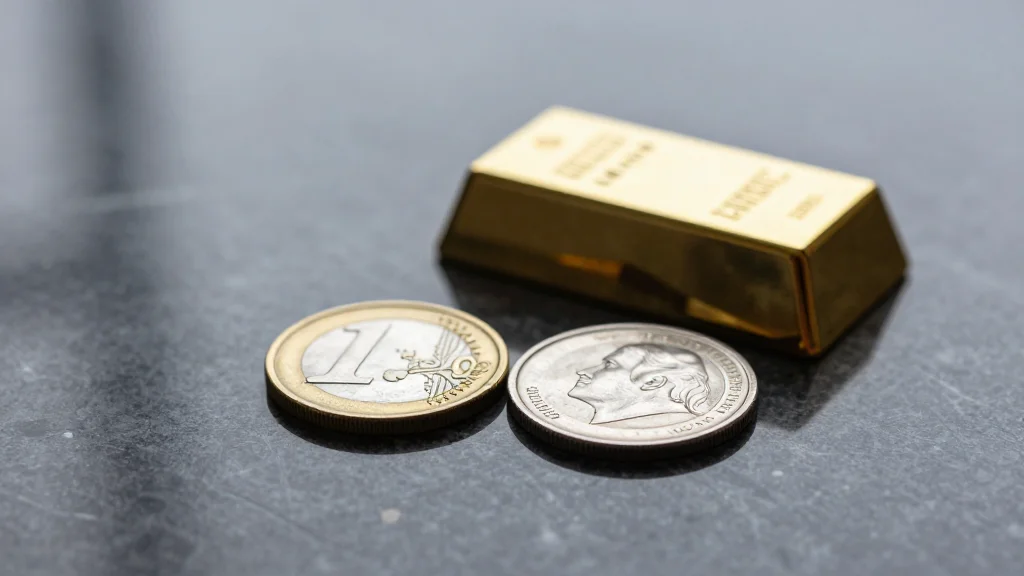
Dollar Gains 0.3% as European Stocks Slip 1.7% After Missile Hit on US Warship
The dollar index climbed 0.3% to 98.542 after Iran's Fars News agency reported two missiles hitting a US warship in the Strait of Hormuz. European equities tumbled, with the pan‑European STOXX 600 down 0.9% and the Euro STOXX 50 sliding...

Asia‑Pacific Dollar Bond Issuance Jumps to $38 B in April After Iran Ceasefire
Borrowers across Japan, Australia and South Korea flooded the market with $38 bn of dollar‑denominated bonds in April, the highest volume since 2021. The surge follows a temporary lull in the Iran‑U.S. conflict and has tightened spreads for Asian investment‑grade debt.

Markets Hit by Glut of Escalation Headlines
U.S. Treasury yields climbed on Monday as a wave of escalation headlines— Iran’s missile strike on a U.S. warship, UAE air‑defense alerts, and a fire at a UAE oil export terminal— pushed oil prices higher. The 10‑year Treasury rose from...

Middle East War Triggers 24% Energy Price Surge, Sparking Vietnam Inflation and World Bank Alarm
The war in the Middle East has pushed global energy prices up 24% this year, the steepest rise since Russia’s 2022 invasion of Ukraine. The surge is feeding higher transport costs in Vietnam, accelerating its inflation, while the World Bank...

US Stocks Today: US Stocks Today: US Stocks Fall From Record High on Middle East Worries
U.S. equity markets slipped from record highs on Monday as an explosion aboard a South Korean vessel in the Strait of Hormuz and renewed Middle‑East tensions dampened investor optimism. The S&P 500 fell 0.39% to 7,201.75, the Nasdaq dropped 0.17% to...
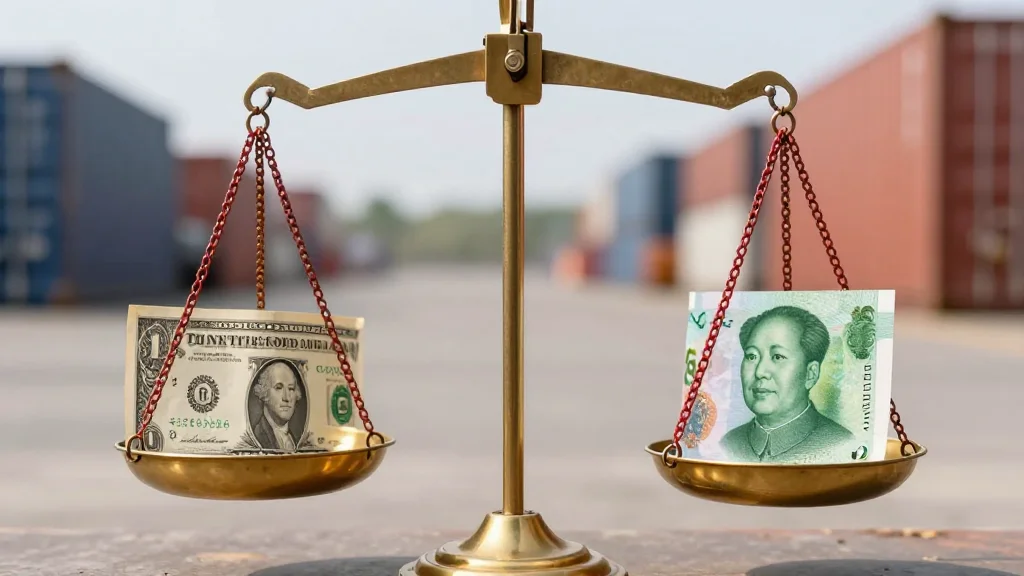
100% Tariff Already Eliminates Chinese Imports; Higher Rates Irrelevant
If Trump weren't dumber than a rock, he would know that once he gets to a 100% tax, imports from China will fall to near zero. After that point, it doesn't matter whether he makes the tariff 200% or 20,000%....

Rates Near Yearly Highs, Slowing Activity but Manageable
Rates are near yearly highs, still lower than last year, but these levels have already slowed things down this year. Nothing too bad, but there is definitely some impact.

The EU Wants to Unshackle Its Economy. For Real This Time
The European Union is launching a sweeping regulatory reform agenda aimed at reducing bureaucratic hurdles that have long hampered growth. The plan targets red tape in sectors ranging from technology to manufacturing, promising faster approvals for high‑impact projects like AI‑focused...
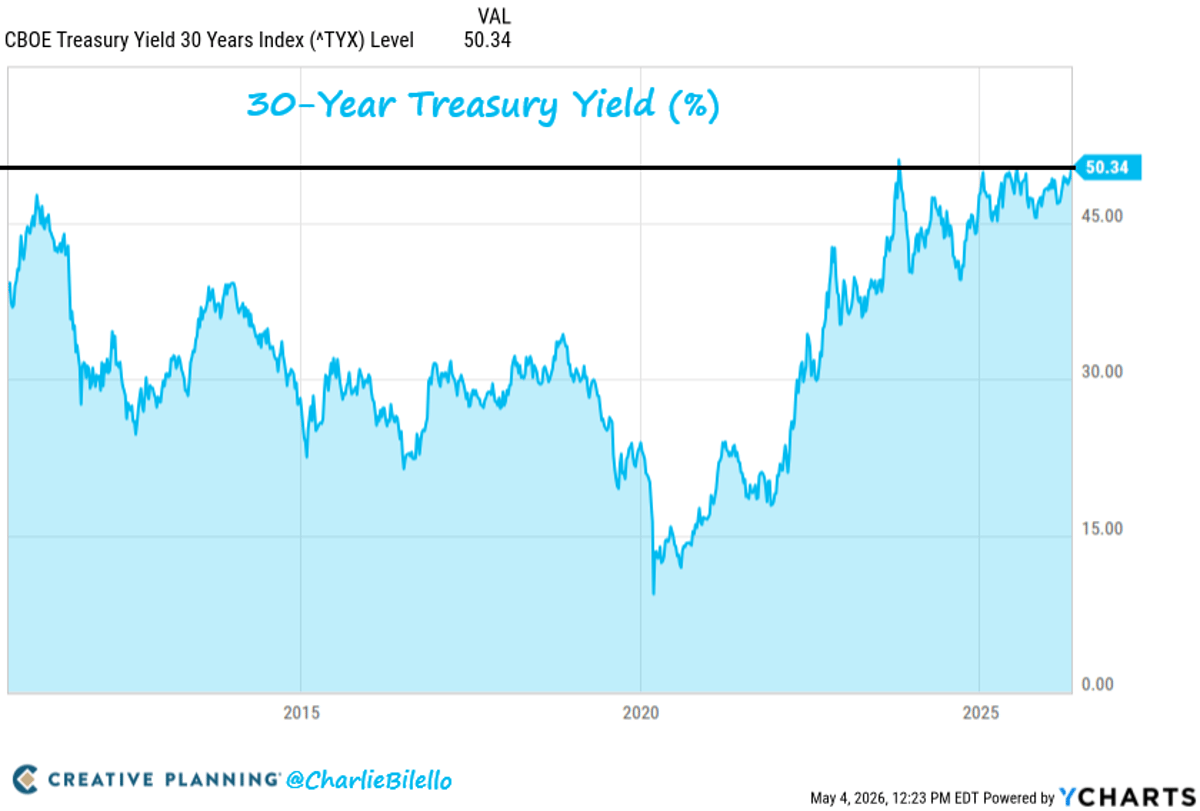
Bond Market Flags Risk as 30‑Year Yield Tops 5%
The 30-Year Treasury yield closed above 5% today and it not far from its highest level in more than a decade. The stock market may be ignoring Iran and Inflation, but the bond market is not. Video: https://t.co/2JUqFjVZ49
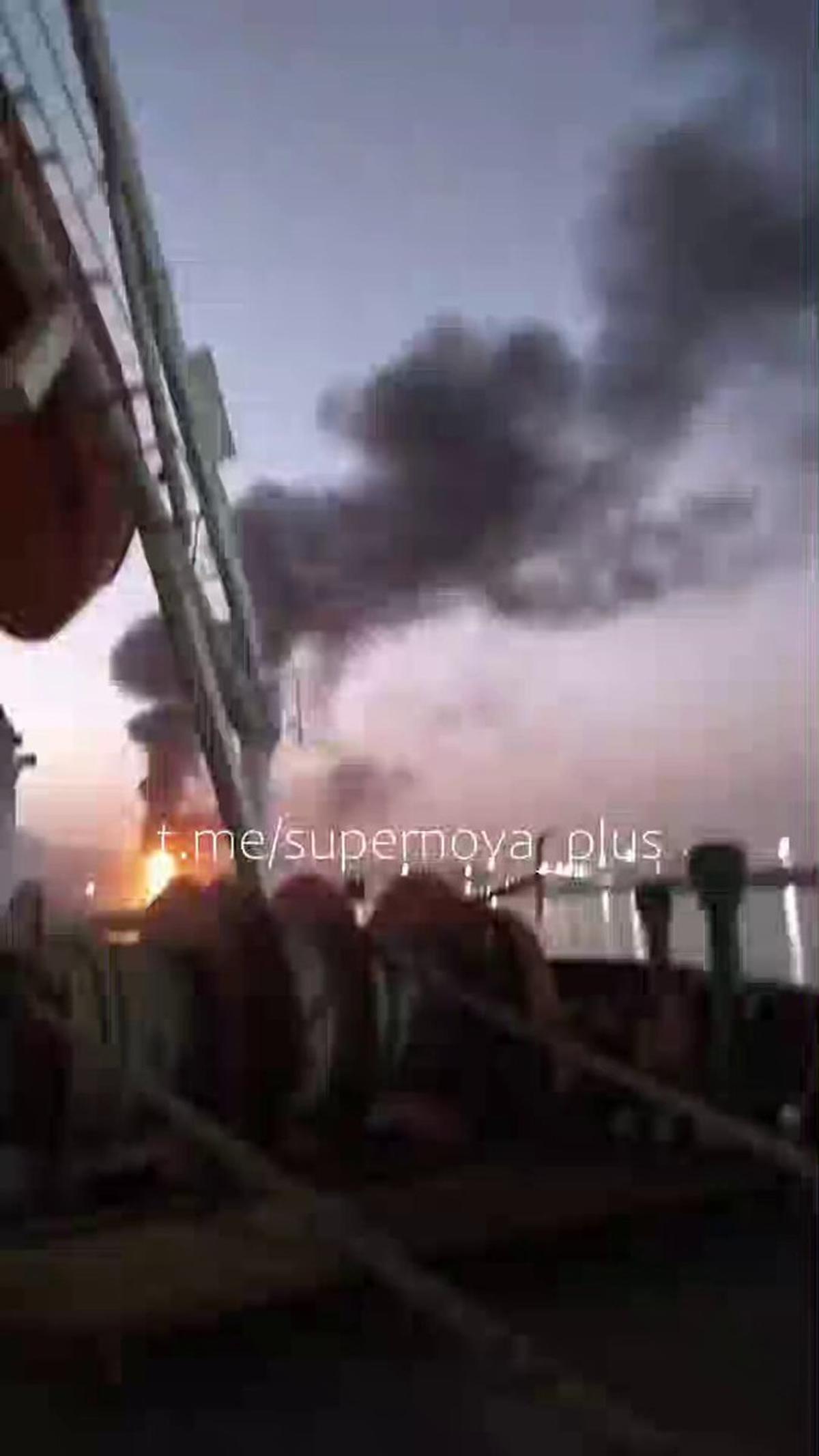
Iran Strikes UAE Oil Hub, Signaling Heightened Retaliation
In response to the US launch of “Project Freedom” to reopen the Strait of Hormuz, Iran launched a drone and missile attack. It hit the UAE’s Fujairah oil industry zone. Iran is LOCKED AND LOADED. https://t.co/R8f939cm7w
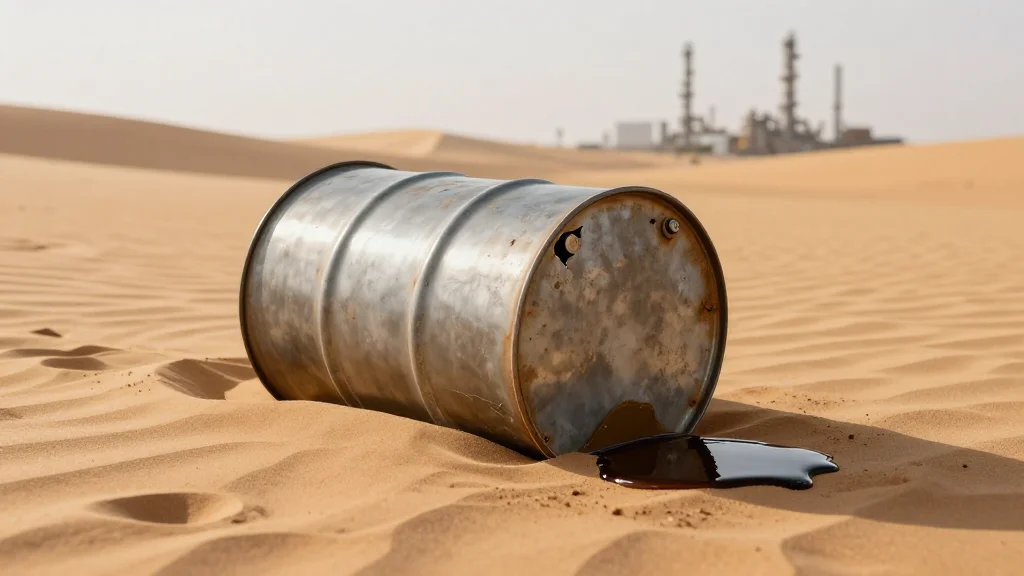
Over A Barrel? Middle East Energy Crisis' Next Phase
The Iran crisis has tightened oil and gas supplies, pushing Brent to $114 a barrel and WTI to $105. Asia and Europe are bearing the brunt of the shortage, while U.S. crude and refined product exports have surged to record...
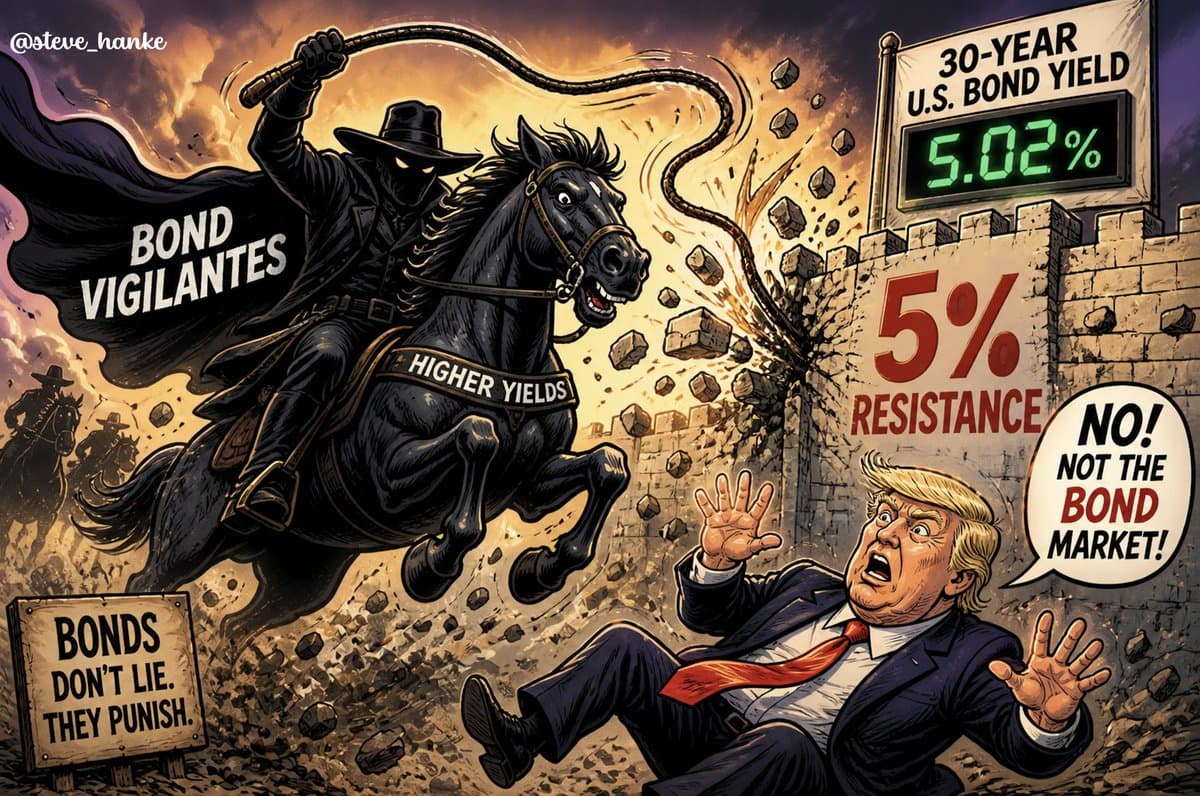
30‑Year Yield Breaks 5%, War Sparks Bond Vigilantes
Today, the U.S. 30-year benchmark bond yield pierced the important 5% resistance level, ending at 5.02%. Bonds severely underperform in wartime. With the war on Iran, the bond vigilantes ride again. They will teach WARMONGER Trump a lesson. https://t.co/sNxVUqdYwF

Fed's Dual Mandate Fuels Record Long-Term Rate Surge
Long-term Exploitation of Extraordinary Monetary Policy Tools, a Fed utilizing either side of it's Dual Mandate to justify lower, a lack of inflation, including CPI & PCE understating reality, helped foster the continuation of an incredible LT bull market in...
Rates Spark: 10yr SOFR Hits the 4% Handle
On Monday the 10‑year SOFR rate climbed to 4%, up 50 basis points from the pre‑Iran‑war level of 3.5%. The rise places the rate in a zone the firm identifies as optimal for receiving fixed in swap‑to‑floating strategies, offering potentially...
Trump Predicts Iran War Will Last Two Weeks
Well, Trump says the Iran Iran War could drag on for another two to three weeks… … again https://t.co/y2mTL9jULA
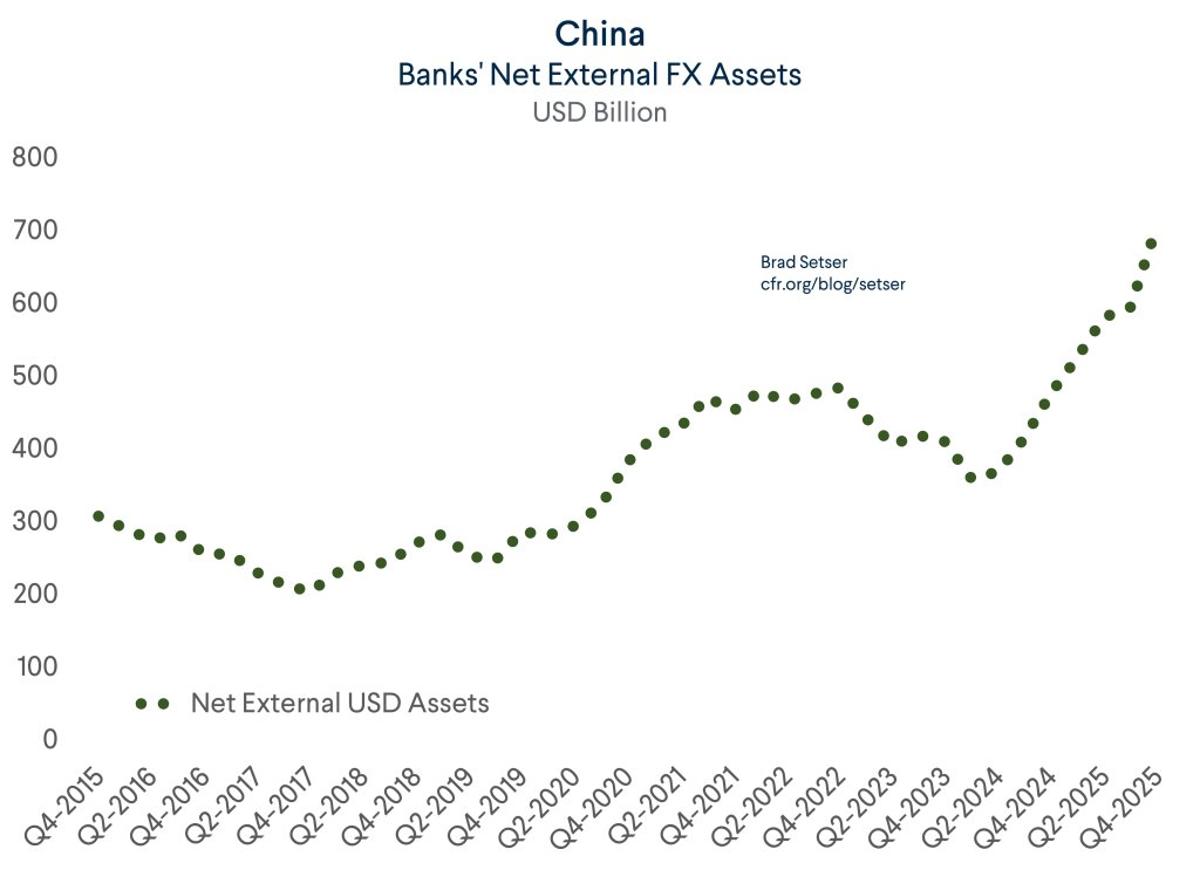
China's Banks Surge Net Dollar Holdings, Data Shows
Indeed. China's own banking data shows a big jump in its net dollar holdings in the last few quarters. And that data excludes the dollar assets of the policy banks and China's various sovereign funds https://t.co/DSd2RXCiOA
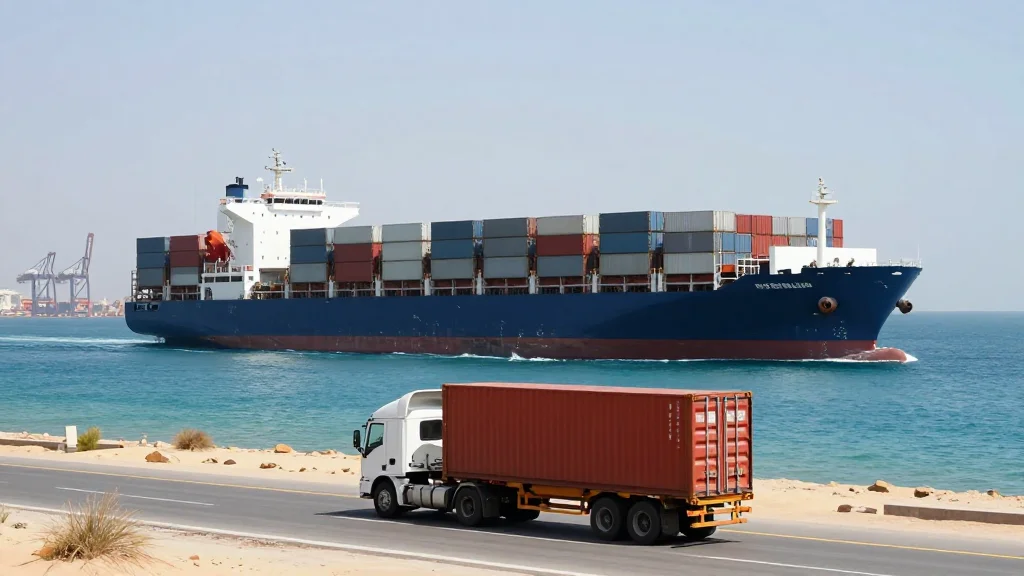
Hapag-Lloyd, MSC to Use Feeders to Restore Upper Persian Gulf Cargo Links
Ocean carriers Hapag‑Lloyd and Mediterranean Shipping Co. have announced the resumption of container services to the upper Persian Gulf using third‑party feeder vessels. The new routes incorporate land‑bridge options to avoid the still‑closed Strait of Hormuz, which has been inaccessible...
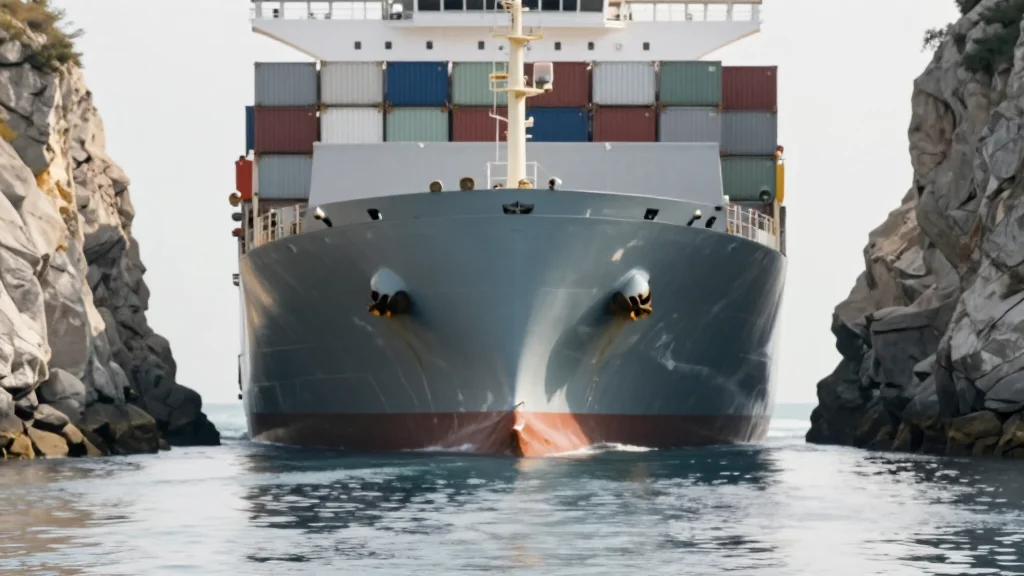
Unclear Ship Traffic in Hormuz Highlights Information Gaps
So, have there been ships traversing Hormuz or not... why is it this hard to figure out what is actually happening in the Strait?

Bitcoin Beats Gold as Top Inflation Hedge, Says Tudor Jones
Paul Tudor Jones: bitcoin is the best inflation hedge there is, more than gold. BTC clears its 150-day. Iran fires on Hormuz. UAE quits OPEC. Meta down 8% on $145B in AI capex. @AustinCampbell, @ramahluwalia, and @perkinscr97 debate live on Bits +...

First Trade Convoy From Eastern DRC Reaches Kinshasa via Green Corridor Launch
The Kivu‑Kinshasa Green Corridor, a multimodal route linking North Kivu to Kinshasa via Kisangani and the Congo River, completed its first cargo convoy. The convoy carried three containers of soap, chocolate and beans, showcasing the east’s agro‑industrial potential. Launched in...
Iran's Full Oil Storage Pressures Leaders, Sparks Policy Uncertainty
This shift will be caused by Iran's oil storage reaching capacity. Now that the real decision-makers will feel the pressure, there will be an opening for policy change. The outcome, however, remains uncertain. #crudeoil #iranwar #straitofhormuz #geopolitics https://t.co/EAeq2uZUcK

Rate Rebound Signals Bond Market Nearing Bottom
Hearing a lot of "the backup in rates" ... so you know we are near a bond bottom

Daily Energy Report
Oil prices surged on May 4 as Iran intensified drone and missile attacks on UAE infrastructure and shipping in the Strait of Hormuz, pushing Brent crude to about $115 a barrel and WTI to $106. The United States responded with...

Critical Rate Threshold Threatening Big‑Cap Tech Stocks
At what level would long term interest rates need to be to negatively impact big cap tech stocks? $NDX
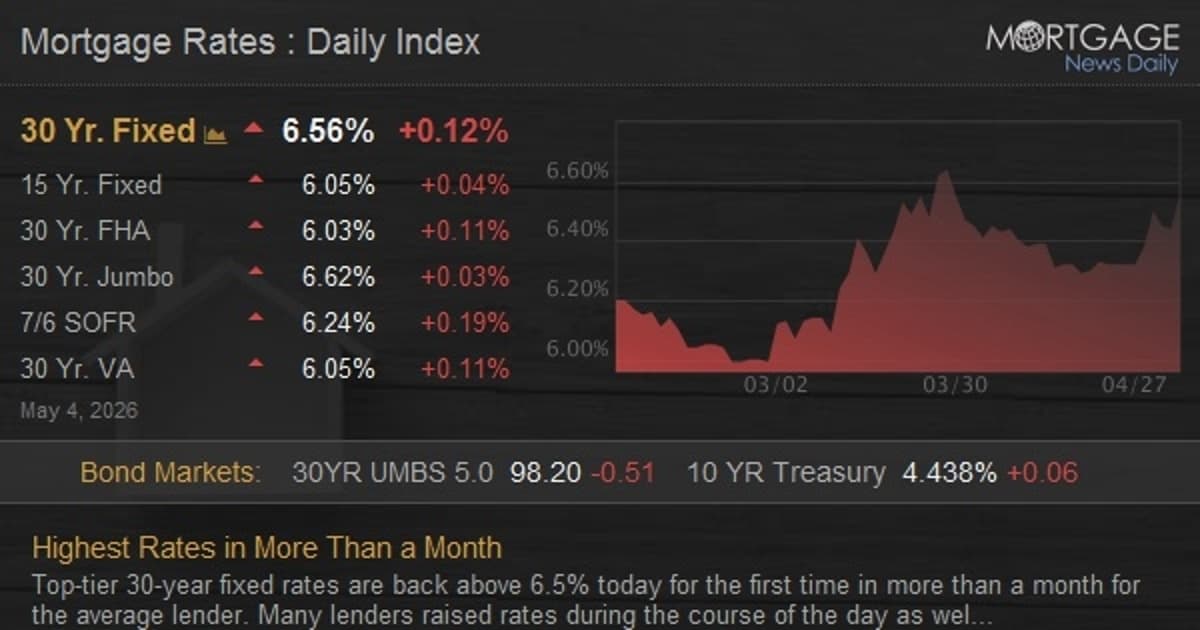
Highest Rates in More Than a Month
Mortgage rates climbed back above the 6.5% mark, with the average 30‑year fixed rate reaching 6.56% on May 4, 2026 – the highest level in over a month and the third highest since August 2025. The rise follows a jump in Treasury...
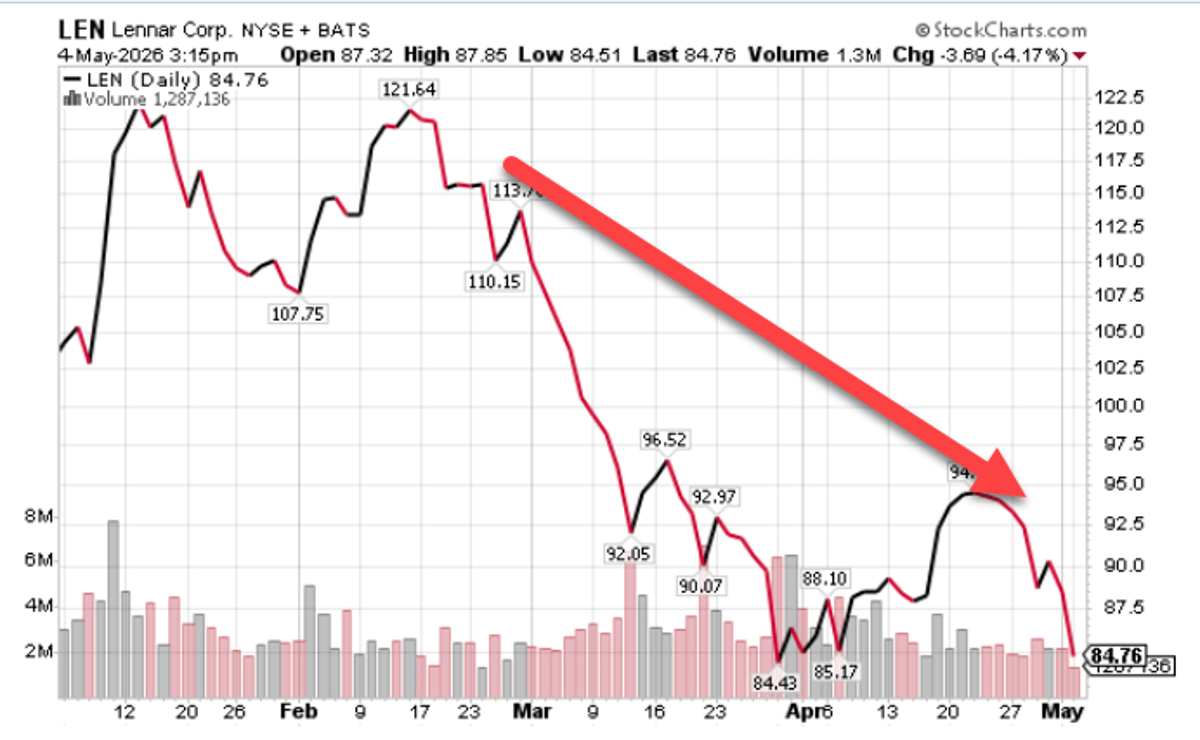
Rising Inflation, Higher Rates Signal Sell Housing Stocks
If you had our Macro Inflation Accelerating and Rates Rising Nowcast, you would not belong this stock or Housing $ITB $LEN https://t.co/2zbacX6GvP

Pharma Exports Surpass $31 Billion in FY26 Despite Global Headwinds
India’s pharmaceutical exports exceeded $31 billion in FY 26, marking a robust overall performance despite a sharp 23% drop in March shipments. The decline was driven by a 10% fall in U.S. exports and an 11.5% dip to China, both grappling with...

Powell Out
The Financial Times has assembled a dedicated Monetary Policy Radar team to track global central‑bank actions and forecast rate moves. Chris Giles, the veteran economics commentator, leads the editorial side after 19 years at the FT. Andrew Whiffin, a CFA‑journalist...