Today's Global Economy Pulse
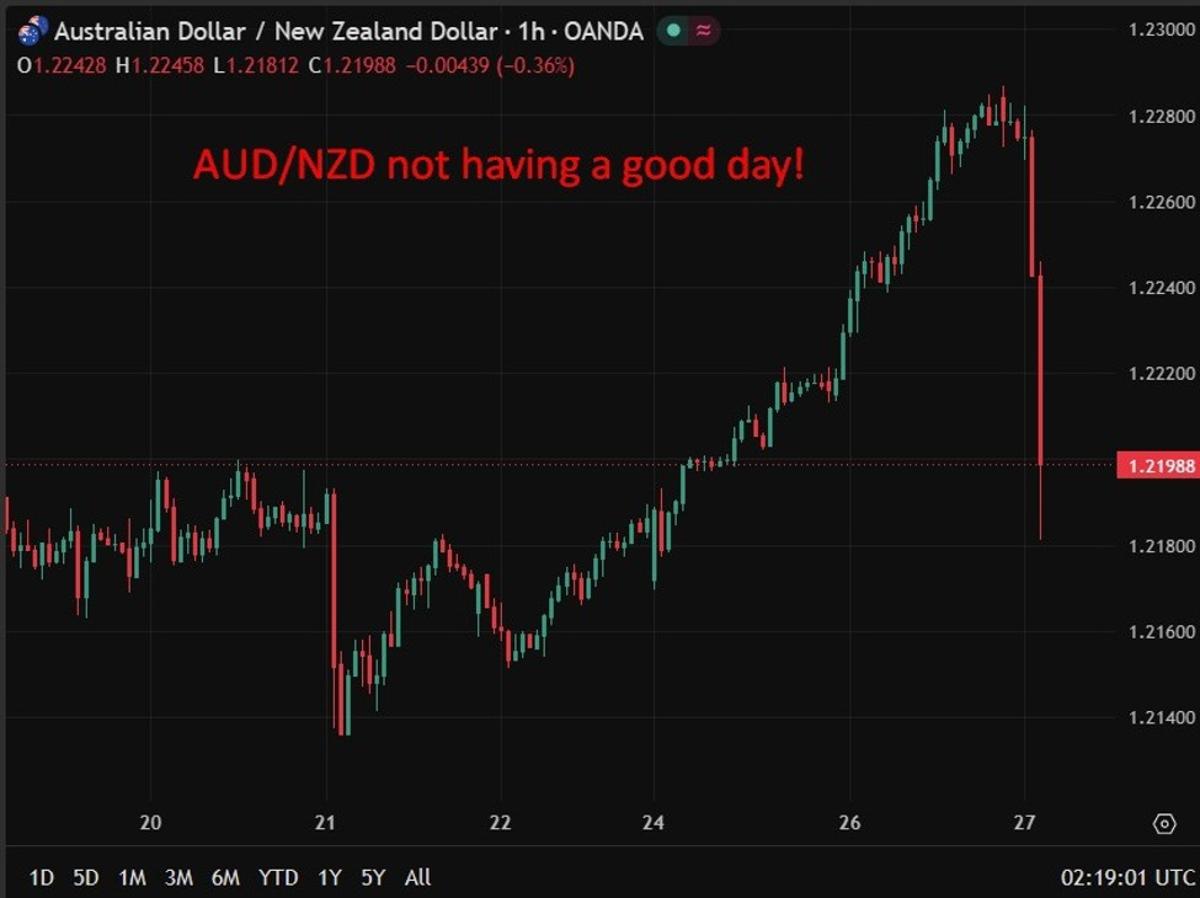
Australia's April CPI eases to 4.2% as fuel cuts mask rising core inflation
The consumer price index slipped to a 4.2% annual rise in April, missing the 4.4% forecast, helped by a temporary fuel excise cut that lowered transport costs. Meanwhile, the trimmed‑mean core inflation gauge rose to 3.4% year‑over‑year, the highest level since late‑2024, keeping pressure on the Reserve Bank of Australia’s policy outlook.

China Calls for APEC Cooperation as Commerce Minister Skips Opening over ‘Urgent Official Business’
China’s International Trade Representative Li Chenggang opened the APEC trade ministers’ meeting in Suzhou, standing in for absent Commerce Minister Wang Wentao who cited urgent official business. Li called on APEC economies to send a strong, unified message supporting regional cooperation amid heightened trade tensions. The meeting follows a high‑profile U.S.–China summit in Beijing where both sides agreed on a new Boeing aircraft order and a $17 billion annual U.S. agricultural purchase through 2028. U.S. Deputy Trade Representative Rick Switzer leads the American delegation.

Govt Seeks to Curb Deficit, Delays Import Cuts
Govt Eyes Steps to Contain Widening Current Account Deficit The government is considering several measures to contain the widening Current Account Deficit. Minister Goyal has stated there are no plans to cut non-essential imports for now.

Housing Starts Plummet as Mortgage Rates Top 6.5% Amid Iran Conflict
Single‑family housing starts fell sharply in April as 30‑year mortgage rates surged to 6.51%, the highest level in months. The jump is linked to a Treasury‑market sell‑off triggered by the expanding Iran conflict, tightening financing conditions for homebuyers.

Wood Mackenzie Warns Hormuz Closure Could Spark $200 Brent Shock, Hitting Emerging Markets
Wood Mackenzie’s new Horizons report warns that a prolonged closure of the Strait of Hormuz could lift Brent crude to $200 a barrel, curtail 11 million bpd of Gulf oil and 80 Mtpa of LNG, and push global growth below 1% in...
India Sovereign Bonds Rally on Middle‑East Peace Hopes as Oil Falls to $110.60
Investors in Indian sovereign bonds pushed the market higher on Friday, buoyed by optimism that a Middle‑East peace deal could ease oil prices and lower Treasury yields. Brent crude slipped to $110.60, reinforcing the bond rally and widening the yield...
Immigration Idiocy Mid-Oil and Job Shock
Australia is confronting three interlinked economic shocks, beginning with a sharp oil price surge that is curbing growth and amplified by the Reserve Bank of Australia's tighter‑than‑expected monetary stance. A concurrent collapse in entry‑level job creation is pushing youth unemployment...

U.S. Q1 Real GDP Growth Accelerates as Shutdown Impact Fades, High‑Tech Imports Surge
Federal Reserve meeting minutes released May 21 reveal that U.S. real GDP grew faster in the first quarter as the lingering effects of the federal shutdown receded. Trade data show net exports weighed on growth, but a sharp rebound in goods...

Kearney Chair Says India Is a Multi‑Decade Breakout Opportunity for Global CEOs
Bob Willen, chairman of consulting firm Kearney, told the Economic Times that India now represents a multi‑decade breakout opportunity for global CEOs. He cited the country's geopolitical balance, AI‑driven disruption and supply‑chain realignment as drivers of a new, resilient growth...
Japan's Flash PMI Falls to Five‑Month Low, Heightening Yen Pressure
Japan's flash composite PMI eased to 51.1 in May, a five‑month low, while manufacturing stayed above 50 and services stalled at 50.0. Record selling‑price inflation, the sharpest in nearly two decades, puts the Bank of Japan under growing pressure ahead...

India, Italy Seal €20 Billion Trade Target in New Strategic Partnership
Prime Ministers Narendra Modi and Giorgia Meloni elevated India‑Italy relations to a special strategic partnership, pledging to lift bilateral trade to €20 billion (about $22 bn) by 2029. The deal also launches a defence industrial roadmap and 10 MoUs covering critical minerals,...

Japan’s April Exports Surge 14.8% Amid Oil‑Gas Supply Concerns
Japan’s trade ministry reported a 14.8% year‑on‑year rise in April exports, the eighth straight month of growth, powered by a 42% surge in semiconductor shipments. The rally comes as oil and LNG imports plunge amid the Iran‑related closure of the...

Beyond Borders, Within Societies: Inequality and the Global Transmission of US Monetary Policy
A new cross‑country study finds that domestic income inequality shapes how US monetary‑policy shocks transmit abroad. In advanced economies, higher inequality magnifies the contractionary impact of a Fed rate hike, while in emerging markets it dampens the effect. The relationship...

Redefining the Monetary Standard
Livio Stracca, an ECB senior official, released *Redefining the Monetary Standard in the Digital Age* outlining how fintech, stable‑coins, and central‑bank digital currencies (CBDCs) are reshaping the payment landscape. He argues that while the fiat system remains resilient, the payment side...

Your Bond Portfolio Is Facing a ‘Termite’ Infestation Far Worse than Jamie Dimon’s ‘Cockroaches’
The article warns that the credit market is being eroded by “credit termites” – opaque AI‑driven loans, high leverage and covenant‑lite structures – rather than the resilient “cockroaches” Jamie Dimon mentioned. At the end of 2025, SaaS‑related loans topped $500 billion,...

Exim Bank Raises Export Growth Projection to 7%
The Export‑Import Bank of Thailand raised its 2026 export‑growth forecast to 7% after a 17% surge in first‑quarter shipments, up from a prior 2% outlook. It set a new lending target of 70 billion baht (about $2 billion) and expects total outstanding...

Economists Stress Inflation Warning for Thai Economy
Thai economists warn that rising inflation, driven by higher fuel and raw‑material costs, threatens the country’s fragile consumption and small‑business liquidity. The risk intensifies if the US‑Iran conflict drags on, keeping oil prices volatile and prompting other central banks to...
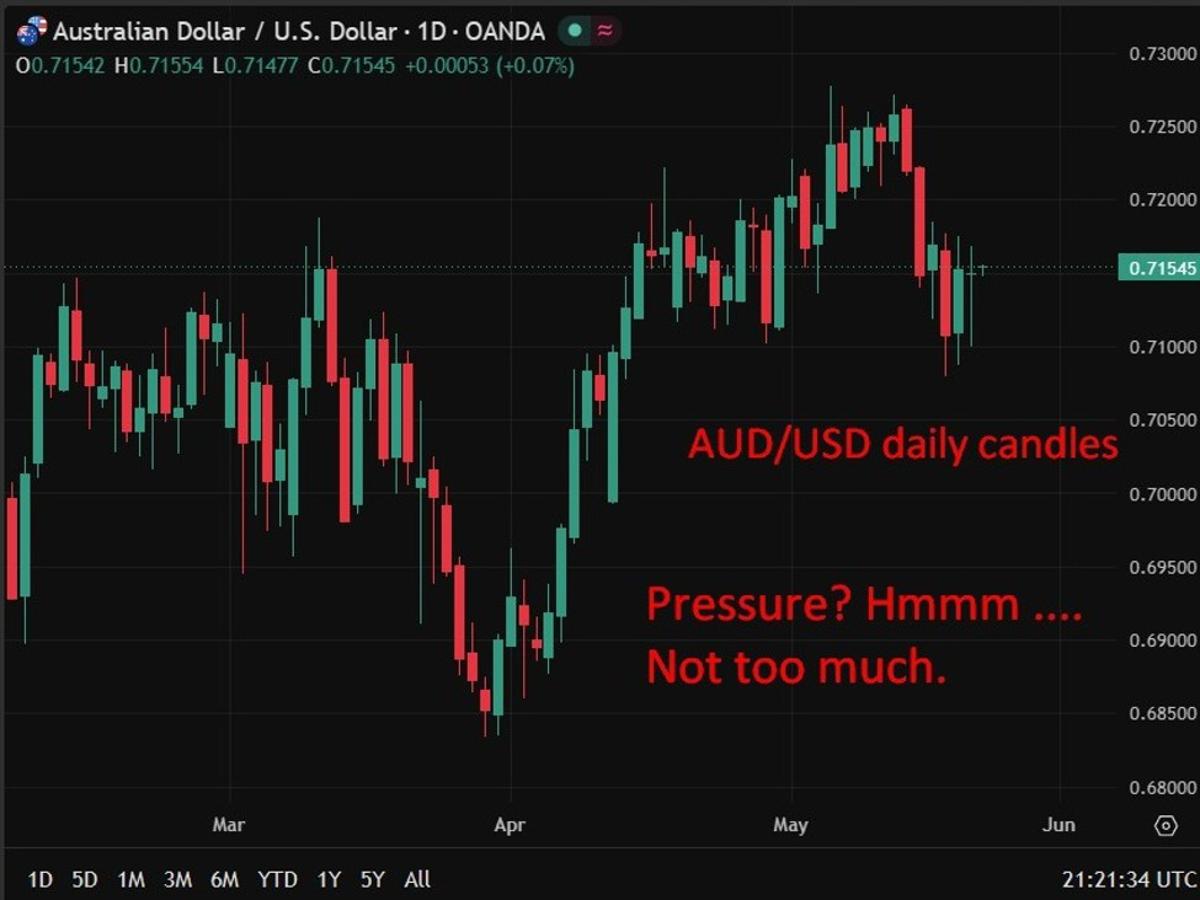
Australian Dollar Under Pressure Say Analysts as RBA Rate-Hike Cycle Seen Nearing Its End
The Australian dollar slipped from a four‑year peak of 0.726 USD after soft Chinese retail data and a rise in domestic unemployment to 4.5%. While the Reserve Bank of Australia (RBA) has delivered three consecutive rate hikes, recent minutes and a...
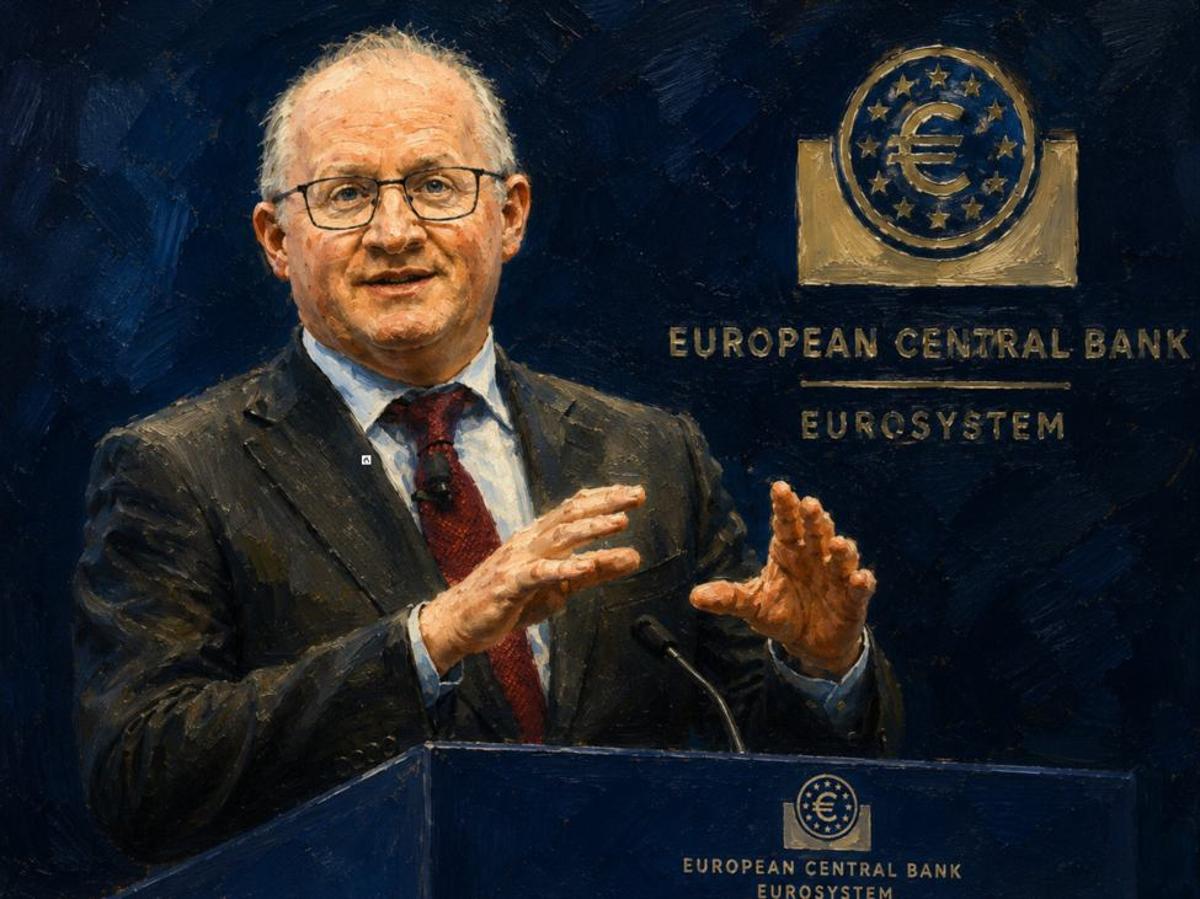
Economic and Event Calendar in Asia Friday, May 22, 2026 - Japan CPI, ECB's Lane Speaking
Japan’s core consumer‑price index is expected to fall below the Bank of Japan’s 2% target for a third straight month, reinforcing calls for a cautious stance on further rate hikes. The data release coincides with the Asian Monetary Policy Forum...
What’s Driving Japan’s Market Momentum
In this live Japan Summit episode, Morgan Stanley’s macro team discusses Japan’s reflation narrative, the impact of the recent energy shock, and why Japanese equities are favored over emerging markets. While short‑term nominal GDP may dip due to higher oil...

U.S. Jobless Claims Slip to 209,000 as Housing Starts Falter in April
Initial jobless claims dropped to 209,000, beating expectations and highlighting a still‑tight labor market. At the same time, housing starts plunged in April, pointing to lingering weakness in the construction sector. The divergence gives the Federal Reserve room to keep...
Naira Gains 5% vs Euro as CBN Holds Rates at 26.5%
The Central Bank of Nigeria left its monetary policy rate unchanged at 26.5% and the naira appreciated roughly 5.4% against the euro, falling from N1,684 to N1,592.5 per euro. Governor Olayemi Cardoso said the stance is meant to anchor inflation...

Economic Damage From Iran War ‘Increasingly Evident,’ S&P Global Says
S&P Global’s latest composite PMI shows a second consecutive month of weak growth for U.S. manufacturers, while service‑sector optimism slipped to its lowest since April 2025. The survey links the slowdown to rising inflation and supply‑chain strains tied to the war...

Friday: Stocks Surge & Oil Falls on Peace Deal Report
The episode covered a rally in U.S. equities and a drop in oil prices sparked by reports of a potential U.S.-Iran peace deal, while global PMI data showed a sharp slowdown in European factories but resilience in the U.S. economy....

Hormuz Disruptions Demand True Supply Chain Elasticity
The Strait of Hormuz has become a geopolitical pinball machine, disrupting 20% of global petroleum flows through a single chokepoint. From GPS spoofing to drone harassment, this is “attrition by algorithm.” Boards must stop planning for likely scenarios and build...

Hopes of 5%-Range Mortgage Rates in 2026 Fading After Freddie Mac Latest
Freddie Mac’s latest data shows the average 30‑year fixed mortgage rate jumped to 6.51% for the week ending May 21, the highest level in nine months. The surge, driven by volatile bond yields and geopolitical tension, pushes the anticipated return to five‑percent...
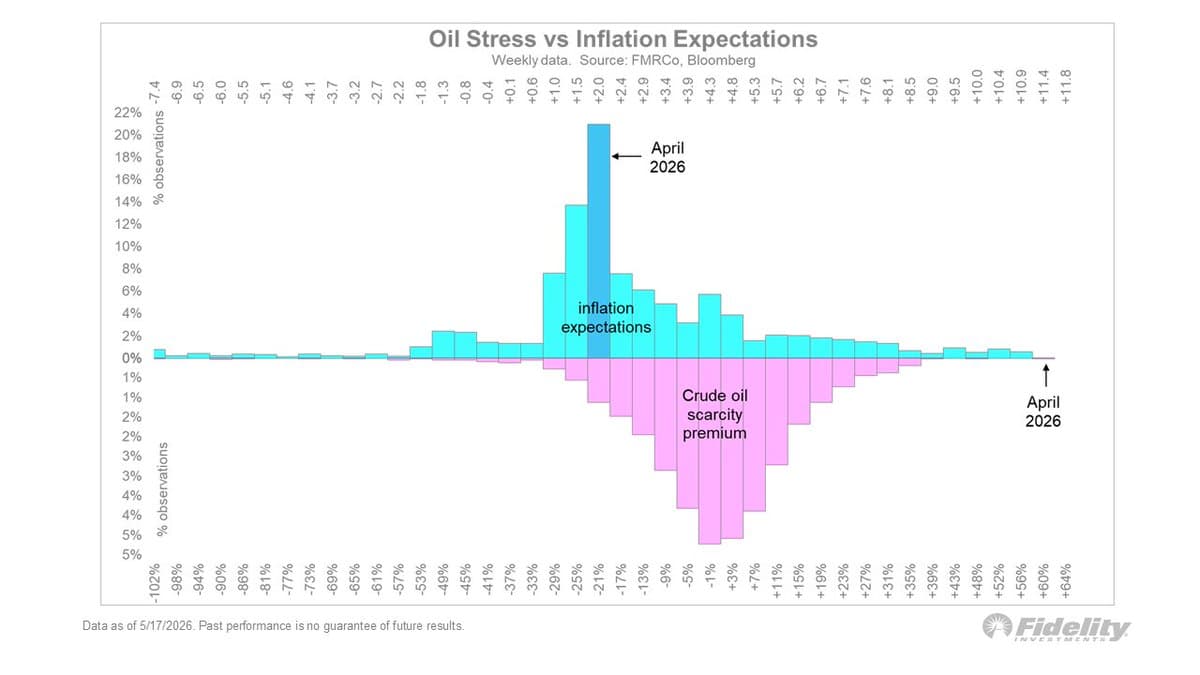
Bond Market Sticks to Mid‑2% Inflation Amid Peak Oil Stress
The Oil Stress vs Inflation Expectations chart below shows the distribution of inflation expectations (10-year TIPS break-even) at the top and the distribution of oil “stress” (the scarcity premium) at the bottom. The bond market apparently believes that inflation will...

DiMartino Booth Analyzes Fed Minutes, Warsh on Bloomberg
Danielle DiMartino Booth Appears on ‘Bloomberg Surveillance’ To Discuss the Fed, Kevin Warsh and FOMC Minutes https://t.co/gIAvnY1b80 #federalreserve #powell #dimartinobooth #kevinwarsh #economy
Macro Matters: DWS’ Catrambone on Long-End Selloff, Warsh Fed
In this episode of Macro Matters, Bloomberg Intelligence’s Ira Jersey talks with George Katchenbohn, Head of Fixed Income for the Americas at DWS Group, about the recent surge in long‑term U.S. Treasury yields, now above 5% on the 30‑year, and...
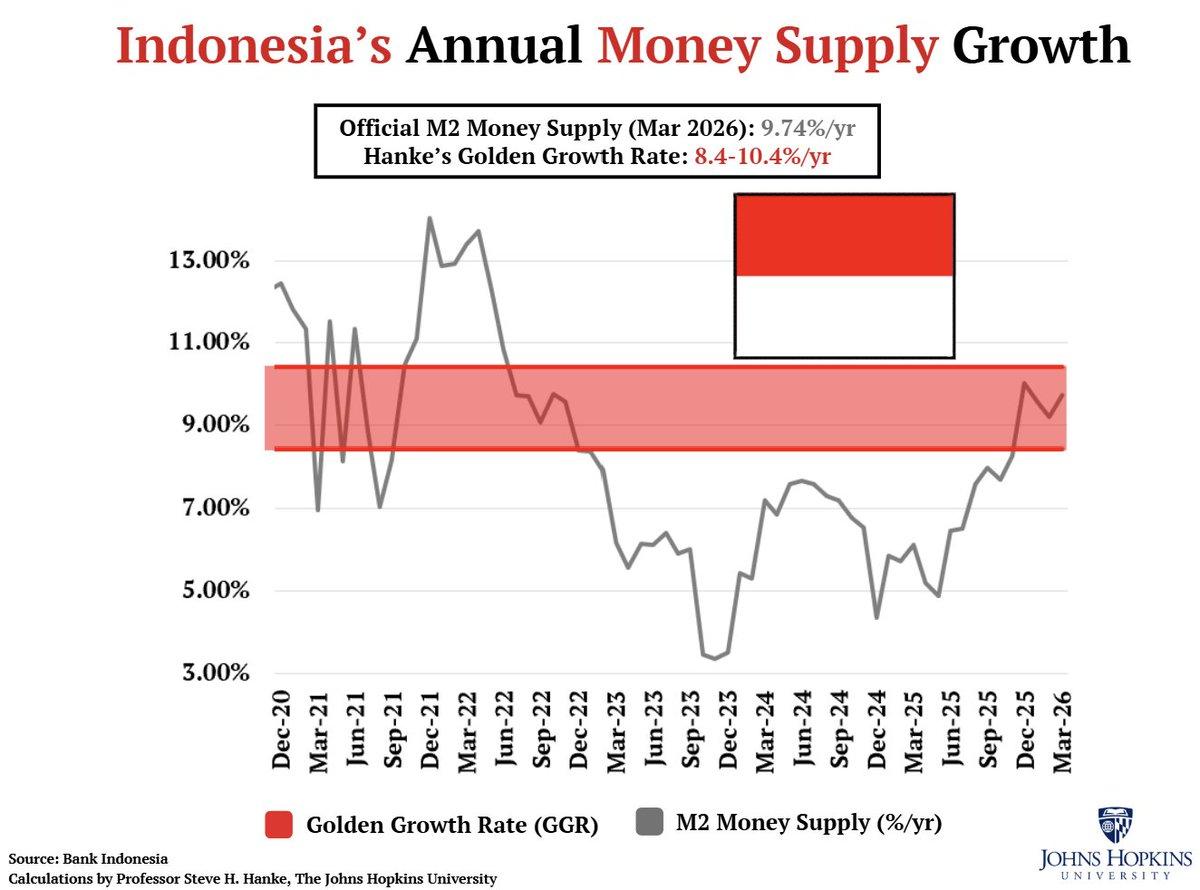
BI's Rate Hike Aligns Money Growth with Inflation Target
To defend the Rupiah, Bank Indonesia raised interest rates by 50 bps. Meanwhile, inflation is 2.4%/yr. Indonesia's money supply is growing at 9.7%/yr. That's within Hanke’s Golden Growth Rate of 8.4%-10.4%/yr, a rate consistent with hitting BI's inflation target of 1.5%-3.5%/yr....
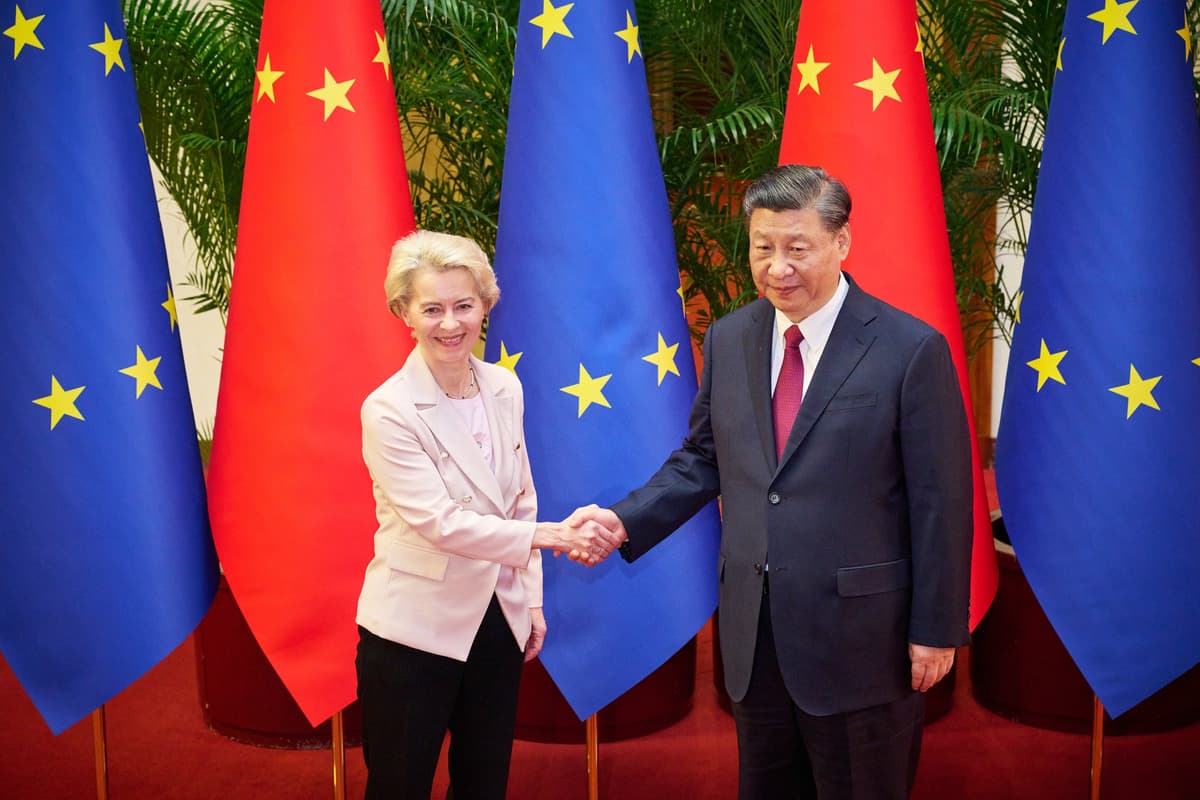
China Threatens Retaliation over New EU Tool to Curb Chinese ‘Overcapacity’
The European Commission is set to discuss an “overcapacity instrument” that would allow the EU to restrict Chinese firms from key markets such as fertilizers, medicines and rare minerals, and could require European buyers to source critical components from at...

MacroVoices #533 Morgan Downey: The Return of Oil 101
Morgan Downey appeared on MacroVoices to dissect the "Return of Oil 101," covering strategic petroleum reserves, floating storage, demand‑destruction dynamics, ESG influences, and historical market reactions. The conversation highlighted how inventory efficiencies and reserve drawdowns are reshaping price outlooks. Downey...

Debt, Inflation, and Populism Renewed Inflation and Is Killing the Bond Market
The Federal Reserve is expected to keep rates steady as inflation remains above target and the U.S. fiscal deficit swells to an unprecedented 6.2% of GDP through 2026. Treasury yields have surged, with the 30‑year hitting a 19‑year high of...

Oil Markets Nearing ‘Red Zone’ as Iran Crisis Continues, Warns IEA Chief
International Energy Agency chief Fatih Birol warned that global oil markets could slip into a “red zone” by July‑August as inventories shrink and fresh Middle‑East exports dry up amid the Iran‑related crisis. He said the conflict has removed roughly 14 million barrels...
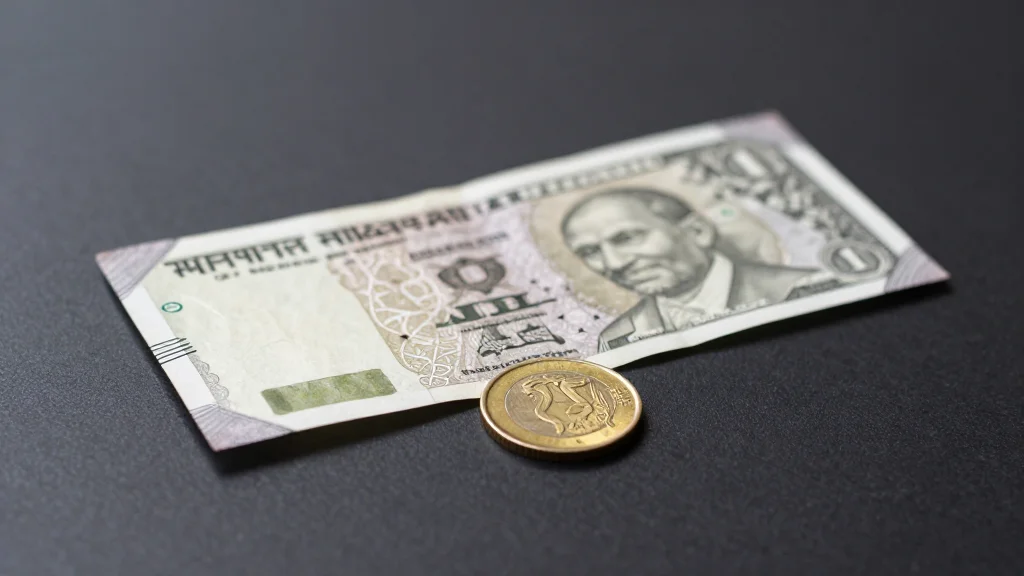
RBI's Pre‑Market Dollar Sales Lift Rupee Above 96/$, $5 Bn Swap Auction Announced
The Reserve Bank of India revived its pre‑market intervention on May 21, dumping dollars through state‑run banks and opening the rupee at 96.30 per dollar, up 0.5%. The move coincided with a $5 bn three‑year dollar‑rupee swap auction and a sharp...

UK Locks in $5 Billion Gulf Trade Pact as Iran Tensions Rise
Britain has sealed a $5 billion‑a‑year trade deal with the Gulf Cooperation Council, removing up to 93% of tariffs on British goods and extending service‑sector access. The pact arrives as U.S.–Israeli strikes on Iran heighten regional instability, underscoring the geopolitical weight...

US Naval Ops in Hormuz Heighten Oil Market Volatility as Prices Breach $100 a Barrel
U.S. warships entered the Strait of Hormuz amid heightened tensions with Iran, prompting merchant‑shipping risk alerts and pushing Brent crude above $100 a barrel, underscoring the geopolitical fragility of global oil supplies.

Kevin Warsh Takes Fed Helm as Powell’s Term Ends, Raising Stakes for U.S. Stocks
Jerome Powell’s second term as Federal Reserve chair concluded on May 15, and President Donald Trump’s nominee Kevin Warsh assumed the role. The transition arrives as the Dow, S&P 500 and Nasdaq all posted record highs, while inflation spikes to...

Fed Chair Warsh Hints at Rate Hike as Inflation Rises to 3.8%
Federal Reserve Chair Kevin Warsh told Senate reviewers that the central bank may need to raise rates again after inflation edged up to 3.8%. His comments have reignited a debate within the Fed about tightening policy amid persistent price pressures.

A Tale of Two Straits: Sweden and Denmark Are in a Position of Power Over Russia
Sweden and Denmark control the Øresund Strait, through which roughly 60% of Russia’s seaborne oil that funds its war in Ukraine passes. While the Strait of Hormuz remains closed after Iran‑U.S. clashes, the Øresund remains open, offering Europe a lever...

Why Javier Milei’s Inflation ‘Miracle’ in Argentina Is More of a Mirage
Javier Milei assumed Argentina’s presidency in December 2023 amid a 25.5% monthly inflation rate and a 211% annual surge. By April 2026, monthly inflation slipped to 2.6% and the year‑to‑date rate fell to 32%, a dramatic slowdown that Milei touts as a policy...
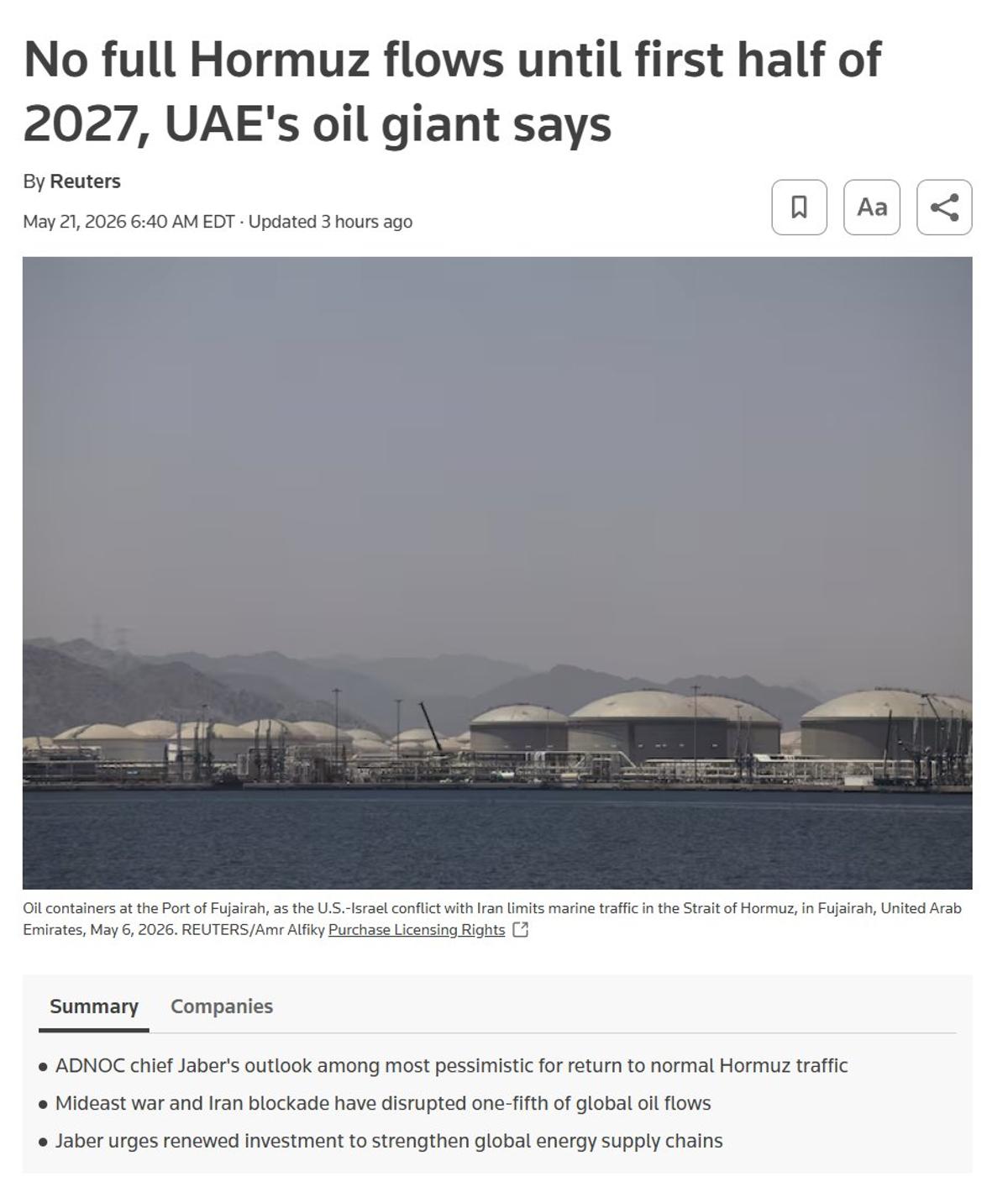
Full Hormuz Oil Flows Delayed Until 2027, Says ADNOC
Reuters: "Full oil flows through the Strait of Hormuz will not return before the first or second quarter of 2027, even if the Middle East conflict ended now, the head of the United Arab Emirates' state oil firm ADNOC said"...

Metal Movers: The Global Aluminium Supply Squeeze
The episode examines the tightening global aluminium market caused by the Israel‑Iran conflict, highlighting how European buyers now prioritize supply security over sustainability, with LME stocks at historic lows and contracts in backwardation. In the U.S., concerns mirror Europe as...

Eurozone May Flash Consumer Confidence -19.0 vs -20.8 Expected
The European Commission’s flash Consumer Confidence Indicator (CCI) for the eurozone slipped to -19.0 in May, modestly better than the -20.8 forecast and up from -20.6 in April. The reading remains far below the long‑run average of roughly -10, highlighting...
The Major US Stock Indices Open Lower as Iran's Supreme Leader Forbids Uranium Removal
U.S. stock indices opened lower after Iran’s Supreme Leader barred the removal of uranium, reigniting geopolitical risk and pushing oil prices sharply higher. Nvidia posted a strong Q1 earnings beat, yet its shares remained flat amid market uncertainty. The broader...
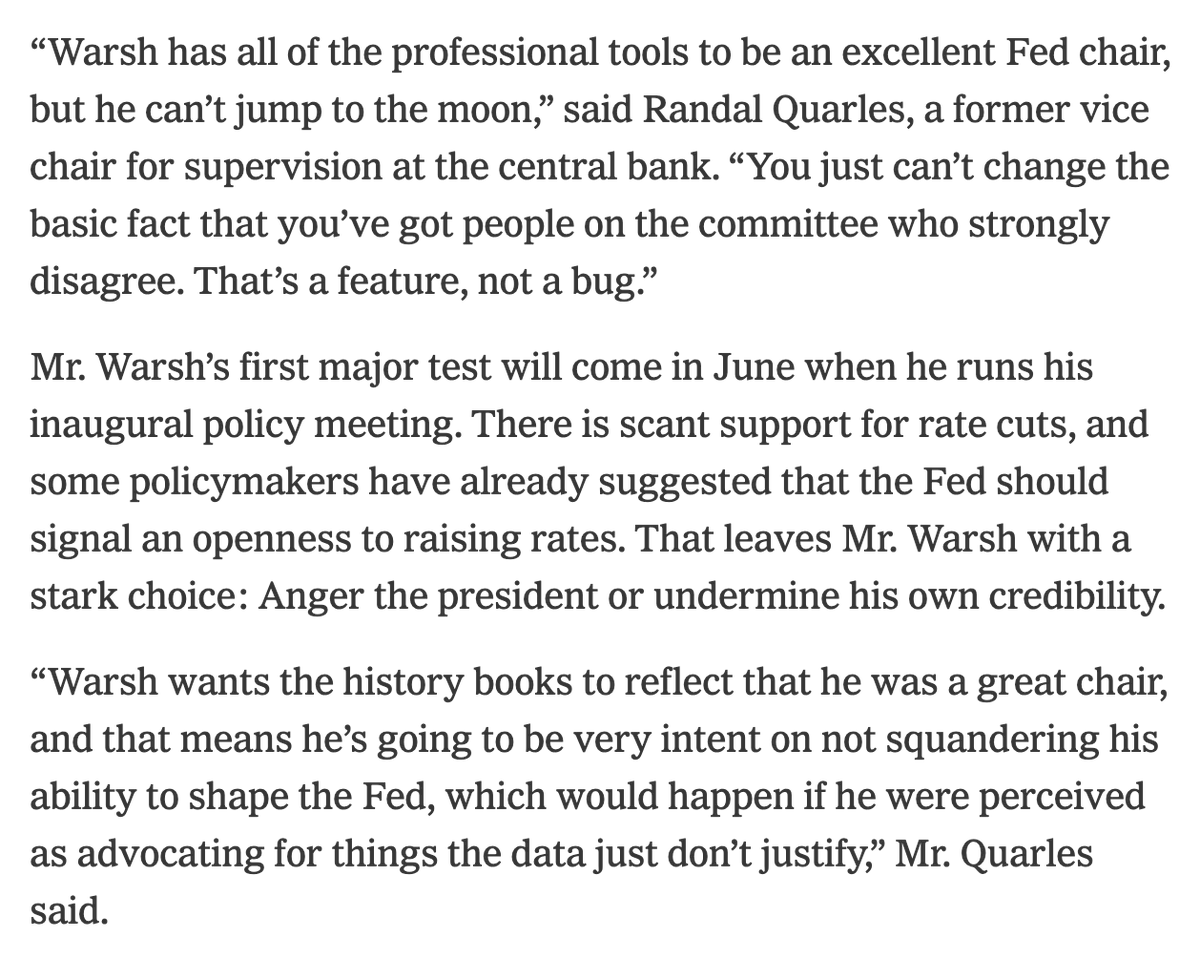
Warsh's Fed Chair Inauguration Signals Uncertain Regime Change
On the eve of Warsh's swearing in as Fed chair on Friday, here's our piece from last week about what he means by regime change and how likely he is to achieve that https://t.co/Oogluog4lM @nytimes https://t.co/ccMkLzKge2

Big Countries Propose Centralising Powers in EU-Level Financial Regulator, Leak Shows
A coalition of the EU's six largest economies – Germany, France, Italy, Spain, the Netherlands and Poland – is drafting a plan to expand the European Securities and Markets Authority (ESMA) into a true EU‑wide supervisor. The proposal would shift...

USDCAD Reverses Back to the Upside, Putting the Buyers Back in Full Control
The USDCAD pair has surged back above its 100‑hour moving average after a sharp dip triggered by Iran‑related geopolitical headlines. In the current market, the pair behaves more like a risk‑sentiment and yield‑driven instrument than a pure oil‑price proxy, with...
BOJ Board Member Koeda Calls for Timely Rate Hikes as Inflation Threatens 2% Target
Bank of Japan board member Junko Koeda warned that underlying inflation may exceed the 2% target and urged the central bank to raise rates at an appropriate pace. Her comments, coming after a 6‑3 vote to hold policy steady, have...
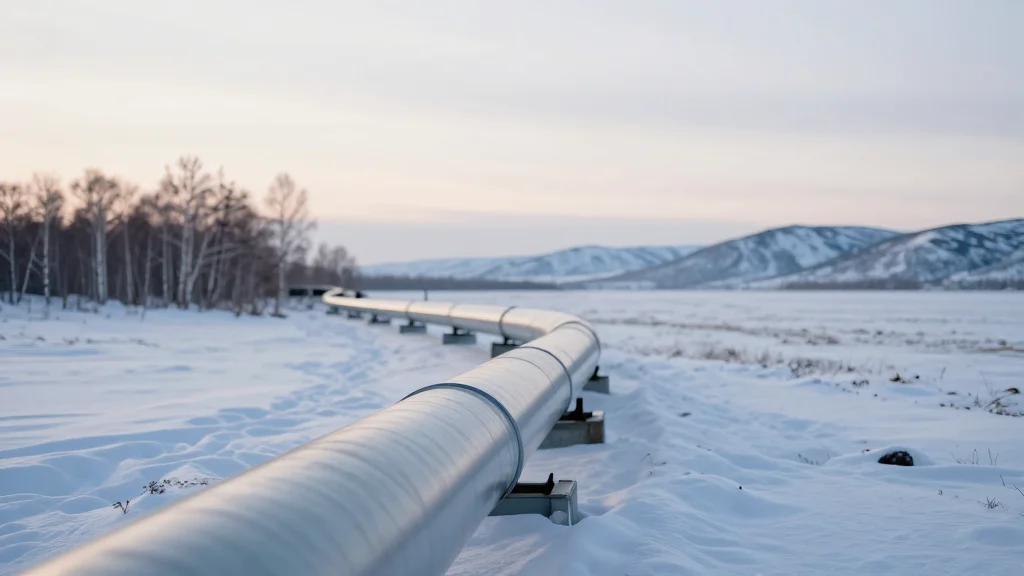
Russia-China Summit Ends Without Power of Siberia 2 Gas Deal, Stalling $15 B Project
Russian President Vladimir Putin and Chinese President Xi Jinping concluded their Beijing talks without securing a deal on the Power of Siberia 2 gas pipeline. The 1,600‑mile, $15 billion project, slated to deliver 50 billion cubic metres of gas per year, stalled over...
How Are Benchmark Borrowing Costs Measured? : A Close Look Into the 10-Year Treasury Yield
The 10‑year Treasury yield, measured as the market yield on a constant‑maturity note, is the cornerstone benchmark for U.S. borrowing costs. It reflects the annualized return an investor would earn holding a risk‑free government security at today’s price. Between May 2021...