
Bank of England Bailey, Mann and Greene Due to Speak at Conferences: Rates, Crypto
Bank of England Governor Andrew Bailey will speak in Reykjavik on Friday, where markets will scrutinize any clues about the pace of future rate cuts amid stubborn services inflation. Hawk MPC member Catherine Mann is slated to appear at the Dubrovnik Economic Conference on Saturday, likely reinforcing the case for central‑bank independence and warning against political pressure. On Sunday, senior economist Megan Greene will discuss stablecoins and monetary policy, highlighting the growing relevance of digital assets for central banks. Collectively, the three appearances could shape expectations for sterling, gilts and the regulatory landscape.

NZ Business Confidence Bounces in May but Middle East Cost Squeeze Persists
ANZ New Zealand business confidence climbed 21 points in May, reaching +10 after a dip to –10.6 in April, yet it remains well below the pre‑Middle‑East‑conflict baseline. Manufacturing posted the strongest rebound at +26, while retail and construction activity stayed in...

Treasury Launches Tariff Review as Food Price Shocks Get “Baked In” To UK System
The UK Treasury has opened a consultation to suspend tariffs on more than 100 food and household items, aiming to blunt rising consumer prices. Research by the Energy and Climate Intelligence Unit shows that food price spikes tend to linger,...

‘Transitory Euphoria’: South Korea’s Strong Economic Outlook Masks Key Hurdles
South Korea’s central bank lifted its 2024 growth forecast to 2.6% after the economy posted a 1.7% quarterly surge, driven largely by AI‑related semiconductor exports and supplementary government spending. Inflation expectations were nudged up to 2.7% as global supply shocks...
Putin Visit to Kazakhstan Fails to Clarify Nuclear Power Plant Financing Issue
During a state visit on May 28, Vladimir Putin signed an agreement with Kazakhstan on the “basic principles and conditions” for building the country’s first nuclear power plant on Lake Balkhash. The project is priced at $16.4 billion, with Russia expected to...
As China’s Surpluses Become Unbearable, the EU Is Edging Toward Its Own Section 301
The EU’s goods‑trade deficit with China surged to roughly $436 billion in 2022, while Chinese overcapacity continues to flood European markets. Brussels plans to roll out new economic‑security tools by September 2026, including tighter public‑procurement rules that limit any single supplier to...

U.S. Targets Iran Shipping Network With New Sanctions
The U.S. Treasury’s Office of Foreign Assets Control announced a new sanctions round targeting a global network of shipping firms, tanker operators and commercial intermediaries linked to Iran’s petroleum and petrochemical trades. Entities in Hong Kong, the UAE, India, Qatar, Singapore,...
CEPA Upgrade Talks: India, South Korea Agree to Address Widening Trade Deficit
India and South Korea agreed to tackle their widening trade deficit during the 12th round of CEPA upgrade talks, creating sub‑groups on digital trade, supply‑chain and strategic industrial collaboration. Indian exports to Korea rose 3.3% to $6 billion, while imports grew...

India, Canada to Skip Sensitive Sectors in Trade Talks: Piyush Goyal
India and Canada agreed to sideline sensitive sectors as they push the Comprehensive Economic Partnership Agreement (CEPA) toward completion by the end of 2026. Commerce Minister Piyush Goyal emphasized a pragmatic approach, focusing on low‑ hanging fruit and convergence points....

ITDP’s Response to the Iran Energy Crisis
Closing the Strait of Hormuz has driven oil prices up about 60% and natural‑gas prices up 100% in recent months, exposing the transport sector to soaring fuel costs. The disruption highlights the strait as a critical chokepoint whose future closures...
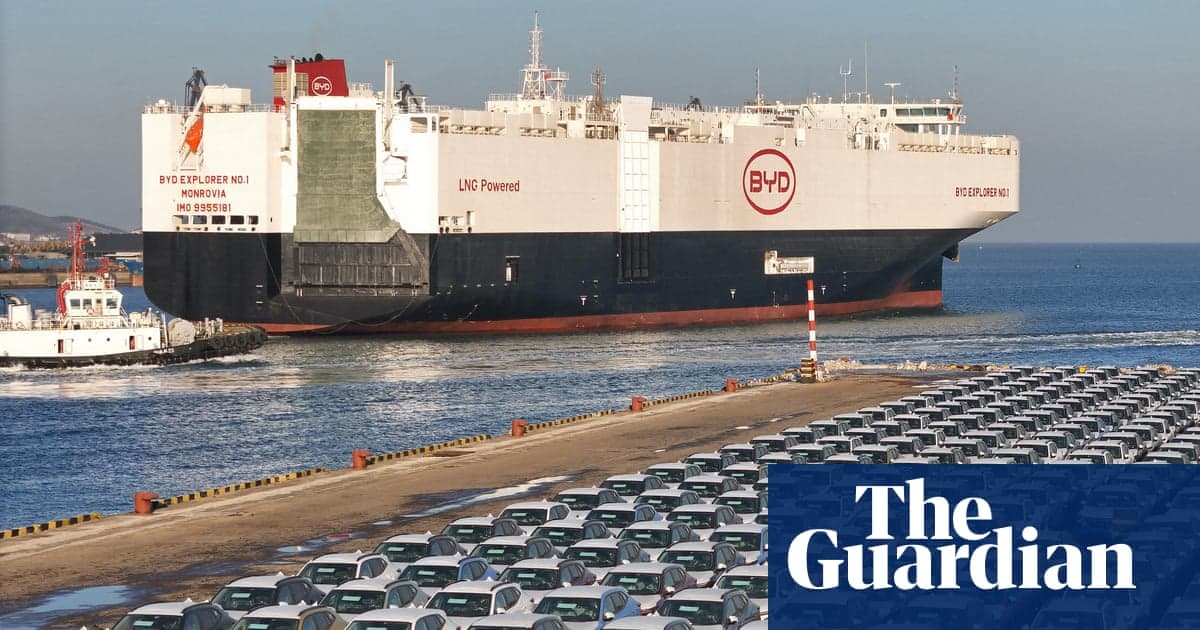
EU to Discuss Potential Restrictions on Chinese Imports Amid Fears of Overreliance
EU commissioners are set to meet on Friday to explore new restrictions on Chinese imports, a move prompted by what officials dub “China Shock 2.0.” The surge in Chinese goods, from electric vehicles to medical components, is making some EU products...
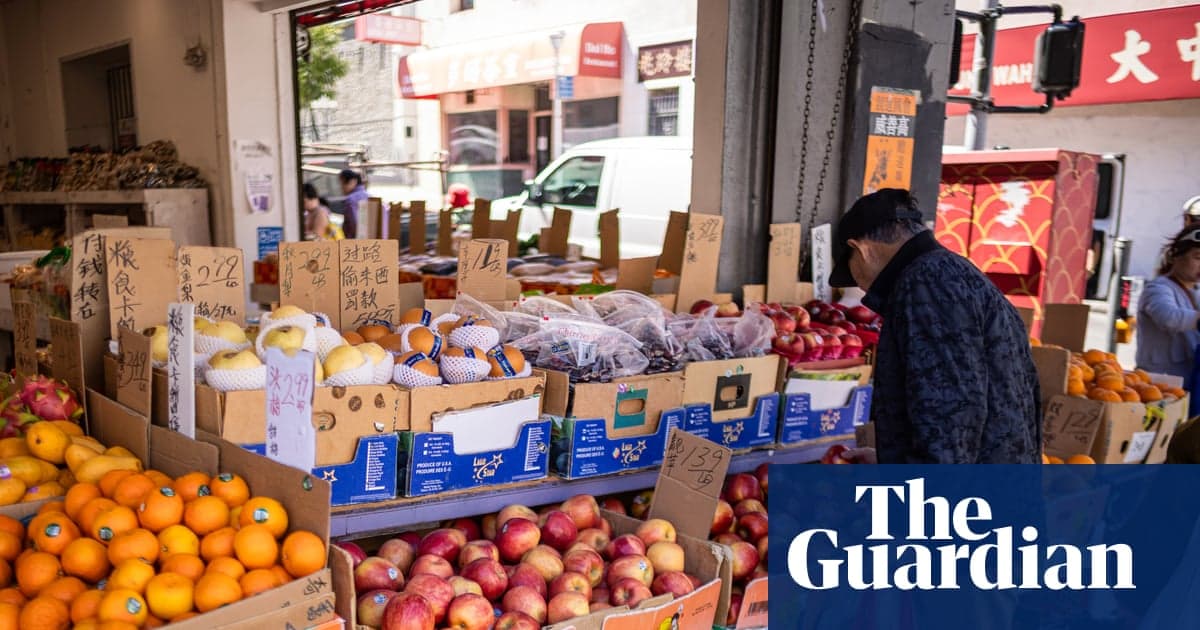
US Inflation Rose at Fastest Pace in Three Years in April as Iran War Hikes up Prices
U.S. inflation accelerated to its fastest pace in three years in April, driven by a sharp rise in energy costs linked to the Iran‑Israel conflict. The personal consumption expenditures (PCE) price index jumped 3.8% year‑on‑year, while core PCE rose 3.3%,...

The Double China Shock: How Beijing Is Disrupting Both Developing and Advanced Economies
China’s 15th Five‑Year‑Plan keeps low‑tech sectors like textiles alive while it pushes advanced tech, creating a "double China shock" that hits both developing and advanced economies. The country now holds over 35% of global textile market share and saw double‑digit...
The $150B US Treasury Drain and the End of the “Ample Reserve” Buffer
Michael Kramer warns that between May 28 and June 5, 2026 the U.S. Treasury will pull roughly $150 billion of liquidity from the market as new debt settlements outpace maturities. The Treasury General Account is swelling toward $1 trillion, leaving private bank reserves depleted....
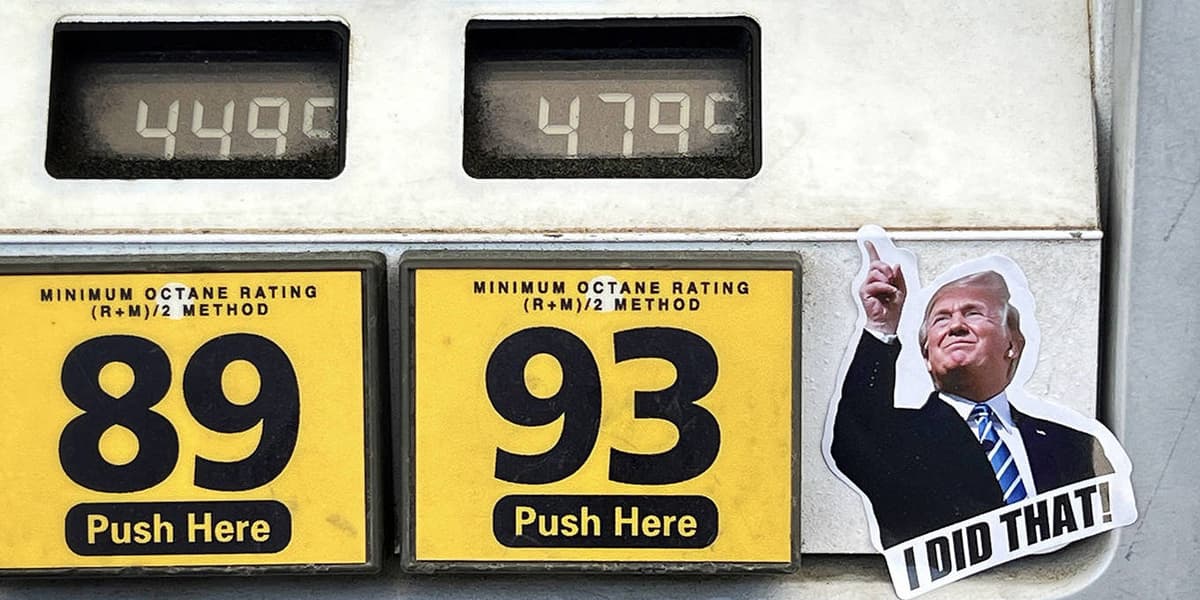
Americans Can’t Afford Trump’s Economy
President Donald Trump’s economic agenda is accelerating inflation while wages lag, leaving many Americans unable to afford basic goods. The article attributes higher prices to tariffs, energy policy shifts, and a large‑scale deportation program that tightens the labor market. It...

Hormuz Closure Forces Global Jet Fuel Trade Into Costly Rerouting Scramble
Closure of the Strait of Hormuz has halted roughly 400,000 barrels per day of jet‑fuel exports, pushing European spot prices above $200 a barrel. Refineries and traders have rerouted supplies from the United States, Nigeria, India and other regions, resulting...

MacroVoices #534 Dr. Pippa Malmgren: Superpower War or Superpower Hug?
Dr. Pippa Malmgren, a former Bush administration economist and tech‑industry advisor, joins Erik Townsend on MacroVoices to dissect the convergence of geopolitics, energy and artificial intelligence. The episode examines how the Iran conflict could reshape global energy markets and U.S....
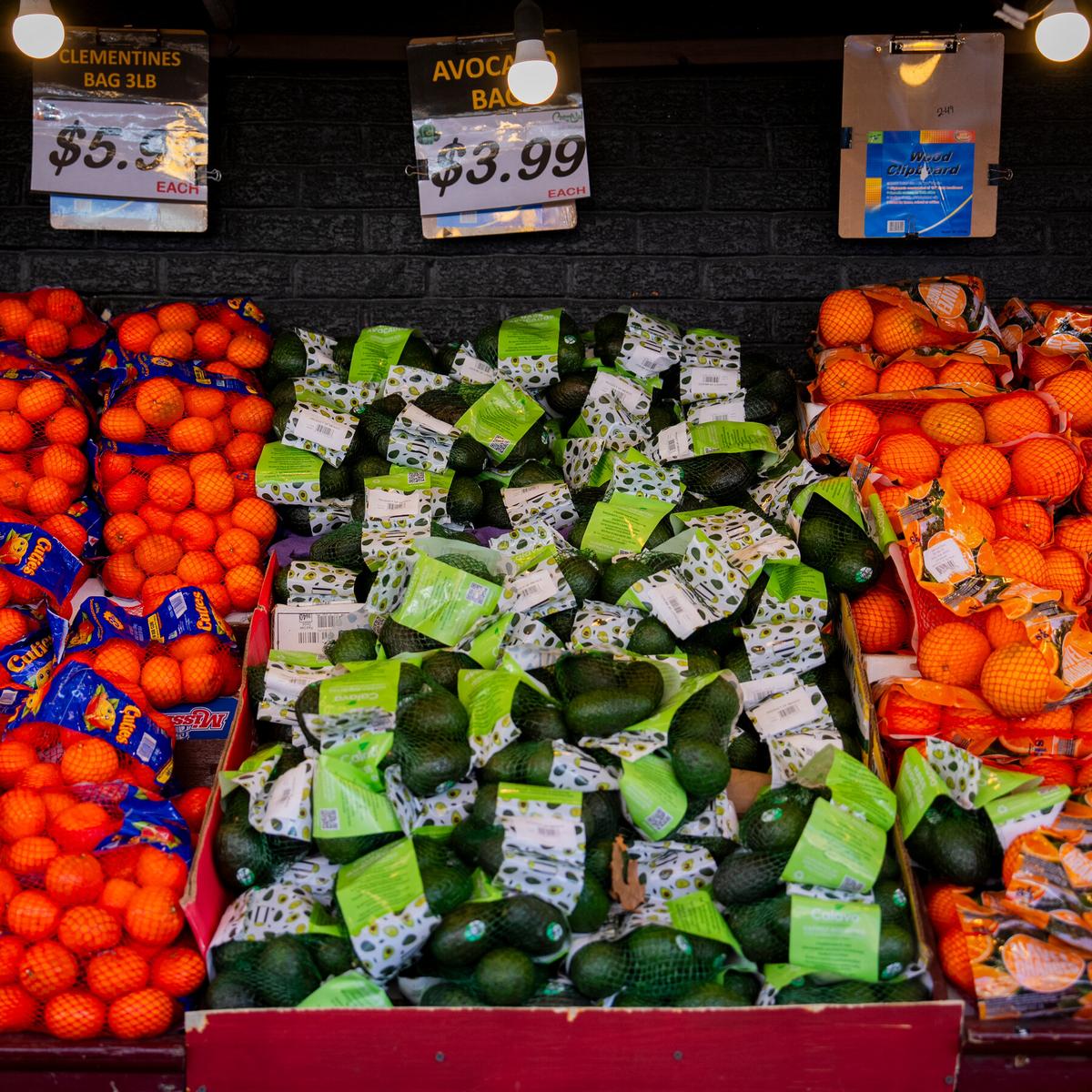
Iran War Lifts a Second Inflation Reading to Highest Level Since 2023
U.S. personal consumption expenditures (PCE) inflation jumped 3.8% year‑over‑year in April, the fastest rise since May 2023, while core inflation climbed to 3.3%, a multi‑year high. The surge is linked to supply disruptions from the Iran war, which has tightened global...

AfDB Economic Outlook '26: Middle East War to Take Toll on Growth
The African Development Bank’s 2026 Economic Outlook warns that the war in the Middle East will drag real GDP per‑capita growth down to 1.9% this year, well short of the 3.5% needed for inclusive growth. While Central Africa may benefit...
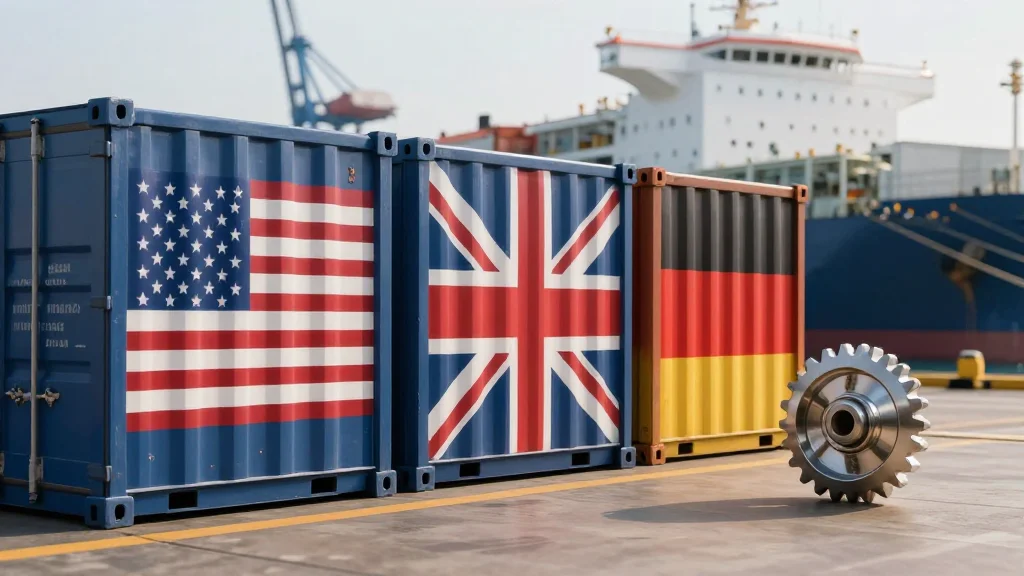
India’s Engineering Goods Exports Rise 8.8% in April Despite Fall in Shipments to UAE, Saudi Arabia
India’s engineering goods exports jumped 8.78% year‑on‑year to $10.35 billion in April 2026, buoyed by stronger shipments to the United States, United Kingdom and Germany. Exports to West Asia fell sharply, with the UAE down 37.1% and Saudi Arabia down 9.7%...

RBNZ Governor Connects with Hawke's Bay on Monetary Policy
RBNZ Governor Dr Breman visited Hawke’s Bay to discuss the May 2026 Monetary Policy Statement, confirming the official cash rate (OCR) remains at 2.25 percent. She highlighted global uncertainty, supply‑chain disruptions and higher input costs, noting weaker growth and near‑term inflation pressures from...

France Calls for UK Inclusion in ‘Made in EU’ Rules
France has signaled a policy shift, saying it will lobby Brussels to let the United Kingdom join the EU’s forthcoming “Made in EU” rules under the Industrial Accelerator Act. The legislation ties subsidies and public‑procurement eligibility to a high share...

Trump Is Pushing Canada and Mexico Towards China
Former President Donald Trump is actively lobbying Canada and Mexico to deepen economic ties with China, arguing that the U.S.-China rivalry is harming North American interests. He has organized private meetings, used media appearances, and floated ideas for joint infrastructure...

Revisiting the Economic Cost of Bank Capital: What Has Changed Since 2017?
A new study extending de‑Ramon and Straughan’s 2017 work uses data through 2024 to re‑examine how higher bank capital ratios affect lending costs. The analysis confirms that a one‑percentage‑point rise in risk‑based capital raises corporate loan spreads by roughly 7‑12...

Tariffs Return: What UK Fashion Brands May Be Overlooking in the US
UK fashion brands selling in the United States are confronting a resurgence of tariffs that were re‑imposed in early 2026. Many firms have filed for tariff‑refunds after over‑paying duties, only to discover a labyrinthine claims process that delays cash flow...

Analysts’ Views: Forecasters Dispute Market View of Likely Policy at Fed and Bank of England
Forecasters are openly challenging the market consensus on upcoming monetary policy moves at both the Federal Reserve and the Bank of England. While equity markets price in an aggressive Fed rate‑cut cycle this year, several economists argue the central bank...
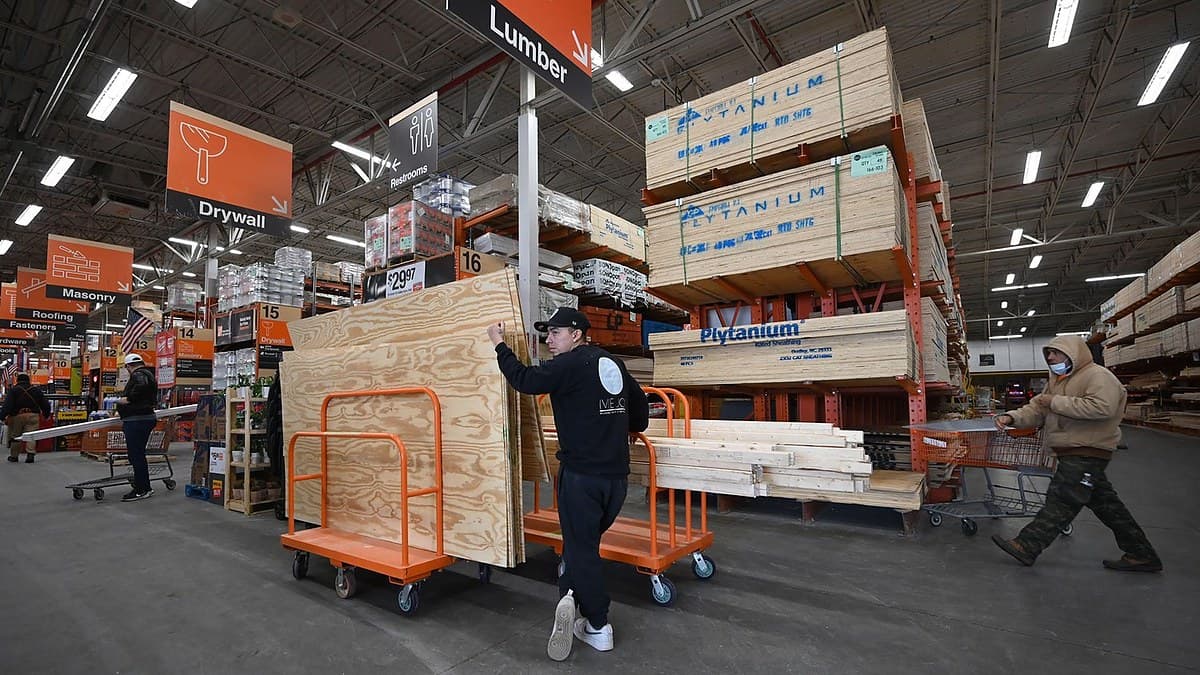
Trump Tariffs Hammer Canadian Lumber — US Builders Face 30% Price Surge
U.S. homebuilders are confronting the steepest framing lumber price surge in years as Canadian softwood imports dropped 24% in Q1 2026, driven by a combined 45% tariff and duty regime. The price gap widened, with Canadian lumber averaging $165 per...

BSP Gains Room to Further Hike Policy Rate – Nomura
Nomura Global Markets Research says the Philippines' rebound in government spending in April gives the Bangko Sentral ng Pilipinas (BSP) more leeway to raise rates amid war‑driven inflation. April spending jumped 11.1% to about ₱505.4 billion (≈$9.1 billion), producing a ₱31.4 billion (≈$565 million)...
Margins, Mark-Ups and Consumer Prices: Theory, Measurement and Implications
The Reserve Bank of Australia’s May 2026 bulletin explains that profit margins are a useful but indirect lens on inflation, because margin movements reflect underlying demand, cost or competition shocks rather than driving price changes directly. In early 2025, softer retail demand...
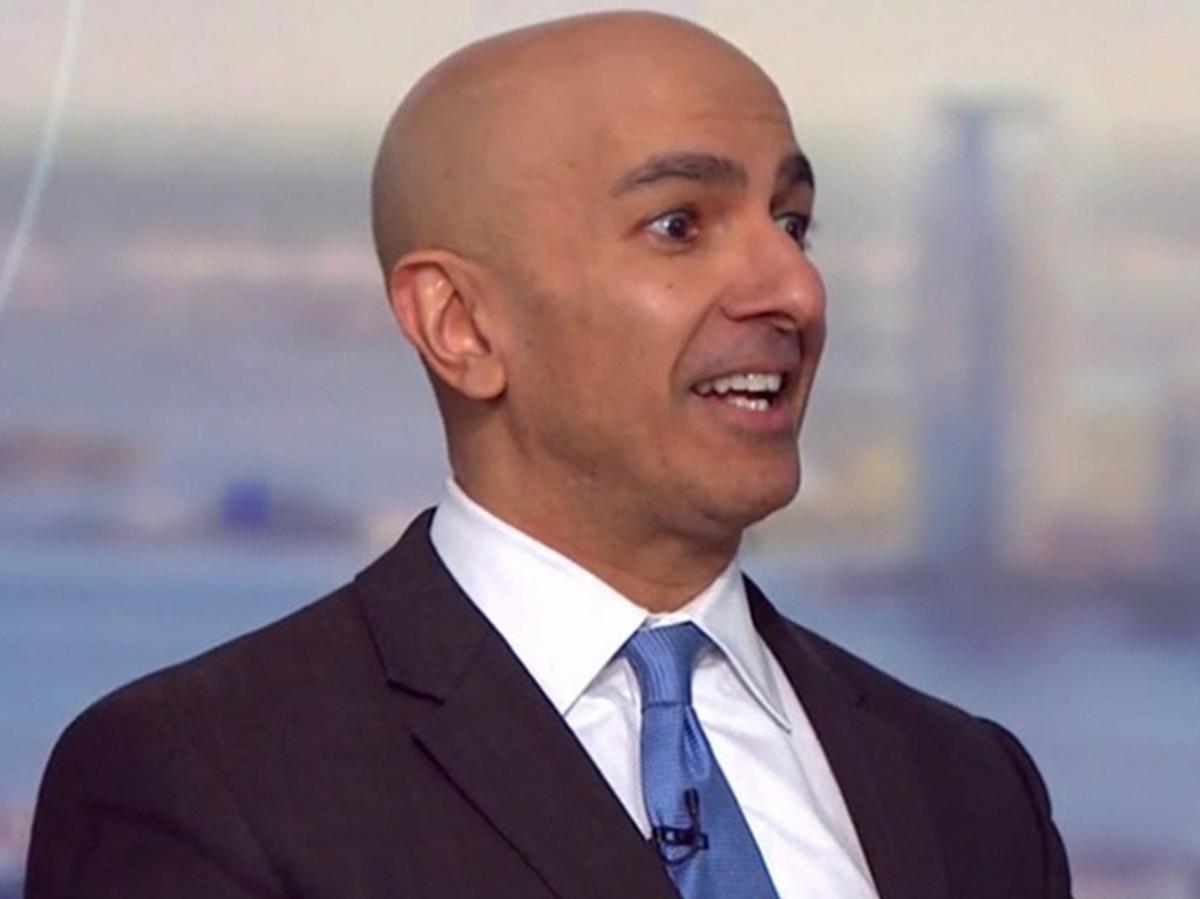
Fed's Kashkari Says Inflation Much Too High and Remains His Top Priority
Minneapolis Fed President Neel Kashkari told CNBC that inflation remains his top priority, noting that headline CPI was 3.8% in April and core CPI rose 2.8% year‑over‑year. He warned that prolonged price pressure could unanchor consumer expectations, forcing the Fed...

Index Providers Reshape Asian Financial Markets with Exacting Standards
In April, FTSE Russell added South Korea to its World Government Bond Index, prompting foreign investors to pour roughly KRW 15.1 trillion (about $10.1 billion) into Korean sovereign debt. The move follows regulatory reforms that lifted the market’s accessibility rating, and analysts expect...

Fed's Jefferson Says Monetary Policy Is Well Positioned to Respond, Not Prejudge June Meet
Federal Reserve Vice Chair Philip Jefferson told a Tokyo conference that the current federal funds rate range of 3.50%‑3.75% leaves policy well positioned to respond to incoming data. He stopped short of signaling any direction for the June 16‑17 FOMC...
Global Trade Linkages and the Cross-Country Distribution of the Gains From AI
A new OECD‑backed study models how artificial‑intelligence (AI) adoption reshapes global welfare through trade. It finds AI use in core business functions averages 4 % across OECD economies, with a ten‑year horizon ranging from 0.2 % in Mexico to 7 % in Ireland....
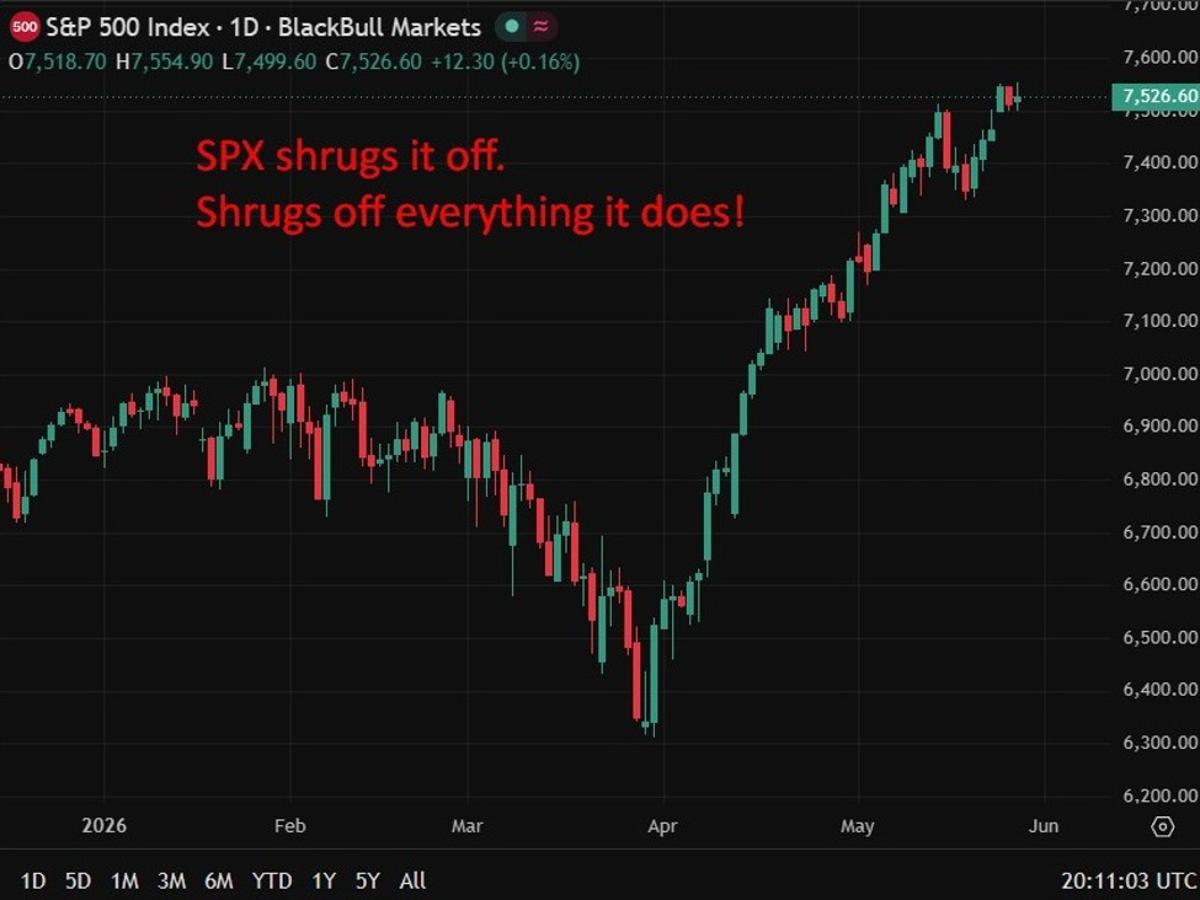
US Stocks: BoA Warns of Summer Stock Rout as Cash Levels Fall and Bullish Sentiment Peaks
Bank of America’s May Fund Manager Survey shows cash holdings among 170 managers dropped to 3.9%, crossing the historic 4% sell‑signal threshold. Investor sentiment hit a three‑month high on robust earnings, while only 16% anticipate a Fed rate hike despite...

Losing Patience: Markets Reprice Inflation Risk
U.S. Treasury yields have climbed to their highest levels since the war began as inflation data accelerate and the Strait of Hormuz remains closed. Import prices surged at the fastest monthly pace in four years, adding upward pressure on costs....

Bond Yields Are Spiking Higher. Should Stock Investors Worry?
Bond yields have surged, with the 30‑year Treasury hitting a 19‑year high and the 10‑year climbing from 4.03% to 4.69% before easing to around 4.5%. Research from Goldman Sachs shows that sudden half‑percentage‑point spikes in yields tend to push short‑term...

Fed's Cook 'Prepared to Raise Rates' If Inflation Persists
Federal Reserve Governor Lisa Cook warned that the Fed is prepared to raise interest rates if inflation does not ease, citing five years of above‑target price growth and the inflationary impact of the Iran‑related oil price surge. Her remarks underscore...
Recession with Chinese Characteristics
The latest Chinese statistics reveal that the country’s purely domestic economy has been shrinking for at least two years, even as its goods‑export surplus hovered around $1 trillion annually. In 2024 the nominal GDP increment was about $770 billion, while the trade...

Prolonged Strait of Hormuz Closure Could Upend Global Economies, Energy Sector Survey Says
Wood Mackenzie’s May 20 report flags a prolonged Strait of Hormuz shutdown as the greatest single risk to global energy markets, cutting roughly 11 million barrels per day of oil and 20% of LNG supply. The firm outlines three scenarios—from a quick...

Copper’s Giant Tariff Trade Is Back and Squeezing Global Market
Traders are reviving the US‑focused copper tariff trade as the spread between NY Comex and the London Metal Exchange widens, prompting shipments of up to 200,000 tons a month. Front‑month Comex contracts sit more than $500 per ton above LME cash prices,...
US Trade Negotiators to Visit India From June 1-4 for Interim Trade Deal Talks
U.S. trade negotiators led by USTR Jamieson Greer will travel to New Delhi from June 1‑4 to seal an interim trade agreement that builds on the February framework for a broader bilateral trade pact. The talks aim to lock in preferential...
Global Supply Shortages Deepen as War Drags On, Risking Jobs and Growth
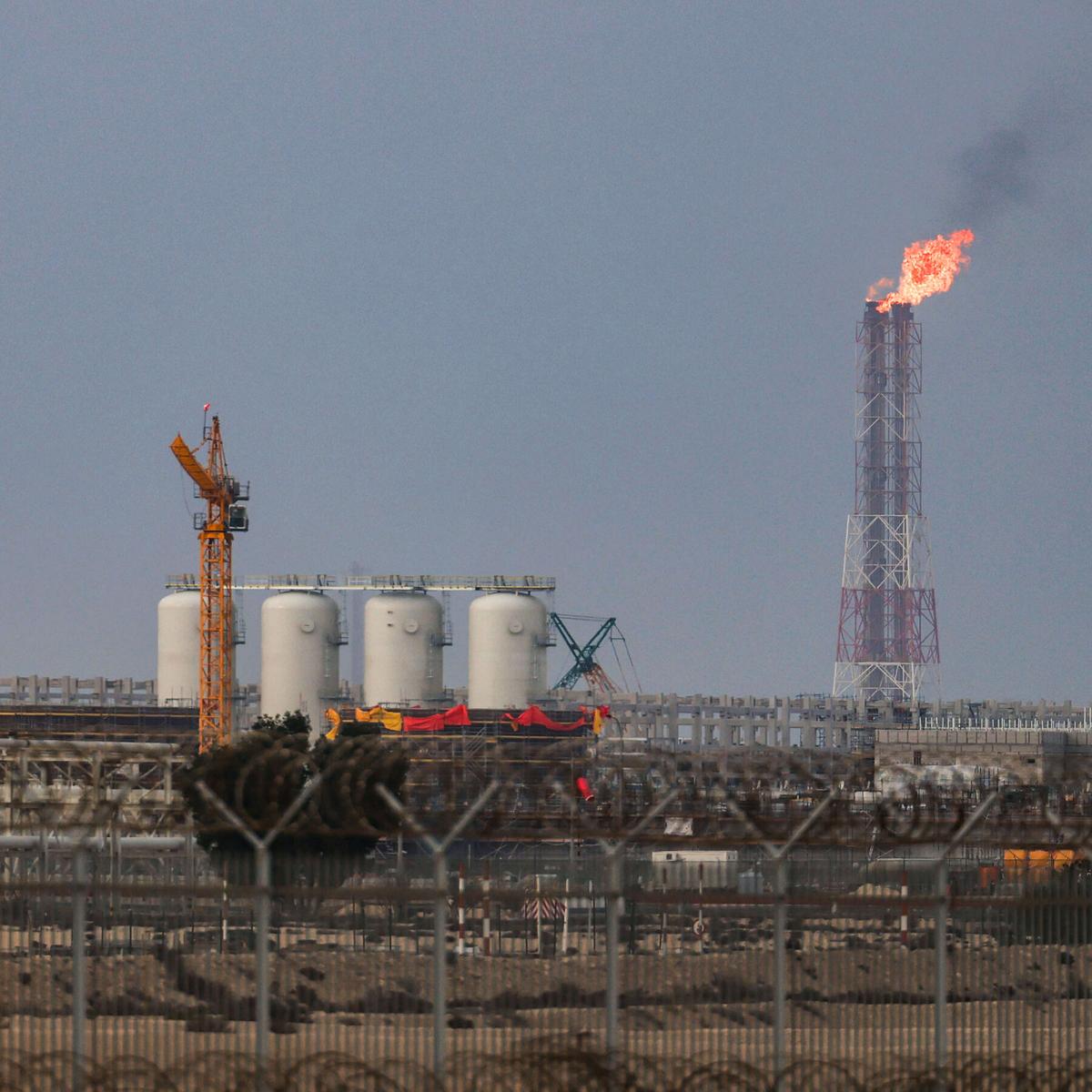
Three months after the Strait of Hormuz was sealed off, the resulting disruption is now evident across global markets. The chokepoint previously handled about 25% of seaborne crude oil and 20% of LNG, and its loss has triggered physical shortages,...

China’s Return to the Energy Market Could Become the Next Global Price Shock
China’s sharp cut in oil and LNG imports has acted as a temporary stabiliser for global energy markets, but analysts warn the pause cannot be sustained. Crude imports fell to about 6.6 million bpd in May, the lowest level since 2016, while...

Fed Official Says Global Energy Demand May Need to Fall if Hormuz Stays Shut
Dallas Fed President Lorie Logan warned that a prolonged closure of the Strait of Hormuz could force the world to curtail oil and gas consumption. The strait, which carries about 20% of global oil and LNG shipments, has been throttled...

Treasuries Rise as Oil Prices Drop on Signs of US-Iran Accord
U.S. Treasury yields fell across the curve as oil prices dropped following reports of a draft U.S.-Iran memorandum that could reopen commercial shipping through the Strait of Hormuz. The 30‑year yield, which had stayed above 5% since mid‑May, slipped toward...

Fed Independence Under Threat, Says Former Central Bank Executive
Former Federal Reserve vice chair Donald Kohn warned that political pressure on central‑bank independence is set to intensify as supply‑driven inflation and soaring public debt create fertile ground for interference. Speaking at a Bank of Japan conference, Kohn argued that...

‘Investment Climate Not in Great Shape’: Former PM Modi Advisor Urges FDI Reforms as Outflows Surge in FY26
Former Economic Advisory Council member Surjit Bhalla warned that India’s investment climate is deteriorating as foreign‑direct investment outflows surged to $27 billion in FY 26. He urged a liberalisation of FDI rules, faster dispute‑resolution, and stronger tax incentives to restore investor confidence....

Japan, South Korea and Taiwan Are Suffering Industrial Rot
Japan, South Korea and Taiwan are posting headline‑grabbing export and profit gains, with Taiwan’s GDP expanding 14% and South Korean conglomerates posting a 159% profit surge. Japan’s post‑pandemic exports have grown four times faster than its overall economy, creating the...
Africa’s Tax Push Is Clashing with the Reality of Its Informal Economies
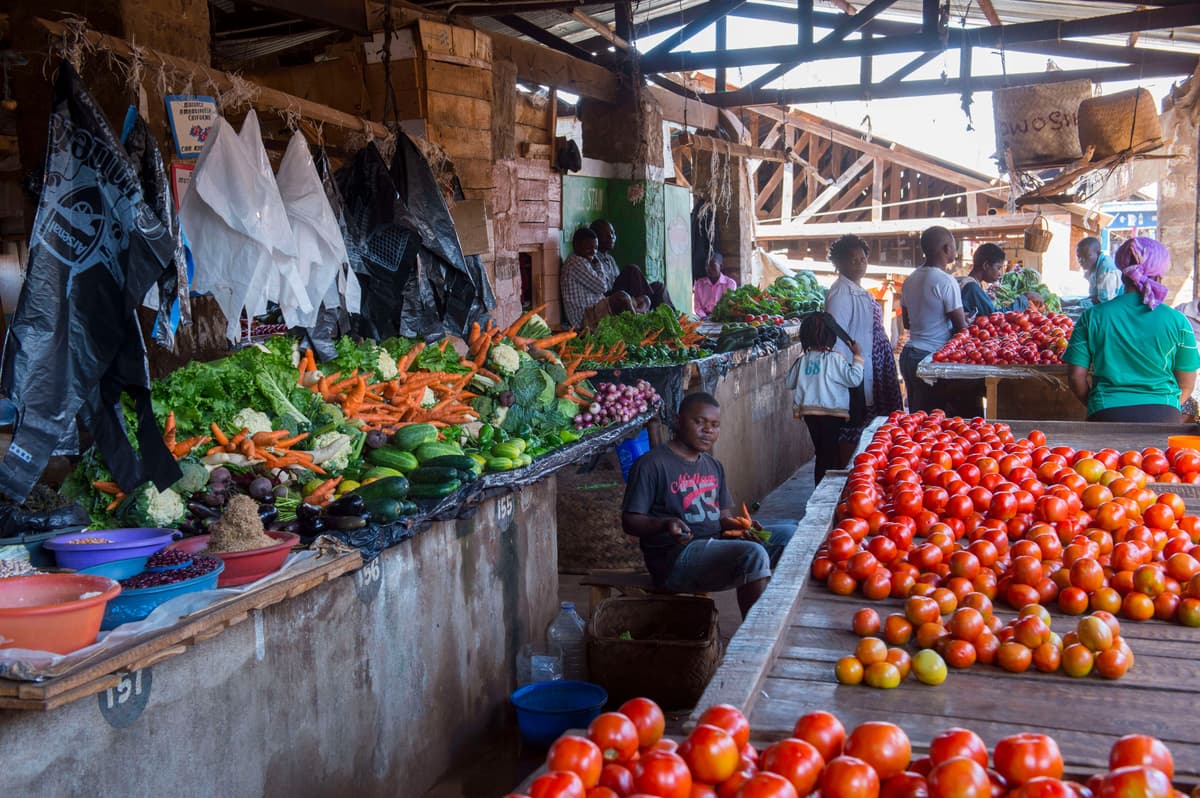
Africa’s economies are dominated by informality, with roughly 90% of Sub‑Saharan jobs outside the formal sector. Yet tax‑to‑GDP ratios sit at about half the OECD average, prompting governments in Nigeria, Kenya and Senegal to expand domestic tax bases, often targeting...

What’s Making International, Emerging Markets More Attractive Now?
Purpose Investments’ chief strategist Craig Basinger now favors a modest overweight in international equities, especially Japan, and a renewed exposure to emerging markets. He cites fiscal stimulus in Europe, governance reforms in Japan, and disciplined monetary policies in key emerging...