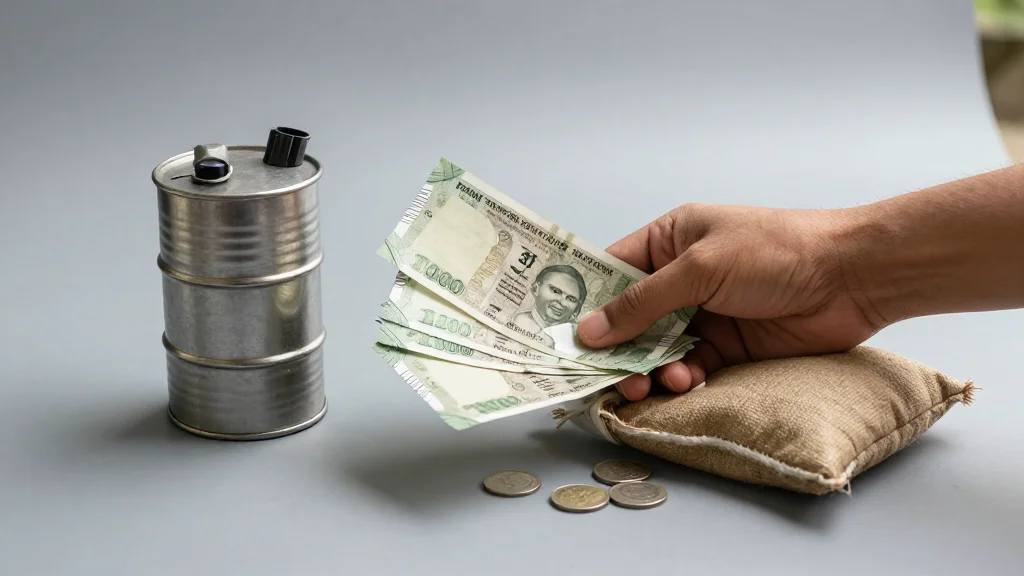
Rupee to Hit 99, Fiscal Deficit at 5%: Rahul Bajoria Sees Deeper Pain Ahead for India
India’s macro outlook is under pressure as BofA Securities’ Rahul Bajoria projects the rupee to slip to around ₹98‑99 within the next year and the FY27 fiscal deficit to widen to 5% of GDP, above the government’s 4.3% target. The deficit gap is driven by soaring fertiliser subsidies, an excise‑duty cut on fuel and softer tax collections, adding roughly 150 basis points to the shortfall. Further fuel price hikes of ₹5‑7 per litre are expected to restore balance, while the RBI’s record ₹2.87 lakh crore (~$35 bn) dividend offers only a marginal cushion. Structural capital‑account weaknesses mean these challenges will persist beyond any geopolitical resolution.
Trump Risks Triggering Financial Crisis with Iran War, Warns ECB
The European Central Bank warned that a potential war between the United States and Iran, spurred by President Trump’s hard‑line stance, could ignite a global financial crisis. Lagarde highlighted the fragility of oil‑dependent economies and the risk of sudden capital...

India’s External Shock Is an Economic Opportunity
India’s external account is under strain as energy imports rise, shipping routes face geopolitical risk, and capital markets react to global tensions. Prime Minister Narendra Modi has urged citizens to curb gold purchases, limit overseas travel, use public transport and...

Turkey Challenges Ukraine’s 26.9% Tomato and 22.8% Cucumber Duties
Turkey has formally asked Ukraine to suspend or cancel the anti‑dumping duties imposed in July 2025 on Turkish tomatoes (26.9%) and cucumbers (22.8%). The duties, which apply to most Turkish exporters, are slightly lower for Talya Fresh at 25% for...
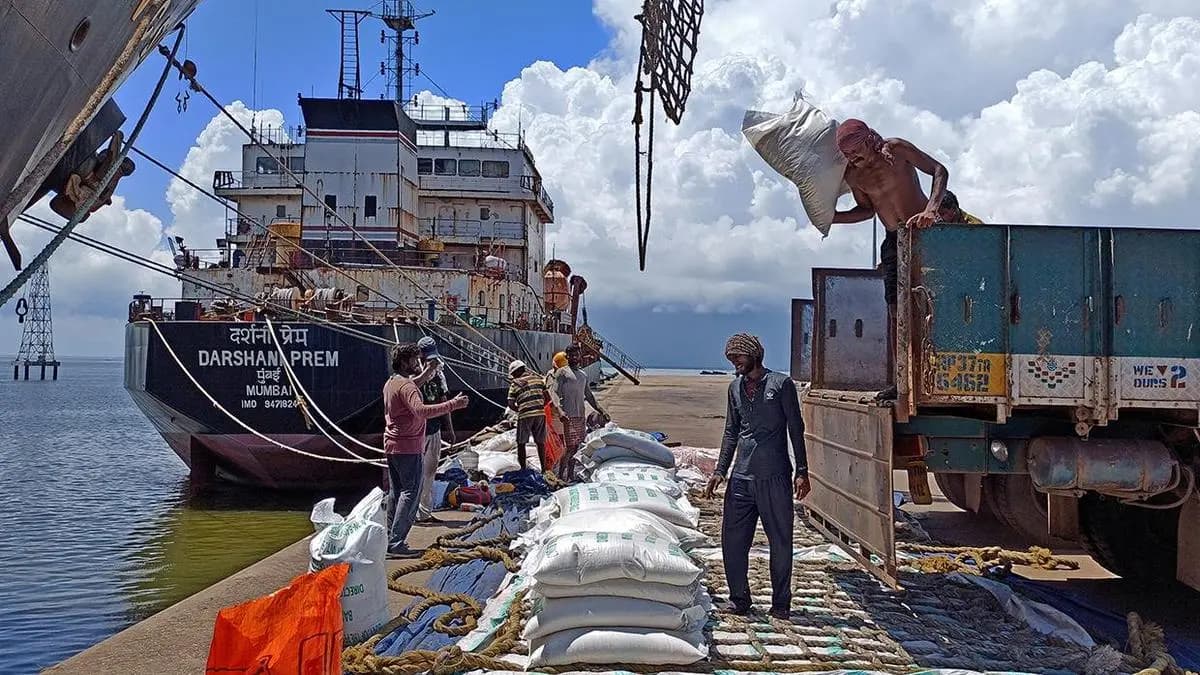
China Rejects Indian Rice Consignments on Alleged GMO Presence, Again
China has again rejected Indian non‑basmati rice consignments, alleging GMO contamination, despite India’s official stance that no GM rice is cultivated. About 70 shipments have been turned away since March, prompting Indian exporters to hold back roughly 200 containers and...
Ida Wolden Bache: Research-Based Models in Monetary Policy Decision-Making
Ida Wolden Bache outlined how Norges Bank relies on a suite of macro‑economic models, anchored by the NEMO general‑equilibrium framework, to guide monetary‑policy decisions. The bank continuously updates its modelling system with high‑frequency data, micro‑level household transaction records, and now...
Aino Bunge: How Can AI Influence the Economy and Monetary Policy?
AI has moved from niche research to a pervasive force reshaping markets and society, spurred by generative models like ChatGPT. Recent headlines range from AI‑generated music topping charts to record‑breaking stock rallies for AI firms, while legacy sectors see sharp...

Speed up Plans to Close Import Tax Loophole on Small Parcels, British Firms Say
Britain’s leading retailers, including ASOS, Marks & Spencer and NEXT, have urged the government to accelerate a plan to tax low‑value imports, proposing a £2.60 (≈$3.30) charge per small parcel. They argue the current £135 (≈$170) de‑minimis exemption gives overseas...

EU-China Trade Tensions Spiral, Stocks Rally on AI Boom, More
Bloomberg reported that escalating trade tensions between the European Union and China have intensified, with the EU announcing provisional anti‑dumping duties on Chinese solar panels and automotive parts. The dispute has prompted a short‑term slowdown in EU‑China supply‑chain activity, while...

Developing Economies Squeezed by Rising Trade Compliance Costs
The United Nations Conference on Trade and Development reports that non‑tariff measures—such as certification rules and technical standards—now generate higher trade costs than traditional tariffs for most nations. Developing economies are feeling the squeeze as compliance expenses rise, eroding profit...
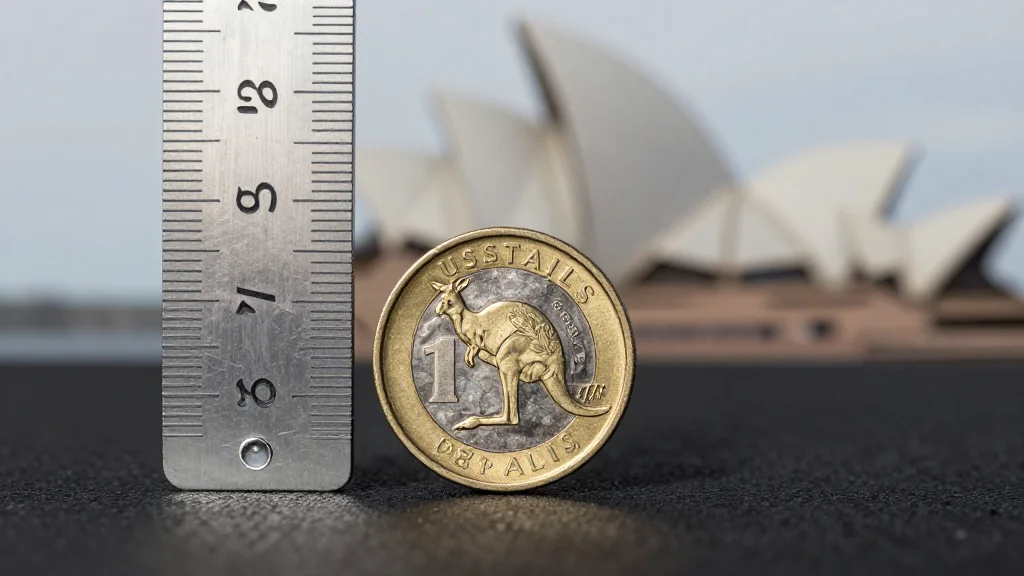
Australia Consumer Inflation Slows in April, Core Creeps Higher
Australian consumer prices rose 0.4% in April, easing the annual CPI to 4.2% from 4.6% and beating median forecasts. The slowdown was largely driven by a temporary fuel tax rebate, which softened headline inflation. Meanwhile, the trimmed‑mean core inflation measure...

Luis De Guindos: Financial Stability Review - May 2026
ECB’s May 2026 Financial Stability Review warns that the closure of the Strait of Hormuz and attacks on energy infrastructure have triggered a severe geoeconomic shock, raising energy prices and stoking inflation across the euro‑area. While banks have bolstered capital and...

ASX Climbs After Inflation Data Sparks Hopes for Rate Reprieve
Australian shares rebounded on May 27 as the April CPI slipped to 4.2%, below forecasts, reviving expectations that the Reserve Bank of Australia will pause its tightening cycle. The S&P/ASX200 gained 0.7% to 8,717.70, with all sectors in the green,...

Q3 2026 Investment Outlook – Where Capital Meets the Future
HSBC Private Bank’s Q3 2026 Investment Outlook highlights AI, energy independence and security as the primary catalysts for the next wave of capital allocation. The bank projects a stable U.S. Federal Reserve rate path through 2026 and stresses the role...
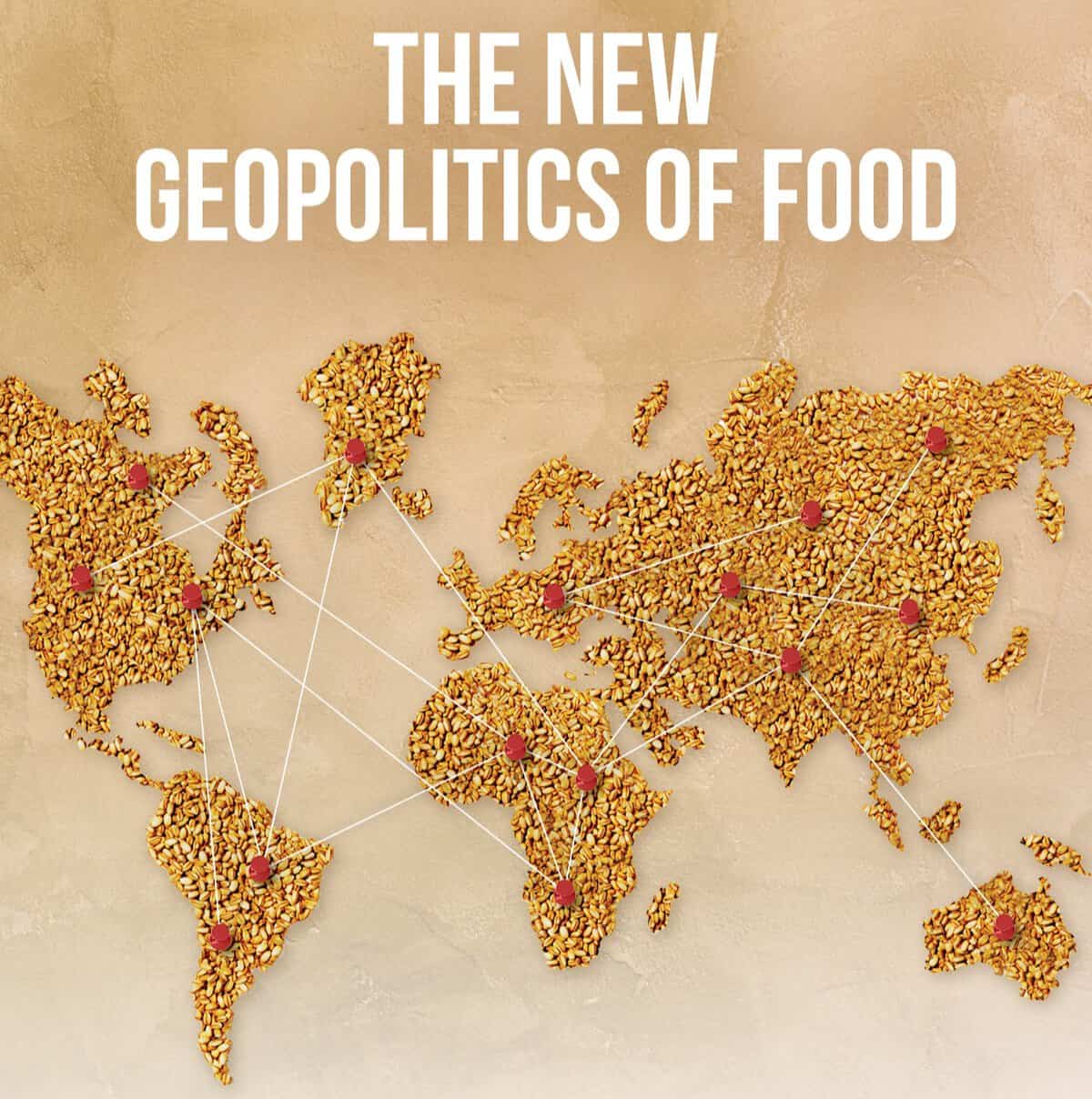
IPES-Food Report Warns Trade Wars and Supply Chain Fragility Are Driving Global Food Insecurity
The International Panel of Experts on Sustainable Food Systems released a May 2026 report warning that trade wars and fragile supply chains have pushed global food prices 35% above 2019 levels and driven the food import bill to a record $2.2 trillion...

America Built the Last Financial Architecture. Will It Build the Next One?
The United States built the post‑war financial architecture that underpins global capital markets, but digital assets and tokenization are now reshaping payments, issuance, and cross‑border flows. Private‑sector leaders such as JPMorgan’s Kinexys platform and tokenized funds from BlackRock and Franklin...
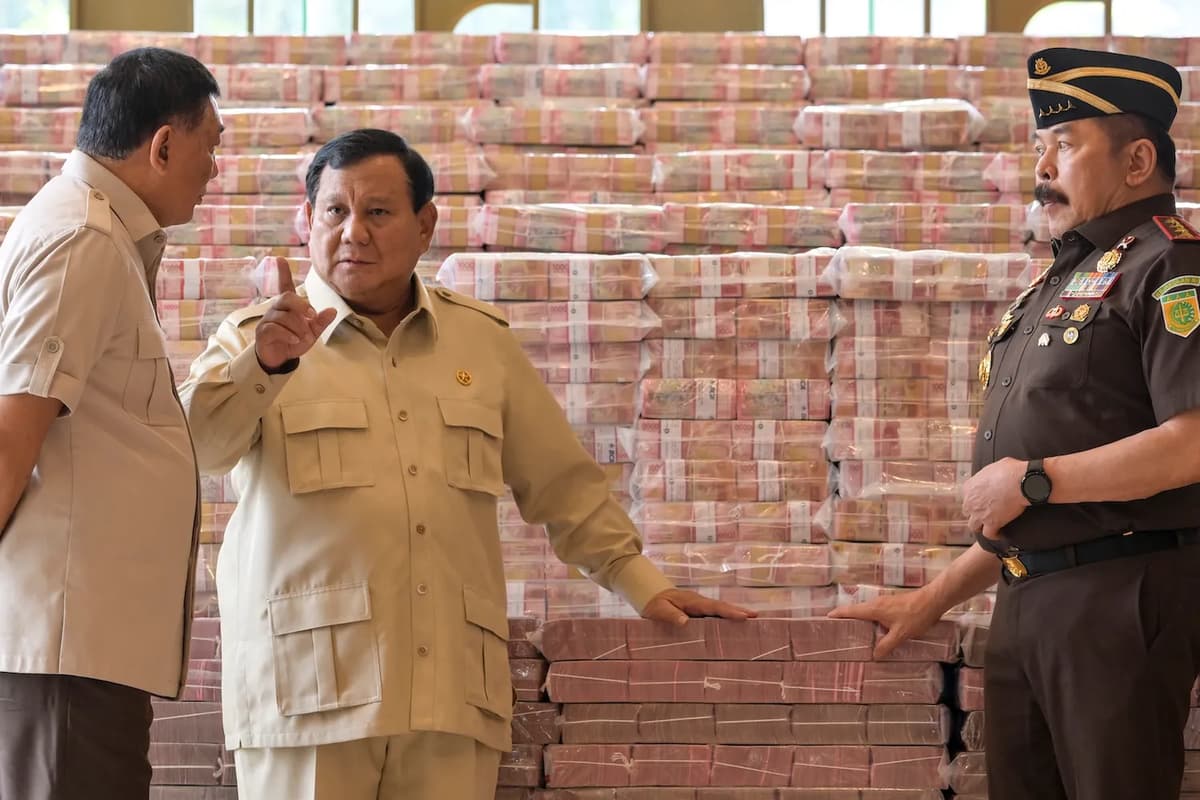
Indonesia’s Dive Into Economic Nationalism
Indonesia President Prabowo Subianto announced that all exports of selected raw materials will be funneled through a new state‑owned enterprise under the Danantara holding. The move is pitched as a way to combat under‑invoicing, which the government estimates cost $6.5 billion...

France Signals Volte-Face on ‘Made in Europe’ Subsidies for UK Car Industry
France announced it will reverse its earlier stance and allow UK car manufacturers to qualify for the EU’s “Made in Europe” subsidy programme. The change opens up to €2.5 billion in support over the next five years, aimed at preserving jobs...
A Warning to Critical Minerals Buyers: Avoid Butter Mountains, Aluminium Floods
Western governments are pouring tens of billions of dollars into critical minerals to curb China’s dominance, with the U.S. earmarking over $20 bn and Australia $9.4 bn. Analysts warn that uncoordinated subsidies could create a new “butter mountain” or “aluminium flood” scenario,...
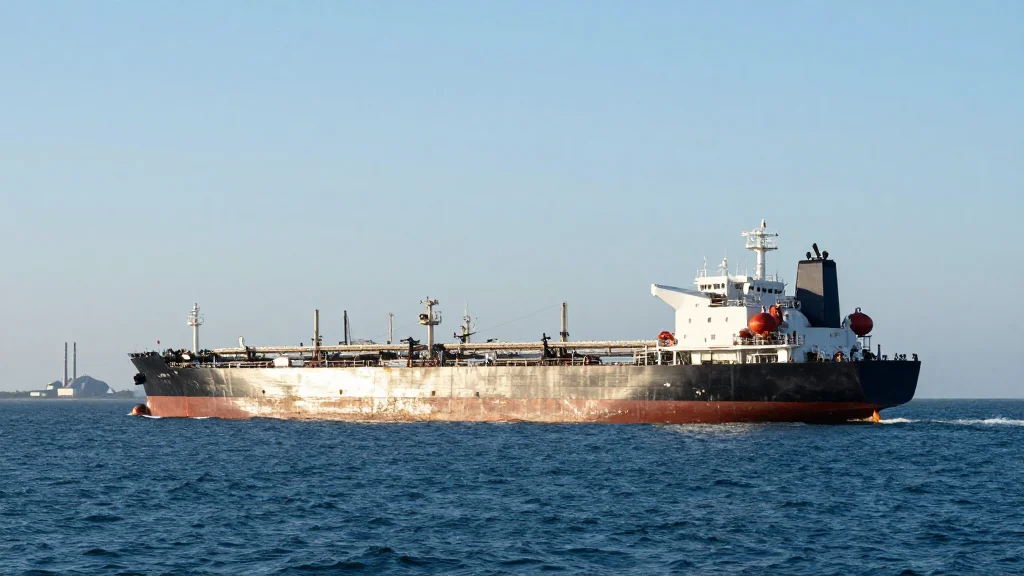
Chinese Refiners Are Absorbing Much of the Hit From Hormuz Shutdown
The Hormuz crisis knocked out 12‑15 million barrels per day of Middle Eastern crude, yet Brent prices have lingered between $95‑110 per barrel. China slashed seaborne crude imports to 6.6 million barrels per day in May—about a third of its normal volume—absorbing...
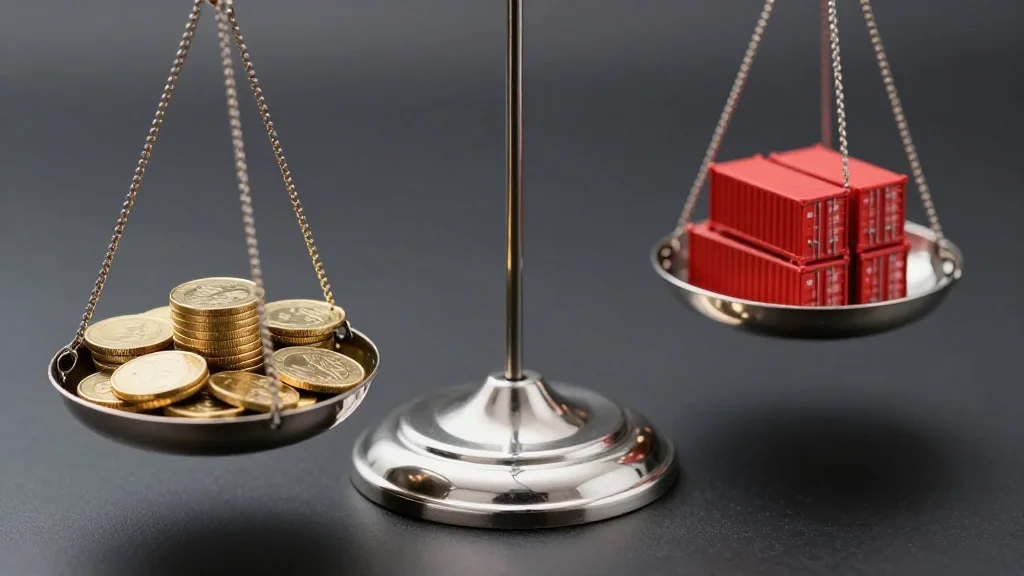
Industrial Policy, Tariffs, and the Return of Global Imbalances
Global imbalances have resurfaced as current‑account surpluses and deficits widen post‑pandemic, driven largely by the United States and China. Recent research distinguishes between micro‑industrial policies, which target specific sectors, and macro‑industrial policies that influence economy‑wide saving. The authors argue that...
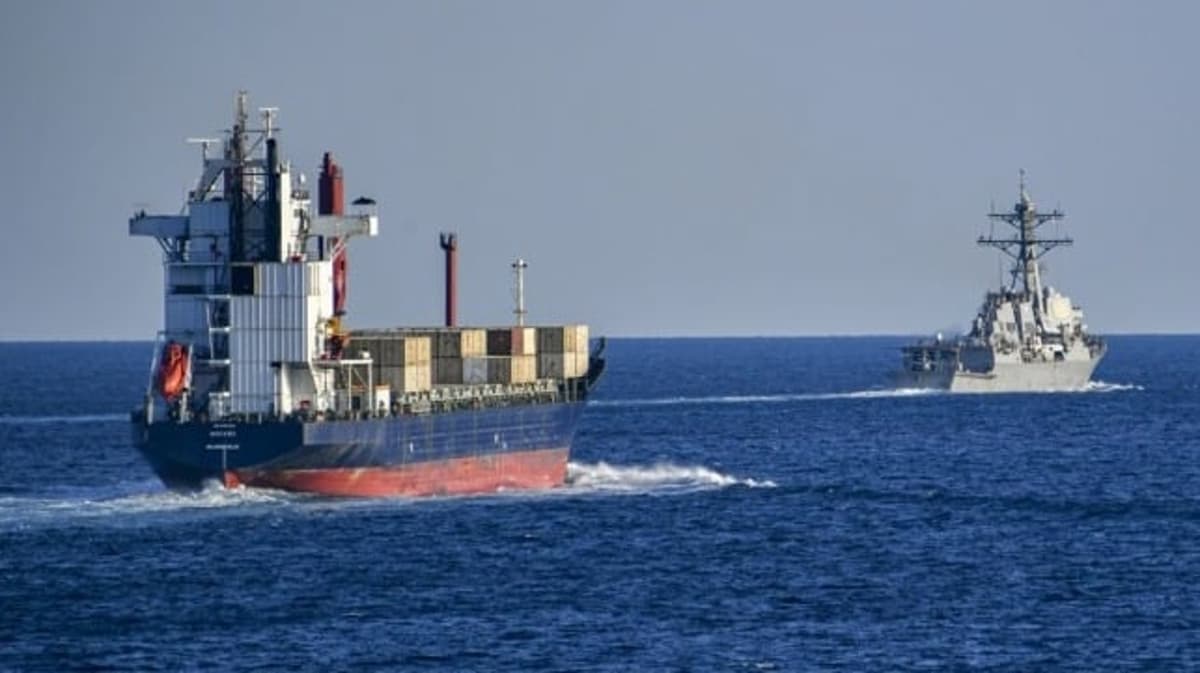
Strait of Hormuz Delays Are Translating Into Downstream Production Losses
The Strait of Hormuz is no longer a closed waterway but a timing bottleneck, with vessels facing detention and extended transits. These delays ripple through global supply chains, forcing chemicals, fertilizer, aluminum and industrial‑gas plants to halt or run below...

Nepal, India, and the Paradox of Hydro-Hegemony
Nepal aims to become South Asia’s “hydropower battery,” targeting 28.5 GW of capacity by 2035—13.5 GW for domestic use and 15 GW for export, chiefly to India and Bangladesh. The country’s export‑oriented model hinges on India as both the largest buyer and the...

Rising Geoplitical Tensions Show Why Canada’s Agri-Food Trade Strategy Needs to Change
Canada’s agri‑food sector, worth $149.2 billion in 2024, faces mounting trade disputes with the United States, China, India and Saudi Arabia. Over‑reliance on the U.S.—which absorbs about 62% of exports—creates vulnerability, as illustrated by volatile canola shipments. Recent diplomatic breakthroughs in...

The Guardian View on Britain’s Economy: To Profit Politically a Recovery Must Be Felt in People’s Pockets | Editorial
The Guardian editorial warns that political claims of a British economic recovery are outpacing the lived experience of households. Recent data shows unemployment unexpectedly rising to 5% and vacancies hitting their lowest level since early 2021, while real disposable income...

Oil Back at $100 as US Strikes Douse Iran War Hopes
Oil prices rebounded above $100 on Tuesday after U.S. military strikes on Iran disrupted expectations of a swift deal to reopen the Strait of Hormuz. Brent crude jumped 4.4% to $100.41 a barrel, while equity markets showed mixed reactions: the...

Middle East War Adds $5.5 Billion to Ocean Carriers' Bunker Costs: Sea-Intelligence
Since the Feb. 28 outbreak of the Middle East war, bunker fuel prices have surged, adding roughly $5.5 billion to container carriers’ operating costs. Hapag‑Lloyd alone estimates a $50 million weekly hit. To recoup the expense, ocean carriers have rolled out emergency fuel...
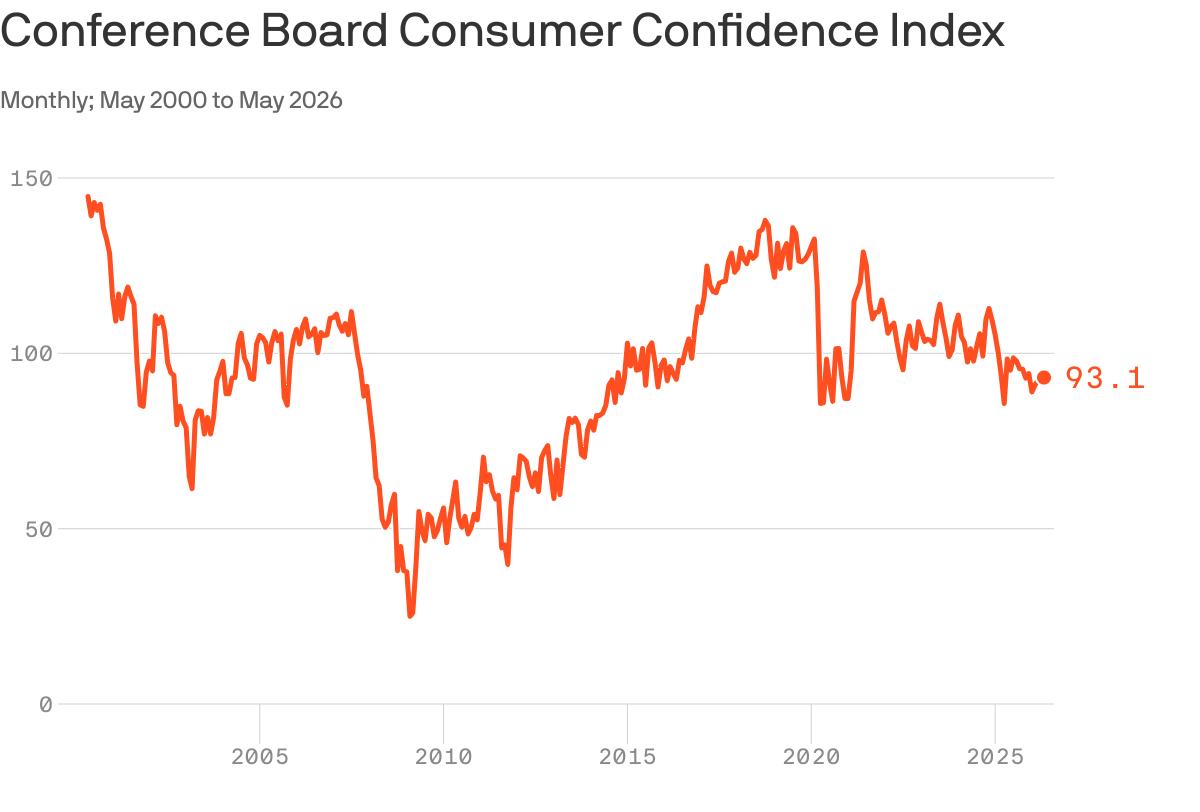
A Tale of Two Consumer Sentiment Gauges
Consumer confidence slipped in early May, with the Conference Board’s index dropping 0.7 points to 93.1, while the University of Michigan’s survey plunged to new historic lows. Both gauges signal that households are feeling the pinch of a war‑driven energy...

The Gangster Logic of Trump’s Tariff Wars
President Donald Trump has escalated tariffs into tools of extortion, demanding investment commitments from trading partners that serve his political agenda. In his second term, the administration pairs tariffs with sanctions to pressure both allies and adversaries. This shift from...
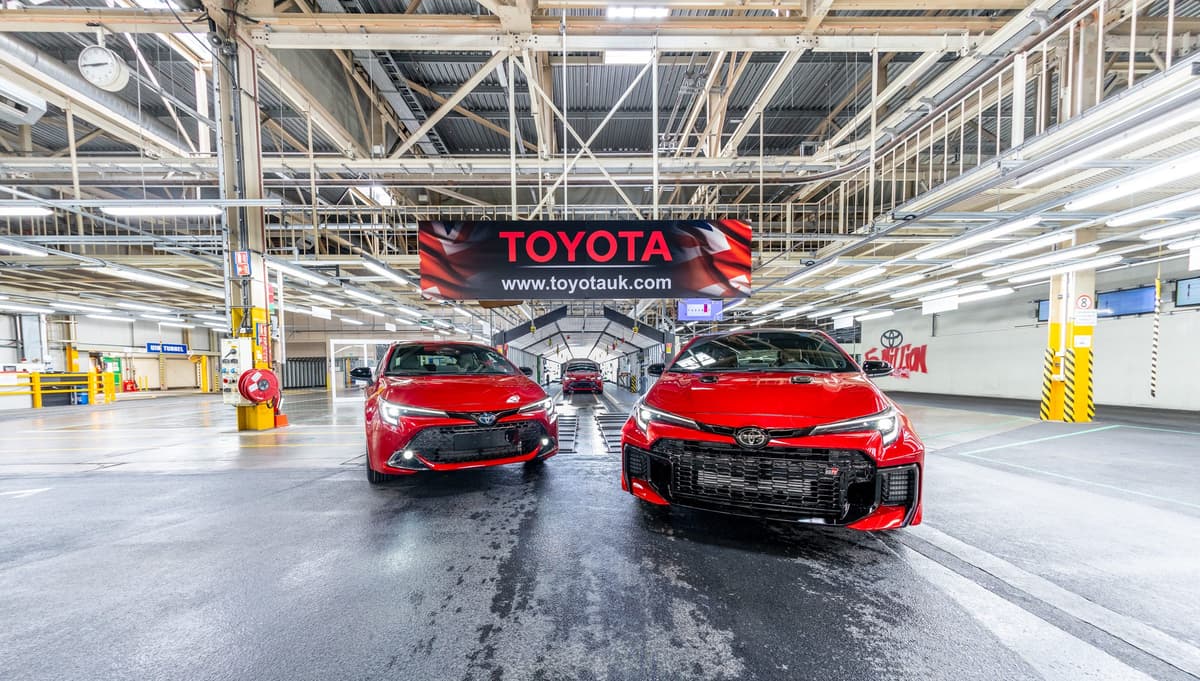
Toyota's U.K. GR Corolla Production Plan Could Increase Tariffs on All British-Made Cars in the U.S.
Toyota is relocating production of its performance‑oriented GR Corolla from Japan to its Burnaston plant in the United Kingdom, adding up to 10,000 units a year. The move trims the model’s import tariff from 15% to 10% under the current...
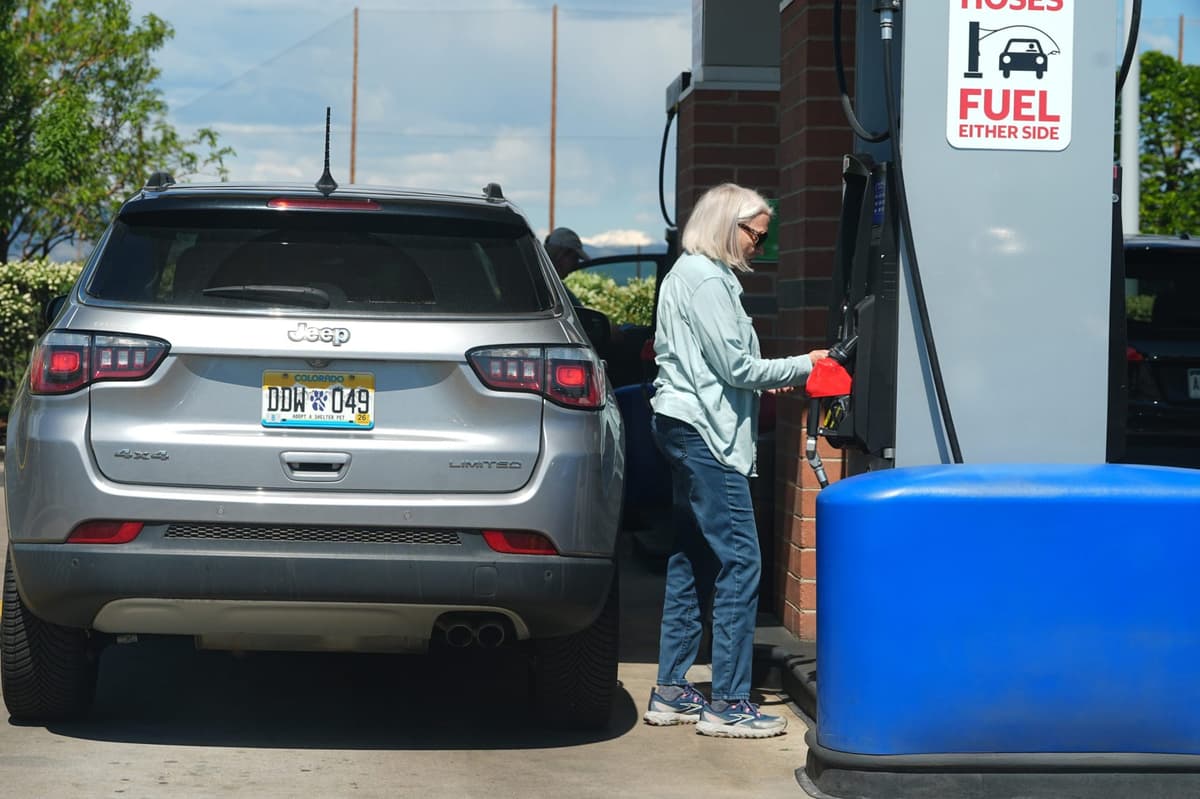
Gas Is up 51% Since February. Americans Just Started Buying Less of Everything Else
U.S. gas prices have jumped 51% since February, reaching an average $4.49 per gallon, while consumer confidence slipped to 93.1 in May—the first decline after three months of gains. Inflation accelerated to 3.8% in April, well above the Federal Reserve’s...
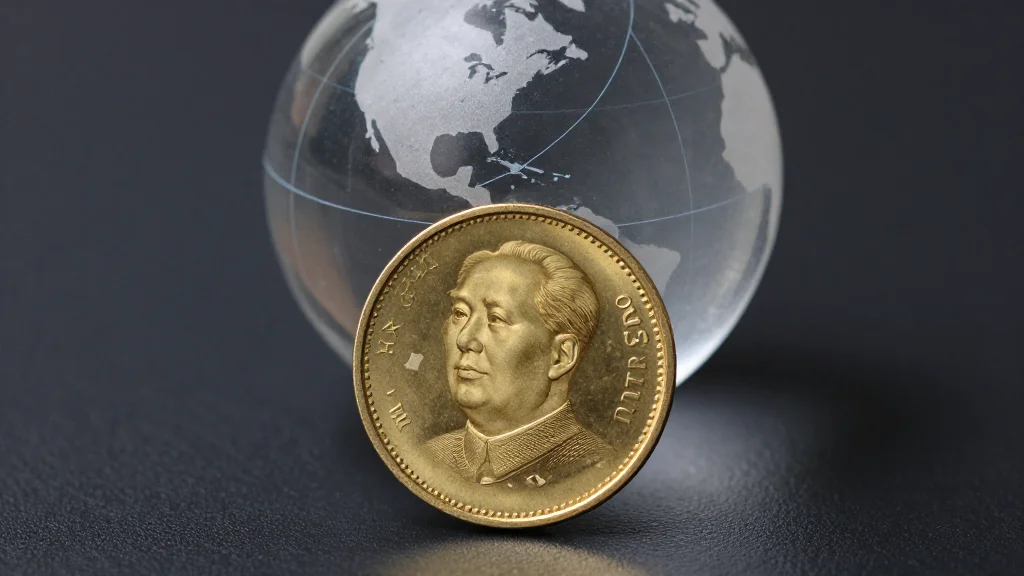
Chhangani’s Research Featured in a Financial Times Article on the Uptick in Transaction Value Settled on CIPS in March Amidst...
A Financial Times article highlighted a sharp rise in transaction value settled on China’s Cross‑Border Interbank Payment System (CIPS) in March, citing research by Dr. Rohan Chhangani of the Atlantic Council. The data shows a 28% year‑over‑year increase, bringing total...
Lipsky Cited in a New York Times Article on the Specter of Trump’s Tariffs over G7 Ministers Meeting.
At a recent G7 finance ministers’ summit, officials warned that former President Donald Trump could re‑impose tariffs on imported oil and related products, reviving trade tensions that lingered after his 2024 exit. The New York Times cited Atlantic Council expert Josh Lipsky,...

Bond Market Ushers in Warsh Era With Bets on 2026 Hike
Kevin Warsh has taken the Federal Reserve’s helm, prompting bond investors to reassess rate outlooks. The market is now pricing a potential rate hike as early as 2026, emphasizing the Fed’s inflation‑fighting credibility over President Donald Trump’s calls for lower...

LPG Prices Spike as Strait of Hormuz Remains Closed
LPG imports for cooking have surged 90% in East Africa and 70% in West Africa as the Strait of Hormuz remains closed for a third month, according to the IEA. The spike stems mainly from a global supply‑demand imbalance rather...
EU: Council Adopts Revised GSP Regulation Strengthening Conditionality of Trade Preferences
On 22 May 2026 the EU Council adopted a revised Generalised Scheme of Preferences (GSP) Regulation that tightens the conditions for preferential market access to developing countries. The overhaul adds the Paris Agreement, additional UN human‑rights instruments, ILO standards and...

Tariffs Slashed US Musical Instrument Imports, but to What End?
The Trump-era tariffs on musical instruments have climbed to a 16.6% effective rate in Q1 2026, nearly tripling the burden on pianos, strings and wind instruments. Import values dropped 20.4% year‑over‑year, especially for beginner‑grade gear, while domestic production failed to rise....
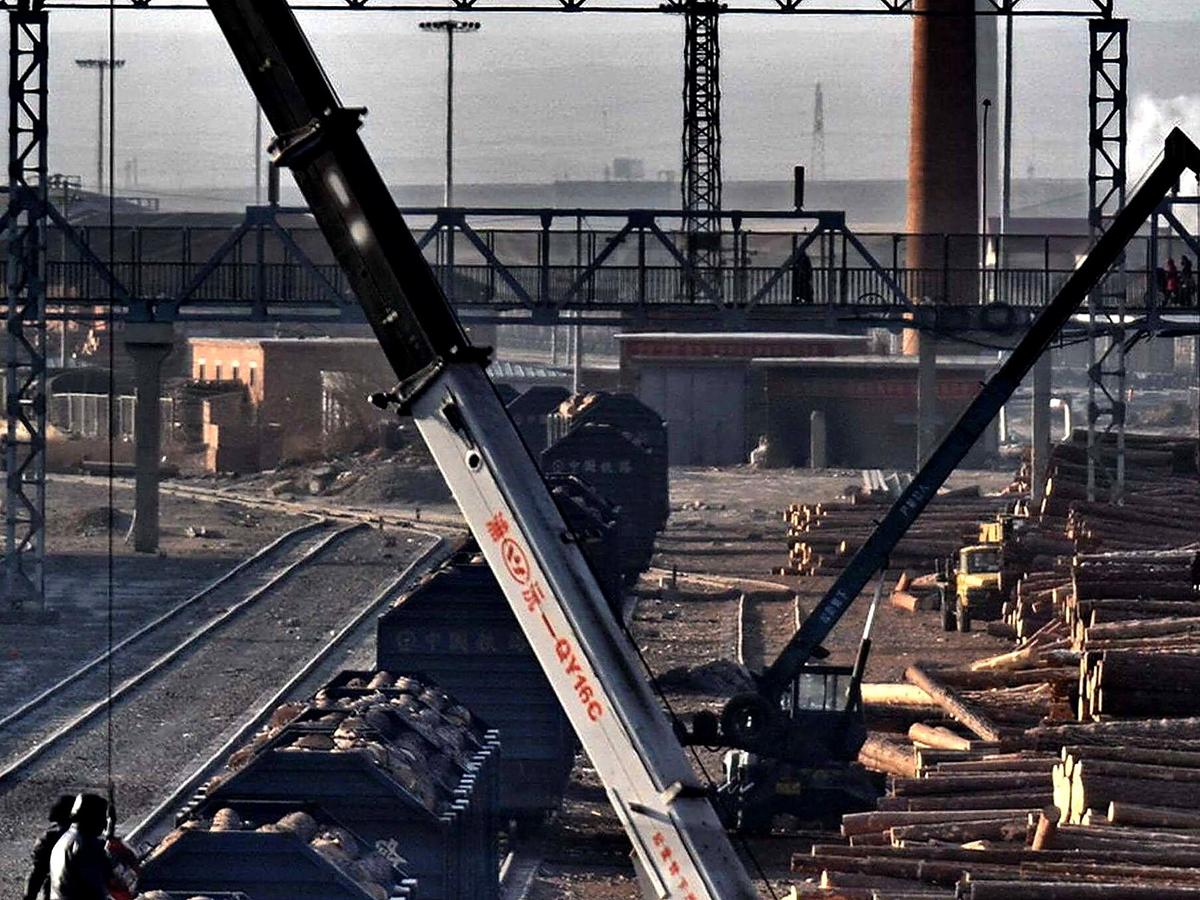
Canberra Pressed to Close Russia’s ‘Safe Haven’ for Conflict Timber
The Australian Forest Products Association (AFPA) has lodged a Senate submission urging the government to extend the 35% tariff on Russian timber to any product containing Russian wood, regardless of its country of origin. The filing cites a sharp rise...

Experts Urge Import Curbs and Tax Reforms Amid West Asia Crisis Risks
Economists and tax experts at the Think Change Forum warned that the West Asia crisis could deepen India’s $333 bn trade deficit and called for a “selective economic doctrine” focused on tax moderation, import discipline, and stronger trade‑defence measures. Their white...
EU Summons Russian Envoy over Threats Against European Diplomats in Kyiv
The European Union summoned Russia’s top diplomat in Brussels after Moscow warned foreign diplomats to leave Kyiv under threat of missile strikes. Russia’s foreign ministry urged all foreign nationals to evacuate, citing more than 80 missiles that hit civilian targets...

ECB Eyes June Rate Hike as Chief Economist Flags Forecast Upgrade
The European Central Bank is poised for a June rate hike, with chief economist Philip Lane indicating an upgraded inflation outlook for next month. Lane cited heightened upside risks from Middle East tensions and persistently high oil prices, suggesting inflation...

ECB Signals No Need to Correct Market Speculation of June Rate Hike
The European Central Bank’s chief economist, Philip Lane, told Nikkei that the market does not need extra guidance on speculation surrounding a possible June rate hike. He reaffirmed the ECB’s trajectory toward tighter policy and hinted at a further upward...

Treasury Yields Drop as Iran Ceasefire Hopes Offset Fresh US Military Strikes
U.S. Treasury yields fell on Tuesday as bond markets reopened after the Memorial Day holiday, buoyed by optimism about a potential cease‑fire in the Middle East despite fresh U.S. strikes against Iran. The benchmark 10‑year note slipped to 4.51%, the...
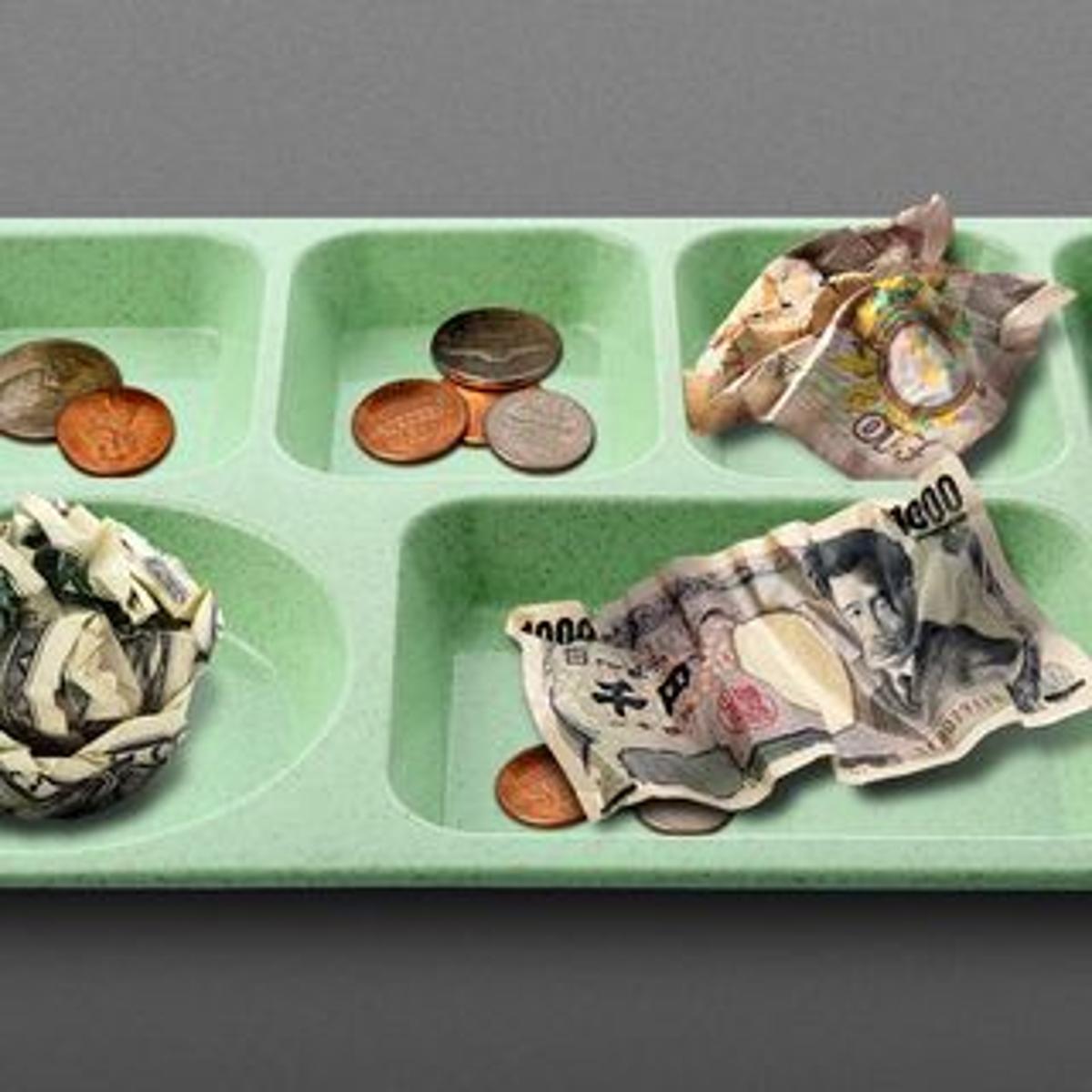
The Bond Market Is Telling Us the Free Lunch Is Over
The era of cheap government financing is ending as the $145 trillion global bond market flashes red. Rising inflation, supply‑chain disruptions and massive fiscal spending have pushed long‑term yields higher, with the 30‑year U.S. Treasury at 5.06% and Japan’s at a...
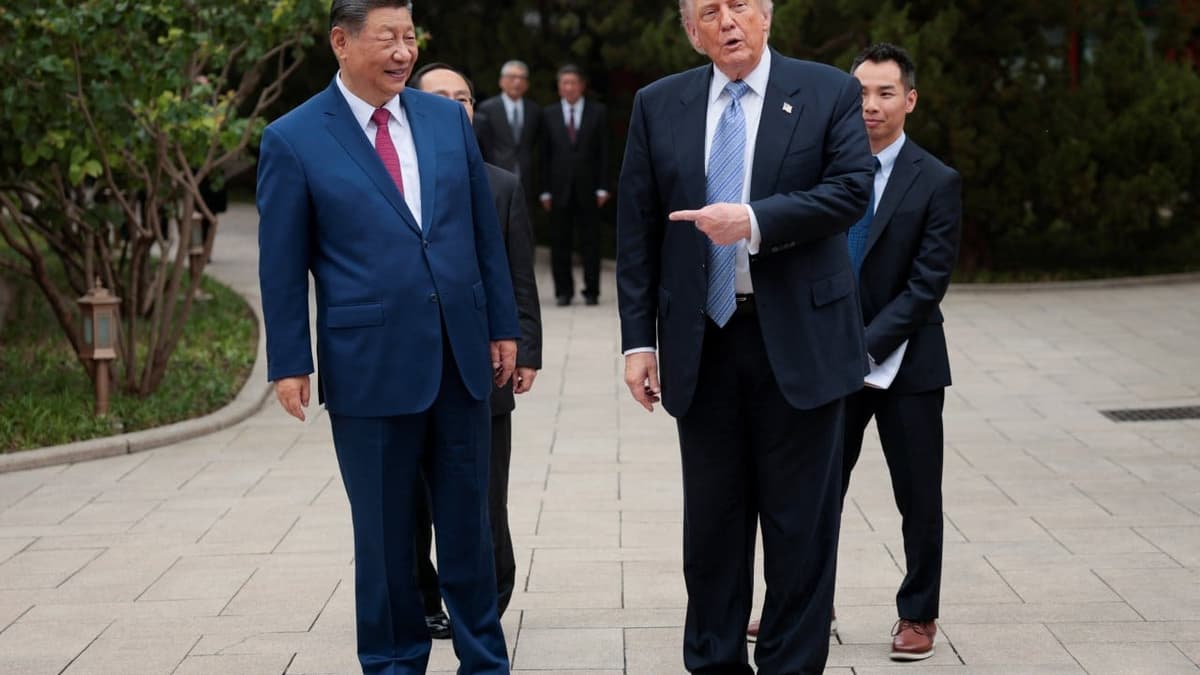
In Beijing, the US and China Tiptoed Around Tech and Critical Minerals
The Xi‑Trump summit in Beijing marked a noticeably friendlier tone, signaling the start of a tentative US‑China reconciliation. Both sides agreed to establish separate boards to oversee bilateral trade and investment, though limited to non‑sensitive sectors. Recent court rulings have...
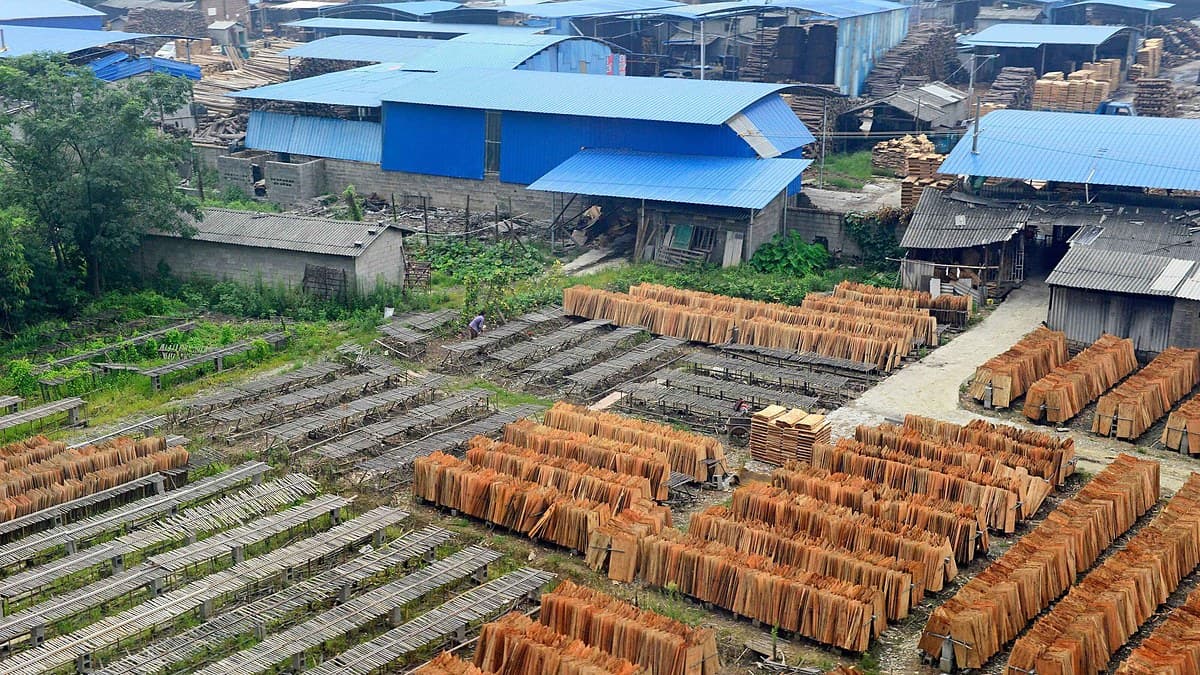
US Tariffs Strip Indonesia’s Plywood Exports of Their Biggest Market
Indonesia’s plywood exports fell 26% YoY in Q1 2026, driven by a 60% plunge in shipments to the United States after the Commerce Department imposed steep countervailing and anti‑dumping duties. Export volume to the U.S. dropped to 94,000 cubic metres...

Global Markets: Australia Shares End Lower as Inflation, Iran Peace Deal Concerns Weigh
Australian shares ended lower on Tuesday, with the S&P/ASX 200 slipping 0.4% to 8,658 as investors weighed stubborn inflation and renewed doubts over a U.S.–Iran peace deal. The banking sub‑index led the declines, falling 0.7% after Commonwealth Bank of Australia edged...
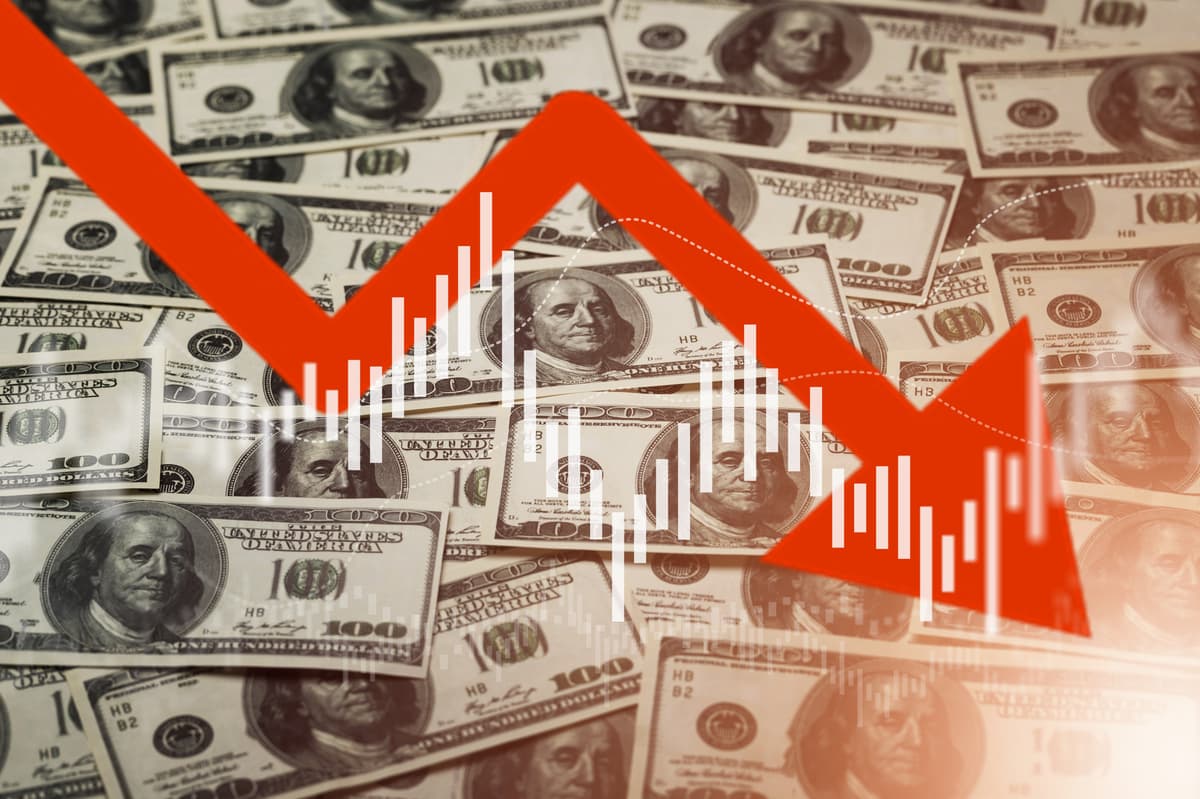
Global Growth Slows as Shocks Spread - Weekly Roundup: 26 May
UNCTAD’s Trade and Development Foresights 2026 warns global growth will decelerate to 2.6% in 2026, with merchandise trade slowing to 1.5‑2.5% after a 4.7% surge in 2025 and developing economies facing higher energy, food and financing pressures. Meanwhile, Australian equities...

Real Wages Start to Shrink in Developed Countries
Real wages are beginning to shrink in the United States, United Kingdom and the Eurozone as the Iran‑triggered energy shock drives up petrol and airfare prices. In the US, inflation rose to 3.8% in April while hourly earnings grew only...
Sri Lanka Delivers Full-Point Rate Hike to Crimp Inflation
Sri Lanka’s central bank lifted its overnight policy rate by a full percentage point to 8.75%, marking the first tightening since March 2023. The move targets inflation that has breached the 5% target, driven by soaring energy costs linked to the...