_10.jpg)
Iran Moves to Expand Yuan-Based Trade with China
Iran is accelerating the use of China’s yuan to settle imports, following a recent diplomatic visit by its foreign minister. The yuan now accounts for over 7% of global trade and could climb to 15% by 2030, driven by Beijing’s push to internationalise its currency. The China International Payment System (CIPS) links more than 1,700 banks and processed roughly $24 trillion in 2024, bolstering yuan‑denominated transactions. For Tehran, the shift offers a hedge against U.S. sanctions and reduced reliance on the dollar.

3 Market Trends That Could Shape the Rest of 2026
The unexpected Iran war and resurging inflation have forced the Federal Reserve to abandon rate‑cut plans through 2027, reshaping market leadership. Tech, once sidelined by a value rotation, is regaining momentum as the State Street Technology Select Sector SPDR ETF...
Inflation Outlook: Was I Too Pessimistic?
Brian Romanchuk notes that the 5‑year breakeven inflation rate has edged higher but remains well below the spikes seen after the pandemic and the Ukraine war. He argues the recent oil price shock and Gulf tensions represent a one‑off event...

Govt Issues Uniform Guideline for Measuring States' GDP with Revised Base Year of 2022-23
India's Statistics Ministry issued a uniform guideline that shifts the Gross State Domestic Product (GSDP) base year to 2022‑23, aligning state accounts with the recently updated national accounts. The new framework replaces the outdated 2011‑12 base used by 34 states...
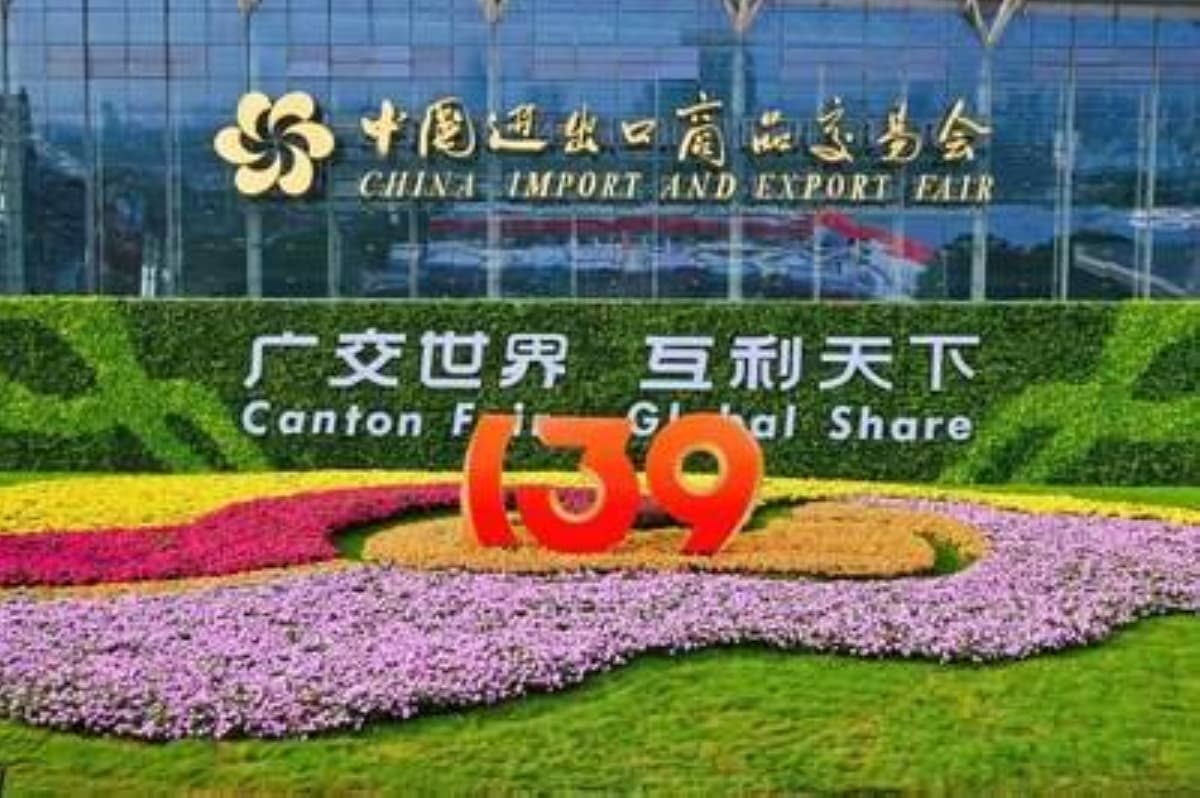
The 139th Canton Fair Concluded: Unleashing Fresh Momentum in Foreign Trade, Building New Heights of Openness
The 139th Canton Fair wrapped up on May 5, drawing 314,000 overseas buyers from 220 countries—a 1.1% rise over the previous year. Attendees placed on‑site orders worth $25.7 billion, while 4.65 million exhibits featured more than 20% innovative, sustainable and intelligent products. Digital...
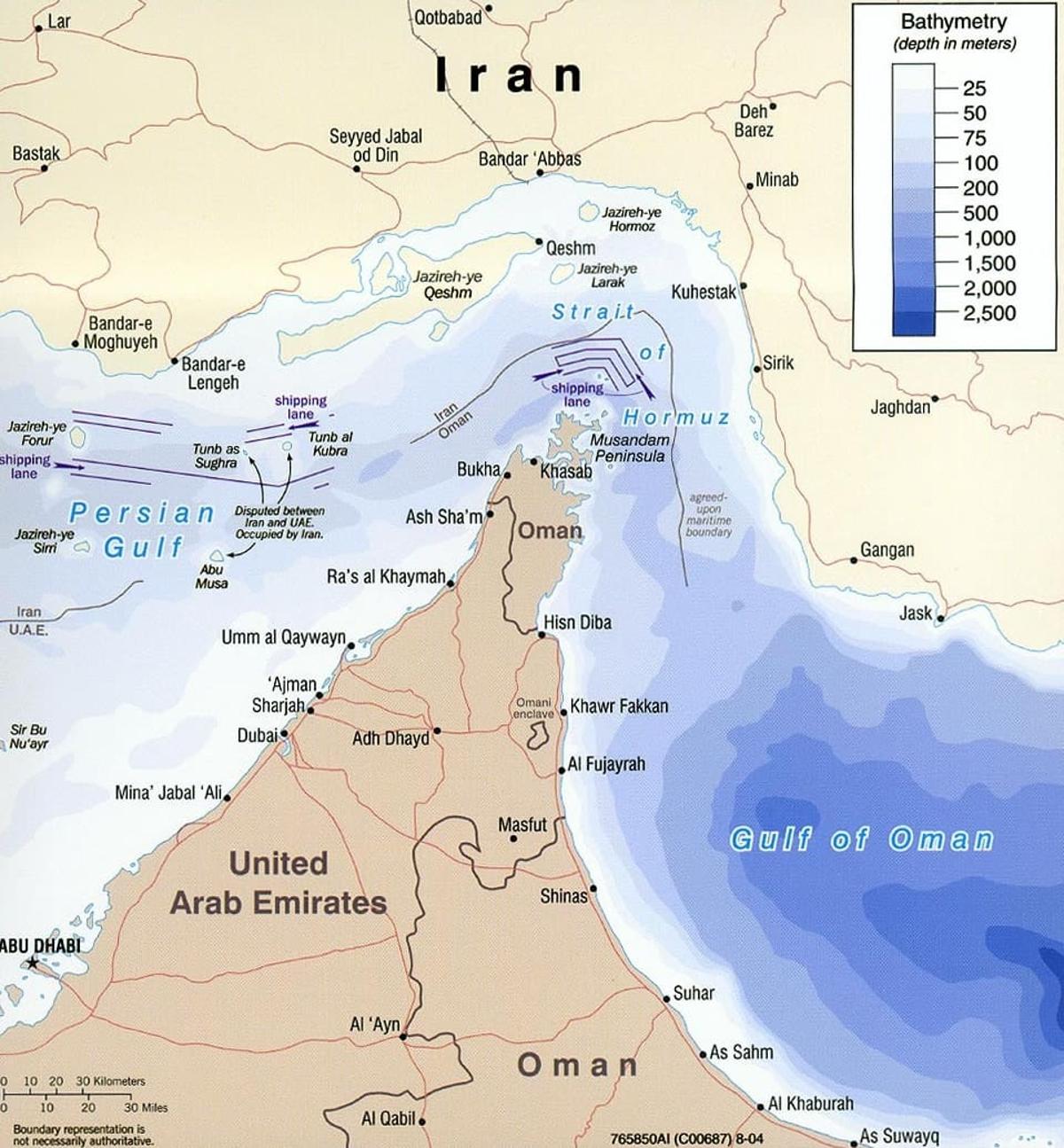
Hormuz Risk Is Redrawing the Supply Chain Geography of Energy
Geopolitical tension in the Strait of Hormuz is prompting a strategic shift in global energy supply chains. Japan has opened talks with the UAE to increase crude imports and create joint stockpiles, while the UAE’s Fujairah port offers an alternative...

India’s New Globalization Raj
India is rapidly shedding its historic economic seclusion in favor of an assertive global trade stance. Recent policy reforms—ranging from tariff reductions to streamlined foreign‑investment rules—have accelerated the country’s integration into worldwide supply chains. The shift is reflected in robust...
Citi Economist Urges CFA Franc Devaluation to Spur Growth in Central Africa
Citi’s chief Africa economist David Cowan recommends that the Economic and Monetary Community of Central Africa (CEMAC) devalue its CFA franc, which is currently pegged to the euro, to stimulate growth and stem a slide in foreign reserves. He argues...

USTR Launches Section 301 Hearings on Global Manufacturing Overcapacity
The U.S. Trade Representative launched Section 301 hearings to examine structural excess capacity across 16 foreign economies, including China, the EU and several Asian nations. The investigations will assess whether overproduction and subsidies constitute unreasonable or discriminatory practices that harm...
Oil Falls Below $100 on Peace Deal Hopes
Oil prices slumped on Thursday, with Brent crude falling 4.3% to $96.96 a barrel and U.S. West Texas Intermediate dropping 4.7% to $90.64. The decline pushed Brent below the psychologically important $100 threshold, driven by fresh optimism that a U.S.-Iran...

UniCredit Agrees to Sell Parts of Russian Bank to UAE Investor
UniCredit announced a non‑binding agreement to sell most of its Russian banking operations to an unnamed private investor from the United Arab Emirates, while retaining its payments business in the country. The deal value was not disclosed, and the transaction...

Bolivia Is Tapping Global Bond Markets for First Time Since 2022
Bolivia is re‑entering international capital markets for the first time since 2022, as its newly elected market‑friendly administration seeks fresh financing. The government plans to issue benchmark‑size dollar bonds with a five‑year maturity. Early price talks suggest yields in the...
Inflation Slows in Mexico for First Time in 2026
Mexico’s annual inflation eased to 4.45% in April, down from 4.59% in March, marking the first slowdown of 2026. Core CPI also decelerated to 4.26%, slightly under the 4.27% forecast. Banxico is set to decide on monetary policy later Thursday,...

US Carmakers’ China Balance: Cooperate Abroad, Protect Turf at Home
Ford is weighing a partnership with China’s Geely to boost its European competitiveness while resisting any technology transfer that would allow Chinese automakers to enter the U.S. market. CEO Jim Farley emphasized the need for global IP sharing but framed...

Velocity of Money: The Invisible Pulse of the Economy : A US-India Comparison
The article explains the velocity of money—how often a unit of currency is used to purchase goods and services—and compares the United States and India from 2004 to 2019. In 2004 the U.S. velocity was about 2.6, roughly double India’s...

Eurobonds: Despite Objections, They Are More Needed than Ever
A coalition of the ECB, Bundesbank and several EU governments is backing a proposal to replace up to 25 percent of each member state's debt with Eurobonds. The plan would finance the swap through a revenue transfer of roughly 1 percent of...

Geopolitical Tensions Push Oil Trading Higher in Q1, easyMarkets Reports
Geopolitical tensions in early 2026 drove a sharp rise in crude‑oil trading on easyMarkets, making oil one of the fastest‑growing assets despite overall volume moderation after a hectic 2025. Gold stayed the platform’s most traded instrument, though activity fell about...
India Represents One of Most Dynamic Opportunities in Global Commerce: Walmart CEO
Walmart CEO John Furner highlighted India as a fast‑growing source of global merchandise, noting the retailer has already sourced $40 billion of goods from the market. The company aims to reach $10 billion in annual Indian sourcing by 2027 while expanding its...
/file/attachments/2991/13472395_275310.jpg)
China May Try 'Manoeuvring' Over Taiwan Issue at Trump Meeting, Official Says
At the upcoming Trump‑Xi summit, Taiwan will likely be a managed discussion point rather than a venue for solving the cross‑strait dispute. Taiwan’s National Security Bureau warned that Beijing may try diplomatic manoeuvring, but the United States has reiterated that...
Debtor Countries Finally Have a Group of Their Own
On April 15, a coalition of developing nations launched the Borrowers’ Platform to coordinate debt‑management strategies and negotiate with international lenders. The initiative builds on the Sevilla Commitment, a framework adopted at the 2023 Fourth International Conference on Financing for...

Bloomberg Introduces Point-in-Time Economic Data
Bloomberg launched its Economic Releases and Surveys Point‑in‑Time (PiT) dataset, adding more than 3,000 curated macro indicators and auction events from over 100 economies, with timestamps dating back to 1997. The PiT data shows information exactly as it appeared to...

USMEF: Pork Exports Near Record in March
US pork exports surged in March, reaching 285,567 tonnes—a 6% year‑over‑year increase and the third‑largest monthly total on record. Export value climbed 4% to $803.2 million, the second‑highest ever, while per‑head value hit $456.56. Beef exports fell 11% in volume and...
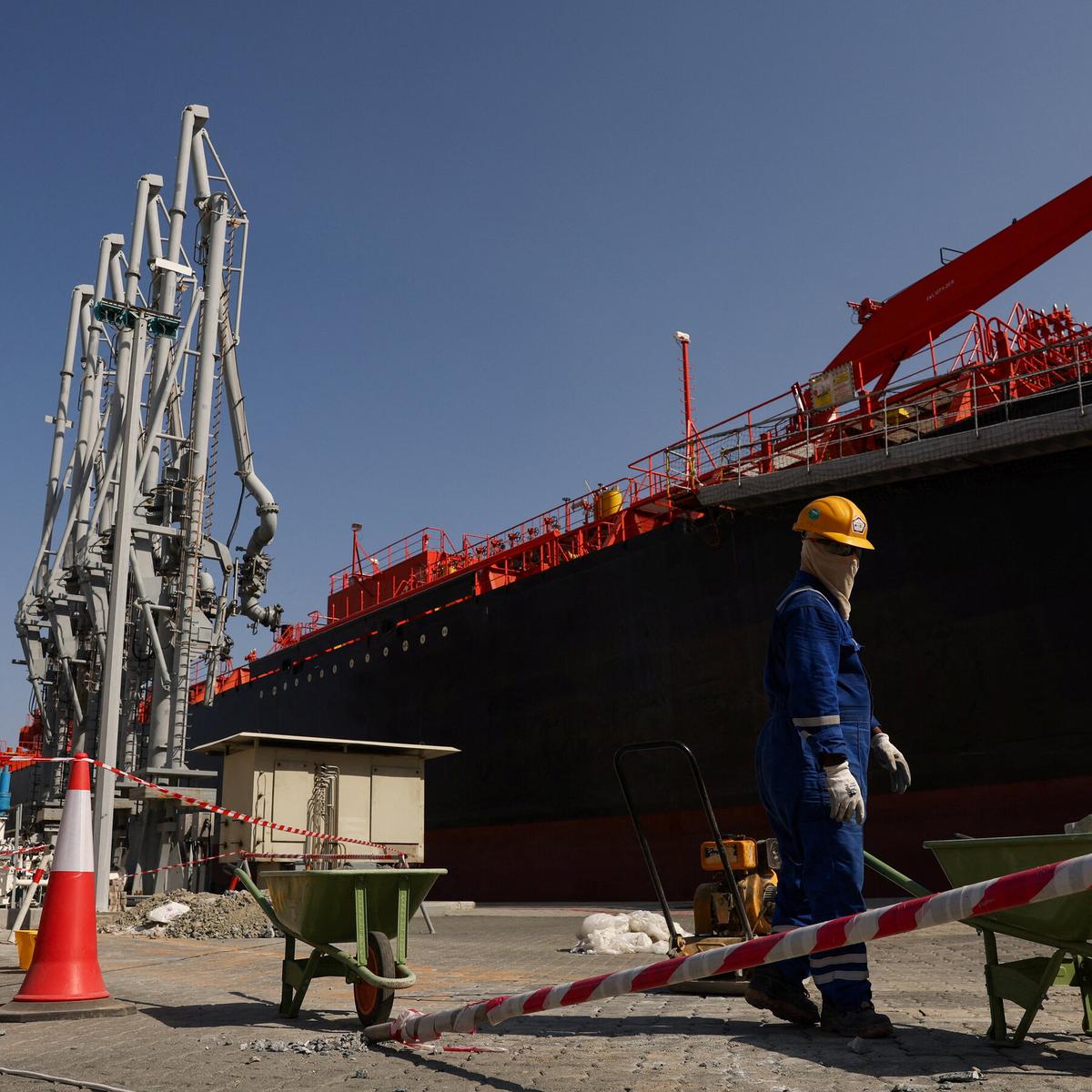
Oil Prices Slide on Hopes for Renewed U.S.-Iran Peace Talks
Oil prices fell on Thursday after President Trump announced that the United States had held “very good talks” with Iran, reviving hopes for renewed peace negotiations. The market reaction lifted U.S. equities while gasoline prices continued to rise, with regional...
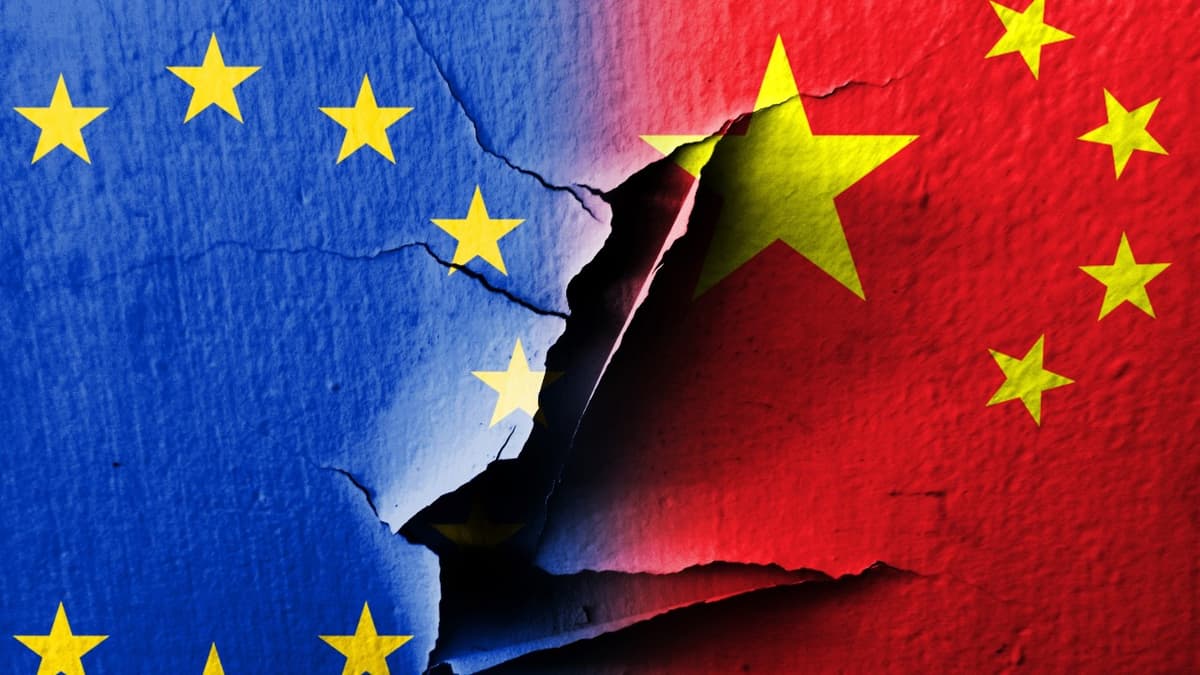
China Vows Action After EU Cuts Funding for Green Projects Using Chinese Inverters
The European Commission announced a ban on EU funding for clean‑energy projects that use Chinese‑made solar inverters, citing security concerns. Beijing denounced the move as unfair, labeling China a "high‑risk" country without evidence, and warned of retaliatory measures. Chinese firms...

Tokenization Gains Traction as Crypto’s Role Splits in Global Markets
Marex Group posted record first‑quarter 2026 results, with revenue up 48% year‑on‑year to £692.3 million (about $860 million) and profit before tax rising 53% to £149.8 million (roughly $186 million). The firm is betting on tokenized futures, stable‑coin collateral and regulated prediction markets as...
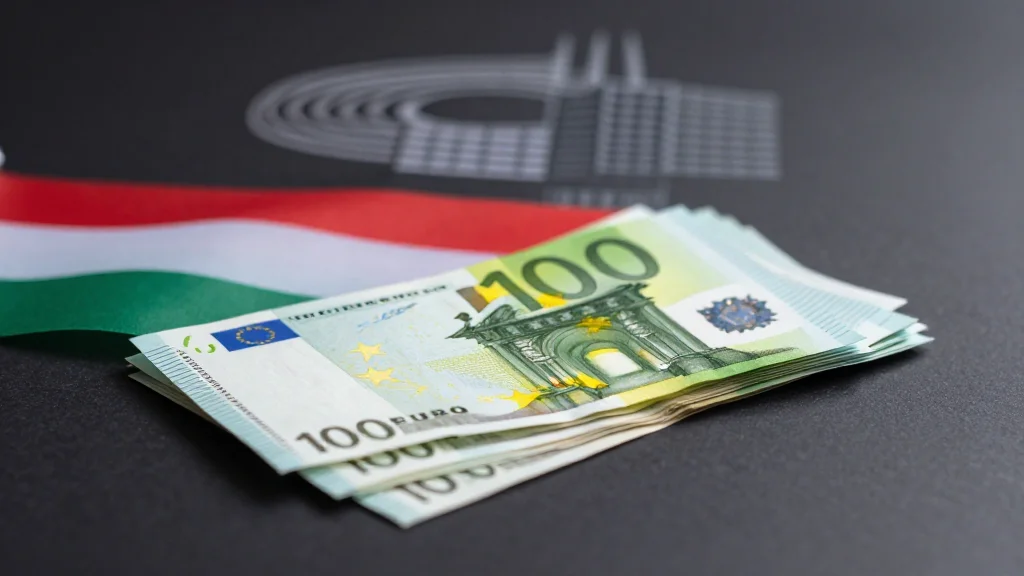
Hungary, EU Split over How Much of Its €10B Funding It Should Get
Hungary’s new prime minister, Péter Magyar, is negotiating the release of the €10.4 billion ($11.2 billion) post‑pandemic recovery fund that was frozen under Viktor Orbán. The European Commission wants Hungary to claim only the €6.5 billion ($7.0 billion) in non‑repayable grants, while Budapest pushes...
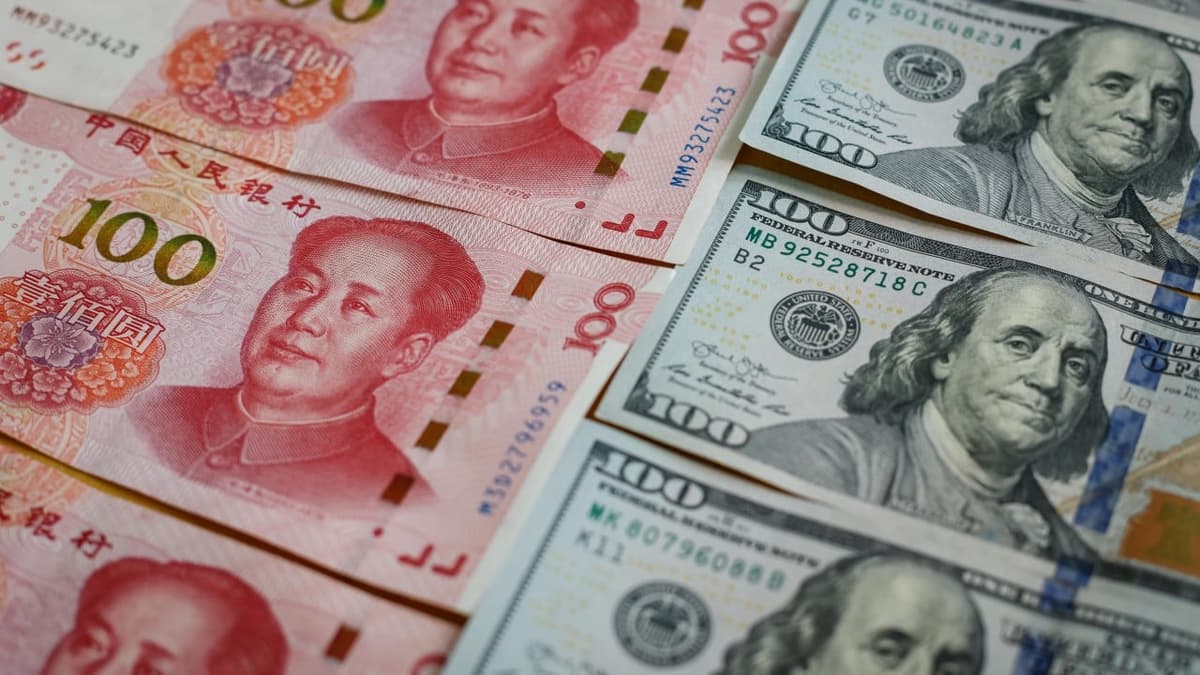
China, US Drive Global Debt to Record $353 Trillion as Iran War Adds Pressure: Report
Global debt surged to a record $353 trillion in the first quarter of 2026, up $4.4 trillion from the previous quarter, according to the Institute of International Finance. The increase was driven primarily by government borrowing in China and the United States,...

Saudi Arabia Driving Tourism Growth Across Middle East
Saudi Arabia’s travel and tourism sector posted a $178 billion GDP in 2025, a 7.4% rise that accounts for 46% of the Middle East’s tourism economy. Growth outpaced the global average, expanding at 7.4% versus the world’s 4.1% rate. International visitor...

Diesel Prices Squeeze US Farmers ‘Barely Getting by’ Amid Tariffs and Drought
U.S. farmers are confronting a sharp diesel price jump to about $5 a gallon as the war with Iran disrupts fuel markets, coinciding with the critical spring planting window. The surge follows a $34.6 bn loss from recent tariff retaliation, squeezing...
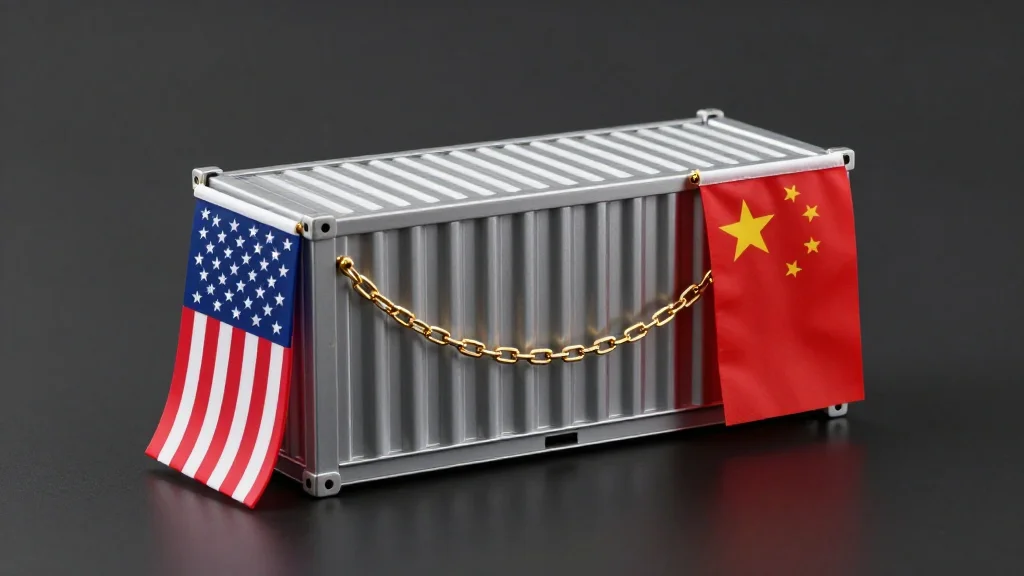
Chad P. Bown on What to Watch for at the Trump-Xi Summit
Chad P. Bown, senior research staff at the Peterson Institute, joined Fox’s LiveNOW to preview the upcoming Trump‑Xi summit. He highlighted that the meeting will intertwine economic issues with broader geopolitical power dynamics. Topics include the lingering U.S.–China trade dispute,...
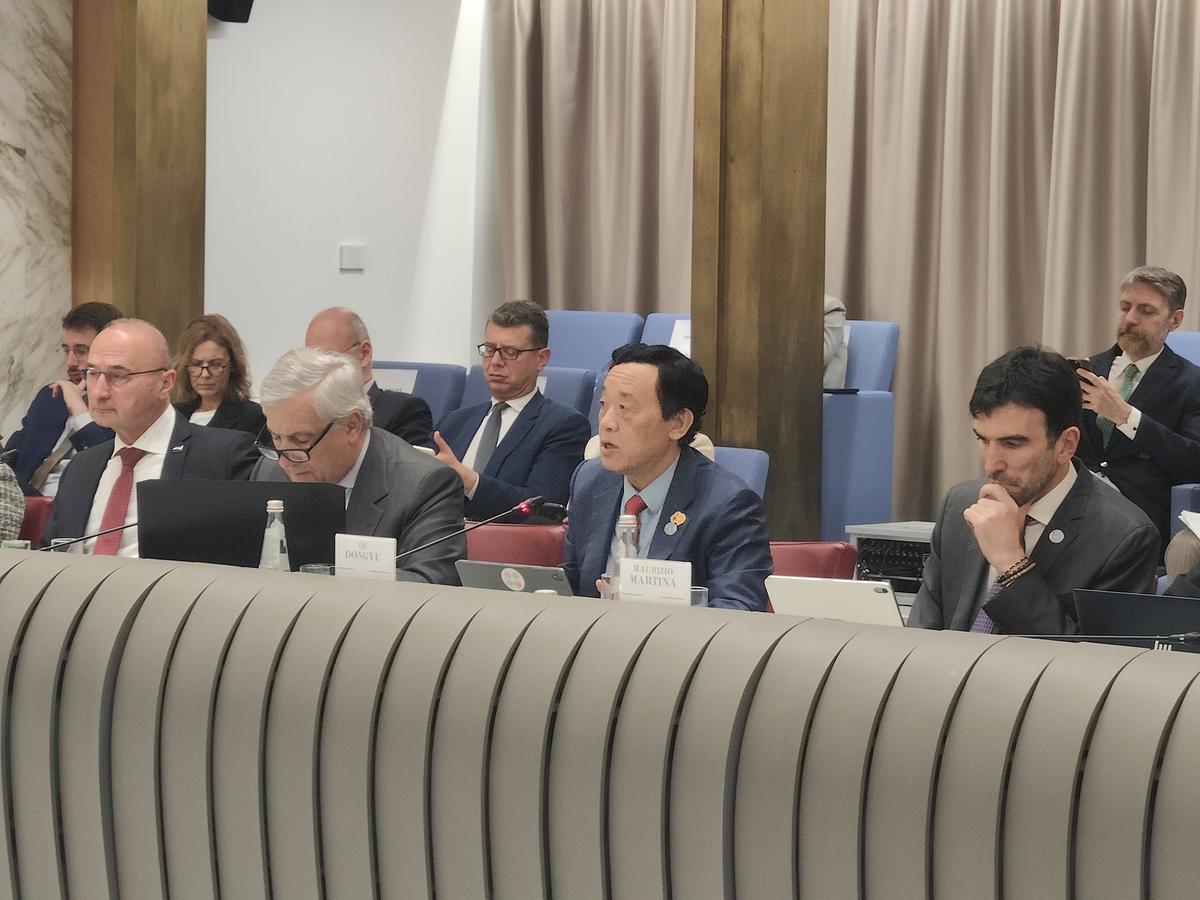
Strait of Hormuz Crisis: Fertilizer Scarcity Will Affect Next Harvests and Food Supplies, FAO Warns
The FAO warned that disruptions in the Strait of Hormuz are creating a global fertilizer shortage that will depress crop yields and tighten food supplies in the latter half of 2026 and into 2027. Director‑General QU Dongyu told the MED9++...

Oil Prices Fall Below $100 as U.S.-Iran Tensions Keep Traders Focused on Strait of Hormuz Risks
Oil prices slipped below the $100 mark on Thursday as geopolitical risk in the Middle East resurfaced. Brent crude fell 1.85% to $99.40 a barrel while U.S. WTI rose to $93.21, reflecting mixed market reactions. President Donald Trump warned that...

Ukraine War Began Decline of Rules-Based Global Market
At the Marine Insurance Greece conference, Hellenic Chamber board member Yannis Triphyllis linked the Ukraine war to the unraveling of the rules‑based maritime market. Speakers highlighted the United States’ plunge from 63% to under 1% of global tonnage and China’s...

Discus CEO Testifies for Tariff Exemption on Spirits
The Distilled Spirits Council (Discus) testified before the USTR Section 301 Committee, urging the Biden administration to exempt spirits from any current or future tariffs. CEO Chris Swonger highlighted that the U.S. spirits sector fuels over $250 billion in economic activity, supports...

Rwanda Seeks to Deepen Central Corridor Links Through SGR
Rwanda and Tanzania have signed an agreement to build a $2.5 billion standard‑gauge railway linking the port of Dar es Salaam to Kigali, with Rwanda seeking roughly $1.3 billion for its 150‑km stretch. The electrified line aims to cut transport costs, speed...
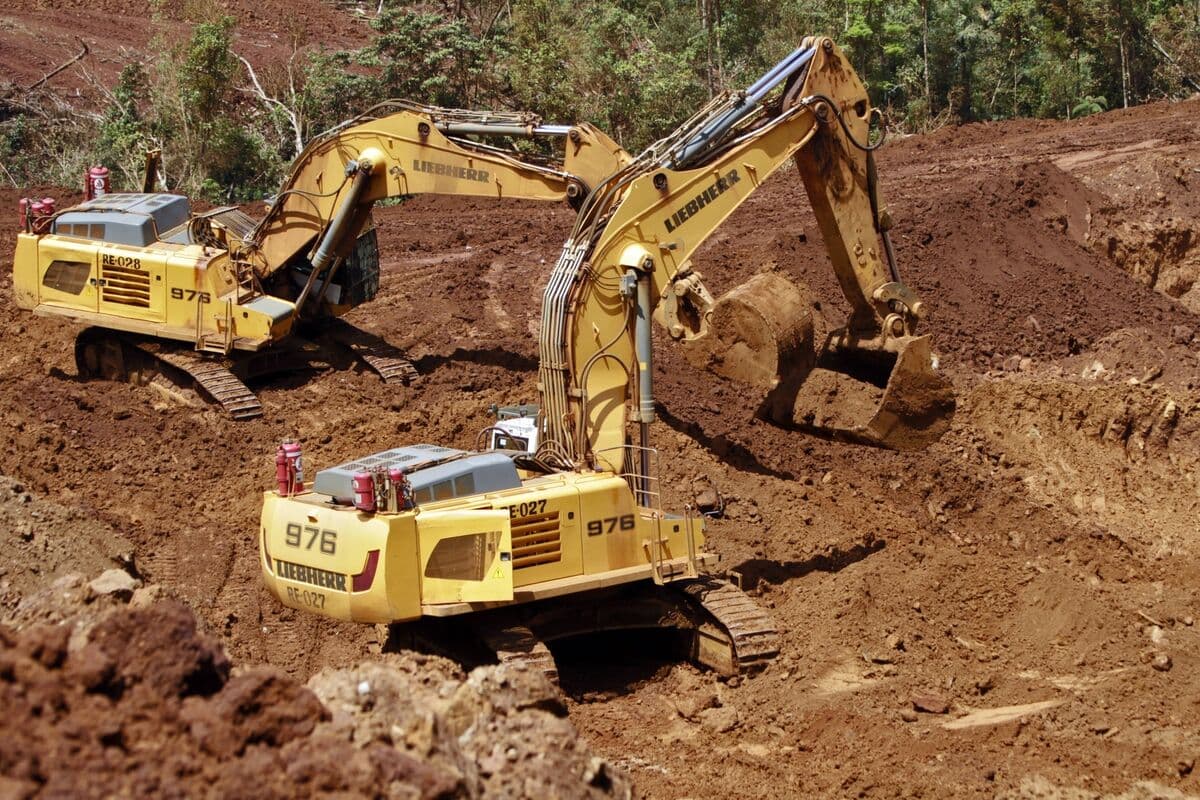
Canada Miner Sherritt Pulls Out of Cuba on Sanctions Threat
Sherritt International Corp., one of Cuba’s largest foreign investors, has halted all joint‑venture activities on the island after the United States expanded sanctions against the communist nation. The Canadian miner is repatriating its Cuba‑based workforce and has asked Cuban partners...
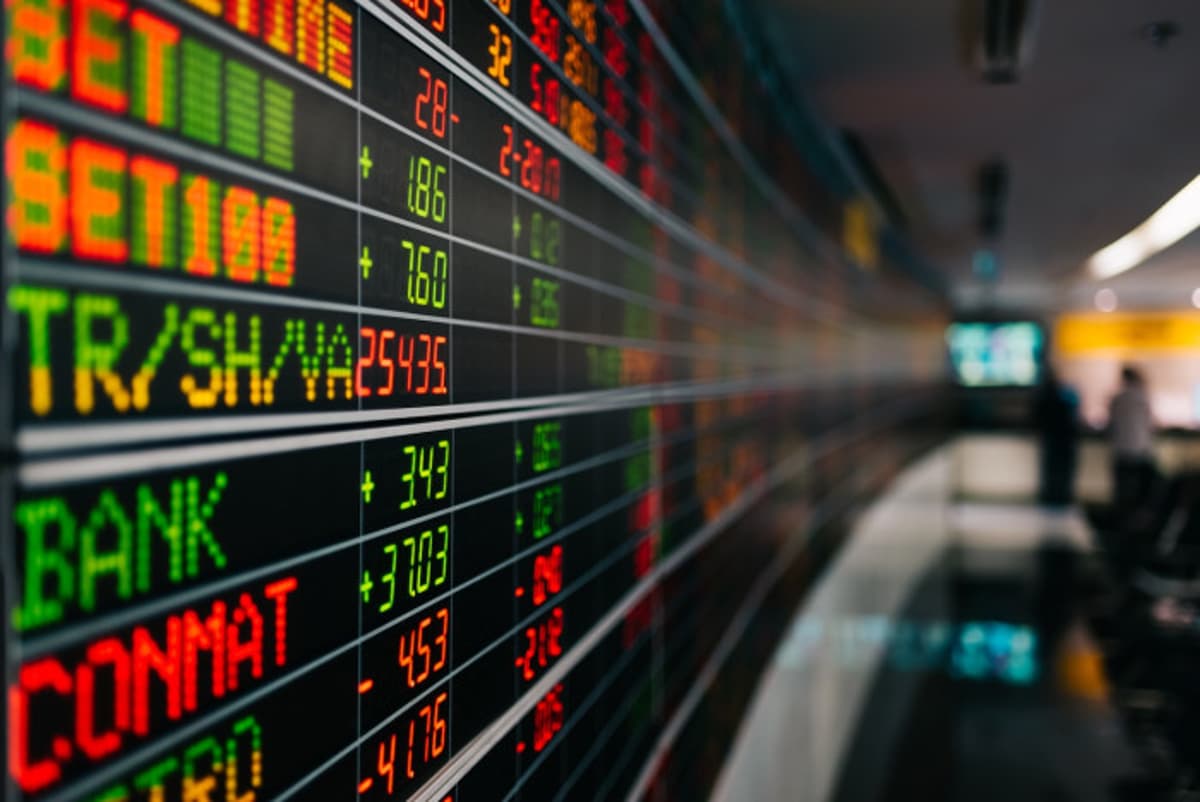
Thai Markets Weathering Middle East Turmoil
Moody’s upgraded its outlook on Thailand, placing the country with four other emerging markets that can weather global shocks. The rating highlights strong bank liquidity, robust international reserves and improved policy frameworks. Despite a ten‑week Middle East conflict, the Stock...

EU Agreement on US Trade Deal Within Reach, Says Top Lawmaker
European Parliament trade chief Bernd Lange says the EU‑U.S. trade agreement is likely to be sealed by the end of May, setting up a June plenary vote. The deal, signed in principle at President Donald Trump’s Scottish resort last July,...
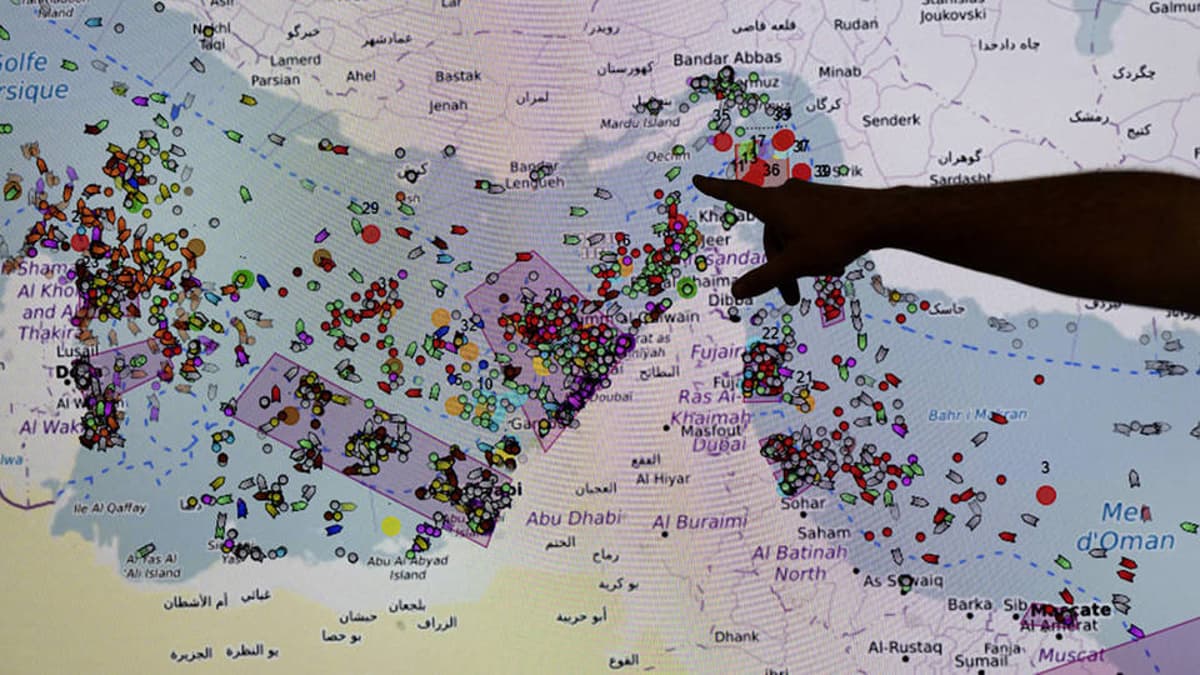
The Iran War’s Strategic Fallout
The US‑Israeli war with Iran has destabilized the Middle East, spiked energy prices and ignited a historic geopolitical realignment. The conflict exposed Iran as an unpredictable superpower, forcing both allies and rivals to rethink security postures. Analysts compare the magnitude...

The Myth of the Petrodollar
The piece debunks the popular “petrodollar” myth, arguing that the U.S. dollar’s global dominance rests on a broader financial architecture rather than solely on oil pricing. It traces the dollar’s hegemony to post‑World War II institutions like Bretton Woods and the...

The ‘Perfect Storm’ Hanging Over Britain’s Public Debt
Britain’s 30‑year gilt yield surged above 5.7%, the highest level since 1998, while the 10‑year benchmark hovered near 5%. The rise outpaces U.S. Treasury yields and triples the movement in German bunds, reflecting heightened fiscal pressure, energy‑price shocks from the...

St. James’s Place CIO: Deep Recession Unlikely, but Portfolio Resilience Is Still Essential
At Spear’s 500 Live, St. James’s Place chief investment officer Justin Onuekwusi said a deep recession is unlikely, assigning only a 5 percent probability over the next 12‑18 months and projecting a soft‑landing base case. He noted the firm’s £220 bn (~$280 bn) asset...

Donald Trump’s Foreign Policy Gets a Muscular Finance Arm
U.S. Development Finance Corporation (DFC), the Trump‑era sovereign‑loan agency, is rapidly expanding its loan portfolio, now surpassing $50 billion and aiming to match the World Bank’s scale. Ben Black, the DFC’s chief, has been tasked with insuring oil tankers navigating the...
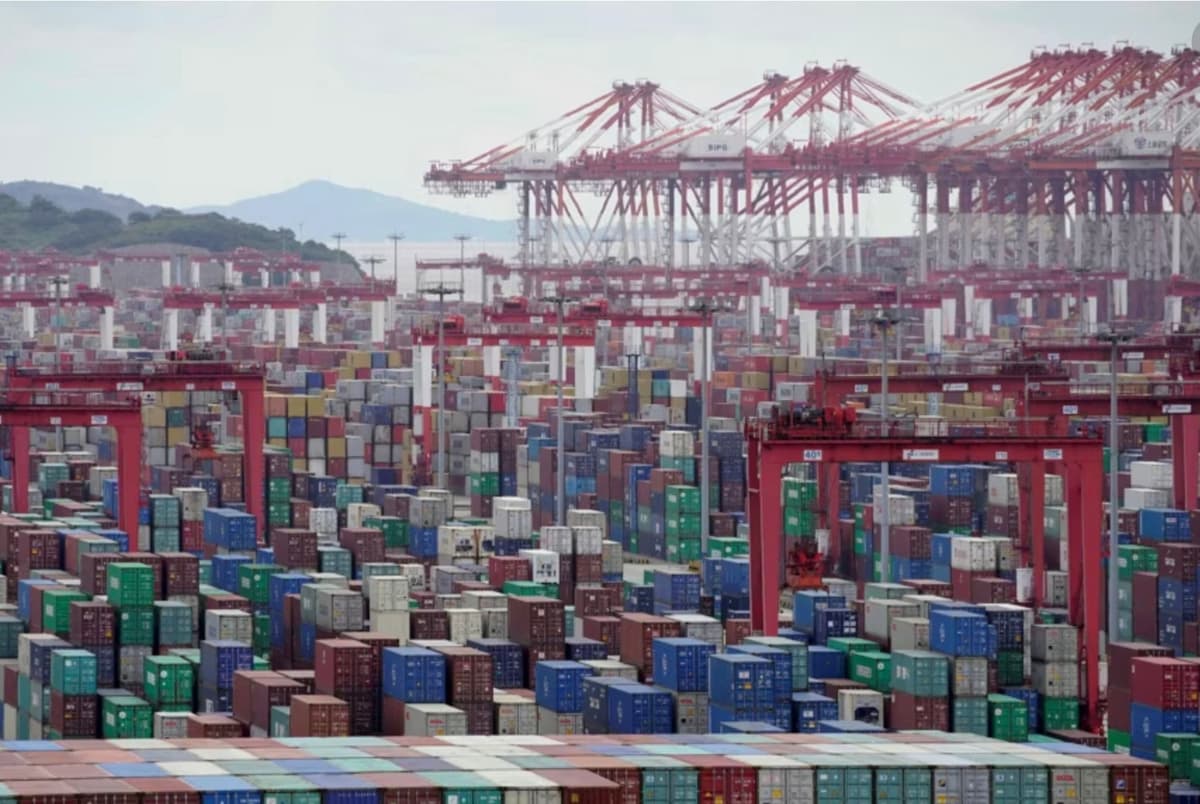
Designed to Hurt Asia, Trump’s Tariffs Did the Opposite
The Trump administration’s 2025‑2026 tariffs on Asian exporters were intended to shrink the U.S. trade deficit, but the 2025 data show record deficits with Vietnam, Taiwan, Thailand, Malaysia and Indonesia. Legal setbacks forced a switch to Section 122 tariffs and a...

Fuel Shocks, Thin Margins: Why China’s Airlines Should ‘Heed Spirit’s Mistakes’
The collapse of U.S. ultra‑low‑cost carrier Spirit serves as a warning for airlines worldwide, especially China’s carriers grappling with soaring fuel prices amid the ongoing US‑Israel‑Iran conflict. During China’s May Day “golden week,” passenger trips on railways rose 5.2% to 159 million,...
Seed Industry Feeling Pressure From Tariffs
U.S. seed companies are facing higher costs as tariffs are applied to planting seed that is shipped abroad for a season and then re‑imported. The American Seed Trade Association (ASTA) says the duties create uncertainty and erode the three‑cycle production...
RBI Likely to Hold Rates in June Amid Two Conflicting Objectives, Says HSBC Chief India Economist
The Reserve Bank of India is expected to keep its repo rate unchanged at the June 2026 policy meeting, opting instead to maintain ample liquidity in the banking system. HSBC’s chief India economist warns that the central bank faces a...

Norway’s Seafood Export Value Drops in April Largely Due to Stronger Krone
Norway's seafood export value fell 5% in April 2026 to $1.44 billion, primarily because a stronger krone reduced foreign‑currency earnings and the Middle East war raised transport costs. Salmon shipments to key markets such as Japan, Israel and the Philippines dropped...

Fertiliser Shortages to Have Dramatic Effect on Food Prices, Says Duke of Westminster’s Firm
Grosvenor Group, the Duke of Westminster’s property and farming conglomerate, warns that fertilizer shortages triggered by the Iran‑related closure of the Strait of Hormuz have pushed UK fertilizer costs up 50‑70% and could spark a dramatic rise in global food...

USMCA Continuation Important to Farmers, Others
Farmers, dairy processors, and officials in Green Bay urged the Biden administration to preserve the United States‑Mexico‑Canada Agreement with only minor tweaks. They highlighted that USMCA underpins Wisconsin’s $1.5 billion annual ethanol exports to Canada and supports corn shipments to Mexico....