Chinese Firms Suspend US Expansion as Business Climate Worsens
Chinese companies largely paused new US investments in 2025, citing a deteriorating business climate and heightened geopolitical risk. A CGCC survey revealed that 15% of firms reduced spending and 6% are weighing a full exit, while 79% intend to reinvest profits, showing lingering commitment. Ongoing US tariffs, investment restrictions, and Beijing’s tighter capital controls compound uncertainty. Analysts doubt a near‑term rebound, noting Chinese investment peaked at about $60 billion in 2016 and remains far below that level.
Treasury Meets with Life Insurers to Discuss Private Credit
U.S. Treasury Secretary Scott Bessent met with state insurance commissioners and the NAIC to examine life insurers' expanding exposure to private‑credit assets. Regulators are worried that the opaque, offshore‑heavy nature of the $2 trillion market could hide risks that threaten policyholder...

Goodbye GDP? 31 Ways to Replace the World's Favourite Measure of Economic Health
The United Nations unveiled a draft framework of 31 new annual indicators designed to sit alongside gross domestic product (GDP) as a more holistic gauge of national progress. The proposal, detailed in the report "Counting What Counts," blends economic, environmental,...
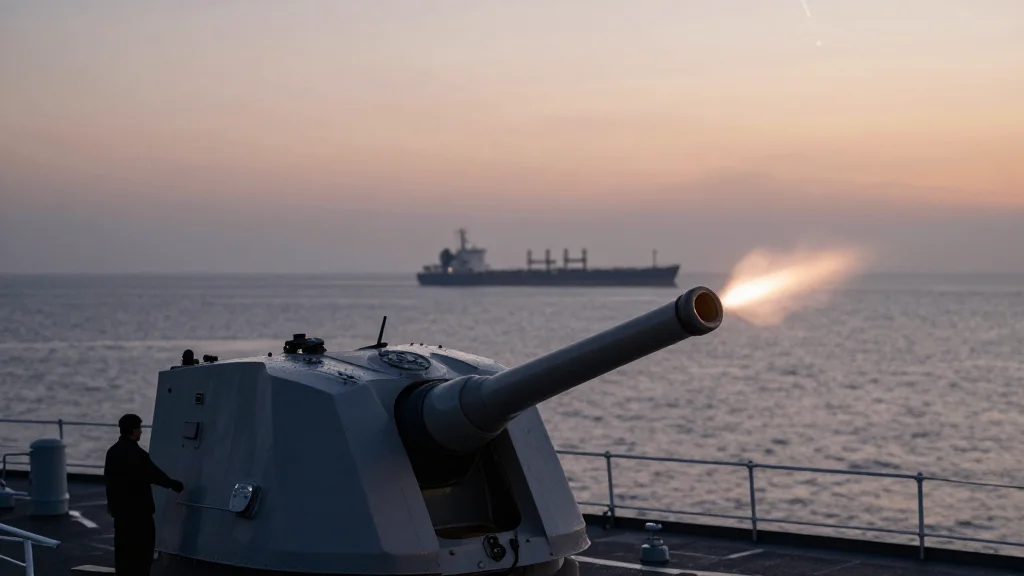
US, Iran Again Exchange Fire in Hormuz
US and Iranian forces exchanged fire again on May 7 as US destroyers attempted to transit the Strait of Hormuz. Iranian units launched missiles, drones and small boats at three US warships, prompting a US counterstrike on Iranian missile launch...

US Court Finds 'Section 122' Tariffs Unlawful
A federal Court of International Trade ruled 2‑1 that the 10% “section 122” tariffs imposed by President Trump in February are unlawful under the 1974 balance‑of‑payments law. The court found the proclamation lacked a proper deficit determination, permanently blocking collection...
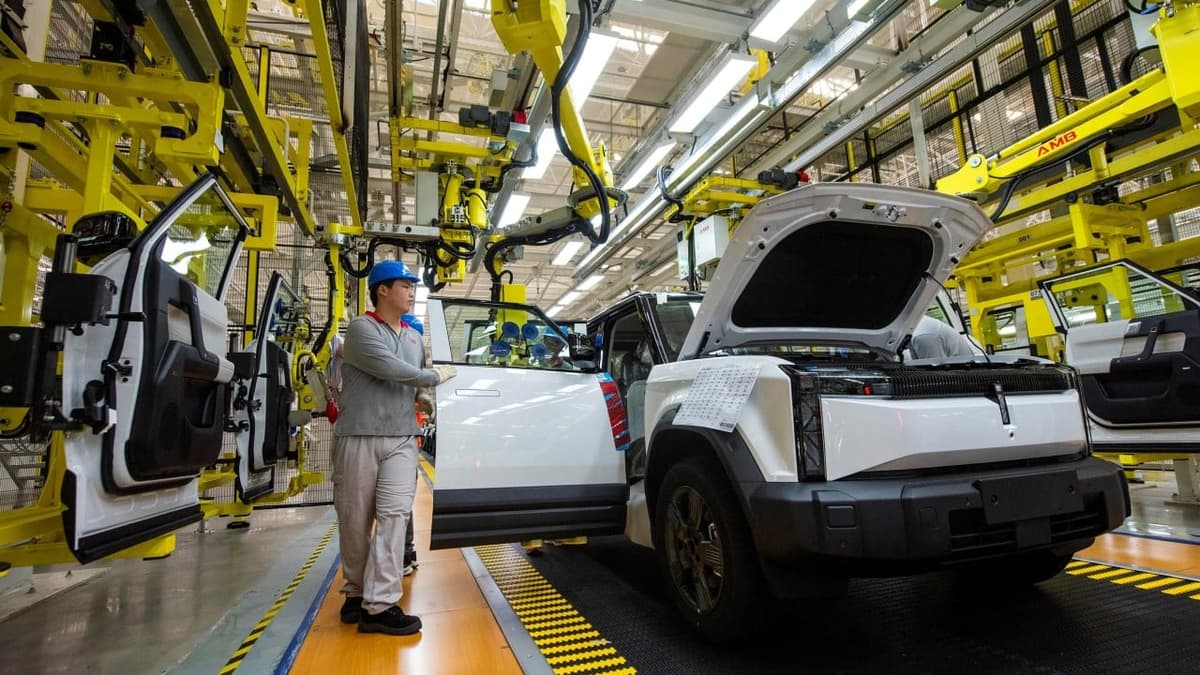
China’s Move to Cut EV Payment Cycles May Push Weaker Carmakers Out: S&P
Beijing has tightened oversight of price competition by forcing EV makers to shorten supplier payment cycles, cutting average terms from up to 300 days to around 50 days. S&P Global Ratings warns that the tighter cash‑flow regime will increase borrowing...

Why ‘De-Risking’ May Not Deliver a Large Peace Dividend
Since 2018, policymakers have championed ‘de‑risking’ to shield economies from coercion, but new research shows that trade itself can act as a powerful stabiliser. By exploiting the uneven impact of the late‑20th‑century aviation revolution, the authors identify a causal link:...

Trump’s 10% Global Tariffs Struck Down by Federal Court in New Blow to President’s Policy
A federal Court of International Trade invalidated President Donald Trump’s 10% blanket tariffs on imports, ruling 2‑1 that the measures exceed authority under Section 122 of the Trade Act of 1974. The challenge was brought by small businesses who argued the...

Wrapped in a Boeing: Will Trump’s China Visit Include Another Aircraft Deal?
President Donald Trump’s upcoming state visit to Beijing comes amid a U.S.-Iran war that is tightening global energy supplies and heightening economic uncertainty. The 2017 $37 billion, 300‑plane Boeing deal secured during his last China trip has stalled due to sanctions,...
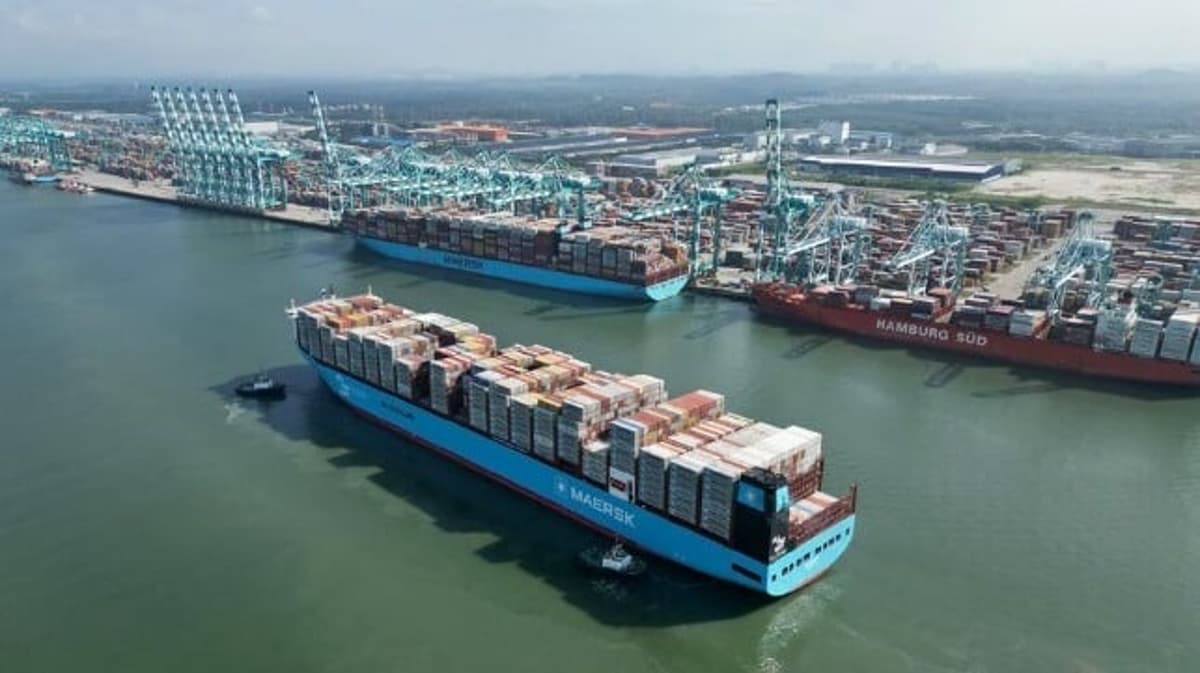
Falling Freight Rates Drive Maersk to Q1 Loss in Shipping Segment
Maersk’s ocean‑shipping division recorded a $192 million EBIT loss in Q1 as freight rates fell 14% while volumes rose over 9%. The loss was driven primarily by a two‑thirds jump in bunker fuel costs, adding roughly $500 million each month. Despite the...
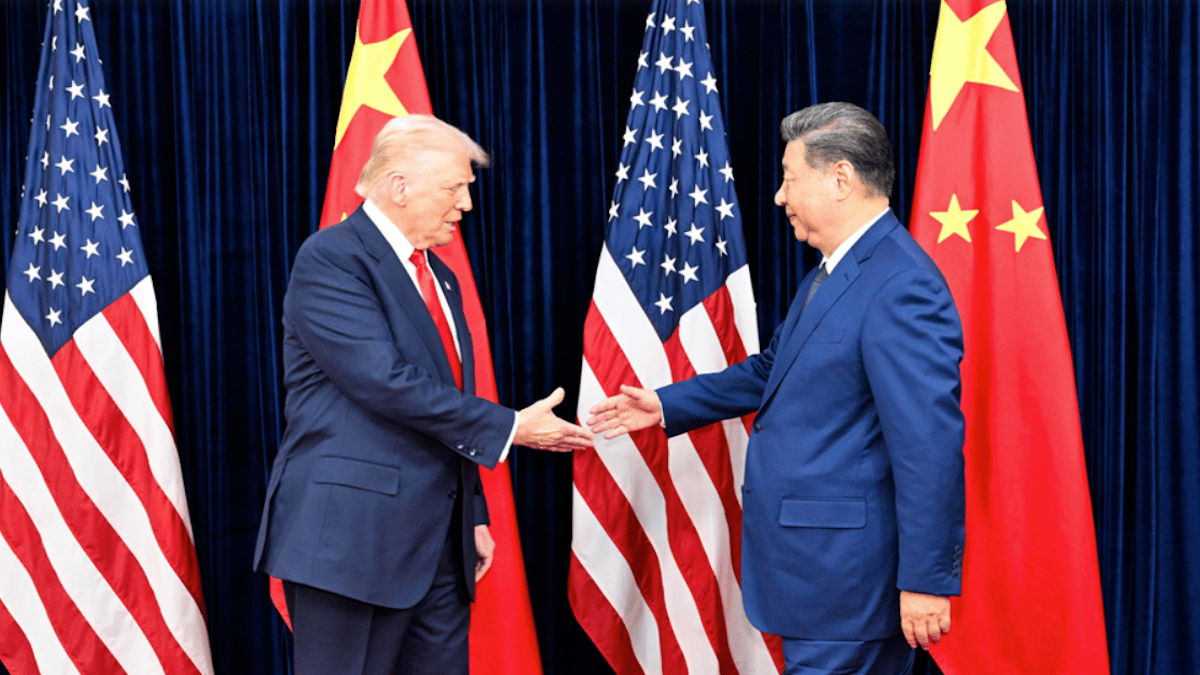
Trump-Xi Summit Set to Weigh Iran Oil, Taiwan and US Exports
The Trump‑Xi summit will convene in Beijing on May 14‑15, tackling a packed agenda that includes Iranian oil sanctions, Chinese “teapot” refineries, Taiwan arms sales, and the release of Hong Kong media mogul Jimmy Lai. U.S. officials stress that while Iran‑related oil...
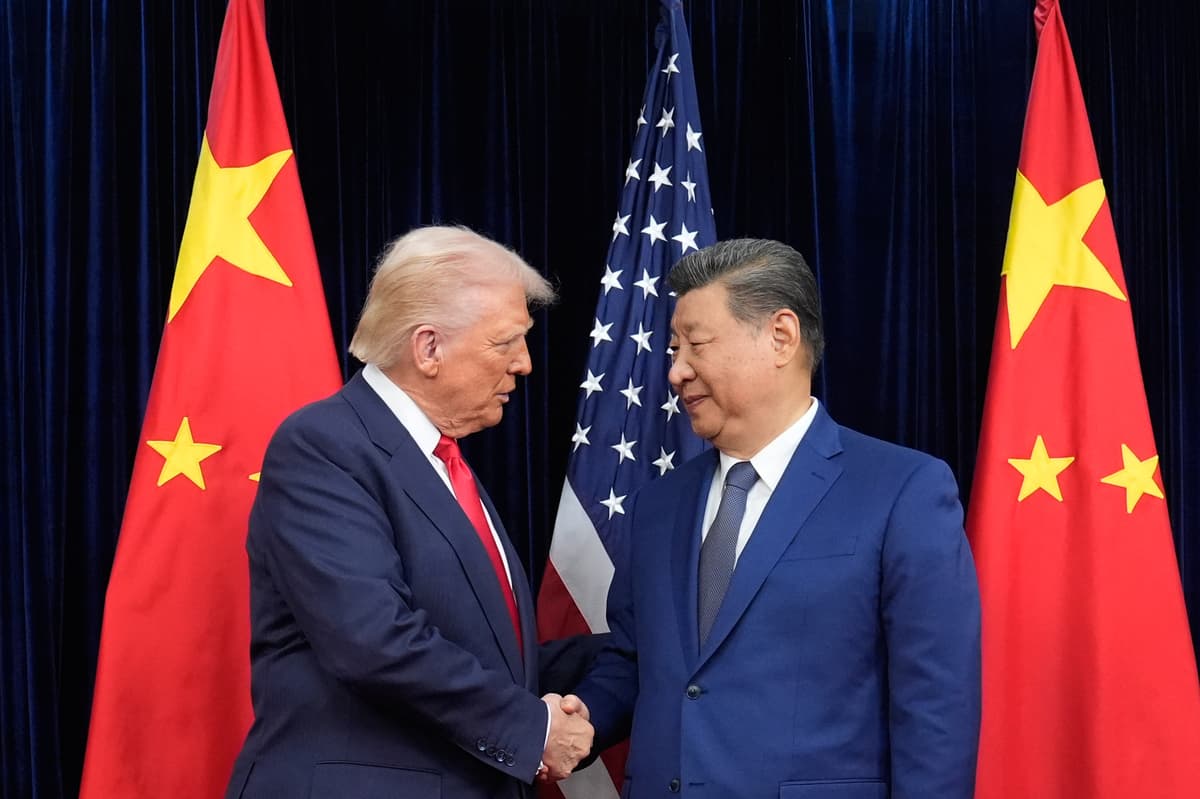
Hormuz Hangs over Beijing Summit
President Donald Trump is set to meet Chinese President Xi Jinping amid a growing crisis in the Strait of Hormuz, where Iranian actions have threatened global oil flow. The White House has pressed Beijing to use its influence over Tehran...
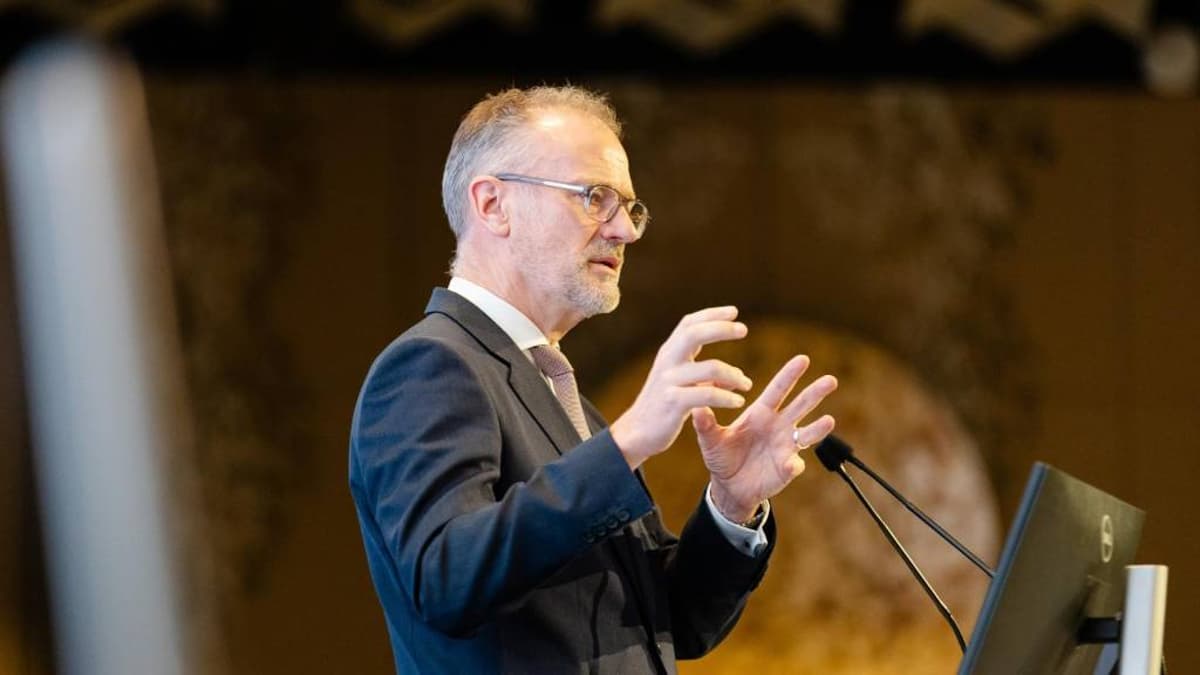
Barrett Sees Growth for Victoria’s Economy Despite Challenging Headwinds
Chris Barrett, head of Victoria’s Department of Finance and Treasury, warned that rising interest rates and a global oil shock will dampen the state’s economic growth this fiscal year. He noted the cash‑rate target has risen to 4.35%, tightening financing...
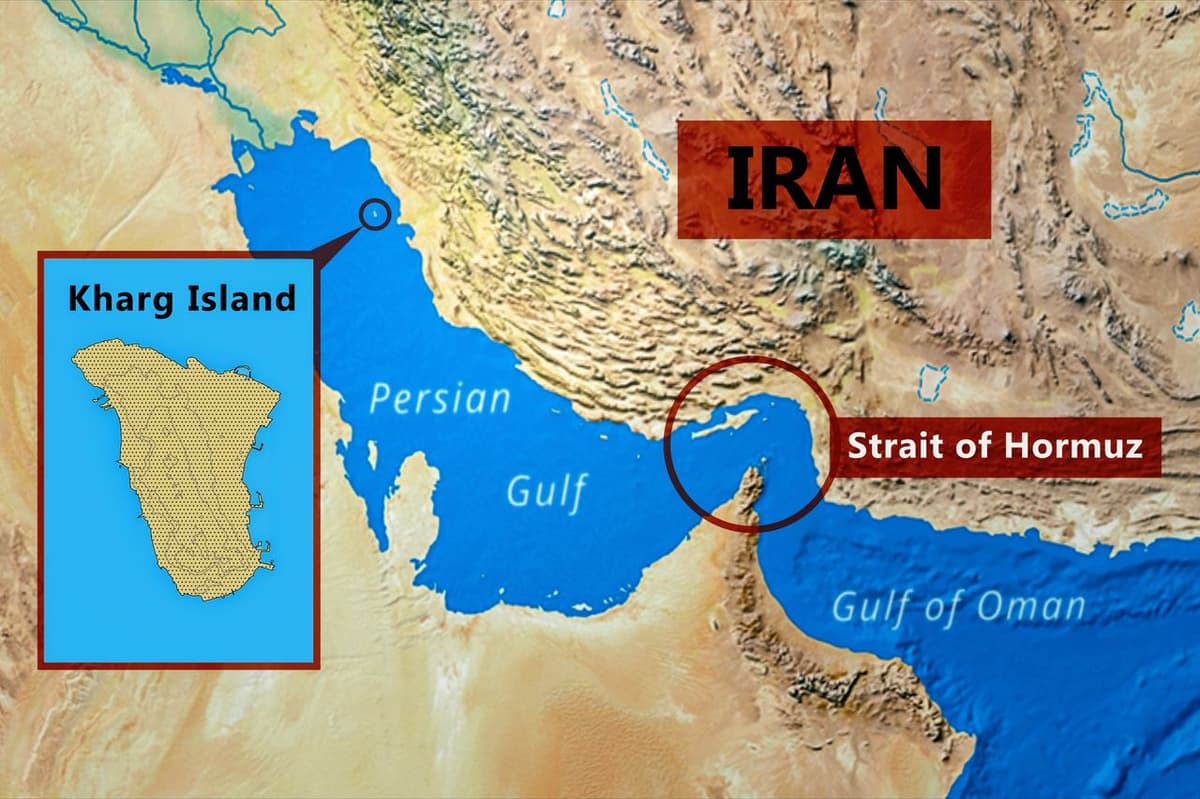
Nasdaq Fades Late as Hormuz Tension Flares: Stock Market Today
U.S. equity indexes closed lower on Wednesday after the Wall Street Journal reported the Trump administration is preparing to restart “Project Freedom,” an effort to force open the Strait of Hormuz. Crude oil fell to under $90 per barrel before...
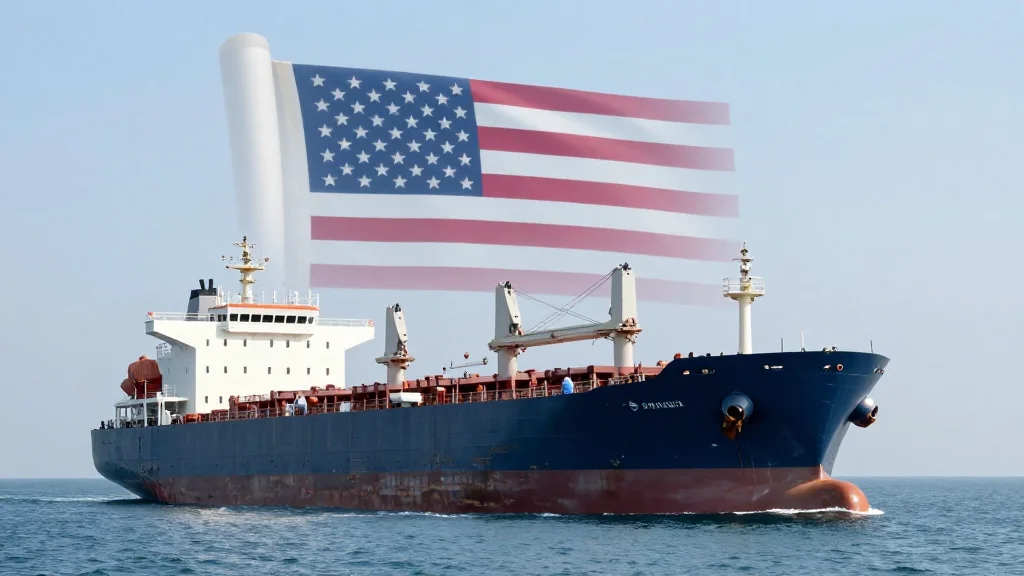
House Labor Caucus Joins Growing Backlash Against Trump’s Jones Act Waiver Extension
The White House extended a Jones Act emergency waiver for another 90 days, allowing foreign‑flag vessels to transport fuel, fertilizer and other cargoes between U.S. ports amid Middle East shipping disruptions. House Labor Caucus co‑chairs Donald Norcross, Mark Pocan, Steven...
IMF Warns of 'Inevitable' AI-Powered Threats to World
The International Monetary Fund issued a warning that AI‑driven cyber‑attacks pose a systemic threat to global financial stability. Its latest report says extreme AI‑enabled incidents could strain funding, jeopardize solvency and disrupt markets. The IMF highlights that advanced models dramatically...

Michele Bullock Has Made a Bold Move – and It’s Not the Rate Rise
Reserve Bank of Australia Governor Michele Bullock broke her usual reticence by providing clearer forward guidance on the nation’s interest‑rate trajectory. Instead of deflecting questions, she hinted that upcoming rate hikes may slow, offering markets a rare glimpse into policy...
Trump's 'Irresponsible War' To Blame for Economic Slowdown, German Minister Says
German Finance Minister Lars Klingbeil blamed President Donald Trump’s “irresponsible war in Iran” for a sharp decline in Germany’s projected tax revenues, slashing the 2026‑2030 forecast by about €70 bn ($82 bn). He said the conflict created a global energy shock that...

India's 6.6% Growth "Very Good Record" Amid Global Turmoil: Amitabh Kant
India’s economy expanded 6.6% year‑on‑year, cementing its position as the world’s fastest‑growing large economy despite wars, broken supply chains and rising protectionism. Former NITI Aayog chief Amitabh Kant praised the pace as a “very good record” and linked it to structural...

Rates Spark: Euro Rates and the War
Brent crude has settled below the $100 per barrel mark as a tentative Middle East deal looms, but strategists see limited upside for further price declines even if the Strait of Hormuz reopens. Infrastructure damage and depleted strategic reserves mean...

Morningstar DBRS Confirms India at BBB, Stable Trend
Morningstar DBRS reaffirmed India’s long‑term sovereign rating at BBB with a stable outlook and its short‑term rating at R‑2 (high), also stable. The agency highlighted the country’s resilient macro fundamentals—$700 bn of foreign‑exchange reserves, 3.4% CPI, and a fiscal deficit narrowed...

Oil Shock Far From Over: Energy Giants Warn Global Fuel Supplies May Stay Tight for Months After Iran Deal
Oil supplies will continue to tighten in the coming weeks even if a U.S.-Iran peace deal ends the conflict, because it will take weeks for shipments to resume from the Gulf and for inventories to rebuild. Executives from TotalEnergies, Equinor...

Isabel Schnabel: The Quiet Erosion of Central Bank Independence
In a May 2026 Charles Goodhart lecture, ECB Executive Board member Isabel Schnabel warned that central‑bank independence is being eroded by two structural forces: rising sovereign debt that creates fiscal dominance and a push toward financial deregulation that breeds financial dominance....

Parliamentary Panel to Review Domestic Output of Petroleum Products on 15 May
India’s parliamentary panel on petroleum and natural gas will meet on 15 May to assess domestic fuel and fertilizer supplies amid disruptions from the West Asia war. While petrol and diesel inventories remain comfortable, LPG imports are strained due to the...
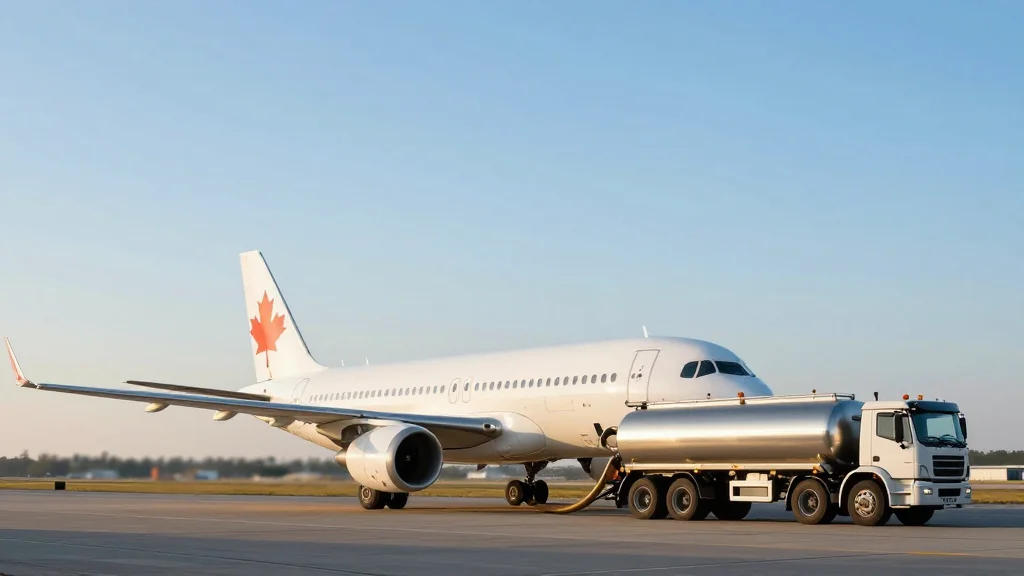
What the Jet Fuel Crisis Means for Your Summer Flights and Travel Plans
Canadian summer air travel faces unprecedented turbulence as a U.S. travel boycott and a global jet‑fuel crisis converge. Airlines have slashed U.S. capacity—Air Transat will end all U.S. flights by June—while expanding domestic routes to capture displaced demand. Jet‑fuel prices...

Why Stocks and Bonds Are Responding Differently to the Iran War
The U.S. equity market has surged to fresh highs even as the Iran war pushes oil prices and inflation upward, while the bond market has slipped under the same pressures. Stocks—both domestic and international—have rebounded strongly since the March dip,...
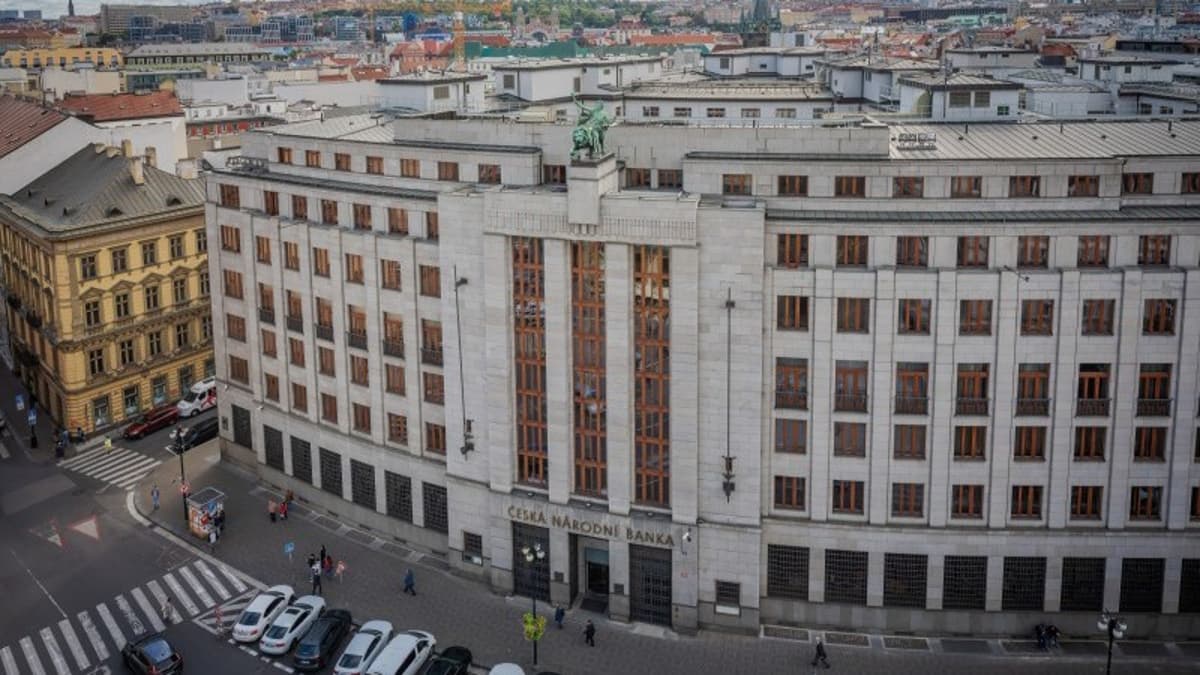
CNB Review: Governor Signals Wait-and-See Mode but Tone Turns Dovish
The Czech National Bank unanimously kept its key rate at 3.50%, signalling a wait‑and‑see stance while leaving a hike option open for the next meeting. Governor Aleš Michl defended the hold with dovish arguments, noting a higher inflation outlook but weaker...
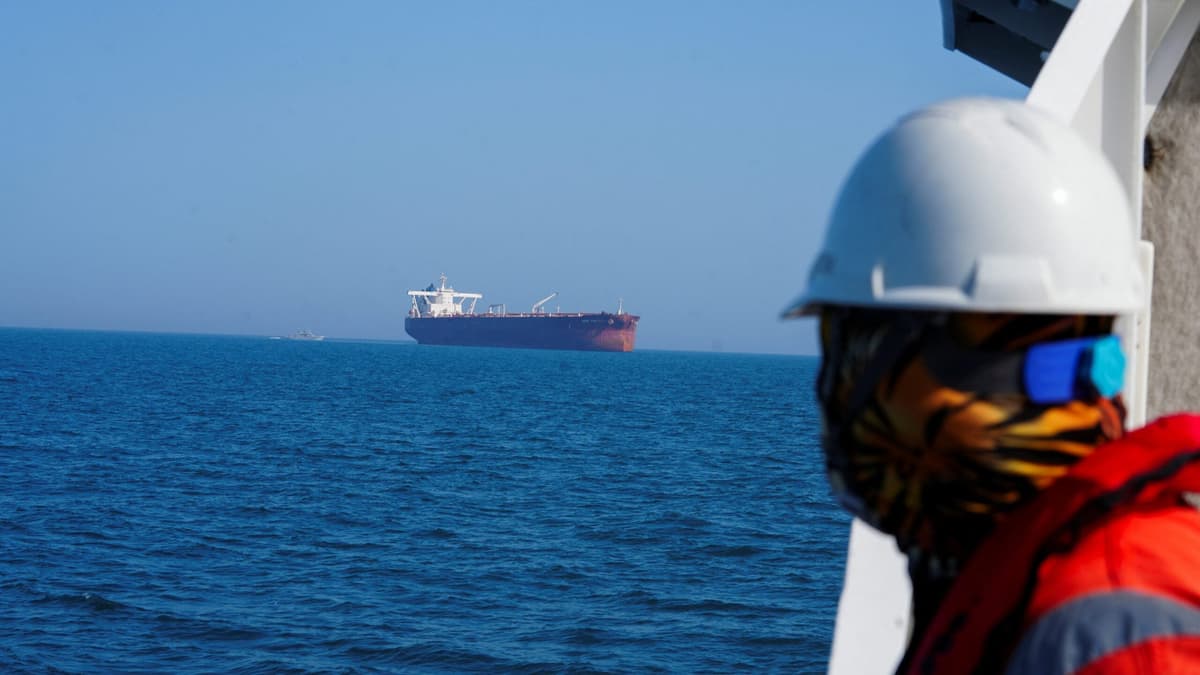
U.S. Sanctions Iraq’s Deputy Oil Minister Over Alleged Iranian Oil Scheme
The U.S. Treasury’s Office of Foreign Assets Control sanctioned Iraq’s Deputy Oil Minister Ali Maarij Al‑Bahadly and several militia‑linked firms for allegedly channeling Iraqi crude into networks that blend it with Iranian oil. The move is part of the Trump...
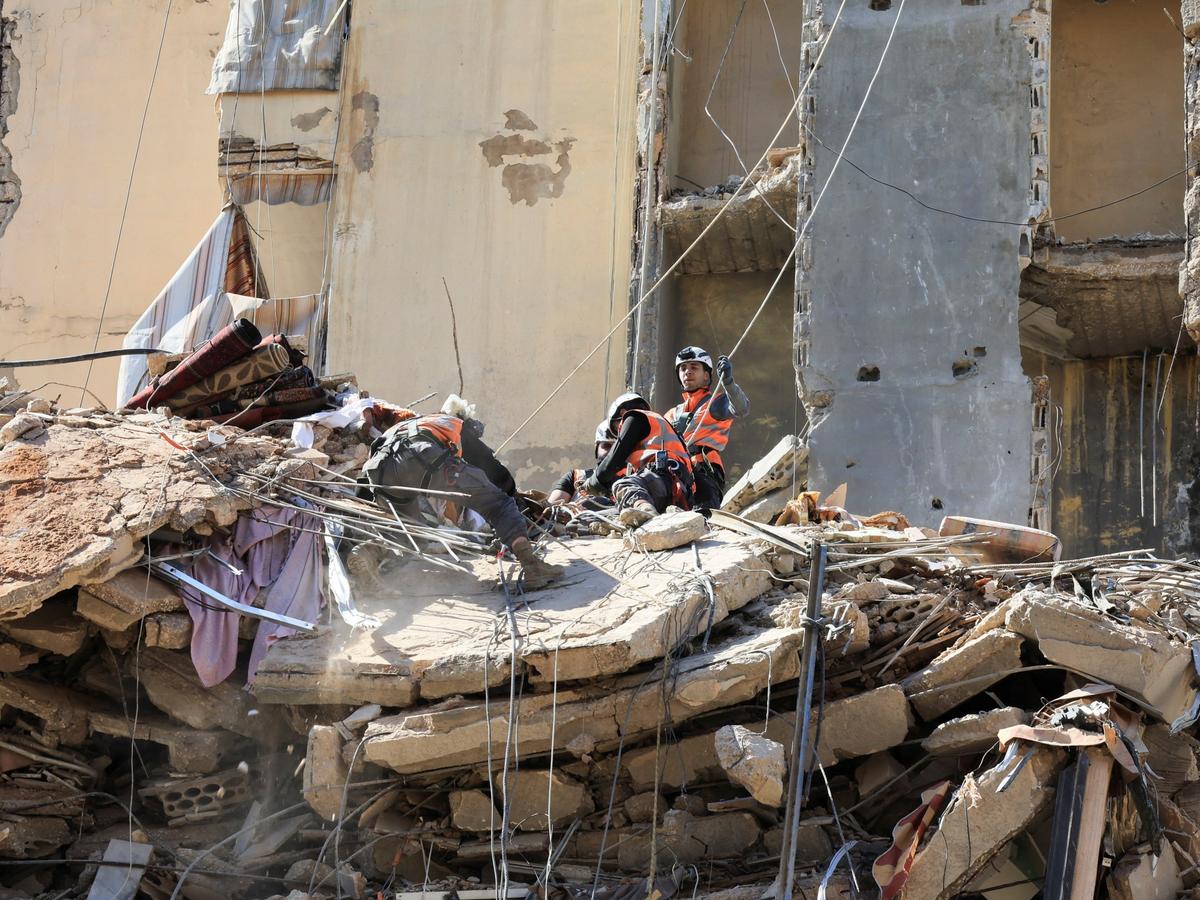
US Pushing Israeli De-Escalation Ahead of New Talks: Lebanese Official
The United States is orchestrating a second round of talks between Lebanon and Israel in Washington, D.C., slated for mid‑May. The delegation‑level negotiations will address security, borders, prisoners, displaced persons and reconstruction, aiming to solidify the current cease‑fire. Recent Israeli...

UNCTAD: Hidden Trade Barriers, Not Tariffs, Are Driving Export Costs Higher
The UN Conference on Trade and Development (UNCTAD) warns that non‑tariff measures—technical rules, health and safety standards, and certification procedures—now outweigh tariffs as the primary source of export costs, affecting 88% of trade cases. Developing and least‑developed economies bear the...

MacroVoices #531 Louis-Vincent Gave: Semiconductors, AI & Iran Conflict
Louis‑Vincent Gave, CEO of Gavekal, joined MacroVoices to discuss how the Iran conflict, rising oil prices and shifting Saudi policies are reshaping global markets. He warned that a sustained $100‑per‑barrel oil price could strain economies and alter energy dynamics. Gave...

Dollarization Explained: Definition, Impacts, and Examples
Dollarization is the adoption of a foreign currency—most often the U.S. dollar—in place of a nation’s own money to restore confidence and curb hyperinflation. The practice can be formal, through legislation, or informal, as markets gravitate toward a more stable...

High-Risk Business Environment
Ten weeks after the Middle East conflict erupted, global markets have felt heightened volatility, while a cascade of domestic political crises in Virginia—impeachment proceedings, power struggles with the Duterte faction, and the high‑profile arrest of influencer Franco Mabanta—has deepened uncertainty....

India-EU FTA Will Be a Win-Win for Both Sides, Looking Forward to Its Ratification: Airbus India MD
Airbus India MD Jurgen Westermeier hailed the pending India‑EU free trade agreement as a win‑win, urging swift ratification. The pact, announced in January 2024, links two of the world’s largest democracies and covers a combined $24 trillion market. Current bilateral trade...
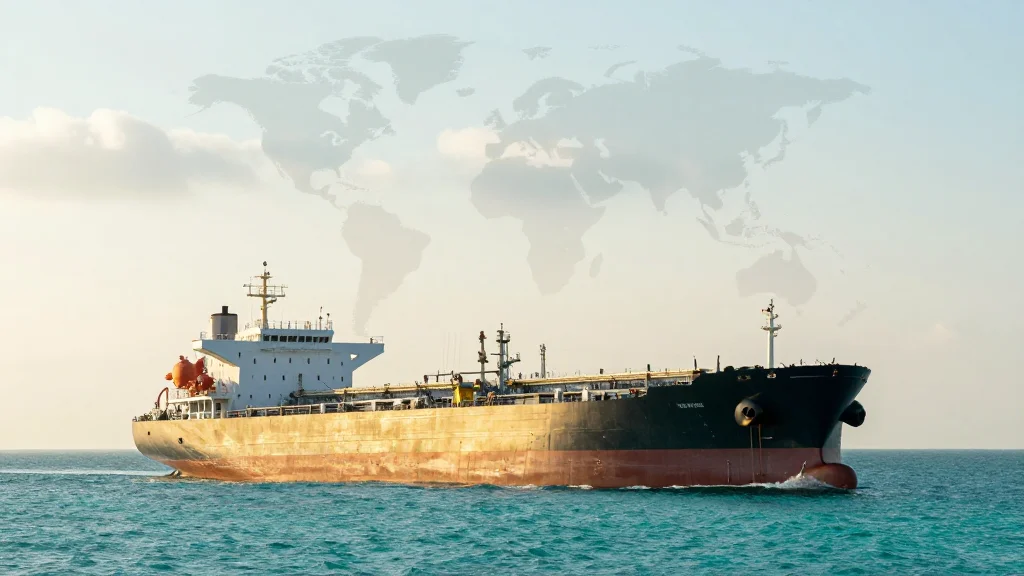
The Future of US Energy Security: Building on Lessons From the Iran War
The Iran war has triggered the largest energy disruption in modern history, exposing both strengths and gaps in U.S. energy policy. America’s embrace of the shale revolution and the 2015 repeal of the crude‑oil export ban turned the country into...
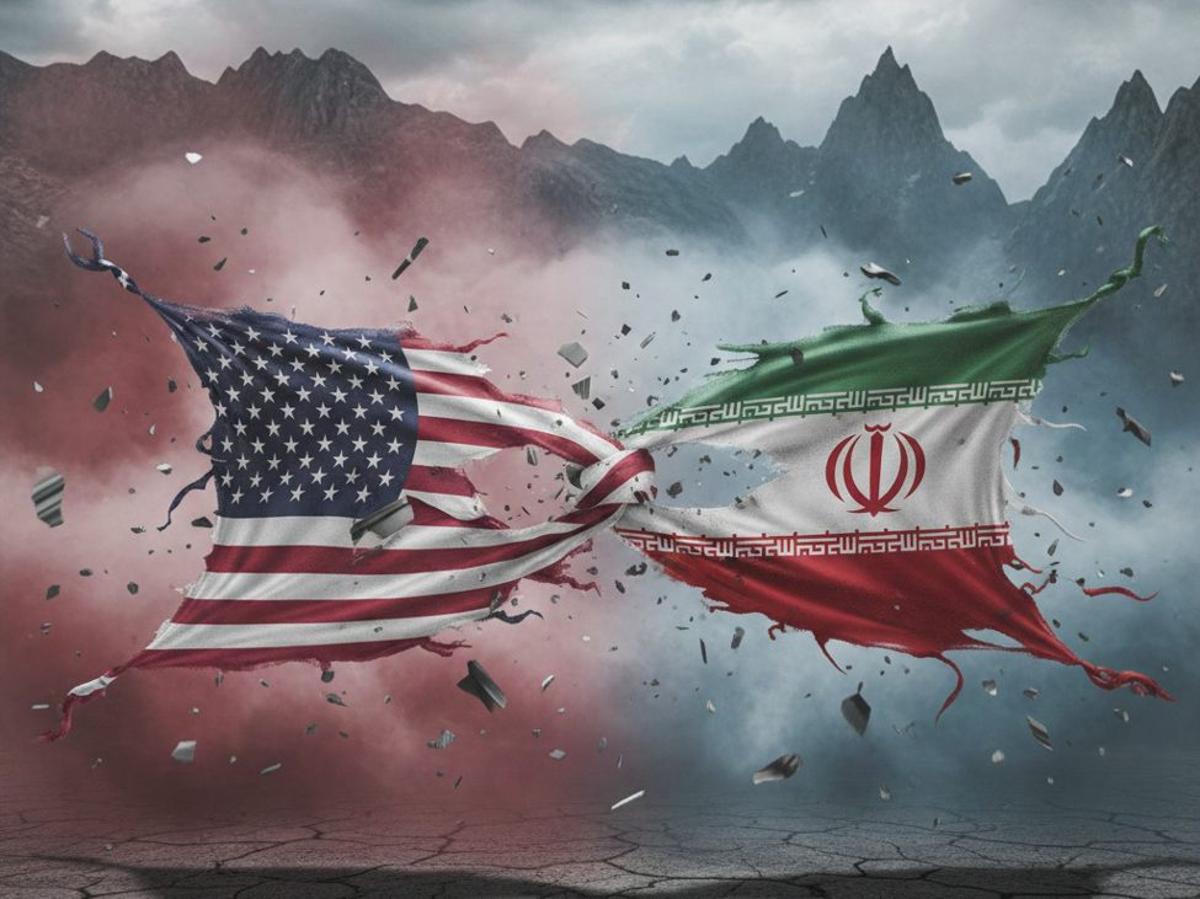
Iran Can Outlast Trump's Hormuz Blockade for Months
U.S. intelligence estimates Iran could withstand a full naval blockade of the Strait of Hormuz for 90‑120 days, challenging the view that a swift closure would force Tehran to negotiate. Despite sustained U.S. and Israeli strikes, Iran’s missile and drone...

CNBC: Markets Whirlpool Says Iran War Causing ‘Recession-Level Industry Decline’
Whirlpool told CNBC that the ongoing Iran‑Israel war is driving an industry‑wide decline comparable to a recession. Disruptions in the Strait of Hormuz have spiked oil and freight costs, while uncertainty is dampening consumer demand for large appliances. The company...

Q&A: How Global Trade Tensions Are Reshaping Ag Markets
Geopolitical flashpoints—from the Iran‑linked Strait of Hormuz closure to lingering U.S.-China tariff disputes—are reshaping agricultural markets. Fertilizer prices have spiked as the Hormuz bottleneck persists, while U.S. soybean shipments to China plunged 75% year‑over‑year. Export dynamics are shifting, with corn...
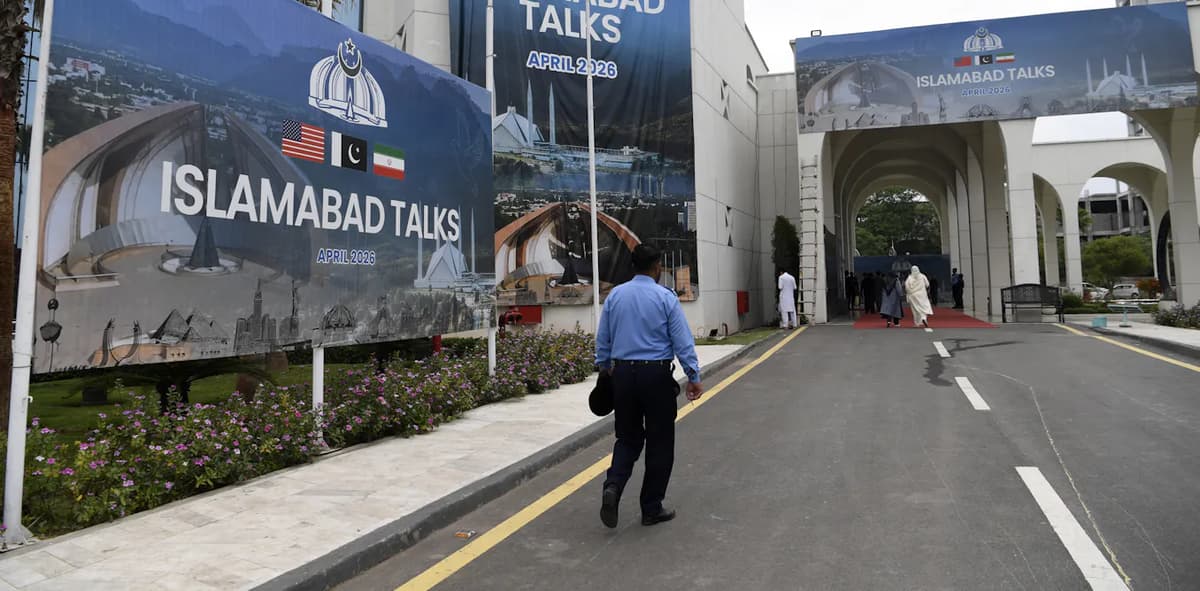
How Pakistan Became the Primary Mediator Between the US and Iran
Pakistan has emerged as the primary mediator between the United States and Iran after President Trump paused a Hormuz operation at Pakistan’s request. Islamabad leverages decades‑long diplomatic channels with both Washington and Tehran, reinforced by recent successes such as a...
Bill Campbell on Global Bond Markets and Powell's Parting Gift | Bloomberg TV
Bill Campbell of DoubleLine warns that developed‑market sovereign debt is losing its safe‑haven edge as rising deficits and larger social‑safety nets erode fiscal discipline. At the same time, emerging markets have tightened budgets, narrowing the credit quality gap and prompting...

Gilt Rout Sparks Calls for Bank of England to Slow ‘Unusual’ Bond Sale Programme
The Bank of England’s aggressive quantitative‑tightening (QT) programme has driven UK gilt yields to their highest levels this century, with the 30‑year gilt hitting 5.76% after a sharp sell‑off. A new BoE paper estimates the taxpayer’s cost of unwinding QE...
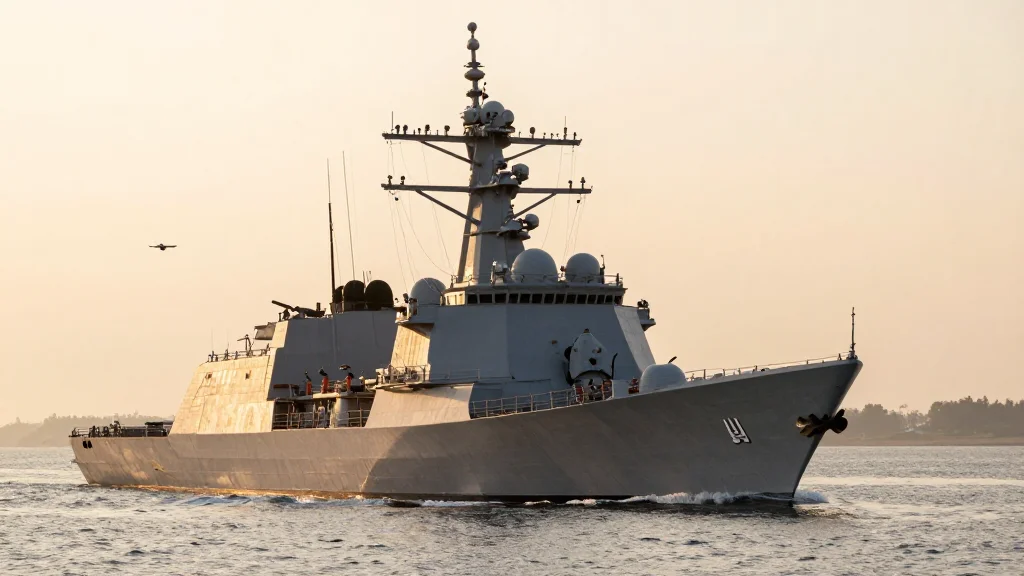
What Gulf States Need in a US-Iran Deal
Direct US‑Iran talks in Islamabad collapsed after 21 hours, leaving no deal and prompting a US naval blockade. The Gulf Cooperation Council (GCC) was not consulted, even though Iranian missiles and drones struck airports and energy sites across six Gulf...
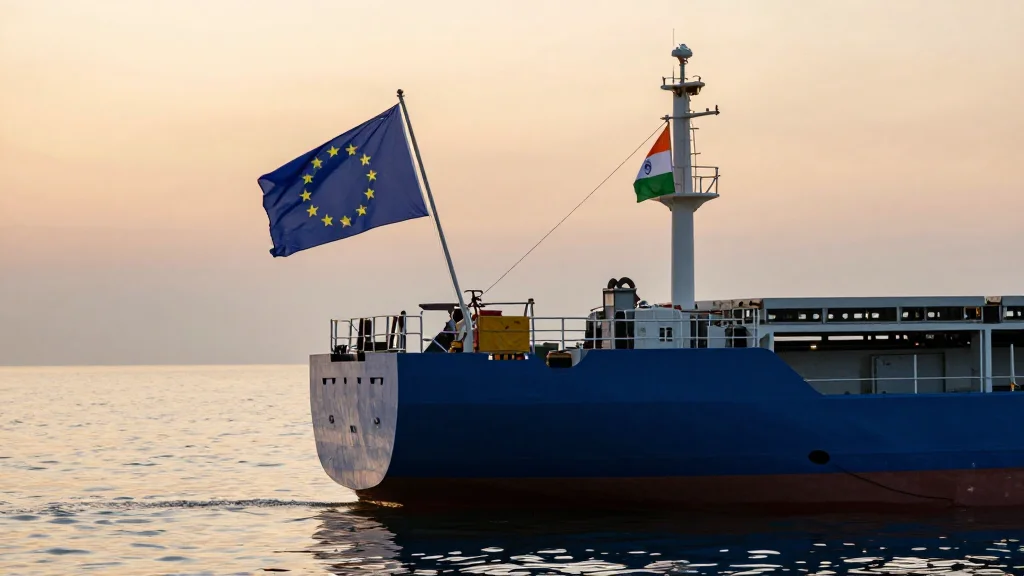
EU Envoy Seeks Investment Liberalisation Chapter in FTA with India, Early Investment Pact Conclusion
The European Union’s ambassador to India, Herve Delphin, urged the inclusion of an investment‑liberalisation chapter in the pending EU‑India free‑trade agreement and a swift conclusion of the parallel investment‑protection pact. The deal, covering two billion people and roughly a quarter of...
NY Fed Survey of Consumer Expectations:1Y Inflation Higher @ 3.6% vs 3.4%. 5Y Steady at 3%
The New York Fed’s Survey of Consumer Expectations shows one‑year‑ahead inflation expectations rose to 3.6% in April from 3.4% in March, while three‑year expectations held at 3.1% and five‑year at 3.0%. Households now anticipate lower gasoline price growth (5.1% vs...
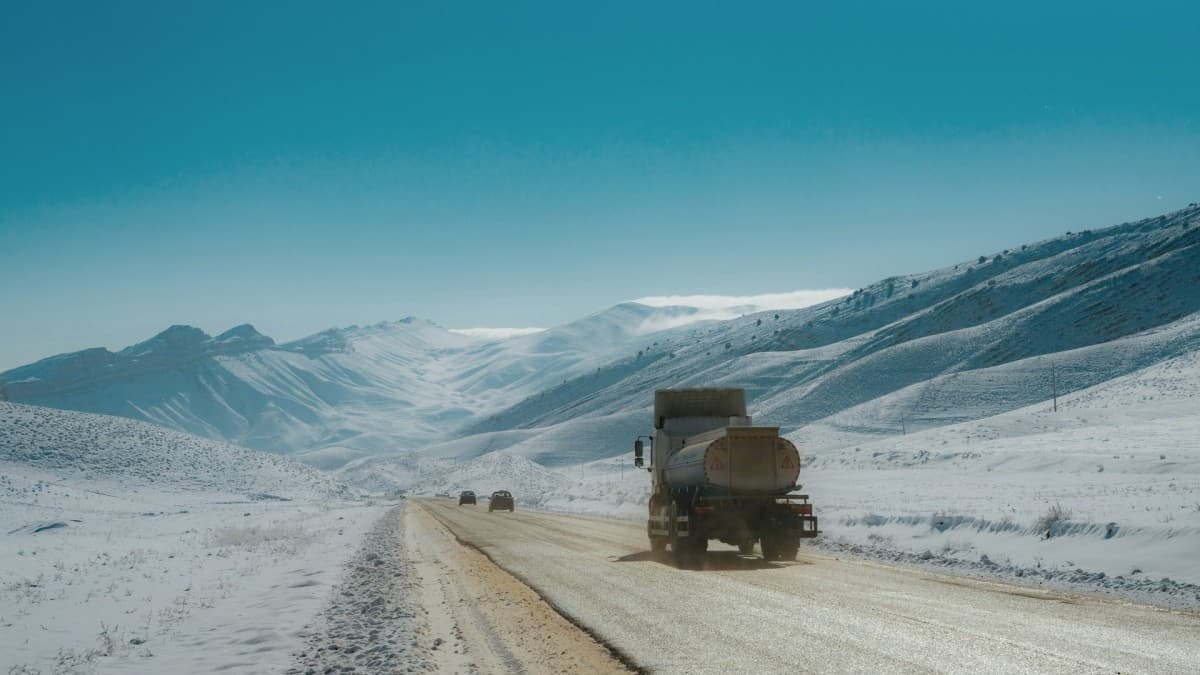
How Iran Is Bypassing the Strait of Hormuz Blockade
Iran is circumventing the U.S.-led Strait of Hormuz blockade by routing food, consumer goods, and oil through land corridors and the Caspian Sea, and by planning rail shipments to China. Trucking from Pakistan, Turkey, and Armenia now supplies essential imports,...

Daybreak May 7: Tariffs at Odds with MAHA Movement, Ag and Food Industries Argue
U.S. officials are facing mounting criticism that recent tariff hikes on imports clash with the administration’s Make America Healthy Again (MAHA) dietary goals, as seafood and olive oil producers warn higher prices will curb consumption. At the same time, the...
US and Iran Mull Short-Term Agreement to End War
The United States and Iran are close to a limited, temporary memorandum that would formally end hostilities and open a 30‑day window for broader negotiations. The draft focuses on halting fighting, stabilising shipping through the Strait of Hormuz, and easing...
Zimbabwe to Return Almost 70 European-Owned Farms
Zimbabwe’s agriculture minister announced the government will return 67 farms seized from European owners in Denmark, Switzerland, Germany and the Netherlands. The farms were taken under Robert Mugabe’s land‑reform program, which devastated commercial agriculture and triggered a 2008 currency collapse....
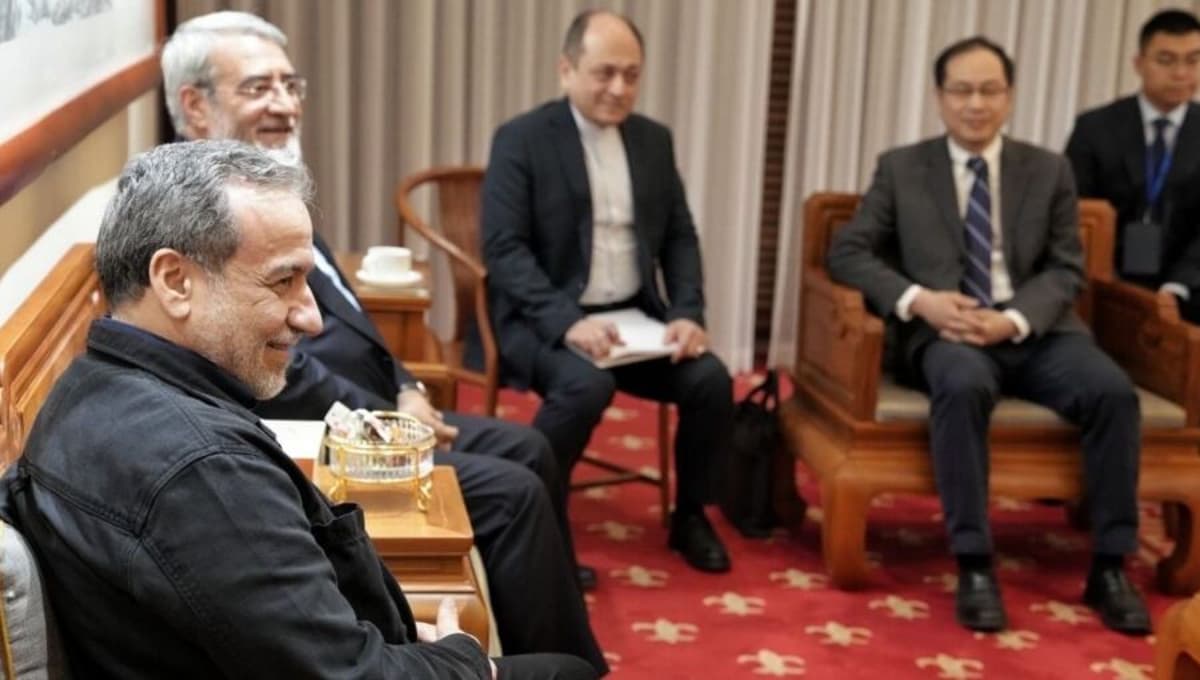
Beijing Becomes the Chessboard as Iran Pre-Empts Trump-Xi Summit
Iran’s foreign minister Abbas Araghchi arrived in Beijing two weeks before the scheduled Trump‑Xi summit, aiming to shape the diplomatic terrain ahead of the US‑China talks. Tehran warned that any US‑China agreement that sidelines Iranian interests—especially regarding Iranian oil flowing...
Egypt’s Bet on Land Monetization
Egypt’s external debt has swelled to $163 billion, forcing roughly $8 billion in annual interest payments. To curb borrowing, Cairo has turned to land‑monetization, handing state land to foreign investors who fund development and share revenues. Flagship deals include the $35 billion Ras el‑Hekma...