
Govt Restricts Silver Imports Amid Push to Curb Metal Inflows
India has tightened silver import rules, requiring importers to obtain a government licence after customs duties on precious metals rose from 6% to 15% on May 13. The Directorate General of Foreign Trade reclassified silver, including gold‑plated and platinum‑plated variants, from free import to a restricted category. The country imports roughly 6,000‑7,000 tonnes of silver annually, and prices have surged to about ₹300,000 per kilogram (~$3,600). The measures aim to curb metal inflows and help narrow the current‑account deficit.
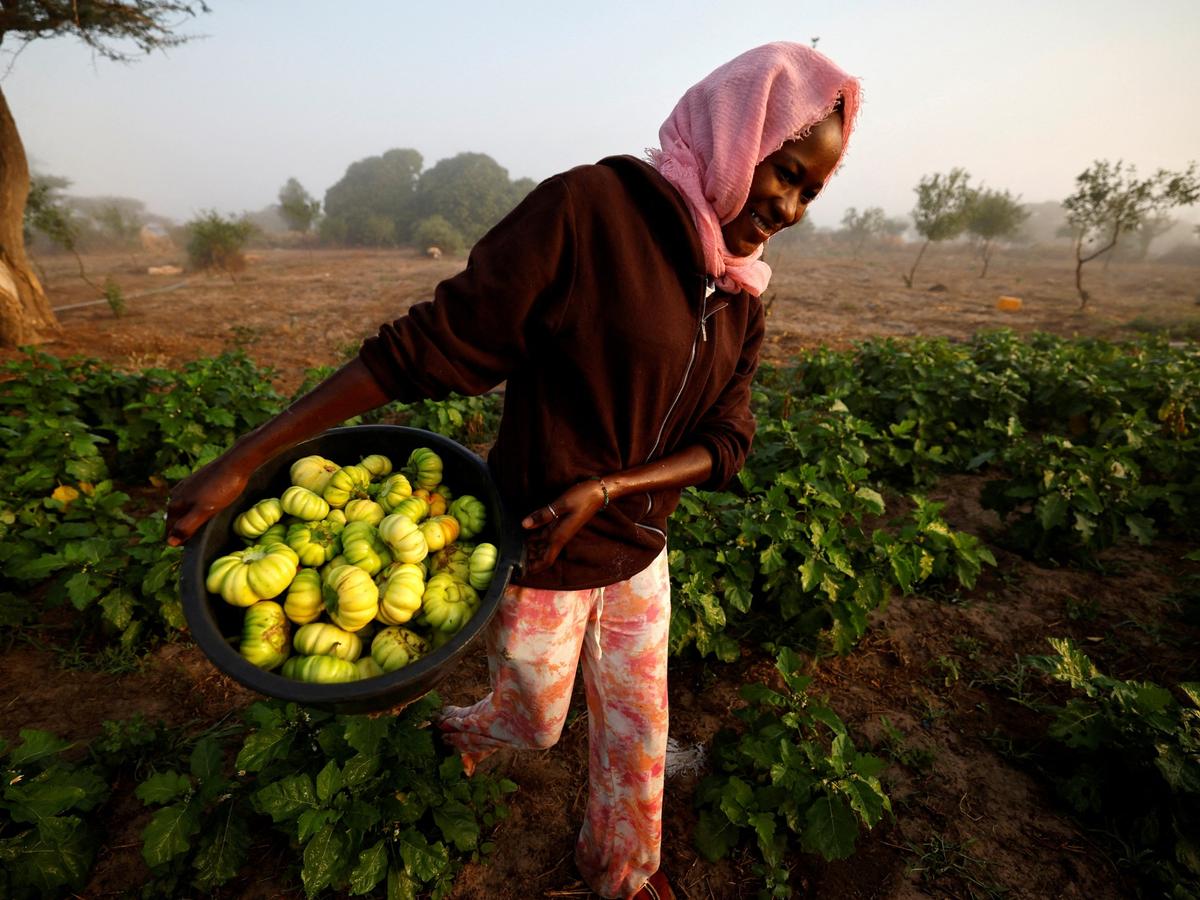
Amid the Fertiliser Crisis, Africa Has a Chemical-Free Option: Agroecology
The war in the Gulf has halted roughly 20% of global fertiliser shipments, driving up prices and threatening food security across Africa, which relies heavily on imports. Past attempts to subsidise chemical fertilisers and hand land to agribusinesss have left...
Markets Weekly Outlook: The Kevin Warsh Repricing And Inflation Points
The market outlook pivots on Kevin Warsh’s confirmation as the next Federal Reserve chair, signaling an aggressive balance‑sheet reduction that will drain liquidity. Analysts expect a stronger U.S. dollar and sharp pressure on equities, metals, and cryptocurrencies as the Fed...

Farmers Growing Increasingly Desperate Amid Rising Energy and Fertilizer Prices
Midwest farmers are heading into planting season under severe financial strain as the Iran conflict has driven diesel prices up 60% to $5.67 a gallon and fertilizer costs to historic highs. The surge in input costs, combined with lower soybean...
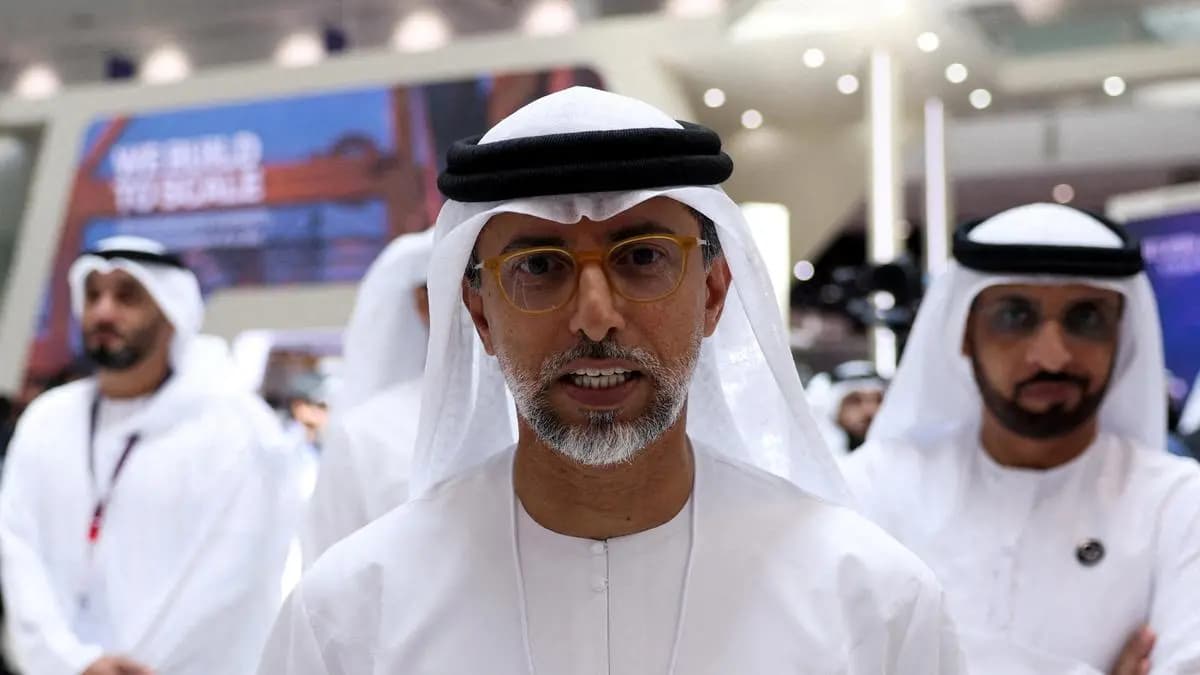
UAE Says OPEC, OPEC+ Exit Was Sovereign Strategic Decision, Not Political Move
UAE Minister of Energy Suhail Al Mazrouei announced that the United Arab Emirates will leave OPEC and OPEC+ on May 1, 2026, describing the withdrawal as a sovereign, strategic decision rather than a political maneuver. The exit, confirmed via a post...
Charting the Global Economy: Inflation Mounts as War Drags On
The ongoing war in Iran is reigniting global inflation, with the United States seeing its core consumer‑price index rise at the fastest pace since 2023 while wages slipped for the first time in three years. Elevated oil prices are pushing...

Modest ECB Rate Hike Would Limit Economic Pain, Stournaras Says
Greek central bank governor Yannis Stournaras told Liberal.gr that a modest increase in European Central Bank rates could bring inflation back toward target without harming the eurozone’s fragile recovery. He warned that a temporary overshoot of the inflation goal would...
India’s Gold Import Duty Hike: A Double-Edged Sword
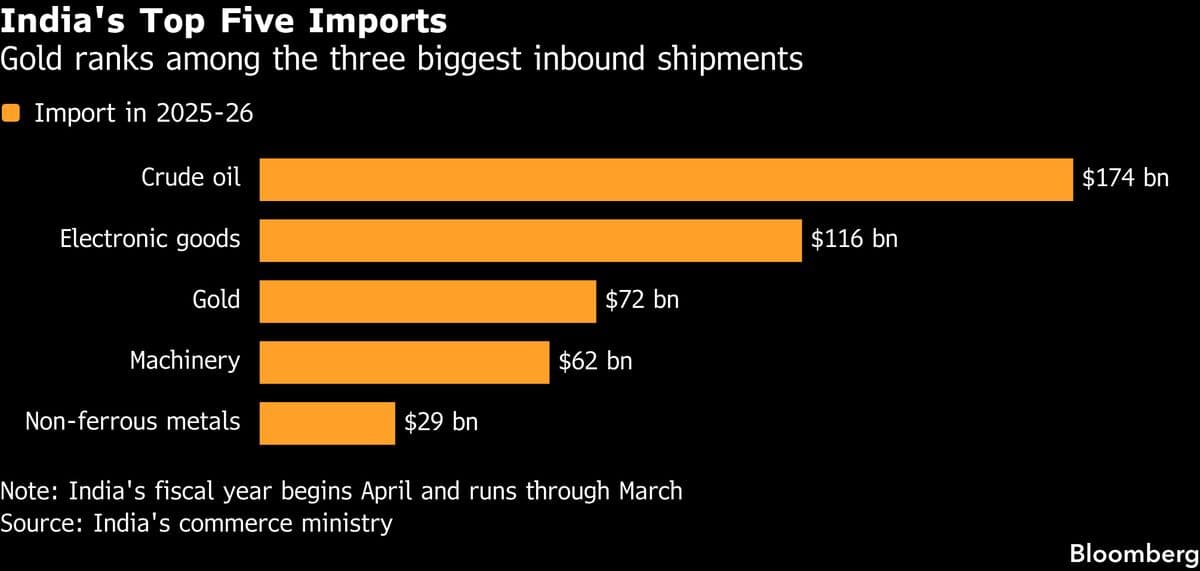
India has raised its customs duty on gold from 6% to 15% after Prime Minister Narendra Modi urged citizens to curb buying for a year. The move targets a $72 billion import bill that fuels the current‑account deficit and pressures the...

Can PM Modi's Visit to UAE, Other Four Countries Find a Solution to the Soaring Oil Prices Problem?
Prime Minister Narendra Modi’s six‑day diplomatic tour of the UAE, Netherlands, Sweden, Norway and Italy comes as India wrestles with Brent crude above $100 per barrel, which is inflating fuel prices, the rupee and overall inflation. The visit is aimed...

‘Unhinged’ Bond Yields Resets Fed Rate-Cut Odds
Bond traders are betting on a tighter monetary stance as the CME FedWatch tool lifted the odds of a quarter‑point rate hike to 50% on May 15. Treasury yields have surged, with the 30‑year crossing the 5% mark and the...
Petrol, Diesel Price Hike May Trigger Chain Reaction Across Economy, Say Experts
India raised petrol and diesel prices by up to Rs 3 per litre (≈ $0.04) on May 16, 2026. Economists expect the hike to add 10‑25 basis points to headline inflation, with some forecasts nudging CPI to 4.3%‑4.9% this year. The All India...
Oil Price Shock to Widen Current Account Deficit, Push Inflation Higher as US-Iran War Continues: Expert
Former UN economic adviser Santosh Mehrotra warned that the ongoing US‑Iran conflict could push global oil prices to record highs, with spot prices already near $140 per barrel and potential to reach $150. He quantified the impact, saying each $10...
Rising Oil Prices, Gold Imports to Widen Trade Deficit, CAD May Touch 1.5-2% of GDP: ICICI Securities
ICICI Securities warns that soaring oil prices around $100 a barrel and an 82% surge in gold imports could push India’s current‑account deficit to 1.5‑2% of GDP this year. Goods exports grew 14% YoY to $43.6 billion, driven by a 35%...
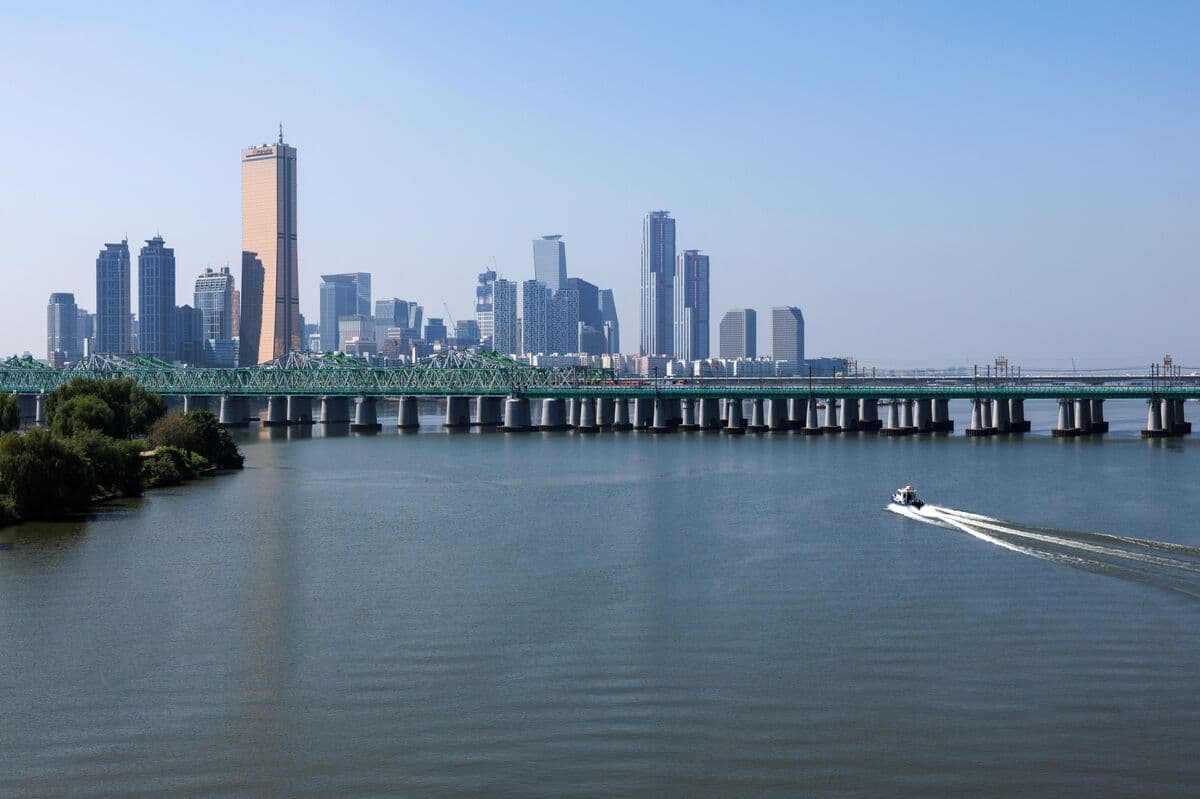
Korea Bond Yields Seen Gaining on Chips Boom, Analysts Say
South Korea’s bond market is poised for a sharper decline as a semiconductor boom fuels faster economic growth and heightened inflation. Analysts expect the three‑year government yield to climb toward 4%, the highest level since November 2023. Citi now projects...

Bond Market Prices in Possible RBI Rate Hikes After Fuel Price Increase
India’s bond market began pricing in possible RBI rate hikes after state‑run oil firms lifted petrol and diesel prices by about ₹3 per litre (≈$0.04). The benchmark 10‑year government bond yield rose 4 basis points to 7.06%, extending a 10‑basis‑point...

InvestingLive Americas FX News Wrap 15 May: Powell Exits as Inflation Fears Roar
Federal Reserve Chair Jerome Powell concluded an eight‑year tenure as Treasury yields surged, reigniting inflation concerns. The 2‑year note rose to 4.08% and the 10‑year to 4.60%, their highest levels since 2025, while WTI crude breached $101 per barrel, adding...
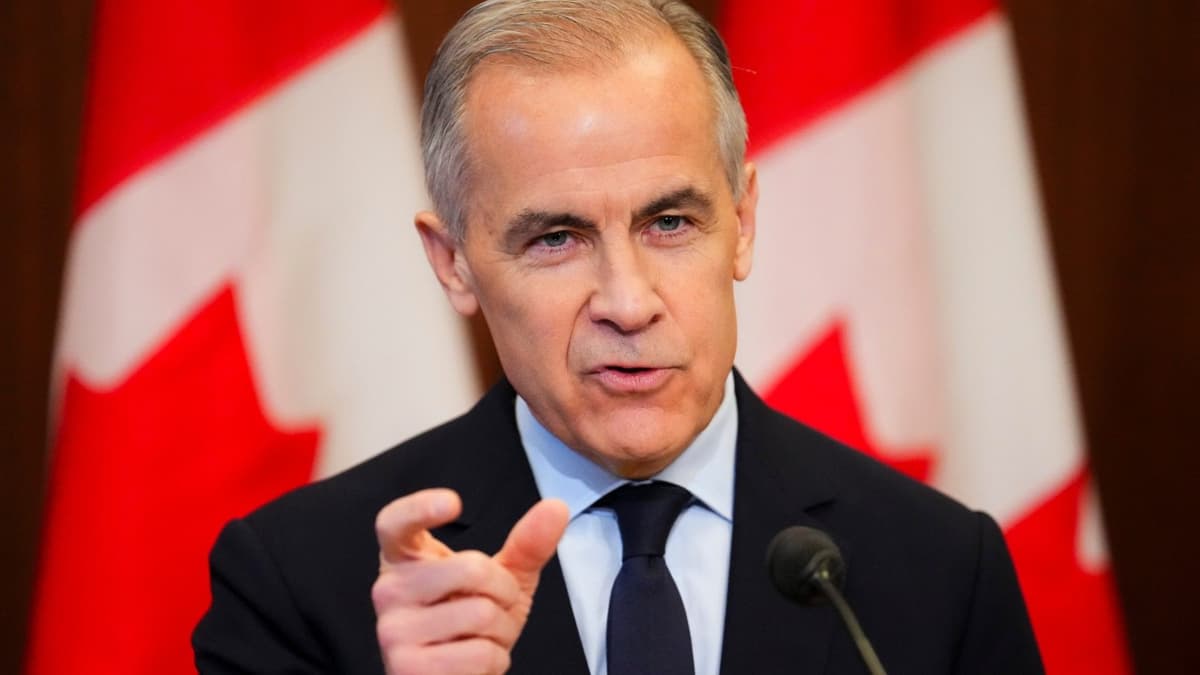
Canada Takes Key Step Towards New Oil Pipeline to Serve Asia Markets
Prime Minister Mark Carney and Alberta Premier Danielle Smith cleared a major hurdle for a new oil pipeline aimed at Asian markets by signing an industrial carbon‑pricing deal. The agreement sets a carbon fee that will rise to C$130 (US$96)...

Morningstar DBRS Confirms the United Kingdom at AA, Stable Trend
Morningstar DBRS confirmed the United Kingdom’s long‑term sovereign rating at AA and its short‑term rating at R‑1, both with a Stable trend. The agency highlighted a modest economic recovery, with IMF forecasts of 0.8% growth in 2026 and 1.3% in...
Morningstar DBRS Changes Trends on Republic of Portugal to Positive, Confirms Credit Ratings at A (High)
Morningstar DBRS upgraded the trend on Portugal’s sovereign ratings to Positive and reaffirmed its long‑term A (high) rating, while keeping short‑term ratings at R‑1. The agency highlighted a third consecutive fiscal surplus in 2025 (0.7% of GDP) and a public‑debt...

Powell Exits After One of the Wildest Fed Eras in History
Jerome Powell is leaving the Federal Reserve as the 10‑year Treasury yield jumps 23.5 basis points in a single week, its steepest weekly rise since April 2025. Over his 2018‑2026 tenure, the 10‑year yield swung from a pandemic low of...

Traders Now See Next Fed Interest Rate Move as a Hike Following Inflation Surge
Traders in the fed‑funds futures market now price the Federal Reserve’s next policy move as a rate hike, with a 51% probability for a December increase and even higher odds for early‑2027 hikes. The shift follows a week of inflation...

Global Bonds Tumble on Fears of Inflation Shock From Iran War
Global bond markets slumped on Tuesday as investors priced in a potential inflation surge stemming from the ongoing war between Iran and its regional adversaries. Yields on benchmark U.S. Treasuries rose sharply, while European sovereign spreads widened, reflecting heightened risk...
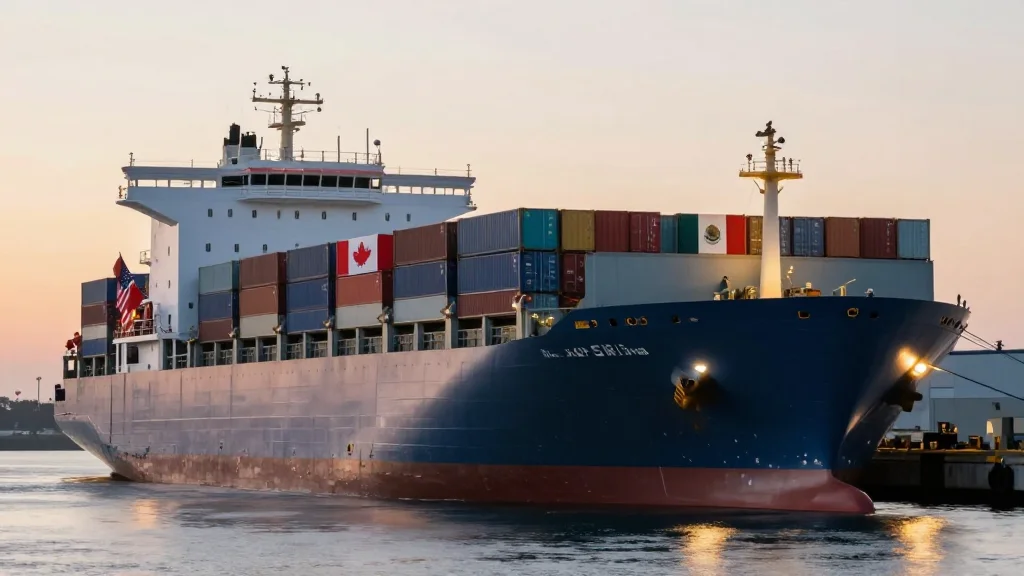
NAM Calls for Making the USMCA Even More Manufacturing Friendly
The National Association of Manufacturers (NAM) praised the USMCA as a catalyst for U.S. manufacturing, noting that 15 of the 18 sectors have boosted exports to Canada and Mexico since its 2018 ratification. U.S. firms now hold $116.3 billion in Canadian...
WATCH | SA’s Role in Africa’s Growth Story
South Africa, Africa’s most industrialised economy, is being positioned as a catalyst for continental growth amid rising global trade tensions. Former Business Unity South Africa chief Cas Coovadia highlighted the country’s potential to drive investment, trade and regional integration. However,...
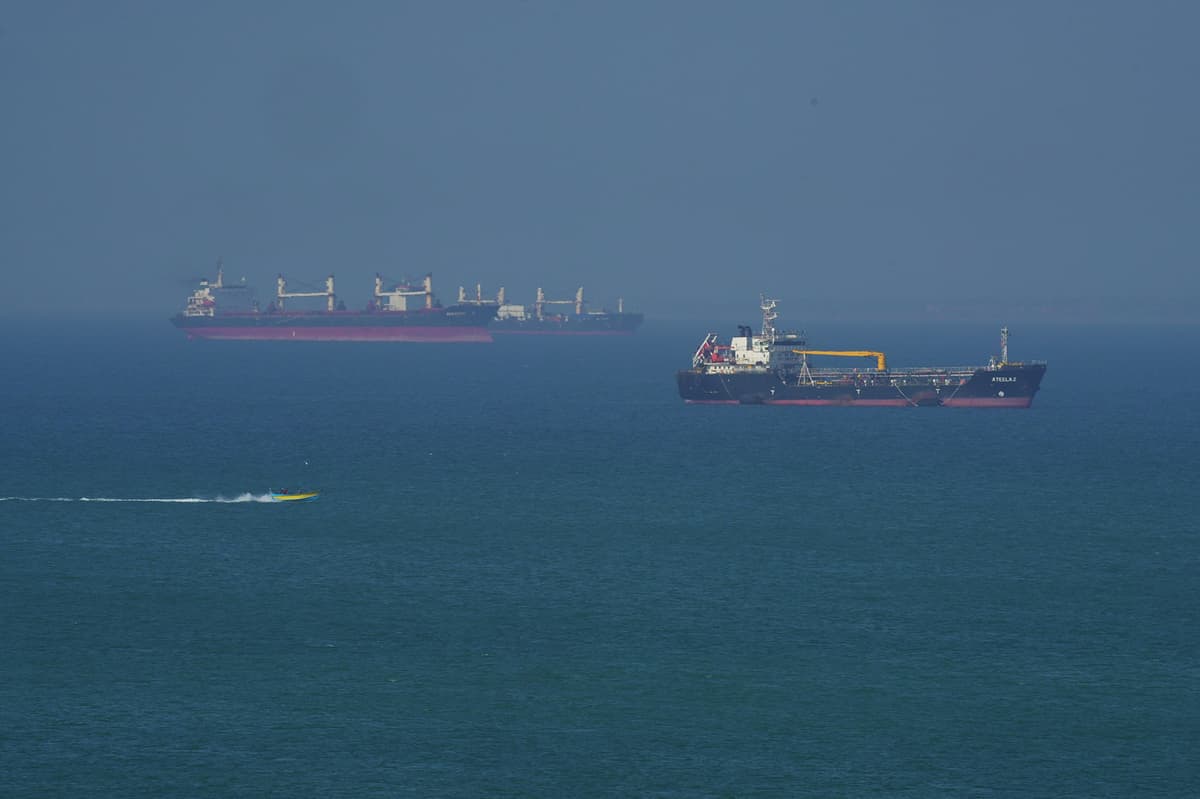
Oil Tankers Transiting Strait of Hormuz Since Start of Iran War
Since the U.S.–Israeli war on Iran began on Feb. 28, a series of non‑Iranian oil tankers have continued to transit the Strait of Hormuz despite alternating blockades by Washington and Tehran. Data from LSEG and Kpler show VLCCs and suezmaxes delivering...
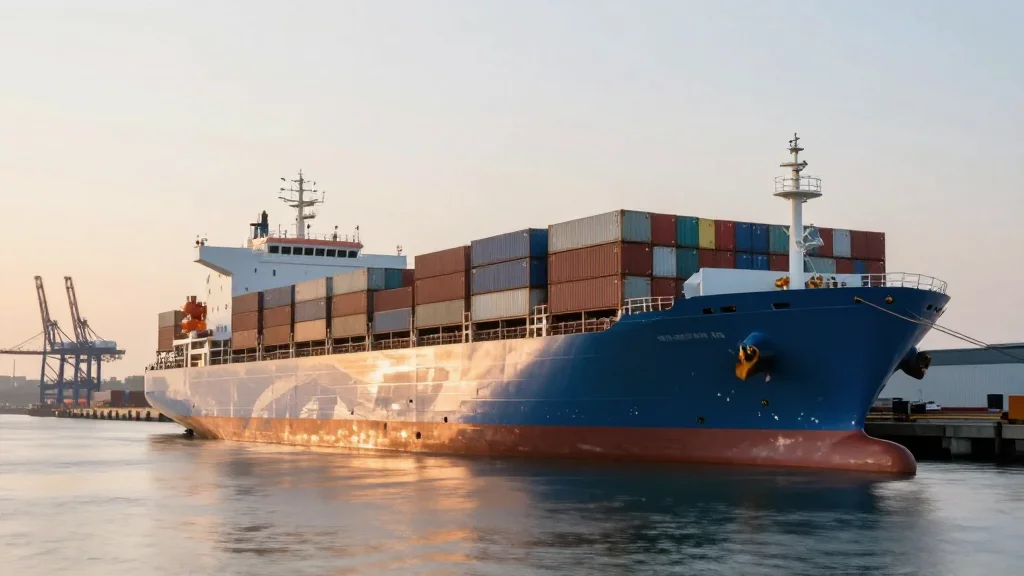
Xi-Trump Summit Heralds Tariff Easing Plan
The United States and China agreed at a summit in Beijing to set up new trade and investment councils, a move aimed at stabilising economic ties between the world’s two largest economies. Both sides also announced a reciprocal tariff‑reduction framework...
Dollar Surges as Markets Price Longer Hormuz Crisis and Persistent Inflation
The dollar surged as markets priced a longer‑lasting Strait of Hormuz crisis and persistent inflation. The Trump‑Xi summit failed to deliver a credible diplomatic breakthrough, prompting investors to expect prolonged oil supply disruptions. Rising U.S. Treasury yields and higher oil...
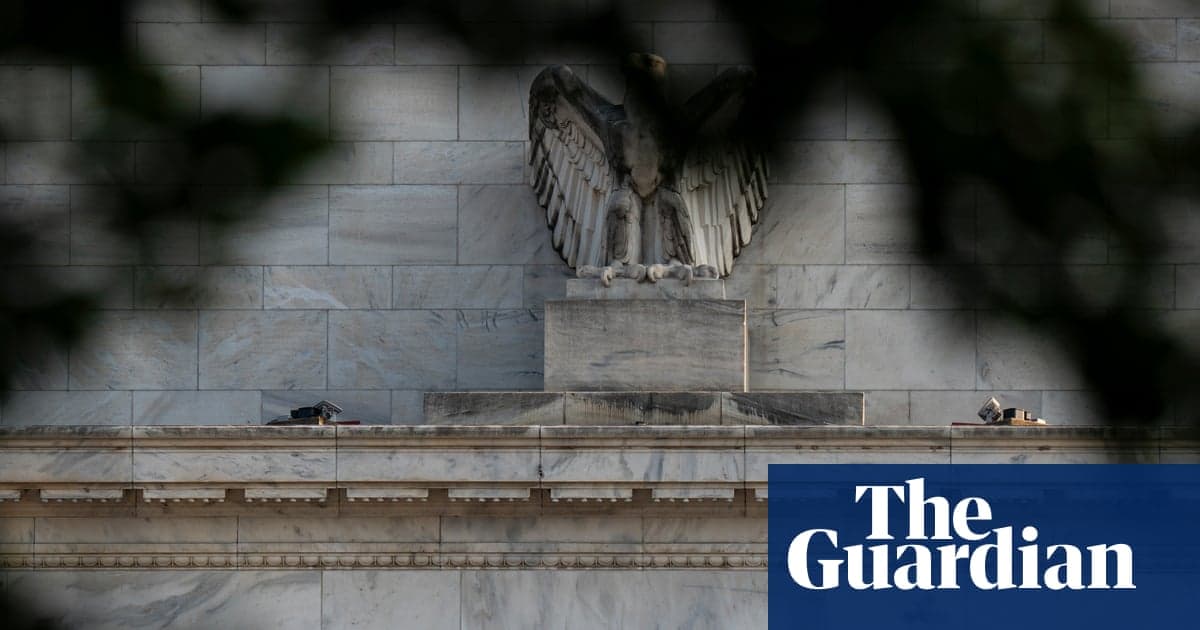
The Federal Reserve’s Independence Is Hanging by a Thread in the Age of Trump
Jerome Powell stepped down as Federal Reserve chair after steering the U.S. economy to a rare soft landing, curbing inflation without triggering a recession. During his tenure he repeatedly rebuffed President Donald Trump’s demands for rate cuts and publicly defended...
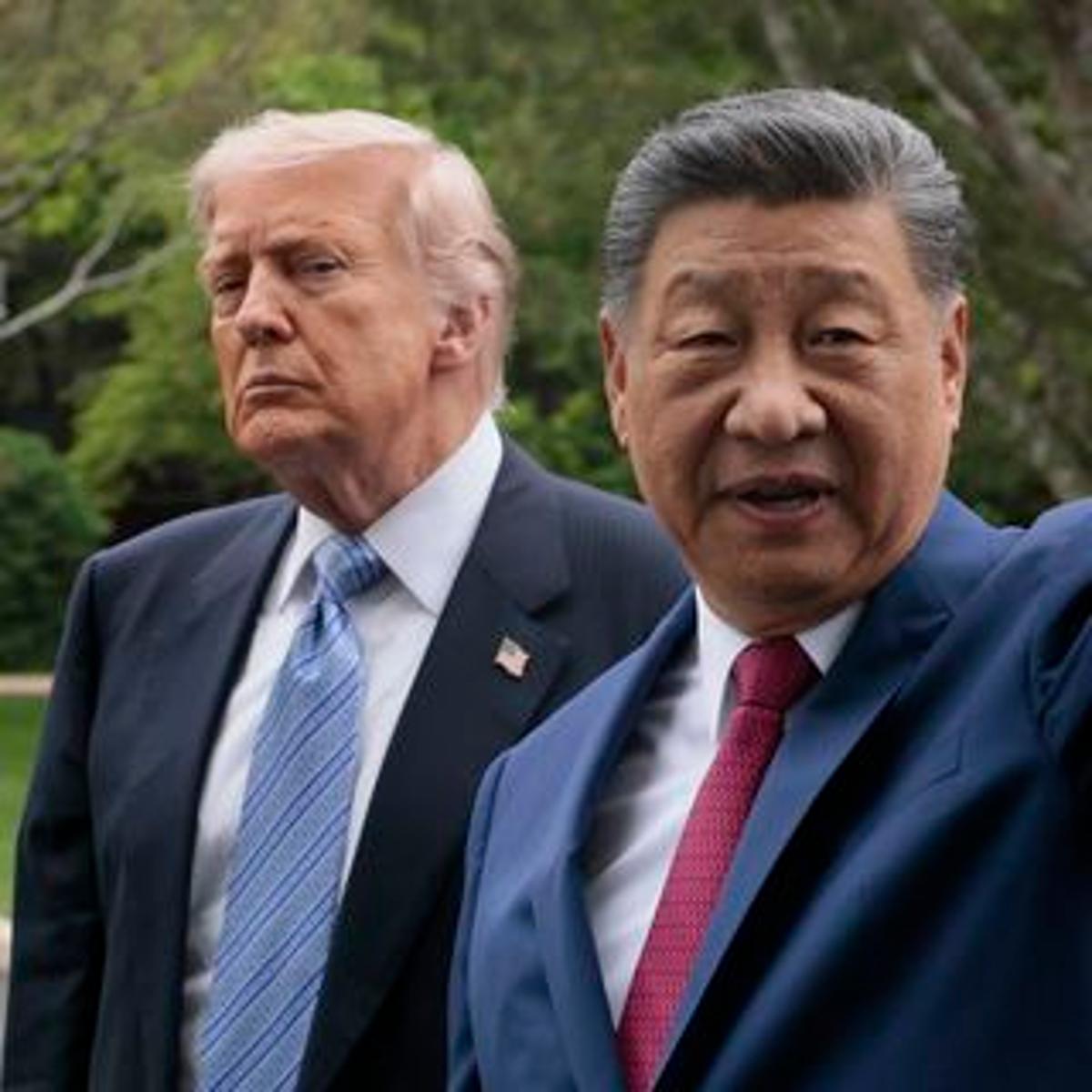
Trump Aims to Defy Gravity with Beijing Friendship Summit
President Trump and Xi Jinping concluded a staged friendship summit in Beijing, highlighted by a private tour of Zhongnanhai and public praise of each other's agendas. Trump claimed China pledged to purchase 200 Boeing jets, commit at least $10 billion in...

India’s April Exports Rise 14%; Trade Deficit Widens to $28.38 Billion
India’s merchandise exports surged 14% in April to $43.6 billion, driven by engineering, petroleum and electronics shipments. Imports rose 10% to $71.9 billion, widening the pure merchandise trade deficit to $28.4 billion, though the overall deficit narrowed to $7.8 billion after a strong services...
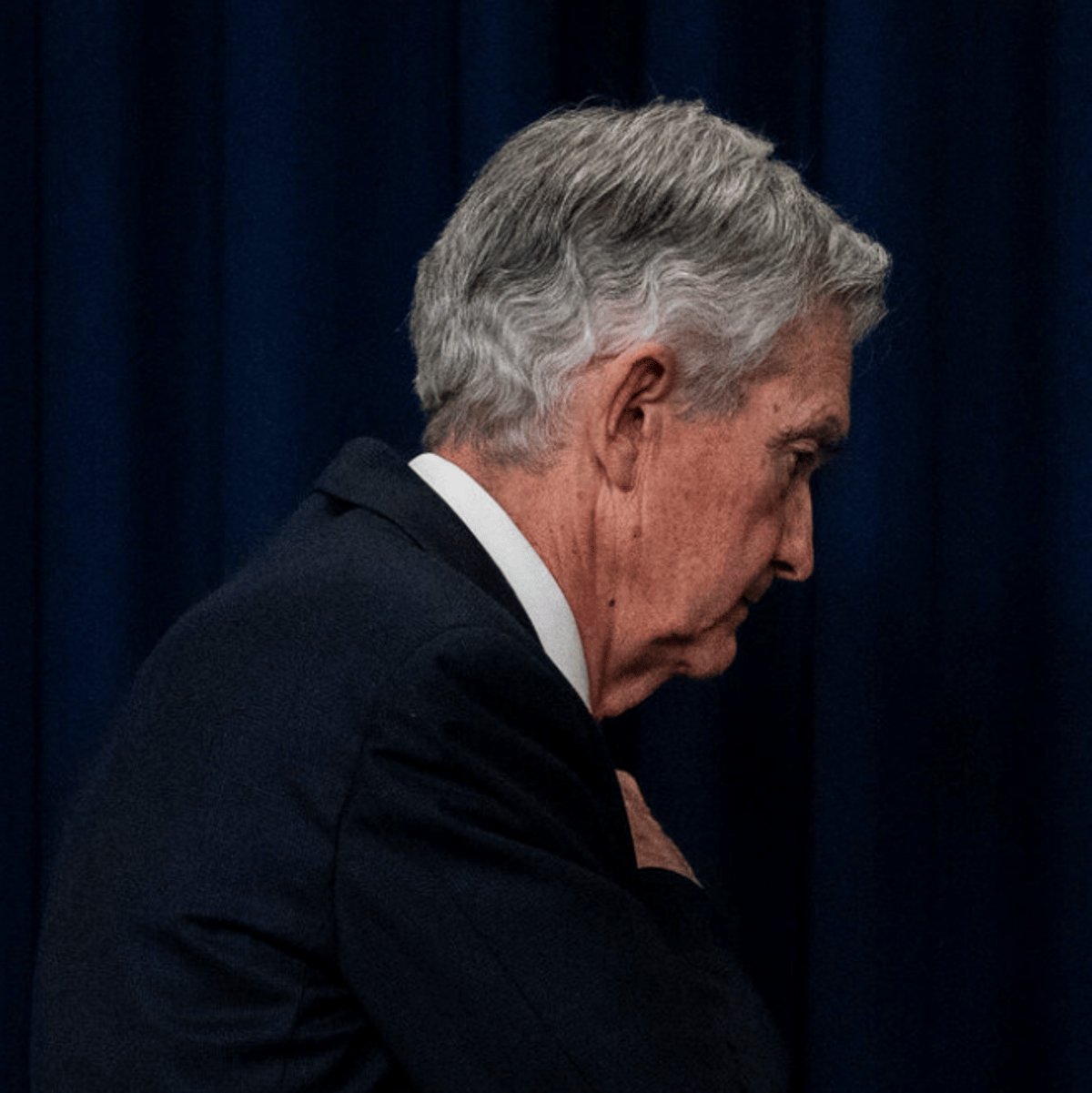
As Powell Steps Down, the Fed Confronts ‘Regime Change’
Jerome Powell is stepping down as Federal Reserve chair after an eight‑year tenure, making way for Kevin M. Warsh, a Trump‑backed candidate who promises a "regime change" at the central bank. Warsh argues the Fed’s pandemic‑era policies sparked the worst...
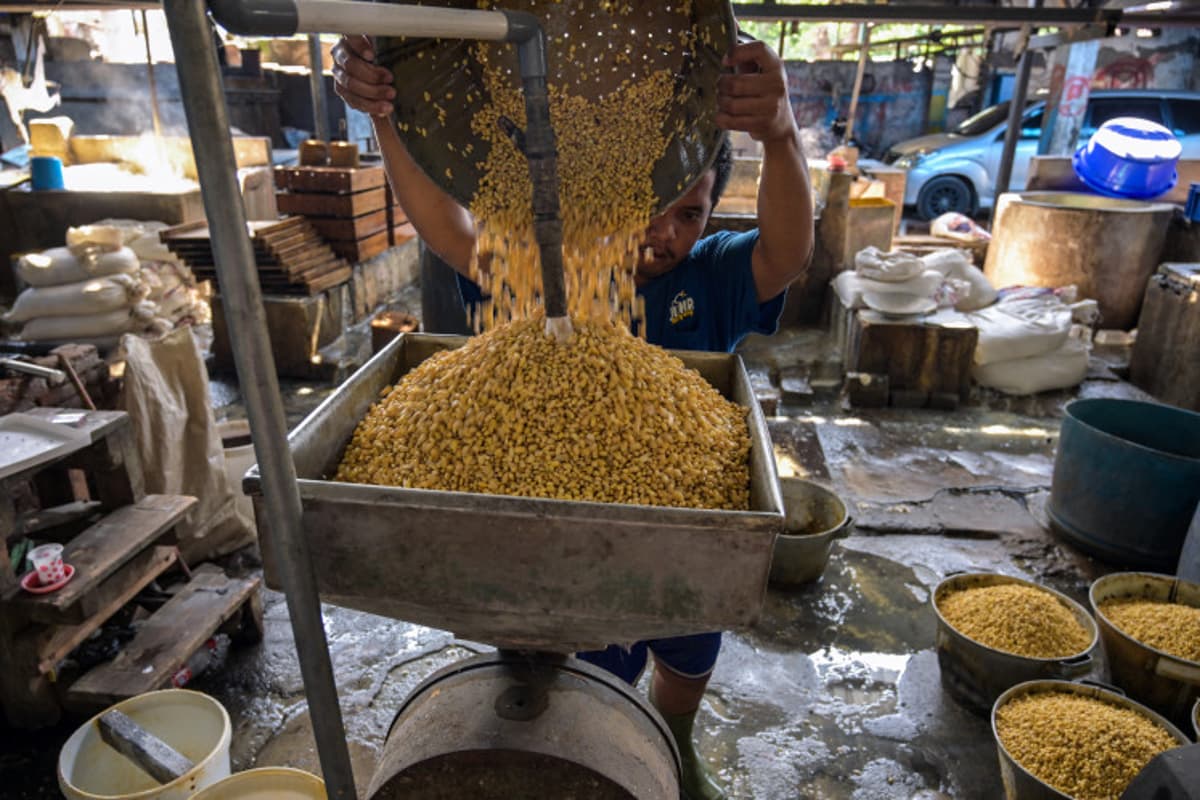
Govt Pledges Subsidies to Curb Imported Food Inflation
Indonesia’s Coordinating Food Minister Zulkifli Hasan announced that the government will provide subsidies if imported food items such as soybeans, wheat, raw sugar and garlic breach the highest retail price (HET). The move comes as the rupiah weakens past Rp 17,500...
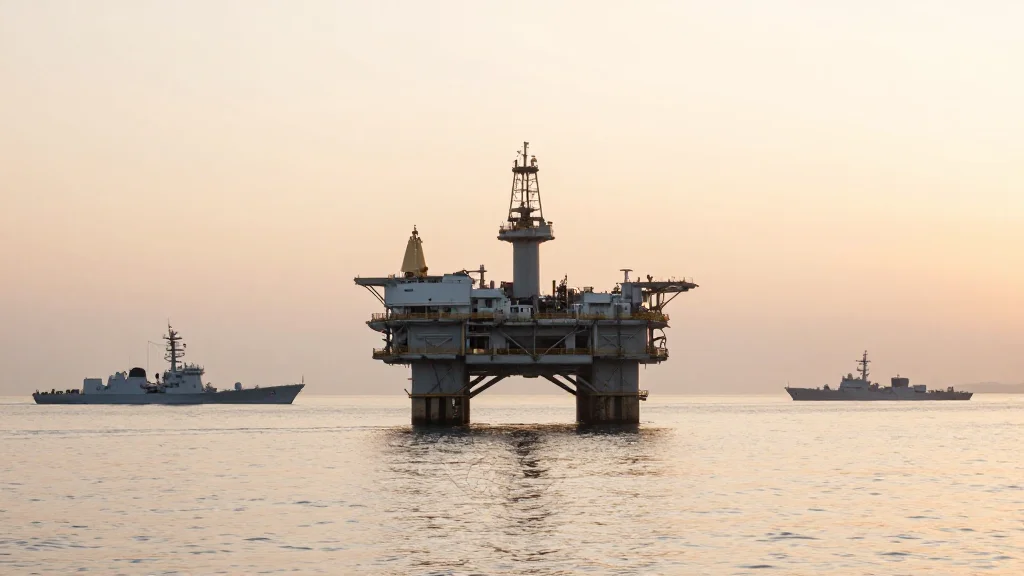
Hormuz Crisis Could Lead to Constructive Dialogue Between ASEAN and China in the South China Sea
The Iran‑driven Hormuz crisis has crippled oil supplies, prompting the Philippines—currently chairing ASEAN—to seek a reset with China on South China Sea issues. President Ferdinand Marcos Jr. opened talks on joint oil and gas exploration as a bargaining chip for...
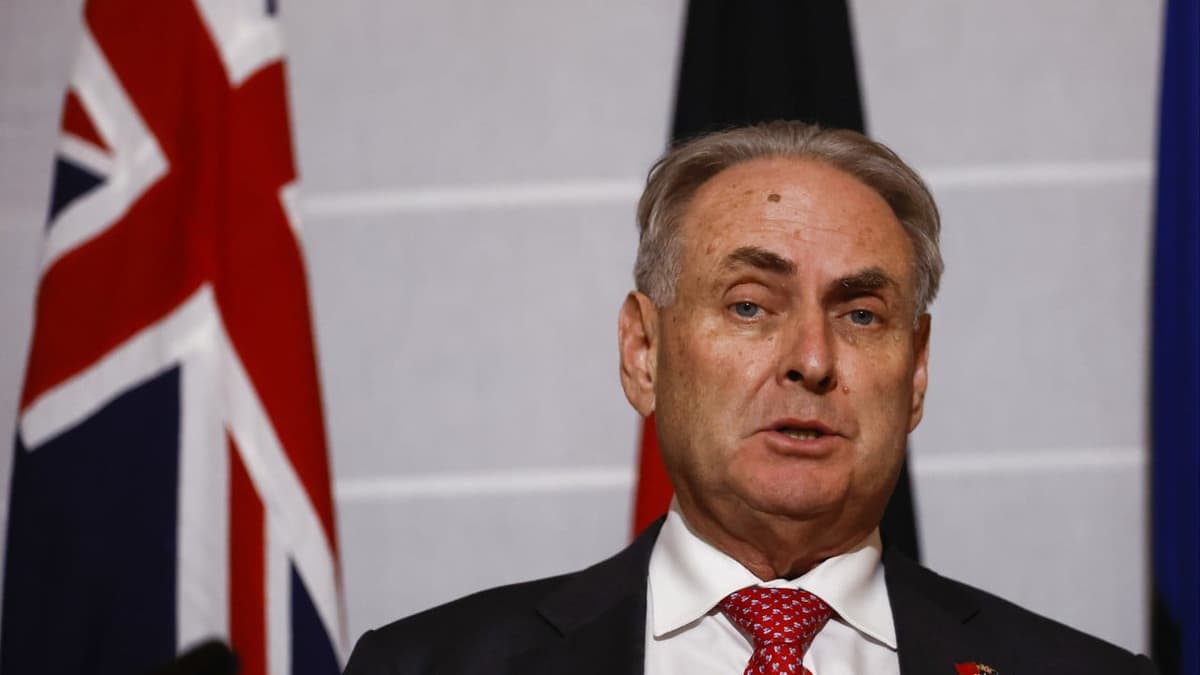
Australian Trade Minister to Visit China to Secure Fuel During Iran War Crunch
Australian Trade and Tourism Minister Don Farrell will travel to China to negotiate jet‑fuel supplies after the Iran‑Israel conflict disrupted shipments through the Strait of Hormuz. China, which provided 32% of Australia’s jet fuel imports last year, saw a sharp...
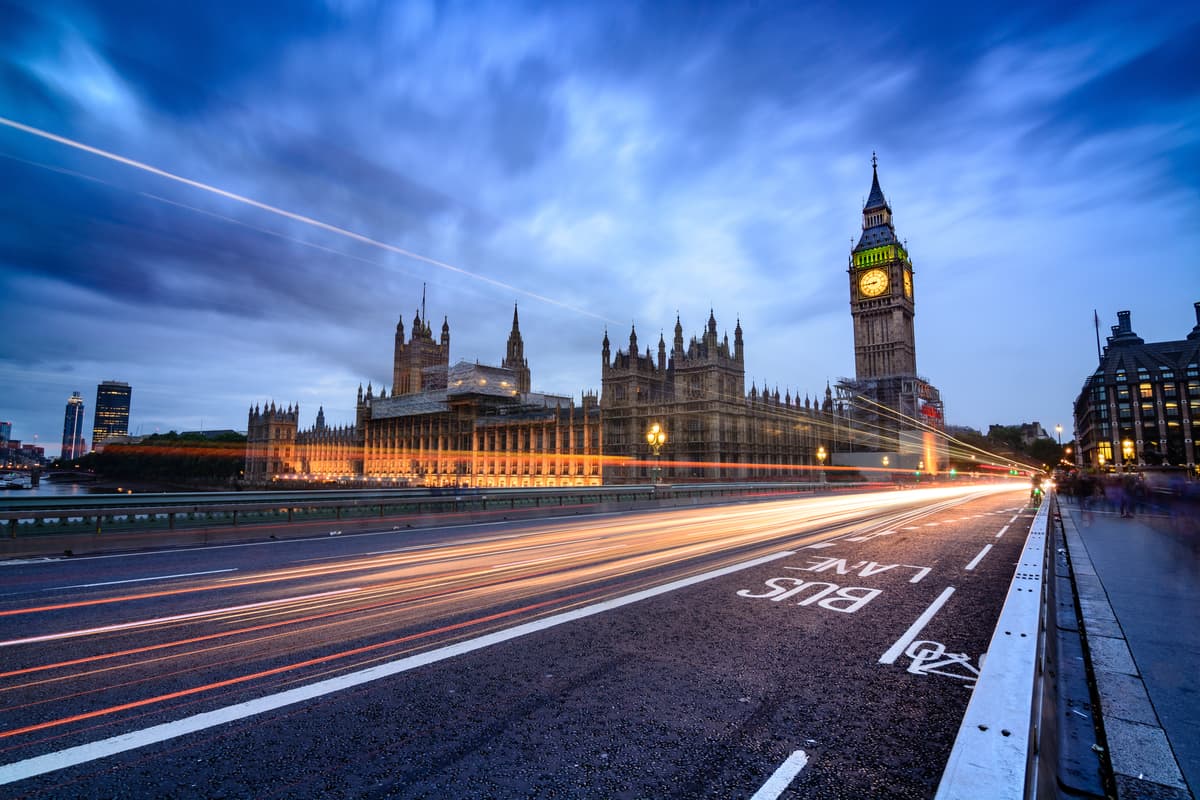
Gilt Yields Hit 2008 High as Political Turmoil Rattles Westminster
UK gilt yields spiked to 5.13% on the 10‑year benchmark, the highest level since 2008, as political turbulence in Westminster intensified investor anxiety. The surge follows speculation that Greater Manchester mayor Andy Burnham may re‑enter Parliament via a by‑election, stoking fears...
Bessent Says Inflation Could Ease Under New Fed Leadership
Scott Bessent, chief investment officer at a leading asset manager, said inflation pressures should ease in the coming months despite April’s sharp price spikes. He linked the recent surge primarily to energy supply shocks from the Iran conflict, which he...

LEI for Brazil Increased in April
The Conference Board’s Leading Economic Index (LEI) for Brazil rose 0.7% in April 2026 to 124.7, erasing a 1.0% decline in March. Over the October‑April six‑month span the LEI accelerated to a 3.1% gain, far outpacing the 0.5% increase in...

Why Warsh Wants the Fed to Keep Quiet
The requested article "Why Warsh wants the Fed to keep quiet" is behind a paywall and no substantive content is available to extract. Consequently, no details about the arguments, metrics, or developments can be summarized.

Greer: Double-Digit Billion Chinese Ag Purchase Commitments Are Coming
U.S. Trade Representative Jamieson Greer said China is expected to commit to double‑digit‑billion‑dollar annual purchases of U.S. agricultural products beyond soybeans after President Trump’s meeting with Xi, even though no formal announcement was made. The October soybean pact calls for...
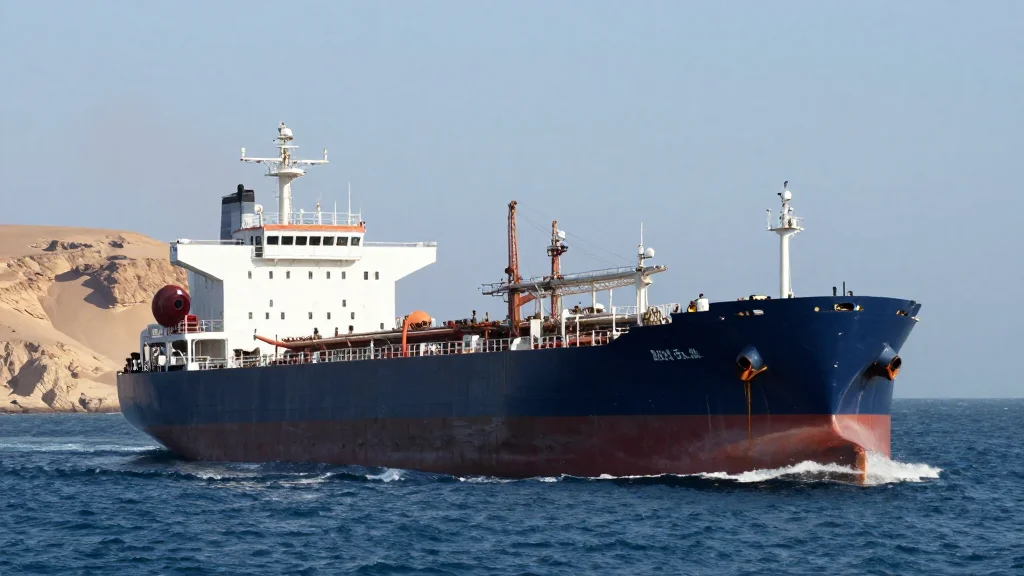
Iran's Kharg Island Loads 1st Tanker in a Week
Iran’s Kharg Island terminal loaded a 500,000‑barrel tanker on May 14, marking the first shipment since May 7 and directly challenging U.S. assertions that Iranian storage is full and loadings have halted. Maritime data firms Windward and TankerTrackers.com report that...
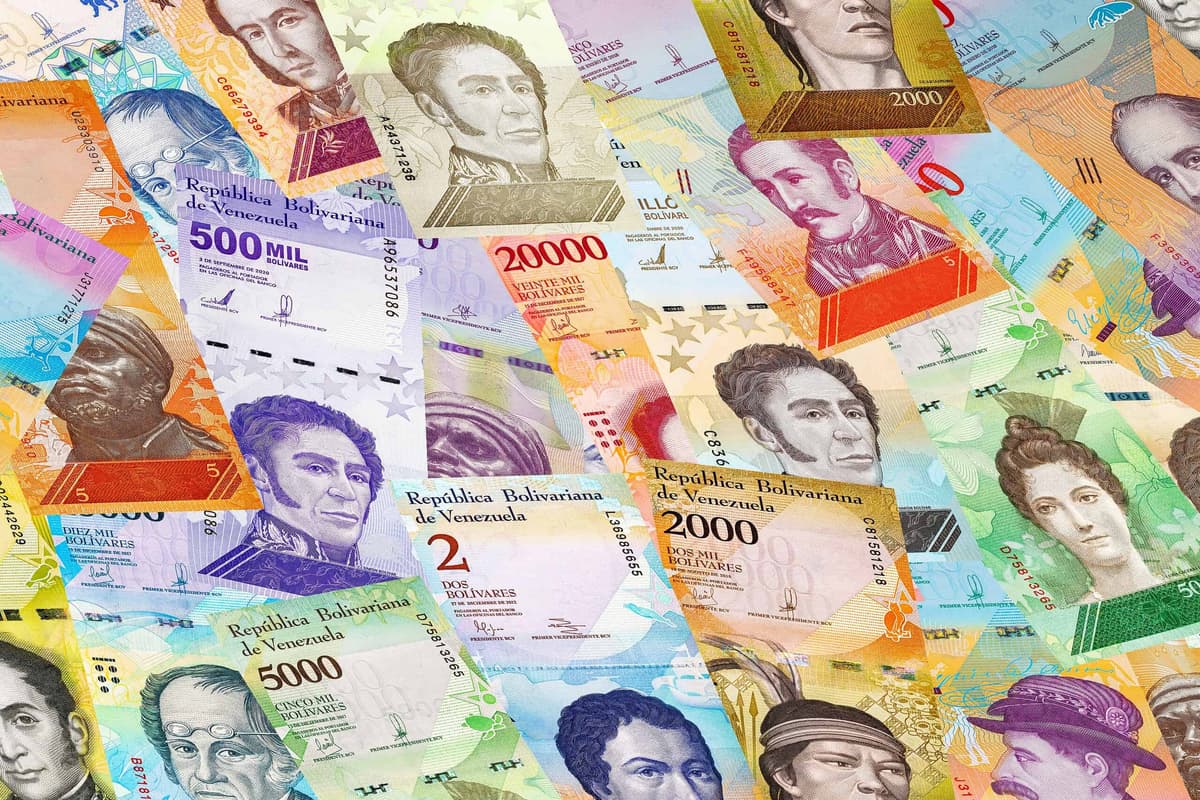
IMF Won’t Participate in Venezuela Debt Restructuring
The IMF announced it will not take part in Venezuela's $170 billion external debt restructuring, opting for a wait‑and‑see stance while resuming data‑sharing talks with the interim government. The Fund has restored Venezuela's access to special drawing rights but has not...

The Dollar’s Status Through the Lens of Foreign Exchange Reserves
The U.S. dollar’s share of official foreign‑exchange reserves has slipped from over 70% in the late 1990s to roughly 58% today. Goldberg and Hannaoui demonstrate that this headline decline conflates two separate forces: shifts in countries’ preferences for dollar assets...
India Moves to Buffer Economy Against Iran War Fallout
India’s government announced a series of measures to shield the economy from the spill‑over effects of the Iran‑Israel conflict. State‑run refiners lifted gasoline and diesel prices by more than 3%, the first hike in four years, after crude prices surged....

The US-China Trade War Is Entering a Worrying New Phase: A Legal Arms Race
The United States and China have entered a new phase of their trade conflict, shifting from tariffs to a legal arms race of sanctions, export controls and regulatory measures. Both governments are swiftly adding firms to blacklists and drafting legislation...
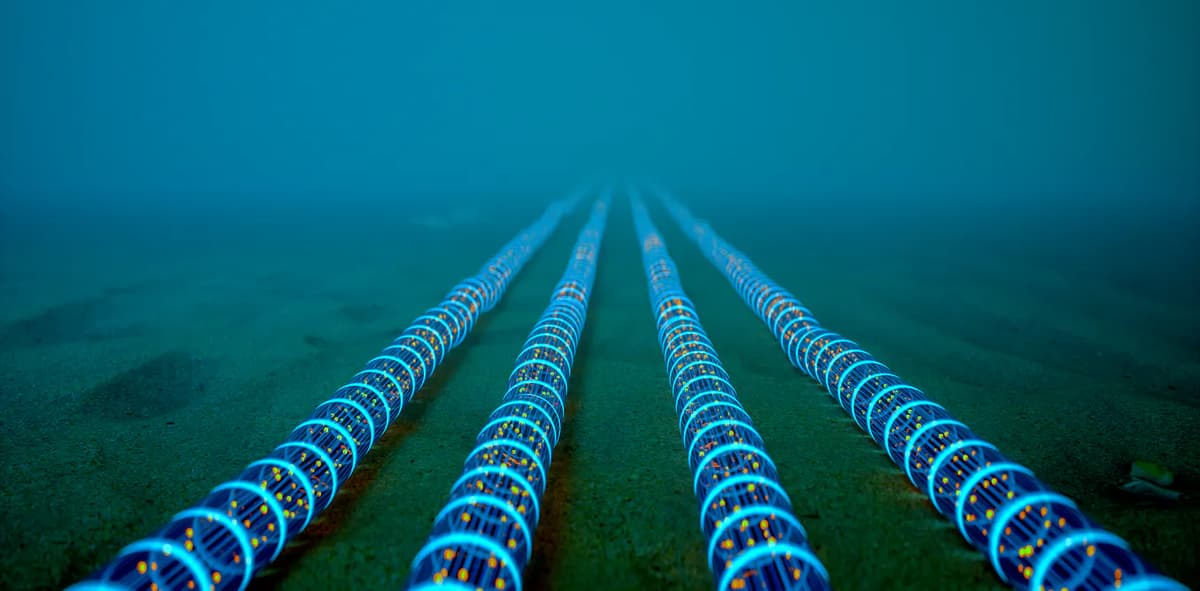
Iran Is Threatening Undersea Cables. The World’s ‘Digital Chokepoints’ Have Never Been More Vulnerable
Iranian state-linked media floated a plan to levy fees on operators of undersea internet cables passing through the Strait of Hormuz, signaling a new geopolitical threat to the world’s digital infrastructure. The proposal follows recent warnings that the Hormuz corridor,...
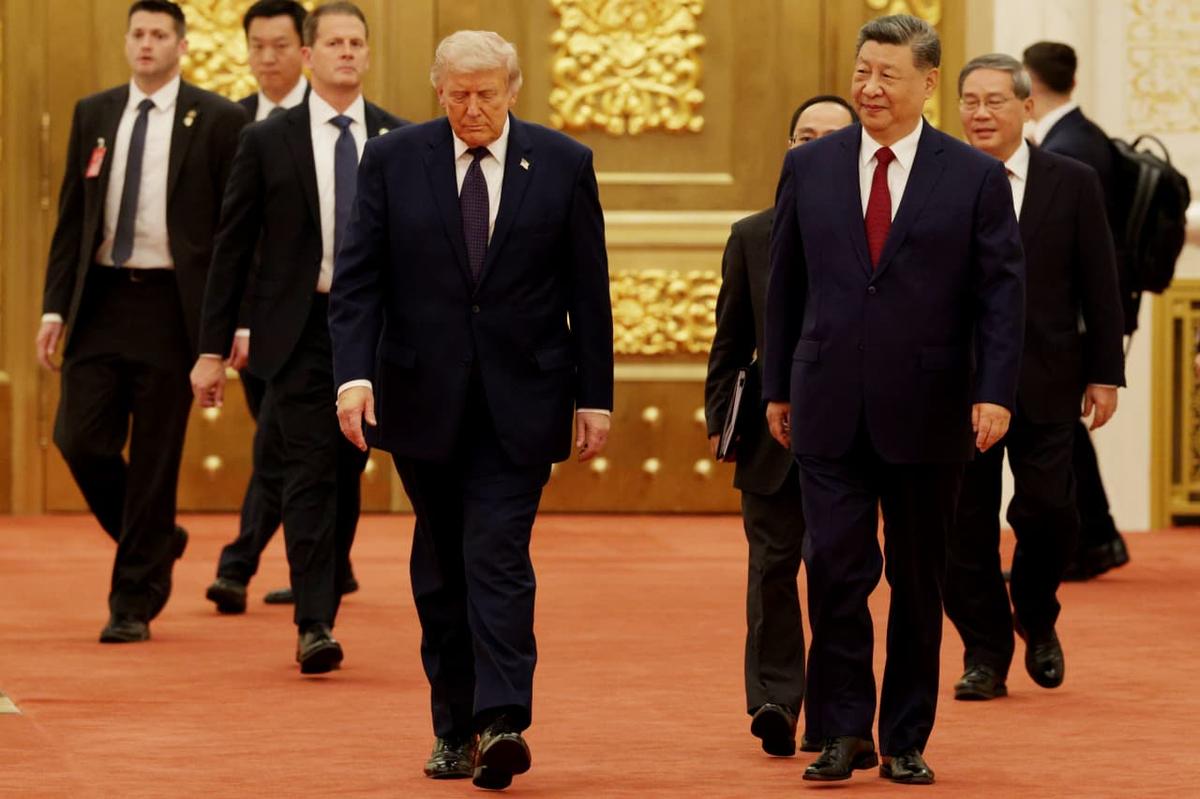
Trump’s Best China Trade Deal Is the One He Doesn’t Make
The article argues that President Trump should forgo a new China trade deal, citing three decades of ineffective engagement that never compelled Beijing to honor commitments. It highlights the limited success of the 2020 Phase One agreement and points to the...

US Clears H200 Chip Sales To 10 China Firms
U.S. Commerce Department has granted export licenses to roughly ten Chinese companies—including Alibaba, Tencent, ByteDance and JD.com—to purchase Nvidia's H200 AI chip, the company's second‑most powerful accelerator. Each approved buyer may acquire up to 75,000 units, but no shipments have...

Hormuz Oil Flows Creep Higher as More Supertankers Exit
The number of supertankers exiting the Strait of Hormuz has risen, with four VLCCs—each carrying roughly 2 million barrels—departing since May 10, approaching a flow of about 2 million barrels per day. This is a modest increase compared with pre‑war traffic of roughly...

Donald Trump Meeting with Xi Jinping in China Steadies Oil Markets Amid Fresh Gulf Attacks
U.S. President Donald Trump and Chinese President Xi Jinping met in Beijing, calming oil markets as Brent slipped to $105.25 a barrel and WTI to $100.80. The meeting raised hopes for diplomatic progress in the West Asia conflict, but fresh...
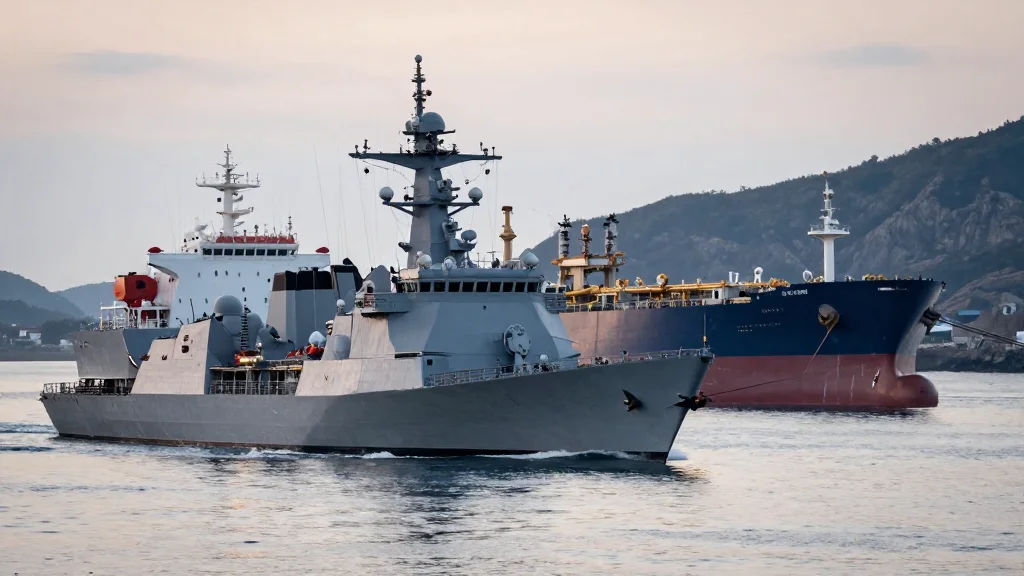
Iran Escorts Flotilla of Chinese Ships Through Strait of Hormuz as Xi Meets Trump
Iran’s navy escorted a flotilla of Chinese tankers through the Strait of Hormuz on Wednesday night, coinciding with the high‑profile U.S.–China summit in Beijing. The move follows Tehran’s recent attack on a China‑linked vessel and the seizure of another, suggesting...