
Iran Has Collected a ‘Pittance’ of Less than $1.3 Million in Hormuz Tolls, Bessent Says, as Currency Dives to Fresh...
U.S. Treasury Secretary Scott Bessent said Iran has collected less than $1.3 million in tolls for ships passing the Strait of Hormuz, a fraction of its pre‑war daily oil earnings. At the same time, Iran’s rial slid to a fresh record low, trading near 1.84 million per dollar, deepening its economic crisis. Tehran has responded with a 14‑point proposal demanding U.S. sanctions relief, an end to the naval blockade and a cease‑fire, while the United States cautions against paying the tolls. The fragile three‑week ceasefire remains under pressure as both sides weigh diplomatic overtures against continued hostilities.
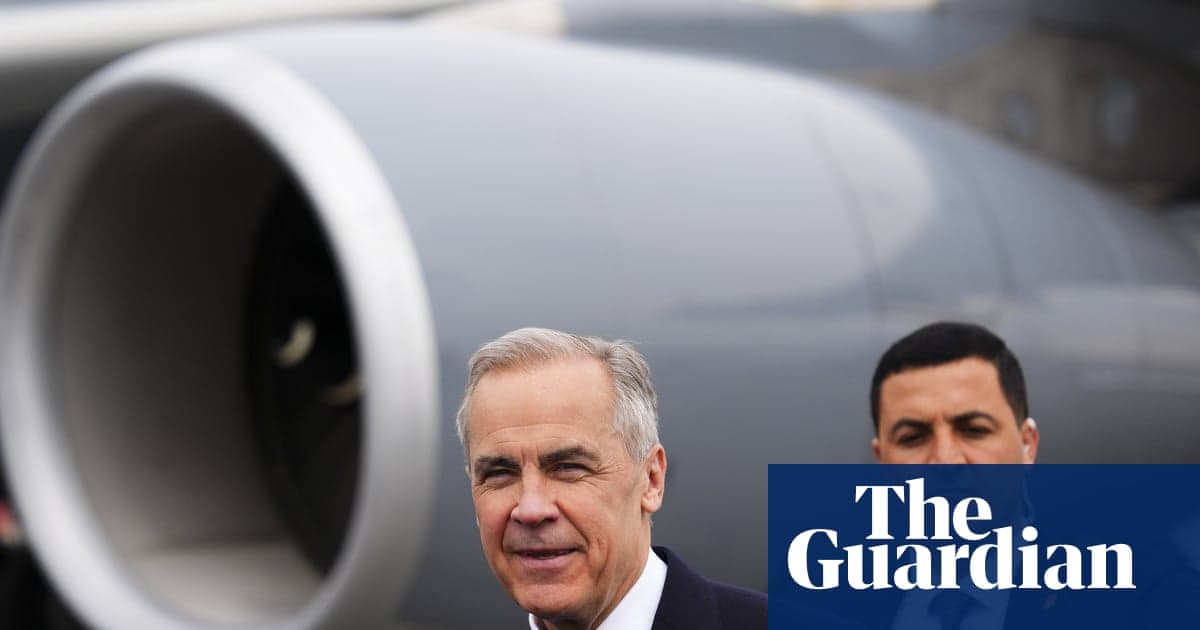
Canada to Be First Non-European Nation at EPC Summit as Carney Seeks Allies
Canada will become the first non‑European nation to attend the European Political Community summit in Yerevan, with Prime Minister Mark Carney aiming to forge new trade and diplomatic ties after what he describes as a loss of U.S. market access...
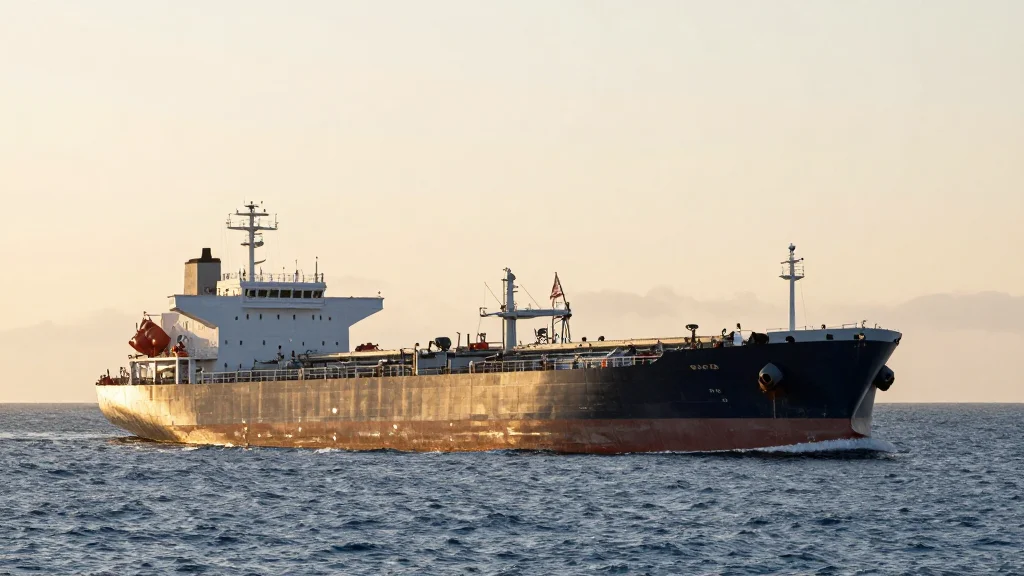
US Is Oil Supplier of Last Resort as Hormuz Disruptions Worsen
The United States has become the world’s leading crude exporter, shipping more than 250 million barrels in the past nine weeks and overtaking Saudi Arabia as Hormuz disruptions choke Middle‑Eastern supplies. Domestic oil and fuel inventories have fallen for four consecutive...
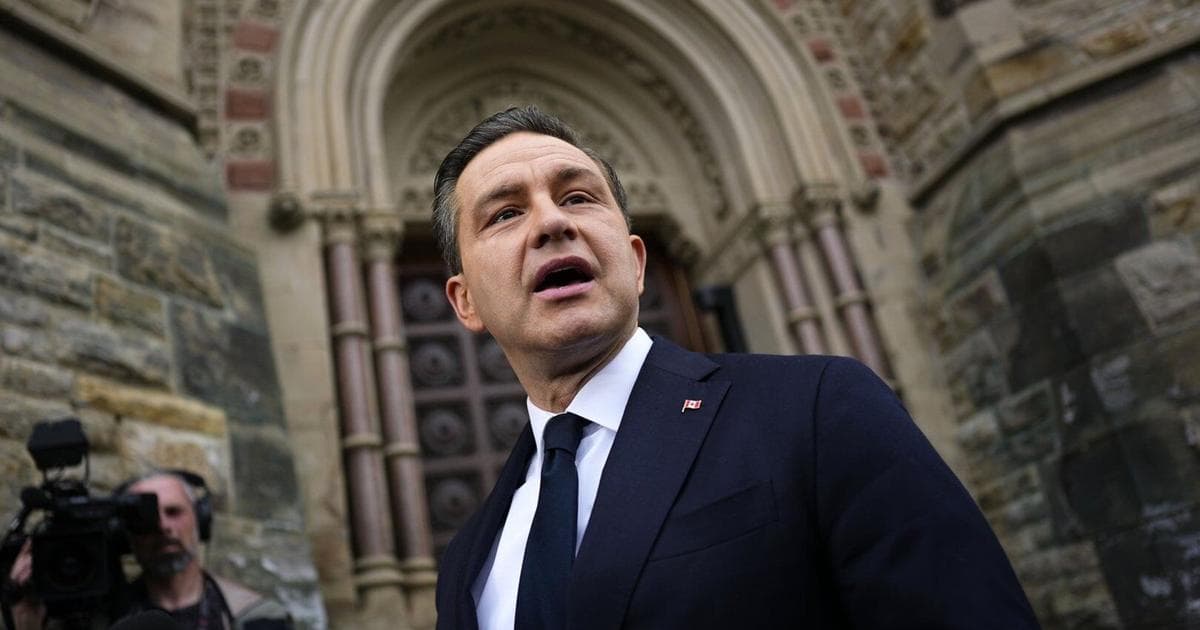
Poilievre: Carney Should State What 'Leverage' Canada Has in Trade Talks
Conservative leader Pierre Poilievre urged Prime Minister Mark Carney to spell out Canada’s bargaining power in the upcoming CUSMA renewal. Carney has resisted labeling energy and critical minerals as leverage, framing them instead as trade opportunities. The dispute comes as U.S. Trade...

OPEC Members Increase Oil Production Quota by 188,000 Bpd, No Word on UAE's Withdrawal Amid War in West Asia
Saudi Arabia, Russia and five other OPEC members announced a 188,000 barrel‑per‑day increase to the June production quota, effectively filling the gap left by the United Arab Emirates’ sudden withdrawal from the cartel. The boost mirrors similar adjustments made in...

Lynas Rare Earths CEO Amanda Lacaze on Having the Guts to Invest During a Price Slump
Lynas Rare Earths has locked in a $110 per kilogram price floor for its neodymium‑praseodymium alloy with the U.S. Department of Defense and secured a $258 million U.S. commitment for a heavy‑rare‑earth refinery in Texas. The company also signed a 10‑year...
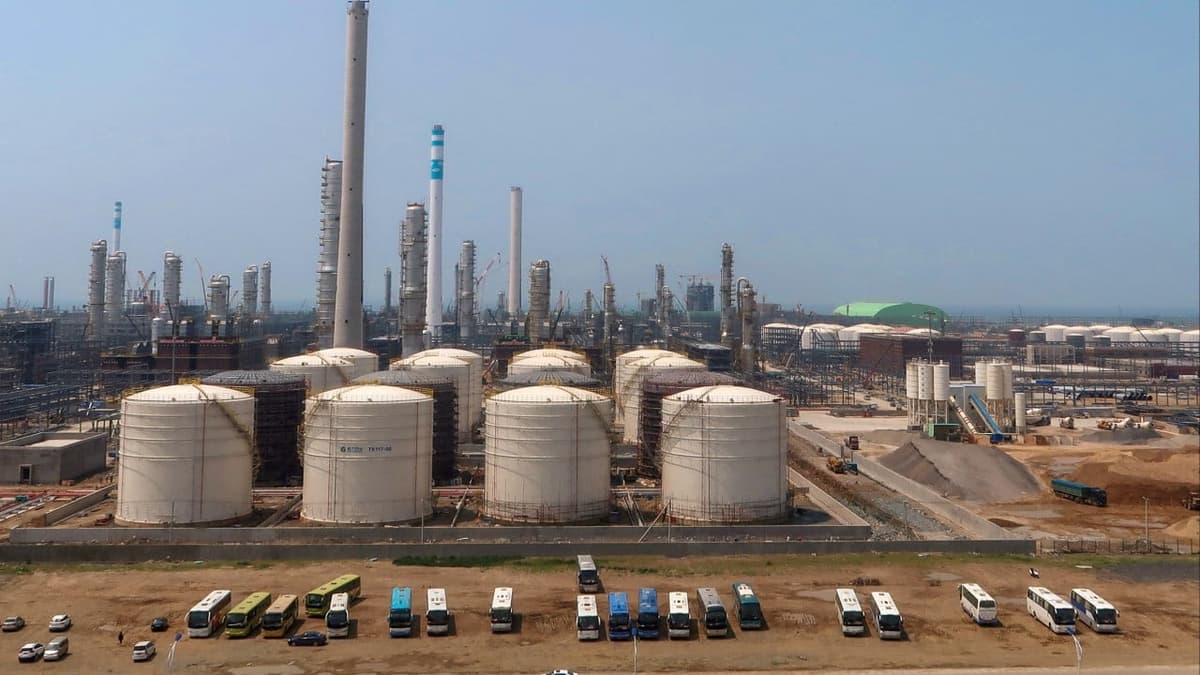
The US Sanctioned Chinese Oil Refineries. Now China Is Really Pushing Back
China has ordered domestic firms to ignore U.S. sanctions on five Chinese oil refineries accused of trading Iranian fuel, invoking the 2021 Blocking Rules in a first‑ever formal injunction. The decree warns that banks or suppliers that cut ties with...
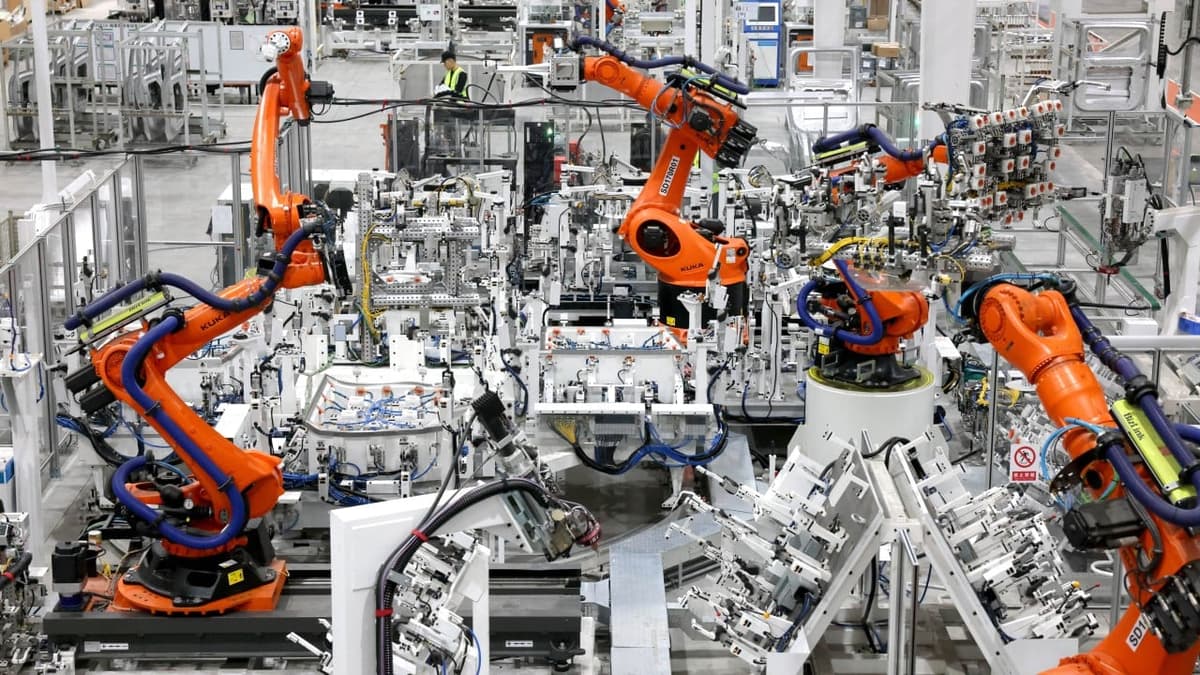
From Footwear to AI Services: China Moves up the Value Chain in Exports
China is rapidly moving up the export value chain, with services such as ICT, AI, and engineering reaching $118 billion in 2025—a 13% year‑on‑year rise. Traditional goods like footwear saw a 9% decline, dropping to $46 billion, underscoring the structural shift. Companies...

Budget to Prioritise Savings over Spending Amid Inflation Concerns
The Australian Labor government’s May budget will earmark the entire windfall from higher oil and gas prices for savings rather than new spending. Analysts estimate the commodity surge will generate AUD$15‑30 bn (≈US$10‑20 bn) through 2027‑28, which will be used to trim...

Gold Notches Second Weekly Loss as US-Iran Talks Hang in Limbo
Gold steadied but posted a second consecutive weekly decline as traders weighed the stalled US‑Iran negotiations. Spot gold slipped 0.1% to $4,614 per ounce, extending a 14% loss since the conflict began in late February. A stronger dollar added pressure,...

IRGC Just Outdid Khamenei? Forces Kuwait to Halt All Crude Exports for the First Time in 35 Years?
On April 2026, Kuwait ceased all crude oil shipments, marking the first full export halt since the Gulf War. TankerTrackers confirmed zero outbound cargo, attributing the stoppage to heightened security risks in the Strait of Hormuz amid escalating U.S.-Iran tensions....

U.S. Crude Oil Exports Surge to Record as Tankers Flock to Gulf Coast During Iran War
U.S. crude oil exports surged to a record 5.2 million barrels per day in April, driven by Asian and other buyers seeking alternatives after Iran’s blockade of the Strait of Hormuz. The Gulf Coast, especially the Port of Corpus Christi, saw unprecedented...
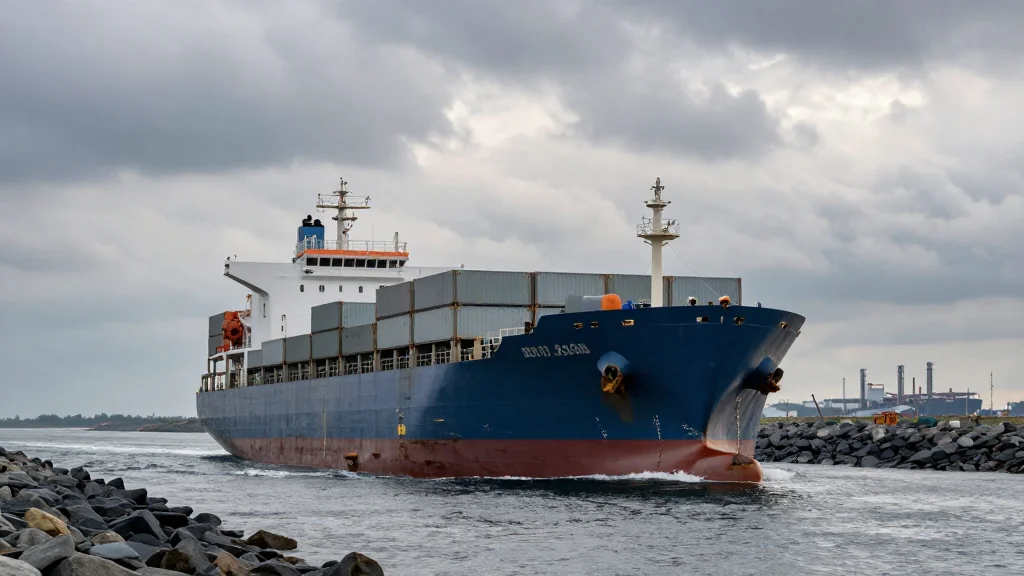
Will the Iran War Amplify the ‘Second China Shock’?
The article examines whether the escalating conflict in Iran could intensify the so‑called “second China shock,” a wave of supply‑chain disruption and economic decoupling that began as China’s growth slowed. It outlines how war‑related oil price spikes, maritime security concerns...

Africa: DRC's Rise to Africa's Top Five - A Moment Built on Minerals and Momentum
The International Monetary Fund now projects the Democratic Republic of the Congo’s GDP at roughly $123 billion in 2026, positioning it as sub‑Saharan Africa’s fifth‑largest economy, just ahead of Ethiopia. The surge is driven by the DRC’s dominance in cobalt and...
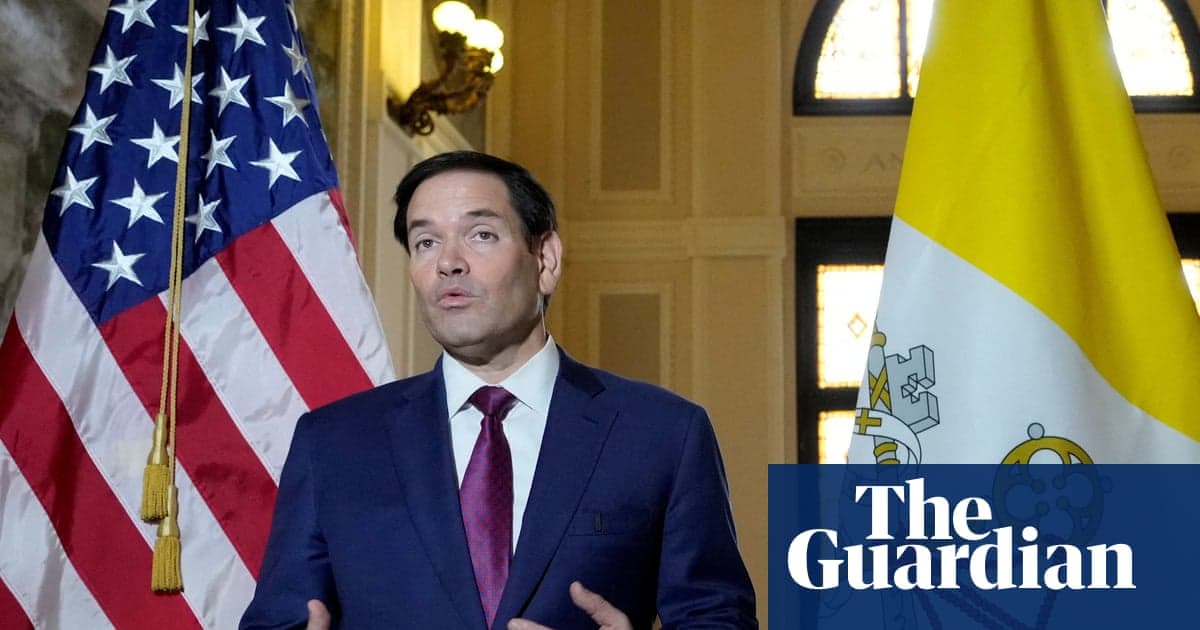
Marco Rubio to Visit Rome, Reportedly to ‘Thaw’ US Relations with Italy
U.S. Secretary of State Marco Rubio is traveling to Rome on Thursday and Friday to mend strained relations between Washington, the Italian government and the Vatican. The visit follows President Donald Trump’s public criticism of Pope Leo I and threats to...
Voters Will Judge Trump on the Economy - How Is It Doing?
U.S. GDP grew 2% annualised in the first quarter of 2026, buoyed by massive AI‑related tech investment despite the Iran‑Israel conflict driving oil prices higher. Consumer spending rose 1.6% annualised, but inflation ticked up to 3.3% year‑over‑year, the highest level...
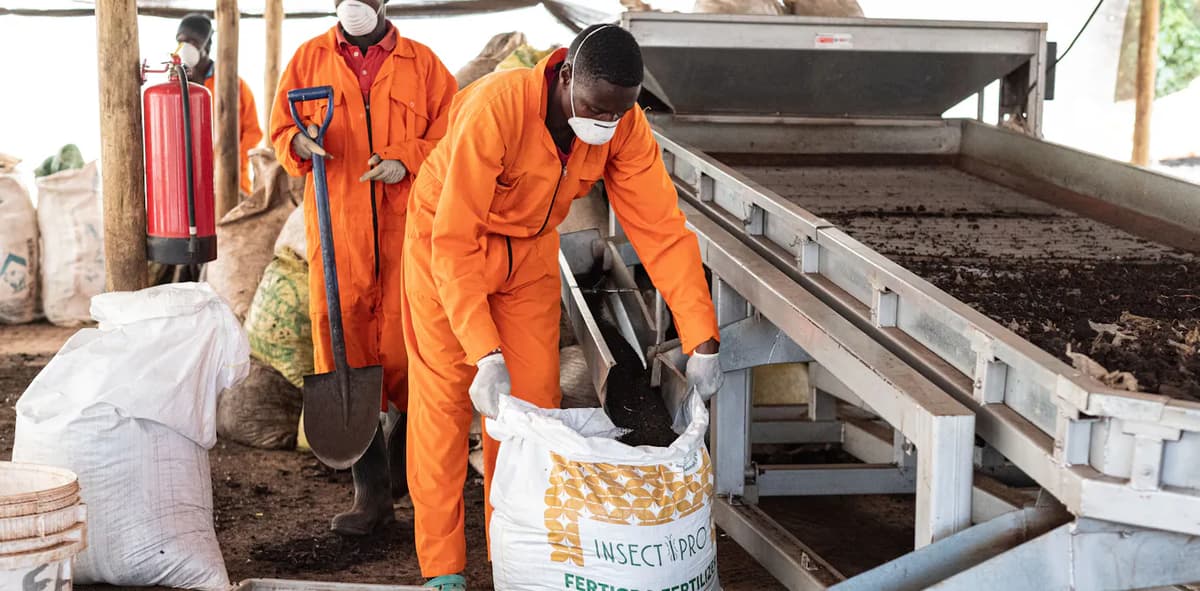
80% of Africa’s Fertiliser Is Imported: How Food Systems Can Adapt to the Iran Shock
The Iran‑Gulf conflict has sharply reduced urea exports, with Strait of Hormuz traffic down 95%, disrupting the global fertilizer supply chain. Sub‑Saharan Africa, which imports roughly 80% of its fertilizer from Gulf states, faces soaring prices and potential shortages. Past...
20 Russia-Sanctions Packages Later, Europe’s Problem Is Timing – Not Strength
On 23 April the EU adopted its 20th sanctions package against Russia, pairing it with a €90 bn (≈ $98 bn) loan for Ukraine. Since the invasion, Europe has poured hundreds of billions of dollars into military, financial and humanitarian aid while cutting cheap...
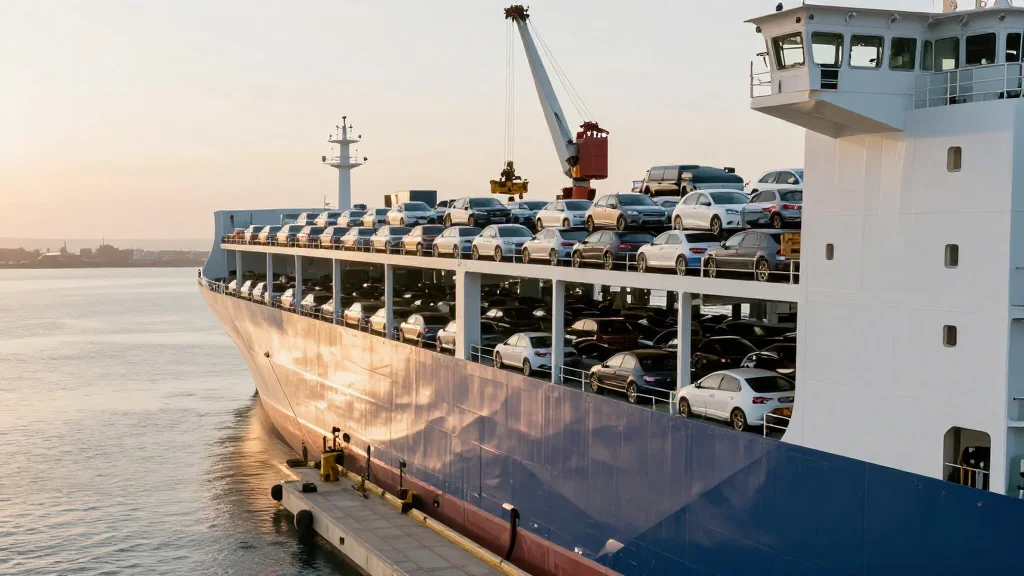
Sleepy Lamu Port Slowly Awakens as an Alternative Gateway to East Africa
Kenya’s $2.5 billion Lamu port, a deep‑water facility, has seen a dramatic surge in traffic as Middle East tensions force vessels to reroute. In the first four months of 2024, 102 ships—including the first pure car carriers—called at the port, with...

FY27 Earnings Growth May Drop to 10%: Jitendra Sriram on the Impact of Sustained $100 Oil
Jitendra Sriram of Baroda BNP Paribas warns that FY27 earnings growth in India could slow to 10‑12% as sustained $100 crude prices strain corporate margins and consumer spending. The two‑month West Asia conflict has already pushed the rupee to the...
The Hormuz Blockade: Why a Fragile Ceasefire May Not Lower Global Oil Prices
Brent crude surged to $125 a barrel, the highest level since March 2022, as naval blockades in the Strait of Hormuz curtailed roughly one‑fifth of global oil flows. Iran’s conditional reopening and U.S. naval actions have left tankers stranded and insurers...
Africa Enduring ‘Good’ Problem of Spending Own Growth Funds
Africa boasts roughly $4 trillion in domestic capital across banks, pension funds, insurance and sovereign wealth, yet struggles to channel it into infrastructure. The Africa Finance Corporation’s State of Africa’s Infrastructure Report 2026 highlights a $2 trillion institutional capital pool that remains under‑utilised...
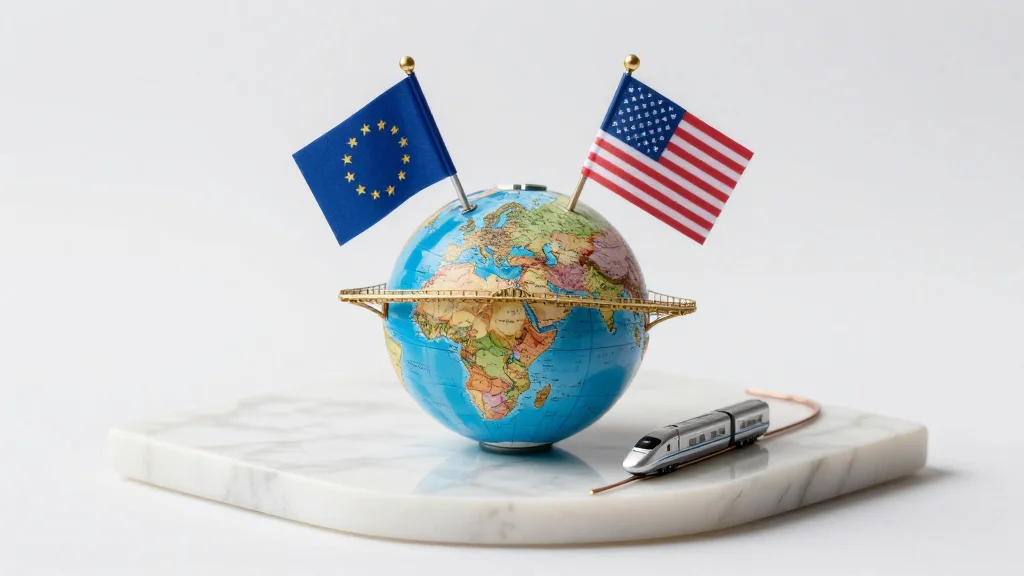
Armenia Summits Show Europe’s Caucasus Rivalry With Trump, Putin
Twin European summits in Yerevan highlighted a sharpening contest for influence in the Caucasus as Armenia pivots toward the EU and the United States. The EU announced up to $2.9 billion to boost transport, energy and digital links, while President Trump’s...
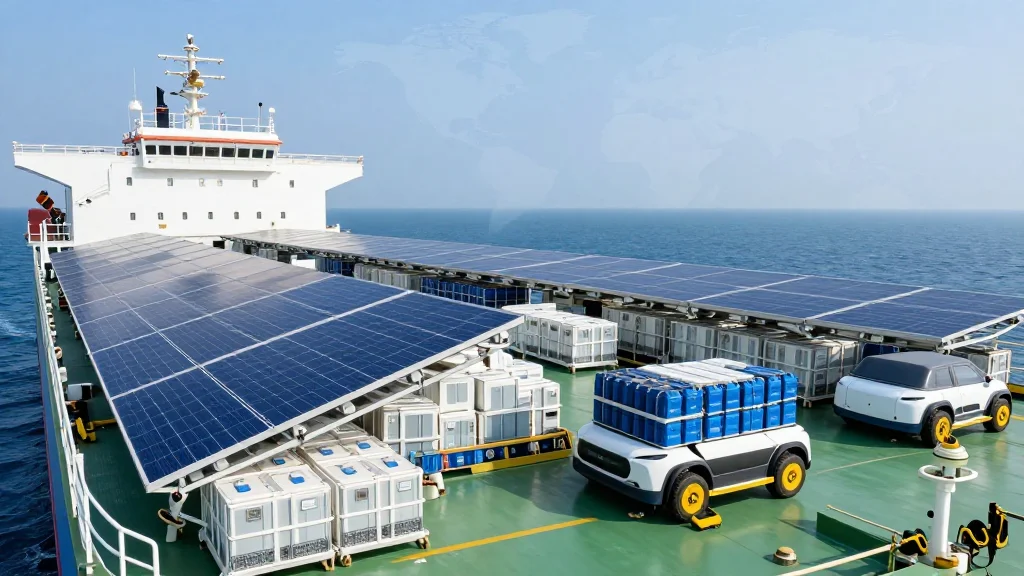
Chinese Exports of Green Technologies Surged to Record Levels After Iran War Began
Chinese green‑technology exports surged to record levels in March as the Iran war triggered a global oil shock. China shipped 68 GW of solar equipment, a 50% jump over the previous peak, while total solar, battery and electric‑vehicle exports rose 70%...
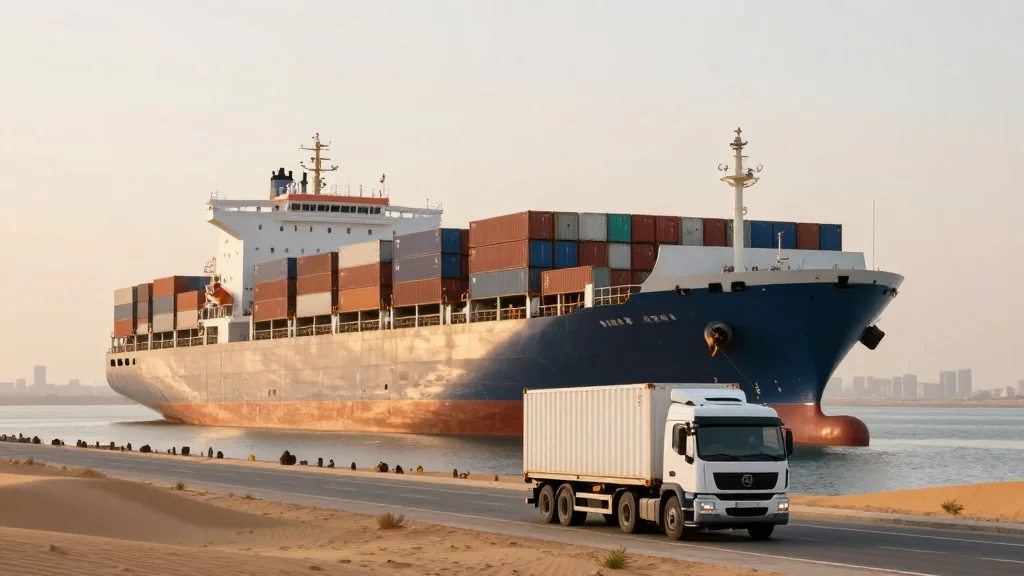
World’s Largest Container Carrier Plans Route Avoiding Blockaded Hormuz
MSC Mediterranean Shipping Co announced a new Europe‑to‑Middle East service that bypasses the blockaded Strait of Hormuz. The inaugural sailing leaves Antwerp on May 10, calling at several European ports before transiting the Suez Canal, Red Sea, Jeddah and King Abdullah,...
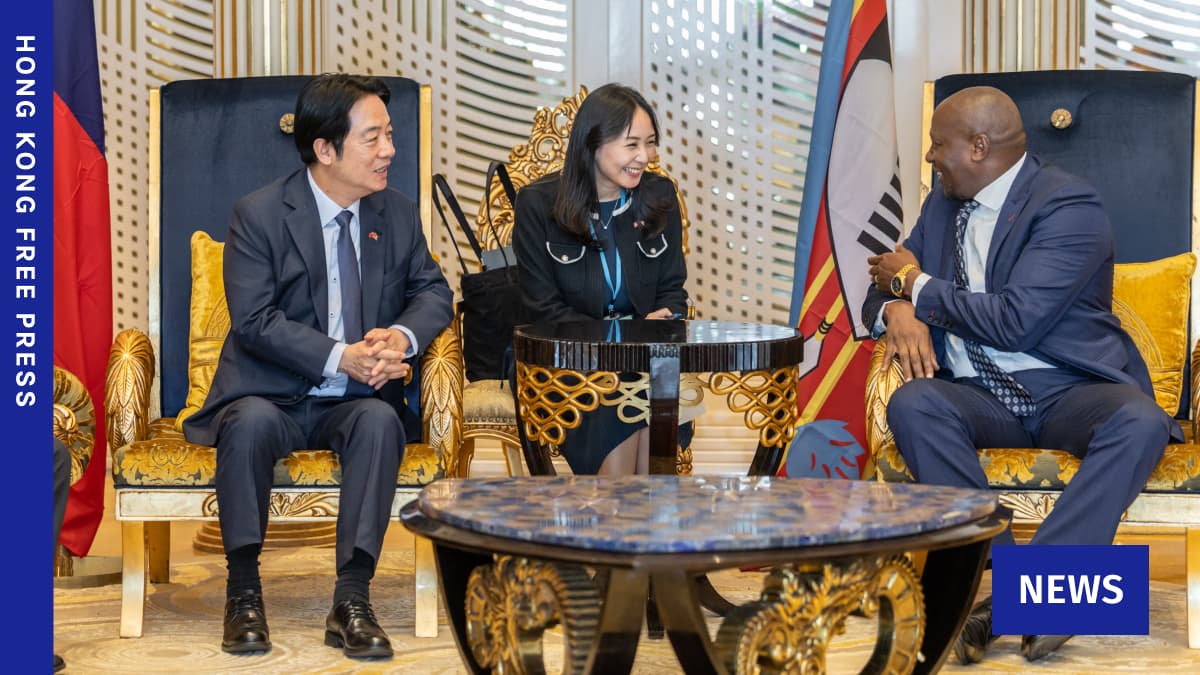
Taiwan Leader Makes Delayed Visit to Eswatini After China Objections
Taiwanese President Lai Ching‑te finally arrived in Eswatini after a delayed April trip was scrapped when Seychelles, Mauritius and Madagascar withdrew overflight permissions under pressure from Beijing. The visit, now the first foreign trip for Lai since taking office, underscores...

Singapore’s Safe-Haven Status Draws More Chinese Capital Into Property Sector
Chinese developers have become the second‑largest source of fixed‑asset investment in Singapore, contributing 21% of the S$14.16 billion (≈US$11.07 billion) invested in 2025. High‑profile residential land purchases—including a S$951 million (≈US$704 million) Dover Drive lot and a S$918 million (≈US$680 million) Telok Blangah site—highlight the surge in...
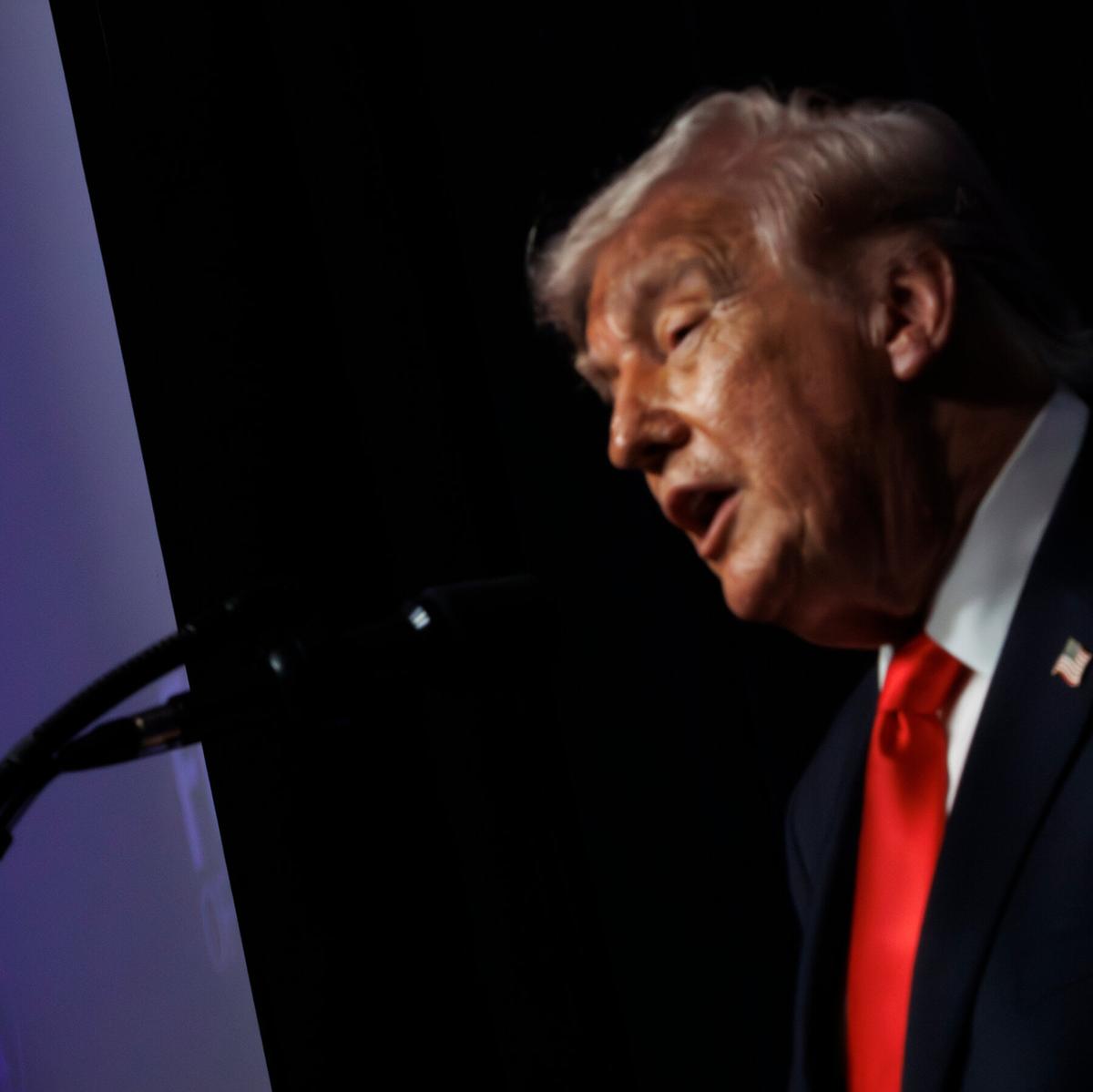
Trump Says He Is Reviewing Iran’s Latest Offer but Doubts It Is Acceptable
President Donald Trump announced on Truth Social that he is reviewing Iran’s latest cease‑fire proposal but doubts it will be acceptable, noting he has only seen the concept, not the full wording. He previously said he was not satisfied with...

CEA Nageswaran Calls for Capex Push Amid EV Growth Momentum
Chief Economic Adviser V. Anantha Nageswaran urged Indian corporates to boost capital expenditure despite a 31% annual profit rise among the top 500 firms post‑pandemic, noting that investment has lagged. He warned that private‑sector under‑investment forces the public sector to...

JPMorgan's Jamie Dimon Issued Vague Credit Recession Warning, but the Bond Market Has More Pressing Issues
JPMorgan CEO Jamie Dimon cautioned that a future credit recession could be far worse than expected, even though he offered no specific market signal. At the same time, the impending appointment of Kevin Warsh as Federal Reserve chair is prompting...
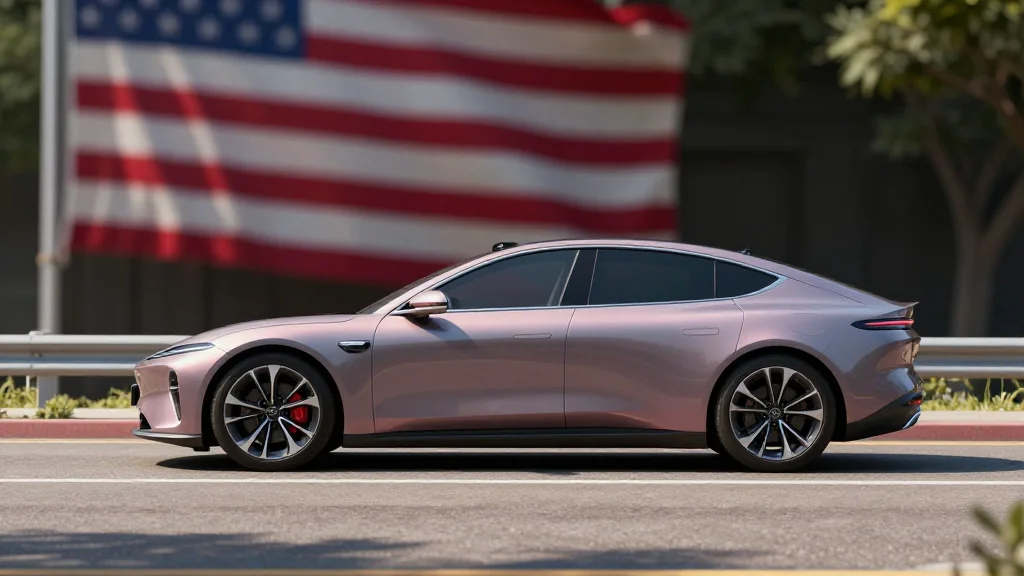
An Inevitable Rise in Chinese-Made EVs in America?
U.S. policymakers from both parties have converged on a hard line against Chinese electric vehicles, with President Biden imposing a 100% tariff and former President Trump echoing the same stance. Chinese EV makers leverage years of joint‑venture experience and advanced...

Beyond Subsidies: What’s Really Driving China’s Industrial Climb
China’s industrial ascent is entering a second wave—dubbed “China shock 2.0”—as the nation pivots from traditional textiles, furniture and appliances to electric vehicles, batteries and solar panels, and now to AI, industrial robots and innovative medicines. State funding has poured roughly...
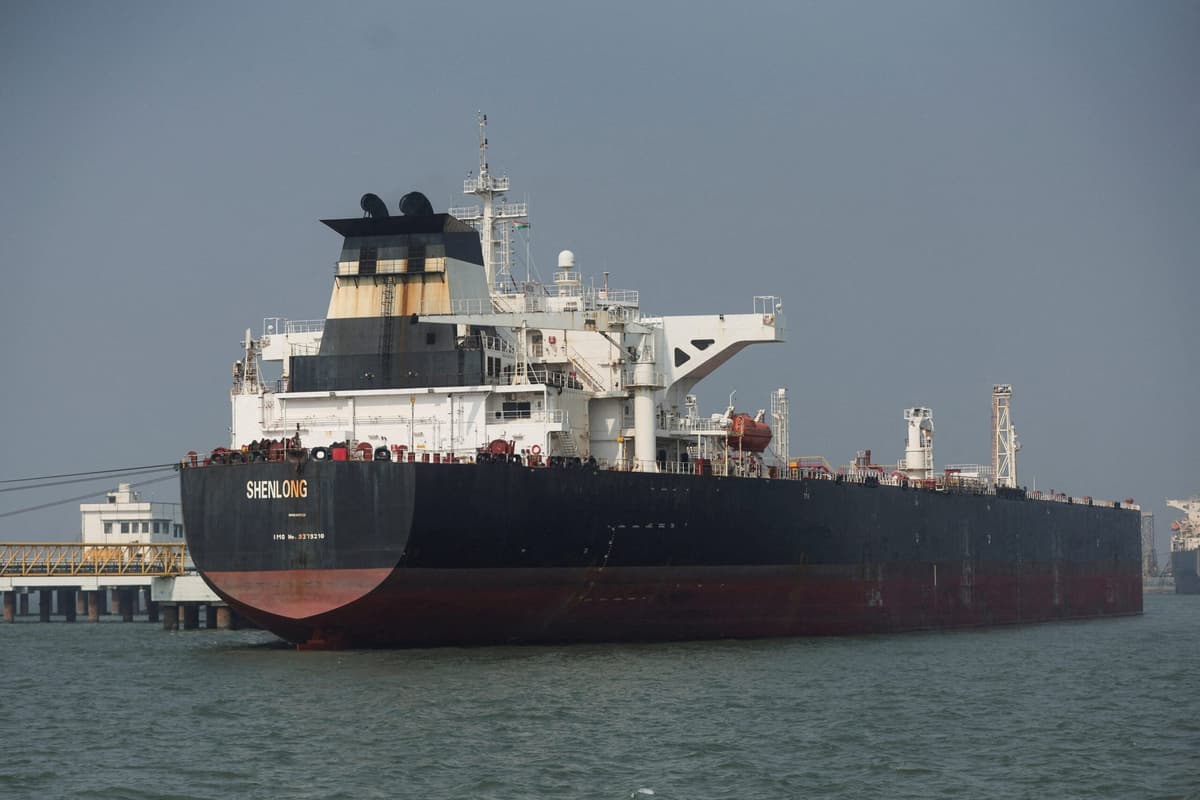
Saudi Arabia Set For Oil Windfall After Hormuz Boosts Prices
The blockade of the Strait of Hormuz has split Gulf oil exporters, giving Saudi Arabia and Oman a revenue boost while the UAE sees a sharp decline. Saudi rerouted 4 million barrels daily to the Red Sea, lifting weekly oil revenue...
Russia’s Oil Revenues Surge as the World Scrambles for Supply
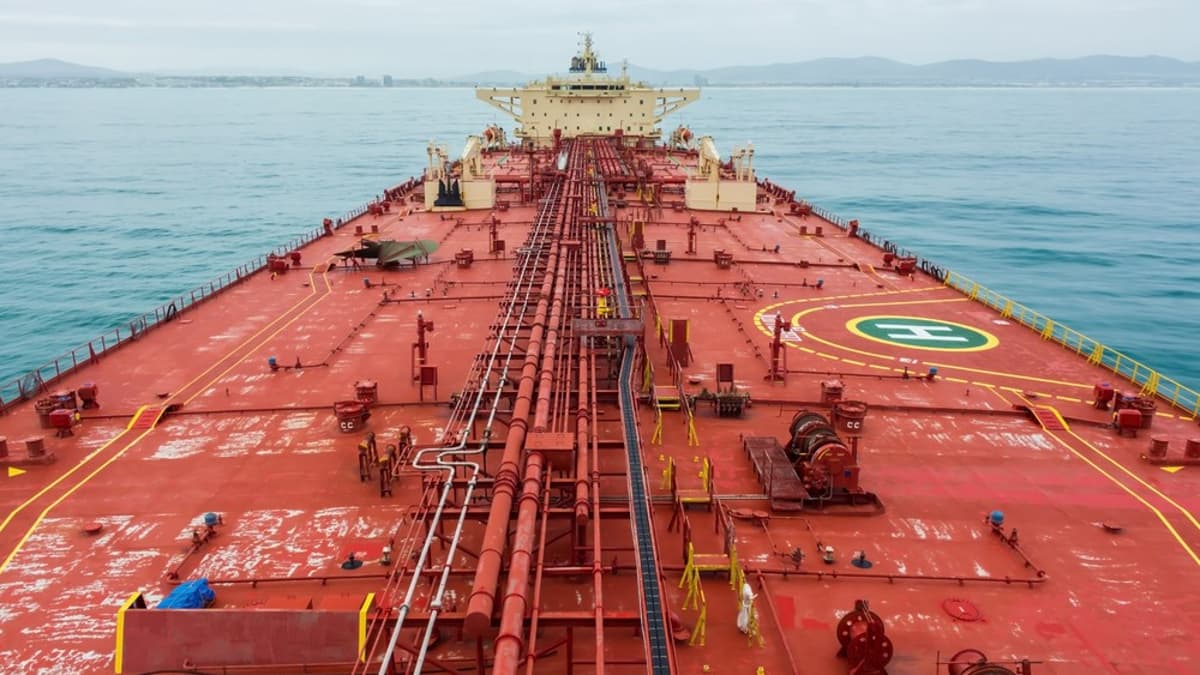
Asian buyers are snapping up discounted Russian crude as global supply tightens, driving a sharp rise in Moscow’s oil revenues. China imported a record over 100 million tonnes in 2024, while India’s imports doubled to about 2.25 million barrels per day in...
Plurilaterals without Guardrails Can Fragment Trading System: Experts
Former WTO director‑general Pascal Lamy and Indian officials warned that while global trade volumes are rising, the WTO’s credibility is eroding and its dispute‑settlement system remains dysfunctional. They argued that plurilateral agreements, such as the Multi‑Party Interim Appeal Arbitration Arrangement...
Prices Surge, Jobs Disappear as War Strains Iran’s Economy
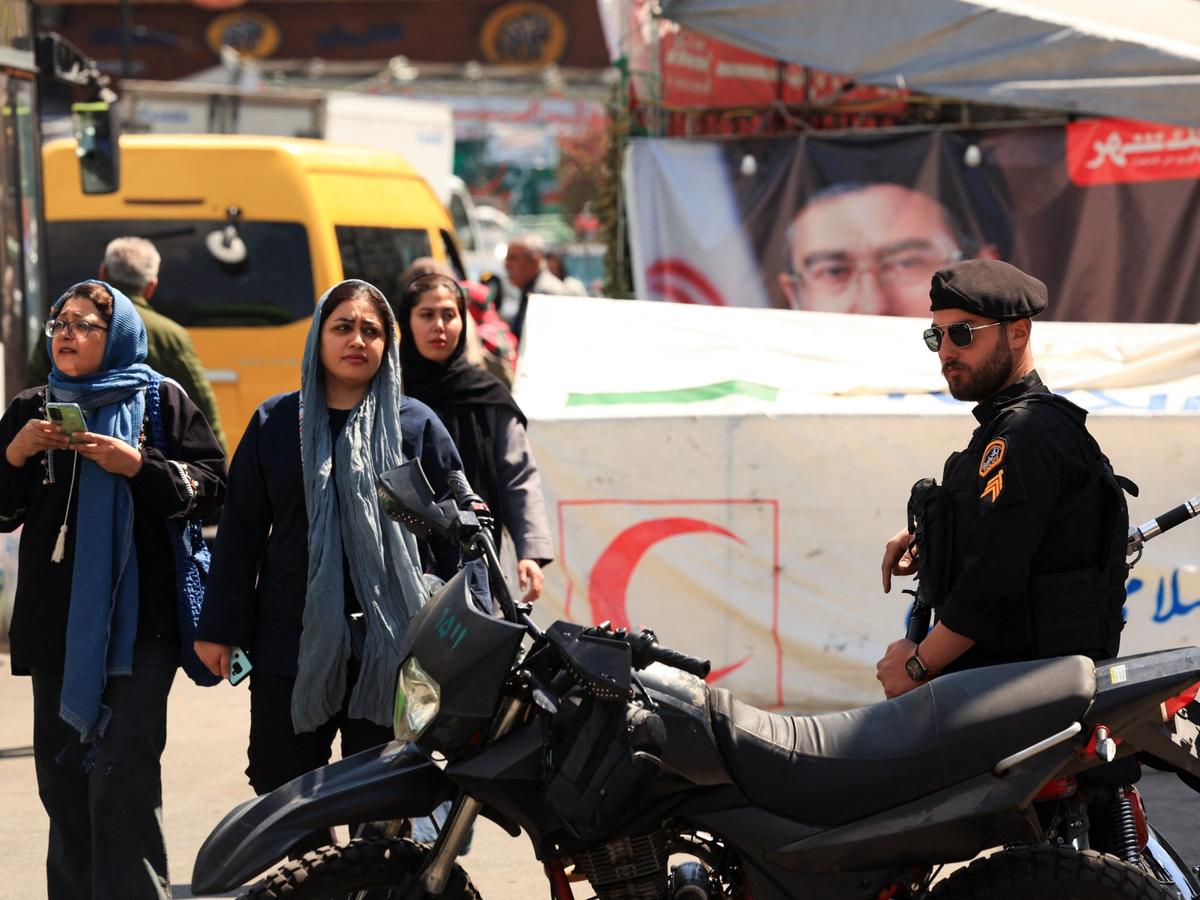
Iran’s economy is collapsing under the combined strain of the US‑Israel war, intensified sanctions and a 64‑day internet blackout. The rial slid to a record 1.84 million per US dollar, driving weekly price spikes in food, medicine, cars and electronics. Inflation...

Impact of UAE’s Exit From OPEC
The United Arab Emirates has formally exited OPEC, giving the world’s third‑largest oil exporter freedom to set its own production levels. By pledging a gradual increase in output, the UAE could add modest supply that eases price pressures in the...

Middle East Conflict May Derail Philippines Upper Middle-Income Bid
The Department of Economy, Planning and Development warned that a prolonged Middle East conflict could dampen the Philippines’ economic growth, threatening its bid for upper‑middle‑income status. The World Bank will base its July 2026 income classification on 2025 performance, not...

Damien Grant: Reading the NZ-India Free Trade Agreement Made My Stress Levels Rise
Damien Grant’s opinion piece warns that the 1,364‑page NZ‑India free‑trade agreement is dense and politically charged. The deal grants temporary visas for 5,000 Indian professionals across sectors such as yoga, engineering, construction, teaching and nursing, while eliminating most tariffs on...

France Seeks Enforceable Rules in India-EU FTA Talks
France is urging the India‑EU free‑trade agreement to include enforceable rules on non‑tariff barriers, moving beyond political alignment toward concrete implementation. The pact, signed on 27 January 2026, grants duty‑free access to over 99% of Indian exports—about $33.5 billion worth—while offering the...

DEA Notifies FDI Easing for Foreign Cos with up to 10 Pc Chinese Stake Under FEMA
India’s Finance Ministry has eased foreign direct investment rules, allowing overseas companies with up to a 10 percent Chinese or Hong Kong shareholding to invest via the automatic route under FEMA. The change, approved by the Union Cabinet in March, shifts the...

The U.S.-Iran War Is Coming for Your Credit Score and Mortgage Application
The U.S.–Iran conflict that closed the Strait of Hormuz has spiked oil prices and lifted inflation, prompting lenders to tighten credit underwriting despite unchanged Fed rates. Banks are quietly raising effective FICO cutoffs and adding manual review layers, turning previously...
FinMin Notifies 100% FDI in Insurance; LIC Cap Stays at 20%
India’s Finance Ministry has issued a notification permitting up to 100 percent foreign direct investment in insurance companies, while keeping the Life Insurance Corporation of India (LIC) capped at 20 percent foreign ownership. The change follows the 2025 Sabka Bima Sabki Raksha...

Beijing Tells Chinese Firms to Ignore US Sanctions on Refiners
China has instructed domestic companies to disregard U.S. sanctions targeting five local refiners tied to Iran's oil trade. The move follows recent penalties that froze assets and banned transactions for firms such as Hengli Petrochemical (Dalian) Refinery Co. Beijing's directive...
Crude Surge Is a Price Shock, Not Supply Shock for India: CEA Nageswaran
Chief Economic Advisor V Anantha Nageswaran told the ICPP Growth Conference that the recent surge in crude‑oil prices is a price shock, not a supply disruption for India. He outlined four transmission channels – higher oil‑price inputs, trade slowdown, sticky logistics costs,...
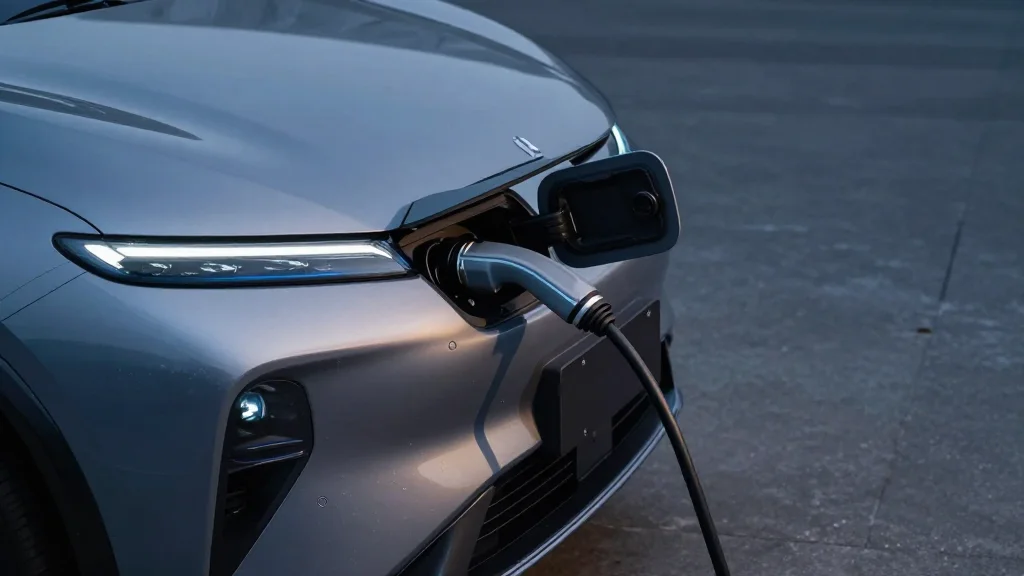
The EVs America Is Losing in 2026 Are Not Failing. They Are Being Tariffed Out of Existence.
In 2026 a wave of electric‑vehicle models vanished from the U.S. market, including Tesla’s Model S and Model X, Honda’s entire 0 Series, Volvo’s EX30, BMW’s i4 and iX, and several Hyundai and Kia EVs. The exodus stems not from technical failure but...

Iran Juggles Oil Cuts and Storage Strain to Resist US Blockade
Iran is confronting a tightening U.S. naval blockade in the Strait of Hormuz that has slashed its crude exports and filled domestic storage tanks. A senior Iranian official confirmed the government has already begun curbing production to match the reduced...
Senior Iranian Officer Says He Expects Renewed War with US
Senior Iranian central‑command officer Mohammad Jafar Asadi warned that a renewed clash with the United States is likely, following President Donald Trump’s expression of dissatisfaction with Tehran’s latest negotiating draft. Iran delivered a new proposal to Pakistan, while a U.S....
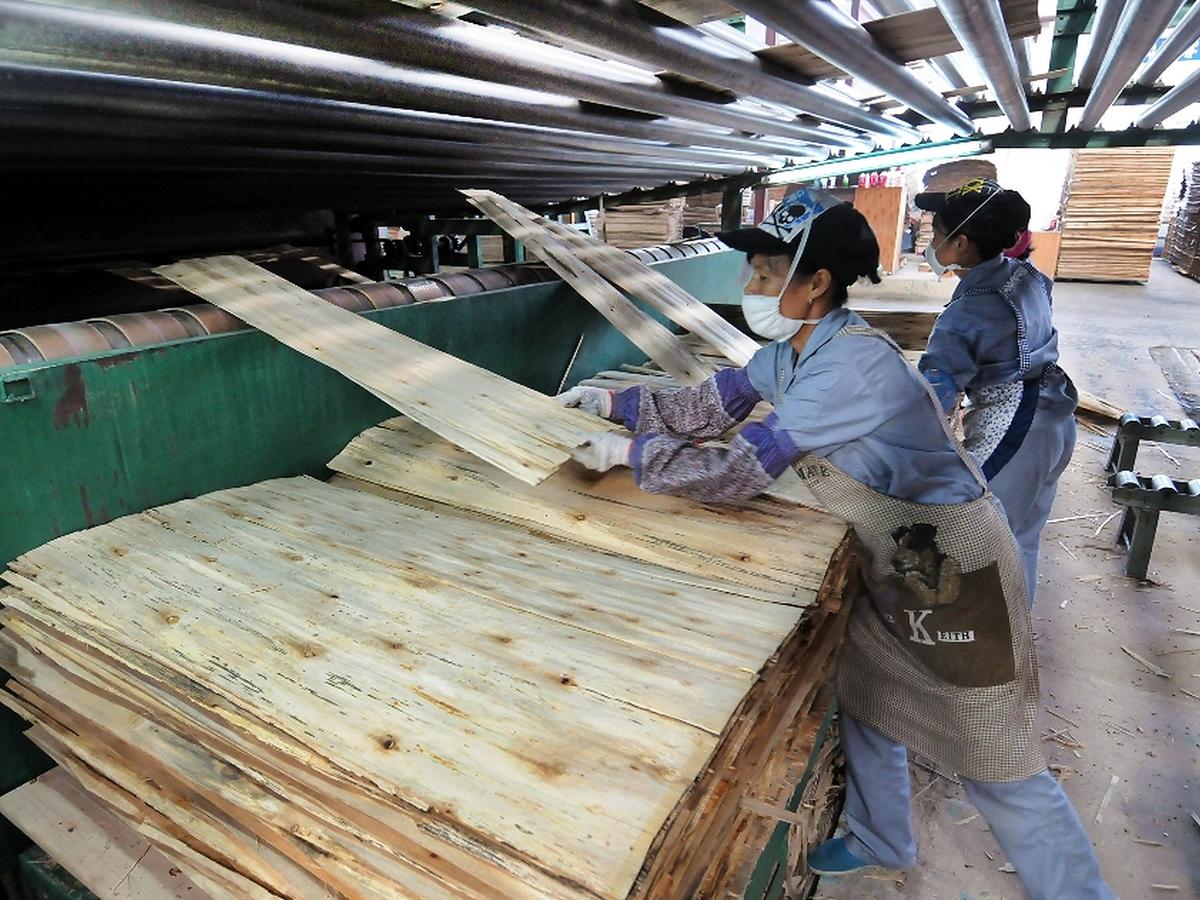
China Makes 70% of Global Plywood. Now It’s Muscling in on South Africa
Chinese-backed MSFU Wood, a Zoeyol subsidiary, is launching an eight‑site expansion in KwaZulu‑Natal that will output about 150,000 plywood boards per month and create roughly 1,000 jobs. The strategy moves China from exporting finished plywood to processing South African eucalyptus...

China's Commerce Ministry Blocks US Sanctions Against Five Refineries
China’s Ministry of Commerce issued an injunction on May 2 to block U.S. sanctions against five Chinese refiners accused of buying Iranian oil. The firms named include Hengli Petrochemical (Dalian) and four “teapot” refineries in Shandong, Hebei and Shouguang. The U.S....