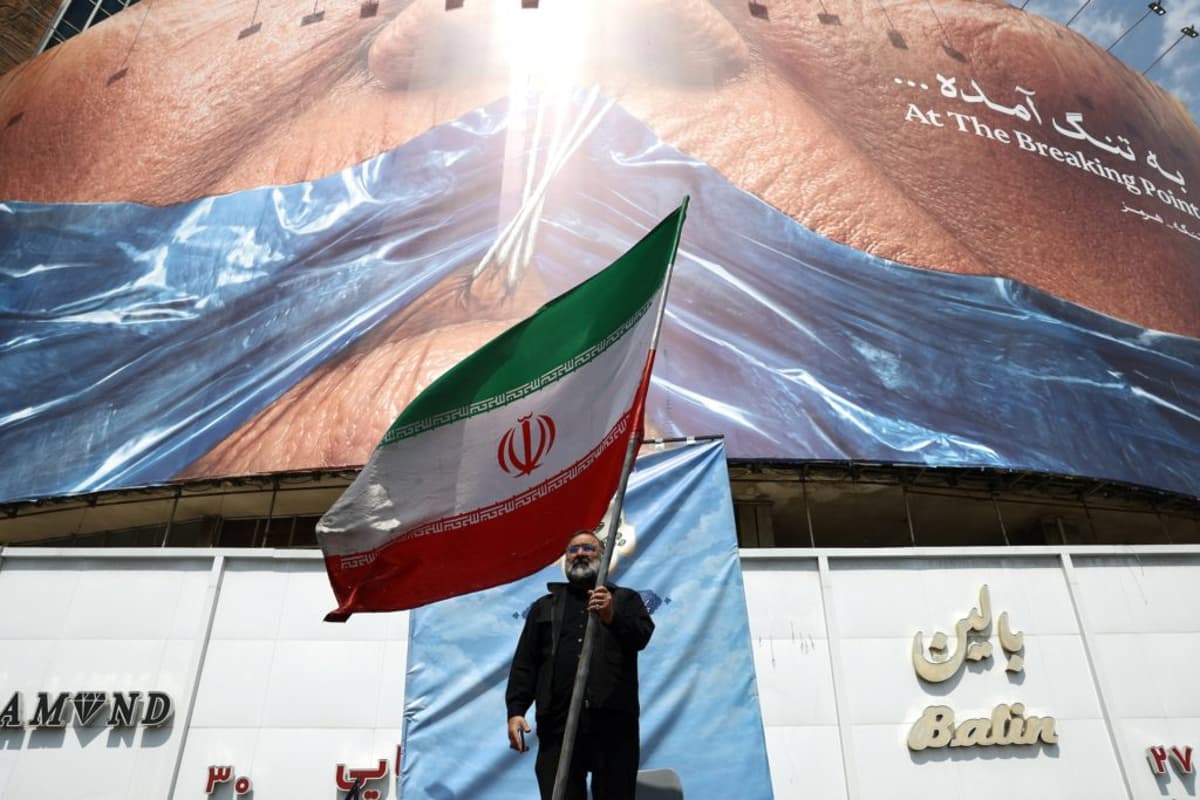
Ceasefire Offers Reprieve as Iranians Endure Conflict in Tehran
A four‑week ceasefire between the United States and Iran has temporarily halted the air war that has devastated Tehran, offering a brief respite for civilians. The conflict has already destroyed civilian infrastructure, including a 15‑year‑old music academy, and driven inflation to record highs as oil exports falter under a U.S. naval blockade. While the ceasefire eases immediate violence, political analysts warn Iran is preparing for a possible third strike if negotiations collapse. Meanwhile, Tehran’s social fabric shows signs of loosening restrictions, even as the regime continues to suppress dissent with executions and arrests.

Philippine Manufacturers ‘Squeezed’ as Costs Soar, Demand Falls
Philippine manufacturers are facing a double squeeze as inflation surged to 7.2% in April and the S&P Global PMI slipped to 48.3, signaling a contraction in factory activity. The Federation of Philippine Industries warned that rising fuel, electricity, freight and...

BSP Seen Weighing Off-Cycle Rate Hike
The Bangko Sentral ng Pilipinas is weighing an off‑cycle half‑point rate hike to 5% as early as May, after April inflation surged to 7.2% year‑over‑year, far above forecasts. Citi economists note the BSP historically reacts aggressively when inflation reaches 6‑7%,...

Commentary: The Heat Is on Thailand to Not Just Muddle Through
Thailand’s economy is confronting a perfect storm of falling tourism arrivals, a weakening baht and an unprecedented heatwave that is straining electricity use. Inflation, long stuck near zero, is projected to climb to about 3% this year, while GDP may...

Chinese Automakers Race to Enter Canada, Here Are the EVs Likely Coming
Canada slashed the tariff on Chinese‑built electric vehicles from 100% to 6.1%, creating a quota for up to 49,000 units annually that will rise to 70,000 by 2030. BYD, Geely and Chery have begun hiring, scouting dealership sites and filing...
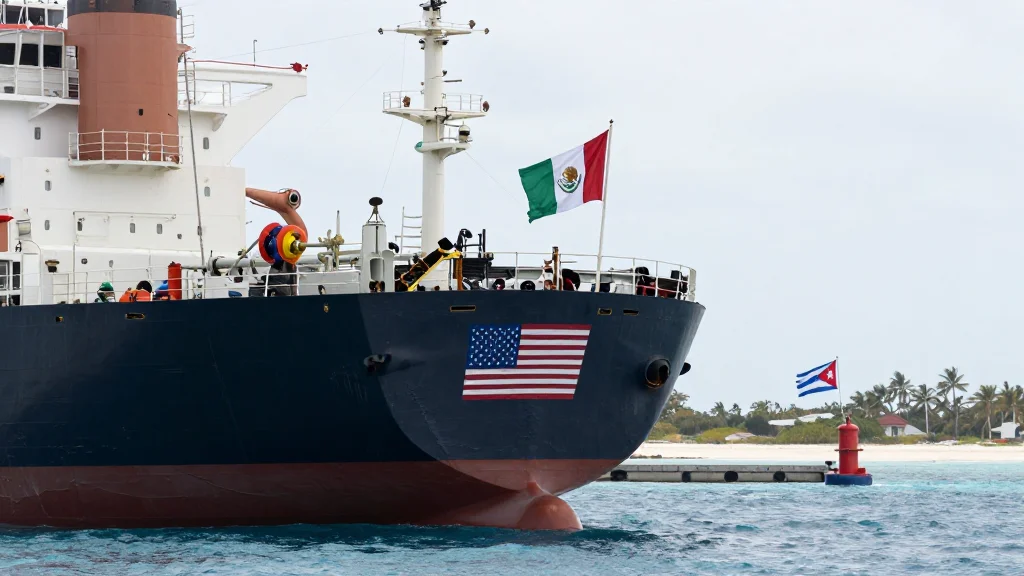
Dem Representative Admits to Working with Mexico to Sneak Oil Into Cuba, Despite Blockade
Rep. Pramila Jayapal said she spoke with Mexican ambassadors about ways to get oil into Cuba, prompting a firestorm of criticism that her remarks could violate U.S. sanctions and possibly the rarely‑used Logan Act. She defended the conversation as part...
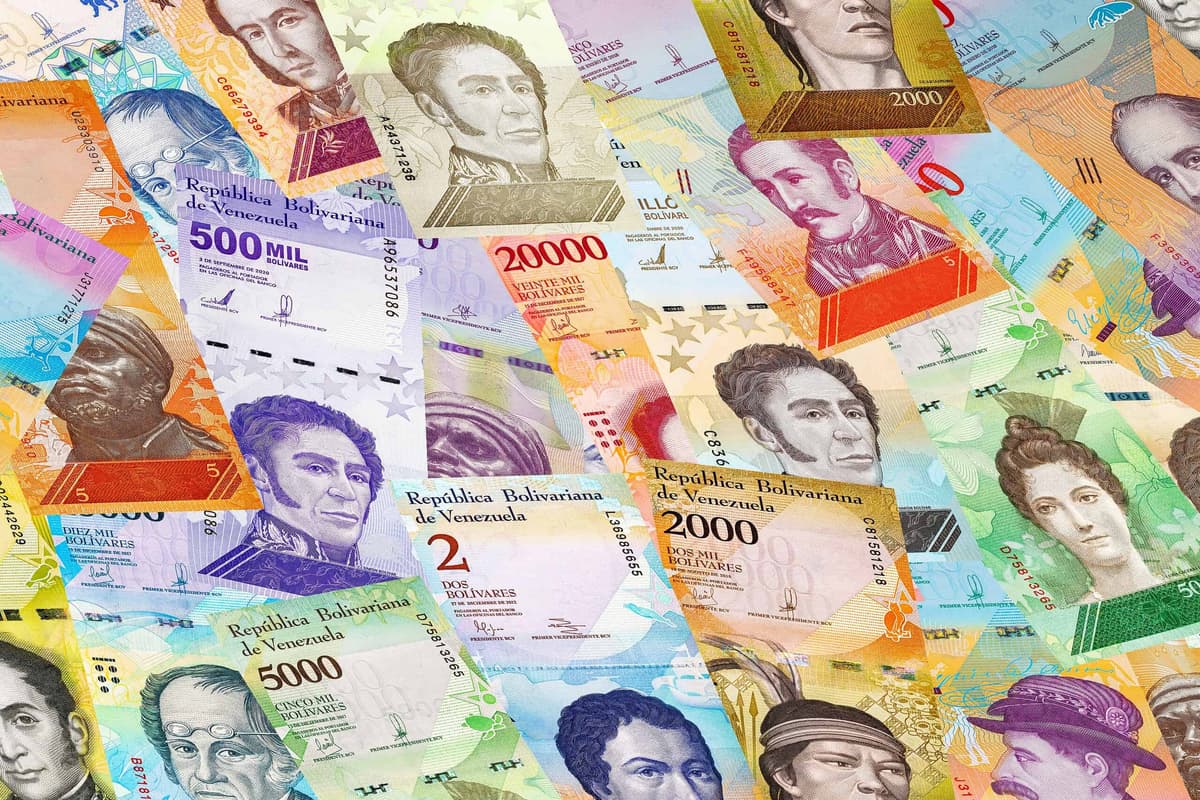
IMF, World Bank Reopen Venezuela’s Door to Global Markets
The IMF and World Bank have officially restored formal relations with Venezuela, ending a hiatus that began in 2019. Interim President Delcy Rodríguez has asked IMF Managing Director Kristalina Georgieva for access to the country’s $5 billion in special drawing rights to...
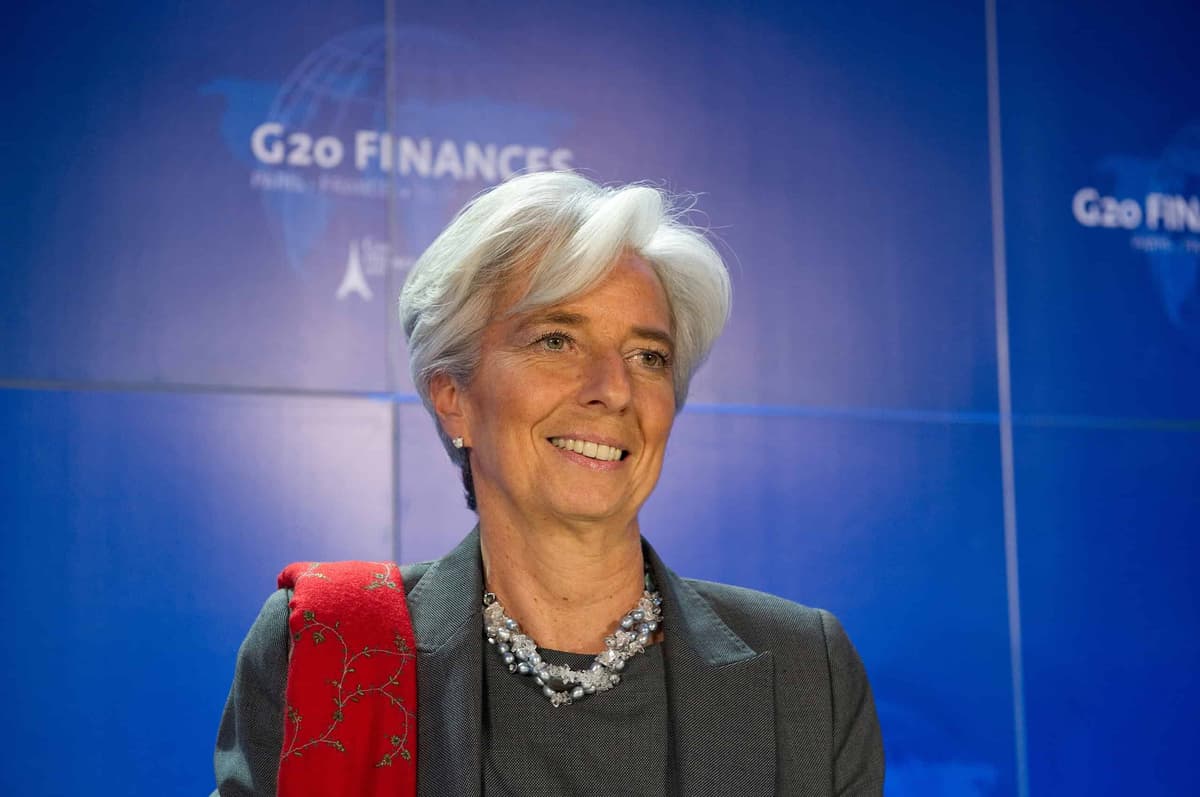
Three Bankers Lead Pack to Replace Lagarde at ECB
European Central Bank President Christine Lagarde may exit before her October 2027 mandate ends, though no decision has been confirmed. An early departure would give French President Emmanuel Macron significant sway over the successor selection. Three central‑bank veterans – Germany's...

China Tests a Rare Tool in Its Sanctions Arsenal
China invoked its blocking statute on May 5, publicly prohibiting domestic firms from complying with U.S. sanctions that blacklisted five Chinese refineries for processing Iranian oil. This marks the first overt use of the statute, which allows firms to sue for...
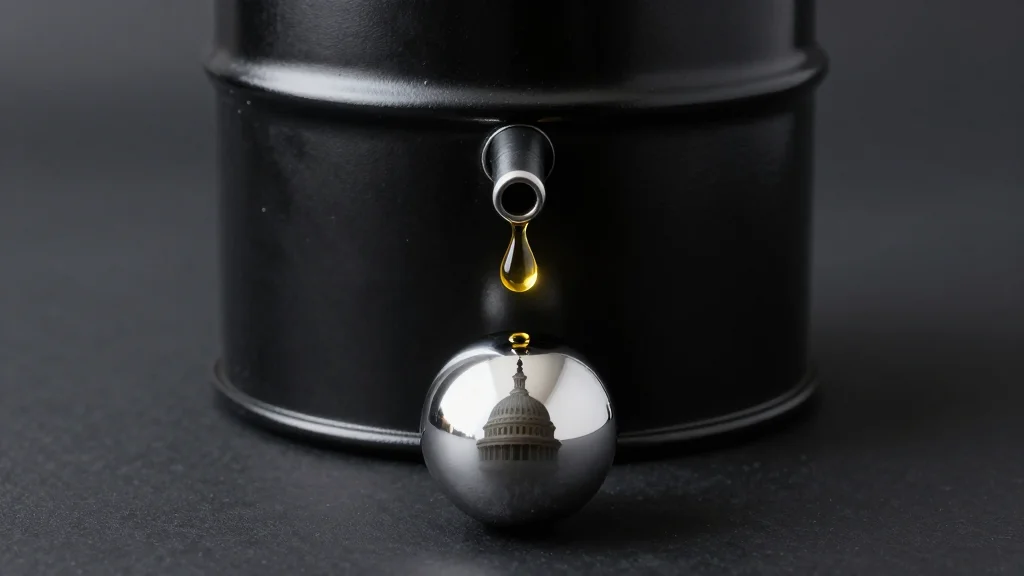
How the Petrodollar Regime Came to Be, and What Losing It Would Mean for the U.S.
The petrodollar system began in 1974 when the United States struck a deal with Saudi Arabia to price oil exclusively in dollars in exchange for military and economic support. This arrangement funneled massive oil revenues into U.S. Treasury bonds, cementing...
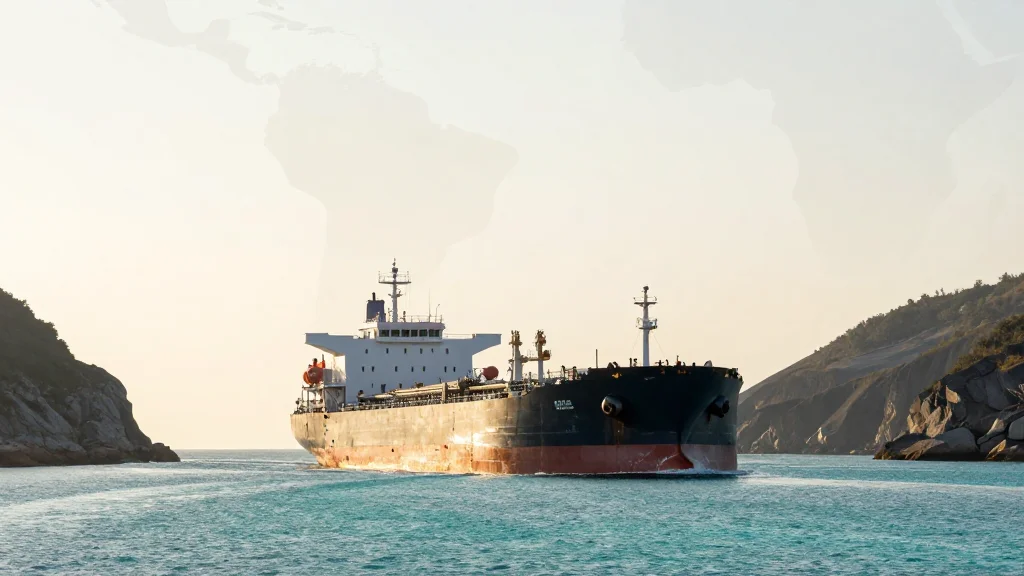
How the Iran War Is Affecting Latin America and the Caribbean’s Economic Outlook
The Iran war has triggered a fresh energy shock by disrupting the Strait of Hormuz, which carries roughly one‑fifth of global oil and gas. Latin America and the Caribbean are seeing inflation expectations rise as higher fuel, fertilizer and food...
Not All Oil Giants Are Prospering From the Iran War
Oil prices have surged amid the Iran‑Russia conflict, with Brent averaging $118 per barrel in Q1 2026, far above analysts’ $60 forecast. While the higher price environment should lift all majors, U.S. giants Exxon Mobil and Chevron are seeing only modest margin...

Q1 2026: Different Signal, Same Noise
The first quarter of 2026 was split between a decoupled global economy and a war‑driven oil shock that reshaped market focus. Deglobalization heightened the risk‑management value of geographic diversification, while volatile oil prices curbed consumer spending and investment. AI is...

The Old Ceiling, the New Floor
Core CPI has moved from a decade‑long sub‑2.5% ceiling (2010‑2019) to a new floor, staying above that threshold in 57 of the last 63 months, including a 56‑month streak since April 2021. The shift reflects higher wage growth, rising unit...

What if We Used Taxes or Superannuation to Control Inflation, Not Interest Rates?
Australian policymakers are debating whether fiscal tools—tax adjustments or superannuation levies—could complement the Reserve Bank’s interest‑rate strategy to curb inflation. Historical evidence shows a 10% income‑tax surcharge in 1951 curbed 23.9% inflation but sparked a recession, highlighting trade‑offs. Economists propose...
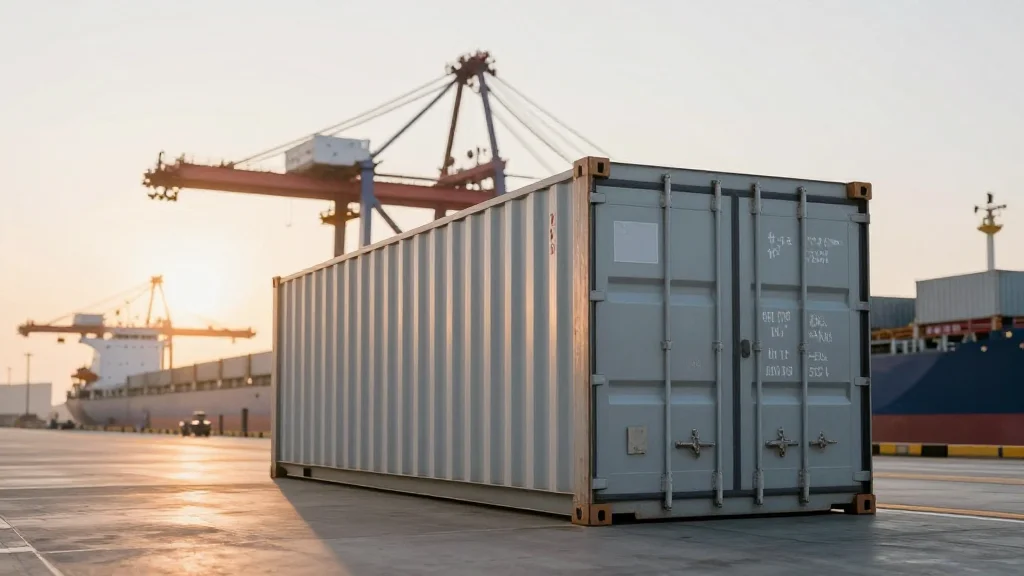
Navigating the Many Issues Surrounding China’s Ports Abroad
China’s overseas‑port strategy has expanded to more than two dozen nations, where Chinese firms act as builders, financiers, operators and investors. Host governments tout expected gains in cargo capacity, surrounding economic zones, jobs and foreign‑exchange earnings, while critics highlight debt...
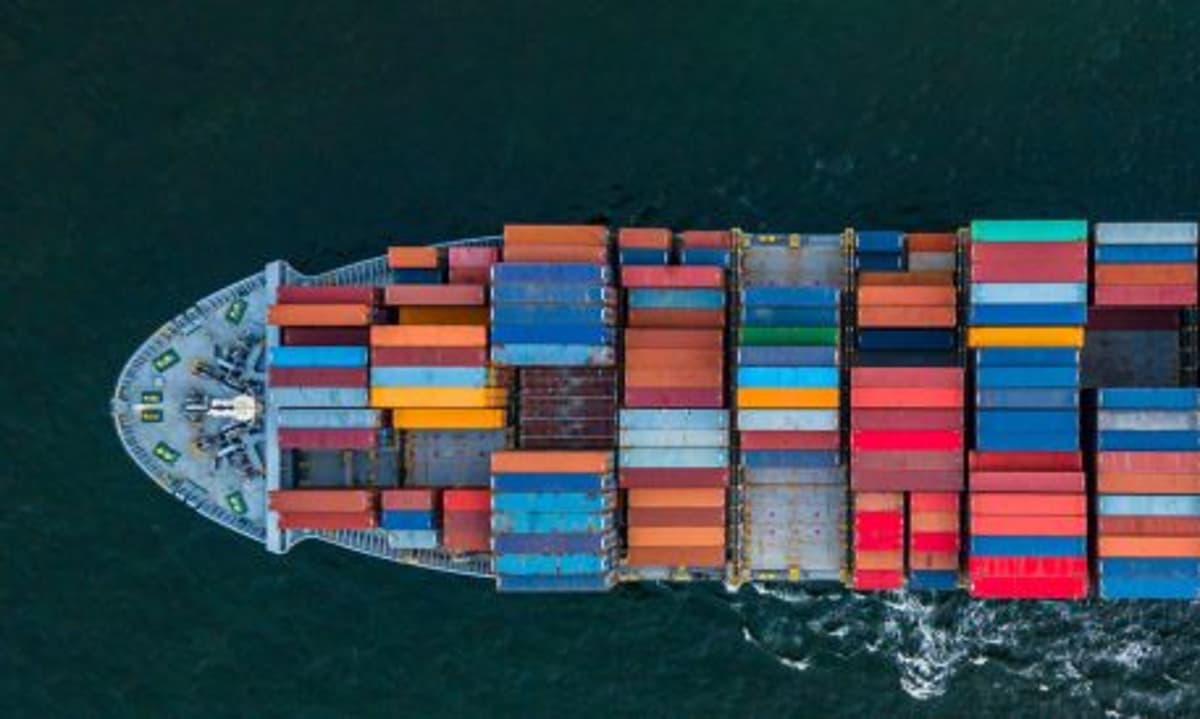
Fed Data Shows Global Supply Chain Pressure Hits 4-Year High
The New York Fed’s Global Supply Chain Pressure Index (GSCPI) jumped to 1.82 in April, its highest reading since July 2022. The surge follows the Iran‑Israel conflict, which has disrupted freight routes and pushed fuel prices higher. Fed President John...

Is the Iran War Pushing Southeast Asia Into China’s Arms?
The Iran‑War‑induced energy shock has exposed Southeast Asian economies to fuel shortages and soaring costs, despite their security ties to the United States. The Philippines declared a national energy emergency and is scrambling for a 1 million‑barrel buffer, while Vietnam is...

Trump Claims Deal with Iran to Reopen Hormuz: Update
President Donald Trump announced a tentative peace deal with Iran that could reopen the Strait of Hormuz and end the U.S. "Epic Fury" operation. Iran's foreign ministry said it is still reviewing the U.S. proposal, labeling some clauses unacceptable. Crude...
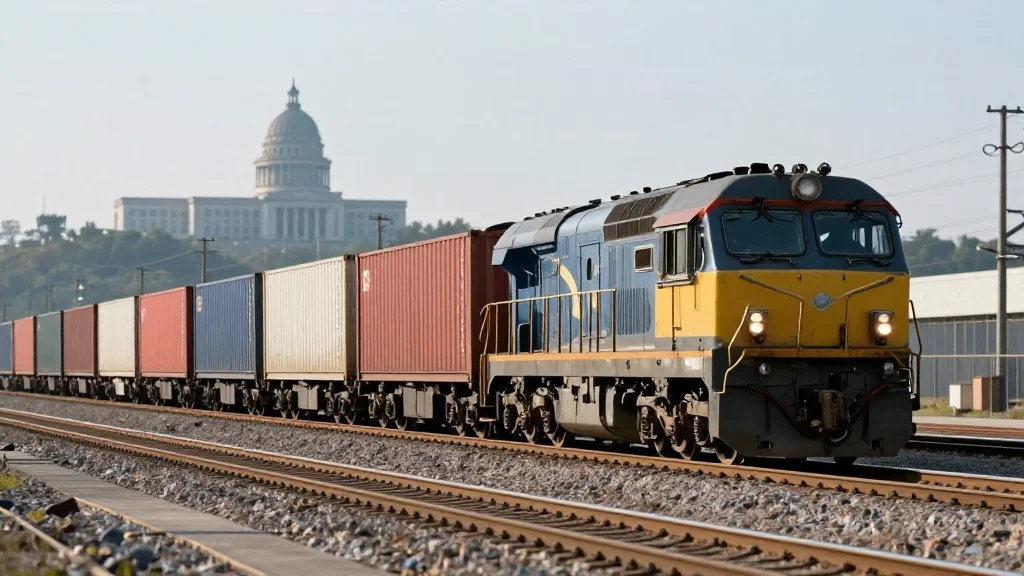
USTR to Review China Tariffs as Section 301 Takes Center Stage
The U.S. Trade Representative has launched a four‑year review of the 2018 Section 301 tariffs imposed on Chinese imports. The review covers two 25% levies that affect roughly $32 billion of goods across more than 500 tariff subheadings. Domestic industries must submit...
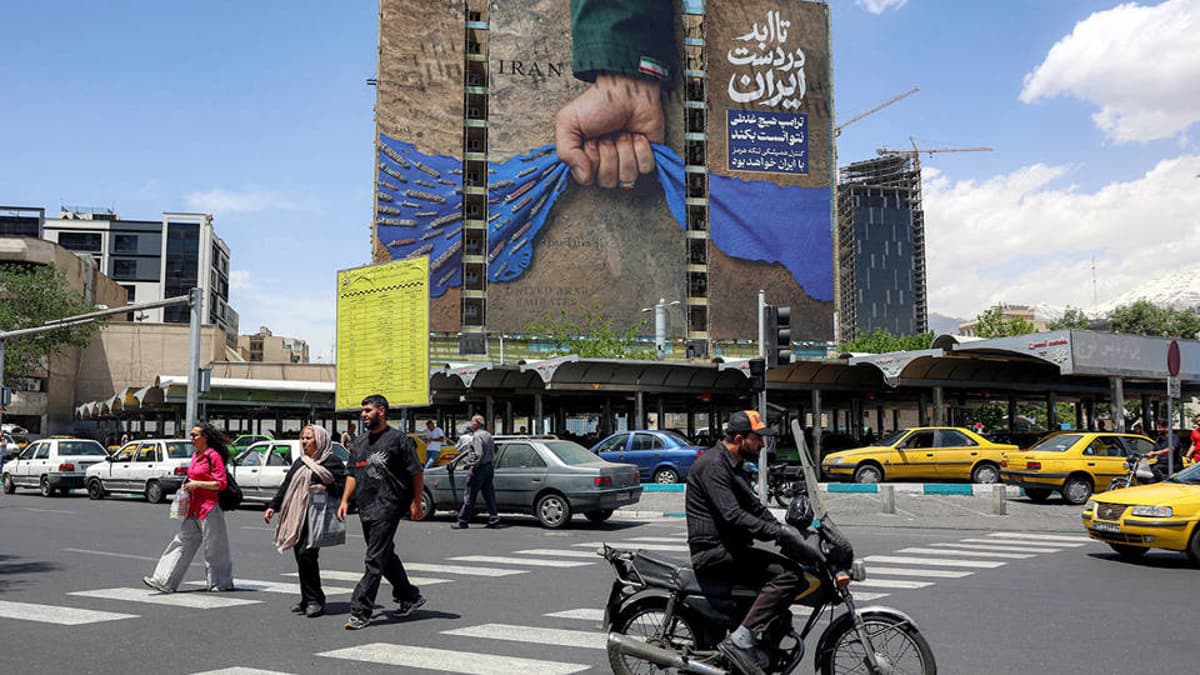
The Iran Standoff and the Future of Oil
The United States has officially declared the three‑day conflict with Iran over, yet diplomatic friction persists as Tehran signals a strong negotiating position. Analysts argue that Iran is likely to emerge with a strategic win, which could push global oil...
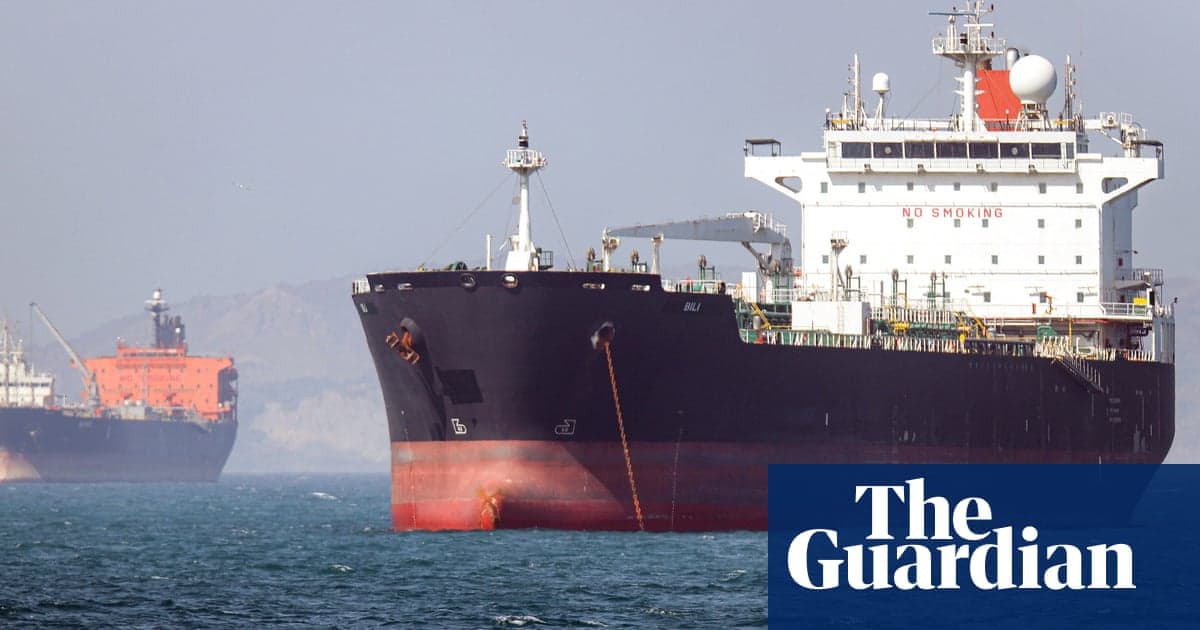
Oil Prices Fall as Trump Says Strait of Hormuz ‘Open to All’ if Iran Accepts Deal
President Donald Trump announced that the Strait of Hormuz would be opened to all shipping if Iran accepts a pending deal, prompting a sharp drop in oil prices. Brent crude slid 11% to $97 a barrel, breaking below the $100...

Central Banks Turn Net Sellers of Gold for the First Time in 10 Months
For the first time in ten months, central banks were net sellers of gold in March, disposing of roughly 30 tonnes. Turkey led the outflows with a 60‑tonne sale, while Russia shed 6 tonnes, both citing liquidity and budget needs. In contrast,...
Markets Catch a Whiff of Peace as Oil Cools, but Risks Linger
A tentative US‑Iran memorandum sparked a sharp retreat in oil, with Brent falling 7% to $102 a barrel and WTI dropping 8% to $94, the steepest two‑session decline since the April ceasefire. The easing of supply‑risk fears lifted Indian equities,...
Online Sleuths Are Raising More Red Flags Around Suspiciously Timed Iran-War Oil Trades
Oil prices plunged after reports that the United States and Iran were close to a peace agreement, sending Brent down 11.9% and WTI over 13%. Data from The Kobeissi Letter revealed nearly $920 million in crude‑oil short contracts opened just an...
How Should Europe Respond to the Energy Shock?
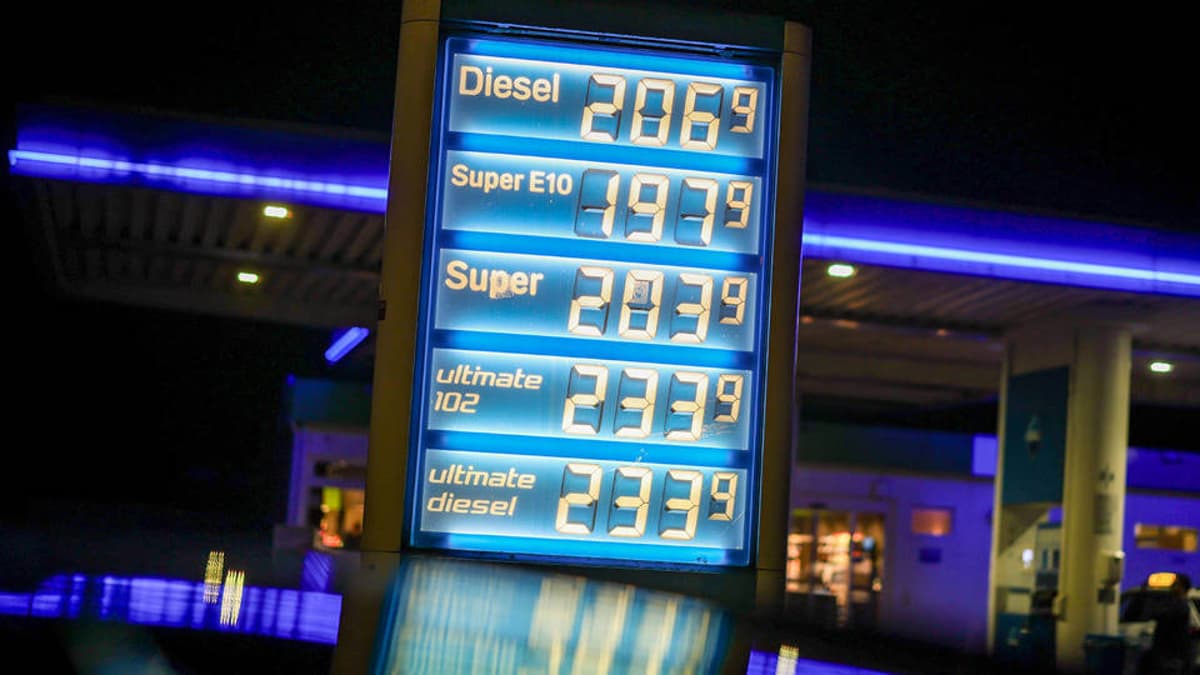
European governments have largely responded to the Iran‑driven energy shock by cutting fuel taxes, a move that the author argues misses the strategic opportunity presented by soaring oil prices, which have risen to about $115 per barrel. Instead of subsidizing...
Oil Prices Drop and Stock Markets Rise After Reports of Deal to End Iran War
Oil markets fell and global equities rose after reports that the United States and Iran are close to a one‑page memorandum ending the war. Brent crude dropped to $97 (≈£73) per barrel before rebounding above $101, down from a peak...
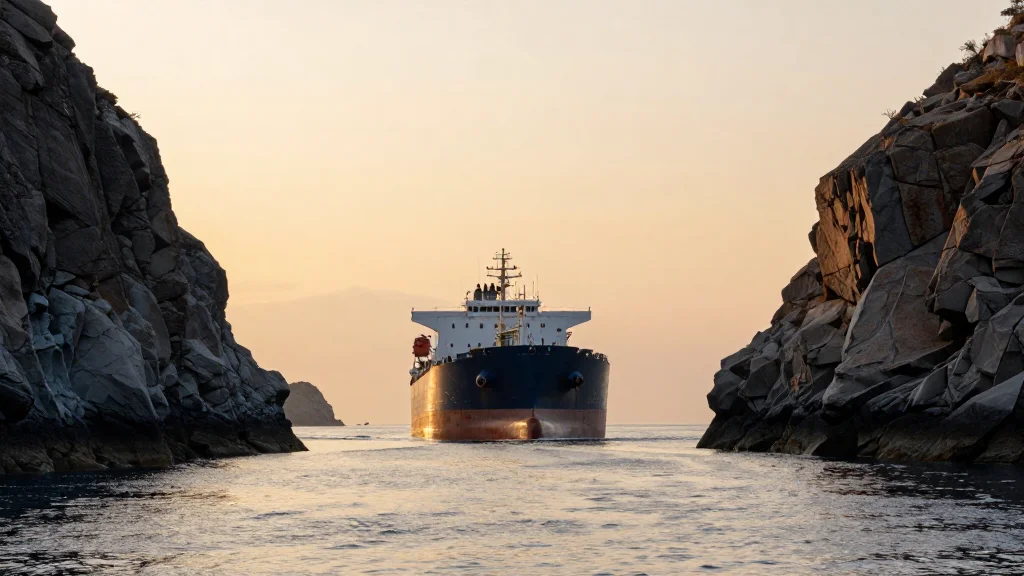
Q&A: How the Strait of Hormuz Closure Affects Global Oil Supply
The closure of the Strait of Hormuz has halted the transit of roughly 20% of the world’s oil, sending shockwaves through global commodity markets. Tim Statts of Schneider Electric explains that despite the U.S. being the top oil producer, it...
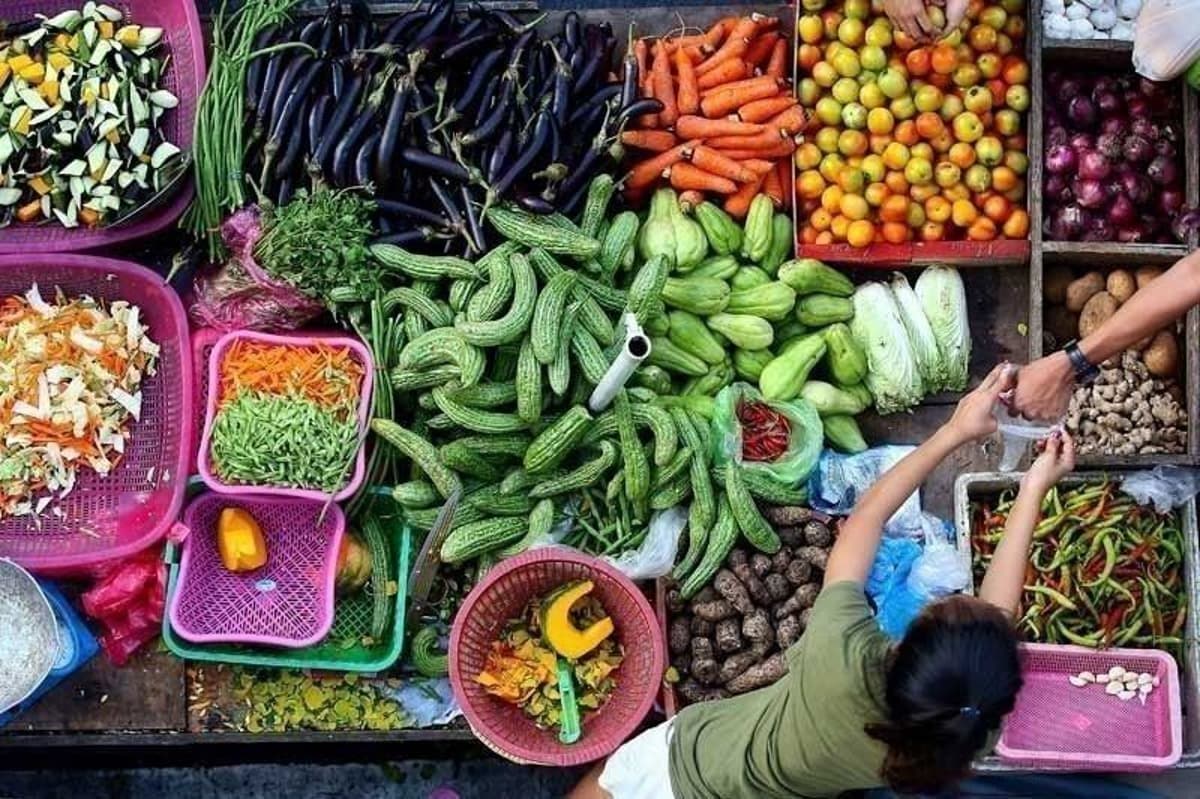
Sustainable Funding for Agriculture
Food inflation in the Philippines surged to 6.1% in May, with rice prices up 13.7%, while fuel‑driven cost spikes hit fish and vegetables. The 2026 national budget earmarked ₱215 billion (≈$3.9 billion) for agriculture, a 38% increase, yet formal credit to farmers...

Trumpflation, Asean Pacifism and Leviste VATism
The Philippines’ consumer price index surged to 7.2% in April 2026, up from 1.4% a year earlier, as higher oil and fertilizer costs from the Middle‑East conflict – dubbed “Trumpflation” – ripple worldwide. Unemployment also climbed, reaching 5.0% in the same...
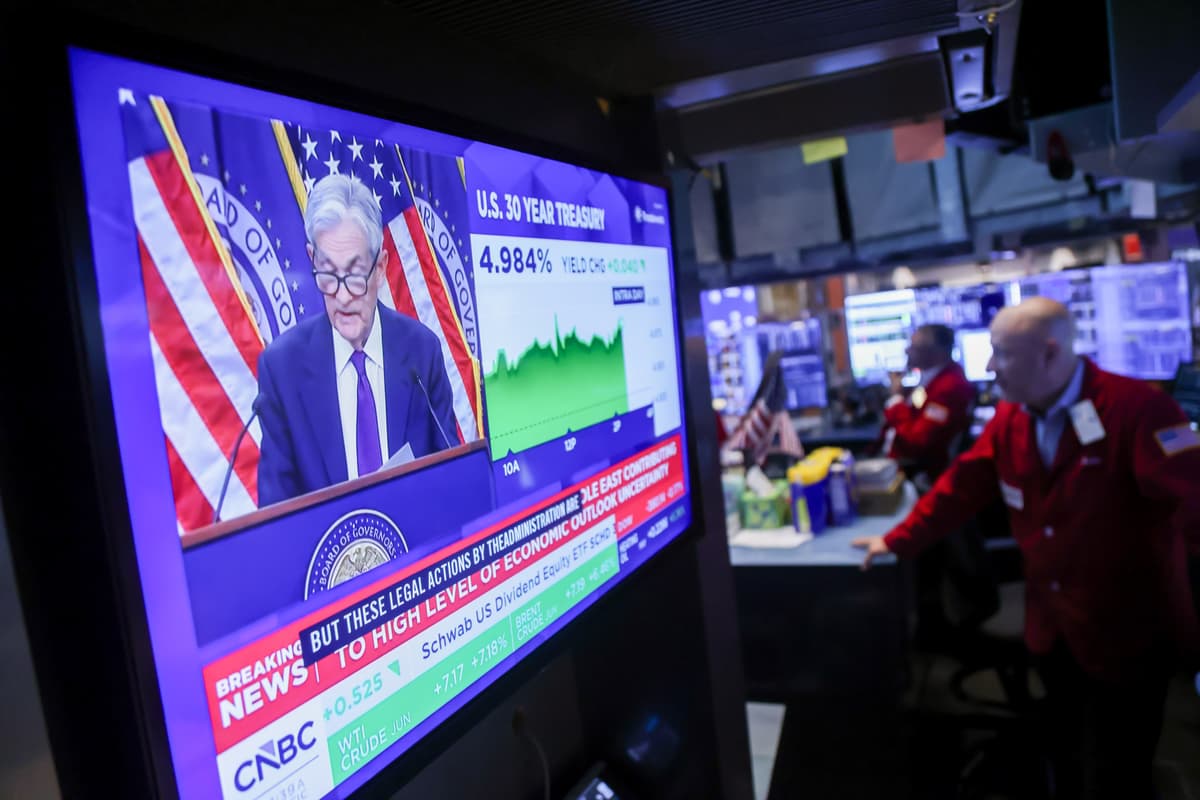
Time to Fight the Fed? Stocks Rally Faces Dashed Rate-Cut Hopes
Wall Street’s recent rally is being tested as a hot labor market and soaring oil prices have erased most expectations of a Federal Reserve rate cut this year. Bond traders now see a higher probability of a rate hike, especially...

Former US Trade Representative Urges Planning Amid Tariffs, USMCA Talks
Former U.S. Trade Representative Katherine Tai told bakers at the American Bakers Association meeting that tariffs imposed under the Trump administration are likely to remain despite recent court rulings. She highlighted the shift from IEEPA‑based tariffs to those under Section 122...

China Sweeps up $1.7B of Robot Exports
China reported robot exports worth CNY 11.3 billion (about $1.7 billion) in the first quarter of 2026, shipping to 148 countries and regions. Cleaning robots dominated the mix with CNY 7.6 billion ($1.1 billion) in sales, while industrial variants contributed CNY 3.2 billion ($450 million). The government highlighted a...

Gold, Silver Firm up on Prospects of Easing US-Iran Tensions
Gold surged to ₹1,50,860 per 10 g (≈ $5,600 per ounce) and silver to ₹2,49,067 per kg (≈ $93 per ounce) as news of a possible US‑Iran peace deal lifted market sentiment. The rally coincided with Brent crude dropping 7% to about $102...
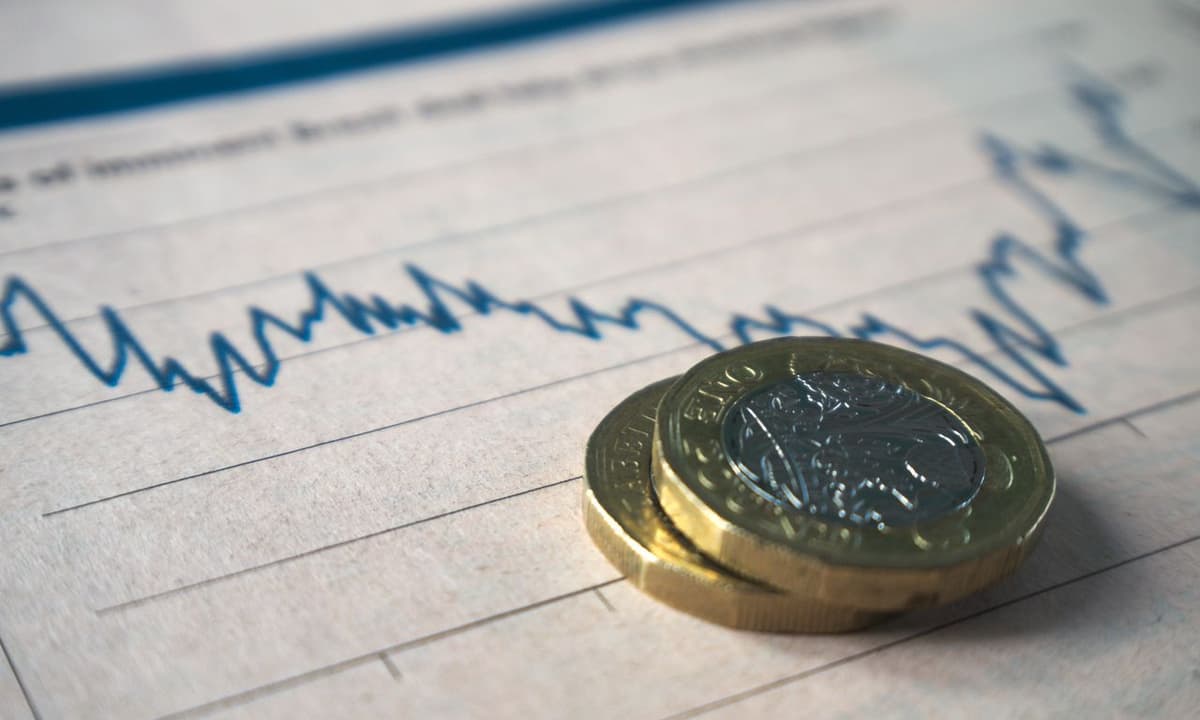
Why Are Gilt Yields Rising and What Does It Mean for Your Money?
UK gilt yields surged to their highest levels in nearly three decades, with 30‑year bonds reaching 5.79% and 10‑year yields topping 5% for the first time since 2008. The spike follows heightened geopolitical tension from the Iran conflict and rising...
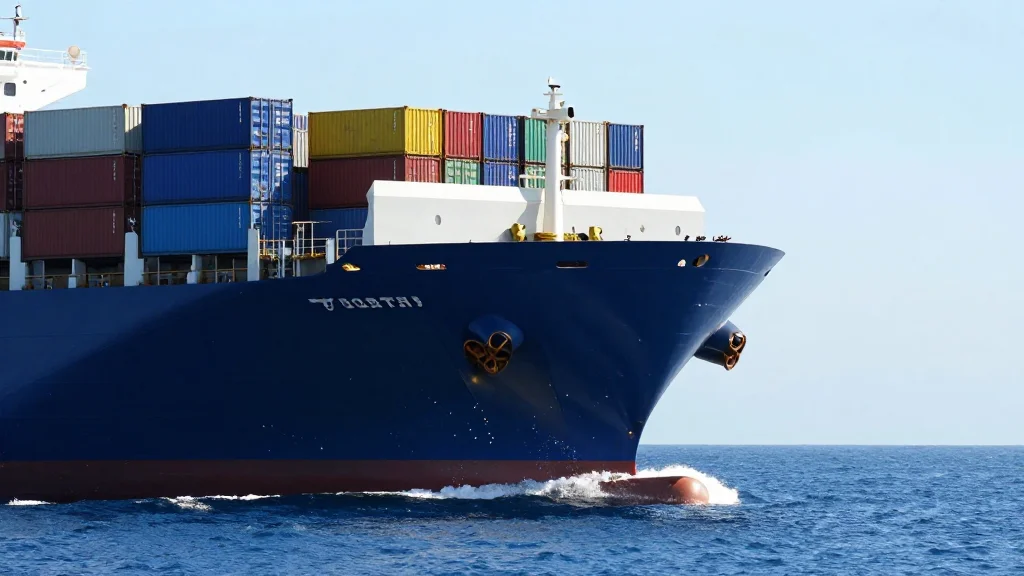
Indian Westbound Rates Under Pressure Amid Demand Uncertainty, Overcapacity
Ocean freight rates from India to the United States and Europe have softened sharply in early May, as carriers grapple with lingering demand uncertainty and excess capacity. Spot bookings from West India to the U.S. East Coast fell $400‑$500 per...
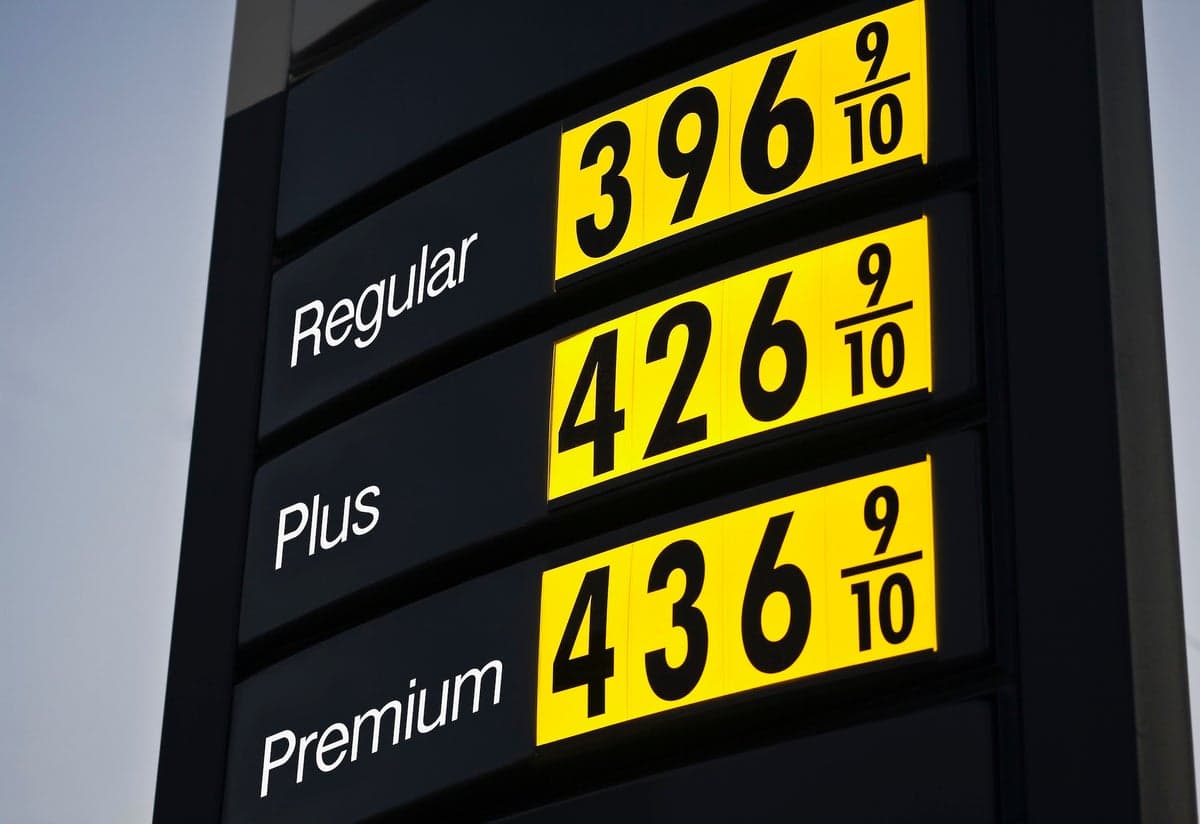
Gas Prices Are Spiking. So Why Aren’t U.S. Oil Companies Drilling More?
U.S. gasoline prices have surged to around $4.50 a gallon as the Iran‑U.S. standoff blocks the Strait of Hormuz, trapping roughly 20 million barrels per day of oil. The World Bank projects a 24% jump in global energy prices in 2026,...

Commission Adopts Temporary State Aid Framework to Support Sectors Affected by Middle East Crisis
The European Commission has introduced the Middle East crisis Temporary State aid Framework (METSAF), a targeted scheme that runs until 31 December 2026 to help sectors most exposed to soaring fuel and fertilizer costs. It lets Member States compensate up to 70%...

Belgium Urges EU to Save Industry by Getting Tough on China
Belgium’s foreign minister Maxime Prévot called on the European Union to protect strategic sectors—including chemicals, pharmaceuticals, metals, automotive and critical minerals—from a surge of Chinese imports. He warned that the EU’s €360 billion (about $390 billion) trade deficit with China is eroding...
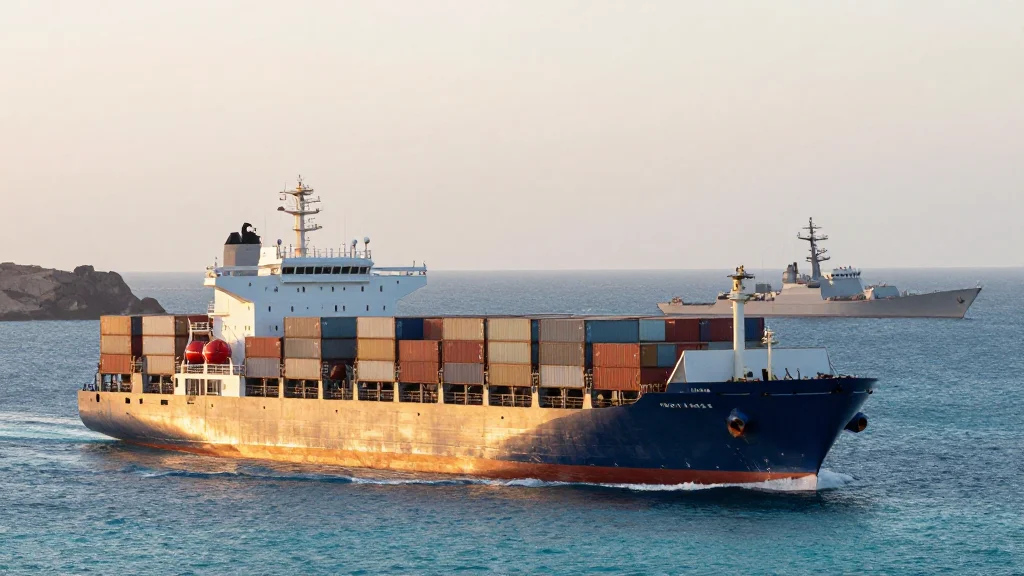
US to Lift Eritrea Sanctions as Red Sea Tensions Reshape Alliances
The United States plans to lift the 2021 sanctions on Eritrea around May 4, according to a State Department note. The decision reflects Washington’s reassessment of Eritrea’s strategic value along the Red Sea shipping corridor amid heightened tensions after the Strait...

Africa's Rising Relevance Amid Global Shifts: Banks Are Key Catalysts
The first quarter’s geopolitical shocks have highlighted Africa’s growing integration with the global economy. Despite tighter financing, the continent is projected to grow over 4% in 2026‑27, outpacing the 3% global forecast, driven by the African Continental Free Trade Area’s...

JSE Gold Shares Surge on Hopes of US-Iran Deal
Gold and silver posted their strongest weekly gains as optimism over a potential US‑Iran peace deal lifted bullion prices. In London, gold climbed to $4,680.20 per ounce, up 3.7%, while silver surged 5.5% to $76.81. The news also sent the...

China and Japan Are Entering a More Dangerous Phase of Rivalry
The long‑standing China‑Japan rivalry has entered a new, more confrontational phase as Tokyo adopts a stronger military stance. Prime Minister Takaichi’s warning that a Chinese attack on Taiwan threatens Japan’s survival, the deployment of 1,000‑km Type‑12 land‑to‑ship missiles, and a...

Middle East Conflict Sees Shippers Face Soaring Costs and Weakening Demand
The Iran‑related war in the Middle East has disrupted traditional shipping lanes, forcing exporters to reroute goods through overland corridors in Saudi Arabia and Red Sea ports. Rising oil prices have driven freight rates upward, while Saudia Cargo’s partnership with...
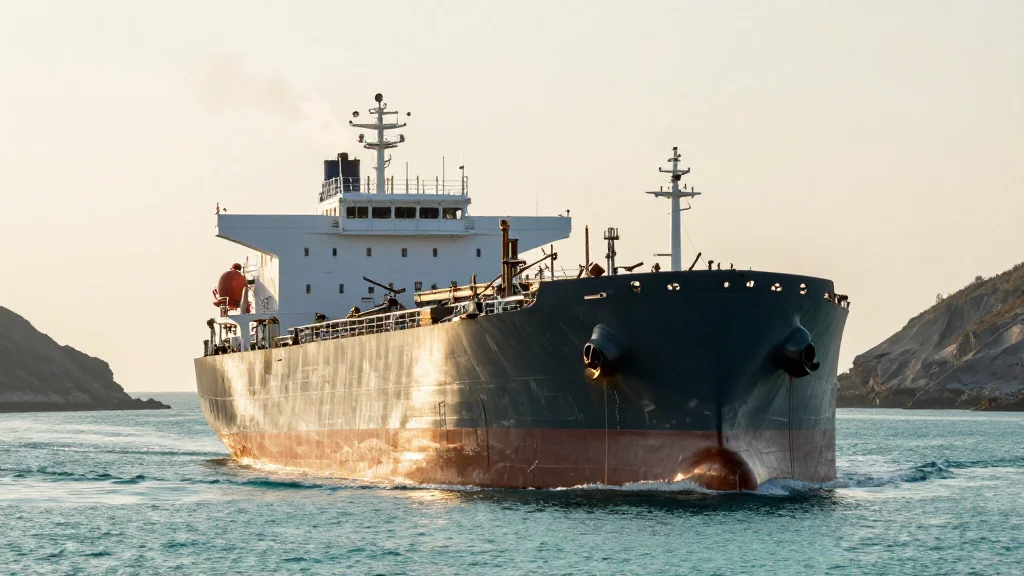
Ongoing Hormuz Closure Could Expand Bunker Wait Times Globally: Analyst
The Strait of Hormuz has remained effectively closed since the Middle East war began on Feb. 28, prompting S&P Global analysts to warn that a month‑long shutdown could push two‑week bunker fuel lead times in Asia to a global two‑week norm. Asian...

Nigeria: Naccima's Export Support Call Centre to Boost Non-Oil Exporters' Global Access
The Nigerian Association of Chambers of Commerce, Industry, Mines and Agriculture (NACCIMA) has teamed up with Polaris Bank to launch an Export Support Call Centre aimed at non‑oil exporters. The centre will provide real‑time market intelligence, technical assistance, and regulatory...
Poonam Gupta: Inflation Targeting in India - the Past, the Present and the Future
At a NCAER event, Poonam Gupta outlined India’s inflation‑targeting framework, noting the government’s Gazette notification on March 25, 2026 that renews the 4 percent target with a ±2 percent tolerance band through March 2031. She reviewed a decade of monetary‑policy decisions under this regime, highlighting...

Peace Deal or Bigger War? Markets Reassess Iran Optimism After Trump Warning
Markets swung from optimism to caution as reports of a one‑page, 14‑point US‑Iran peace framework pushed Brent crude briefly below $100 and sparked a dollar sell‑off. The upbeat mood was reversed when President Donald Trump warned on Truth Social that...

India and Vietnam Target $25 Billion Trade by 2030, Sign 13 Agreements Across Key Sectors
India and Vietnam elevated their relationship to an Enhanced Comprehensive Strategic Partnership and signed 13 agreements spanning critical minerals, digital payments, pharmaceuticals, tourism and education. Both sides set a target to boost bilateral trade to $25 billion by 2030. Key deals...
UK Bitumen Imports Increase in 1Q
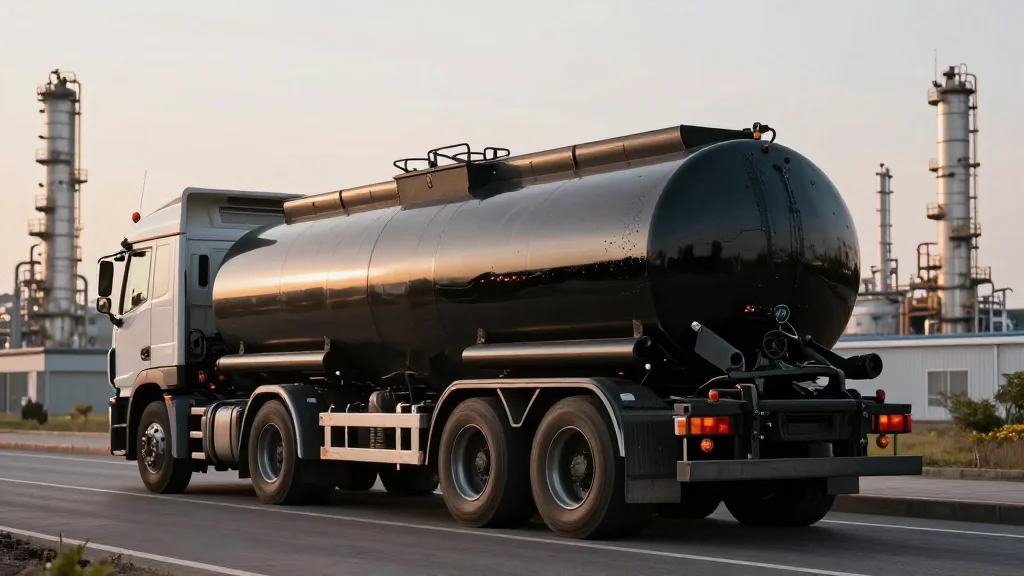
UK bitumen imports rose 18% year‑on‑year to 225,000 t in Q1, despite a sharp spike in crude and bitumen prices after the US‑Iran war began on 28 February. Fixed‑price term contracts secured before the conflict helped offset higher input costs, keeping domestic...