
UNC Health’s Moosavi Says Analytics Teams Must Deeply Understand Requests Before Moving Forward; No Place for Ticket-Taking
In this episode, UNC Health’s Chief Analytics Officer Rachani Moosavi discusses how analytics teams must deeply understand stakeholder needs before building solutions, emphasizing that analytics is not a ticket‑taking function. She shares her diverse background—from nursing aide to patient‑flow consulting and revenue‑cycle analytics—to illustrate how clinical and operational experience informs effective data governance and AI strategy. Moosavi highlights the importance of a semantic/ontology layer that enables natural‑language queries, reducing reliance on slow ticketing systems. Finally, she argues that titles matter less than having a seat at the decision‑making table and the cultural commitment to data‑driven care.
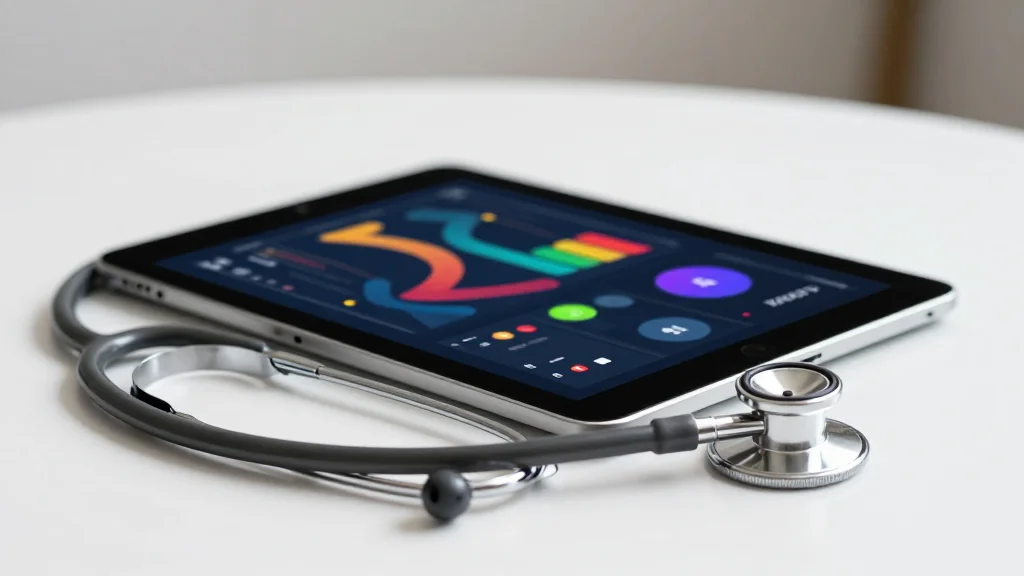
Marshall: Behavioral Health Providers Should Use One EMR, Dashboard
Sen. Roger Marshall (R‑KS) is urging Congress to mandate that all behavioral health providers adopt a single electronic medical record (EMR) system and a unified mental‑health dashboard. The proposal would tie compliance to federal funding, imposing penalties on providers that...
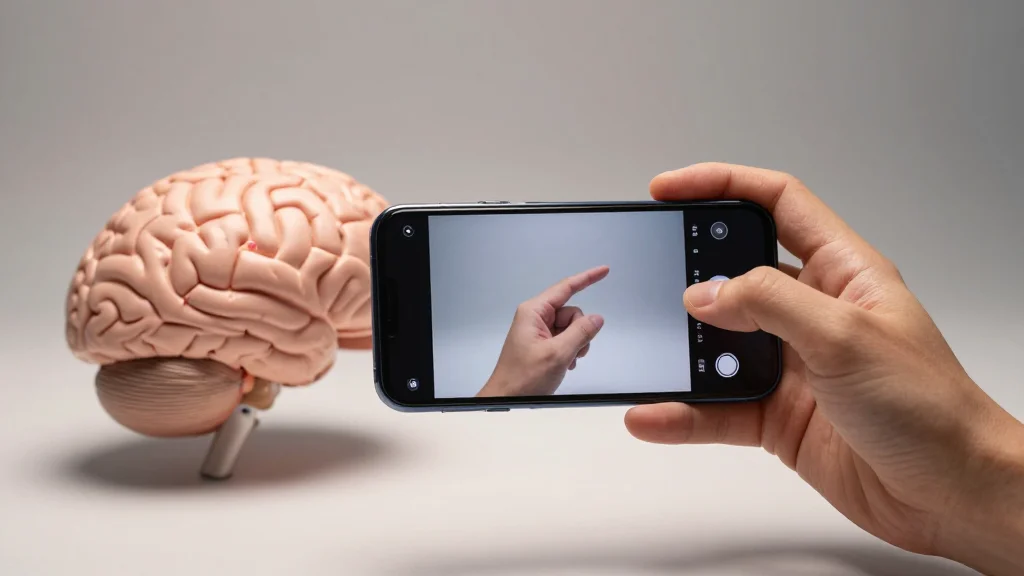
Smartphone Video Enhances Parkinson’s DBS Programming
Researchers have introduced StimVision, a smartphone‑based system that records video of Parkinson’s patients performing motor tasks and converts the footage into quantitative kinematic data for deep brain stimulation (DBS) programming. The platform’s computer‑vision and machine‑learning algorithms generate metrics that align...
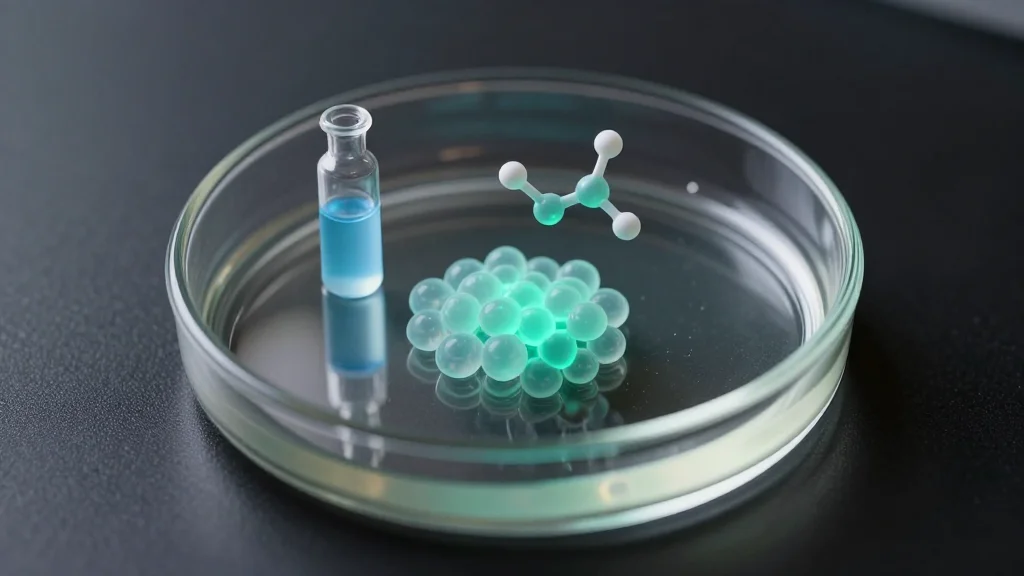
Lab-Grown Mini Brain Models Offer New Hope for Diagnosing and Treating Alzheimer’s Disease
Johns Hopkins researchers created patient‑derived hindbrain organoids that faithfully reproduce Alzheimer’s molecular hallmarks. Using these mini‑brains, they tested the SSRI escitalopram, uncovering strikingly different serotonin‑signaling responses across individual organoids. Proteomic analysis of extracellular vesicles revealed disease‑related proteins that shifted with...

The ROI of Beating Cancer
A small early‑stage trial showed that a personalized mRNA vaccine triggered an immune response and extended survival for pancreatic cancer patients, a disease that kills over 90% within five years. Economists estimate that between 1988 and 2000, cancer detection and...
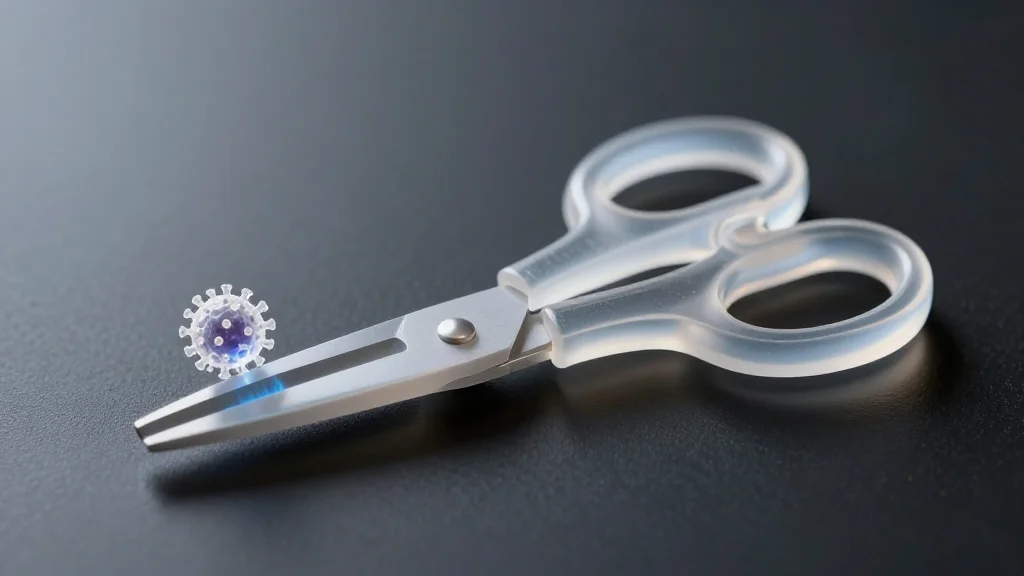
A Protein Engineering Method May Lead to More Exact Cancer Treatments
Researchers at the University of Texas at Dallas unveiled ProSSpeC, a machine‑learning model that predicts protease substrate specificity by mining evolutionary data from thousands of related enzymes. The model identified engineered synthetic proteases that outperformed the commonly used tobacco etch...
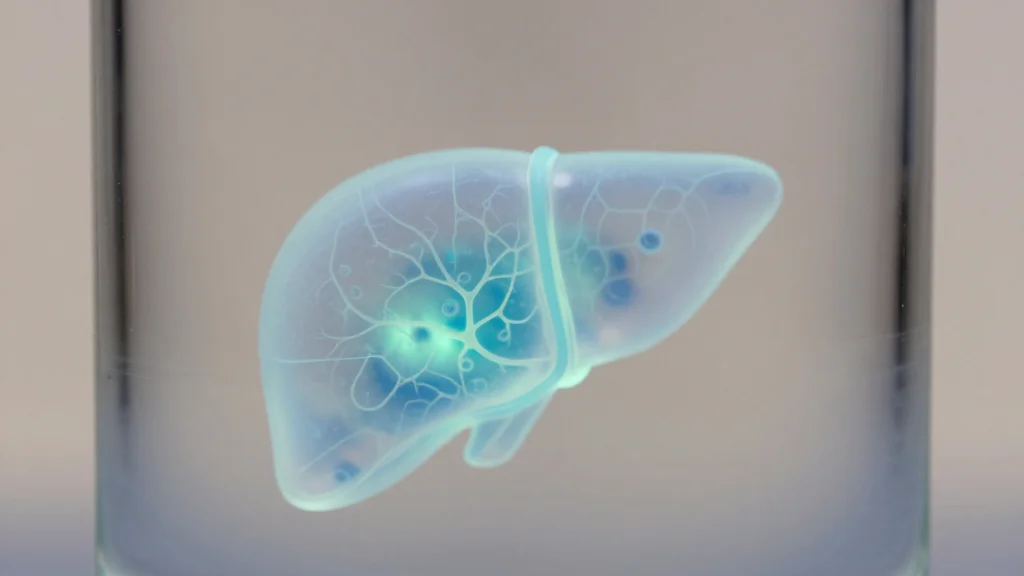
Synthetic Biology and Tissue Engineering Grow Liver Tissue In‑Body
Researchers at the Wyss Institute, Boston University and MIT have created a synthetic‑biology platform called BOOST that triggers growth of tiny engineered liver constructs after implantation. By rewiring hepatocytes and fibroblasts with a doxycycline‑controlled YAP protein and four growth‑factor genes,...

FDA Clears Next-Gen Hybrid System for Intravascular Imaging
Conavi Medical received FDA clearance for its next‑generation hybrid intravascular imaging system that simultaneously performs intravascular ultrasound (IVUS) and optical coherence tomography (OCT). The device builds on the company’s 2018 Novasight Hybrid System and aims to streamline coronary assessments by...
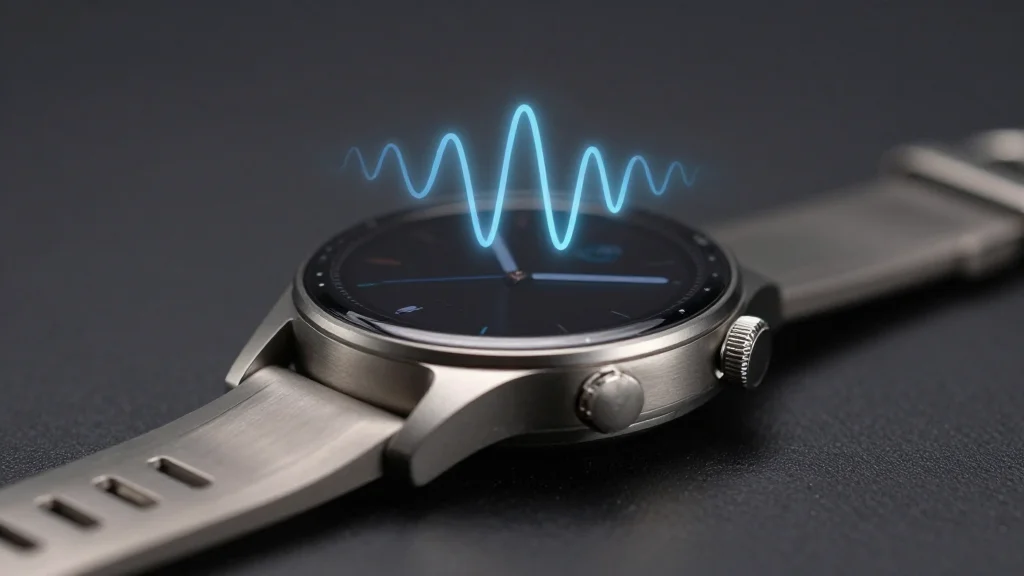
Leaks Hint Samsung’s Galaxy Watch Ultra 2 Arriving July 2026 with Incremental Upgrades
Industry leaks indicate Samsung plans to launch the Galaxy Watch Ultra 2 in July 2026. The upcoming model appears to retain the 47 mm titanium chassis of its predecessor, add 64 GB of storage and a three‑day battery life, and may introduce tighter...

ViewsML Secures $4.9 Million to Help Scientists Virtually Analyze Tissue Samples
ViewsML, a Vancouver AI startup, closed a C$4.9 million seed round (approximately US$3.6 million) to commercialize its virtual biomarker platform. The technology uses artificial intelligence to extract quantitative biomarker data from pathology images without traditional chemical staining. By turning a lab‑bound process...

Top 10 Fastest-Growing Healthcare Companies in 2026, From Financial Times’ List
The Financial Times’ 2026 Americas Fastest‑Growing Companies list spotlights ten U.S. healthcare firms that are scaling rapidly amid a broader surge in health‑service deals and AI‑driven consumer behavior. PwC expects deal volume to climb as buyers chase technology‑enabled businesses, while...

Regulatory Tips From a Breakthrough Noninvasive Device Startup
Compremium’s Quantis CVP, a noninvasive central venous pressure monitor, received FDA Breakthrough Device designation in January 2026 and subsequently joined the agency’s Total Product Life Cycle Advisory Program (TAP). The CTO explained that TAP eligibility hinges on prior acceptance into the...
Behavioral Health EHR Use Rises, Exchange Still Lags
Behavioral health providers have largely digitized patient records, with 68% using only electronic health records (EHRs) and another 25% operating a hybrid of EHRs and paper. Adoption varies by ownership: federal facilities report 97% EHR‑only use, while state‑run sites lag...
Whereby Report on Virtual Care: Why Patient Engagement, Trust, and Reliability Will Define Telehealth in 2026
The 2025 Whereby "State of Virtual Care" report finds patient engagement the top strategic priority for telehealth in 2026, with 55% of leaders flagging it as their primary focus. Technical reliability remains a pain point, as 91% of respondents experience...

The USC Professor Who Pioneered Socially Assistive Robotics
Maja Matarić, a USC professor of computer science, neuroscience and pediatrics, helped define socially assistive robotics in 2005 and has since built robots that provide therapeutic social interaction. Her work includes the Bandit, Kiwi and Blossom platforms, which support children...

Brain Stimulation Improves PTSD Symptoms
A two‑week, MRI‑guided low‑frequency transcranial magnetic stimulation (TMS) trial at Emory University showed a marked reduction in right amygdala reactivity and significant alleviation of PTSD symptoms. Forty‑seven participants completed the double‑blind, placebo‑controlled study, with 74% of the active‑TMS group achieving...

We Can’t Trust Palantir with Our NHS Data
Palantir Technologies UK secured a data‑analytics contract with the NHS valued at roughly $15 billion over two years, promising faster cancer diagnoses and reduced discharge delays. Critics highlight that private firms have already earned about $2 billion in profit from NHS contracts,...

AACR 2026: Cancers of Unknown Primary Identified by DNA Methylation AI Model
Researchers at Kindai University unveiled a machine‑learning model that reads CpG‑based DNA methylation to pinpoint the tissue of origin for cancers of unknown primary (CUP). In a test set the model achieved roughly 95% accuracy, and it maintained 87% accuracy...

Tele-Hospitalists Can Help with More Challenges than Most Realize
Tele‑hospitalists are emerging as a critical extension of inpatient teams during surges, staffing gaps, and after‑hours periods. By evaluating ED patients, placing admission orders, and managing cross‑cover duties, they shorten boarding times and free bedside clinicians to focus on the...
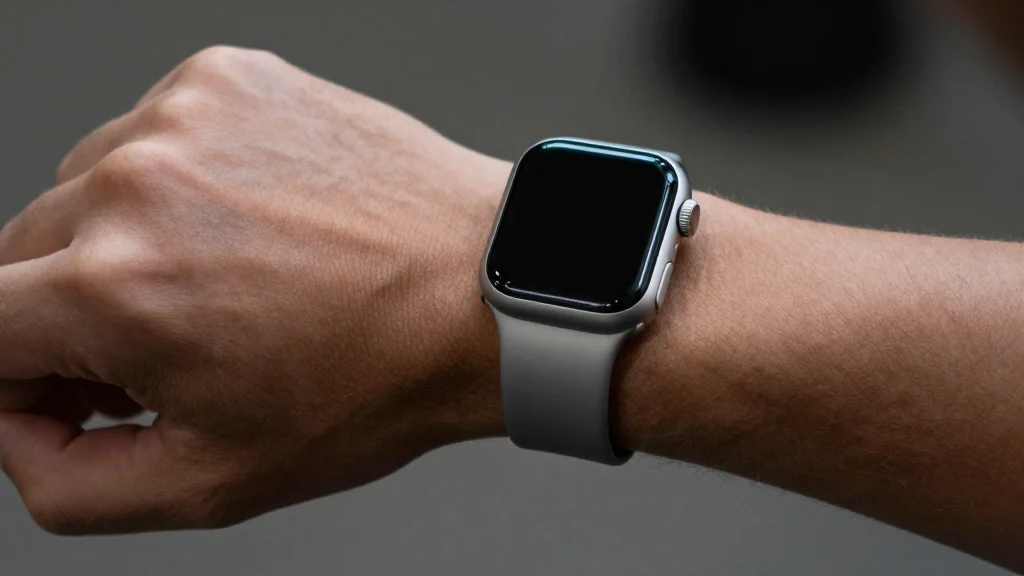
There's a Right Way to Wear Your Apple Watch - and It Affects Your Data
Apple Watch users can dramatically improve health‑tracking accuracy simply by adjusting how tightly the device sits on their wrist. The watch’s green‑light optical sensor, which measures heart rate, is sensitive to ambient light and skin contact, so a snug fit...

STORM-PE: Mechanical Thrombectomy Boosts Walking and Daily Living Gains
The STORM‑PE interim analysis shows that computer‑assisted vacuum thrombectomy (CAVT) markedly improves functional recovery in acute intermediate‑high‑risk pulmonary embolism. At 90 days, patients receiving mechanical thrombectomy walked an average of 479 m versus 368 m for anticoagulation alone, and 97% achieved NYHA class I...

Self-Healing Sensor Feels Touch, Detects Pain, and Repairs Itself Underwater
Researchers unveiled a soft magnetoelectric sensor (SMES) that feels touch, detects its own damage, and autonomously heals underwater without external power. The device uses a fluoropolymer‑ionic‑liquid elastomer and liquid‑metal (EGaIn) conductors, achieving 92% elastic recovery and near‑100% healing after ten...
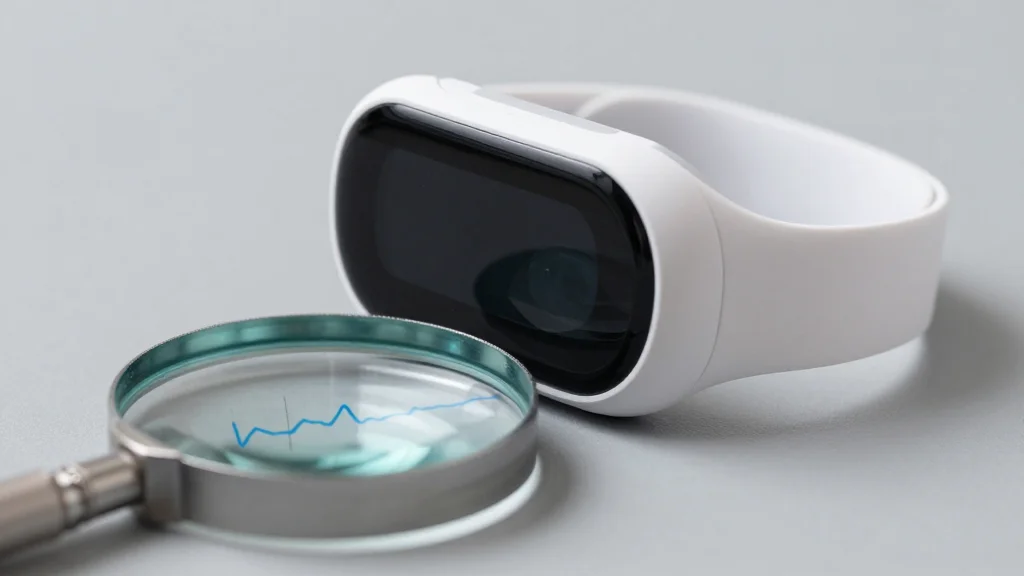
Beyond Reporting: Realizing Continuous Safety Surveillance for Medical Devices
Regulators in the EU, UK and US have upgraded post‑market surveillance (PMS) requirements, demanding systematic analysis of device incident data rather than mere reporting. Manufacturers must now adopt analytical, pharma‑style vigilance processes to detect trends, assess risk, and feed findings...

Can You Determine Your Personalised Stress Score?
Wearable devices are increasingly offering personalized stress scores by analysing heart‑rate and heart‑rate variability (HRV). A higher resting heart rate and reduced HRV typically signal elevated cortisol and adrenaline, indicating stress. While these metrics can flag patterns linked to specific...

Real‑world AI Copilot Will Define the Future
The most important AI copilot is not the one writing emails or code, it is the one operating in real-world environments where mistakes have real consequences. In fields like surgery and manufacturing, AI must see, understand, and act correctly in...

In Brain Tumors, New Use for CSF cfDNA
Cerebrospinal fluid (CSF) cell‑free DNA is emerging as a reliable source for genomic profiling of brain tumors, offering a less invasive alternative to surgical biopsies. Compared with plasma, CSF provides a higher signal‑to‑noise ratio, improving detection of tumor‑derived mutations. The...

Pulnovo Medical Raises $100 Million in Strategic Round Led by Medtronic
Pulnovo Medical announced a $100 million strategic financing round led by Medtronic, adding new investors and cementing a commercial partnership. The capital will accelerate clinical trials, regulatory filings and international rollout of its Pulmonary Artery Denervation system.

NYITCOM Teams with Guam Hospitals to Train Doctors and Bridge Physician Gaps
The New York Institute of Technology College of Osteopathic Medicine (NYITCOM) has signed affiliation agreements with the University of Guam, Guam Memorial Hospital and Guam Regional Medical Center, creating a pipeline for medical students to train on the Pacific island...

Enabling High Speed Swept-Source OCT with Advanced Data Acquisition
Swept‑source optical coherence tomography (SS‑OCT) is reshaping medical imaging with faster scan rates, deeper tissue penetration, and superior phase stability. The performance of SS‑OCT hinges on the digitizer, which must capture GHz‑level interferometric fringes with multi‑GS/s sampling, wide bandwidth, and...
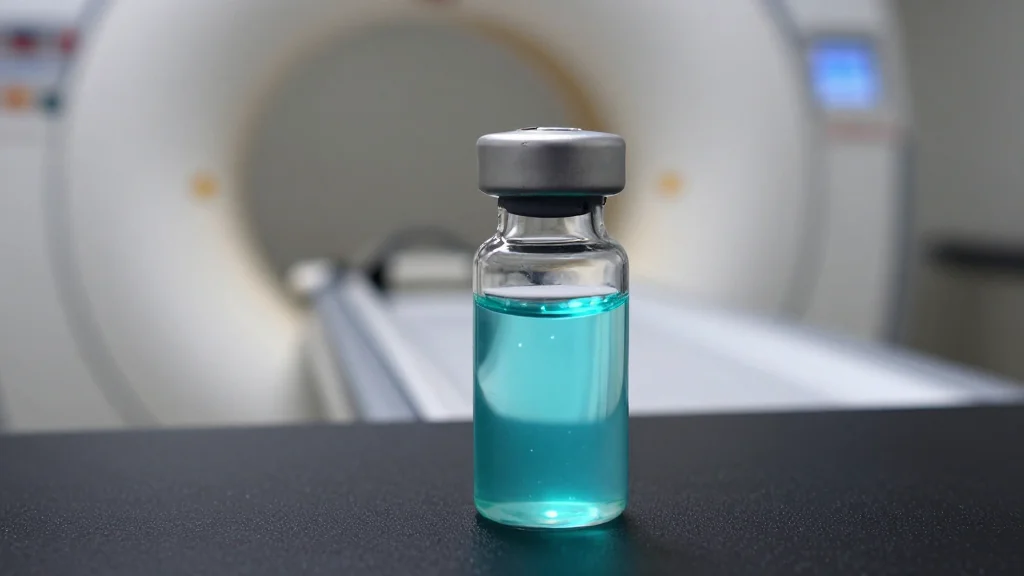
Bracco Imaging, NYU Langone Sign Multi‑Year Deal to Accelerate Nanotech‑Based Imaging
Bracco Imaging and NYU Langone Health have signed a multi‑year Master Research Agreement to co‑develop advanced imaging technologies that rely on nanomaterial contrast agents. The partnership targets MRI, photon‑counting CT, targeted ultrasound and AI‑enhanced PET/CT, aiming to speed precision‑medicine diagnostics.
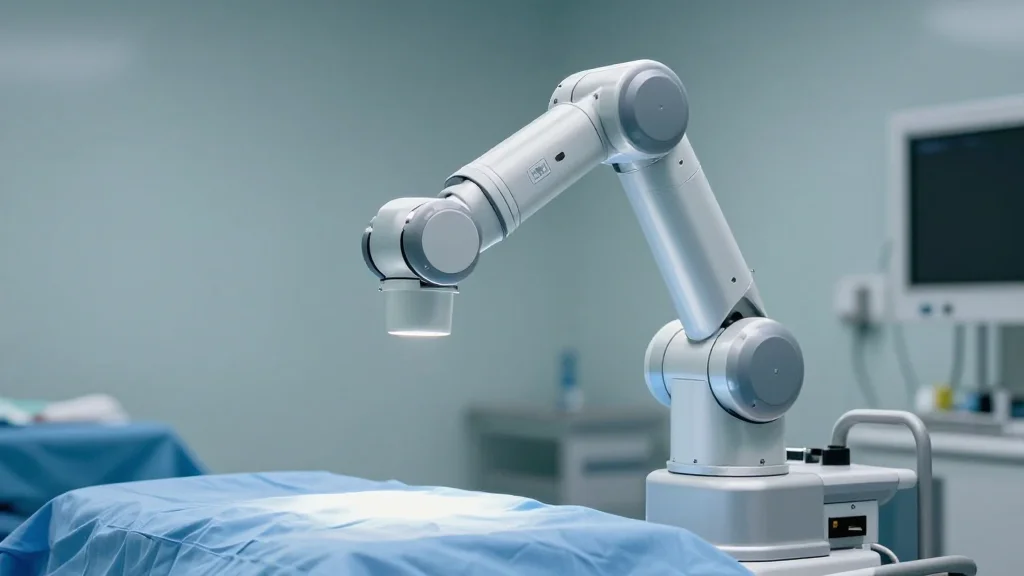
NHS Patients Denied Robot-Assisted Surgery Based on Postcode, Study Reveals
A new study using Freedom of Information requests shows NHS patients in England face a postcode lottery for robot‑assisted surgery. London’s NHS trusts operate 28 surgical robots while the South West has only six, reflecting wildly different local funding approaches....
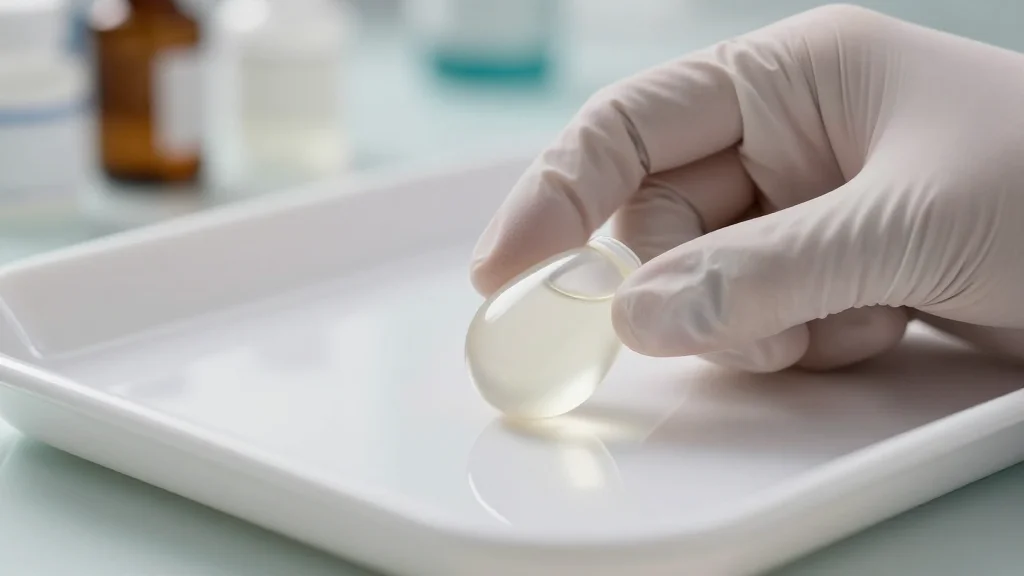
Allurion Treats First Commercial Patients in the United States, Marking Major Milestone
Allurion Technologies announced it has treated its first commercial patients in the United States, marking the company’s entry into the country’s $200 billion obesity market. The Allurion Program offers a non‑surgical, non‑pharmaceutical weight‑loss solution that appeals to patients who have stopped...

ASCO to Shine Light on Multimodal AI Models: Plus, Melanoma Diagnostics and Gastroesophageal Cancer Targets
At ASCO 2026 in Chicago, Stanford oncologist Janice Lu will lead a session spotlighting the clinical translation of artificial‑intelligence tools in cancer care. The program stresses disciplined validation, multimodal integration of pathology, imaging, molecular and liquid‑biopsy data, and robust governance...

Patient Safety Commissioner to Hold “Ask Me Anything” Session on AI in Healthcare
The UK Patient Safety Commissioner, Professor Henrietta Hughes, announced an online “Ask me anything” session on May 20 to gather patient perspectives on AI in healthcare. The forum will feature Professor Alastair Denniston, chair of the National Commission into AI...

From Near-Exit to Times Square AI Healthcare Spotlight
I never thought I’d say this: I almost left medicine. Today my work in AI/Robotics-powered healthcare transformation is being recognised in Times Square, linked to a Health 2.0 award where I spoke on safe AI integration. Airs today (Mon Apr 20,...

China Debuts Pharmacy Robot Processing 370 Orders Daily
China Launches First Pharmacy #Robot Handling 370 Orders a Day by @CGTNOfficial #MedTech #HealthTech #Tech #Healthcare https://t.co/DjZ0teE6fF

Brainjo Secures €2m in Seed Funding for VR Mental Health Tech
German startup brainjo announced a €2 million (≈$2.2 million) seed round to develop its first virtual‑reality Digital Health Application (DiGA). The VR‑based tool is designed as a prescribable adjunct for children with ADHD, allowing at‑home use alongside traditional psychotherapy. Funding was led...

Data Governance: Fast‑Pass to Faster, Confident Decisions
Data governance sounds like bureaucracy. In reality, it’s a fast-pass to faster, more confident decision-making. Here’s why it matters more than ever 👉 https://t.co/BXkcbZnc00 @DI_tweet #HIMSS26 #HITSM
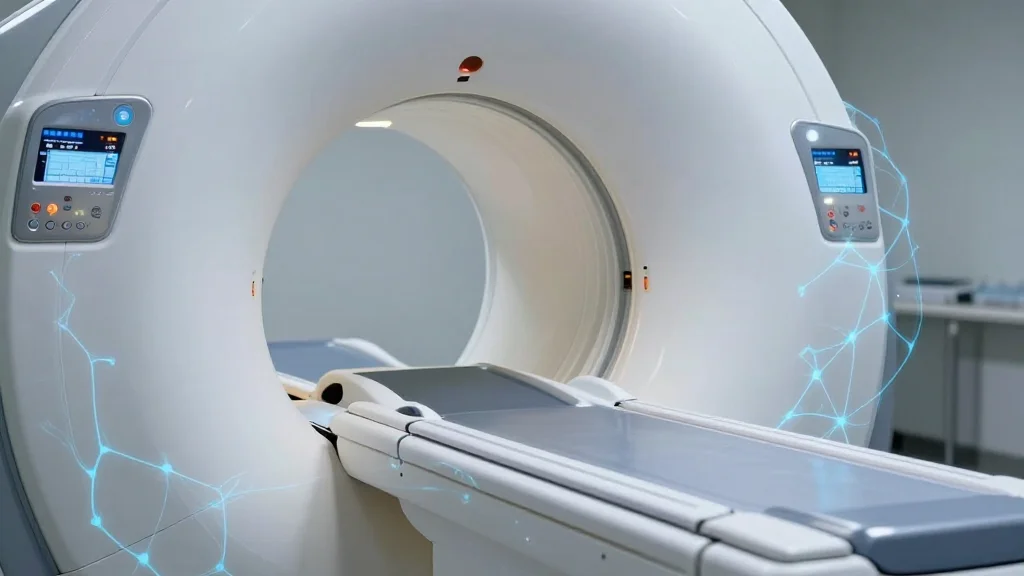
AI's First Use Turns Skeptical Radiologists Into Advocates
In healthcare, you only understand how game-changing AI is once you use it. What strikes me most is how reliably opinions flip. The skeptic radiologist goes from “I don’t need this” to “I can’t imagine working without it.” Not occasionally. Almost every time.
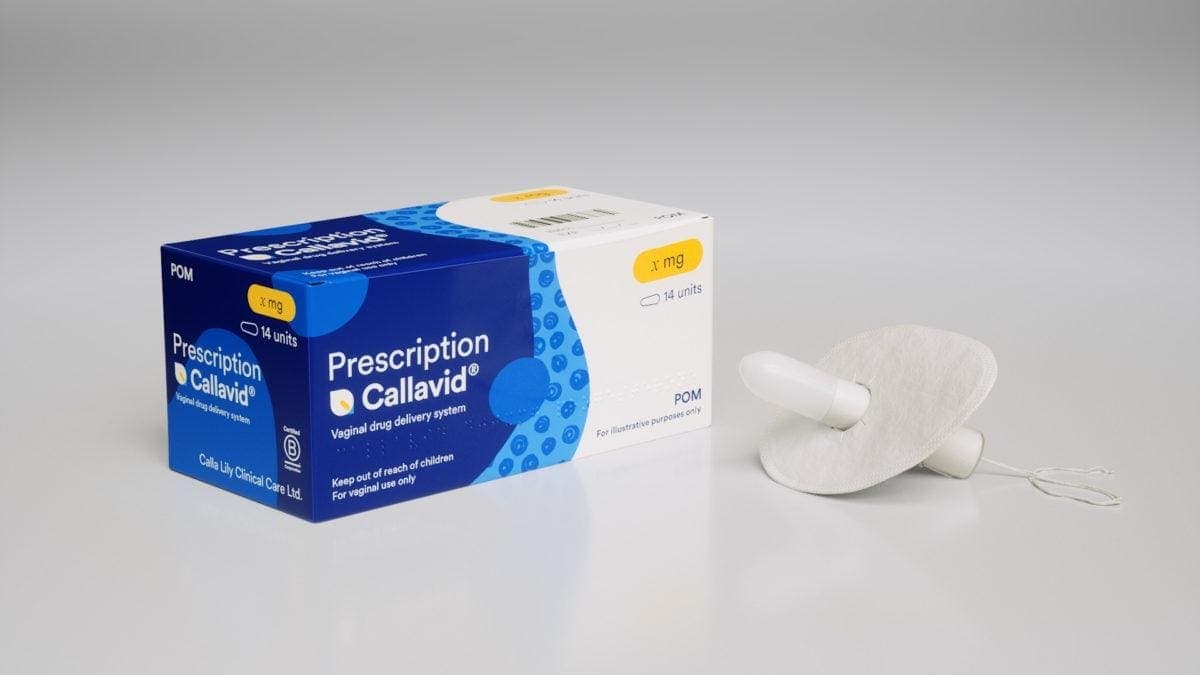
Vaginal Drug Delivery Had A Funding Problem—Merck Changed That
Calla Lily Clinical Care’s tampon‑shaped vaginal drug delivery platform, Callavid, has secured a strategic collaboration with Merck to accelerate clinical development for IVF luteal‑phase support and miscarriage prevention. The device, cleared under FDA 510(k) and patented in 14 countries, promises...

Oracle Health Joins CMSGov Aligned Networks to Boost Data Access
For decades, the @OracleHealth team has been committed to making sure patients have access to and remain in control of their health data. Our participation in the @CMSGov Aligned Networks underscores this commitment, and will help improve how clinicians and...
Flexpa Turns NPI Numbers Into Complete Provider Profiles
LAUNCH WEEK AT FLEXPA. DAY 1. check out how @flexpa turns NPI numbers into complete provider profiles with names, specialties, addresses, and contact details. We eat the pain of working with health data so you and your team don’t have to.
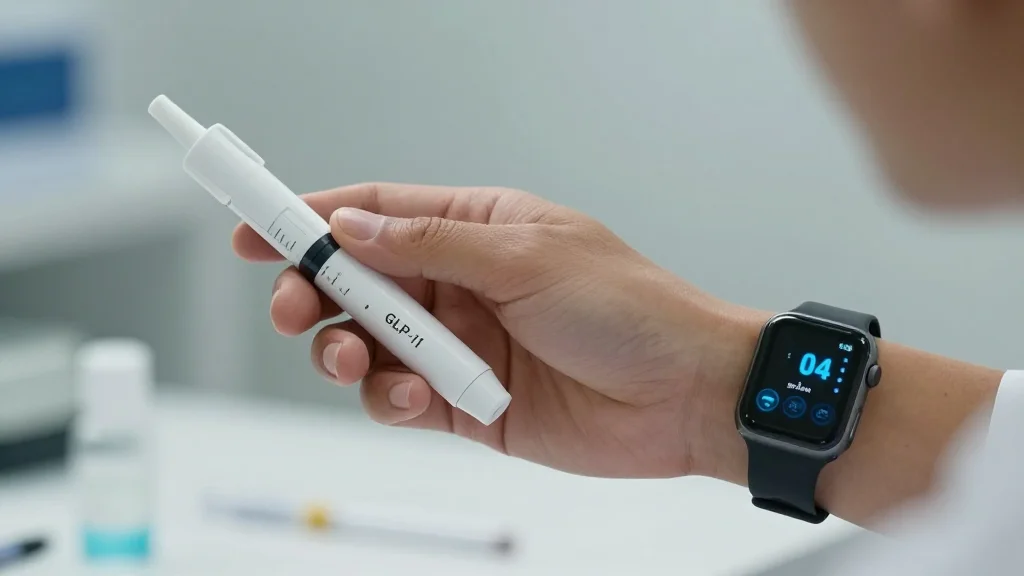
Omada Health Study Shows 6% Weight Loss and Muscle Preservation on GLP-1 Program
Omada Health released a 12‑week study of 245 adults with obesity showing its GLP‑1 Care Track delivered 6.0% average weight loss, a 3.3‑point drop in body‑fat percentage and a threefold rise in muscle‑mass share compared with a control group. The...
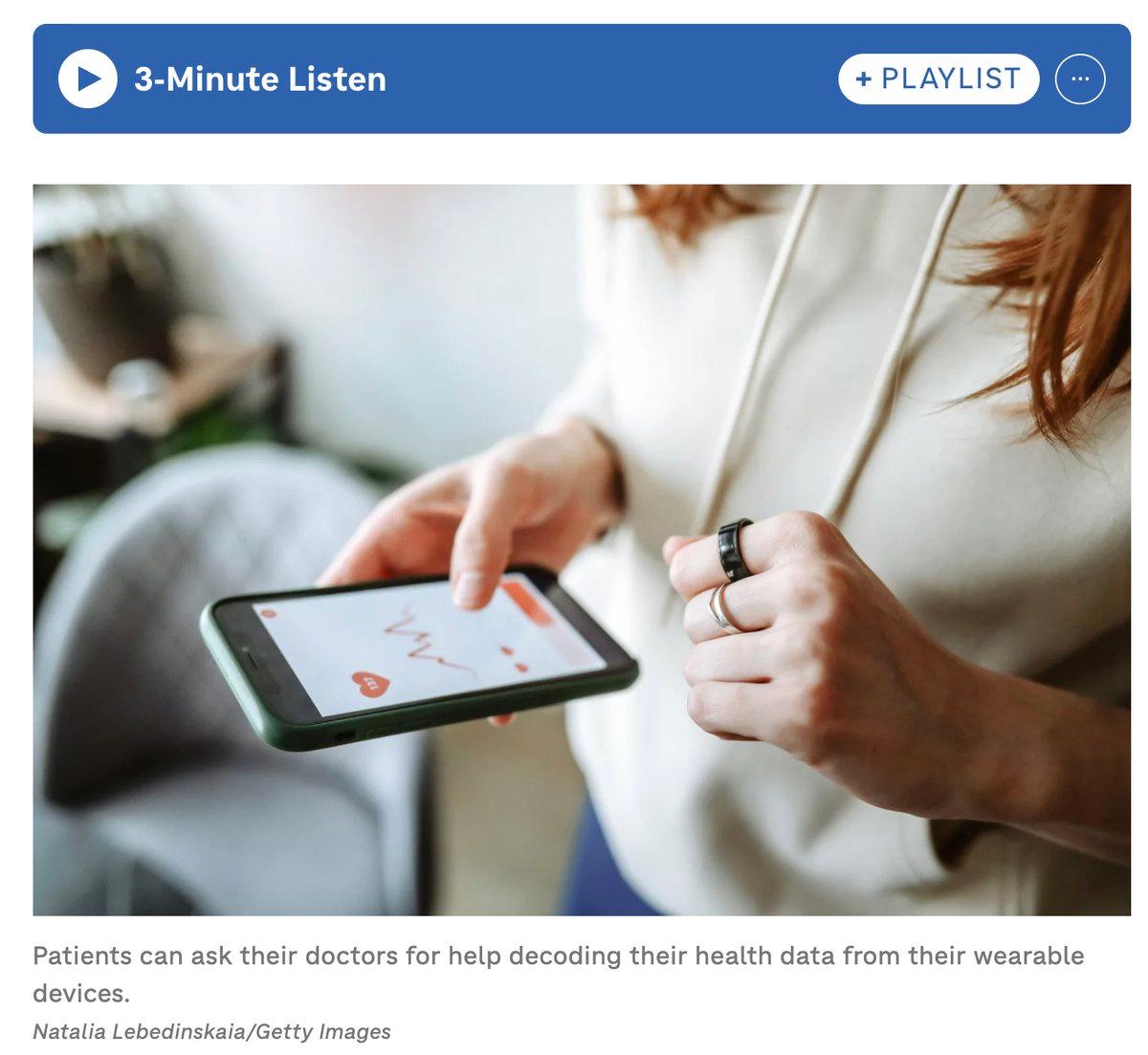
Turn Your Wearable Data Into Doctor‑Ready Insights
3-Minute Listen: Got Wearable Data? Here's How to Actually Use It with Your Doctor (NPR) Millions of Americans wear smartwatches and smart rings tracking sleep, heart rate, and body temperature... https://t.co/OvZFatyCXh #DigitalHealth #Wearables https://t.co/HMDzFmT3no
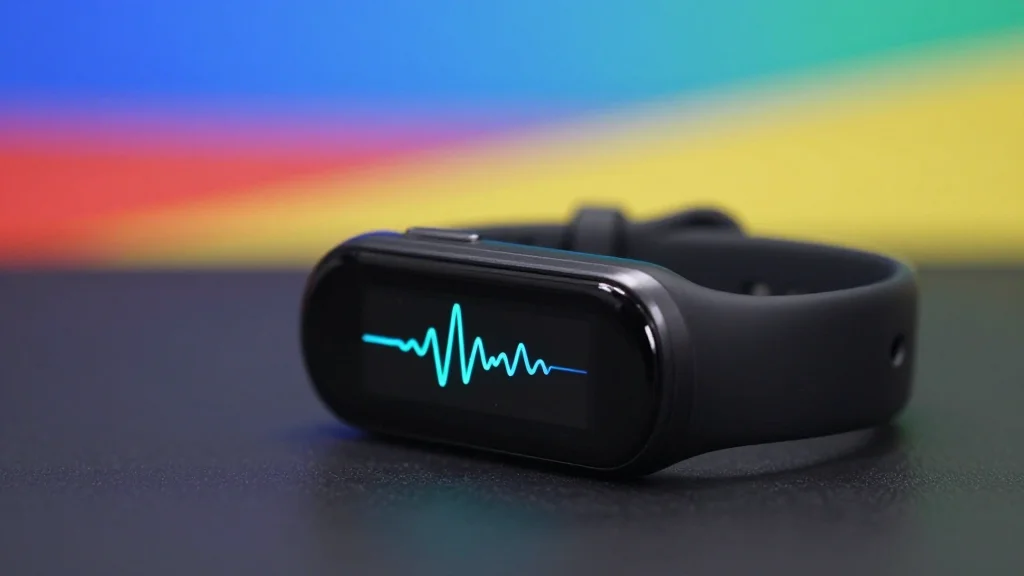
Fitbit Premium May Become Google Health with New Tracker
Fitbit Premium is rumored to be rebranding as 'Google Health' alongside the latest Fitbit tracker release https://t.co/JhgnCGV7OY

CNET Highlights Top FDA-Cleared Red Light Therapy Devices as Market Nears $660 Million by 2032
CNET released its 2026 roundup of FDA-cleared red light therapy devices, naming the Shark CryoGlow mask, Smoothskin DuoLux patches, iRestore Elite hair helmet, and Clearlight Personal Tower panel as the top picks. The guide cites rapid market growth from $421 M...

Cal AI’s Jake Castillo Shows How a Four‑Person Team Scaled to Millions and Sold to MyFitnessPal
Cal AI, an AI‑powered calorie‑tracking app, was acquired by MyFitnessPal less than two years after its April 2024 launch. Co‑founder and CMO Jake Castillo says the four‑person team reached millions in monthly revenue by leveraging influencer partnerships and relentless speed....
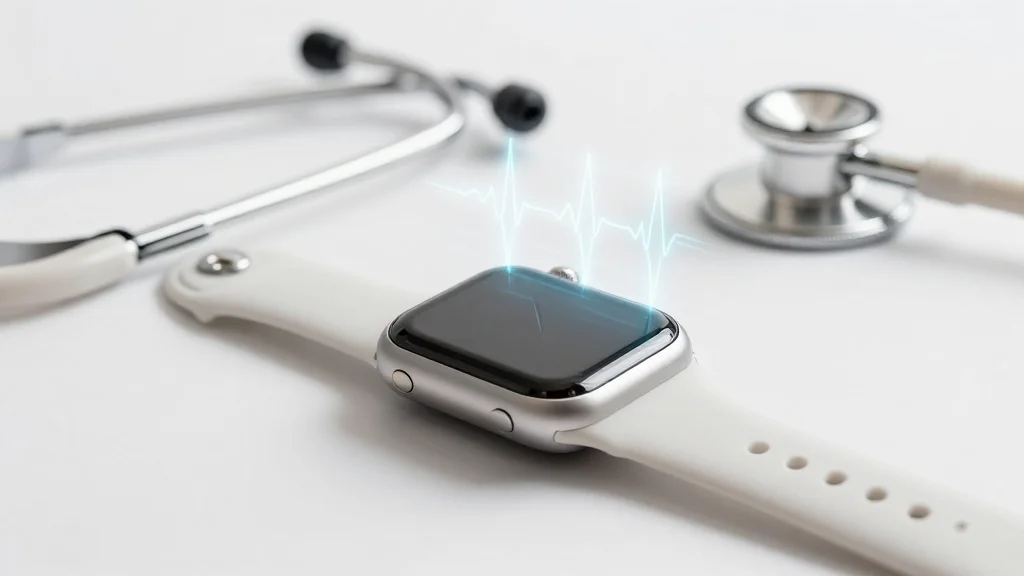
Wearable Health Data Boom Drives Doctors Toward New Big‑Data Analytics
A surge in consumer wearables—now a $100 bn industry—has clinicians scrambling to integrate continuous biometric streams into medical workflows. Doctors cite raw data overload, new AI‑driven coaching tools and emerging analytics platforms as essential to turn wrist‑ and finger‑sourced metrics into...

As UK Regulators Tighten the Rules on Mental Health Apps, the Next Test Is Post-Treatment Monitoring
The UK Medicines and Healthcare Products Regulatory Agency (MHRA) has introduced robust guidance that forces mental‑health apps to meet minimum safety standards, display a CE or UKCA mark and be listed on an official register. The new rules also give...

Pressing for a POC Testing Model Amid High STI Rates
Point‑of‑care (POC) testing for sexually transmitted infections is being championed as a critical tool to curb rising STI rates, especially among youth and marginalized communities. Dr. Aniruddha Hazra highlighted that while overall diagnostic rates have improved, groups such as LGBTQ+,...