Today's Nutrition Pulse
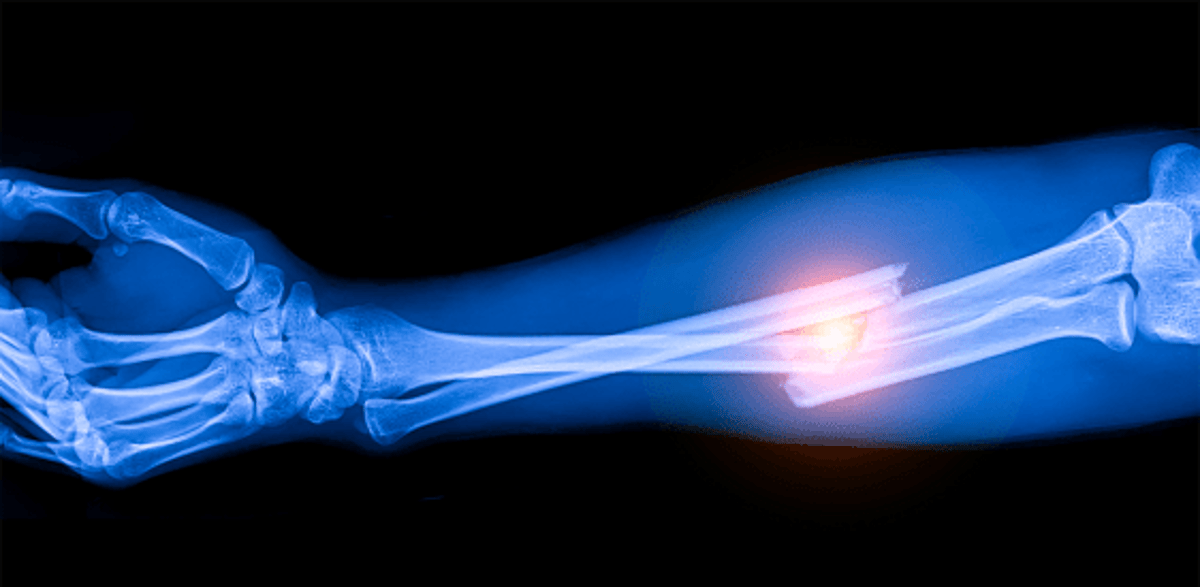
Calcium and Vitamin D Supplements Fail to Cut Fall or Fracture Risk in Seniors, Study Finds
A new meta‑review in The BMJ examined 69 randomized trials involving 153,902 adults aged 65 and older and concluded that calcium, vitamin D, or their combination do not reduce falls or fracture risk. The findings challenge long‑standing recommendations to use these supplements for bone health in older adults.

Energy Management: Sleep, Nutrition & Exercise to Maintain Attention
The post frames attention as a finite biological resource that depletes when sleep, nutrition, or movement are insufficient. It argues that even minor deficits in any of these pillars erode mental output, shifting the conversation from generic "healthy habits" to strategic energy management. By protecting the body’s limited attention reserve, individuals can sustain higher cognitive performance throughout the day. The author links these insights to a broader discipline guide and a free companion book for deeper practice.
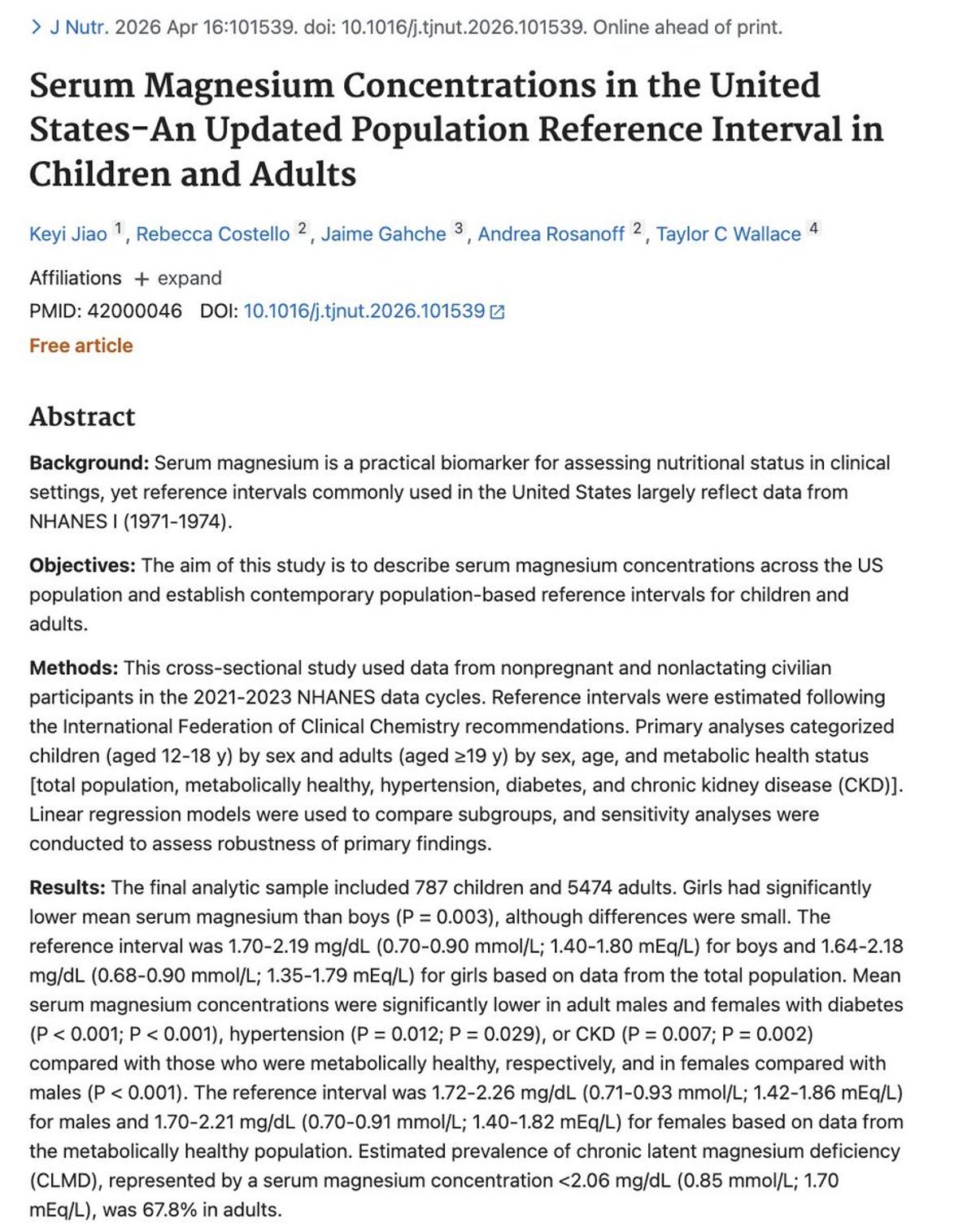
Two‑Thirds of Americans Suffer Chronic Magnesium Deficiency
More than two-thirds of U.S. adults are deficient in magnesium, according to the most recent data. ~66% of men and ~70% of women have serum magnesium levels below 2.06 mg/dL (known as chronic latent magnesium deficiency). Importantly, magnesium levels are lower in...
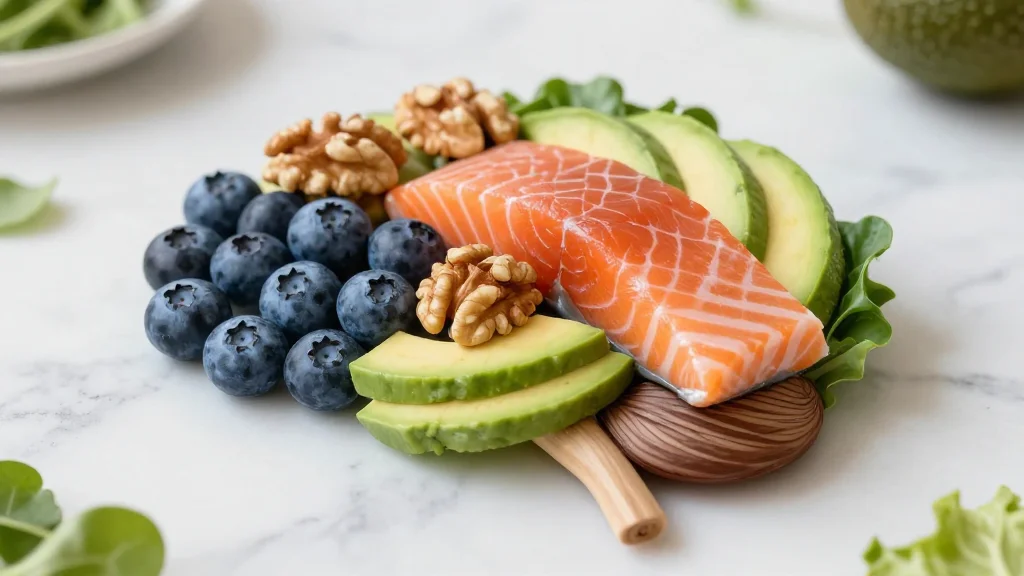
Study Links Five Key Nutrients to Lower Dementia Risk in Older Adults
Researchers analyzed data from more than 6,200 U.S. adults aged 50 and older and identified five nutrients that appear to protect against dementia. The same study flagged added sugars and certain dairy‑derived nutrients, such as lactose, as risk factors, underscoring...
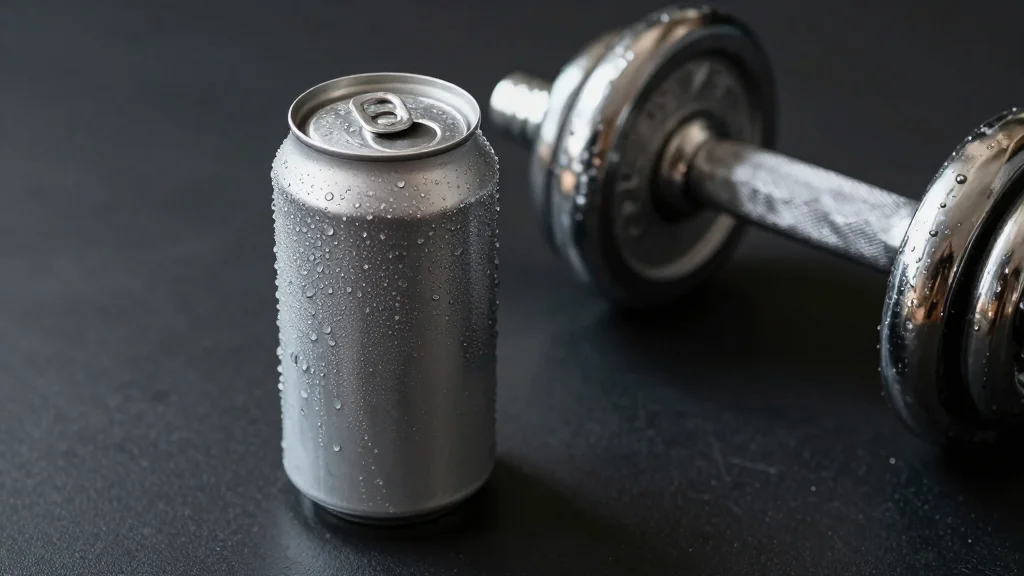
BONUS: Stronger Culture - The Protein Ceiling: Real or Not a Needle Mover? (Ft Eric Helms & Steve Hall)
In this bonus episode, Eric Helms and Steve Hall discuss the role of caffeine—particularly diet sodas like Pepsi Max—in bodybuilding routines, debating optimal timing, dosage, and its impact on performance and sleep. They critique popular “science communicator” advice that discourages...

ACLM Launches Toolkit to Pair Obesity Drugs with Lifestyle Care
The American College of Lifestyle Medicine (ACLM) released an Obesity Medications & Lifestyle Medicine Toolkit on May 5, 2026, giving clinicians structured guidance to combine GLP‑1 drugs with nutrition and activity counseling. The resource seeks to curb side‑effects, nutrient deficits,...

RTC: 5-MTHF Matches Folic Acid While Lowering Unmetabolized Folic Acid in Prenatal Vitamins
A 24‑week U.S. randomized trial found that prenatal multivitamins containing 6S‑5‑methyltetrahydrofolate (5‑MTHF) achieved maternal and fetal folate levels comparable to those using synthetic folic acid, while markedly reducing circulating unmetabolized folic acid (UMFA). The 5‑MTHF formulation delivered about 30% less...

Broken at the Biochemical Level: The B Vitamin Series Part 2: B Vitamins, Heart Health, and Stroke Risk: What the...
Recent research highlights that deficiencies in B‑vitamins—particularly B6, folate (B9) and B12—disrupt homocysteine metabolism, a key driver of cardiovascular strain. Elevated homocysteine impairs blood vessel integrity and raises the risk of heart disease and stroke. B‑vitamins also influence red blood...

Intermittent Fasting Can Help You Lose Weight, But Science Says Not For the Reason You Might Think
Intermittent fasting (IF) does produce weight loss, but not because it flips a metabolic switch. A meta‑analysis by the College of Family Physicians of Canada shows the effect stems from an inadvertent calorie reduction when eating windows are narrowed. A...
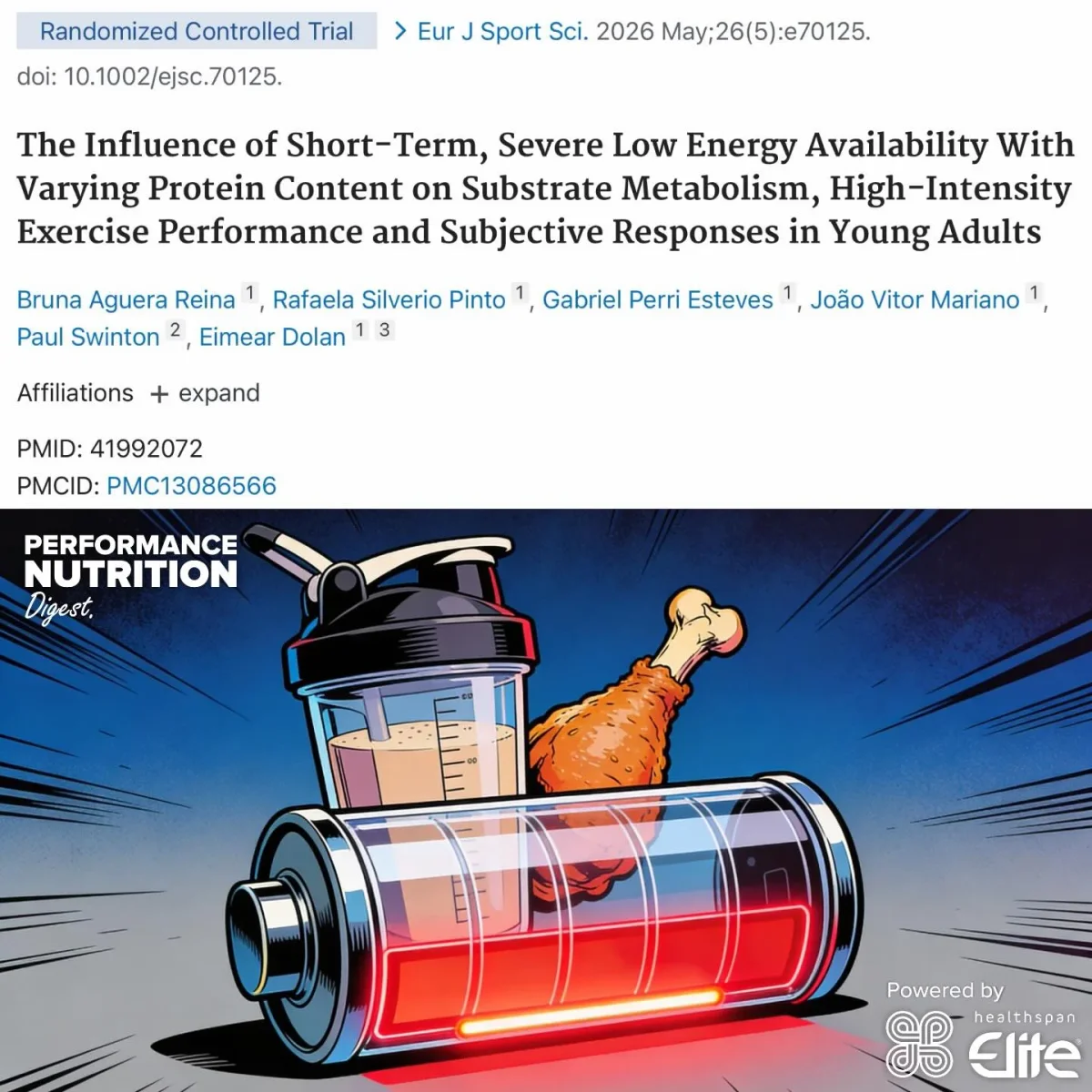
Higher Protein May Offset Low‑energy Availability Effects
Does protein intake influence low-energy availability symptoms?🪫 This new study recruited healthy active females (n = 9) and males (n= 10) to complete 3 x 5-day dietary conditions 1️⃣ Adequate energy availability (AEA: 45 kcal/kgFFM/day) 2️⃣ Low energy availability (LEA: 15...

Visceral and Muscle Fat Dramatically Boost Disease Risk
Excess visceral fat around organs is associated with 2.3 higher diabetes risk High muscle fat raises cardiovascular event risk by 54% Low muscle predicts 44% higher risk of death from any cause Eat less. Move. Work out https://t.co/ZLhRXdu1H6
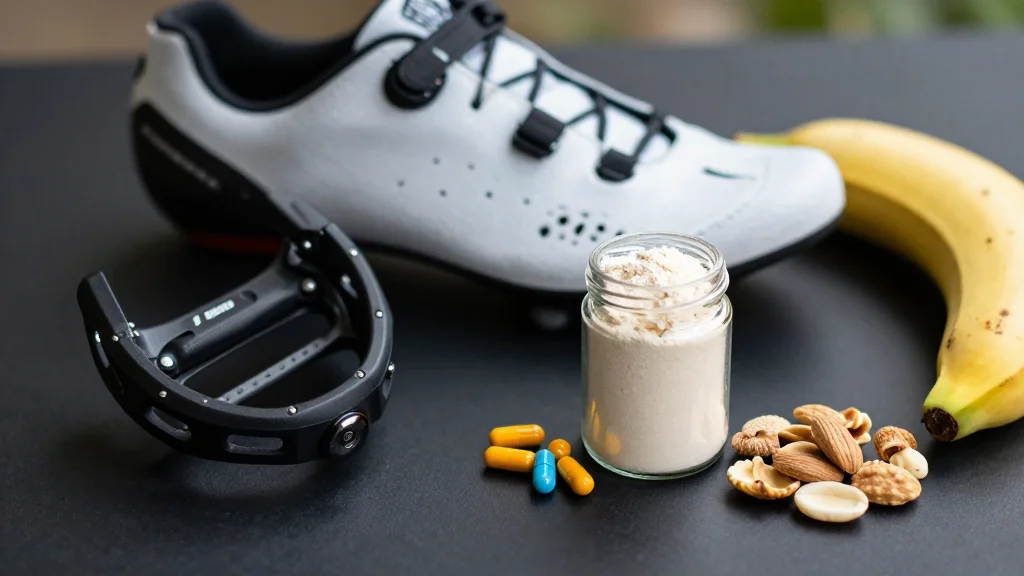
Getting Into Spinning Or Cycling? Research Says These Supplements Are Best
A recent systematic review led by Australian Olympian Sophie Edwards identified the top supplements that enhance cycling performance and accelerate recovery. The researchers highlighted beta‑alanine, caffeine, carbohydrates, creatine, electrolytes and several others for on‑bike fuel and fatigue resistance. For post‑ride...
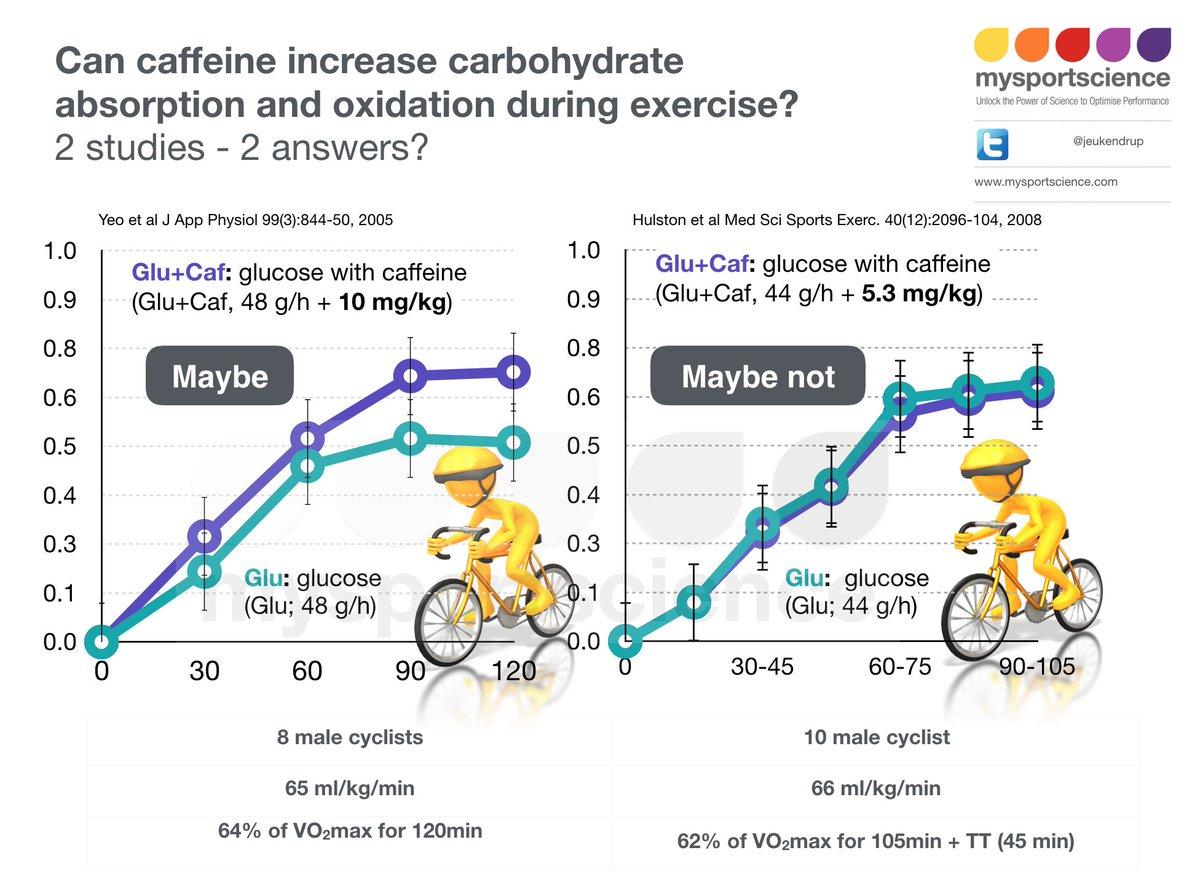
Caffeine Boosts Carb Absorption, Enhances Endurance Performance
Carbohydrates and caffeine are often consumed to improve endurance performance. Can caffeine increase the absorption of carbohydrates during exercise? If so, what does this mean for performance? Read the blog for more: https://t.co/tI4zx8NQXp https://t.co/gqJ47oCKaM
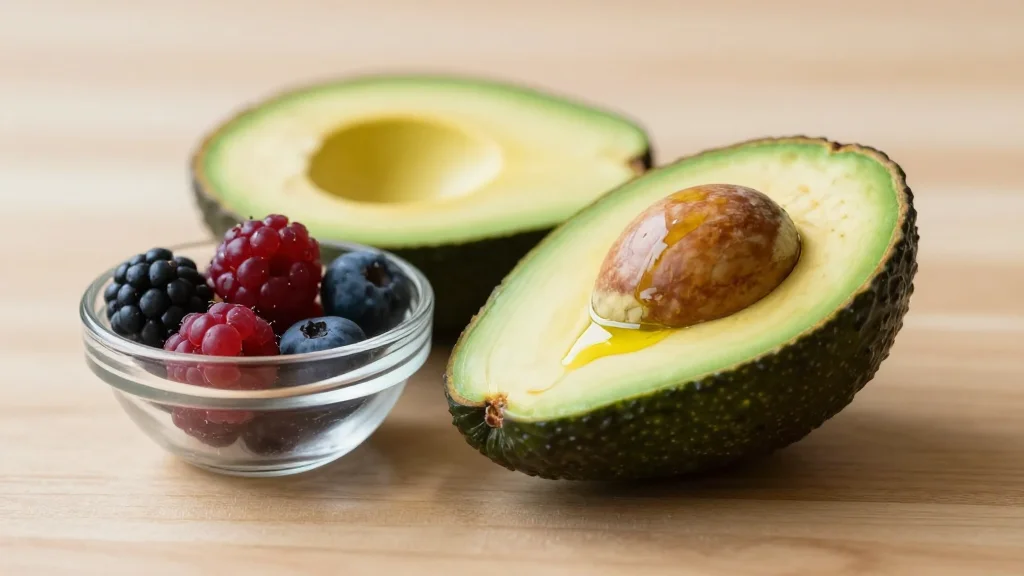
Eating This Fruit Daily May Help Stabilize Blood Sugar, Study Finds
A randomized trial of more than 1,000 adults with elevated waist circumference found that eating one large avocado each day for six months lowered dietary glycemic load by roughly 14 points compared with a control group limited to two avocados...
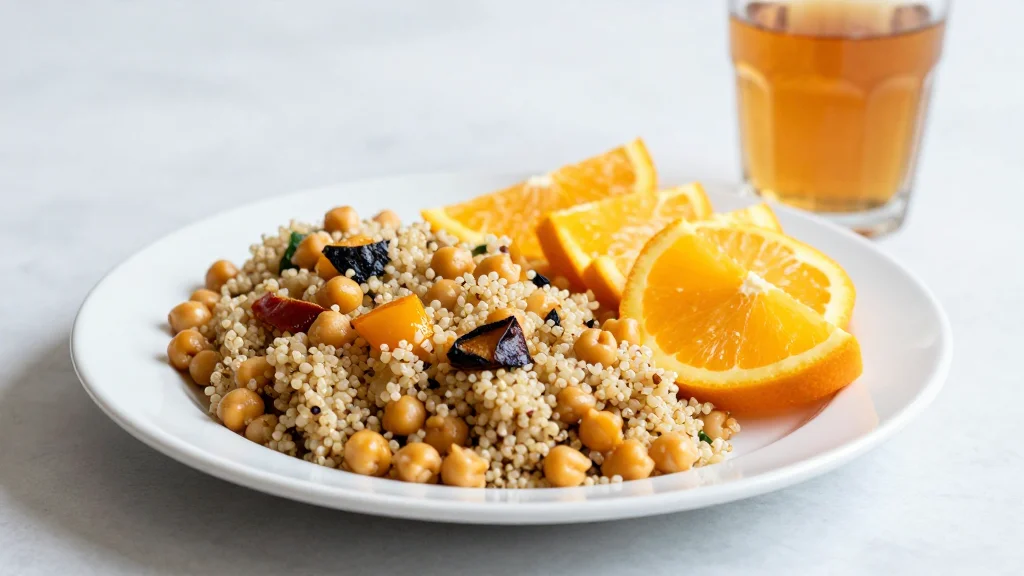
One Month Of These Simple Diet Shifts Can Reduce Your Biological Age
A recent study of 104 adults aged 65 to 75 found that four weeks of high‑carbohydrate or semi‑vegetarian diets can noticeably lower KDM‑derived biological‑age scores. Participants on an omnivorous high‑carb plan outperformed those on a high‑fat regimen, while semi‑vegetarian groups...

The Effects of Ketogenic Diet and Calorie-Restricted Diet on Metabolic Dysfunction-Associated Steatotic Liver Disease: A Retrospective Study
A retrospective cohort of 102 MASLD patients compared a 12‑week ketogenic diet (KD) with a calorie‑restricted diet (CRD). The KD produced a markedly larger drop in hepatic steatosis, with median CAP reduction of 62 dB/m versus 36 dB/m for CRD, and 84%...

Role of Micronutrients, Phytochemicals, and Lipid Metabolism in Mammary Gland Development, Lactation Efficiency, and Breast Cancer Risk
A retrospective cohort of 800 women linked micronutrient deficiencies, low dietary phytochemical intake, and dyslipidemia to higher breast‑cancer incidence and more aggressive tumor features. Vitamin D deficiency was present in 48.5% of participants and raised cancer odds by 68 %. A high...
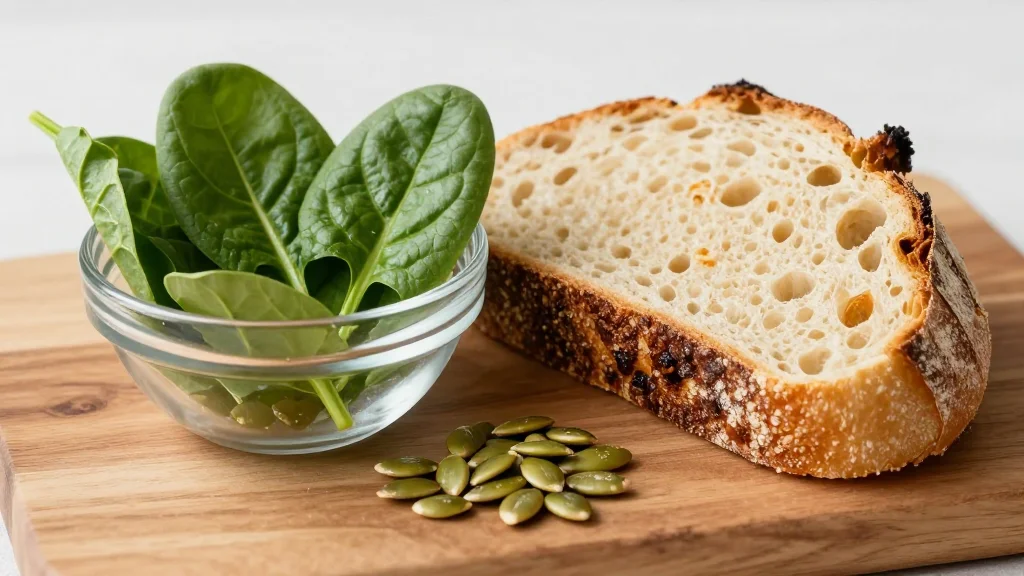
Effects of Sourdough- or Regular-Bread Fermentation, and Phytate Reduction on Iron Bioavailability, Absorption, and Iron Status in Humans: A Systematic...
The Frontiers in Nutrition systematic review examined eight human intervention studies to determine whether sourdough or regular‑yeast bread fermentation improves iron bioavailability, absorption, and status. Acute post‑prandial trials consistently showed higher serum iron and increased fractional absorption when phytate levels...

Regulation of Inflammation by Omega-3 and Omega-6 Fatty Acids: A Meta-Analysis of Randomized Trials
A meta‑analysis of nine randomized controlled trials involving 504 participants compared the anti‑inflammatory effects of omega‑3 and omega‑6 polyunsaturated fatty acids. The pooled data showed no significant impact on IL‑6, C‑reactive protein or TNF‑α levels. However, omega‑6 supplementation produced a...
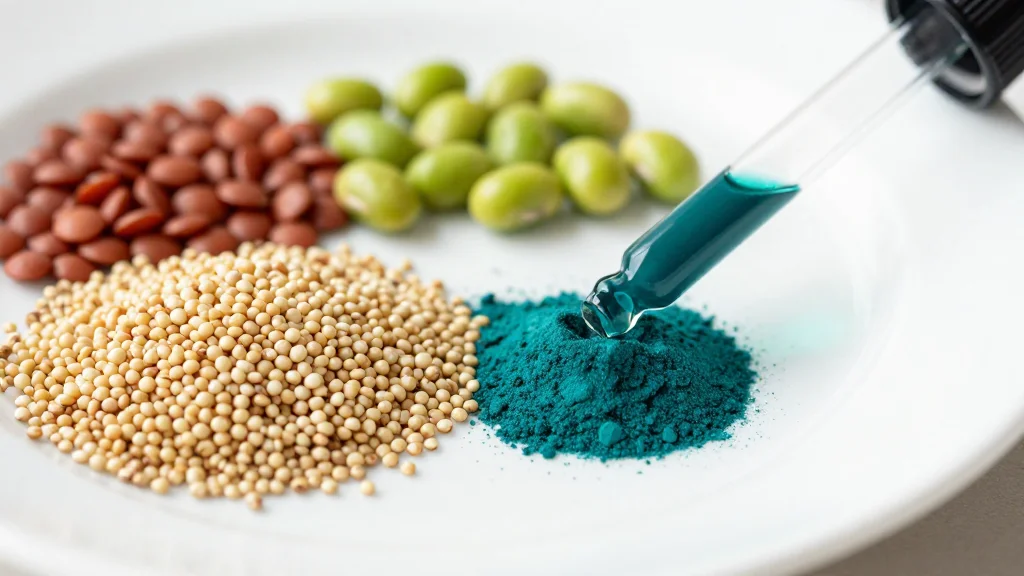
Branched-Chain Amino Acids From Plants and the Metabolic Syndrome: Pathways and Pharmacological Applications
Metabolic syndrome affects roughly 1.54 billion adults and is driven by chronic inflammation. Recent research reviews how plant‑derived branched‑chain amino acids (BCAAs) from legumes, whole grains and microalgae can modulate inflammatory pathways and improve glycemic, lipid and body‑composition outcomes. Processing methods...

HHS Threatens to Withhold Millions From Hospitals Over Non‑Compliant Patient Meals
Health and Human Services Secretary Robert F. Kennedy Jr. announced that hospitals serving meals that violate the 2025‑30 USDA dietary guidelines risk losing millions in Medicare and Medicaid reimbursements. The move, framed as a “federal mandate,” has ignited pushback from...
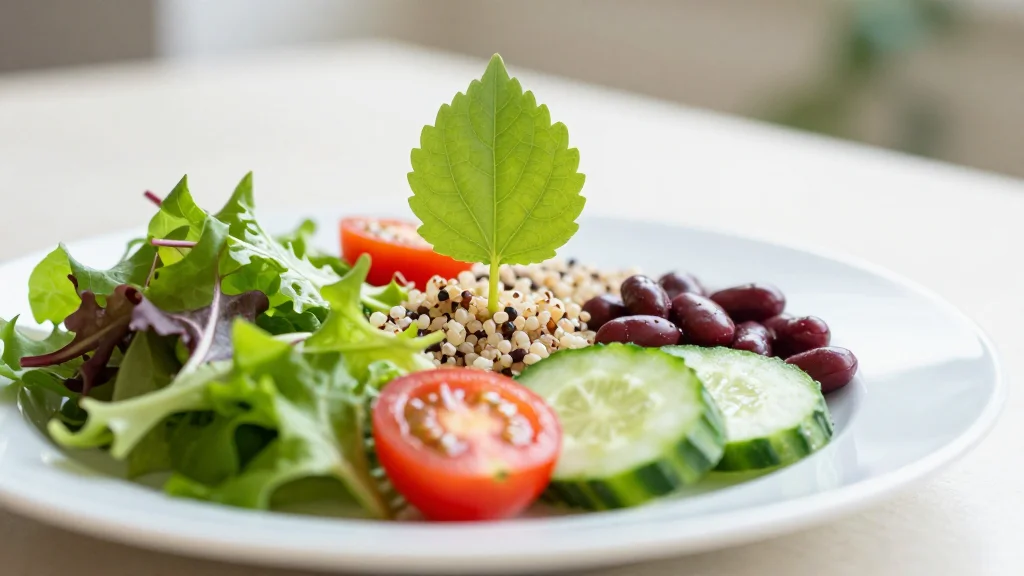
Low‑Fat Vegan Diet Cuts Emissions by Over Half and Boosts Metabolic Health
Two recent randomized clinical trials led by the Physicians Committee for Responsible Medicine found that a low‑fat vegan diet cuts diet‑related greenhouse‑gas emissions by more than half and delivers measurable metabolic health benefits, outperforming Mediterranean and omnivore controls.
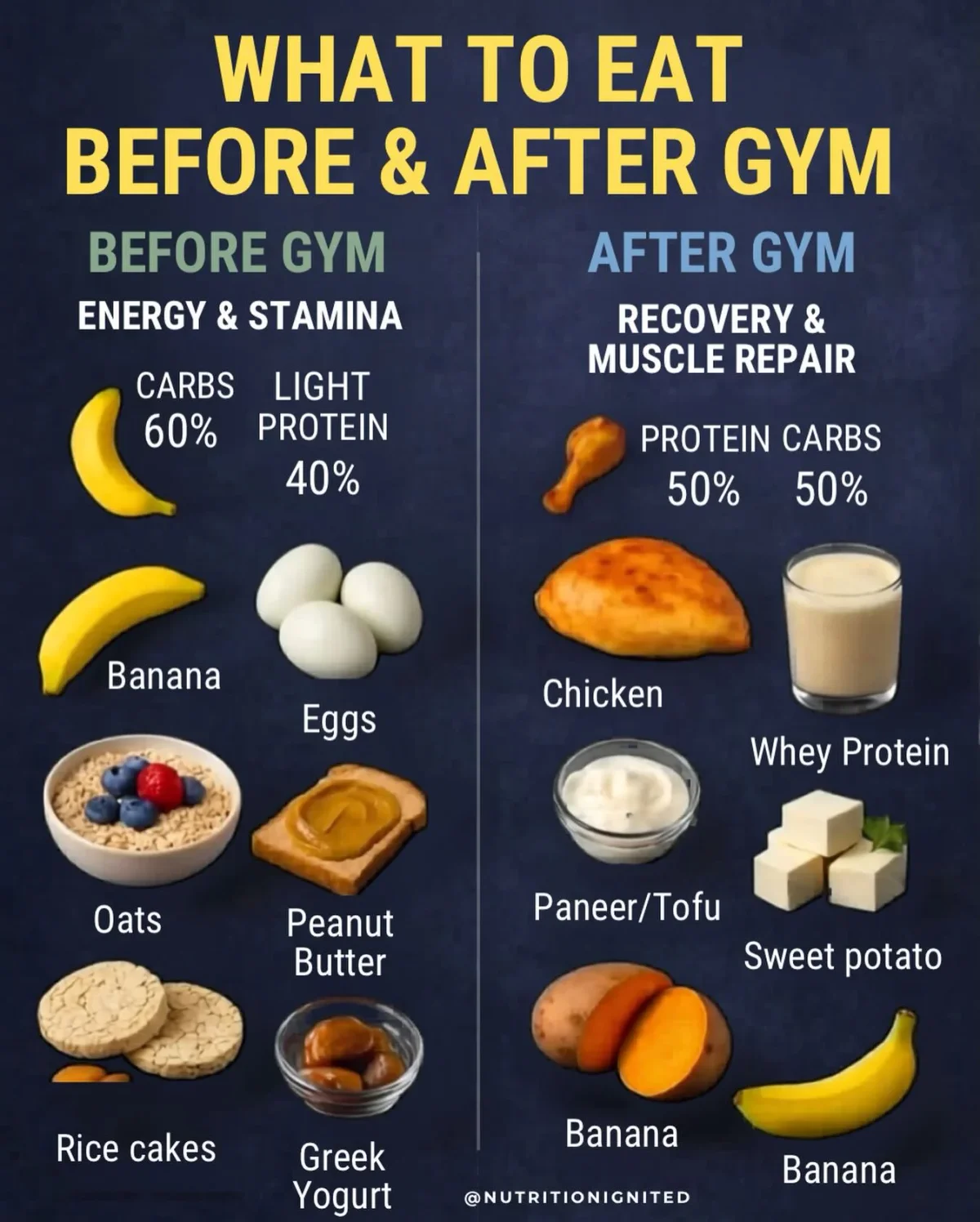
Pre‑Workout Carbs, Post‑Workout 3:1 Carb‑Protein Ratio
Fueling before and after workout is critical for muscle repair, adequate recovery, and overall proper nutrition. When prepping your pre workout focus on simple carbs with a little protein. After workout, if having a snack right after aim for a...
All or Nothing, All for Nothing? Why Dieting Fails in Lipedema — and What Actually Works
Women with lipedema often exhaust themselves on conventional diets that cut calories and increase exercise, yet see little change in the painful, disproportionate fat of their legs. Researchers and clinicians now recognize lipedema as a disorder of fat regulation, inflammation,...

Lean Athletes: PCOS May Actually Be Hypothalamic Amenorrhea
PCOS is one of the most misunderstood diagnoses in women’s health. I was told I had it for over a decade. I didn’t. I had hypothalamic amenorrhea from years of under eating relative to how much I was exercising. PCOS and HA...

Can You Support Bone Density Through Diet?
Dietitians Skylar Weir and Christina Manian stress that bone density hinges on consistent, adequate nutrition as much as strength training. They warn that chronic under‑fueling can divert essential minerals from bone, increasing fracture risk, especially in conditions like anorexia. Key...

A Cycling Coach Says You’re Probably Not Eating Enough. Here’s the Fueling Strategy That Works.
Cycling coach Marissa Axell warns that many riders over 40 underfuel, compromising performance and health. She cites a 50‑plus athlete who won her age group at the 2025 TransRockies Gravel Royale by prioritizing a structured fueling plan. The article outlines...

Chile’s Black-Label Law Slashes High‑Calorie Purchases 24%
A recent study confirms that Chile’s 2016 mandatory black‑label policy cut purchases of high‑calorie products by 23.8%. The finding highlights food‑label design as a powerful lever for public‑health nutrition strategies worldwide.

Creatine Shows Synergy With Exercise in Older Adults
Researchers in Spain examined whether creatine supplementation enhances high‑load, velocity‑intentional resistance training (HL‑VIRT) in adults around age 68. Over 16 weeks, participants who combined creatine with either elastic‑band or aquatic power training showed larger increases in brain‑derived neurotrophic factor, greater...

Netherlands Updates National Food Guidelines to Cut Meat and Dairy, Boost Legumes
The Netherlands Nutrition Centre has revised its national food guide, the Schijf van Vijf, boosting the weekly legume target to 250 g and cutting meat limits to 300 g per week (red meat capped at 100 g) while halving the daily cheese recommendation...

Maingaining Is a Waste of Time (New Study)
A recent 10‑week study compared a maingaining protocol (≈0% prescribed deficit) with a 10% energy deficit in trained lifters. Both groups added roughly 1 kg of lean mass, but the deficit group shed 2.9 kg of fat versus 1.4 kg in the maingaining...

Two‑Week Elemental Diet Cuts IBS Symptoms by 30% in 82% of Patients
Researchers at Cedars‑Sinai presented data showing that a 2‑week exclusive elemental diet lowered abdominal pain, bloating and discomfort by 30% or more in 82% of IBS patients. The improvement persisted after participants returned to their regular diets, offering a concrete,...
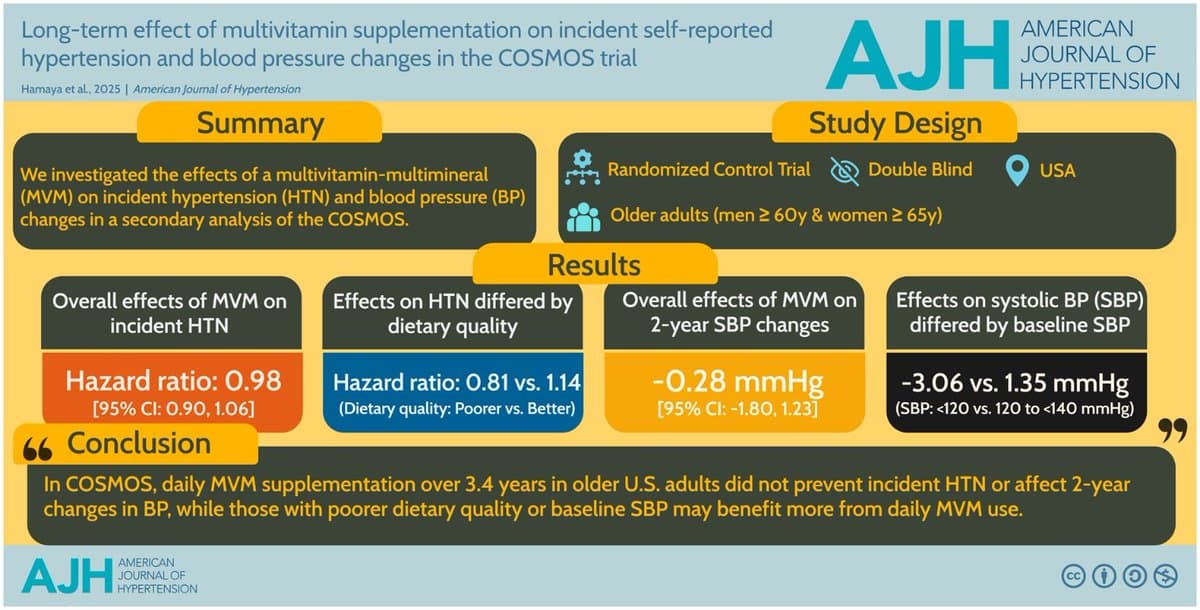
Multivitamins Show No Overall BP Benefit, Help Low‑Diet Individuals
Long-Term Effect of Multivitamin Supplementation on Incident Self-Reported Hypertension and Blood Pressure Changes in the COSMOS Trial "MVM supplementation versus placebo did not reduce hypertension incidence or lower BP overall. Exploratory analyses showed greater reduction in hypertension risk and BP changes...

From Stress to Recovery: Why Magnesium Is the Ultimate Mineral
Dr. Sircus explains that chronic stress rapidly depletes the body’s magnesium stores, creating a feedback loop that fuels disease. He argues modern diets no longer provide adequate magnesium, making supplementation essential for cardiovascular, metabolic, and neurological health. The video links...

New Handbook Review Positions Creatine as Brain‑Health Aid, Not a Steroid
Dr. Mehdi Boroujerdi’s upcoming Handbook of Creatine and Creatinine In Vivo Kinetics, releasing May 12, argues that creatine supports cognitive function and is not a steroid. The review cites anti‑inflammatory, antioxidant, and energy‑regeneration properties, prompting calls for broader dietary‑supplement guidance.
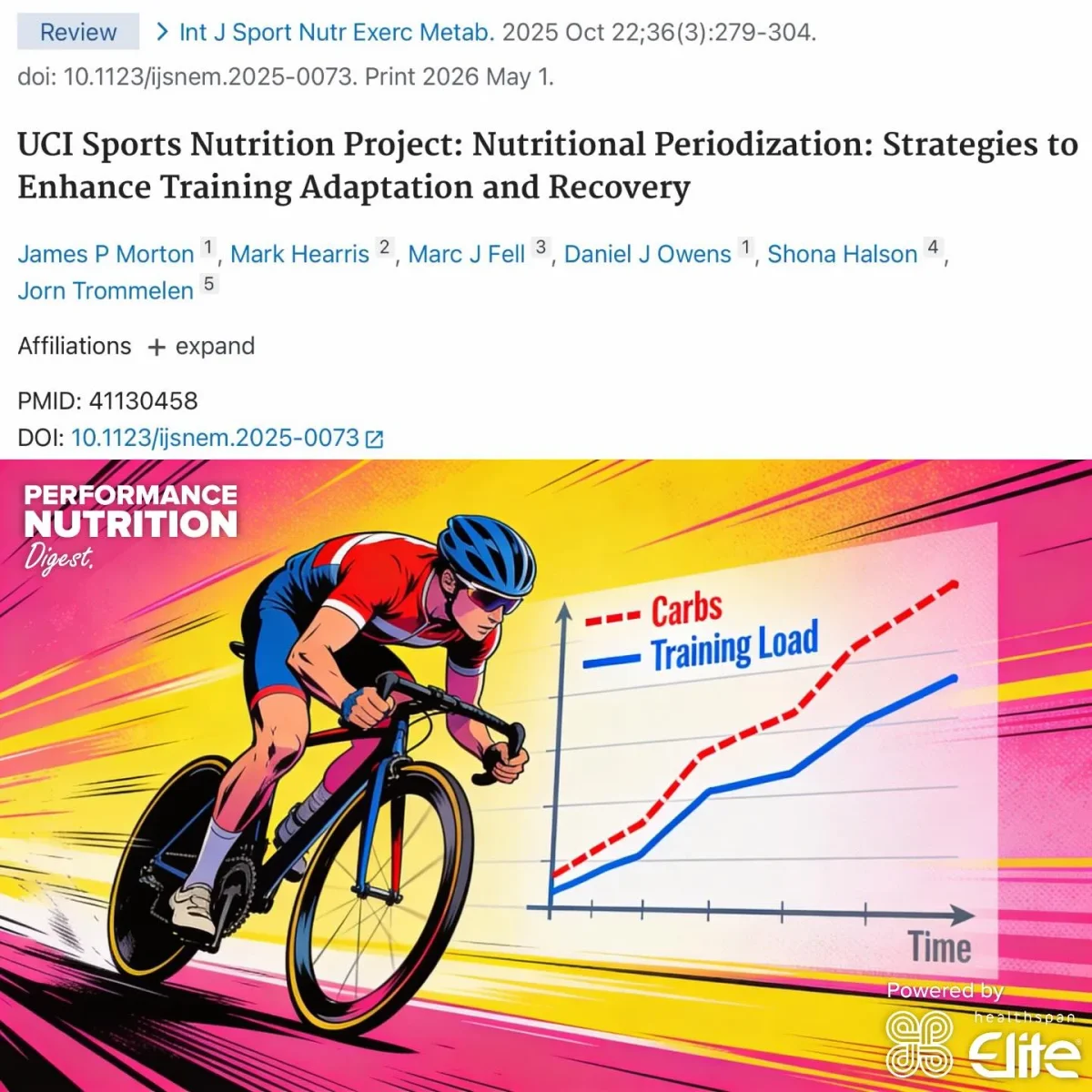
Match Carb Intake to Training Intensity for Cycling Gains
Nutritional periodisation to enhance adaptations and recovery in cycling 📊 This new review from the UCI Sports Nutrition Project outlined how to adapt nutritional intake through training weeks to “fuel for the work required” 🚴♂️ Here is a theoretical framework for...

How To Reset Your Appetite: A Nutritionist’s Guide
Nutritionist Dr. Federica Amati explains that appetite is governed by satiety signals linking the gut, brain, hormones and microbiome. Whole, fiber‑rich plant foods trigger hormones like GLP‑1 and short‑chain fatty acids that tell the brain you’re full. Modern processed meals...
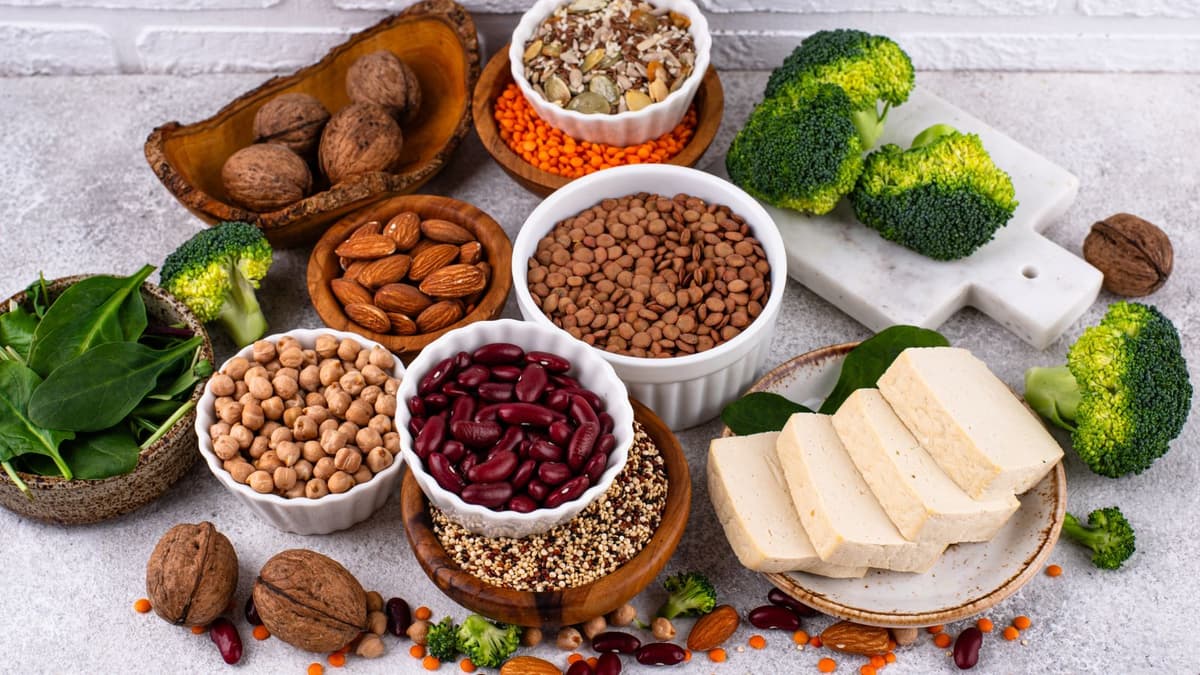
Managing Autoimmune Disease – the Evidence for a Whole Food Plant-Based Diet
A whole‑food plant‑based (WFPB) diet is presented as a evidence‑backed strategy to manage autoimmune diseases, which affect roughly 10% of the UK population (about 6.9 million people). The article explains how dysbiosis and a Western diet high in saturated fat and...

Functional Nutrition Tips for Maintaining Optimal Cellular Health in 2026
The Healthcare Guys’ 2026 guide outlines functional‑nutrition strategies that directly support cellular health, the foundation of energy, immunity and cognition. It identifies key nutrients—phospholipids, omega‑3s, magnesium, B‑vitamins, CoQ10 and antioxidants—that modern, calorie‑dense diets often lack. The article recommends whole‑food sources,...

‘Keto Flu’: What It Is and How To Manage It
The ketogenic diet forces the body into ketosis, but the transition often triggers a short‑term cluster of symptoms called keto flu. These symptoms—ranging from fatigue and headache to brain fog and muscle cramps—typically emerge 2‑7 days after carbohydrate restriction and...

Sunlight: The Original Natural Nootropic Stack
UV exposure → vitamin D → dopamine & serotonin. The original nootropic stack was just... going outside.

Molecular Hydrogen May Reduce Fatigue and Support Physical Function in People with Long COVID
A single‑blind, 14‑day pilot trial published in *Nutrients* examined hydrogen‑rich water versus regular water in 32 adults with long‑COVID. Participants drinking the hydrogen‑infused water reported statistically significant reductions in fatigue and showed measurable gains in six‑minute walk distance (42‑62 m), chair‑stand...
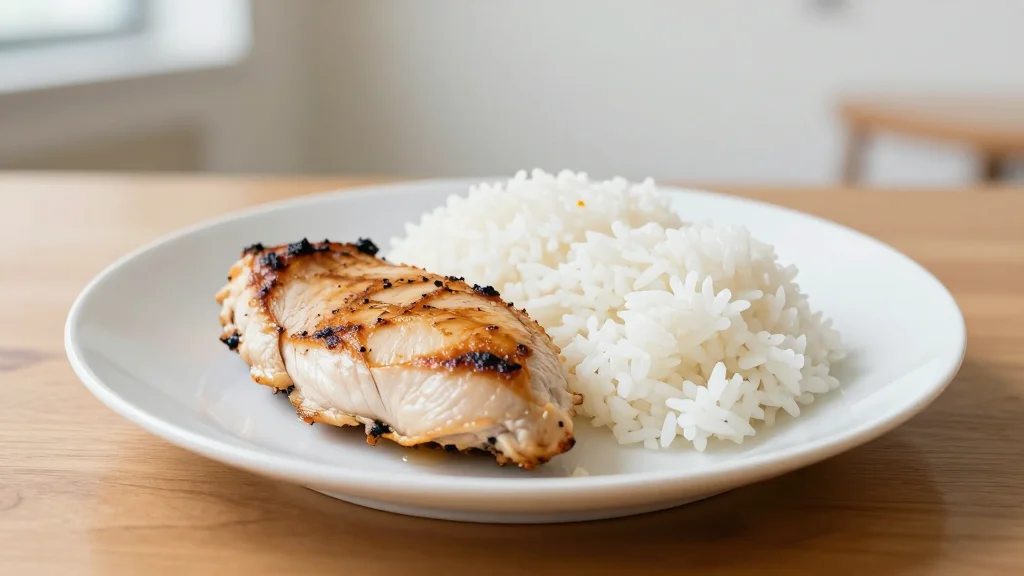
Unaware of Celiac, I Survived on Rice and Chicken
I ate plain rice and chicken for six months because no one explained celiac [PODCAST] http://dlvr.it/TSMyKS Podcast #Gastroenterology

Eat 0.18‑0.25 G Protein per Pound per Meal
How much protein per meal should you eat for maximizing muscle protein synthesis, based on your body weight? .18-.25g/lb. More here: https://t.co/KqtDMSO4iI
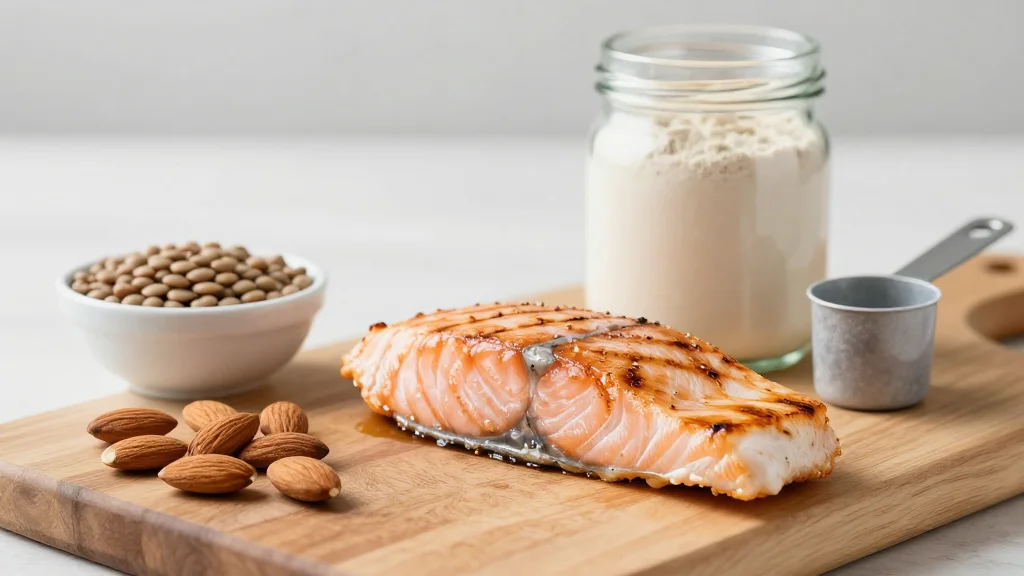
U.S. Dietary Guidelines Raise Protein Targets as Consumer Demand Hits Record High
The U.S. Department of Health and Human Services released revised Dietary Guidelines that increase recommended protein intake to 1.2‑1.6 g per kilogram of body weight. The change aligns with a cultural boom in protein consumption, where 70% of Americans say protein...
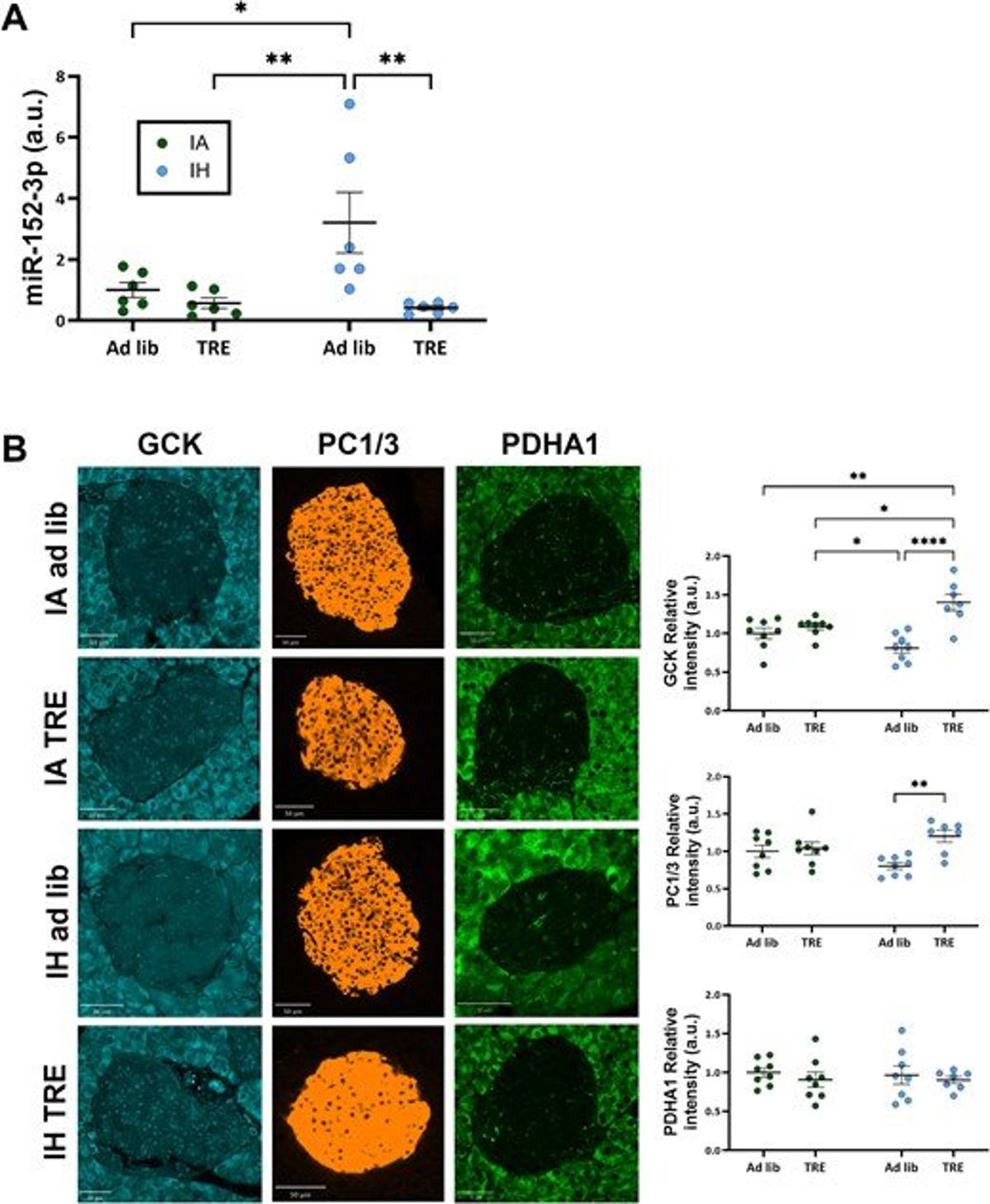
Time‑Restricted Eating Counteracts Hypoxia‑Induced Glucose Dysregulation
Time-restricted eating improves intermittent hypoxia-induced dysglycemia "In IH, TRE mitigates adverse hypoxic effects on glucose homeostasis, via improvements in pancreatic insulin secretion. Some beneficial glycemic effects of TRE are accentuated in IH. TRE may represent a novel therapeutic strategy in OSA" https://t.co/SQgSGnX6Ay
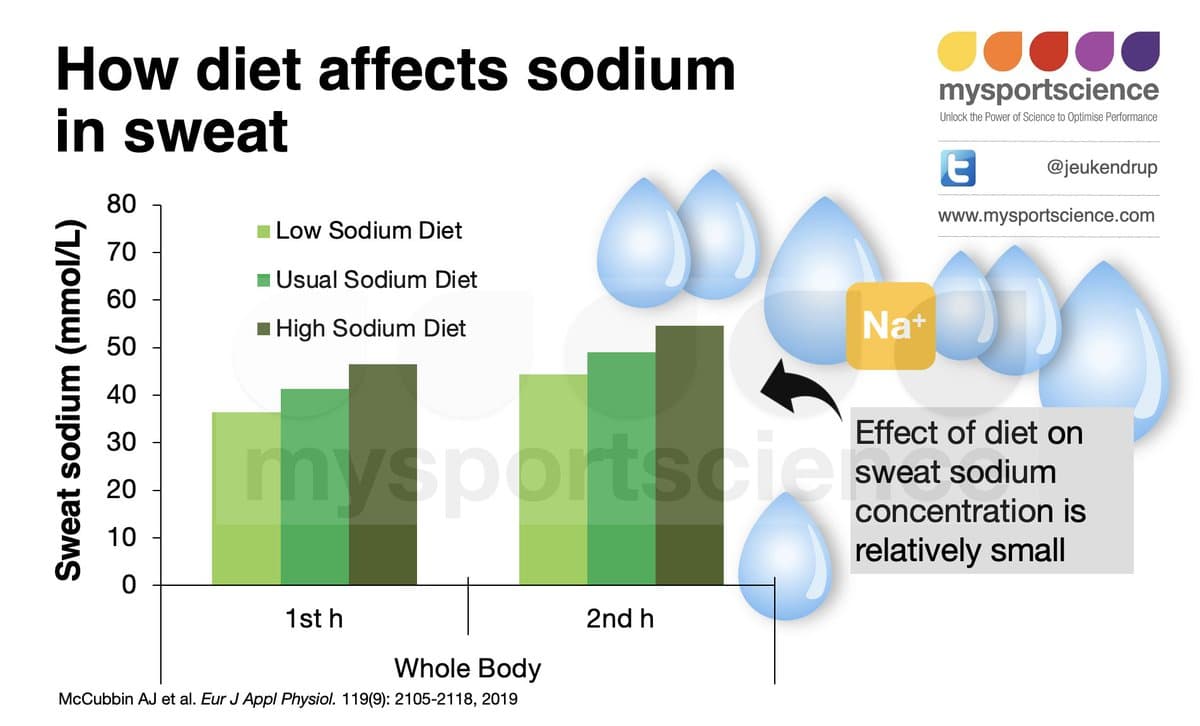
Sweat Sodium Varies Beyond Salt Intake: Diet, Rate, Acclimation
Is the sodium in your sweat simply a reflection of how much salt you eat? This blog explores why sweat sodium concentrations vary between and within individuals, and how factors such as diet, sweat rate and heat acclimation influence losses....

Association of Maternal Diet with Human Milk Fatty Acid and Macronutrient Composition: A Saudi Cohort Study
A secondary analysis of 40 Saudi breastfeeding mothers showed that human‑milk macronutrients remain stable, but fatty‑acid composition, especially omega‑3 levels, closely mirrors maternal diet. Higher maternal energy and omega‑3 intake were linked to increased milk EPA, total n‑3 and a...
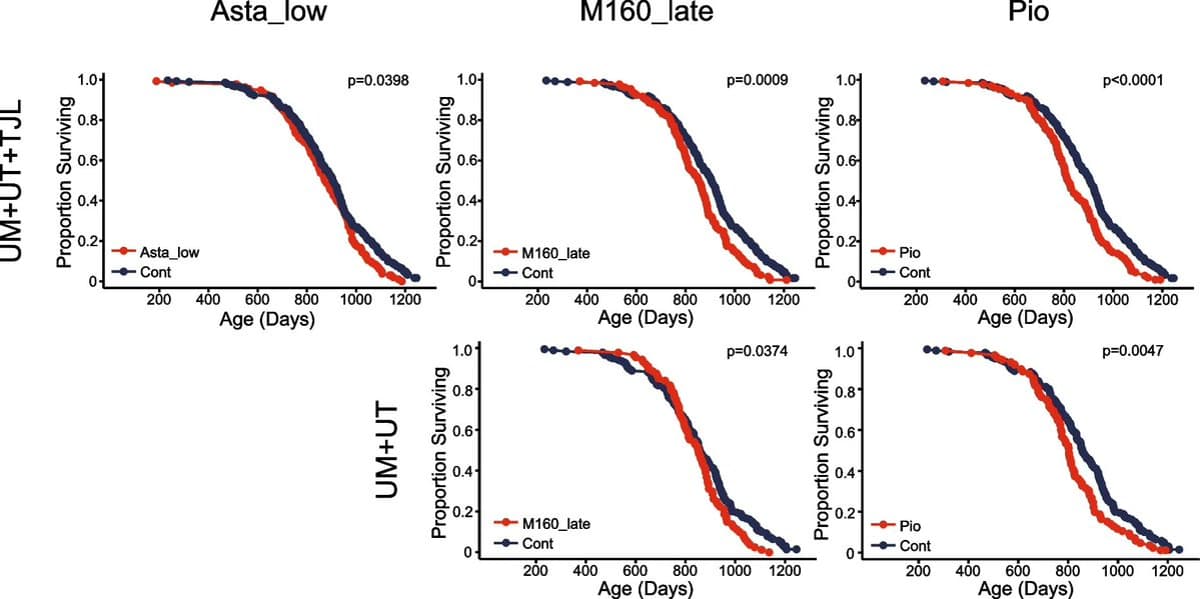
Astaxanthin's Lifespan Boost Hinges on Dose and Timing
Astaxanthin was tested for lifespan in mice. In 2023, it increased lifespan by ~12% in male mice But a new 2026 study found no effect. The big difference: dose and timing. Full video breakdown: https://t.co/6r7rqMc8jw https://t.co/Lm8ApCG64t
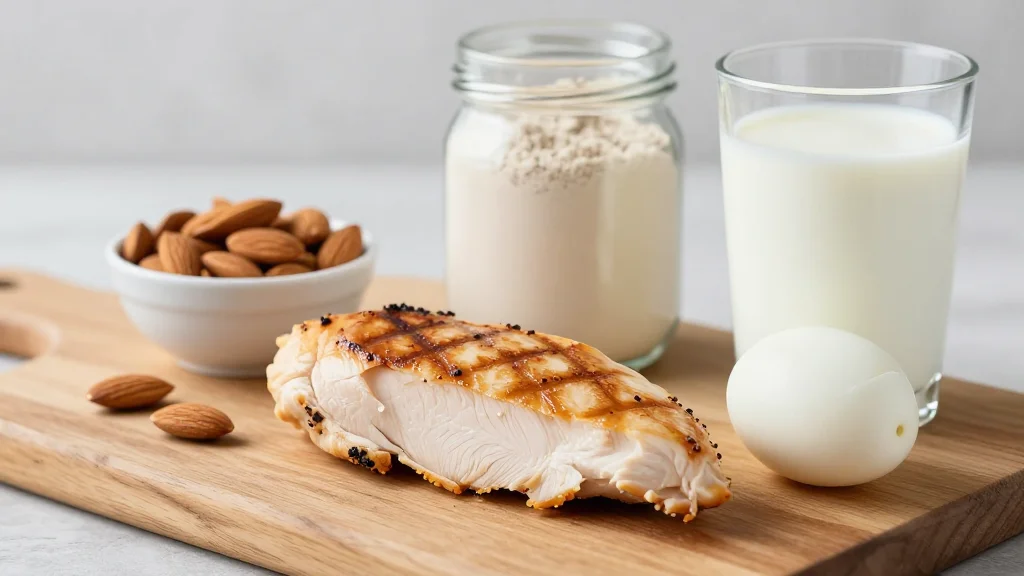
Dietary Protein Intake, Inflammatory Biomarkers, Genetic Susceptibility, and the Incidence of Sarcopenia: A Prospective Population-Based Study
A large prospective UK Biobank study of 37,870 adults found that higher dietary plant protein intake was associated with a 25% lower risk of incident sarcopenia, while total and animal protein showed no independent benefit after full adjustment. Inflammatory biomarkers...
Body Mass Index and Dietary Intake as Nutritional Determinants of Sarcopenia in Older Adults
A retrospective study of 360 adults aged 60 and older found that 11.4% met sarcopenia criteria. Lower body‑mass index, reduced daily energy, protein, and dietary fiber intakes were each independently linked to higher odds of sarcopenia after adjusting for age,...