Today's Nutrition Pulse
Europe’s fibre frenzy: excess intake can backfire
While most Europeans still miss the UK’s 30 g daily fibre target, recent trends have pushed some consumers to exceed 50–70 g per day. Such high intakes are linked to bloating, diarrhea, constipation and reduced mineral absorption, especially when fibre is increased rapidly without sufficient hydration.
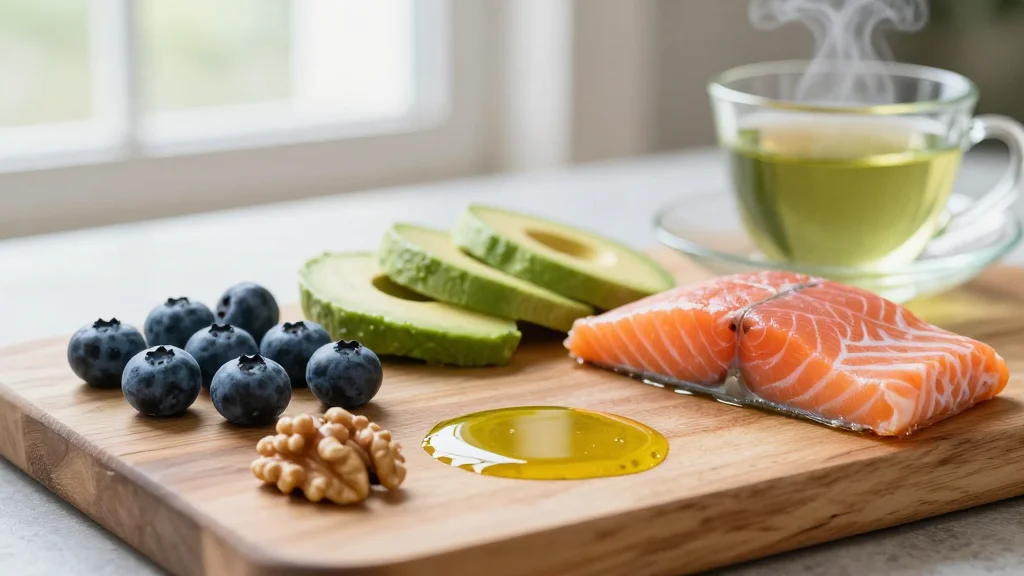
How to Eat for a Healthy Brain
U.S. psychiatrist Tracey Marks highlights a clear link between diet and brain health, emphasizing that nutrition directly influences energy, mood, and overall wellbeing. She outlines a "brain‑healthy" eating pattern rich in omega‑3s, antioxidants, B‑vitamins, and fiber while noting common gaps for vegans and vegetarians. Marks also advises when targeted supplements may be appropriate. The piece urges readers to cut through hype and adopt evidence‑based dietary habits to support mental health.
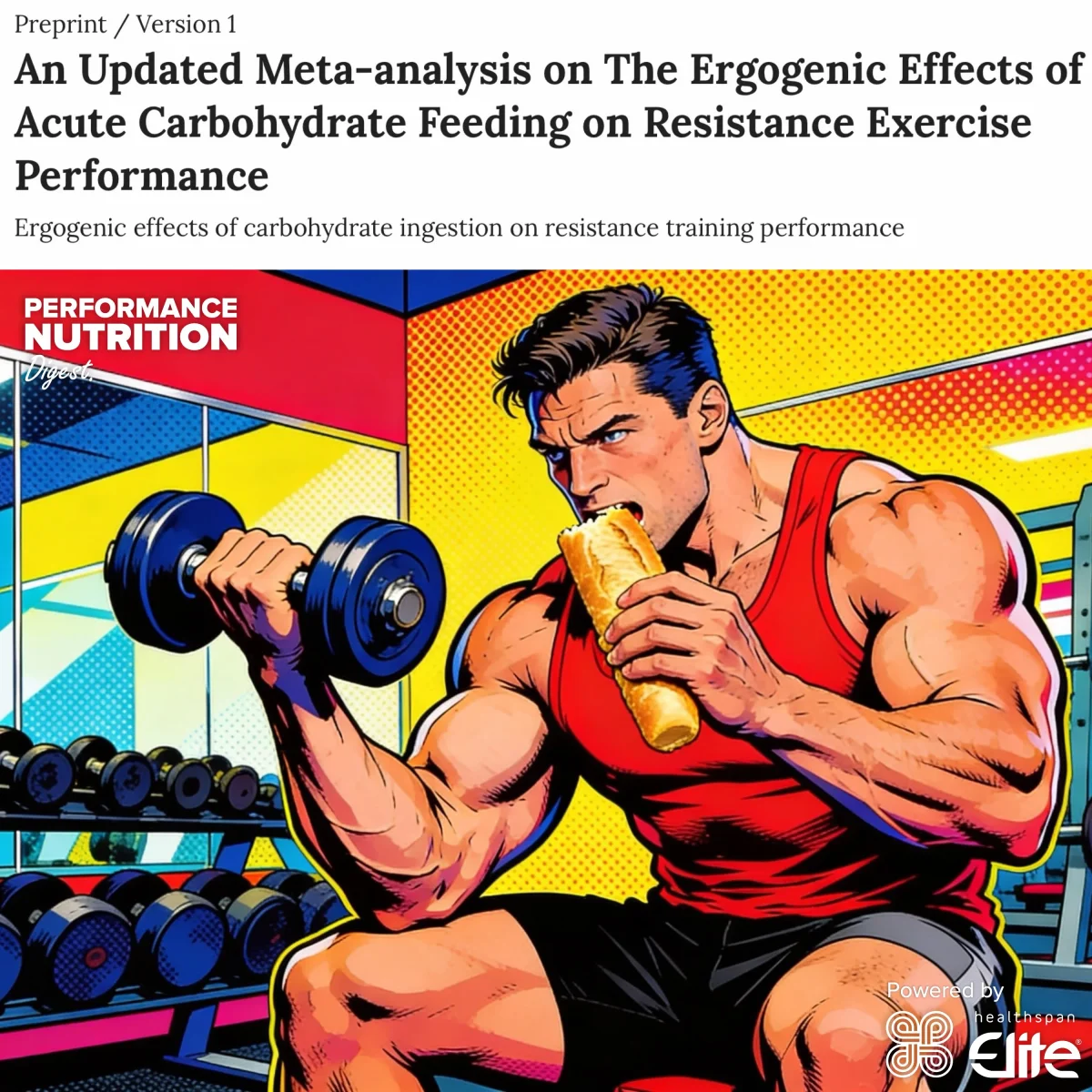
Carbs Boost Long, Fasted Resistance Training Volume
Do carbs enhance resistance-exercise performance? 🏋️ This new meta-analysis compiled data from 21 studies (351 participants) to establish the effects of acute carb feeding (pre- or during exercise) on resistance exercise performance 🔍 Here is what they found ⬇️ 🍞 Carbohydrate intake leads...
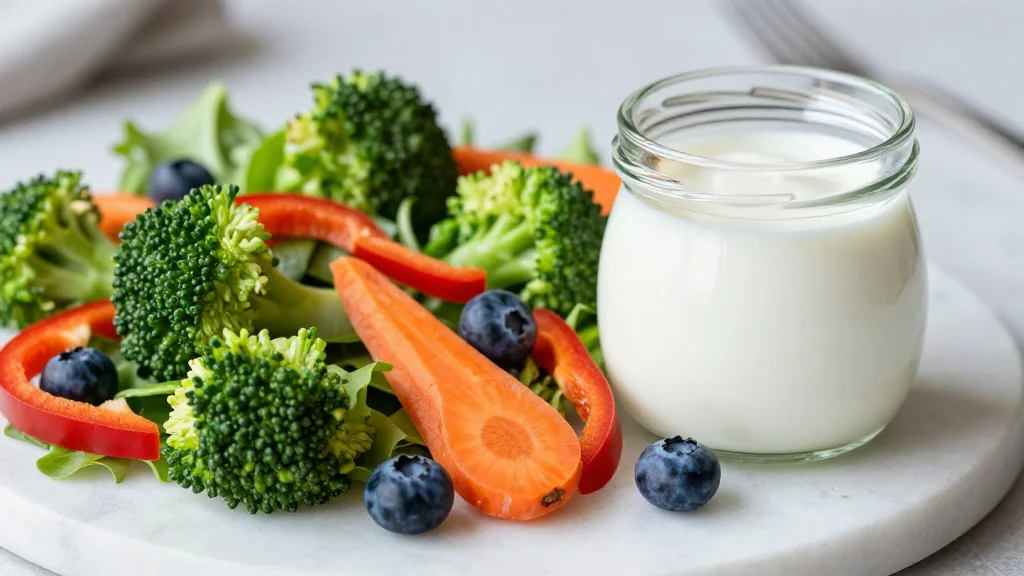
The Ultimate Gut-Health Grocery List To Boost GLP-1 Naturally
Microbiologist Colleen Cutcliffe explains that a healthy gut microbiome can naturally stimulate GLP‑1, the hormone that curbs appetite and stabilizes blood sugar. She highlights two key strains—Akkermansia muciniphila and Clostridium butyricum—as central to GLP‑1 production. By prioritizing fiber‑rich vegetables, polyphenol‑dense fruits,...

This “Bad” Fat In Dairy Is Not Linked To Heart Disease, Study Shows
A new systematic review and meta‑analysis found that naturally occurring trans fats in dairy do not worsen blood lipid markers or increase cardiovascular disease risk. The analysis covered ten randomized trials comparing high‑trans‑fat dairy to conventional products and twelve long‑term...

This Vitamin May Help “Retrain” The Immune System In Gut Inflammation
Researchers conducted a 12‑week trial in inflammatory bowel disease patients with low vitamin D, supplementing them daily. Multi‑omics analysis showed vitamin D boosted IgA activity while suppressing IgG, shifting the immune system toward tolerance of gut microbes. The supplement also redirected immune...

New Study Suggests Bonking Is (Mostly) All in Your Head
A 2026 review in *Endocrine Reviews* re‑examines more than 160 studies and argues that endurance fatigue, traditionally called "bonking," is driven primarily by exercise‑induced hypoglycemia rather than muscle glycogen depletion. The authors propose that the brain detects falling blood‑glucose levels...

Prospects for Algae Nutritional Supplementation of Beef Cattle: Your Questions Answered
A commercial trial in Central Queensland tested AlgaeFeed, a chlorella‑based liquid supplement, on 200 steers during the winter dry season. Supplemented cattle gained an average of +0.1 kg per head per day, while the control group lost –0.7 kg, creating a 0.8 kg/day...
Regular Fish Intake Supports Cognitive Health in Aging
Fish consumption and cognitive function in aging: a systematic review of observational studies "In conclusion, the evidence suggests that regular fish intake (typically ≥1–2 servings per week) is linked to preserved cognitive performance, although some inconsistent findings require further investigations." https://t.co/1axIS85WGf @GeroScienceAGE

Doctors Warn This Popular Vitamin May Quietly Disrupt Cancer Care
Biotin supplements have become a popular self‑treatment for hair loss among cancer patients, despite limited scientific proof of benefit. Oncologists warn that biotin can skew blood‑test results used to monitor prostate, thyroid, ovarian and breast cancers, potentially delaying or altering...
Nutrition and Body Image Program Improves Recovery for Women with Substance Use Disorders
A new study in the Journal of Nutrition Education and Behavior evaluated the Healthy Steps to Freedom (HSF‑10) program, a 10‑week group intervention for women in substance‑use treatment. Among 607 participants, the program led to measurable gains in nutrition habits,...
U.S. Gut‑Health Supplements Market Projected to Hit $6.72 Billion by 2033
A new market forecast shows the United States gut‑health supplements sector will reach $6.72 billion by 2033, expanding at a 6.12% CAGR. The growth is anchored in heightened consumer awareness of digestive health, increasing prevalence of gastrointestinal disorders, and a surge...
:max_bytes(150000):strip_icc():format(jpeg)/sulfites-red-wine-GettyImages-14204362191-9e31c124ade747efbcd2ac8ec62d52c0.jpg)
What Are Sulfites—And Should You Avoid Sulfite-Rich Foods?
Registered dietitians clarify that sulfites are widely used preservatives that appear naturally in foods like wine and fermented vegetables and are added to many processed products. For the majority of consumers they pose no health risk, but individuals with asthma...
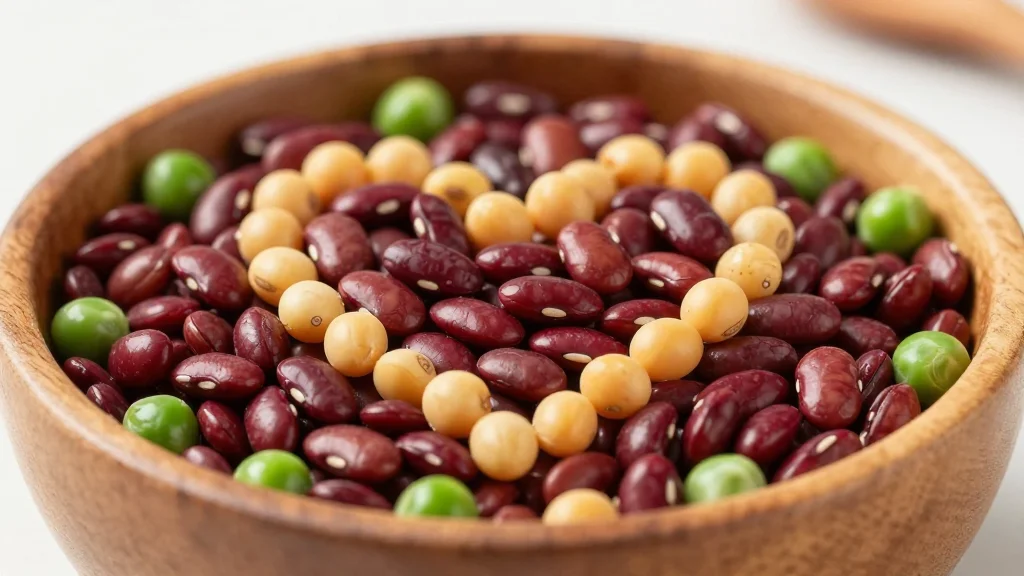
Elevated Consumption of Soy and Legumes Associated with Reduced Risk of Hypertension
A new meta‑analysis of 12 prospective cohorts covering over 150,000 people finds that high consumption of legumes and soy foods is linked to substantially lower hypertension risk. Participants eating large amounts of legumes experienced a 16% risk reduction, while soy...

Eating Eggs Could Cut Alzheimer’s Risk by 27%
Researchers at Loma Linda University analyzed data from about 40,000 older adults over a 15‑year span and found that eating at least one egg per day was linked to a 27% lower risk of Alzheimer’s disease. Even modest consumption—1‑3 eggs...
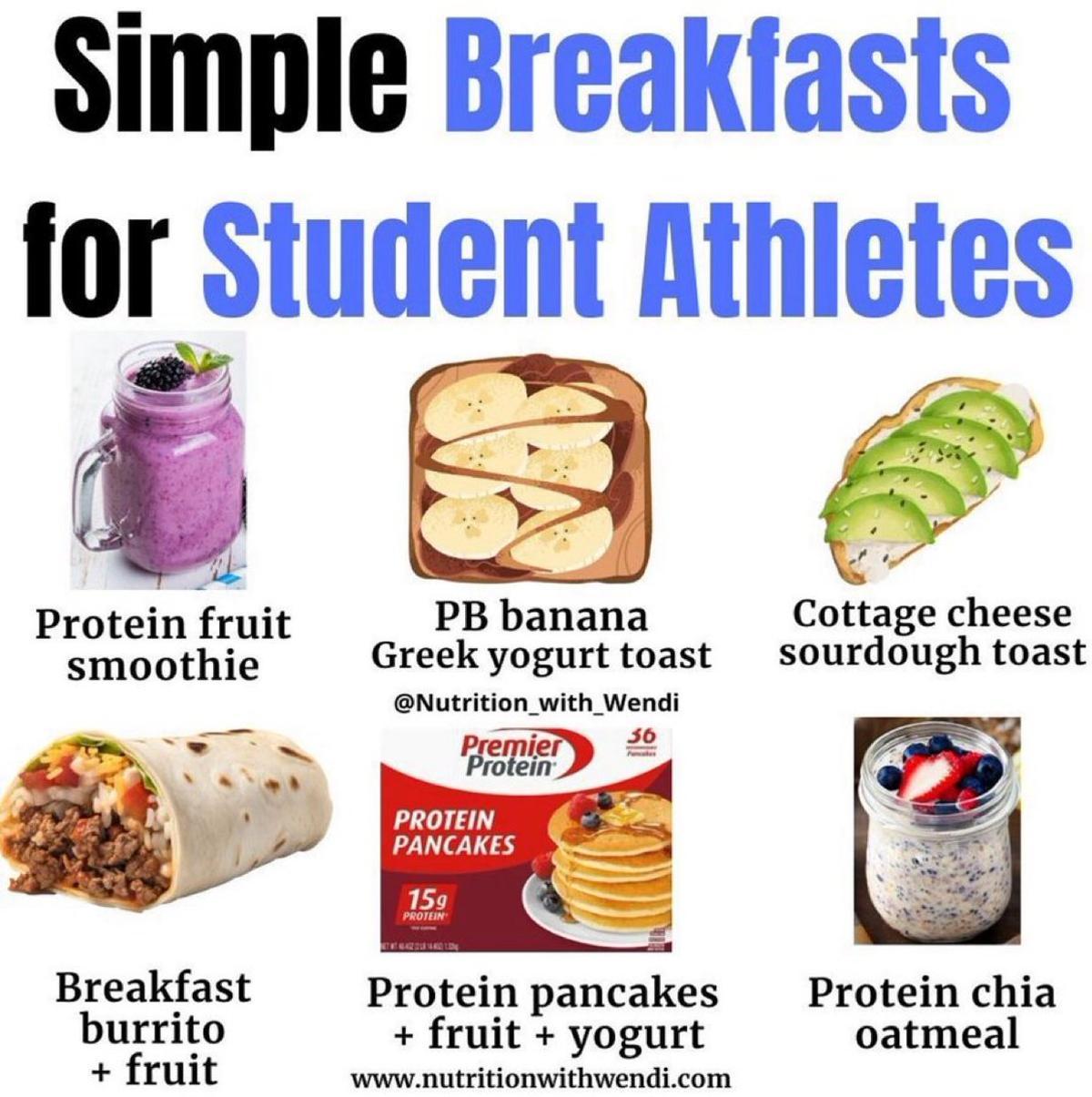
Student Athletes: Eat Breakfast, Boost Performance and Focus
Never skip breakfast as a student athlete. Skipping breakfast can lead to: 🚫 Low energy 🚫 Poor focus 🚫 Missed nutrients you won’t make up later (Mahony et al., 2005) Breakfast = Better: ✅Concentration ✅Mood + focus ✅Nutritional status ✅Problem-solving ability ✅Physical performance ✅Chances of meeting daily...
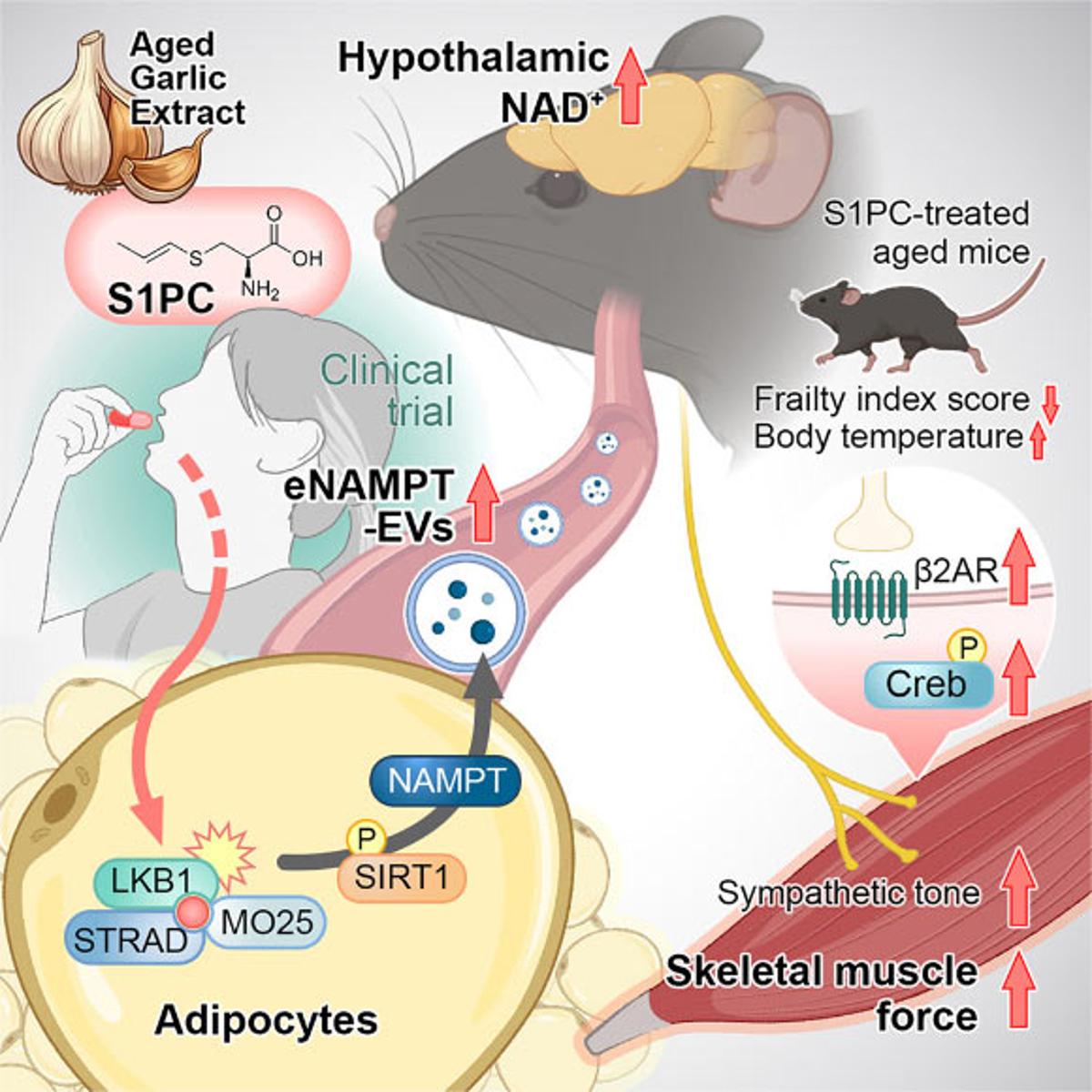
Garlic Compound May Hold Clue to Slowing Muscle Aging
Japanese researchers identified S‑1‑propenyl‑L‑cysteine (S1PC), a compound in aged garlic extract, as a potent activator of the LKB1 enzyme that boosts eNAMPT secretion and NAD+ production. In aged mice, long‑term S1PC supplementation lowered frailty scores, increased muscle force, and restored...

High Protein Enables Recomp Whether in Deficit or Maintenance
Interesting finding that kind of defies physics, but it is what it is, proving there’s still more we need to learn… Muscle maintenance/body recomp strategy #1: eat adequate calories (isocaloric) Muscle maintenance/body recomp strategy #2: eat a calorie deficit, but include adequate...

Health Canada Cuts Red Tape for Natural Health Products, Paving Way for Faster Market Access
Health Canada announced a package of regulatory reforms to slash administrative burdens for the natural health products (NHP) sector, the first major overhaul since 2020. The changes include a new prebiotic monograph, streamlined labeling rules, and broader red‑tape reduction measures,...
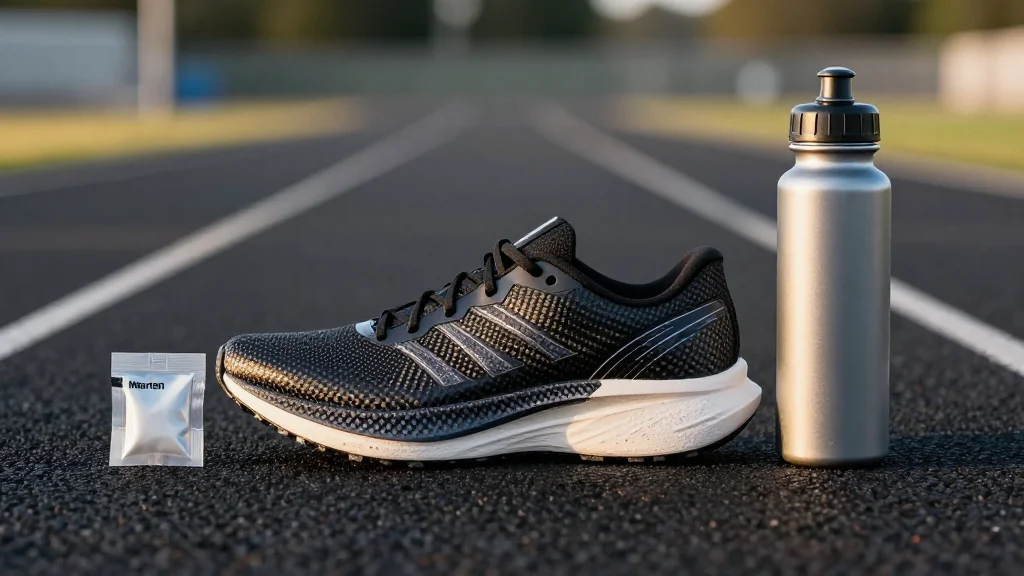
Sabastian Sawe Shatters Marathon Barrier with 1:59:30 Finish in London
Kenyan elite Sabastian Sawe completed the 2026 London Marathon in 1:59:30, becoming the first athlete to finish an official 42‑km race under two hours. The performance combined a cutting‑edge shoe, a bespoke Maurten fueling plan, and a lifelong legacy of...

Effects of Caffeine Intake on Exercise Performance in Basketball Players: A Systematic Review and Meta-Analysis
A new systematic review and meta‑analysis of 18 blinded crossover studies examined how acute caffeine affects basketball performance. Low‑to‑moderate doses (≈2.3‑3 mg·kg⁻¹) modestly improved general physical metrics such as sprint speed, jump height and agility, and raised perceived muscle endurance and...
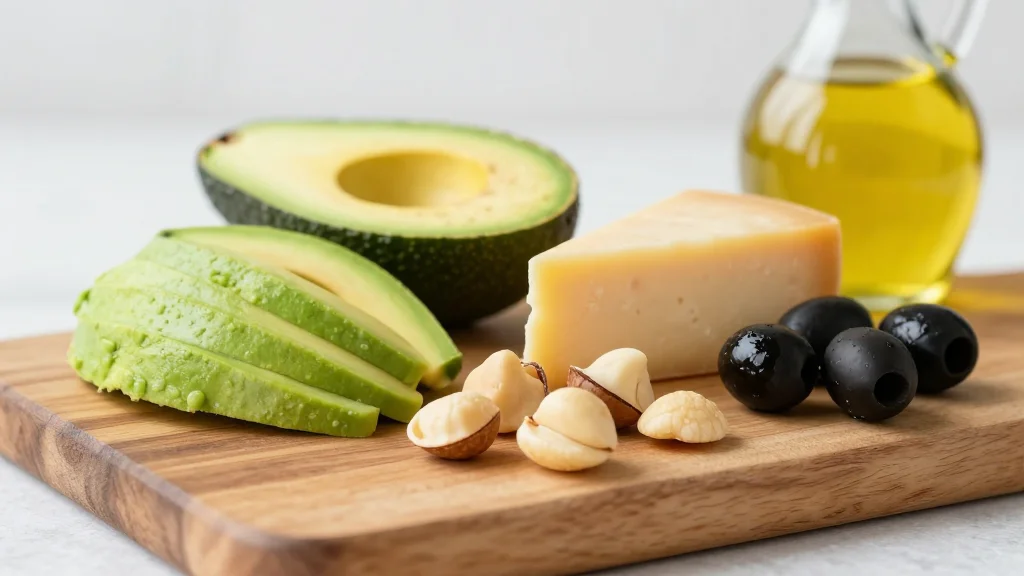
Micronutrient Intake in Adults with Drug-Resistant Epilepsy Treated with the Modified Atkins Diet Needs Monitoring
A prospective study of 56 adults with drug‑resistant epilepsy on a modified Atkins diet (MAD) found that while fat‑soluble vitamins A, D and E were higher than in a normal‑diet reference, intake of several water‑soluble vitamins, electrolytes and minerals fell...

Nutritional Timing and Stress Biology: Intermittent Fasting as a Hormetic Signal for Adaptation
Intermittent fasting (IF) and time‑restricted eating (TRE) are examined as controlled metabolic stressors that invoke hormetic adaptations. The review outlines how nutrient‑sensing pathways—including AMPK, SIRT1, mTOR and Nrf2—are modulated, driving autophagy, mitochondrial renewal and redox balance. Pre‑clinical and clinical evidence...

Propel Unveils Clear Protein: Zero‑Sugar Hydration Drink with 20 G Protein and Fiber
Propel introduced Clear Protein, a ready‑to‑mix powder that combines 20 g of protein, fiber and electrolytes in a zero‑sugar, 90‑calorie serving. The product, developed with registered dietitians, is now available through major online retailers, reflecting rising demand for multifunctional nutrition beverages.

Physician Dr. Sara Bloom Launches Mavie Platform to Tackle Maternal Burnout
Physician and mother of three Dr. Sara Bloom introduced Mavie, a subscription‑based wellness platform for mothers, in May 2026. The service promises personalized, 15‑minute rituals across nutrition, movement and emotional health to close a long‑standing gap in maternal wellness.

Genetic Testing May Unlock Vitamin D's Potential for Diabetes Prevention
A JAMA Network Open analysis of the D2d trial shows that daily 4,000 IU vitamin D₃ reduced type 2 diabetes incidence by 19% among prediabetic adults carrying the ApaI AC or CC variants of the vitamin D receptor gene. The same high‑dose regimen had...
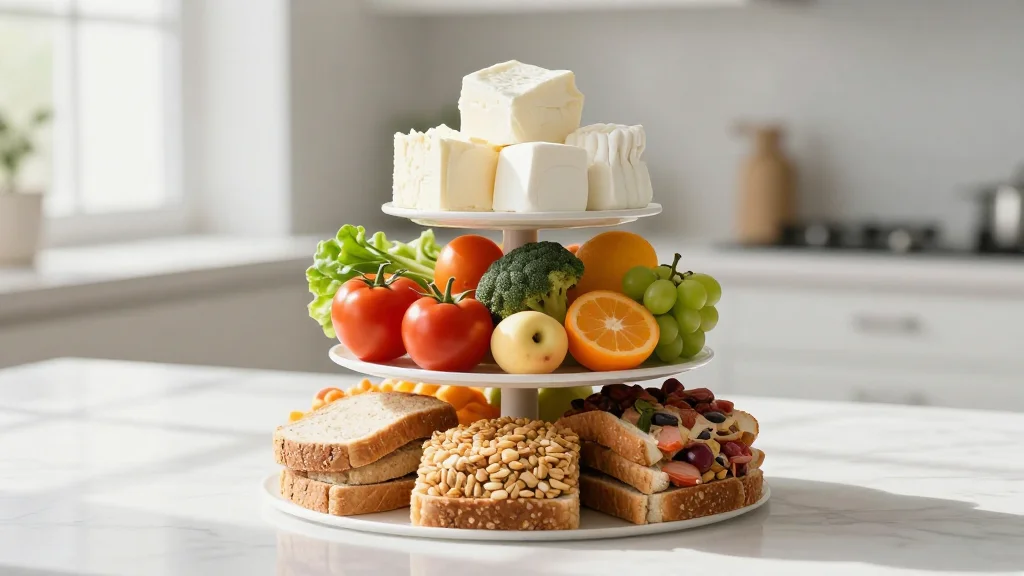
Nearly Half of Americans Hear New Dietary Guidelines, Yet Confusion Persists
The International Food Information Council (IFIC) released a survey showing 47% of Americans heard about the 2025‑2030 Dietary Guidelines and saw the new Food Pyramid within three weeks of launch. While early visibility is strong, the study reveals widespread misinterpretations...

RTC Trial Finds 5‑MTHF Matches Folic Acid, Reduces Unmetabolized Folate
Researchers at the Research Trial Consortium (RTC) reported that a 24‑week randomized trial of 80 pregnant women found prenatal multivitamins containing 5‑MTHF maintained maternal and fetal folate levels on par with folic‑acid formulas, yet produced markedly lower concentrations of unmetabolized...

Parents Reject Newborn Vitamin K Shots, Prompting Infant Deaths Across U.S. Hospitals
ProPublica’s investigation reveals that hospitals nationwide are documenting infant deaths linked to parents refusing the routine vitamin K shot at birth. The trend, driven by misinformation and a desire to avoid perceived medical overreach, has already resulted in multiple fatal bleeding...

Caffeine Won't Give You All-Day Energy — But This Eating Habit Will
Caffeine provides only a short‑term boost, and repeated use can lead to energy crashes. Registered dietitian Alexander LeRitz explains that stable blood‑sugar levels, achieved by pairing carbohydrates with fiber, protein, or fat, sustain energy throughout the day. He promotes a...

Could Melatonin and Caffeine Work Together for Performance?
A double‑blind, placebo‑controlled crossover trial examined 14 trained men who received caffeine (3 mg·kg⁻¹), melatonin (6 mg), or both, with performance measured in a 5‑m shuttle run. Caffeine alone improved distance, while the melatonin‑caffeine combination matched or exceeded that boost and lowered...
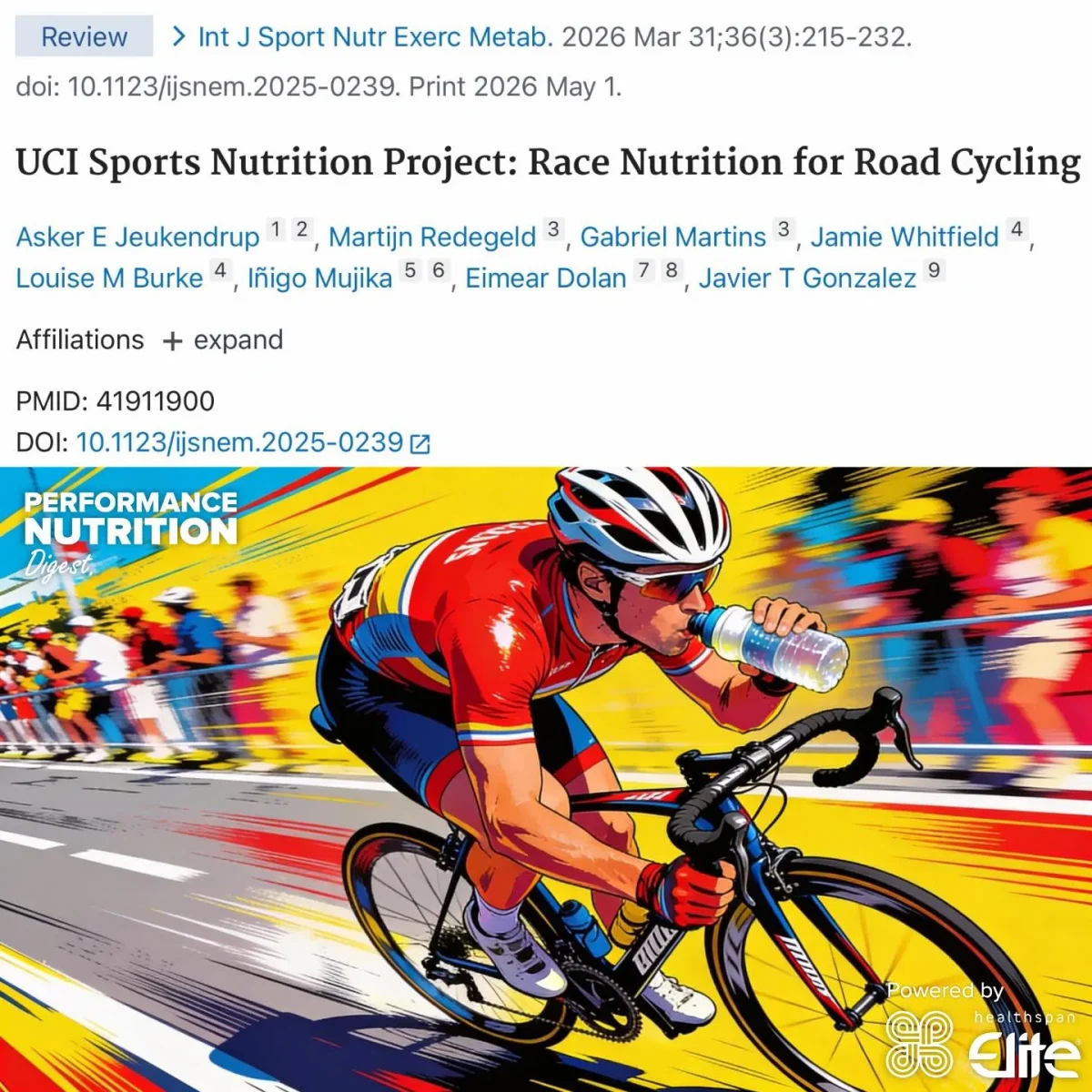
Optimal Carb and Low‑Residue Diet for Cyclists
Race nutrition strategies for road cycling 🏆🚴♂️ This new review from the UCI Sports Nutrition Project highlighted recommended intakes of carbohydrate for training/racing intensity 🥯 Plus, outlined details of a low residue diet that can help to reduce GI symptoms in the...

Eating While Distracted Increases Hunger and Later Intake
Kinda intuitive, but research shows that “distracted eating” makes you hungrier and you tend to eat more later on: https://t.co/aQMw0mznY5 https://t.co/nIMGM4LT1B
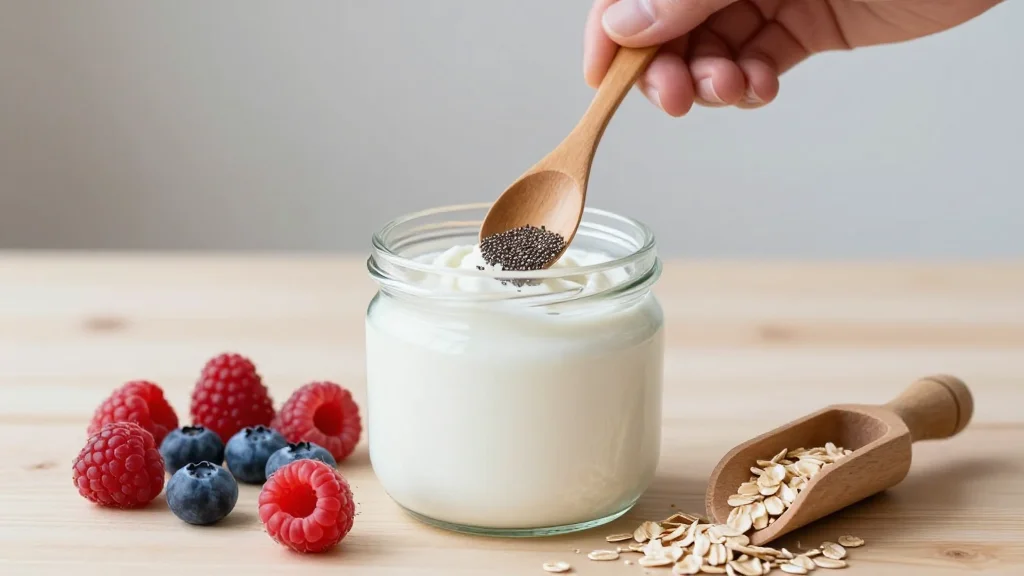
Can This Antioxidant-Rich Food Speed Up Recovery? Here’s What 28 Studies Found
A new scoping review examined 28 randomized controlled trials on tart cherry supplementation, focusing on performance, muscle‑strength recovery, and delayed‑onset muscle soreness. The analysis found the most consistent benefit was faster muscle‑strength recovery, likely due to the anti‑inflammatory anthocyanins in...

Want To Build Muscle? Most Women Are Missing This Nutrient (It’s Not Protein)
Women who lift weights often focus on protein, but many overlook carbohydrates, a critical fuel for muscle growth. Dr. Ana Kausel notes that over 80% of her female patients have tried low‑carb diets, leading to fatigue, cortisol spikes, and stalled...

Beta-Glucan Oligosaccharides Could Lower Cholesterol Levels - Thai Study
A Thai‑led, randomised, placebo‑controlled trial of 96 healthy adults examined daily 2 g supplementation of β‑glucan oligosaccharides versus polysaccharides over 12 weeks. Both forms lowered total cholesterol, but only the oligosaccharide group maintained a significant reduction two weeks after stopping the supplement...
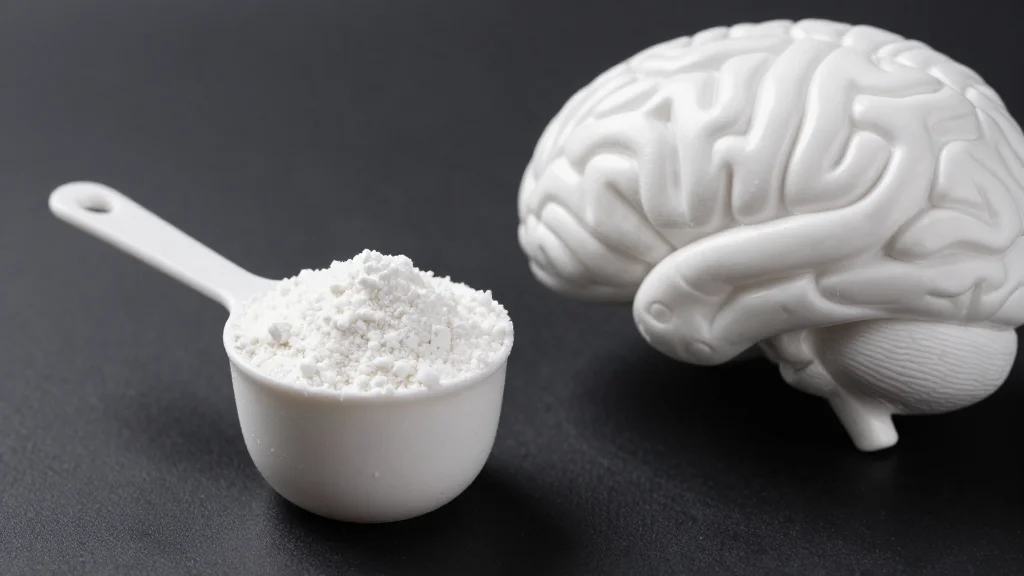
Emerging Research Prompts Rethink of Creatine Dosage for Athletes and Seniors
A wave of recent studies is challenging the long‑standing 5‑gram daily creatine recommendation, suggesting higher intakes could support brain health and recovery. The shift is drawing attention from sports trainers, geriatric nutritionists, and wellness influencers alike.
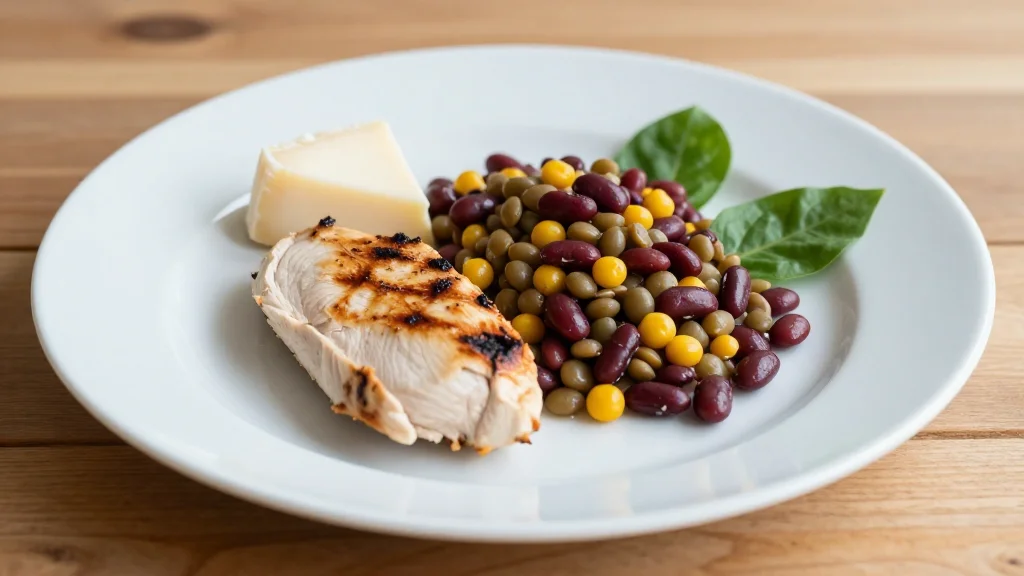
Netherlands Revamps Schijf Van Vijf, Cutting Meat and Dairy While Boosting Legumes
The Netherlands Nutrition Centre, together with the National Institute for Public Health and the Environment, released a revised Schijf van Vijf that caps weekly meat at 300 g, reduces cheese recommendations, and raises legume targets to 250 g per week. The change...

Study Finds 80% Energy Compensation Threshold Triggers Metabolic Shifts in Elite Athletes
Researchers from three South Korean universities reported that elite athletes experience a U‑shaped energy compensation curve during a 48‑week high‑intensity training cycle, with compensation falling to roughly 80% at peak load. The resulting daily deficits of 624‑840 kcal are linked to...
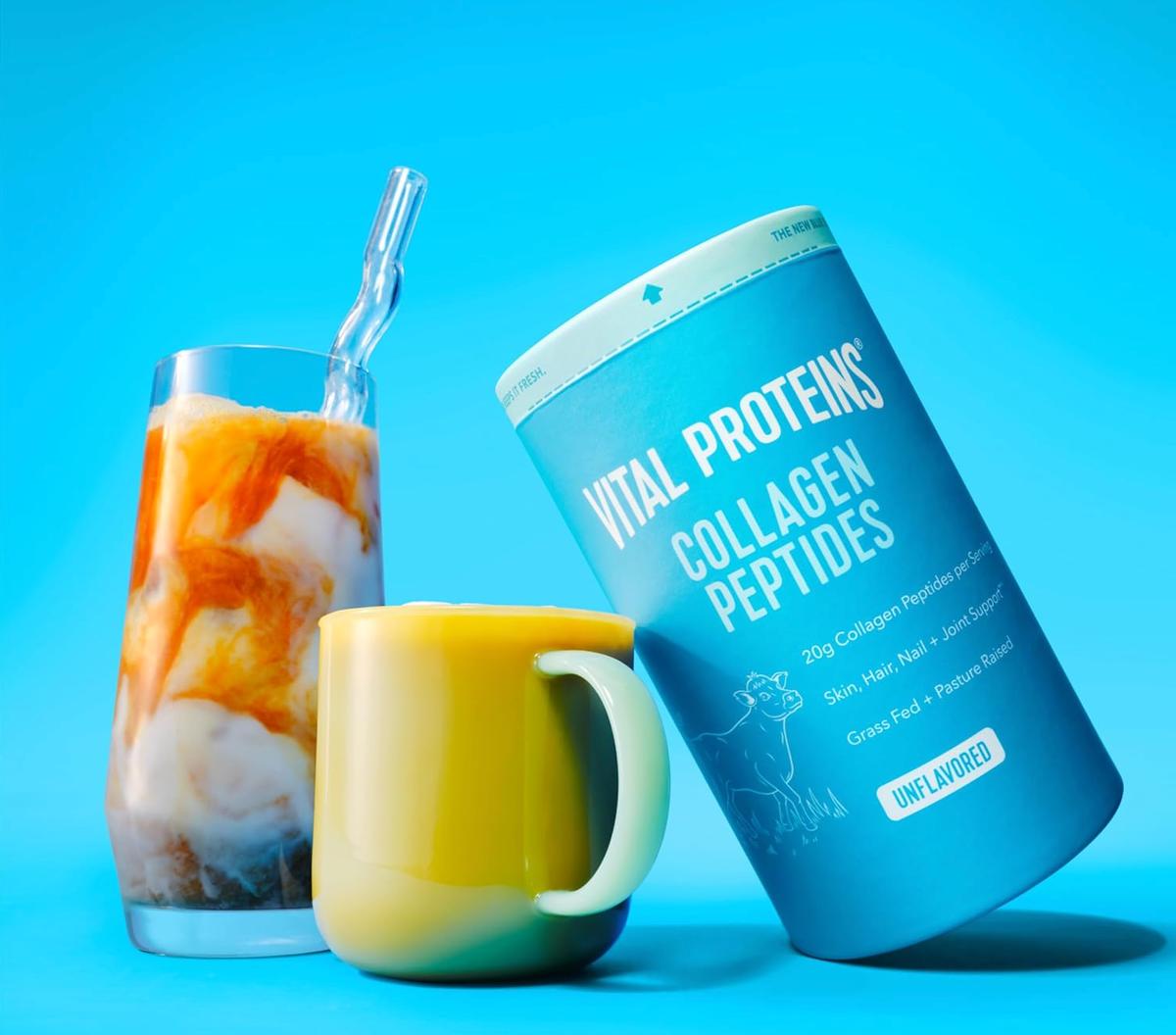
Want to Feel Fuller Longer? Start With These 6 Protein Powders
The article reviews six top‑rated protein powders that can help consumers feel fuller longer and support weight‑loss goals. It highlights Optimum Nutrition’s Gold Standard whey as the overall winner, alongside standout options for whey, casein‑whey blends, plant‑based, snack‑shake, and collagen...
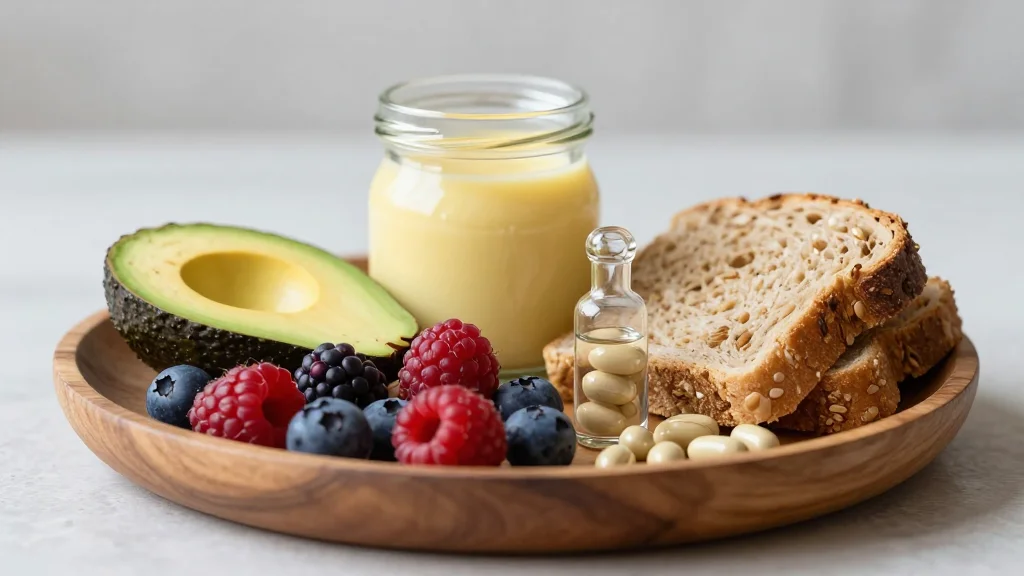
Gut Microbiome Resilience: Key to Longevity
Gut Microbiota Resilience and Environmental Stressors: A Hidden Key to Lifespan Optimization? "...The review also outlines practical ways to bolster resilience: fiber-rich, plant-based and fermented foods; targeted probiotics, prebiotics/synbiotics, and (in special cases) fecal microbiota transplantation; regular physical activity; good sleep...

Only 90% of Consumed Calories Are Truly Metabolizable
“Digestible energy intake” tells you the difference between how many calories you ingest and how many you actually burn. A typical number: 90%. “Digestible and Metabolizable Energy Intake in Humans: a Systematic Review,” Yoshimura et al, Advances in Nutrition, 2026.
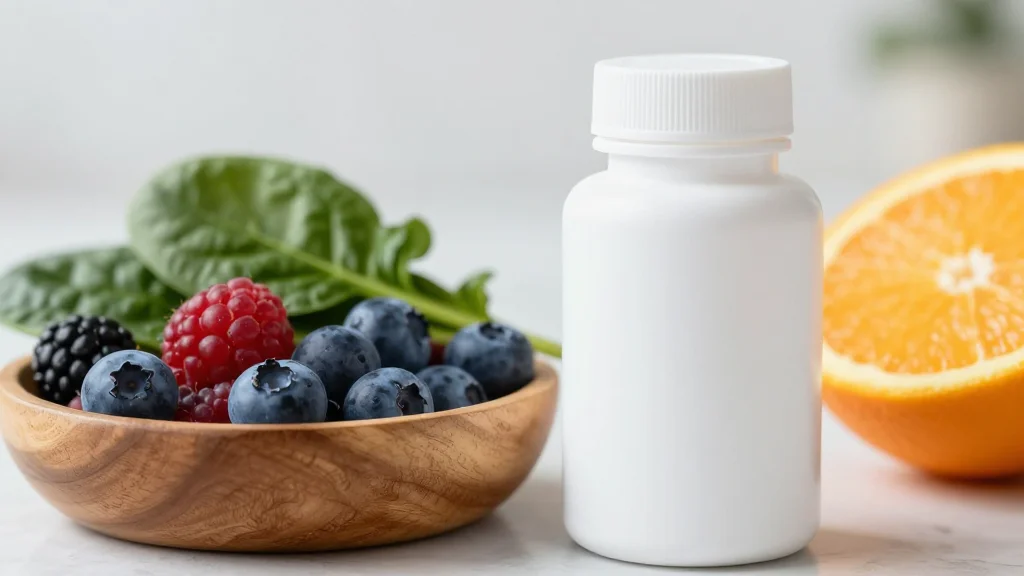
CRN Foundation’s Prenatal Nutrition Center Draws Standing‑Room‑Only Crowd at ACOG 2026
The Council for Responsible Nutrition (CRN) Foundation’s Prenatal Nutrition Center pulled a standing‑room‑only audience at the American College of Obstetricians and Gynecologists (ACOG) 2026 meeting, highlighting clinicians’ appetite for science‑backed supplement guidance. Backed by major supplement manufacturers, the booth became...
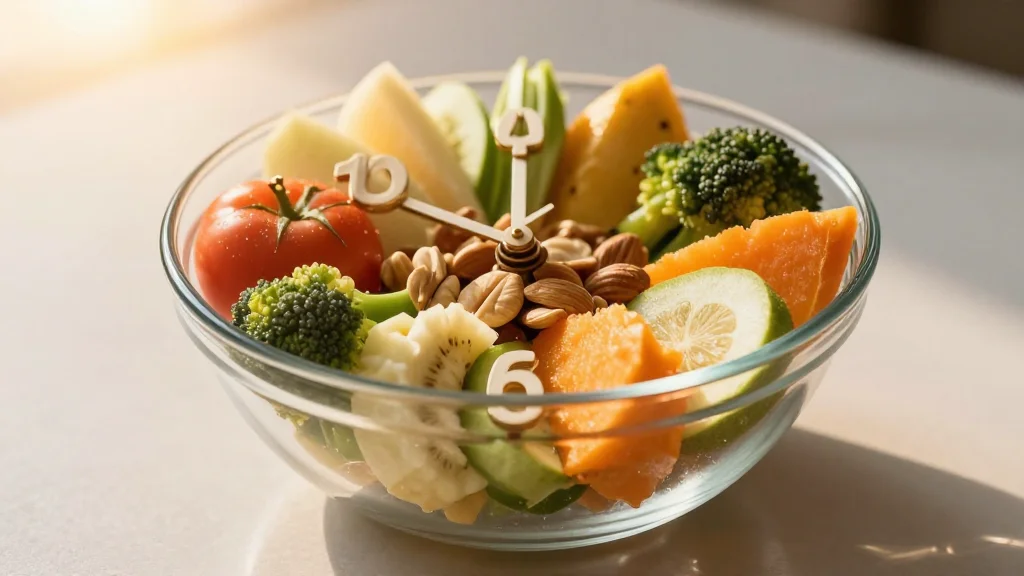
Study Finds Time-Restricted Eating Slows Organ-Specific Aging in 4,890 Adults
Researchers analyzing National Health and Nutrition Examination Survey data reported that moderate time‑restricted eating is associated with slower organ‑specific biological aging in a sample of 4,890 participants. The findings suggest a personalized dietary biohack could improve metabolic health and reduce...

Bacon Or Pork Sausage: Which Packs More Protein Per Serving?
Bacon and pork sausage are common breakfast protein sources, but they differ markedly in protein content. A typical two‑slice serving of standard pork bacon supplies about 6 grams of protein, whereas three pork sausage links provide roughly 11 grams. Variations exist across...
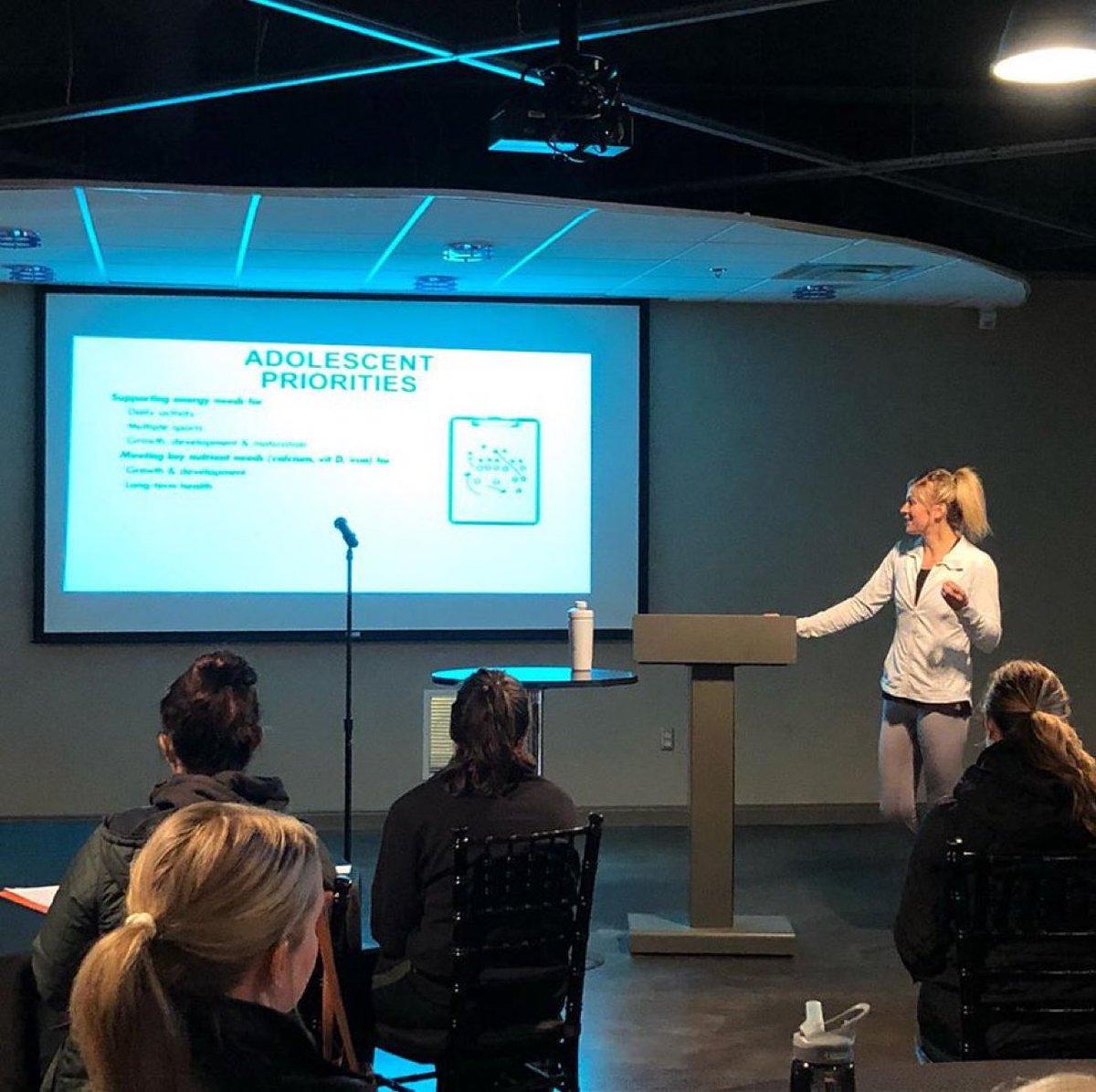
Youth Athletes Require More Nutrition, Sleep, and Guidance
Youth athlete's needs are significantly higher than their non-active counterparts. Kids sitting on the couch playing video games do not need more carbs, calories, and protein like our multi-sport athletes do. Prioritize: 👉3 balanced meals + 2 snacks daily 👉Water + milk at...
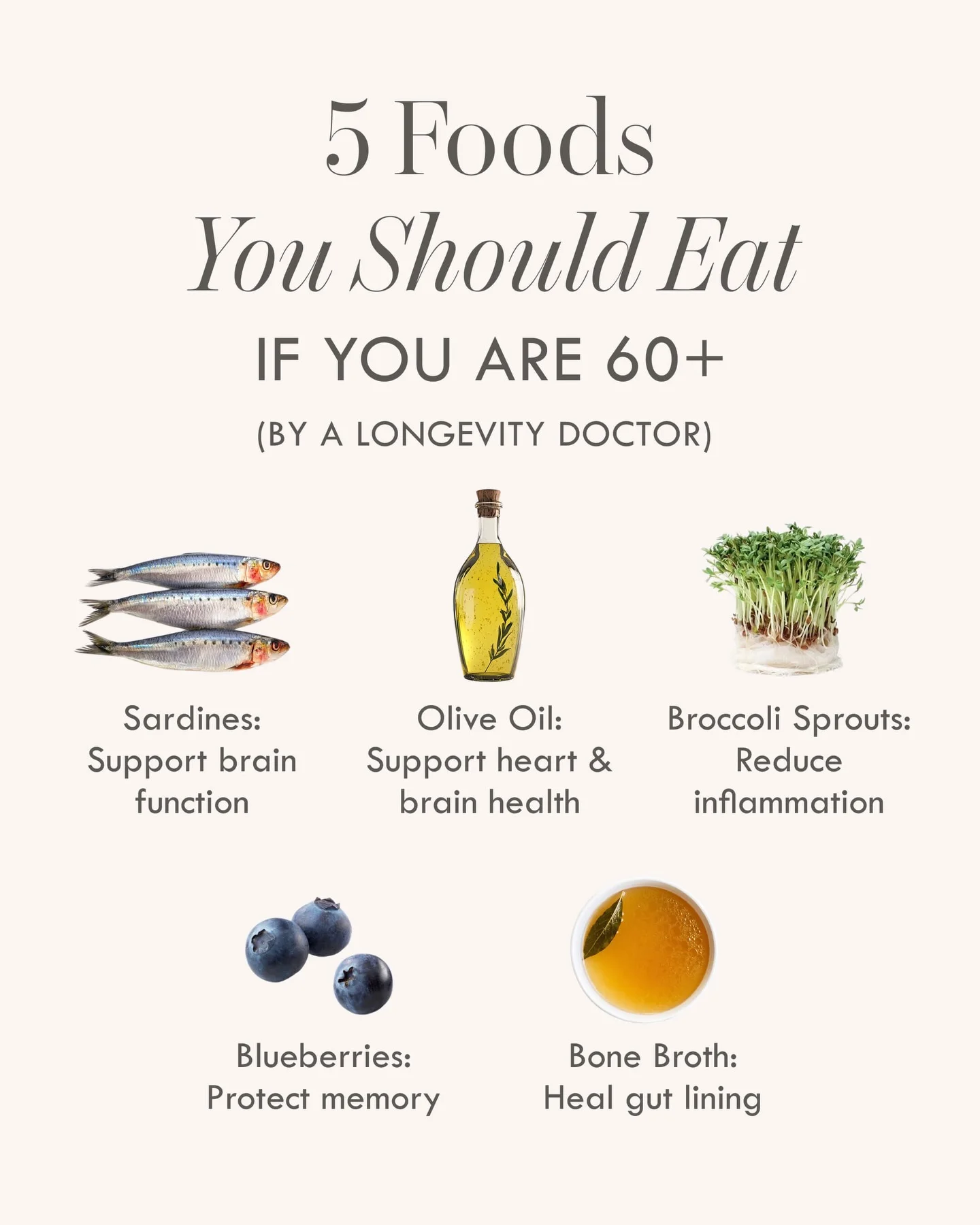
5 Foods That Fuel Cellular Renewal and Longevity
You’re not just getting older, your body is constantly renewing itself. 🧬 These 5 foods deliver nutrients your body actually uses to protect your brain, reduce inflammation, and support long-term energy. Small shifts. Big impact. Which one are you already eating regularly? #Longevity...
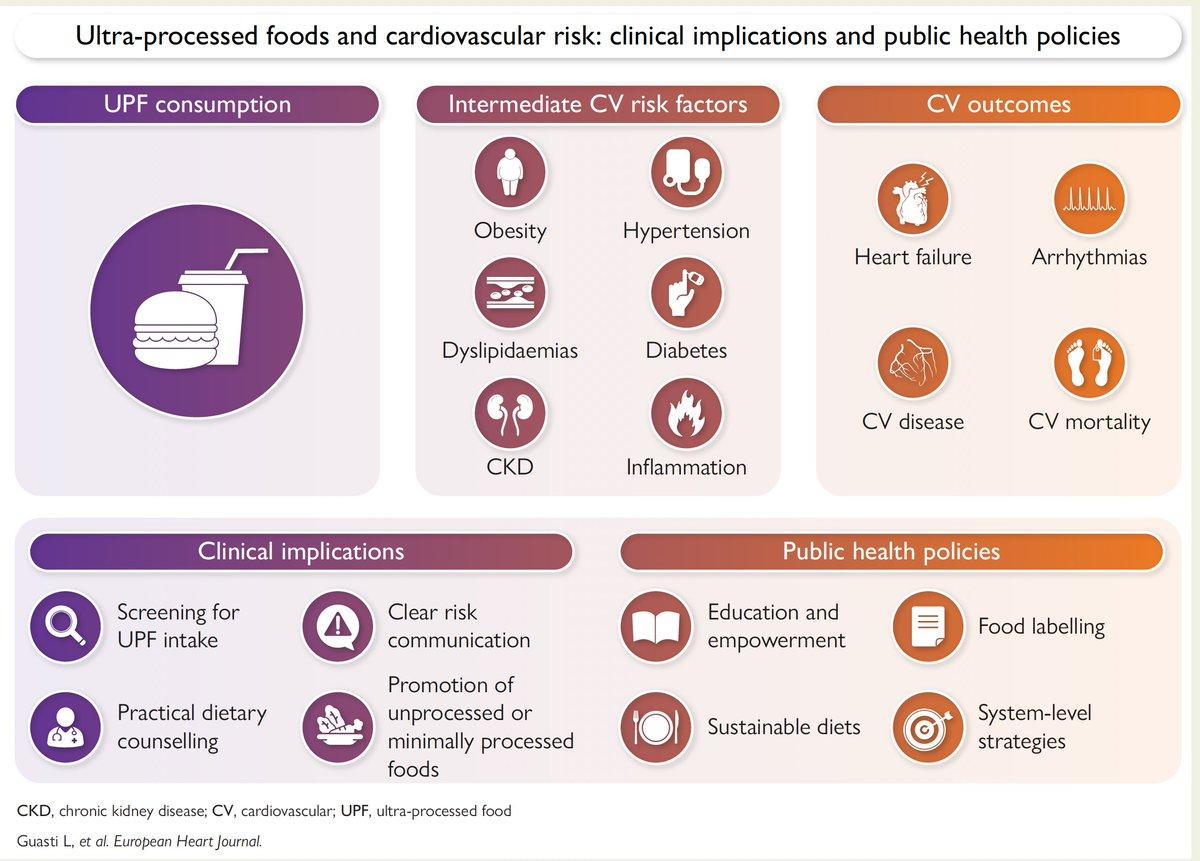
Cut Ultraprocessed Foods to Lower Heart Disease Risk
A consensus statement from @escardio today to limit intake of ultraprocessed foods for reduced risk of heart disease https://t.co/5spHDVmkb3 https://t.co/GvTvcVzzjD
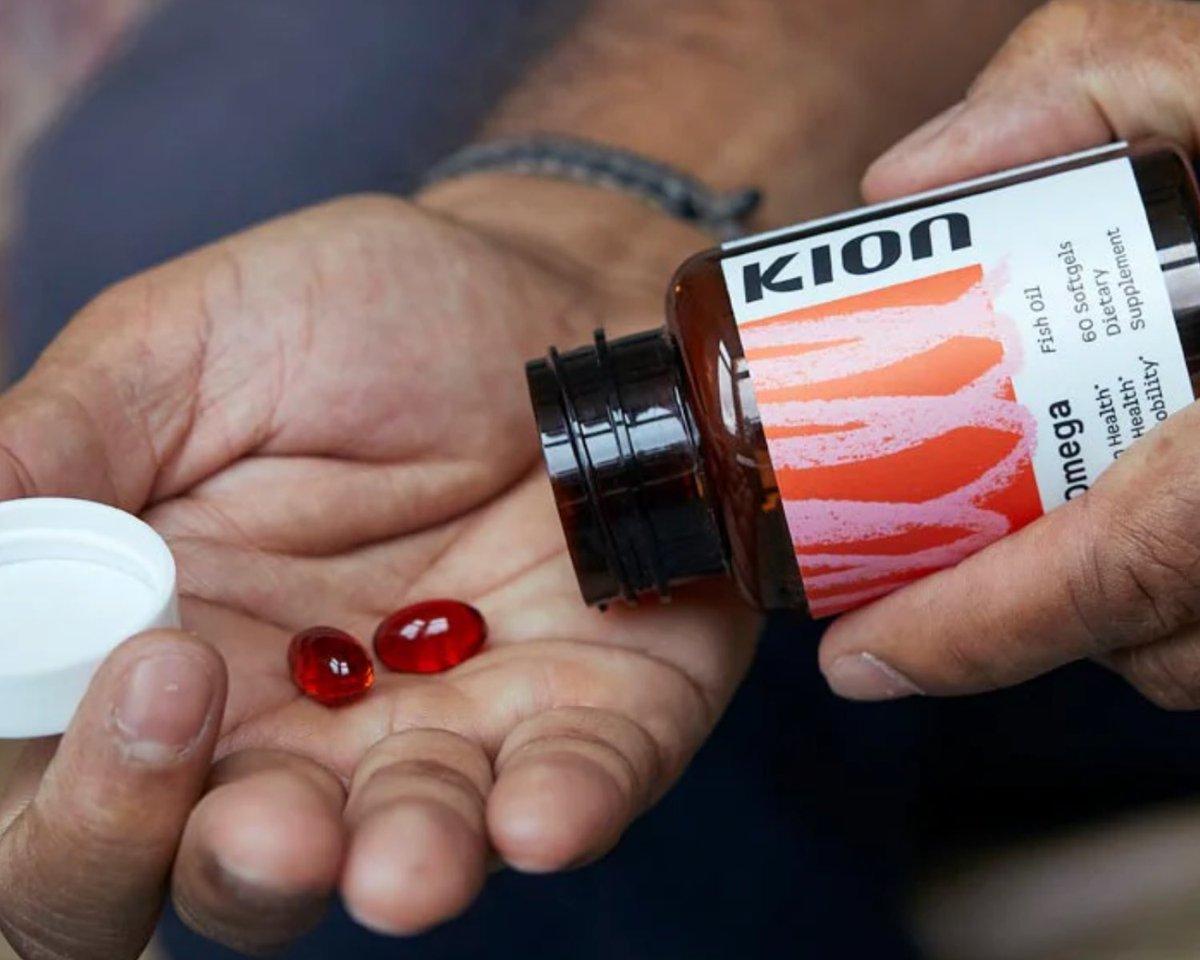
Meta‑analysis Finds No Benefit to Extra DHA
I am sometimes asked why @getkion fish oil does NOT have “extra” DHA…fact is, a recent meta-analysis of 96 randomized controlled trials at https://t.co/YZMb5dar8P showed no clear advantage of decreasing the EPA:DHA ratio…learn more about the formula here: https://t.co/8REbBJKoBJ
Seed Oils Aren't Inflammatory; Cooking Methods Are
New study shows that seed oils DON'T really cause inflammation: https://t.co/kxEXYt2ghe This is something I've mentioned on my podcast a few times... ...it's not the oils per se. It's frying them, eating them in ultraprocessed foods/with fast food, etc. Guilt by association....

30 Years of Coaching Reveal High‑Performance Essentials
The 123 of High Performance: What 30 years as a coach and exercise physiologist has taught me... 👇🧵