Today's Nutrition Pulse
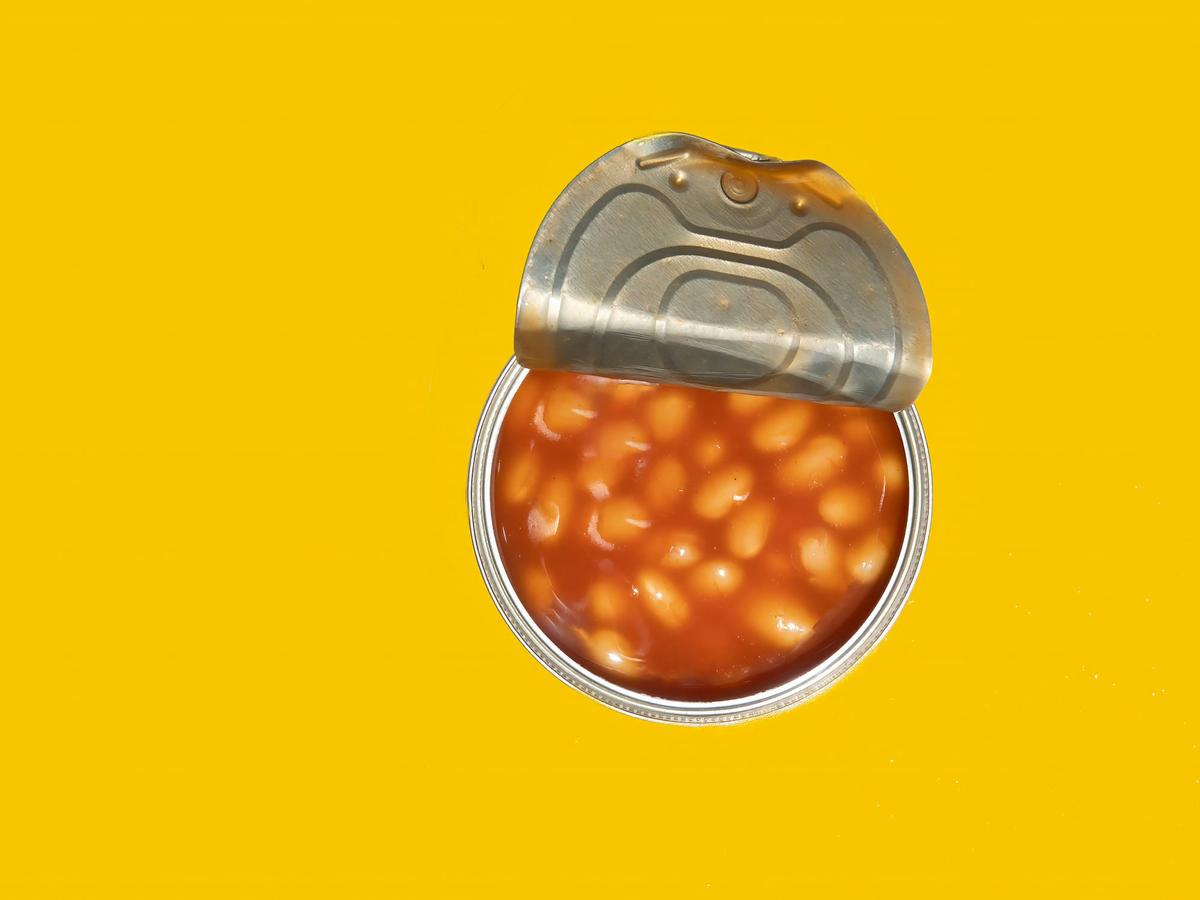
Europe’s fibre frenzy: excess intake can backfire
While most Europeans still miss the UK’s 30 g daily fibre target, recent trends have pushed some consumers to exceed 50–70 g per day. Such high intakes are linked to bloating, diarrhea, constipation and reduced mineral absorption, especially when fibre is increased rapidly without sufficient hydration.

Study Finds U‑Shaped Link Between Vitamin B12 Intake and Cancer Risk
Researchers in a 2025 Vietnamese case‑control study reported a U‑shaped association between vitamin B12 consumption and cancer incidence, suggesting that both deficiency and excess could increase risk. The finding adds complexity to dietary recommendations for B12, especially for supplement users and vulnerable groups.
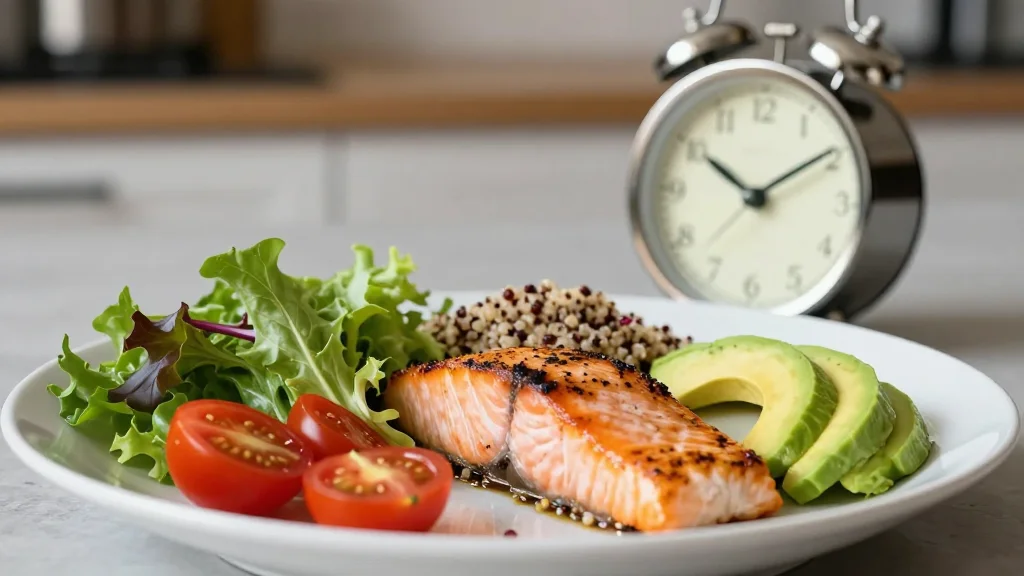
Time‑Restricted Eating Boosts Weight Loss in Women with PCOS, Study Finds
A randomized controlled trial published today in Nature Medicine found that a six‑hour eating window (1 p.m.‑7 p.m.) produced significantly greater weight loss in women with polycystic ovary syndrome (PCOS) than no dietary intervention. The study adds a low‑burden, nutrition‑based tool to...

Meta‑analysis of 29 Trials Shows Endogenous Ketones Boost Cognitive Performance
Researchers pooled data from 29 randomized controlled trials and 1,117 participants to show that endogenous ketone supplementation yields modest but statistically significant improvements in cognitive performance. The findings, published in Frontiers in Nutrition, highlight ketone esters and MCTs as effective...

InsideTracker Study Shows Biomarker‑Driven Supplement Personalization Improves 43 Health Markers
InsideTracker’s peer‑reviewed study of more than 20,000 platform users found statistically significant improvements across 43 blood and wearable biomarkers after personalized supplement recommendations. The findings, published in PLOS, signal that data‑driven biohacking is moving from niche experimentation to measurable health...

The Nutrition Errors That Lead to Late-Race Blowups in Ironman or 70.3
Triathletes often hit the wall in the final miles of an Ironman or 70.3 because of nutrition missteps made before and during the race. The article outlines how under‑fueling on the bike, improper carb timing, and poor hydration create energy...
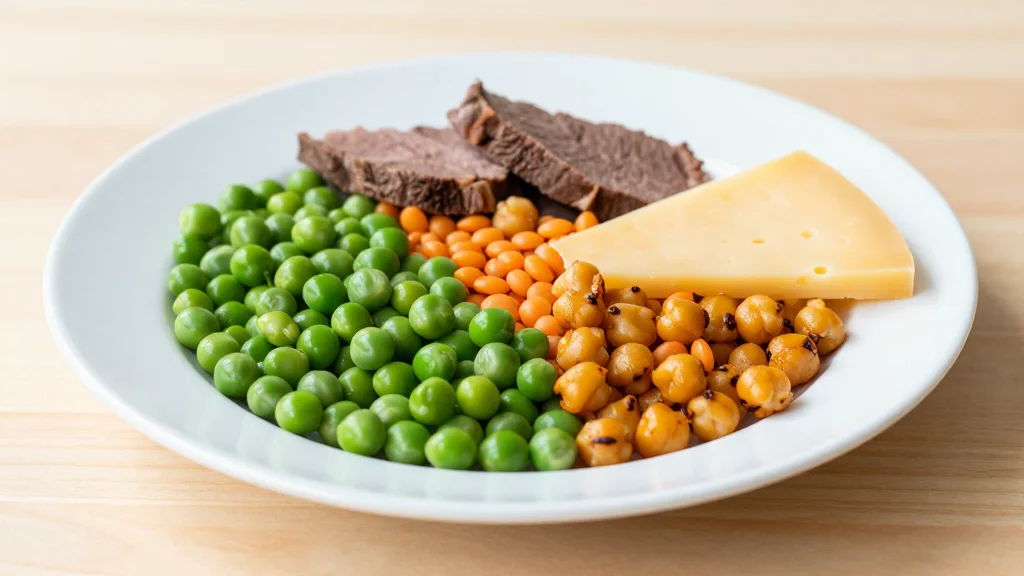
Netherlands Revamps Food Pyramid, Boosts Plant Proteins, Cuts Meat
The Netherlands Nutrition Centre Foundation has overhauled its “Wheel of Five” food pyramid, increasing recommended plant‑based protein to 250 g per week while cutting meat to 300 g and cheese to 20 g daily. The change ties dietary advice to health, climate and...
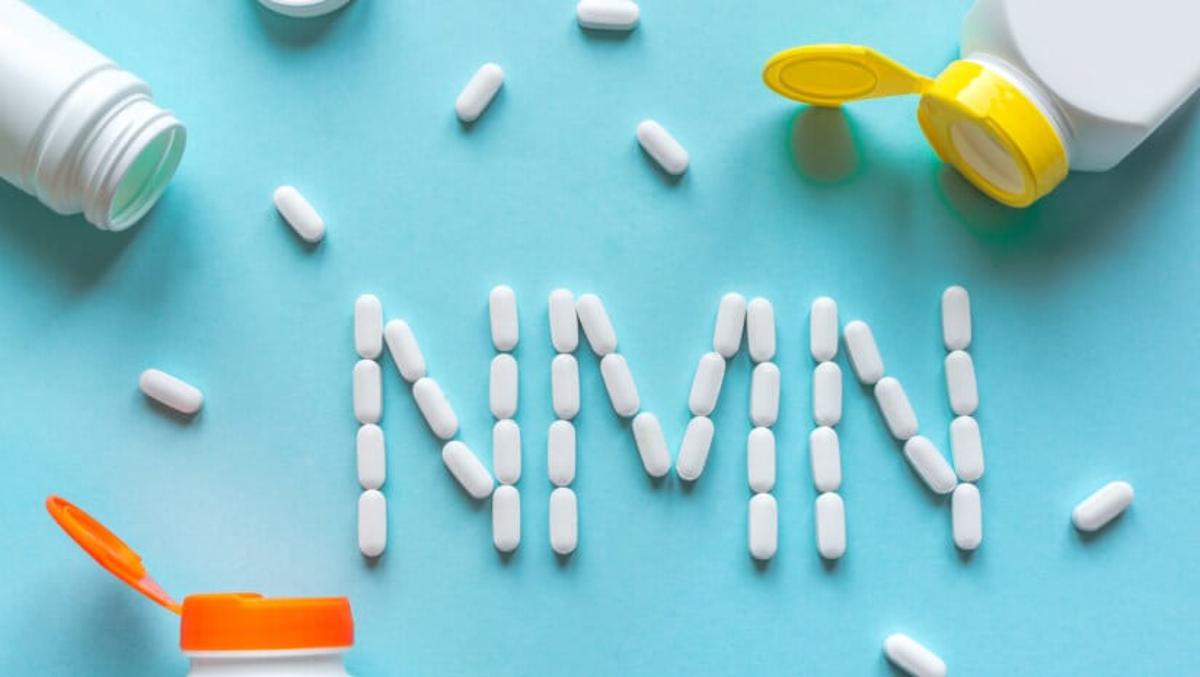
EFSA Issues Positive Safety Opinion on EffePharm’s NMN
The European Food Safety Authority (EFSA) issued a positive safety opinion that a daily intake of 300 mg of nicotinamide mononucleotide (NMN) is safe for the general EU population, excluding pregnant and lactating women. The opinion now moves to the European...

Magnesium-Acetyl-Taurate Superior to Magnesium L-Threonate? Recent Study Poinst to This Being True
A recent pre‑clinical rat study compared magnesium‑acetyl‑taurate (MAT) with magnesium L‑threonate (MLT) and found MAT superior in raising magnesium concentrations in brain tissue, blood plasma, cerebrospinal fluid, and muscle. MAT also delivered greater gains in spatial learning, memory, anxiety‑related behavior,...
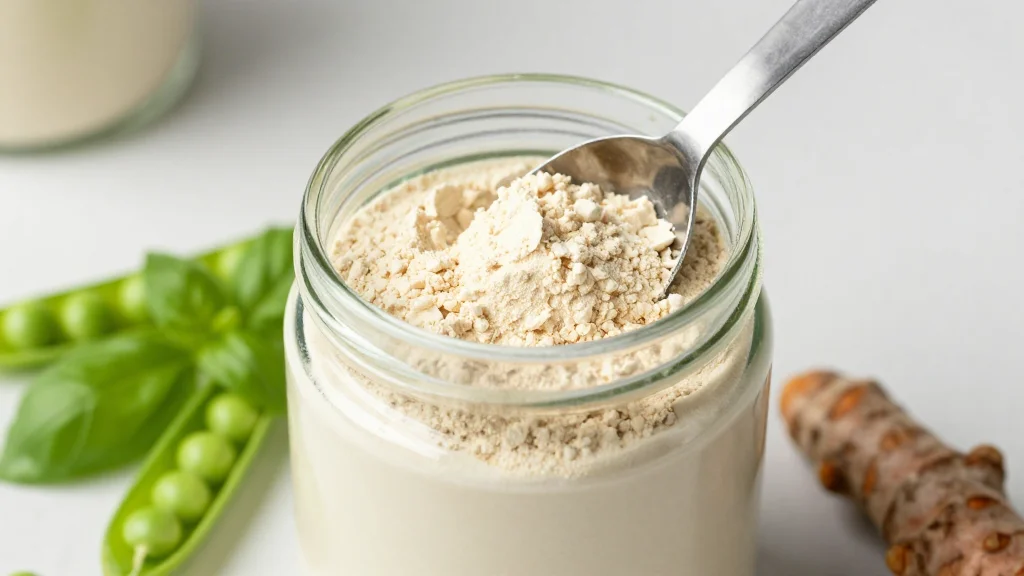
India's Protein Supplement Market Set to Hit $913 Million by 2025 on Clean‑Label Surge
India’s protein supplements market is forecast to reach $912.9 million in 2025 as consumers gravitate toward clean‑label, gut‑friendly and plant‑based nutrition. The shift reflects rising fitness awareness, demand for additive‑free formulas and a broader focus on digestive health.

Physionic Podcast Videos and Summaries / Transcripts
A 2023 meta‑analysis of 29,913 patients shows that pure EPA, administered as icosapent ethyl, significantly reduces myocardial infarction, cardiovascular death and all‑cause mortality. The REDUCE‑IT trial, using 4 g daily of prescription EPA, delivered a 25 % relative risk reduction and a...
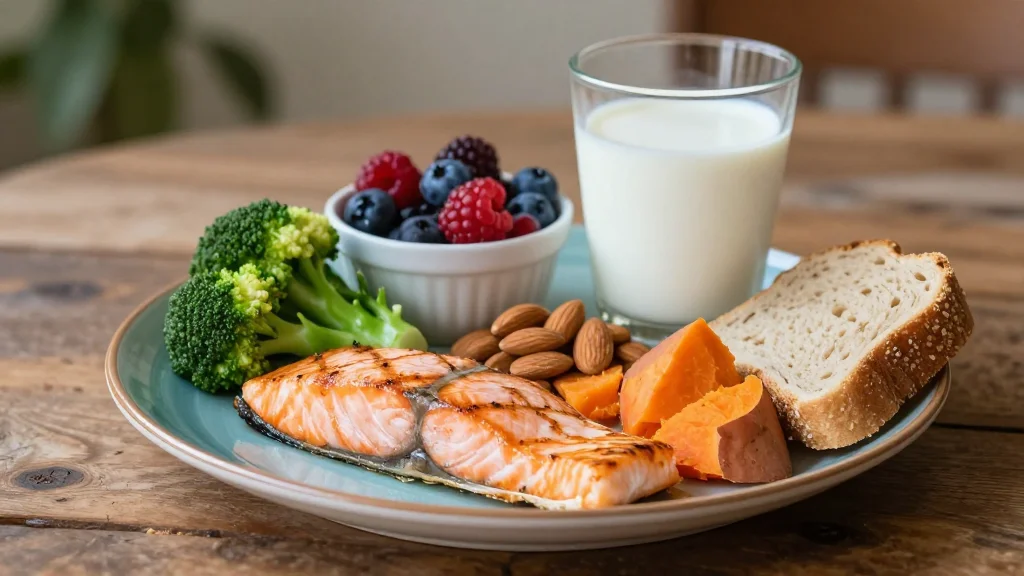
Seven Nutrients Seniors Must Prioritize for Healthy Aging
The Daily Herald released a May 11, 2026 feature identifying seven nutrients critical for older adults. Calcium, vitamin D, B12, omega‑3 fatty acids, fiber, protein, and potassium are highlighted as pillars of healthy aging, with practical food sources and intake...
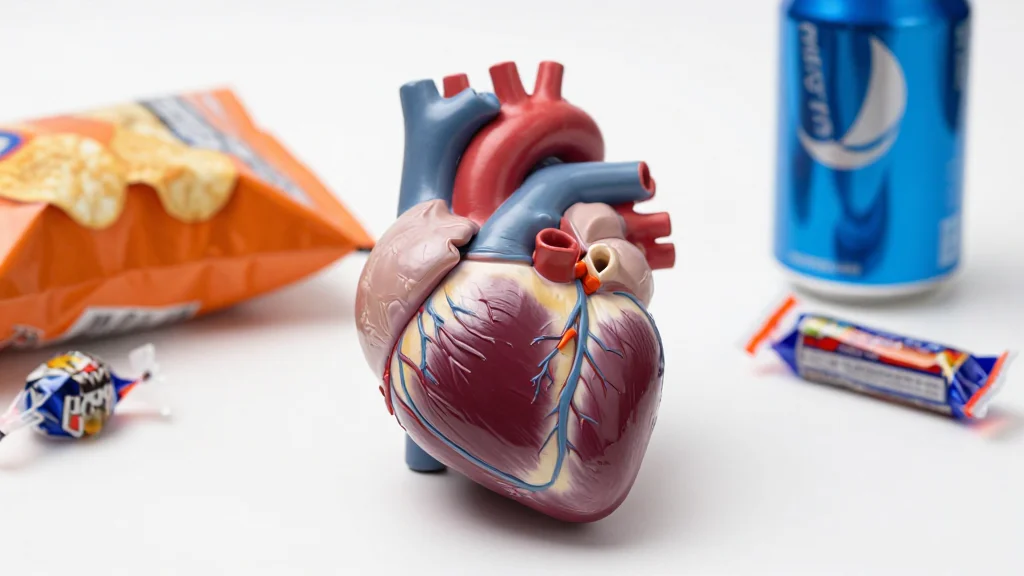
Study Links Ultra‑Processed Foods to 65% Higher Risk of Cardiovascular Death
A consensus report published by the European Society of Cardiology links the highest consumption of ultra‑processed foods to a 65% higher risk of cardiovascular death, a 19% higher risk of heart disease, and a 13% higher risk of atrial fibrillation....
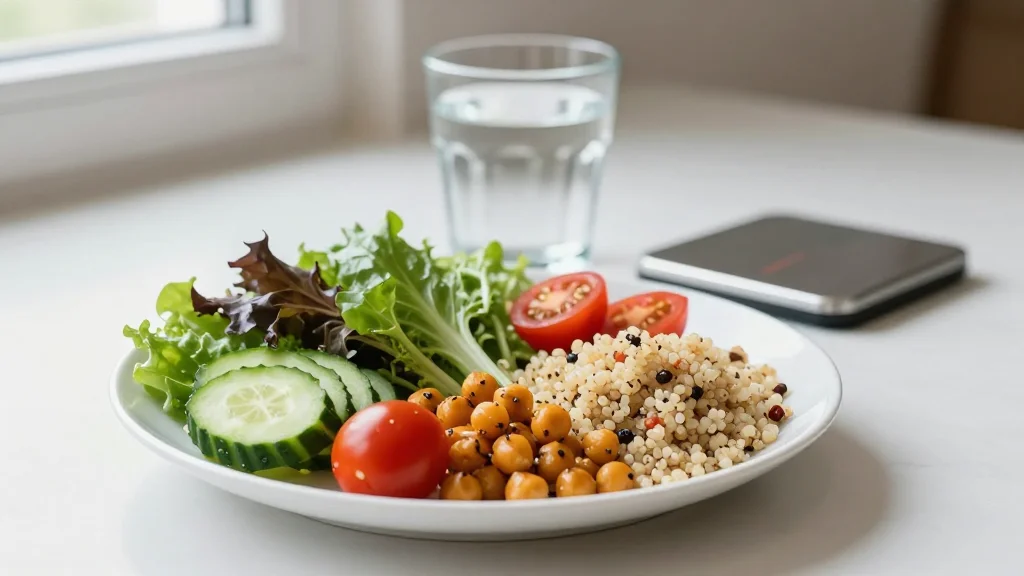
Sydney Study Finds Low‑Fat or Plant‑Protein Diet Cuts Biological Age in Seniors
Researchers at the University of Sydney reported that older Australians who cut dietary fat or animal‑based protein lowered their biological age scores in just four weeks. The four‑arm, 104‑person trial found significant reductions in three diet groups, especially the omnivorous...

Vitamin B12: The Essential Nutrient with a Complicated Cancer Link
Vitamin B12 is essential for red‑blood‑cell formation, nerve health and DNA repair, but recent research shows a nuanced relationship with cancer. A 2025 Vietnamese case‑control study identified a U‑shaped curve, where both low and high B12 intakes were linked to...
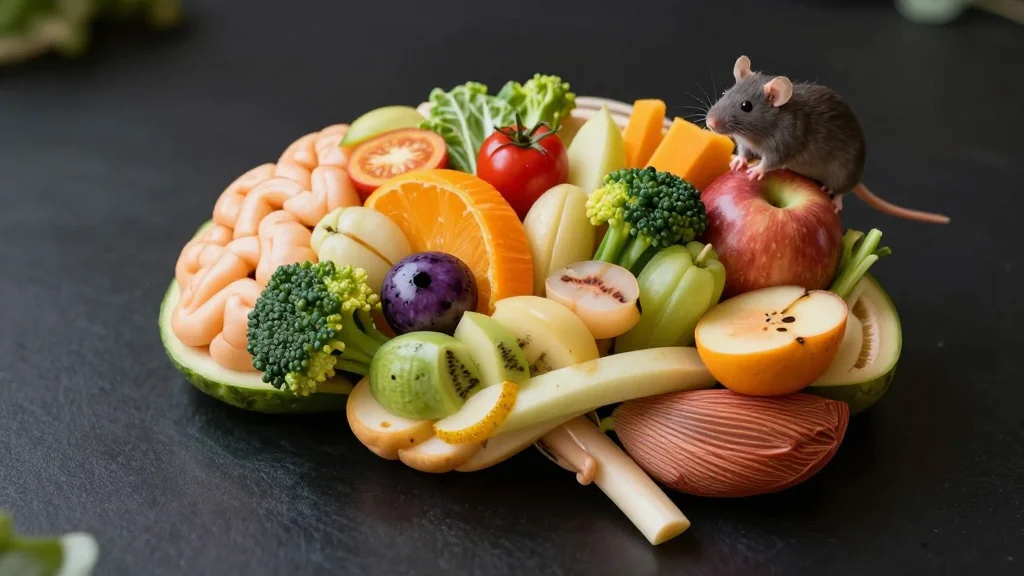
Fruits and Veggies Shield Obese Mice From Cognitive Decline
Dietary fruits and vegetables mitigate cognitive impairment in mice with high-fat diet-induced obesity: a pilot study "The results from this pilot study suggest the causal link between F&V intake and the prevention of cognition impairment caused by a Western-style high-fat diet,...

16‑Hour Fast Enhances Cancer Immunotherapy via Metabolic Shift
A 16-hour fasting regimen may boost cancer immunotherapy. Transient nutrient stress reshapes tumor metabolism, increasing isoleucine in the TME and enhancing CD8+ T cell function. In mice & patients, short-term fasting improved immune response—offering a feasible way to strengthen treatment. #Fasting,...
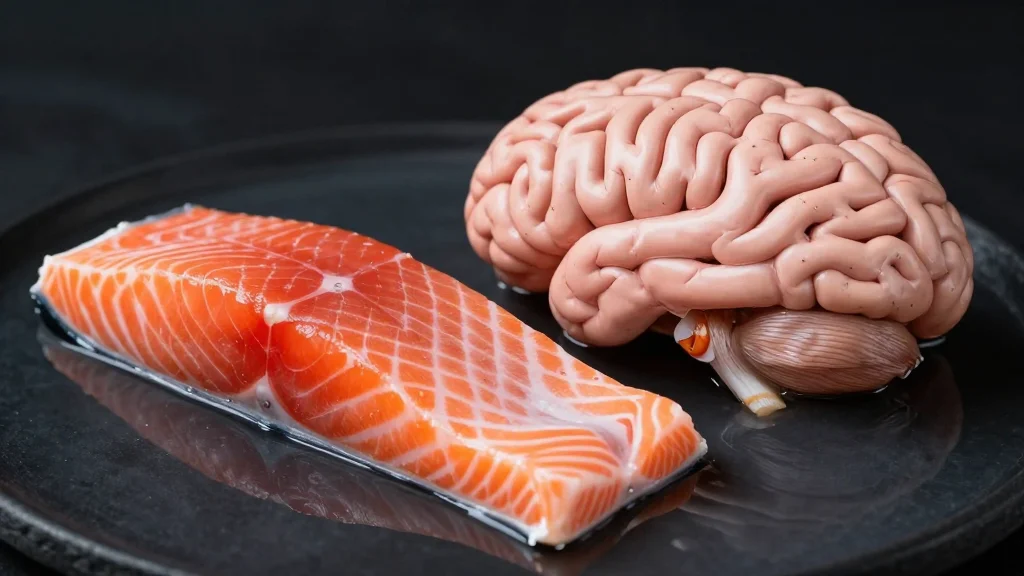
NIH Study Finds EPA May Hinder Brain Repair After Repeated Mild Head Injuries
Scientists at the National Institutes of Health reported that eicosapentaenoic acid (EPA), a key ingredient in fish oil, may impede the brain’s natural repair mechanisms after repeated mild traumatic brain injuries. The findings raise concerns for athletes, military personnel, and...
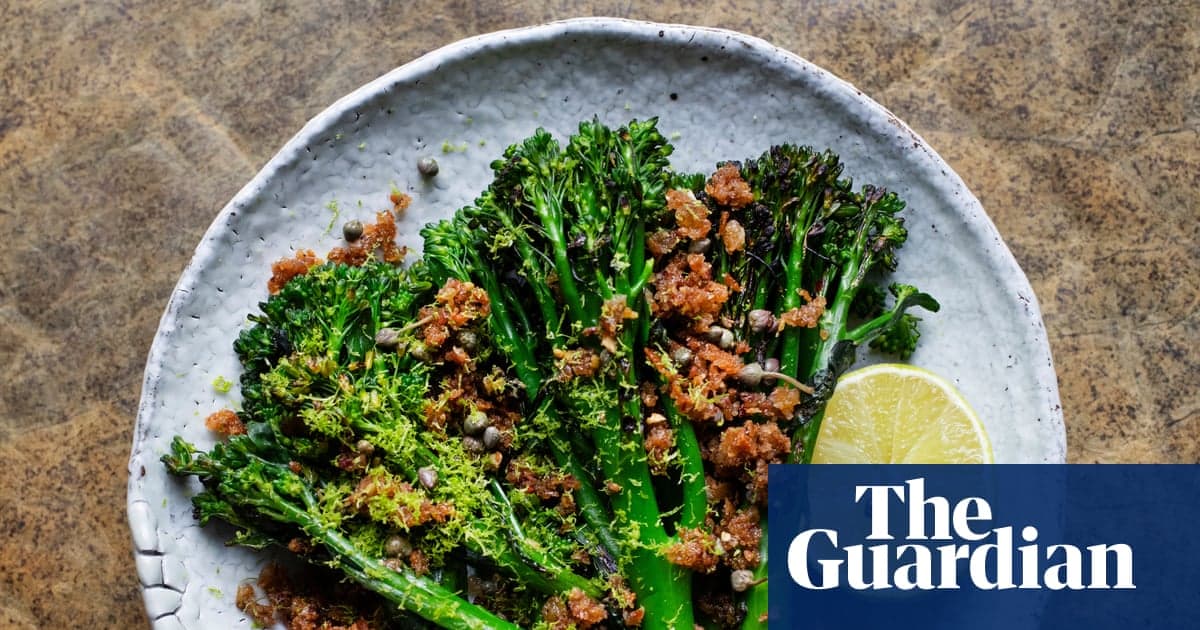
I’m Vegetarian. How Can I Get Enough Iron? | Kitchen Aide
A recent Guardian Kitchen Aide article explains that vegetarians can meet iron needs by focusing on absorption rather than sheer quantity. Non‑heme iron from beans, tofu, lentils, nuts and seeds is less readily absorbed than heme iron, but pairing it...
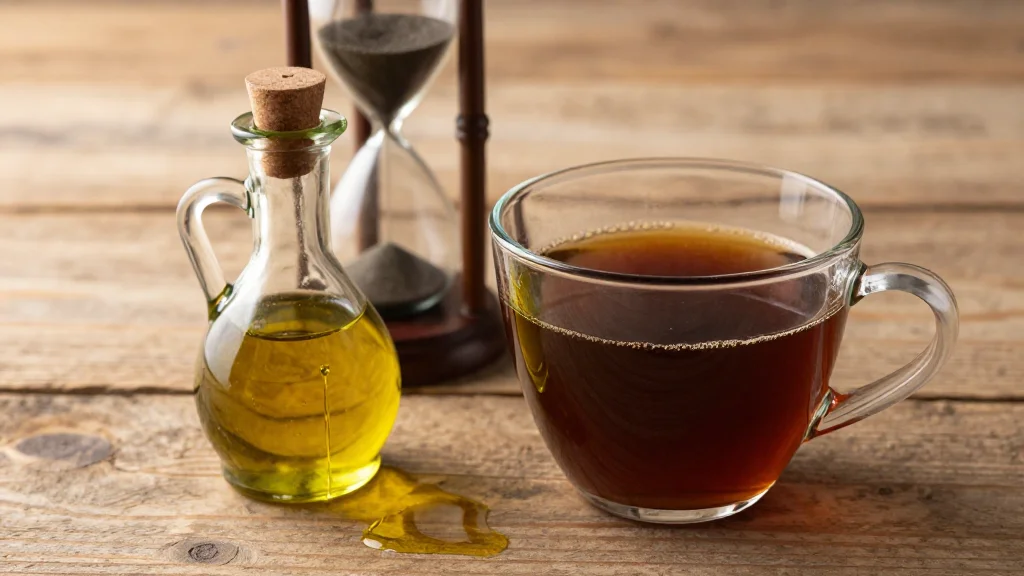
Olive Oil and Coffee Linked to Slower Cellular Ageing in Spanish Study
Researchers from the University of Navarra presented data showing that regular intake of olive oil and coffee correlates with slower telomere shortening in middle‑aged Spaniards. The findings, unveiled at the European Congress on Obesity in Istanbul, add new evidence that...

Scientists Question $1,000‑Plus NAD+ Supplements Amid Booming Longevity Market
Leading researchers say the surge in NAD+ supplements and infusions outpaces the scientific evidence supporting them. While clinics charge hundreds to thousands of dollars per treatment, human trials remain small and inconclusive, fueling a debate between biohackers and the scientific...
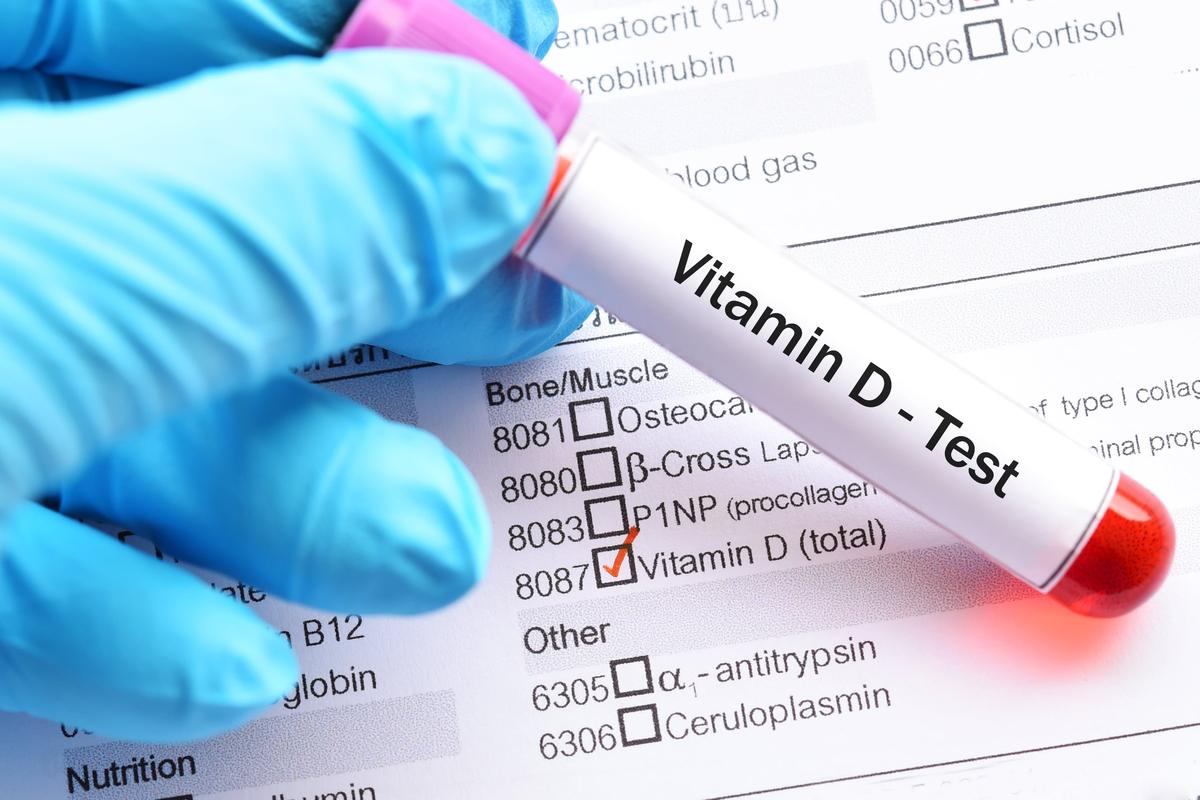
Daily Vitamin D Chocolate Wafer Achieves Sufficiency in Three Months, Study Suggests
A double‑blind trial in India tested vitamin D‑fortified chocolate wafers delivering 0, 400, 600 or 800 IU daily to 108 young women with deficiency. After 12 weeks, 65.4% of the 800 IU group reached sufficiency (≥20 ng/mL), compared with 37.0% at 600 IU and 26.9%...
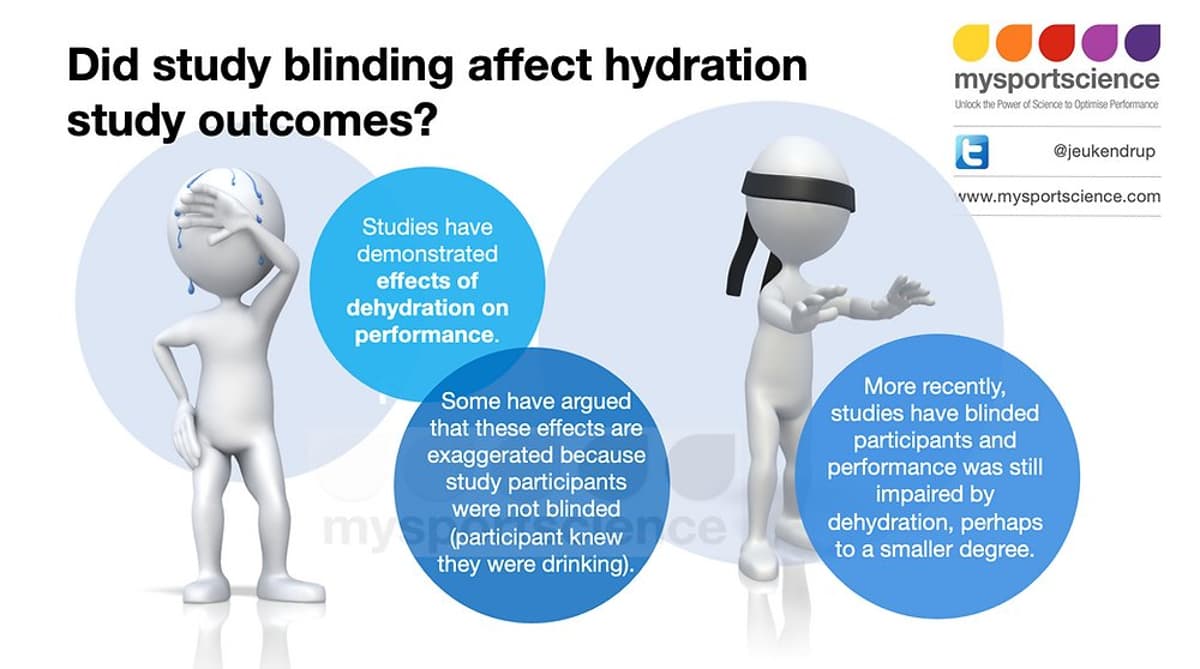
Dehydration's Impact on Performance Varies by Sex
There is ongoing debate whether dehydration impairs athletic performance. This blogs outlines important considerations for measuring the effect of dehydration, with consideration for possible sex differences in hydration recommendations. Click here: https://t.co/ETwY8fBsOr https://t.co/lNlG4YkYEt
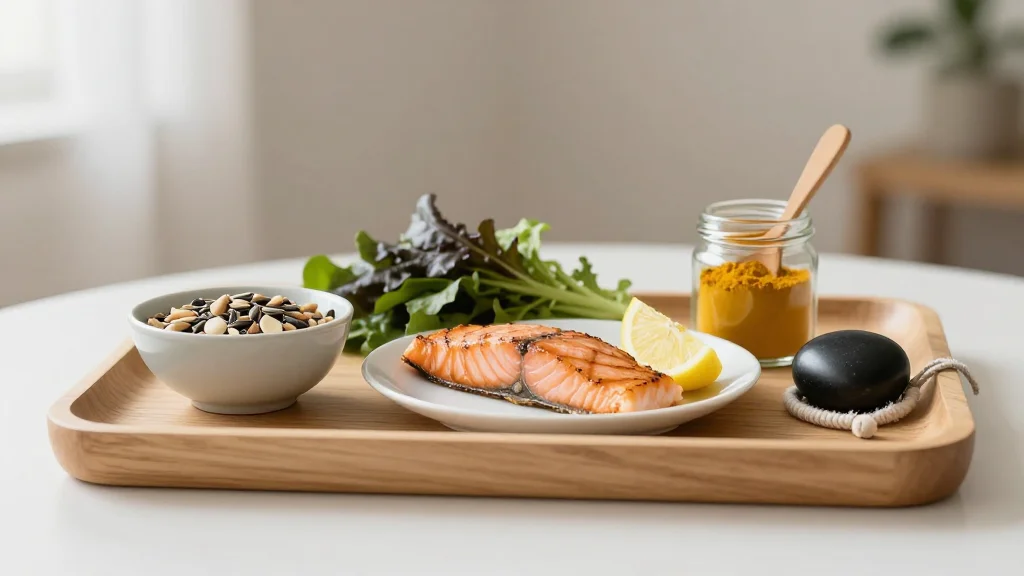
These 10 Nutrients Are A Must For Healthy Aging — Are You Getting Enough?
A new nationwide analysis reveals that most Americans, even those who consider their diets "healthy," fall short on ten key nutrients linked to healthy aging. The study found 21 of 24 examined micronutrients were under‑consumed, with Vitamin D, Vitamin E, calcium, magnesium...

These 2 Dietary Patterns Reduce Liver Disease Risk By Almost A Third
A new meta‑analysis of global studies finds that higher scores on the Healthy Eating Index (HEI) and the Alternative Healthy Eating Index (AHEI) are linked to roughly a 30% lower risk of chronic liver diseases, including MASLD, fibrosis, cirrhosis and...
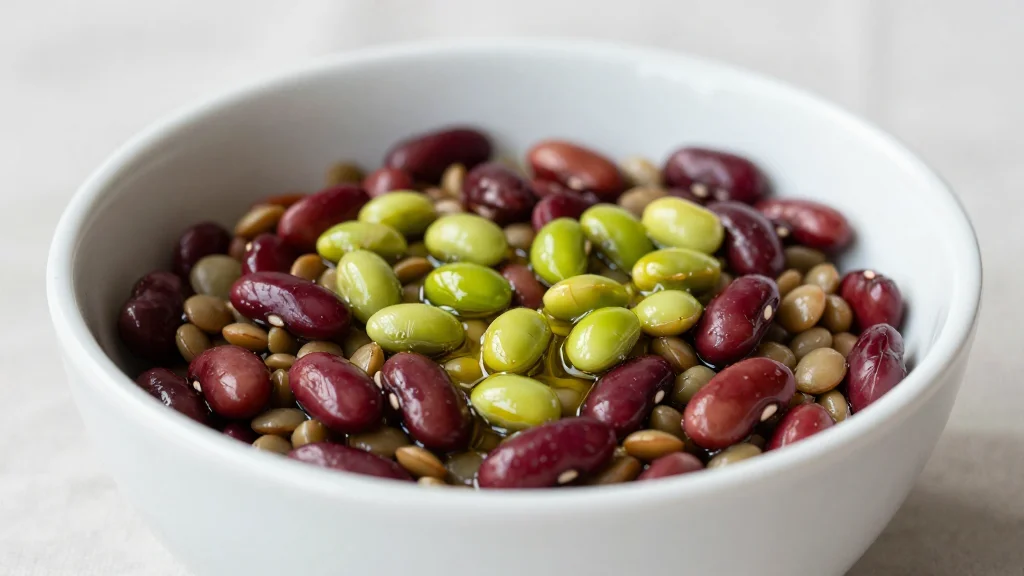
Can Beans Lower Blood Pressure? What Data From 300K People Shows
A new BMJ Nutrition meta‑analysis of 12 studies covering over 300,000 people finds that higher legume and soy consumption is linked to substantially lower hypertension risk. The highest legume eaters saw a 16% risk reduction, while soy intake cut risk...

This Common Breakfast Food May Reduce Your Risk of Alzheimer’s
Researchers at Loma Linda University tracked nearly 40,000 adults for over 15 years and found that regular egg consumption is associated with a lower risk of Alzheimer’s disease. Eating at least one egg five days a week reduced the risk...
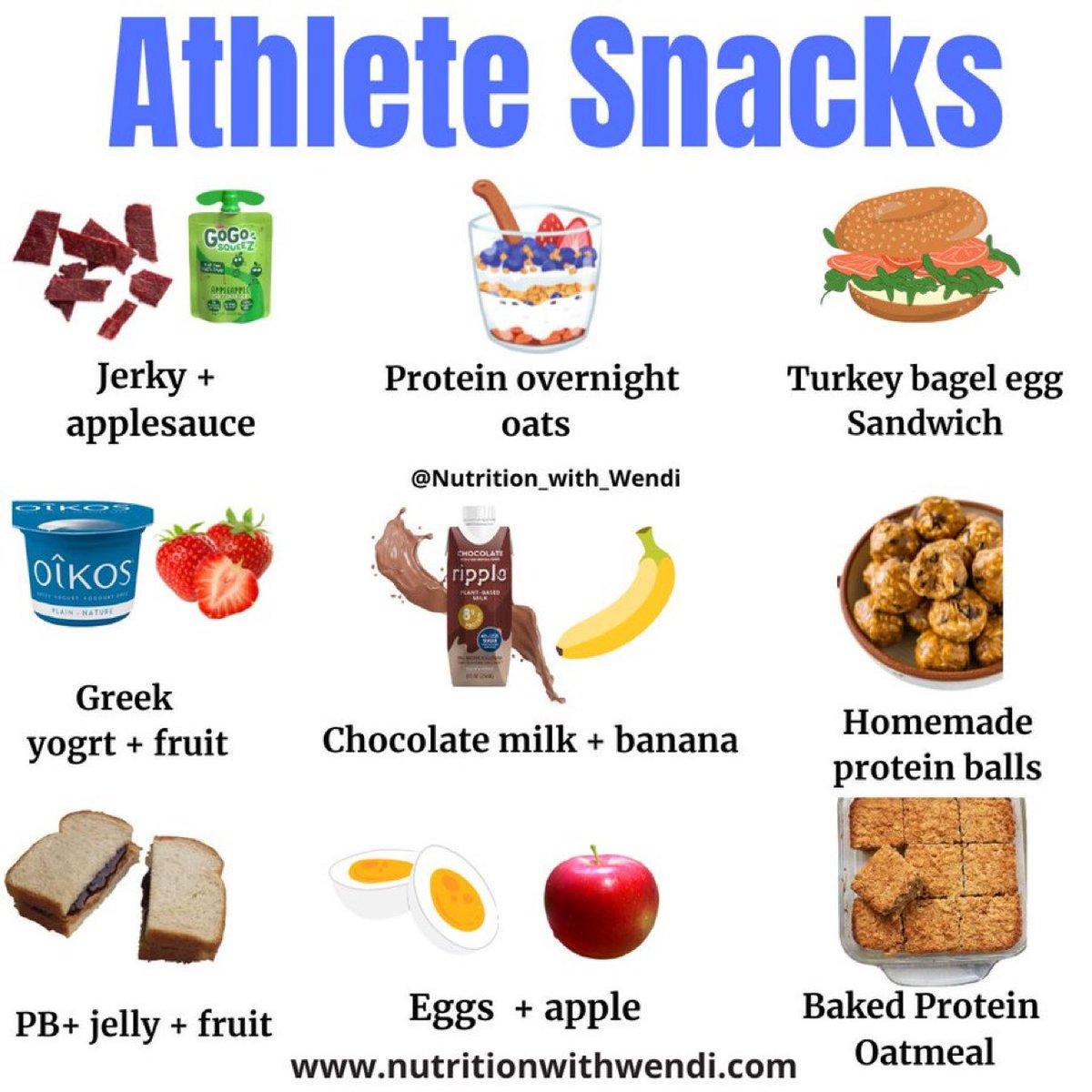
Smart Snacks: Protein, Carbs, and Timing Boost Performance
Fueling between meals isn’t about grabbing random bars or chips it’s about supporting energy, focus, growth, and recovery. ✔ Protein for muscle repair ✔ Carbs for performance ✔ Timing that actually matters https://t.co/OKLdH1mfRX
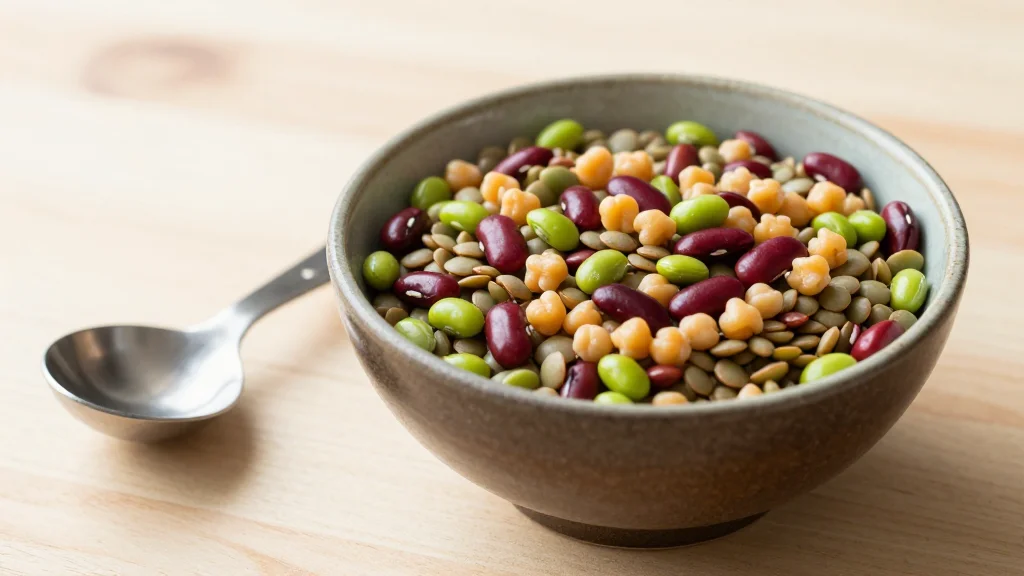
Study Finds 170 G Daily Legumes Cuts Hypertension Risk
Researchers from Imperial College London report that consuming 170 g of legumes or 70 g of soy foods daily markedly reduces the risk of developing high blood pressure. The finding adds a simple, affordable tool to public‑health efforts against the silent killer...
Urolithin A Trial Shows 12% Muscle Strength Gain and Better Endurance in Middle‑Aged Adults
Researchers at EPFL and the NIH reported that a clinical trial of Urolithin A supplementation increased muscle strength by 12% and enhanced aerobic endurance in middle‑aged participants. The results highlight the compound’s potential as a mitochondrial‑targeted anti‑aging supplement, while underscoring the...

Carb Mouth Rinse Boosts Performance Without Calories
DYK⁉️Carbohydrate digestion begins in the mouth. A carbohydrate (CHO) mouth rinse involves swishing a carbohydrate-containing beverage in your mouth for 5–10 seconds and then spitting it out. Research shows this strategy can improve performance during high-intensity exercise lasting approximately 30–70 minutes...

Study Links Five Eggs a Week to 27% Lower Alzheimer’s Risk
Researchers from Loma Linda University analyzed data from the Adventist Health Study‑2 and found that adults who ate five or more eggs per week had a 27% lower risk of being diagnosed with Alzheimer’s disease. The finding, published in The...

Pregnancy Steals Your Calcium—Replenish with Diet and Strength
Your baby's first skeleton was built with the calcium from yours. In the third trimester, your baby pulls 300-350mg of calcium a day from your body. Your body handles this first by doubling how much calcium you absorb from food. Your...
Review Finds Endurance Runners Need >2 G/Kg Protein on Recovery Days
A recent review of more than a decade of endurance‑athlete research, highlighted in Men's Health, recommends protein intake above 2.0 g per kilogram on recovery days. The guidance challenges the long‑standing focus on carbohydrate timing and suggests runners should prioritize protein...

Holistic Habits Boost Student‑athlete Performance and Health
🚨Student athletes should: -Play multiple sports -Avoid energy drinks -Drink 80-100 oz H20 -Avoid sport specialization -Consume 3–4 balanced meals daily -Eat two breakfasts on game day -Sleep 8–11 hours and prioritize recovery -Strength train under guidance of a CSCS -Work with a sports dietitian for smart supplementation -Avoid playing...

This Is What a Dietitian Wants Hikers Over 50 to Know About Nutrition
A dietitian outlines how hikers over 50 must revamp their nutrition to support slower recovery, muscle maintenance, and chronic conditions. The guide stresses spreading protein intake throughout the day, pairing carbs with protein and fat, and timing meals to avoid...

Dietary Advanced Glycation End Products as Active Drivers of Biological Aging
Advanced glycation end products (AGEs) formed during high‑heat, dry cooking are now recognized as active drivers of biological aging rather than passive biomarkers. Dietary AGEs (dAGEs) cross‑link proteins and activate the RAGE‑NF‑κB axis, promoting oxidative stress, vascular stiffening, impaired bone...

Hydrate and Load Electrolytes for Hot‑Weather Runs
Dear runners: a reminder that we are losing more sweat and sodium due to this extreme heat. Preload with electrolytes before your runs and don’t delay your water intake. Plan your route and try to sip some water every 20-30mins....

Study Finds Caffeine and 20‑Minute Cycling Don't Prevent Mental Fatigue in Young Adults
Researchers led by Shirzad published a randomized crossover study in PLoS ONE showing that neither a short moderate‑intensity cycling session nor a caffeine dose of 2.5 mg per kilogram prevented mental fatigue after a demanding Stroop task in 26 young adults....
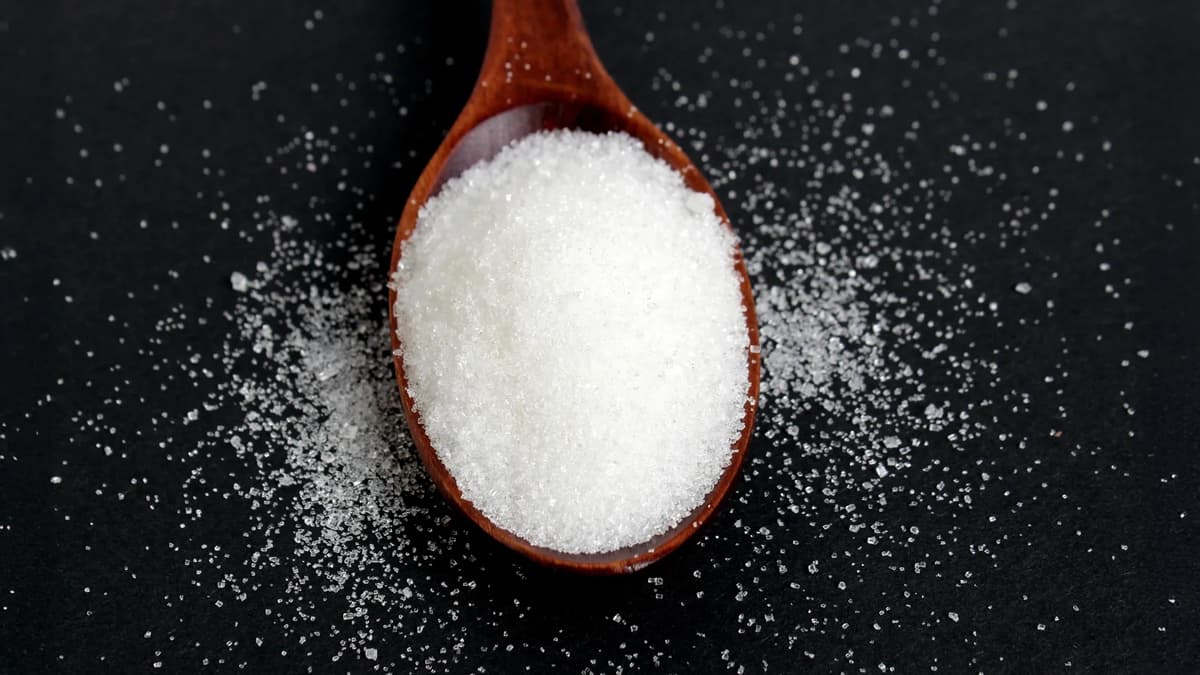
Scientists Say This Common Sweetener May Be Quietly Rewiring Your Metabolism
A review in Nature Metabolism argues that fructose functions as a distinct metabolic signal rather than a simple calorie source. The authors show that fructose bypasses key regulatory steps, driving de novo lipogenesis, lowering cellular ATP and fostering fat storage....

The Triathlete’s Guide to Antioxidants: Dosage, Timing, and the Five Supplements Worth Considering
Triathletes are advised to boost antioxidant intake, but excess or mistimed dosing can hinder training adaptations. The International Society of Sports Nutrition’s latest position stand emphasizes a food‑first strategy, reserving supplements for genuine gaps or high‑stress periods. Five supplements—tart cherry,...
Resistant Starch Cuts Visceral Fat, Yet Responses Vary
Resistant starch has been shown in multiple randomized controlled human trials to reduce visceral fat. Today’s video (link below) dives into the data, and why individual variability in response matters.
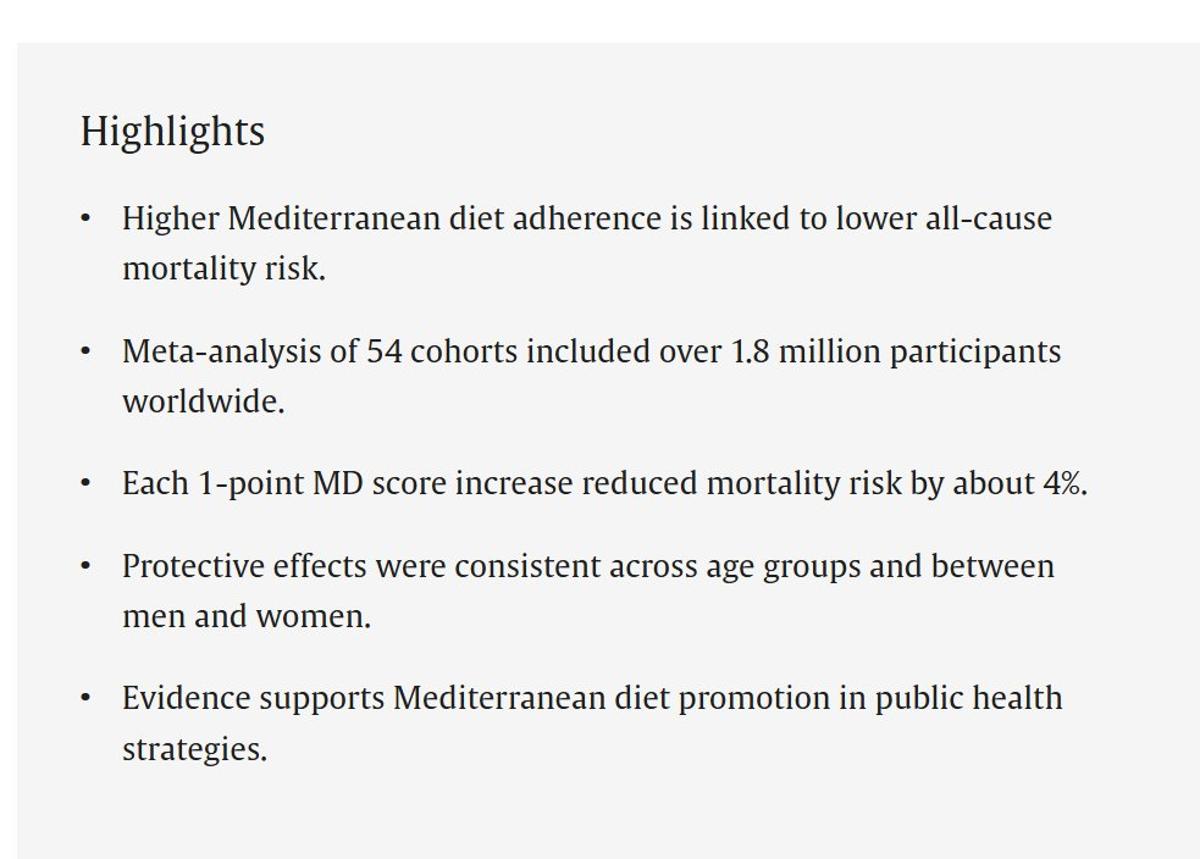
One‑point Mediterranean Diet Boost Cuts Mortality by 4%
Adherence to the Mediterranean diet and all-cause mortality: A systematic review and meta-analysis within the Italian National Guidelines “La Dieta Mediterranea” "Each 1-point MD score increase reduced mortality risk by about 4%." https://t.co/l1VEnyEb29 https://t.co/RU5hAnNG1n
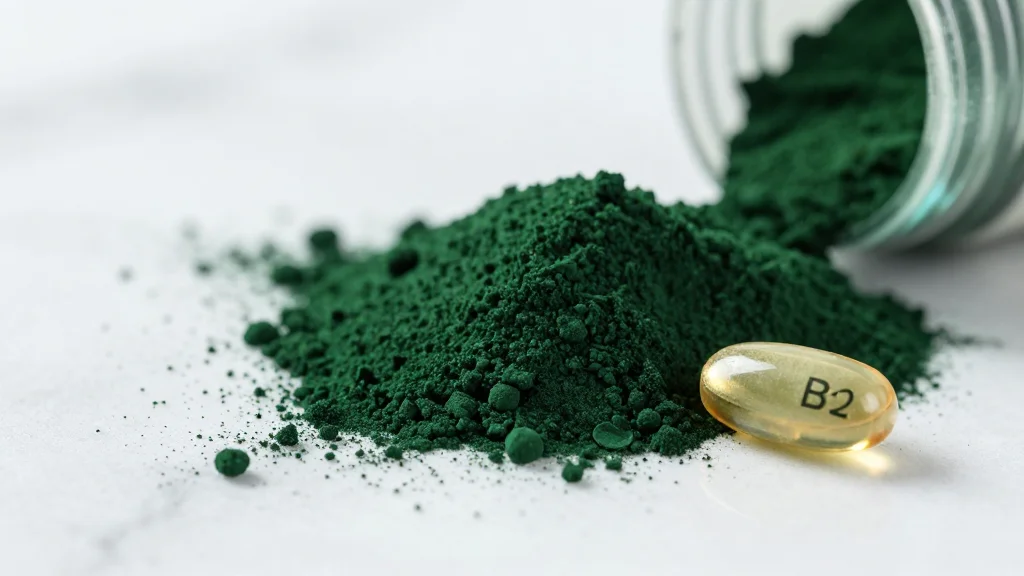
Spirulina Engineered to Match Beef’s Vitamin B12 Bioavailability
A multinational research team led by Dr. Asaf Tzachor has created a light‑controlled spirulina strain that delivers active vitamin B12 at levels comparable to beef, achieving over 98% bioavailability. The breakthrough could reshape plant‑based nutrition for the more than one‑billion...
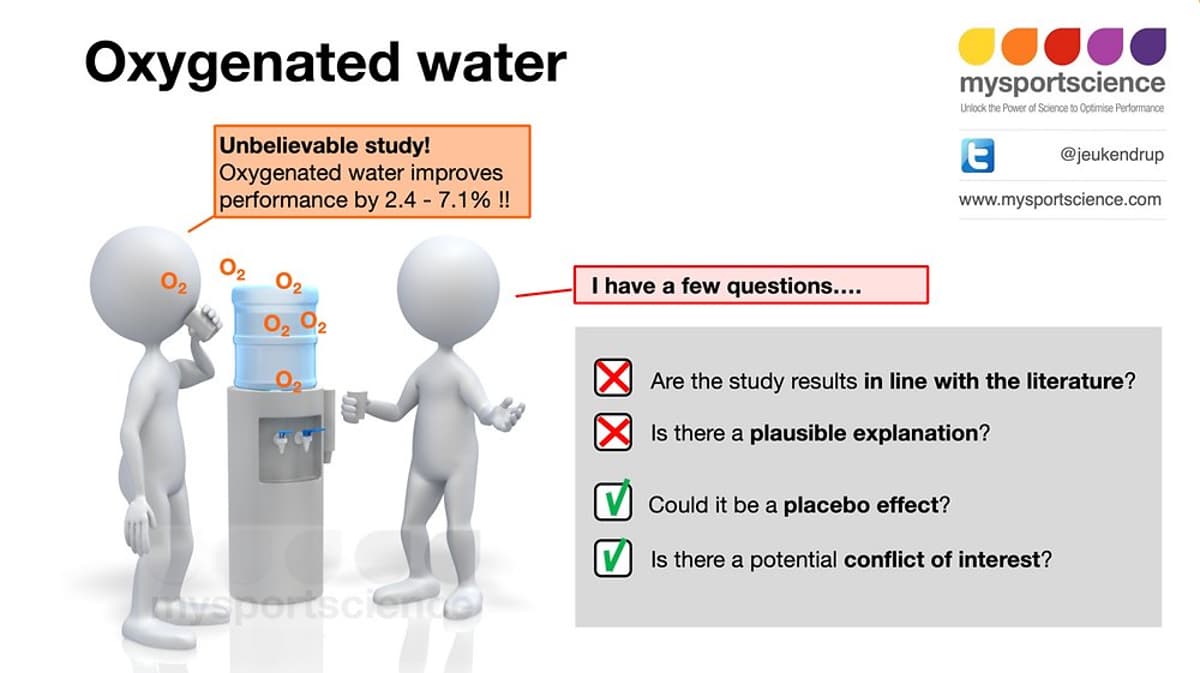
Oxygenated Water Boosts Cycling Performance, Study Shows
Can oxygenated water improve athletic performance? In this blog, Dr. Nick Tiller and I discuss findings from a study showing oxygenated water improves cycling performance... Read here: https://t.co/QPFqrbCatN https://t.co/XJ79CryBeH

Feeling Drained During Hot Workouts? Drinking This Beforehand Can Help
A recent double‑blind study with 17 trained athletes shows that caffeine taken before exercise can counteract the performance drop caused by heat. Participants ingested either a placebo, 3 mg/kg, or 6 mg/kg of caffeine 60 minutes before workouts at 92 °F, with the...
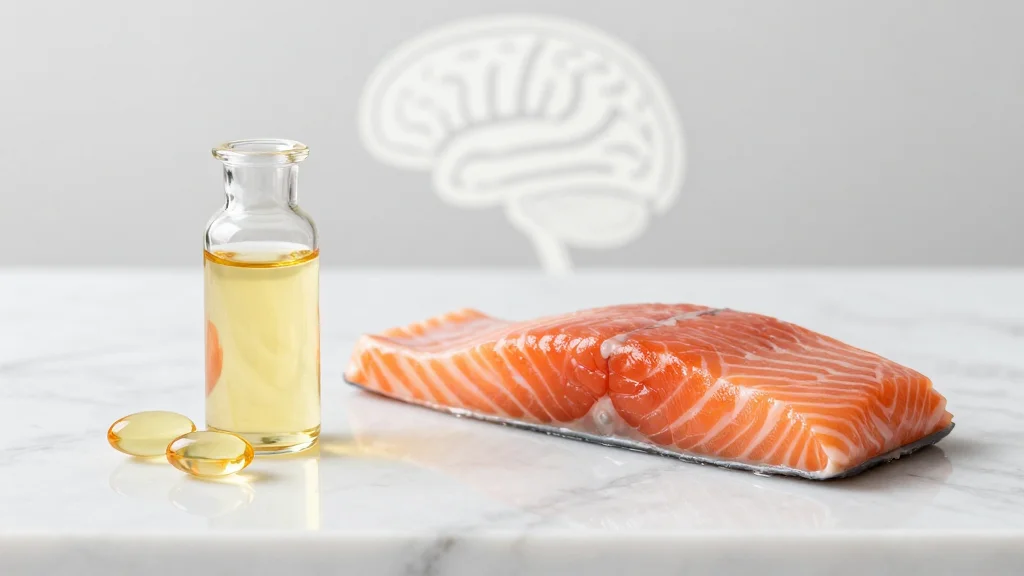
This Brain-Focused Nutrient Supports Cognitive Function & Longevity*
Docosahexaenoic acid (DHA), a key omega‑3 fatty acid, comprises the majority of the brain’s fat and is essential for neuronal membrane integrity, memory, and neuroprotection. Clinical studies link DHA intake to better problem‑solving in infants, improved cognition in school‑age children,...

10 Ingredients for Healthy Ageing – What Manufacturers Need to Know
As the global population ages, manufacturers must redesign foods to meet the nutritional needs of older adults. Ten key ingredients—protein, leucine, vitamin B12, vitamin D, calcium, omega‑3s, dietary fibre, potassium, magnesium, and adequate fluids—are essential for preserving muscle, bone, cognitive, and cardiovascular...
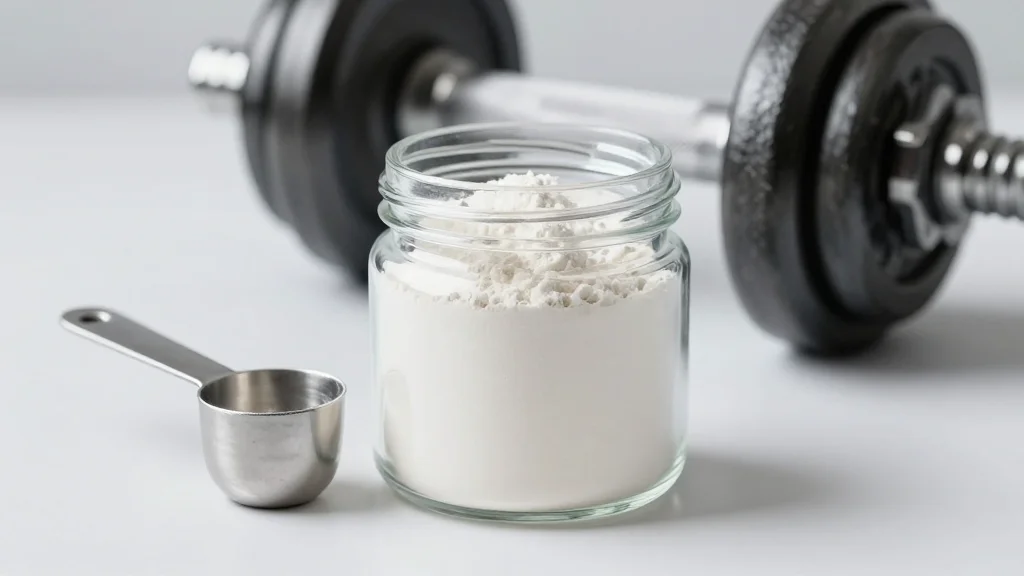
I Found A Solution To Cut Through My Fatigue & Brain Fog (That's Not Caffeine)
Assistant health editor Sela Breen reports that daily use of mindbodygreen’s Creatine Brain+, a blend of 5 g creatine monohydrate and 500 mg citicoline, helped her cut through afternoon fatigue and brain fog without caffeine. She notes improved focus, mood stability, and...

How Healthy Are Artichokes?
Artichokes, the edible flower buds often dismissed as intimidating, are a nutrient‑dense food that delivers high fiber, low calories, and a broad spectrum of vitamins and minerals. A medium cooked artichoke supplies about seven grams of fiber—roughly a quarter of...
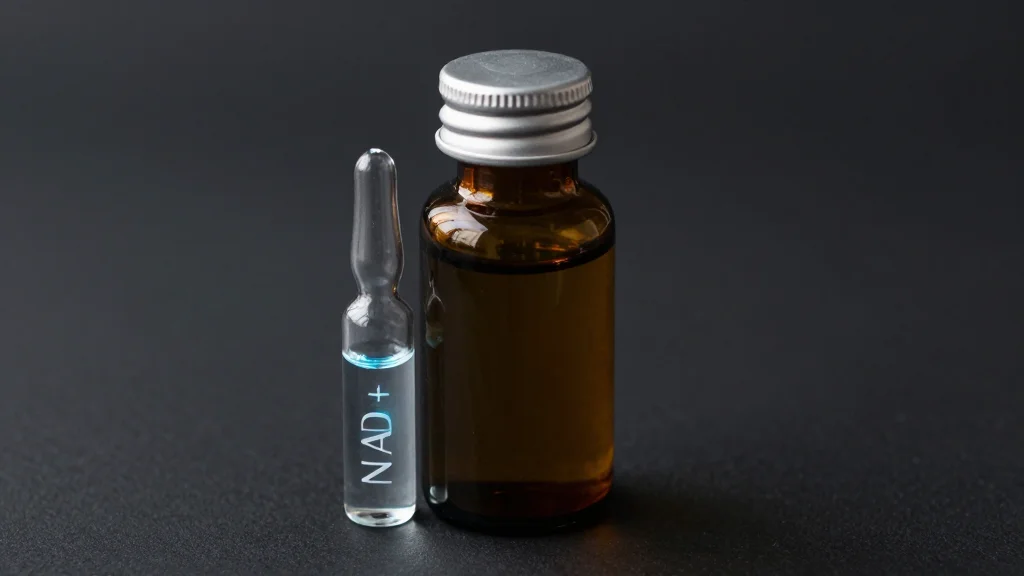
Marketers Say NAD+ Pills and Infusions Can Boost Longevity. What's the Evidence?
NAD+ supplements and IV infusions have become a booming segment of the wellness market, promising everything from anti‑aging effects to improved energy. While animal studies consistently show metabolic and mitochondrial benefits, human trials remain small and inconclusive, with modest improvements...