Today's Nutrition Pulse

Europe’s fibre frenzy: excess intake can backfire
While most Europeans still miss the UK’s 30 g daily fibre target, recent trends have pushed some consumers to exceed 50–70 g per day. Such high intakes are linked to bloating, diarrhea, constipation and reduced mineral absorption, especially when fibre is increased rapidly without sufficient hydration.

Ozempic Gains First Australian Approval for Heart‑Disease Treatment
Australia’s Therapeutic Goods Administration has approved semaglutide, sold as Ozempic, for the treatment of established cardiovascular disease, marking the nation’s first indication beyond diabetes. The decision follows the Heart Foundation’s new Clinical Consensus Statement and a recommendation by the Pharmaceutical Benefits Advisory Committee to subsidise the drug under the PBS.

FDA Approves Eli Lilly’s Foundayo, Pitting First Oral Obesity Pill Against Novo Nordisk’s Wegovy
Eli Lilly’s oral obesity medication Foundayo received FDA approval on April 1, becoming the first pill of its kind and setting up an immediate head‑to‑head battle with Novo Nordisk’s oral Wegovy. The two drugs differ in efficacy, manufacturing ease and safety profile,...
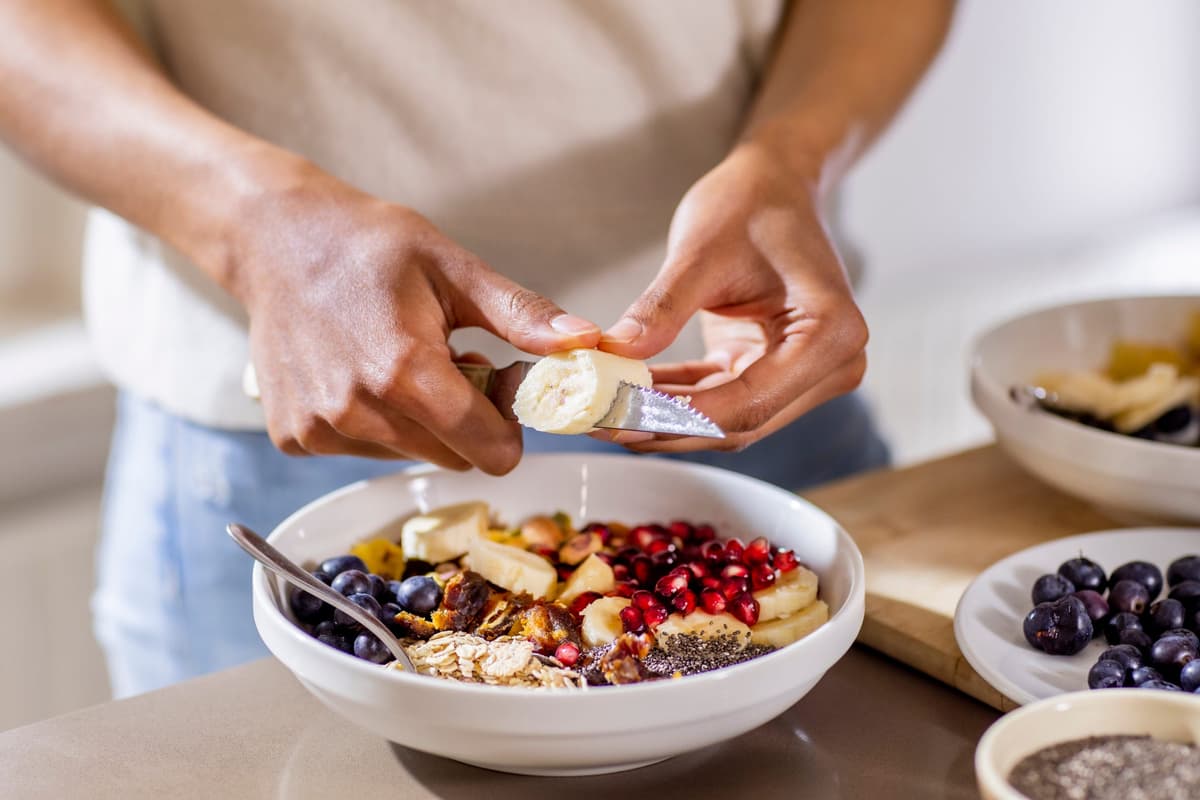
How to Maintain a Healthy Calorie Deficit While Fueling Your Workouts
Creating a healthy calorie deficit means subtracting roughly 200‑500 calories from your resting metabolic rate rather than extreme restriction. The approach emphasizes balanced macronutrients, especially adequate carbohydrates for endurance athletes, while allowing favorite foods in moderation. Experts stress that small,...

International Expert Panel Sets Plant-Based Diet as Minimum Standard for Global Healthcare
An international panel of 64 scientists led by the University of Innsbruck and the Tyrolean University of Education released two reports that set a predominantly plant‑based diet as the evidence‑based minimum recommendation for health systems worldwide. The reports introduce the...

Novo Nordisk Goes All‑In on Global Wegovy Pill Launch
Novo Nordisk’s executive vice‑president for international operations, Emil Kongshøj Larsen, said the company will "go all in" on rolling out its Wegovy oral weight‑loss pill beyond the United States later this year. The move aims to capture new markets as...
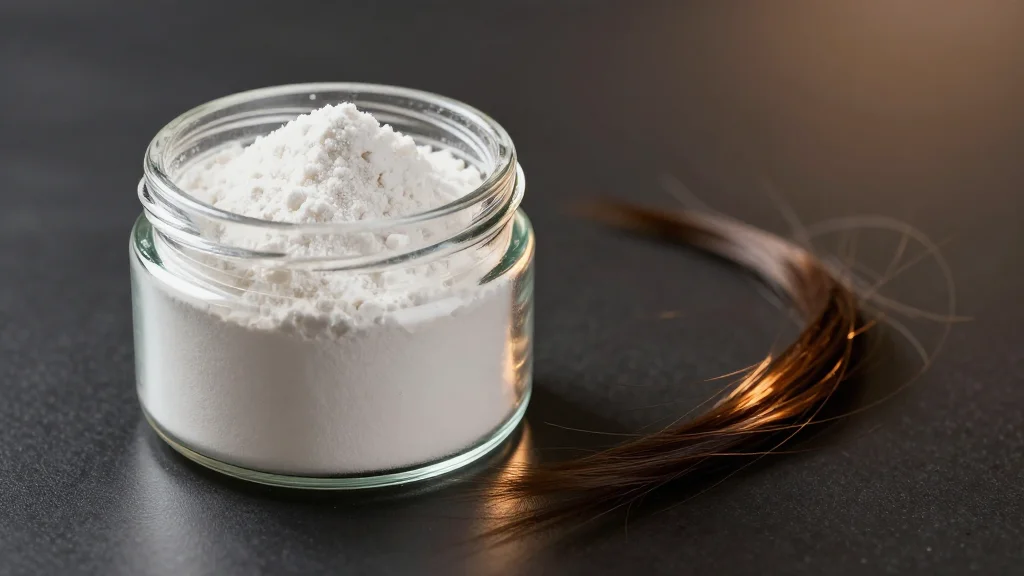
Extensive Review Finds No Link Between Creatine and Hair Loss
Researchers analyzing more than 500 scientific papers and a recent 2025 clinical trial of 38 men found no causal connection between creatine supplementation and hair loss. The findings debunk a long‑standing belief that the popular performance aid triggers baldness, offering...
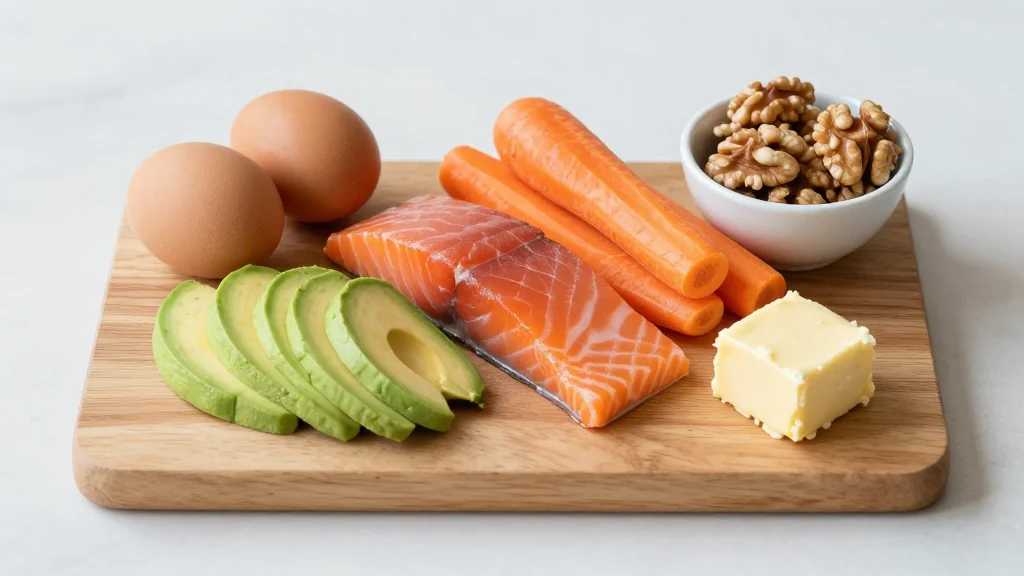
Boost Progesterone Naturally: Nutrition, Thyroid, Sleep, Stress Management
Things that support healthy progesterone production: - Enough calories. Under eating shuts down ovulation. No ovulation = No progesterone. - Strong thyroid. Progesterone production depends on a healthy metabolic rate. Hypothyroid women almost universally have low progesterone. - Enough carbs. Low carb diets...

Study Links Ultra‑Processed Snacks to Lower Attention Scores in Adults
A new study of 2,192 Australian adults shows that a 10% increase in ultra‑processed snack consumption—about one bag of chips—cuts attention test scores by 0.05 points. Researchers say the findings raise questions about snack quality, cognitive health and workplace productivity.
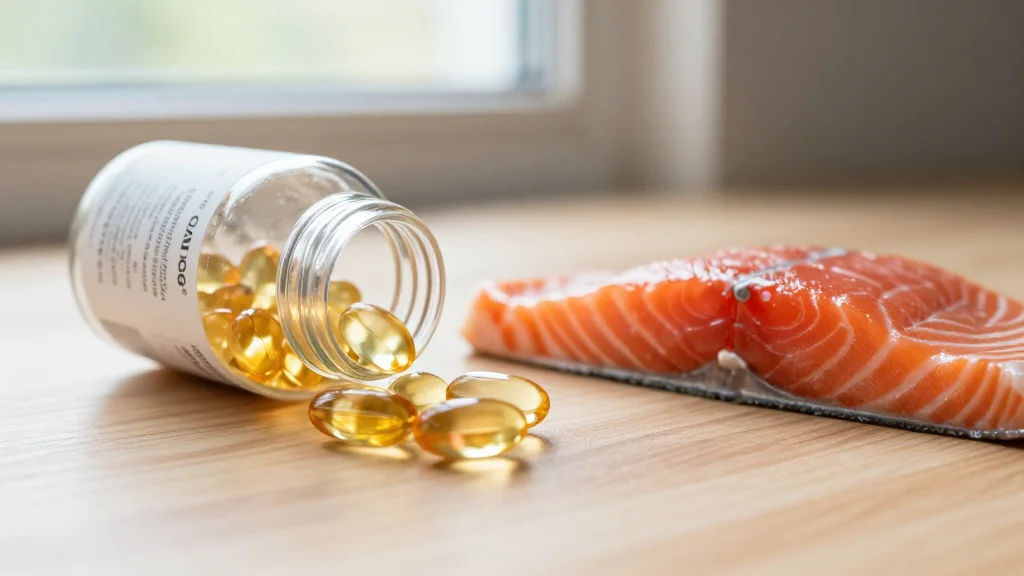
Daily Omega‑3 Intake Slows Biological Aging by a Month Per Year, Study Finds
A new analysis of the DO‑HEALTH trial reveals that participants who took a daily 1‑gram omega‑3 supplement slowed their epigenetic aging by roughly one month per year. The benefit extended to fewer falls, infections, and, when combined with vitamin D...
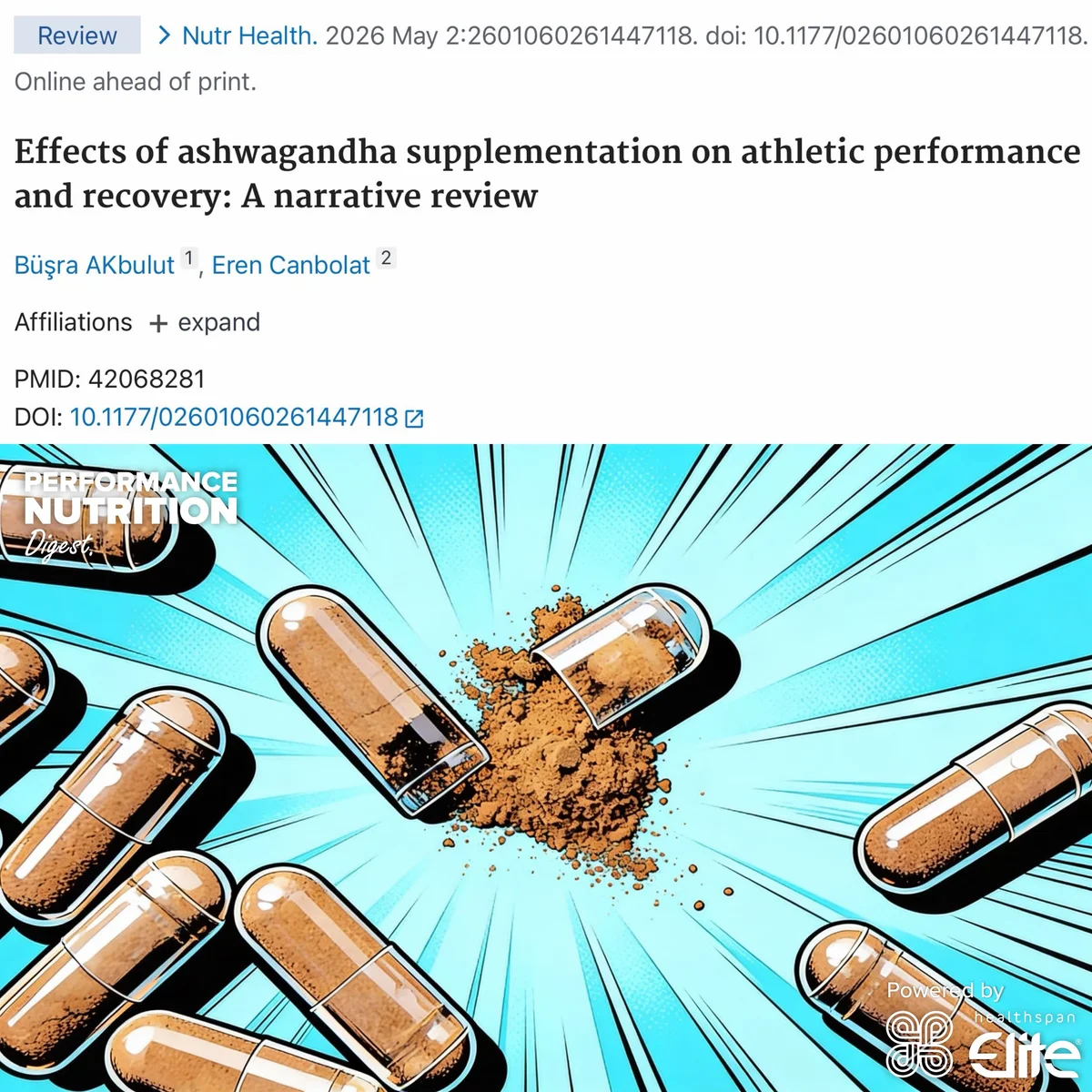
Ashwagandha Boosts Endurance, Recovery, Strength, and Hypertrophy
Ashwagandha for athletic performance and recovery 🤔 This new review outlined the current evidence on ashwagandha supplementation for various performance and recovery outcomes 🔍 Here are the primary findings ⬇️ Doses of 330 - 1000 mg daily have been shown to… 🫁 Increase endurance 🔋...

NHS Doctor Urges Avoiding Tea and Coffee with Common Supplements
NHS general practitioner Dr Amir Khan warned that pairing popular supplements with tea or coffee can dramatically reduce absorption, potentially wasting money and compromising health. He outlined optimal timing for iron, fat‑soluble vitamins, magnesium and creatine, urging consumers to follow...

Planttech Carob Concentrate Improves Insulin Sensitivity in Participants with Elevated Glucose
Planttech’s LVLD carob concentrate, standardized for D‑pinitol and other inositols, showed statistically significant improvements in HbA1c, fasting glucose, and insulin sensitivity in a 90‑day randomized, double‑blind trial with 52 pre‑diabetic adults. Participants took 6.66 g daily, split before lunch and dinner,...
This Nutrient Improved Bone & Inflammation Markers In Female Runners
A pilot study in Frontiers in Nutrition examined daily 20 g collagen peptide supplementation in 22 premenopausal female endurance runners who log at least 35 miles per week. Over four weeks, the collagen group showed a 5.1% rise in the bone‑formation...

Abdominal Obesity Amplifies Menopause Symptoms, Study Finds
Researchers analyzing data from the U.S. Study of Women's Health Across the Nation (SWAN) reported that abdominal obesity intensifies key menopause symptoms such as memory lapses, irritability and night sweats. The study, published in the journal Menopause, examined more than...

Precommitment Strategy Helps Stressed Eaters Choose Healthier Foods, Study Finds
Researchers published in Psychoneuroendocrinology found that a precommitment approach—deciding food choices before stress hits—significantly reduces the selection of tasty but unhealthy foods among college students. The findings point to a low‑cost behavioral tool that could strengthen nutrition programs in high‑stress...

Visceral Fat Loss Slows Brain Aging, Israeli MRI Study Finds
Researchers at Ben‑Gurion University reported that sustained reductions in abdominal (visceral) fat are associated with slower brain atrophy and better cognitive performance in late midlife. Published in Nature Communications, the study links metabolic health to neurological aging independent of overall...

Review Finds Yo‑Yo Dieting Doesn’t Heighten Long‑Term Metabolic Risk
Researchers from the University of Copenhagen and the German Center for Diabetes Research published a review in The Lancet Diabetes & Endocrinology that finds weight cycling does not raise long‑term metabolic risk. The analysis of decades of human and animal...

Scientists Uncover Surprising Health Benefits of Watermelon
Recent research published in *Nutrients* links regular watermelon consumption to higher‑quality diets and improved cardiovascular markers. Analyses of NHANES data show eaters obtain more fiber, magnesium, potassium, vitamin C, and lycopene while consuming less added sugar and saturated fat. A small...
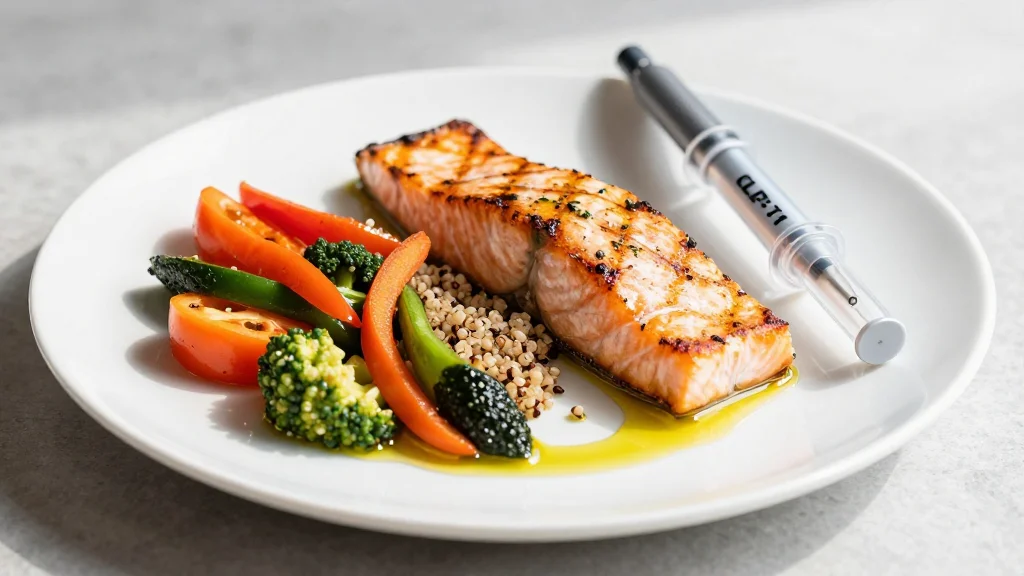
Obesity Consensus Calls for Dietitian‑Led Care as GLP‑1 Drugs Reshape Treatment
The European Association for the Study of Obesity, the European Federation of the Associations of Dietitians and the European Collation for Patients with Obesity released a consensus statement at ECO 2026 in Istanbul. It recommends dietitian‑led medical nutrition therapy alongside...

Want a Healthier Microbiome? Add This Type Of Food To Your Plate
A new scientific review confirms that fermented foods such as yogurt, kimchi, sauerkraut and kefir deliver measurable health benefits. The analysis links regular consumption to reduced inflammation, improved metabolic markers, lower perceived stress, and a healthier balance of gut bacteria...
If You Have A Longer Menstrual Cycle, You May Be Low In This Vitamin
A recent cross‑sectional study of 449 women with polyendocrine metabolic ovarian syndrome (PMOS) found a strong link between vitamin D status and menstrual cycle length. Women deficient in vitamin D (<20 ng/mL) experienced prolonged cycles at a rate of 87.2%, versus 70% for...
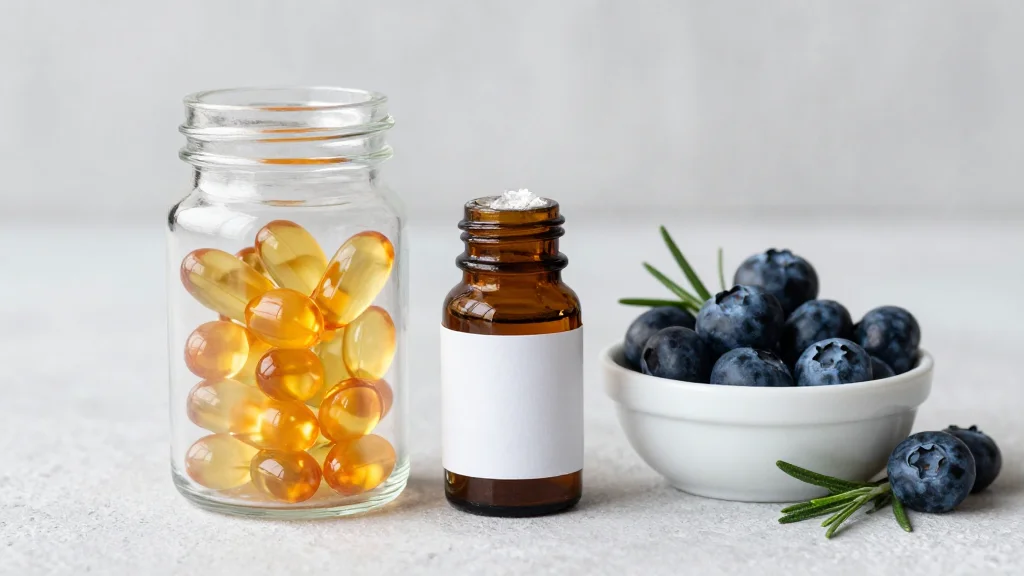
Review Finds Mixed Evidence on Supplements’ Ability to Slow Parkinson’s Progression
Researchers published a systematic review in the Journal of Parkinson’s Disease evaluating omega‑3 fatty acids, nicotinamide riboside and biotic supplements for disease‑modifying effects in Parkinson’s. The analysis concludes that while early signals are encouraging, the clinical evidence remains mixed and...
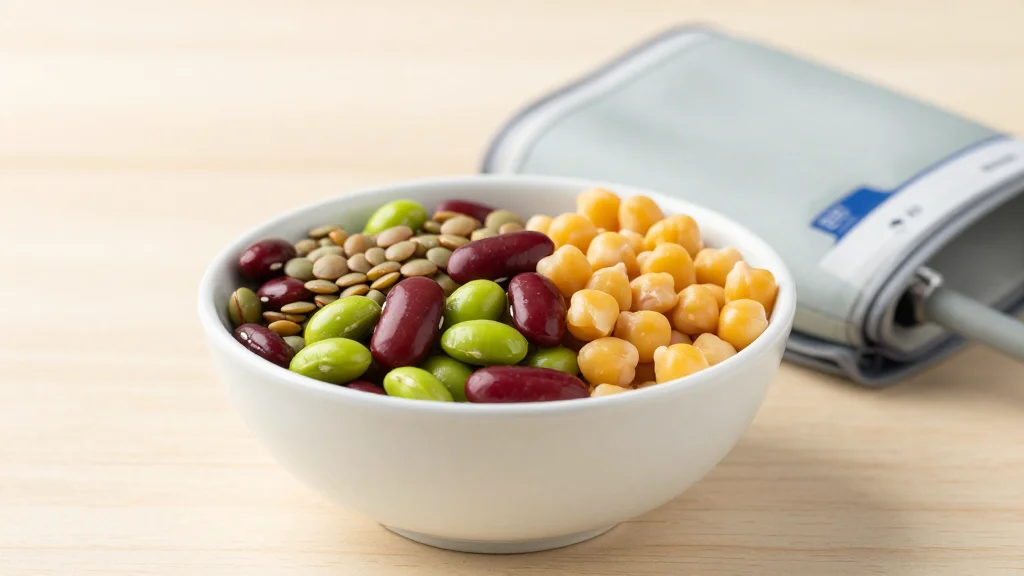
Legumes and Soy Cut Hypertension Risk by Up to 19% in New Meta‑Analysis
A pooled analysis of 12 prospective studies published in BMJ Nutrition Prevention & Health shows that eating about 170 g of legumes or 60‑80 g of soy each day lowers the risk of developing high blood pressure by 16% and 19% respectively....

Tart Cherries (Prunus Cerasus) and Metabolic Health in Overweight and Obesity: Evidence From Preclinical and Clinical Studies
A new Frontiers in Nutrition review evaluates tart cherries (Prunus cerasus) as a functional food for overweight and obese adults. Pre‑clinical animal work consistently shows anti‑inflammatory, antioxidant, and metabolic benefits, while human trials suggest modest reductions in blood pressure and...

High‑Quality Plant Foods Linked to Better Cardiometabolic Markers in Pregnant Women
Researchers analyzing seven cycles of NHANES data (2005‑2020) reported that pregnant women with higher scores on healthy plant‑based diet indices showed higher HDL‑C and lower TG/HDL‑C ratios. The findings suggest that the quality of plant foods, not merely the avoidance...

Polyphenol‑rich Foods Slow Cardiovascular Aging
Berries, Tea, Coffee - and a Slower Cardiovascular Aging Curve As a medical school professor, I teach that cardiovascular risk climbs with age. What I am updating is how much of that climb is negotiable. A 10-year study from King's College London,...

Doctors Warn Magnesium Supplement Trend May Mask Illness, Cause Toxicity
Leading doctors warned Tuesday that the viral magnesium supplement craze on social media can conceal serious medical conditions and trigger side effects such as diarrhea, low blood pressure, and toxicity in vulnerable patients. The experts urged consumers to seek professional...

Bedtime Protein Aids Recovery without Causing Fat Gain
Eating protein before bed does not automatically lead to fat gain. This blog explains how it can support recovery and muscle health. Read the blog: https://t.co/z3MoMcBdza

Study Links Energy‑Drink Ingredient Taurine to Faster Leukemia Progression
Researchers published in Nature report that taurine produced by bone cells fuels acute myeloid leukemia (AML) stem cells, and that blocking its uptake slows disease in mice. The findings raise safety questions for the widespread use of taurine in energy...

Obesity Societies Issue First Joint Consensus on Incretin Drug Use
At the 2026 European Congress on Obesity in Istanbul, major obesity and dietitian societies released a unified consensus on the clinical use of incretin‑based therapies. The statement stresses integrated medical nutrition therapy, mental‑health screening, and a target 3:1 fat‑to‑lean‑mass loss...

AstaReal AB Launches Magnesium Supplement to Close Perimenopause Nutrition Gaps
AstaReal AB introduced its Magnesium Total by Astaxin supplement on May 15, 2026, positioning it as a high‑bioavailability solution to the magnesium shortfall that perimenopausal women face. The launch follows a new industry analysis that flags protein, magnesium, B12, iron...

Unlock the 2‑3 Non‑Negotiables for Massive Muscle Gains
800 pounds of muscle in 14 weeks… 😳💪 How does that actually happen? This Monday, I’m sitting down with @_kkatieoconnor the Director of @Vol_Football to break down the real strategy behind fueling muscle gain and performance. 🏈Why most athletes struggle...
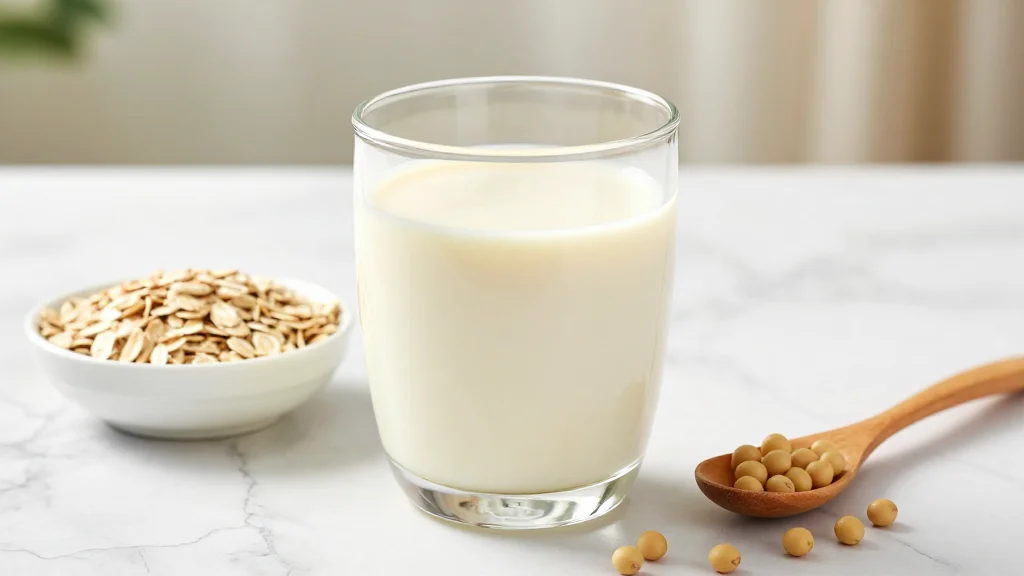
Soy Milk Tops Protein Rankings for Coffee, Baking and Oatmeal, Dietitian Says
Registered dietitian Natalie Rizzo, TODAY nutrition editor, ranks soy milk as the top plant‑based milk for protein, delivering 8 g per serving—on par with cow’s milk. She recommends it for coffee, baking and oatmeal, while noting pea milk as a close...

Beetroot’s Endurance Benefits: New Study Shines Light on Mechanism of Action
A pilot study published in Nutrients found that a seven‑day regimen of Nobeet, a beetroot‑based nitrate supplement, boosted nitric oxide metabolites (NOx) in plasma and urine by 155%. The trial, involving ten male triathletes aged around 48, also showed rises...
Keto Diet Trial Shows Strength Gains in Myasthenia Gravis Patients
Researchers at Charité‑University of Berlin found that a 12‑week high‑fat, low‑carbohydrate diet markedly improved muscle strength and reduced fatigue in 20 patients with generalized myasthenia gravis, while also modulating immune cells. The pilot study suggests dietary metabolism could become a...

Seaweed Boosts Endurance, Power and Recovery in Athletes
Seaweed for athletes - effects on performance and recovery 🪸 This new meta-analysis compiled data from 22 studies investigating the effects of seaweed on exercise performance and physiological recovery outcomes 🔍 Here are the key findings ⬇️ Overall, seaweed (algae) supplementation showed… 🫁...
PMOS Replaces PCOS, Redefining Women’s Health Terminology
The Lancet has officially renamed polycystic ovary syndrome (PCOS) as polyendocrine metabolic ovarian syndrome (PMOS) after 14 years of collaboration among clinicians, researchers and patient groups. The change, led by Helena Teede and endorsed by the Endocrine Society, seeks to reflect...

High‑protein Breakfast Cuts Lunch Calories by ~100
Increase protein intake at breakfast for better weight loss? In this study, eating more protein at breakfast (e.g. 20g) reduced calorie intake at lunch by about 100 calories…. …the study participants ate around 300 calories of either standard (6 grams of protein;...

Nature Study Finds Obesity Rates Slowing in High‑Income Nations, Spain Sees Decline
A global analysis published in Nature, covering data from more than 232 million individuals, reports that obesity prevalence has slowed or stabilised in high‑income countries since the 1990s, with Spain even showing a modest reversal. The study contrasts this trend with...
Protein Needs Vary: Personalize Your Daily Intake
Protein requirements differ widely among individuals, challenging the validity of a universal daily target and highlighting the need for personalized nutrition based on factors like age, health, and activity level. nutrition
Effects of Collagen Peptide Supplementation on Bone Turnover, Cytokine, and Inflammatory Markers in Female Distance Runners: A Randomized Pilot Study
A four‑week, double‑blind pilot trial gave 20 g daily collagen peptides to premenopausal female distance runners and compared them with an isocaloric maltodextrin control. The collagen group showed a significant rise in serum P1NP, a marker of bone formation, while sRANKL...

Pasteurized Akkermansia Muciniphila Emerges as Promising Tool in Obesity Management
Researchers have identified a pasteurized strain of Akkermansia muciniphila, called MucT, as a potential way to break the cycle of weight regain in people with overweight and obesity. The finding adds a microbiome‑focused option to the limited toolbox for long‑term...

Japanese Study Finds Arginine Cuts Alzheimer’s Amyloid in Mice
Researchers at Kindai University in Osaka reported that the dietary amino acid arginine markedly reduced amyloid‑β plaques, brain inflammation, and cognitive deficits in fruit‑fly and mouse models of Alzheimer’s disease. The finding points to a low‑cost, widely available supplement as...

Stop Overlooking This Vitamin When It Comes To Muscle Health
New research from Cornell and the University of Alabama at Birmingham shows that vitamin B12 deficiency impairs muscle mitochondria, reducing energy output by roughly 25% in mice. Deficient animals also exhibited a tenfold increase in mitochondrial DNA errors, while weekly...
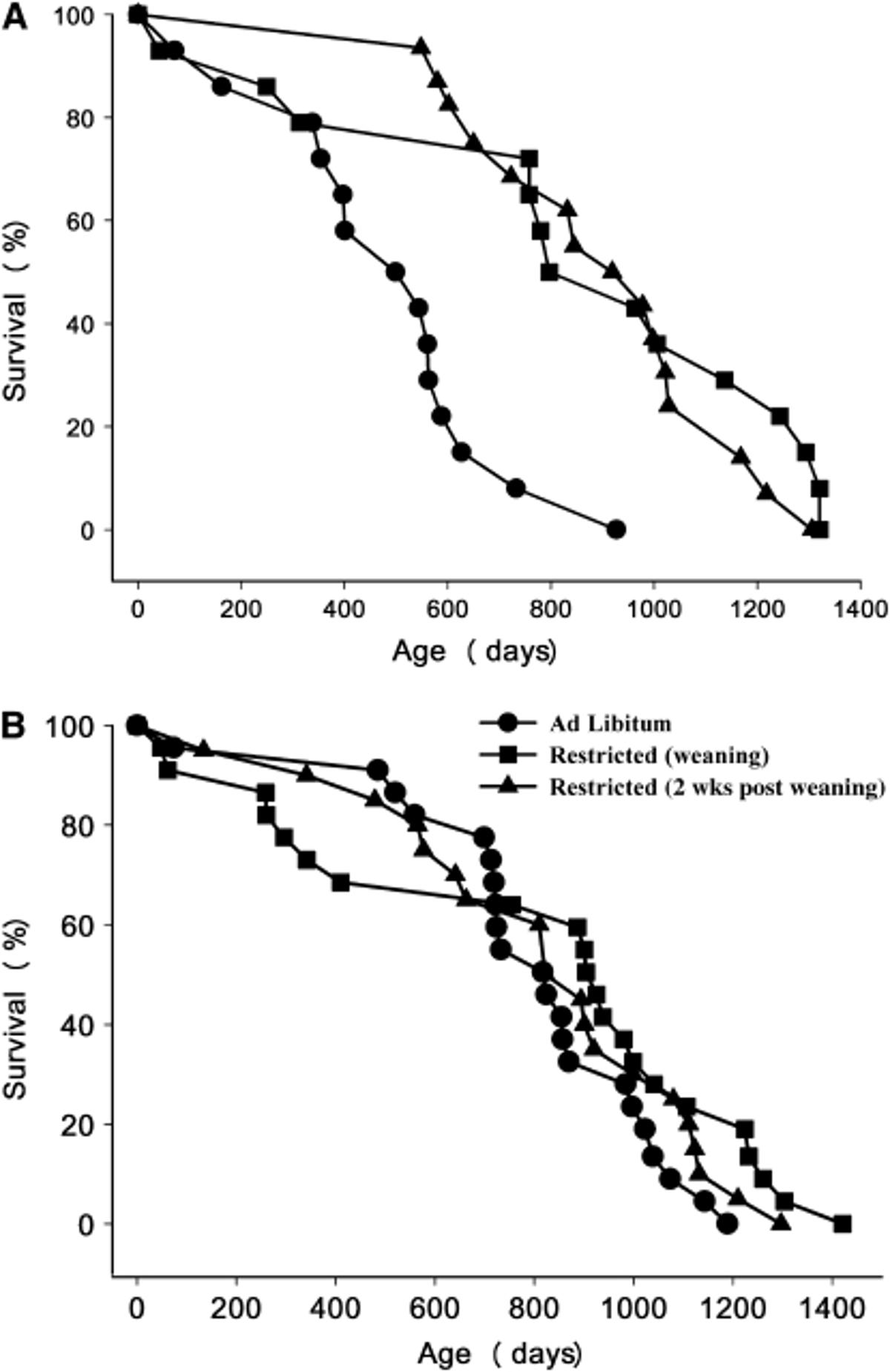
Calorie Restriction: Largest Non‑Genetic Lifespan Boost Discovered
In the 1930s, Clive McCay at Cornell University discovered what would later turn out to be the largest non-genetic lifespan extension ever seen in animals. McCay noticed that rats stayed healthier and lived significantly longer when they were fed less food...

FDA Opens Call for Comments on Redefining ‘Dietary Substance’ in DSHEA
The U.S. Food and Drug Administration has announced a public meeting to gather stakeholder input on redefining the “dietary substance” clause of the Dietary Supplement Health and Education Act. Industry groups have until April 27 to comment on whether emerging ingredients...
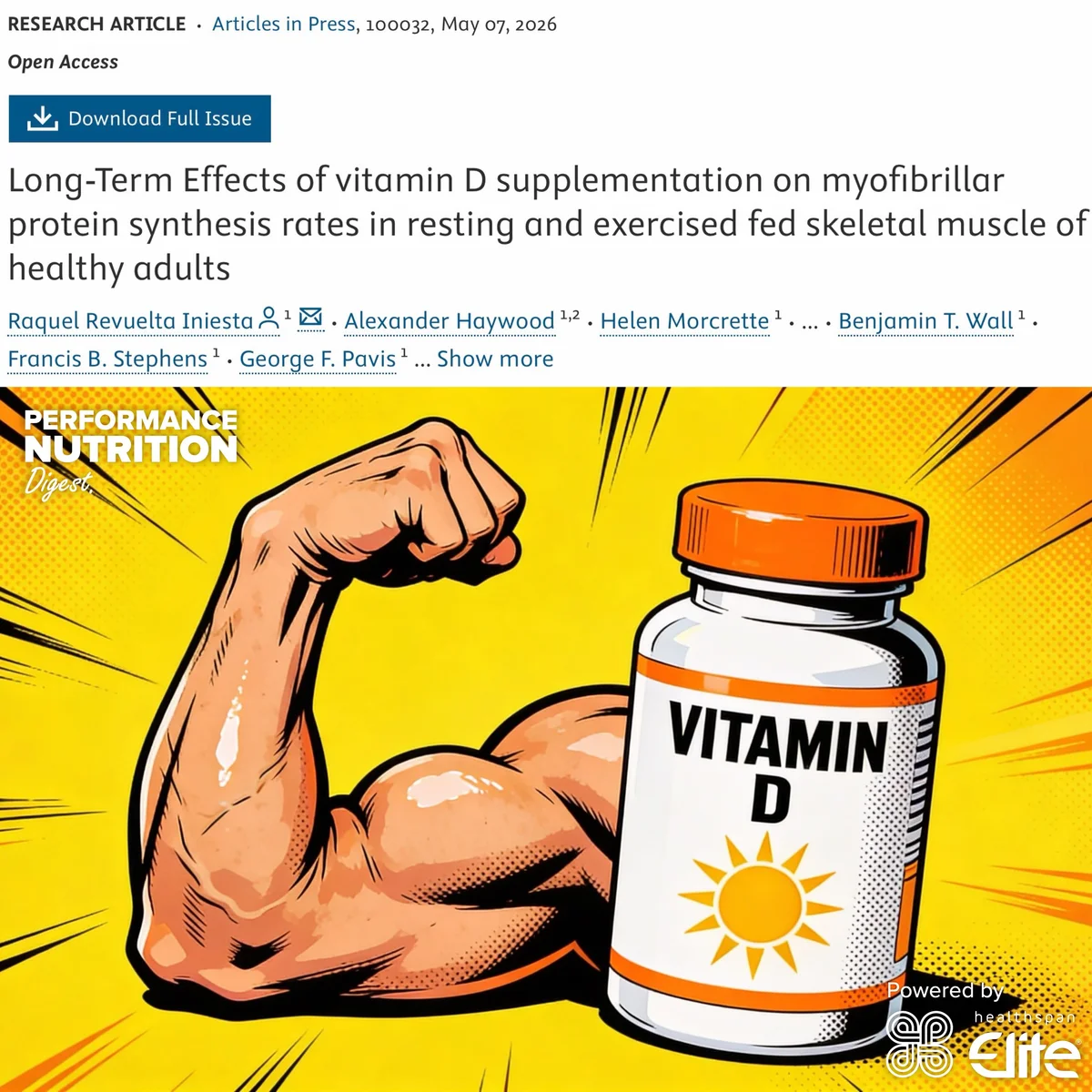
Vitamin D Boosts Muscle Protein Synthesis After Exercise
Vitamin D supplementation enhances acute muscle protein synthesis ☀️💪 This new paper recruited 17 healthy adults to a study where they supplemented with either… ☀️ 3,000 IU vitamin D3 💊 Placebo Supplements were provided daily. After 12-weeks, participants performed resistance-exercise followed by 22g whey...
Long‑term PPI Users Should Monitor Minerals to Prevent Dementia
If you are a long-term user of PPI's (like Prilosec or Nexium) routinely check magnesium, calcium, ferritin, Vitamin B12, zinc, and copper levels. B12 or copper deficiencies could absolutely contribute to accelerated dementia.

Millions Take Omega-3 Fish Oil for Brain Health. New Research Suggests It May Do the Opposite.
A new longitudinal analysis of the Alzheimer’s Disease Neuroimaging Initiative (ADNI) found that older adults who regularly take omega‑3 fish oil experienced faster cognitive decline than non‑users. The study employed linear mixed‑effects models over a decade‑long follow‑up, revealing no reduction...
U.S. News Report Highlights Top OTC Nutrition Supplements Shaping 2026 Health Trends
U.S. News & World Report released its fourth annual Best OTC Medicine & Health Products report for 2026‑27, ranking the leading nutrition supplements across 128 categories and adding 11 new segments. The study, conducted with The Harris Poll, surveyed pharmacists...