Today's Nutrition Pulse
Europe’s fibre frenzy: excess intake can backfire
While most Europeans still miss the UK’s 30 g daily fibre target, recent trends have pushed some consumers to exceed 50–70 g per day. Such high intakes are linked to bloating, diarrhea, constipation and reduced mineral absorption, especially when fibre is increased rapidly without sufficient hydration.

Chardonnay By-Product May Improve Cardiovascular Health
Scientists from UC Davis, Sonomaceuticals and the USDA found that a high‑dose Chardonnay grape marc blend lowered post‑prandial triglyceride spikes in adults with mild dyslipidemia. In a 16‑week double‑blind crossover trial, participants taking 1,500 mg of the marc supplement showed a measurable reduction in triglyceride response after meals, while fasting triglycerides trended lower but were not statistically significant. The study also noted a modest rise in HDL‑C, suggesting a favorable shift in lipid profiles. Researchers attribute the effect to the whole‑food matrix of the marc, which retains both extractable and non‑extractable nutrients often lost in white‑wine processing.
BMJ Study Finds Vitamin D, Calcium Pills Offer Little Fracture Protection
A new BMJ systematic review of 69 randomized trials involving more than 153,000 adults concludes that routine vitamin D and calcium supplementation offers minimal benefit for preventing fractures or falls. The findings challenge decades‑long supplement recommendations and shift focus toward...
Study Finds Low Omega‑3 Levels Common in Women with Alzheimer’s
Researchers analyzing blood samples from 841 Alzheimer’s patients discovered that women with the disease frequently have low omega‑3 levels, a pattern not seen in men. The finding, based on 700 lipid markers, points to a sex‑specific nutritional link that could...
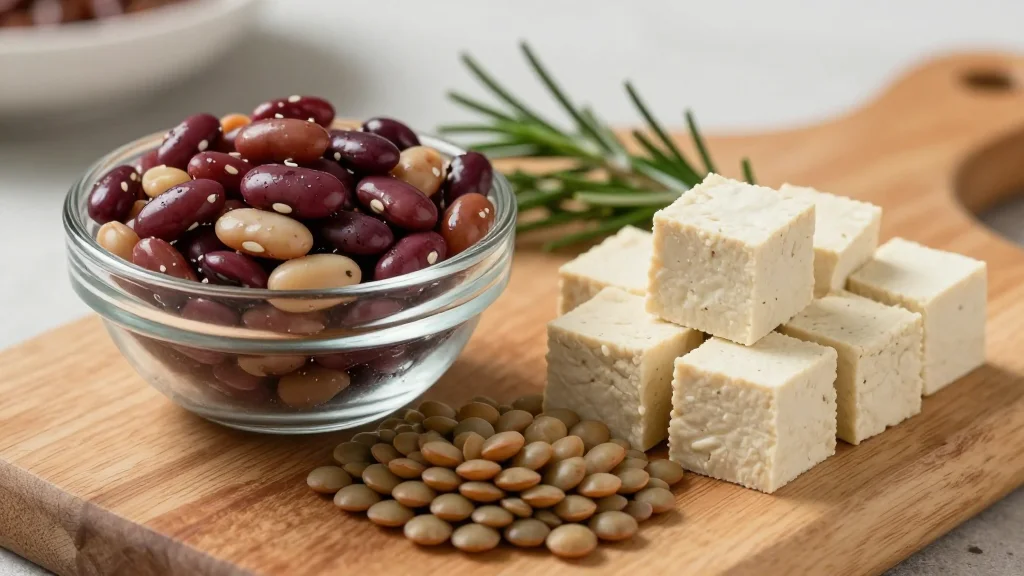
Study Finds Beans, Lentils and Tofu Cut Hypertension Risk by Up to 19%
Researchers led by Dr. Marcia Otto published a decade‑long study showing that regular consumption of beans, lentils and tofu lowers the odds of developing hypertension by as much as 19%. The findings give consumers a concrete, food‑based strategy to improve...
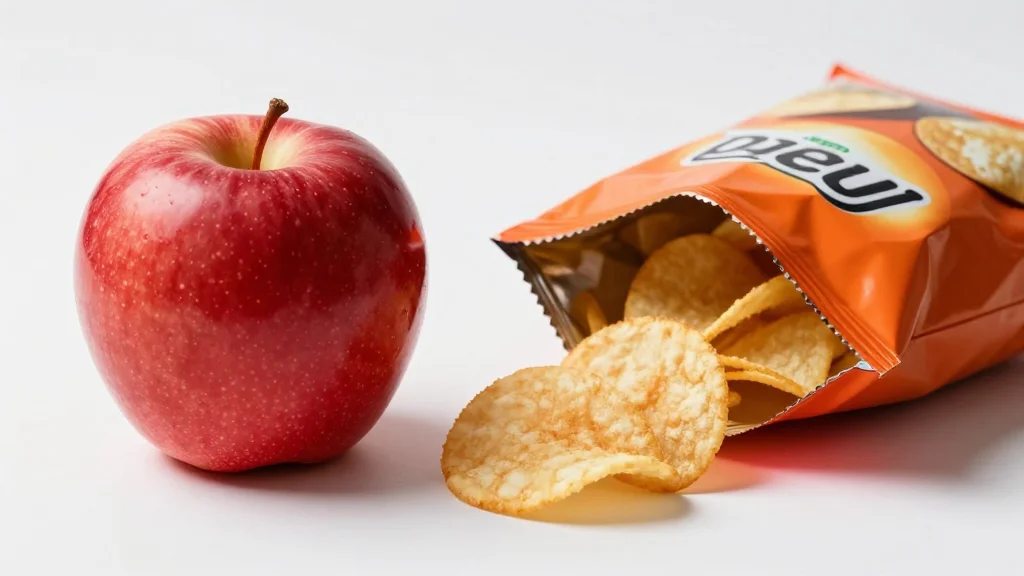
European Cardiology Experts Warn Ultra‑Processed Foods Raise Heart‑Disease Death Risk 65%
A clinical consensus statement from the European Society of Cardiology and the European Association of Preventive Cardiology says eating high amounts of ultra‑processed foods is associated with a 65% higher risk of cardiovascular death. The experts call on physicians to...

Are We Still Taking The Wrong Supplements For Our Gut-Health?
The British MedTech firm LYMA has launched ID², a four‑dimensional gut supplement that targets absorption, microbiome diversity, cellular resilience and systemic resilience. Professor Paul Clayton argues that most gut‑health products fail because they ignore bioavailability and the need for prebiotic...
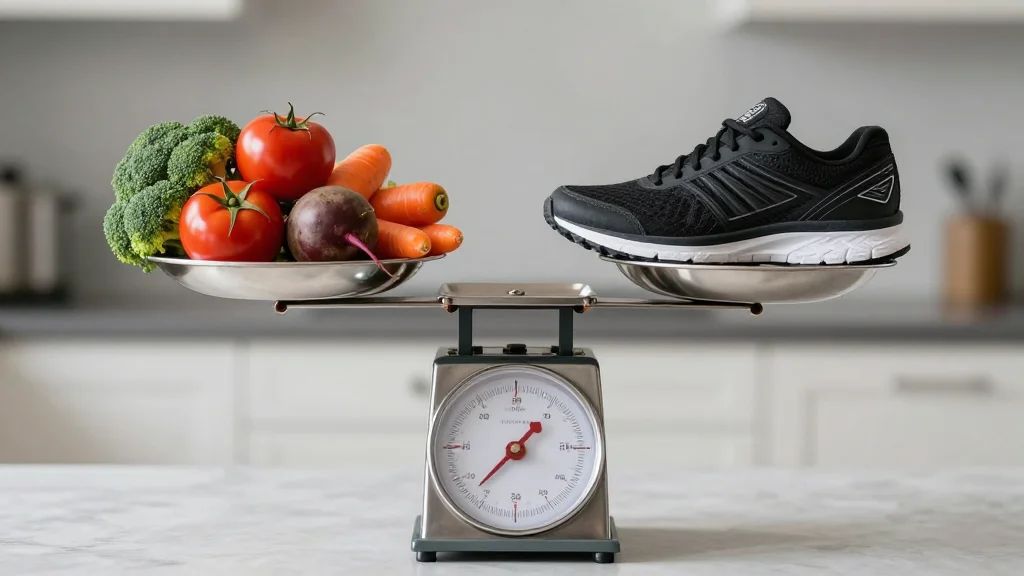
Lancet Review Finds Yo‑Yo Dieting May Not Damage Metabolism
A meta‑analysis published in The Lancet Diabetes & Endocrinology concludes that repeated weight loss and regain does not cause lasting metabolic damage. The review, led by Professors Faidon Magkos and Norbert Stefan, disputes decades‑old warnings and could shift clinical advice...

Can I Drink Green Tea at Night? What the Science Actually Says
Green tea delivers 20‑45 mg caffeine per cup, enough to linger in the bloodstream for hours, but it also provides L‑theanine, an amino acid that can calm the mind. Whether an evening cup harms or helps sleep hinges on individual caffeine...

U.S. Senate Advances Dietary Supplements Access Act as France Bans CBD Edibles
The U.S. Senate has taken a step toward passing the Dietary Supplements Access Act, aiming to streamline supplement labeling and market entry, while France has prohibited the sale of CBD edibles, threatening a €100 million ($108 million) domestic industry. Both moves could...

What to Eat Before a Bike Ride So You Stay Strong to the Finish
Proper pre‑ride nutrition is essential for maintaining energy and stable blood sugar during cycling. Experts recommend a tiered approach: balanced meals 3‑7 days out, increased carbohydrate intake 1‑2 days before, and targeted carb‑rich snacks in the hours leading up to...

New Online Toolkit Helps Clinicians Put 'Food Is Medicine' Into Practice
Tufts University’s Food is Medicine Institute launched an online Food is Medicine Toolkit to help clinicians and health‑system leaders translate nutrition research into actionable care programs. The resource, built with input from Kaiser Permanente, walks users through six stages—from program...
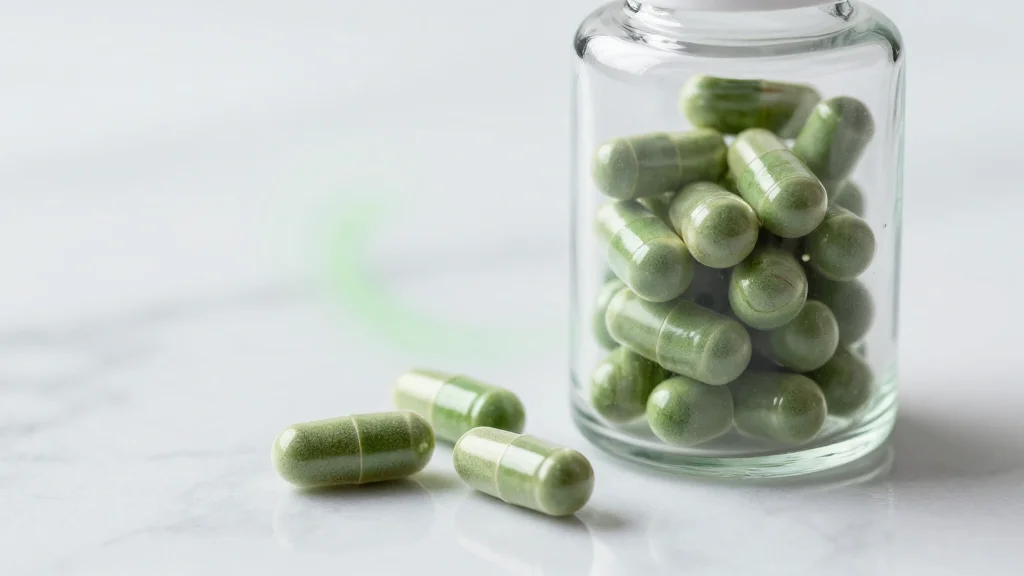
FDA Links Salmonella Outbreak to MOGO Moringa Capsules, 18 Sick Across 14 States
The U.S. Food and Drug Administration has identified MOGO brand moringa leaf powder capsules as the source of a new Salmonella Typhimurium outbreak that has sickened 18 people in 14 states, with seven hospitalizations. The agency ordered a recall of...
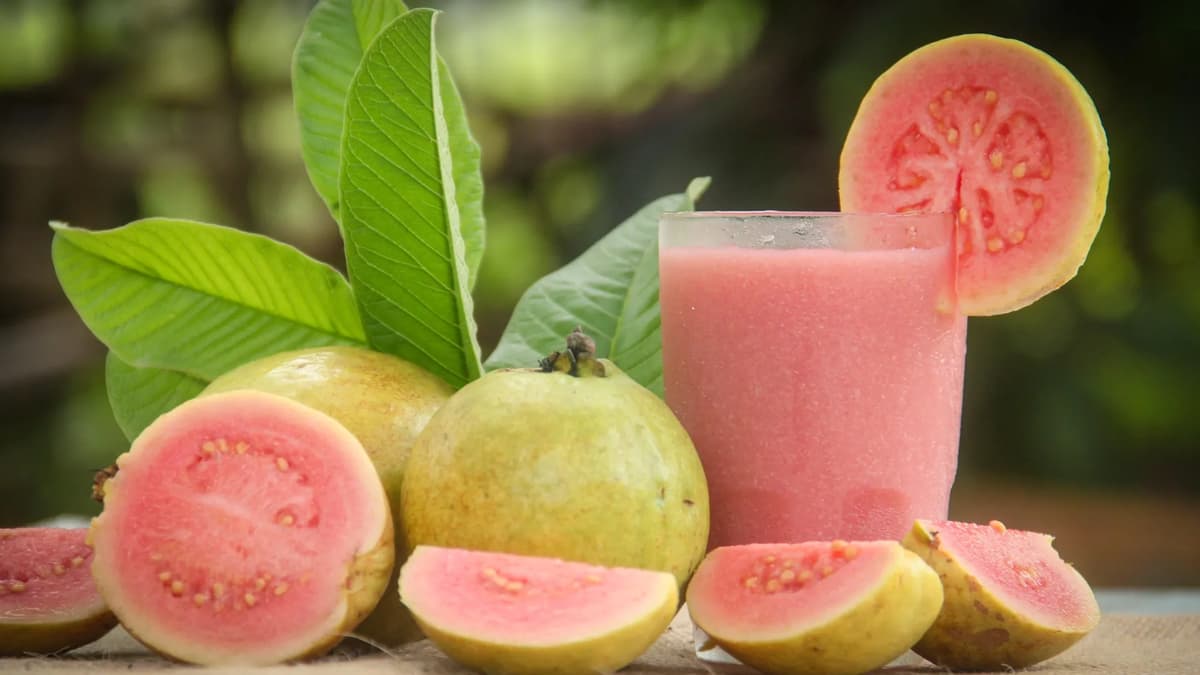
Scientists Say Guava Juice Could Make Iron Supplements Work Better
A new BMJ Nutrition review of 17 Indonesian studies found that adding guava juice to iron supplements raised hemoglobin by an average of 1.71 g/dL, and outperformed iron‑only regimens by 1.29 g/dL. The effect was observed in both pregnant women and teenage...
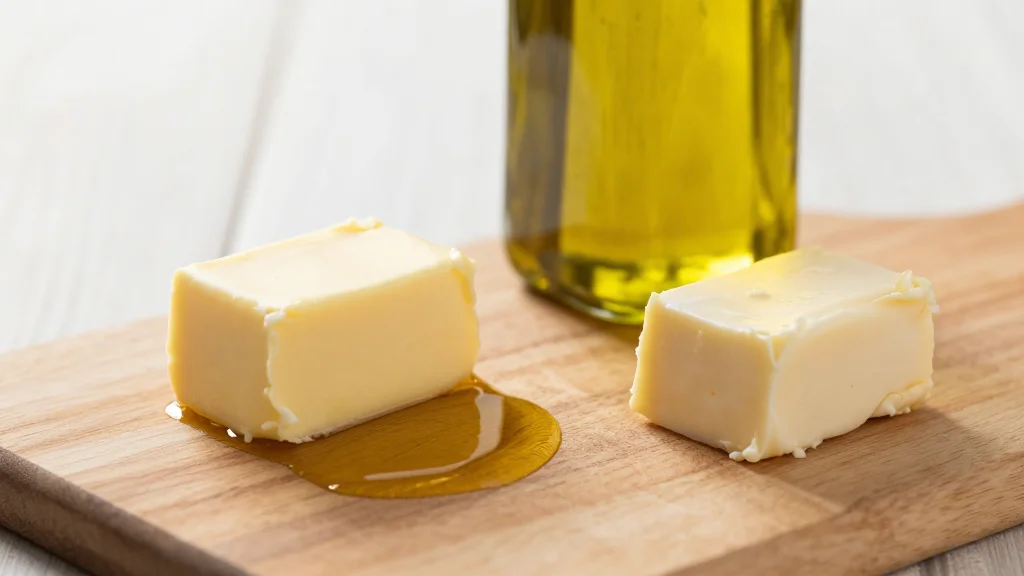
Seed Oil Panic: RFK Jr. And Influencers Made Linoleic Acid a Dietary Villain and Heart Risk. Evidence Points the Other...
The recent "seed oil panic"—driven by RFK Jr. and social‑media influencers—portrays linoleic‑rich vegetable oils as a major heart‑disease risk. The article counters that claim, noting the January 2026 U.S. dietary guidelines now list butter, beef tallow and olive oil as acceptable cooking...

Early but Not Late Time-Restricted Eating Improves an Actigraphy-Estimated Sleep Quality in Women with Overweight or Obesity: Secondary Analysis of...
A secondary analysis of the ChronoFast crossover trial found that two weeks of early time‑restricted eating (8 a.m.–4 p.m.) improved objective sleep quality in women with overweight or obesity, while a late window (1 p.m.–9 p.m.) did not. Actigraphy showed modest gains in sleep...
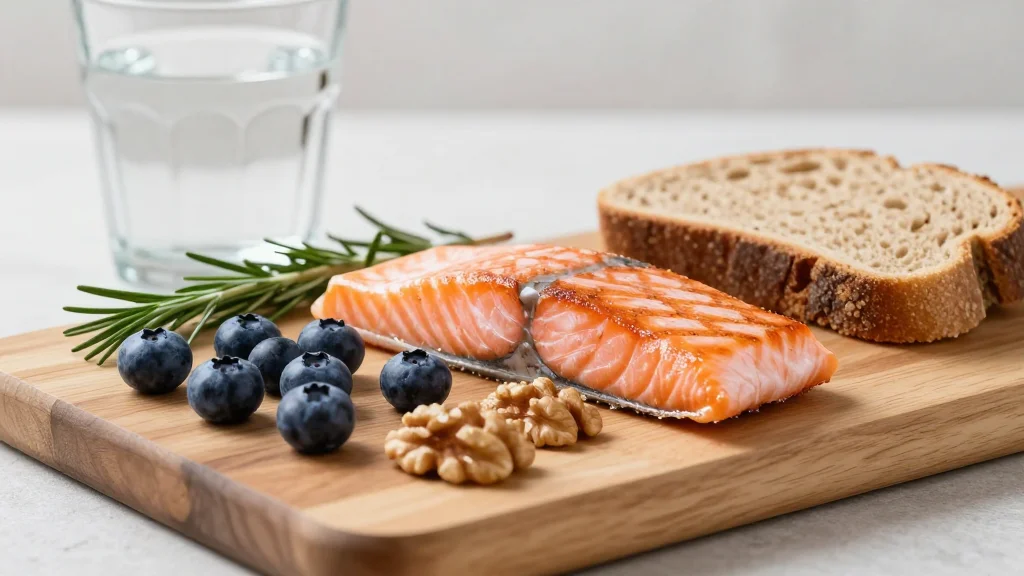
20 Foods that Are Good for Your Brain — and What Science Actually Says
The article lists 20 foods backed by peer‑reviewed research that support brain health, from fatty fish and blueberries to water and whole grains. It emphasizes that dietary patterns such as the Mediterranean and MIND diets have the strongest evidence, while...
Physician Says L‑Carnitine Offers Little Weight‑Loss Benefit Without Diet and Exercise
A board‑certified physician specializing in metabolism evaluated L‑carnitine supplements, concluding that they provide little to no weight‑loss advantage for most people unless paired with diet and exercise. The analysis also notes modest safety concerns and stresses the importance of a...
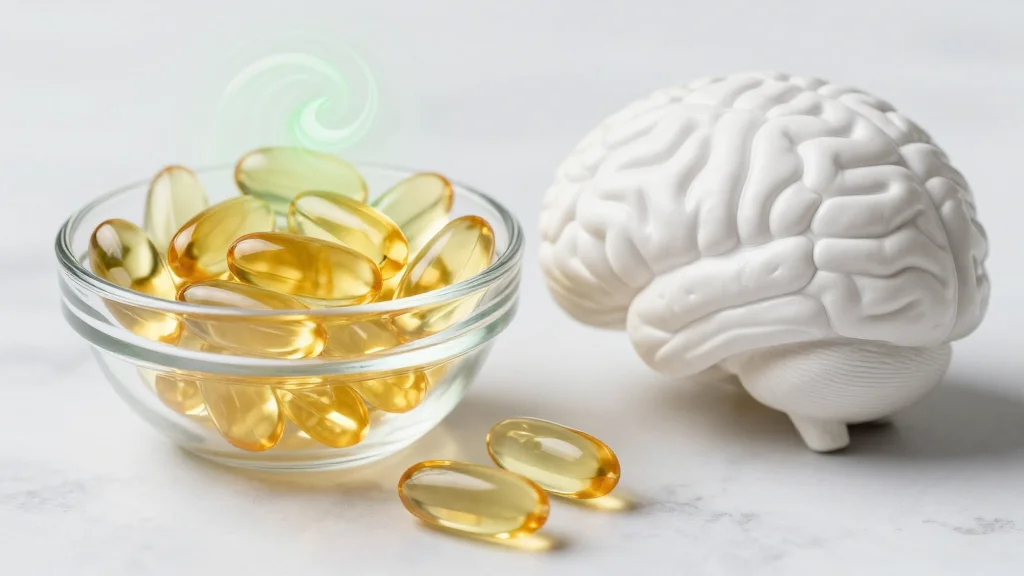
Omega‑3s Linked to Lower Alzheimer Risk, Not Decline
This is the wrong takeaway from a very limited study. The study doesn’t show that omega-3s cause cognitive decline. It looked at older adults, including people with memory concerns, MCI, and Alzheimer’s dementia (i.e., not a healthy prevention cohort). “Supplement use” was self-reported,...

Magnesium Glycinate Vs. Citrate: Which Should You Take?
Magnesium glycinate and magnesium citrate are the two most common supplemental forms, but glycinate is generally better absorbed and gentler on the gut. Both raise body magnesium levels effectively, yet citrate’s laxative effect can cause cramping, bloating, or diarrhea in...
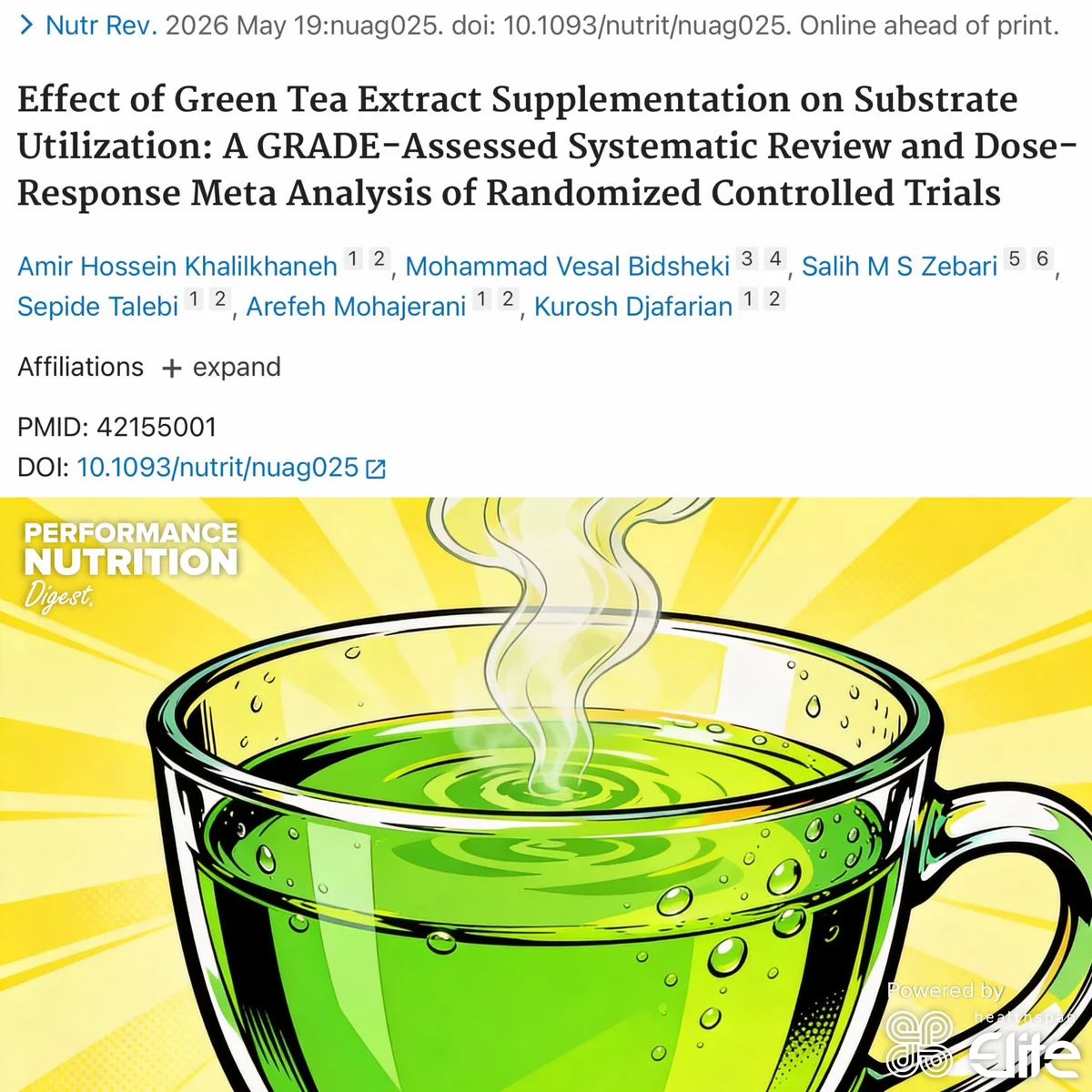
Green Tea Boosts Fat Burning During and After Exercise
Green tea enhances fat oxidation at rest and during exercise 🍵 This new meta-analysis compiled data from 9 studies to establish the effects of green tea supplementation on substrate utilisation 🔍 Here are the key findings ⬇️ 💊 Green tea extract doses...
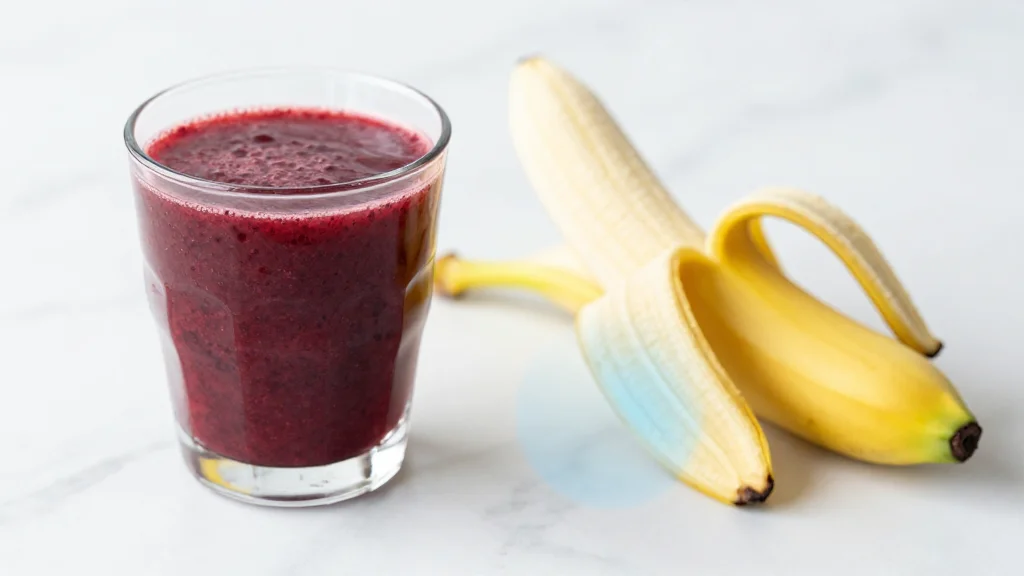
Banana‑Berry Smoothies Cut Flavanol Benefits by 84%, UC Davis Study Shows Simple Fix
UC Davis researchers discovered that adding a banana to a berry smoothie reduces flavanol absorption by 84%, a loss linked to the fruit's polyphenol oxidase enzyme. A simple ingredient swap—replacing banana with a low‑PPO fruit—restores the cardiovascular benefits of the...
Women With Alzheimer’s Are Often Missing These Nutrients, Study Shows
A new study of 841 participants published in Alzheimer’s & Dementia reveals distinct blood‑lipid patterns in women with Alzheimer’s disease. Women with the condition show lower levels of protective omega‑3‑rich lipids and higher saturated‑fat lipids, a shift that appears early...
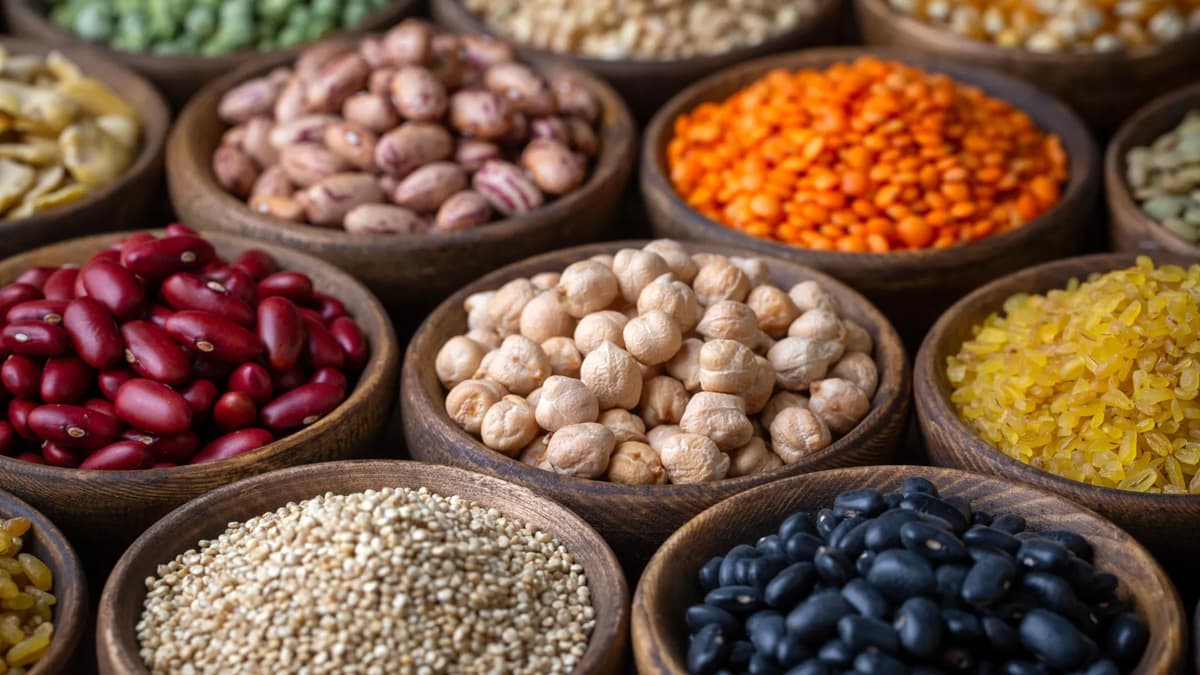
Eating More Beans and Soy Could Slash High Blood Pressure Risk by Nearly 30%
Researchers conducted a meta‑analysis of 12 long‑term observational studies across the United States, Europe and Asia, finding that higher consumption of legumes and soy foods is associated with a substantially lower risk of developing hypertension. Participants eating the most legumes...

New Guidance for Infant Manufacturers Available
The U.S. Food and Drug Administration has issued final guidance for infant formula manufacturers and testing laboratories on Protein Efficiency Ratio (PER) studies. The document outlines best practices for designing, conducting, evaluating, and reporting PER tests, which gauge the quality...
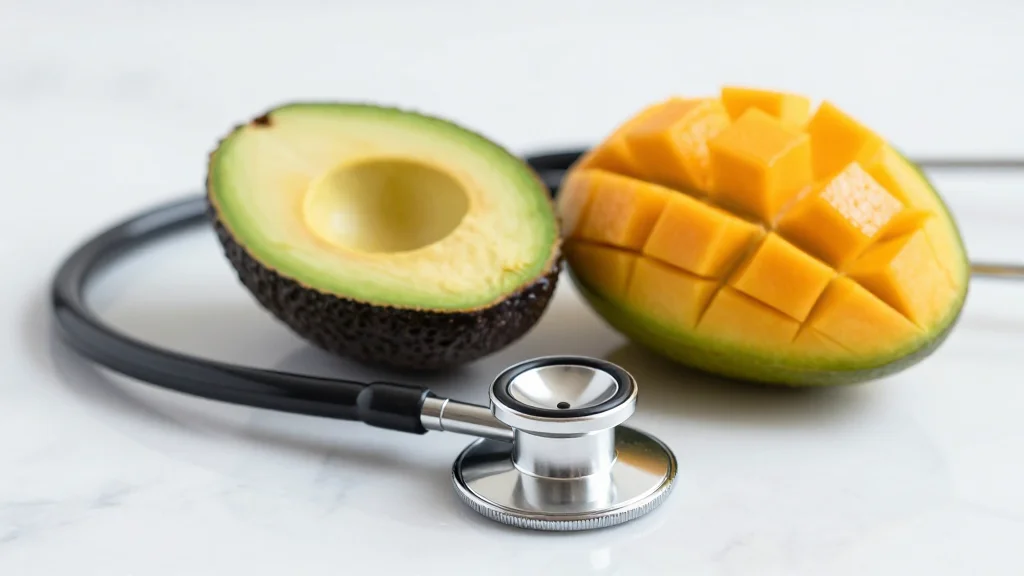
Avocado‑Mango Duo Cuts Diastolic Pressure in Prediabetic Adults
Researchers reported that adding one avocado and one cup of mango to the daily diet of prediabetic adults boosted flow‑mediated dilation to 6.7% and lowered diastolic blood pressure after eight weeks. The modest yet statistically meaningful shift points to a...
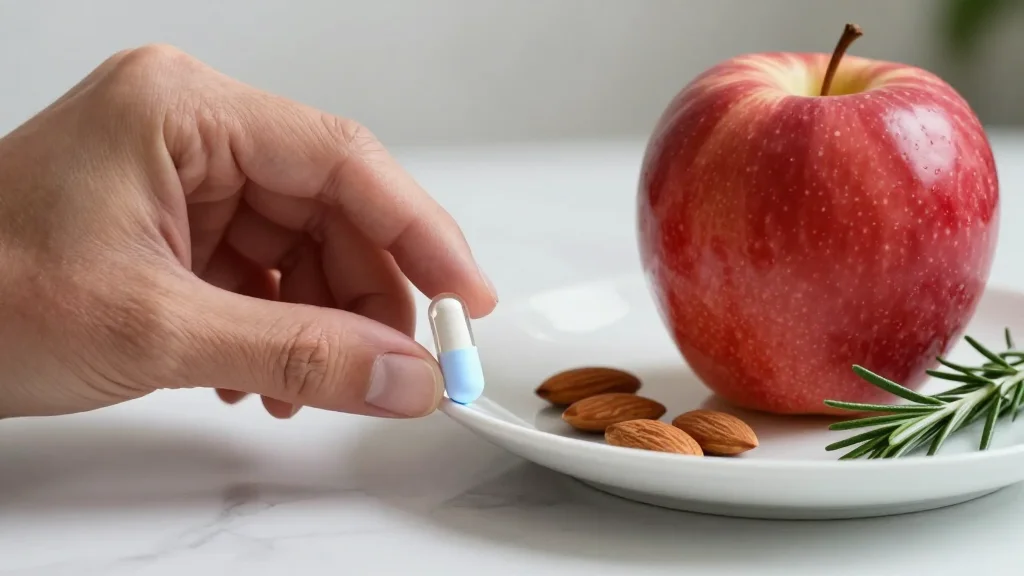
Tufts Study Finds 10‑15% Calorie Cut Extends Healthspan, Offers Simple Biohack
Researchers at Tufts University and partner labs reported that a sustained 10‑15% reduction in daily calories lowered blood pressure, LDL cholesterol and insulin levels, while shedding about 10% body weight. The findings, drawn from the long‑running CALERIE™ trial, suggest a...
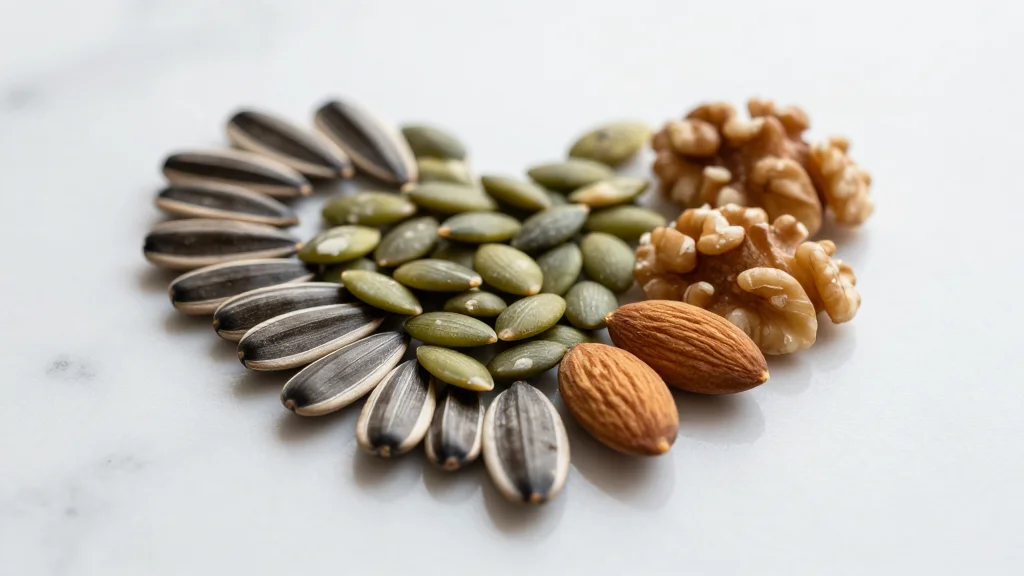
Harvard Study Finds Phytosterol‑Rich Diet Lowers Heart Disease and Diabetes Risk
Harvard T.H. Chan researchers analyzed data from over 200,000 health professionals and found that people who consume more phytosterols have a 9% reduced chance of heart disease and an 8% lower chance of type‑2 diabetes. The findings could reshape nutrition...

2g/Day of DHA for 2 Years Has No Impact on Cognition or Hippocampal Volume (PreventE4)
The PreventE4 trial tested 2 g per day of DHA for two years in cognitively normal APOE ε4 carriers, achieving a significant rise in the CSF DHA‑to‑arachidonic‑acid ratio. Despite this biochemical target engagement, magnetic‑resonance imaging showed no change in hippocampal volume or...

How to Stay Hydrated on Hot Summer Vacations, According to Experts
Travelers often mistake early dehydration for jet‑lag or fatigue, but hot climates accelerate fluid loss. Doctors advise 2.5 L of fluid daily for women and 3.5 L for men, or roughly 35 ml per kilogram of body weight, plus electrolytes to replace sweat‑borne...
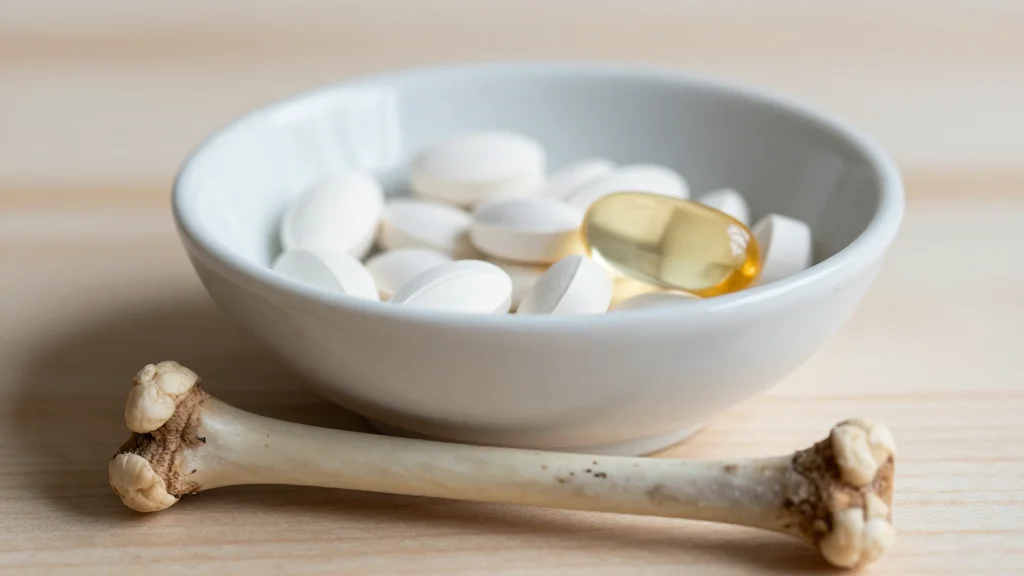
BMJ Study Finds Calcium‑Vitamin D Supplements Do Not Cut Fall Risk in Seniors
Researchers publishing in The BMJ report that daily calcium and vitamin D supplementation does not meaningfully lower fall incidence or fracture risk among older adults. The modest statistical reduction in fractures was deemed clinically negligible, sparking a call for clinicians...
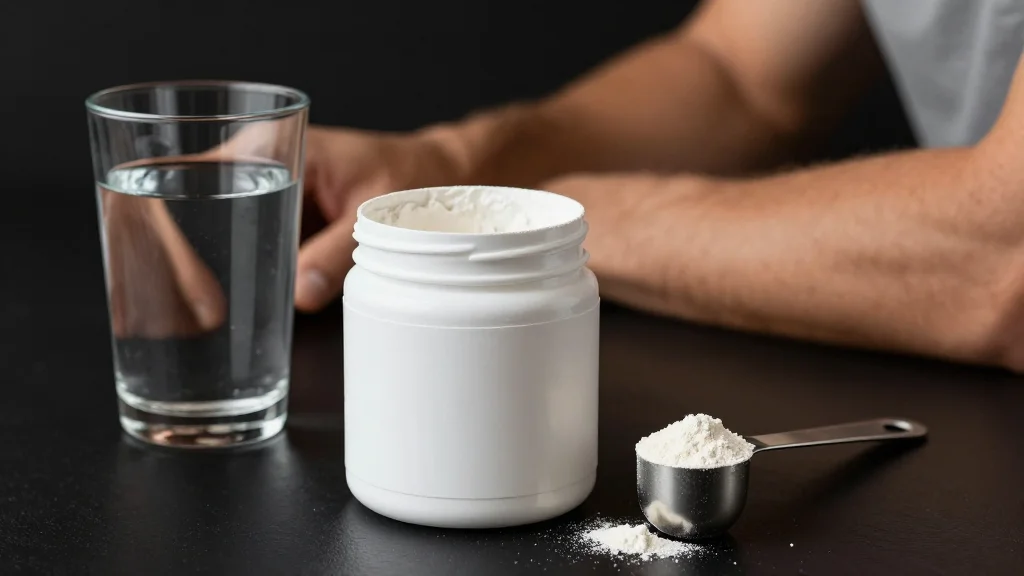
Creatine Doesn't Cause Cramps; Hydration and Nutrition Do
Creatine does not cause muscle cramping in healthy individuals. In fact, research has consistently shown that creatine supplementation does not increase the risk of cramps, dehydration, or heat-related illness. If you’re dealing with muscle cramps, common culprits include: ❌Dehydration ❌Inadequate electrolyte intake (sodium,...
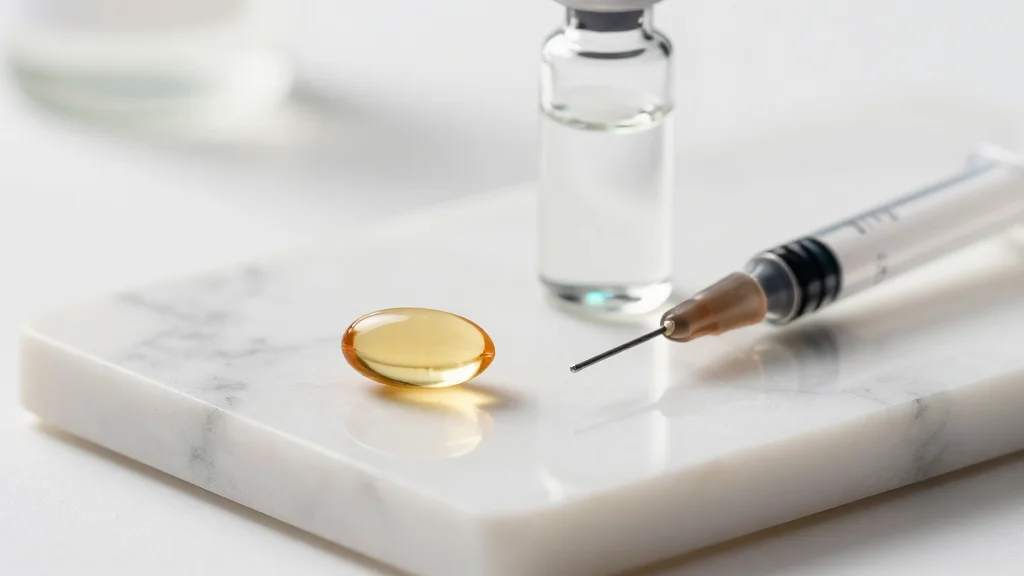
Spermidine Reduces Immune Aging, Enhances Vaccines in Elders
Spermidine Mitigates Immune Cell Senescence and Boosts Vaccine Responses in Healthy Older Adults—A Pilot Study https://t.co/0bDkrx4Dbe

What Is Creatine, And Should You Be Taking It?
Creatine, a molecule synthesized from three amino acids and abundant in meat and fish, has moved from a hospital‑only wound‑healing aid to a mainstream dietary supplement. Social media hype now touts it for a wide range of health issues, but...
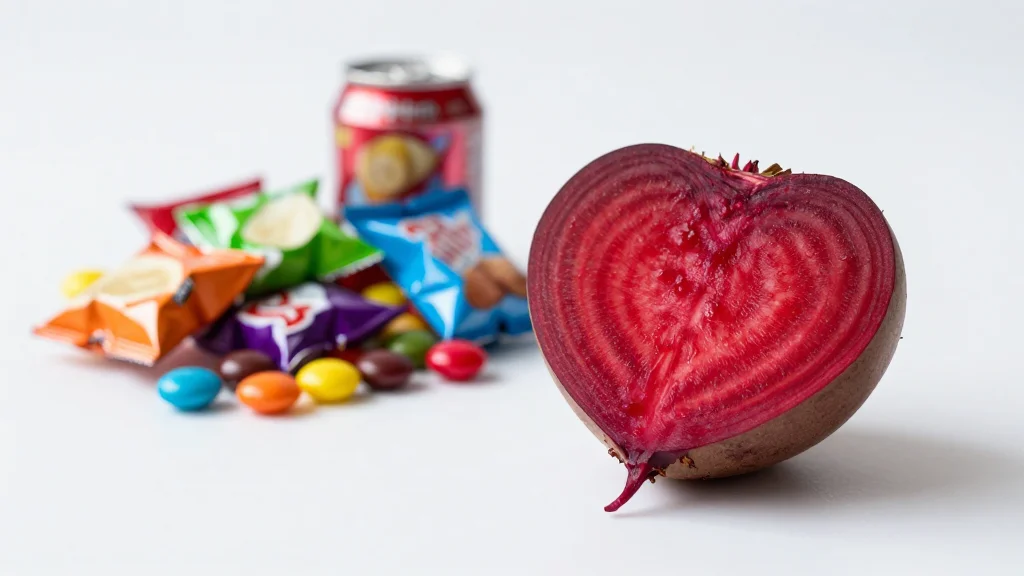
French Cohort Study Links Preservative Additives to 16% Higher Cardiovascular Risk
Researchers from the NutriNet‑Santé cohort in France reported that adults with the highest consumption of non‑antioxidant preservative additives faced a 16% higher risk of cardiovascular disease, a 26% higher risk of coronary heart disease, and a 24% higher risk of...
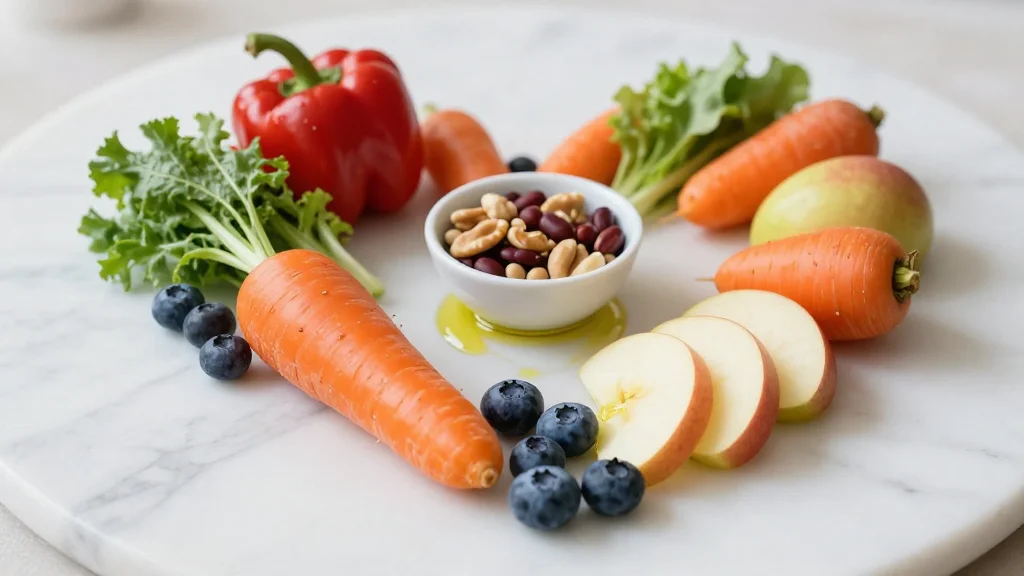
AHA Updates Dietary Guidelines, Puts Plant‑Based Foods and Sodium Limits Front‑and‑Center
The American Heart Association unveiled revised dietary recommendations that prioritize vegetables, fruits, whole grains, nuts, legumes and unsaturated fats while urging lower sodium and added‑sugar intake. Penn State nutrition expert Kristina Petersen helped draft the guidance, which aims to curb...
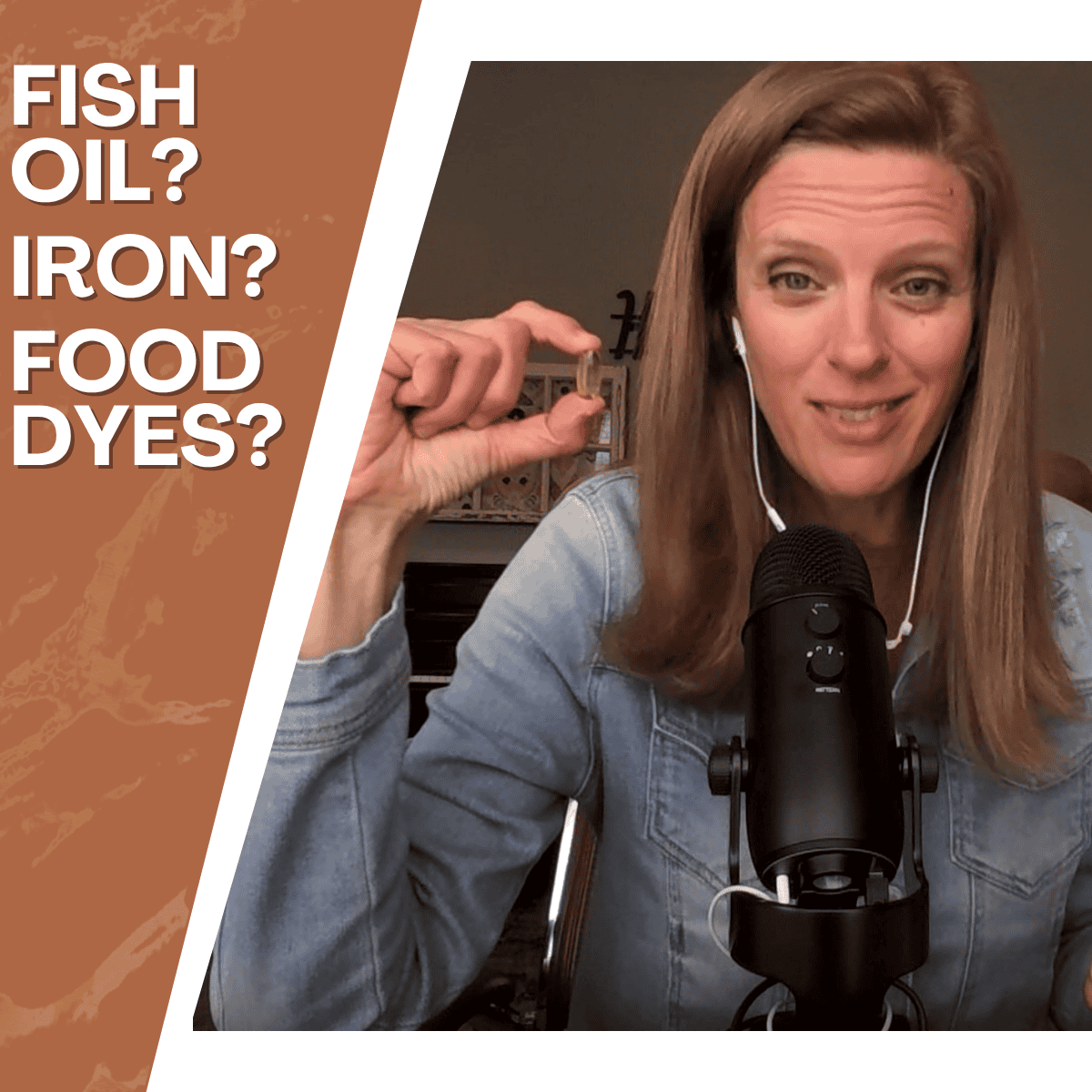
ADHD + Nutrition: What the Research Actually Says
The podcast episode breaks down current research on nutrition and ADHD, outlining three tiers of dietary change—from modest fruit‑and‑vegetable boosts to intensive anti‑inflammatory elimination diets. Across multiple studies, intensive diets produce symptom improvement in roughly 50‑60% of children, while the...
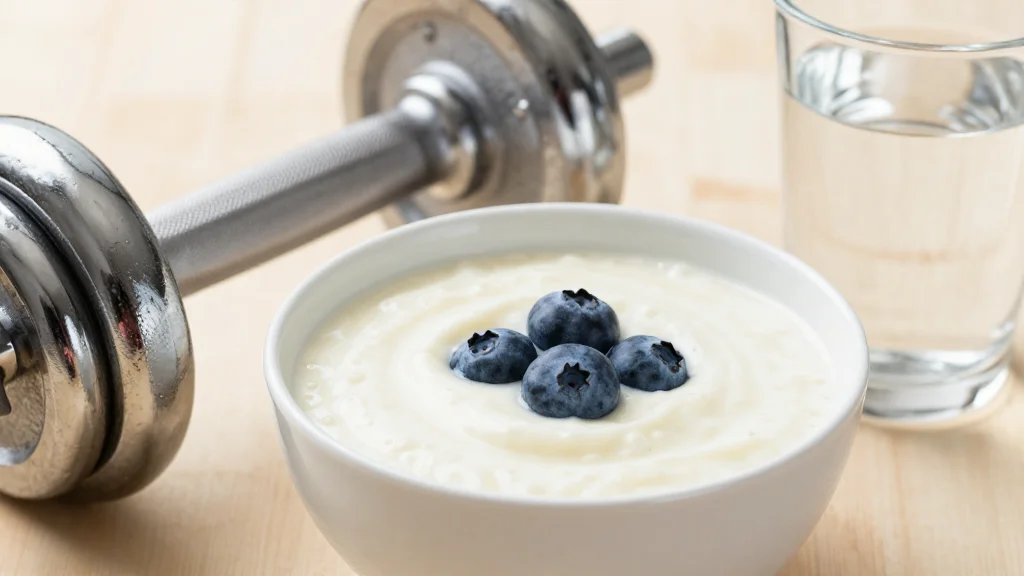
5 Ways To "Feed" Your Muscles Daily & Why It's Essential For Healthy Aging
Maintaining lean muscle mass is crucial for healthy aging, as low muscle mass raises fall risk and other health concerns. The article outlines five beginner-friendly strategies: regular strength training, consuming high‑quality protein (about 100 g daily), prioritizing 7‑9 hours of sleep,...
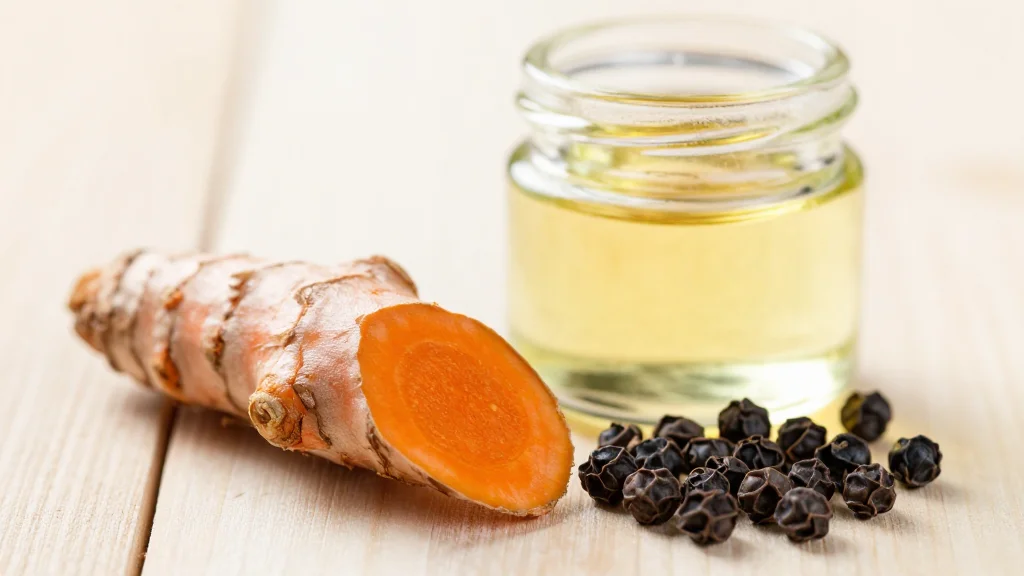
Turmeric Works Better With This For Blood Sugar & Inflammation
A systematic review of 19 randomized trials found that curcumin paired with piperine significantly improves inflammation, oxidative stress, and metabolic markers. Participants took 500‑1,500 mg curcumin with 5‑15 mg piperine daily for up to 12 weeks, showing reductions in CRP, IL‑6, fasting...
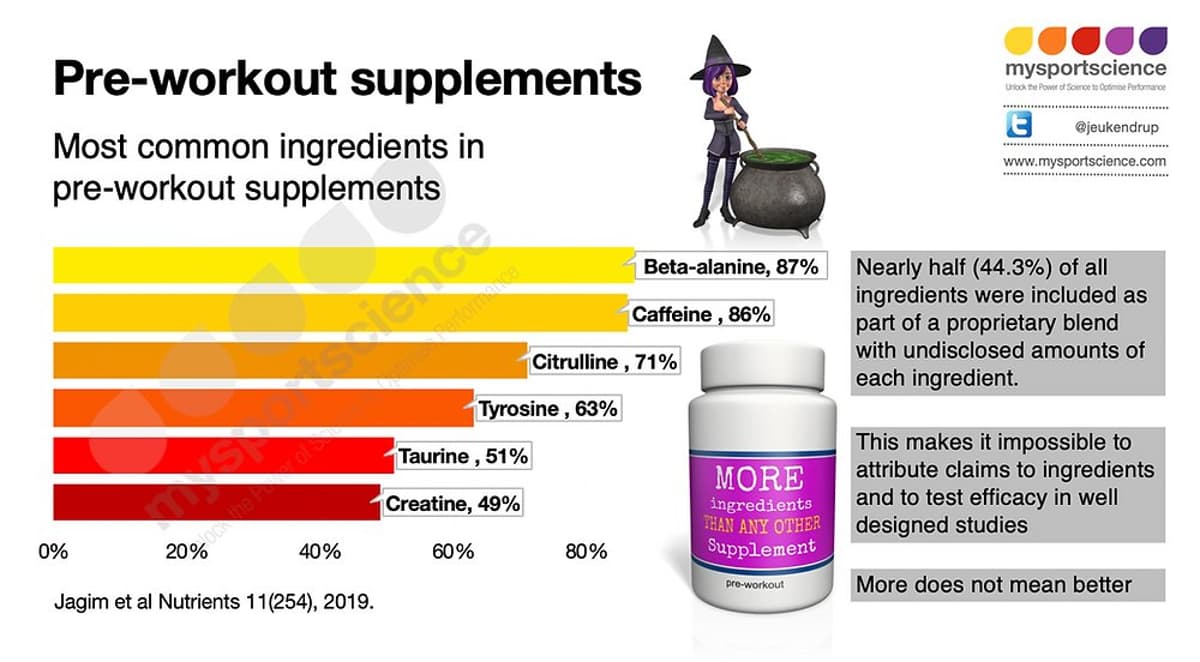
Are Pre‑Workout Supplements Worth the Hype?
Pre-workout supplements: which ones are the best? Or perhaps more importantly, do they work, and are they necessary? Read the blog for more: https://t.co/CcgZh7r5zN https://t.co/C6GCvfism5

Meta‑analysis of 71 Studies Finds No Cognitive Penalty From Short‑Term Fasting
Researchers analyzed 63 articles covering 71 independent studies and 3,484 participants and found no significant difference in cognitive performance between people who fasted and those who ate regularly. The findings, published in Psychological Bulletin, challenge the long‑standing belief that fasting...

UC Riverside Study Says Soybean Oil May Harm Gut Lining, Prompting Nutrition Alert
Researchers at the University of California, Riverside reported that a diet high in soybean oil disrupts the gut microbiome and makes the intestinal barrier more porous in mice. The findings, published in Gut Microbes, raise questions about the safety of...
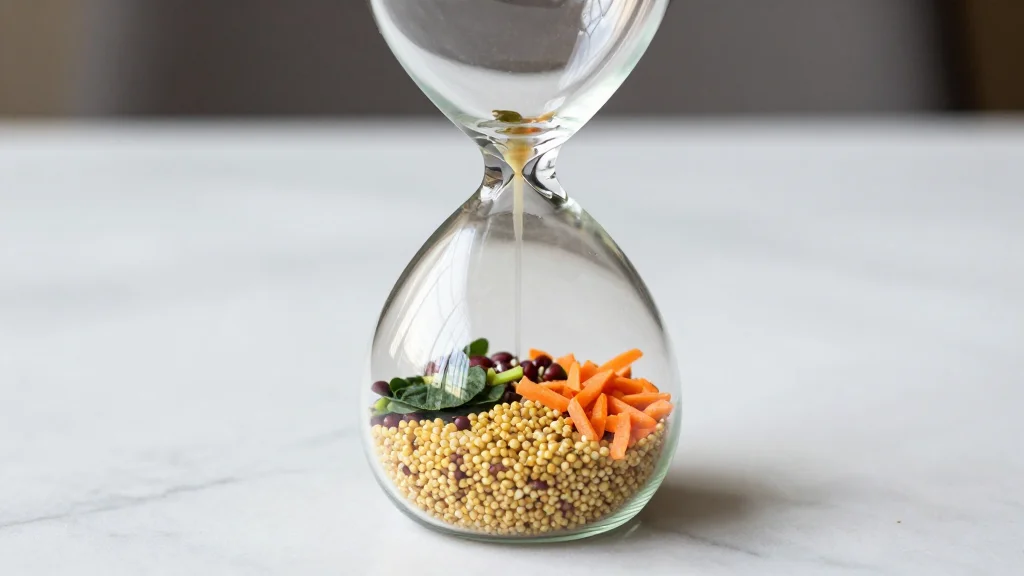
University of Sydney Study Shows One-Month Diet Changes Can Cut Biological Age in Seniors
Researchers at the University of Sydney reported that short‑term dietary adjustments reduced biological age in older adults after just four weeks. Three of four diet groups—especially those high in complex carbs and plant proteins—showed measurable declines, while a high‑fat omnivorous...
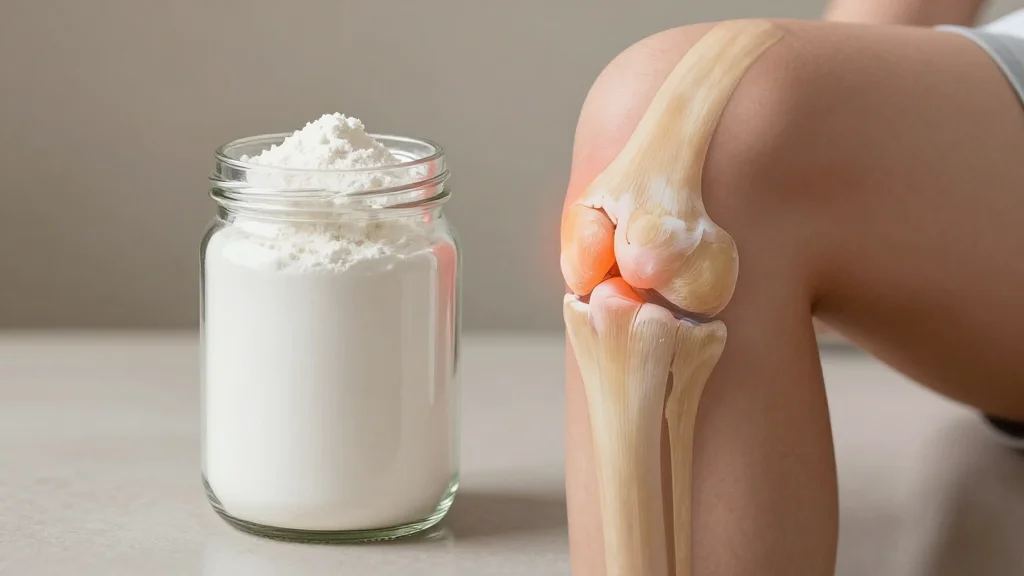
Prebiotic Fiber Cuts Knee Osteoarthritis Pain by 30% in Six Weeks, Study Finds
A six‑week randomized trial led by the University of Nottingham found that a daily prebiotic fiber supplement (inulin) reduced knee osteoarthritis pain and boosted grip strength, with a dropout rate of just 3.6%. The findings suggest a low‑risk, nutrition‑based option...
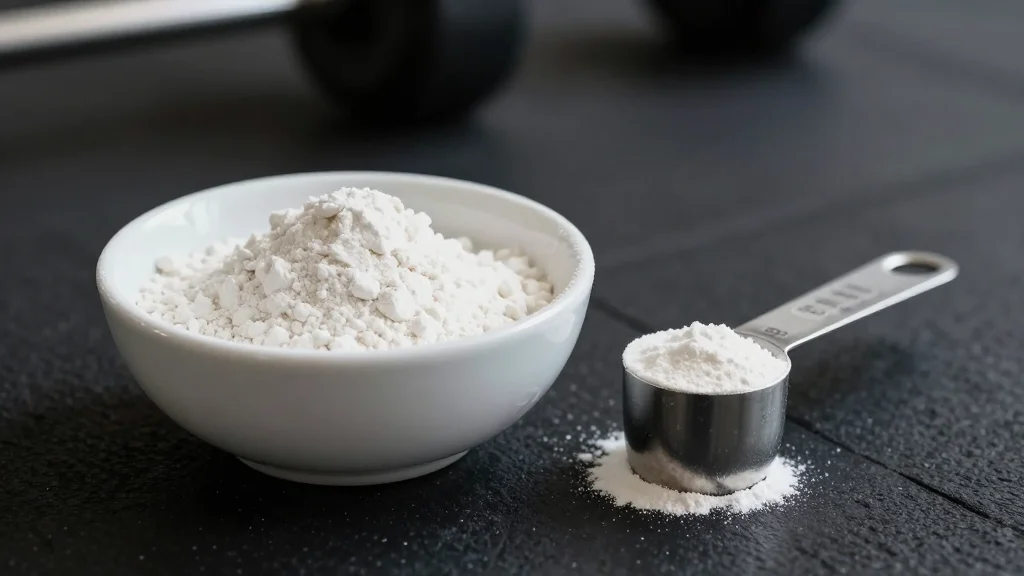
Texas A&M Researcher Advises Two 5‑gram Creatine Doses Daily, Warns Against Megadosing
Richard Kreider, director of Texas A&M’s Exercise & Sport Nutrition Lab, told Men’s Health that athletes should split creatine into two 5‑gram doses daily rather than loading larger amounts. He argues the evidence shows no added benefit from megadosing and...
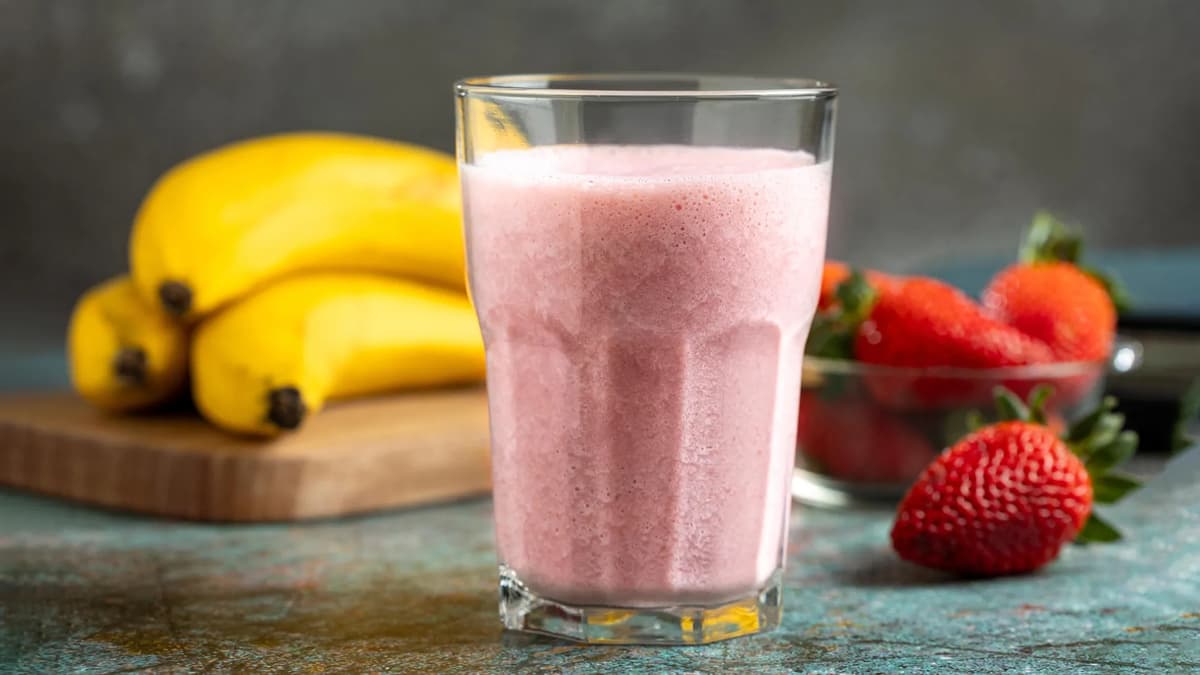
Surprising Research Reveals Why You Shouldn't Add Bananas to Your Smoothies
University of California‑Davis researchers discovered that the polyphenol oxidase (PPO) enzyme in bananas dramatically lowers flavanol absorption from smoothies, cutting bioavailability by about 84% compared with a flavanol capsule control. By contrast, smoothies made with low‑PPO berries preserve flavanol levels...
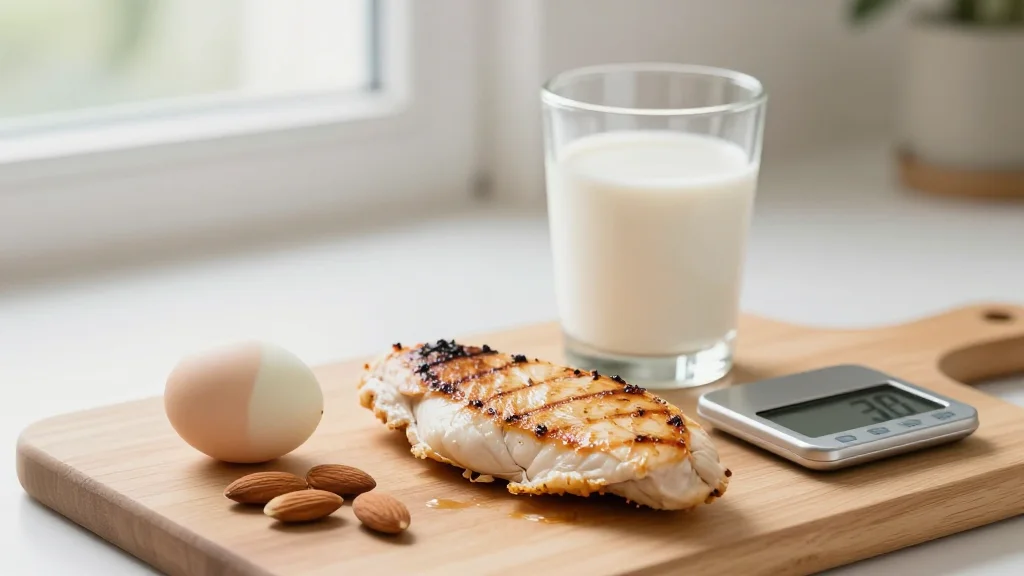
Experts Say Most Adults Need Far Less Protein than Supermarket Labels Claim
Dr. Sigal Frishman, chief dietitian for Clalit Health Services, and Prof. Danit Ein‑Gar of Tel Aviv University warn that the surge of high‑protein foods—some boasting up to 40 g per serving—outpaces actual dietary needs. Their guidance challenges the post‑workout protein myth...
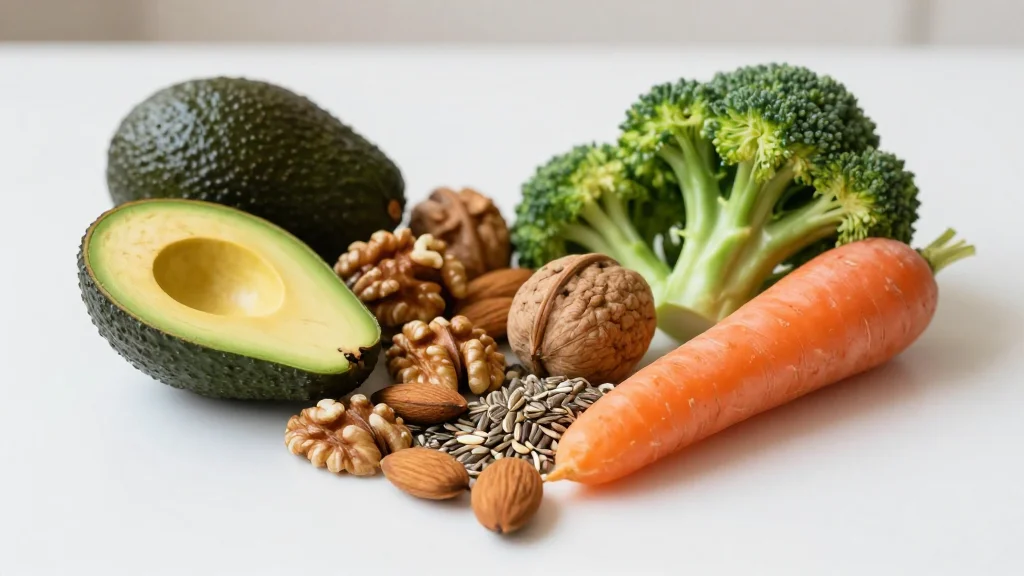
Lower Your Heart Disease & Diabetes Risk By Eating More Of These Foods
Harvard researchers analyzed data from over 200,000 health professionals and found that people who consume more phytosterol‑rich foods experience a 9 % lower risk of heart disease and an 8 % lower risk of type‑2 diabetes. The study linked higher intake to...
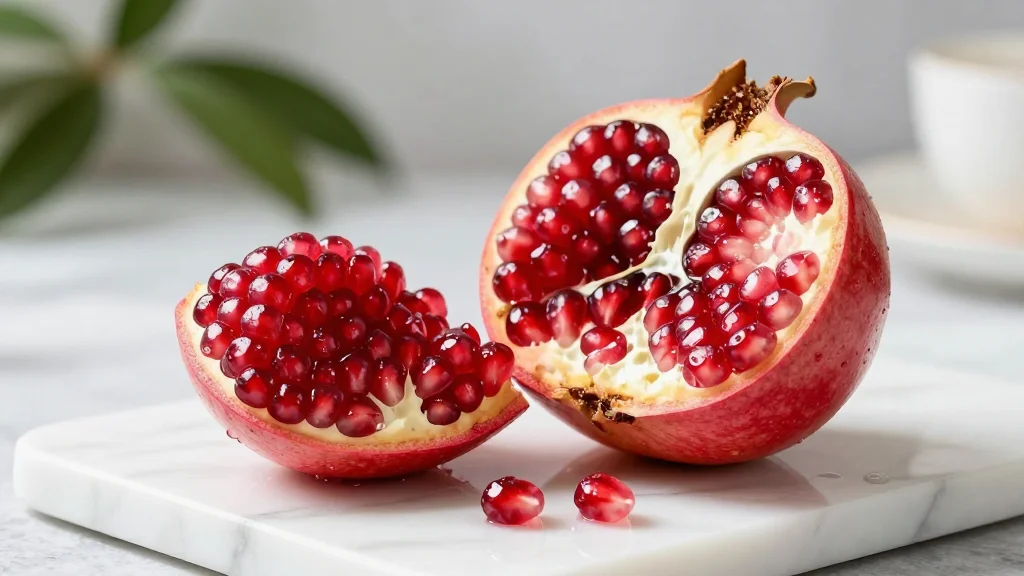
This Antioxidant-Rich Fruit Can Lower Blood Pressure, New Review Shows
A new meta‑analysis of 33 randomized trials involving 1,490 adults found that pomegranate supplementation modestly lowers blood pressure, cutting systolic pressure by 3.5 mmHg and diastolic pressure by 1.5 mmHg. The review also reported reductions in inflammatory markers such as IL‑6 and...
Tyrosine Supplements May Cut Up to a Year Off Men’s Lifespan, Study Shows
Researchers led by Dr. Jie V. Zhao of the University of Hong Kong analyzed data from 272,000 UK Biobank participants and found that genetically elevated tyrosine levels are associated with a loss of about 0.9 years of life expectancy in...

Gut‑Brain Signal Drives Protein Cravings, Study Finds
Researchers led by SUH Seong‑Bae at the Institute for Basic Science have identified a gut‑brain signaling pathway that triggers cravings for essential amino acids when protein is scarce. The discovery, published in Science, shows that intestinal cells release the peptide...