Today's Nutrition Pulse
Europe’s fibre frenzy: excess intake can backfire
While most Europeans still miss the UK’s 30 g daily fibre target, recent trends have pushed some consumers to exceed 50–70 g per day. Such high intakes are linked to bloating, diarrhea, constipation and reduced mineral absorption, especially when fibre is increased rapidly without sufficient hydration.

Food Makers Unveil “GLP‑1 Friendly” Tortillas and Meals as Weight‑Loss Drug Craze Grows
Food manufacturers including Mission Foods, Nestlé and Conagra Brands have launched a new “GLP‑1 friendly” label on tortillas and frozen meals to attract users of weight‑loss drugs such as Ozempic. Experts warn the claim lacks scientific backing, while USDA approval leaves the label in a regulatory grey area.

Independent Report Finds Honey Matches Energy Drinks for Workout Fuel
A recent independent report published on June 1, 2026 concludes that honey delivers performance benefits comparable to commercial energy drinks and gels. The study highlights honey’s unique glucose‑fructose blend as a rapid, natural carbohydrate source for athletes and recreational exercisers.

Dietitians Break Down the 30‑30‑30 Morning Routine: Benefits, Limits and Who It Fits
Registered dietitians have dissected the viral 30‑30‑30 diet, confirming that a 30‑gram protein breakfast followed by 30 minutes of low‑intensity cardio can improve energy, focus and blood‑sugar stability. They caution that the routine is a framework, not a magic weight‑loss...
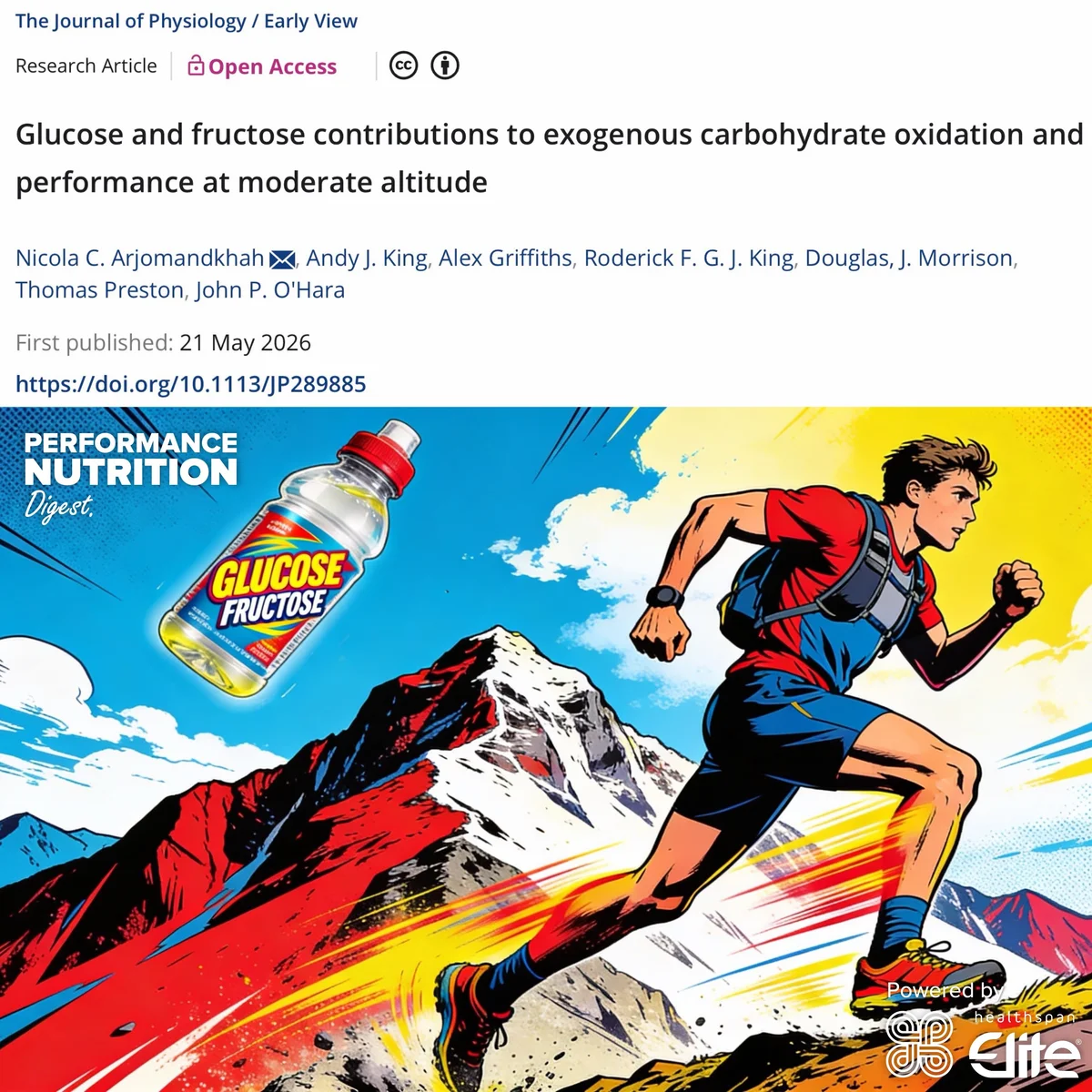
Glucose‑Fructose Blend Boosts Altitude Running Performance
The best carbohydrate combo for altitude 🏔️ This new study investigated the effects of three carb formulations on exogenous carb oxidation and performance in trained male runners 🔍 1️⃣ Glucose (1.2 g/min) 2️⃣ Glucose (1.2 g/min) + fructose (0.8 g/min) 3️⃣ Placebo …during 120...

EU Sets 2026 Timeline for EU‑wide Vitamin and Mineral Limits in Supplements
The European Commission announced that a public consultation on harmonized maximum levels (MPLs) for vitamins and minerals in food supplements will launch in the third quarter of 2026. The step follows years of stalled work and aims to replace the...
Long‑term Zinc Supplements Can Trigger Copper Deficiency
Zinc and copper compete for absorption. If you supplement zinc long-term without monitoring copper, you can develop copper deficiency — which causes fatigue, neurological symptoms, and immune dysfunction. Most zinc supplements don't mention this. Taking them at different times or using a balanced...
Targeting Hepcidin to Restore Oral Iron Efficacy After Vertical Sleeve Gastrectomy
Vertical sleeve gastrectomy (VSG) frequently triggers iron deficiency that oral iron supplements cannot correct. The study shows VSG elevates intestinal iron‑uptake proteins but provokes a disproportionate rise in hepatic hepcidin, which degrades ferroportin and traps iron in tissues. Curcumin, a...
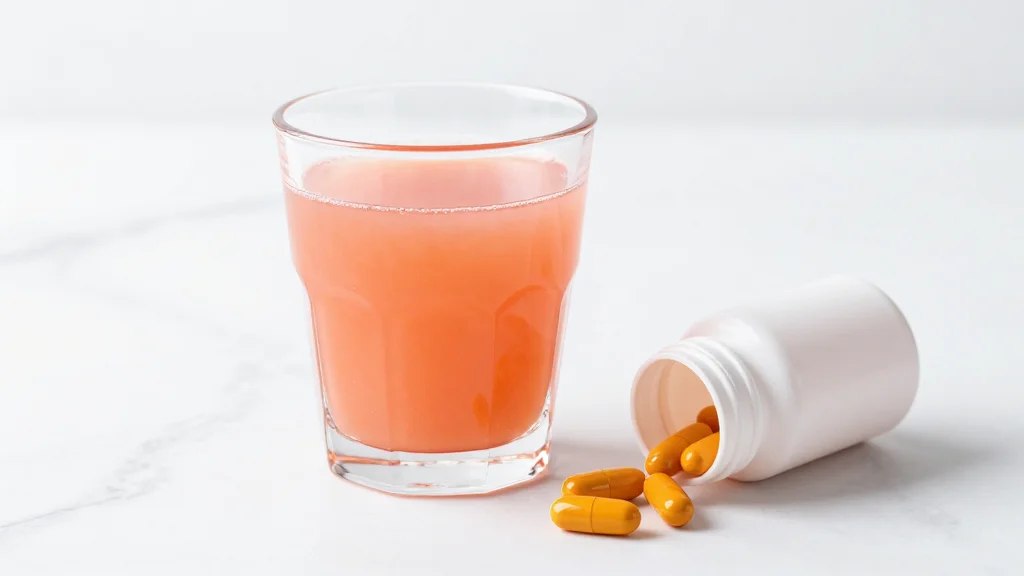
Guava Juice Boosts Iron Supplement Efficacy, Cutting Anemia Risk
Researchers reviewing 17 studies report that drinking guava juice alongside iron supplements lifts hemoglobin by an average of 1.29 g/dL versus supplements alone. The finding could reshape anemia‑prevention programs in low‑ and middle‑income countries where the disease is prevalent.
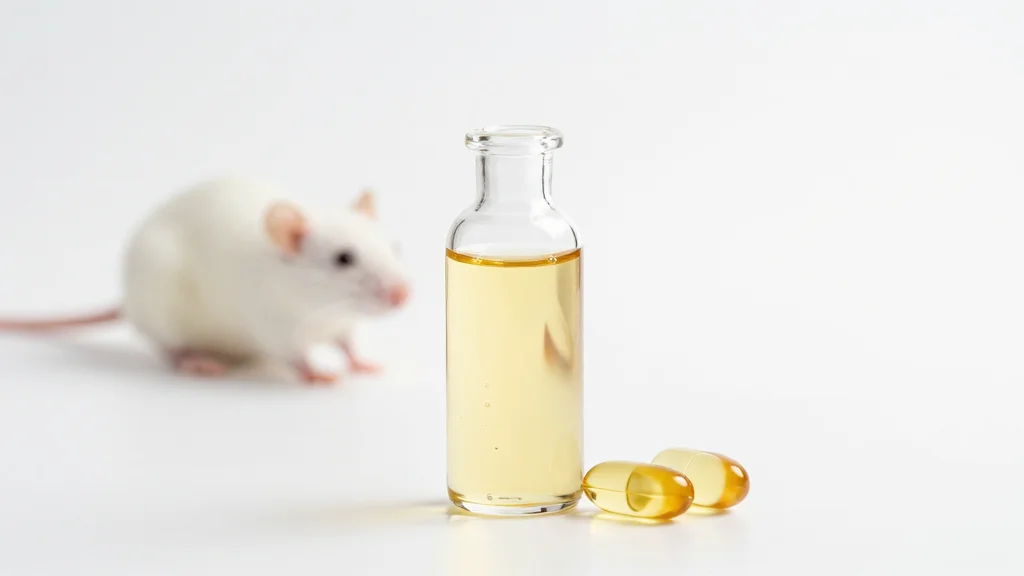
Brazilian Study Finds Omega‑3 Fish Oil Cuts Insulin Resistance in Non‑Obese Diabetic Rats
Brazilian scientists published evidence that omega‑3 fish oil lowered insulin resistance, improved blood sugar control and reduced inflammation in non‑obese type‑2 diabetes rats. The eight‑week study, funded by FAPESP, highlights a potential treatment path for the 10‑20% of diabetics who...
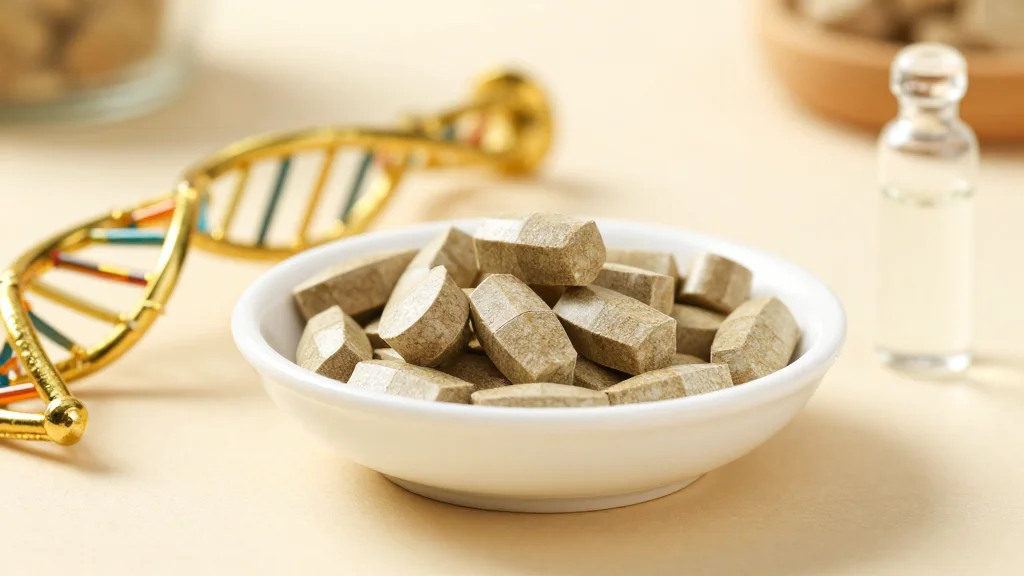
Traditional Zuogui Pill Shown to Reduce DNA Damage and Delay Ovarian Aging via SIRT1 Activation
Researchers have demonstrated that the traditional Chinese medicine Zuogui Pill (ZGP) significantly reduces DNA damage and the senescence‑associated secretory phenotype in ovarian stem cells, delaying ovarian aging through activation of the SIRT1 pathway. The findings, published in a peer‑reviewed journal,...
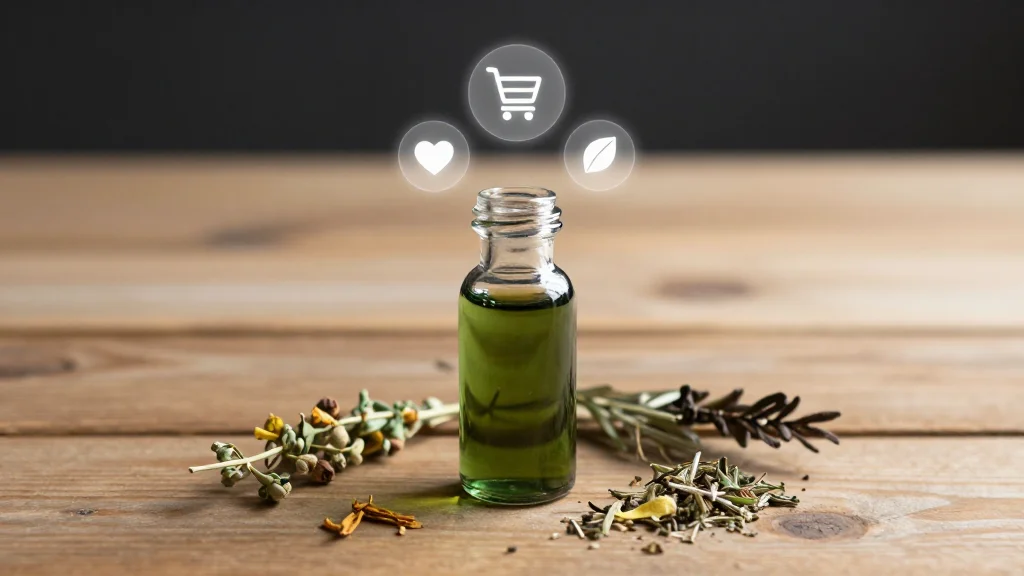
Nigeria’s ‘Algorithmic Apothecary’ Fuels Surge in Risky Herbal Cures
Al Jazeera’s investigation reveals that Nigeria’s unregulated online marketplace—dubbed the “algorithmic apothecary”—is driving a surge in unsafe herbal remedies. Users like Bola and Temi report adverse reactions after following influencer‑promoted dosages, highlighting gaps in regulation and rising public‑health risks.
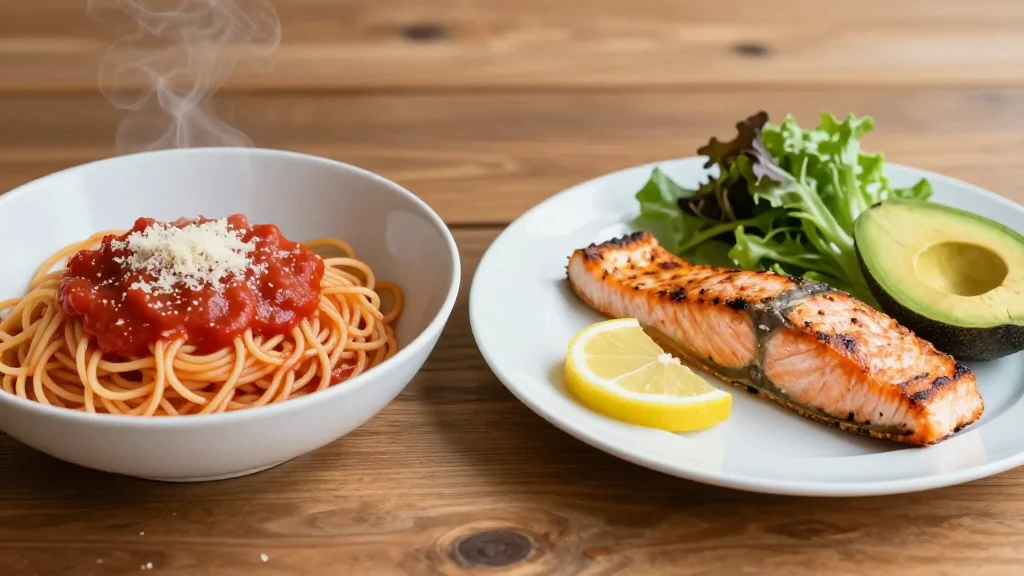
Athlete Nutrition Evolved: From Carb Overload to Metabolic Balance
When it comes to fat/carbs, we should learn from history... 1970's-80's: *All* athletes should eat high carb if they want to be successful. 1990's: Recreational endurance sport ("Fun runs" etc.) takes off. Lots of low-moderate volume athletes eating in the same way...
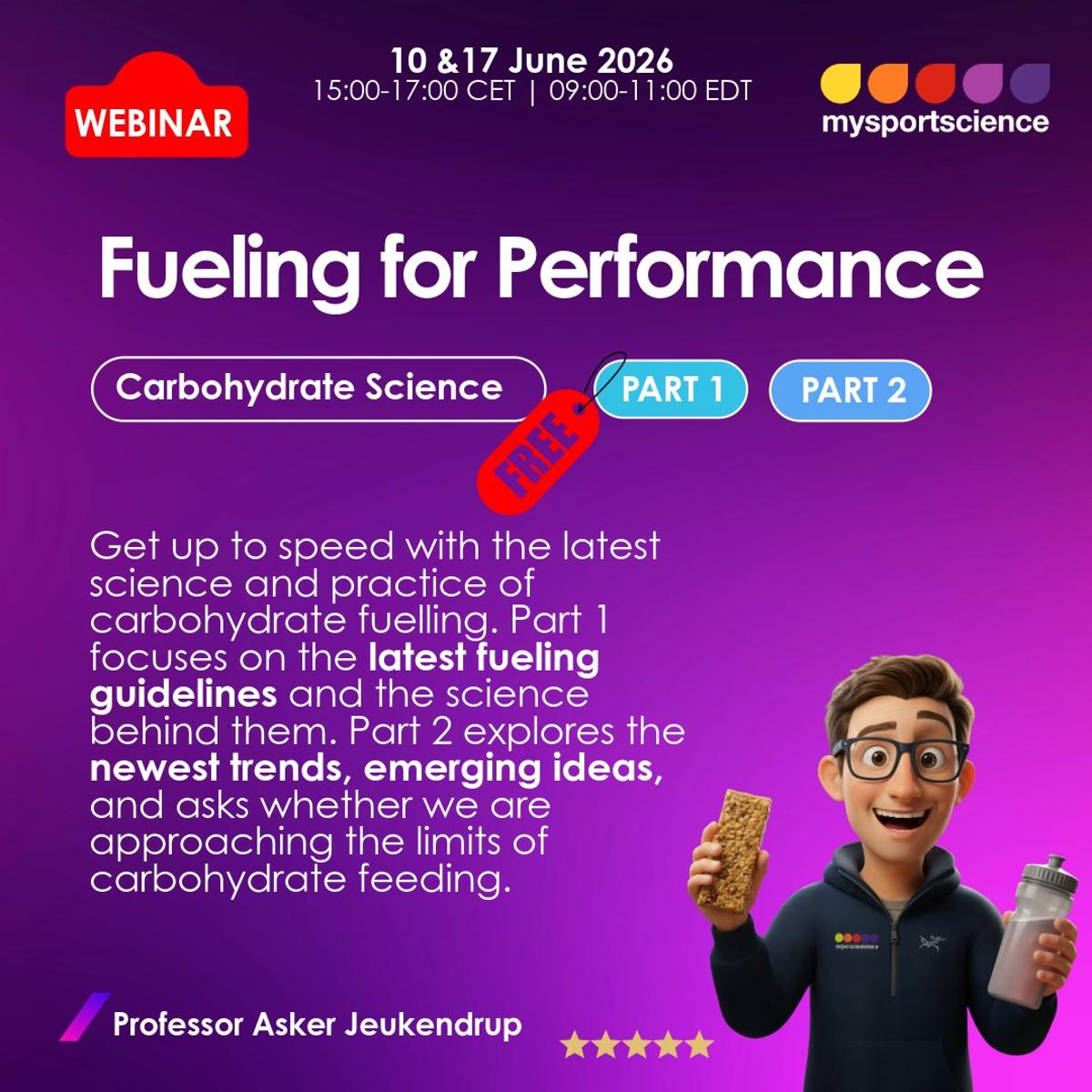
Free Webinar Explains Exercise Nutrition Guidelines and Debates
This webinar series will: explain the science, give clear recommendations: ➡️ Part 1 — Guidelines, physiology, pre-exercise feeding. FREE ➡️ Part 2 — The current debates and the questions everyone's asking. REGISTER HERE: https://t.co/EIru1xyhSr https://t.co/bk88fQEoqa
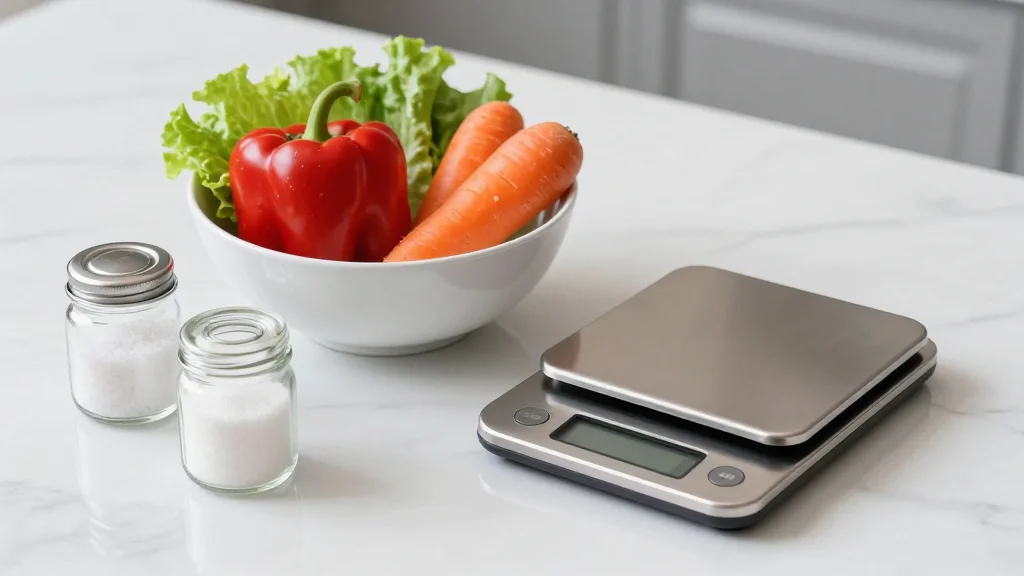
WHO Launches EU-Wide Push to Curb Salt, Sugar and Calories
The World Health Organization’s European office will host a joint meeting of the European Salt Action Network and the Sugar and Calorie Reduction Network on 2–3 June 2026. Chaired by Switzerland and the United Kingdom and hosted by Denmark’s Veterinary, Food,...
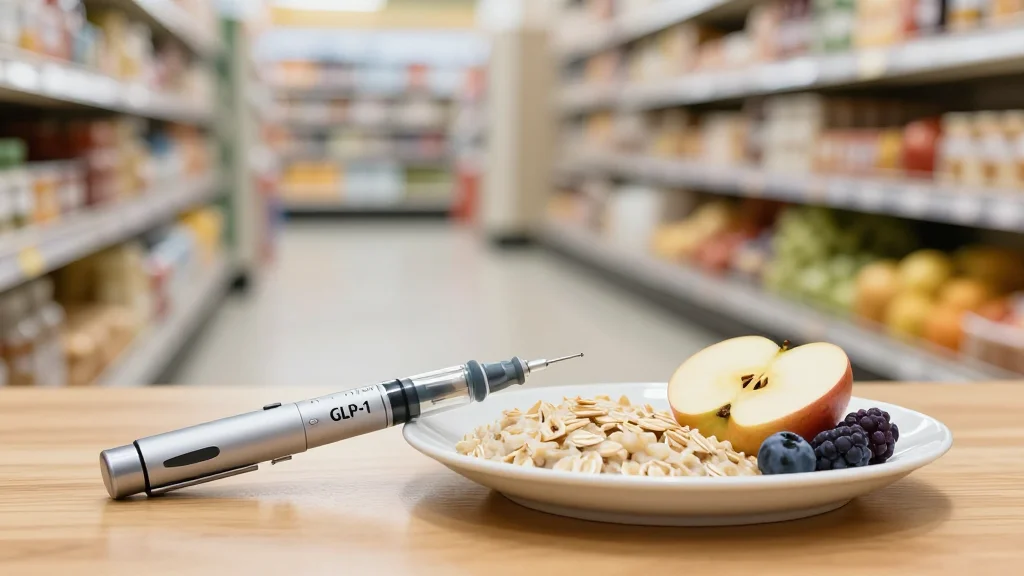
Study Warns Weight‑Loss Drugs May Deepen UK Health Inequalities
Researchers at Cambridge University and UCL warned that the surge in GLP‑1 weight‑loss injections could widen health inequalities in the UK. Their analysis, covering the 2.4 million Britons already on the drugs, stresses that without affordable healthy food and ongoing support,...
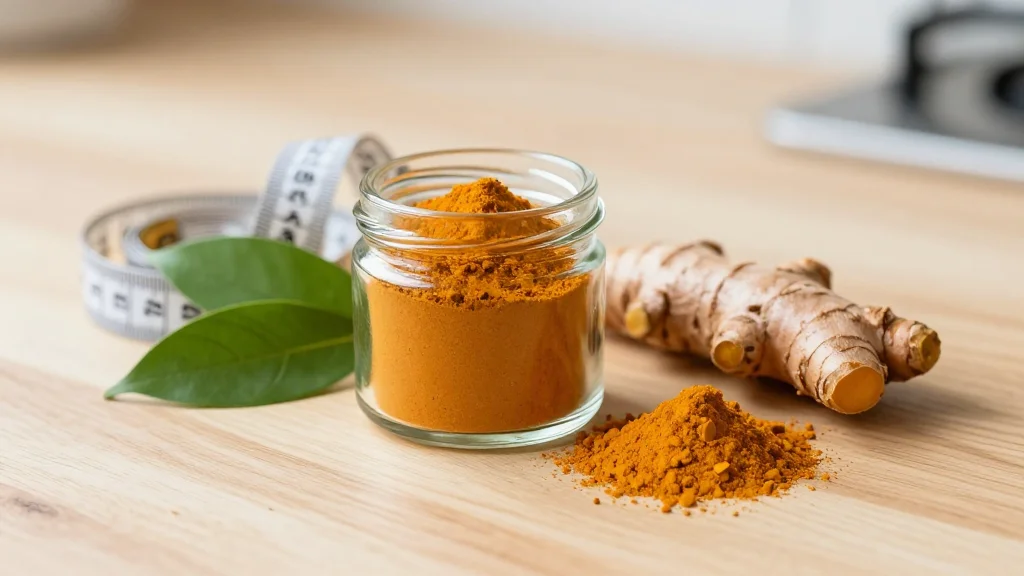
Can Turmeric Improve Body Composition? Here’s What 20 Clinical Trials Reveal
A new systematic review and meta‑analysis of 20 randomized controlled trials examined turmeric or curcumin supplements in people with prediabetes or type 2 diabetes. The pooled data show an average weight loss of about 2 kg (4.4 lb) and a 2–3 cm reduction in...
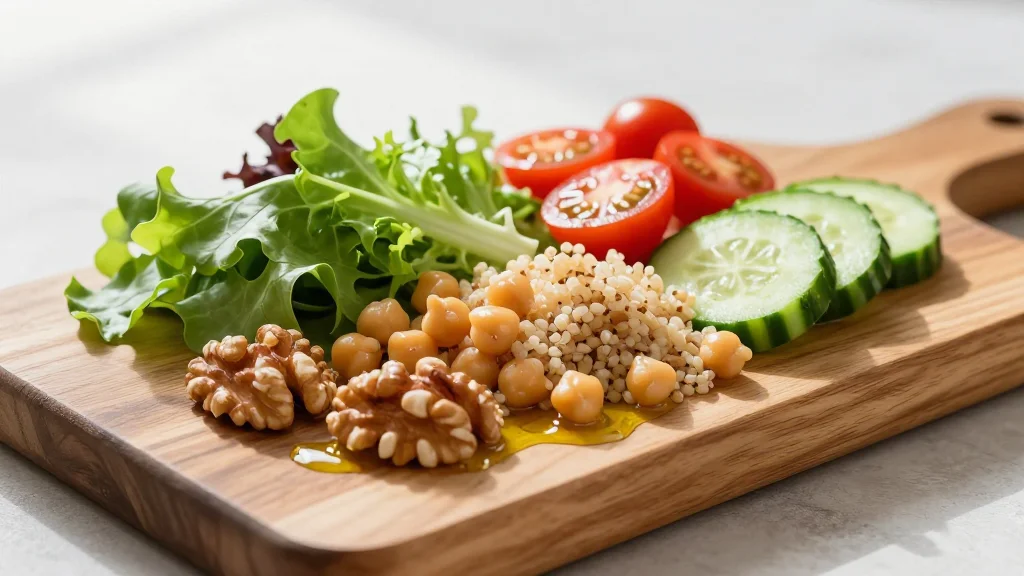
This 2-Year Study Found A Sustainable Approach To Nutrition For Healthy Aging
A two‑year analysis of the CALERIE 2 trial showed that healthy adults who cut calories by about 12% improved diet quality and reduced dietary inflammation without developing nutrient deficiencies. Participants received intensive nutrition education, which helped them replace empty calories with...
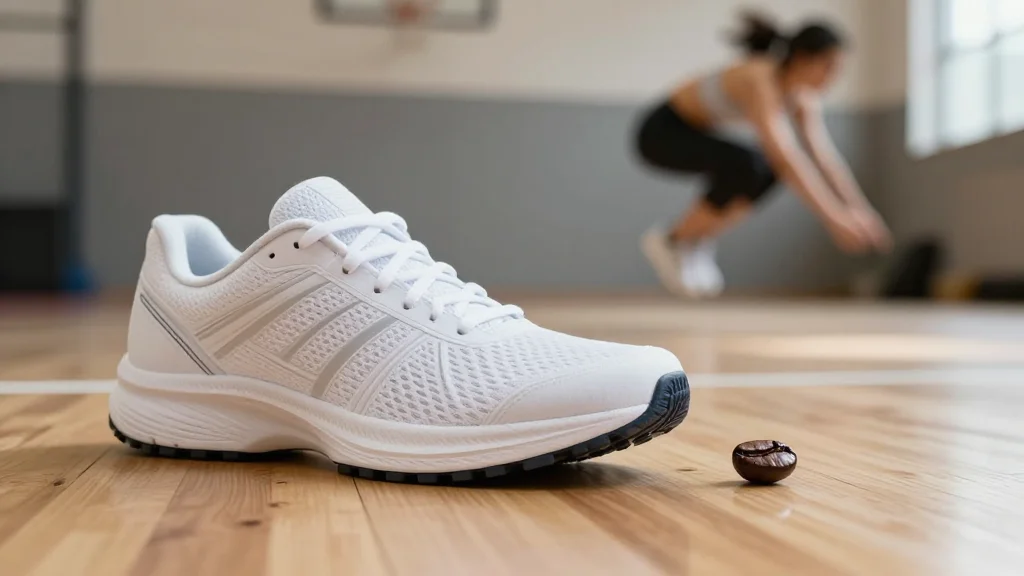
Meta‑analysis Finds Caffeine Boosts Agility and Jump in Female Athletes, with Menstrual‑phase Nuance
A systematic review and meta‑analysis of nine studies involving 118 women in intermittent sports found that caffeine (3‑6 mg/kg) significantly enhances agility and vertical jump height, while sprint performance remains unchanged. Benefits were strongest during the follicular phase of the menstrual...
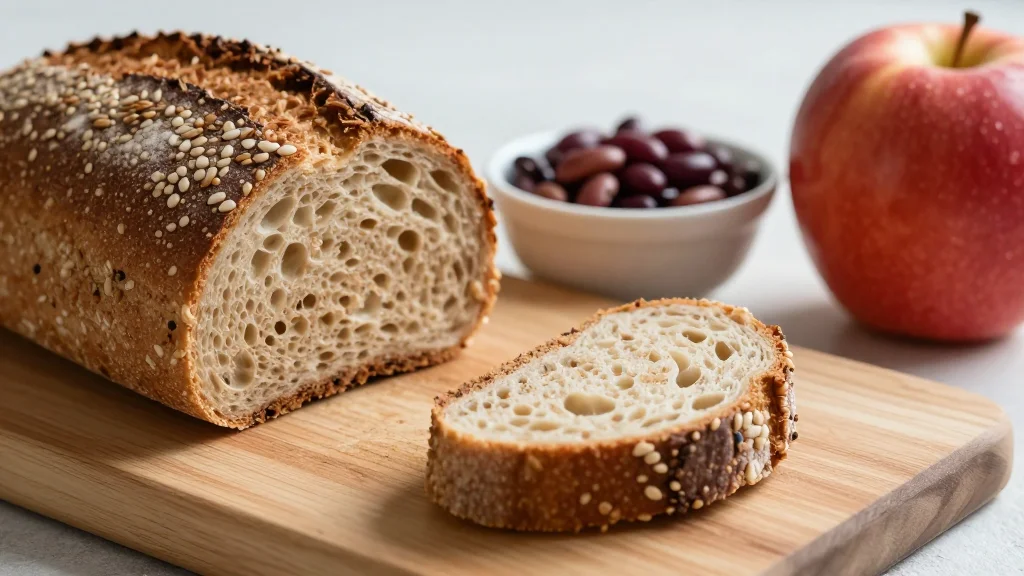
UK's 'Fibre Gap' Threatens Bowel Cancer and Heart Health, Survey Finds
A new ZOE survey of 2,000 UK adults shows just 5% meet the NHS’s 30‑gram daily fibre target, exposing a "dangerous fibre‑gap" that fuels bowel cancer and heart disease. Nine‑in‑ten respondents are unaware of the shortfall, prompting calls for urgent...
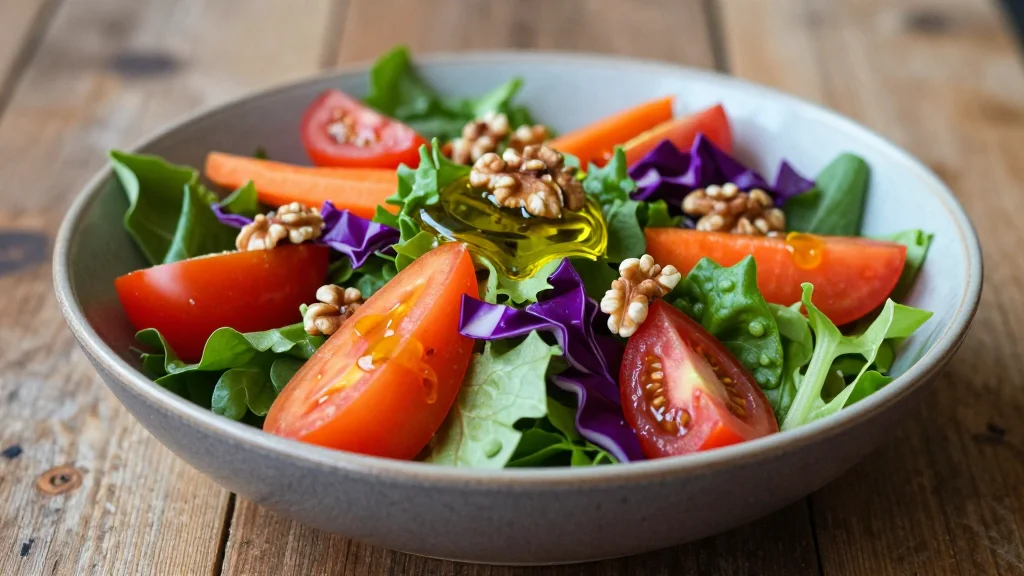
Anti‑Inflammatory Diet Linked to 16% Lower Colorectal Cancer Risk in Massive Cohort Study
Dr. Fred K. Tabung of Ohio State University led a 15‑year study of almost one million adults across the U.S. and Europe that showed an anti‑inflammatory dietary pattern lowered colorectal cancer risk by 16%. The finding, confirmed by three separate...
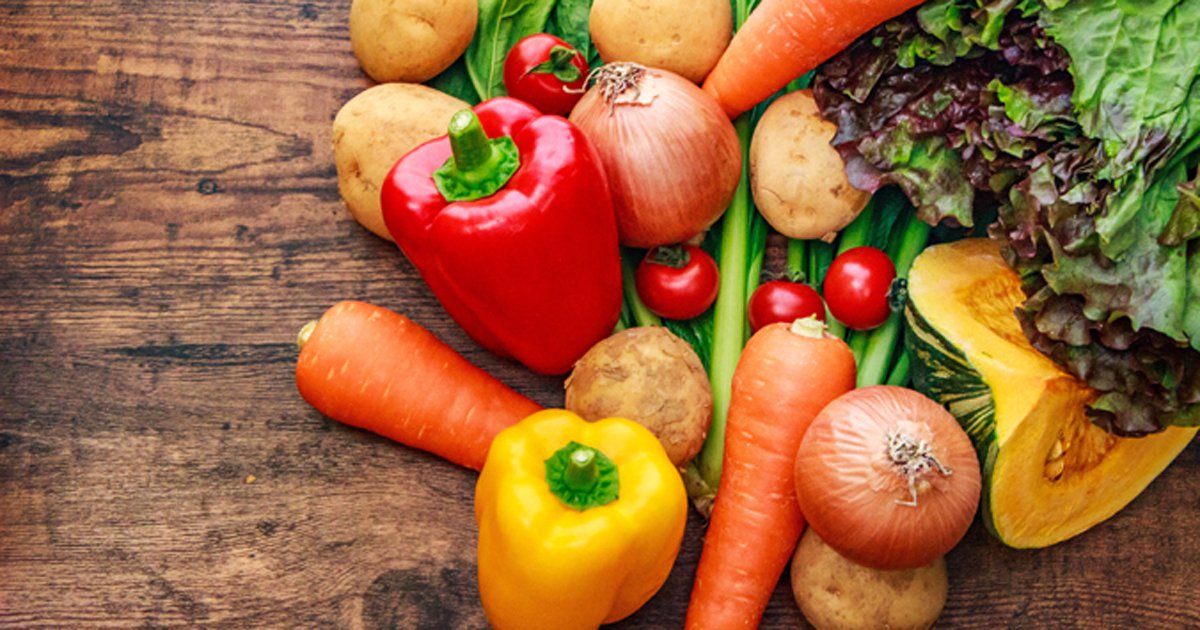
Whole-Food Plant-Based Diet Aids Men with Prostate Cancer
A randomized trial presented at the ASCO Annual Meeting found that overweight or obese men with prostate cancer receiving androgen‑deprivation therapy (ADT) lost significantly more weight when placed on a whole‑food plant‑based (WFPB) diet. Over six months the diet group...
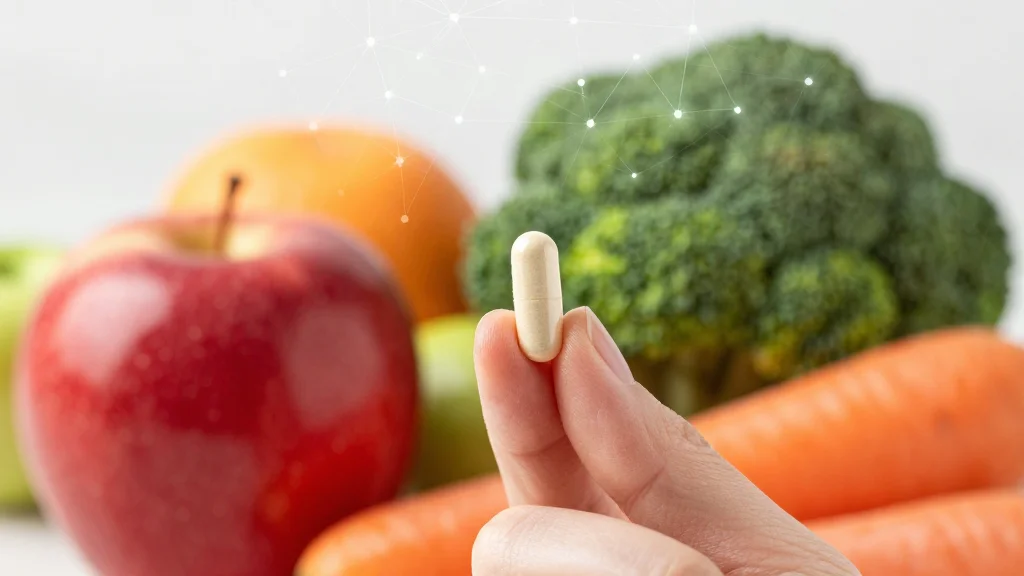
Sports Physician Warns Supplement Surge After Enhanced Games Debut
Sports physician Pii Metsavas warned that the inaugural Enhanced Games has spotlighted a growing reliance on dietary supplements among elite and recreational athletes. She urged consumers to prioritize whole foods and demand evidence‑based supplement use, highlighting the role of social...
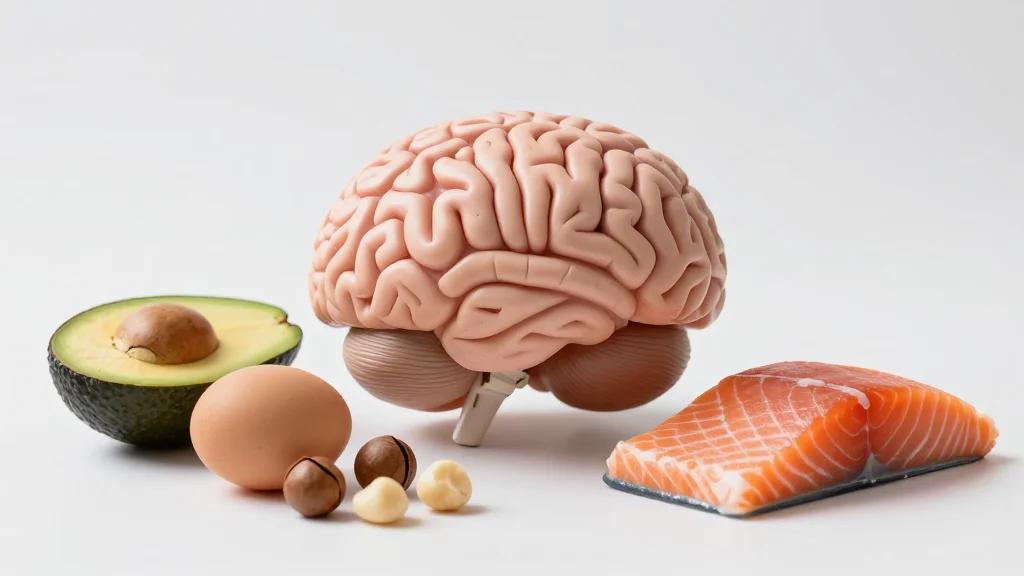
University of Coimbra Review Links Keto Diet to Lower Risk of Major Brain Diseases
Researchers at Portugal's University of Coimbra published a systematic review showing the ketogenic diet may lower the risk of several neurodegenerative diseases, including Alzheimer's, Parkinson's and Huntington's. The findings underscore metabolic mechanisms while flagging unanswered safety questions, sparking debate in...
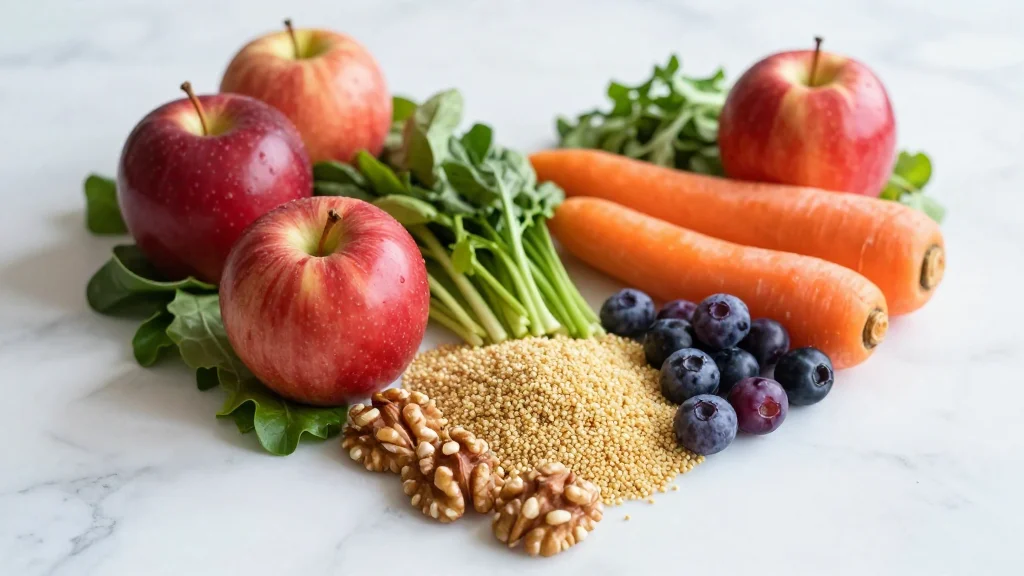
Harvard Study Links Heart Health to Food Quality, Not Low‑Carb or Low‑Fat Labels
Harvard researchers reported that a 30‑year study of nearly 200,000 U.S. adults shows diet quality—not low‑carb or low‑fat classifications—predicts lower heart disease risk. The findings challenge long‑standing diet myths and could shift public‑health recommendations toward whole‑food emphasis.
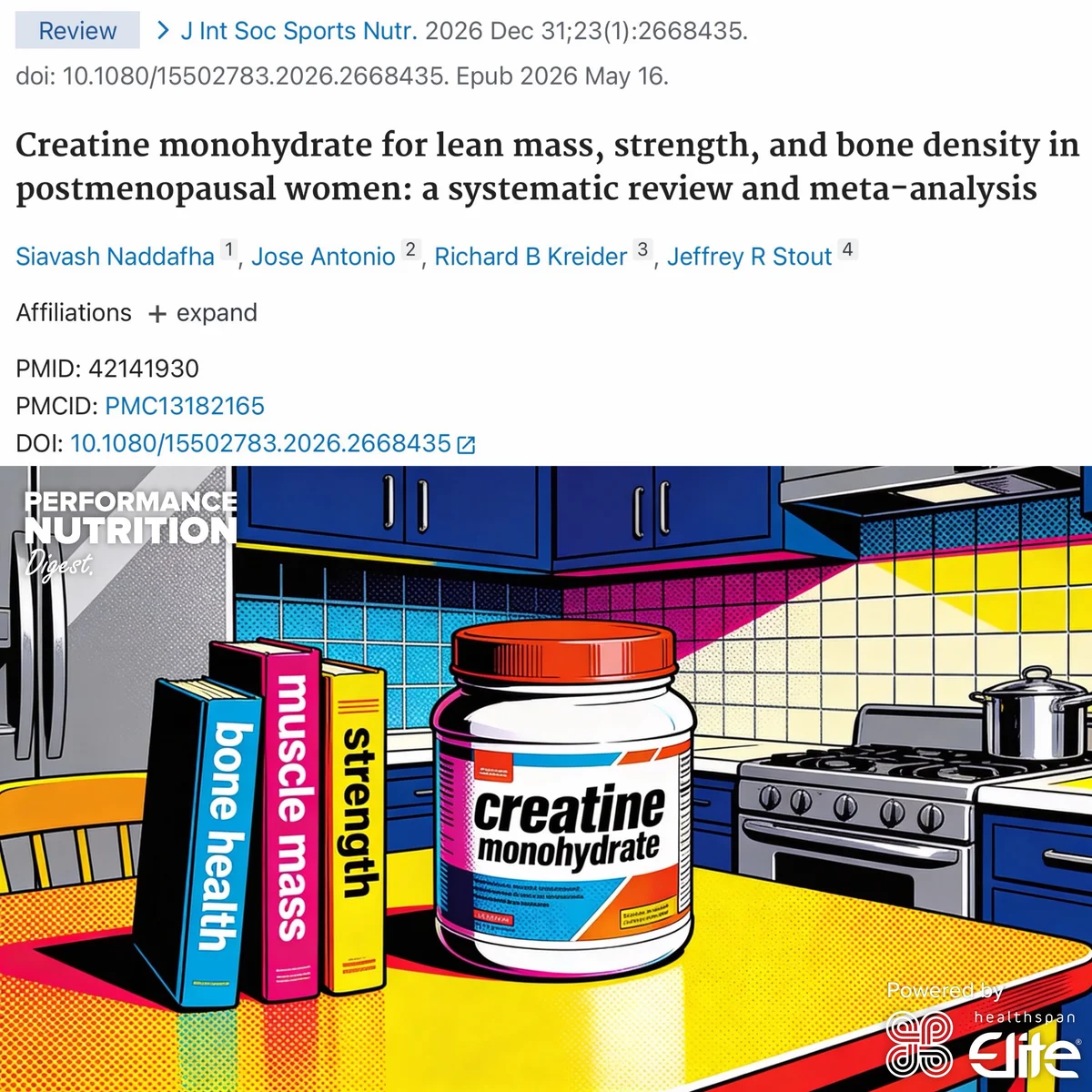
Creatine + Training Adds Muscle and Strength Post‑menopause
Creatine for muscle gains in postmenopausal women 💪 This new meta-analysis compiled data from 7 trials (608 participants) to establish the effects of creatine monohydrate supplementation on… 💪 Muscle mass 🏋️♀️ Strength 🦴 Bone density …in postmenopausal women (aged ≥40-45 years). Results 📊 Compared to placebo,...
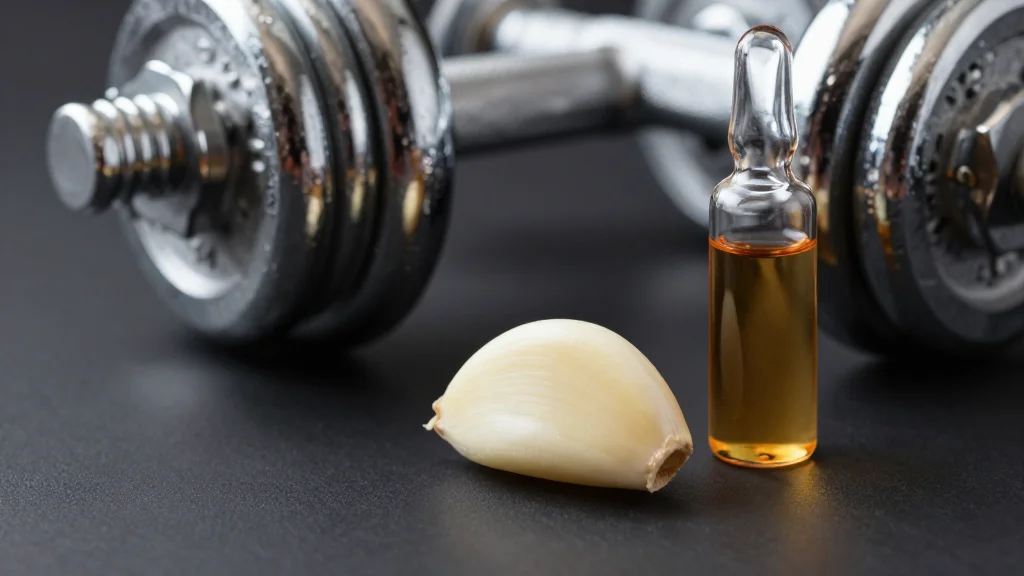
Japanese Researchers Find Garlic Compound Boosts Muscle via Fat‑Brain Pathway
Scientists at Japan's Institute for Research on Productive Aging and Wakunaga Pharmaceutical identified S‑1‑propenyl‑L‑cysteine (S1PC) in aged garlic extract as an activator of a newly described fat‑brain‑muscle signaling axis. Published in Cell Metabolism, the work shows the compound raises eNAMPT...
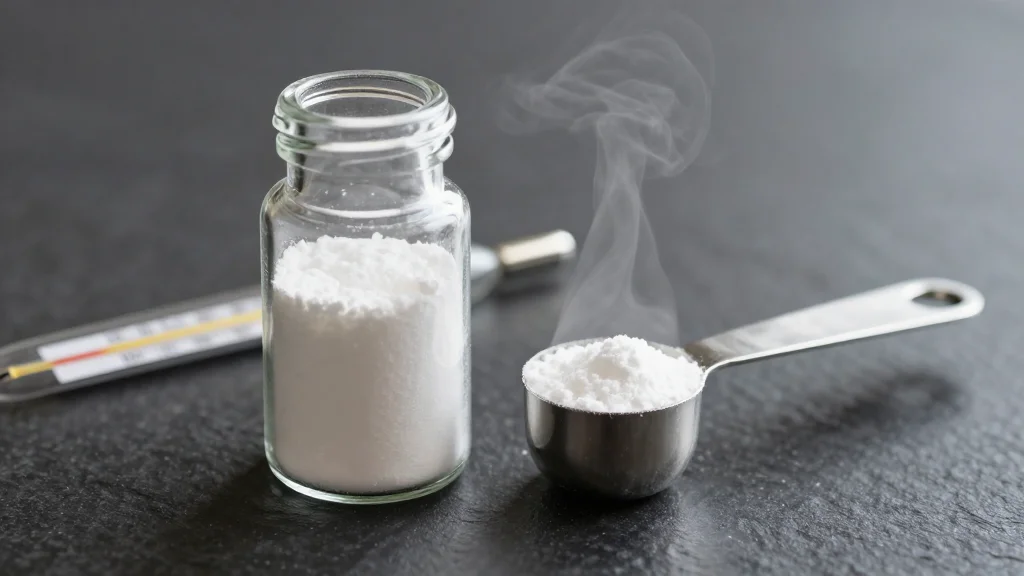
Taurine Boosts Power in Hot‑Weather Workouts, Study Finds
Researchers conducting a randomized crossover trial with 16 college athletes discovered that taurine supplementation improves power output and time‑to‑exhaustion in hot, humid environments. A 6‑gram dose benefited male participants, while 1‑gram and 4‑gram doses were most effective for females, highlighting...
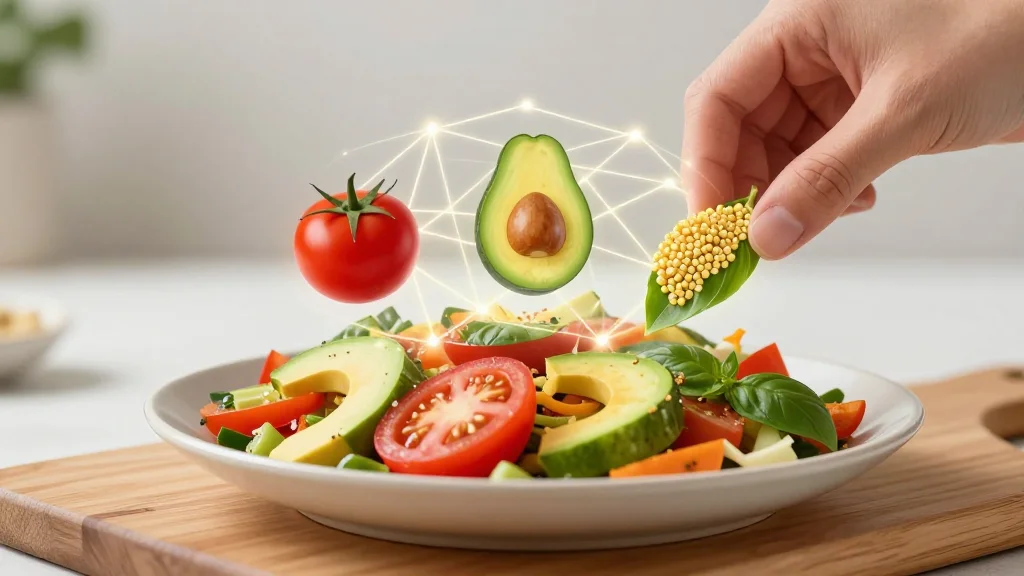
AI Framework Cuts Meal Costs up to 34% While Boosting Nutrition by 10%
Researchers at the University of California, Davis have introduced an artificial‑intelligence framework that can suggest one‑to‑three ingredient swaps, making meals about 10% more nutritious and reducing modeled costs by 22%‑34%. The study, based on 135,491 meals from the What We...
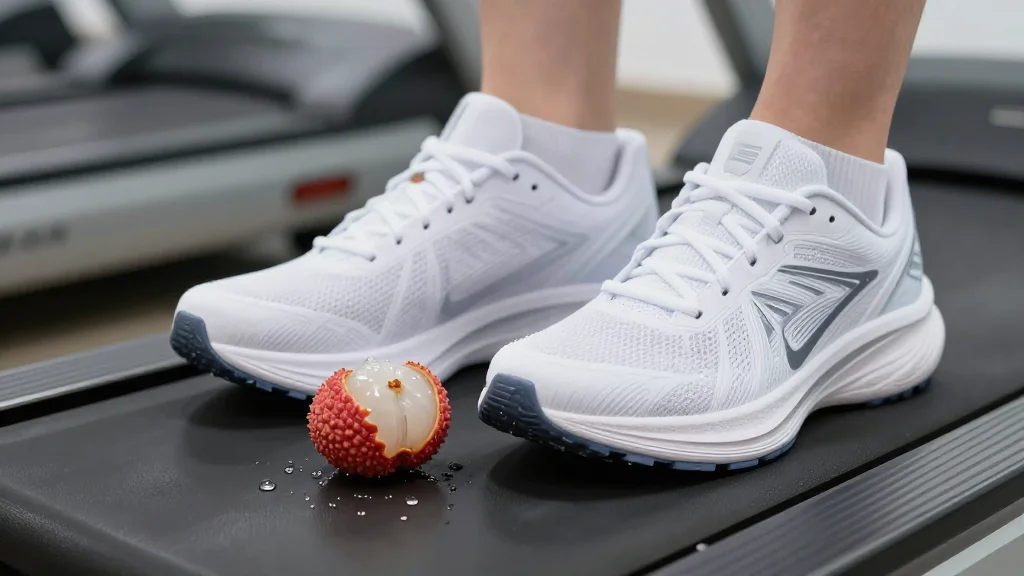
Oligonol Boosts Endurance in Older Runners, Study Shows 70‑Meter Gain
A joint study by Amino Up Co. and the Sapporo EXCEL Athlete Club reported that daily 200 mg of Oligonol, a low‑molecular‑weight lychee polyphenol, increased 12‑minute treadmill distance by roughly 70 m and lowered RPE scores by two points in runners aged...
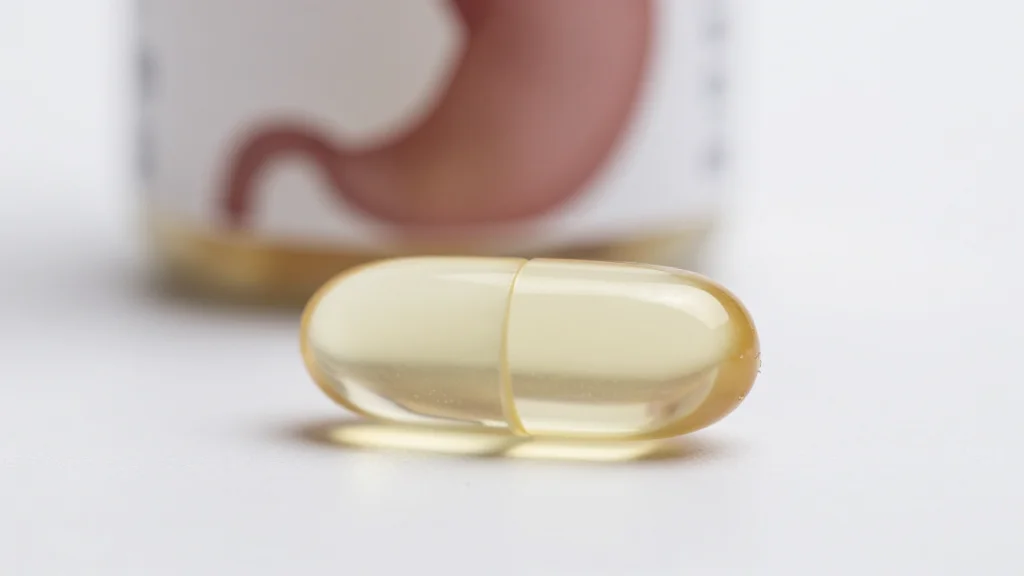
Sirona Pill Cuts 400 Calories Daily, Shows 4% Weight Loss in Early Trial
Oxford Medical Products' Sirona capsule, which swells in the stomach to create a feeling of fullness, cut participants' daily calorie intake by about 400 kcal and delivered an average 4.4% body‑weight loss over 24 weeks. The early‑stage trial suggests a...

Online GLP‑1 Prescriptions Lead to Overdose Hospitalizations, Raising Safety Alarm
A telehealth company prescribed a semaglutide dose nearly nine times the standard first‑dose amount to a Tennessee woman, who was later hospitalized with overdose symptoms. The case underscores growing public‑health worries as GLP‑1 weight‑loss drugs become widely available online, often...
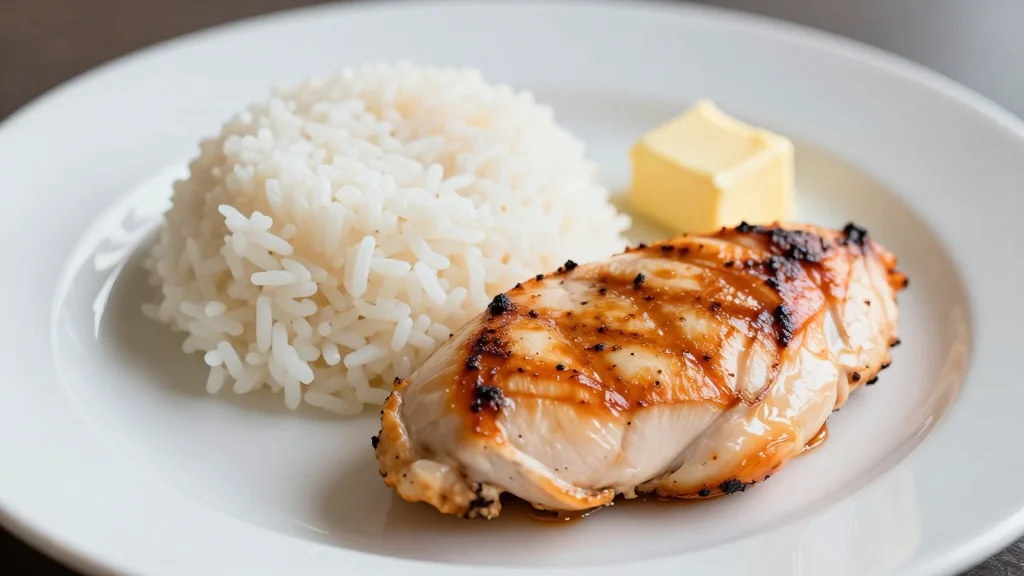
Protein’s Thermic Boost Makes Fat Loss Easier
Protein has a much higher thermic effect than carbs or fat. Your body burns roughly 20-30% of protein calories just digesting it. For carbs that number is 5-10%. For fat it's 0-3%. That’s one reason higher-protein diets can make fat loss easier: More fullness,...
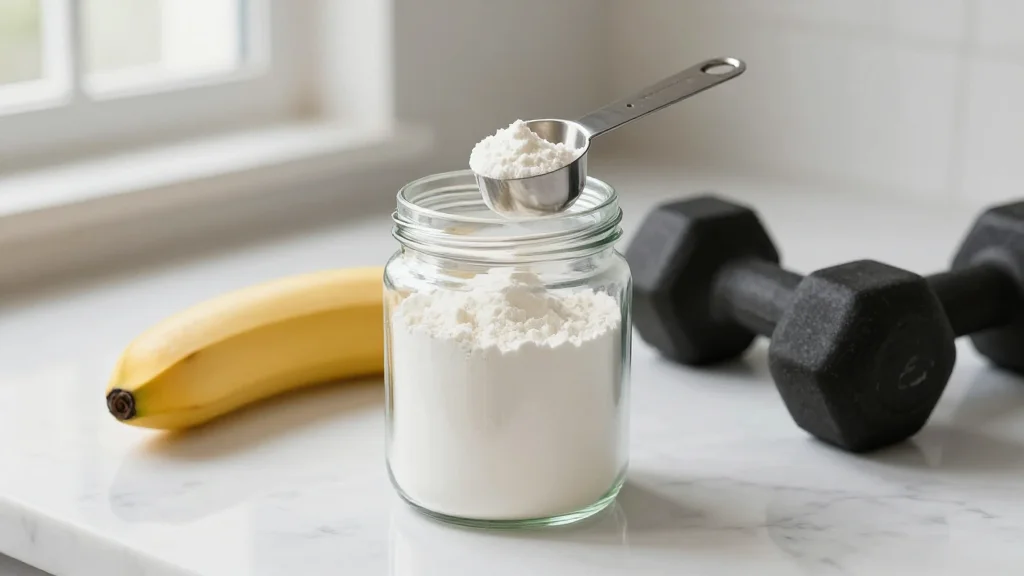
Experts Clash Over Kids' Creatine Use as New Data Raises Safety Questions
Influencers claim creatine boosts performance and cognition in children, while dietitians and pediatric experts warn that studies are tiny, short‑term, and funded by supplement makers. The debate intensifies as a 2026 epidemiology study shows a surge in youth creatine use.
:max_bytes(150000):strip_icc():format(jpeg)/anti-inflammatory-fruits-GettyImages-1054923118-34d3c9f87a9742ce94282faba6c7fcd3.jpg)
15 Anti-Inflammatory Fruits With Fiber and Antioxidants Recommended by Dietitians
Registered dietitians Janice Chow and Annie Zappulla highlight 15 fruits that can curb chronic inflammation by delivering high levels of antioxidants and dietary fiber. They explain how acute inflammation protects the body, while chronic inflammation fuels disease, and why fruit‑derived...

Epax Cetoleic Acid Cut LDL by 7% in 8‑Week Trial, Hinting at New Heart‑Health Tool
Epax Nutrition’s cetoleic acid (omega‑11) supplement lowered LDL cholesterol by 7% in an eight‑week clinical trial of 75 overweight and obese adults, researchers reported. Funded by the Norwegian Seafood Research Fund, the study points to a potential new dietary strategy...
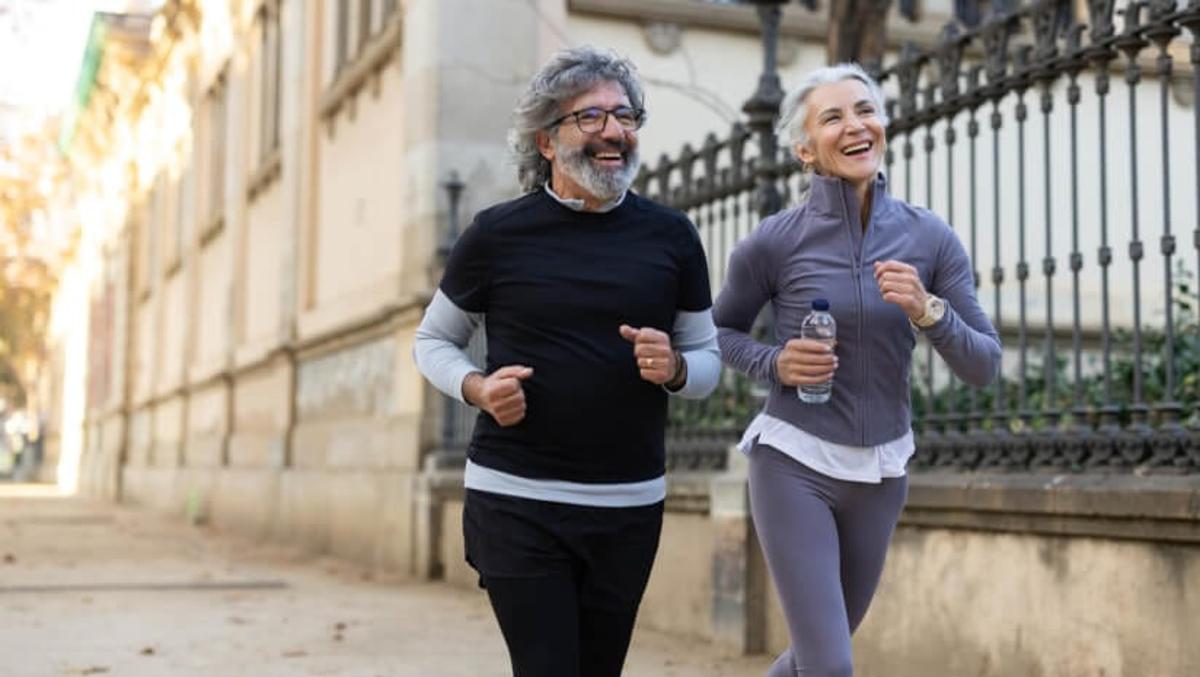
Novel Polyphenol-Based Ingredient Could Boost Distance Running
Researchers from Amino Up and the Sapporo EXCEL Athlete Club published a randomized, double‑blind, placebo‑controlled trial showing that Oligonol, a low‑molecular‑weight lychee polyphenol, increased endurance performance in older long‑distance runners. Over a 60‑day period, participants taking 200 mg of Oligonol daily...
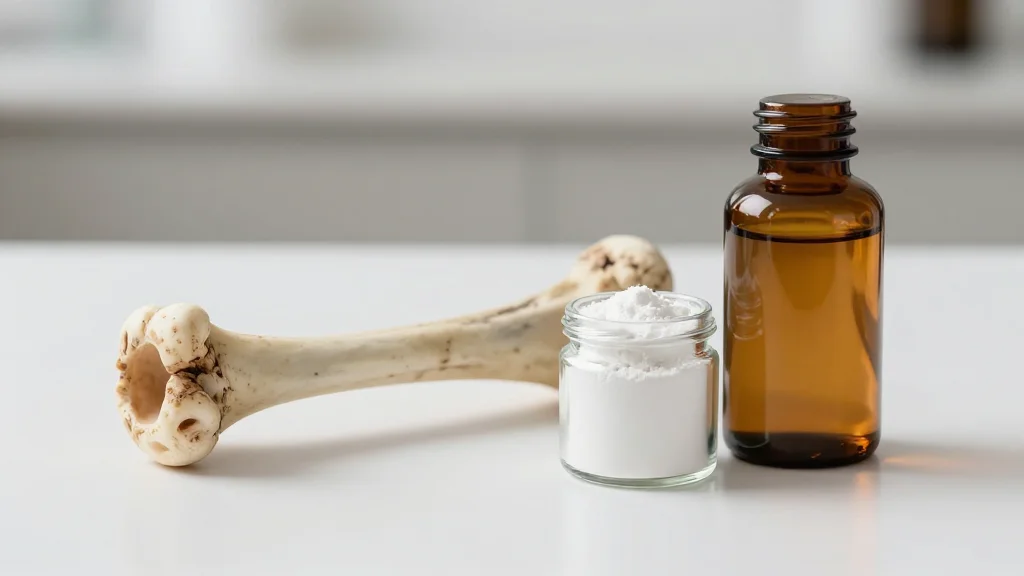
Re: Calcium, Vitamin D, or Combined Supplementation to Prevent Fractures and Falls: Systematic Review and Meta-Analysis
A recent BMJ systematic review and meta‑analysis found that combined calcium and vitamin D supplementation reduces all‑fracture risk by 9 percent, a statistically significant result judged by the authors as not clinically important. Marc C. Hochberg, a professor emeritus at the University...
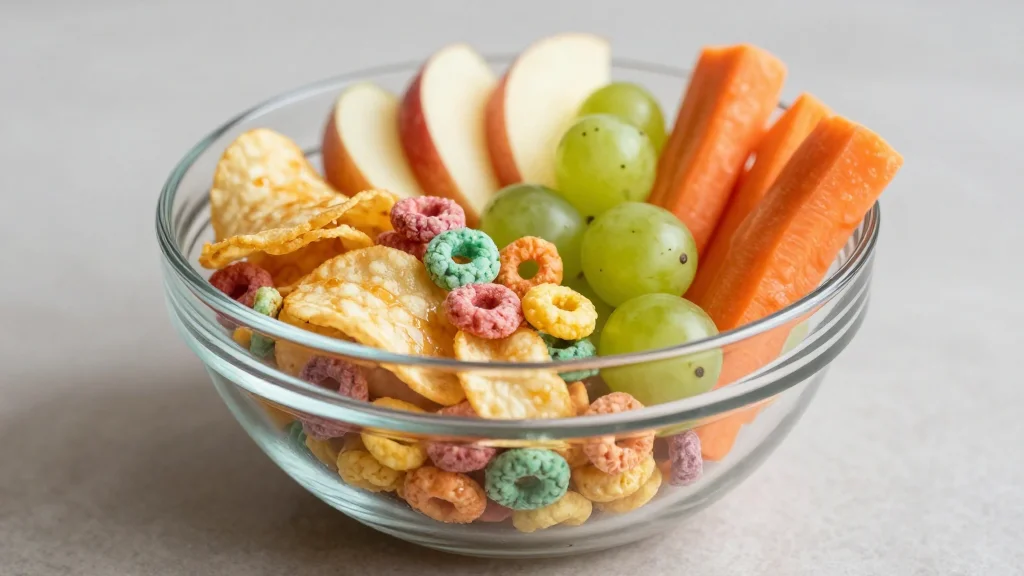
Yuka Report Flags Ultra‑Processed Foods as 70% of U.S. Supply, Sparking Policy Push
Yuka released a report showing ultra‑processed foods now represent roughly 70% of the U.S. food supply and provide more than 60% of daily calories for children and adolescents. The findings intensify calls for a federal definition and stricter labeling as...

Taurine Boosts Power and Endurance in Hot-Weather Workouts, Study Finds
Researchers gave 16 college athletes 1, 4 or 6 grams of taurine before high‑intensity cycling in 89°F, 60% humidity conditions. The amino acid helped maintain power output and extend time‑to‑exhaustion, with men benefiting most from 6 g and women from 1‑4 g. The...
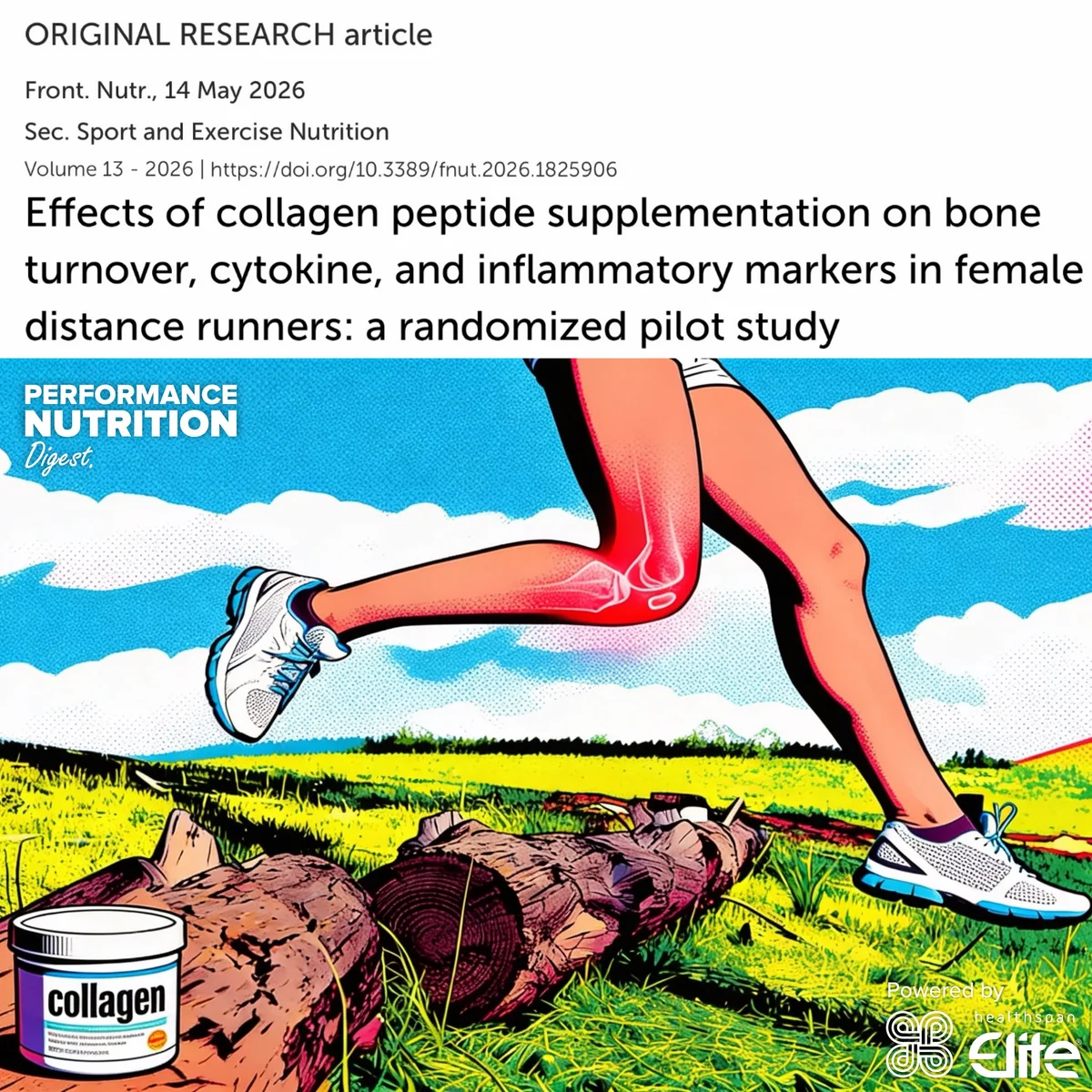
Collagen Boosts Bone Formation in Female Endurance Athletes
Collagen may improve bone health in female endurance athletes 🦴 This new study recruited 22 female endurance athletes (18–35 years, >56km/wk) to take either… 1️⃣ 20g collagen peptides 2️⃣ Isocaloric placebo (maltodextrin) …1hr after waking up, every day for 4-weeks 🥤 Markers on...
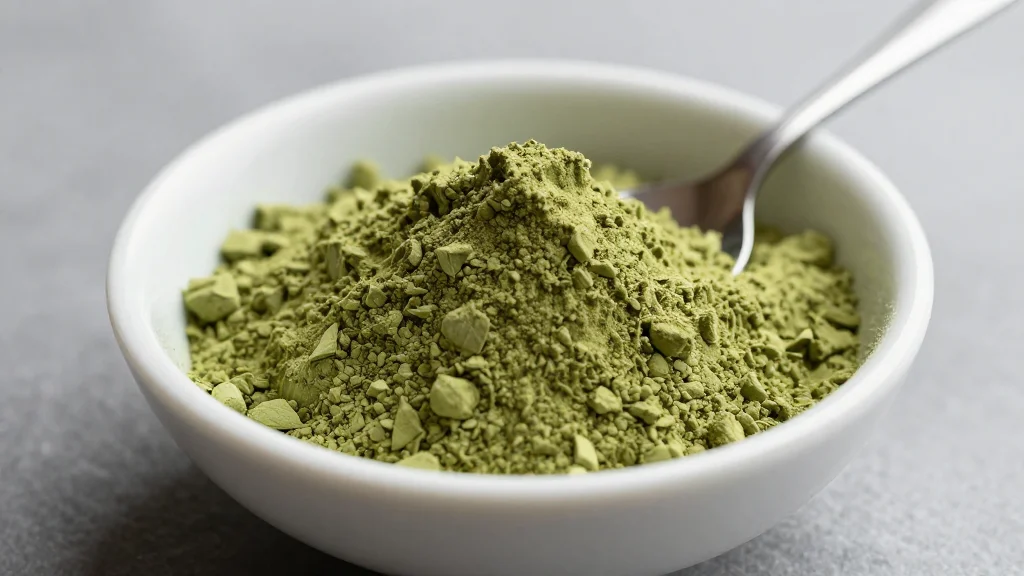
FDA Reopens Salmonella Probe Tied to Moringa Supplements After 22 New Cases
The U.S. Food and Drug Administration, together with the CDC and state health agencies, reopened a multistate Salmonella outbreak investigation after 22 additional illnesses were reported. The outbreak is linked to imported moringa leaf powder found in several dietary supplement...
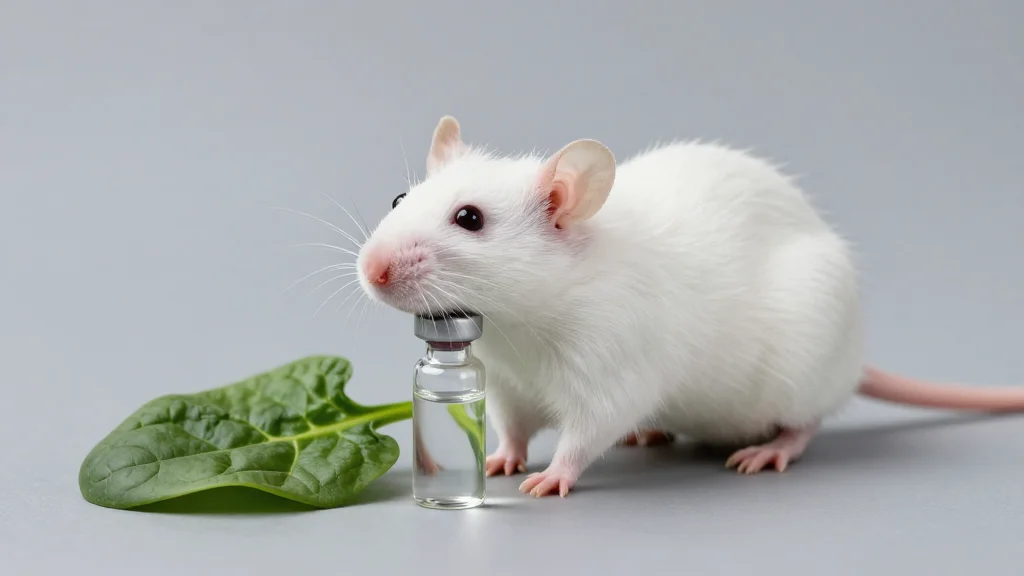
Dietary L-Arginine Supplementation Exerts Preventive Effects on Colitis Through Modulation of the Gut Microbiota
A recent mouse study shows that dietary L‑arginine given before colitis onset markedly reduces disease severity, matching the benefits of continuous supplementation. Preventive dosing restored body weight, disease activity index, colon length, tight‑junction protein expression, and lowered serum LPS. It...

Vitamin B12 and Folate Deficiencies Linked to Chronic Fatigue
Researchers at Osaka Metropolitan University examined 600 healthy Japanese adults and found that low levels of vitamin B12 and folate were associated with elevated blood homocysteine. Higher homocysteine correlated with greater physical fatigue in men and reduced motivation in women. The...
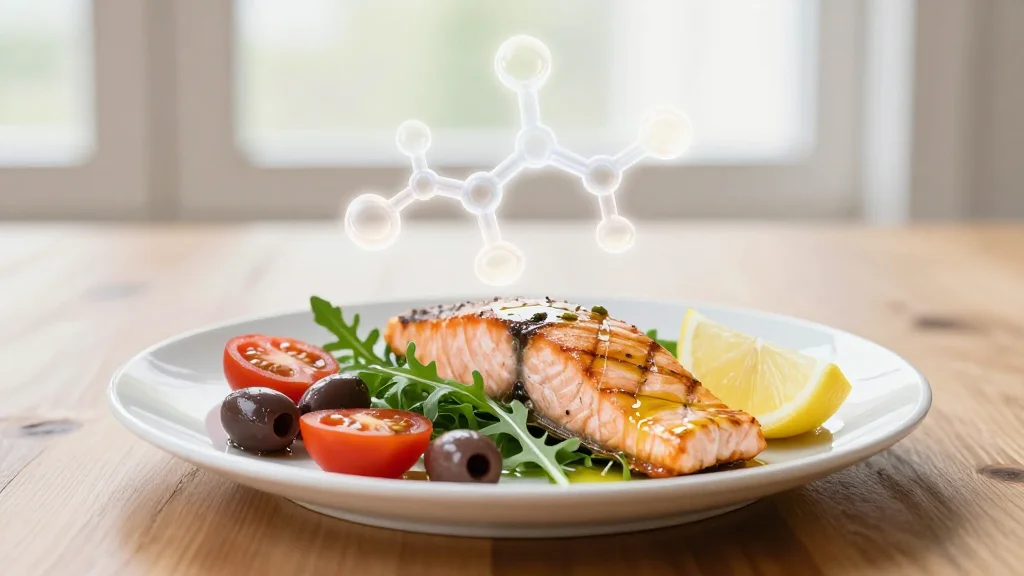
Longevity Meal Plan Meets Study Linking Mediterranean Diet to Longevity Proteins
Joy Bauer unveiled a day‑long longevity meal plan on May 27, 2026, while a new Frontiers in Nutrition study linked the Mediterranean diet to higher levels of the longevity‑associated proteins Humanin and SHMOOSE, underscoring a molecular basis for the diet’s...
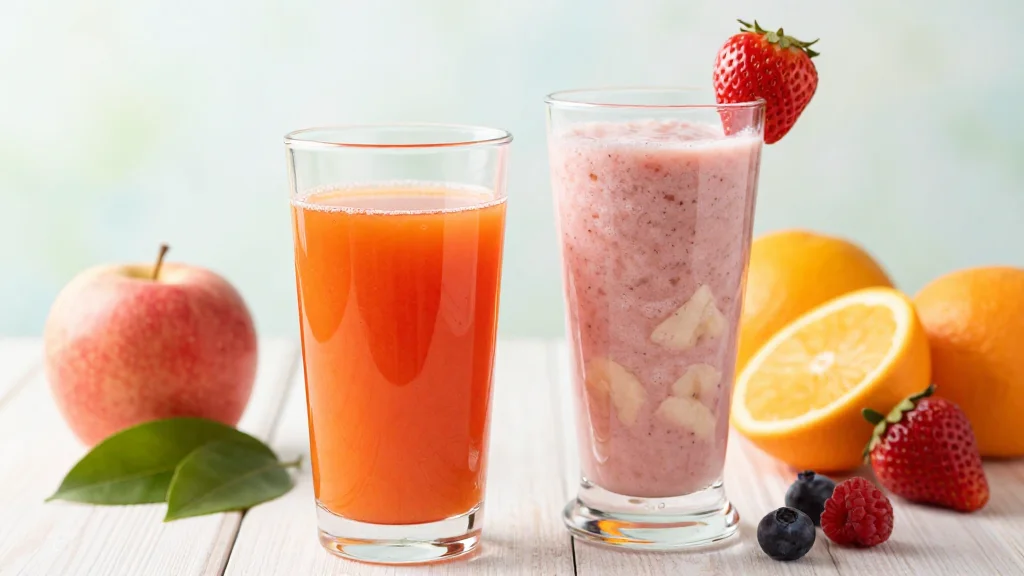
Newcastle Study Finds Daily Fruit Juice Boosts Produce Intake and Mood
Researchers at Newcastle University reported that allowing one daily glass of 100% fruit juice or a smoothie to count toward the UK’s 5‑a‑day recommendation increased overall fruit consumption and modestly improved mood in a small adult sample. The four‑week randomized...

This One Ingredient May Be Ruining the Health Benefits of Your Smoothie
A UC Davis study found that adding banana to a flavanol‑rich smoothie can markedly reduce the body’s absorption of flavanols, the plant compounds linked to cardiovascular health and endurance performance. The effect is attributed to polyphenol oxidase (PPO) naturally present...

AI Suggests Simple Food Swaps to Make Meals Healthier and Cheaper
A University of California, Davis research team trained a generative AI model to suggest one to three ingredient swaps for everyday meals. Using 135,491 meals logged by 55,228 adults, the AI created alternatives that were 47% closer to USDA nutritional...
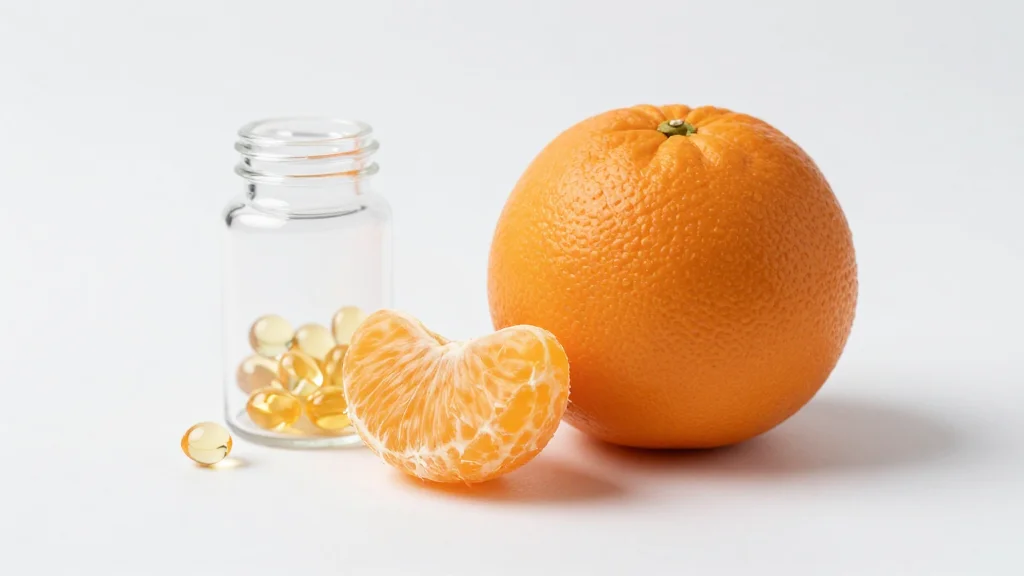
Vitamin C Clinical Evidence Guide: 2026 Medical Standards
Under the 2026 medical standards, Vitamin C remains essential for collagen synthesis, iron absorption, and immune function, but prophylactic megadosing is discouraged, especially for athletes. The guide classifies strong evidence for iron uptake, scurvy prevention, and reduced upper‑respiratory infections in highly...
French Cohort Study Links Common Preservatives to 29% Higher Hypertension Risk
Researchers led by Dr. Mathilde Touvier and PhD student Anaïs Hasenböhler analyzed 112,395 French volunteers and found that high intake of common food preservatives is associated with a 29% increase in hypertension and a 16% rise in cardiovascular disease. The...
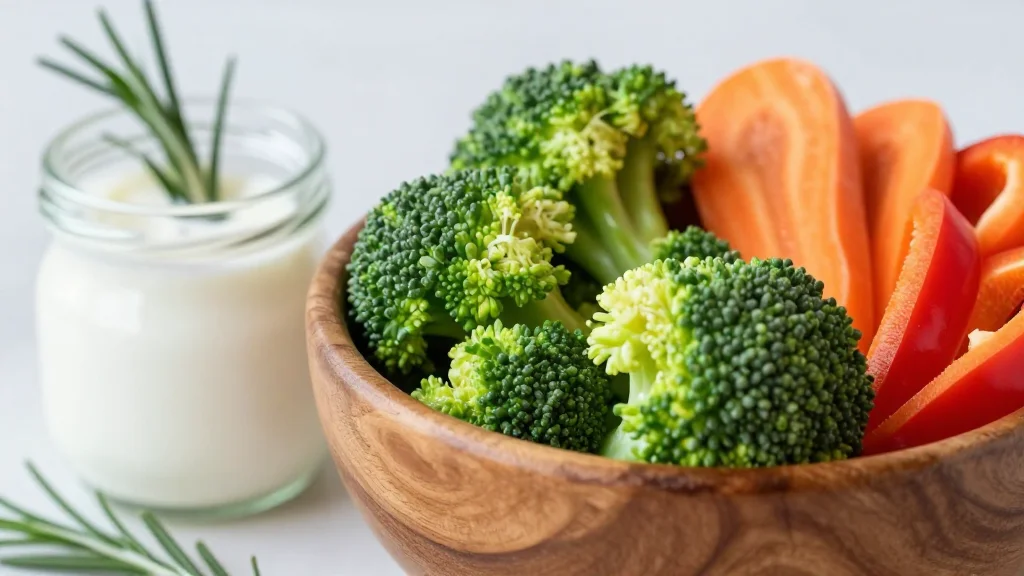
New Review Maps Keystone Gut Bacteria and Targets Them with Diet, Probiotics
Scientists have published a comprehensive review in npj Biofilms and Microbiomes that pinpoints the gut’s keystone bacteria and proposes targeted dietary, probiotic and prebiotic interventions to rebalance disrupted microbiomes. The analysis highlights how protein‑rich and fiber‑rich diets shape microbial ecosystems,...