Today's Nutrition Pulse
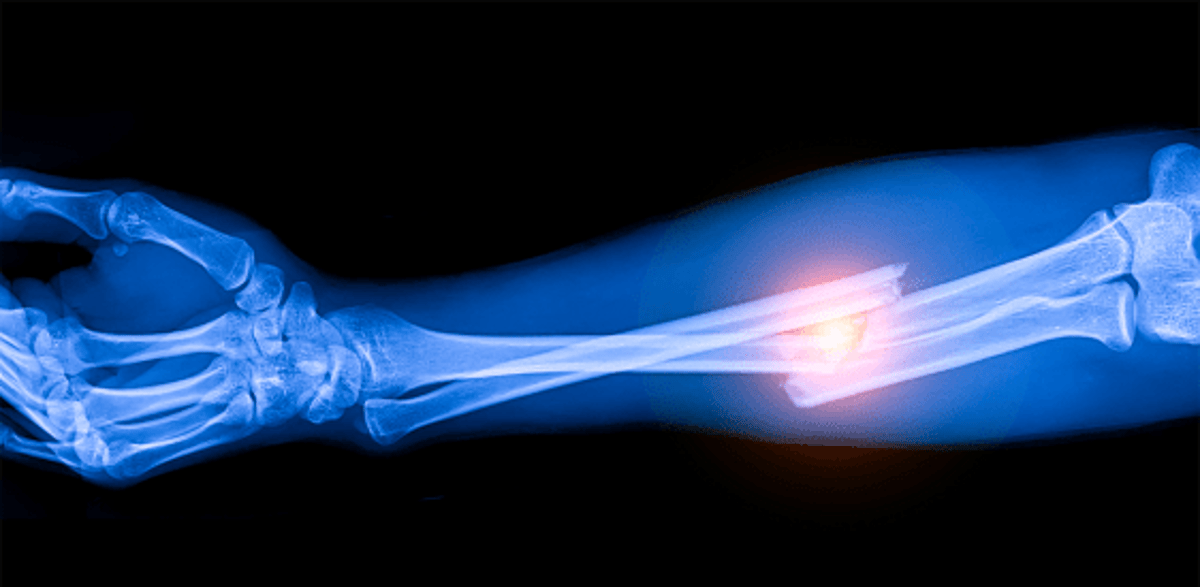
Calcium and Vitamin D Supplements Fail to Cut Fall or Fracture Risk in Seniors, Study Finds
A new meta‑review in The BMJ examined 69 randomized trials involving 153,902 adults aged 65 and older and concluded that calcium, vitamin D, or their combination do not reduce falls or fracture risk. The findings challenge long‑standing recommendations to use these supplements for bone health in older adults.

New Research Finds How to Execute the Perfect Carb Load
Researchers at Liverpool John Moores University tested three two‑day carbohydrate‑loading protocols (6, 8 and 10 g per kilogram body weight) against a 4 g/kg baseline in 11 trained endurance athletes. Muscle biopsies showed a linear increase in leg‑muscle glycogen with higher carbohydrate intake, with the 10 g/kg regimen delivering the greatest storage. The study found no significant weight gain, gastrointestinal distress, or other adverse effects at the highest intake. Findings suggest that a two‑day, 10 g/kg carb load is safe and more effective than lower protocols.
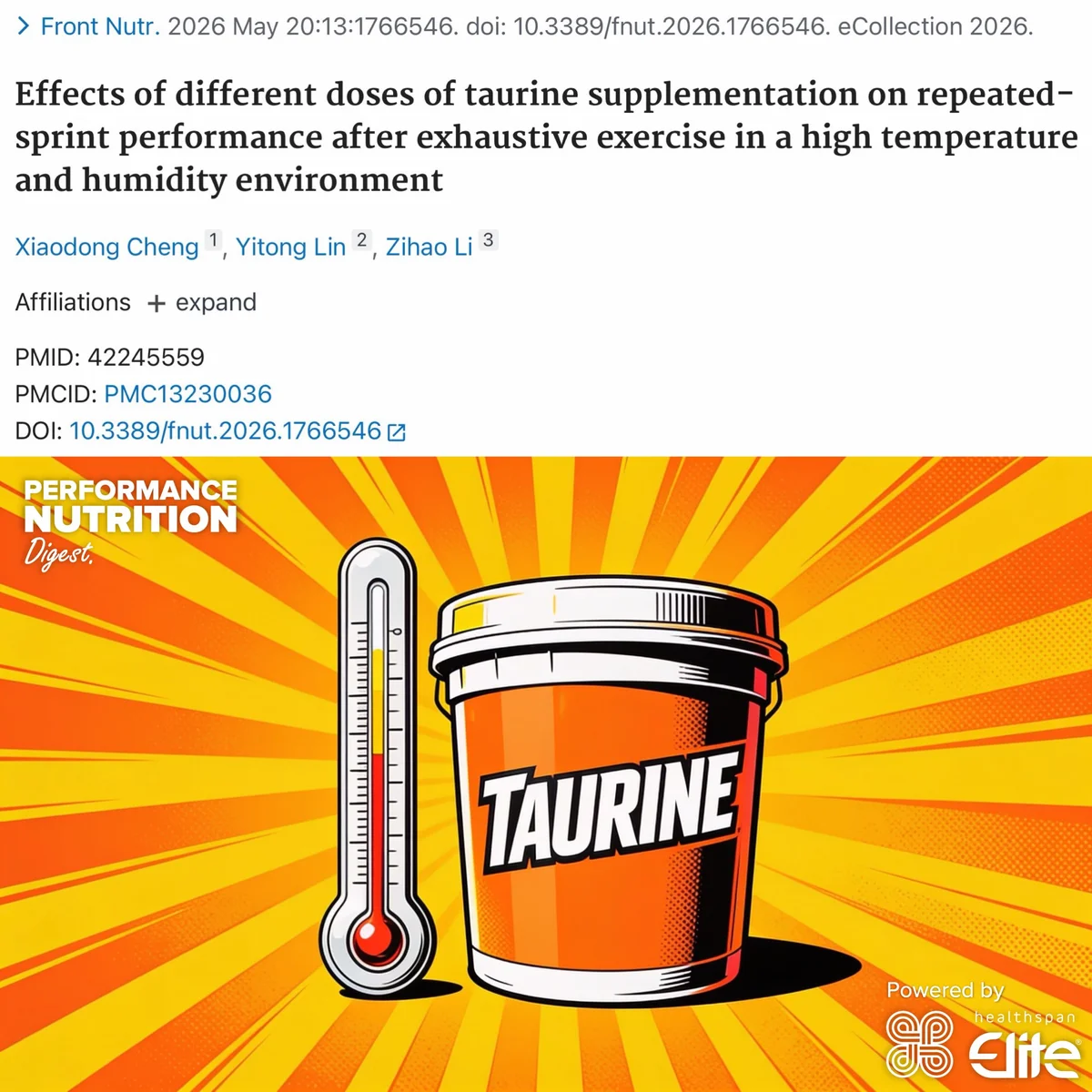
Taurine Boosts Heat‑stress Endurance and Sprint Performance
Taurine enhances endurance and sprint performance in the heat 🌡️ This new study recruited 16 college students to complete four experimental conditions… 1️⃣ High dose taurine (6g) 2️⃣ Medium dose taurine (4g) 3️⃣ Low dose taurine (2g) 4️⃣ Placebo Supplements were ingested 50-mins prior to a...

Bryan Johnson Longevity Protocol Discussion (2024 / 25 /26)
Bryan Johnson’s high‑priced longevity protocol was dissected by Dr. Gil Carvalho, who found its scientific core aligns with basic nutritional principles rather than exclusive commercial products. The analysis highlights that indefinite caloric restriction can endanger lean, active individuals, while a...
Magnesium Modestly Improves Insomnia, Benefits Those Most in Need
Can a cheap mineral capsule really move insomnia? The largest RCT to date says: a little -- and most in people who need it. Schuster et al. (Nature and Science of Sleep, 2025) ran a double-blind, placebo-controlled trial: 155 adults with...

New Study Finds a Common Supplement Ingredient for Cognitive Enhancement May Lead to a Shorter Lifespan
A new study of over 250,000 UK Biobank participants links genetically higher L‑tyrosine levels to a shorter lifespan, especially in men, who lived about one year less on average. Researchers used Mendelian randomization to isolate tyrosine’s effect, finding it more...
The Current Status and Emerging Trends in the Application of Precision Nutrition for the Comprehensive, Lifecycle-Based Management of Chronic Liver...
A new narrative review in Frontiers in Nutrition outlines how precision nutrition—leveraging genomics, metabolomics, gut‑microbiome data and lifestyle factors—can transform the lifecycle‑based management of chronic liver disease (CLD). The authors detail stage‑specific dietary strategies, from Mediterranean‑style low‑energy diets in early...
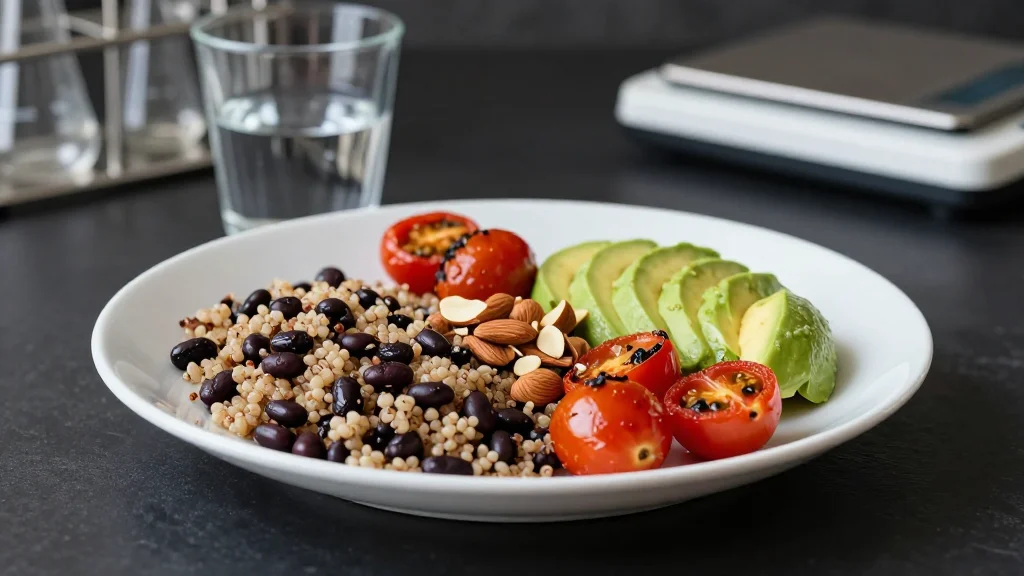
Effects of Low Glycemic Index/Load Diets on Metabolic and Inflammatory Markers in Humans: A Meta-Analysis
A meta‑analysis of 21 randomized trials involving 1,265 participants found that low‑glycemic index or load (LGI/LGL) diets were associated with modest weight loss, lower body‑mass index, and improvements in lipid profiles—including reductions in total cholesterol, triglycerides and LDL‑C and an...
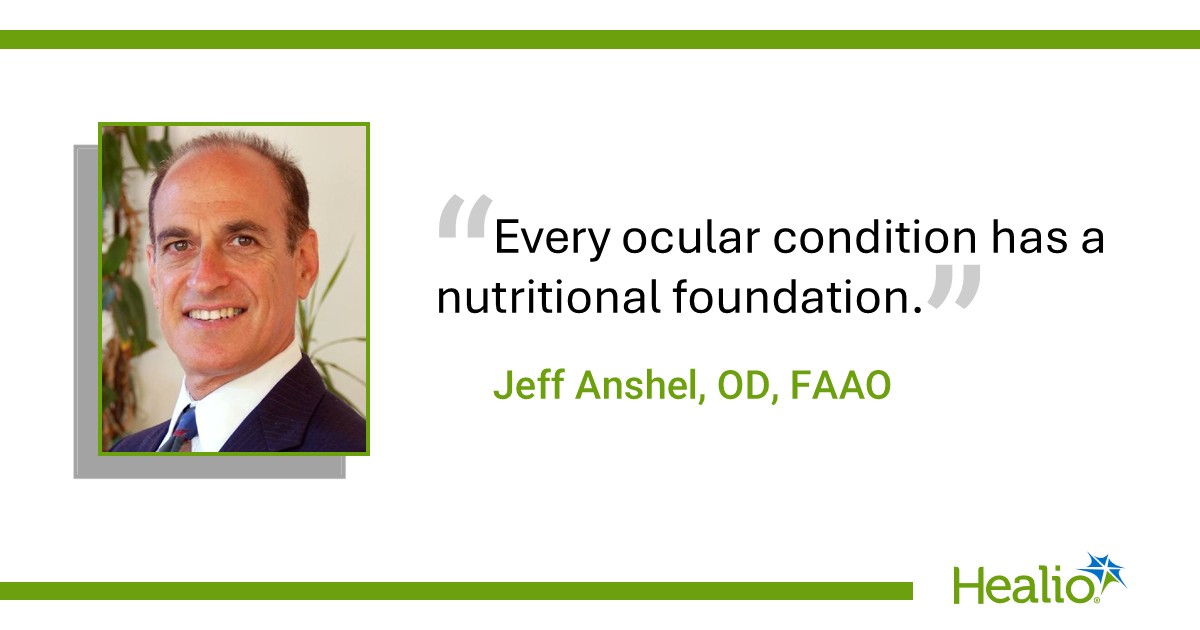
New E-Book Is ‘Chairside Reference’ for Nutrition in Eye Care
Healio reports the release of *Ocular Nutrition Handbook for the Practicing Optometrist*, an e‑book authored by Jeff Anshel, OD, FAAO. The guide offers nutrition‑based treatment recommendations for more than 30 eye conditions, from age‑related macular degeneration to dry eye and rare...
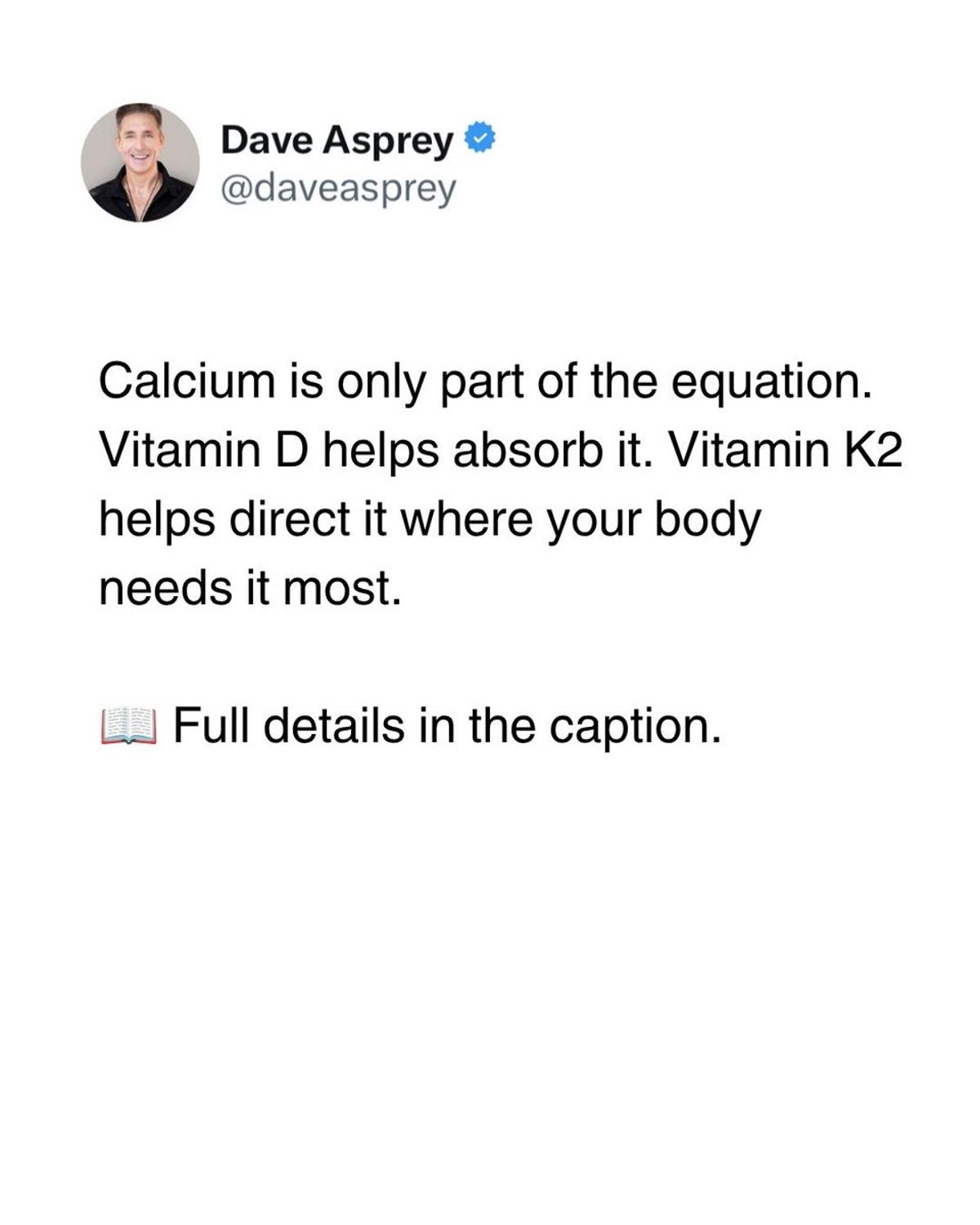
Vitamin K2 Directs Calcium to Bones, Protects Arteries
You take calcium and vitamin D for your bones thinking that’s the end of the story. Vitamin D helps your body absorb calcium from food and move it into your bloodstream. But once calcium is in circulation, your body still has to...

Abbott Nutrition Study: Older Women Gain Greater Muscle Benefits From Protein Plus HMB
Abbott Nutrition funded a randomized double‑blind crossover trial that examined whether adding 3 g of β‑hydroxy‑β‑methylbutyrate (HMB) to a 40 g whey protein dose enhances muscle protein synthesis (MPS) in older adults. The study, involving 24 healthy participants aged 65‑75, found that...
Vitamin K2-7 May Slow Progression of Coronary Artery Calcification
A two‑year randomized trial (VitaK‑CAC) found that daily 360 µg of vitamin K2‑7 (MK‑7) reduced coronary artery calcification (CAC) progression by 29% versus placebo in 180 high‑risk adults. Participants had baseline CAC scores between 50 and 400, and 78% were on...

IAG and HiFe Plants Show 25g of Engineered Pea Leaves Can Meet a Woman’s Full Daily Iron Requirement
Innovation Agritech Group (IAG) and HiFe Plants have demonstrated that a 25‑gram serving of engineered HiFe1 pea leaves provides 100 % of the recommended daily iron intake for women. The HiFe1 variety accumulates up to 40 times more iron than conventional...
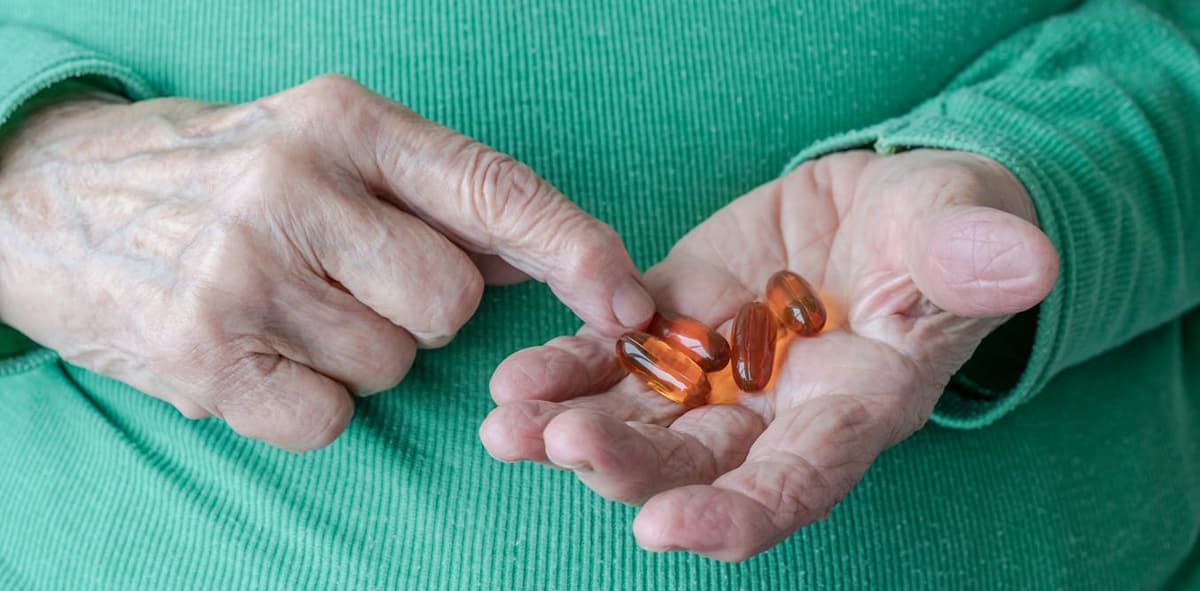
Why Tiny Amounts of Vitamin B12 Matter More as We Age
Vitamin B12, required in microgram amounts, remains essential for red blood cell formation, nerve health, and DNA synthesis. Deficiency is common among older adults, vegans, and those with absorption issues, often manifesting as fatigue, neurological symptoms, or anemia. Recent studies...
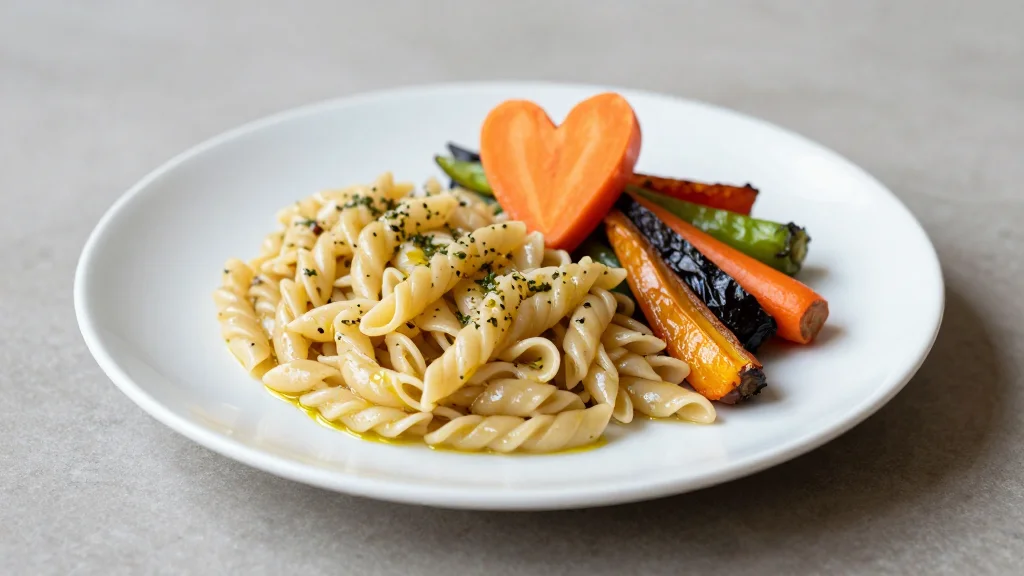
Consuming a Moderate Amount of Carbs Could Lower Cardiovascular Risk While Also Keeping 'Bad' Cholesterol Down
A new meta‑analysis of 174 trials involving 11,481 adults across 27 countries finds that moderate carbohydrate intake delivers the most balanced cardiovascular benefits. While very low‑carb and keto diets lower some risk markers, they raise LDL cholesterol, whereas moderate‑carb diets...
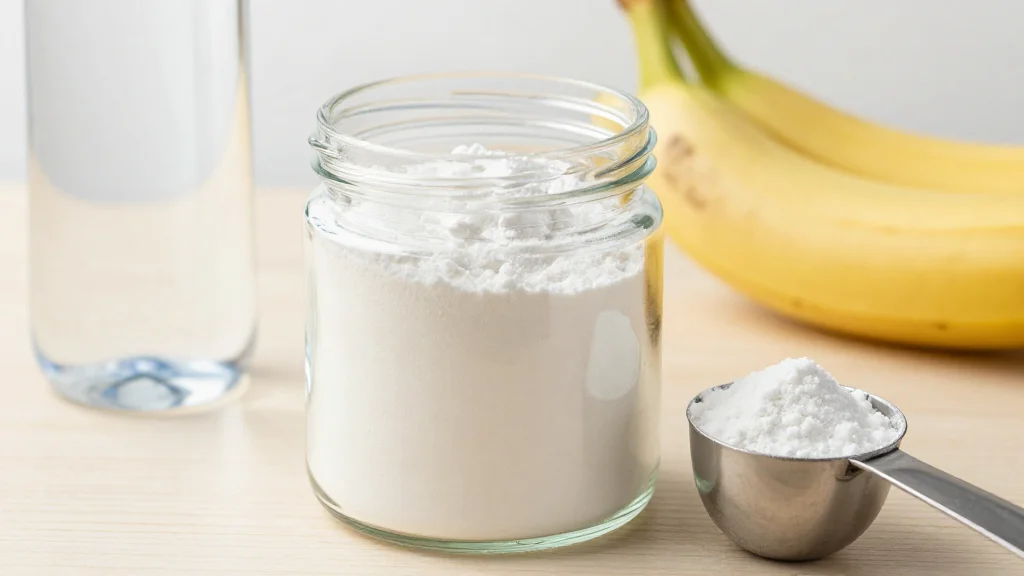
Effects of Beta-Alanine Supplementation on Exercise Performance and Related Physiological Outcomes in Women: A Systematic Review and Meta-Analysis
A new systematic review and meta‑analysis examined beta‑alanine supplementation in women across 12 reports (11 RCTs, 312 participants). The pooled analysis found a moderate improvement in time‑to‑exhaustion (SMD ≈ 0.49, p = 0.001) while effects on peak power, anaerobic performance, VO₂max/VO₂peak and body‑fat percentage...
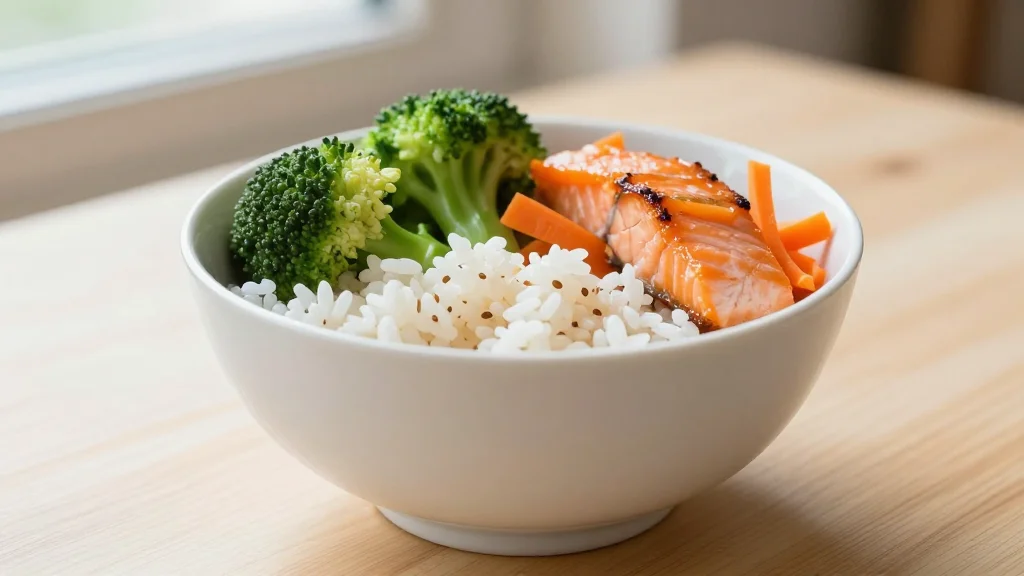
An Alternative Dietary Variety Score Reflects Nutrient Adequacy Across Different Life Stages in Japanese Women
Researchers created an Alternative Dietary Variety Score (ADVS) that swaps the traditional "fats and oils" component of Japan's Dietary Variety Score (DVS) for whole‑grain consumption. Using cross‑sectional data from 4,227 young, 3,562 middle‑aged and 1,655 older Japanese women, they found...
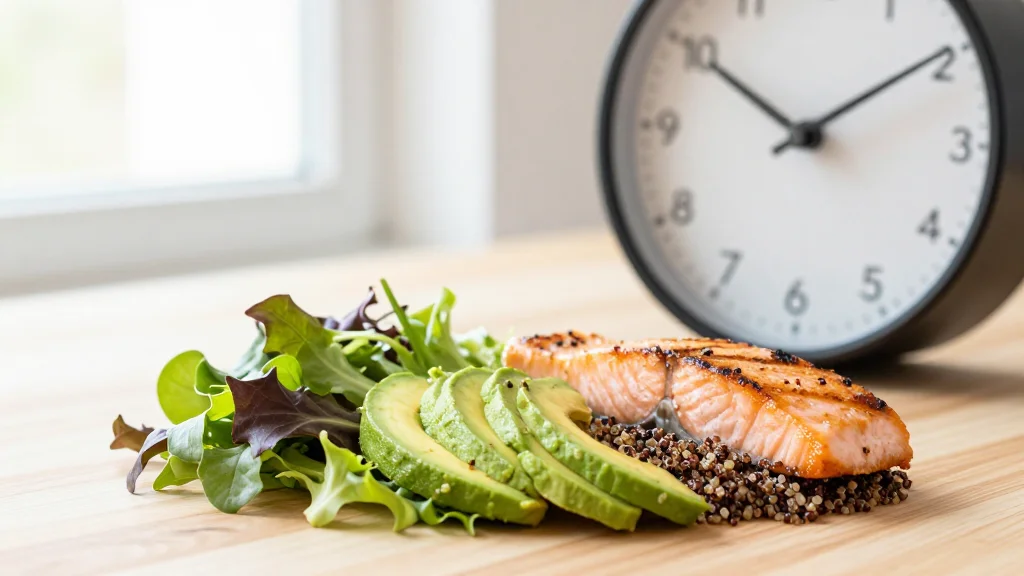
Time-Restricted Eating and Metabolic Health: Implications for Nutritional Strategies and Weight Loss
A Frontiers in Nutrition mini‑review published on June 11 2026 evaluates time‑restricted eating (TRE) as a chrononutrition strategy. The authors synthesize clinical trials showing that 6‑10‑hour eating windows can produce modest weight loss and improvements in insulin sensitivity, blood pressure, and lipid...
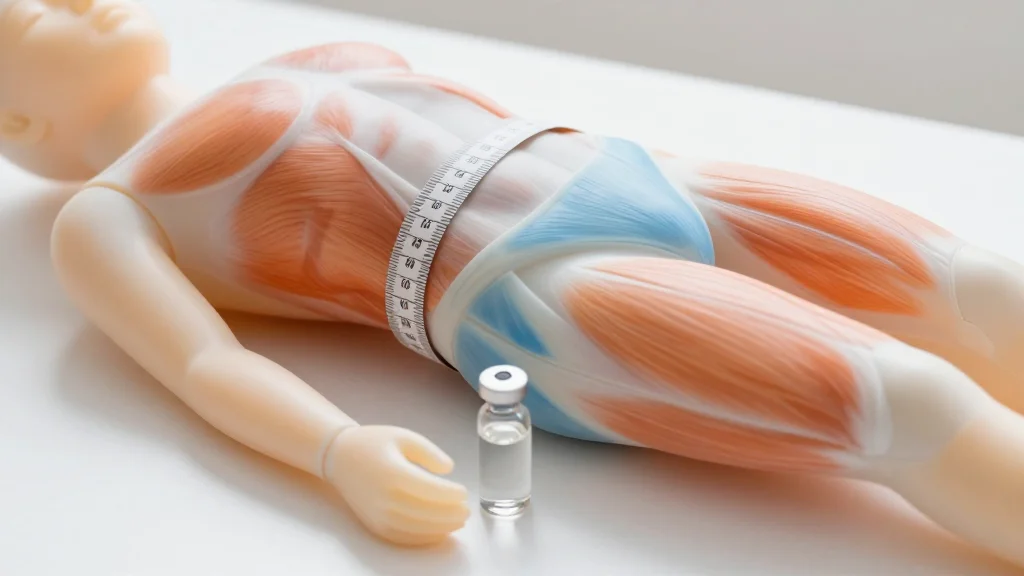
Precision Nutrition in Gastric Cancer: Current Advances and Future Directions
The review in Frontiers Nutrition outlines how precision nutrition—individualized, phenotype‑driven dietary support—can address the high rates of malnutrition, weight loss, and sarcopenia in gastric‑cancer patients. It details a stepwise assessment pathway that starts with risk screening, proceeds to GLIM‑based malnutrition diagnosis,...

Episode 196: Dominic D’Agostino Discusses Advances in Ketogenic Metabolic Therapy and Hyperbaric Oxygen Therapy
In this episode, Dr. Dominic D’Agostino updates listeners on his work advancing ketone metabolic therapy (KMT) and hyperbaric oxygen therapy for traumatic brain injury. He explains KMT as a personalized, biomarker‑driven approach that induces therapeutic ketosis through diet, fasting, or...

Daily Multivitamin Slows Brain and Biological Aging
A daily multivitamin can reduce brain aging and modestly slow down epigenetic aging clocks. In the COSMOS trial, older adults who took a standard Centrum Silver multivitamin daily for about 4 years performed better on cognitive tests and showed the equivalent...

Gut-Lung Axis: RCT Supports Bifido Probiotic’s Immune-Supporting Benefits
A six‑month, double‑blind RCT involving 360 formula‑fed infants under three years tested Bifidobacterium animalis subsp. lactis BLa80 at 5 billion CFU daily. The probiotic group saw upper respiratory infections drop from 42.5% to 19.4% and eczema prevalence fall from 70% to 27.6%....
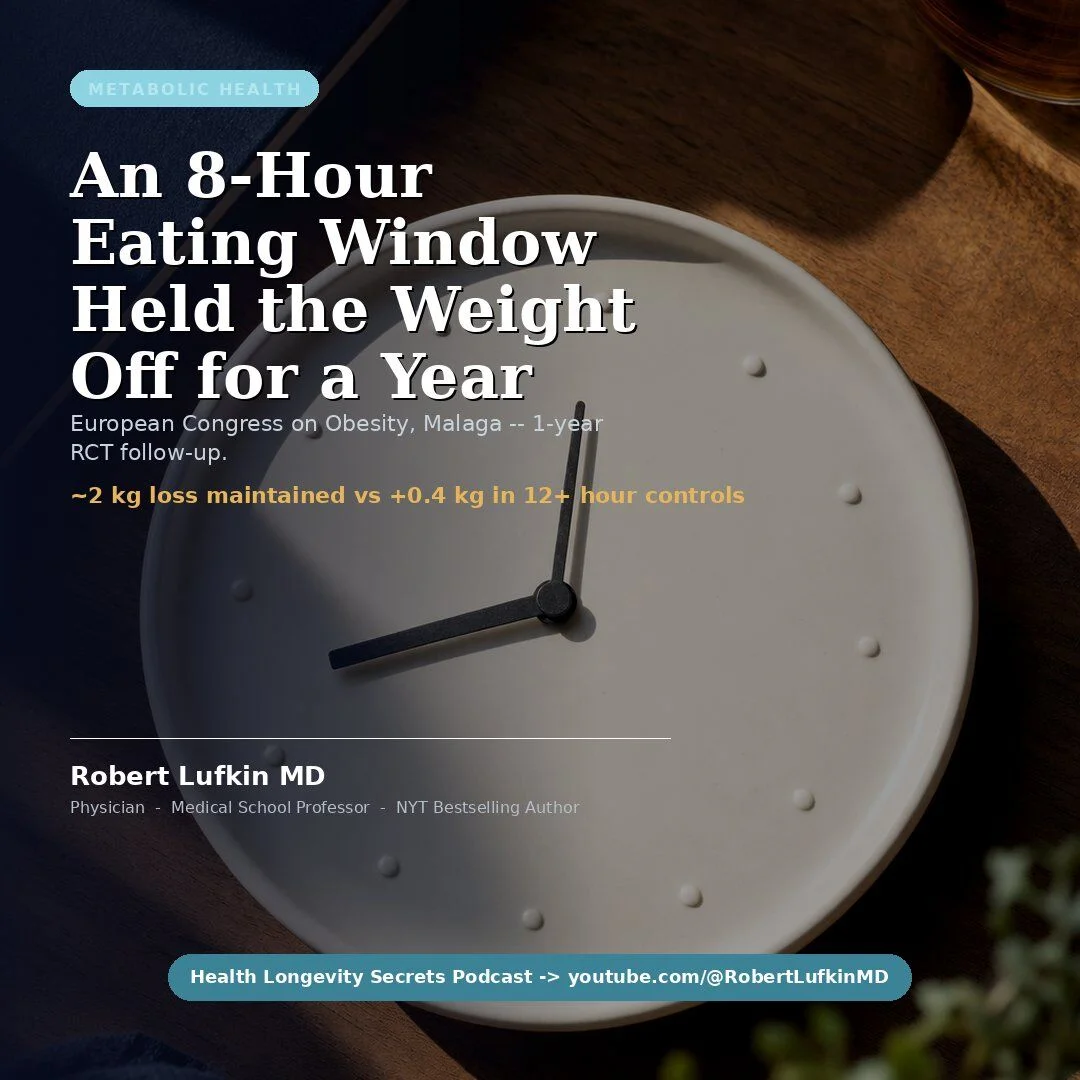
8‑Hour Eating Window Keeps
New 1-year follow-up data presented at the European Congress on Obesity (Malaga, June 2026): adults with overweight or obesity who restricted eating to any 8-hour window for 3 months kept about 2 kg off at the 1-year mark. Controls eating...
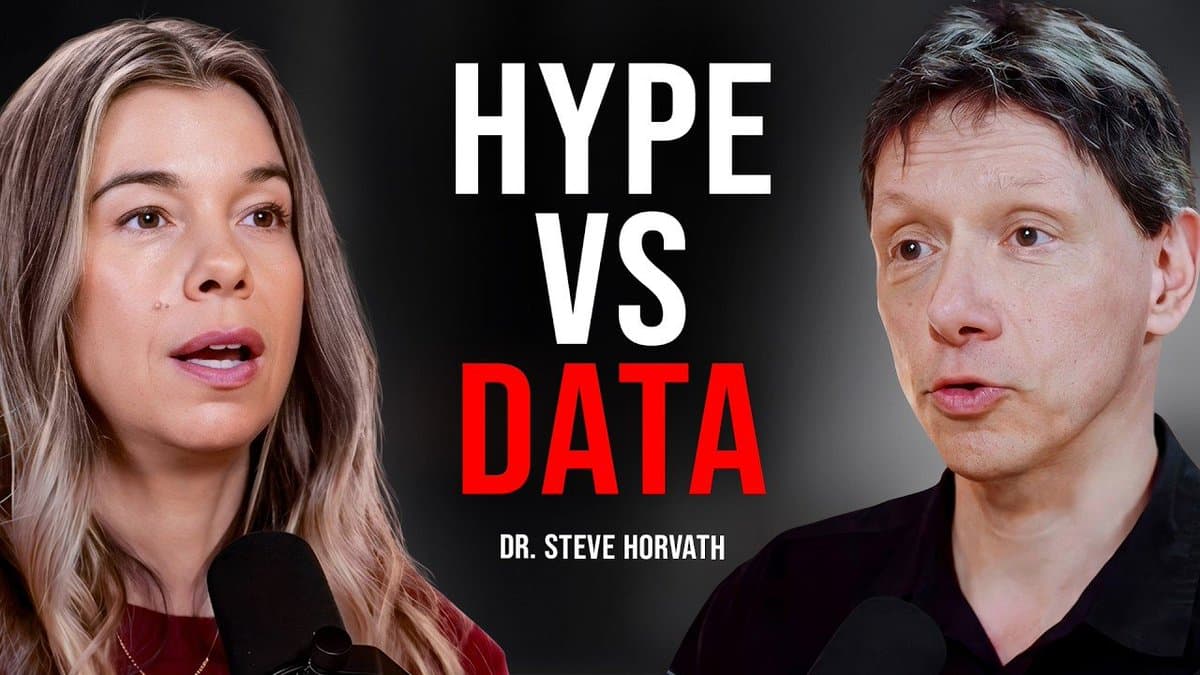
Multivitamins, Veggies, and Omega‑3 Slow Biological Aging
How to Slow Biologic Aging with a Multivitamin, Vegetables, and Omega-3 I set a high bar for longevity science content I suggest to patients and clients. Dr. Rhonda Patrick, PhD clears it again with this @prof_horvath PhD interview 👨🏻⚕️ https://t.co/GOm9c0hNEh https://t.co/Q4TErVrdoo

Single-Dose Creatine Before Exercise May Support Strength Training: Study
A randomized crossover pilot trial with 11 physically active men showed that ingesting a single dose of creatine monohydrate two hours before resistance training yielded greater acute strength performance in bench press and back squat than taking it during, after,...
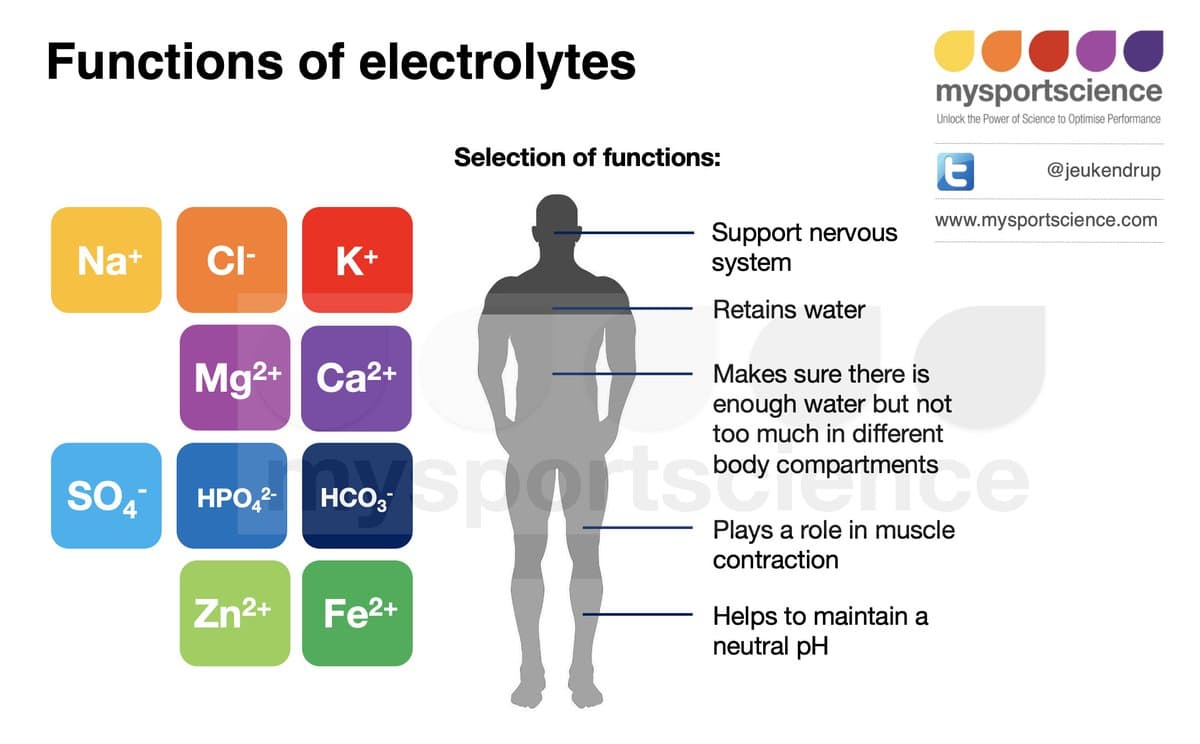
Most Athletes Don’t Need Electrolyte Supplements
Electrolytes are heavily marketed to athletes, especially those who notice salty sweat marks during exercise. But do all athletes really need supplements? This blog examines the evidence behind electrolyte use and common claims. Click here: https://t.co/GzblNLRE5K https://t.co/ykDz4xUEXb

Is Milk Good or Bad for Kids? And How Much Dairy Do They Actually Need?
Recent analysis clarifies the role of dairy in children’s diets, highlighting its contributions to bone strength, heart health, and weight management. While cow’s milk allergy and lactose intolerance affect a minority, most kids benefit from calcium, protein, and iodine found...
One in Five U.S. Adults Unaware Diet Directly Affects Cholesterol, Survey Finds
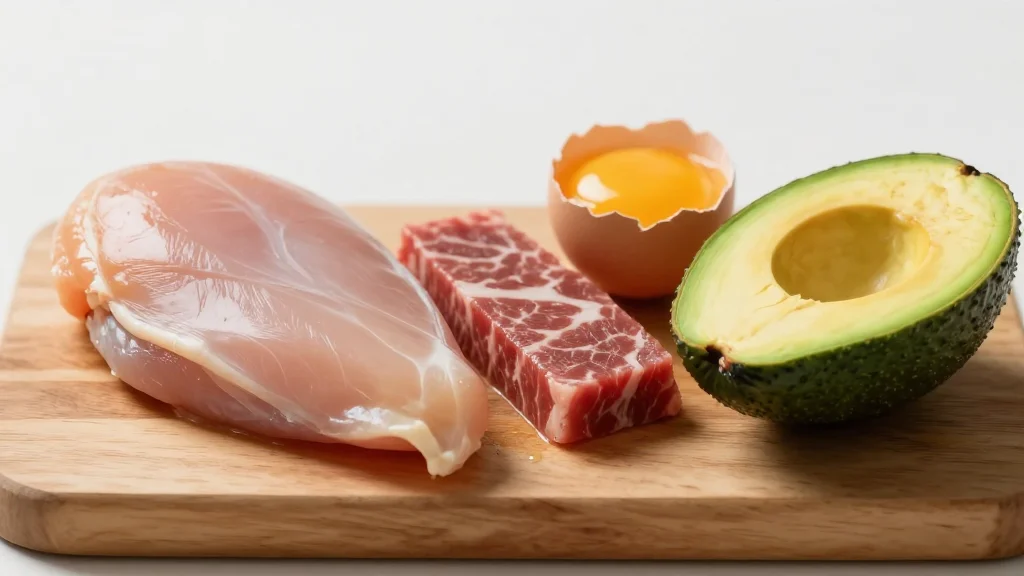
A PCRM‑Morning Consult survey of 2,200 U.S. adults conducted May 26‑27, 2026 reveals that 20% of respondents are unaware that diet influences blood cholesterol. Misconceptions about chicken, red meat and eggs are common, while over half would consider a plant‑based...
Protein Research Paper Questions Long‑standing Intake Assumptions
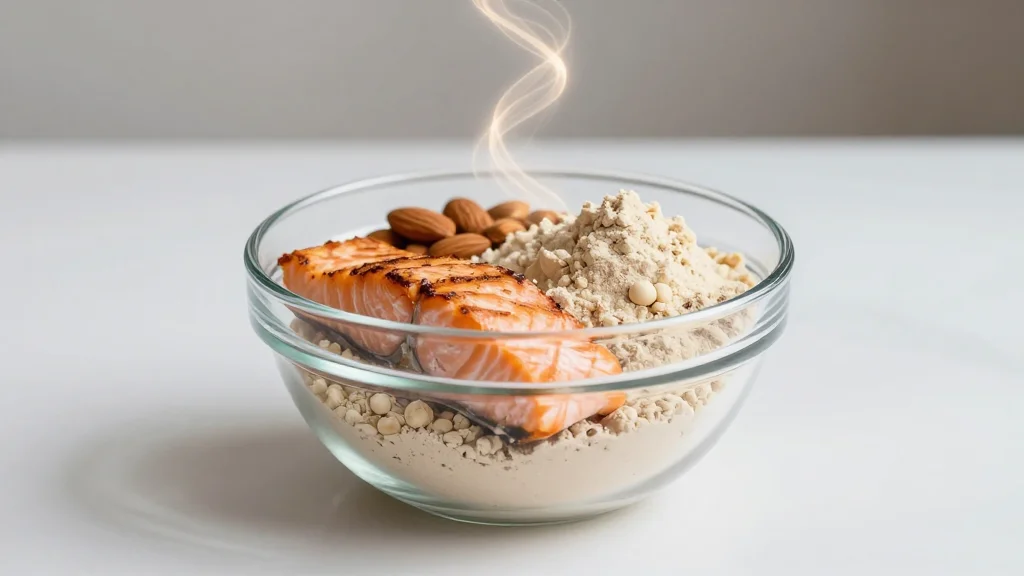
More than 20 international protein scientists have published a peer‑reviewed synthesis that challenges widely‑held beliefs about dietary protein needs. The paper, examining 11 common propositions, concludes that most lack robust evidence, sparking debate over current dietary guidelines and industry messaging.

Metabolic Health Drives Egg Quality and Fertility Success
At Ferta, the first thing I look at when a woman is struggling with fertility is her metabolism. Almost every other problem begins there. But most women think of metabolism as calories burned. That's the smallest part of it. Metabolism is...
Protein Market Hits $12 Billion as Grocery Shelves Pivot to High‑Protein Foods
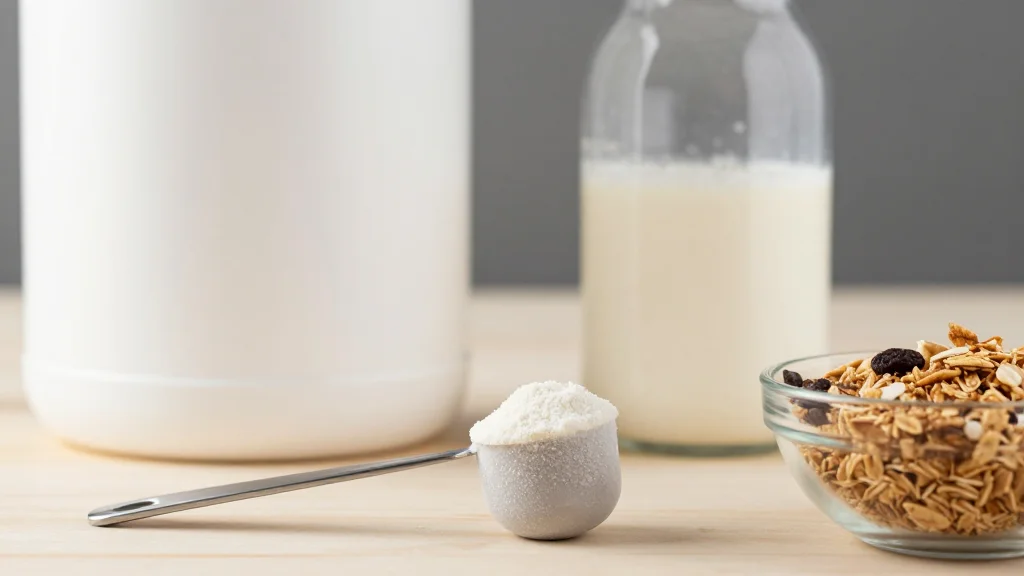
U.S. protein product sales jumped 12.4% to roughly $12 billion in 2025, driven by booming powder, ready‑to‑drink and fortified food categories. The surge reflects a shift from niche sports nutrition to mainstream grocery shelves, prompting brands to foreground protein claims.

NAD Precursors - Save Your Money Folks
Recent human trials have shown that oral nicotinamide riboside (NR) and nicotinamide mononucleotide (NMN) are equally effective at doubling circulating NAD⁺ levels, contradicting earlier claims of NMN superiority. Pharmacokinetic studies reveal that both compounds are rapidly broken down by gut...
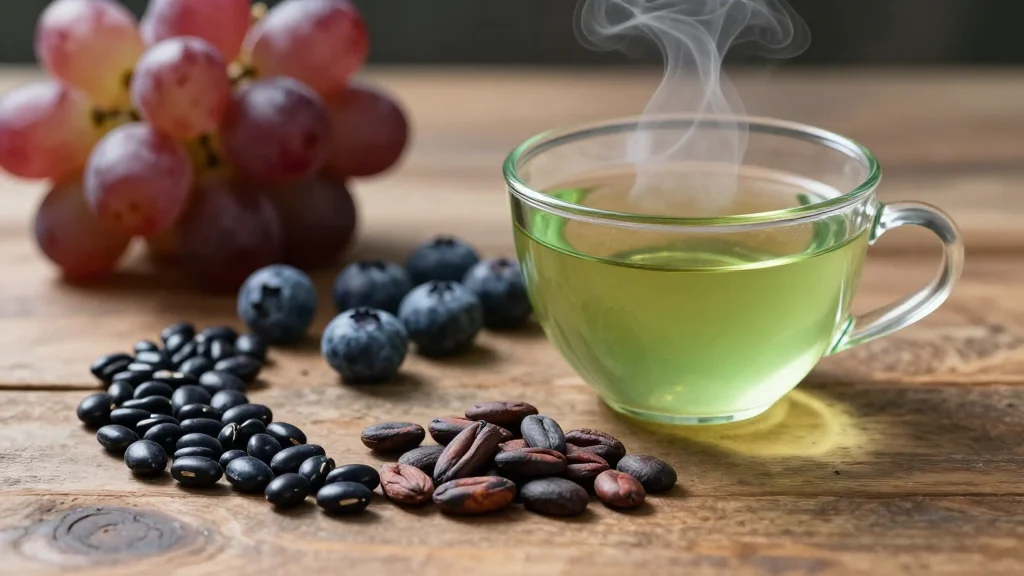
Study Finds Only 1 in 5 Meet Flavanol Target; Specific Produce Boost Heart Health
A multinational study of 30,000 adults revealed that less than one‑fifth achieve the 500 mg daily flavanol intake associated with reduced cardiovascular mortality. Lead author Dr Javier Ottaviani says swapping to flavanol‑dense fruits, beans and tea can close the gap, prompting calls...
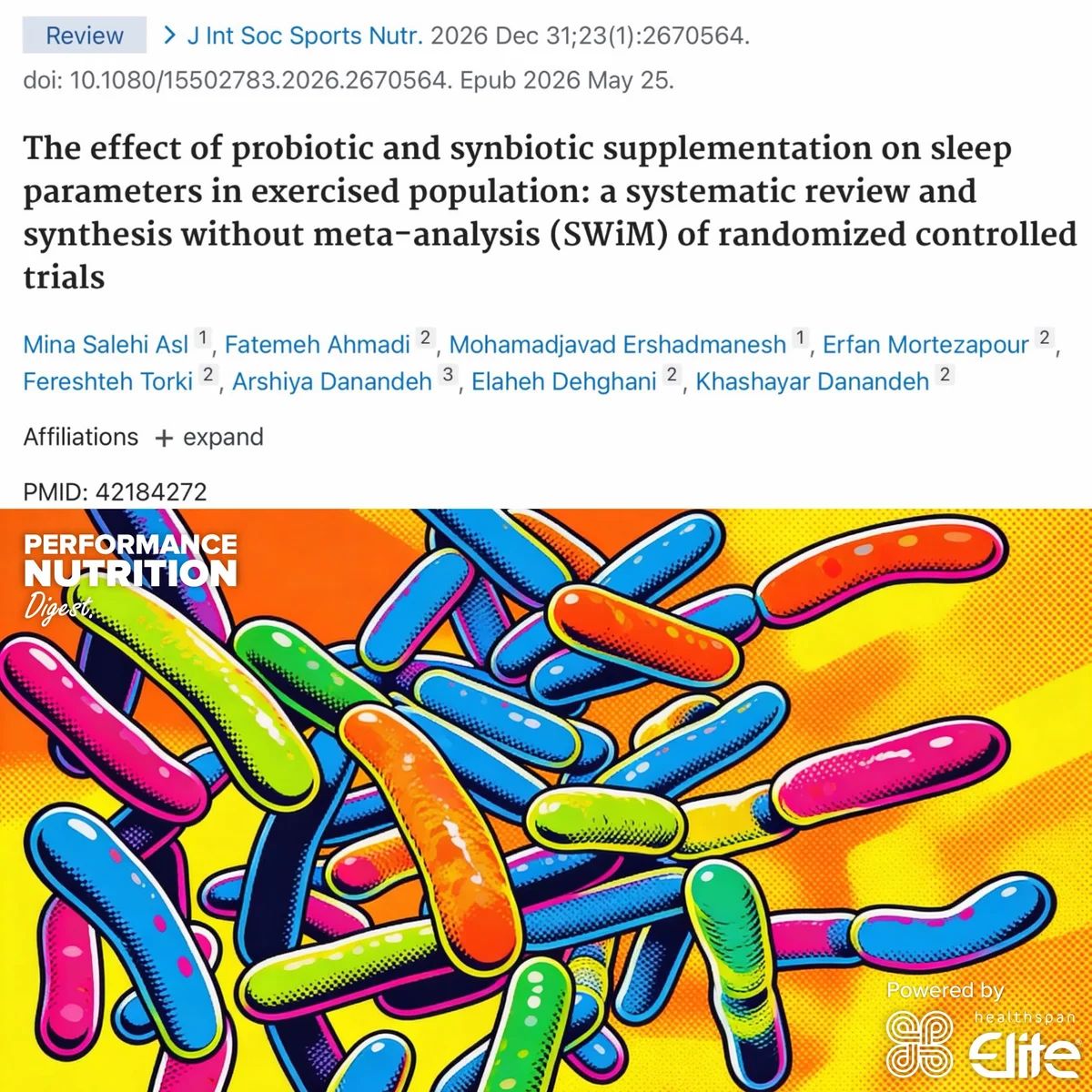
Probiotics Boost Athletes' Sleep Quality and Latency
Biotic supplements improve sleep in athletes 💤 This new meta-analysis compiled data from 6 studies (180 participants) to establish the effects of probiotic and synbiotic supplementation on sleep in athletes 🔍 Here is what they found ⬇️ 🗓️ Interventions lasted 4 -...

A Structured Clinical Nutrition Pathway for Enteral Nutrition Management in Patients with Intracerebral Hemorrhage: A Non-Randomized Controlled Study
A non‑randomized controlled study at a Chinese tertiary hospital evaluated a SAPIM‑based structured clinical nutrition pathway for enteral feeding in intracerebral hemorrhage (ICH) patients. The pathway, emphasizing systematic assessment, personalized targets, and multidisciplinary coordination, reduced nutrition‑related complications from 56.7% to...
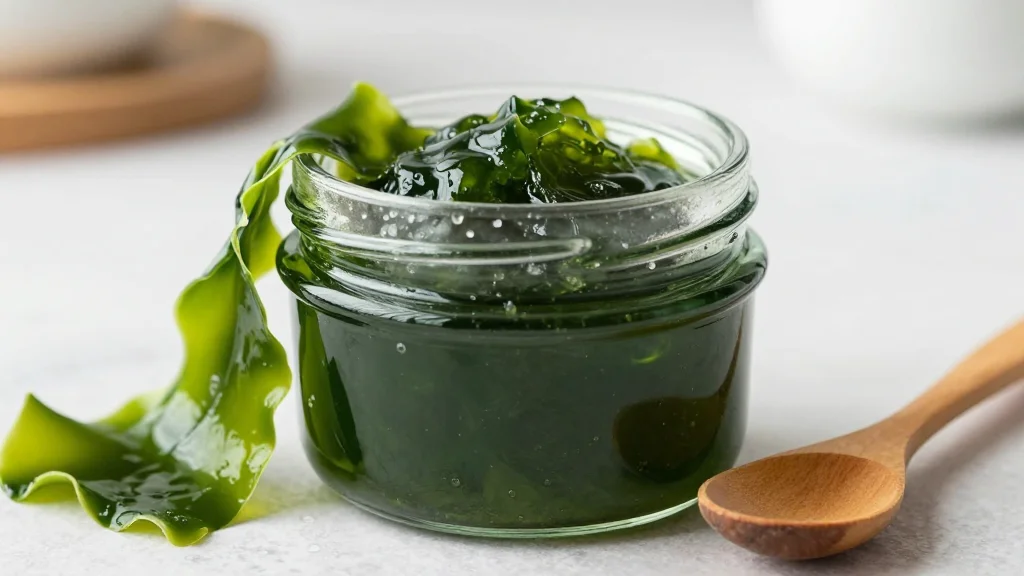
Dietitians Warn Sea Moss Hype: Limited Proof, Iodine Risks
Six registered dietitians evaluated the surge in sea moss consumption and concluded that scientific backing is thin. While the algae offers prebiotic fiber and iodine, experts caution that benefits are modest and excess intake may harm thyroid health.
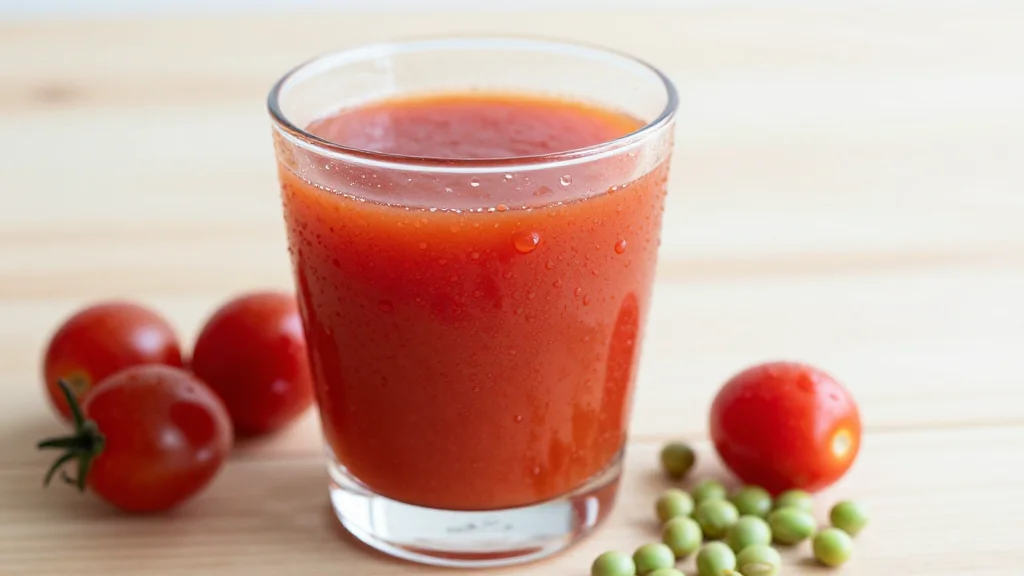
Tomato‑Soy Drink Cuts Inflammation Markers in Obese Adults, Study Finds
Researchers at Ohio State University reported that a tomato‑soy beverage enriched with lycopene and soy isoflavones lowered three systemic inflammation markers in a 12‑person obesity study. Participants drank two 6‑ounce servings daily for four weeks, showing measurable cytokine reductions versus...
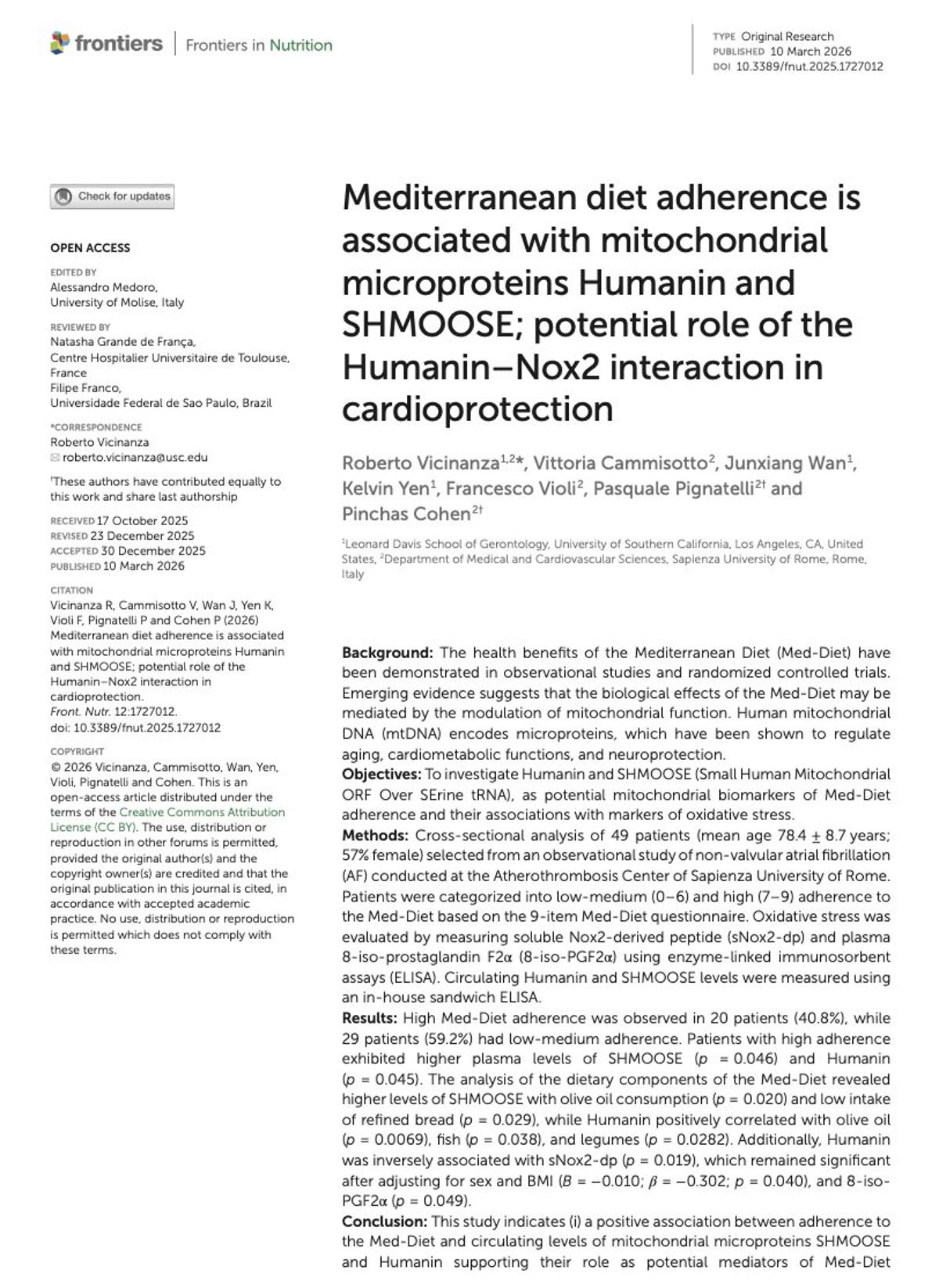
Mediterranean Diet Boosts Mitochondrial Microproteins, Enhancing Aging Resilience
The Mediterranean diet may be doing something really interesting at the mitochondrial level. People with high Mediterranean diet adherence had significantly higher levels of two mitochondrial-derived microproteins known as Humanin and SHMOOSE. These are emerging molecules involved in cell stress resistance,...
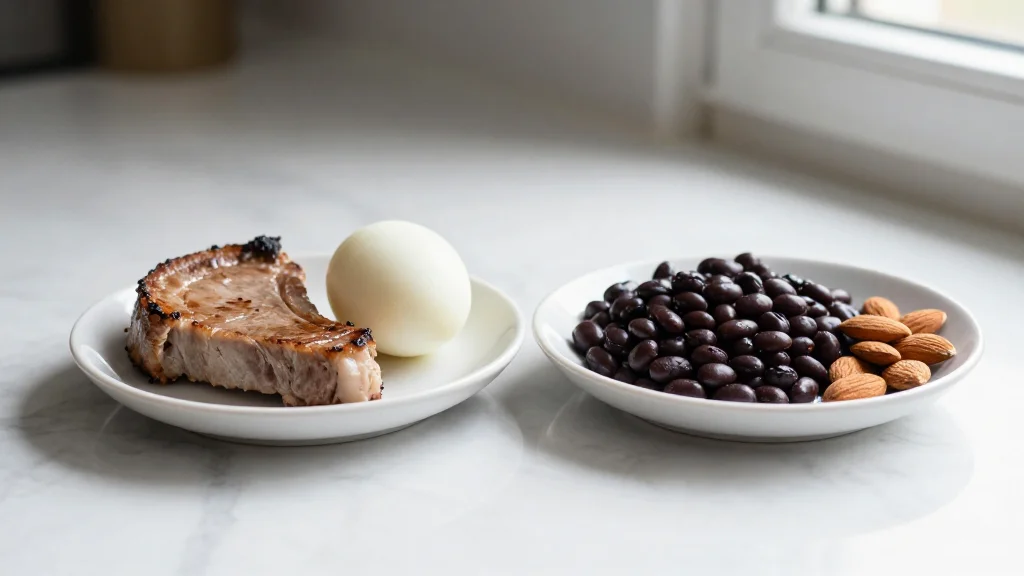
Purdue Study Finds Animal Proteins Deliver Up to 86% More Essential Amino Acids Than Plants
Purdue researchers reported that two ounce‑equivalent portions of animal‑based foods such as lean pork and eggs deliver significantly more bioavailable essential amino acids than equivalent plant‑based portions of black beans or almonds. The study, which measured blood amino acid levels...
Nattokinase Shows No Benefit in Rigorous Trial
The “300% better than statins” number comes from a 76-person Chinese study (Ren 2017) with no placebo arm. The “1,000+ people” study is a separate retrospective one. Unclear if the OP knew this and did it intentionally. The only large, randomized,...

New Fuelling Tech: Performance Boost or Marketing Hype?
Hydrogels. Cyclodextrins. Glucose:Fructose blends. Are they changing performance, or just changing sports nutrition marketing? Explore the evidence behind the headlines and learn about modern fuelling strategies: https://t.co/EIru1xyhSr https://t.co/oKVLZYNTsZ
Harvard Study Links 90‑120 Min Weekly Strength Training to 13% Lower Mortality
Harvard researchers published a three‑decade longitudinal study of 147,374 adults showing that 90‑120 minutes of strength training per week reduces all‑cause mortality by 13%, cardiovascular death by 19% and brain‑related death by 27%. The findings, released in the British Journal of...
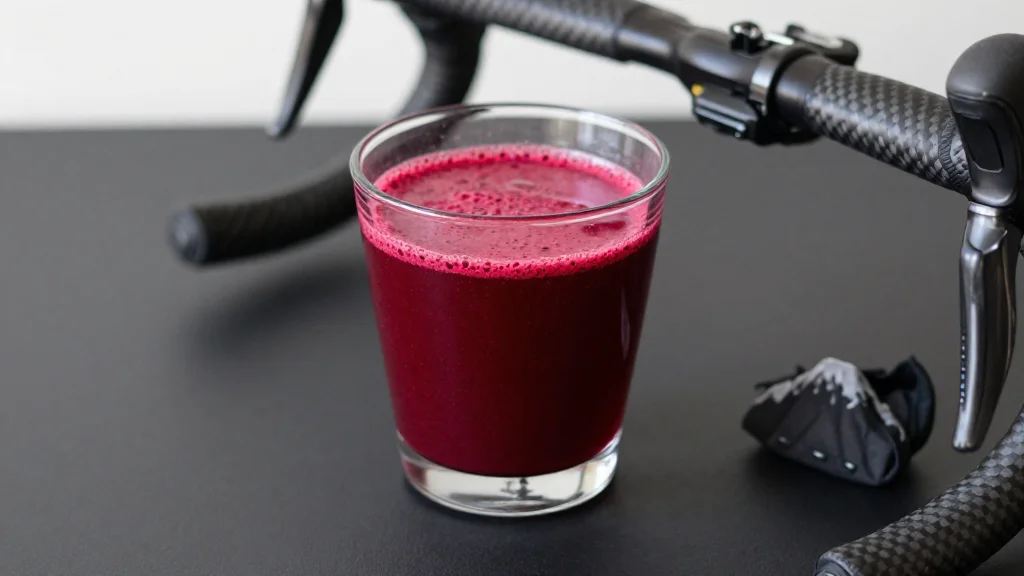
Beetroot Juice Boosts Power Output by 11% and Speeds Recovery, New Studies Show
Researchers from Turkey and Iran reported that 140 ml of beetroot juice before a workout raised peak power by 11% in cyclists and that 70 ml helped mountain climbers recover faster, suggesting a potent, nitrate‑rich supplement for athletes.

New Peer-Reviewed Study by Over 20 Protein Experts Urges Rethinking Dietary Protein Recommendations Beyond Simply “Eat More Protein” – Reported...
A new peer‑reviewed study authored by more than 20 protein nutrition experts, highlighted by the National Pork Board, challenges the simplistic "eat more protein" mantra. The researchers argue that recommendations should consider protein quality, distribution across meals, and individual factors...
Predicting Alzheimers & Dementia (and Minimizing Risk)
Recent epidemiological studies show that high intake of omega‑3 fatty acids from oily fish dramatically lowers dementia risk. The Framingham Offspring cohort found a 49% reduction in Alzheimer’s disease for participants with the highest red‑blood‑cell DHA levels, while a UK...

Effects of Liquid Diet Administration Routes and Types of Dietary Fiber Pectin on Fecal Characteristics and Gut Microbiota in Rats
A rat study compared oral, gastrostomy and duodenostomy delivery of liquid diets with either low‑methoxyl pectin (LMP), high‑methoxyl pectin (HMP) or no pectin. Duodenostomy feeding raised cecal content weight, lowered gut‑microbiota alpha diversity and shifted the community toward more Proteobacteria...
GLP‑1/GIP Therapies Deliver Double‑Digit Weight Loss in Phase 3 Trials
Eli Lilly's retatrutide, Novo Nordisk's CagriSema, Lilly's oral Foundayo and Hengrui/Kailera's ribupatide all posted Phase 3 or late‑stage results showing double‑digit weight loss and significant blood‑sugar reductions, positioning multi‑hormone GLP‑1 therapies as potential game‑changers for obesity and type‑2 diabetes.

Top Five-a-Day Foods New Study Says Your Heart Needs
A new study of 30,000 adults in the US and UK finds that not all five‑a‑day diets deliver enough flavanols, a class of antioxidants linked to heart health. Researchers identified a handful of foods—plums, blackberries, broad beans, cherries and green...
Rethinking Insulin Resistance in Aging: A Reserve-Oriented Clinical Framework (Paper July 2026)
A new reserve‑oriented framework redefines insulin resistance in older adults, emphasizing muscle quality, mitochondrial health, and functional biomarkers over simple weight loss. The paper outlines actionable interventions—including SGLT2 inhibitors, senolytic fisetin, intranasal insulin, nicotinamide riboside, and weekly semaglutide—each supported by...
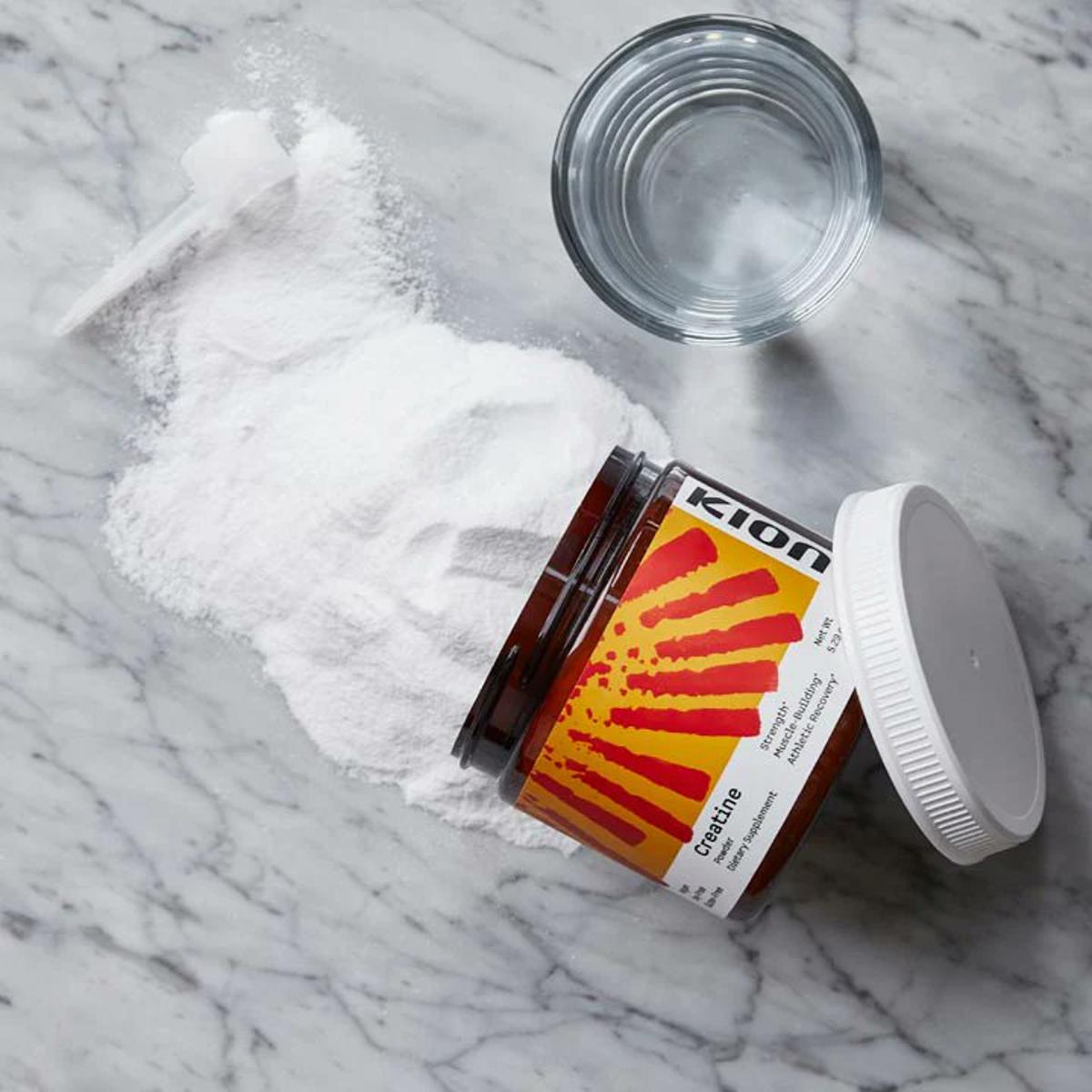
Creatine Doesn't Damage Kidneys; Elevated Creatinine Harmless
The notion that “creatine is bad for your kidneys” is based on the idea that your doctor might see elevated creatinine and be concerned about your kidneys. But there’s no evidence that elevated creatinine from taking creatine is a problem...

Pregnancy Doubles Iron Needs—Get Full Panel, Not Just Hemoglobin
Pregnancy nearly doubles your iron requirement. Many women never catch back up. The standard hemoglobin test that OBs run misses this. Hemoglobin only drops once iron stores are severely depleted. You need a full iron panel: serum iron, TIBC, transferrin saturation,...