Today's Nutrition Pulse
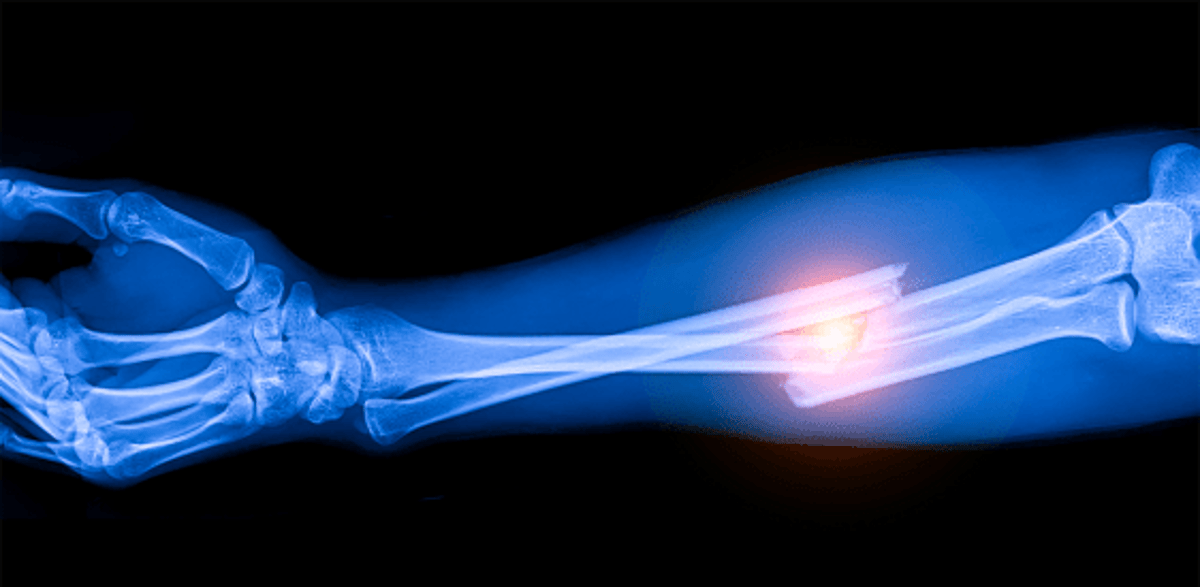
Calcium and Vitamin D Supplements Fail to Cut Fall or Fracture Risk in Seniors, Study Finds
A new meta‑review in The BMJ examined 69 randomized trials involving 153,902 adults aged 65 and older and concluded that calcium, vitamin D, or their combination do not reduce falls or fracture risk. The findings challenge long‑standing recommendations to use these supplements for bone health in older adults.

Eating Through the Noise
Dr. Anoop Misra’s new book *Smart Calories and Common Sense* cuts through India’s nutrition hype by urging readers to eat simple, balanced meals rather than chase trendy super‑foods or supplements. Drawing on decades of clinical research, he debunks myths about protein powders, highlights how turmeric’s benefits skyrocket with pepper, and defends mangoes for diabetics with glycaemic data. While the narrative leans toward North‑Indian examples, the core message—moderation, evidence‑based choices, and reduced fear—offers a practical handbook for everyday Indian eaters. The book positions common sense as the most reliable diet tool in a market flooded with conflicting advice.
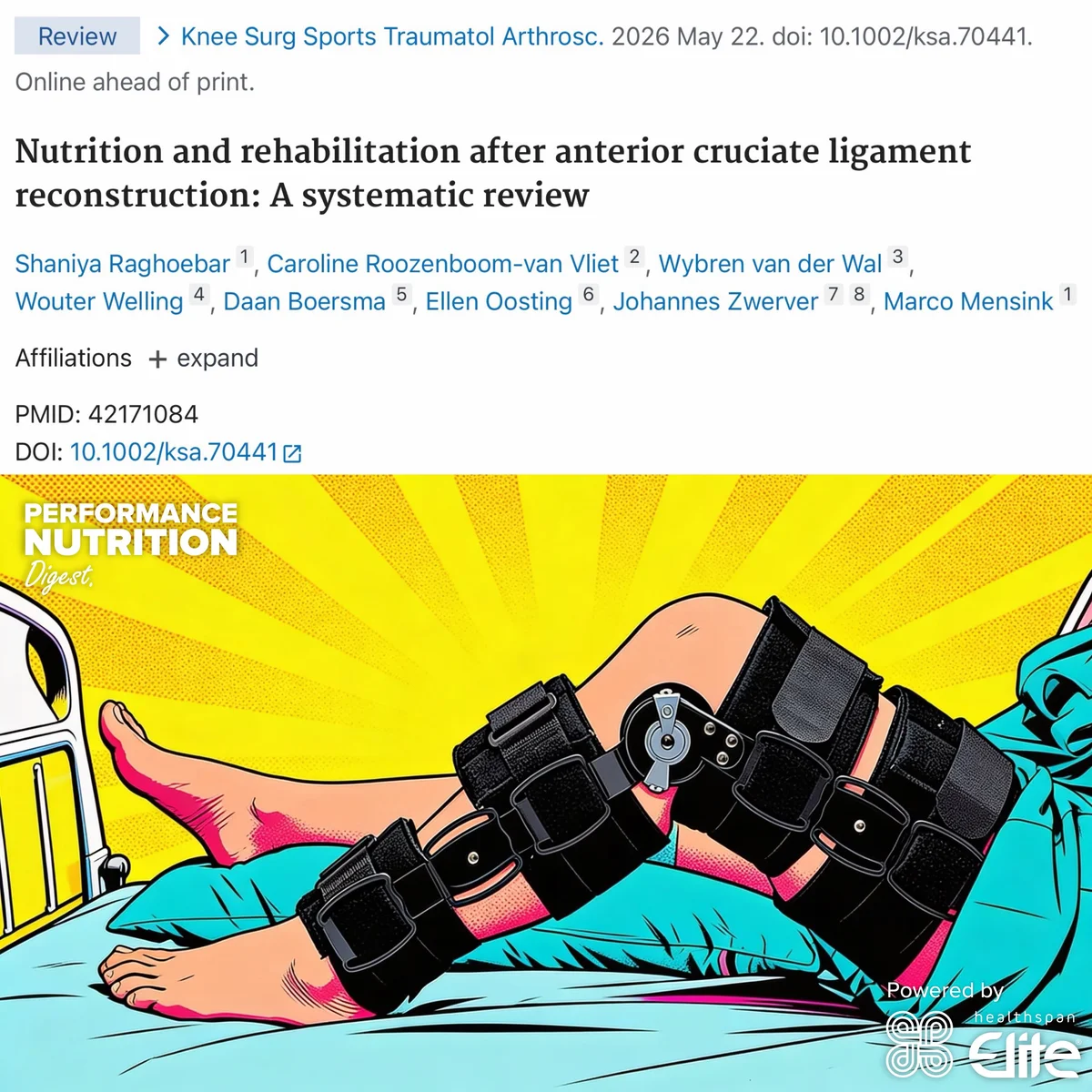
More Protein Boosts Muscle Retention After ACL Surgery
Nutritional strategies for ACL recovery 🦵 This new systematic review summarised the available evidence on nutrition and rehabilitation following anterior cruciate ligament reconstruction (ACLR), including data from 15 studies and more than 700 participants 📚 Here are the key findings ⬇️ Protein &...
What Being A Late Eater Means For Your Blood Sugar, According To Research
A new narrative review in Frontiers in Nutrition examines chrononutrition, focusing on how eating after 5 p.m. affects blood‑sugar control and long‑term cardiometabolic health. The analysis of observational and clinical studies finds that late eaters—those consuming at least 45% of daily...
Study Shows Personalized Protein Intake Boosts Body Composition, Calls for New Guidelines
A peer‑reviewed study of 7,910 U.S. adults reveals that protein requirements differ markedly between active and inactive individuals, with active adults consuming 82 g versus 79 g daily and needing up to 2.2 g/kg body weight. Researchers say the findings demand a shift...
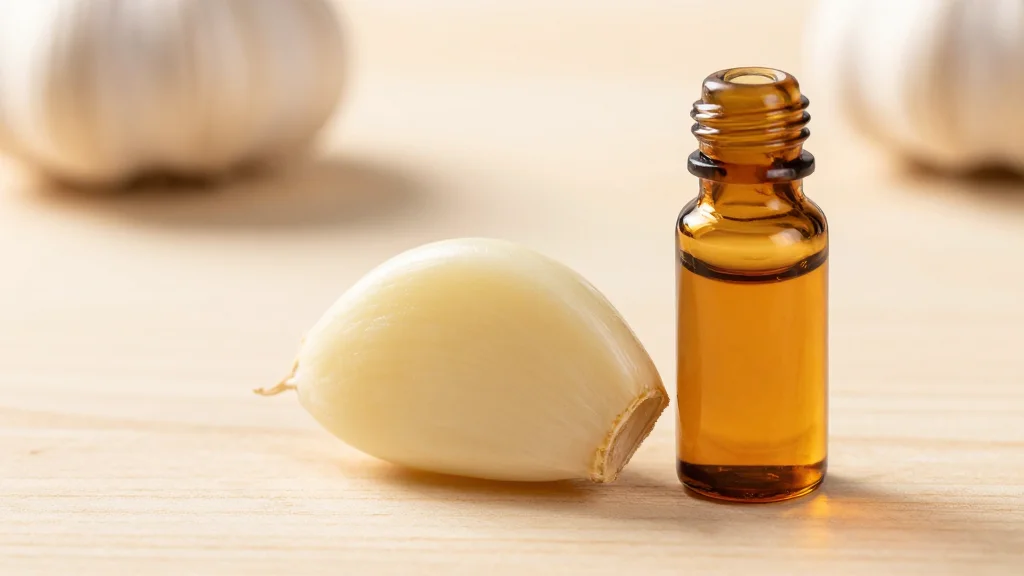
Aged Garlic Compound S‑allyl Cysteine Boosts Longevity Pathways in Mice and Humans
Researchers publishing in Cell Metabolism report that S‑allyl cysteine (S1PC) from aged garlic extract activates a fat‑to‑brain signaling cascade that raises eNAMPT, improves muscle quality in aged mice, and increases circulating eNAMPT in healthy adults after a single 25 mg dose.

Colostrum Has Been Taking Over Social Media—But What Does The Science Say?
Colostrum has exploded on TikTok and YouTube, with influencers touting it as a cure‑all for immunity, gut health, and skin. While bovine colostrum is rich in antibodies and protein, scientific studies on adult users are small and focus on niche...

Isoleucine Restriction Boosts Mouse Lifespan Up to 33% in New Study
A University of Wisconsin team showed that cutting dietary isoleucine extended male mouse lifespan by 33% and improved health markers across both sexes. The findings offer a concrete dietary target for longevity enthusiasts and could reshape biohacking strategies.

The Supplements Older Adults Actually Need and the Ones They Don't
Use of dietary supplements has surged, but benefits depend on actual deficiencies, especially in older adults. Age‑related factors such as reduced appetite, medication interactions, and malabsorption increase risk of shortfalls in vitamin B12, D, folate, calcium, magnesium, and protein. Targeted...
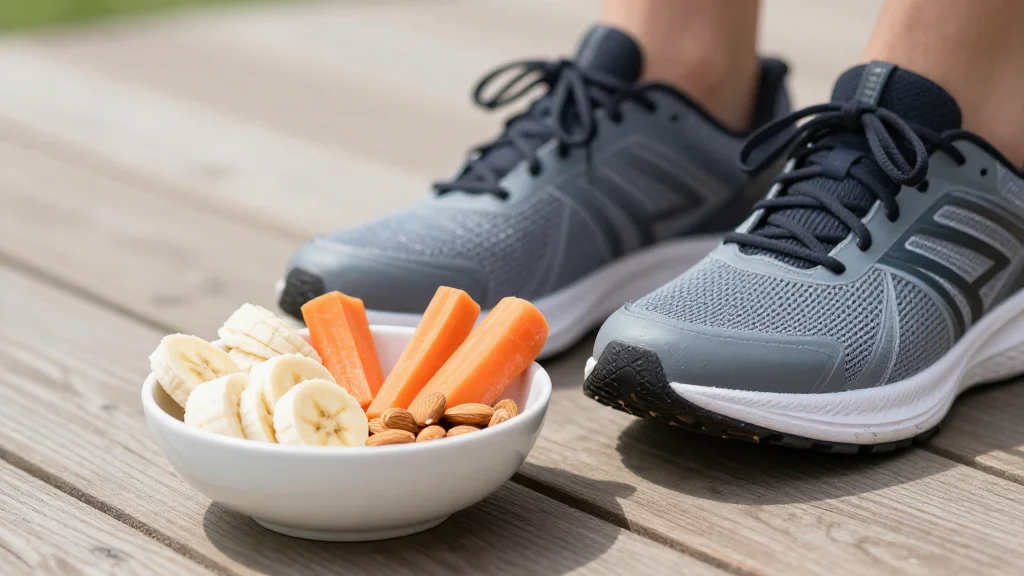
Upping Your Training? Make Sure You’re Getting Enough Of This
A new systematic review of nearly 6,000 adult distance runners found that lower daily intake of calories, fat, and fiber is linked to a higher risk of running‑related injuries, especially among women. Injured female runners consumed about 300‑450 fewer calories,...
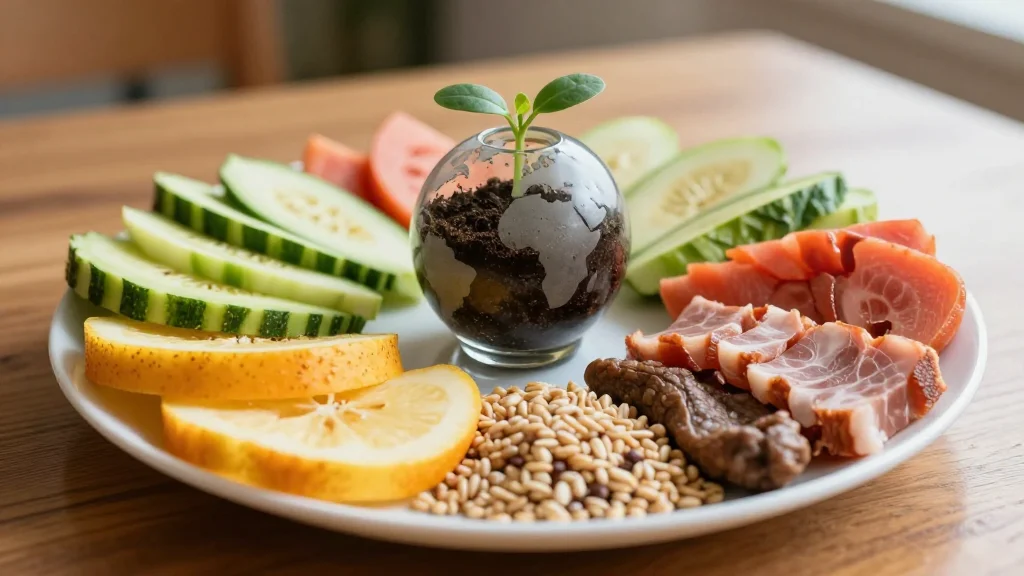
2026 Global Nutrition Report Warns Climate Crises Threaten Nutrition Security
The 2026 Global Nutrition Report, unveiled at Rome Nutrition Week, warns that climate change, wars and shrinking aid leave 2.6 billion people unable to afford a healthy diet. It estimates a $23 return for every dollar invested in nutrition solutions, underscoring...

AREDS2 Supplements Cut Key AMD Biomarkers in Large Clinical Study
Researchers presented at the ARVO meeting that AREDS2 eye‑health supplements lowered three structural biomarkers of lesion growth in 366 patients with intermediate age‑related macular degeneration, compared with 241 controls. The findings suggest a disease‑modifying role for the nutrient blend beyond...
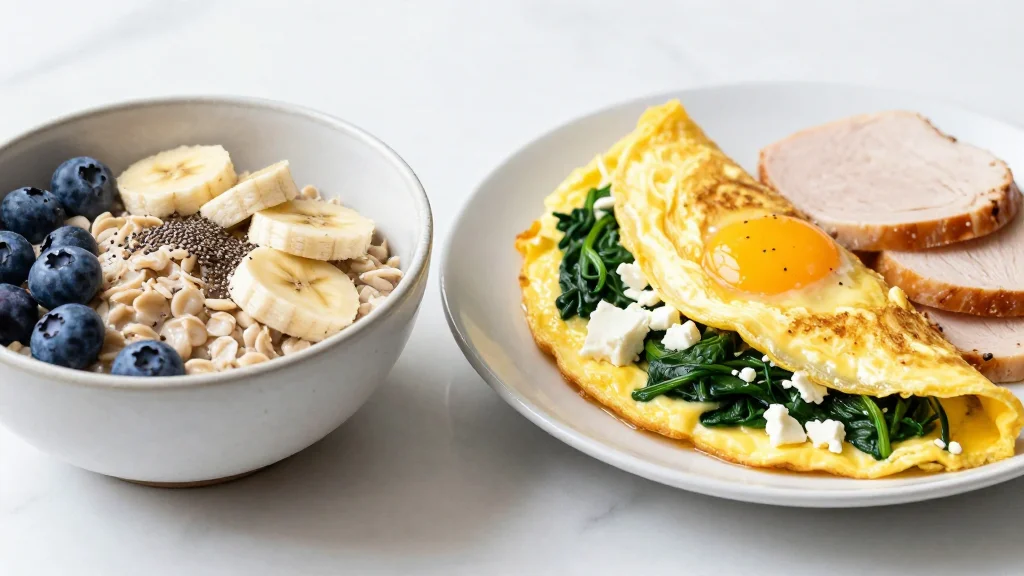
High-Protein Vs. High-Fiber Breakfasts: Which One Wins For Metabolism?
A recent British Journal of Nutrition randomized crossover trial compared high‑protein and high‑fiber breakfasts in 19 overweight adults. Both diets front‑loaded 45% of daily calories at breakfast and produced significant weight loss over 28 days, with the fiber‑rich plan yielding...
WHO Says Toxic Metals in Food Kill Over 1 Million People Each Year
The World Health Organization released a landmark study showing that dietary exposure to inorganic arsenic, lead and methylmercury accounts for over one million deaths annually. The findings underscore a hidden chemical hazard in the global food supply that dwarfs the...
An Avocado a Day May Help Control Blood Sugar, Study Claims
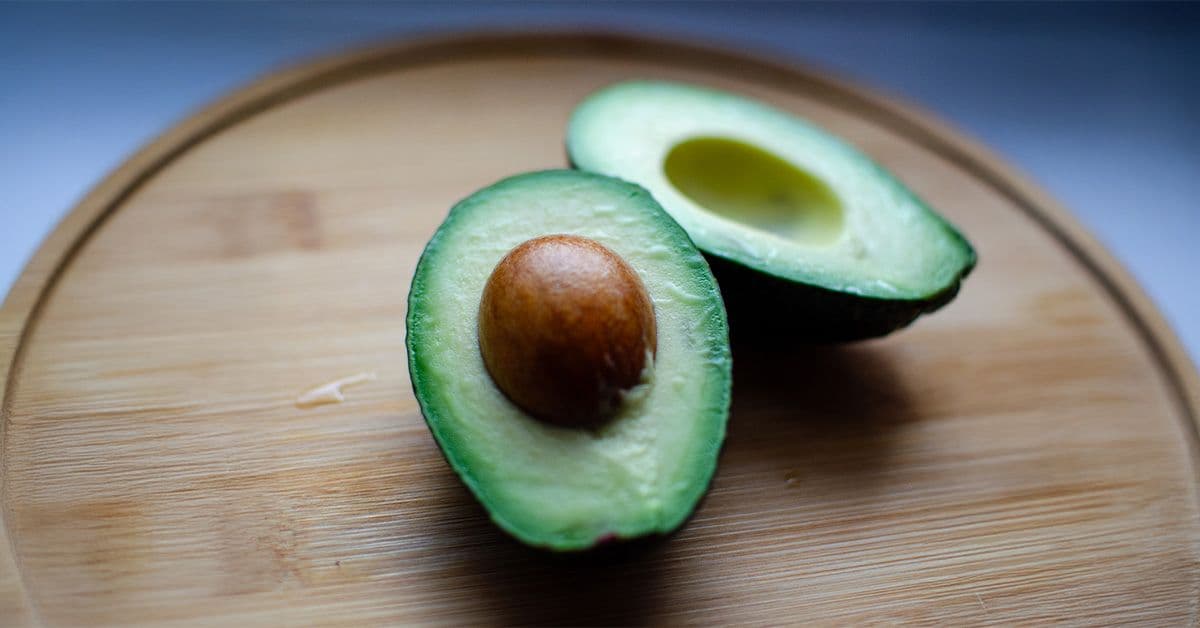
A secondary analysis of the Habitual Diet and Avocado Trial found that participants who ate one large avocado each day for six months experienced a lower dietary glycemic load than a control group. The study involved 961 overweight or obese...
Higher Diet Quality May Slow Metabolic Aging, Study Finds
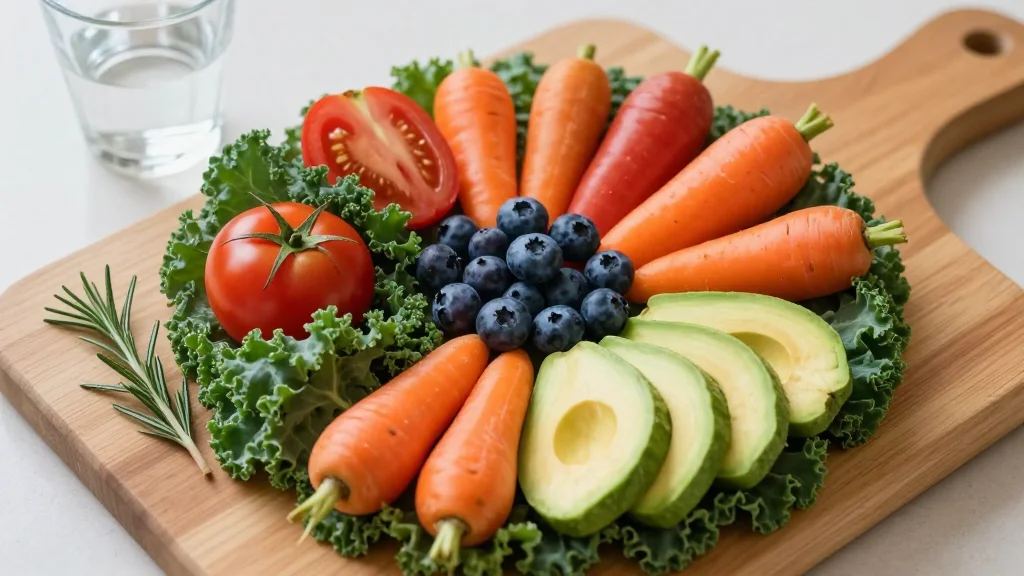
Researchers analyzing U.S. NHANES data and a Chinese health‑check cohort report that higher Healthy Eating Index scores are associated with lower insulin resistance and more favorable lipid markers, suggesting a slower pace of metabolic aging. The link appears partly mediated...
Nutrient Timing: Does the "Window of Opportunity" Really Exist?
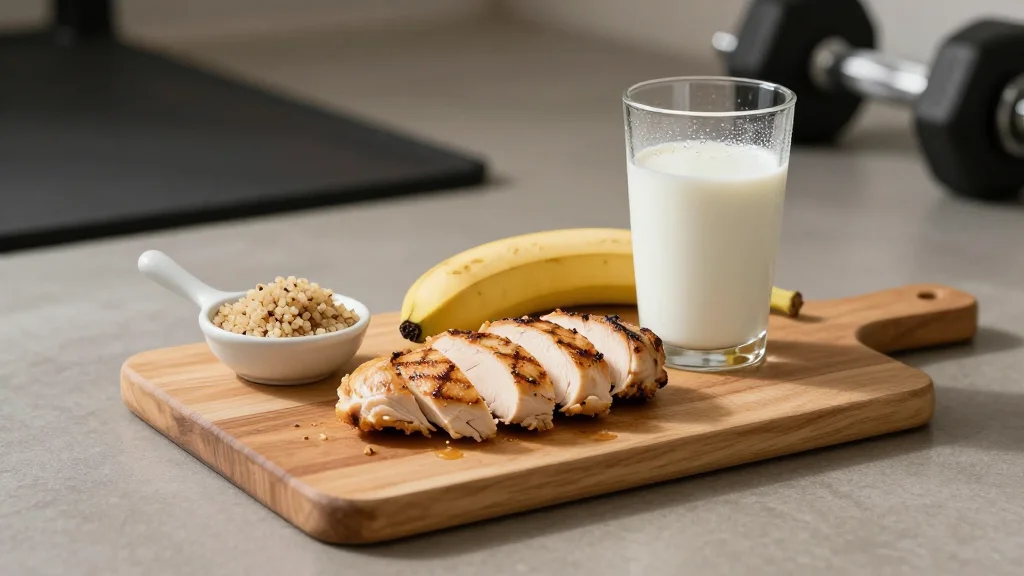
The long‑standing “window of opportunity” in sports nutrition—immediate post‑exercise carbs, protein within 30 minutes, and pre‑exercise strategies—has been re‑examined. Recent research shows timing can influence physiological responses, but its practical impact hinges on context such as multiple daily sessions or high‑intensity...

FDA Opens Probes Into Listeria and Cyclospora Outbreaks, 15 Sick
The U.S. Food and Drug Administration has opened investigations into two fresh foodborne illness outbreaks—Listeria, which has sickened eight people, and Cyclospora, which has affected seven. Both probes begin traceback efforts even as the agency has not disclosed the implicated...
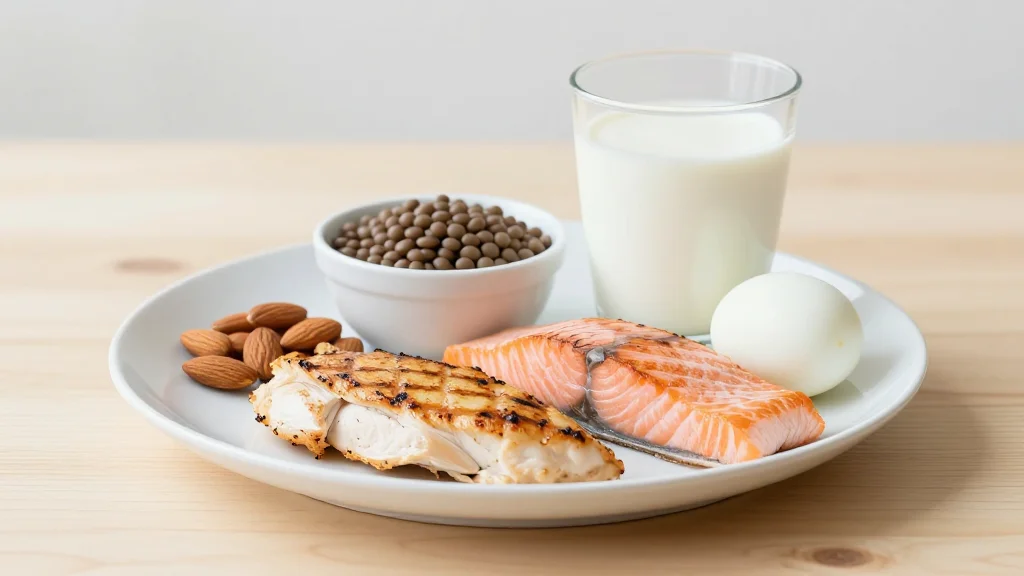
2025‑2030 Dietary Guidelines Raise Protein Targets to 1.2‑1.6 G/Kg
Nutrition specialists say the forthcoming 2025‑2030 Dietary Guidelines increase the recommended protein intake to 1.2‑1.6 g per kilogram of body weight per day. The shift emphasizes higher‑quality, less‑processed protein foods rather than a blanket increase in quantity, prompting clinicians to adjust...

Review: Targeted Fiber Consumption Could Boost Long-Term Outcomes of GLP-1 Therapy
Researchers from Maastricht University and KU Leuven reviewed how targeted dietary fiber can enhance the long‑term success of GLP‑1 obesity drugs. They found that specific fibers—glucomannan, psyllium, inulin—act via different mechanisms and can mitigate gastrointestinal side effects while potentially reducing...
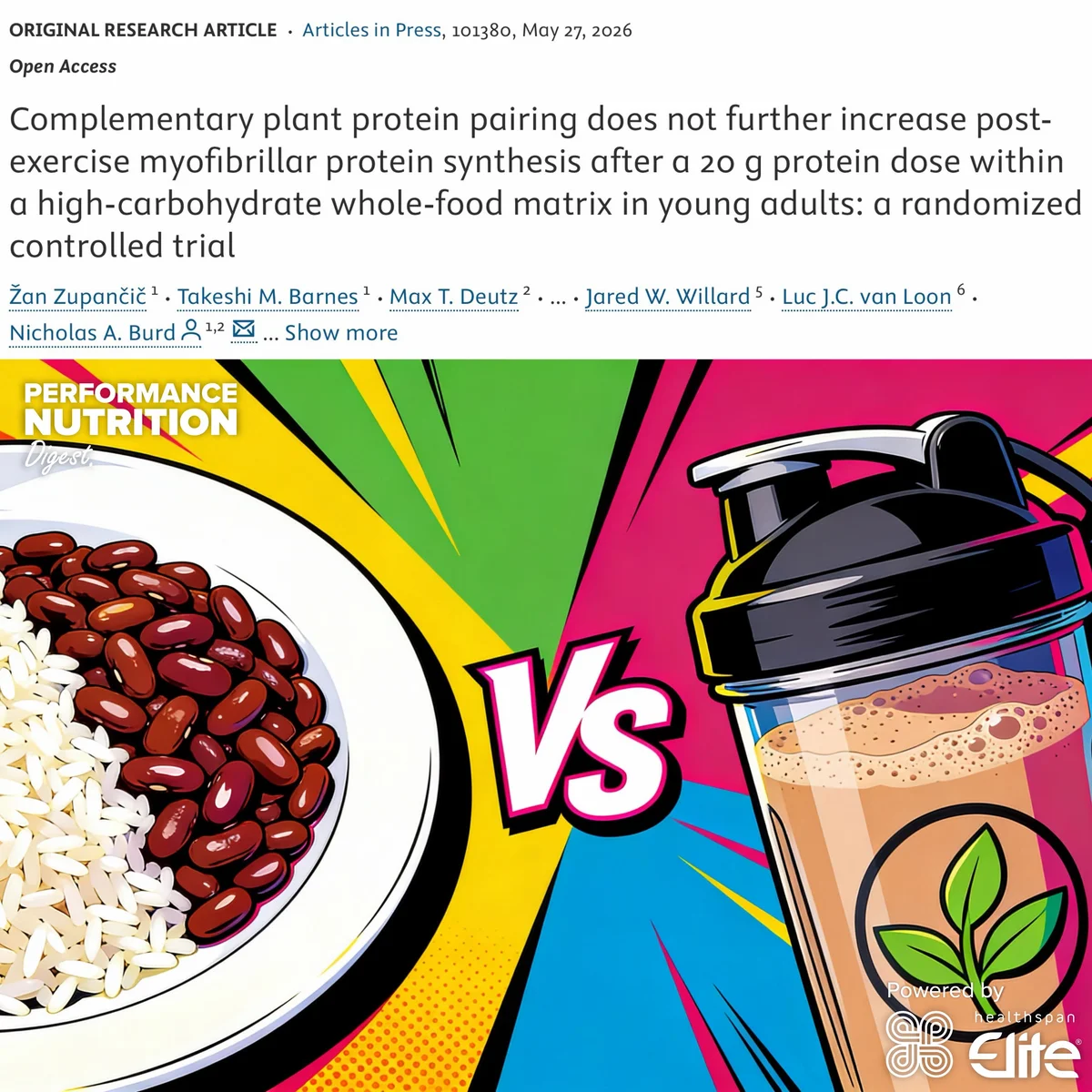
Plant‑Based Meal Matches Isolate for Muscle Synthesis
Do complementary plant proteins enhance muscle protein synthesis? 🌱🔍 This new study recruited physically active young adults to consume either… 🍽️ Beans + rice meal (20 g protein, 114 g carbohydrate) (COMP) 🥤 An isolated nutrient drink containing the exact same amino acids,...

‘Unmatched’: Nutra Healthspan Summit Returns for November 2026
The Nutra Healthspan Summit returns for its second edition on November 10‑11, 2026, at Convene in London. The two‑day forum will convene brands, researchers, product developers, and investors to explore cutting‑edge advances in cellular aging, mitochondrial function, women’s health, cognition,...

Viewpoint—N.A.D.+: Why Gwenyth Paltrow’s Heralded Anti-Aging Supplement Doesn’t Work
NAD+ supplements have become a high‑profile anti‑aging trend, buoyed by celebrity endorsements from Gwyneth Paltrow, Kendall Jenner and others. A new study in Nature Metabolism shows that blood NAD+ levels do not decline with age, contradicting the core premise behind...
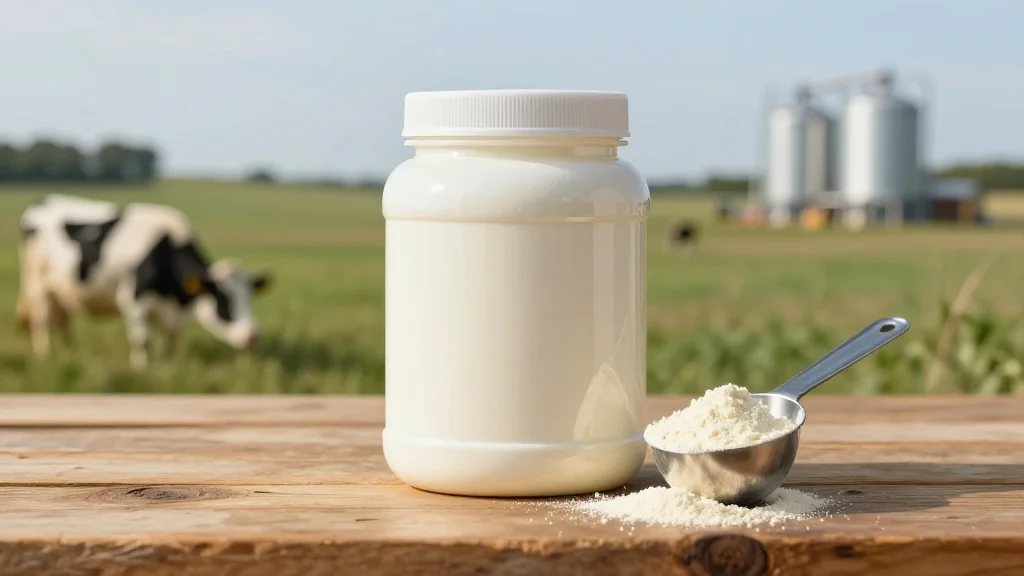
Whey Protein Prices Jump 20% in Six Months as Shortages Loom
U.S. whey protein concentrate (WPC) prices have risen about 20% in the past six months and nearly 83% over two years, prompting shortages that have left some suppliers sold out for the rest of the year. Experts cite tight inventories,...
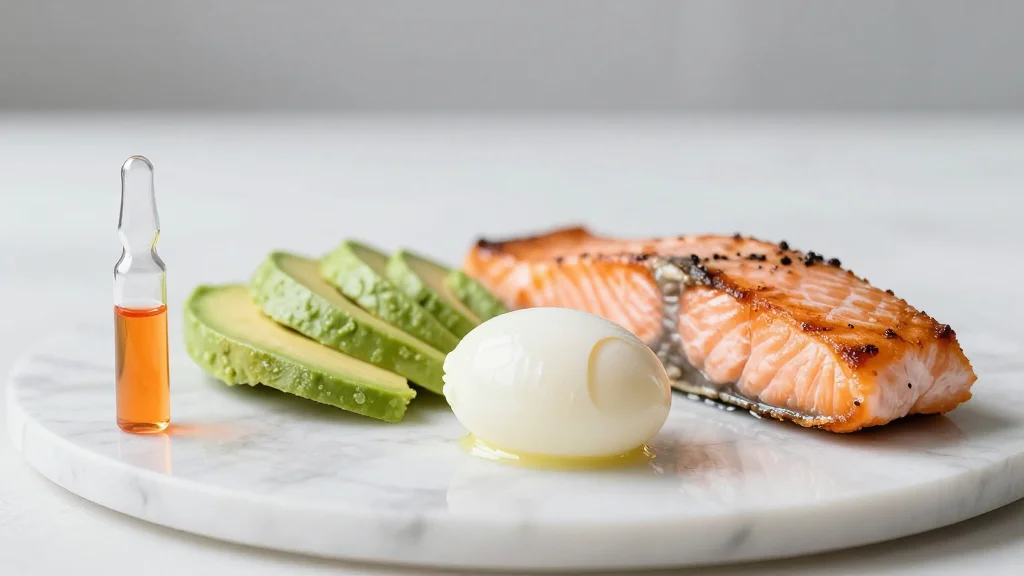
UC San Diego Study Finds Keto Diet Helps 72% of Anorexia Patients Recover
Researchers at the University of California, San Diego reported that a 14‑week ketogenic diet led 72% of women with anorexia nervosa to fall below clinical diagnostic thresholds. The pilot study, supervised by dietitians and psychiatrists, suggests a metabolic approach could...
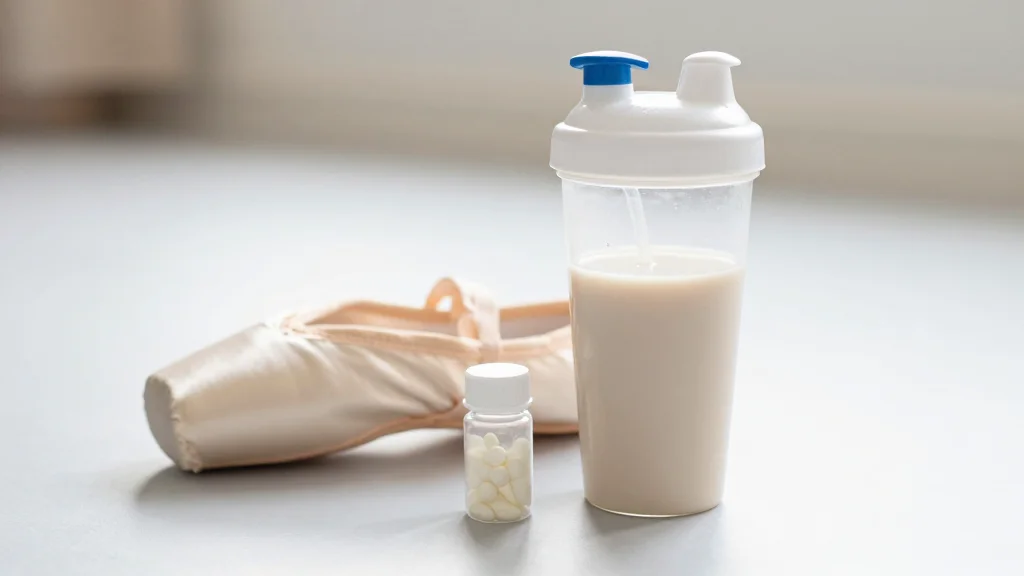
Dietary Supplement and Medication Use in Professional and Pre-Professional Dancers: Widespread Use but Limited Evidence of Benefit—A Systematic Review
A systematic review of 22 studies involving 740 professional and pre‑professional dancers found that dietary supplement use is widespread, ranging from 11% to 57% of dancers, with multivitamins, vitamin C, caffeine and isotonic drinks most popular. Analgesics and NSAIDs were reported...
UNSW Study Finds Creatine Supplementation No Better Than Placebo for Muscle Gain
Researchers at the University of New South Wales reported that a 12‑week, 54‑person trial found daily 5‑gram creatine supplementation did not produce greater muscle growth than a placebo. Early gains in women appeared to be fluid retention, and the study...

EU Panel Bars Niagen From Using "Clinically Proven" NAD+ Claims
The EU's National Advertising Review Board (NARB) ruled on May 21 that Niagen Biosciences' NAD+ supplement claims of being "clinically proven" lack supporting data. The panel ordered the company to discontinue or modify those structure‑function statements, setting a precedent for...
B12, Folate Supplements May Be Key to Tackling Chronic Fatigue
Researchers at Osaka University analyzed data from 2,618 adults and found that elevated blood homocysteine—a marker of vitamin B12 and folate deficiency—was associated with higher physical fatigue in men and lower motivation in women. The cross‑sectional study, published in Nutrients,...
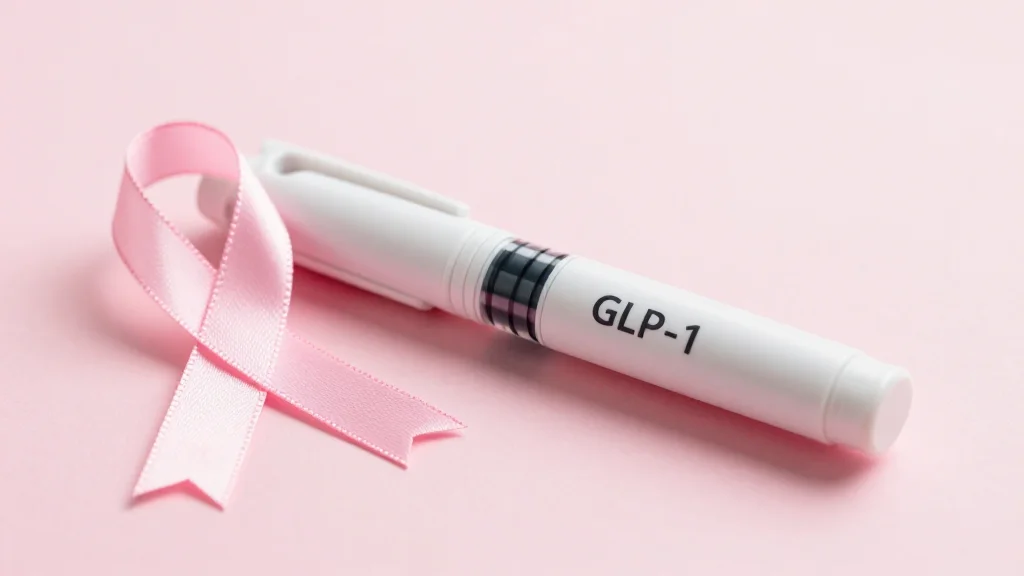
GLP‑1 Drugs Linked to 35% Lower Breast Cancer Risk, New ASCO Data Show
Researchers presented more than two dozen studies at the American Society of Clinical Oncology meeting showing GLP‑1 drugs such as Ozempic and Wegovy cut breast cancer risk by up to 35% and slash metastasis odds by 38‑50% across several tumor...
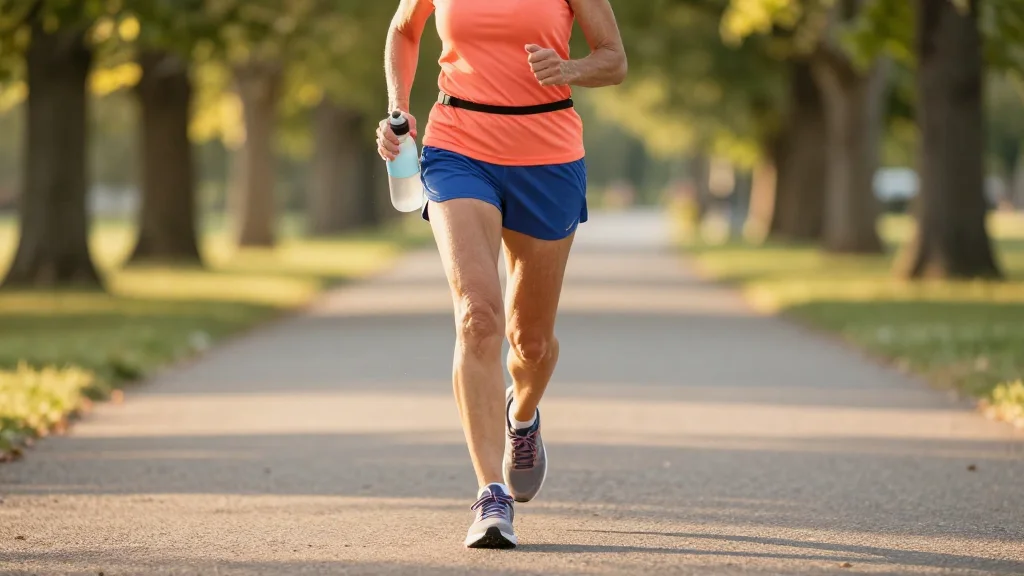
This Everyday Habit May May Slow “Metabolic Aging,” Study Suggests
A new analysis of NHANES data and a Chinese cohort links overall diet quality to healthier metabolic aging markers. Participants with higher Healthy Eating Index‑2015 scores showed lower insulin resistance (HOMA‑IR) and more favorable lipid profiles (AIP). The study also...
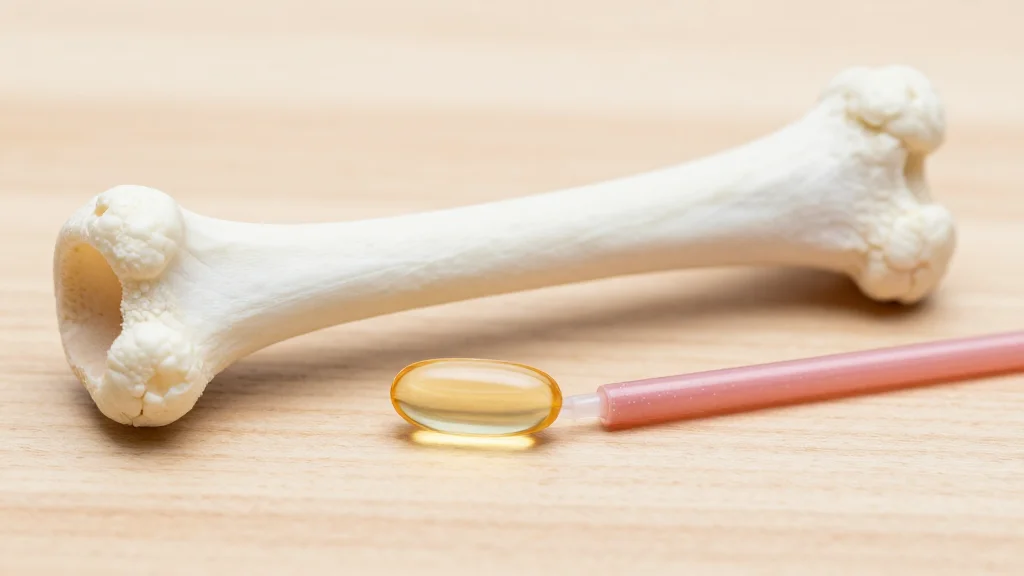
Vitamin K2 Directs Calcium to Bones, Protects Arteries
You take calcium and vitamin D for your bones thinking that’s the end of the story. Vitamin D helps your body absorb calcium from food and move it into your bloodstream. But once calcium is in circulation, your body still...

Science-Backed Fuel Strategies: Glucose, Maltodextrin, Hydrogels
Explore the evidence behind glucose combinations, #maltodextrins, #hydrogels, #cyclodextrins, and modern fuelling strategies in this scientific webinar series. #Superfuels #SportsNutrition #NutritionScience #AthleteFuel Early-bird for Part 2 is open: https://t.co/EIru1xyhSr https://t.co/F3pe9L9Dm9
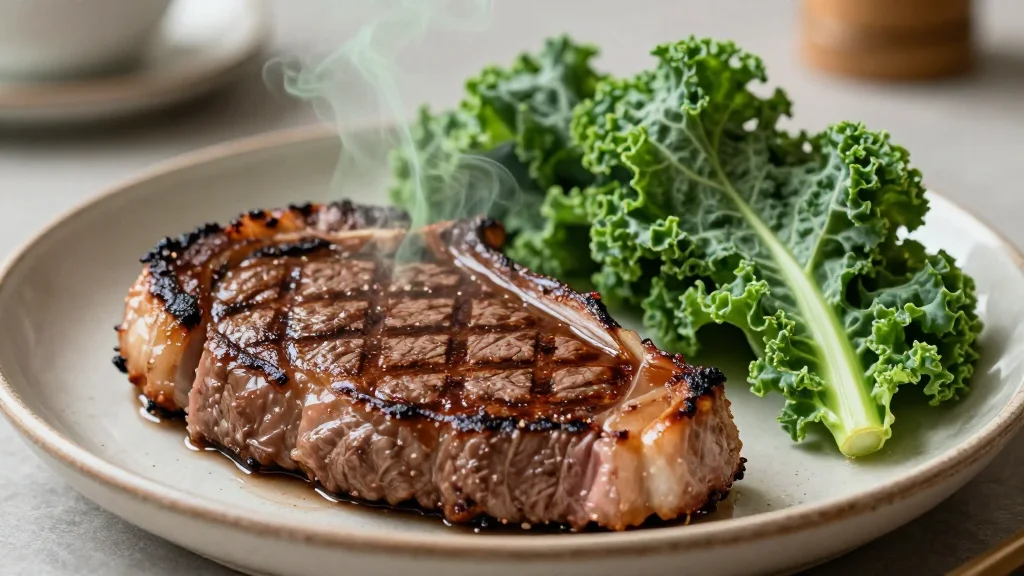
Study Warns 2025‑30 US Dietary Guidelines Could Boost Protein‑related GHG Emissions by up to 32%
A study published in the Proceedings of the National Academy of Sciences says the 2025‑30 Dietary Guidelines for Americans, released early 2026, could raise greenhouse‑gas emissions from protein by as much as 32% when higher protein recommendations drive more meat...
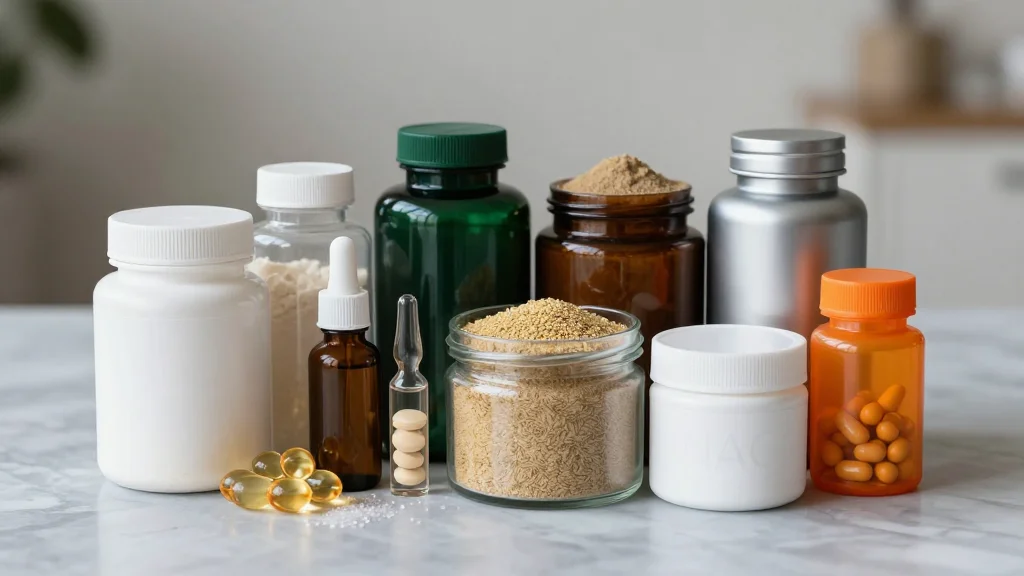
Top 10 Science-Backed Supplements for Health
Top 10 evidence-based supplements: 1. Creatine 2. Omega-3s 3. Taurine 4. Melatonin 5. Ashwagandha 6. Berberine 7. Magnesium 8. Psyllium husk 9. Glycine 10. NAC
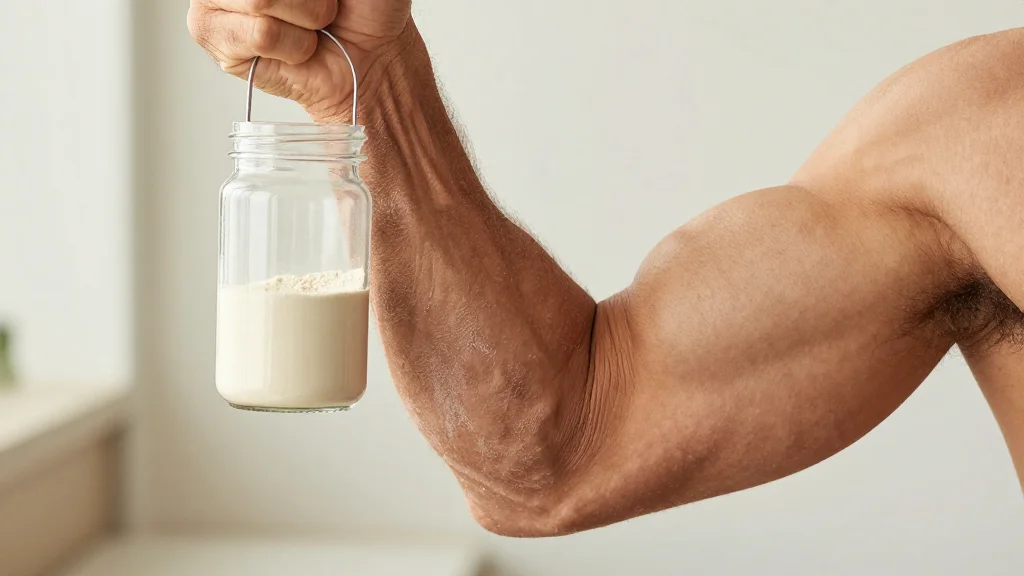
Aging Makes Muscles Resistant to Protein’s Benefits
Why Protein Stops Working As Well As You Get Older (Anabolic Resistance Explained Simply) https://t.co/xXFe1HnI3v
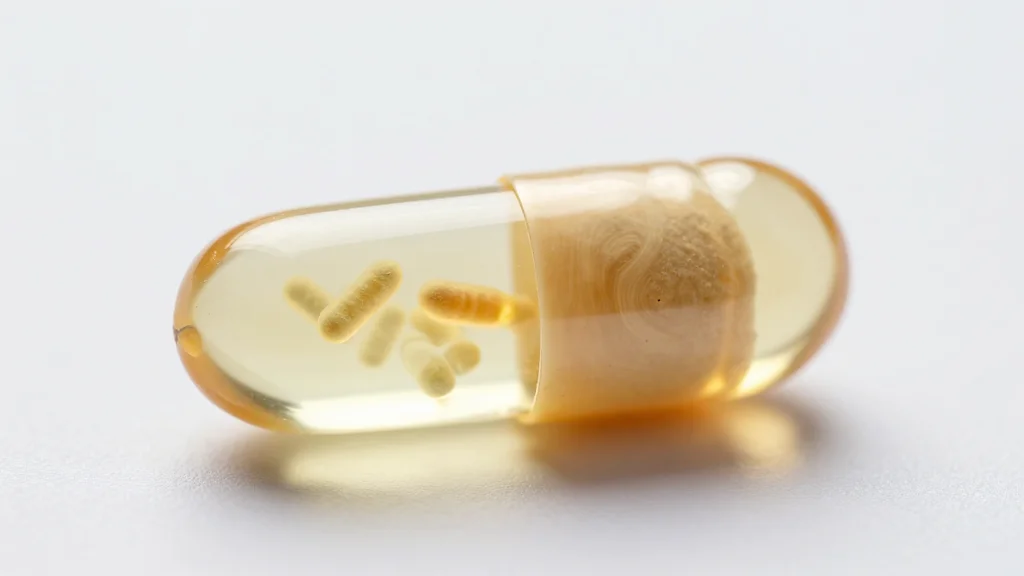
Pasteurized Akkermansia Muciniphila Supplement Cuts Weight Regain in 90‑person Trial
Researchers gave 90 overweight adults who shed at least 8% of their weight a daily pasteurized Akkermansia muciniphila supplement for 24 weeks. Participants regained far less weight than those on placebo, suggesting the gut microbe could become a tool for...
Stanford Study Finds Existing Drug Reverses Muscle Loss From GLP‑1 Weight‑Loss Therapies
Stanford Medicine scientists demonstrated that a prostaglandin‑dehydrogenase inhibitor (PGDHi), already in trials for age‑related sarcopenia, prevents muscle loss and restores strength in mice treated with semaglutide, the GLP‑1 drug behind Ozempic and Wegovy. The pre‑clinical data could pave the way...
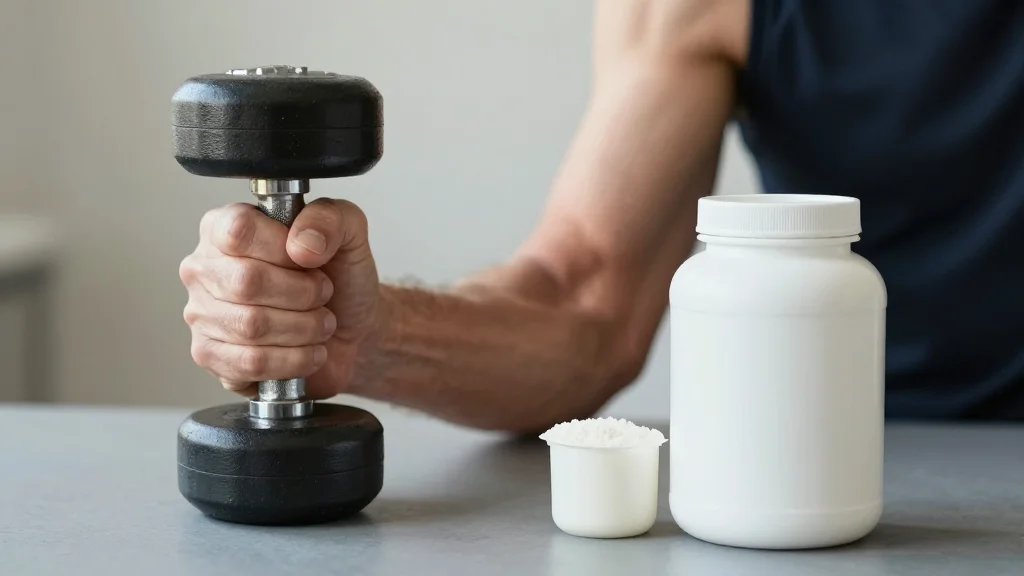
Meta‑Analysis of 235 Trials Finds Optimal Exercise‑Protein Combo to Preserve Aging Muscle
Researchers published a large meta‑analysis of 235 randomized trials that compared 24 exercise‑protein strategies for older adults. The study identified a single combination—resistance training paired with protein supplementation—as the most effective way to combat sarcopenia. The findings give fitness professionals...

How to Use Magnesium to Lower Your Blood Pressure
A recent article highlights magnesium as a practical tool for lowering blood pressure, noting that half of U.S. adult men face hypertension. Experts explain that magnesium helps relax vascular smooth muscle, supports nitric‑oxide production, and mitigates stress‑induced sympathetic activity. A...

Ep 378 - Social Media Protein Debates
In this episode Eric Trexler and Dr. Eric Helms dissect a heated Instagram debate about the upper limit of protein intake, focusing on a claim that 1.6 g/kg body weight is the ceiling for benefits. They walk through the underlying meta‑regression...

Holland & Barrett Flags Brain Health Nutrient Gaps
Holland & Barrett (H&B) highlighted global gaps in key brain‑health nutrients, noting widespread deficiencies in iron, iodine, choline and omega‑3 fatty acids. Internal data show most consumers fall short of optimal intake, with over 75% of countries under‑consuming omega‑3s and top‑selling...
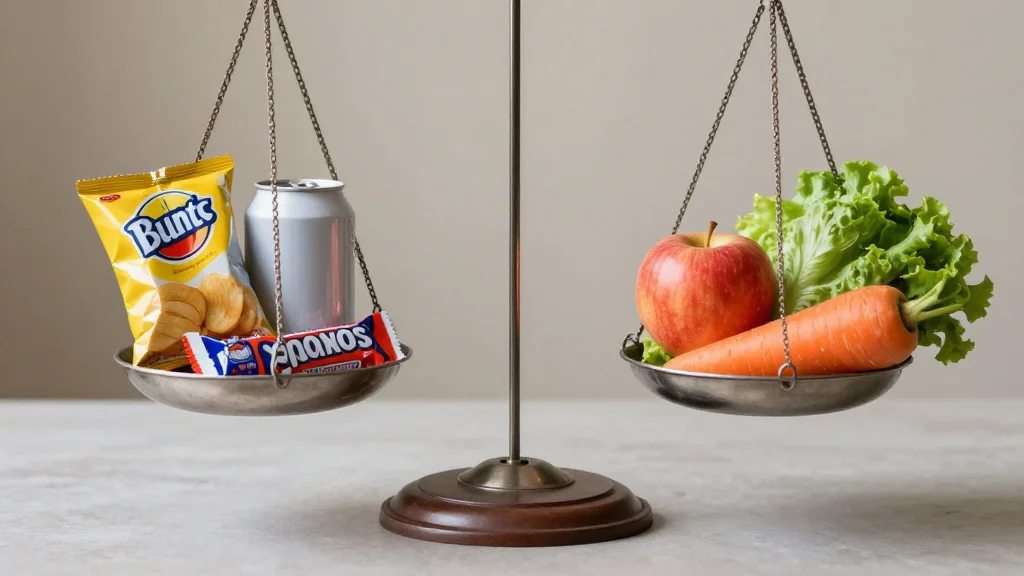
Tufts Study Finds Ultra‑Processed Food Processing Raises Health Risks
Researchers at Tufts University published a study in the American Journal of Public Health showing that consumption of ultra‑processed foods is associated with poorer health outcomes even after accounting for nutrient quality. The analysis of ten NHANES cycles links each...
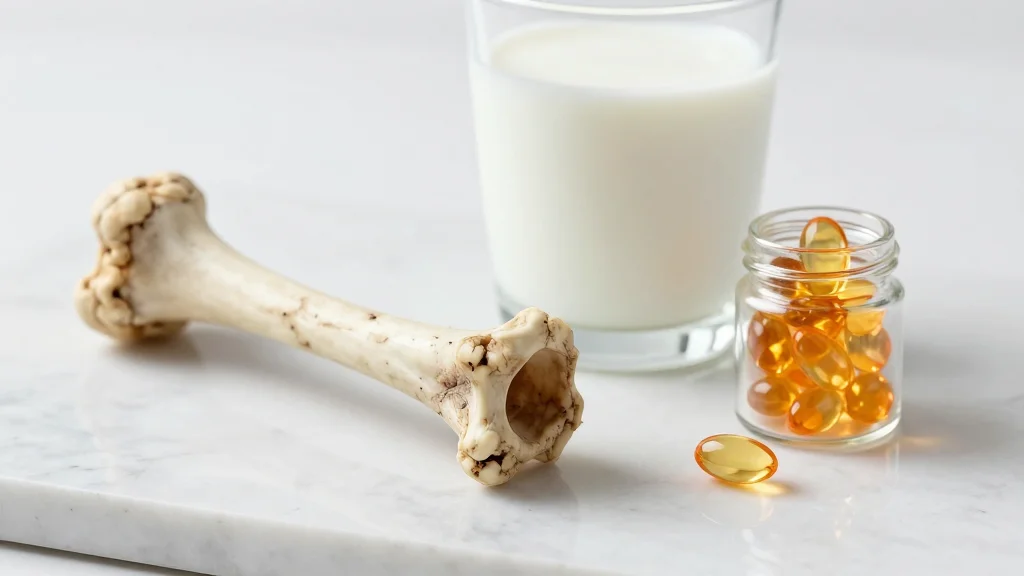
Meta‑analysis of 154,000 Adults Finds Calcium, Vitamin D Supplements Offer Little Fracture Benefit
Canadian researchers analyzed 69 randomized trials involving nearly 154,000 adults and concluded that calcium, vitamin D, or combined supplementation provides little to no meaningful reduction in fractures or falls. The findings challenge long‑standing clinical recommendations and could prompt a shift...
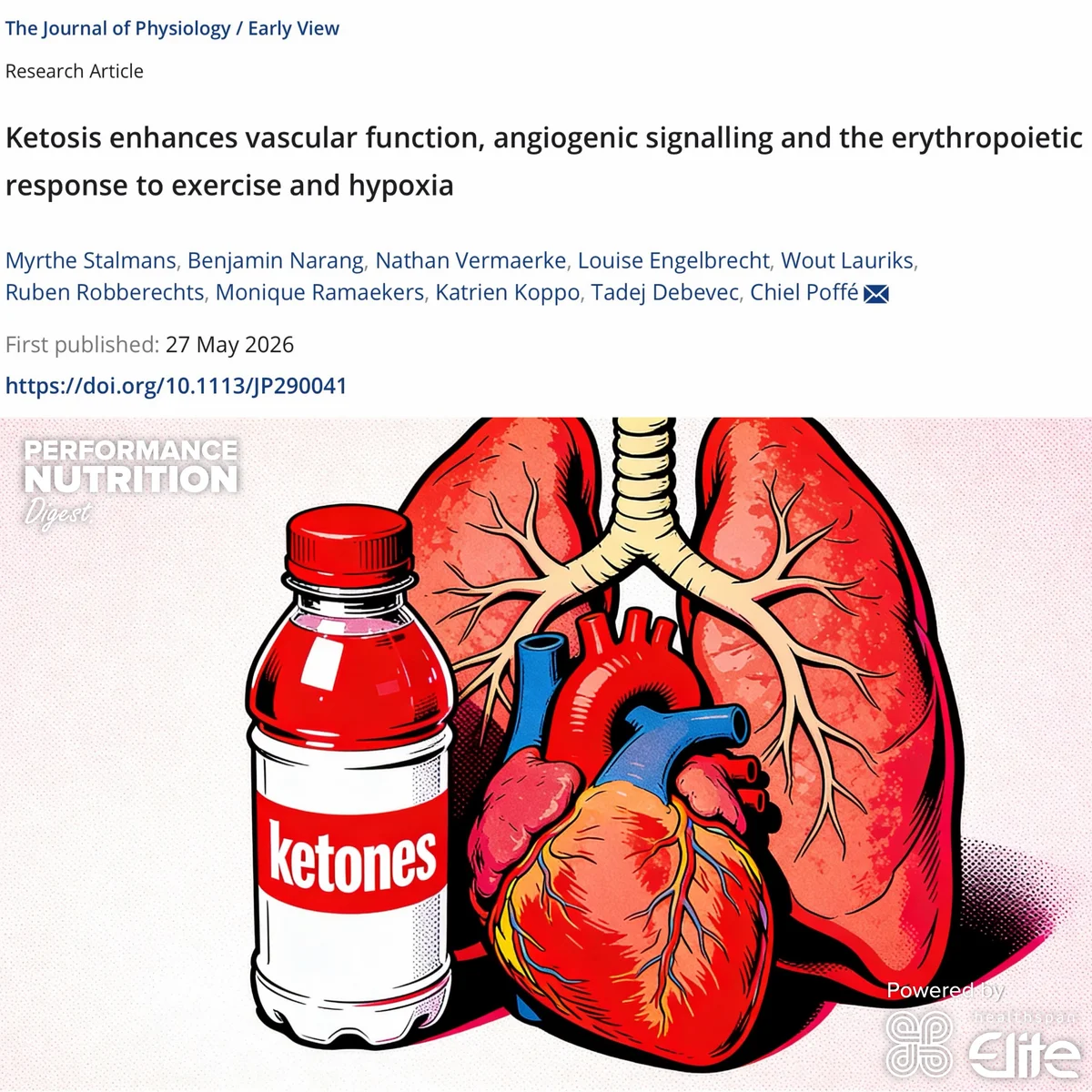
Ketones Boost Vascular and EPO Responses Post‑Exercise
Ketones enhance vascular function, signalling and EPO responses to exercise and hypoxia 🫀 This new study recruited 15 participants to complete four experimental sessions 🥼 Each session consisted of high-intensity interval training followed by recovery either in… 1️⃣ Normal oxygen levels (normoxia) 2️⃣ Hypoxia...

The Best Foods for Brain Health May Change as You Age
A new narrative review in Nutrients surveyed 54 studies to map how specific animal‑ and plant‑based foods influence brain development and cognitive aging. The authors found that eggs, dairy, meat, and seafood, as well as berries, whole grains, leafy greens,...

Wine Waste Could Offer a Grape Way to Wean Chicken Farms Off Antibiotics
Cornell researchers found that adding just 0.5% grape pomace— the pulpy by‑product of wine production— to broiler chicken feed can nearly match the performance of zinc bacitracin, a widely used antibiotic growth promoter. In a 42‑day trial, pomace‑supplemented birds showed...

Nutritional Supplementation with Panax Ginseng Extract and Bone Health in Osteoporotic Animal Models: A Systematic Review and Meta-Analysis
A systematic review and meta‑analysis of 28 randomized animal studies found that Panax ginseng extract markedly improves bone health. The supplement raised bone mineral density (SMD 2.21), enhanced trabecular microarchitecture, and strengthened biomechanical properties. Biochemical markers showed increased PINP, estradiol, osteocalcin...
High-Dose Vitamin D Lowers Diabetes Risk In Some People
Researchers analyzing the D2d trial found that high-dose vitamin D (4,000 IU daily) reduced the incidence of type‑2 diabetes by 19 % among prediabetic adults carrying the AC or CC variation of the ApaI vitamin‑D‑receptor gene. Roughly 70 % of the study’s participants...
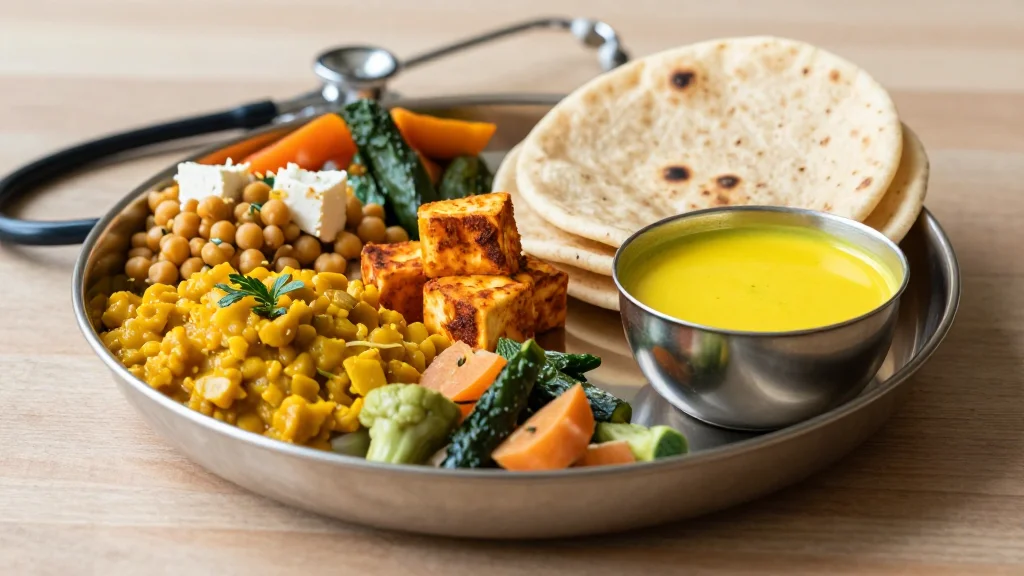
Madhavbaug Launches FoodRx, Prescribing Traditional Thali Meals as Medicine
Madhavbaug, India's leading Ayurveda‑integrated health network, has launched FoodRx, a prescription‑style nutrition program that uses high‑protein, high‑fiber traditional Indian thalis to prevent and reverse lifestyle diseases. The rollout draws on clinical data from more than 1 million patients treated over 18...
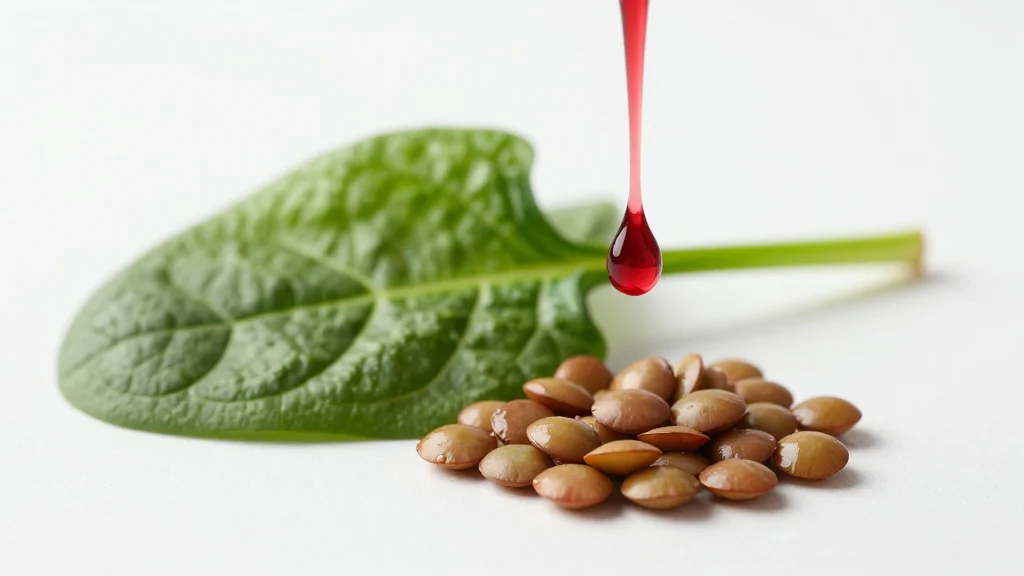
Persistent Fatigue May Signal Low Iron, Health Experts Advise Testing
The Globe and Mail reports that chronic fatigue can be an early sign of iron deficiency. Health professionals recommend a simple blood test and dietary adjustments to address the issue before it progresses to anemia.