Today's Nutrition Pulse
Europe’s fibre frenzy: excess intake can backfire
While most Europeans still miss the UK’s 30 g daily fibre target, recent trends have pushed some consumers to exceed 50–70 g per day. Such high intakes are linked to bloating, diarrhea, constipation and reduced mineral absorption, especially when fibre is increased rapidly without sufficient hydration.
Study Finds 1 in 5 GLP‑1 Users Develop Nutrient Deficiencies Within a Year
A recent analysis of 460,000 adults on GLP‑1 weight‑loss drugs revealed that almost one‑fifth develop a nutrient deficiency within a year. With roughly 41 million U.S. adults having tried these medications, clinicians warn that monitoring micronutrient status must become standard practice.

Cochrane Finds Antioxidants Don’t Delay Aging
As a medical school professor, I have watched the antioxidant supplement aisle balloon into a multi-billion-dollar industry on a simple story: oxidative stress causes aging, so swallow antioxidants to slow it down. The Cochrane verdict says the opposite. (1/4)

Eating More Can Still Lead to Fat Loss
⚠️Trigger warning: “I ate more calories and lost fat” is not a claim that I broke thermodynamics. It’s a factual statement: one supported by controlled human studies, advancements basic science, and a more nuanced perspective on fuel partitioning, thermogenesis, and...
AI‑Driven GENIE Platform Boosts Gut Microbiome Diversity in 1,177‑Participant Trial
Researchers in Portugal and Spain reported that the AI‑driven GENIE platform increased gut microbiome diversity in about 70% of its 1,177 participants after one month of tailored recommendations. The study also recorded strong user engagement, with 71% of participants following...

Major Review Finds Yo‑Yo Dieting Doesn't Cause Lasting Metabolic Damage
Researchers led by Professor Faidon Magkos and Professor Norbert Stefan published a comprehensive review concluding that repeated weight loss and regain does not cause lasting metabolic injury in people with obesity. The analysis of decades of human and animal studies...
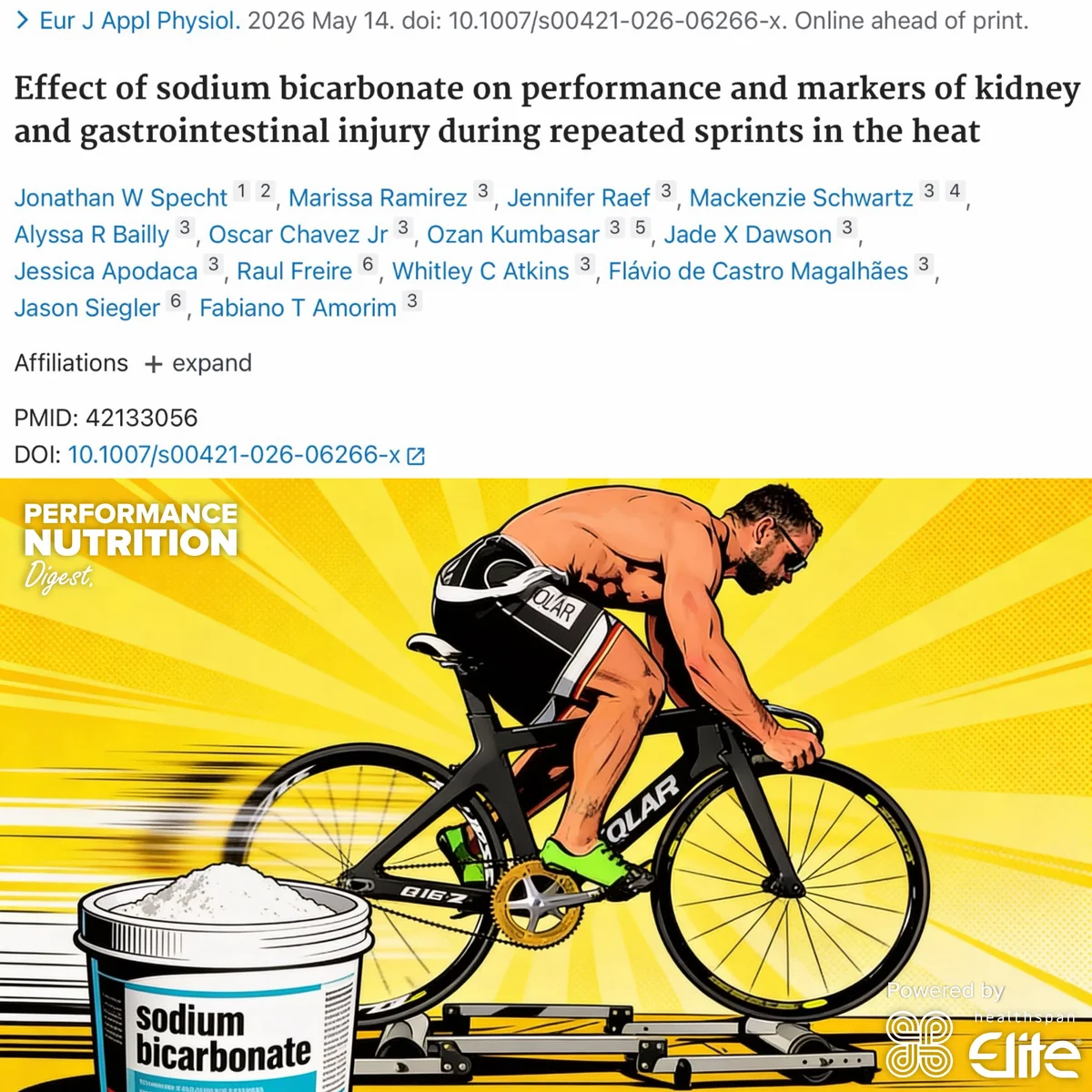
Bicarbonate Boosts Heat Sprint Power, No Side Effects
Sodium bicarbonate improves sprints in the heat 🌡️ This new study recruited 10 endurance trained participants to take either… 1️⃣ 0.2 g/kg sodium bicarbonate 2️⃣ Placebo …prior to repeated max cycling sprints at 40°C. Results 📊 Sodium bicarbonate led to significantly improved… 💥 Peak power 💥 Average...
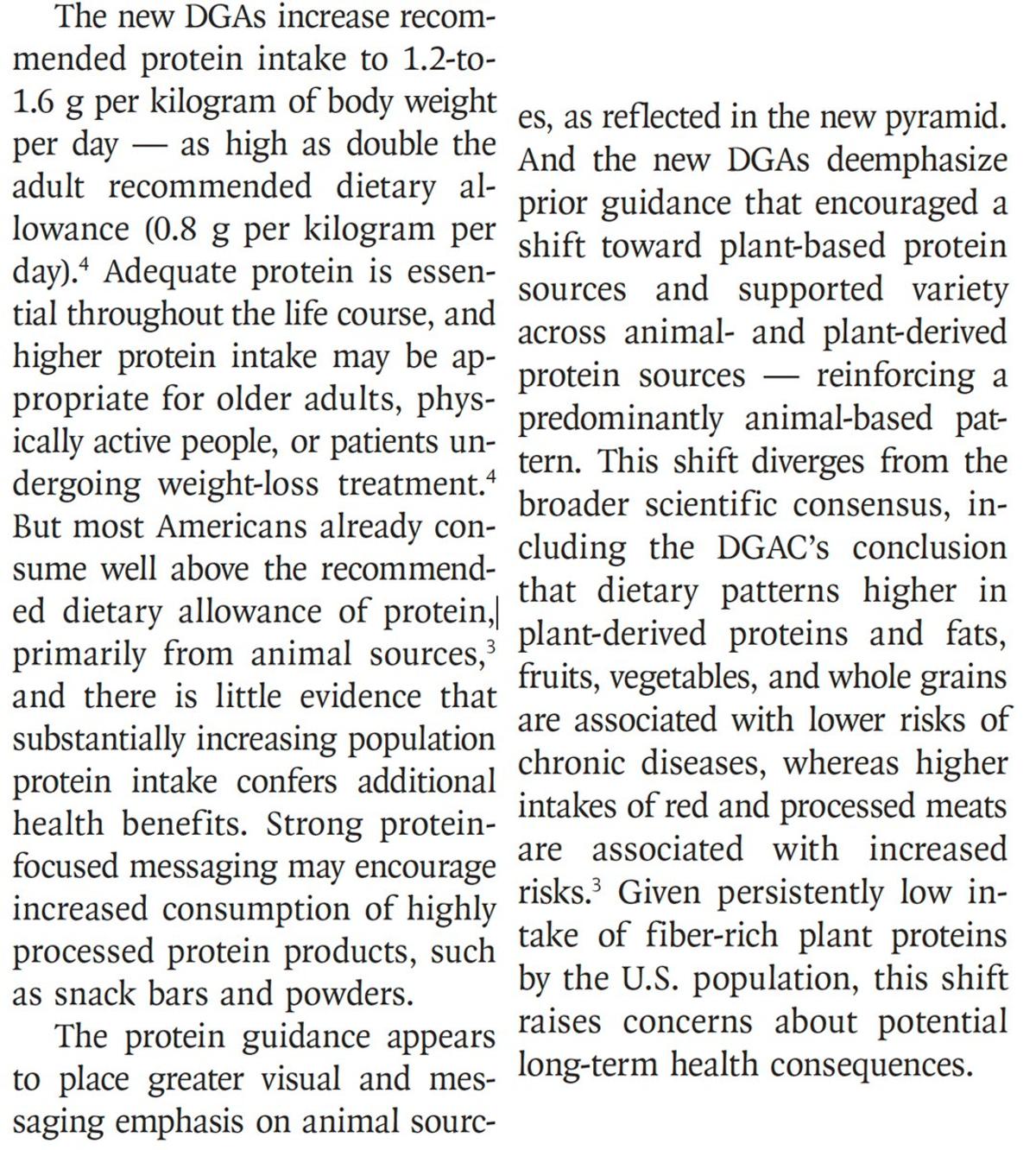
New US Dietary Guidelines Flawed, Protein Section Unsubstantiated
On the things wrong in them new US dietary guidelines (DGAs) in today's @NEJM, the "most significant reset of federal nutrition policy". Section on protein below, elsewhere gets ino beef tallow and other changes w/o evidence https://t.co/uepeVk2a38 https://t.co/q6QV9r27rP
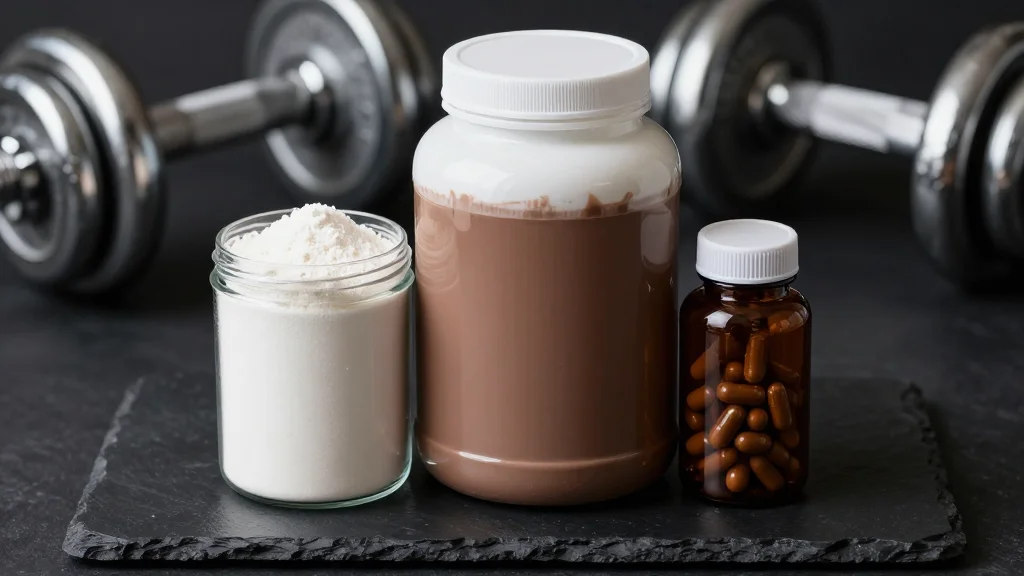
If You Exercise 5+ Times A Week — These Supplements Should Be In Your Stack
The article outlines three science‑backed supplements—creatine, whey protein, and magnesium—that can enhance performance for anyone exercising five or more times a week. Creatine at 5 g daily helps build lean muscle, boost strength, and even aid older adults in preserving mass....
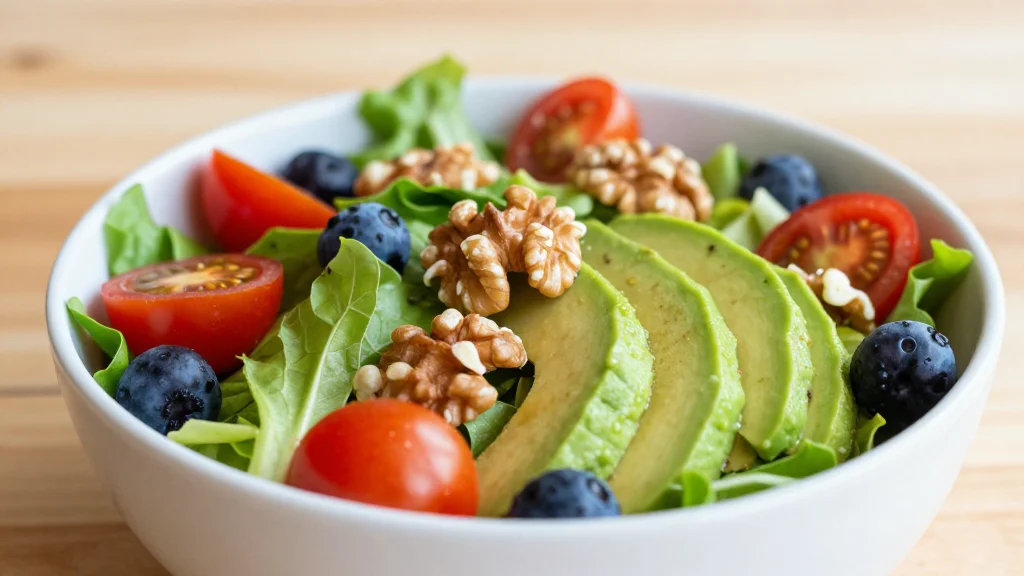
Harvard Study Links Plant-Forward Diets to Lower Menopause Weight Gain
Researchers from Harvard and the National University of Singapore analyzed 38,000 women over 12 years and found that plant‑forward dietary patterns, especially the Planetary Health Diet, were associated with markedly less weight gain and lower obesity risk during menopause. The...
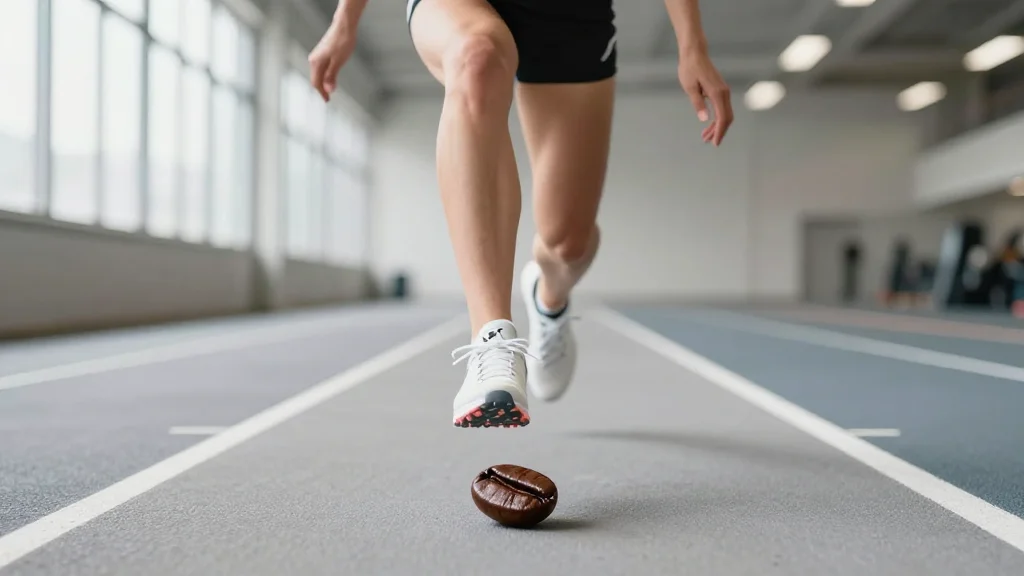
Caffeine and Physical Performance in Female Intermittent Sport Athletes: A Systematic Review and Meta-Analysis Considering Menstrual Cycle Phase
A systematic review and meta‑analysis of nine trials (118 women) examined caffeine’s impact on intermittent‑sport performance and whether effects vary across menstrual‑cycle phases. Caffeine modestly enhanced agility (SMD = ‑0.62) and vertical‑jump height (SMD = 0.37) but did not improve sprint speed. Subgroup data...
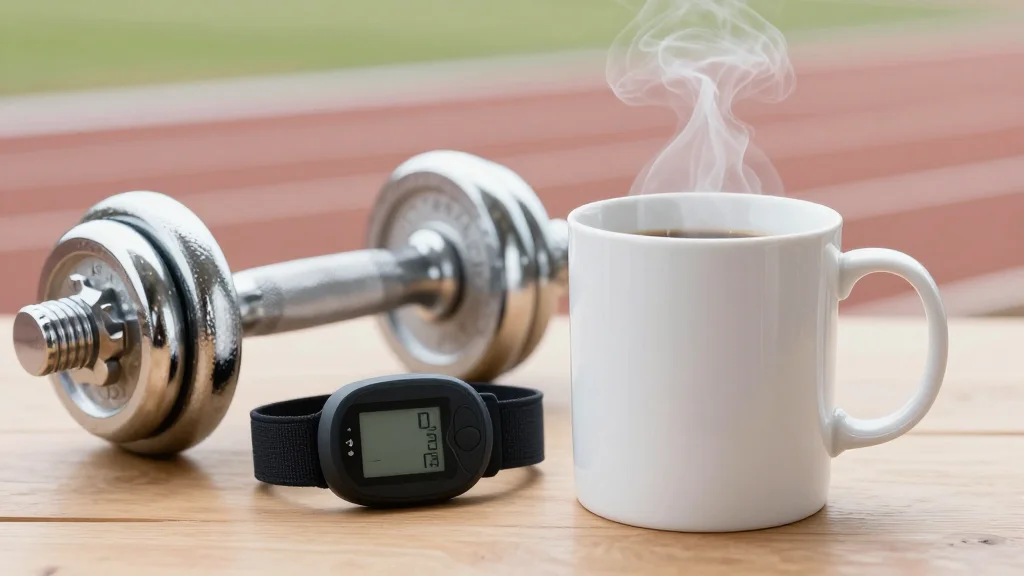
Pre‑Exercise Caffeine at 3 Mg/Kg Boosts Fat Oxidation in Obese Women Without Raising Blood Pressure
Researchers from Jiangxi Normal University and the University of the Pacific reported that a pre‑exercise caffeine dose of 3 mg per kilogram body weight significantly increased fat oxidation in overweight female college students, outperforming higher doses and avoiding sustained blood‑pressure spikes....
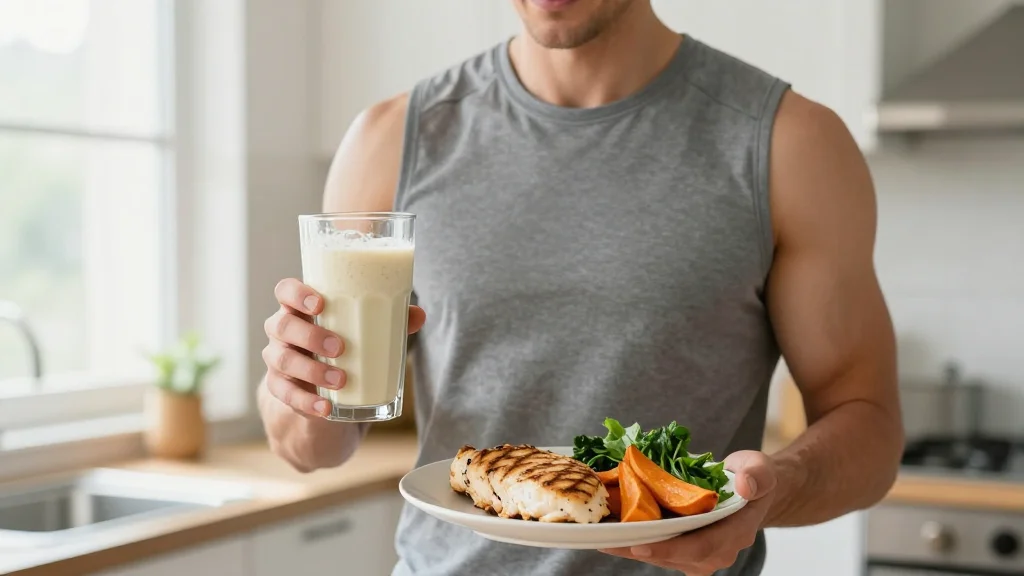
Hyrox Athletes Get New Nutrition Blueprint: Carb‑Protein Balance
Men’s Health released a detailed nutrition plan for Hyrox athletes, recommending specific carb and protein targets per meal to support the event’s endurance and strength‑endurance demands. The guide, featuring insights from sports‑science professor Michael Ormsbee and MetPro coach Ashley Poli, stresses...
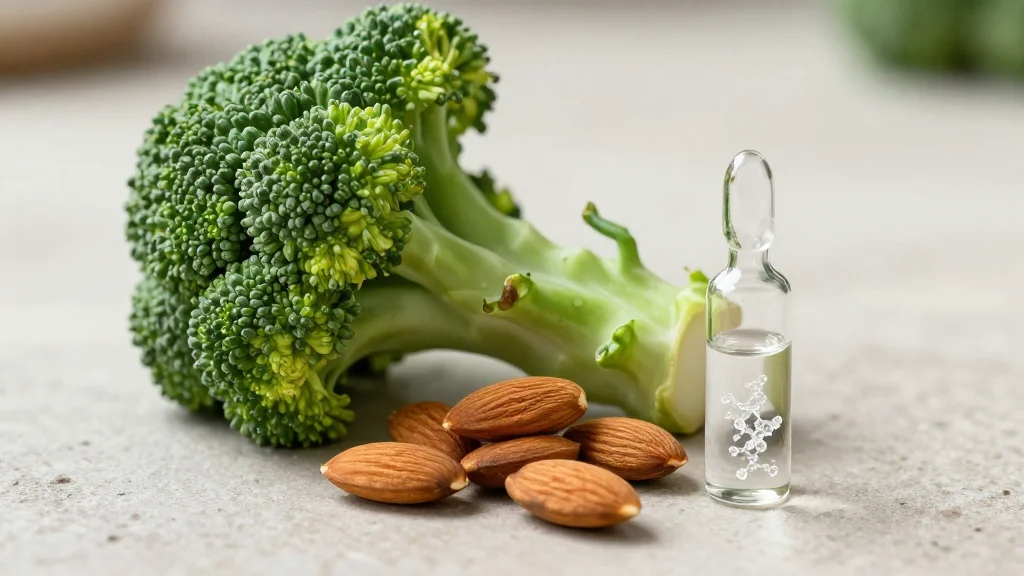
MIT Study Finds Cysteine Boosts Intestinal Stem Cells, Offering New Gut‑Healing Pathway
MIT scientists have identified the amino acid cysteine as a potent trigger of intestinal stem‑cell regeneration in mice, acting through CD8 T‑cell‑derived IL‑22. The discovery points to dietary or supplemental cysteine as a non‑synthetic strategy to mitigate radiation and chemotherapy...
Eight Preservatives Linked to 29% Higher Blood Pressure, 16% More Heart Attacks
French researchers identified eight widely used food preservatives that increase the risk of elevated blood pressure by 29% and heart attacks and stroke by 16%. The findings, published in the European Heart Journal, intensify scrutiny of additive‑laden ultra‑processed foods and...

How Vitamin D in Pregnancy Could Offer a Head Start for Better Cognitive Health
A secondary analysis of the Copenhagen Prospective Studies on Asthma in Childhood 2010 trial found that pregnant women who took a high dose of 2,800 IU vitamin D₃ daily from week 24 to postpartum had children with stronger visual memory, verbal...
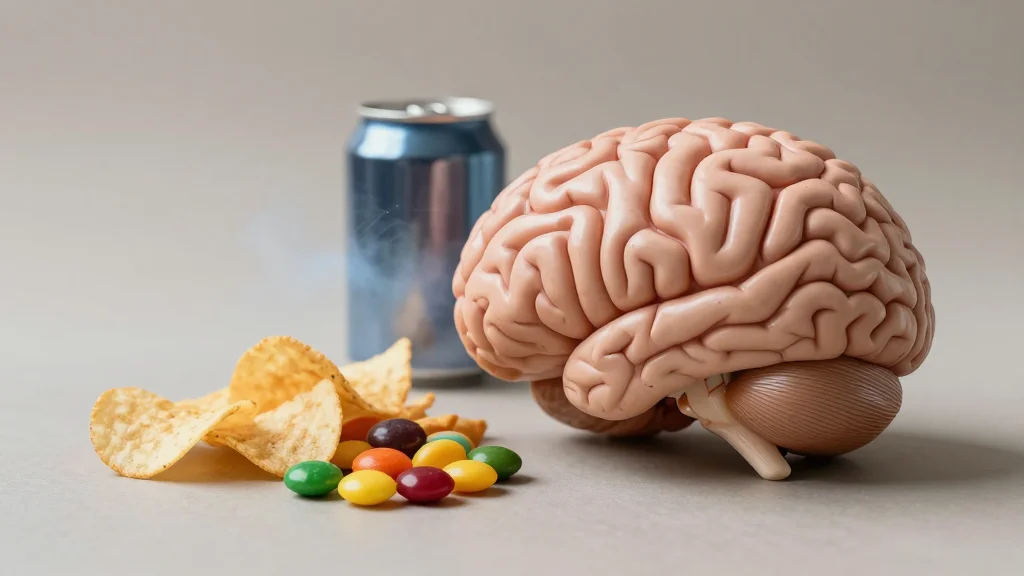
Study Finds Ultra‑Processed Foods Cut Attention and Raise Dementia Risk
Researchers at Monash University reported that middle‑aged and older Australians who eat more ultra‑processed foods show poorer attention and a higher likelihood of developing dementia. The cross‑sectional analysis of 2,192 participants found a measurable decline in cognitive performance with each...

Scientists Warn that Current Vitamin B12 Guidelines May Be Putting Your Brain at Risk
Researchers at UCSF found that older adults with lower biologically active vitamin B12, even when total B12 levels are within the accepted normal range, exhibit slower cognitive processing and increased white‑matter lesions. The study of 231 healthy participants average age 71...
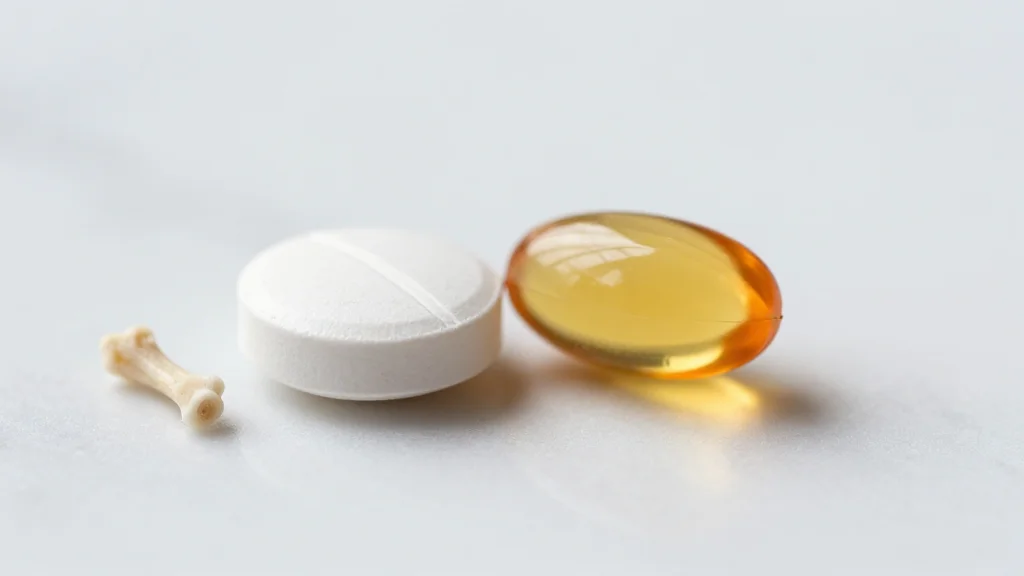
Meta‑Analysis Finds Calcium and Vitamin D Supplements Offer Minimal Fracture Prevention
Canadian researchers reviewing 69 randomized trials involving 153,902 older adults concluded that calcium, vitamin D, or combined supplementation provides little to no clinically meaningful reduction in fractures or falls. The BMJ‑published analysis challenges long‑standing guideline recommendations and urges a shift...

Personalized Nutrition Platform Shows Promising Results on Behavior and Gut Health
Researchers in Portugal and Spain evaluated the AI‑driven GENIE platform, which tailors dietary advice using genetic, microbiome and biochemical data. In a month‑long study of 1,177 shoppers from Spanish retailer Ametller Origen, 71% of participants followed at least part of...
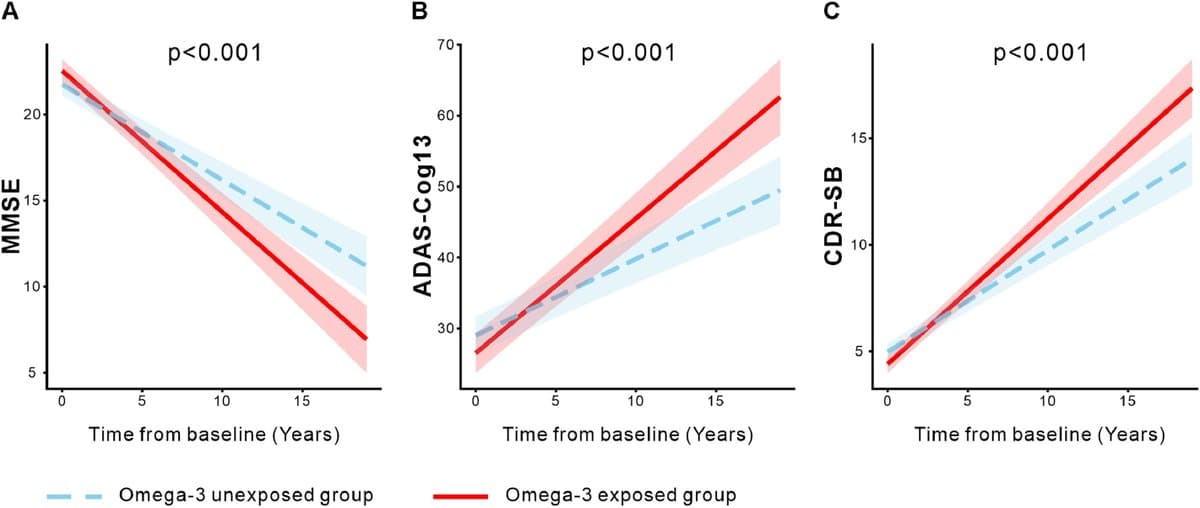
Omega‑3 Supplements May Speed Cognitive Decline in Seniors
The association between omega-3 supplementation and cognitive decline in older adults Controversial paper of the day. It concluded🤔 "Omega-3 supplementation may be associated with accelerated cognitive decline in older adults, potentially through adverse effects on cerebral synaptic function rather than classical AD...
U.S. Nutraceutical Market Set to Reach $293 Billion by 2034 as Preventive Health Goes Mainstream
The U.S. nutraceutical market is projected to expand from $161.8 bn in 2025 to $292.99 bn by 2034, a 6.82% CAGR, as consumers shift toward preventive health. Growth is powered by functional foods, fortified beverages and targeted supplements.
:max_bytes(150000):strip_icc():format(jpeg)/Foods-high-in-potassium-2000-b05db5599bd042baaf7c7c1fc09e4e29.jpg)
25 High-Potassium Foods (That Aren't Bananas)
The article outlines daily potassium requirements and presents 25 potassium‑rich foods that outpace bananas in nutrient density. It notes that a half avocado, sweet potatoes, salmon, beans and several other options deliver 10‑25% of the recommended intake per serving. Potassium’s...
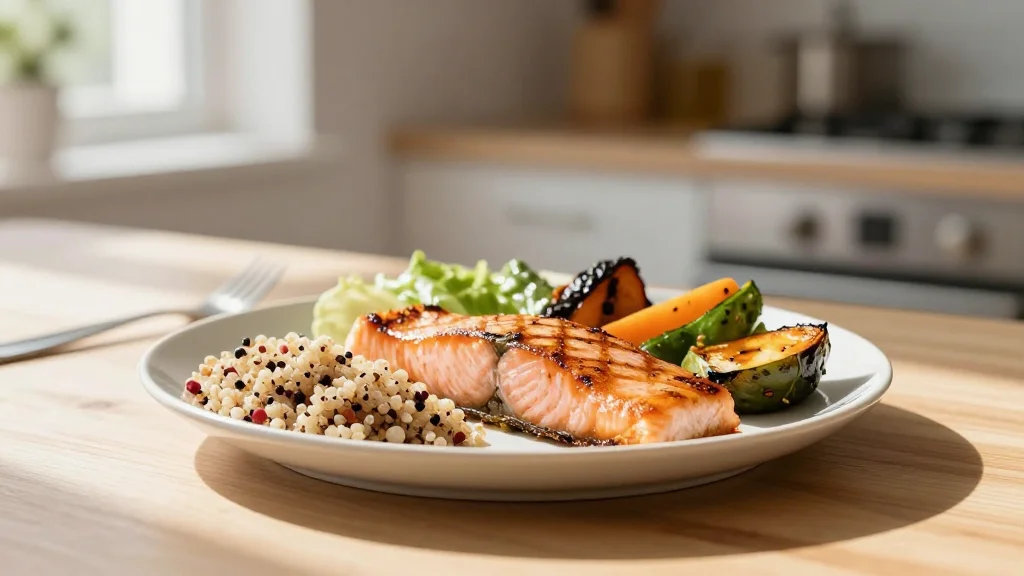
Eat Your Biggest Meal at Lunch, Not Dinner
The timing of your largest meal matters more than most nutrition advice suggests. People who eat their biggest meal at lunch have better metabolic markers than people who eat the same calories at dinner — even with identical food. Your digestive system...
Wegovy Shows 22% Average Weight Loss and Cardiovascular Gains for Menopausal Women
Novo Nordisk announced that Wegovy (semaglutide) produced an average 22.6% weight loss in premenopausal women and roughly 20% loss in perimenopausal and postmenopausal groups, while also cutting heart attack, stroke, migraine and depression risks. The findings were unveiled at the...
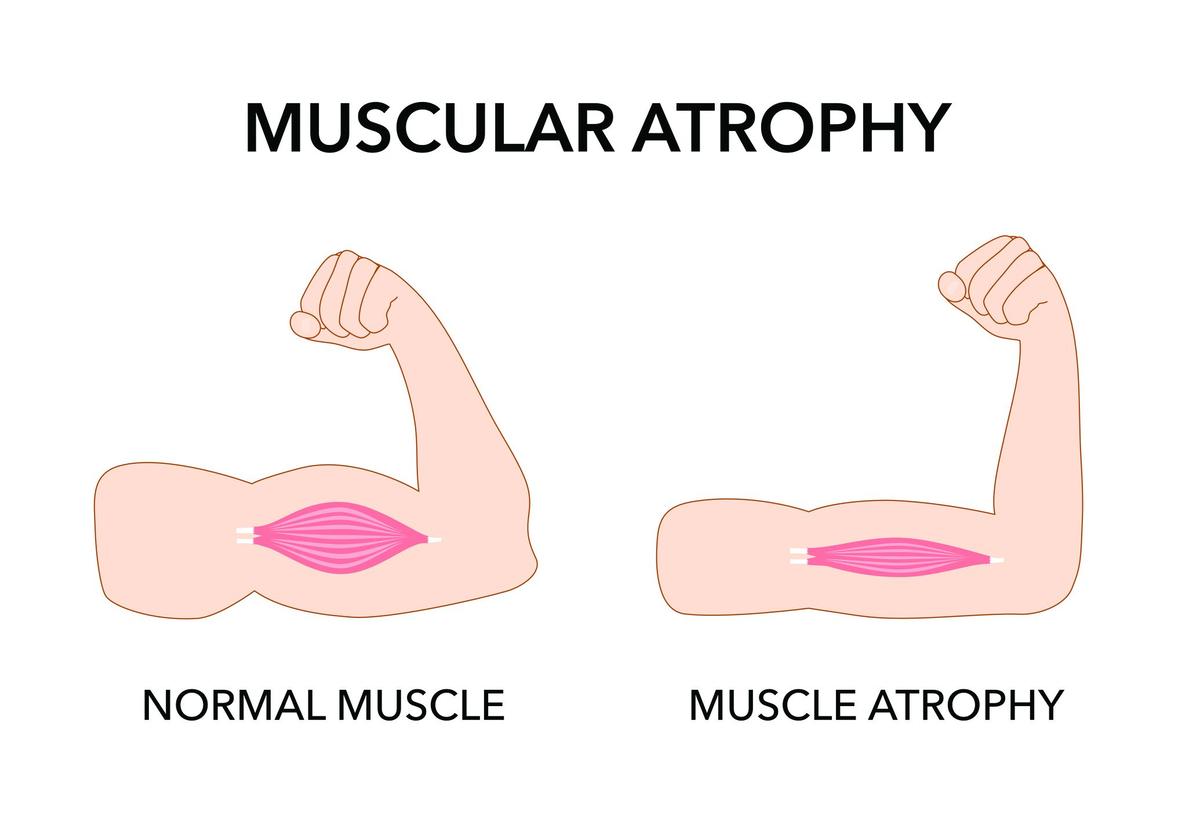
Extra Protein Does Not Preserve Muscle Size or Function with Age
A randomized, placebo‑controlled trial published in May 2026 in The American Journal of Clinical Nutrition examined whether higher protein intake, potassium bicarbonate supplementation, or their combination could slow age‑related muscle loss in healthy older adults. The study found that extra...

High-Protein Supplementation in Critically Ill Patients: A Systematic Review, Meta-Analysis and Umbrella Review of Existing Evidence
A comprehensive systematic review, meta‑analysis and umbrella review of 18 randomized trials and eight meta‑analyses evaluated high‑protein (≥1.2 g/kg/day) versus conventional protein supplementation in critically ill adults. The pooled analysis found no overall mortality benefit (OR 0.99, 95 % CI 0.95–1.28) and no impact on...
The Triad of Collagen, Vitamin C, and Vitamin E in Aging: Emerging Roles in Mood and Psychological Health, Neurotrophic Support,...
A recent review highlights the combined potential of collagen, vitamin C, and vitamin E to mitigate age‑related declines in muscle, vascular, hepatic, immune, and cognitive health when paired with regular exercise. Collagen supplies amino acids for extracellular matrix remodeling, vitamin C drives collagen...
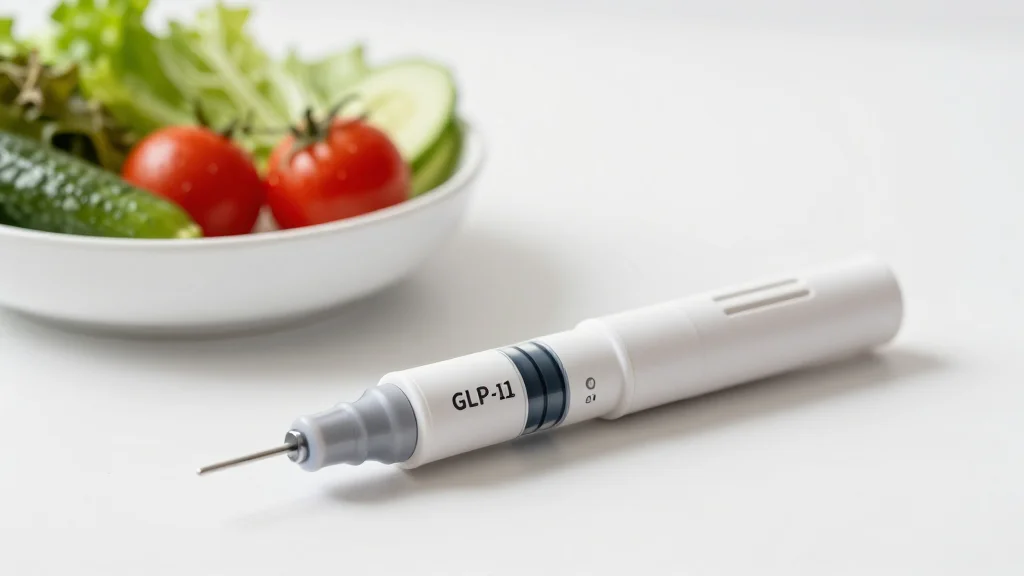
Study Finds GLP‑1 Drugs Cut ‘Food Noise,’ Boosting Weight‑Loss Success
Researchers presented data at the European Congress on Obesity indicating that GLP‑1 drugs such as Ozempic, Wegovy and Mounjaro significantly reduce “food noise,” a metric of intrusive food cravings. In a month‑long digital weight‑management trial of 417 adults, participants on...
Why Clinically Guided Meal Replacement Strategies Are Gaining Attention in Healthcare
Healthcare systems are increasingly adopting clinically guided meal replacement programs to combat rising obesity and related chronic diseases. These structured nutrition plans deliver controlled calories and balanced nutrients, improving patient adherence compared with traditional diets. Integration with telehealth and digital...
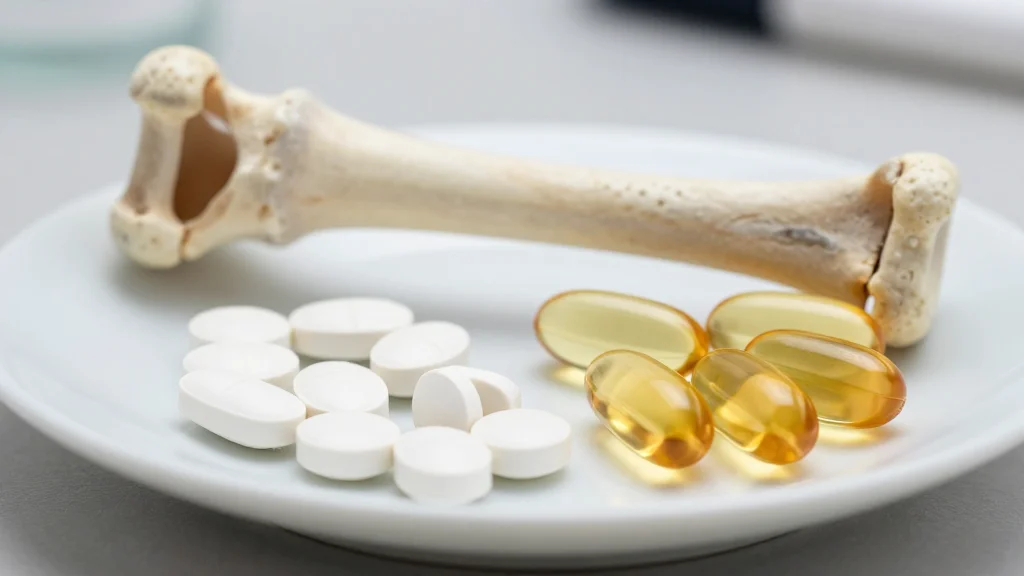
BMJ Review Finds Calcium and Vitamin D Supplements Offer Little Fracture Benefit
A new systematic review published in The BMJ analyzed 69 randomized trials covering 153,902 adults and concluded that calcium, vitamin D, or combined supplementation delivers little to no clinically meaningful reduction in fractures or falls for most older people. The...
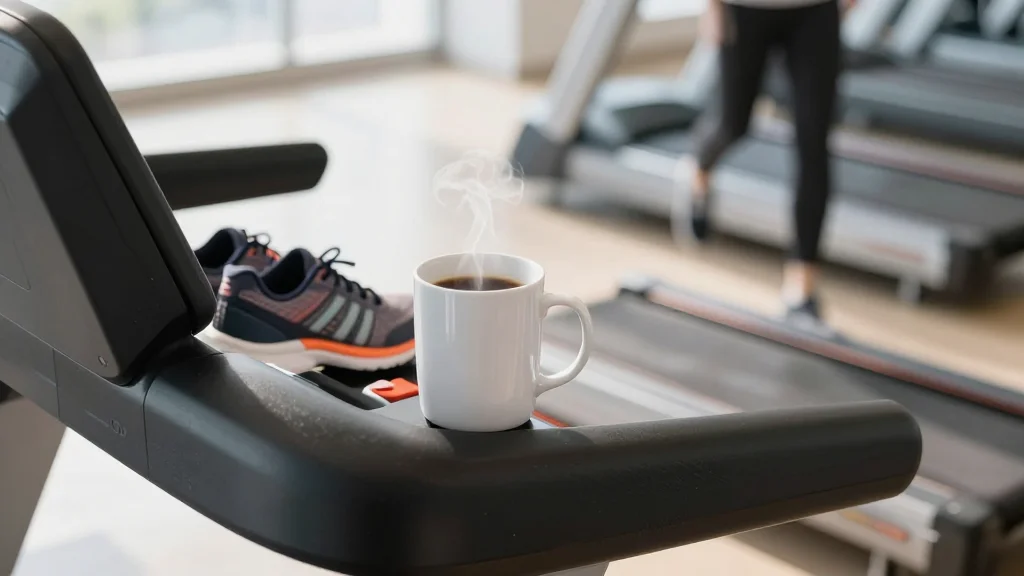
3 Mg/Kg Pre‑Exercise Caffeine Maximizes Fat Burn in Overweight Women, Study Shows
Researchers from Jiangxi Normal University and the University of the Pacific reported that a 3 mg/kg caffeine dose taken 60 minutes before a 40‑minute treadmill run significantly raises fat oxidation in overweight and obese women, while higher doses add no metabolic...

Does Baseline Dietary Fiber Intake Alter Benefits of Prebiotic Supplementation?
Researchers conducted a randomized, double‑blind, placebo‑controlled trial with 124 healthy adult men to evaluate Nutriose, a resistant dextrin fiber supplement, on gut microbiota. Participants were grouped by baseline fiber intake—low (≤15 g/day) or high (≥25 g/day)—and received 15 g/day Nutriose or placebo for...
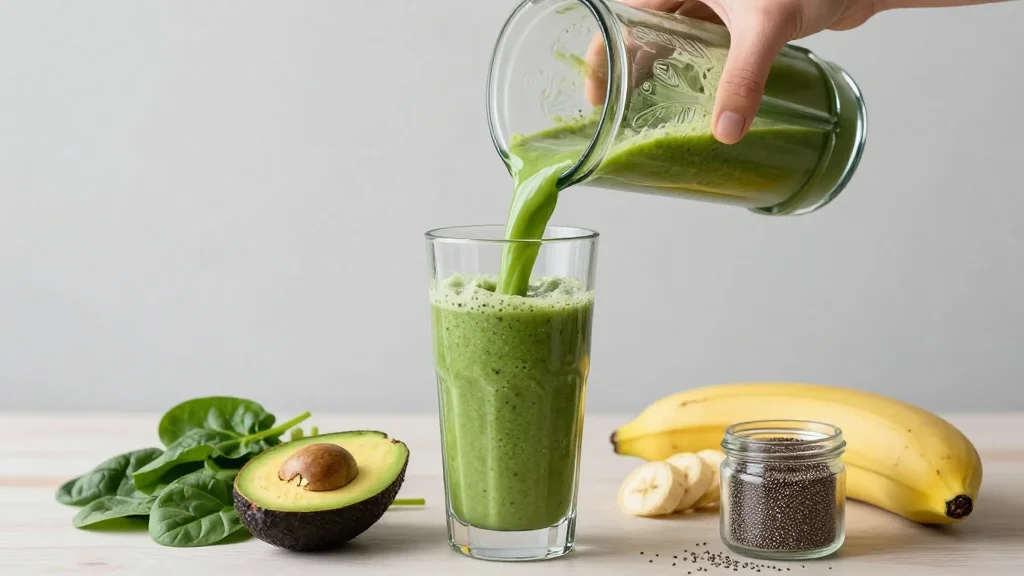
Is Your Omega-3 Intake High Enough? What Women 40+ Need to Know
Nearly 95% of Americans fall short on omega‑3s, a shortfall that becomes critical for women over 40. As estrogen declines during perimenopause, cardiovascular risk rises, but EPA and DHA can counter inflammation and support healthy blood vessels. Cognitive research shows...
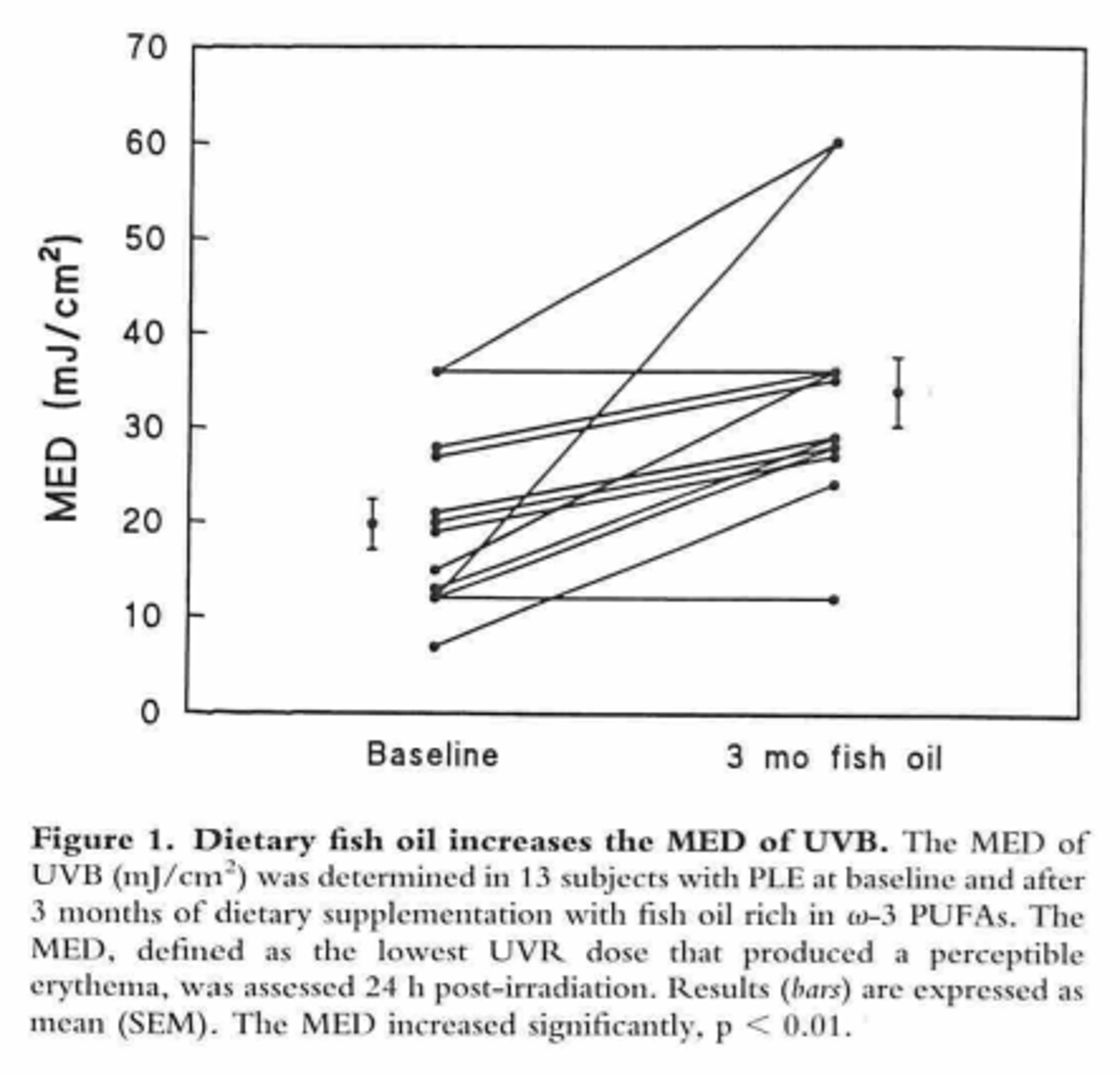
Fish Oil Boosts Skin Resilience, Cuts Sunburn Risk
3 months of fish oil made people significantly more resilient to UV-induced sunburn and light-sensitive skin reactions. They also had lower levels of inflammatory prostaglandin E2 (PGE2) in the skin. On social media, omega-3s are claimed to increase sunburn risk, but...
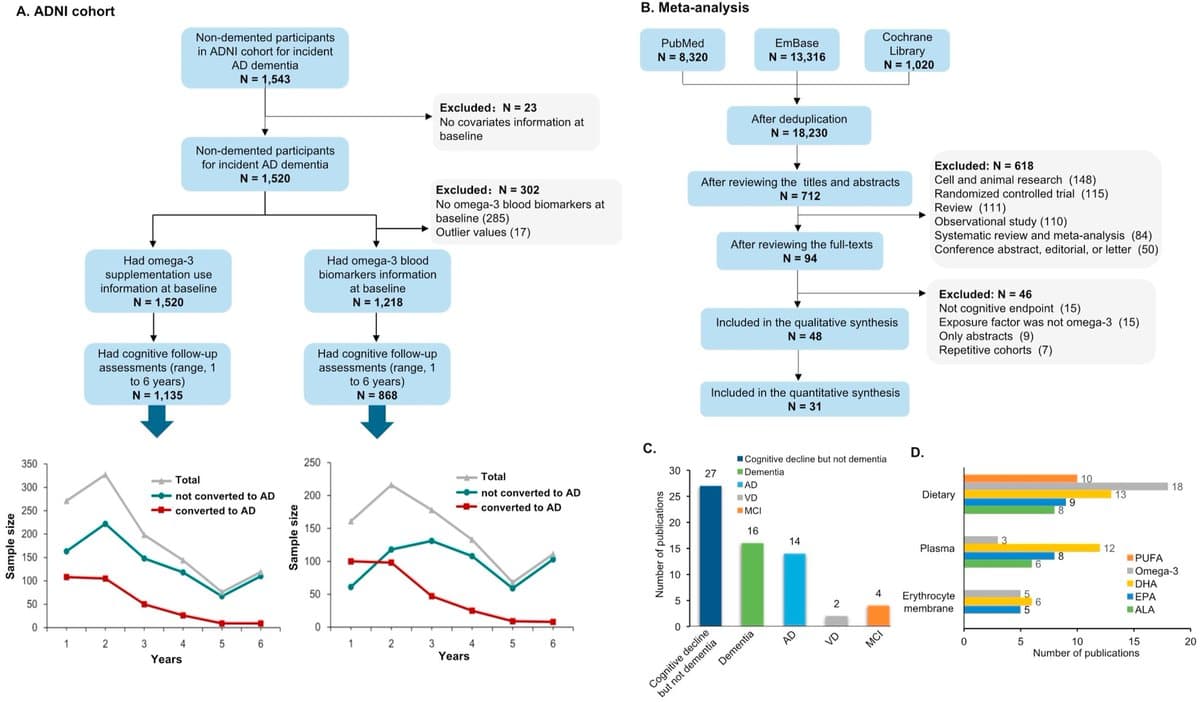
Omega-3 Intake May Lower Alzheimer’s and Cognitive Decline Risk
The Relationship of Omega-3 Fatty Acids with Dementia and Cognitive Decline: Evidence from Prospective Cohort Studies of Supplementation, Dietary Intake, and Blood Markers "Dietary intake or long-term supplementation of omega-3 fatty acids may help reduce risk of AD or cognitive decline." https://t.co/YQNC2Uljmz
Caffeine Intake Before Exercise May Aid Breakdown of Fats in Overweight Women
A double‑blind crossover trial found that a caffeine dose of 3 mg per kilogram body weight most effectively boosts fat oxidation during FATmax exercise in overweight female college students, without triggering cardiovascular strain. Doses of 5 mg/kg also raised fat oxidation but...
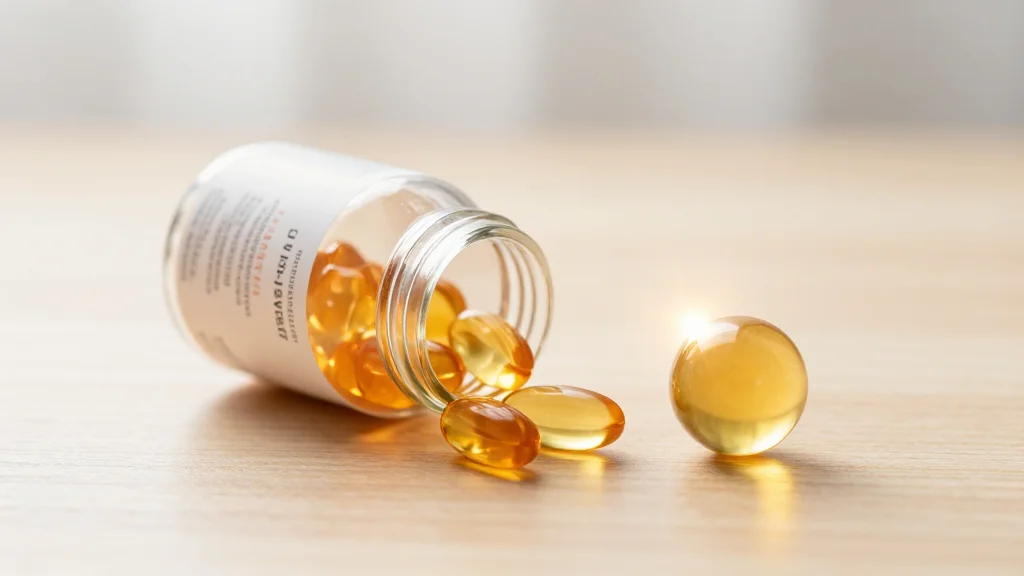
Cardiac Surgeon Says Vitamin D Supplements Outperform Sunlight, Citing Trial Data
Dr. Jeremy London, a board‑certified cardiovascular surgeon, told followers on Instagram that oral vitamin D supplements raise blood levels more consistently than daily sun exposure. Citing a clinical trial where a modest daily dose normalized levels in eight weeks, he...
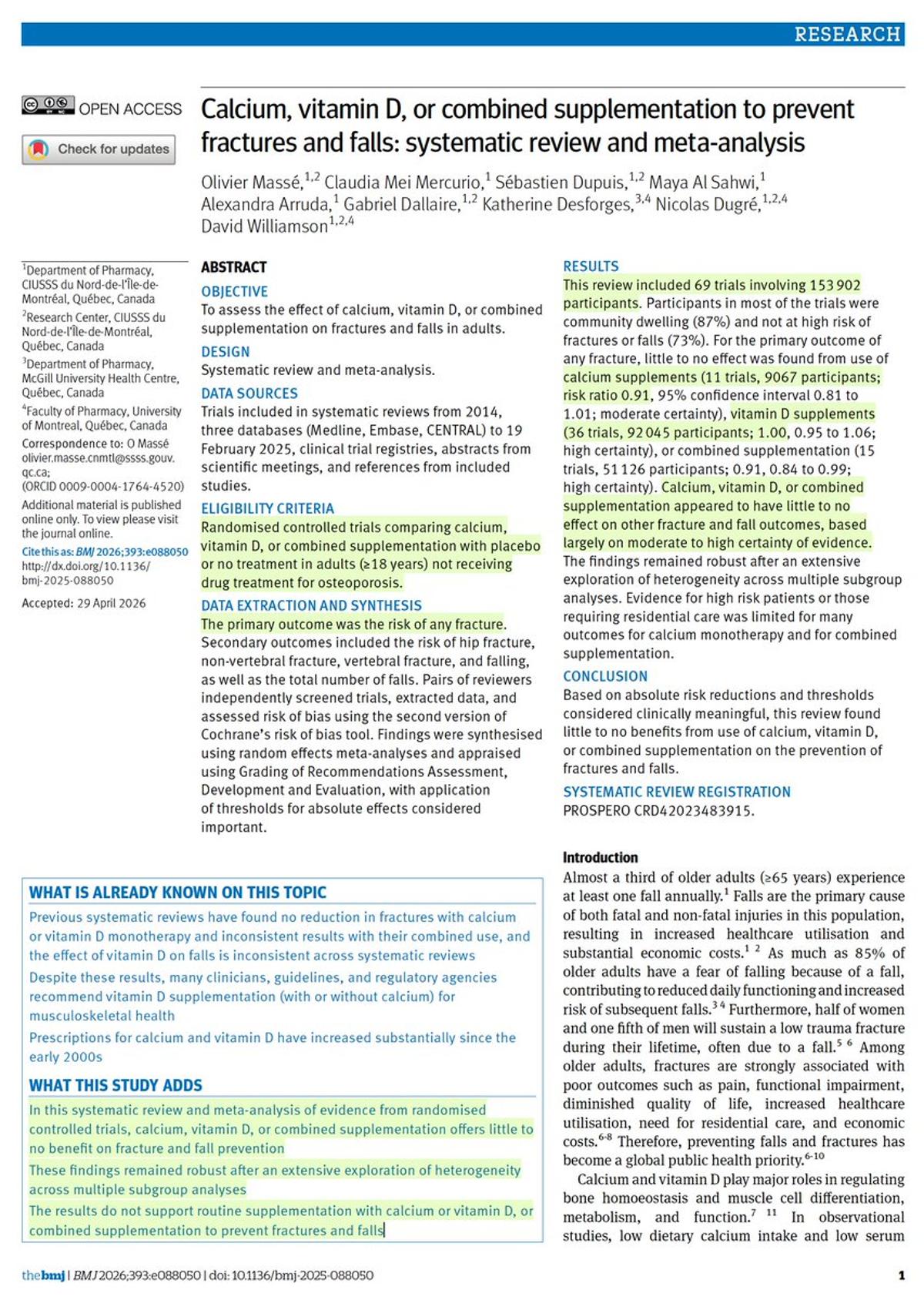
Vitamin D and Calcium Don’t Prevent Fractures or Falls
Supplementation with Vitamin D or calcium, or both does not help prevent fractures or falls. From a new systematic review of 69 randomized trials and >150,000 participants https://t.co/nsMUzmBreq
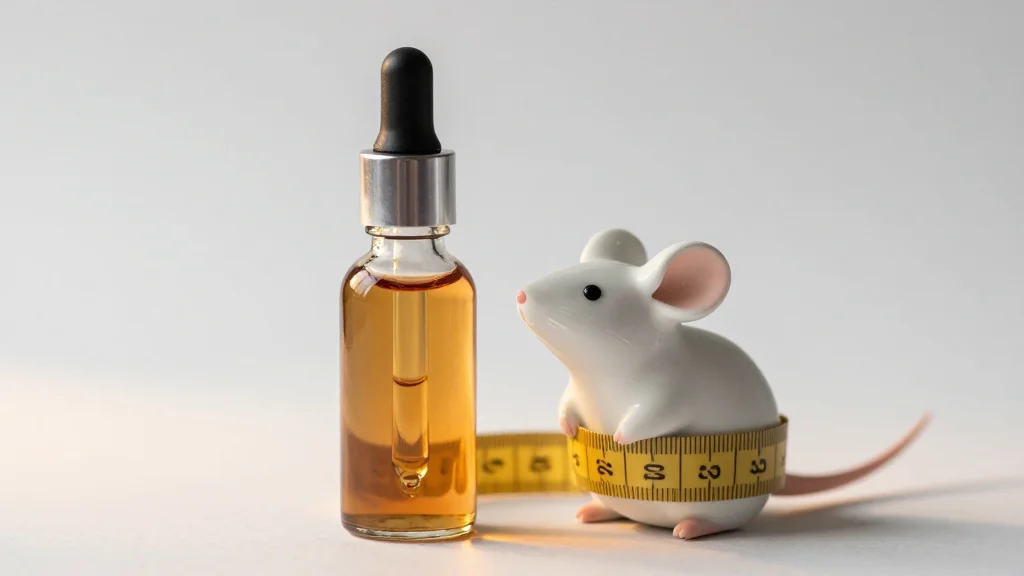
Federal Study Finds Full‑Spectrum Cannabis Extract Cuts Weight and Improves Glucose in Obese Mice
Researchers at UC Riverside, backed by NIH grants, reported that a 30‑day regimen of full‑spectrum cannabis extract reduced body weight, visceral fat and restored glucose clearance in high‑fat diet mice, outperforming isolated THC. The findings revive debate over cannabis’s metabolic...
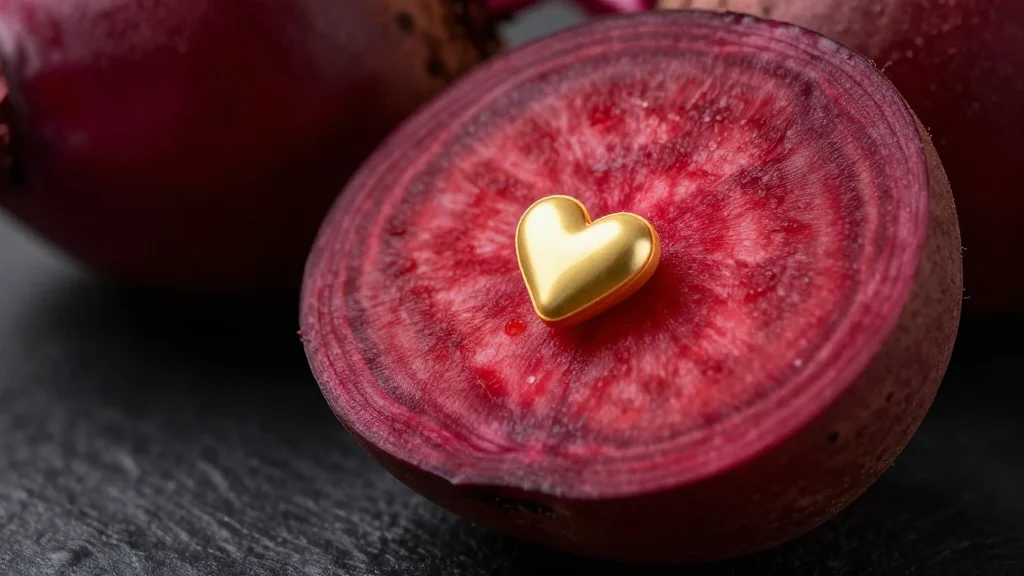
Beetroot Nitrate Supplement May Undermine Heart Benefits in Female Athletes, Study Finds
Researchers at Dalhousie University reported that sodium nitrate, the active ingredient in many beetroot performance supplements, negated the heart‑benefiting effects of aerobic training in female mice. The findings raise fresh safety questions for women who rely on beetroot juice or...

Aker BioMarine's Krill Oil Cuts Chronic Muscle and Joint Pain in 12‑Week Pilot
Aker BioMarine announced that its Superba krill oil reduced chronic muscle and joint pain in a double‑blind, placebo‑controlled pilot involving 40 adults aged 60+. Participants saw lower pain scores and a rise in blood omega‑3 from 4.3% to 7.4%, suggesting...

Amount of Central Fat Predicts Mortality Risk in Non-Obese Individuals
Recent clinical data confirm that targeted dietary strategies can dramatically reduce visceral and hepatic fat in non‑obese adults, independent of overall weight loss. Polyphenol‑rich Green Mediterranean patterns, high‑protein regimens, and resistant‑starch supplementation each show 40‑50% liver‑fat reductions, while extreme hypocaloric...
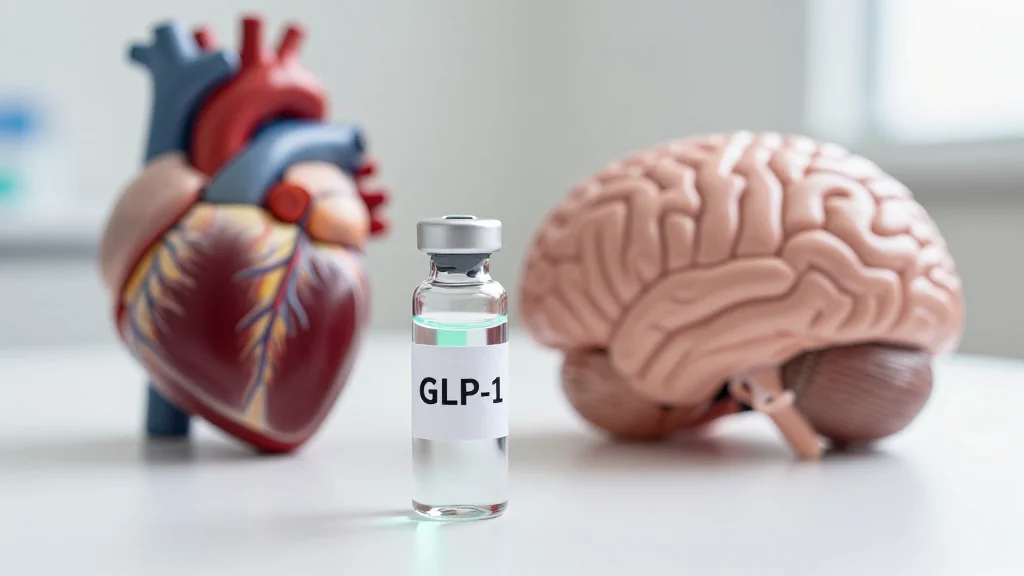
GLP‑1 Weight‑Loss Drugs Show Cardiovascular and Metabolic Gains
GLP‑1 weight‑loss injections, taken by one‑eighth of U.S. adults, are now linked to reduced inflammation, fewer heart‑failure hospitalizations and lower risk of dementia and cancer. Researchers say the findings broaden the drugs’ value beyond weight loss.

What Endurance Athletes Need to Know About Sodium and Supplement Limits
Endurance athletes, especially those training in hot, humid conditions, must prioritize electrolyte replenishment, with sodium being the most critical mineral lost in sweat. Federal Dietary Reference Intakes provide baseline limits, but they don’t account for individual sweat rates that can...
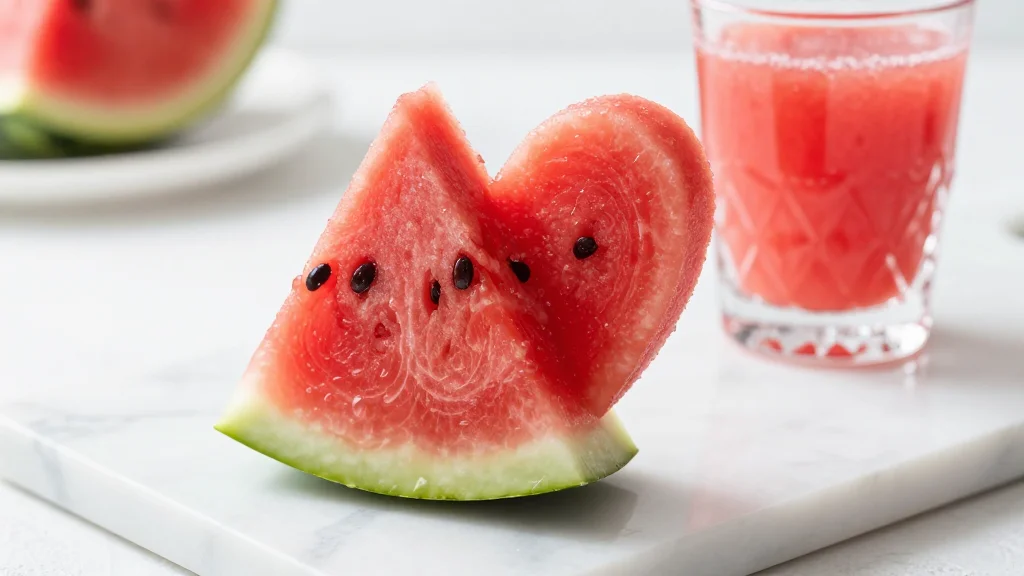
Study Links Watermelon Intake to Better Diet Quality and Vascular Health
Researchers analyzing NHANES data and a Louisiana State University clinical trial found that people who eat watermelon have higher‑quality diets and that watermelon juice helps maintain vascular function during high blood sugar, suggesting a simple fruit can aid heart and...
This 2-Nutrient Combo Can Support Mitochondrial & Muscle Health
A recent review of glycine and N‑acetylcysteine (NAC) supplementation finds the duo can boost glutathione production, reduce oxidative damage, and improve mitochondrial function. Across human and animal studies the combination showed modest gains in muscle strength, insulin sensitivity, and even...
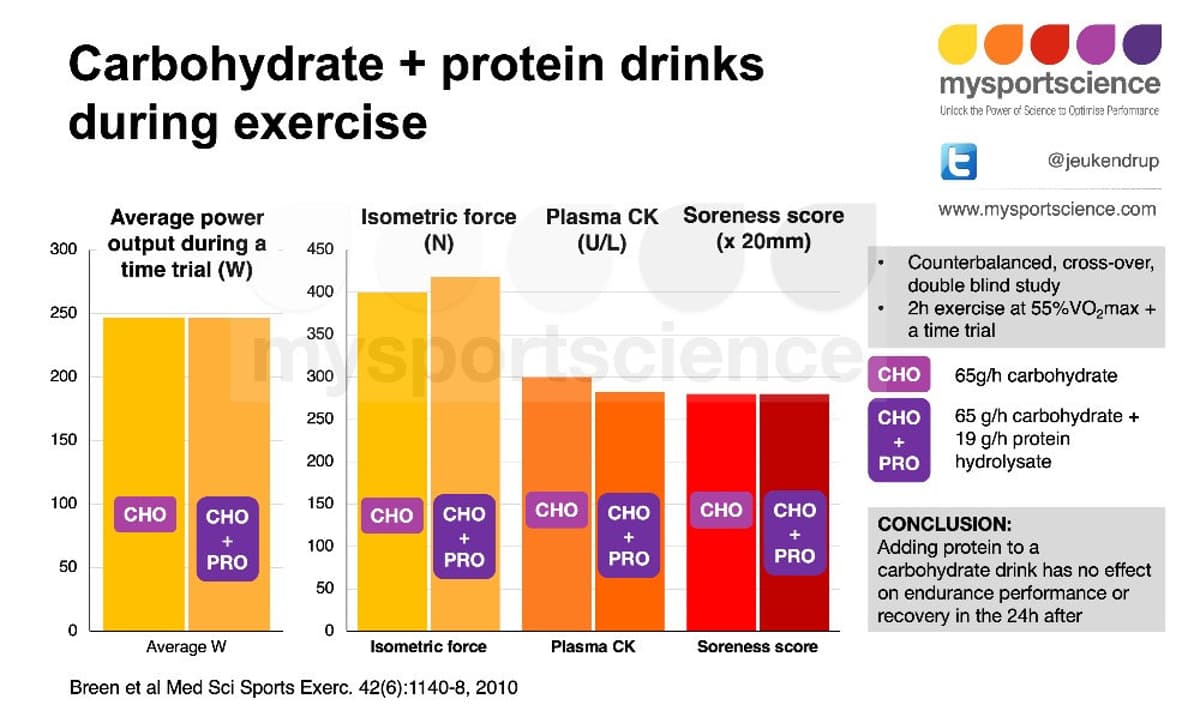
Protein Isn’t Essential Alongside Carbs During Exercise
Do I need to take protein with my carbohydrate during exercise? We are all aware of drinks and the gels that are commercially available as carbohydrate sources. But should we be thinking of protein as well? Read the blog for...

Scientists Discover Strange Link Between Vitamin D and Pain
Researchers at Fayoum University Hospital found that women with vitamin D deficiency (<30 nmol/L) experienced three times more moderate postoperative pain after breast‑cancer surgery and required significantly higher opioid doses. The deficient group used an average of 112 mg more tramadol in...
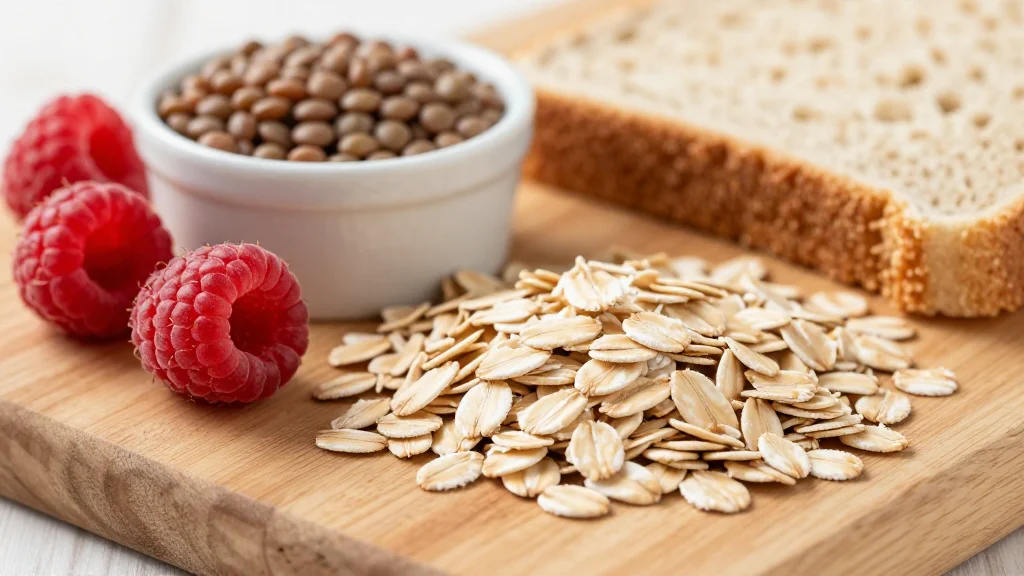
Study Backs 'Fibermaxxing' Trend as Remedy for America's Fiber Deficit
Nutrition researchers led by University of Illinois professor Hannah Holscher have validated the social‑media‑driven "fibermaxxing" trend, showing that higher fiber intake can lower the risk of premature death. The study highlights that just one in ten Americans currently meets the...
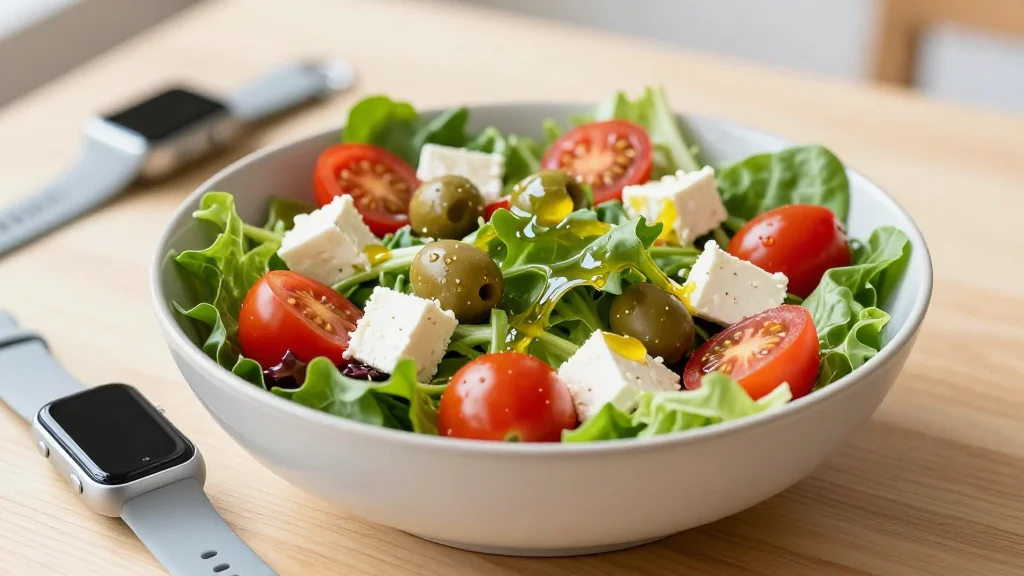
Enhanced Mediterranean Diet Cuts Type‑2 Diabetes Risk by 31% in Spanish Trial
A large Spanish clinical trial, PREDIMED‑Plus, demonstrated that a Mediterranean‑style diet paired with modest calorie reduction, regular exercise, and professional weight‑loss coaching lowered the six‑year risk of developing type‑2 diabetes by 31%. The findings provide a data‑backed blueprint for biohackers...