Anduril to Work With Impulse Space, K2 Space, Voyager, and Others on Space-Based Interceptor Award
Anduril Industries secured an Other Transaction Authority contract from the U.S. Space Force to prototype technologies for space‑based interceptors under the Golden Dome initiative. The company announced a consortium that includes Impulse Space, Inversion Space, K2 Space, Sandia National Laboratories and Voyager Technologies. Each partner will contribute specialized capabilities such as in‑orbit mobility, re‑entry vehicles, high‑capacity satellite platforms and advanced weapons expertise. The award signals a coordinated push to develop affordable, scalable defenses against evolving missile threats from space.
U.S. Space Force Cancels $6.27 B GPS OCX Program, Shifts to Incremental Upgrades
The U.S. Space Force announced the termination of the GPS Next Generation Operational Control System (OCX) program, a $6.27 billion effort led by RTX. Acting Service Acquisition Executive Tom Ainsworth said the decision reflects a move toward faster, incremental capability delivery...
SpaceX’s $60 B Cursor Deal Sparks NASA Artemis Concerns
SpaceX announced a $60 billion acquisition of AI‑code startup Cursor, a sum that dwarfs NASA’s annual budget and coincides with delays to its Starship rocket. Experts warn the deal could distract the firm from delivering the Human Landing System for Artemis...
What Amazon’s Globalstar Acquisition Means for MSS Spectrum and D2D Market: Analyst Roundtable
Amazon agreed to buy Globalstar for roughly $10.8 billion, securing the satellite operator’s mobile‑satellite‑services (MSS) spectrum licenses and an active network. The deal includes a continuation of Apple’s satellite service partnership, giving Amazon immediate access to millions of iPhone users. By...

AI Boosts Satellite Imagery to 2‑Meter Resolution
Today we announced Planet SuperRes, a breakthrough tech that uses AI to uplevel our PlanetScope near-daily imagery from 3 m to a much sharper 2 m resolution. 🛰️ Really cool things done by our team to make this happen. The model...
PhD Defense Takes Precedence Over Artemis Image Talk
Y’all I want to talk about all the new Artemis images that just dropped but I am defending my PhD tomorrow so that’s gonna have to wait 😅
Telesat Confirms Fully Funded 2028 Lightspeed Timeline Following Q1 Design Reviews
Telesat reported Q1 2026 results, investing roughly $125 million USD in its Lightspeed LEO constellation, bringing total spend to about $2 billion USD. The company confirmed it is fully funded to launch global commercial service by the first quarter of 2028. A $800 million...

Commerce Aiming to Open Novel Space Applications This Summer
The U.S. Department of Commerce’s Office of Space Commerce (OSC) unveiled a one‑stop licensing framework that lets companies submit a single application for novel space missions—ranging from asteroid mining to in‑space refueling—to be shared with the FAA, FCC and other...
The Golden Dome’s Northern Footprint
The U.S. “Golden Dome” is a next‑generation integrated air and missile defence (IAMD) program launched by Executive Order 14186, with an initial $24.4 billion allocation and a projected $175 billion cost. It aims to use large constellations of sensor and interceptor satellites for...
FCC Revocation Misjudged: Starlink Meets Speed Targets
Under President Biden, the FCC revoked an $885 million award that Starlink won to provide high-speed Internet to millions of Americans. Back then, the agency claimed that it was revoking the award because it was unlikely that Starlink could provide 100/20...
Next-Gen Near-Earth Asteroid Space Telescope Takes Shape
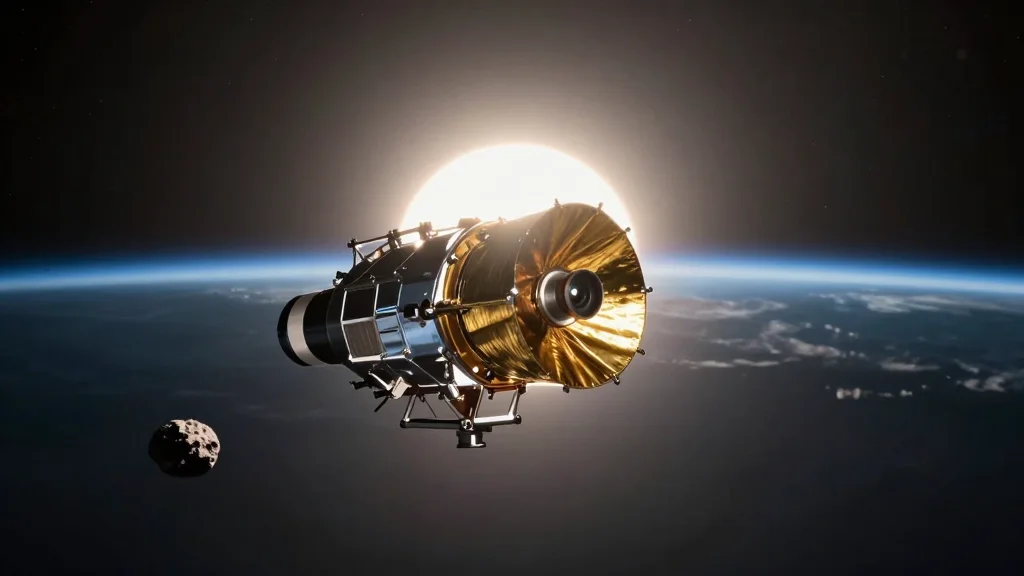
NASA announced that the next‑generation Near‑Earth Asteroid (NEA) Space Telescope, part of the NEO Surveyor mission, has entered final hardware integration at the Jet Propulsion Laboratory. The 50‑centimeter infrared instrument will operate from the Sun‑Earth L1 point, using a cryogenic...
'I Was Not Looking for This': Scientist Accidentally Finds Shortcut to Mars that Could Slash Travel Time in Half
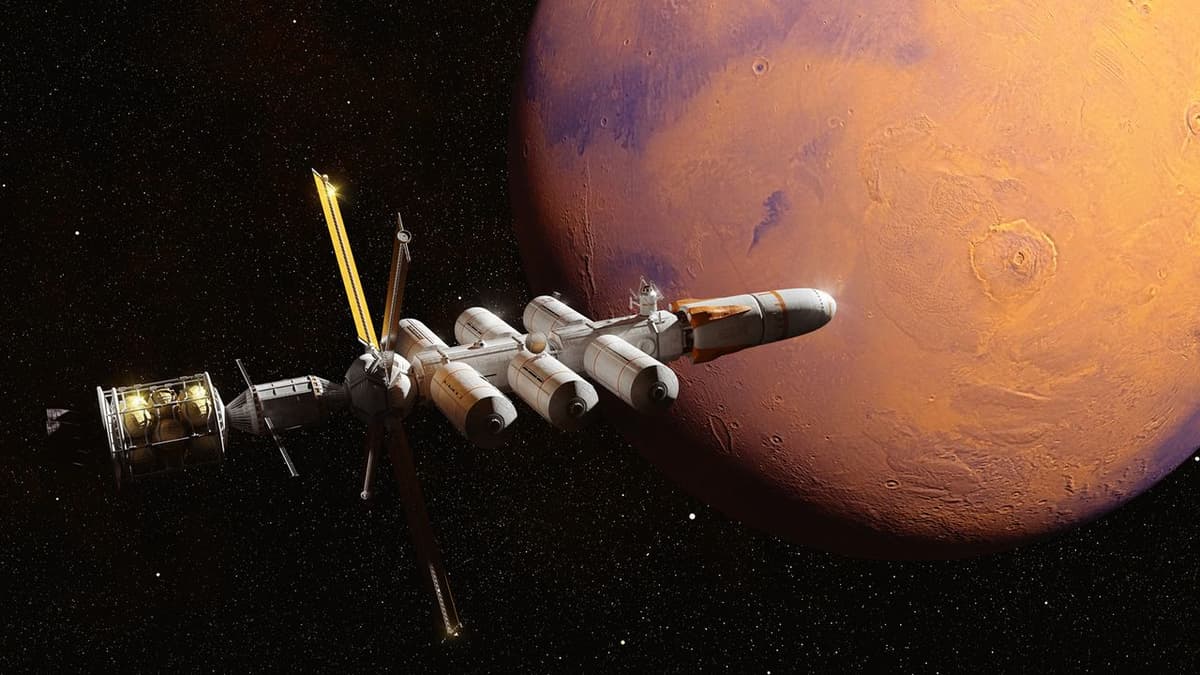
A new study suggests ultra‑short Mars trajectories inspired by early asteroid orbit estimates could cut round‑trip travel time to as little as five months. The research, published in Acta Astronautica, shows a 34‑day Earth‑to‑Mars leg is geometrically possible, though it...

Two Lawsuits Against SpaceX, Claiming Company Operations Damage Local Homes
SpaceX is facing two separate lawsuits alleging that its Starship launch and test activities have damaged nearby homes. The first suit involves about 80 homeowners living 5‑10 miles from the Boca Chica launch complex, who claim vibrations, noise and broken...
Pittsfield Lab Secures $1 Million NASA Contract to Test Artemis Spacesuits
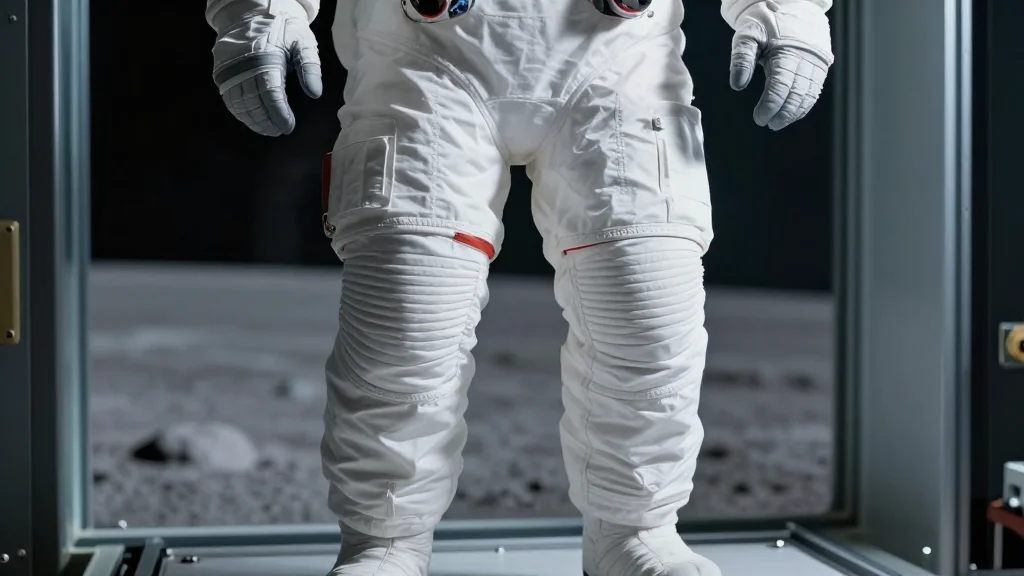
Electro Magnetic Applications (EMA) announced that its Berkshire Innovation Center lab in Pittsfield will conduct spacesuit material testing for NASA's Artemis program, backed by more than $1 million in new NASA contracts. The effort, partnered with Synopsys, aims to certify suit...
Firefly Aerospace Posts Record $159.9M Revenue, Sets Aggressive 2026 Launch Roadmap
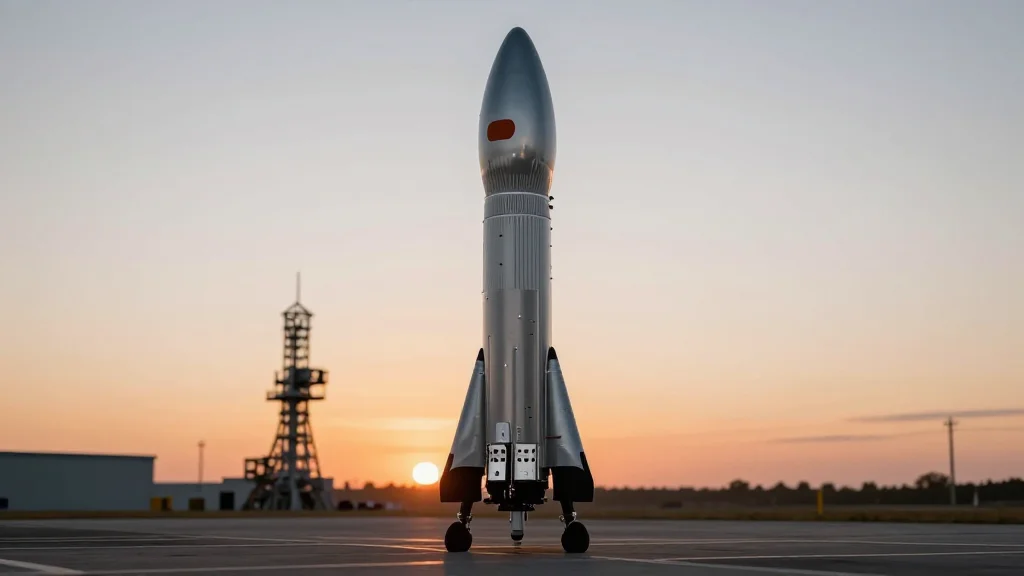
Firefly Aerospace announced $159.9 million in annual revenue for 2025, a 163% jump, and $57.7 million in Q4 – the highest quarterly total in its history. The company also detailed a packed 2026 launch slate, including four Alpha rocket flights and multiple...

NASA Objects to Blue Origin’s “Project Sunrise”
NASA filed an objection with the FCC on May 5, 2026 against Blue Origin’s “Project Sunrise,” a proposal to launch up to 51,600 low‑Earth‑orbit satellites that would host orbital data centers for AI workloads. The agency cites safety and sustainability risks, including...
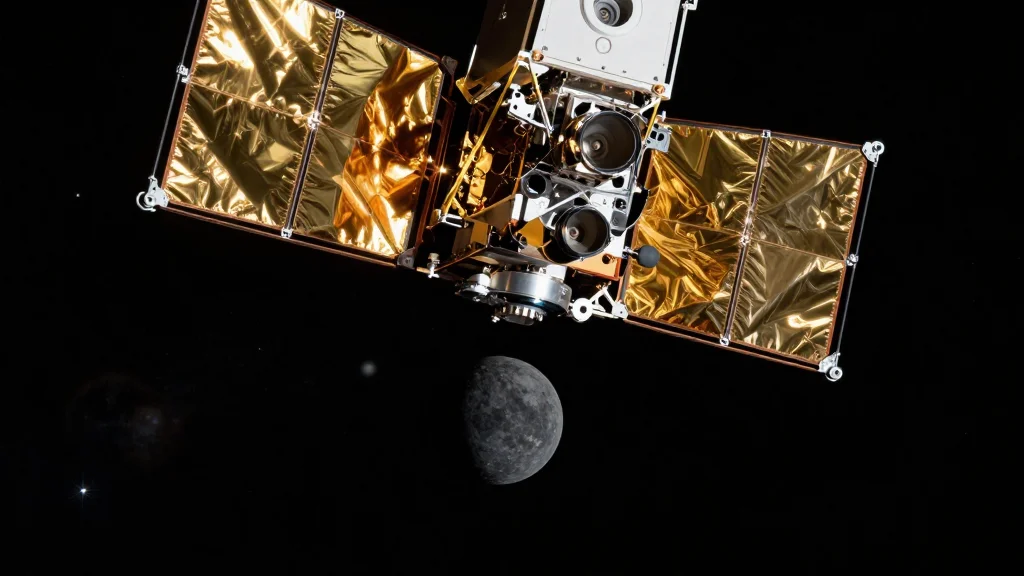
Webb Telescope Captures First Direct Look at Distant Exoplanet’s Surface
Astronomers using the James Webb Space Telescope have, for the first time, directly observed the surface of a distant super‑Earth, LHS 475b, located about 40 light‑years from Earth. The planet appears dark and airless, resembling a Mercury‑like rocky world with surface...
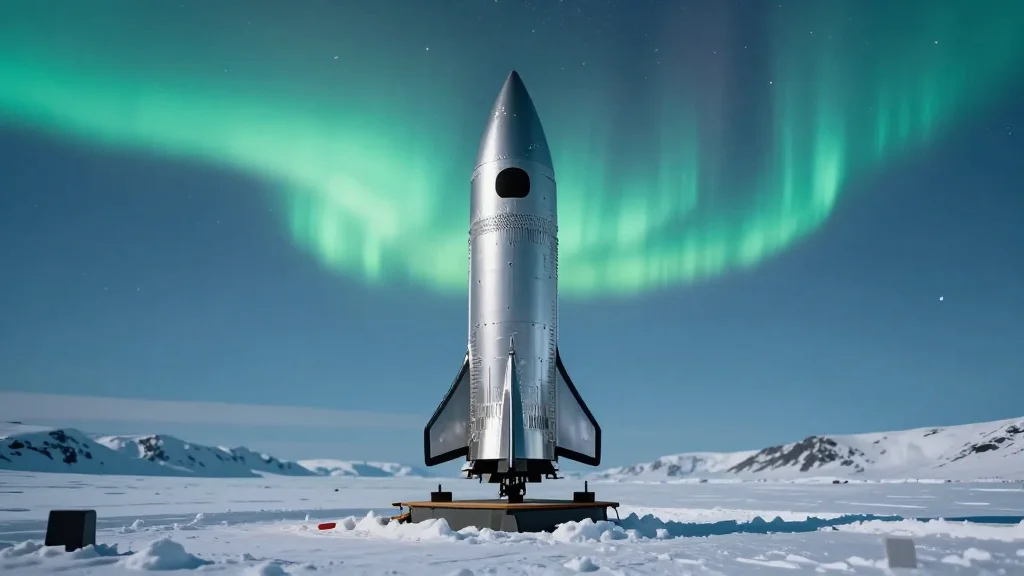
“We Need to Just Get This Done”: Alex MacDonald on Canada’s Orbital Launch Future
Alex MacDonald, former NASA chief economist, highlighted Canada’s long‑standing space pedigree at the May 5 NordSpace conference. He noted the government’s new Launch the North initiative, committing more than $300 million CAD (≈$222 million USD) to Maritime Launch Services and three domestic launch firms,...
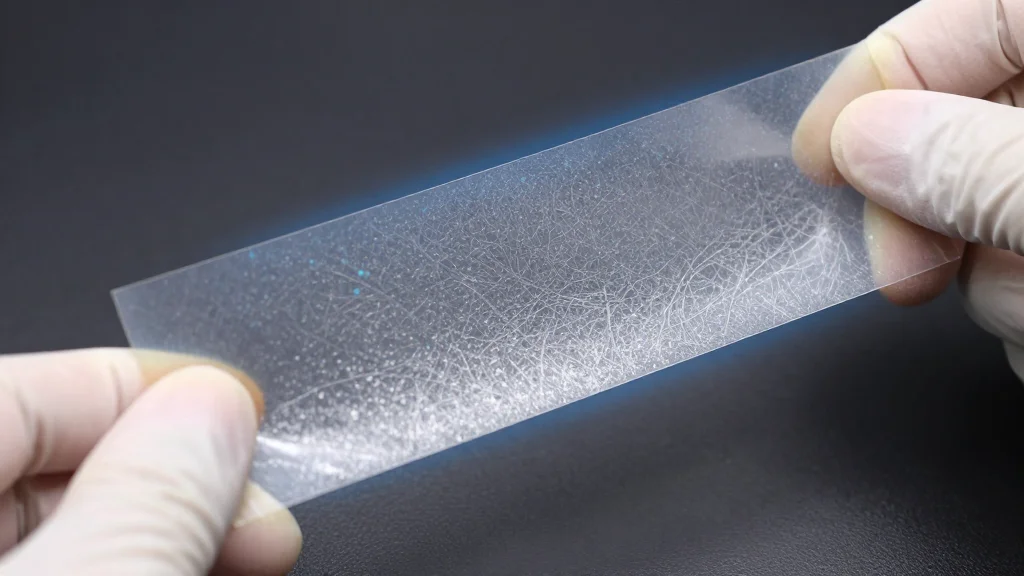
South Korean Researchers at KIST Develop an Ultrathin Composite Film
South Korean researchers at the Korea Institute of Science and Technology have created an ultrathin (10‑20 µm), stretchable, 3D‑printable composite film that simultaneously shields electromagnetic interference (EMI) and neutron radiation. The film combines single‑walled carbon nanotubes for EMI absorption with boron...
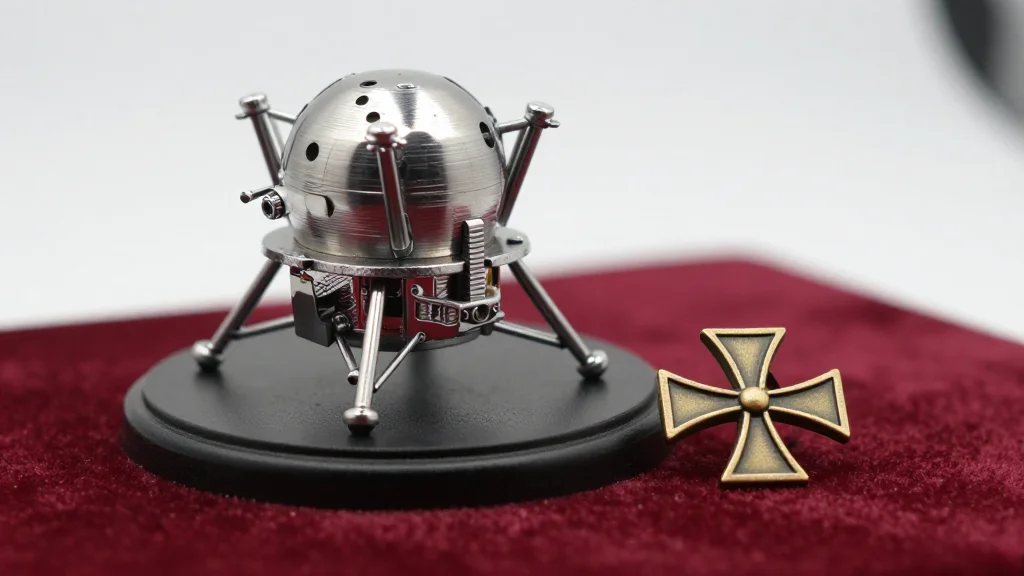
Malta Signs Artemis Accords
Malta signed the Artemis Accords on May 4, becoming the alliance’s 66th member. The ceremony in Kalkara featured NASA, the U.S. State Department, and Malta’s senior ministers. Malta joins a rapidly expanding roster that includes Ireland, Latvia, Jordan, Morocco and...

NASA Posts Thousands More Artemis II Photos
NASA has added thousands of new photographs from the Artemis II crewed lunar flyby to its public Gateway to Astronaut Photography of Earth archive. The mission, the first human trip around the Moon in over half a century, captured high‑resolution images...

SmallSat Europe Speaker Focus: Olaf Eckart, BMW Group
BMW Group’s Non‑Terrestrial Network (NTN) team, led by senior expert Olaf Eckart, is driving the convergence of automotive and satellite communications. The 5G Automotive Association’s NTN Roadmap, released in September 2024, outlines phased deployment of narrowband, wideband and broadband satellite links...

ESA Awards Thales Alenia Space €26 Million Contract for LISA Telescopes
The European Space Agency (ESA) has awarded Thales Alenia Space a €26.1 million (≈$28.7 million) contract to design, build, and test six high‑precision Zerodur® optical telescopes for the Laser Interferometer Space Antenna (LISA) mission. LISA, a €1.05 billion (≈$1.16 billion) flagship project, aims to...

AIAA, Aerospace Corporation Launch ASCEND 2026 Classified Day
The American Institute of Aeronautics and Astronautics (AIAA) is hosting its first ASCEND 2026 Classified Day on May 18 at The Aerospace Corporation’s Chantilly, Virginia headquarters. The closed‑door session will feature a keynote by NRO Director Chris Scolese and senior leaders from...
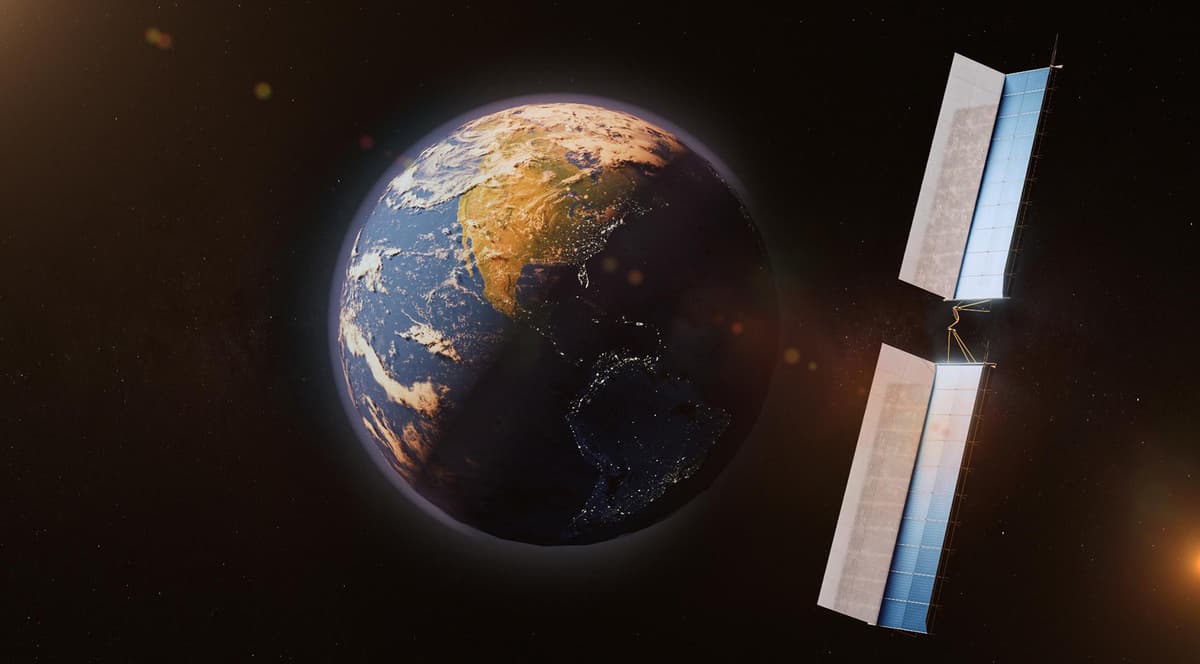
Meta’s Space Solar Bet Highlights AI Data Center Power Gap
Meta has teamed with Overview Energy and Noon Energy to explore space‑based solar power (SBSP) with demonstration projects slated for 2028. The initiative is positioned as a long‑term capacity solution rather than an immediate fix for the soaring electricity needs...

Don’t Miss SGx 2026, Part of ASCEND – Washington D.C. | 17–18 May
SGx 2026: Inventing New Orbits will convene students, young professionals, and senior leaders from NASA, Blue Origin, Airbus, Northrop Grumman and other aerospace firms on May 17‑18 in Washington, D.C. The two‑day program blends TEDx‑style talks, hands‑on workshops, a National Geographic...

SpaceX Water‑deluge Test Sparks Explosion, Delaying Starship Launch
SpaceX’s water‑deluge system test at Starbase, Texas, erupted in an explosion on May 3, 2026, forcing the company to assess damage and likely delay the Starship flight test 12 slated for May 12. The incident involved roughly 350,000 gallons of...

Bridenstine Takes Over as Quantum Space CEO
Former NASA administrator Jim Bridenstine has been appointed chief executive of Quantum Space, a satellite‑maneuvering firm. Bridenstine says the role lets him return to national‑security work, leveraging his military and congressional experience. Quantum’s flagship Ranger vehicle can both refuel other...

May 5, 1961: The First American in Space
On May 5, 1961 Alan Shepard piloted the Freedom 7 capsule, becoming the first American to reach space. Launched from Cape Canaveral on an Army Redstone missile, the suborbital flight peaked at 116.5 miles (187.5 km) altitude and 5,180 mph (8,336 km/h). The 15‑minute mission was broadcast live,...
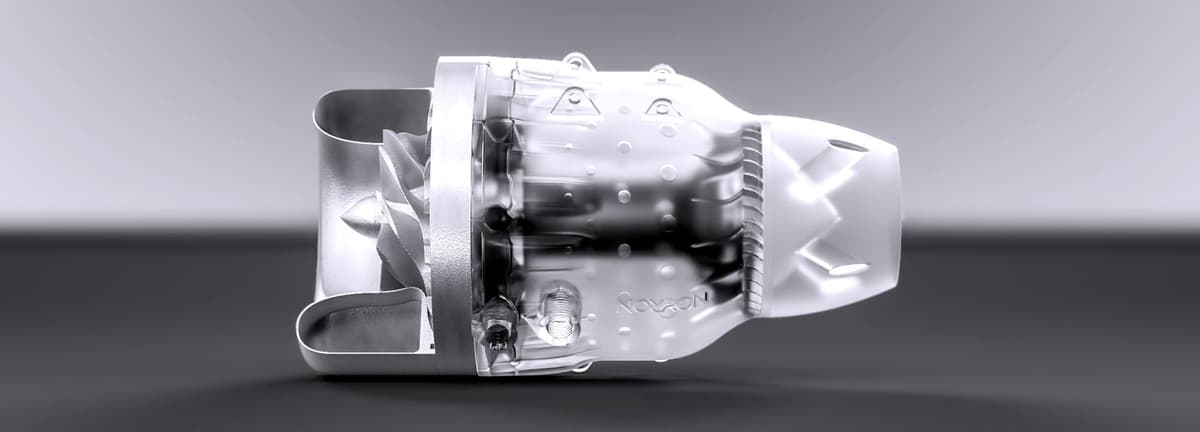
LEAP 71 and Sindan Partner to Develop Aerospace Systems with Computational Engineering Tools
AI‑driven manufacturing firm Sindan and UAE aerospace startup LEAP 71 have signed a strategic partnership to develop air‑breathing jet engines and space propulsion systems using LEAP 71’s Noyron computational engineering model and Sindan’s AI‑powered additive manufacturing platform. The collaboration aims to compress...

ESA Taps Edge Aerospace for Space Cloud Contract
Edge Aerospace, a Luxembourg‑based in‑space computing startup, has been awarded an ESA Space Cloud contract to develop an architecture and use‑case roadmap for orbital data centres. The study will assess commercial viability and identify civil, commercial and defence applications for...

Amazon Leo Prepares To Bring Satellite Internet Service To Kenya
Amazon’s Kuiper Kenya subsidiary has submitted a Network Facilities Provider Tier 2 licence application to the Communications Authority of Kenya, seeking regulatory clearance to launch its Leo satellite‑internet service. Kenya, which gained Starlink coverage in 2023, could soon host a second...

FCC Overhauls Satellite Spectrum Rules
The FCC announced it will scrap the decades‑old equivalent power flux density (EPFD) rules that capped interference from non‑geostationary satellites. Instead, operators will negotiate interference protections through voluntary, good‑faith agreements, a move the commission says could lift LEO satellite throughput...
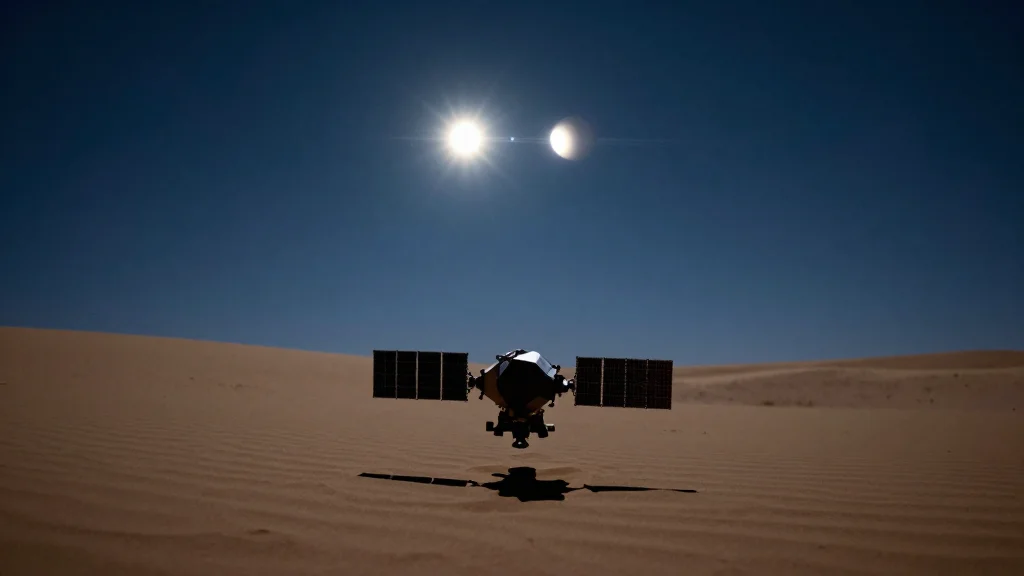
TESS Eclipse‑Timing Study Reveals Over Two Dozen New Exoplanet Candidates
A new analysis of NASA’s TESS data on eclipsing binary stars has identified more than two dozen candidate exoplanets, a method that sidesteps the need for direct transits. The discovery pushes the total count of binary‑star planets found by TESS...
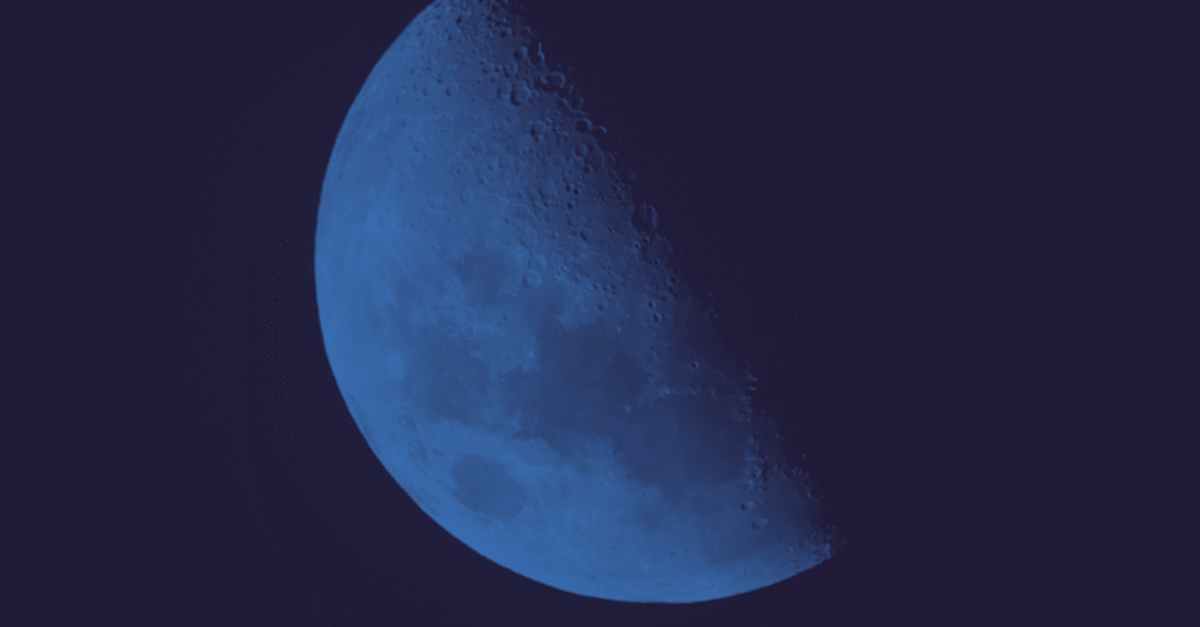
When It Comes to the Moon, We’ve only Scratched the Surface
Artemis II returned to Earth after a 10‑day mission that included a lunar flyby, marking the first time a woman and a non‑U.S. citizen have flown to the Moon. The flight demonstrated key Orion spacecraft systems and set the stage for...
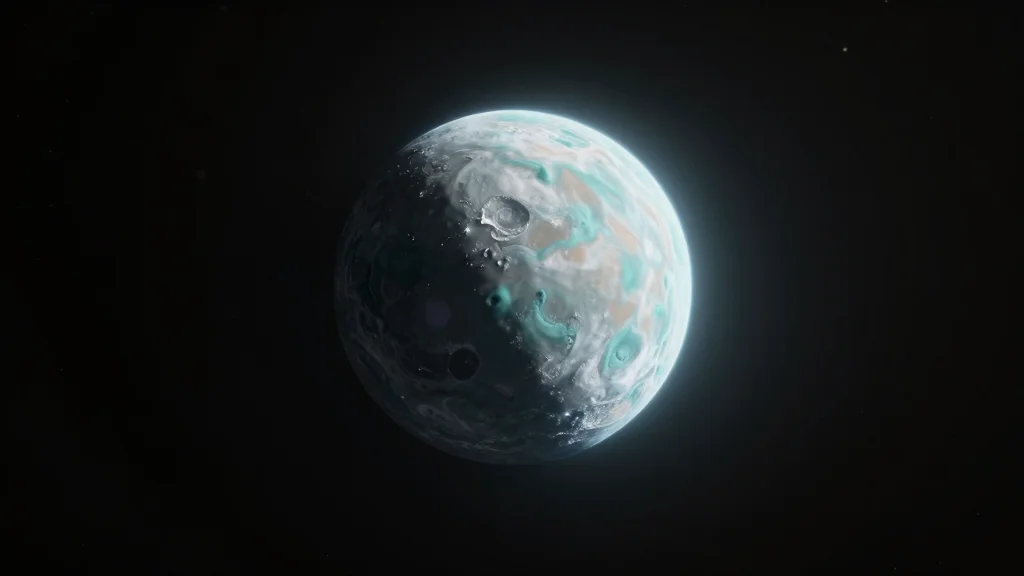
Tiny Kuiper Belt Object (2002 XV93) Shows First Atmosphere Beyond Pluto
Japanese researchers have identified a thin, methane‑rich atmosphere around the 500‑km‑wide Kuiper Belt object (612533) 2002 XV93. The finding makes it only the second known trans‑Neptunian body with an atmosphere, challenging long‑standing assumptions that such small, distant worlds are inert.

China Is Beating the U.S. in Space?!
In this episode of China Decode, hosts Alice Han and James King examine China's rapid advancements in space, highlighting milestones such as a Mars rover, a lunar far‑side sample return, a new space station, over 90 launches in 2025, a...

Basalt Space and Bay Area Rivals Aim to End Starlink’s Constellation Monopoly
San Francisco‑based Basalt Space and other Bay Area startups are launching a "Constellations‑as‑a‑Service" model that lets governments and enterprises task their own small satellite swarms without relying on Starlink or traditional providers. The pitch emphasizes sovereign control over orbital capacity,...
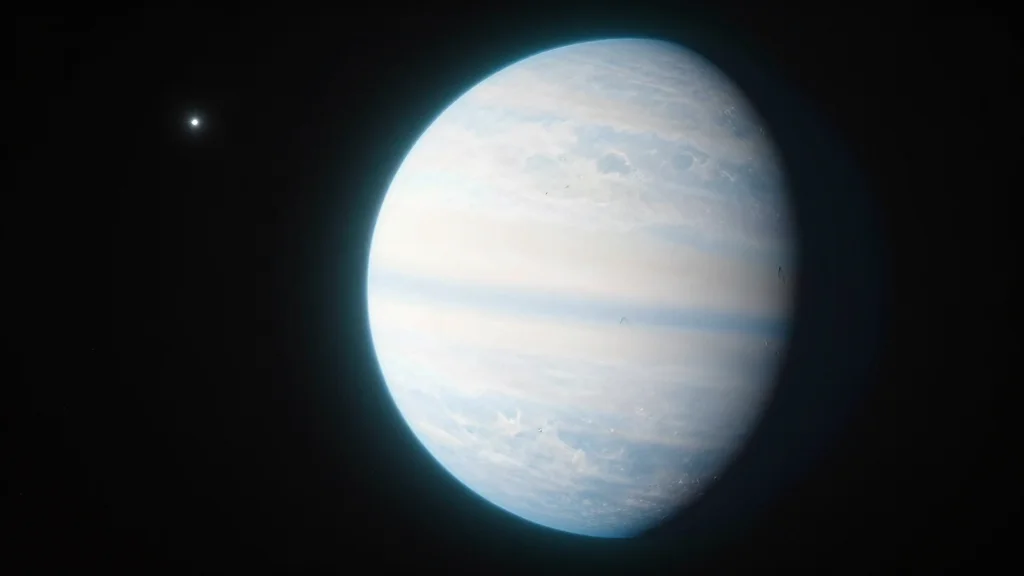
Astronomers May Have Detected an Atmosphere Around a Tiny, Icy World Past Pluto
Astronomers using stellar occultation data have identified a thin global atmosphere around the distant Kuiper Belt object (612533) 2002 XV93, a roughly 500‑kilometer icy world that orbits beyond Pluto. The atmosphere is estimated to be 5‑10 million times thinner than Earth’s and 50‑100...

Geothermal Power: Mars' Viable Renewable Energy Option
Can clean, renewable energy sources be used on Mars? Mars is a cold, barren planet far from the sun, and with little atmosphere and no flowing water. If people were to live there, could they obtain their energy from clean, renewable...
Light‑Touch FCC Rules Fuel Starlink Consumer Boom
Light-touch regulation embraced by @BrendanCarrFCC keeps yielding massive consumer upside benefits as a result of the rapid commercialization of Low Earth Orbit space by @SpaceX ... @Ookla: '@Starlink Hits New Highs in the U.S.' https://t.co/Jv3YIKA1g4

In-Space Servicing and Satellite Inspection Market Analysis 2026
The successful five‑year life‑extension of Intelsat 901 by Northrop Grumman’s Mission Extension Vehicle‑1 has turned in‑space servicing from a concept into a viable commercial service. Operators are now paying for satellite inspection, propulsion pods, and end‑of‑life deorbit contracts to extend revenue, meet...
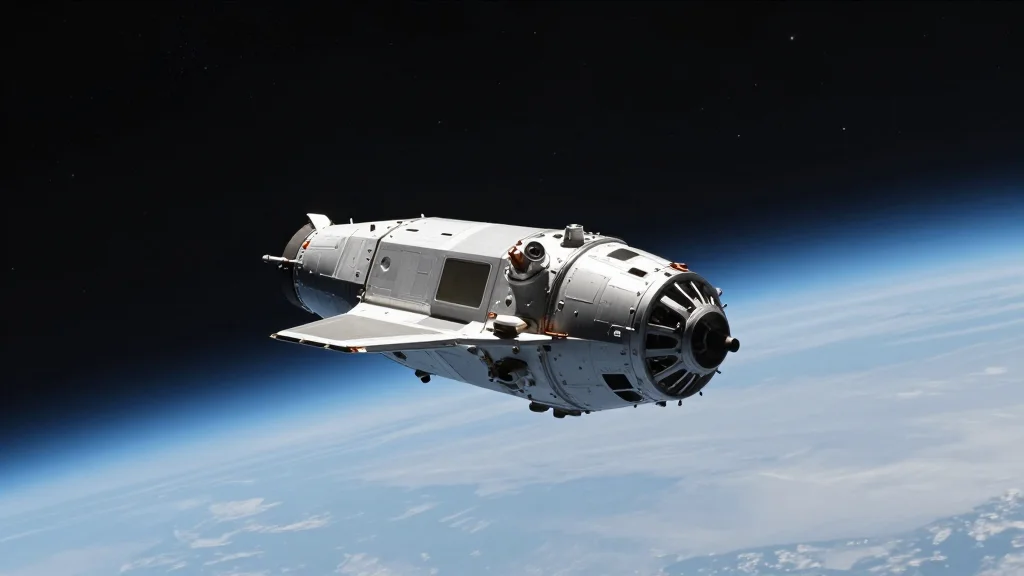
InversionSpace Milestones Advance Critical Space Interceptor Program
Phenomenal achievement from @InversionSpace, one of a very small group of new technology startups building on this hyper critical space-based interceptor program. One of the most important missions for the future –– and the present –– of U.S. and allied capabilities...
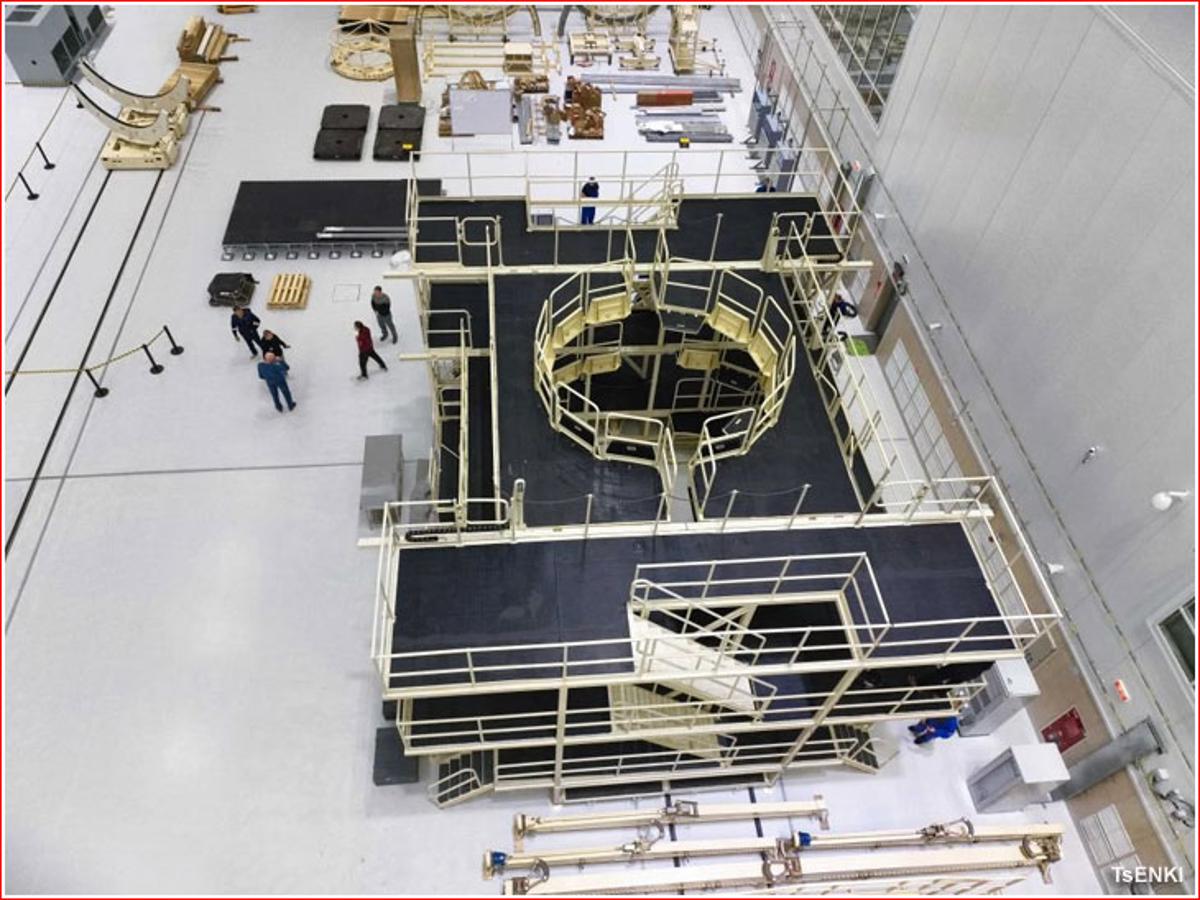
Roscosmos Completes Crew Capsule Processing Stand at Vostochny
Last month, Roskosmos completed processing stand for the crew capsule of the PTK (Orel) new-generation spacecraft, which the ship's 2nd worksite in Vostochny spaceport. Similar installations are planned for PTK's other components. CONTEXT: https://t.co/a3ipLmZ6e9 https://t.co/aQzomFk80C

South Korea Has Launched Its First Privately Built EO Satellite
South Korea successfully launched its first privately built Earth Observation satellite, the Compact Advanced Satellite 500‑2 (CAS500‑2), on 3 May 2026 from Vandenberg Space Force Base using a SpaceX Falcon 9. The 534 kg platform carries a high‑resolution optical sensor capable of 0.5 m panchromatic...
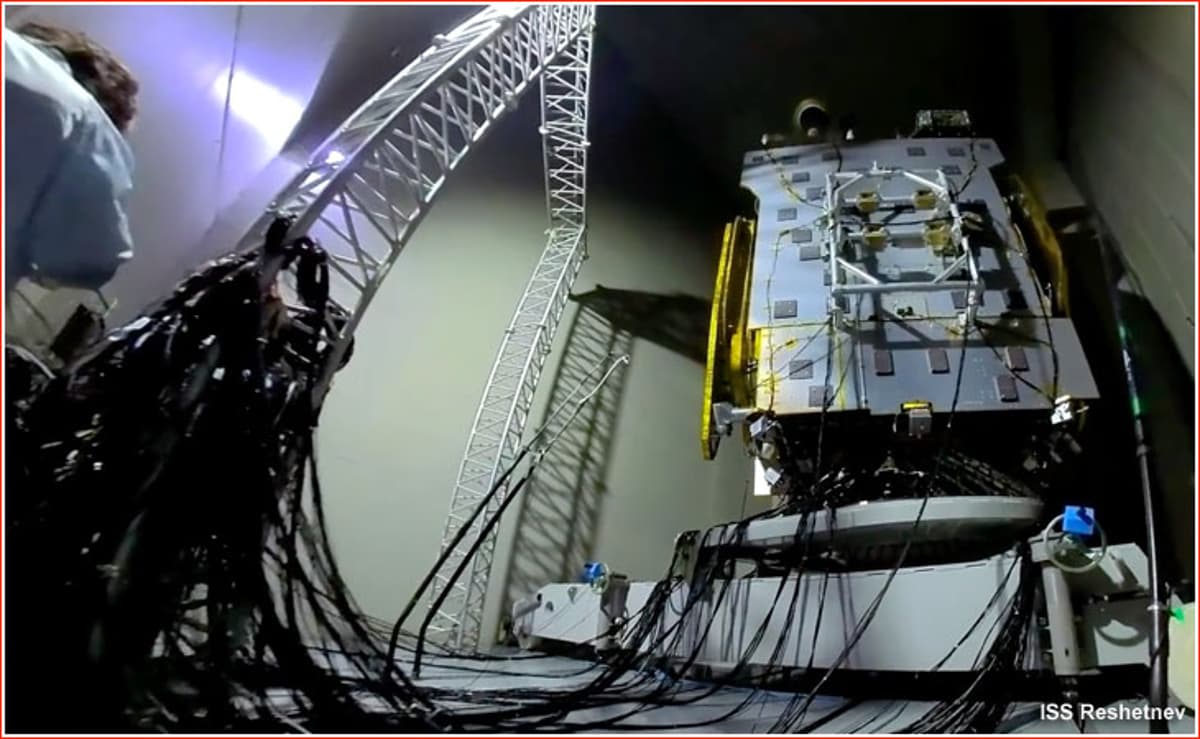
Russia's Ekspress‑AMU4 Launch Pushed to 2028
Ekspress-AMU4, Russia's first civilian geostationary communications satellite to be developed in isolation from the West, completed acoustic tests, but its launch just slipped from 2026 to 2028 due to components' delays... https://t.co/Mz5ys2bFrq
Jim Bridenstine Steps Down, Gabe Sherman Takes Helm
Jim Bridenstine is stepping aside as Managing Partner of The Artemis Group. He remains majority owner and will be Partner Emeritus. Gabe Sherman is the new Managing Partner. https://t.co/5RUe0HaK54
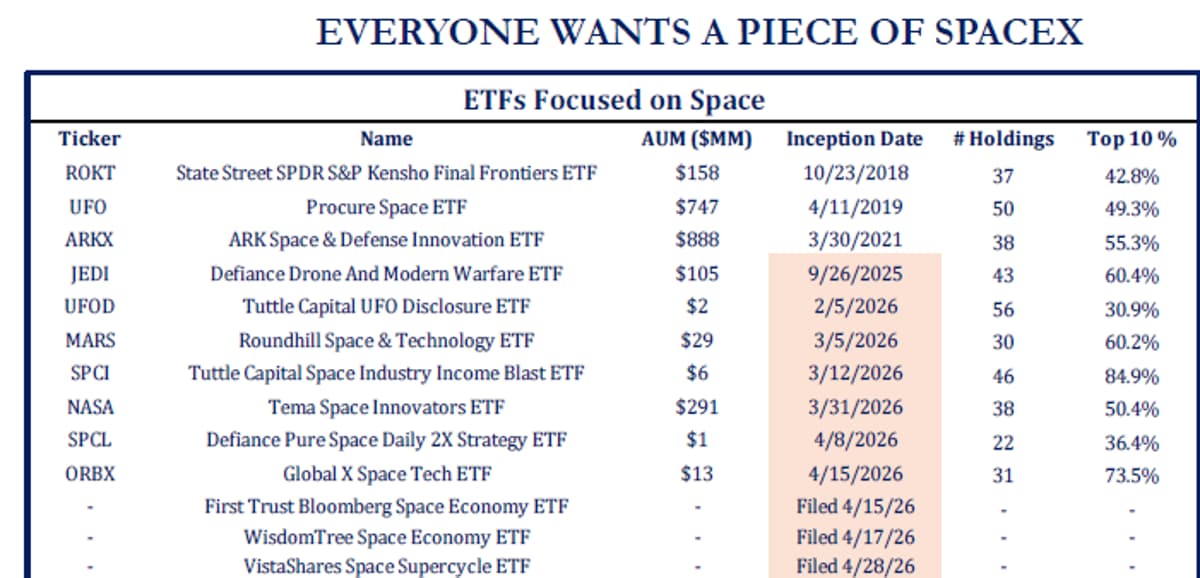
Nine Space ETFs Launch in Three Months Amid SpaceX IPO
I did not realize there have been NINE space ETFs filed or launched in last 3mo. Not to mention the ones curr on mkt changing methodologies/names. All this for Space X IPO. Never seen anything like it.. Facebook, Alibaba were...
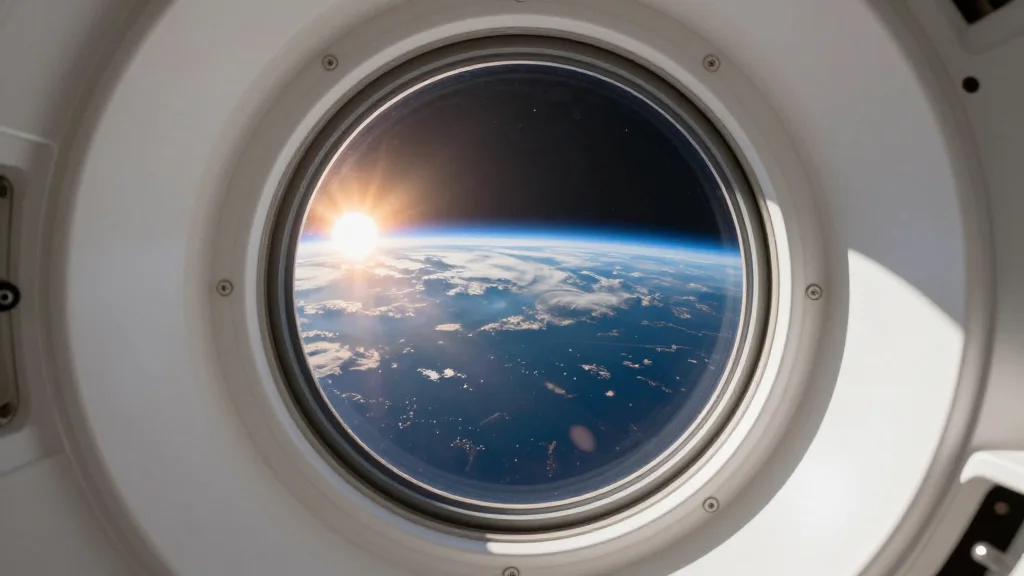
Experience a Starlink Satellite's Full Orbit Firsthand
Here you can follow a Starlink satellite through an entire orbit… …in a first person view. 🤩
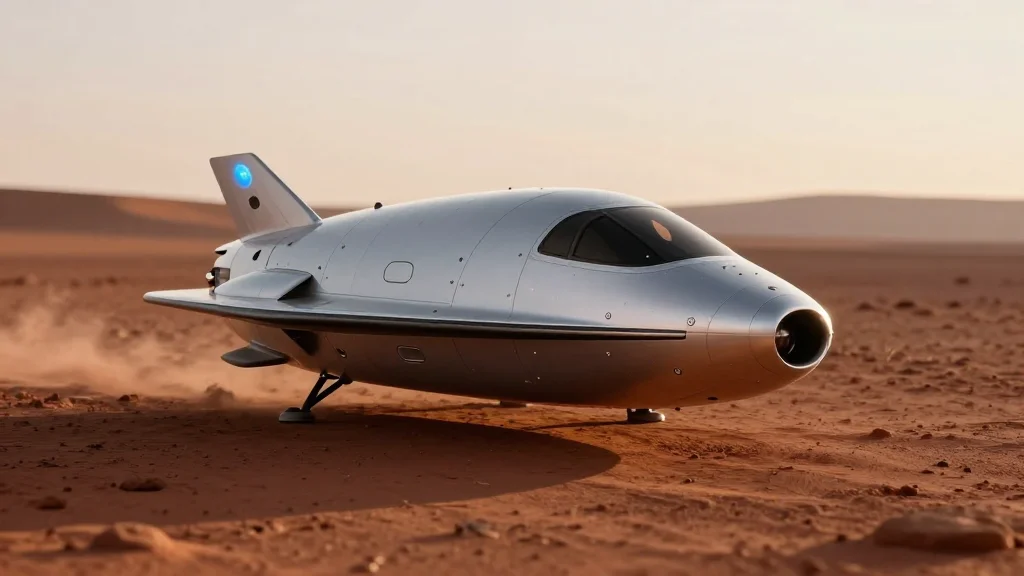
Musk Must Deliver on Lifetime Mars Colonization Promise
This only means that @elonmusk must deliver on his promise to take humans to #Mars in this lifetime ✨ https://t.co/zMvgA9zBw4 #ColonizeMars #MissionMars