
Space Force Awards First Kronos Contracts to Deliver Decisive Intelligence Edge in Contested Space Domain
The U.S. Space Force’s Space Systems Command awarded its first Commercial Solutions Opening contracts under the Kronos program to MapLarge ($499,828) and Leidos ($1.43 million). The contracts fund a prototype that will integrate battlespace characterization, ISR, and multi‑source data fusion into a unified mission‑management tool. Kronos leverages the Air Force’s Software Acquisition Pathway to deliver operational software faster than traditional methods. The effort marks a strategic push to modernize space intelligence and secure decision dominance in a contested orbital environment.
AST’s Legacy Handsets Worsen Latency and Timing Issues
Truly the #cluelesscult. Every aspect that is problematic for Starlink is worse for AST when using legacy handsets: longer path lengths due to higher altitude create higher latency, more functions on the ground make this worse, and larger beams create...
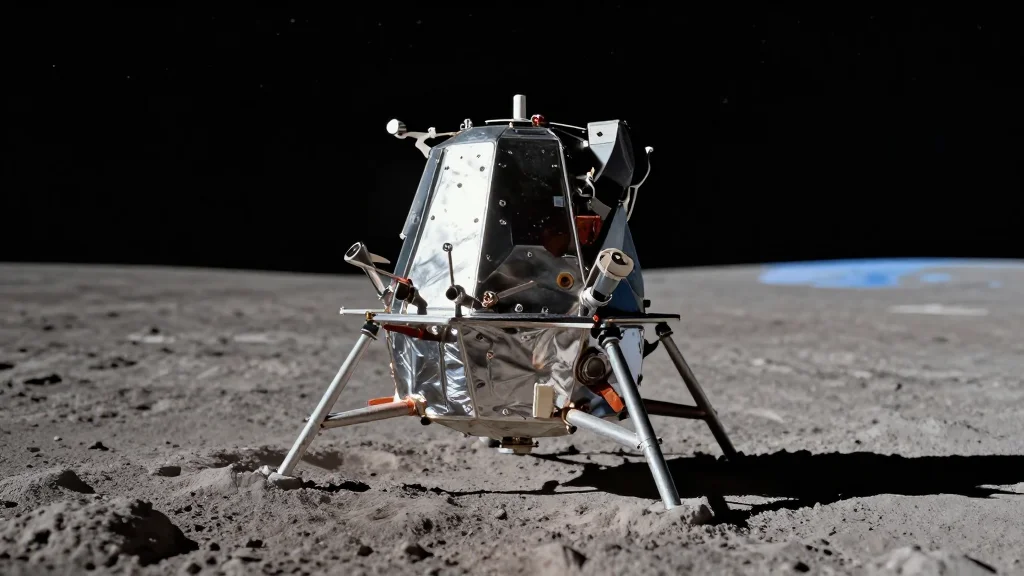
Firefly Aerospace to Receive Space Pioneer Award at the National Space Society’s ISDC Conference
Firefly Aerospace will receive the National Space Society’s Space Pioneer Award at the 44th International Space Development Conference in June 2026, recognizing its Blue Ghost Mission 1. The mission marked the first commercial soft landing on the Moon and operated...
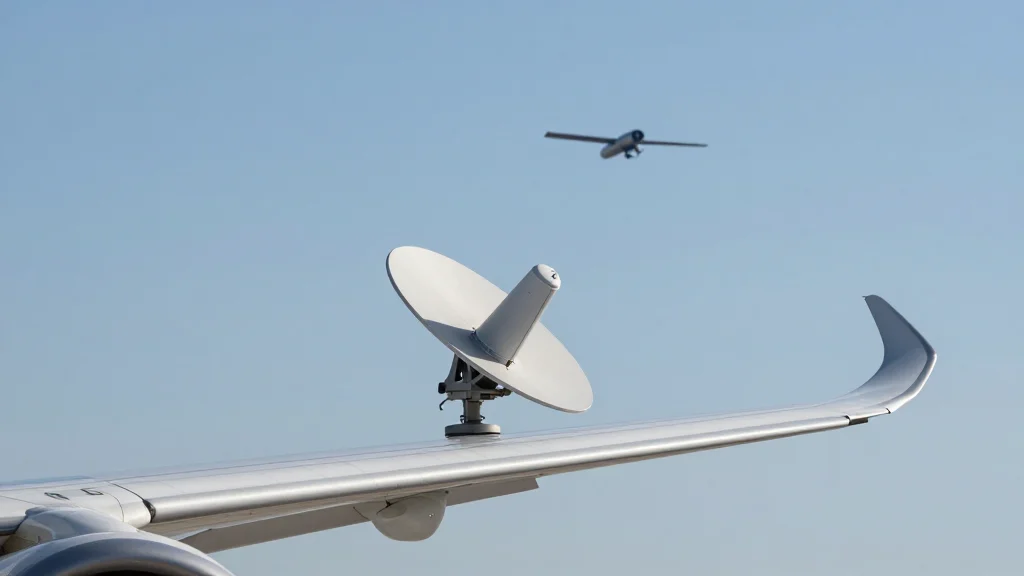
SES to Equip 20 JAL A350‑900s With
Updated to include comment from SES director of program management Rob Baird, who reveals that the firm's GEO/LEO IFC service, as supported by the Gilat Stellar Blu multi-orbit ESA, will be linefit to 20 A350-900s for JAL as part of...

House Appropriations NASA Budget Hearing
NASA Administrator Jared Isaacman appeared before the House Appropriations Subcommittee on Commerce, Justice, Science, and Related Agencies on April 27, 2026 to present the agency’s FY 2027 budget request. The hearing, covered by NASA Watch, included a PDF of Isaacman’s statement...
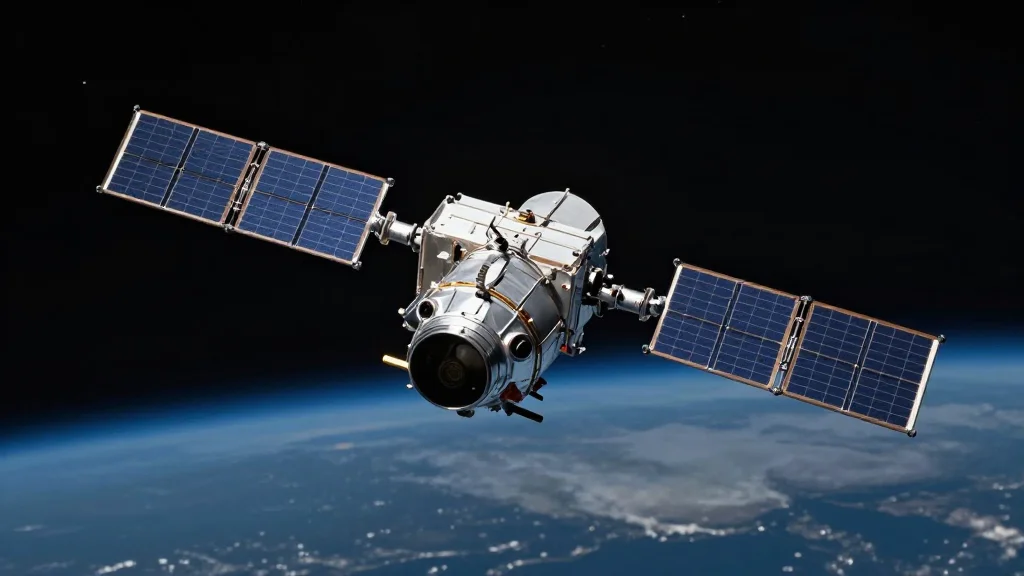
An Excellent Overview of AST SpaceMobile Following the New Glenn Launch Failure
AST SpaceMobile aims to have up to 45 Bluebird broadband satellites in orbit by year‑end, but the recent New Glenn launch failure complicates that timeline. The company continues building and testing satellites in Midland, Texas, and plans to ship three units...
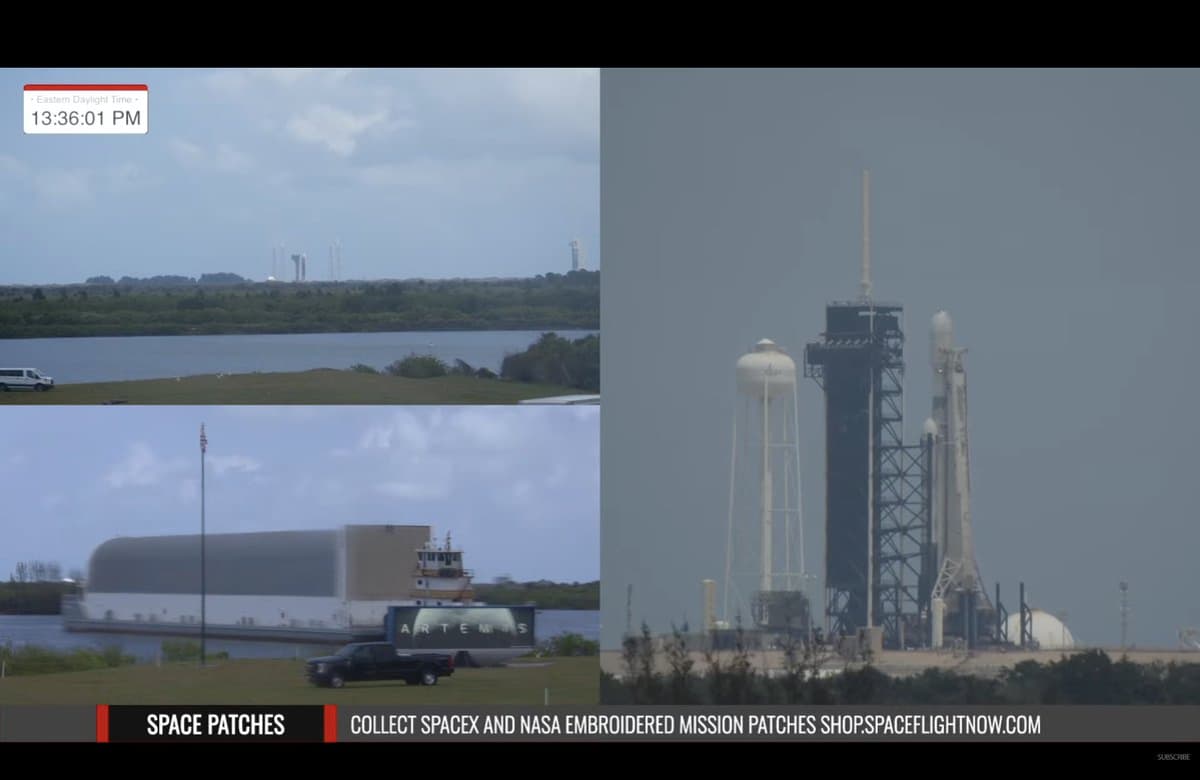
Artemis III Core Stage Lands at Kennedy Space Center
The core stage for NASA's Artemis III mission has just arrived at Kennedy Space Center. 📸: @SpaceflightNow https://t.co/KbYDww41EP

SmallSat Europe Speaker Focus: Jean-François Morizur, Cailabs
The satellite industry has built only about 10% of the optical ground infrastructure it needs, leaving a gap of 200‑500 stations worldwide. Cailabs, founded by quantum‑optics expert Jean‑François Morizur, offers the TILBA‑OGS L10 optical ground station that delivers bidirectional speeds...

US Space Command Livestreams First Huntsville Facility Ribbon‑cutting
U.S. Space Command will livestream Wednesday's ribbon-cutting ceremony at Redstone Arsenal to mark USSPACECOM taking ownership of its first operational facility there. It's moving from Colorado Springs to Huntsville per President Trump's direction last yr. https://t.co/TJAb5dcjAI
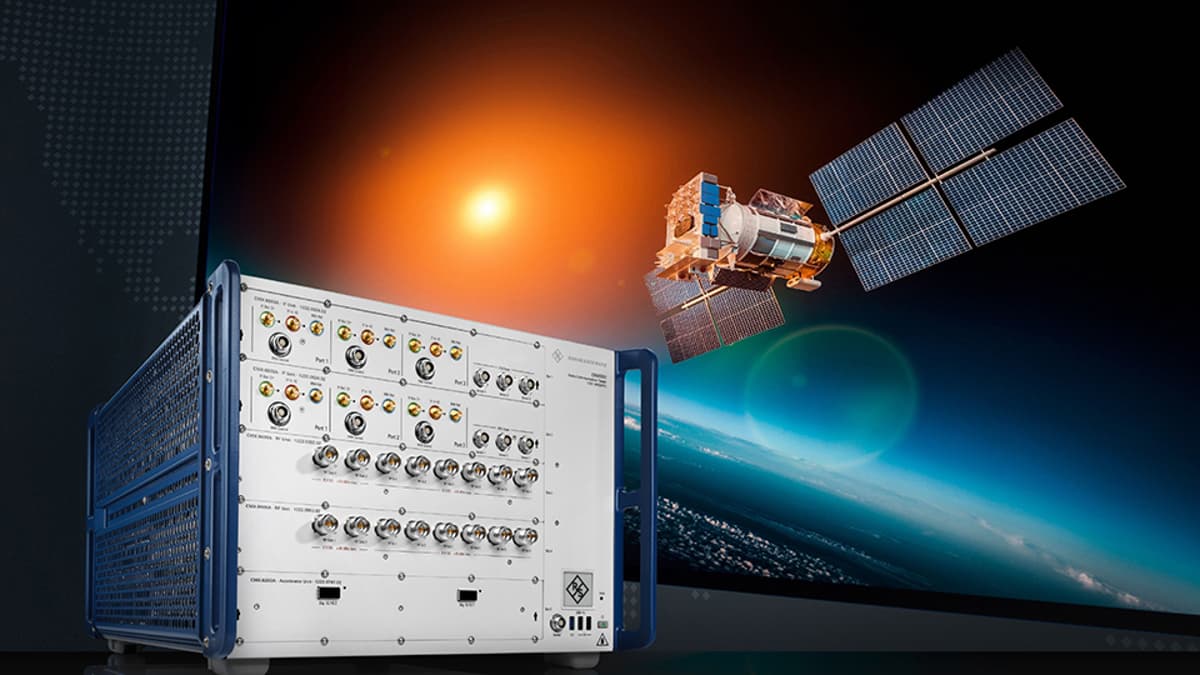
Gatehouse Satcom and Rohde & Schwarz Formalize Collaboration to Strengthen 5G NTN Testing
Gatehouse Satcom and Rohde & Schwarz announced a partnership to accelerate validation of 5G non‑terrestrial networks (NTN). The collaboration will integrate Gatehouse’s 5G NTN software stacks with Rohde & Schwarz’s CMX500 radio‑communication tester to create more realistic lab emulations of LEO Doppler shifts and...
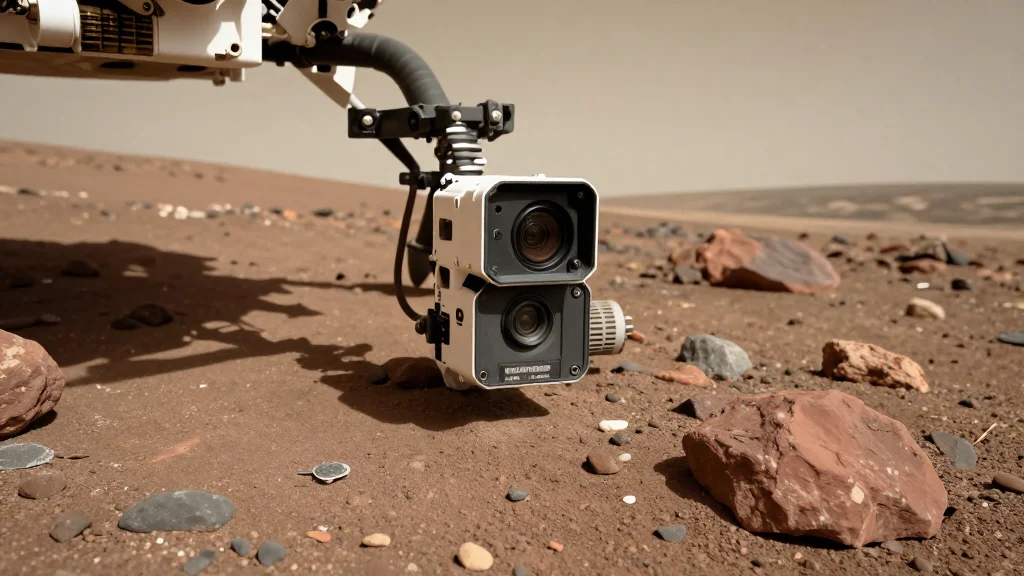
Perseverance, Curiosity Panoramas Capture Two Sides of Mars
NASA’s Perseverance rover unveiled a 360-degree panorama of Jezero Crater’s rim, while Curiosity delivered a new wide-angle view of layered sediment in Gale Crater. Both images were captured with upgraded mast cameras, providing unprecedented resolution and color fidelity. The dual...

Video Shows NASA Astronaut Struggling to Walk After Journey Around the Moon
NASA astronaut Christina Koch posted a video a week after the Artemis 2 lunar flyby showing her stumbling on a tandem walk with her eyes closed. The clip highlights the vestibular disorientation astronauts experience when returning to Earth’s gravity after prolonged...
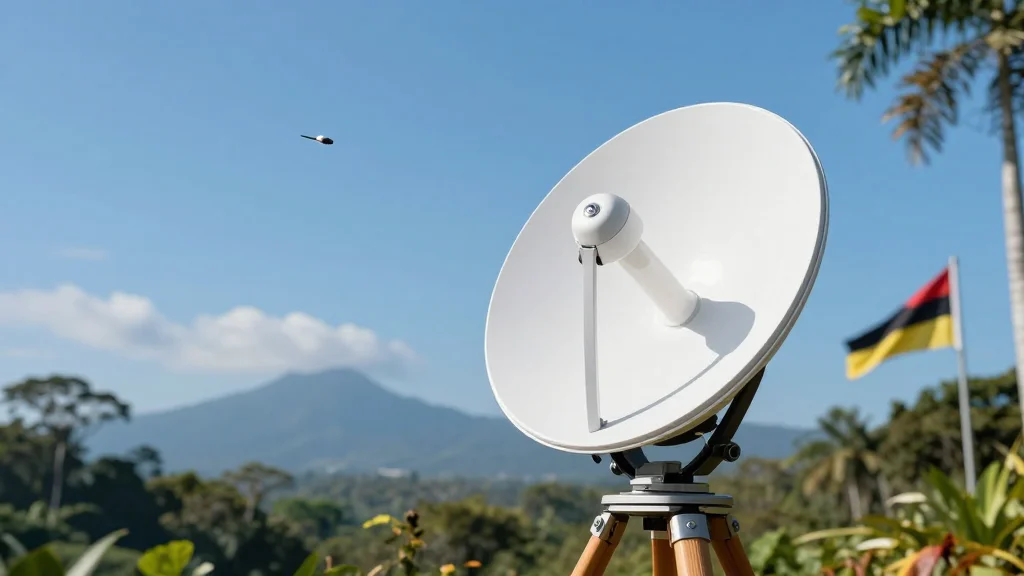
Starlink Returns to Papua New Guinea After Court Ruling
SpaceX’s Starlink service will resume operations in Papua New Guinea after the National Court ruled the Ombudsman Commission’s licensing ban unconstitutional. The court found no evidence of corruption or leadership‑code violations, labeling the ban an administrative overreach. Prime Minister James...

Artemis II Was a Rousing Success, So What's Next for NASA?
Artemis II’s six‑hour launch attracted 18 million viewers, marking NASA’s first crewed Moon‑orbit flight in five decades. In early 2026 the agency reshuffled its schedule to accelerate launches, positioning Artemis III as an orbital lander‑test mission for 2027 and pushing the crewed Moon...
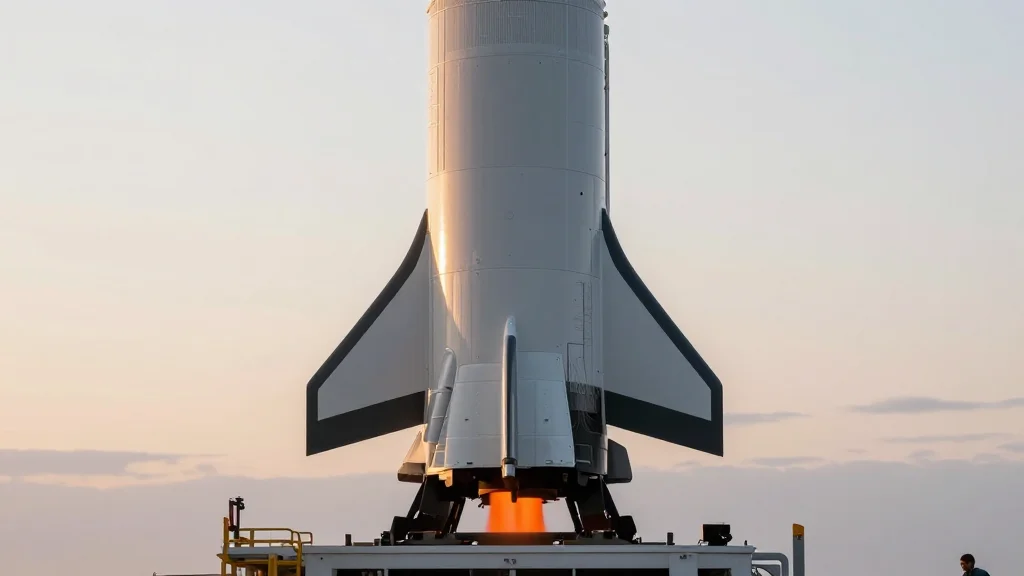
Avio Makes More From Its Vega-C Rocket Now that Arianespace Is Out of the Picture
Avio has taken full control of its Vega‑C launch vehicle after ESA transferred ownership from Arianespace in November 2025. The shift allows Avio to sell launches directly, securing contracts worth $81 million from Taiwan, $35.6 million from Brazil and $84.4 million from Airbus,...
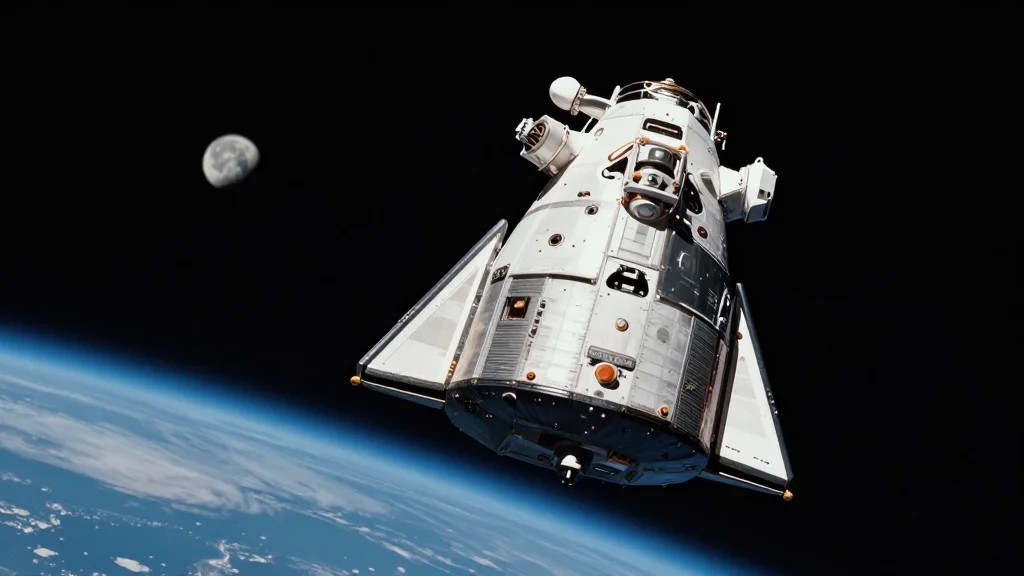
NASA Schedules Artemis II Launch, Elon Musk Shifts to Moon Support
NASA will launch Artemis II from Cape Canaveral on Wednesday, the first U.S. crewed deep‑space flight since Apollo 17 in 1972. At the same time, SpaceX founder Elon Musk has publicly reversed his criticism of the program, calling the Moon a faster...

Meta AI Space Power and the Race to Beam Solar Energy From Orbit
Meta has signed a contract with Overview Energy to reserve up to 1 GW of space‑solar capacity, targeting a 2028 orbital demonstration and commercial delivery by 2030. The system would collect sunlight in geosynchronous orbit, convert it to low‑intensity near‑infrared light,...
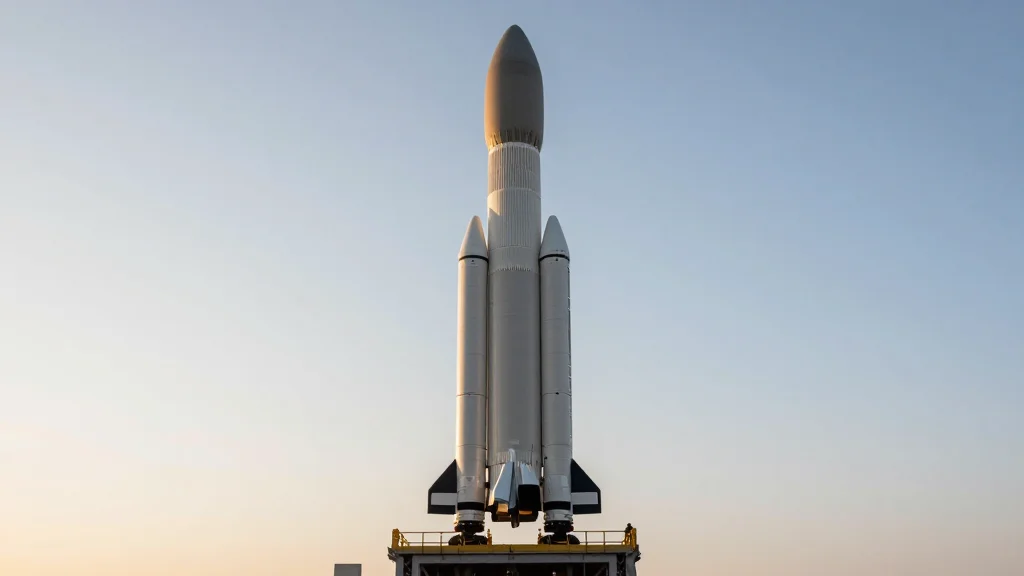
SpaceX Plans Falcon Heavy Return Featuring Side Booster Landings
SpaceX is set to launch its first Falcon Heavy mission in over 18 months, targeting a Viasat‑3 communications satellite. The lift‑off will occur from Kennedy Space Center’s Launch Complex 39, with the two side boosters programmed to return and land...
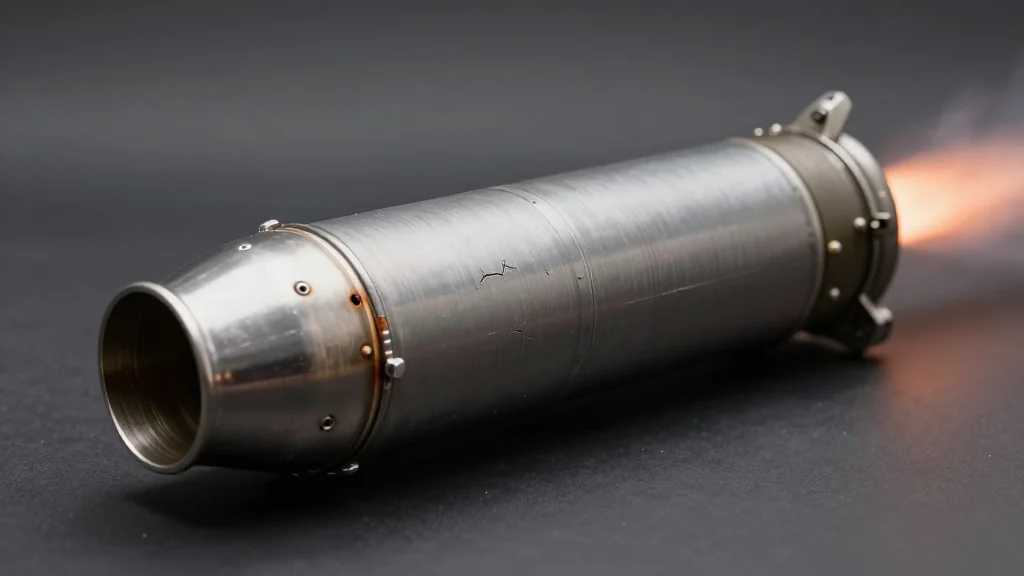
Australian Rocket Startup Gilmour Pinpoints Cause of First Rocket Launch Failure
Gilmour Space, an Australian hybrid‑rocket startup, released its investigation into the July 2025 Eris test‑flight failure. The probe found that one of the four first‑stage motors lost thrust at about nine seconds after ignition, with a second motor dropping at...
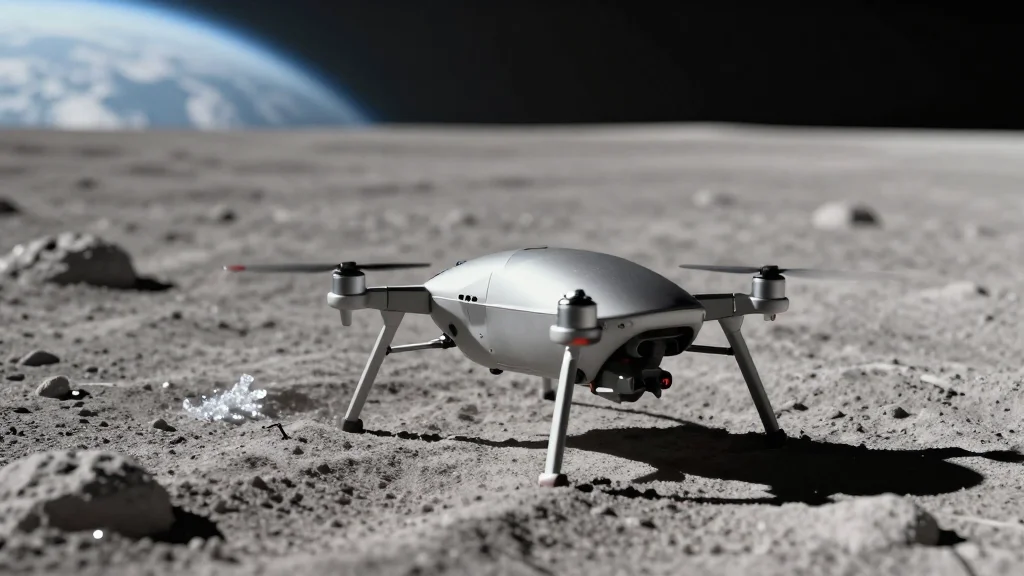
MoonFall: Hop To It for Future Artemis Lunar Landings
NASA’s Artemis program is adding a robotic precursor called MoonFall, which will launch four hopper drones to the Moon’s south‑pole region. The drones will map terrain, locate water‑ice and test autonomous navigation ahead of the first crewed landing slated for...

Falcon Heavy’s Long-Awaited Comeback Halted at the Last Minute
SpaceX’s Falcon Heavy, slated for its first launch in 18 months, was scrubbed at the last minute due to unfavorable weather at Cape Canaveral. The mission was to deliver the ViaSat‑3 F3 communications satellite, a critical component for expanding global broadband...
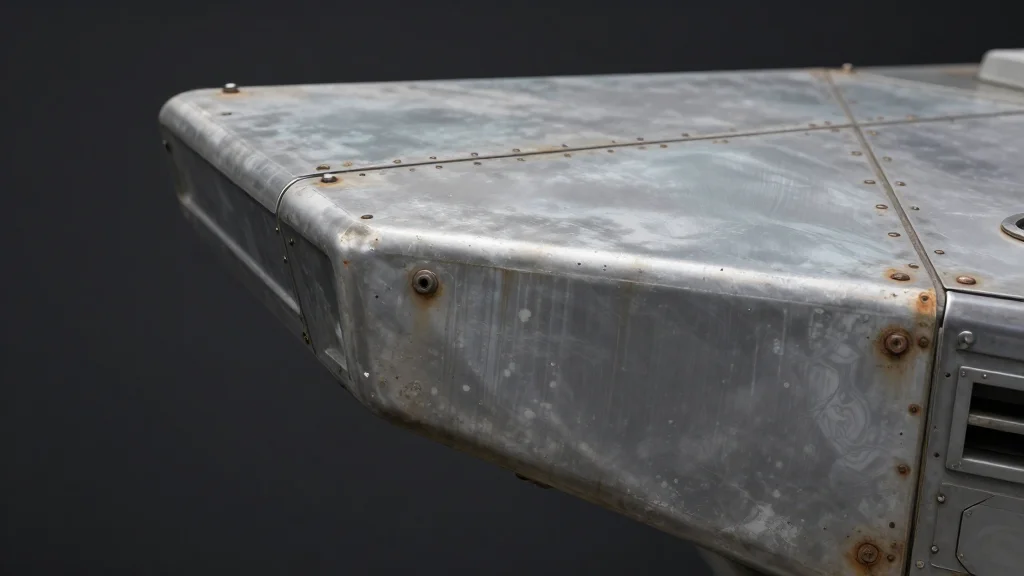
Thales Alenia Space Obsesses Over ‘
If you had a nickel for every time Thales Alenia Space mentioned “corrosion” in its Gateway press statement you would be … dead broke. https://t.co/b8lWgVy6tX
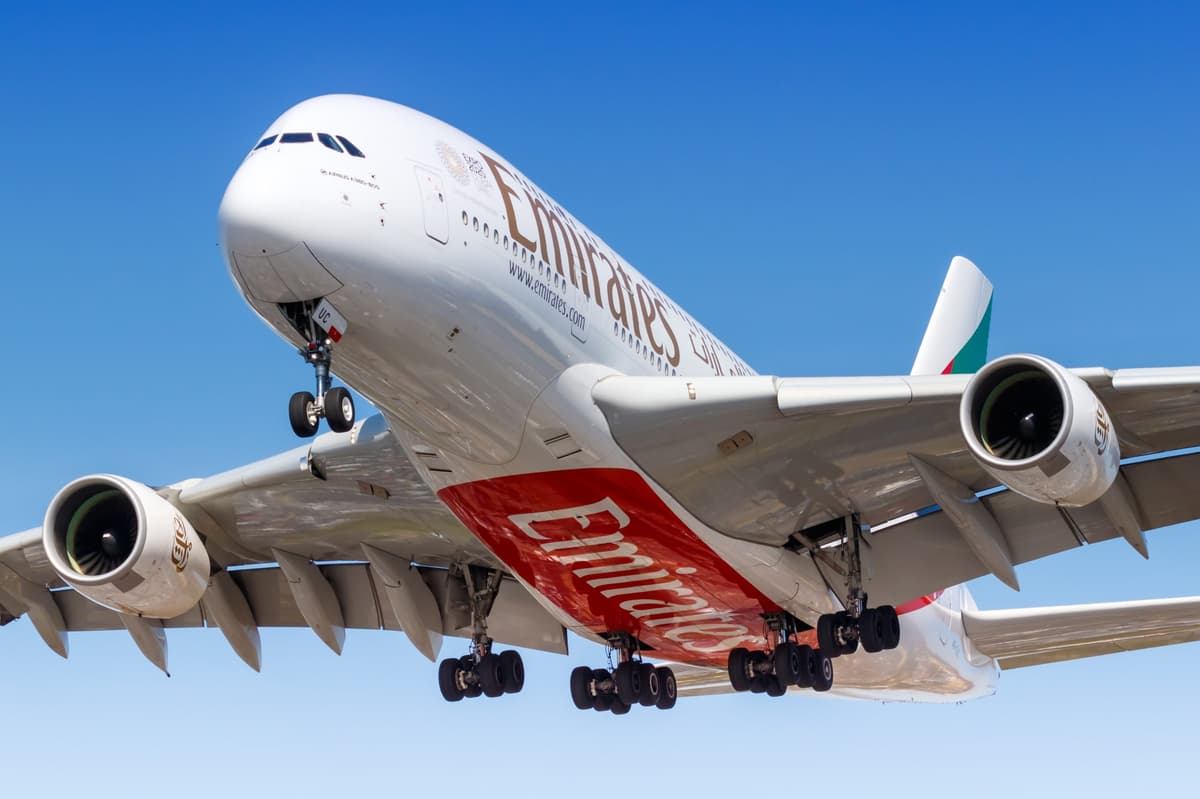
Emirates Becomes First Airline to Deploy Ultra-Fast Starlink Inflight Wi-Fi on the Iconic Airbus A380 Superjumbo
Emirates has become the first airline to install ultra‑fast Starlink broadband on an Airbus A380, boosting onboard capacity by roughly 2,000‑fold. The 13‑year‑old superjumbo (registration A6‑EEA) was ferried to Newquay, Cornwall, where three Starlink antennas were fitted, delivering over two...

The Soyuz-5 Will Transform Kazakhstan Into a New Space Power
The joint Soyuz‑5 rocket, built by Russia and slated for Baikonur, arrived in November but its test flight has been pushed to 2026 after launch‑pad damage and safety checks. Kazakhstan’s Baiterek Space Rocket Complex, funded by a $115 million lease and...
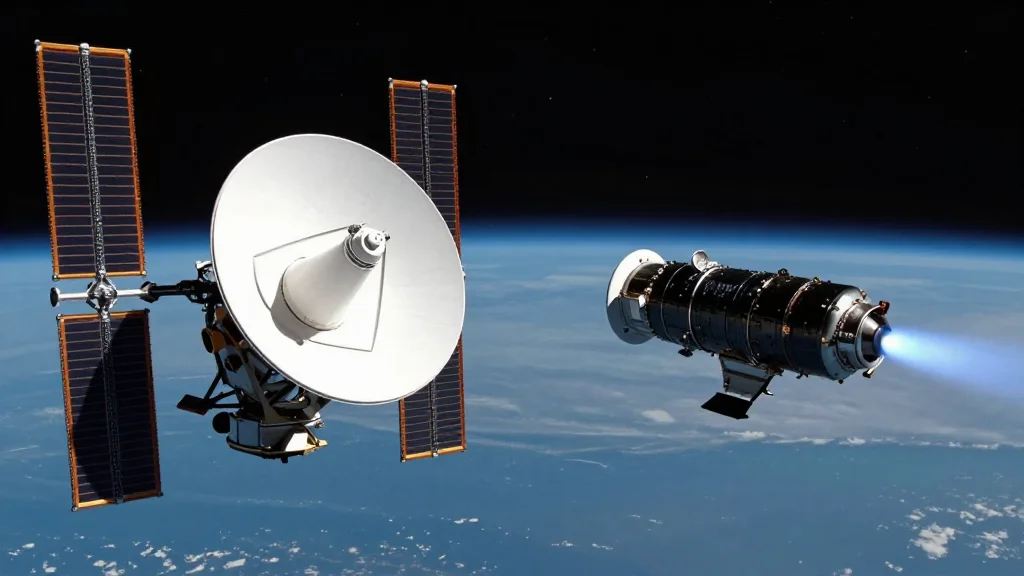
Russia Deploys Operational Co‑Orbital ASAT Weapons Targeting U.S. Spy Satellites
U.S. Space Command confirmed that Russia is fielding operational co‑orbital anti‑satellite (ASAT) weapons under the Nivelir program, with satellites launched from Plesetsk in May 2024 shadowing U.S. National Reconnaissance Office assets. The move escalates the militarization of low‑Earth orbit and...

Meta Signs Deal to Power Data Centers at Night with Solar Energy From Space
Meta announced a partnership with Virginia‑based satellite startup Overview Energy to tap space‑based solar power for its AI‑driven data centers in the United States. The deal gives Meta early access to up to 1 GW of capacity, with an orbital demonstration...
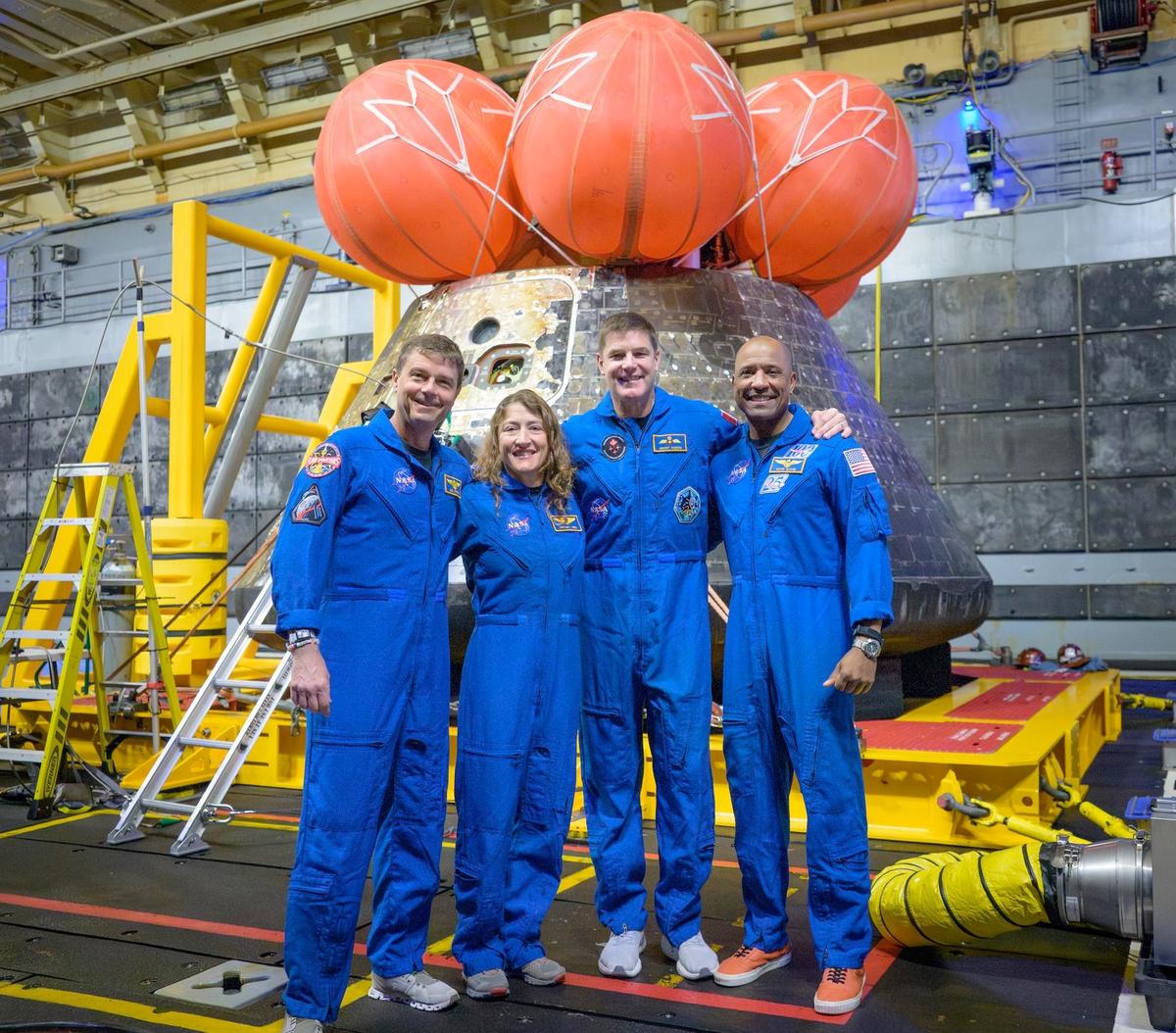
Artemis 2 Came Home in Triumph. Artemis 3 Must Survive the Real Test.
On April 10 the Orion capsule with astronauts Reid Wiseman, Christina Koch, Victor Glover and Jeremy Hansen splashed down, marking NASA’s first crewed lunar mission in over five decades and confirming the Artemis system works. The crew set historic firsts—first woman,...

April 27, 2001: SOHO Sees the Farside of the Sun
On April 27 2001, ESA announced that the Solar and Heliospheric Observatory (SOHO) could image the Sun’s far side for the first time. Using helioseismic holography via the Michelson Doppler Imager and ultraviolet mapping from the SWAN instrument, scientists could locate hidden...
Meta Taps Space‑solar Startup to Power Data Centers
Meta partners with space startup Overview Energy to secure solar power for data centers “Overview Energy is developing a system that can collect solar energy in space and beam it to facilities on the ground for power generation around the clock.”...

Are We There Yet? - Episode 1: Does the Space Safety Economy Exist Yet?
In the inaugural episode of SSPI’s "Are We There Yet?" series, host Tamara Bond‑Williams talks with Rob Scheiger, senior vice president of Willis Global in Space, about the nascent state of a space safety economy. Scheiger explains how space insurance—covering...
The Great Launch Constraint
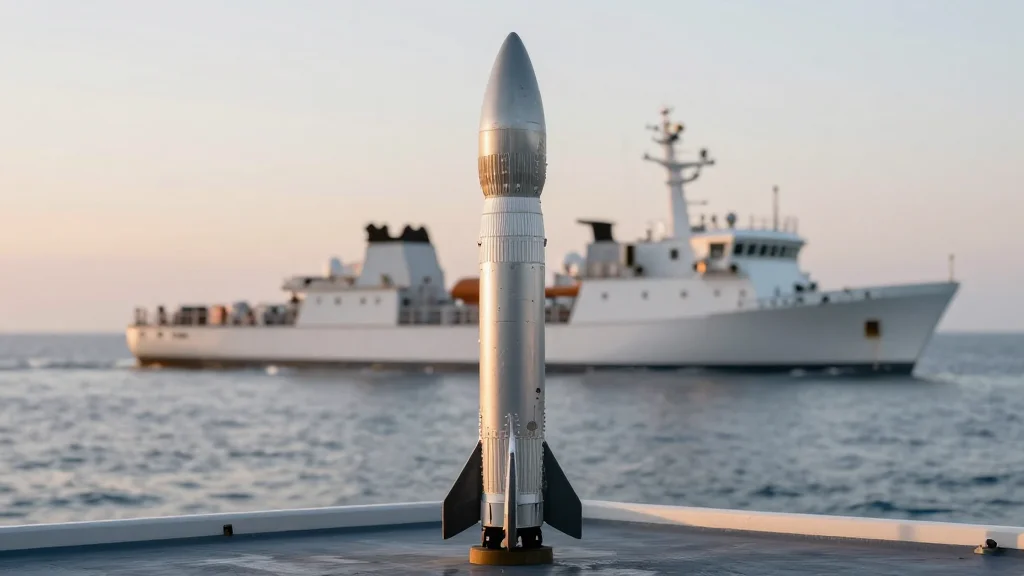
On April 19 Blue Origin launched New Glenn’s NG‑3 mission using a refurbished first‑stage booster that successfully returned to the recovery ship Jacklyn. The mission, the first commercial flight for AST SpaceMobile, suffered a second‑stage anomaly: a BE‑3U engine under‑performed, placing the BlueBird 7...

A Fortress Moon for Cislunar Security
A Chinese‑licensed commercial spacecraft launched as a lunar communications‑relay demonstrator unexpectedly altered its trajectory during a far‑side lunar pass, coinciding with a brief US satellite communications outage and infrared signatures of unannounced Long March launches. The simultaneous anomalies revealed a blind...
The TWINSTAR Mission Concept: A Pragmatic Path to Finding Earth 2.0
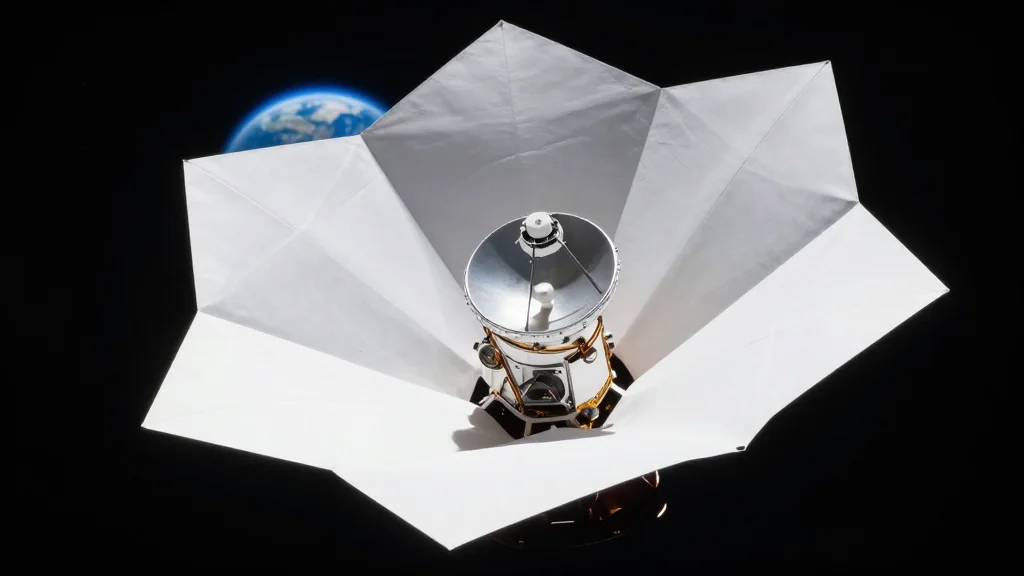
The TWINSTAR concept proposes a $3‑5 billion, four‑meter space telescope paired with a 34‑meter external starshade to achieve the 10⁻¹⁰ contrast needed for direct imaging of Earth‑like exoplanets. By locating the observatory at the Sun‑Earth L2 Lagrange point, the mission gains...
FAA to Begin Collecting User Fees for Commercial Launches and Reentries
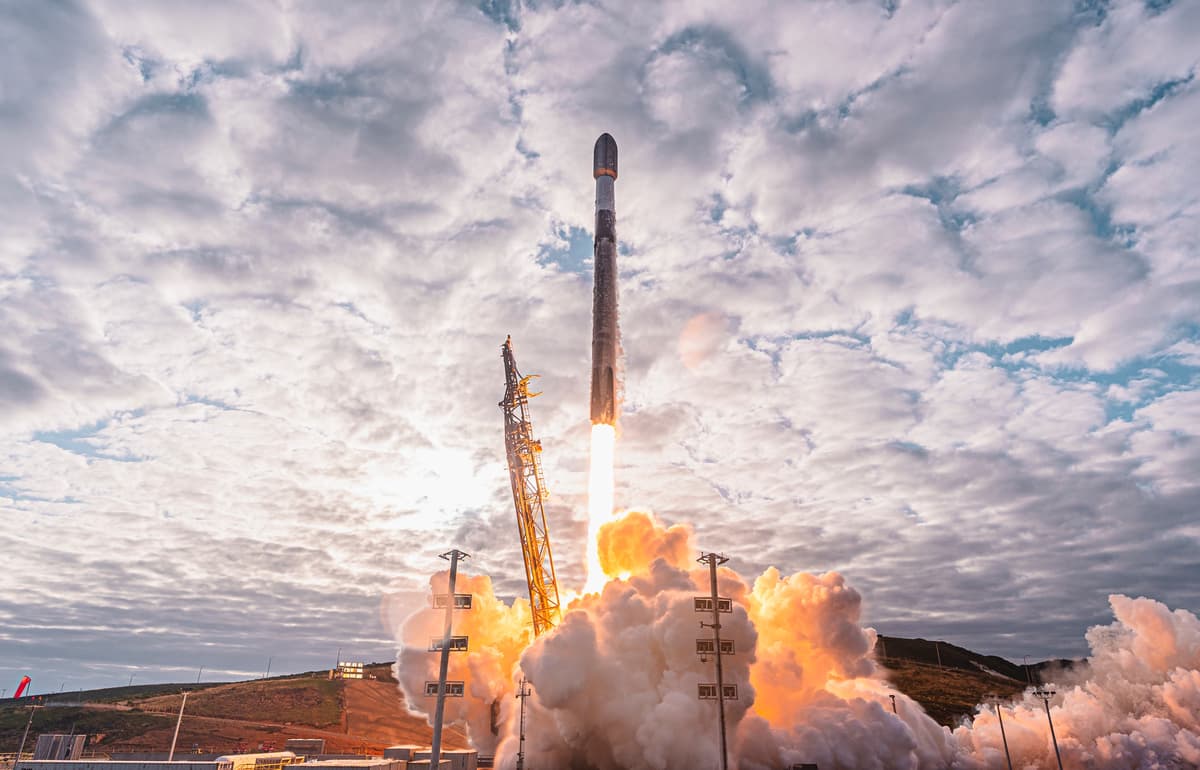
The Federal Aviation Administration announced it will start collecting user fees for commercial launch and re‑entry licenses, charging 25 cents per pound of payload with a $30,000 cap for 2026. The fee structure, mandated by last year’s budget reconciliation bill,...

Allied Space Commanders Sketch Two-Year Cooperation Vision
What should allied space cooperation look like in 2 years? US, French, German, UK, Norwegian space commanders reply. @USSpaceForceCMD @Armees_Gouv @UKSpaceCmd @bundeswehrInfo @Forsvaret_no. https://t.co/d2uyORsSAI https://t.co/gNJUGiRxVT

Meta Secures Overview Energy Space Solar Power Capacity
Meta has signed an agreement to secure up to 1 GW of power from Overview Energy’s planned solar‑beaming satellite system. The move follows Meta’s earlier deals for 6.6 GW of nuclear capacity and reflects growing pressure on terrestrial grids from AI‑driven data‑center...

Spacetech Investor Seraphim Space Targets £350M Raise
Seraphim Space, a London‑listed spacetech investment trust, announced a plan to raise up to £350 million (approximately $445 million) by issuing new shares. The capital will fund investments in its existing portfolio of 45 spacetech companies—including nine unicorns—and new startups emerging from...

R&S Partners Gatehouse Satcom to Develop 5G NTN Test Cases
Rohde & Schwarz (R&S) has teamed up with 5G non‑terrestrial network (NTN) software developer Gatehouse Satcom to create lab‑based test cases for 5G NTN connectivity. The collaboration responds to a market shift from early specification work toward live 5G NTN...

ICON Launches ICON Prime Defense Unit to Scale 3D Printed Construction for Military and Space Infrastructure
ICON has created a new defense‑focused unit, ICON Prime, to commercialize its large‑scale 3D‑printing construction systems for U.S. military and NASA space projects. Former CIA officer and Congressman Will Hurd was named president, tasked with expanding government partnerships. The unit already...

SpaceX Files Confidential IPO Paperwork Targeting $1.75 Trillion Valuation
SpaceX filed confidential paperwork for an initial public offering that could raise about $75 billion and value the rocket maker at up to $1.75 trillion. The filing has set off a scramble among Wall Street’s top investment banks to win underwriting mandates...

Focal Point Positioning to Showcase Precise+ High-Precision GNSS Technology at ENC 2026
UK‑based GNSS software firm Focal Point Positioning will unveil its Precise+ high‑precision technology at the European Navigation Conference in Vienna, April 28‑30, 2026. Precise+ applies the company’s patented Supercorrelation method to carrier‑phase measurements, delivering centimeter‑level positioning even in signal‑obstructed environments. Principal engineer...
Astronomers Push Back After Energy Project Threatens Atacama’s Dark Skies
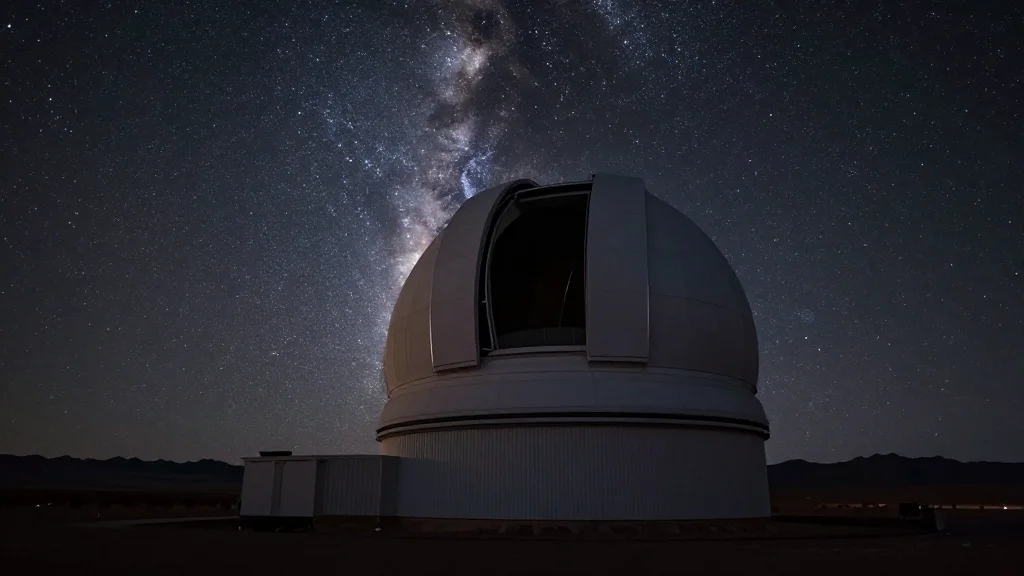
Chile’s scientific community forced the cancellation of a green‑power complex near the Paranal Observatory, sparking a review of sky‑preservation laws. With the $1.5 bn Extremely Large Telescope slated for 2030, astronomers warn that lax regulations could jeopardize the Atacama’s unrivaled darkness.

10,000 New Planets Found Hidden in NASA Telescope Data
Astronomers have uncovered more than 10,000 candidate exoplanets in NASA's Transiting Exoplanet Survey Satellite (TESS) data, the largest single discovery to date. The haul was revealed through a machine‑learning reanalysis of the full mission archive, adding roughly 20% to the...
Seraphim Space Targets £350m Raise to Accelerate the Space Boom
Seraphin Space Investment Trust (SSIT) is launching a C‑share offering to raise up to £350 million (about $447 million). The proceeds will back companies emerging from its accelerator and venture fund while pursuing fresh growth opportunities. Recent stabilisation of private‑market valuations, a...

Identifying Public Stocks Poised to Be Space’s Tesla
Hey @grok Which publicly traded companies (suppliers, materials, or communications stocks) are best positioned to become the "Tesla of Space” in the current space sector?

ESA Paid €51.65 Million to Launch Sentinel-1C on Vega-C Return to Flight
The European Space Agency disclosed that it paid €51.65 million (about $55 million) to launch the Sentinel‑1C Earth‑observation satellite on a Vega‑C rocket on 5 December 2024, marking Vega‑C’s return to flight after a two‑year hiatus. The total cost includes a €48.62 million launch contract...
UPDATE: SpaceX’s Falcon Heavy that Launched a Tesla Into Space Is Back on a Mission
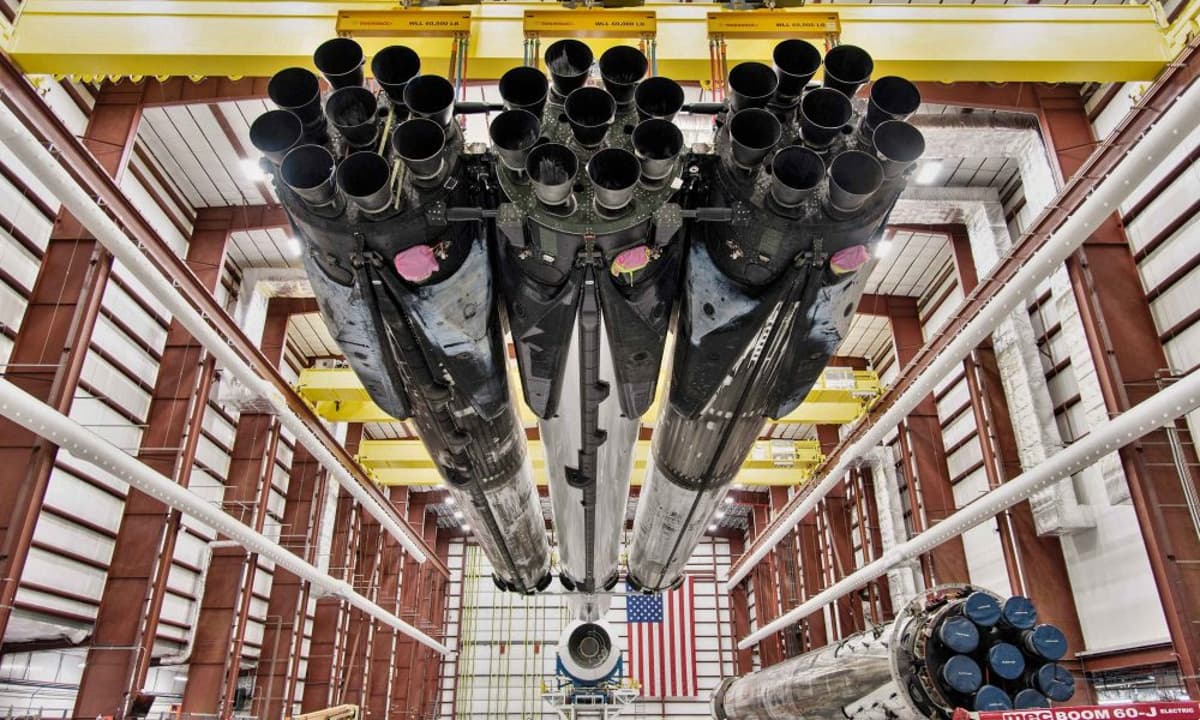
SpaceX’s Falcon Heavy is set for its 12th flight, lifting off Monday from Kennedy Space Center with the ViaSat-3 F3 satellite bound for geostationary orbit. The mission marks the rocket’s first launch since the Europa Clipper flight in October 2024,...

Satellite Services for Military Organizations
Military satellite services are moving from single‑satellite solutions to a layered, multi‑orbit architecture that blends protected GEO/polar assets with proliferated MEO and LEO constellations. The U.S. Space Force’s EPS‑R approval and the Space Development Agency’s Tranche 1 transport layer, slated for...

Viasat's ViaSat‑3 F2 AERA Satellite Set to Double In‑Flight Broadband Capacity by May
Viasat announced that its new ViaSat‑3 F2 AERA satellite, built by Boeing, will more than double the capacity of its current fleet and enter service in the Americas by May. The move aims to cement Viasat’s lead in inflight connectivity amid...
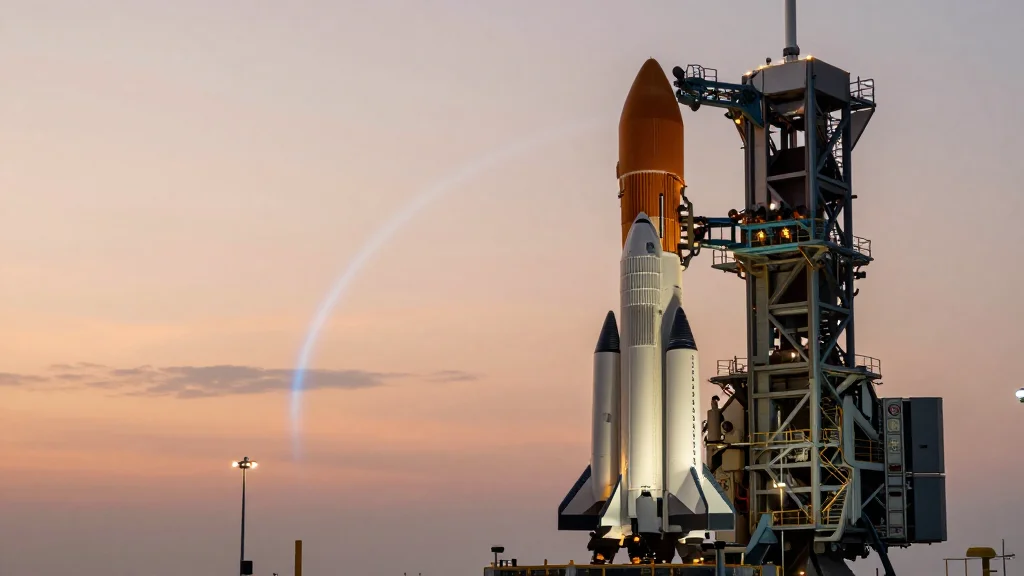
Skyroot Aerospace Flags Off Vikram-1, India’s First Private Orbital Rocket, From Hyderabad
Skyroot Aerospace’s Vikram-1, the first privately built orbital rocket in India, was flagged off from Hyderabad for the Satish Dhawan Space Centre on April 26, 2026. The move signals the completion of pre‑flight testing and sets the stage for a...