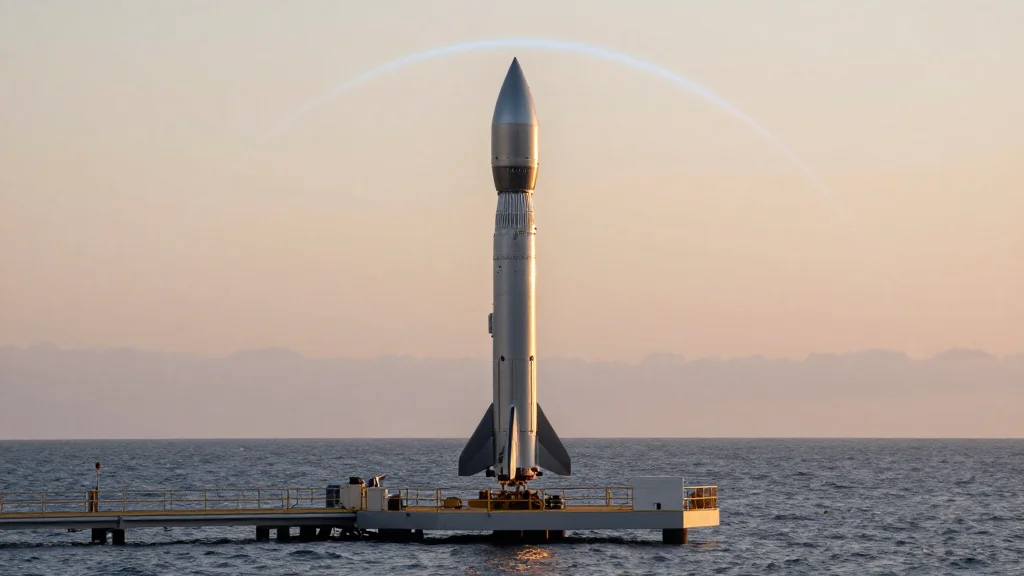
Blue Origin Recovers New Glenn First Stage but Loses AST SpaceMobile Satellite to Wrong Orbit
On April 19, 2026 Blue Origin successfully landed the reused first stage of its New Glenn heavy‑lift rocket, but the upper stage delivered AST SpaceMobile’s 6,100‑kg BlueBird 7 satellite into the wrong orbit. The mixed outcome highlights the difficulty of pairing booster reuse with high‑value payloads and could delay AST SpaceMobile’s direct‑to‑cell network plans.

Pentagon Taps 12 Companies for Golden Dome SBI Tech
The Pentagon announced 20 Other Transaction Authority contracts worth up to $3.2 billion for the space‑based interceptor (SBI) component of the Golden Dome missile‑defense system. Twelve companies, ranging from legacy defense contractors to emerging space startups, received the awards, which were...
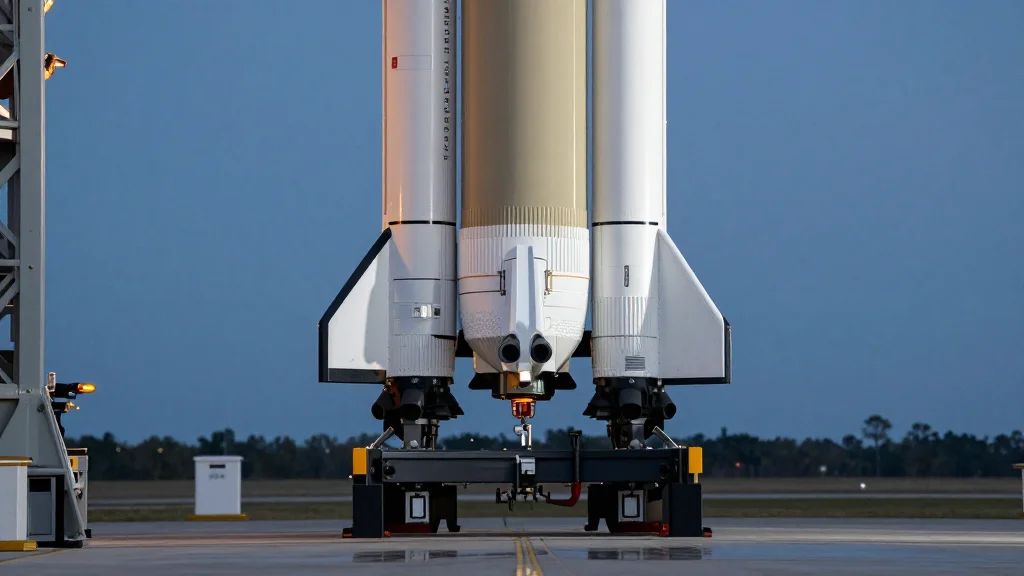
ULA’s Atlas V 551 Set for Amazon LEO‑6 Launch Monday Night From Cape Canaveral
United Launch Alliance is scheduled to lift off an Atlas V 551 rocket on Monday, April 27, from Space Launch Complex‑41 at Cape Canaveral, carrying the next tranche of Amazon’s low‑Earth‑orbit broadband satellites. The mission, pending final range approval, marks...

Vision Meets Profit: Why Modern Space Exploration Requires Both Dreamers and Business
The 2026 NASA Moon‑to‑Mars Architecture formally embeds private firms as the backbone of deep‑space missions, marking a decisive shift from government‑only operations to a commercial‑first model. The NASA Reauthorization Act of 2026 mandates that Low‑Earth‑Orbit activities move to private stations...
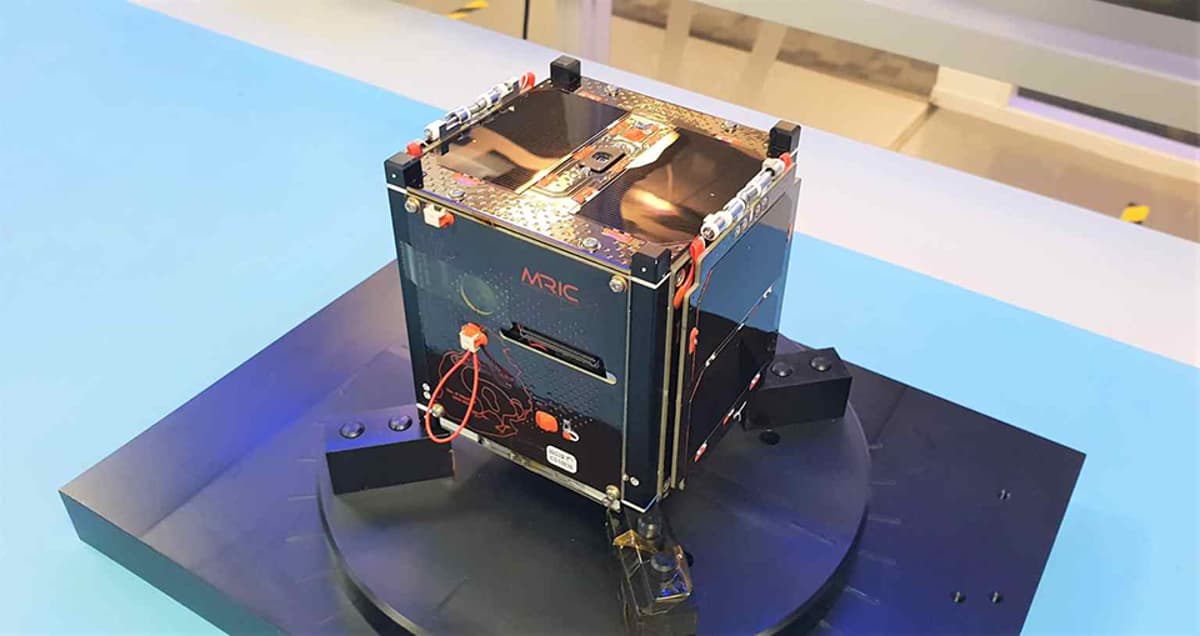
How CubeSat Proliferation Is Redefining Sovereignty and Diplomatic Leverage at the United Nations
The surge in CubeSat deployments is reshaping the United Nations Committee on the Peaceful Uses of Outer Space (COPUOS). Emerging nations such as Kenya and Mauritius, through UNOOSA’s Access to Space for All program, have launched sovereign satellites like Taifa‑1...
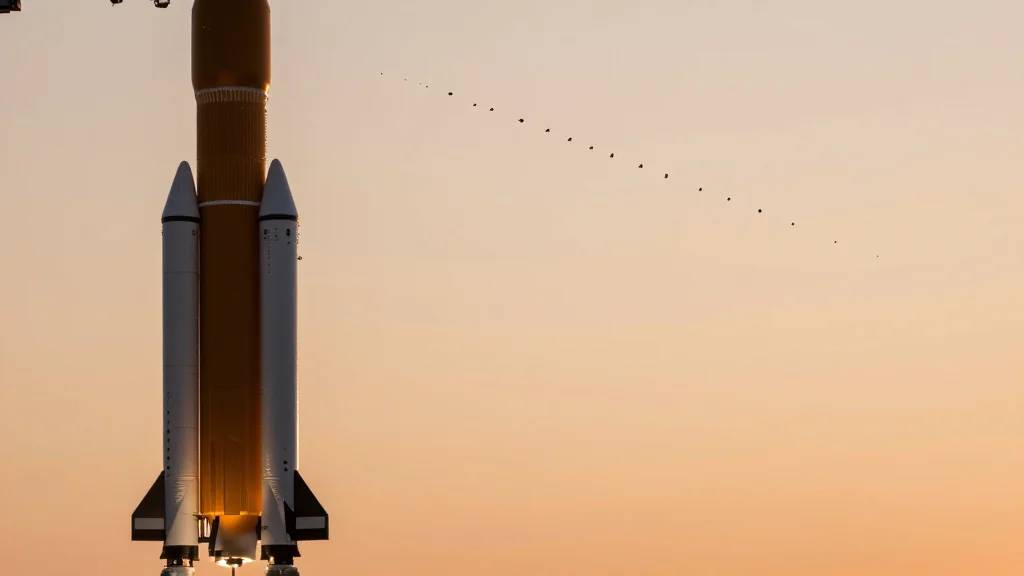
SpaceX’s 50th Falcon 9 Launch of 2026 Deploys 25 Starlink V2 Mini Satellites
SpaceX launched its 50th Falcon 9 rocket of 2026 from Vandenberg Space Force Base, sending 25 Starlink V2 Mini broadband satellites into orbit. The mission used booster B1088 on its 15th flight, achieving the 193rd landing on the drone ship Of...
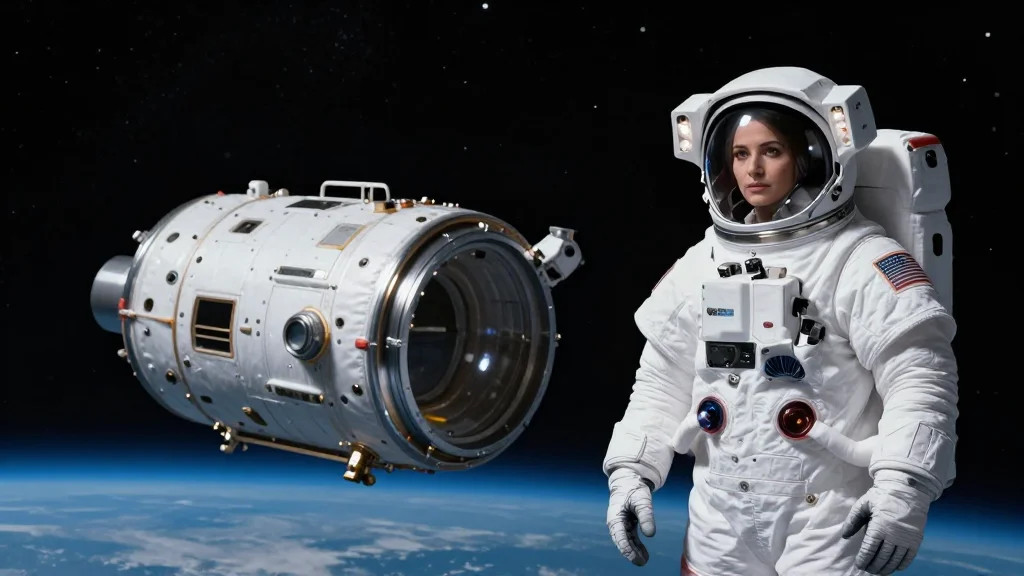
Two Space Station Startups Strengthen Their Positions
Vast Space announced the appointment of former NASA astronaut Sunita “Suni” Williams to its astronaut advisory committee, bolstering its crew‑selection credibility ahead of the 2027 launch of the Haven-1 demonstration station. Voyager Technologies signed a research agreement with South Korea’s...
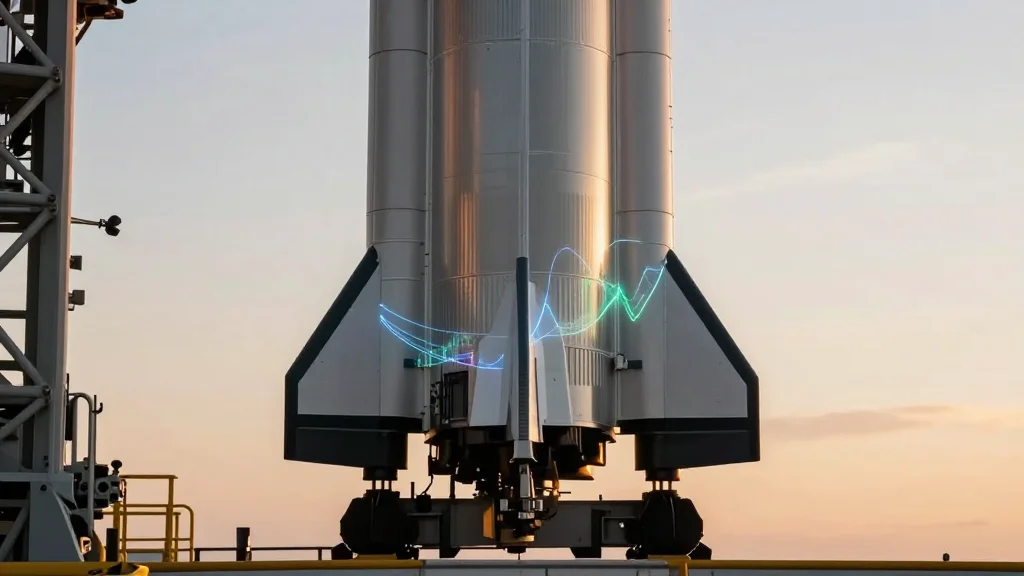
SpaceX’s 2025 Launch
How did SpaceX spend $3.6B of capex in its launch business in 2025 (compared to $4.1B of revenues and $3.5B of expenses)? How much of that was on Starship (it is reported that Starlink was a separate $4.2B capex line...
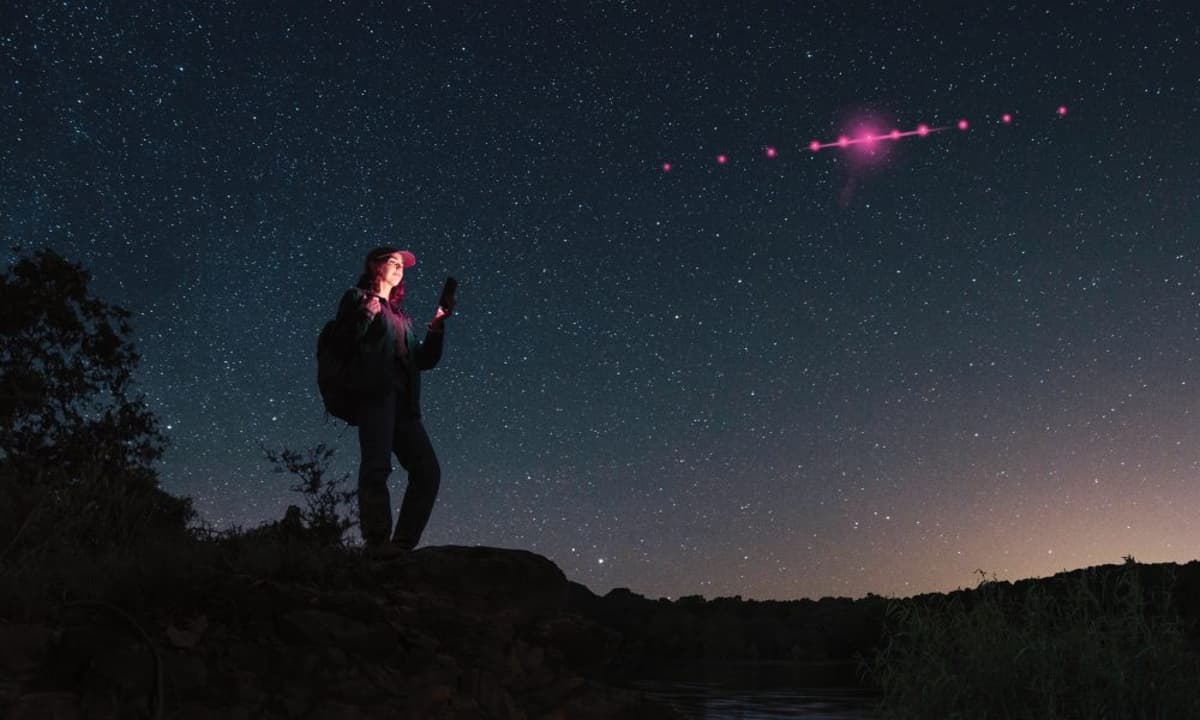
The FCC Just Said ‘No’ to SpaceX for Now
The Federal Communications Commission rejected SpaceX's petition to use Mobile Satellite Service spectrum for direct‑to‑device connectivity on April 23, 2024. The denial blocks SpaceX from expanding its Starlink Mobile service, which launched in July 2025 with messaging and later broadband....
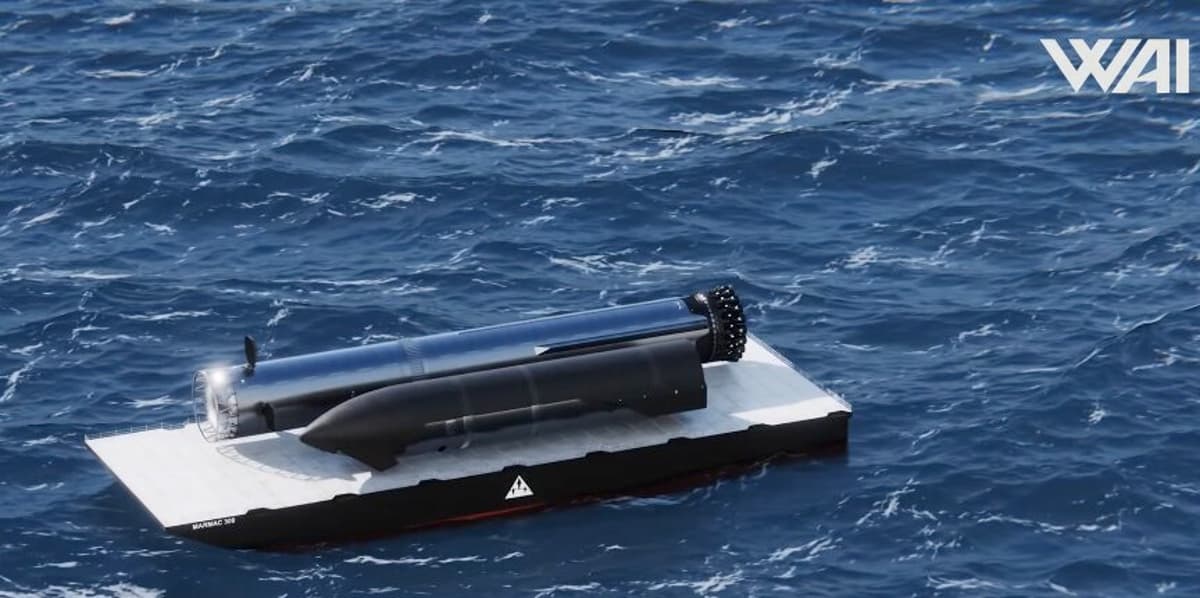
SpaceX Launch Rate in 2026 After Reaching Orbital Operations, Booster and Starship Recovery
SpaceX is accelerating its Starship launch cadence by using two dedicated barges to transport fully assembled Starship vehicles and Super Heavy boosters from its Texas Star Factory to Kennedy Space Center’s LC‑39A. The FAA has authorized up to 44 Starship‑Super...
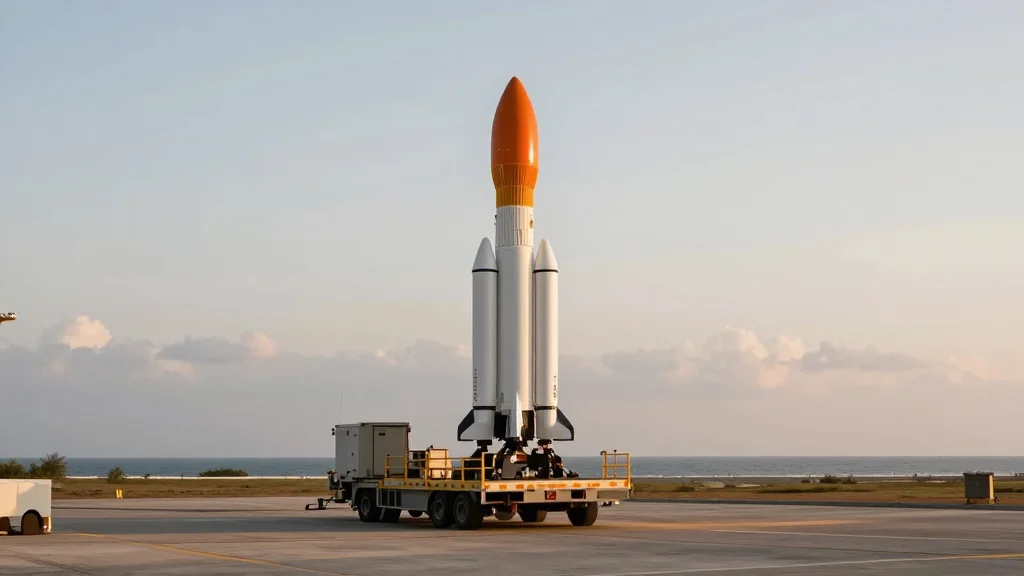
Indian Rocket Startup Skyroot Now Shipping Its Vikram Rocket to Launch Site
Skyroot, India’s first private launch‑vehicle developer, has completed assembly of its Vikram‑1 rocket and is shipping it to the Sriharikota spaceport for final integration and testing. The company plans a maiden flight in June, aiming to become the first Indian...
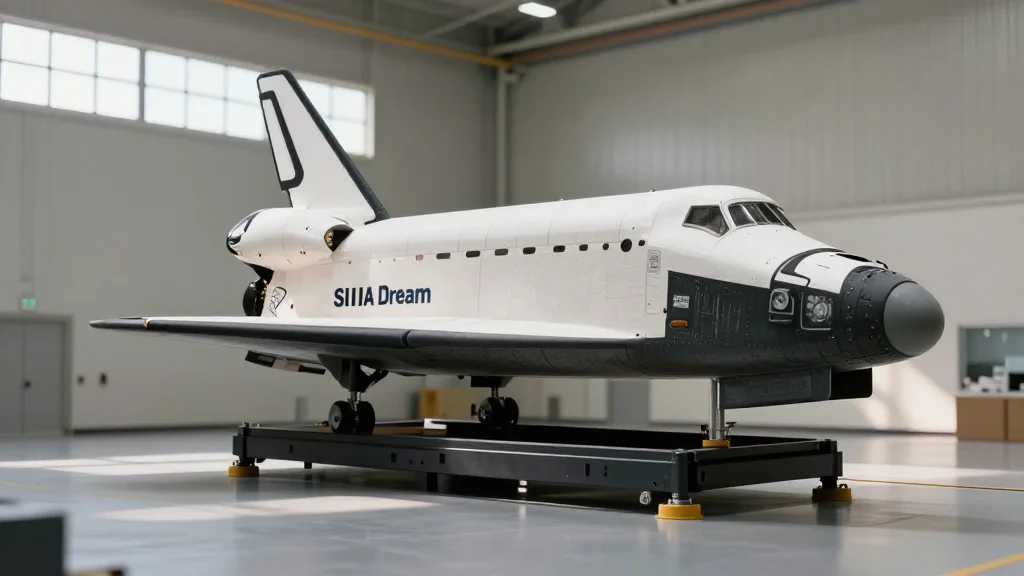
Why Is Sierra Space’s Dream Chaser Spacecraft Not Ready for Flight?
Sierra Space announced that its Tenacity Dream Chaser mini‑shuttle finished ground vibration testing at Kennedy Space Center but was shipped back to Colorado for final modifications and mission‑specific upgrades. The spacecraft, delivered for testing in early 2024, missed its original...
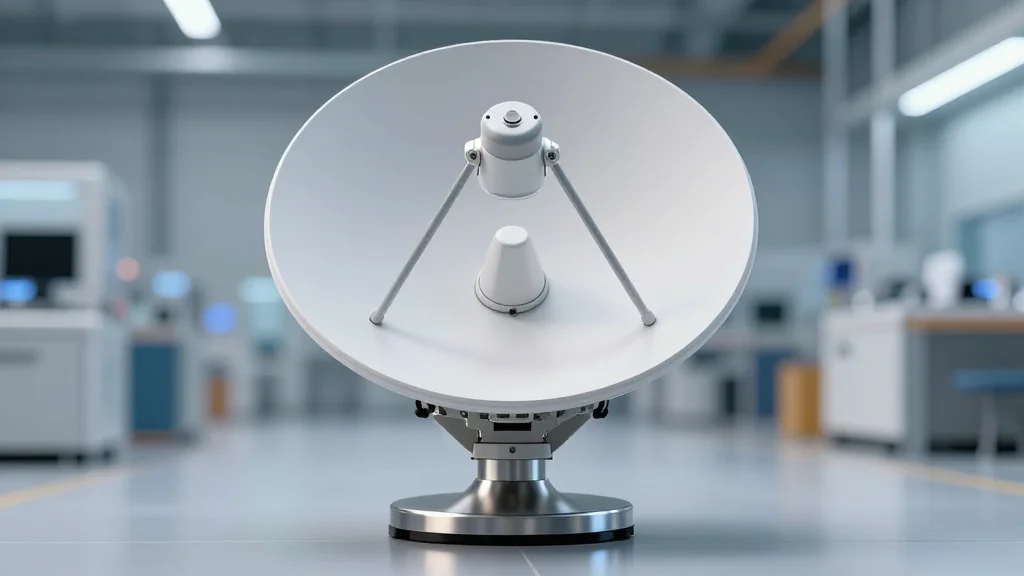
SpaceX Files FCC Application for Quad‑Band Starlink Gateway in Texas
SpaceX has submitted an FCC filing for a next‑generation Starlink gateway at its Bastrop, Texas manufacturing plant. The proposed station will use 40 quad‑band antennas with 1.99‑meter dishes, expanding spectrum use to Ka, V, E and W bands and paving...
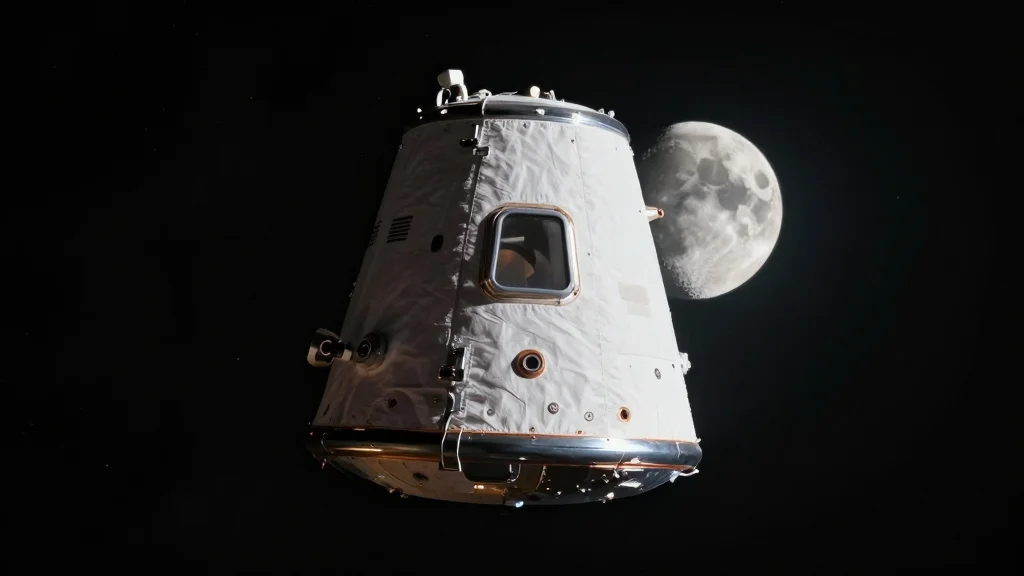
NASA Publishes Detailed Artemis II Post‑Flight Report, Highlighting 10‑Day Lunar Flyby Performance
NASA released a comprehensive post‑flight analysis of Artemis II, confirming a 10‑day, 406,000 km lunar flyby by four astronauts and validating Orion’s deep‑space systems. The data bolsters confidence in the Artemis program’s next crewed landing and influences commercial lunar‑transport partners.
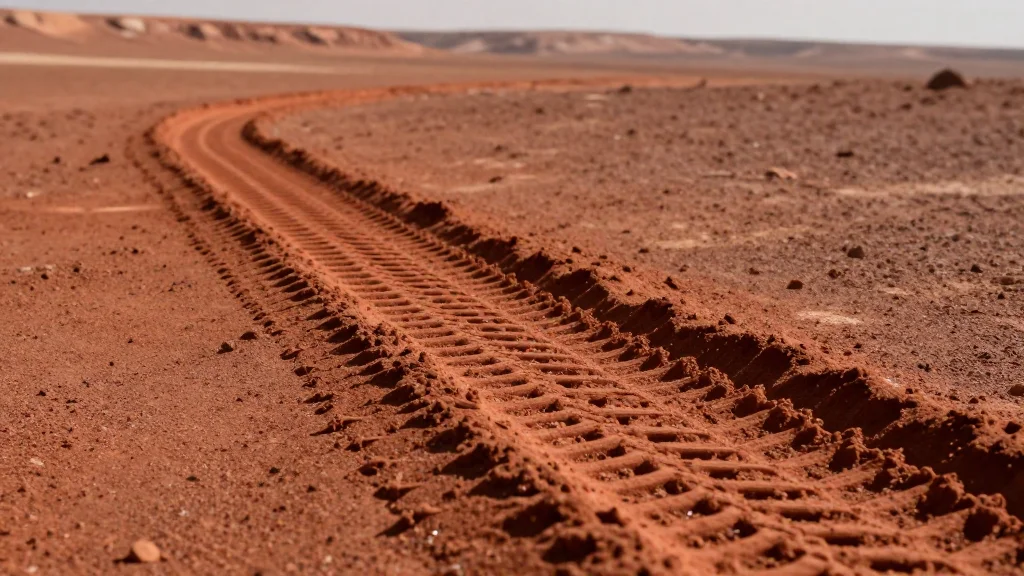
Perseverance Mars Rover: “Unexpected Scientific Observations”
NASA’s Perseverance rover, while traversing Jezero Crater, left fresh wheel tracks that revealed a patch of unusually moist‑looking soil. The observation was highlighted in a recent Mars Guy video, which notes that such accidental disturbances can expose hidden regolith features....

Kristian Stout and Michael Calabrese: The FCC Lets Satellite Innovation Breathe
The FCC is poised to vote on a draft order that would replace the 1990s‑era Equivalent Power Flux Density (EPFD) limits with a performance‑based framework for non‑geostationary satellite constellations. The new rules would assess actual interference on legacy geostationary systems...
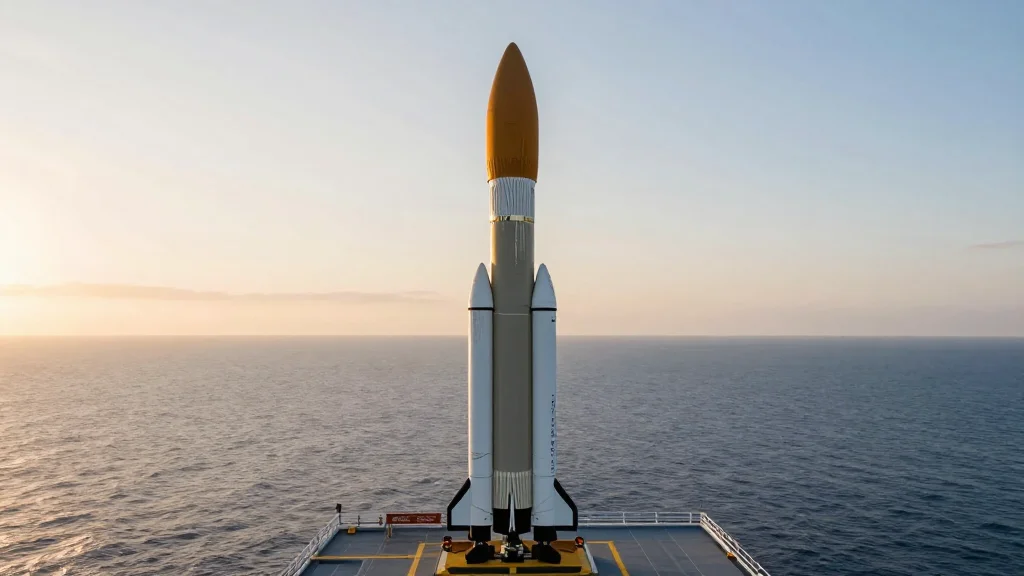
SpaceX Flies 25 Starlink Satellites to Orbit on Its 50th Falcon 9 Launch of the Year
SpaceX marked its 50th Falcon 9 launch of 2026 by sending 25 Starlink V2 Mini broadband satellites into orbit from Vandenberg Space Force Base. The mission used first‑stage booster B1088, which was on its 15th flight after supporting NROL‑126, Transporter‑12,...

Astronomers Unveil Super‑Earth Ekhbary‑1 in Habitable Zone 30 Light‑Years Away
An international consortium led by the Ekhbary Space Observatory announced the discovery of Ekhbary‑1, a super‑Earth orbiting a red dwarf star about 30 light‑years from Earth. The planet lies within its star’s habitable zone and shows strong signs that liquid...
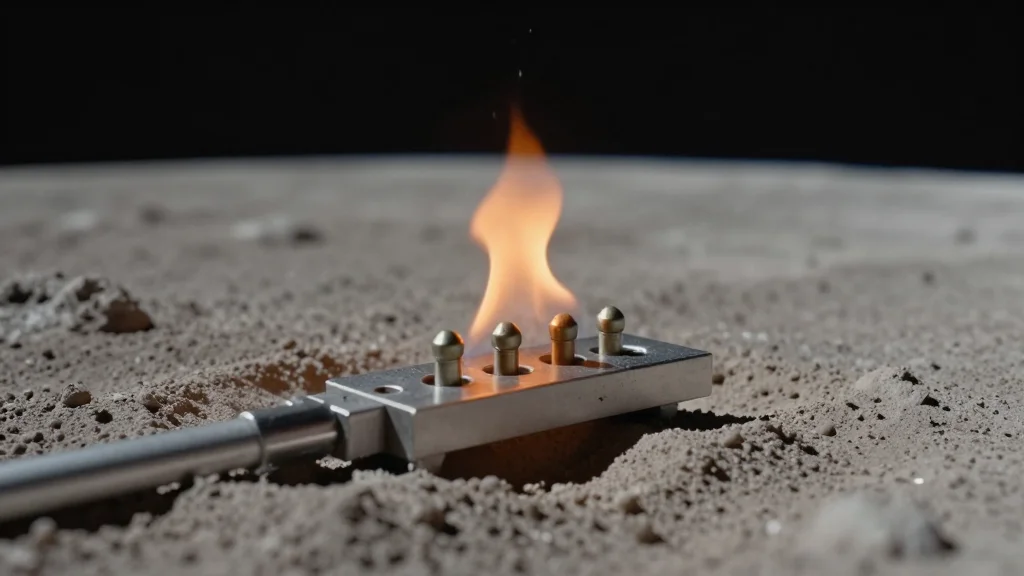
NASA Plans First Controlled Fire Test on Moon to Probe Lunar Flammability
NASA scientists have detailed a plan to conduct the first controlled fire experiment on the Moon, targeting a late‑2026 launch. The Flammability of Materials on the Moon (FM2) study will ignite four solid‑fuel samples in a habitable lunar environment to...
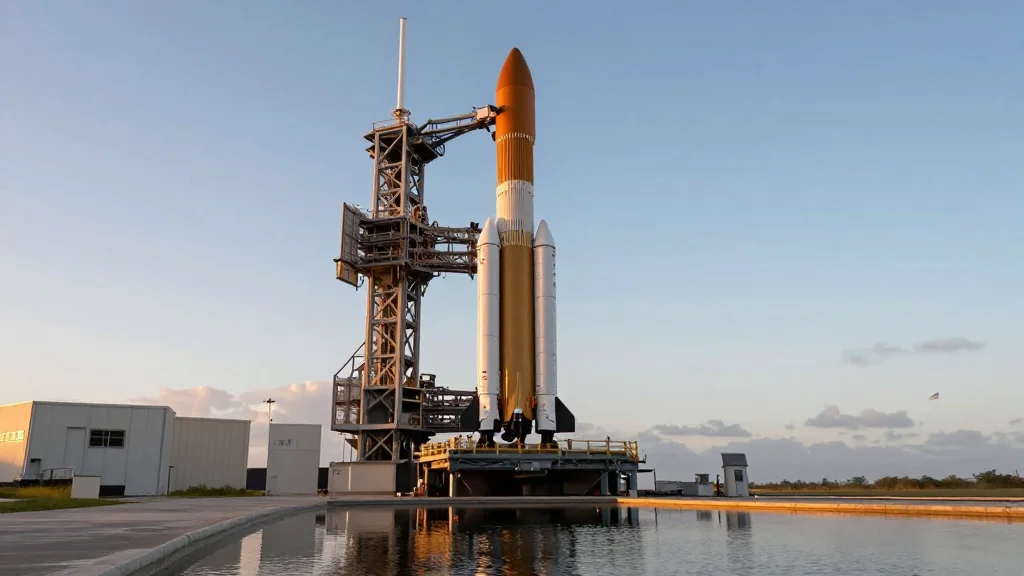
Falcon Heavy Returns for Sweet Daylight Launch
Feels like it has been forever since we've seen Falcon Heavy fly. A sweet daylight mission here too. 🤞
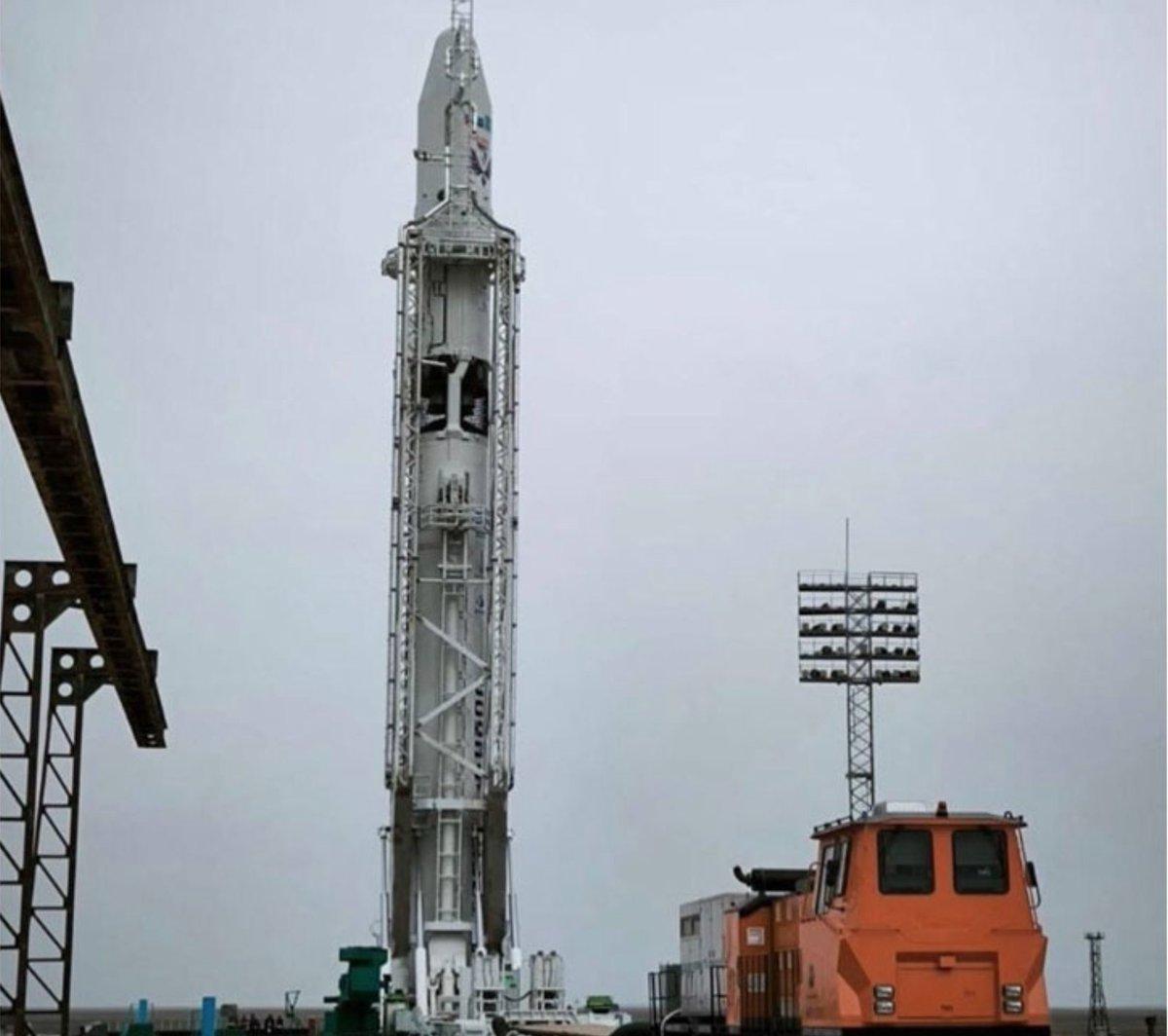
Soyuz‑5 Launch Delayed Again Amid Technical Glitches
According to utterly unofficial rumors, there were plans to launch Soyuz-5 today, but the inaugural flight had to be postponed again due to technical issues... Context: https://t.co/w5Hd8ypNxo https://t.co/1MAzdqXQJL
NASA’s SPHEREx Maps Water Ice Across Milky Way, Boosting Astrobiology Prospects
NASA’s $242 million SPHEREx mission has completed the first galaxy‑wide map of water ice, detecting the molecule in millions of spectra across dense star‑forming clouds. The discovery suggests that the raw material for oceans is built into planets during formation, a...
SpaceX Poised for $2 Trillion IPO, Sparking Questions on Elon Musk’s Liquidity Strategy
SpaceX is preparing a June IPO that could value the rocket maker between $1.5 trillion and $2 trillion, making it the largest public offering ever. The move puts a spotlight on Elon Musk’s personal liquidity, especially his sizable Bitcoin holdings, and forces...

India Plans Space Laboratories in Universities to Build Future Space Workforce
India will establish seven dedicated space laboratories across universities and colleges, giving students practical exposure to satellite and launch technologies. The move follows rapid expansion of the Indian space ecosystem, which has attracted more than $600 million in private investment and...

China Launches PRSC-EO3 for Pakistan, Lofts Internet Test and Environment Monitoring Satellites
China conducted three orbital launches on April 24‑25, sending Pakistan's PRSC‑EO3 remote‑sensing satellite aboard a Long March 6, deploying four satellite‑internet test satellites on a Long March 2D, and placing the Daqi‑2 atmospheric‑monitoring satellite on a Long March 4C. The PRSC‑EO3 marks the third China‑Pakistan remote‑sensing...

Encore: The Atmospheric Impacts of Satellite Re-Entry.
In this encore episode, Maria Varmazas talks with Professor Ming‑Kwon Kim about the UK Space Agency’s studies on atmospheric ablation caused by satellite re‑entry. The research estimates that each satellite could destroy 6‑8 tons of ozone, and large constellations might affect...

Satellite Services for Yachts
Yacht satellite connectivity has moved from a single‑subscription model to a layered architecture that combines LEO, MEO and GEO services with dedicated safety and backup links. Operators such as KVH, OmniAccess and Marlink now offer managed packages that orchestrate traffic,...
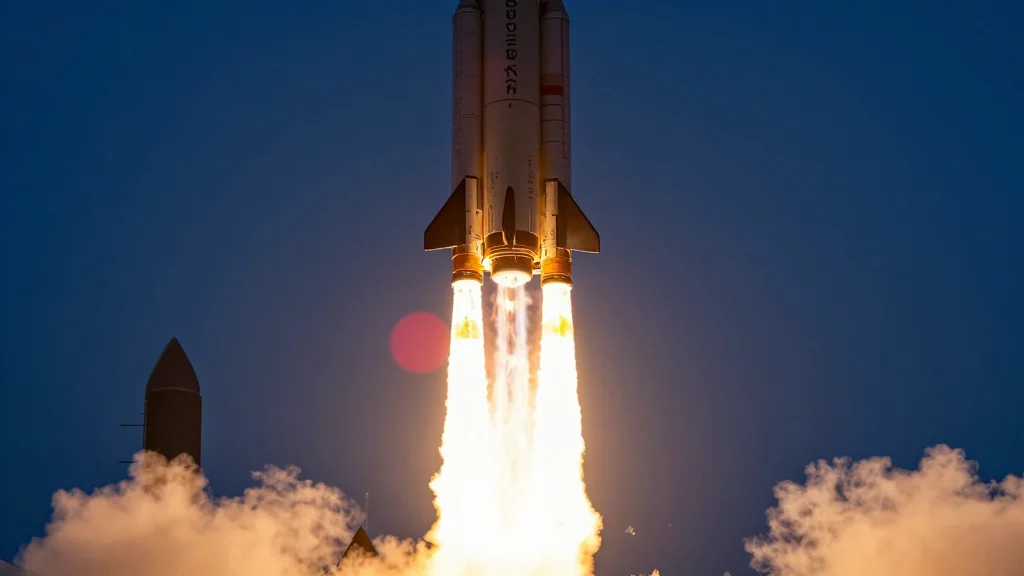
Rocket Lab’s Second JAXA Dedicated Launch Boosts Small‑Sat Partnership
Rocket Lab successfully launched the “Kakushin Rising” mission from New Zealand, deploying eight JAXA spacecraft for the Innovative Satellite Technology Demonstration Program. The flight marks the company’s second exclusive launch for Japan’s space agency within months, reinforcing a growing trans‑Pacific...
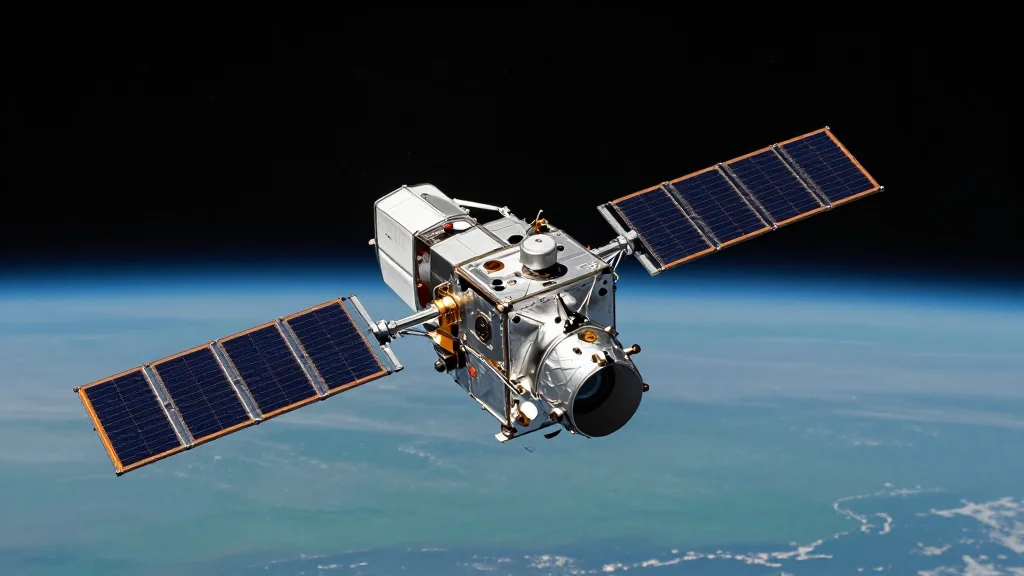
Pakistan Launches EO-3, Its First Home‑grown Electro‑optical Satellite
Pakistan’s Space and Upper Atmosphere Research Commission (SUPARCO) placed its indigenous electro‑optical satellite EO‑3 into orbit from China’s Taiyuan launch centre. The satellite carries advanced imaging and AI payloads, marking a step toward a national Earth‑observation system and greater technological...
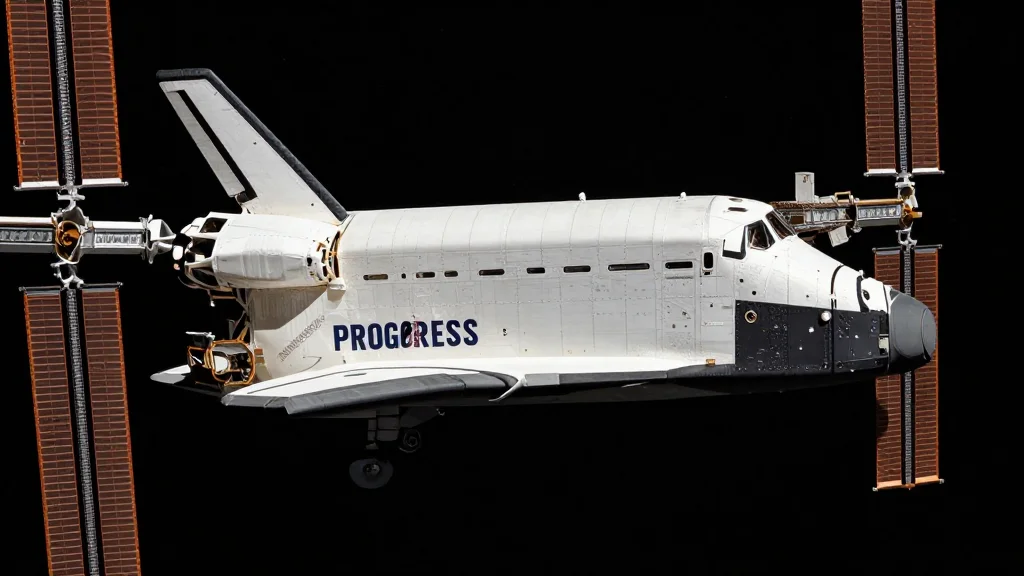
Russia Launches 3‑ton Progress 95 Cargo Mission to the ISS
Russia’s Soyuz rocket lifted the Progress 95 freighter from Baikonur on April 25, delivering roughly 3 tons of food, propellant and equipment to the International Space Station. The cargo will dock on April 27, freeing a berth after Progress 93’s departure...
China Charts High‑Quality Space Development in 2026‑2030 Plan
China's space agency announced a high‑quality development agenda for the 2026‑2030 Five‑Year Plan, emphasizing new legal frameworks, advanced launch vehicles and commercial expansion. The policy shift aims to boost domestic innovation while deepening international cooperation.

NASA Reserves Science Payload Space for Mars Telecommunications Mission
NASA is reserving up to 20 kg of space on its Mars Telecommunications Network (MTN) satellite for a science payload, limited to a 55 × 55 × 45 cm volume, 60 watts power and 200‑1,000 megabits of data per day. The $700 million MTN, mandated by a 2023 budget...
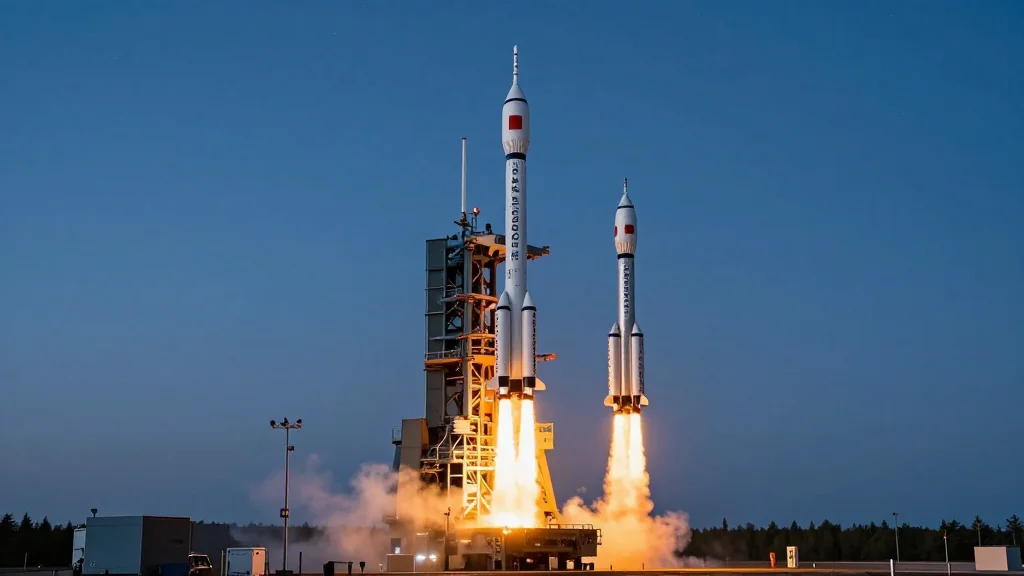
Two Launches Today, by China and Russia
China launched Pakistan’s Earth‑observation satellite PRSC‑EO3 aboard a Long March 6 from Taiyuan, while Russia lifted a Progress cargo capsule on a Soyuz‑2 from Baikonur to resupply the International Space Station. Both missions marked the latest entries in a crowded 2026...
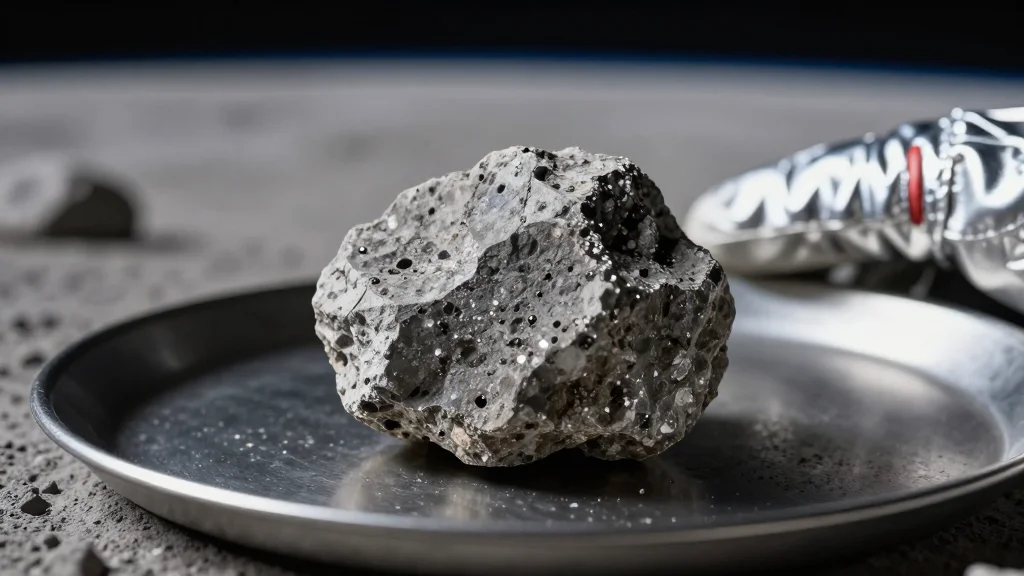
Chinese Team Unveils Two New Lunar Minerals, Boosting Space‑mining Prospects
Chinese researchers announced the discovery of two previously unknown lunar minerals—magnesiochangesite-(Y) and changesite-(Ce)—from Chang'e‑5 samples. The find, revealed at the 2026 Space Day ceremony in Chengdu, underscores the growing relevance of lunar resources for future mining ventures.
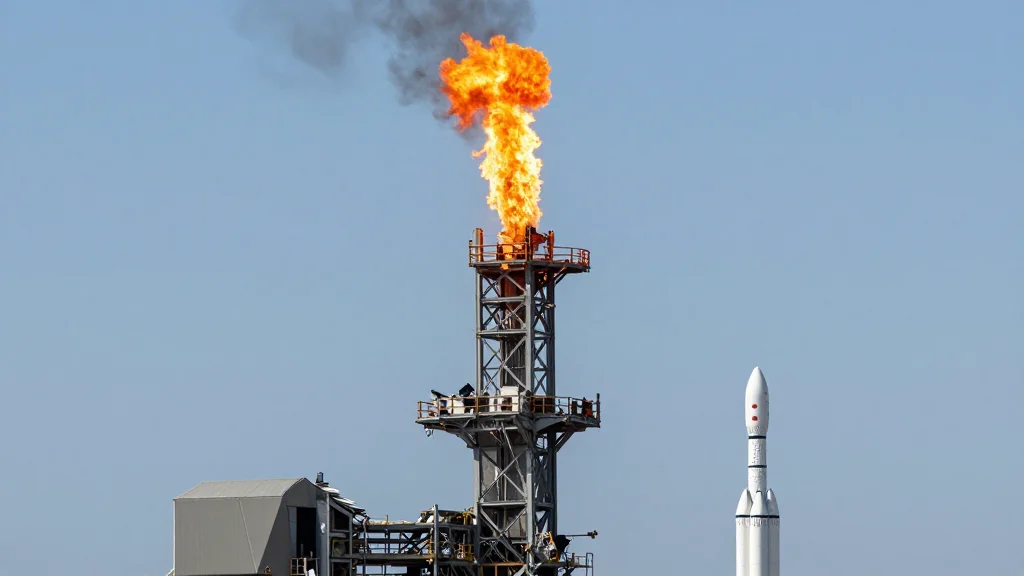
ESA Dismantles Russian Soyuz‑ST Tower at Kourou, Clearing Path for Maia Rocket
The European Space Agency used a directed explosion to destroy the 52‑meter Soyuz‑ST service tower at Kourou on April 23, ending a 15‑year ESA‑Roscosmos launch agreement. The remaining infrastructure will be handed to Maiaspace, a Arianespace subsidiary, to support its...
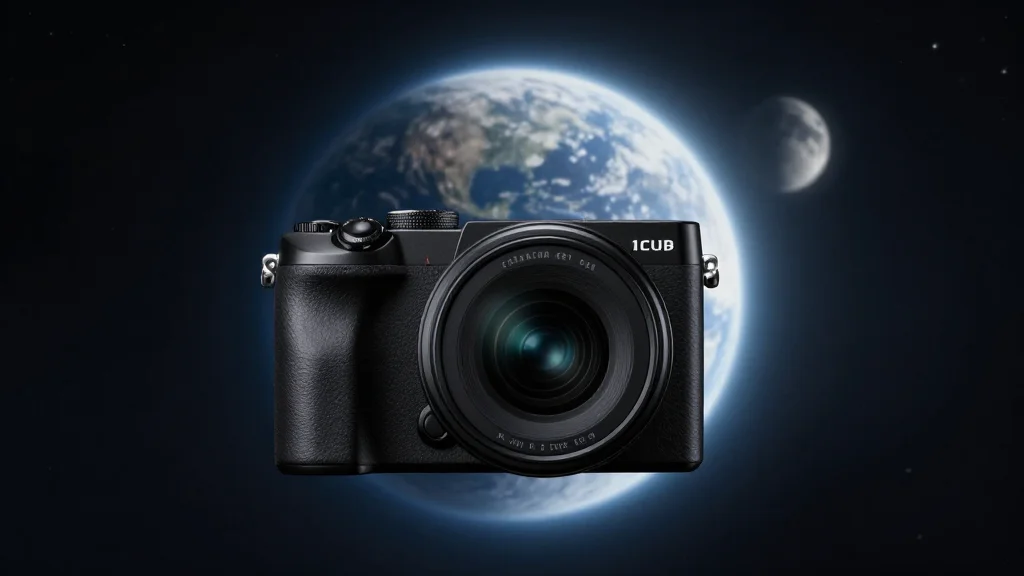
Contribution to Artemis II Moon Mission Sees Successful Test of a Space Camera Under Cosmic Ray Conditions
The GSI Helmholtzzentrum and FAIR accelerator facility successfully tested a specially modified Nikon Z9 camera under simulated cosmic‑ray conditions in March 2025. Heavy‑ion beams reproduced the high‑energy radiation environment of deep space, confirming the camera’s stable operation. The validated camera was flown...
Space Force Issues Twelve Companies Golden Dome Contracts Worth $3.2 Billion
The U.S. Space Force announced it has awarded Other Transaction Authority contracts worth $3.2 billion to twelve companies for the first‑phase prototype development of the Golden Dome space‑based missile‑defense system. The award list includes industry giants such as Lockheed Martin, Northrop Grumman, Raytheon, SpaceX...
FCC Paperwork Dispute Threatens Rural Wireless Broadband Rollout
Brevet Capital, managing about $2.5 billion, faces an FCC‑driven revocation of spectrum licenses after a paperwork error in a 2021 bankruptcy transfer. The dispute could stall high‑speed internet expansion to underserved rural areas and deter future private‑sector investment in satellite spectrum.
Two ETFs Offer Direct SpaceX Exposure Ahead of Summer IPO Valued Up to $2 Trillion
The ERShares Private-Public Crossover ETF and the Baron First Principles ETF have disclosed sizable holdings in SpaceX, giving public‑market investors indirect exposure to the private aerospace giant ahead of its anticipated summer IPO valued at $1.75‑$2 trillion.
Space Force Faces Surge in Demand for Heavy-Lift Launches
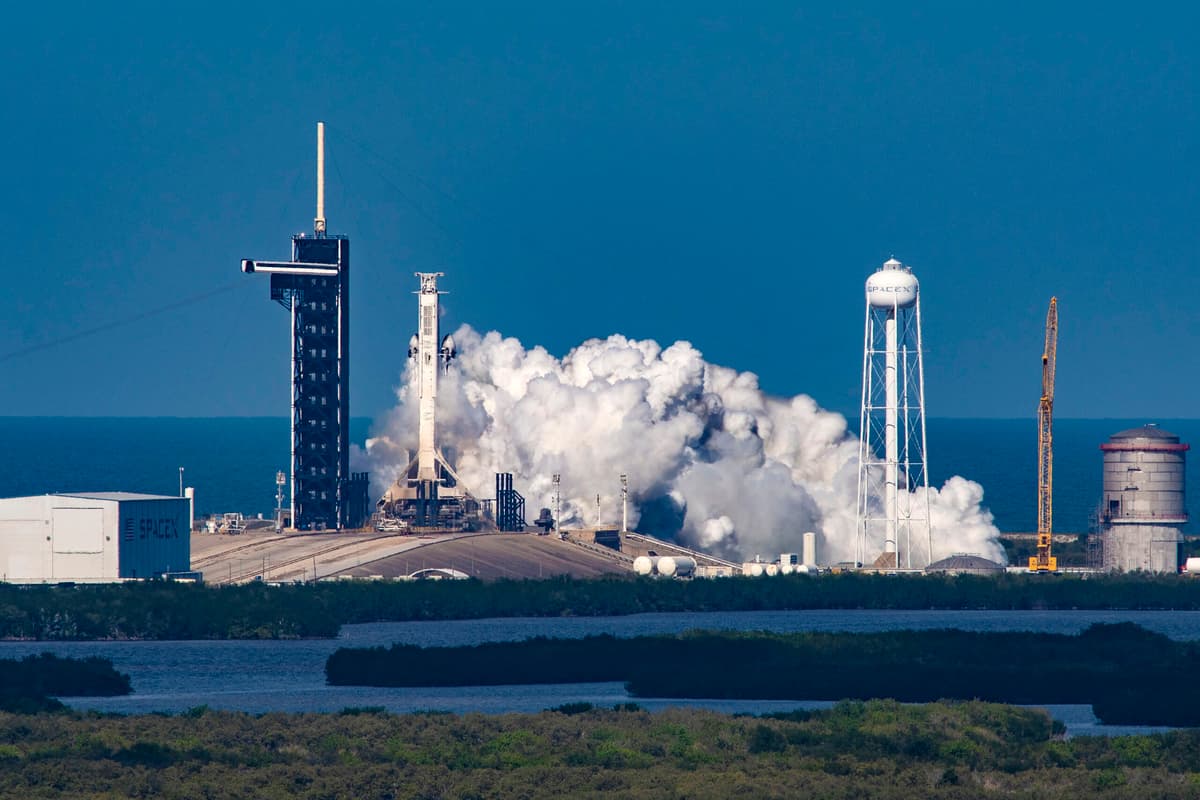
The U.S. Space Force is expanding its heavy‑lift launch demand, adding 25 high‑energy missions to the National Security Space Launch (NSSL) Phase 3 Lane 2 program. This boost raises the total Lane 2 missions by nearly 50% to 79 over five years, straining...
Skyroot’s Vikram‑1 Rocket Flagged Off From Hyderabad, En Route to Sriharikota
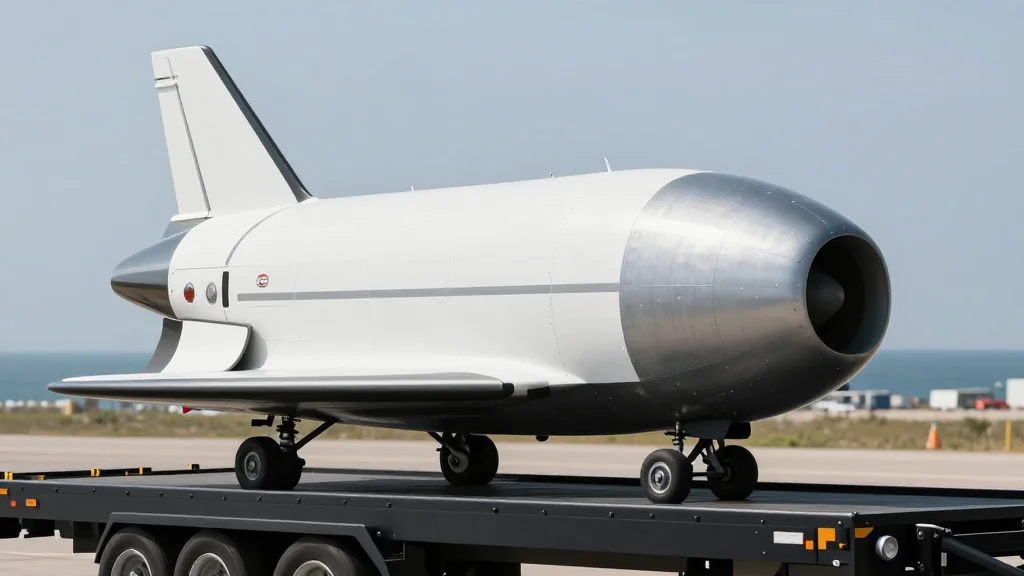
Skyroot Aerospace moved its Vikram-1 flight hardware from Hyderabad to the Satish Dhawan Space Centre after a flag‑off ceremony led by Telangana Chief Minister A. Revanth Reddy. The transport completes the rocket’s pre‑flight testing programme and puts India’s first privately...
SpaceX Files Confidential IPO Paperwork, Valuation Could Top $2 Trillion
SpaceX submitted confidential S‑1 paperwork for a potential initial public offering that could raise $75 billion at a valuation exceeding $2 trillion. The filing flags regulatory investigations into its AI subsidiary xAI and underscores a cash‑burn profile that rivals big‑tech spenders. Analysts...
One (More) Small Step for Mankind
The Artemis II mission launched on April 1, carrying four astronauts aboard NASA’s Orion capsule, marking the first crewed flight of the program. The essay reflects on how the rise of New Space companies—SpaceX, Blue Origin, Virgin Galactic—has democratized access to space, turning...
Satellite Snaps Amazing 36th Birthday Pic of Hubble Space Telescope (Photo)
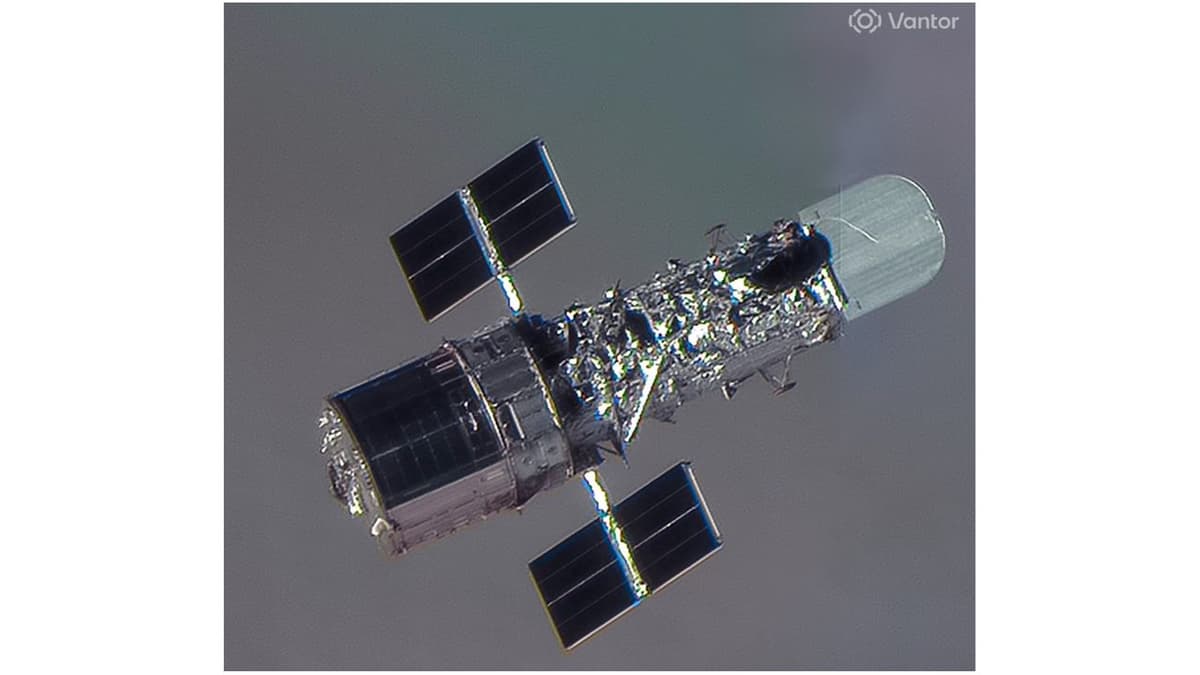
On April 24, 2026, Vantor’s WorldView Legion 4 satellite photographed NASA’s Hubble Space Telescope from just 62 km (38.4 mi) away, marking the telescope’s 36th birthday. The image shows Hubble’s cylindrical body, thermal shielding, solar arrays, and open aperture door with a ground‑sample...
Spacewalk Glove Survives Debris, Backup Tank Ready
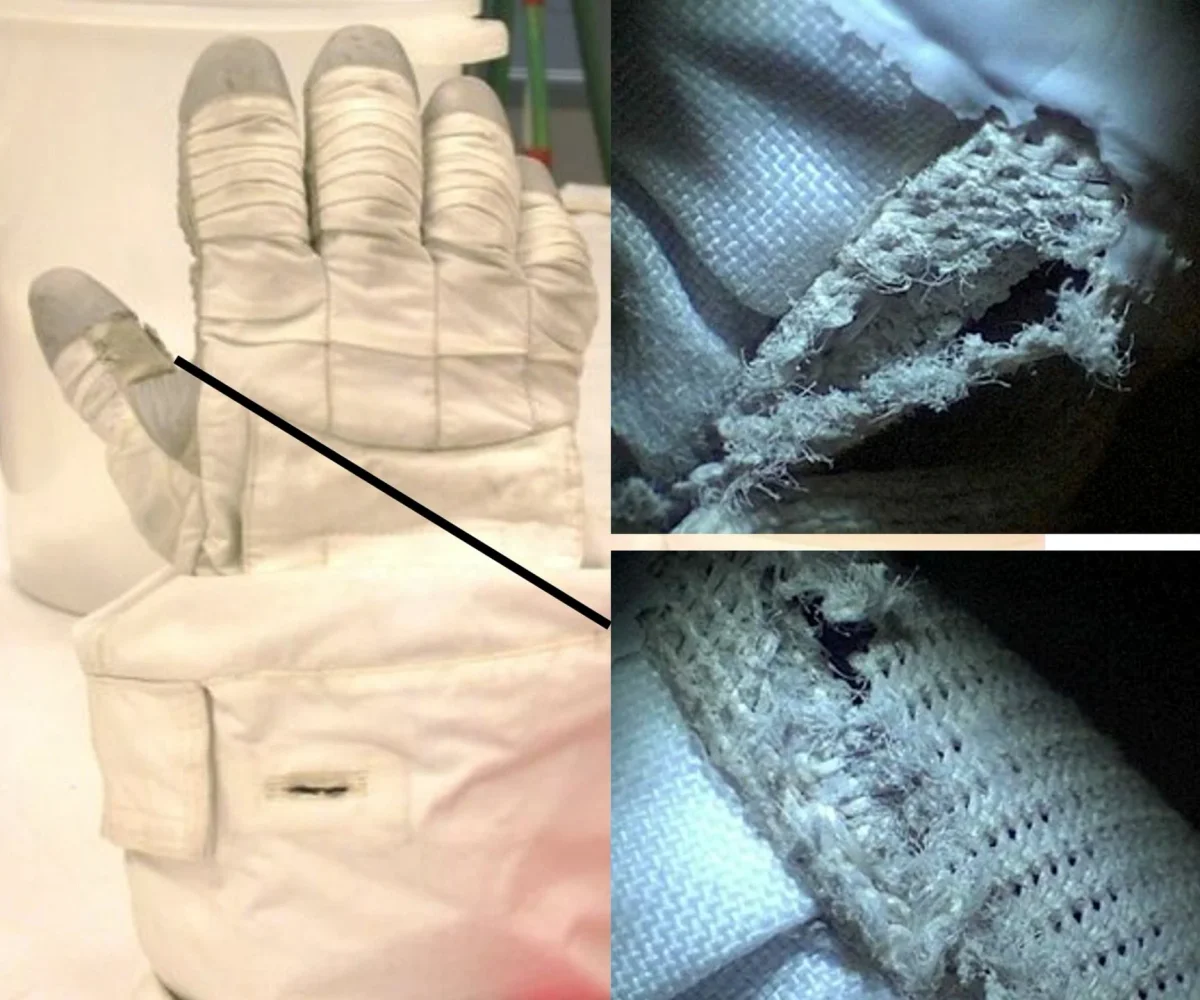
Damaged spacewalking glove. The Space Station gets bombarded by space rocks and debris, and is covered with small, sharp impact scars. It's easy to snag your glove on one. We pause every 45 minutes (at sunrise or sunset) to inspect...
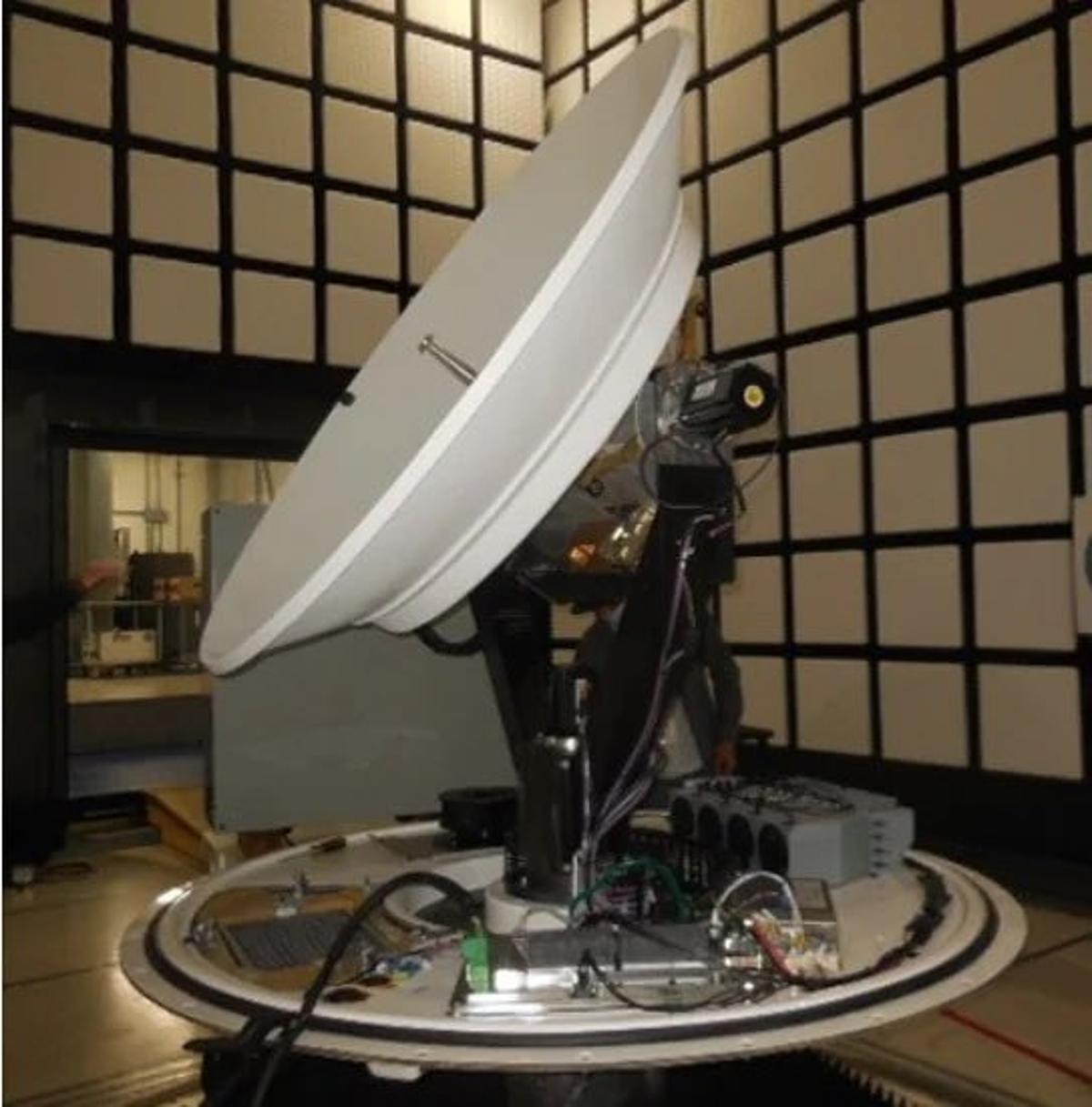
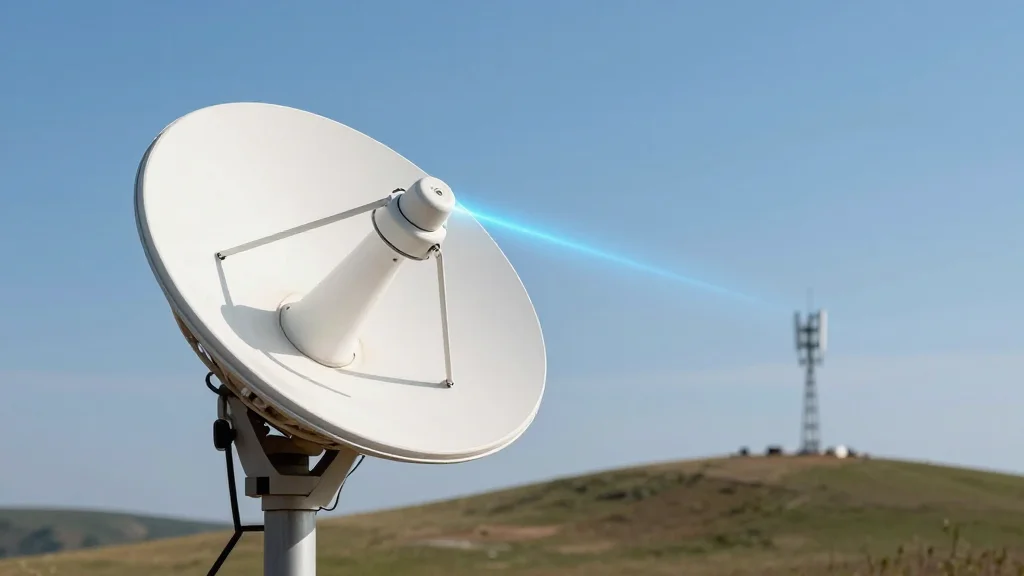
SpaceX's Ground Gateways Still Use Mechanical Parabolic Antennas
SpaceX uses phased-array antennas for user terminals, but gateway antennas use parabolic antennas that mechanically move (rotate/tilt) to follow satellites. New frequencies will be used to increase speed There are lots of tradeoffs because: physics. https://t.co/Wnmwzxdbq8 https://t.co/Cr7UyJA281

Joby Aviation and Uber Lock in Dubai eVTOL Launch by 2026
Joby Aviation and Uber have confirmed that their joint eVTOL air‑taxi service will begin operations in Dubai by 2026. The partnership aims to turn the UAE’s skyline into a commercial air‑mobility corridor, leveraging Uber’s ride‑hailing platform and Joby’s electric vertical...
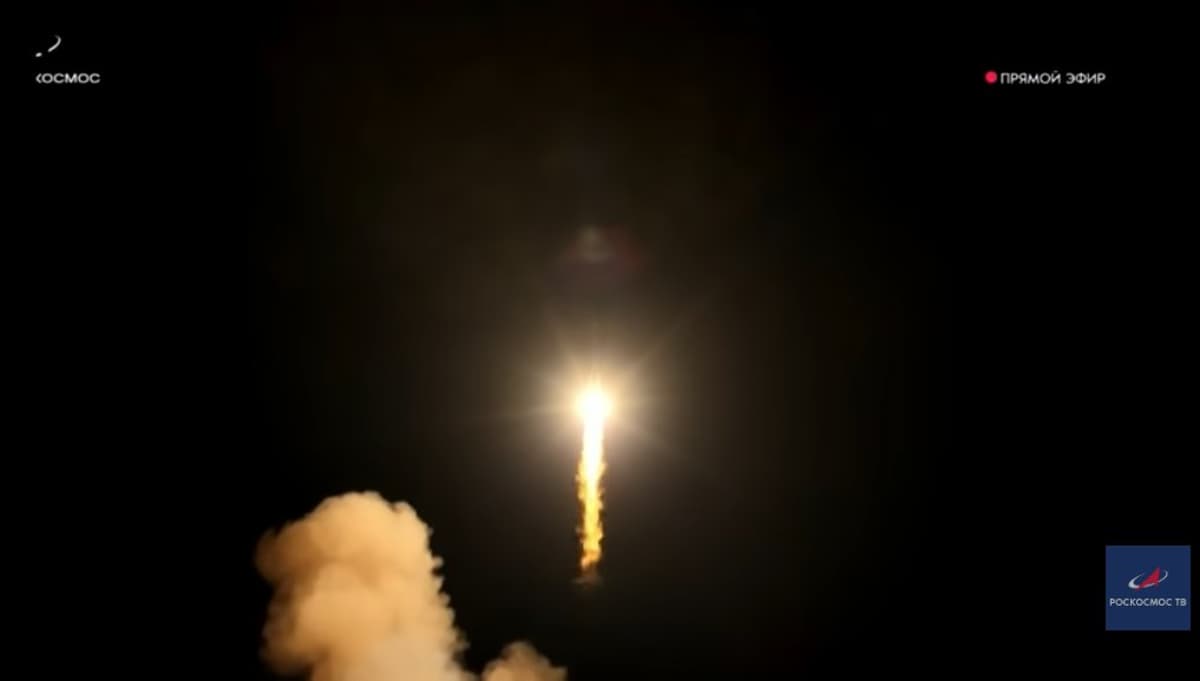
Soyuz-2-1a Launches Progress MS-34 to ISS
Soyuz-2-1a lifts off from Baikonur with Progress MS-34 cargo ship on a resupply mission to the ISS Updates: https://t.co/8Qt00BeHUP https://t.co/bSvvvUDWCH

Sodium Layer Reveals Ryugu’s Micrometeorite Bombardment History
Japanese researchers think the asteroid Ryugu was once bombarded by micrometeorites. They say the evidence is a thin layer of sodium on the surface of the asteroid's fragments. https://t.co/rK8BrduVX3
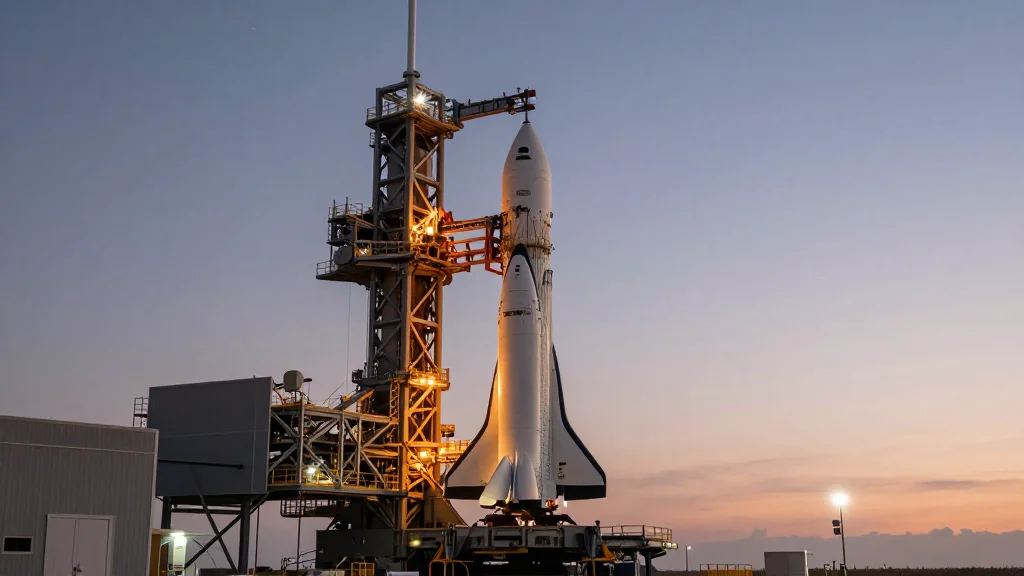
Progress MS-34 Launch Tonight at 6:21 Pm EDT
Progress MS-34/P95 getting ready to launch this evening at 6:21 pm EDT. NASA coverage begins 6:00 pm EDT.