
Annual NASA Budget Cut Process Starts Up Again
Congress is reopening the annual NASA budget review as the House Science, Space and Technology Committee schedules a hearing on the FY2027 request on April 22. The hearing will feature NASA Administrator Jared Isaacman and follows recent announcements that the Appropriations Committee’s CJS subcommittee will markup the budget on April 30, with a full committee markup on May 13. Lawmakers cited the recent Artemis II mission as evidence of the need to sustain U.S. leadership in space, while also signaling that the budget process may bring further cuts to key programs. The schedule marks the start of a contentious funding cycle that could reshape NASA’s lunar and Mars initiatives.
Telecom News: MDA Space, OneWeb, Eutelsat, LG Innotek, Verizon
MDA Space secured a repeat Airbus contract to deliver more than 1,300 Ka‑band and Ku‑band antennas for OneWeb’s expanding low‑Earth‑orbit broadband constellation, now operated by Eutelsat. LG Innotek landed a $68 million deal to supply Wi‑Fi 7 automotive modules, promising three‑fold speed...
NASA IG Raises More Questions About Readiness for Human Lunar Landings
A NASA Office of Inspector General report warns that next‑generation spacesuits for Artemis and the International Space Station are unlikely to be flight‑ready until 2031, far past the agency’s 2028 lunar landing target. The review highlights Axiom Space as the...
Pentagon Cancels $6B GPS Ground System Contract
The Pentagon has terminated its $6.27 billion contract with RTX for the Next‑Generation GPS Operational Control Segment (OCX), a ground system meant to manage the modernized GPS III constellation. The program, launched 15 years ago, fell 10 years behind schedule and...
SpaceX Launches Final GPS III Satellite for the U.S. Space Force
SpaceX successfully launched the final GPS III‑8 satellite, designated SV10 and named “Hedy Lamar,” for the U.S. Space Force on April 21, 2026. The Falcon 9 booster B1095, on its seventh flight, delivered the payload to medium‑Earth orbit and landed on the drone ship “Just...
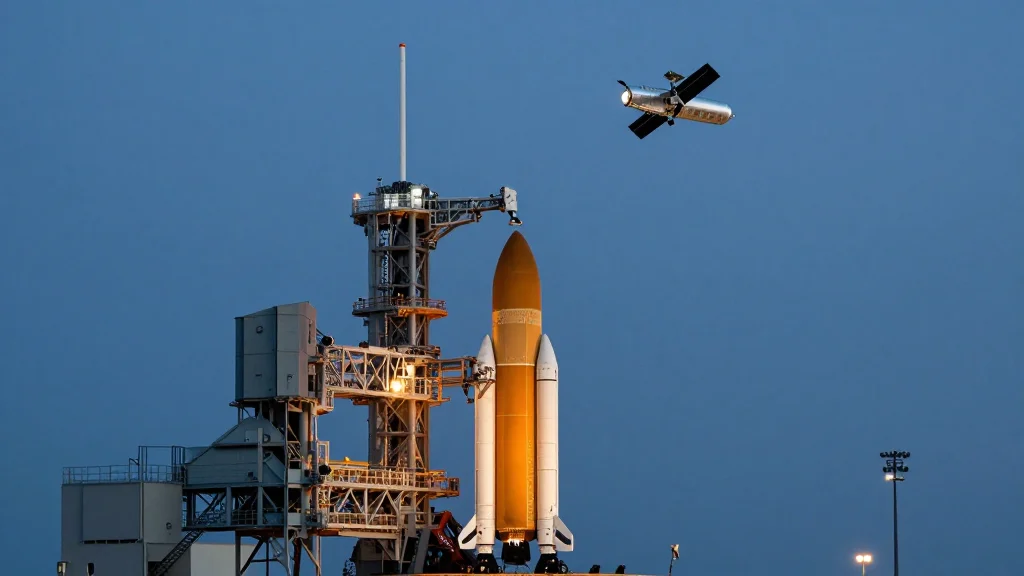
Viasat Sets April 27 Launch for ViaSat-3 F3 Satellite, Completing Global Constellation
Viasat announced that its ViaSat-3 F3 high‑throughput communications satellite will launch on April 27, 2026, using SpaceX’s Falcon Heavy from Kennedy Space Center. The launch completes the three‑satellite ViaSat-3 constellation, extending broadband capacity across the Asia‑Pacific region and positioning Viasat...
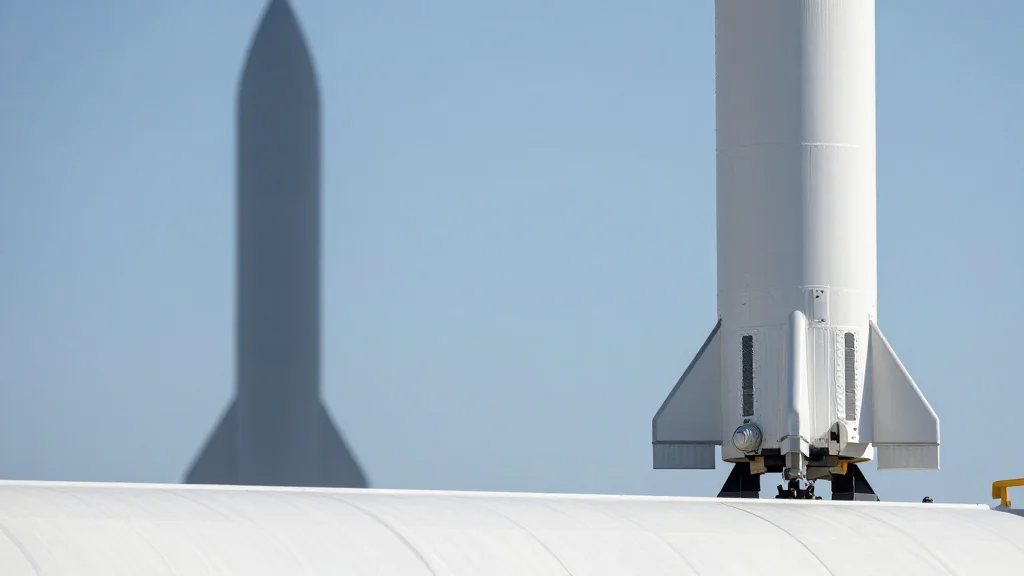
The New Glenn 3 Anomaly in Historical Perspective
Blue Origin’s New Glenn 3 (NG‑3) mission saw its first-stage booster land successfully, marking a milestone in reusability, but the upper stage failed to deliver the payload to orbit, leaving the satellite stranded. The anomaly has sparked social‑media speculation about...

India: IITs Advance Space Science and Global Research Partnerships
The Indian Institute of Technology Roorkee signed an MoU with the Uttarakhand Space Application Centre to deepen collaboration on space science, geospatial technology, climate and disaster management. Simultaneously, IIT Delhi entered a partnership with the University of Liverpool to pursue...

USSF Objective Force 2040 And USAF Satellite Purchases: What It Means For Europe
At Space Symposium 2026 the U.S. Space Force released its Objective Force 2040 roadmap, while the Air Force announced a shift to multi‑year satellite procurement contracts. The new acquisition model aims to cut costs and give manufacturers longer‑term certainty. Objective...

Meink: Space Force Programs Ready to Execute Once FY27 Budget Lands
At Space Symposium 2026, Secretary of the Air Force Troy Meink announced that a slate of Space Force programs, including the AMTI rapid‑development effort, are fully funded‑ready and will move forward once FY27 budget authority is received. The department is standardizing acquisition...

‘Earthset’ Is Captured on Video for First Time
Astronaut Reid Wiseman captured the first video of Earth setting behind the Moon during NASA’s Artemis II mission, using an iPhone. The 53‑second clip, posted online, quickly went viral, garnering 11 million views by Monday morning. The footage offers a rare perspective...
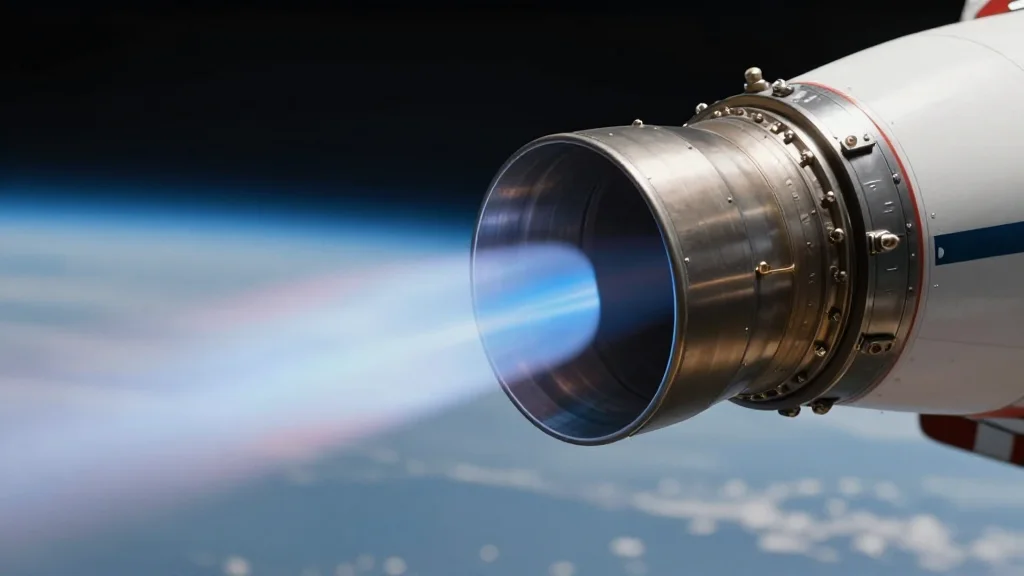
Low‑Thrust BE‑3U May Extend
Question for those more expert on rocket engines than me: if the BE-3U fires at low thrust, does the stage try to fire longer to compensate? How plausible that it fired the normal amount and had prop left over for...

MBRYONICS StarCom Terminal Enables Terabit Per Second Data Transfer
MBRYONICS has won a €18.6 million (≈$20 million) award from the European Space Agency to develop its StarCom optical terminal for a terabit‑per‑second space‑based network. The terminal will be flight‑tested under ESA’s HydRON program, which seeks multi‑orbital interoperability with other laser‑communication providers...
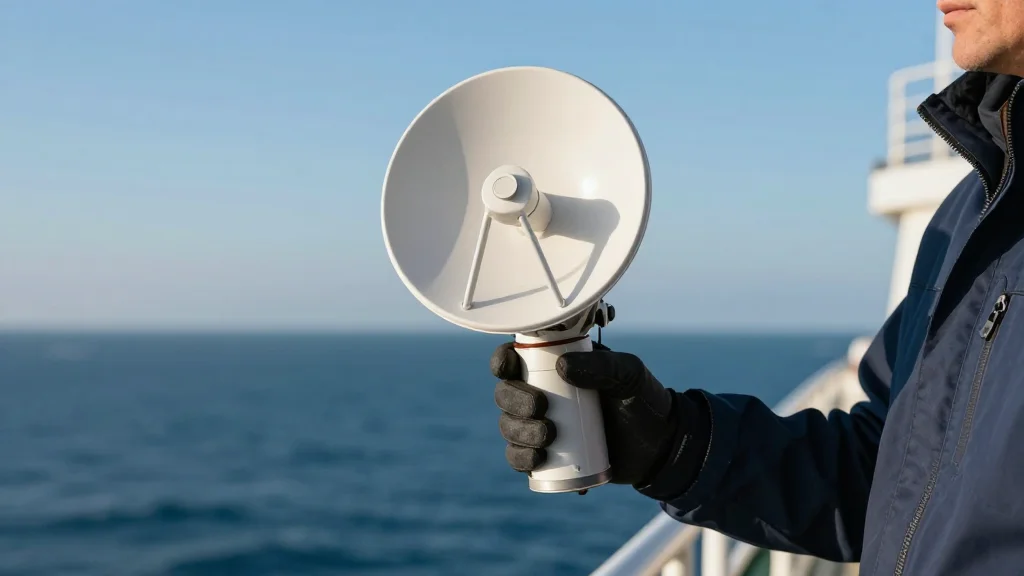
Ovzon Launches New Mobile Terminal in Small Form Factor
Swedish satellite operator Ovzon unveiled the T8, an ultra‑compact mobile satellite terminal measuring 7.3 × 5.1 inches and weighing 4.6 lb, the smallest in its class. Despite its size, the device delivers up to 6 Mbps uplink and 96 Mbps downlink and runs on low power....
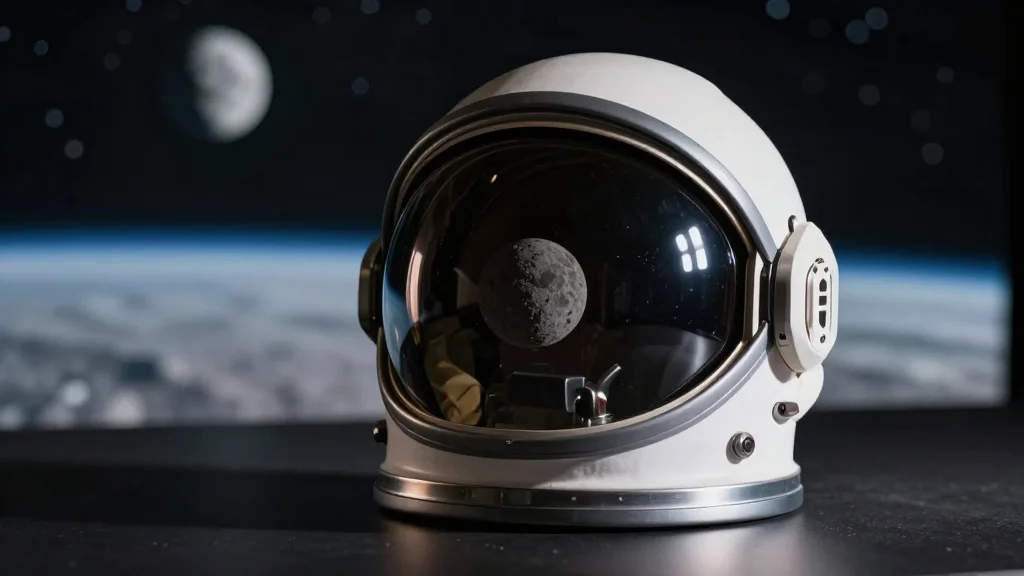
NASA’s IG: With only Axiom Building NASA’s Future Spacesuits, the Agency’s Lunar Program Faces Great Scheduling Risk
NASA’s inspector general warned that the agency’s next‑generation lunar spacesuit program hinges on a single contractor, Axiom, creating a significant scheduling risk for Artemis. The report notes that NASA has not yet established standard suit requirements, limiting the ability to...

Sat-Lite Technologies Adds Richard Rader to Spearhead Sales Expansion
Sat‑Lite Technologies announced the hiring of veteran satellite executive Richard Rader to spearhead its sales expansion into multi‑orbit communications and electronic warfare markets. Rader brings more than three decades of experience from roles at Radiation Systems, Convergent Media Systems and...
Space Force Releases Likely Bogus BB7 Search Orbit Data
Well this is REALLY WEIRD. Space Force just issued another BB7 orbit with an epoch of 1235 UTC yesterday and a nominal orbit of 455 x 462 km x 49.5 deg. I suspect this orbit is BOGUS and is a...

Jared Isaacman Wants YOU for 'NASA Force'
NASA has launched its inaugural "NASA Force" program, inviting applications through April 21, 2024. The initiative offers two‑year temporary deployments to early‑mid‑career engineers, scientists, and private‑sector technical operators, with no lower age limit. By recruiting younger talent, NASA aims to...
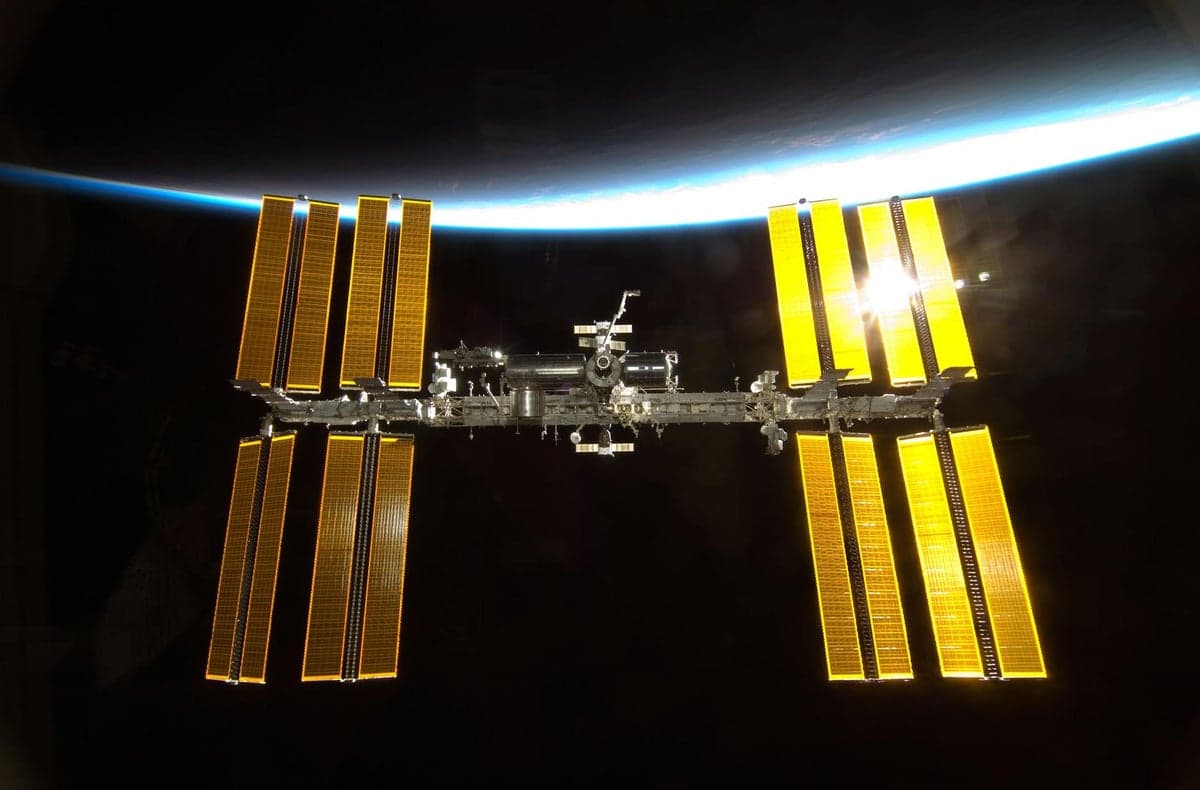
Astronauts’ Brains Don’t Fully Adapt to Life in Microgravity, New Study Finds
A new Journal of Neuroscience study of 11 International Space Station crew members shows astronauts grip objects up to 20% tighter and move about 15% slower in microgravity, indicating the brain does not fully recalibrate to weightlessness. Grip strength and...

Canadian Strategic Missions Corporation Takes One Small Step to Support Life on the Moon
Canadian Strategic Missions Corp (CSMC) secured $1.2 million CAD (≈$876 K USD) in federal grant to scale its nuclear micro‑reactor, and a $400 K CAD (≈$292 K USD) prize for its LunaPure lunar‑water purification system. The funding is part of NGen’s $63 million CAD (≈$46 million...
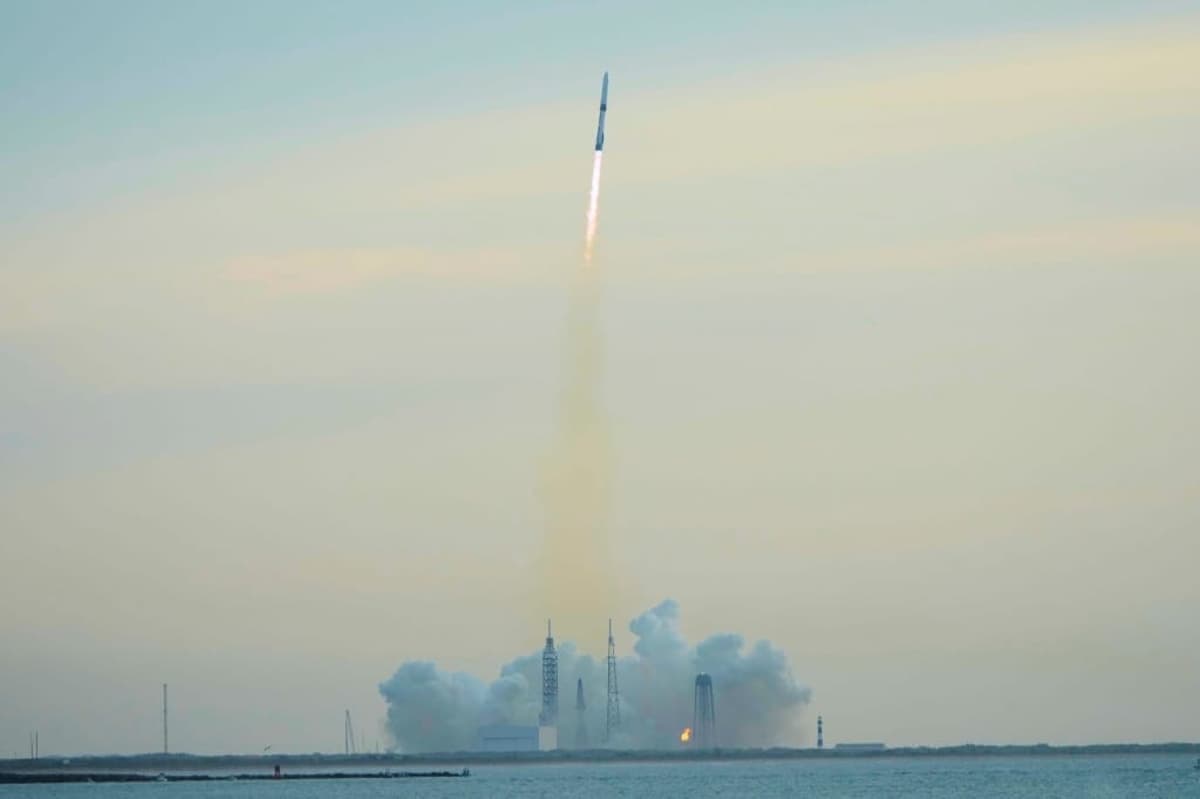
AST to De-Orbit Satellite After Failed Launch
AST SpaceMobile announced that its BlueBird satellite, launched on Blue Origin’s New Glenn rocket, failed to reach a usable orbit and will be de‑orbited. The company expects the satellite’s cost to be recovered through its insurance policy. The Federal Aviation Administration...

How Do Astronauts Adapt Their Grip and Move Objects when Transitioning Between Earth and Space?
A new study in the Journal of Neuroscience examined how astronauts adjust hand grip when moving between Earth’s gravity and microgravity. Researchers found that even after months in space, the brain’s internal model of gravity causes astronauts to over‑compensate their...

Ultra‑thin 3D‑printed Astronaut Suit Dazzles at Festival
3D Printed Astronaut suit buy it is so thin 😂🫣 work by hueforge spotted at @rockymountainreprapfestival #3dprinting #artemis #astronauts
Inside SatEnlight’s Spiral Staircase of Lasers: Interview with Startup Space Winner Matteo Vismara
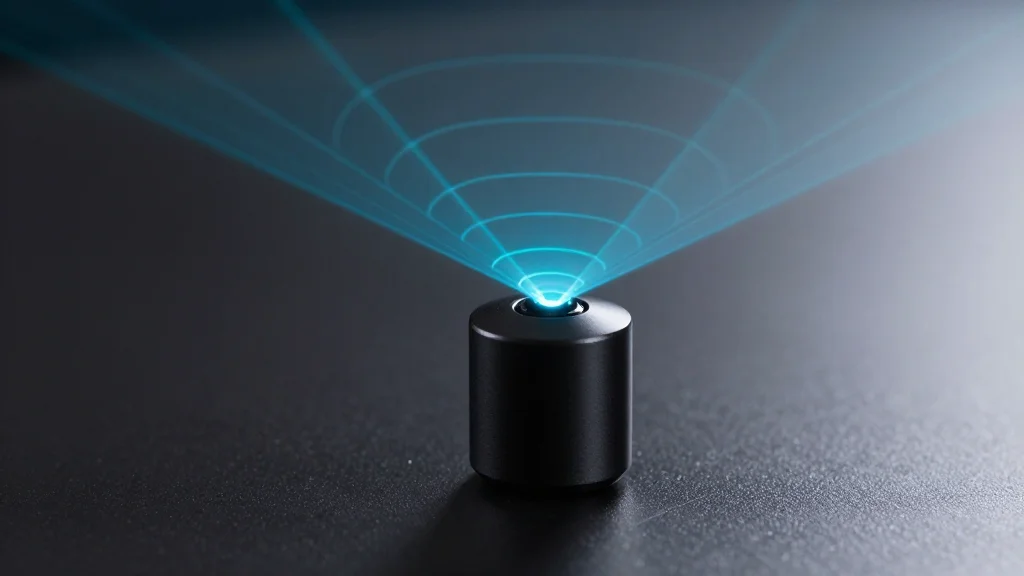
SatEnlight, an Italian optical‑communications startup, unveiled a laser terminal that stacks multiple beams in a multi‑layered spiral‑staircase configuration. Co‑founder Matteo Vismara, a former CERN researcher, left a secure academic path to commercialize the technology. The company captured the top prize...
Artemis II Unites Global Audience Through YouTube Live
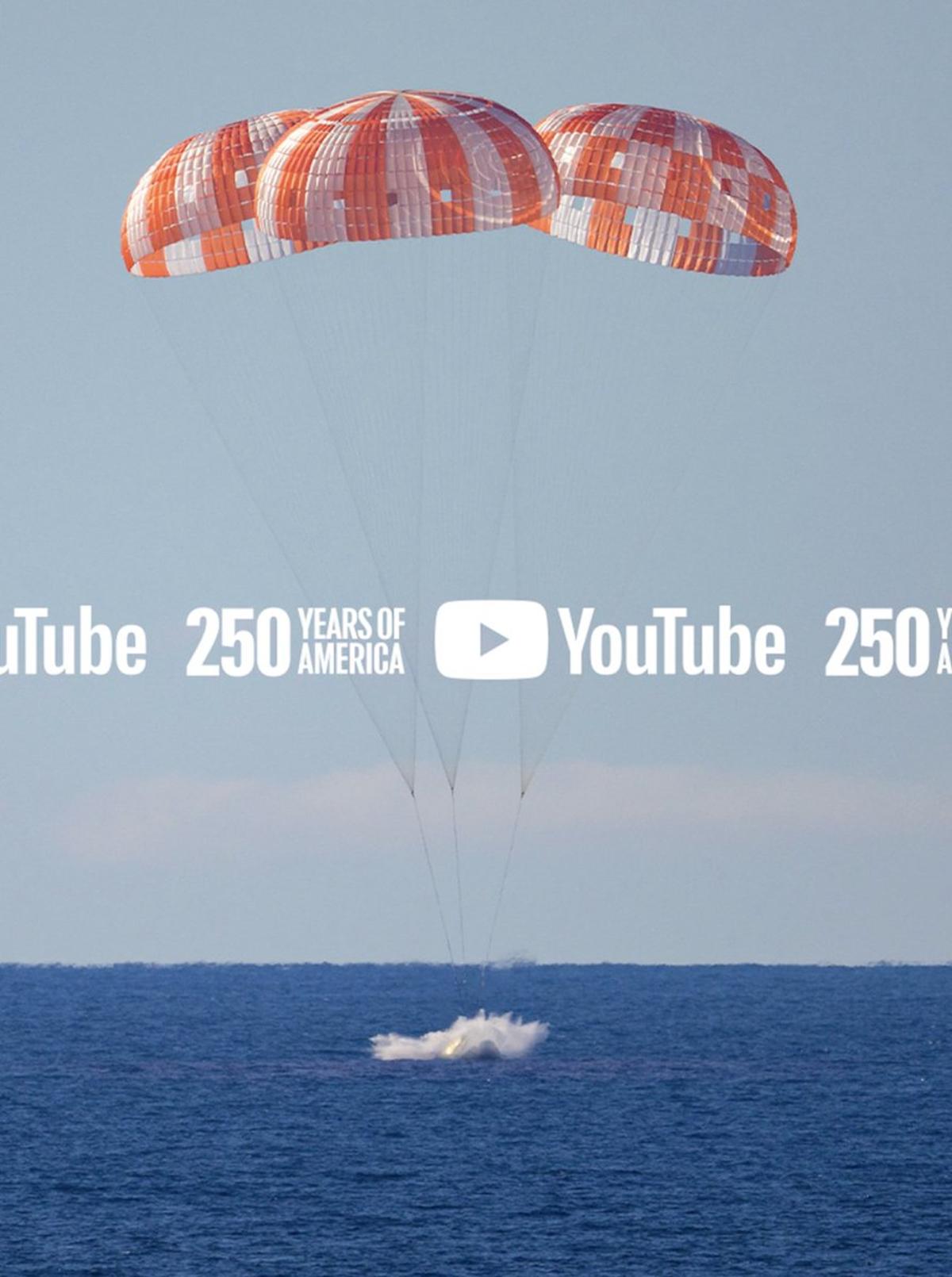
When @NASA's Artemis II crew splashed down in the Pacific, they not only completed a 10-day historic mission, but also captured the world’s imagination and united a global community on @YouTube. Over the course of their journey, NASA's official YouTube broadcast...
Delta Air Lines Chooses Amazon Leo Over Starlink for In‑Flight Wi‑Fi
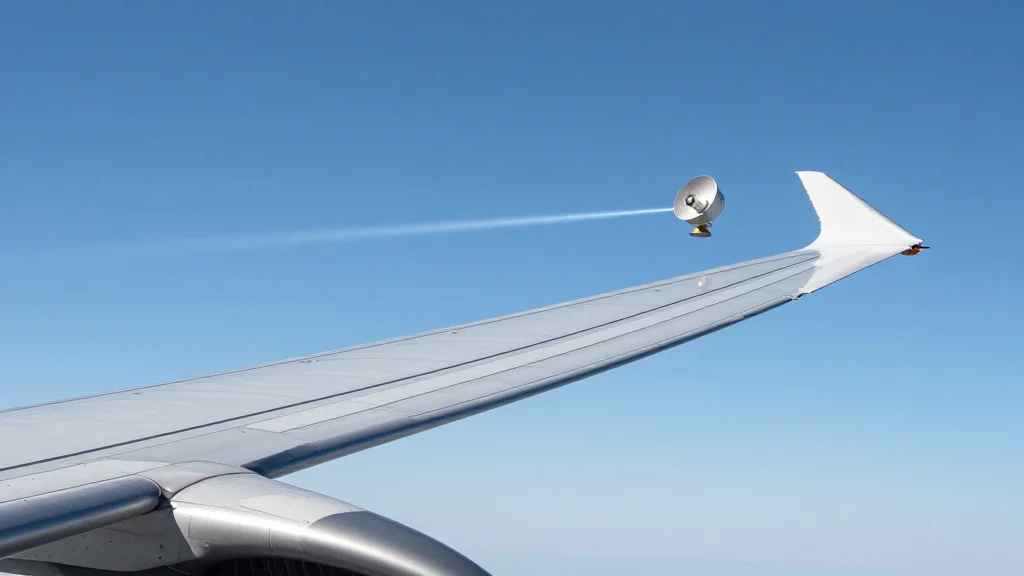
Delta Air Lines announced it will replace Starlink with Amazon's Leo satellite platform for its inflight Wi‑Fi, signaling a strategic shift toward tighter cloud integration and higher bandwidth. The move positions Delta at the forefront of a new era of...
Startups Push Orbital Data Centers as Launch Costs Fall Below $2,000/Kg
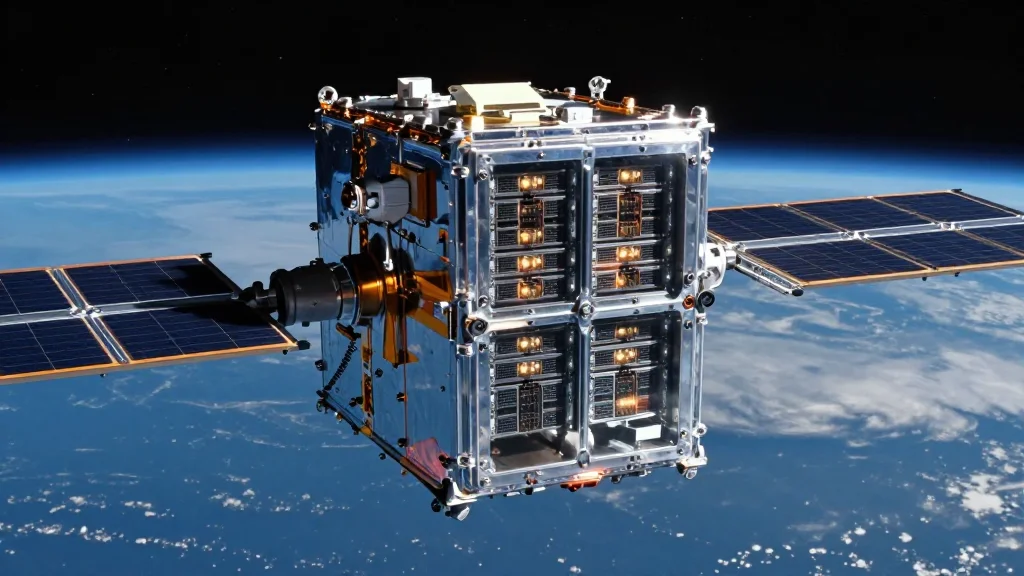
Startups are intensifying their push for space‑based data centers after launch prices dropped to under $2,000 per kilogram, making orbital computing more feasible. The trend leverages the cold vacuum of space, solar power, and emerging broadband satellite links to address...
AST SpaceMobile and Rocket Lab Spotlighted as Top Space‑Tech Equity Picks
AST SpaceMobile and Rocket Lab are being highlighted as compelling equity opportunities in the space‑technology sector. Both companies show robust revenue growth and expanding market positions, even as investors await the broader impact of a potential SpaceX IPO.

Hubble Already Turns Its Lens Toward Earth
What if NASA aimed Hubble at the Earth? Well they kind of already do… #space #nasa #hubble #astronomy #astrokobi
Air Force Scraps RTX GPS Control Network Amid Delays
Just in: Air Force cancels RTX’s ground-control network for the US’s next generation of GPS satellites after years of delays and cost overruns https://t.co/fCp7EVCZtz
New Open-Source Python-Based Software Boosts Space Weather Modeling
A research team at the University of Birmingham has released an open‑source Python‑based platform that dramatically improves space‑weather modeling. The software integrates real‑time measurements from NOAA and ESA satellites and cuts simulation runtimes by roughly 50% compared with legacy tools....
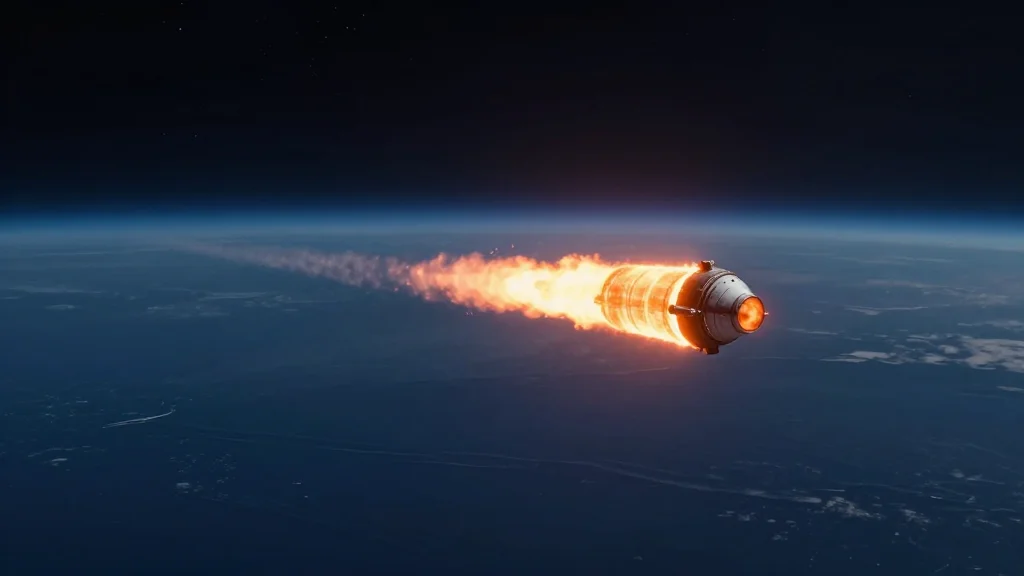
Progress MS-32 Departs ISS, Begins Destructive Re‑entry
Progress MS-32 departed the ISS for a destructive plunge into the Earth's atmosphere. FULL HISTORY OF THE MISSION: https://t.co/enMBZ6EjHi
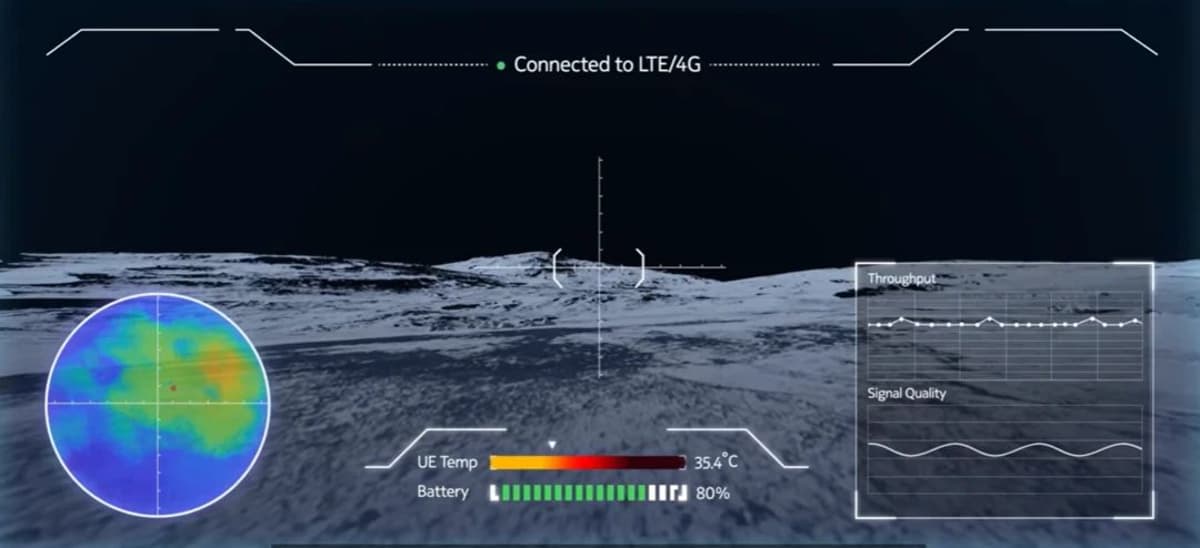
Space Becomes Core Component of Enterprise IT
The space race and what it means for enterprises https://t.co/wirfFrzmGa @Amazon's move to acquire Globalstar is just the latest data point that enterprises are likely to have space as part of the IT stack with real-world use cases. https://t.co/VmPMCHSFcG
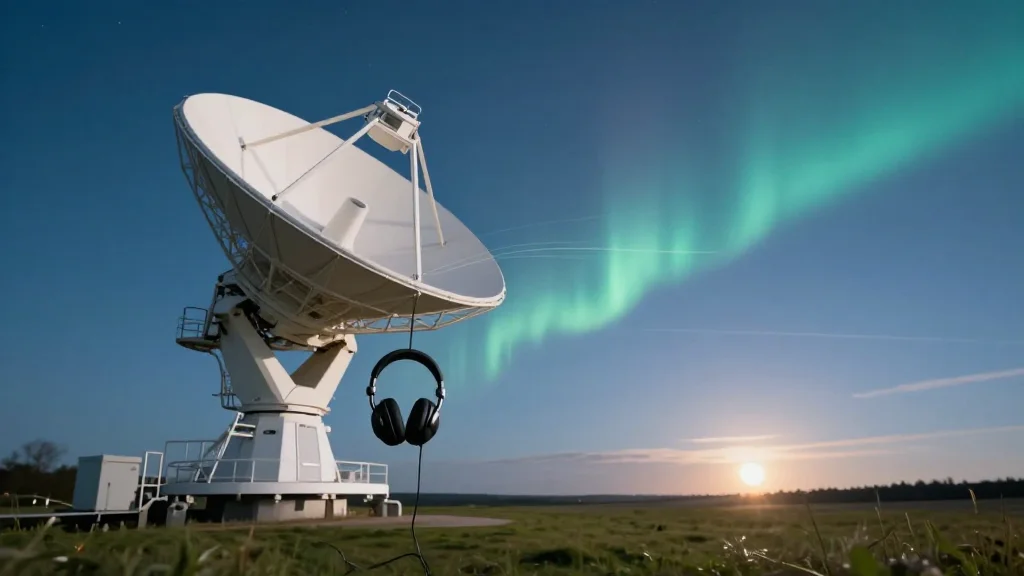
Volunteers Discover Rare Space Weather Events Using Their Ears
Volunteers in NASA’s citizen‑science program have detected rare space‑weather events by listening to audio recordings of solar radio emissions. Using a web‑based platform, participants flagged unusual bursts linked to high‑energy solar flares and coronal mass ejections. The effort has already...
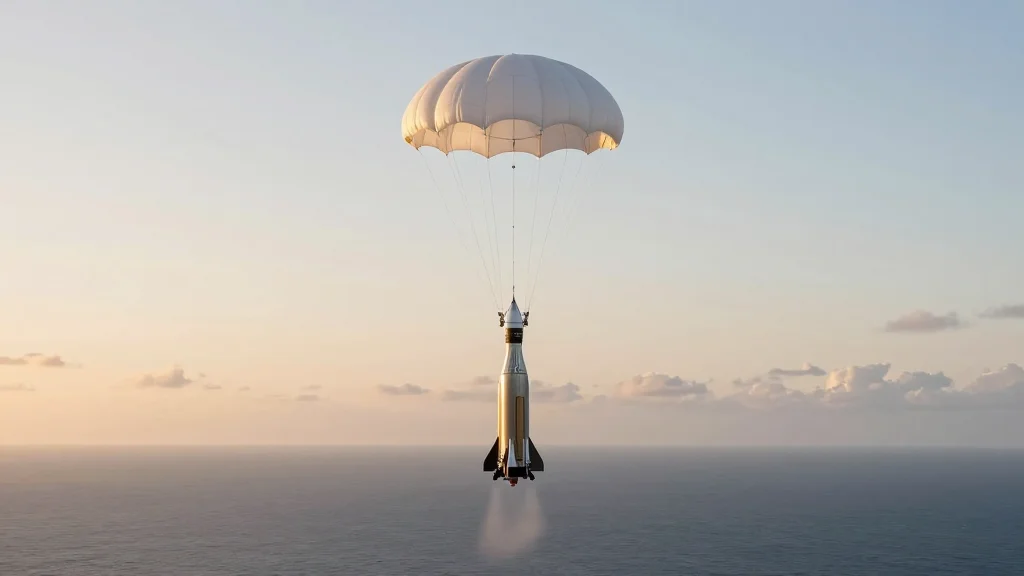
Missing Upper‑Stage Deorbit Details Highlight Risk Transparency Gap
Hmm. No mention of the upper stage deorbit. No risk assessment. I get it. It’s corporate text, because damage mitigation, but still. Would have been nice.
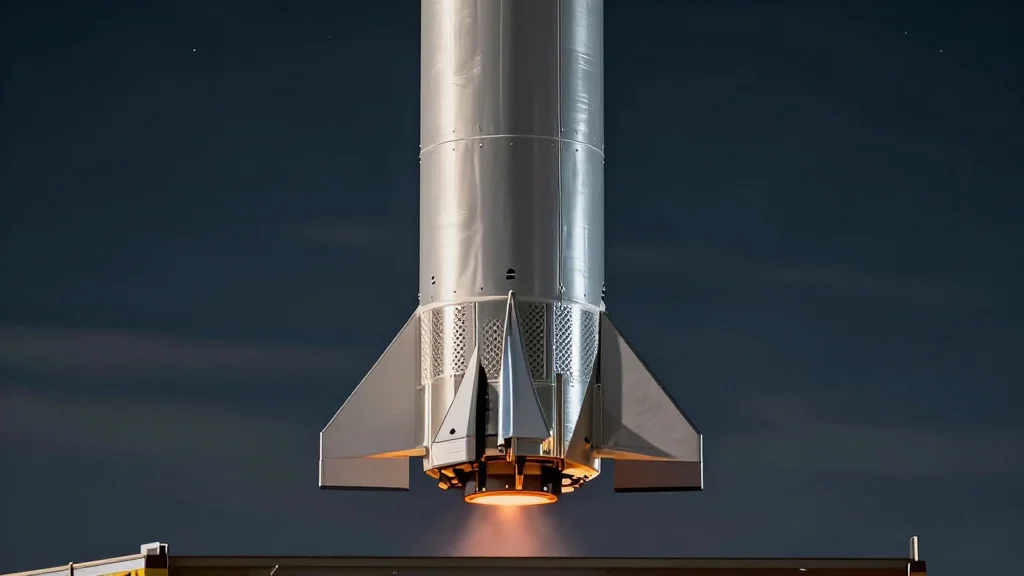
Reusability, Not Fuel, Drives Falcon 9 Cost Savings
The fuel for a Falcon 9 launch costs only a few hundred thousand dollars, a tiny fraction of a roughly $70 million mission. The expensive part used to be throwing away the rocket. Reusability is what changed the economics and drove...

France, Poland Combine on Telco Satellite Defence Project
France’s Thales Alenia Space, Poland’s Radmor and Airbus Defence and Space have signed an agreement to build a geostationary telecommunications defence satellite for the Polish Ministry of Defence. The satellite will deliver secure, cyber‑hardened communications and anti‑jamming capabilities, enhancing Poland’s...
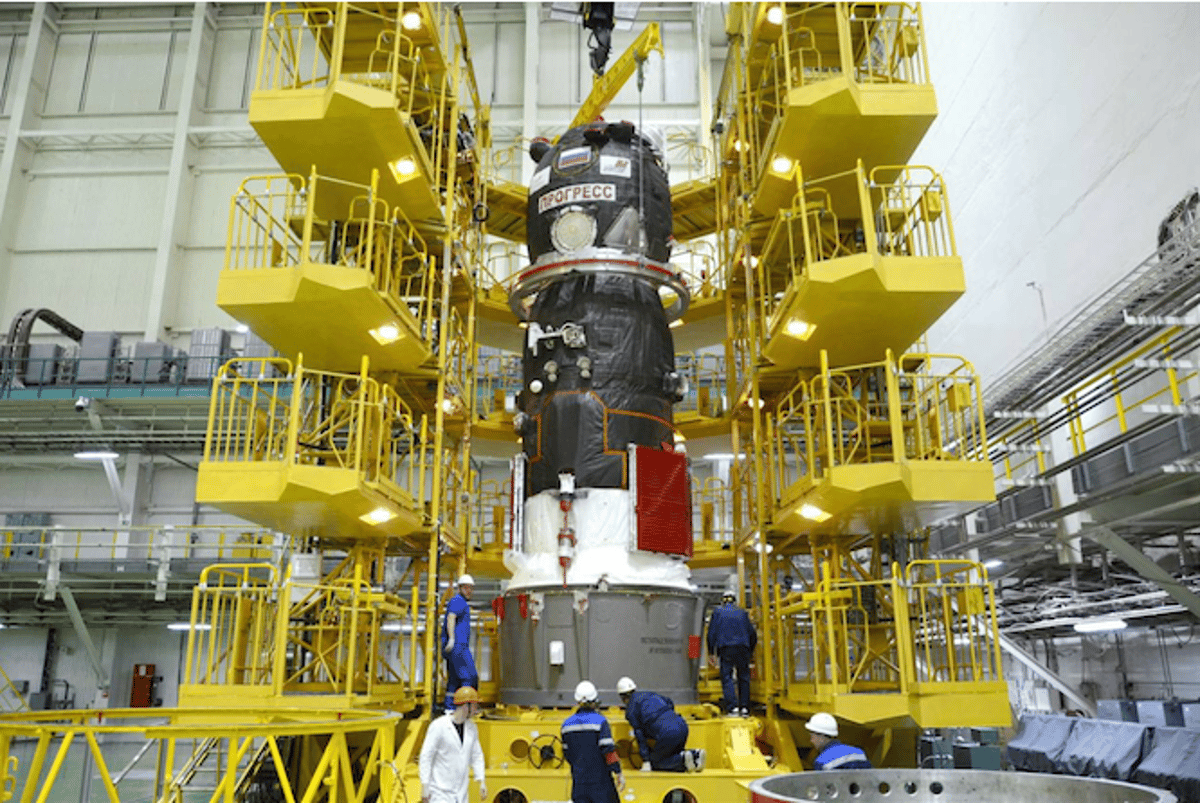
Progress MS-34 Cleared, Prepped for Soyuz Launch April 22
Progress MS-34 cargo ship went through final inspection and was rolled inside payload fairing, ahead of its integration with the Soyuz rocket on April 22, according to Roskosmos. Context: https://t.co/7CRrXKhOEn https://t.co/L5U5JOljRS
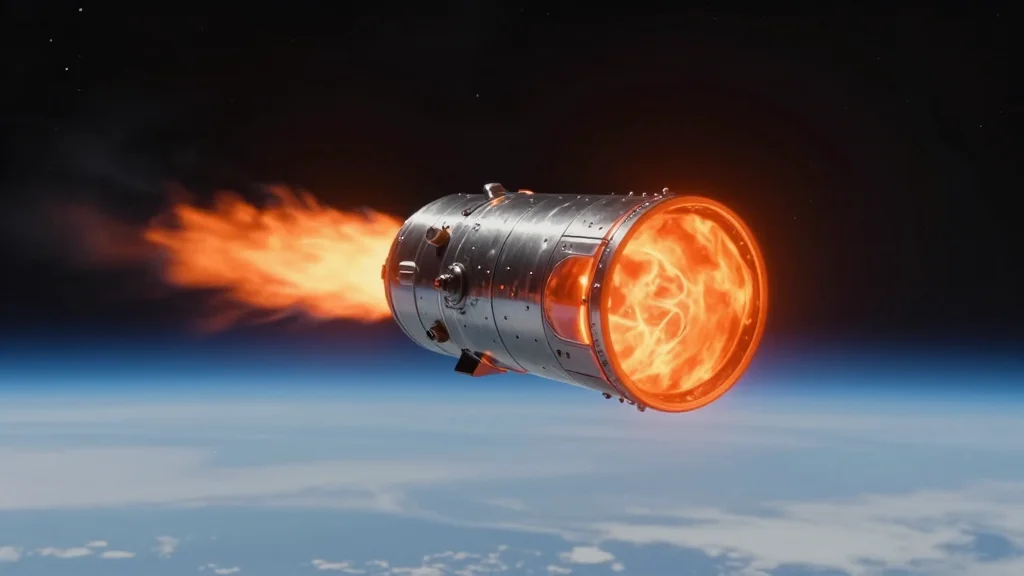
Space Force Confirms BlueBird 7 Reentry on April 20
DEORBIT - Space Force just issued a decay notice for BlueBird 7, saying it reentered on Apr 20 (with no further details)
Rogers Communications (RCI) Expands Satellite Roaming Coverage in the U.S.
Rogers Communications announced that its Rogers Satellite and T‑Satellite constellations now provide roaming coverage across the United States, letting customers stay connected where traditional cell towers are absent. Analyst firms trimmed price targets – Canaccord to C$55.50 (≈US$41) from C$57...
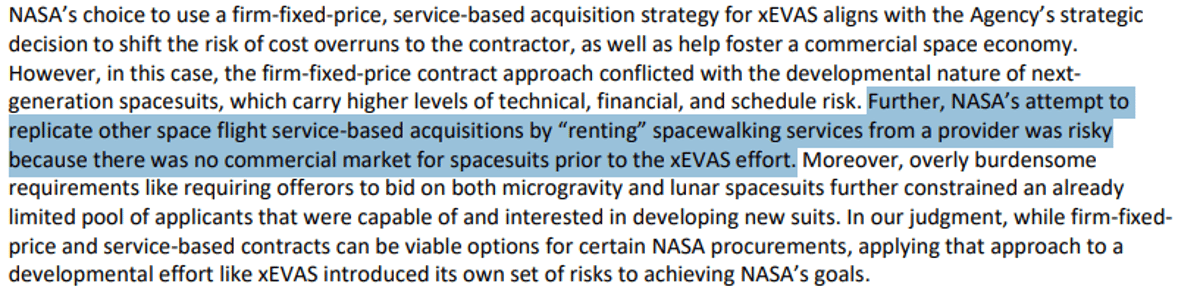
NASA Suit Report Highlights Commercial LEO Destination Debate
This line in the new OIG report on NASA's next-generation spacesuits is interesting in light of the recent debate about commercial LEO destinations. https://t.co/xWmu75FG2y https://t.co/Z6Zzd7s7em
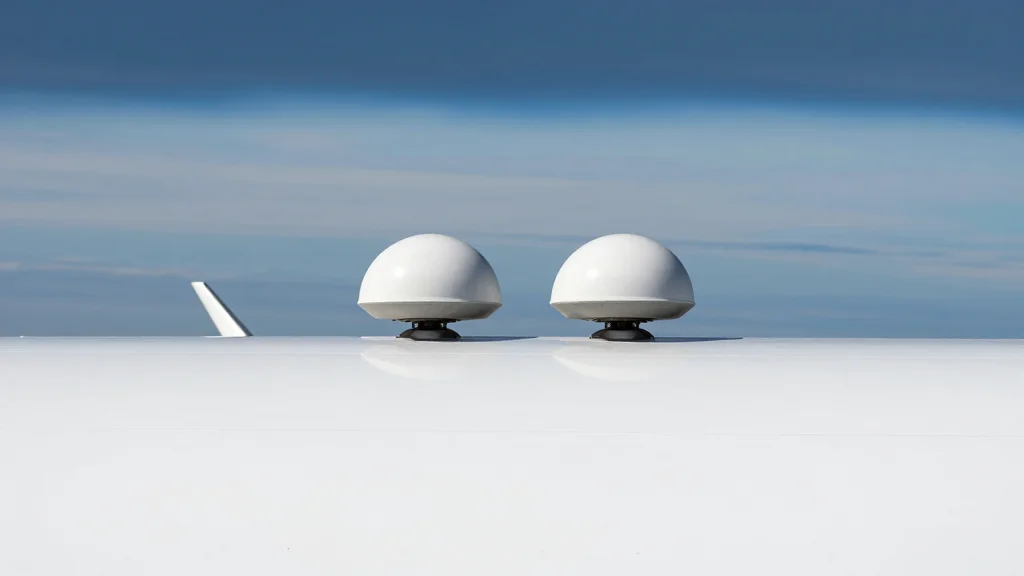
Panasonic Avionics Targets 202
Panasonic Avionics in 2027 plans to offer a “truly global” multi-network LEO satellite-powered IFC solution — including across G7 and BRICS countries — by pairing two LEO-only ESAs atop aircraft fuselages to support service from OneWeb and China’s Spacesail. https://t.co/lKUdtEPHvt

Space Force’s 15-Year Vision Calls for More Personnel, Simulators and Survivability
The U.S. Space Force unveiled its Objective Force plan, a 100‑page roadmap that projects a 30% increase in personnel to support expanding Space Domain Awareness and a shift toward more sophisticated offensive and defensive space warfare. The plan anticipates the...
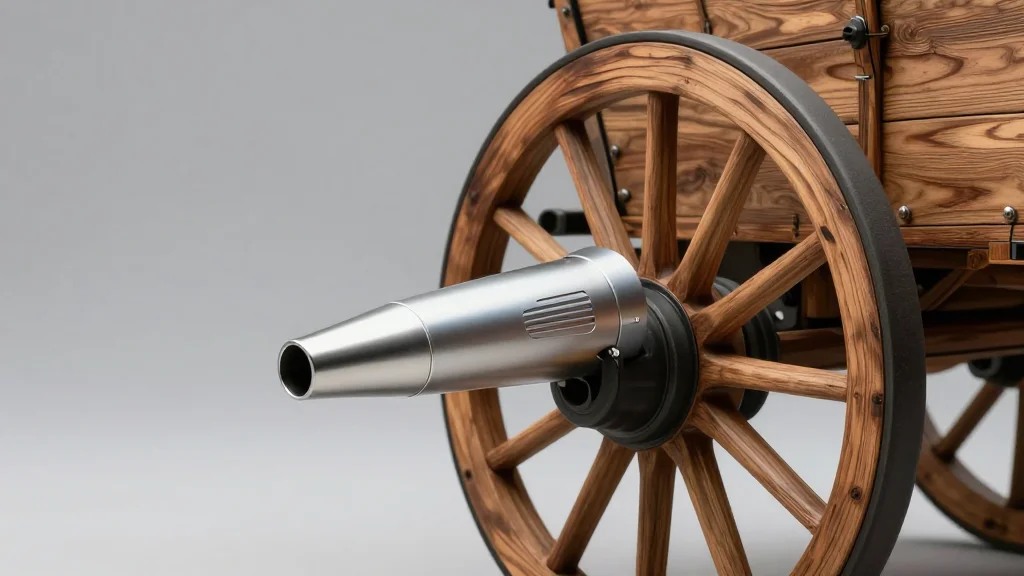
From Wagons to Starships: Private Wealth Drives Space
The difference today vs. 1972: we built the Conestoga wagon with Starship, and there is now enough wealth in the hands of single individuals to keep space exploration going, independent of any government.

Moon‑view Video Streams Instantly to Your Pocket Device
Riding in a self driving car. Watching a video recorded by a handheld supercomputer with a telephoto video camera included. Recorded from a spacecraft orbiting the moon. Transmitted instantly over a global information network. Displayed on your own pocket super computer....

NASA Announces Potential Martian Biosignature Amid New Contamination Warnings
NASA said Perseverance has identified a potential biosignature in the Bright Angel formation, but a recent study of Martian meteorites uncovered pen‑ink and other Earth‑origin contaminants, underscoring the challenge of confirming life on Mars.
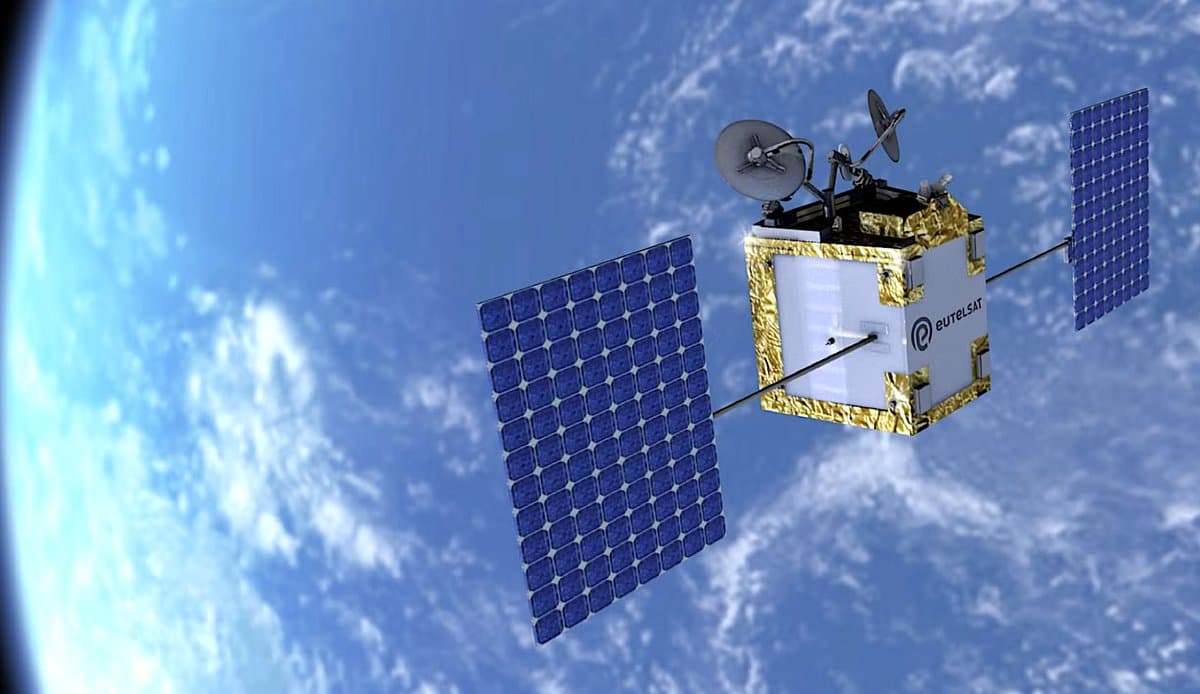
MDA Space Secures Major Airbus Antenna Order for OneWeb Refresh
.@MDA_space, which supplied 2,000 antenas for @EutelsatGroup 650 Gen 1 OneWeb satellites, has won repeat order from @AirbusSpace for more than 880 Ka-band steerable antennas and 440 Ku-band user replacement antennas as part of 440-sat OneWeb Gen 1 refresh. https://t.co/Qm92DFyItN
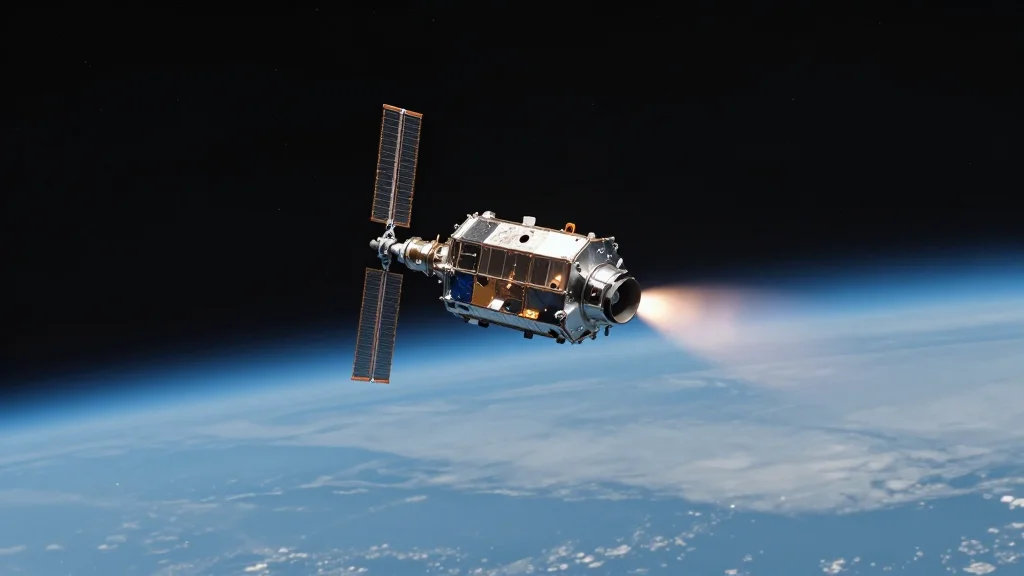
ASTS Payload Misplacement: Wrong Orbit Demands De‑orbit Plan
Success? They put their $ASTS payload into the wrong orbit. How will that be de-orbited?
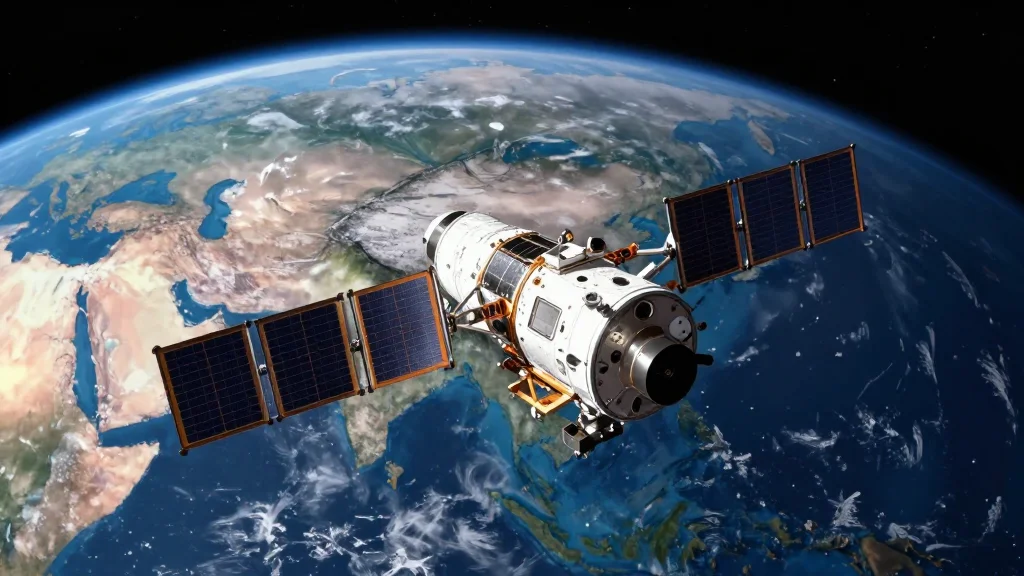
SatNews Maps Satellite Broadband Hotspots: Asia‑Pacific, Africa, Arctic Set for Explosive Growth
SatNews released a market analysis pinpointing three geographic hotspots—Asia‑Pacific, Sub‑Saharan Africa and the Arctic—where satellite broadband demand is outpacing terrestrial solutions. The report cites a projected 26.5% market share for Asia‑Pacific by 2026, a 64% usage gap in Africa, and...

Latvia Joins 62 Nations Signing Artemis Accords
Latvia becomes the 62nd country to sign the Artemis Accords this morning at NASA HQ. https://t.co/x41ryP5GGg