
ISS National Lab Launches 2026 Orbital Edge Accelerator to Scale Space-Based R&D
The ISS National Laboratory has launched its 2026 Orbital Edge Accelerator, the second year of a program that pairs early‑stage startups with in‑orbit testing and private funding. The accelerator offers two tracks—Sentinel for space‑specific and dual‑use technologies, and Disrupt for in‑space manufacturing and biotech. Participants can secure $500,000‑$750,000 in capital from a consortium of investors and compete for Boeing’s $100,000 non‑dilutive prize, while receiving mentorship from firms like AWS and J.P. Morgan.

SmallSat Europe Speaker Focus: Carsten Drachmann, GomSpace
GomSpace reported 441.8 million SEK (≈$48.6 million) revenue for 2025, a 72% jump and its first profitable full year as a public small‑sat maker. CEO Carsten Drachmann, a former Nokia executive, has re‑engineered the firm from a bespoke lab into an industrial‑scale serial producer,...
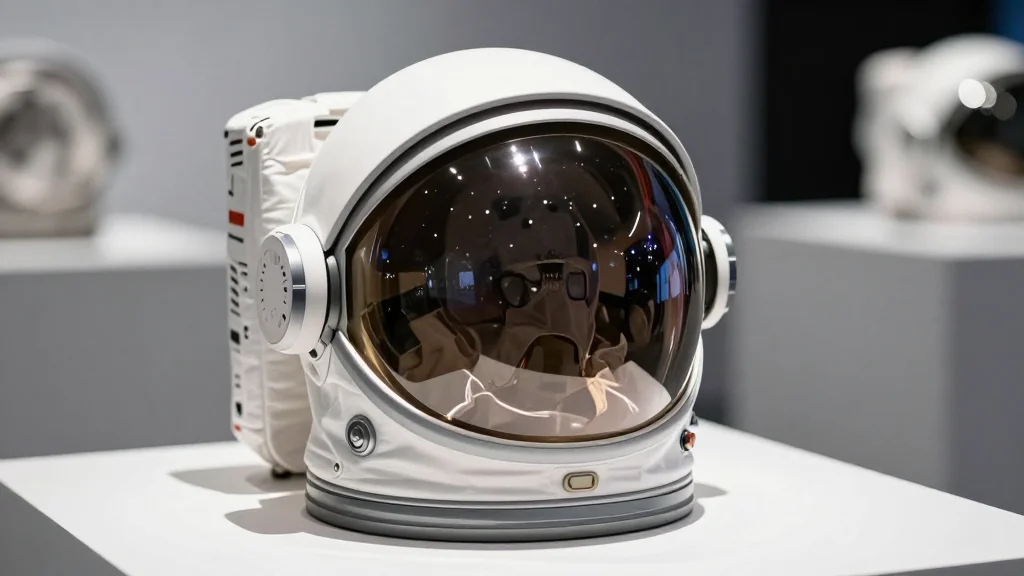
NASA's 2028 Moon Landing at Risk Over Space Suit Shortage, OIG Warns
The NASA Office of Inspector General warned Monday that the agency’s 2028 Artemis IV moon landing could slip because only one contractor remains to deliver new lunar and microgravity suits. A $3.1 billion contract with Axiom Space now faces further delays,...
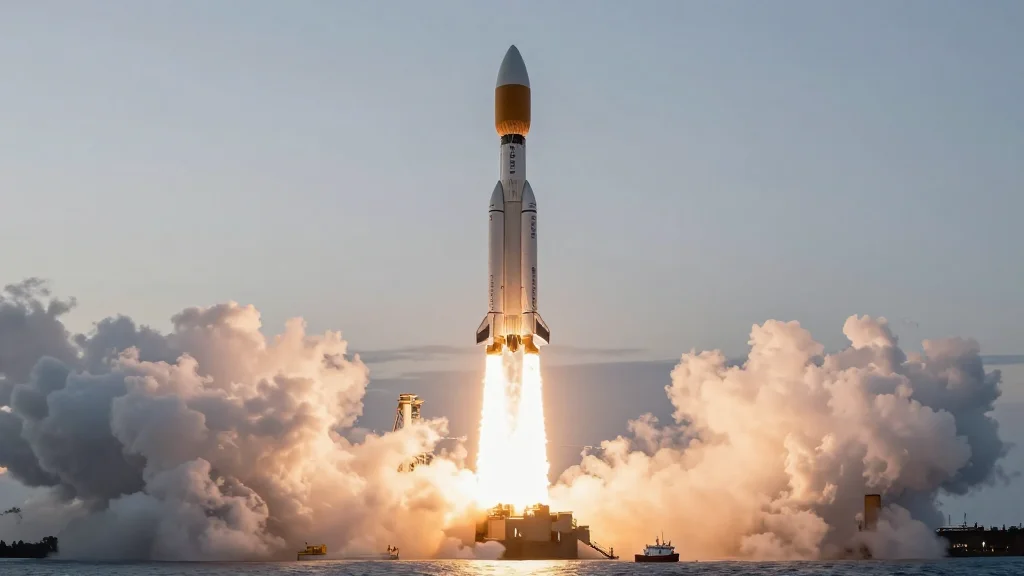
New Glenn Mission Falls Short, Raising Questions for NASA’s Artemis Plans
Blue Origin’s New Glenn rocket lifted off flawlessly on Sunday and its first‑stage booster touched down on a recovery barge in the Atlantic. However, the mission failed to place its commercial communications satellite into the intended orbit, marking a significant performance...
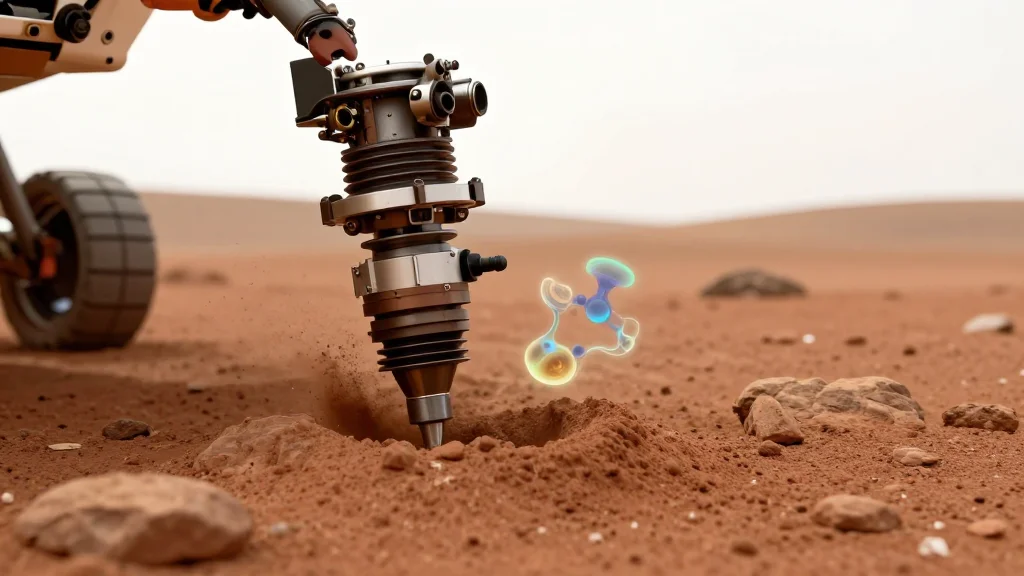
NASA’s Curiosity Finds Organic Molecules Never Seen Before on Mars
NASA’s Curiosity rover has identified a suite of organic molecules in Gale Crater that have never been observed on Mars before. The detection was made using the rover’s Sample Analysis at Mars (SAM) instrument during a 2025‑2026 drilling campaign. The...

RF-Design Launches FiberLink CompactLine FCLR1811S4 for Ground Segment Optimization
RF-Design GmbH unveiled the FiberLink CompactLine FCLR1811S4, a 1RU 19‑inch modular platform that merges RF‑over‑Fiber transmission and system monitoring. Designed for teleports, satellite earth stations and broadcast facilities, it handles frequencies up to 2.5 GHz and links up to 20 km. The...

Kymeta Chief Scientist Discusses Metamaterial Antenna Evolution and Orbital Sustainability
On April 21, 2026, Kymeta Chief Scientist Ryan Stevenson announced the company’s first antenna that simultaneously operates on Ku‑ and Ka‑band using metamaterial technology. The flat‑panel device employs holographic beam‑forming, eliminating moving parts and enabling rapid switching between LEO and...
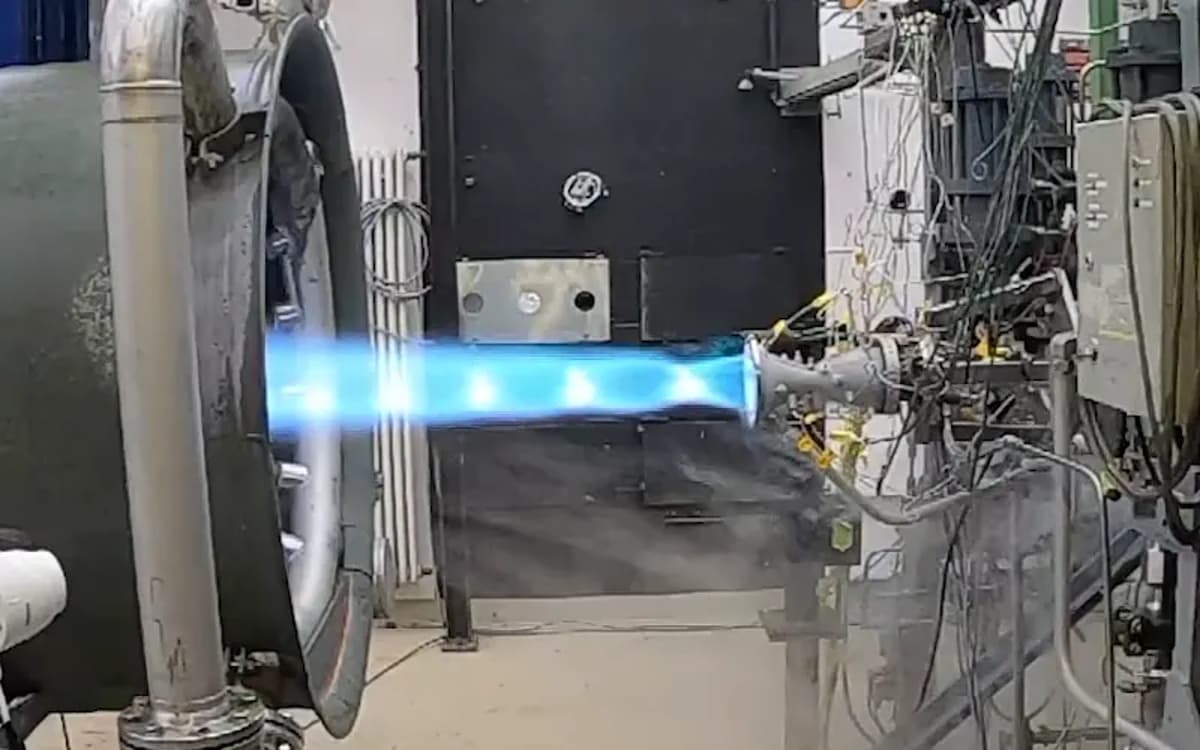
Spain’s Pangea Propulsion Secures €2 Million From the Catalan Government
Pangea Propulsion, a Barcelona‑based deep‑tech firm, received €2 million (about $2.2 million) from the Catalan government to expand its manufacturing and testing capacity. The financing follows a €23 million Series A round and a €7.27 million grant from Spain’s science ministry, underscoring strong public support....

Elon Musk’s SpaceX Endgame
Elon Musk’s SpaceX has asked U.S. regulators for permission to launch up to one million additional satellites, a move tied to his vision of orbital data centers that would harvest solar power for AI workloads. The plan coincides with a...

USSF Finalizes GPS III Constellation with Successful SV-10 Deployment
On April 21, 2026, the U.S. Space Force launched the SV‑10 mission aboard a SpaceX Falcon 9, marking the final satellite of the GPS III Block III modernization effort. The launch completed a ten‑satellite constellation that now totals 32 operational GPS III satellites, delivering...
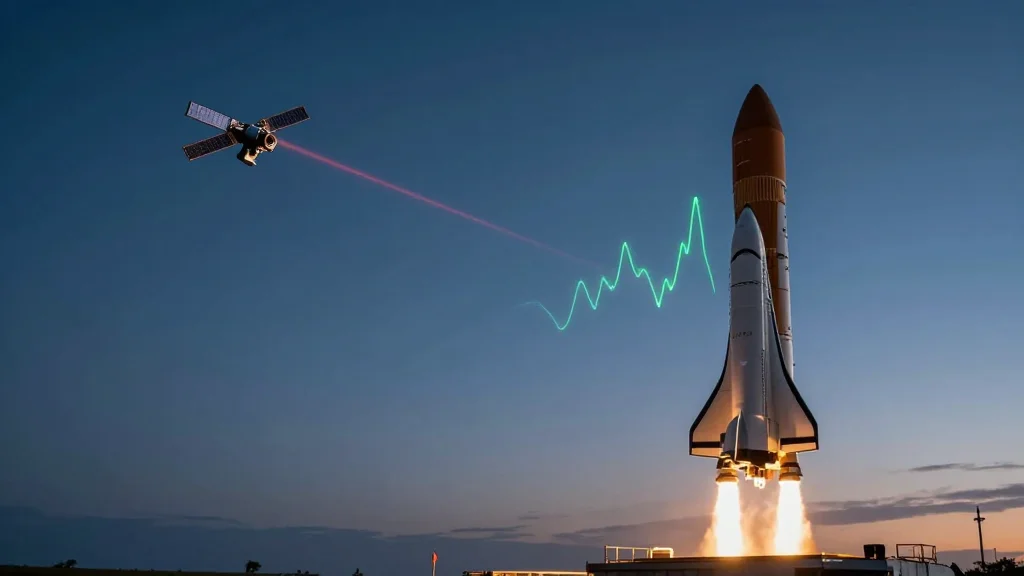
AST SpaceMobile Loses $2 B Market Cap After BlueBird‑7 Fails Orbit
AST SpaceMobile’s stock fell about 5% on April 20, erasing roughly $2 billion in market value after BlueBird‑7 was placed into an off‑nominal orbit by Blue Origin’s New Glenn rocket. The setback intensifies pressure on the company’s 2026 satellite‑deployment schedule and its...
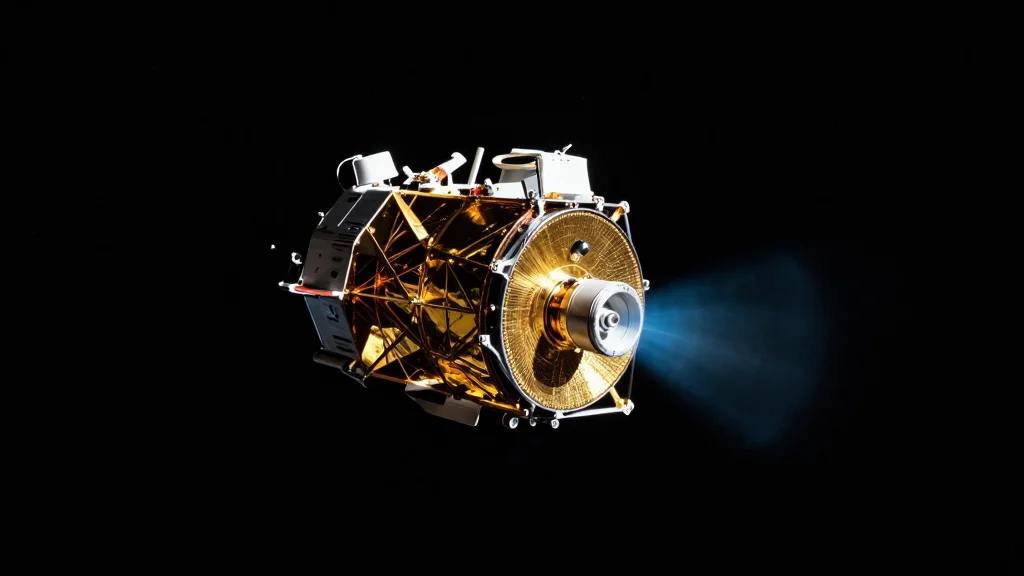
NASA Powers Down Voyager 1’s LECP Instrument to Extend Mission
NASA’s Jet Propulsion Laboratory commanded Voyager 1 to power off its Low‑Energy Charged Particles (LECP) instrument on April 17 after an unexpected power dip, extending the spacecraft’s life by roughly a year. The move highlights the delicate balance of keeping the 49‑year‑old...

The U.S. Must Defend the Final Frontier Against Cyberattacks
The United States faces a rapidly expanding cyber threat to its space assets as the orbital environment swells to roughly 17,000 satellites. Recent incidents, including the 2022 ViaSat breach and low‑cost interception of unencrypted signals, illustrate how adversaries can exploit...
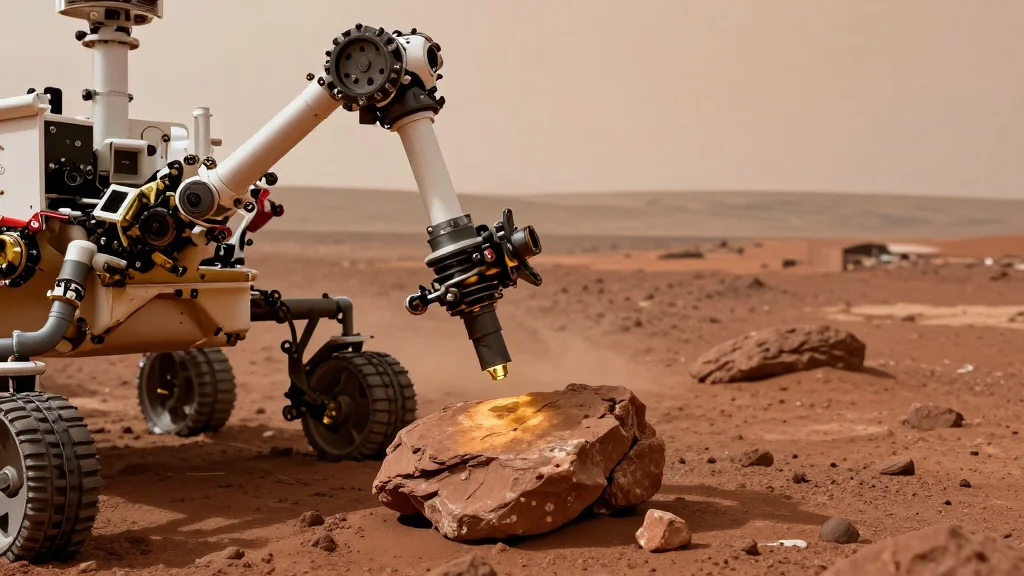
Curiosity Mars Rover: Life Associated Chemical Experiment Finding
NASA’s Curiosity rover has identified more than 20 distinct organic molecules within clay‑bearing sandstones at Glen Torridon in Gale crater. The detection was made using the Sample Analysis at Mars (SAM) suite, which performed a novel chemical experiment never before conducted...

Opportunities Beyond the Moon Opened by CLPS
NASA’s Commercial Lunar Payload Services (CLPS) program will launch monthly uncrewed lunar missions starting next year, opening a steady rideshare market for private space firms. Astroforge, an asteroid‑mining startup, says its $3.5 million deep‑space spacecraft could only reach its target by...

DISH Customers Can Now Get Starlink Internet for Just $50 a Month With Unlimited Data
DISH Network is now selling Starlink satellite internet for $50 a month with unlimited data, adding professional installation for its TV subscribers. The plan promises speeds up to 400 Mbps across most of the continental United States, targeting rural and underserved...

NordSpace Nets Canadian Defense Funding for VLEO Satellite Development
NordSpace secured a one‑year, CAD $183,000 (≈ $133,000 USD) contract from Canada’s Department of National Defence to advance very low Earth orbit (VLEO) satellite technologies. The funding targets the Kestrel constellation, which aims to deliver 10‑centimeter resolution imaging from altitudes below traditional low‑Earth...

Space Force Considers Using The Vulcan For Lower-Risk Missions
The U.S. Space Force is evaluating the United Launch Alliance Vulcan rocket for lower‑risk, lower‑mass missions, even though the vehicle remains grounded after a February 2026 launch anomaly that caused a spark and axial twist. Officials said the plan would...
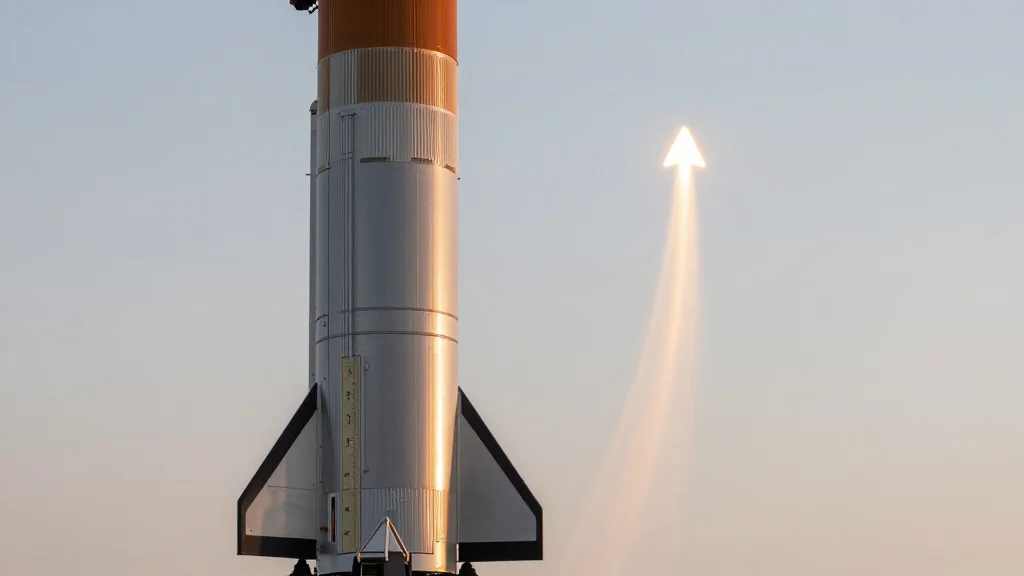
SpaceX Mulls $75 B Capital Raise Ahead of Potential IPO, Sparking Investment‑Banking Frenzy
SpaceX is reportedly weighing a private capital raise of up to $75 billion, a move that could precede an initial public offering. The fund‑raising would support Starship development and Starlink expansion, while offering investment banks a chance to underwrite one of...

NAB 2026: Cadena Tres Selects Eutelsat for Television Signal Distribution in Mexico
Cadena Tres, a division of Grupo Imagen, has signed a distribution agreement with satellite operator Eutelsat to carry its television signals on the EUTELSAT 117 West A satellite. The partnership places Cadena Tres in Eutelsat’s 117° West video neighbourhood, enabling content delivery to cable...
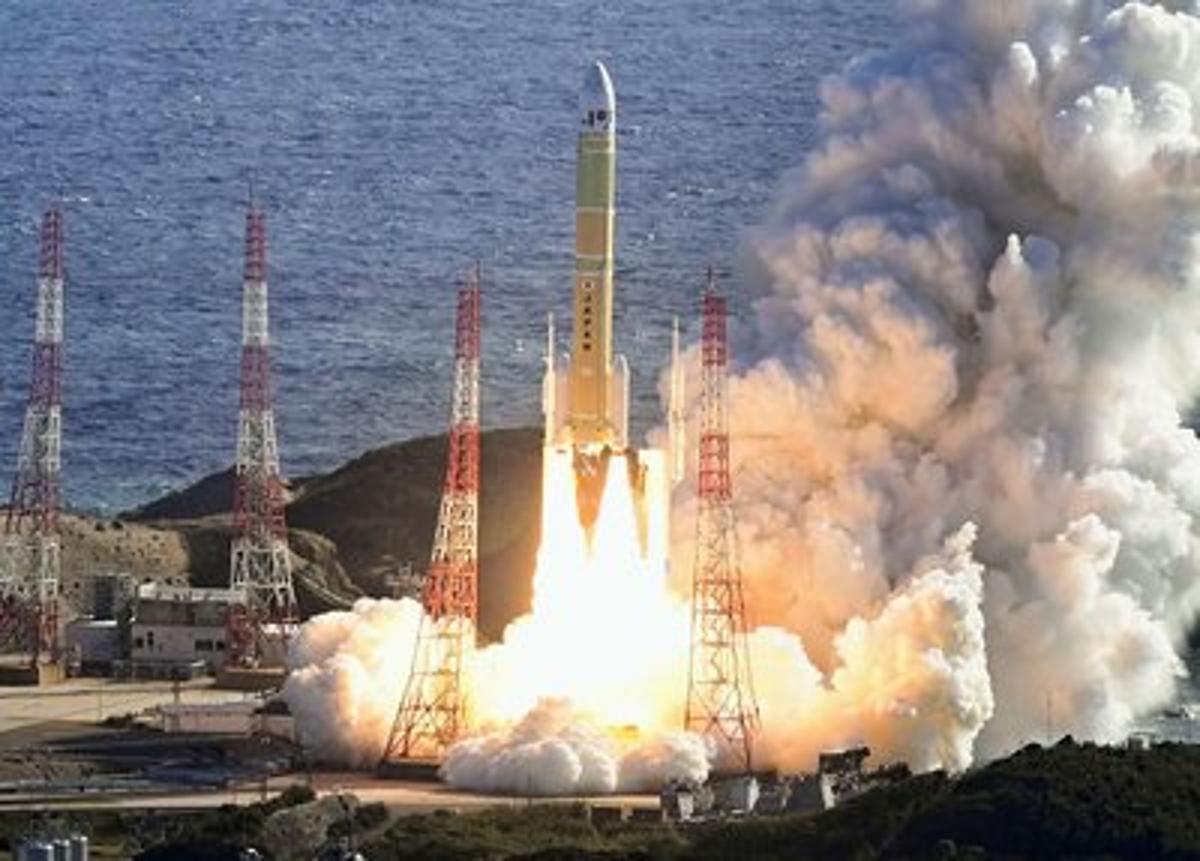
JAXA Mulls Launching H3 Test Rocket in June After Last Year's Failure
Japan's aerospace agency JAXA is weighing a June 10 test launch of its H3 rocket after a December 22 failure that broke the vehicle mid‑flight. The investigation pinpointed an adhesion problem in the satellite‑mounting structure, prompting repairs across affected components. The...

Curiosity Rover Finds Signs of Ancient Life on Mars
NASA’s Curiosity rover, using its Sample Analysis on Mars (SAM) suite, identified more than 20 organic compounds in clay-rich rocks at Glen Torridon, Gale crater. Among the detections were a nitrogen‑containing molecule resembling proto‑DNA and benzothiophene, a sulfur‑bearing compound linked...

Euclid Space Warps: Help Spot Galaxies Bending Spacetime
The Zooniverse‑hosted Space Warps project invites volunteers to hunt for strong gravitational lenses in new images from ESA’s Euclid telescope. In its first tiny slice of data, AI‑assisted citizen scientists uncovered 500 galaxy‑galaxy lenses, and the upcoming Data Release 1 will present...
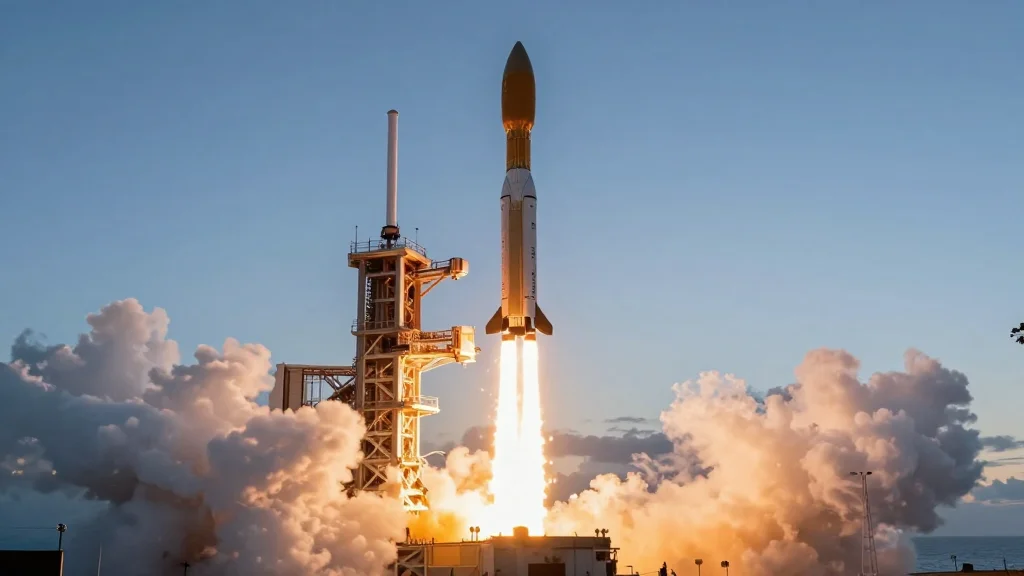
Two Launches by SpaceX
SpaceX conducted two Falcon 9 launches in the past 48 hours, deploying 25 additional Starlink satellites from Vandenberg and a GPS III satellite for the U.S. Space Force from Cape Canaveral. The first stage of the Vandenberg launch marked its eighth...

IPhone Video Shows 'Earthset' From Space
NASA astronaut Reid Wiseman posted an iPhone video from the Artemis II mission showing Earth set behind the Moon at 8× zoom. The clip is uncut, uncropped and matches the view of the human eye, according to Wiseman. The New York Times notes...
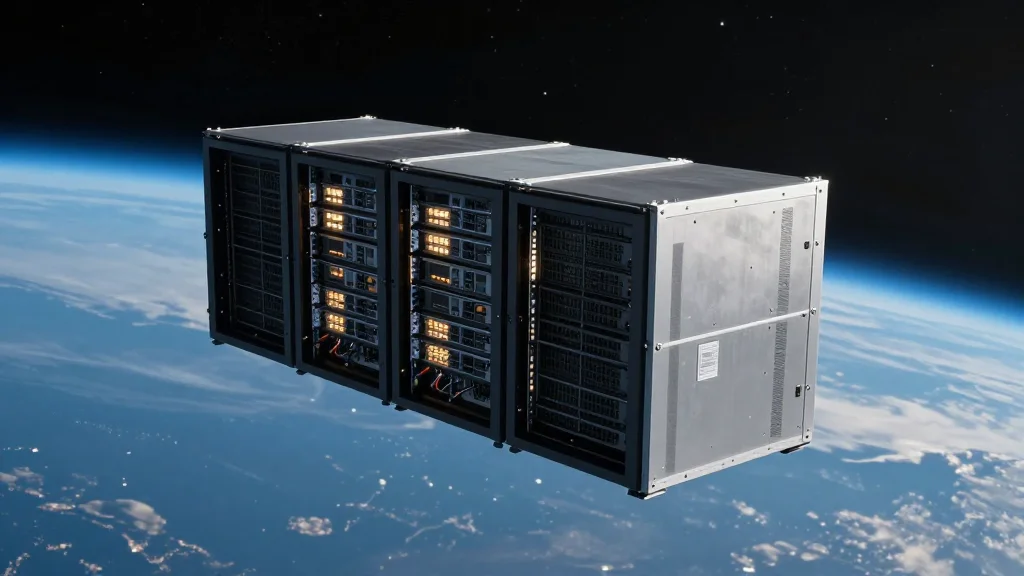
Economics of Orbital Data Centers Report: Part 1
Payload’s new report examines the economics of placing data centers in orbit as terrestrial infrastructure strains under rising power demand and cooling costs. It highlights that global data‑center electricity consumption could reach 500 TWh by 2030, while launch prices have dropped...
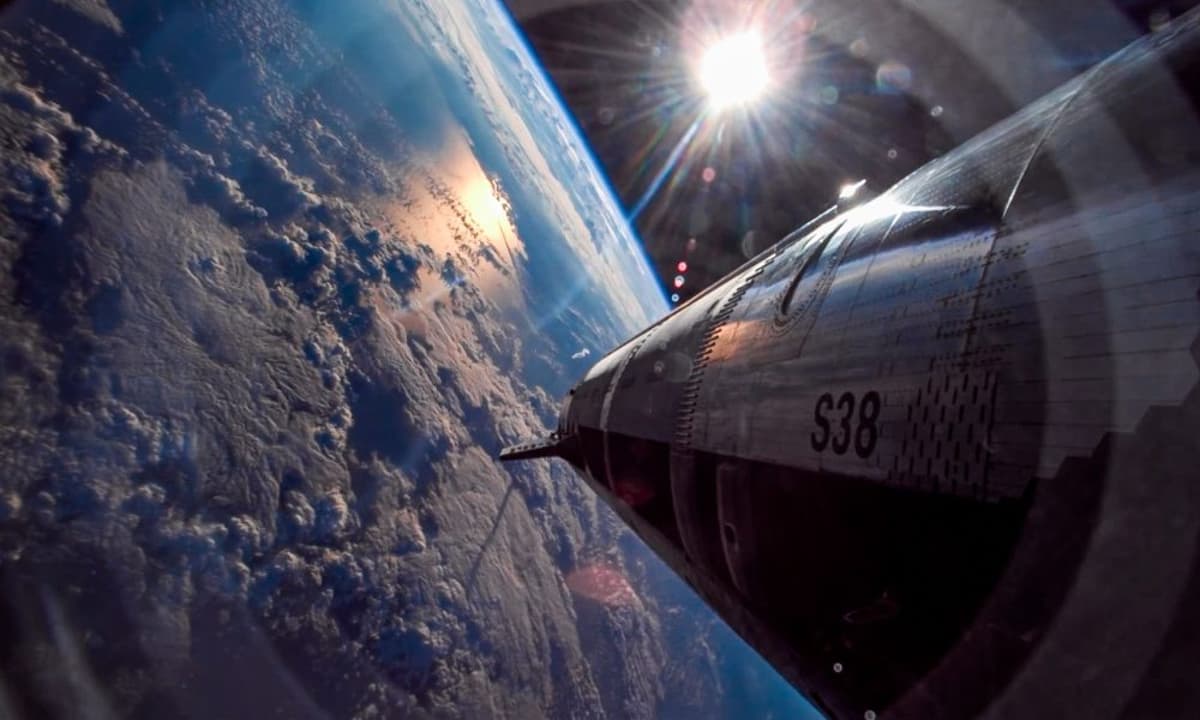
ARK’s SpaceX IPO Guide Makes a Compelling Case on Why $1.75T May Not Be the Ceiling
ARK Invest released a detailed guide arguing that SpaceX’s upcoming IPO could be valued well above the $1.75 trillion baseline. The case rests on Starlink’s projected 2026 revenue exceeding $20 billion and a $160 billion annual satellite connectivity market. Launch costs have plunged...
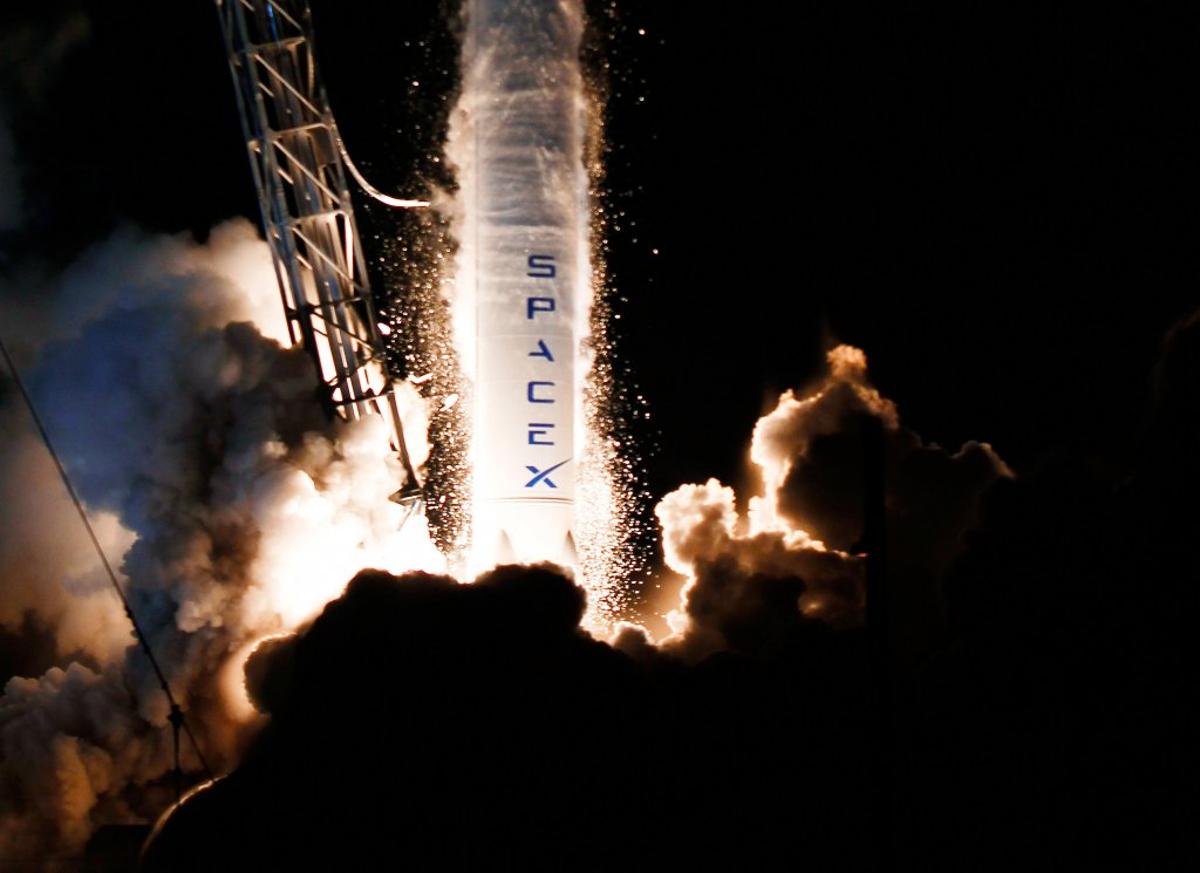
SpaceX Falcon 9 Almost Only Rocket for AST Space Mobile, Amazon LEO and Space Force
Blue Origin’s New Glenn and ULA’s Vulcan rockets have been grounded for up to four months after an upper‑stage failure and solid‑rocket booster issues, respectively. The shutdown forces Amazon’s LEO constellation, AST Space Mobile, and the U.S. Space Force to rely almost exclusively...

Chinese Launch Daqi-2 On Long March-4C Rocket
On April 17, 2026, China launched the Daqi-2 greenhouse‑gas detection satellite aboard a Long March-4C rocket from Jiuquan. Developed by the Shanghai Academy of Spaceflight Technology, the payload carries five advanced instruments, including lidar and hyperspectral sensors, and is the...

Inside SatEnlight's Spiral Staircase of Lasers: Interview with Startup Space Winner Matteo Vismara
In this episode, Jeffrey Hill interviews Matteo Vismara, CEO and co‑founder of Italy‑based SatNlight, the winner of the Sat Show’s 10th annual Startup Space Entrepreneur Pitch Contest. Vismara explains how his team’s optical‑communication terminal uses stacked vortex beams—visualized as a...
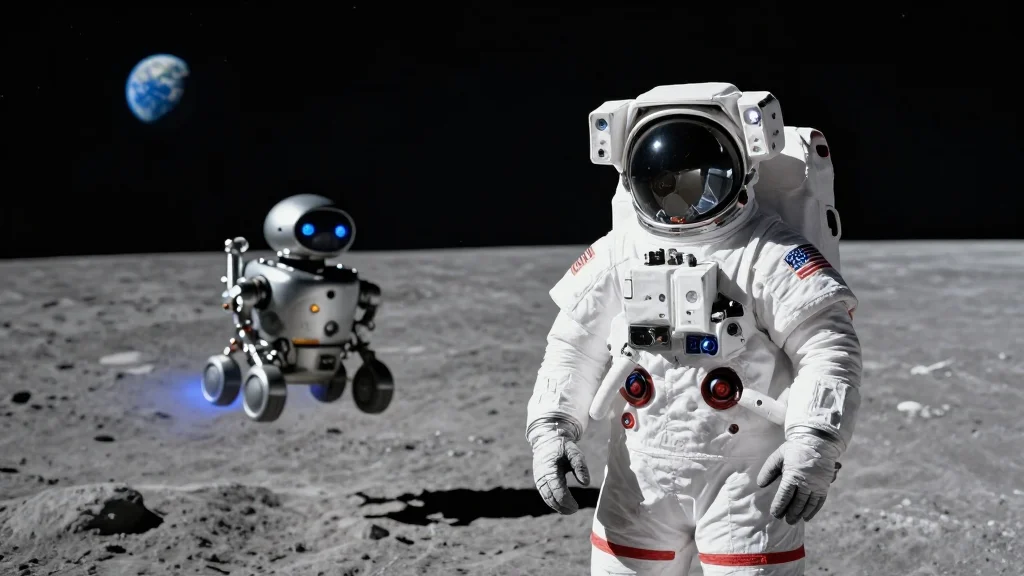
Decouple Life Support: Robot Companion for Agile EVA Suits
The current SpaceX EVA suit needs Dragon for life support. On the Moon that won’t be possible. Why not keep all those systems separate from the suit? Imagine a small robot carrying all the support systems, following the suit. Benefit: Far more...
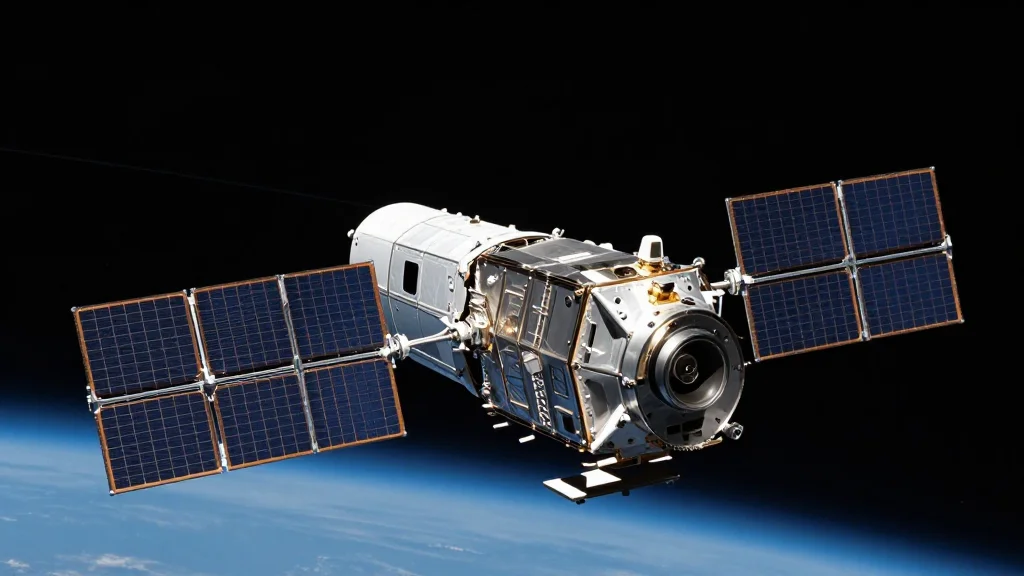
GPS III SV10 Enters 388×20201 Km Transfer Orbit
GPS III SV10 tracked in a 388 x 20201 km x 55.0 deg transfer orbit following successful launch on Falcon 9 from Canaveral at 0653 UTC
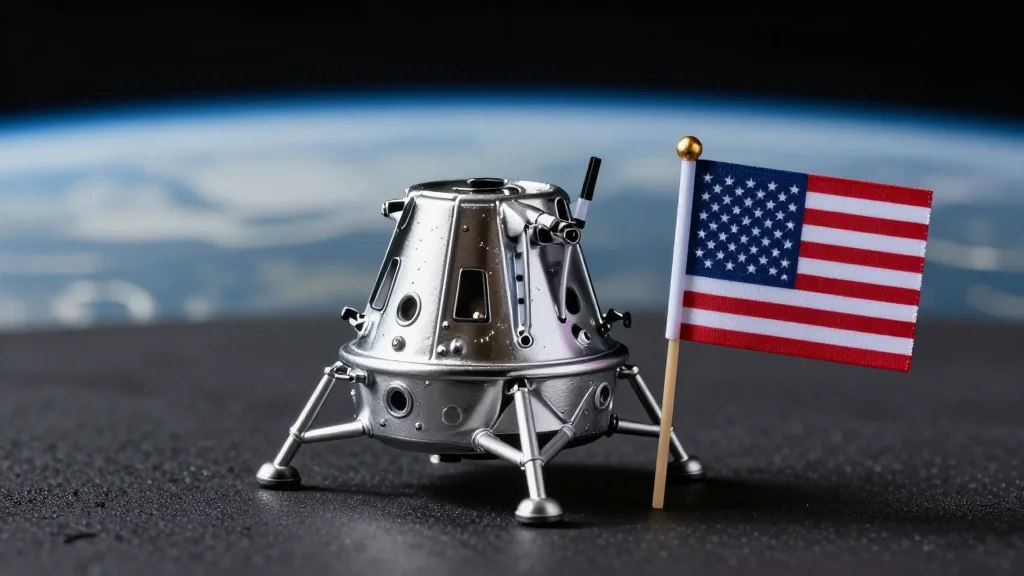
U.S. Space Force Launches Cislunar Acquisition Task Force to Support Lunar Outpost
At the Space Symposium in Colorado Springs, Maj. Gen. Stephen Purdy unveiled a new Cislunar Coordination Office within the Space Force acquisition side. Led by Jamie Stearns, the task force will map government stakeholders, forge industry partnerships and develop road‑maps...

ESA CEO Outlines Iicon Conference Objectives
Talked with ESA CEO Stanley Pierre-Louis about the aims of the iicon conference coming up. https://t.co/WOjoN3EU3a

OHB and Siemens Team up to AI‑drive Satellite Manufacturing
Space hardware prime @OHB_SE enters 'strategic development partnership' w/ @Siemens to bring AI to volume satellite production. OHB is a major @esa contractor, a likely platform provider to @SES_Satellites for @defis_eu Iris2 constellation & prime for @bundeswehrInfo SatcomBw-4. https://t.co/27vLOt5fhT
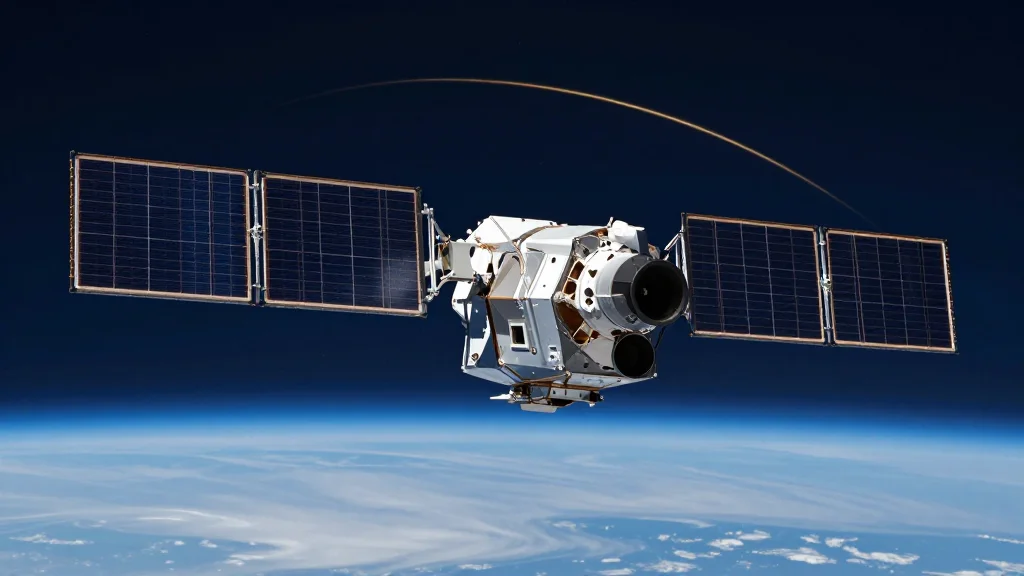
PlanetiQ Wins $15 Million U.S. Air Force Contract to Build Next‑Gen GNSS Weather Constellation
PlanetiQ was awarded a four‑year, $15 million Strategic Funding Increase (STRATFI) contract by the U.S. Air Force to create a next‑generation GNSS‑based weather constellation. The deal expands the company’s existing GNSS‑RO platform with polarimetric occultation and reflectometry, aiming to improve military...
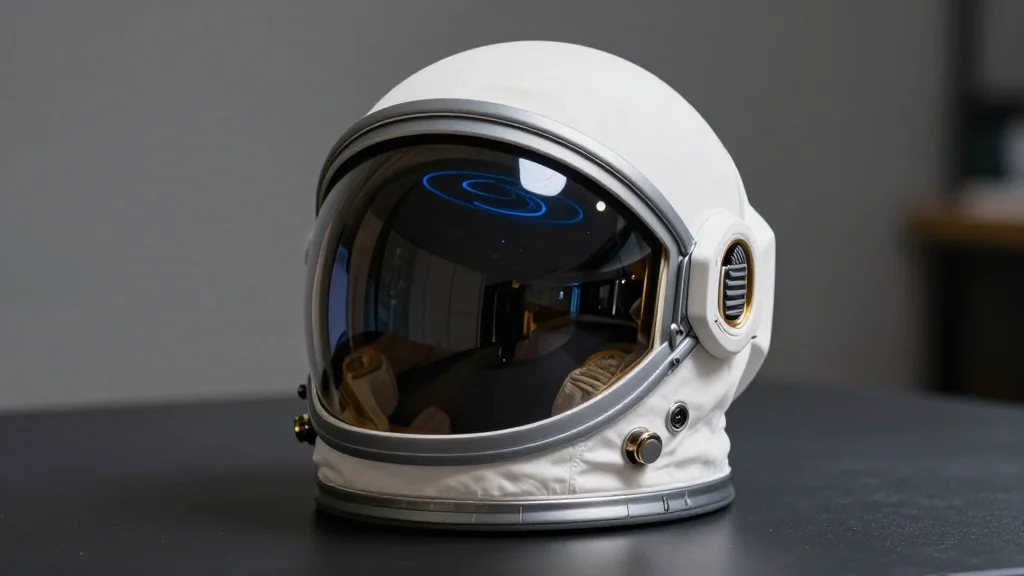
Artemis Suits Likely Fine; Axiom Praised for Future Bets
Actually, I think the Artemis spacesuits are probably going to be fine. Axiom deserves credit for betting on the future. https://t.co/UJmwDHUmCE
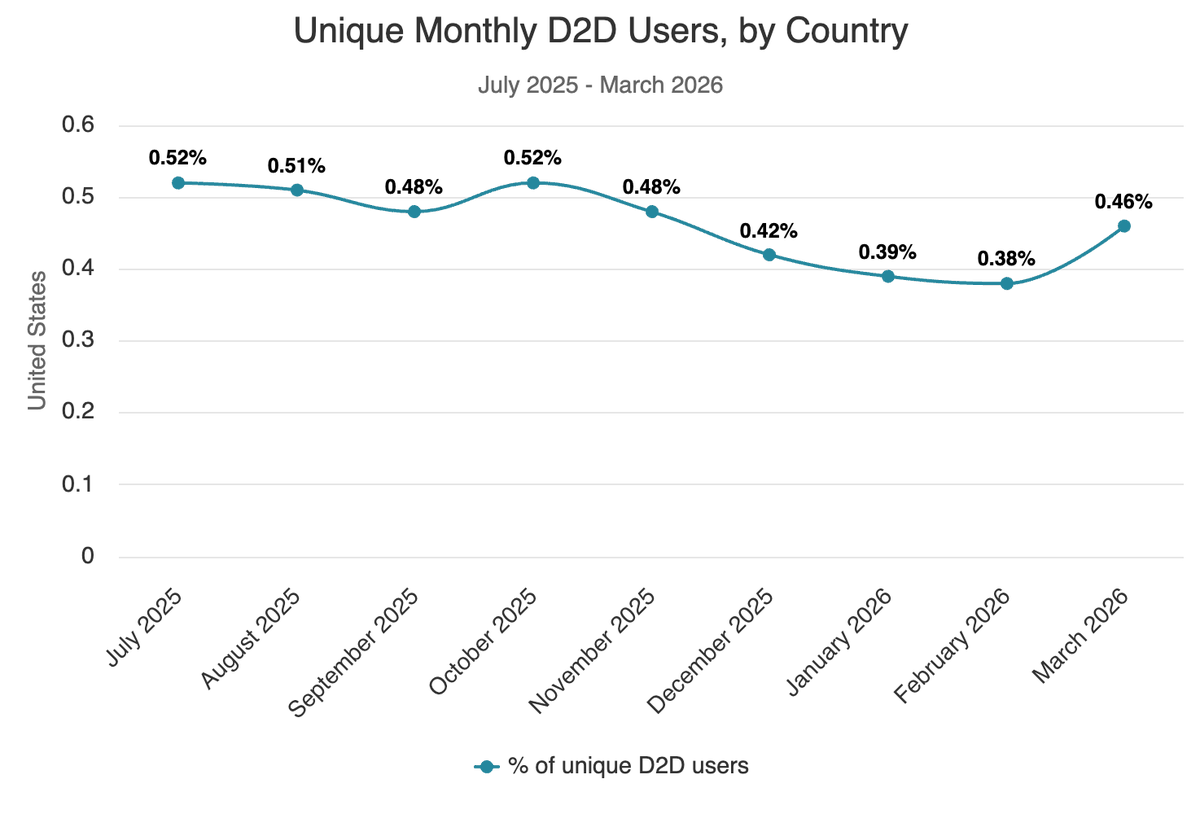
Chile Tops D2D Satellite Usage; Japan Lags Behind
During March 2026, 0.46% of Speedtest® users in the U.S. recorded a connection to a D2D satellite. In Chile, that figure was 1.26% (the highest). In Canada, it was 0.70%. In Japan, it was 0.11% (the lowest). MORE: https://t.co/PajgLycesP https://t.co/P2SNF9H8Zr
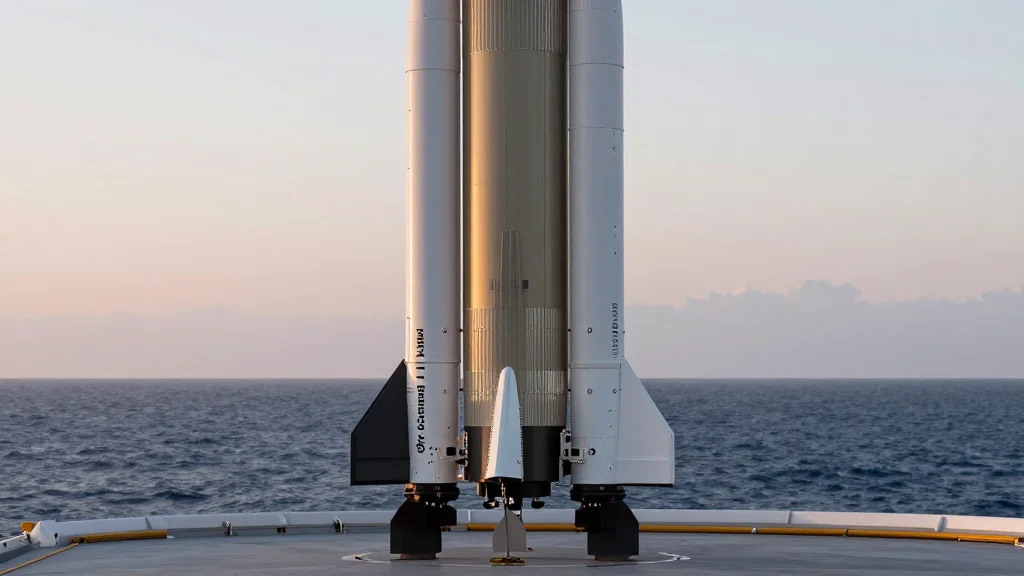
SpaceX Marks 600th Rocket Landing on Falcon 9 During Starlink Launch
SpaceX achieved its 600th successful orbital-class booster landing when a Falcon 9 first stage touched down on the droneship "Of Course I Still Love You" during a Starlink launch from Vandenberg Space Force Base. The mission deployed 25 new satellites,...
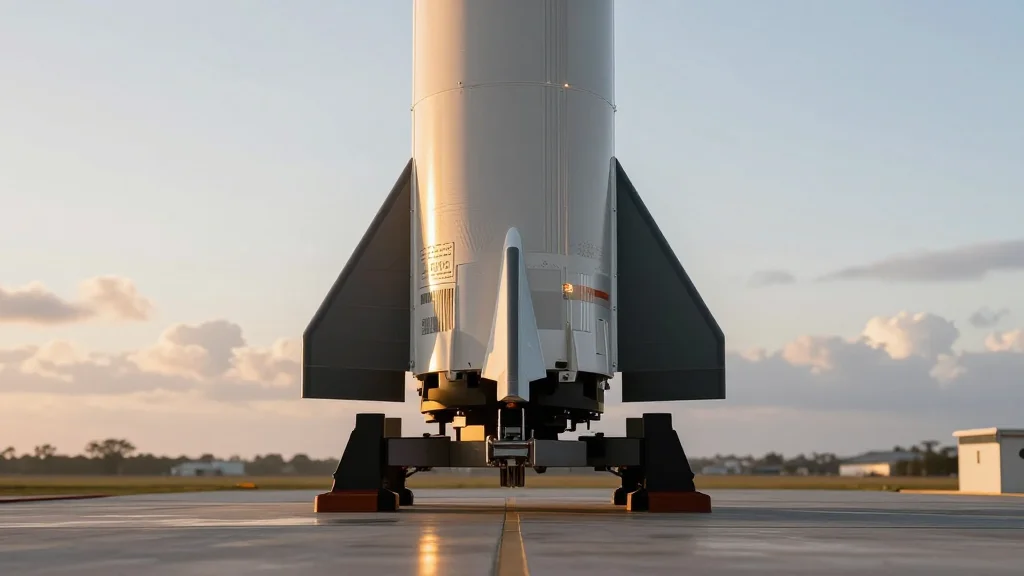
Falcon Launches Every Few Days—Watch Live in Florida or California
Falcon flies every few days. You can see launches in person from Florida or California.

EU Space Act Needs €125B Budget Floor, Industry Input
.@defis_eu @KubiliusA to @Europarl_EN: EU Space Act draft still needs work, idea for industry to join assessement may be OK; need set EUR 125B floor on 2028-34 defense/space budget. France/Poland milsatcom JV @AirbusSpace @Thales_Alenia_S @WBGroup_PL.https://t.co/EXysBT0lyY https://t.co/niYzanTrvA
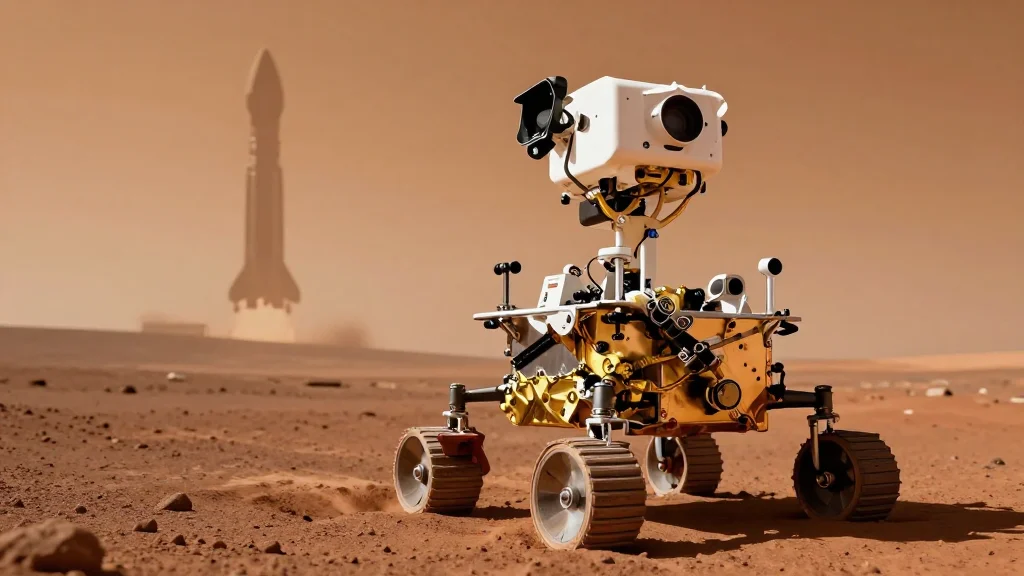
NASA Awards SpaceX $176 Million Mars Rover Launch Contract Amid White House Budget Fight
NASA awarded SpaceX a $175.7 million contract on April 16, 2026 to launch the European Space Agency’s Rosalind Franklin rover to Mars on a Falcon Heavy. The deal marks SpaceX’s first deep‑space payload, but the White House’s FY2027 budget proposal omits funding for...
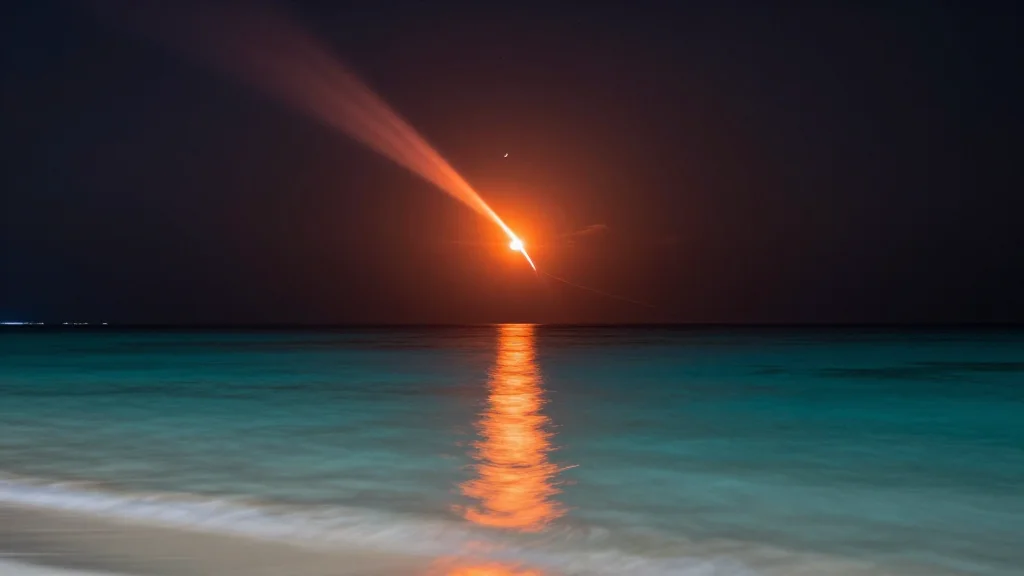
Possible BlueBird 7 Reentry Video, Timing Discrepancy Noted
The following video by @MvCrisis was reportedly taken in the Maldives at 0355-0400 UTC Apr 20. It's possible it shows the @AST_SpaceMobile BlueBird 7 reentry, although the SpaceForce TLE says this time was 25 min too early to be BB7,...
Musk’s SpaceX Ownership Dips, Voting Power Rises
This story is odd, because Musk's economic stake in SpaceX actually fell from 41.7% to 41.5% during 2025 (his voting stake went up from 79.5% to 80.0% but that's to be expected when others sell supervoting shares) https://t.co/K5sOcpCVK8
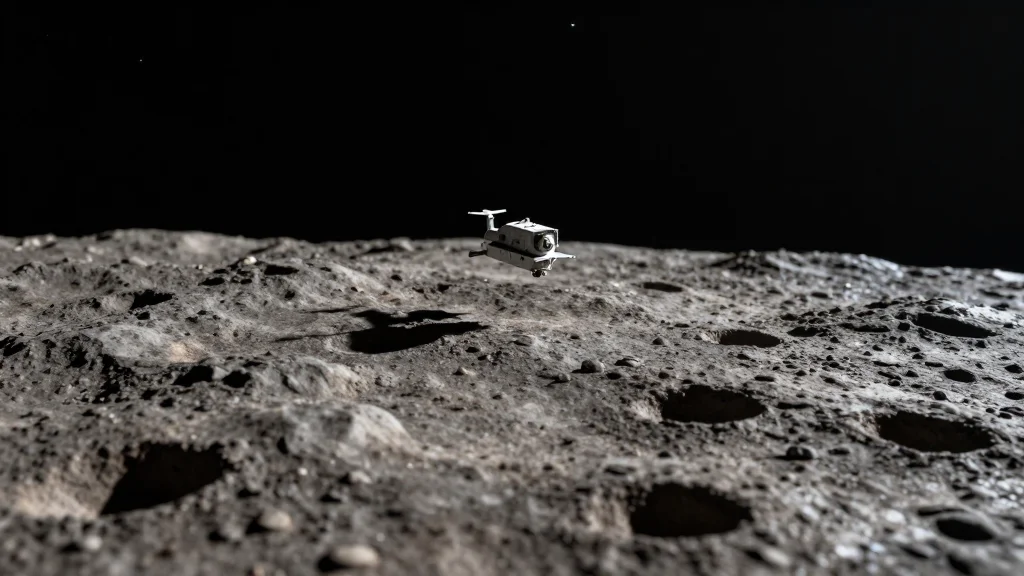
April 20, 2025: Visiting Asteroid Donaldjohanson
NASA’s Lucy spacecraft performed a secondary flyby of main‑belt asteroid 52246 Donaldjohanson on 20 April 2025, capturing a continuous time‑lapse from roughly 1,600 to 1,100 km. The high‑resolution L’LORRII images revealed a peanut‑shaped contact binary about 8 km long and 3.5 km wide, larger than...
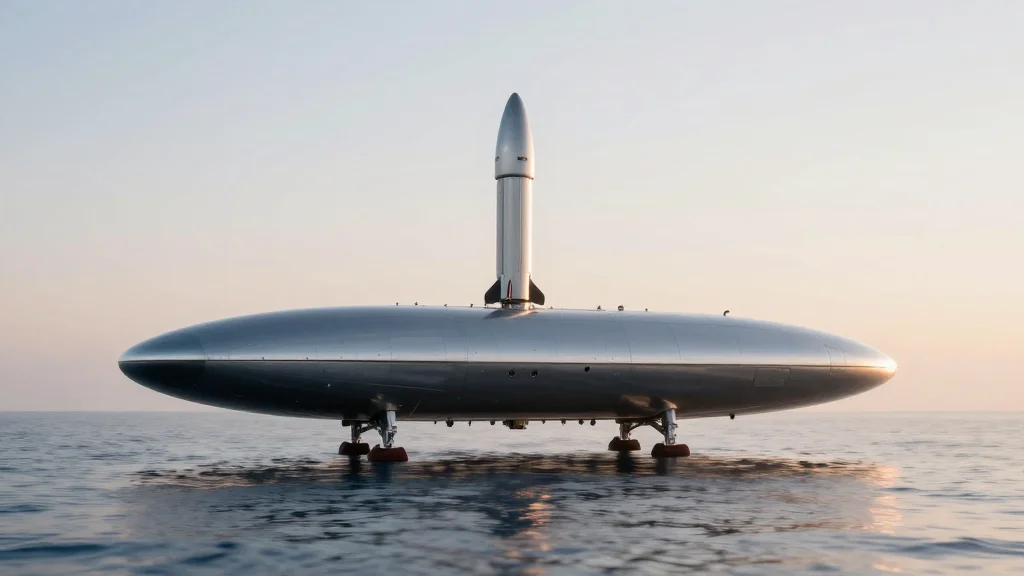
New Vessel Dedicated Exclusively to Starship Operations
The vessel will be "fully dedicated to support Starship operations going forward." Any details @TurkeyBeaver?
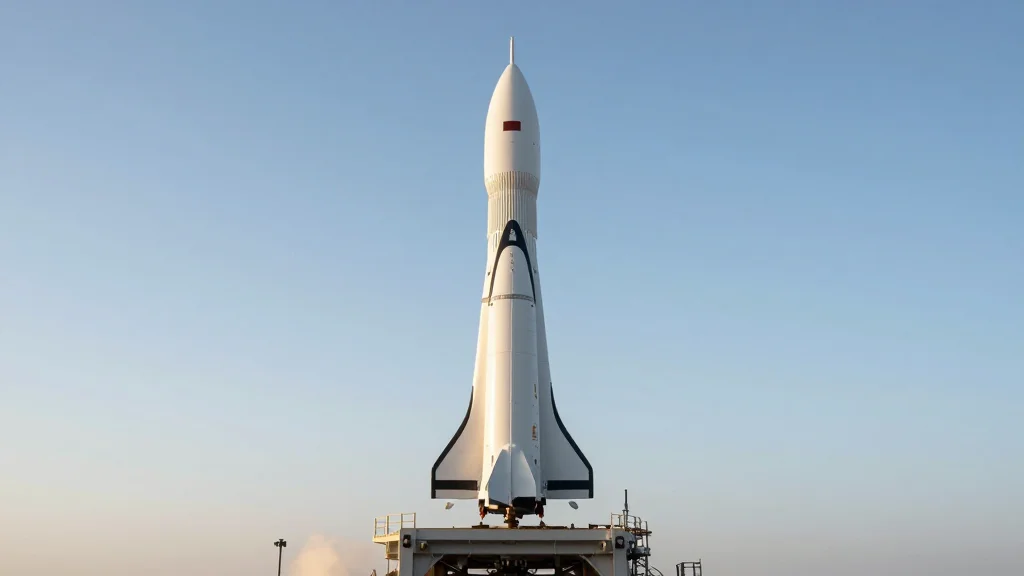
Govt Has Spent $6.27 B on OCX Program
As of January, the government had spent approximately $6.27 billion on the OCX program. https://t.co/h7T9EfpB94

Starlink Struggling for Approval on South Africa, India
Elon Musk’s Starlink service is stalled in South Africa because the country’s Black Economic Empowerment law demands a 30% black ownership stake, prompting the cancellation of service for 5,000 users while approvals linger. Musk has pledged roughly 2 million Rand (about...
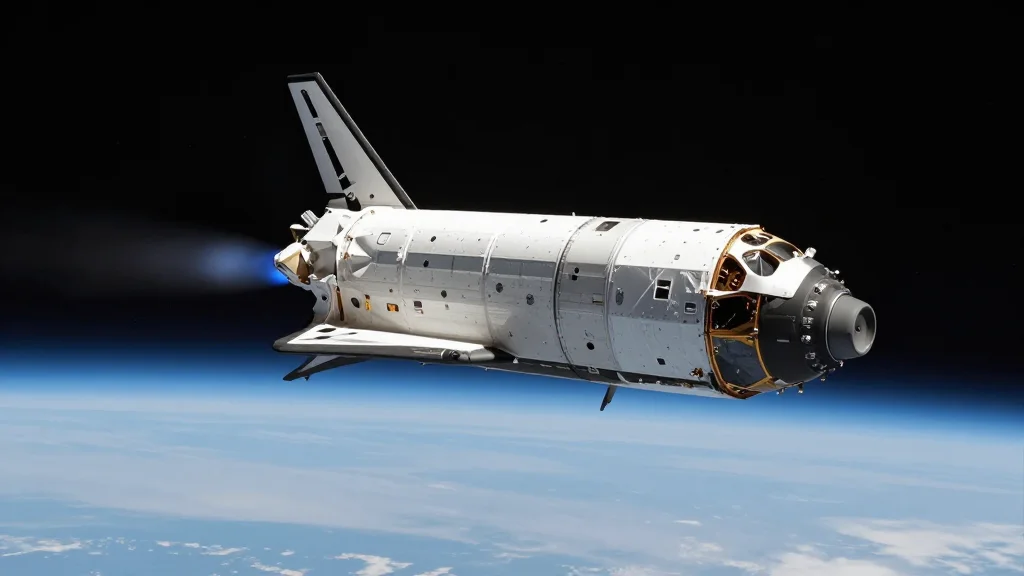
Progress MS-32 Undocks, Set for South Pacific Reentry
The Progress MS-32 cargo ship undocked from the aft port on Zvezda at 2208 UTC Apr 20. The deorbit burn was due to occur at 0114 UTC Apr 21 with reentry expected over the S Pacific at 0205 UTC.
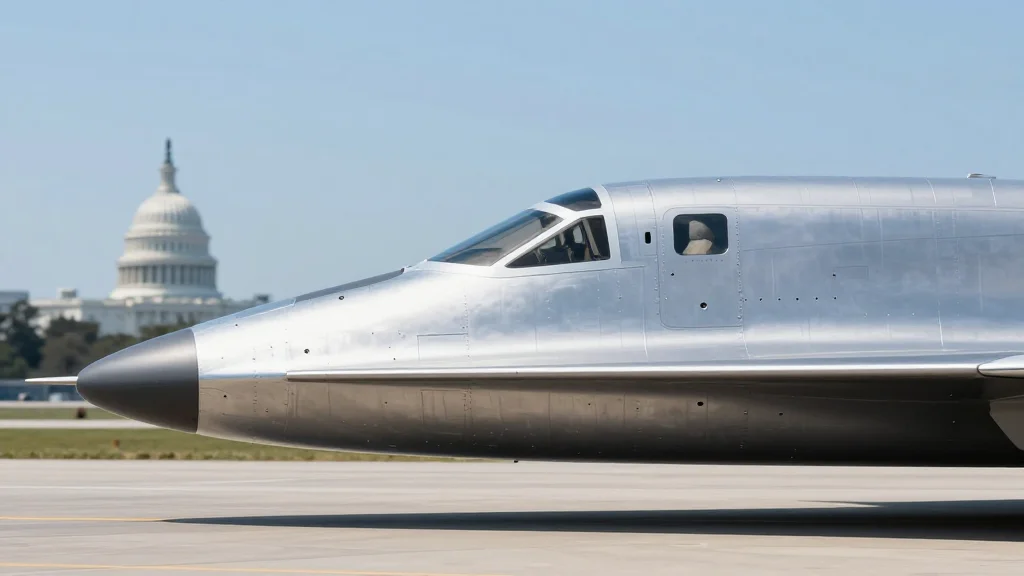
Annual NASA Budget Cut Process Starts Up Again
Congress is reopening the annual NASA budget review as the House Science, Space and Technology Committee schedules a hearing on the FY2027 request on April 22. The hearing will feature NASA Administrator Jared Isaacman and follows recent announcements that the...