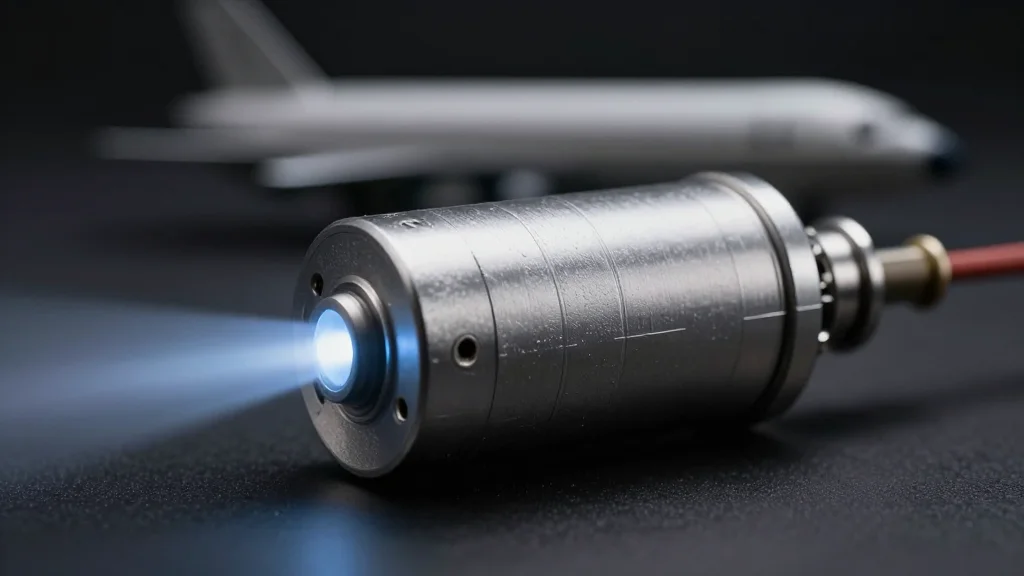
Rocket Lab Launches Gauss Electric Thruster, Targeting 200+ Units Annually
Rocket Lab announced the Gauss electric thruster, a Hall‑effect propulsion unit designed for mass production of more than 200 units per year. The system promises higher specific impulse and lower propellant mass, addressing the scaling needs of commercial and national‑security satellite constellations.
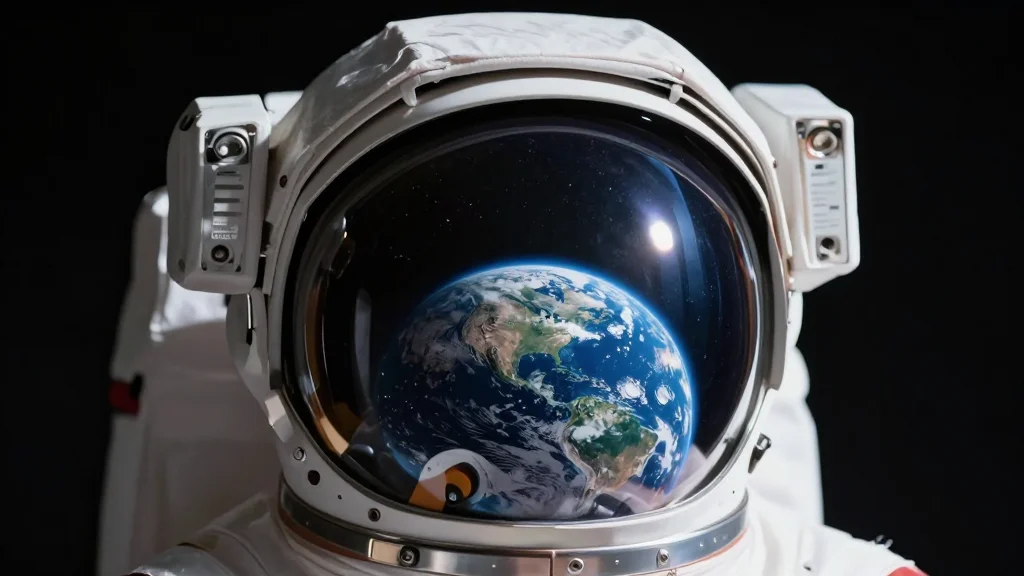
Artemis II Inspires Hope for Exploration and Science
This week's EVSN is our love letter to the Artemis II mission. I have a lot of weird & contradictory emotions about all the resources going into human space exploration & not into science. But what if there were enough...
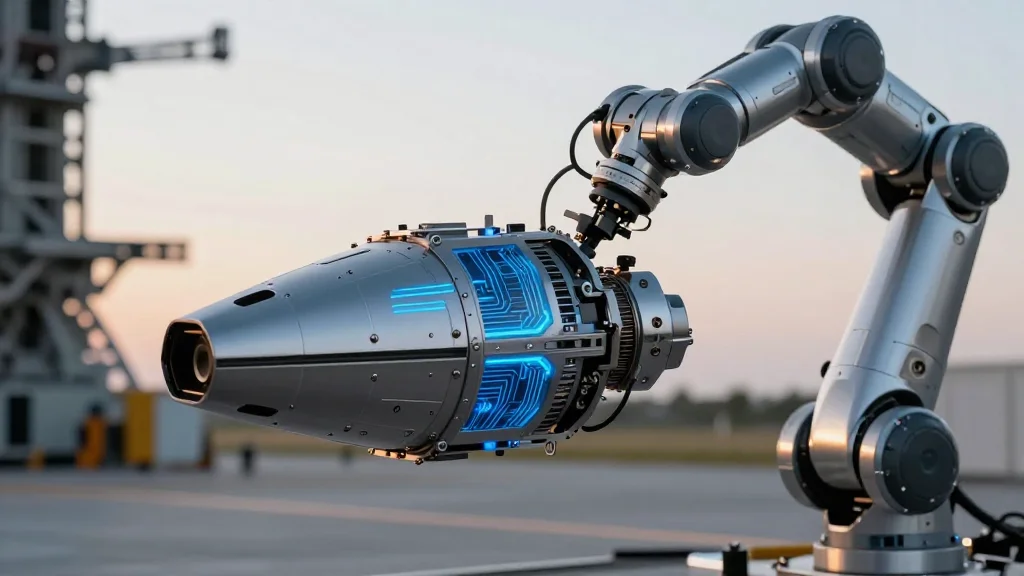
Northrop Grumman Slashes Spacecraft Design Time to Hours with AI
Northrop Grumman announced that AI integration has reduced spacecraft design cycles from years to hours, a speedup of roughly 100 times. The breakthrough, achieved with Flexcompute and NVIDIA, promises faster, more precise space missions and could reset industry timelines.
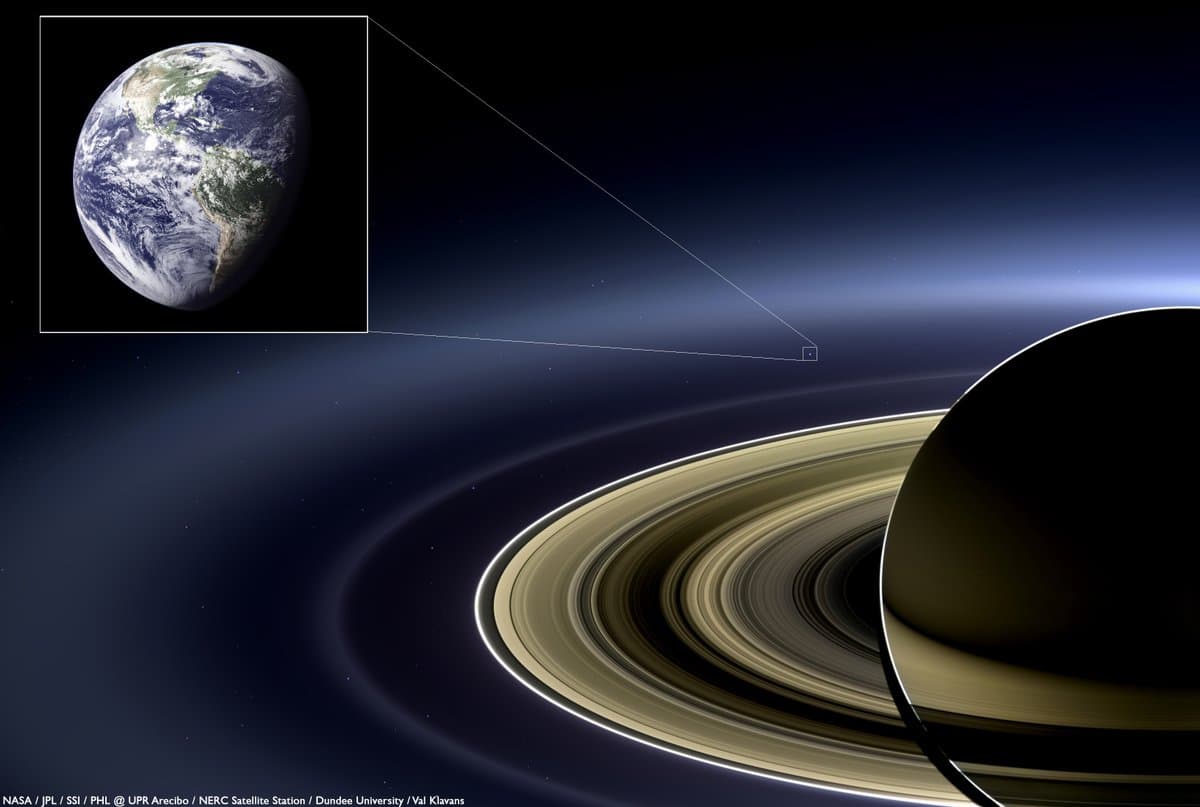
Seeing Earth as a Pixel to Hunt Life
🌎 For Earth Day, consider our pale blue dot as a single pixel 🔵 like Cassini saw looking back at Earth from Saturn. What might we glean from a single...
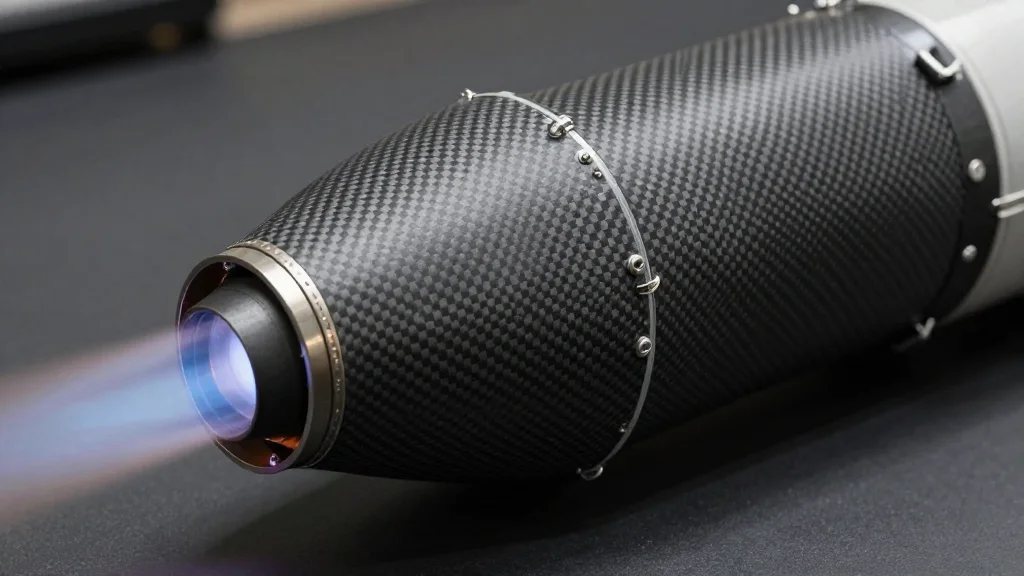
China Unveils 5‑Meter Composite Propulsion Module for Reusable Long March 10
China Aerospace and Technology Corporation (CASC) unveiled a 5‑meter-wide composite propulsion module that is over 60% carbon‑fiber, can endure 1,000 metric‑ton axial loads, and was built in just seven months. The component is slated for the next‑generation Long March 10 reusable rocket,...

GomSpace and STETMAN Establish UASAT Joint Venture for Ukrainian Sovereign Communications
Danish small‑satellite maker GomSpace and Ukrainian tech firm STETMAN announced a joint venture, UASAT, at the EU‑Ukraine Business Summit on April 22, 2026. The partnership will develop sovereign, dual‑use satellite communications for Ukraine, leveraging GomSpace’s National & Defense Solutions unit and STETMAN’s wartime communications...
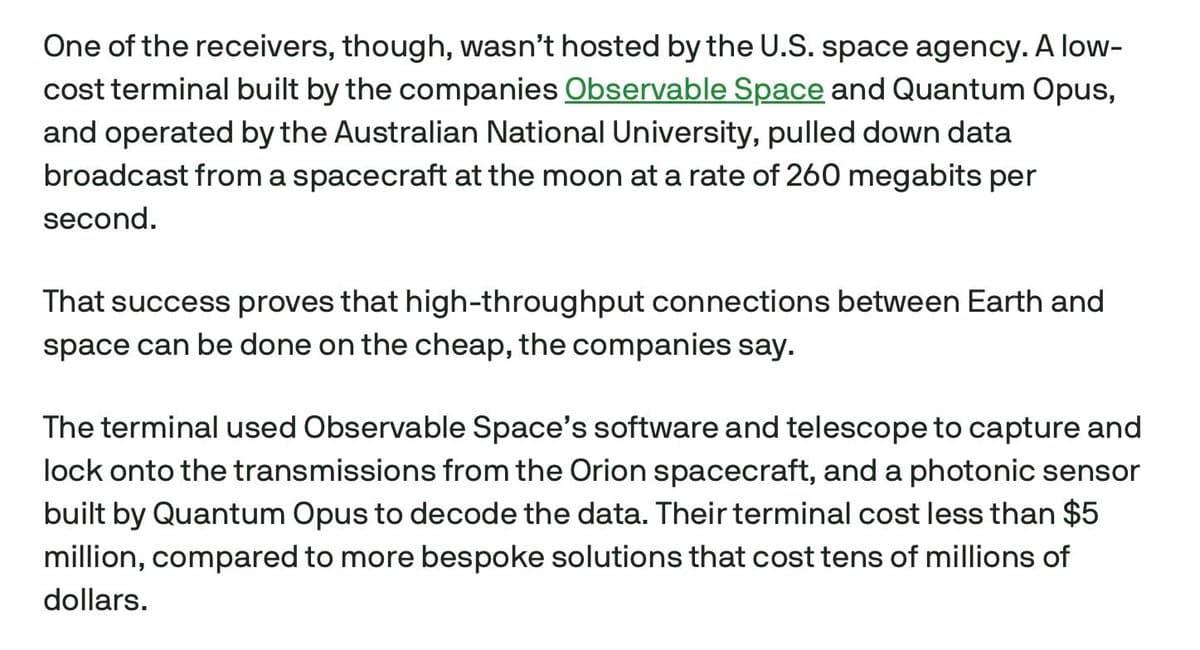
Artemis II Validates Laser Links as Orbital Compute Backbone
Artemis II wasn’t just a deep space mission, it proved that laser communications will be the backbone of compute in orbit, with transceivers from @ObservableSpace Observable will move terabits between Earth and space, enabling datacenters, and more, in space. Observable...

Jetstar Selects Viasat AMARA for 787 Fleet Connectivity Upgrade
Jetstar Airways has chosen Viasat’s next‑generation AMARA inflight connectivity to outfit 11 of its Boeing 787‑8 Dreamliners. The rollout, part of a broader cabin modernization effort, began this month and is slated for completion by mid‑2027. Powered by Viasat’s Ka‑band...
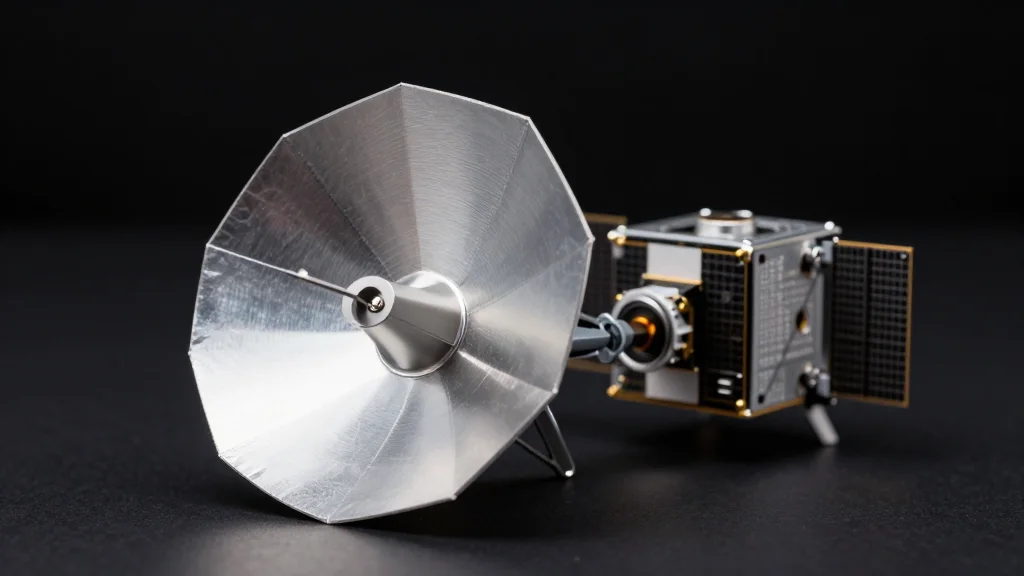
Tiny Satellites Face Big Data Limits: How Foldable Antennas Could Change CubeSat Missions
Researchers at Institute of Science Tokyo have unveiled a 5.8 GHz origami‑inspired reflectarray antenna that folds to fit inside a 3U CubeSat and expands to a high‑gain configuration in orbit. Weighing only 64 g and achieving a 265 % storage ratio, the antenna...
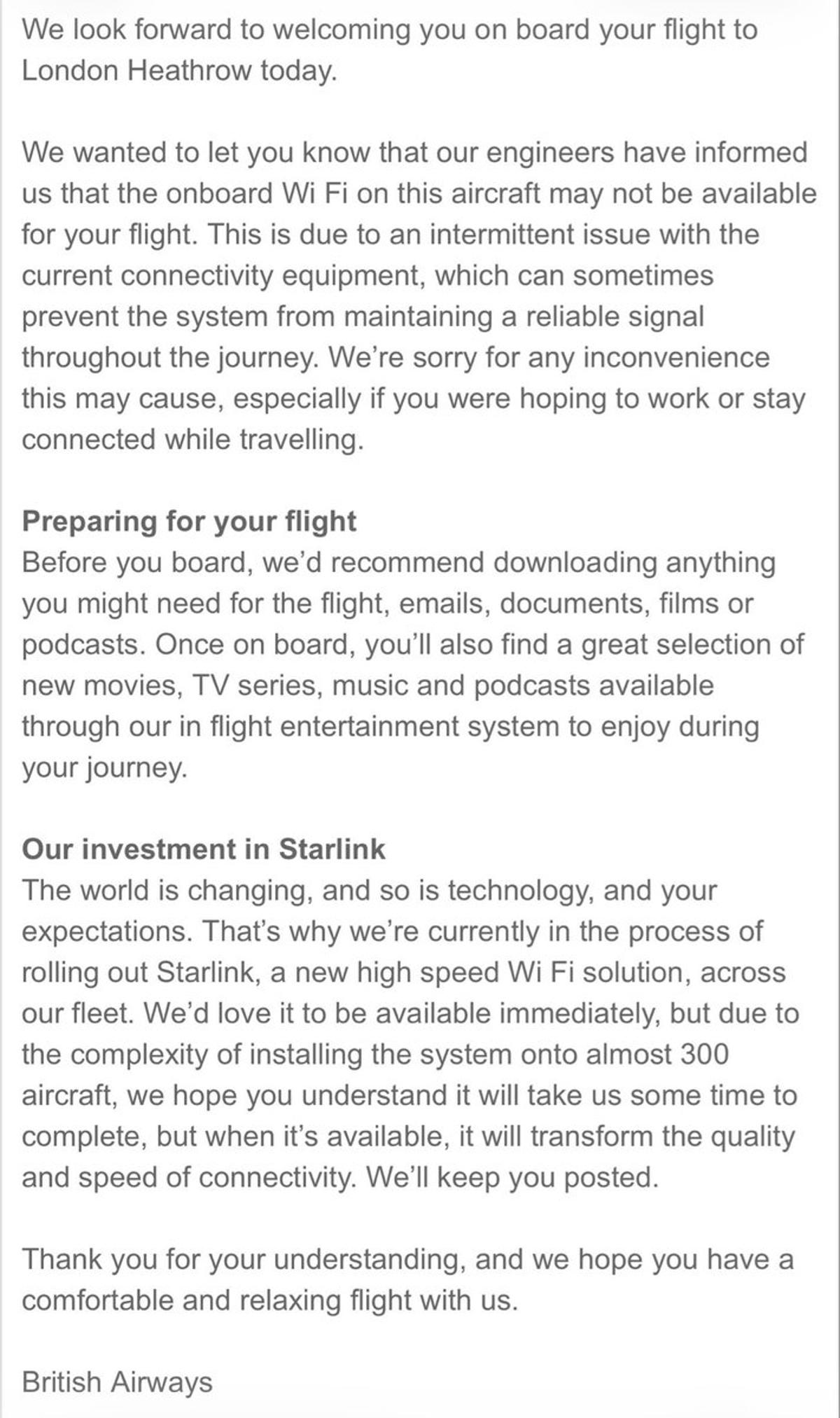
Airlines Pledge Starlink to Fix Chronic Wi‑Fi Outages
Third flight in the last week (two on United, one on BA) where the airline has apologized in advance for the lack of WiFi and promised that Starlink will soon "transform the quality and speed of connectivity" https://t.co/WcO89ZPqJy

House Science Committee Members Vow to Reject NASA Budget Cuts
U.S. lawmakers on the House Science Committee denounced the Trump administration’s proposal to slash NASA’s FY2027 budget by 23%, echoing their rejection of a similar FY2026 request that would have reduced the agency’s funding to $18.6 billion. The administration’s plan also...

Lawmakers Promise to Reject Proposed NASA Cuts—Again
Lawmakers on the House Science, Space and Technology Committee vowed to block the Trump administration’s FY2027 NASA budget request, which trims the agency’s funding to $18.8 billion—a $5.6 billion cut from the FY2026 level. The bipartisan group argued the reductions jeopardize the...

NASA’s Artemis II Moon Mission Shows Space-to-Earth Laser Comms Can Scale
NASA’s Artemis II mission used a low‑cost laser communications terminal in Australia to receive 4K video and telemetry from lunar orbit at 260 Mbps. The Observable Space and Quantum Opus system cost under $5 million, far cheaper than traditional deep‑space radio solutions that...
US Officials See Proposed European Union Space Act as Complicated Overreach
The European Union is drafting a Space Act to create a single market and impose common technical standards for safety, resilience and sustainability, with implementation slated for 2030. U.S. officials from the Department of Commerce, State Department and FCC argue...

Trump Picks Industry Executive Roger Mason to Lead National Reconnaissance Office
President Donald Trump has nominated Roger Mason, currently chief growth officer at defense contractor V2X, to head the National Reconnaissance Office pending Senate approval. Mason would replace Christopher Scolese, who has overseen the agency since 2019. The NRO, funded with...
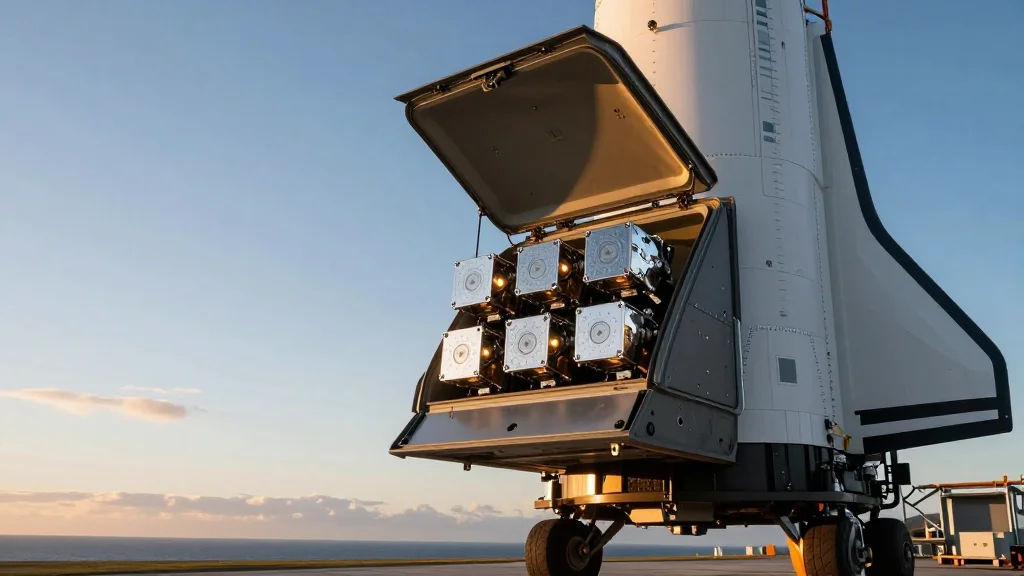
Loft Orbital, EarthDaily Analytics Deploy Record Six‑Satellite Constellation Launch
Loft Orbital and EarthDaily Analytics announced a milestone mission that will place six EarthDaily satellites into orbit on a single launch this quarter, marking the largest one‑time rideshare for the company. The launch is part of Loft’s plan to double...
Eutelsat Signs New Broadcast Deals in Mexico and Caribbean
Eutelsat announced three new broadcast agreements covering the Caribbean and Mexico. In the Caribbean, it will work with Co‑op Cable to deliver direct‑to‑home TV and satellite broadband via the E65WA satellite. In Mexico, the operator renewed its partnership with PCTV...
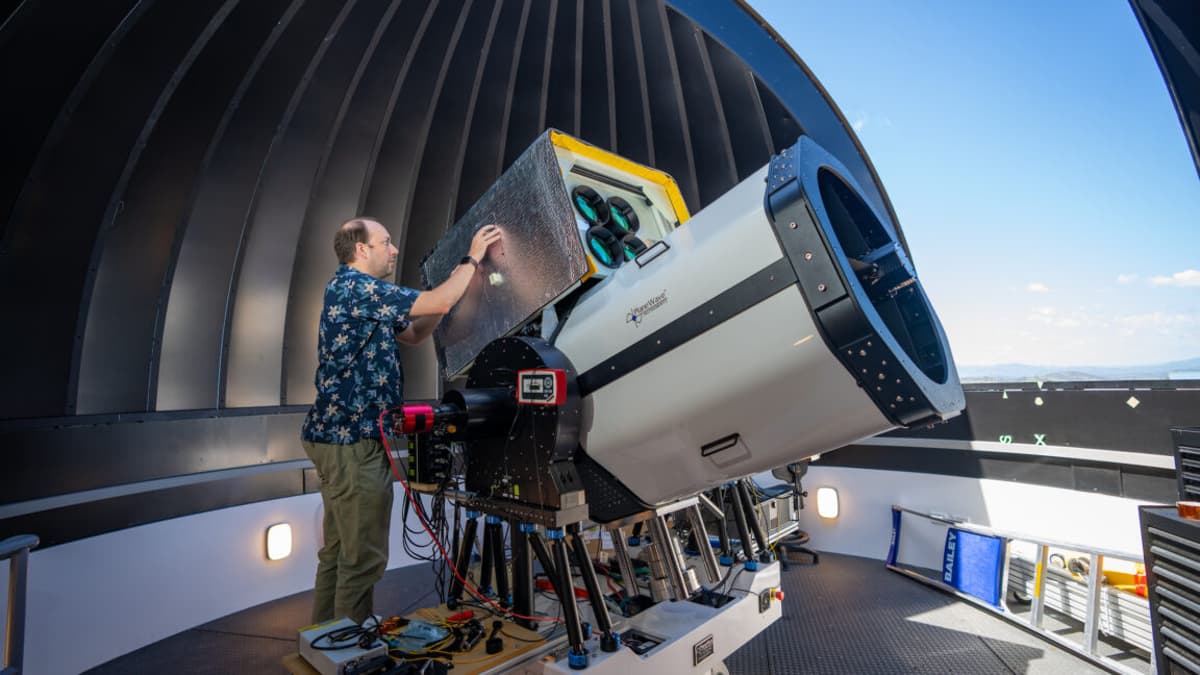
You Want Your Moon Landings in HD? So Does NASA—Here's How It's Happening.
NASA’s Artemis II crew used an experimental optical‑laser communications terminal that boosted data rates from a few megabits per second to 260 Mbps, enabling near‑real‑time high‑definition video from lunar orbit. The system outperformed the traditional S‑band radio link, which tops out at...
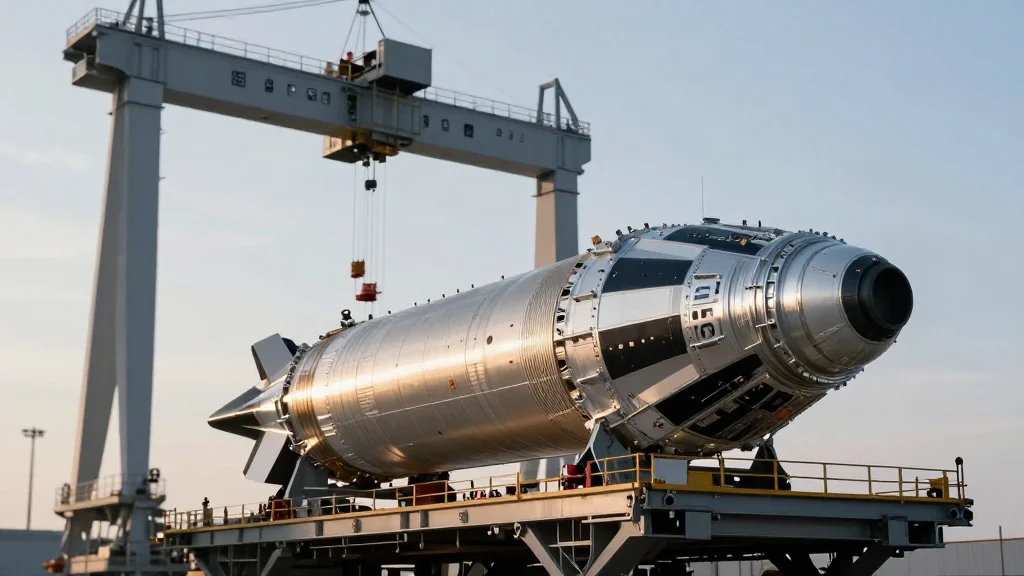
Artemis III Rocket Core and Mobile Launcher Progress Toward 2027 Test Flight
NASA rolled the 212‑foot Space Launch System core stage from New Orleans to Kennedy Space Center on April 20, positioning it for Artemis III assembly. The mobile launcher that lifted Artemis II has returned to the Vehicle Assembly Building for inspections and repairs after...

The History of the GPS System and GPS Modernization
In April 2026 the U.S. Space Force launched GPS III SV10, the final satellite of the baseline GPS III constellation, while simultaneously terminating the troubled Operational Control Segment (OCX) program after roughly $6.3 billion of spending. The launch caps a half‑century of GPS evolution from...
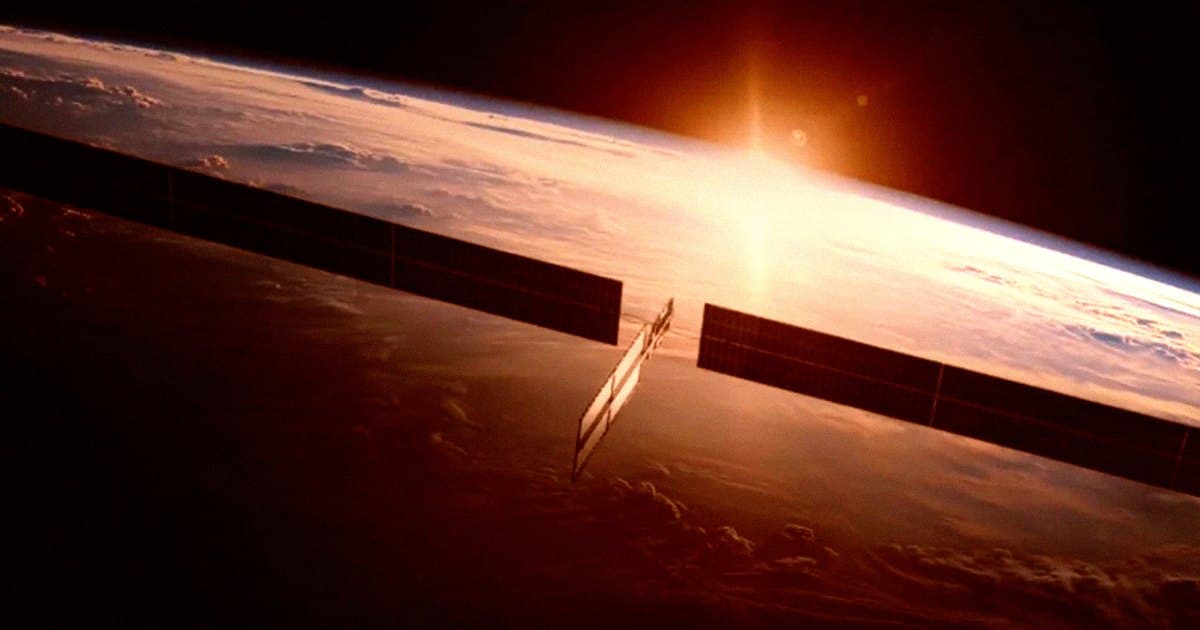
SpaceX Admits AI Data Centers in Space May Be a Really Terrible Idea
Elon Musk has championed orbital AI data centers as a low‑cost, solar‑powered solution, but SpaceX’s recent pre‑IPO filing admits the concept is still unproven and may never be commercially viable. The plan envisions up to one million satellite‑sized servers launched...
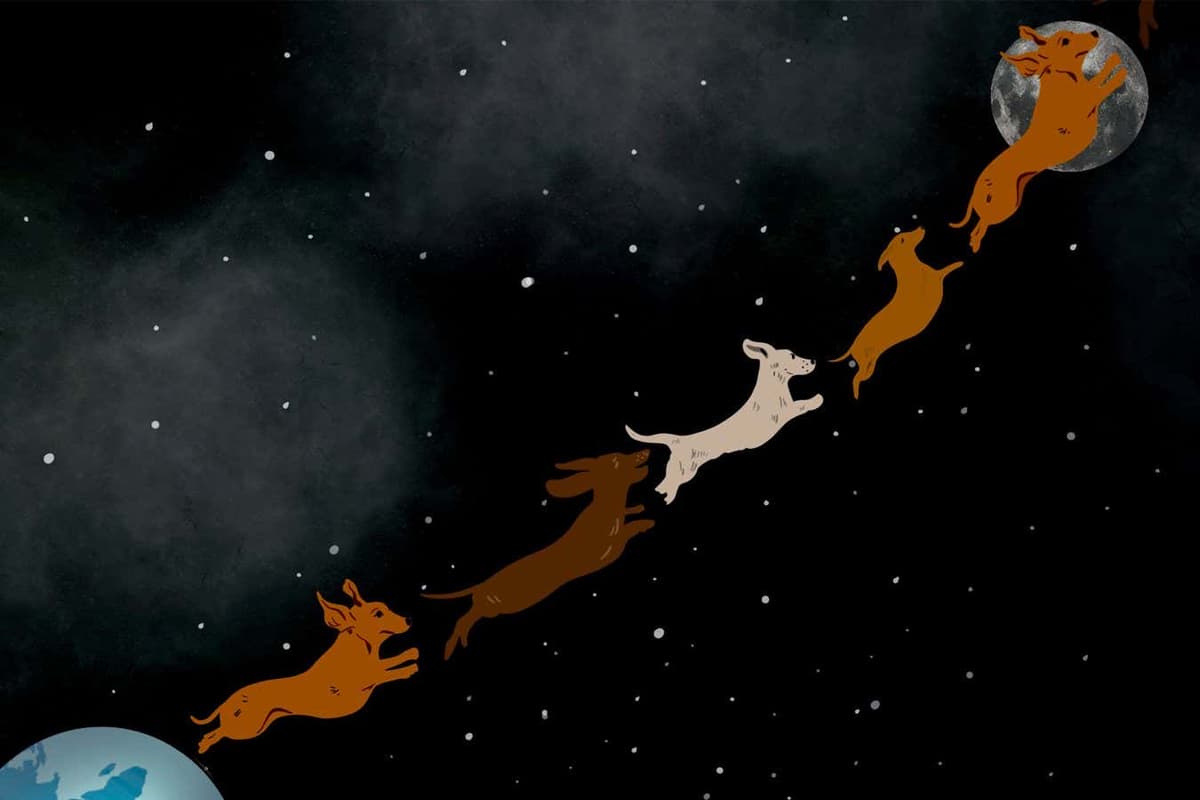
How Many Dachshunds Would It Take to Get to the Moon?
The New Scientist Feedback column highlighted the New York Times' tongue‑in‑cheek use of 22‑inch dachshunds to convey Artemis II’s 406,771 km lunar distance, estimating roughly 728 million dogs would be required. It also noted a separate study where a large‑language‑model classifier achieved 96%...
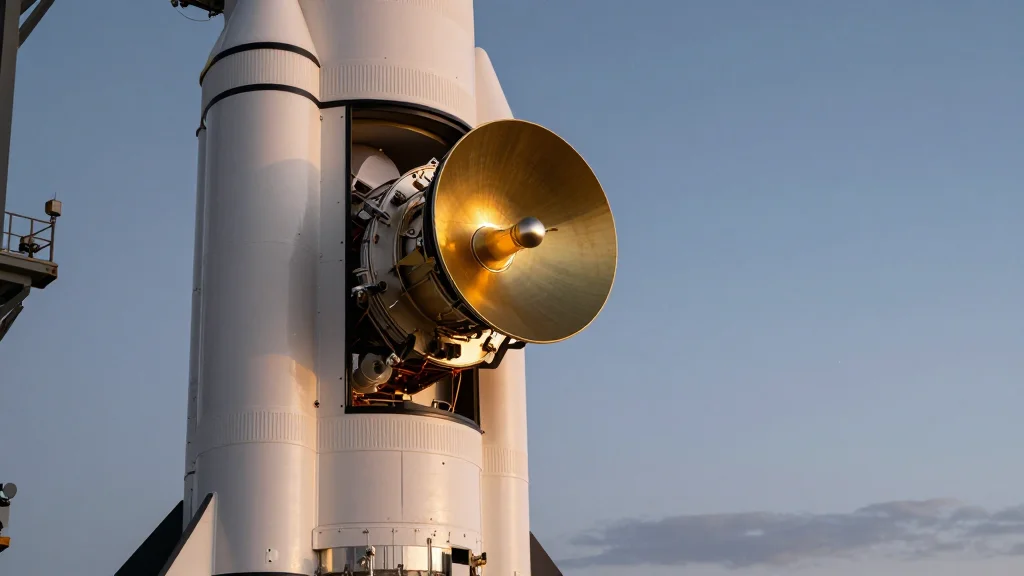
NASA Targets Early September for Roman Space Telescope Launch
NASA announced that the Nancy Grace Roman Space Telescope will be delivered to Kennedy Space Center in June and could launch as early as September 2026, well before the agency’s May 2027 deadline. The observatory will ride a SpaceX Falcon Heavy from Launch...
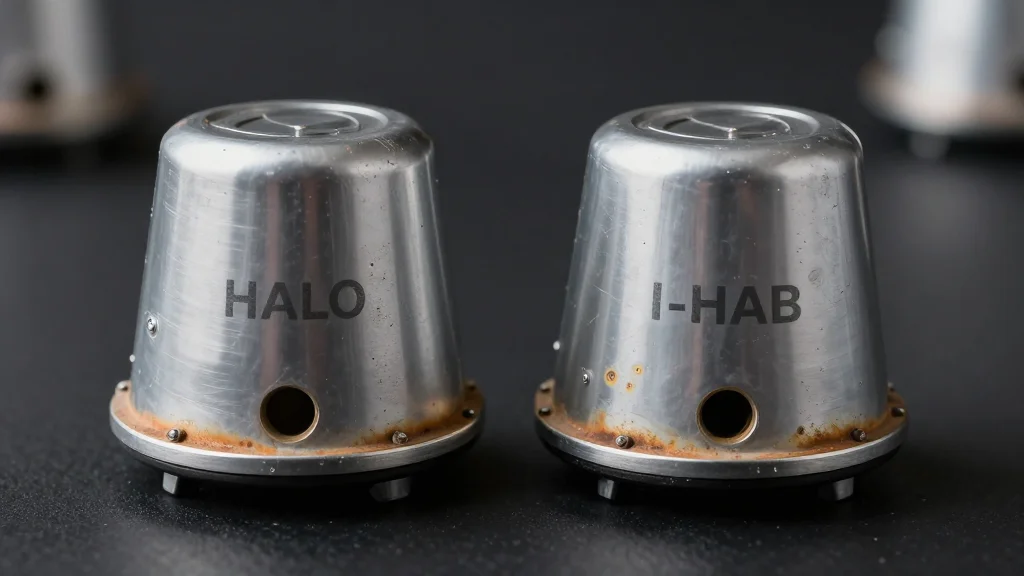
NASA Admits Lunar Gateway Modules Are Corroded
NASA Administrator Jared Isaacman just testified before Congress that both the Lunar Gateway habitable modules delivered to NASA (HALO and I-HAB) were corroded. 🚨
Banglalink to Launch Starlink's Direct-to-Device Satellite Connectivity Service in Bangladesh
Banglalink, Veon's subsidiary in Bangladesh, has signed a partnership with Starlink Mobile to bring direct‑to‑device satellite connectivity to remote parts of the country. The service will initially launch messaging this year, with broader data offerings slated for a later phase...
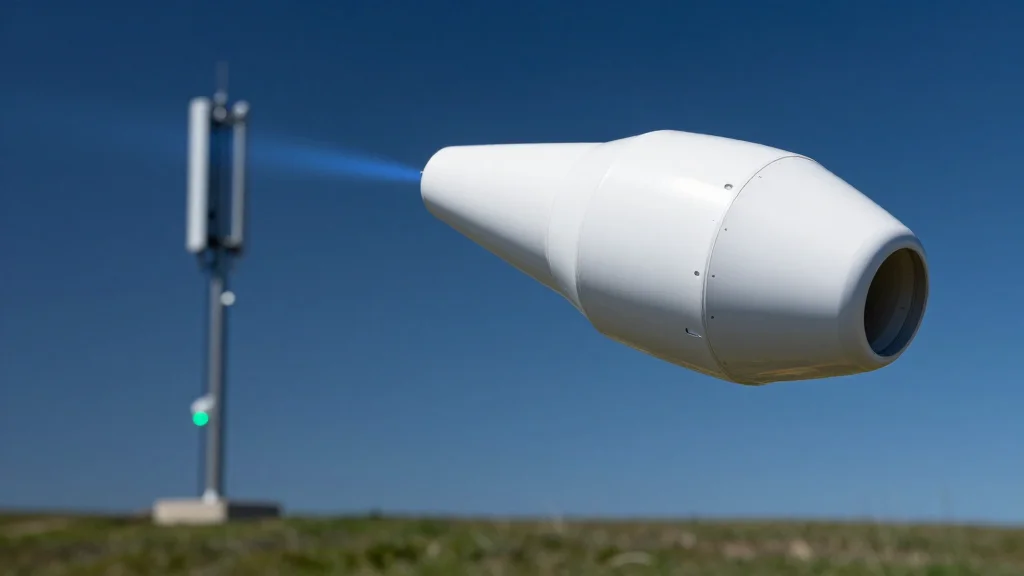
Starlink Pushes D2D, yet Towers Already Connect Us
Starlink is making D2D popular through T-Satellite, but people are already connected via towers and cells. https://t.co/3i8aRnjDJU
NASA Astronaut Anil Menon to Discuss Upcoming Launch, Mission
NASA will hold a live news conference on April 29 to preview astronaut Anil Menon's first spaceflight. Menon, a U.S. Space Force colonel and former SpaceX flight surgeon, will launch aboard Soyuz MS‑29 on July 14 with Roscosmos cosmonauts Pyotr...
SGx 2026 Registration Is Open
The Space Generation Advisory Council (SGAC) has opened registration for SGx 2026, a two‑day conference in Washington, D.C., on May 17‑18. Co‑hosted with ASCEND and the Future Space Leaders Foundation, the event gathers students, early‑career professionals, and senior industry and...
European Startup Atmos Raises €25.7 Million to Develop Its Orbital Research Capsules
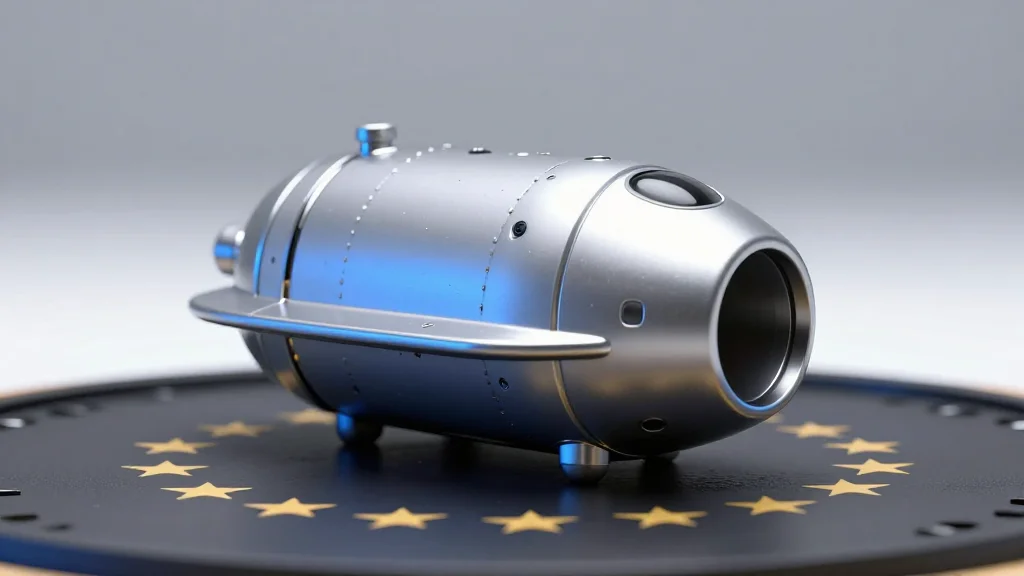
European startup Atmos announced a €25.7 million (≈ $30 million) financing round to accelerate its Phoenix orbital research capsule program. The capital will fund the launch of a three‑vehicle Phoenix 2 fleet, the rollout of Atmos Works for government and defence clients, and development of...
AI Turns Weather Satellites Into High‑Resolution Ocean Current Maps
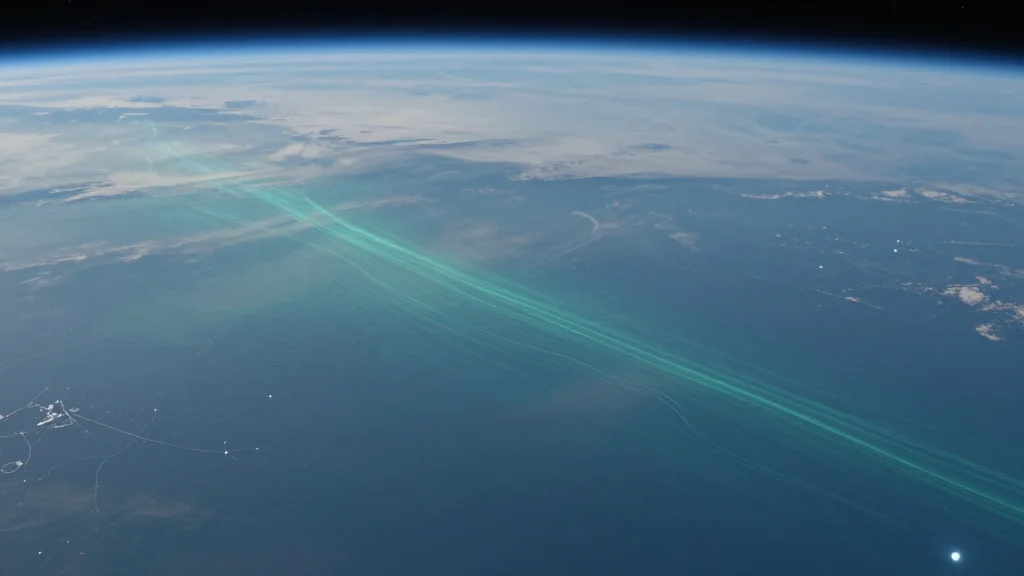
Researchers at UC San Diego’s Scripps Institution of Oceanography and UCLA introduced GOFLOW, an AI technique that transforms weather‑satellite thermal images into high‑resolution ocean‑current maps. Published in Nature Geoscience on April 22, 2026, the method captures currents as small as...
AST SpaceMobile Loses $2 B Market Cap After New Glenn Launch Mishap
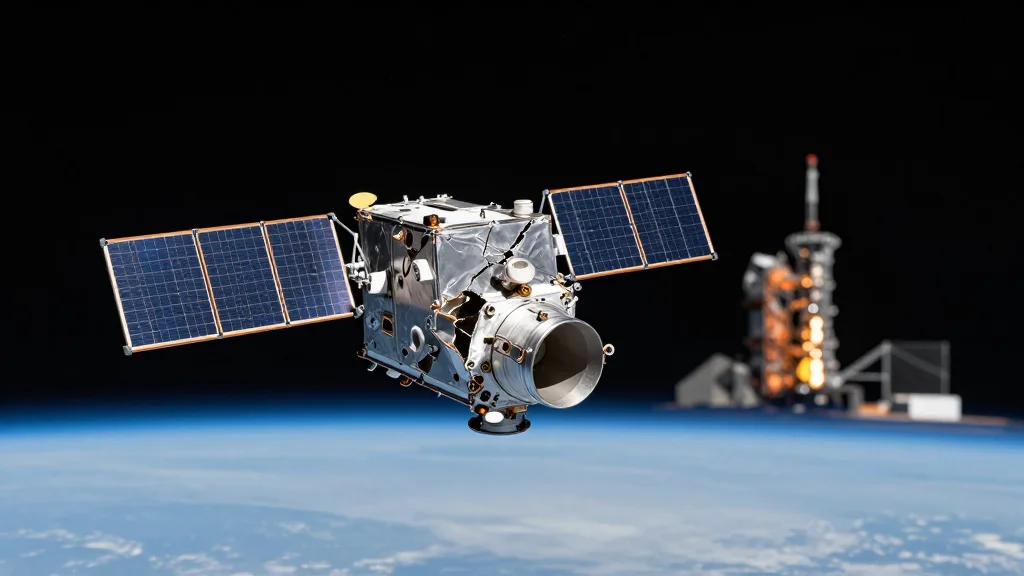
AST SpaceMobile saw its market value drop by about $2 billion after a Blue Origin New Glenn launch failed to deliver its satellite into the correct orbit, sending the stock down 14% in pre‑market trading. The setback highlights the volatility of space‑sector...
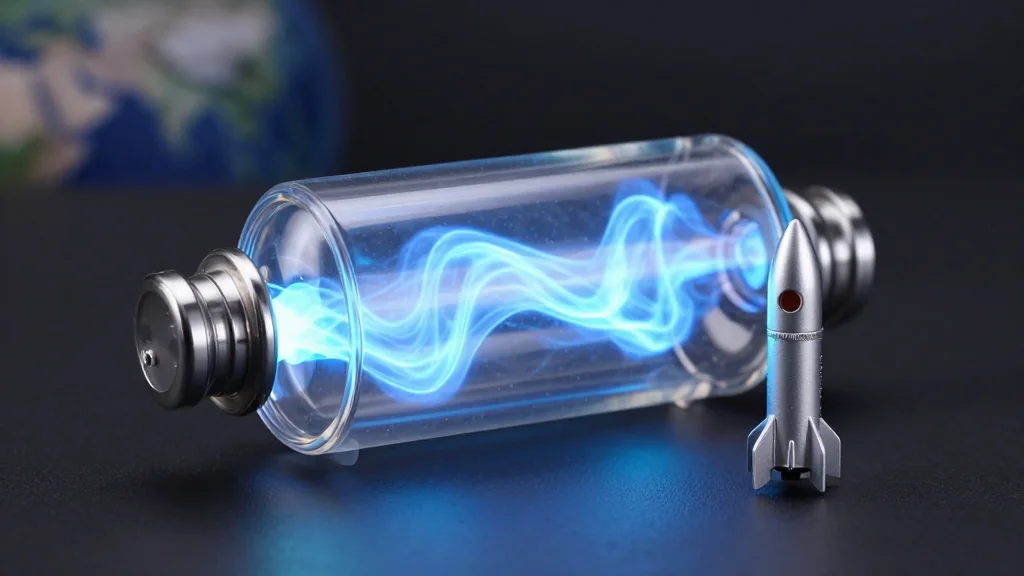
Antimatter: Humanity’s Only Viable Interstellar Fuel
Only antimatter provides the energy we need for interstellar travel This Earth Day, some dream of saving the Earth, while others dream of leaving it. Here's why using antimatter as fuel is humanity's best bet for interstellar travel. https://t.co/ZBs6y8YGTm
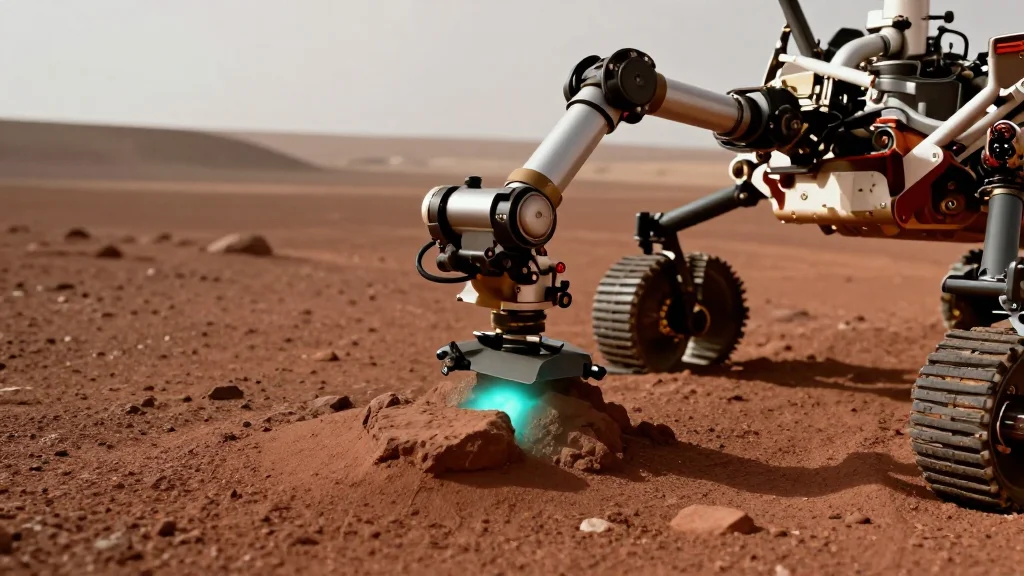
Curiosity Rover Uncovers New Organic Molecules on Mars, Fueling Habitability Debate
NASA's Curiosity rover performed its first chemistry experiment on another world, identifying a nitrogen‑bearing molecule and benzothiophene in Gale crater. The discovery sharpens the case for ancient habitability, even as a proposed 23% budget cut threatens the Mars Sample Return...

FCC Greenlights
.@FCC OK's @AST_SpaceMobile 248-sat D2D constellation operating at 425-690 km, each w/ 223m2 antenna. Detailed semi-annual reports required, as @SpaceX provides, plus comms with operators in nearby orbits to avoid collisions. @ATT @Verizon @FirstNetGov. https://t.co/b0NgbZpess https://t.co/R9EgFxmkwP

FCC Greenlights AST SpaceMobile's Satellite Broadband Service
The FCC has approved AST SpaceMobile to launch and operate a 248‑satellite low‑Earth‑orbit constellation that will deliver broadband directly to standard smartphones using cellular frequencies across the United States. The clearance moves AST closer to commercial service and allows its...

Market Dynamics and Non-Terrestrial Network (NTN) Chipsets
The global LEO satellite 5G Non‑Terrestrial Network (NTN) chipset market is projected to expand from $6.69 billion in 2026 to $23.07 billion by 2030, a compound annual growth rate above 36 %. This acceleration follows the finalization of 3GPP Release 17 and 18 standards...
Why Launch Assists Often Aren’t Worth the Effort
Common question I've had... this certainly isn't a new idea and there's a good reason it's often considered not worth it. I did a deep dive on launch assists last year - https://t.co/gYQYjqPTvx
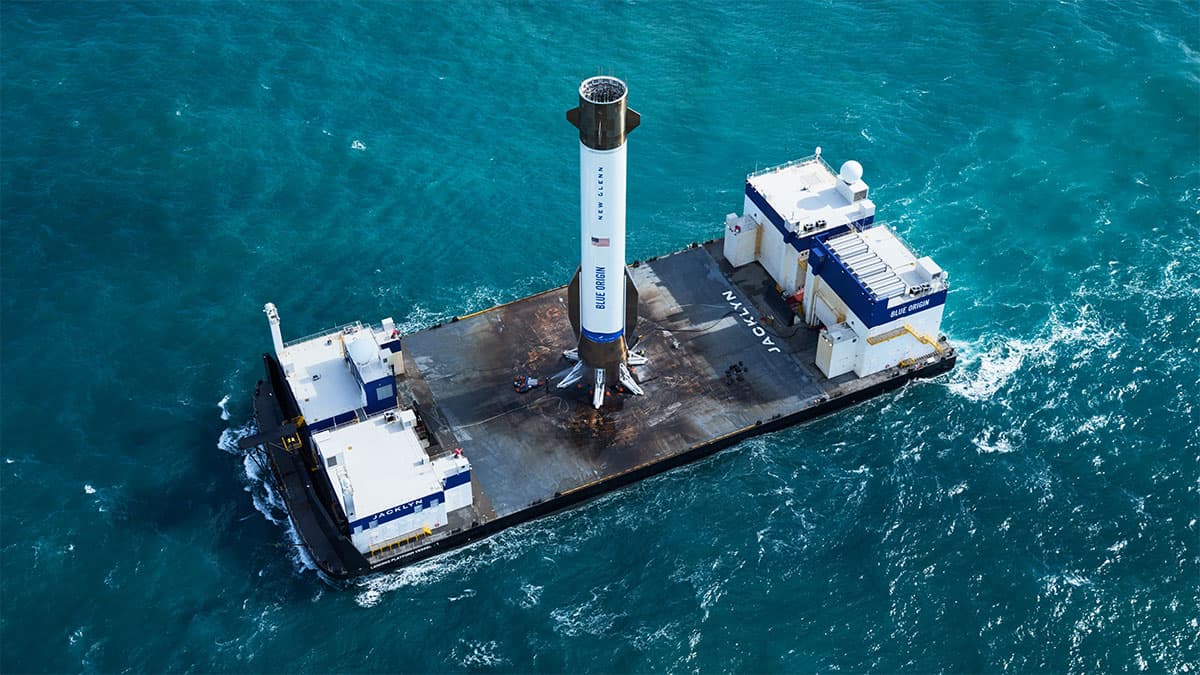
New Glenn Grounded as BE-3U Thrust Issue Comes Into Focus
Blue Origin has grounded its New Glenn heavy‑lift vehicle after data indicated that one of the two BE‑3U upper‑stage engines failed to produce enough thrust during the second burn. The shortfall prevented the AST SpaceMobile BlueBird 7 satellite from reaching its planned...
U.S. Retreats From Seas; Who Will Police Space?
Really good point. If the US is pulling back from policing the high seas, who will police the assets in outer space?
NASA Targeting September to Launch Nancy Grace Roman Space Telescope
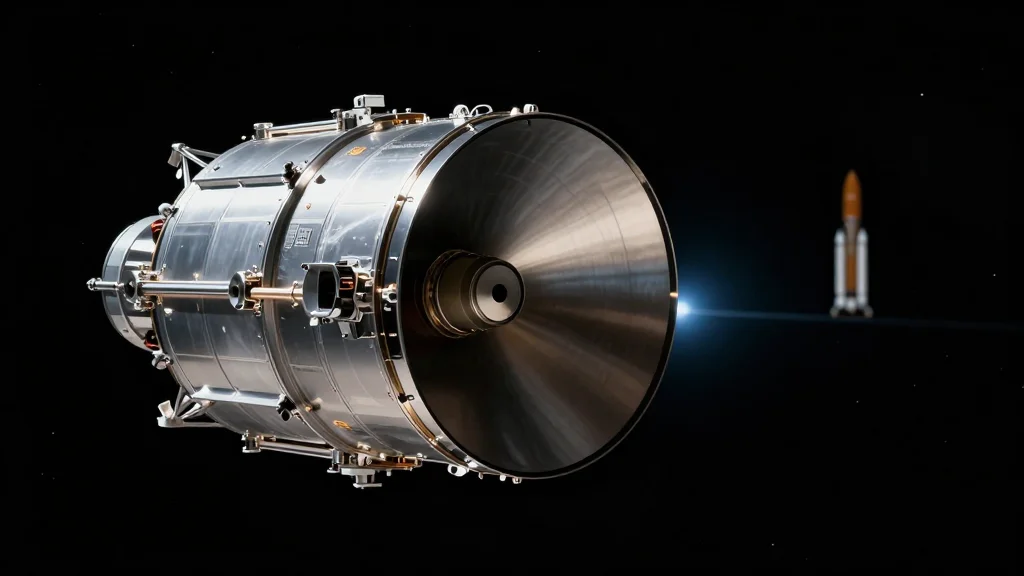
NASA announced that the Nancy Grace Roman Space Telescope will launch in early September aboard a SpaceX Falcon Heavy, eight months ahead of the original schedule and under budget. The 2.4‑meter telescope, built at Goddard, will travel to the Sun‑Earth...

NASA’s Shift to CLPS 2.0 Signals Structural Transformation of Lunar Logistics Market
NASA is upgrading its Commercial Lunar Payload Services from a pilot program to a high‑cadence logistics platform dubbed CLPS 2.0. The agency plans 77 lander missions through 2031, backed by a $6 billion budget that pushes average mission cost down to roughly...
Australia Emerges as Ideal Market for Satellite Systems
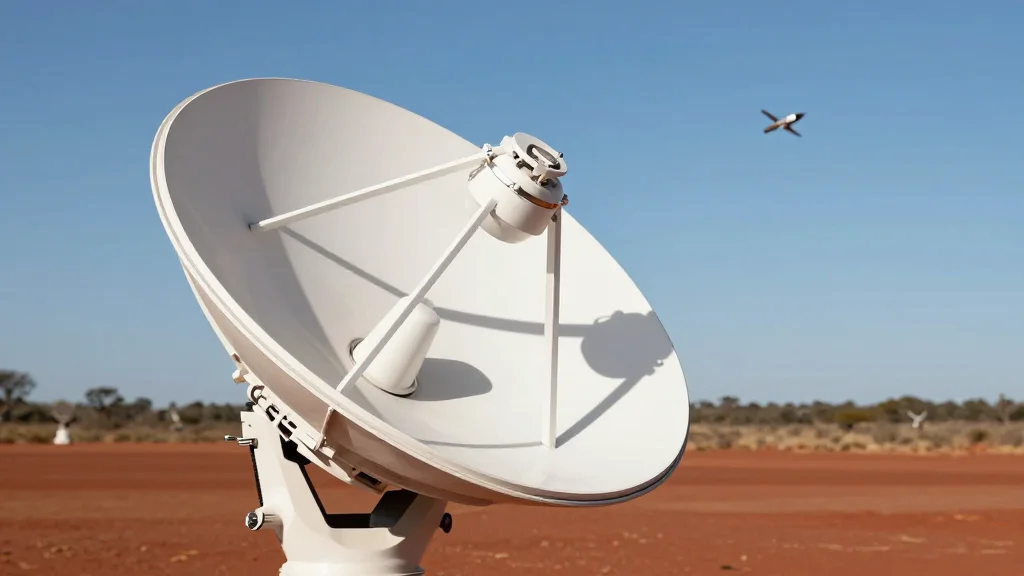
“Australia is our fourth-largest market. We’ve seen a lot of demand in Australia. In some ways, if you were designing the perfect market for a satellite system, it’s exactly Australia,” via The Australian Financial Review. https://t.co/nt5BfUmaLx
Lawmakers Weigh Satellite Licensing Overhaul Amid Growing Demand
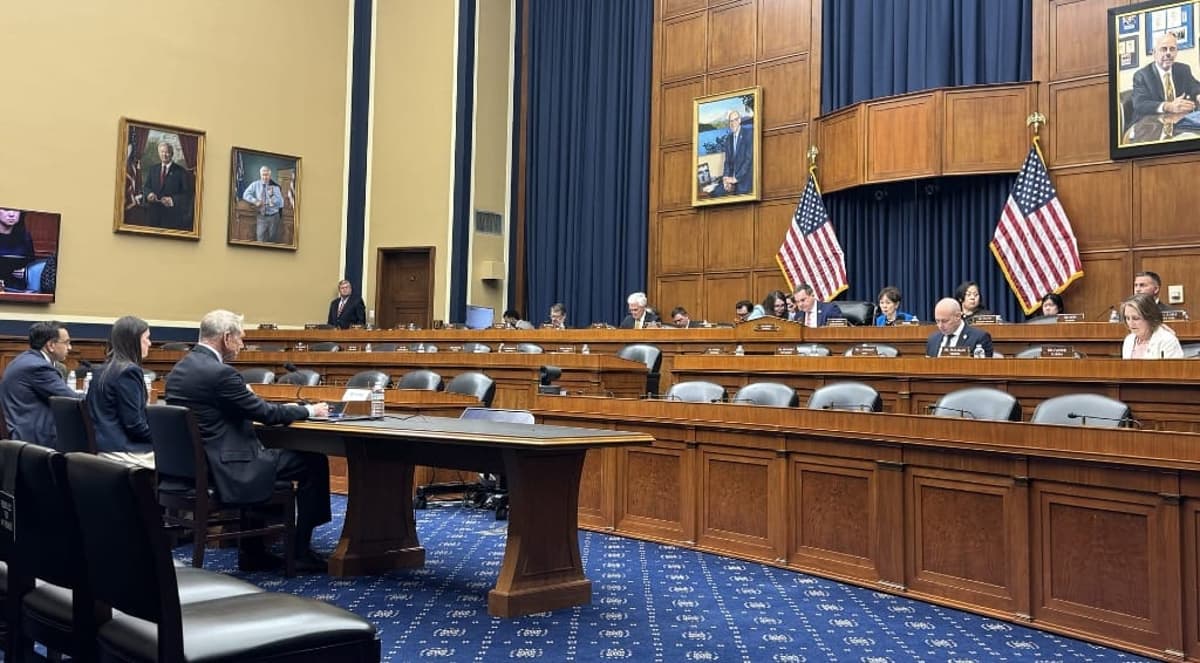
The House Communications and Technology Subcommittee reviewed the SAT Streamlining Act, legislation designed to modernize U.S. satellite licensing by giving the FCC clearer authority over geosynchronous and non‑geostationary systems and related ground infrastructure. The bill imposes a one‑year deadline for...

SmallSat Europe Speaker Focus: Alexander Greenberg, Loft Orbital
In January 2026, France’s space agency CNES awarded a €50 million (~$54 million) contract to Loft Orbital to build DESIR, the nation’s first sovereign SAR demonstrator, making the San Francisco startup the prime contractor for a defense reconnaissance asset. Loft’s business model flips...
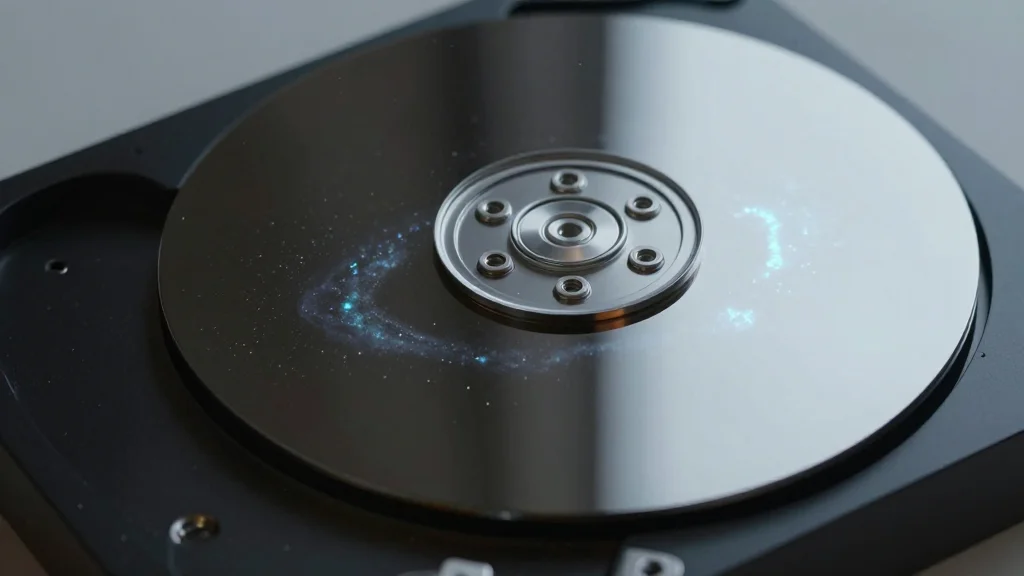
NASA's Roman Telescope to Stream 11 TB of Data Daily, Redefining Big‑Data Astronomy
NASA unveiled its Nancy Grace Roman Space Telescope, slated for a September launch, promising to deliver 11 TB of data each day—more than Hubble collected in its entire mission. The petabyte‑scale surveys will force a rethink of storage, processing and analytics...
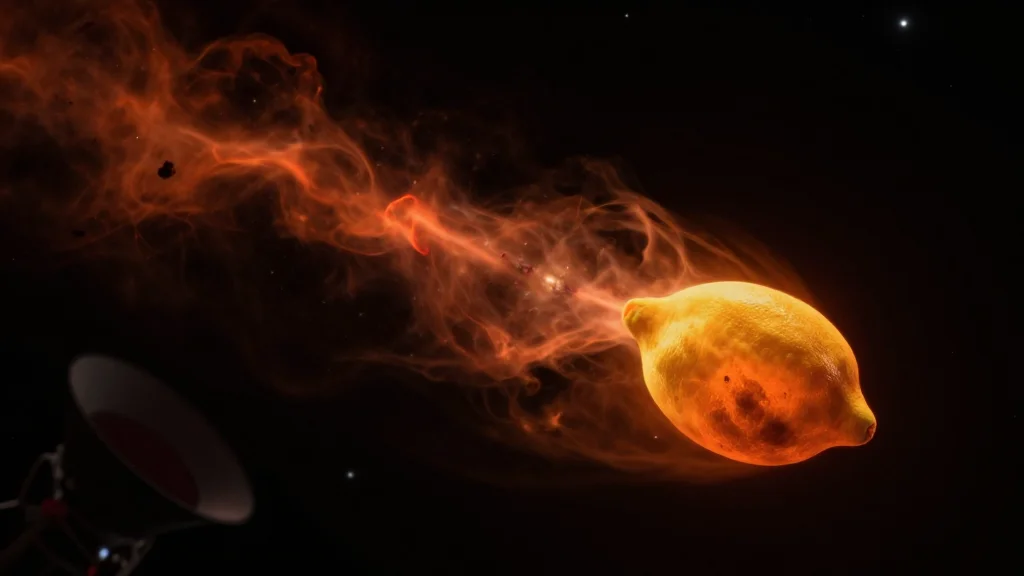
Hubble Unveils Updated ‘Cosmic Sea Lemon’ Image, Marking 36 Years of Discovery
NASA released a newly processed Hubble image of the Trifid Nebula’s “Cosmic Sea Lemon,” showing a longer plasma jet and expanded orange‑red features compared with the 1997 snapshot. The release coincides with Hubble’s 36th birthday and demonstrates the telescope’s continued...

Tracking Sats From the Sea
The U.S. Navy is evaluating the placement of Space Development Agency (SDA) satellite‑tracking technology on its ships, turning vessels into mobile space‑domain awareness platforms. Rear Adm. Karrey Sanders argues that sea‑based sensors are harder to target and can view satellites...
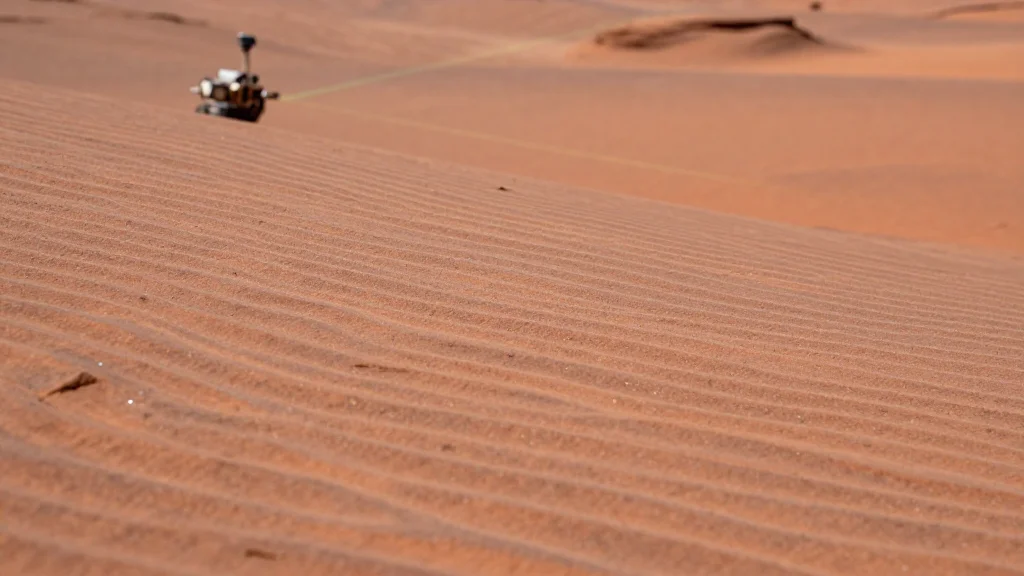
Curiosity Rover Finds More Evidence of Ancient Lakes on Mars
NASA’s Curiosity rover, using its ChemCam laser‑spectrometer, identified the highest concentrations of iron, manganese and zinc ever recorded together on Mars, locked in well‑preserved ripple marks in Gale Crater’s Amapari Marker Band. The metal‑rich ripples point to a shallow lake...

Sidus Space Expands Existing Agreement with Lonestar Data Holdings, Inc. To Support Additional StarVault Orbital Data Storage Payload
Sidus Space announced an amendment to its partnership with Lonestar Data Holdings, adding a second StarVault orbital data storage payload. The new payload joins the first StarVault, slated for launch no earlier than fall 2026 on the LizzieSat‑4 satellite. The...
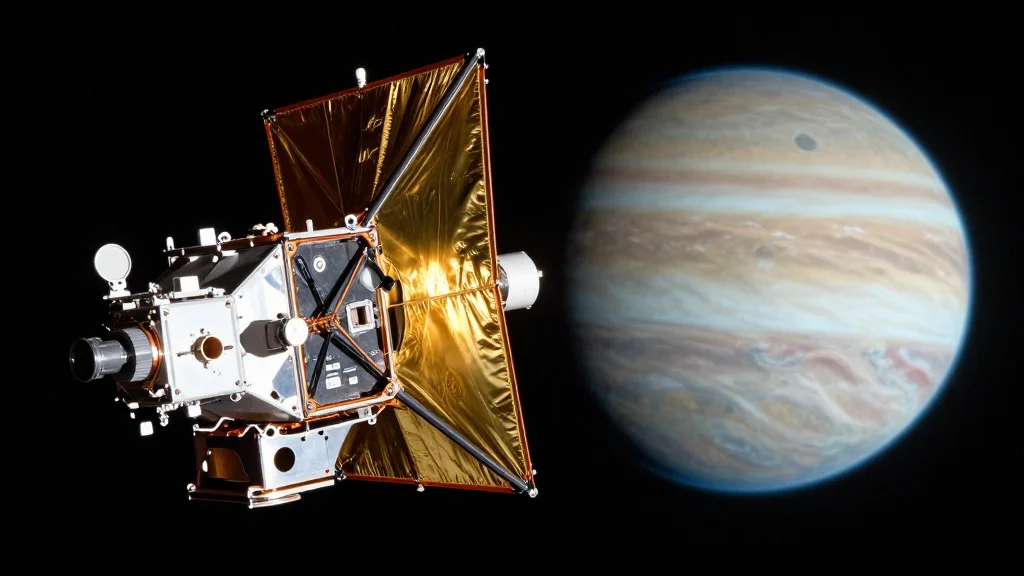
JWST Finds Water‑Ice Clouds on Epsilon Indi B, Upending Giant Planet Models
Astronomers using the James Webb Space Telescope have directly imaged water‑ice clouds on the distant gas giant Epsilon Indi b. The discovery, led by Elisabeth Matthews at the Max Planck Institute for Astronomy, forces a rethink of how scientists model the...