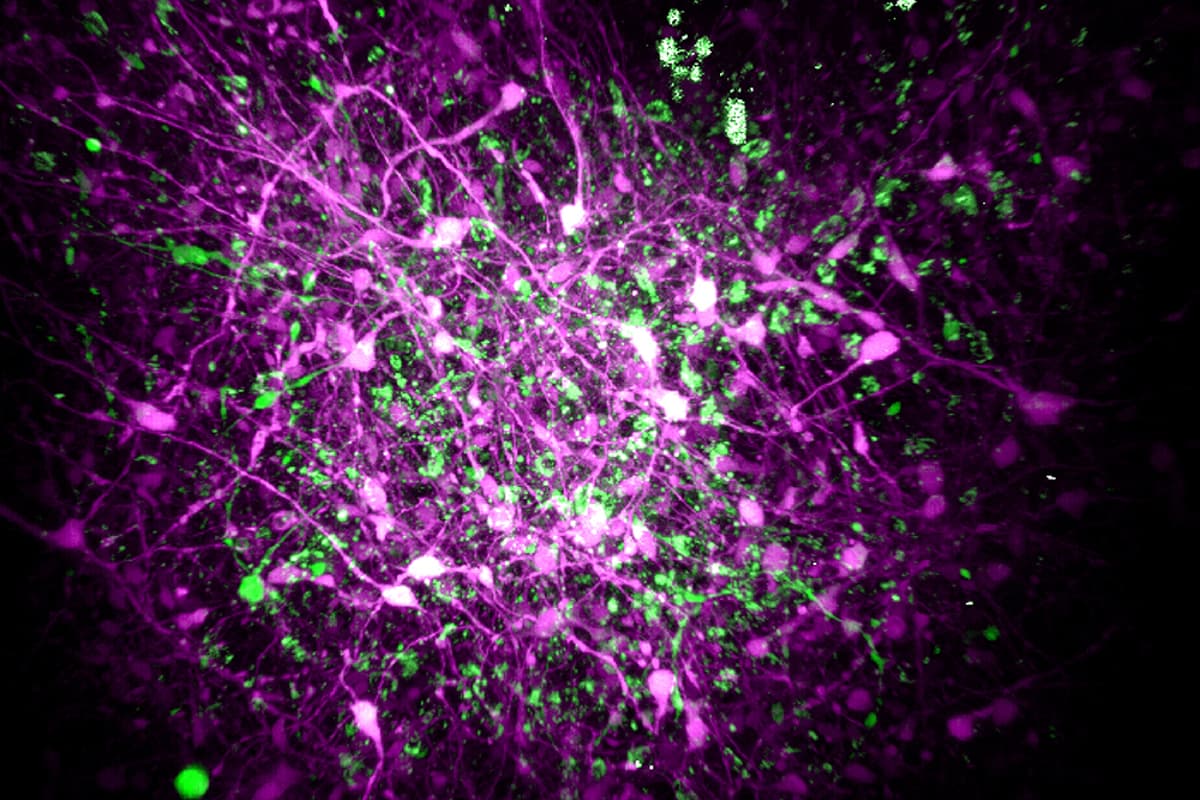
Rett Syndrome Study Highlights Potential for Personalized Treatments
MIT researchers used 3‑D brain organoids derived from Rett patients to compare two common MECP2 mutations, R306C and V247X. The study revealed mutation‑specific structural, activity and network abnormalities, confirmed by patient EEG data. Targeted drug tests—an HDAC2 inhibitor for R306C and the GABA agonist baclofen for V247X—restored normal neuronal function in each organoid model. The work demonstrates a scalable platform for personalized therapy development in single‑gene disorders.

One Hepatic Failure Case Sparks LLY vs Novo Debate
$LLY $NVO So one case of hepatic failure reported with $LLY Foundayo. To put this in perspective, with the injectables in this class, the reported hepatic incidents have been well under 1 in 100,000. Other oral GLP-1 agonists have also...

Deviation Capital Launches $300M Fund, Seeks Bio‑tech Founders at SynBioBeta
Deviation Capital just launched with a $300M fund target, and founding partner Dusan Perovic will be at #SynBioBeta2026 this week in San Jose looking for the next generation of founders to back. Deviation spun out of @TwoSigmaVC with a clear thesis:...
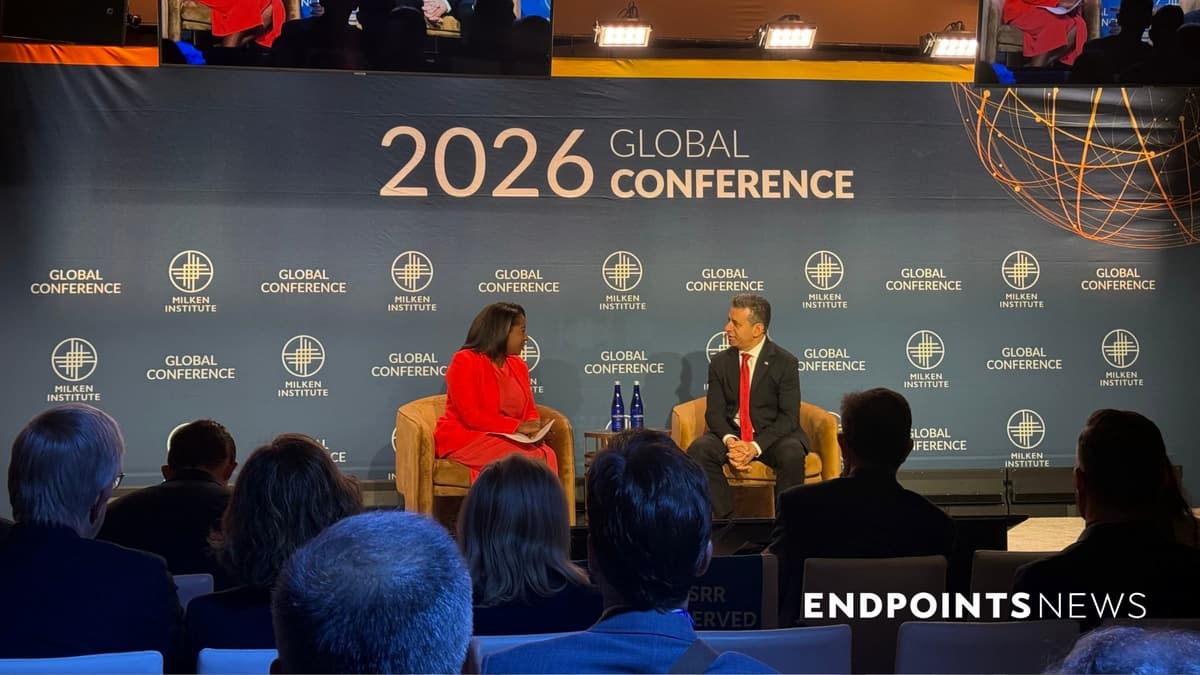
FDA Search for New CBER Head Focused on Small Group of Final Candidates
The U.S. Food and Drug Administration has narrowed its hunt for a new head of the Center for Biologics Evaluation and Research (CBER) to three or four finalists. CBER is the agency’s hub for overseeing vaccines, blood products, and emerging...
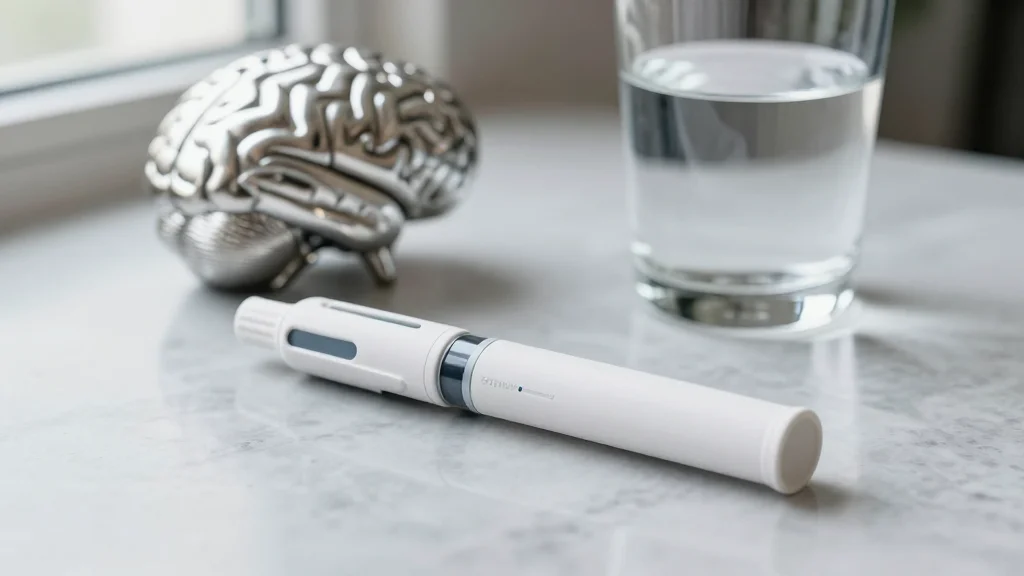
NIH Study Finds Weekly Semaglutide Cuts Heavy Drinking by 41% When Paired With CBT
NIH scientists and Copenhagen University Hospital investigators found that a 26‑week course of weekly semaglutide injections alongside cognitive‑behavioral therapy lowered heavy‑drinking days by 41.1% in obese patients with alcohol‑use disorder, a 13.7‑point gain over placebo. The result suggests a new,...

Romanian 'Project Manhattan' Therapy Begins Human Trials to Reverse Aging
Romanian researchers have launched the first human trials of the experimental "Project Manhattan" therapy, which claims to reverse cellular aging and address dozens of age‑related diseases. The initiative arrives as the global longevity industry is valued at roughly $20 trillion, drawing...

Celcuity Strengthens Case for ASCO-Spotlighted Breast Cancer Drug
Celcuity announced that its experimental PI3K/mTOR inhibitor gedatolisib achieved statistically significant and clinically meaningful disease‑progression delays in two‑ and three‑drug combinations for patients with PIK3CA‑mutated, hormone‑receptor‑positive, HER2‑negative breast cancer. The data will be presented at the ASCO meeting in Chicago...

Latus Bio Secures $97 Million Series A to Scale Gene‑Therapy Manufacturing
Latus Bio announced a $97 million Series A financing, including a $43 million extension led by 8VC, to fund its proprietary AAV capsid platform and move two lead programs toward IND filing. The capital raise underscores investor confidence in scalable gene‑therapy solutions...

Passage Cuts 75% of Workforce After FDA Trial Design Request
Passage Bio announced it will cut roughly 75% of its workforce—about 18 of 24 employees—after the FDA rejected its proposed single‑arm registrational trial for PBFT02, a gene therapy targeting frontotemporal dementia with granulin mutations. The company expects to incur $3.3 million...

Latus Bio Raises $97M to Expand Gene Therapy Pipeline
Latus Bio announced a $97 million Series A financing round led by 8VC and DCVC Bio. The funding will accelerate its gene‑therapy pipeline focused on delivering adeno‑associated virus (AAV) capsids that can reach deep brain structures at dramatically lower doses....
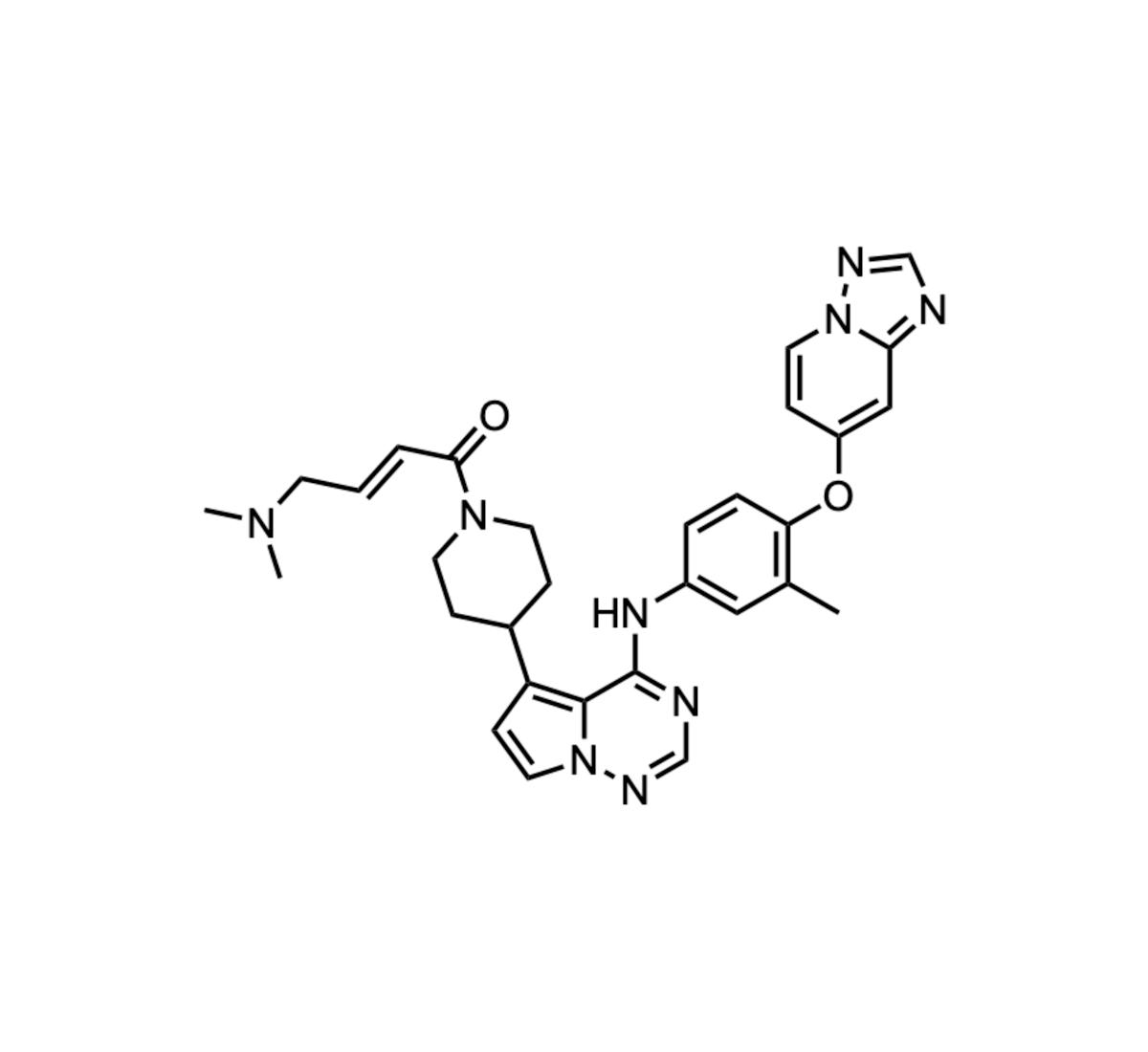
IAM1363
Iambic Therapeutics of San Diego announced the initiation of a Phase 1 clinical trial for an oral covalent inhibitor targeting HER2‑mutant cancers. The molecule, identified through an AI‑guided high‑throughput screening campaign, binds irreversibly to the mutant HER2 kinase domain. Preclinical data...

Biotech Has a New Startup Model: Small Team, Big Check and Chinese Assets
A wave of biotech startups is emerging that forgos deep‑science platforms in favor of lean teams, mega‑size venture checks and strategic Chinese assets such as patient data, manufacturing capacity, and regulatory pathways. These companies raise $150‑$250 million in Series A or B...

UCB to Acquire Maker of Antibody Treatments for Autoimmune Diseases
UCB announced a definitive agreement to acquire a privately held biotech that develops monoclonal antibody treatments for autoimmune diseases. The target company’s portfolio includes candidates for rheumatoid arthritis, lupus and multiple sclerosis, complementing UCB’s existing immunology assets. Financial terms were...

Man Produces Sperm From Testicular Tissue Frozen as a Child in Breakthrough Trial
A 27‑year‑old man has produced mature sperm after his prepubertal testicular tissue, frozen at age 10 before chemotherapy for sickle‑cell disease, was re‑transplanted 16 years later. This is the first documented restoration of sperm production from cryopreserved prepubertal tissue in...

(Not) Getting Misled by Crystal Structures Part 6: Low Ligand Occupancies
A recent study re‑refined roughly 10,000 protein‑ligand structures from the PDB and found that while only 10% originally reported ligand occupancies at or below 0.9, re‑refinement raised that figure to 35%. Fragment‑sized ligands (<300 Da) were especially prone to occupancy loss,...

Choosing the Right CDMO for Long-Term Stability
Biotech firms must scrutinize contract development and manufacturing organizations (CDMOs) before committing to multi‑year projects. Dr. Patrick Meyer of Rentschler Biopharma outlines criteria such as transparent communication, accurate timelines, and a proven commercialization record. Technical expertise and a resilient supply chain...

NYU Study Finds Monocyte Aging Predicts Early Cognitive Depression
A New York University team discovered that epigenetic aging of monocytes—a type of white blood cell—predicts non‑somatic symptoms of depression in women, including those living with HIV. Analyzing 440 participants, the study suggests a blood‑based biomarker could enable earlier, objective...

Gene Therapy’s Evidence Problem—Lessons From Recent FDA Decisions
The FDA recently rejected REGENXBIO’s gene‑therapy candidate RGX‑121, citing an unvalidated biomarker as the primary endpoint and reliance on an external natural‑history control. The decision highlights a broader pattern of mixed regulatory outcomes for advanced therapeutics, with approvals like Sarepta’s...

Supreme Court Faces Emergency Request to Restore Mail‑Order Access to Abortion Pill
The U.S. Court of Appeals for the Fifth Circuit stayed the FDA's 2023 rule that permitted mifepristone to be prescribed via telemedicine and mailed to patients. In response, Danco Laboratories and generic maker GenBioPro petitioned the Supreme Court for an...

Glowing Nanoparticles Exposed Hidden Cancer-Protein Behavior that Could Reshape Drug Screening
A Broad Institute team led by Sam Peng introduced upconverting nanoparticle probes that remain luminescent for minutes to hours, enabling continuous single‑molecule imaging of cancer‑related receptors in living cells. Using these probes, they captured real‑time dimerization dynamics of EGFR, HER2...

Protein Degraders Gain Speed as Arvinas Scores Landmark Approval
Arvinas received FDA approval for Veppanu, the first PROTAC therapy, marking a milestone for protein degraders. The drug showed modest benefit in a phase 3 trial, with the clearest effect in patients carrying ESR1 mutations, prompting the company to lay off...

Theranostic Fiber with Micro‑Wrinkles Promises Real‑Time Health Monitoring
Scientists Meng, Zou and Lv introduced a multifunctional theranostic fiber that integrates micro‑wrinkles to sense physiological signals, deliver treatment and wirelessly transmit data. The work, published in npj Flexible Electronics, could reshape personalized healthcare and human‑machine interfaces.

Everads Therapy Publishes First-in-Human Data on Suprachoroidal Injector
Everads Therapy announced the publication of first-in-human trial data for its suprachoroidal injector, demonstrating safety, tolerability and rapid posterior drug distribution in patients with diabetic macular edema. The results, appearing in Ophthalmology Science, were showcased at the ARVO 2026 meeting,...

Module 4, Section 2: All About Assays
The Module 4, Section 2 briefing provides a concise overview of modern assay platforms used in early‑stage drug discovery. It references key literature on PRMT5 fragment‑based screening that produced the MRTX1719 candidate, as well as thermal‑shift, surface plasmon resonance (SPR), and polymerase...

Needle-Free Diabetes Care: 6 Devices that Painlessly Monitor Blood Sugar
Needle‑free glucose monitors are moving from research labs to commercial shelves, with six innovative devices highlighted for their non‑invasive approaches. Abbott’s FreeStyle Libre remains the market leader for interstitial sensing, while newcomers such as Occuity Indigo, D‑Pocket, Light Touch Technology,...
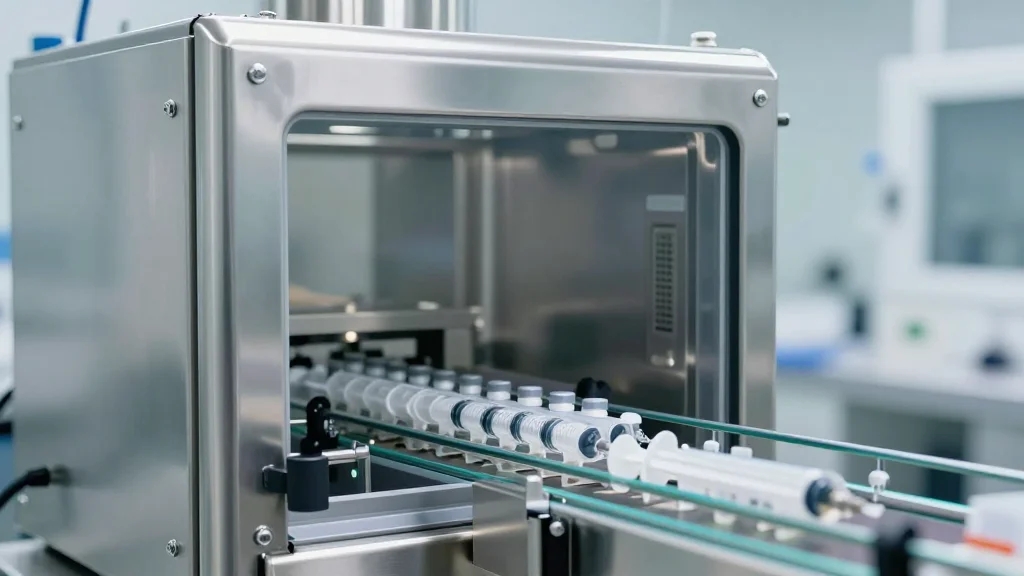
PCI Adds US Sterile Fill/Finish Capabilities Through $1B Global Expansion Drive
PCI Pharma Services announced a $1 billion global expansion, allocating $100 million to upgrade its San Diego campus with a high‑speed isolator line that will more than double its prefilled syringe capacity. The company also launched a GMP‑ready isolator vial and lyophilization line...
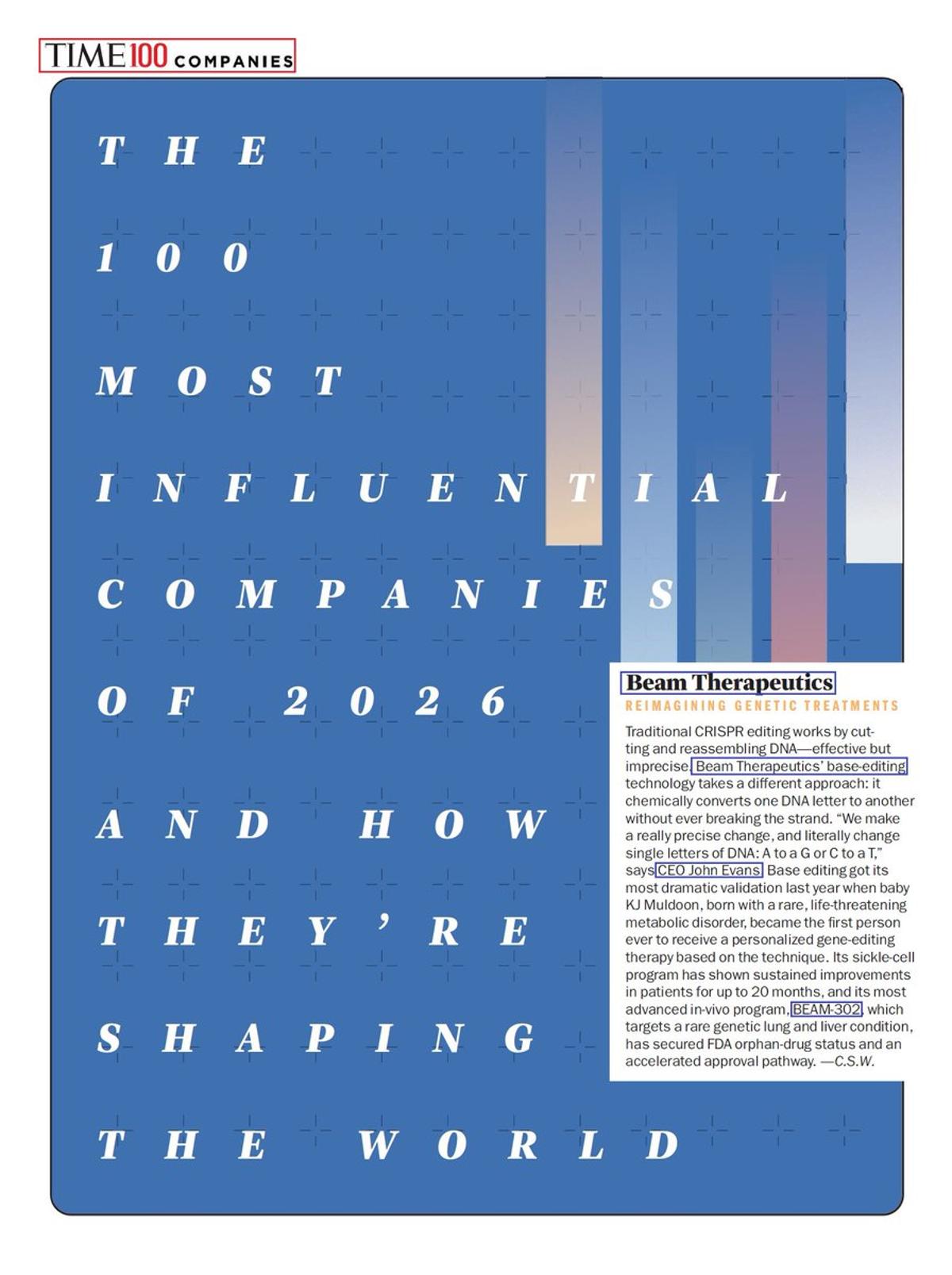
BEAM Wins TIME 100, Delivers First Gene Base Editing Cure
Congrats to $BEAM on being named as one of @TIME’s 100 most influential & innovative companies that are shaping the world & our future. @beamtx’s leading Gene Editing platform - Base editing, has achieved a significant milestone when KJ Muldoon...

Celcuity Bolsters ASCO‑highlighted Breast Cancer Drug Case
Celcuity strengthens case for ASCO-spotlighted breast cancer drug https://t.co/HdekunGXsu by @Lilah_Alvarado $CELC + 18% $NVS $AZN $RHHBY

Drug Side Effects Are Often the Main Effects
The article argues that drug side effects are not peripheral accidents but integral parts of a medication’s primary pharmacological action. It explains that the same biochemical pathways that deliver therapeutic benefits also generate adverse outcomes, using aspirin, blood‑pressure agents, and...
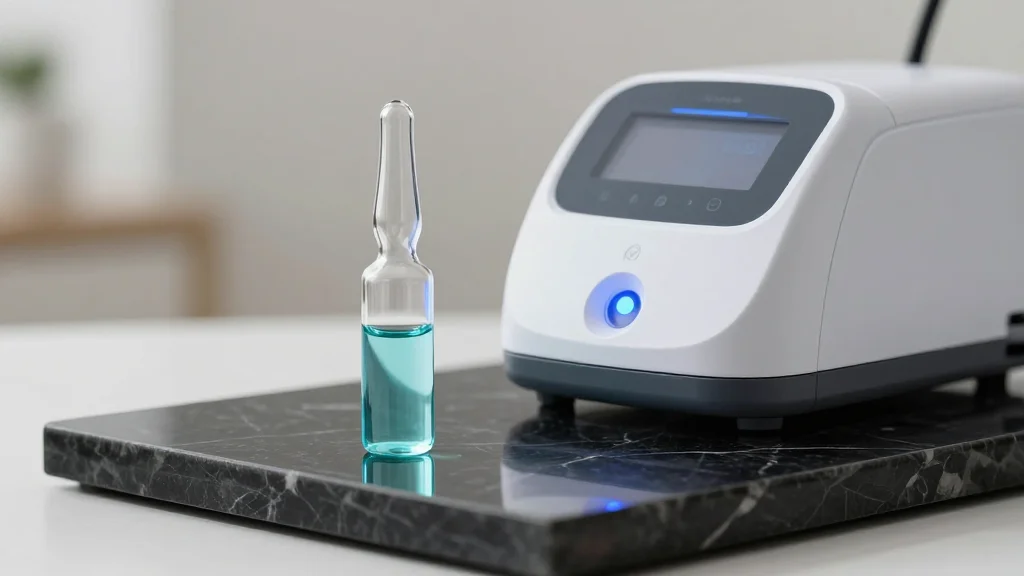
Annual Grail Liquid Biopsy: Early Cancer Detection for the Wealthy
Everybody with a net worth over $5 million should do a Grail Liquid Biopsy every year. My wife, me and my parents all do it annually. $1k to do it. Every 3 years for $1-5 million net worth. Can give you super early detection...

German Lab Prints Tumors to Study Neutrophil Interactions
One of the cooler things I saw during my visit to Germany last week was this tumor printer. The company is using it to test how neutrophils affect the tumor microenvironment. https://t.co/jXzxDpj6nZ

Regulatory Submissions with Real-World Evidence: Successes, Challenges, and Lessons Learned - 09/23/2025
In a September 23, 2025 speech, FDA Principal Deputy Commissioner Sara Brenner outlined how real‑world evidence (RWE) has been used to support regulatory decisions and announced the agency‑wide FDA‑RWE‑ACCELERATE initiative. She highlighted recent examples from CDER, CBER and CDRH, and introduced Sentinel 3.0,...

Funding Cuts and Visa Limits Spark US Brain Drain
#NIH funding cuts & visa crackdowns are driving away talented foreign researchers who normally would have flocked to the US, a @statnews.com survey shows. "It is going to cause a long-term brain drain," one US based researcher told @DrewQJoseph. ...

Speed 'Training' Prepares Bacteria for Complex Tasks, Like Munching Plastics
Researchers at the National University of Singapore unveiled Lytic Selection and Evolution (LySE), a phage‑based platform that can rapidly evolve large gene clusters up to 40 kb. In a proof‑of‑concept, LySE boosted a five‑gene pathway enabling E. coli to consume ethylene glycol,...

First FDA ODAC Meeting without Pazdur Highlights Conceptual Challenges with Trial
The FDA’s Oncology Drugs Advisory Committee (ODAC) convened for the first time in nine months to review two AstraZeneca cancer therapies. The panel voted 6‑3 against approving camizestrant, an oral SERD for HER2‑negative advanced breast cancer, citing the trial’s failure...

Sonire Therapeutics Initiates First U.S. Clinical Study of Ultrasound-Guided HIFU Therapy for Pancreatic Cancer
Sonire Therapeutics announced the launch of SUNRISE‑II, its first U.S. clinical trial evaluating a proprietary high‑intensity focused ultrasound (HIFU) system for pancreatic cancer. The study will enroll roughly 10 patients to assess safety and feasibility. The inaugural patient was treated...

Celcuity Reports the P-III (VIKTORIA-1) Trial Data on Gedatolisib Combination for HR+/HER2- PIK3CA Mutant Advanced Breast Cancer
Celcuity announced phase‑III VIKTORIA‑1 data showing that gedatolisib combined with fulvestrant, with or without palbociclib, achieved a statistically significant improvement in progression‑free survival (PFS) versus the alpelisib‑fulvestrant standard of care in HR+/HER2‑ advanced breast cancer patients harboring PIK3CA mutations. The...

Summit Shares Descend as PD-1/VEGF Asset Misses Early Survival Mark
Summit Therapeutics announced that its anti‑PD‑1/VEGF bispecific, ivonescimab, failed to meet the interim progression‑free survival threshold in the Phase 3 HARMONi‑3 trial for squamous NSCLC. The miss triggered a 26% plunge in Summit’s share price, closing at $16.12. An independent data...

Drugmaker AbbVie Chooses North Carolina for $1.4B Manufacturing Campus
AbbVie announced a $1.4 billion investment to build a 185‑acre manufacturing campus in Durham, North Carolina, targeting its immunology, neuroscience and oncology portfolios. The site will create 734 jobs over four years, incorporate AI‑driven production tools, and be operational by the...

UCB Captures Candid in $2.2B Autoimmune Deal as Pharma’s M&A Train Chugs Along
UCB announced a $2 billion acquisition of Candid Therapeutics, adding a pipeline of T‑cell engager drugs aimed at autoimmune and inflammatory diseases. The deal also includes up to $200 million in milestone payments and is expected to close by Q3 2026. Candid’s...

How a Vision-Restoring Gene Therapy Proved that We Can Treat Inherited Diseases
Luxturna, the first FDA‑approved gene‑augmenting therapy for inherited retinal disease, received the 2026 Breakthrough Prize after restoring sight to patients with Leber’s congenital amaurosis type 2. Developed by Spark Therapeutics founders Katherine High, Jean Bennett and surgeon Albert Maguire, the treatment...

Obesity Ends Oncology’s Long Reign as Top Contributor to Biopharma Pipeline Value
Deloitte’s 2025 pipeline analysis shows obesity overtaking oncology as the top value‑generating therapeutic area, accounting for 25% of total pipeline worth. Eli Lilly and Novo Nordisk dominate the obesity segment, together holding roughly 96% of its assigned value. GLP‑1/GIP agonists are driving...

OneSource Notches a Second Generic Semaglutide Approval in Canada, Through Partner
Canada approved its second generic version of Ozempic (semaglutide) through Apotex, which partnered with Orbicular Pharmaceutical Technologies and India‑based CDMO OneSource Specialty Pharma. OneSource handled end‑to‑end manufacturing, leveraging its FDA‑approved Bengaluru facility, while Orbicular led product development. The approval follows...

UC Berkeley Convenes Experts to Probe the Ultimate Limits of Human Longevity
On May 2, 2026, UC Berkeley hosted a conference that brought together researchers and innovators to explore how long humans could theoretically live. The gathering signals growing academic and public focus on life‑extension strategies within the biohacking community.

FDA Greenlights First Ibogaine Trial as Hype Eclipses Limited Data
The U.S. Food and Drug Administration announced it will permit the first clinical trial of ibogaine, a psychedelic derived from a West African shrub, after President Donald Trump highlighted the drug at a White House event. Researchers caution that the...

A Mechanism Linking Protein Aggregation to STING Activation and Inflammation in the Aging Brain
Researchers identified S‑nitrosylation of the immune sensor STING at cysteine‑148 as a key driver of neuroinflammation in Alzheimer’s disease. The modified protein, SNO‑STING, was abundant in human Alzheimer’s brains, cultured microglia, and mouse models. Blocking this chemical change reduced microglial...
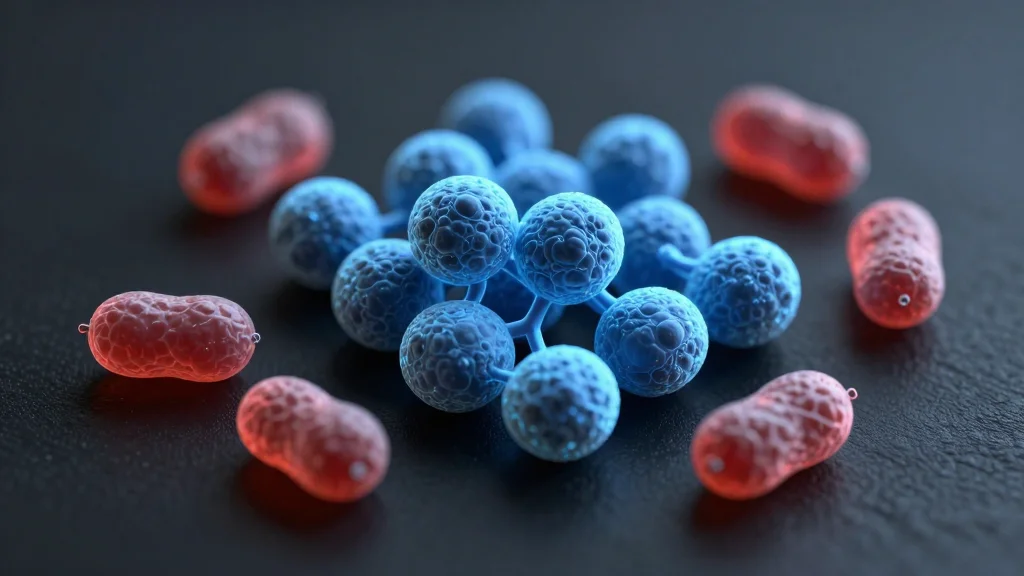
Andalusia Unveils Ruthenium‑Uracil Nanoparticle Coating to Combat Hospital Superbugs
A team from the Instituto de Investigaciones Químicas, backed by the CSIC and the University of Sevilla, has created a ruthenium‑uracil nanoparticle that eliminates Staphylococcus aureus in lab tests. The breakthrough, funded by the Andalusian Ministry of University, Research and...

FDA Grants 510(k) Clearance to TaeWoong Medical for Spaxus EUS Stent
TaeWoong Medical received FDA 510(k) clearance for its Niti‑S Spaxus Stent, a fully covered, self‑expanding metallic device used in endoscopic ultrasound (EUS)‑guided drainage. The stent is approved for draining symptomatic pancreatic pseudocysts, walled‑off necrosis larger than 6 cm, and for gallbladder...

What Is Your AI Drug Repurposing Strategy Missing?
The article argues that AI‑driven drug repurposing for oncology often fails because models are fed fragmented, noisy data despite abundant datasets. It stresses that more data alone won’t improve outcomes; instead, high‑quality, curated, structured data—such as knowledge graphs linking genes,...

EU Backs Itvisma Gene Therapy for Spinal Muscular Atrophy
European regulators have issued a positive opinion on Itvisma, Novartis' onasemnogene abeparvovec gene therapy for spinal muscular atrophy (SMA). The Committee for Medicinal Products for Human Use (CHMP) recommended marketing authorisation on 23 April 2026, pending final approval by the European Commission....