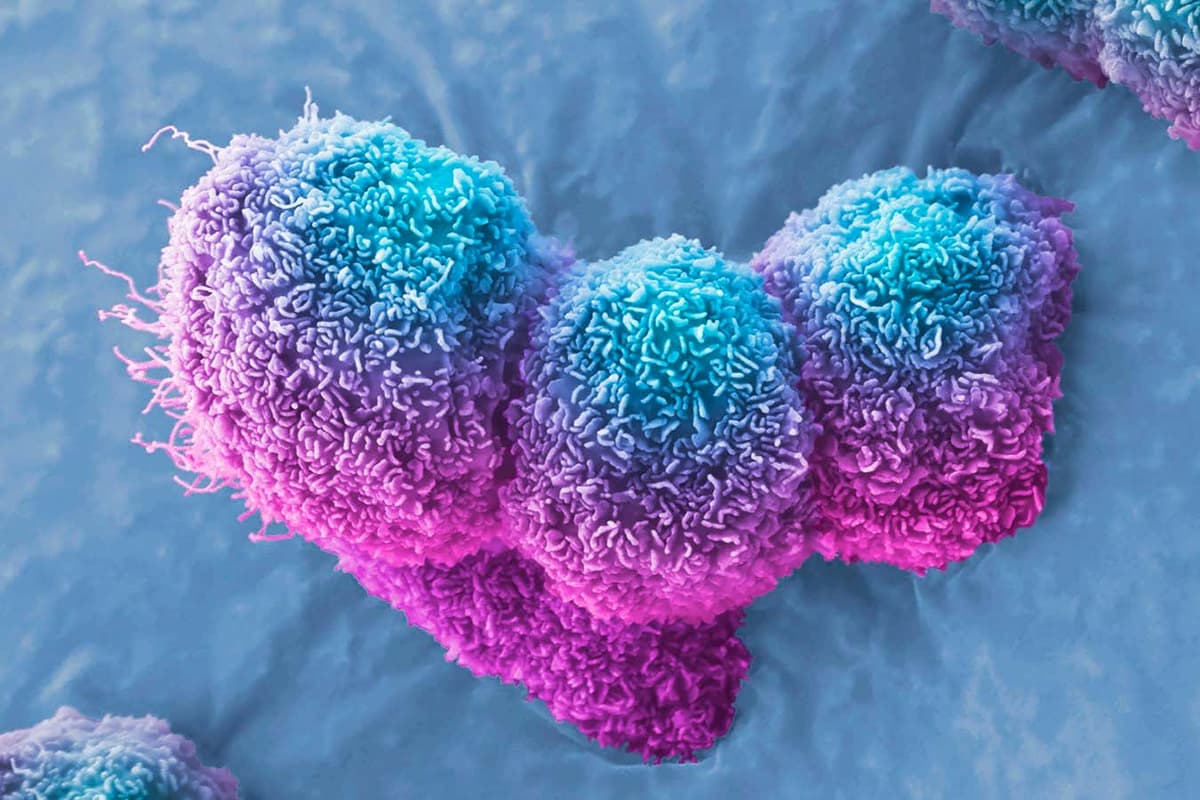
Pancreatic Cancer Halted by Virus Injection in Three Patients
In a U.S. Phase 1 safety trial, an engineered oncolytic virus halted tumor growth and prevented spread in three pancreatic cancer patients. Researchers administered only one‑tenth of the intended therapeutic dose, yet observed clear disease control. Lead developer Masato Yamamoto highlighted the unexpected efficacy given the low dose. The early data suggest the viral platform could become a viable option for a disease with historically poor outcomes.

Kalohexis Doses First Patients in 710GO Phase I Trial for Obesity
Kalohexis has begun dosing the first participants in a Phase I, first‑in‑human trial of 710GO, an oral dual melanocortin‑3/4 receptor agonist aimed at treating general obesity. The randomized, double‑blind, placebo‑controlled study in Australia will enroll roughly 100 obese or overweight volunteers...

Samsung Bioepis Reports the EC Launch of Opuviz (Biosimilar, Eylea)
Samsung Bioepis announced the European commercial launch of Opuviz 40 mg/mL solution for injection, a biosimilar to aflibercept (Eylea). The product will be sold directly by the company across the EU for wet age‑related macular degeneration, diabetic macular oedema, retinal vein...

World MS Day Special: Immunic Reveals New Hope for Progressive MS
Immunic Therapeutics CEO Dr. Daniel Vitt used World MS Day to spotlight the company’s lead candidate, IMU‑838, an oral therapy for progressive multiple sclerosis. He detailed his personal biotech journey, explained how IMU‑838 differs from injectable disease‑modifying drugs, and presented...
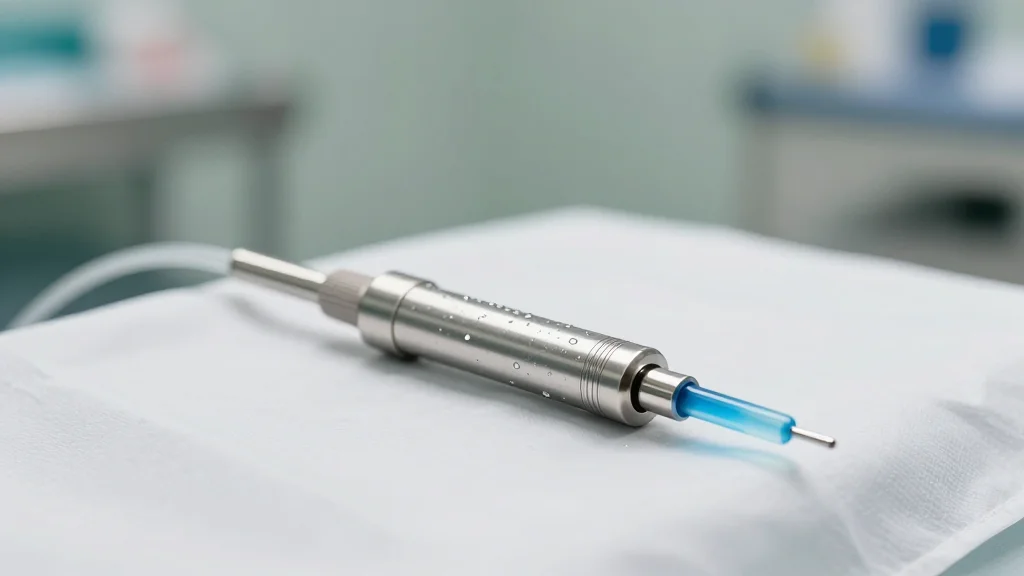
Procept Secures FDA IDE for Aquablation and Completes WATER IV Study Enrolment
Procept BioRobotics secured a second FDA investigational device exemption (IDE) to launch a new randomized trial of its Aquablation water‑jet therapy, this time comparing it with active surveillance in men with low‑grade prostate cancer. The earlier WATER IV study has already...

AstraZeneca Receives the US FDA Approval for Imfinzi Regimen to Treat High-Risk Non-Muscle-Invasive Bladder Cancer (NMIBC)
AstraZeneca’s Imfinzi (durvalumab) combined with Bacillus Calmette‑Guérin (BCG) therapy received U.S. FDA approval for treating adults with BCG‑naïve, high‑risk non‑muscle‑invasive bladder cancer (NMIBC). The decision rests on the phase‑III POTOMAC trial, which enrolled 1,018 patients post‑TURBT and compared Imfinzi + BCG induction...

NASA Starts New Project Growing Stem Cells Aboard ISS
NASA’s InSPA‑StemCellEX‑H2 project on the International Space Station is testing large‑scale production of blood stem cells in microgravity. Researchers say the weightless environment preserves cell quality and accelerates expansion, potentially reducing immune rejection when transplanted. The initiative aims to generate...

Human Organoids Reveal How to Reverse “Irreversible” Nerve Damage
Scientists at the University of Cambridge have engineered miniature human brain‑spinal cord organoids that form functional neural circuits capable of triggering muscle contractions. By culturing these linked organoids for over a year, they identified a developmental cutoff—around day 150, equivalent to...

Nitrogen-Fixing Genes Moved Into New Bacterial Strains, Opening Path Beyond Fertilizer
Researchers at Washington State University have successfully moved a large cluster of nitrogen‑fixation genes, known as a symbiosis island, from rhizobia into previously non‑fixing bacterial strains. Using a novel genetic tool, they achieved high‑efficiency mating and created bacteria that can...

A Better Algorithm for Predicting How Cells Behave
Altos Labs researchers unveiled PRiMeFlow, a flow‑based machine‑learning model that predicts how a cell’s gene‑expression profile will change after genetic or chemical perturbations. Unlike prior methods, PRiMeFlow operates directly in the high‑dimensional expression space instead of compressing data, and it...

Nanotube-Coated Catheter Could Detect Bladder Cancer Biomarker 50,000 Times More Sensitively
MIT researchers have created a catheter coated with carbon‑nanotube nanosensors that can detect the bladder‑cancer biomarker NMP‑22 up to 50,000 times more sensitively than standard urinalysis. In animal models the sensor produced fluorescent chemical images that pinpointed tumors as small...
Target for Aggressive Prostate Cancer Prevention Identified in Mice
Columbia University researchers identified SIRT1 as a driver of neuroendocrine prostate cancer (NEPC) in mice. Using a Sleeping Beauty forward genetic screen, they pinpointed SIRT1 among 75 candidate genes and showed that silencing or pharmacologically inhibiting it dramatically reduced tumor...

STAT+: Biotech Veteran Jeremy Levin on Why the Industry’s Future Is Secure, but American Leadership Is at Risk
Jeremy Levin, founder of Ovid Therapeutics and former Teva CEO, argues that while biotech science is advancing rapidly, the sector’s future is jeopardized by eroding regulatory, investment, and public‑trust institutions. In his new book he highlights political upheaval and short‑term...

Electrical Pulses Reverse Aging in Sea Squirts, Offering Clues for Extending Human Longevity
Scientists at Stanford have shown that brief electrical pulses can reverse aging markers in sea squirts, extending their laboratory lifespan from months to several years. The 15‑minute treatment triggers a rapid shutdown and rebound of gene expression, effectively rebooting stem‑cell...

AAHI’s SLA-SE Adjuvant Technology Powers Lilly’s Acquisition of Curevo’s Next-Generation Shingles Vaccine
Eli Lilly has agreed to acquire Curevo Vaccine, securing its Phase‑3‑ready shingles shot CRV‑101, which incorporates Access to Advanced Health Institute’s (AAHI) proprietary SLA‑SE adjuvant. The adjuvant is designed to boost T‑cell immunity while maintaining a favorable safety profile, positioning the...

Long-Term Real-World Economic and Clinical Outcomes of TRIKAFTA® (Elexacaftor/Tezacaftor/Ivacaftor and Ivacaftor) in Cystic Fibrosis
Vertex Pharmaceuticals released a real‑world analysis of TRIKAFTA® (elexacaftor/tezacaftor/ivacaftor and ivacaftor) showing sustained clinical benefits for cystic fibrosis patients over five years. The study documented a 45% drop in annual hospitalizations, an average 8.2‑point rise in FEV1, and a net...

FDA Approves Durvalumab in Combination with Bacillus Calmette-Guerin for High-Risk Non-Muscle Invasive Bladder Cancer
The FDA approved durvalumab (Imfinzi) in combination with Bacillus Calmette‑Guerin for BCG‑naïve, high‑risk non‑muscle invasive bladder cancer. The decision follows the POTOMAC trial, which enrolled 1,018 patients and demonstrated a 32% reduction in disease recurrence risk (hazard ratio 0.68, p=0.015)....

Bring on the Breakthroughs: ASCO Takes Translation to More Patients
The 2026 American Society of Clinical Oncology (ASCO) meeting in Chicago spotlights the theme “The Science and Practice of Translation,” showcasing data that move laboratory breakthroughs into everyday cancer care. Highlighted trials include PROTEUS, a phase‑3 study adding apalutimide to...

FDA Oncology Roundup: AbbVie’s Rare Cancer Approval, AstraZeneca in Breast Cancer Limbo
The FDA approved AbbVie’s CD123‑targeting antibody‑drug conjugate Decnupaz for blastic plasmacytoid dendritic cell neoplasm (BPDCN), an ultra‑rare aggressive blood cancer, after the CADENZA trial reported a 69.7% composite complete response in newly diagnosed patients and 15.7% in relapsed/refractory cases. The...

Biohub Open-Source AI Model Targets Protein Design for Drug Discovery
Biohub, part of the Chan Zuckerberg Initiative, launched an open‑source AI system that models protein biology at evolutionary scale to aid early‑stage drug discovery. The platform, described as a “world model,” was used to design protein binders targeting cancer and...

Is Immune Priming the Missing Piece in Oncology? Oncolytics Biotech Thinks So
Oncolytics Biotech is positioning its oncolytic virus pelareorep as an "immune‑priming backbone" to boost the efficacy of existing cancer therapies. Recent combination trials have shown striking survival gains—median overall survival of 27 months in metastatic colorectal cancer and a two‑year...

Phase 3 Data Highlight Hair Regrowth With Deuruxolitinib in AA
Phase 3 THRIVE‑AA2 data demonstrate that oral deuruxolitinib, a selective JAK1/2 inhibitor, significantly improves scalp hair regrowth in adults with severe alopecia areata. At 24 weeks, 33.0% of patients on 8 mg and 38.3% on 12 mg achieved a SALT20 response versus just...

Reprogram Biosciences Secures Financing for Solid Tumor mRNA Work
Reprogram Biosciences announced a $45 million Series B financing round to accelerate its mRNA platform targeting solid tumors. The capital infusion comes from a mix of strategic pharma partners and venture investors, underscoring confidence in the company’s antigen‑discovery pipeline. Reprogram plans to...

Statistical Approaches to Establishing Bioequivalence
The FDA has released a final guidance titled “Statistical Approaches to Establishing Bioequivalence,” superseding the 2001 version and formalizing the December 2022 draft. The document outlines recommended statistical methods for bioequivalence (BE) assessments across INDs, NDAs, ANDAs, and related amendments. It...

Ironwood Pharmaceuticals Reports the US FDA Approval of Linzess to Treat Pediatric Patients (≥2yrs.) With Functional Constipation
U.S. FDA has approved an expanded label for Ironwood Pharmaceuticals’ Linzess (linaclotide) for children aged two years and older with functional constipation. The decision follows a 12‑week Phase III trial in 2‑ to 5‑year‑old patients, where the 72 µg dose significantly increased...
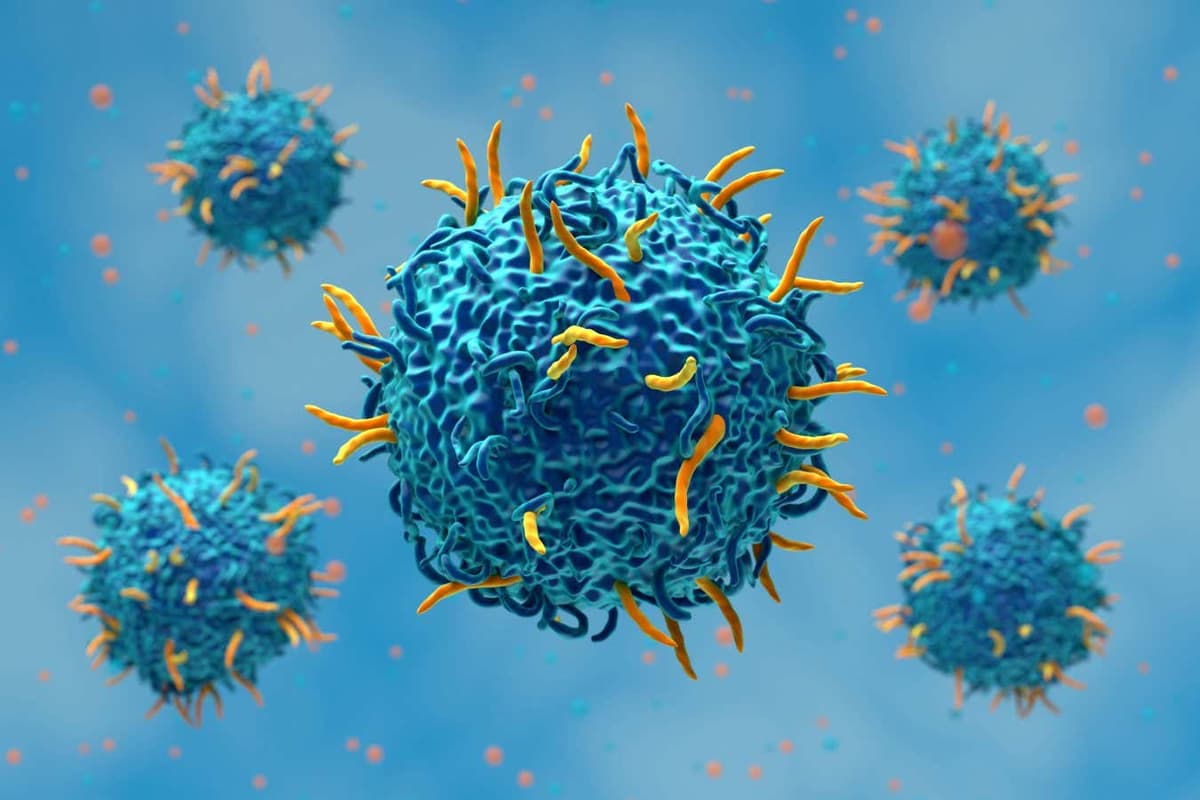
3D-Printed Lymph Nodes Could Widen Access to CAR T-Cell Therapy
Researchers have shown that 3D‑printed lymph‑node scaffolds can grow CAR‑T cells more quickly and at a lower cost. The bioprinting method compresses the manufacturing timeline from several weeks to just a few days, potentially cutting expenses by up to 70...

Perceptic Raises £9m to Boost AI Drug Discovery
Perceptic announced a $12 million seed round, led by Accel, Air Street Capital and Elder Gull, to develop a unified AI platform for the entire drug lifecycle. The system aims to integrate asset scouting, scientific evaluation and clinical data into a...

PRINCE: A Small-Molecule Switch for Safer Gene Editing
Researchers unveiled PRINCE, a CRISPR‑Cas system whose nuclease and guide RNA are each activated by separate FDA‑approved small‑molecule drugs, delivering precise temporal control. The platform stayed functional for up to two years after genomic integration in human cells, and a...

In 2018, a Chinese Biophysicist Announced He Had Gene-Edited Twin Girls Using CRISPR. The Scientific Consensus Is that What He...
In November 2018 Chinese biophysicist He Jiankui announced that he used CRISPR‑Cas9 to edit embryos, resulting in the birth of twin girls, Lulu and Nana. Subsequent analysis showed the edits were novel CCR5 deletions, highly mosaic, and accompanied by off‑target...

Researchers Block Key Protein that Helps Parkinson’s Spread Through the Brain
Researchers at the University of Pennsylvania have pinpointed the brain immune protein GPNMB as a catalyst for the spread of alpha‑synuclein in Parkinson’s disease. In pre‑clinical experiments, monoclonal antibodies that block GPNMB prevented the protein’s propagation between neurons. Analysis of...
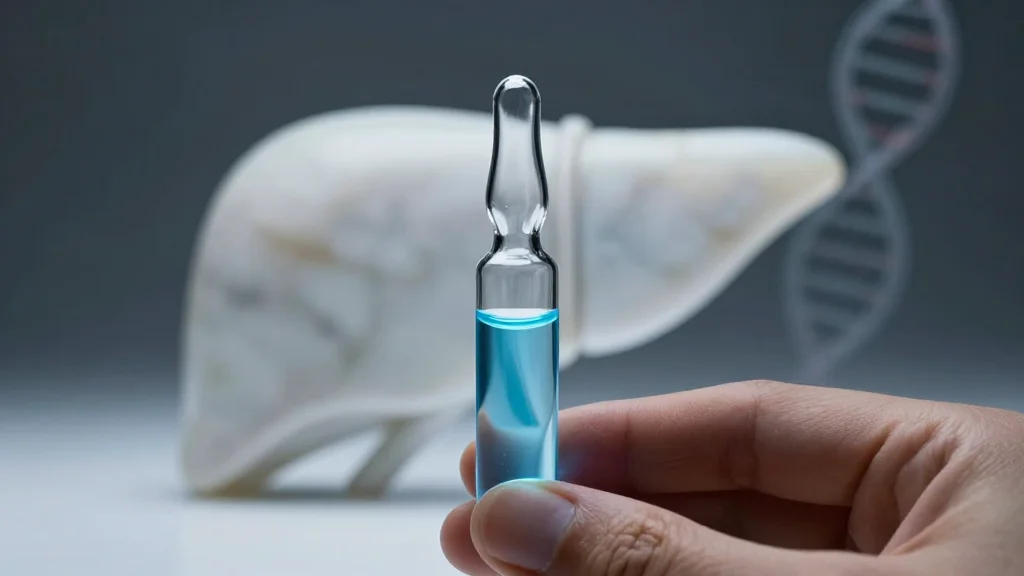
New Drug ‘Functionally Cures’ Many Hepatitis B Virus Infections
GSK’s antisense drug bepirovirsen (bepi) added to standard antivirals produced a functional cure in 19% of chronic hepatitis B patients in two phase 3 trials, rising to 26% among those with the lowest surface‑antigen levels. The cure, defined as undetectable HBV DNA...

Convergent Mitochondrial Impairment and Apoptosis Driven by Simultaneous Down-Regulation of Multiple Genes at 11p11.2 in Alzheimer’s Disease
Researchers identified that simultaneous down‑regulation of several genes within the 11p11.2 risk locus occurs in Alzheimer’s disease brains. Integrated transcriptomic and functional analyses revealed that this coordinated gene suppression disrupts mitochondrial complex I, elevates reactive oxygen species, and activates caspase‑7–mediated...
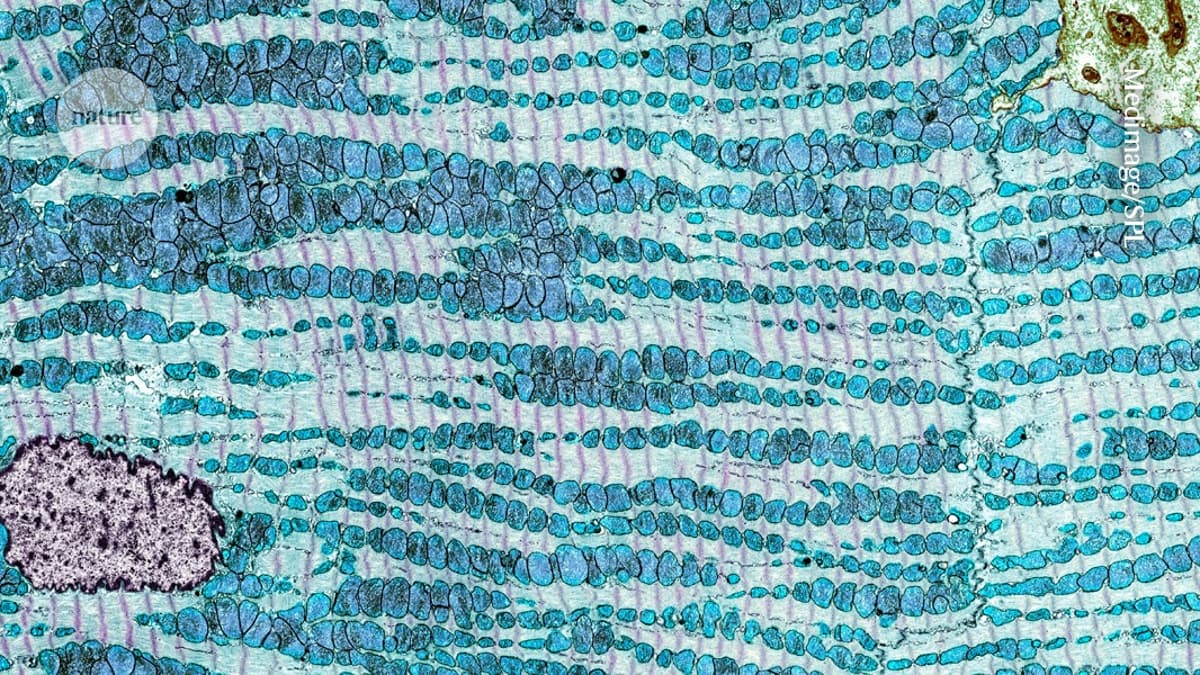
Gene Therapies to Fix Failing Hearts Gain Steam After Years in the Doldrums
Gene‑therapy researchers have launched the first human trial aimed at regenerating heart muscle by silencing the SAV1 gene, a brake on cardiomyocyte division. Pre‑clinical work in pigs showed a 14% boost in ejection fraction, prompting U.S. regulators to green‑light the...

Post-IPO, Kailera Looks Beyond Obesity to MASH
Kailera Therapeutics completed the largest biotech IPO on NASDAQ, raising $718.8 million after the greenshoe. In its first post‑IPO update, the company disclosed Phase I data for KAI‑4729, a triple GLP‑1R/GIPR/GCGR agonist developed with Jiangsu Hengrui. The early trial in healthy volunteers...

Science Spotlight: Silencing Seizures by Fixing Gene Mutations
Two independent research teams reported in Science Translational Medicine that in‑vivo gene editing can repair disease‑causing SCN1A mutations in mouse models of severe epilepsy. The University of Zurich used AAV‑delivered prime editing to correct the K1270T Nav1.1 mutation in neonatal...

DNA 'Nicks' Make for Safer, More Precise Genetic Analysis
Cornell researchers have upgraded the CRISPR‑based MAGIC technique by swapping double‑strand cuts for single‑strand DNA nicks. Using Cas9‑derived nickases, they demonstrated that a lone nick can still drive mitotic recombination in fruit‑fly tissues, dramatically lowering cellular toxicity. The study, published...

Gilbane Breaks Ground on $450M Philadelphia Cancer Lab
Gilbane Building Co. broke ground on TerraPower Isotopes' Bellwether Laboratory in Philadelphia, a 250,000‑square‑foot, $450 million facility dedicated to producing radioactive molecules for cancer treatment. The project, backed by Bill Gates‑owned TerraPower, will eventually employ more than 225 workers. Gilbane will...

Merck and Mastercard Are Seeing Real Agentic AI Results. Both Say the Plumbing Came First.
Merck is leveraging AI agents to accelerate drug discovery and marketing, cutting research cycles by a third and delivering compliant marketing drafts up to 80% faster. The gains stem from a "plumbing‑first" strategy that now supports 2,500 AWS accounts, multiple...

FDA Accepts BridgeBio’s Application for Potential First Limb-Girdle Muscular Dystrophy Drug
BridgeBio’s oral therapy BBP‑418 has received FDA priority review, with a target action date of Nov. 27, 2025, positioning it for a potential launch in late 2026 or early 2027. The Phase 3 FORTIFY trial met all primary and secondary endpoints, showing...

Embryos Made without Sperm or Eggs Reveal Why Many Pregnancies Fail
Scientists in Vienna have created embryo organoids, called blastoids, entirely from stem cells without sperm or eggs. These models replicate the structure and early gene activity of a natural blastocyst, allowing researchers to observe implantation and other first‑week events in...

Jade Biosciences Initiates First-in-Human Phase 1 Trial of BAFF-R Antibody JADE201
Jade Biosciences has dosed the first participant in a first‑in‑human Phase 1 trial of JADE201, an investigational half‑life‑extended afucosylated anti‑BAFF‑R monoclonal antibody. The randomized, placebo‑controlled study evaluates single ascending doses in rheumatoid arthritis patients, focusing on safety, tolerability, pharmacokinetics and pharmacodynamics....

STAT+: Kailera’s Own ‘Triple-G’ Drug Also Looks Very Powerful
The FDA postponed its decision on AstraZeneca’s experimental breast‑cancer therapy camizestrant after advisers criticized the SERENA‑6 trial design, giving the company extra time for additional analyses. Meanwhile, Blackstone Life Sciences pledged up to $1.3 billion to Apogee Therapeutics to fund Phase 3...

Chinese Scientists Use Supercomputer to Cut New Drug Screening Time From Years to Seconds
Chinese researchers have launched GalaxyVS, an AI‑driven drug‑discovery platform that leverages the Tianhe supercomputer to screen up to 100 billion chemical compounds in seconds. The system achieves a daily throughput of 16 trillion molecular dockings, a million‑fold speed increase over the previous...

Olezarsen Cuts Pancreatitis Events in Severe Hypertriglyceridemia Analysis
Swedish Orphan Biovitrum (Sobi) presented a pooled analysis of its phase 3 CORE and CORE2 trials showing that the RNA‑targeted drug olezarsen reduced acute pancreatitis events by 85% and lowered triglycerides up to 66% in patients with severe hypertriglyceridemia (baseline ≥880 mg/dL)....

Zuckerberg, Chan's Biohub Launches Protein 'World Model'
The Chan Zuckerberg Biohub has unveiled an AI‑driven "world model" for protein biology, built on an atlas of 6.8 billion proteins and 1.1 billion structures. The open‑source platform combines the ESMC language model with the ESMFold2 design engine to predict structures, design...

Roy Maute on Macrophage Checkpoint Inhibition: Pheast’s Vision for Advancing PHST001 in Solid Tumors
Pheast Therapeutics presented early Phase 1a data on PHST001, an anti‑CD24 macrophage checkpoint inhibitor, at AACR 2026. The drug demonstrated favorable tolerability, dose‑linear pharmacokinetics, robust CD24 receptor occupancy and signs of immune activation. Preliminary anti‑tumor activity was seen across heavily pretreated...

Are We Ready for the Next Wave of Proximity Degraders?
Molecular glue degraders are emerging as the most advanced induced‑proximity modality, allowing tiny molecules to tether disease‑causing proteins to E3 ubiquitin ligases for rapid proteasomal destruction. Industry giants have poured billions into the space, with deals ranging from AbbVie’s $1.64 billion...
FDA Removes Boxed Warning About Risk of Leg and Foot Amputations for the Diabetes Medicine Canagliflozin (Invokana, Invokamet, Invokamet XR)
The FDA has eliminated the boxed warning on canagliflozin (Invokana, Invokamet, Invokamet XR) that highlighted a heightened risk of leg and foot amputations. The decision follows new data from three clinical trials showing the amputation risk is lower than originally...

Popular Anti-Aging Drug Combo Caused Severe Brain Damage in Mice
Researchers at the University of Connecticut discovered that the popular anti‑aging drug combo dasatinib plus quercetin (D+Q) causes severe myelin damage in mice, affecting both young and old subjects. The study, published in PNAS, showed dramatic loss of the protective...

Makary’s Reforms Will Live on at FDA Even as Leadership Turns Over
Former FDA Commissioner Marty Makary’s reforms, especially the Commissioner’s National Priority Voucher (CNPV) program, will continue unchanged despite his resignation and a broader leadership vacuum at the agency. The CNPV, launched in July 2025, grants accelerated review to drugs that...