Today's Longevity Pulse
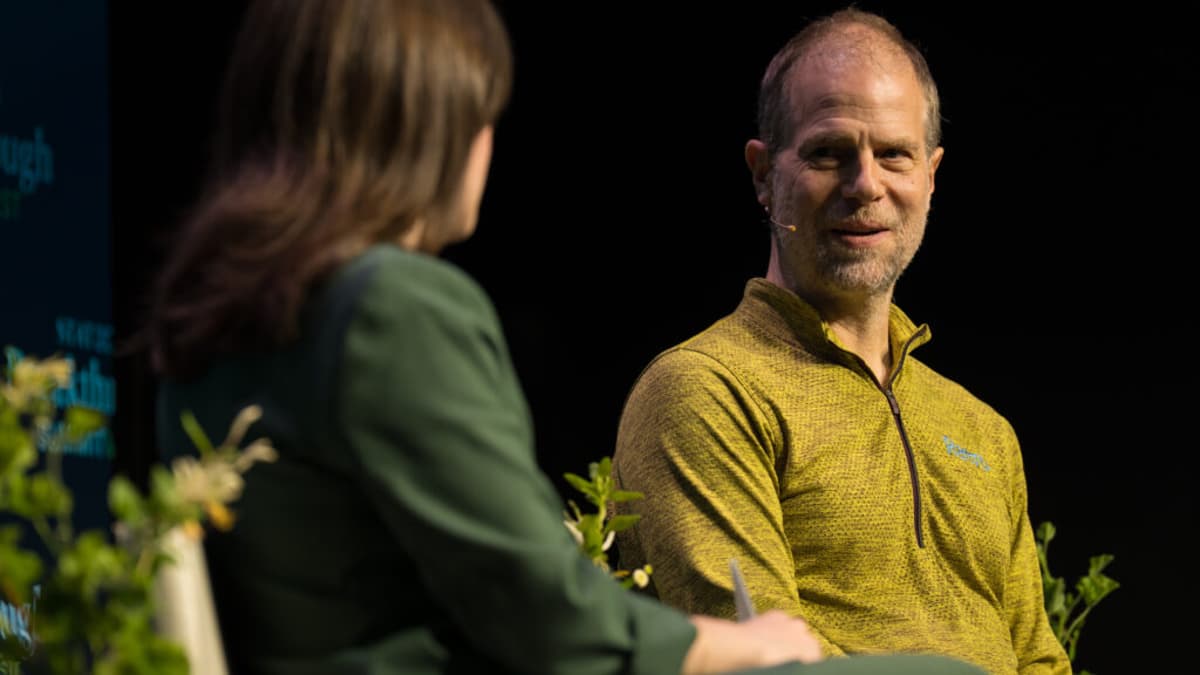
Retro Biosciences valued at $1.8B after latest fundraising round
Longevity startup Retro Biosciences announced a new fundraising round that places its valuation at $1.8 billion. The round is backed by OpenAI CEO Sam Altman and supports the company’s goal to add ten healthy years to human life through gene and cell‑replacement therapies. Retro is also launching its first clinical trial of a pill designed to clear protein aggregates in Alzheimer’s patients.

Boehringer’s Next‑Gen GLP‑1 Survodutide Cuts Weight 16% in Phase 3 Trial
Boehringer Ingelheim announced that its experimental GLP‑1/glucagon dual‑agonist survodutide produced an average 16.6% body‑weight reduction in a 725‑person Phase 3 study, far surpassing placebo. The result positions survodutide as a potential next‑generation tool for biohackers focused on metabolic optimization.
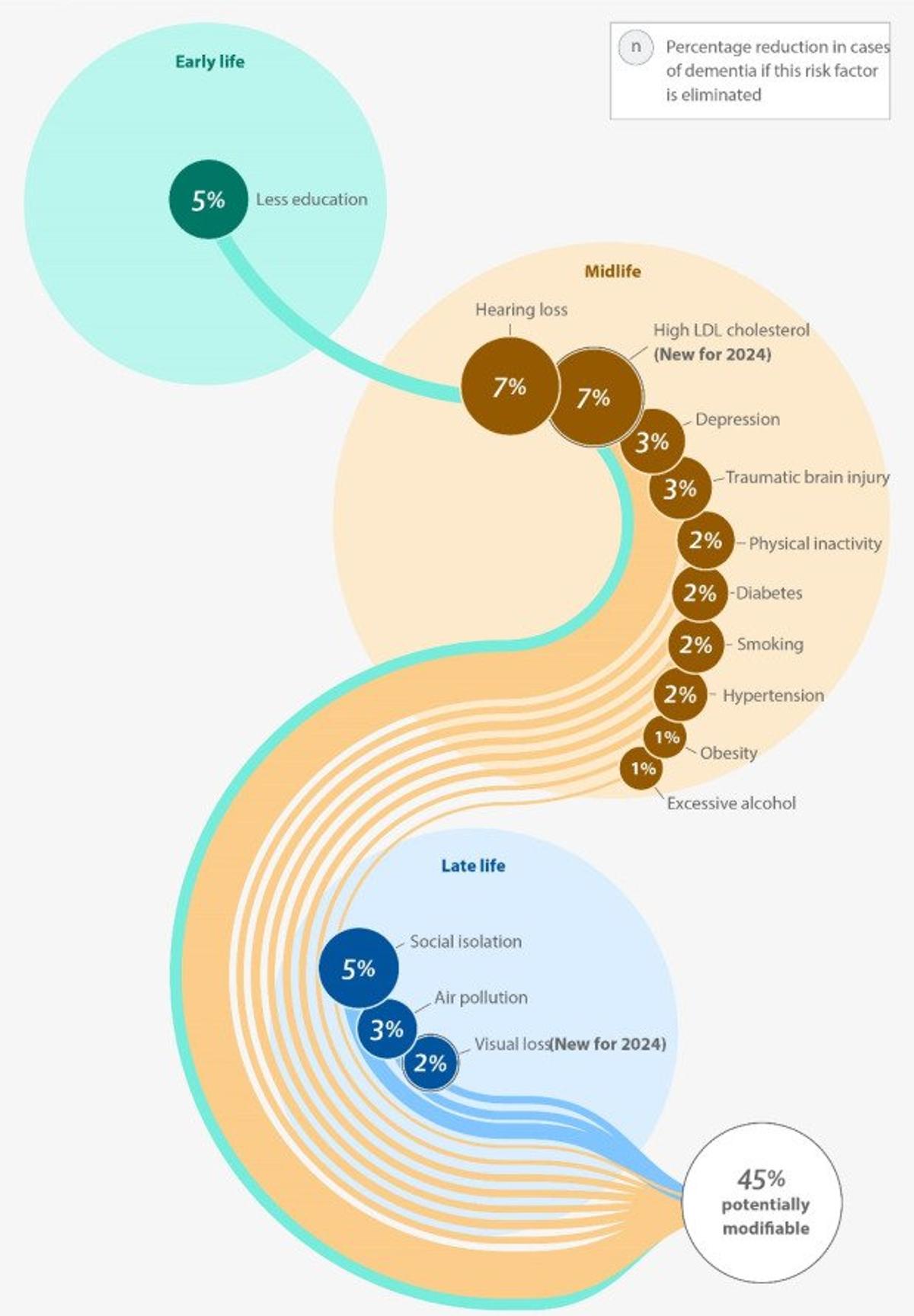
Male‑dominant Dementia Risks Highlighted in 2024 Lancet Report
Broadening dementia risk models: building on the 2024 Lancet Commission report for a more inclusive global framework Your dementia risk profile may differ by sex. Which risk factors matter most for you? 🤔👇👨⚕️ "The 2024 report identifies 14 modifiable risk factors for...

Can Hydra Biology Inform Strategies to Extend Life in Other Species?
Hydra vulgaris displays negligible senescence thanks to a perpetual pool of stem cells that continuously replace its tissues. Researchers suggest that inserting Hydra‑like gene expression patterns into the short‑lived rotifer Brachionus manjavacas could extend the rotifer's healthspan and lower age‑related...

Your Phone Is Rewriting Your Biology — Daniel DeBaun (Former Bell Labs Engineer)
In this episode, former Bell Labs engineer Daniel DeBaun explains how the electromagnetic fields (EMF) emitted by smartphones and emerging 5G/6G networks can affect human biology, from DNA damage and calcium influx in cells to impacts on the gut microbiome,...
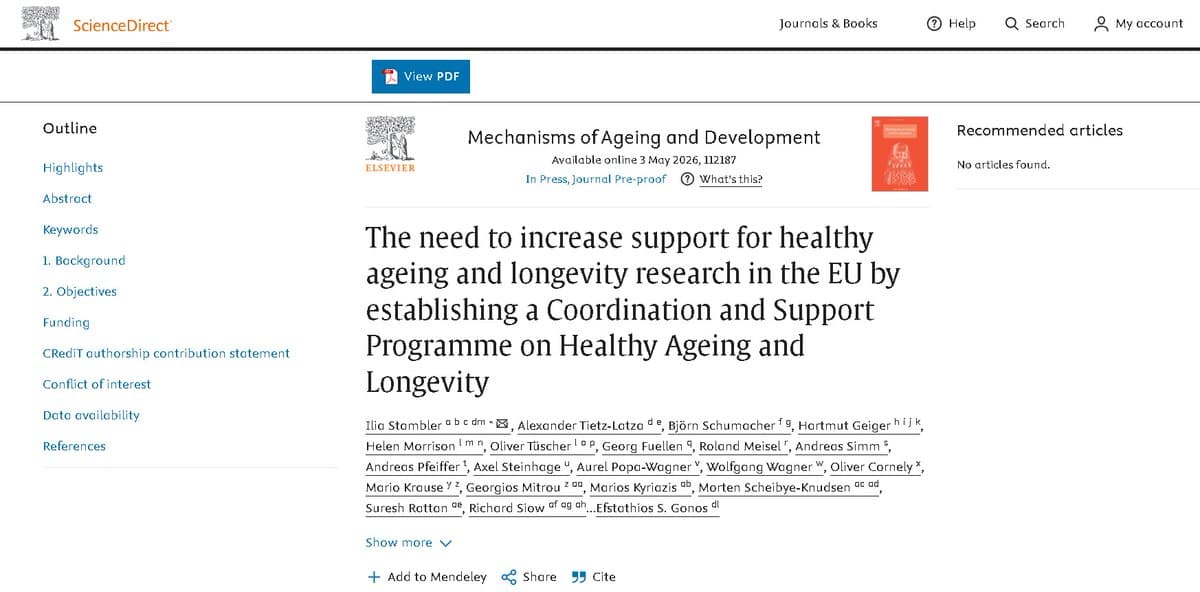
Coauthoring Landmark EU Study on Longevity Research
Very proud to be one of the authors of this important paper to support longevity research in the European Union, with many of the leading experts in our region. https://t.co/RpsdF5zmXD #healthylongevity #ageing #longevitydividend #geroscience #healthpolicy https://t.co/HRCphTuY3Q

Man Destined for Alzheimer's May Have Been Saved by Accidental Therapy
A U.S. mechanic with a hereditary Presenilin 2 mutation, which normally guarantees early‑onset Alzheimer’s, has so far avoided the disease. Researchers suspect his inadvertent exposure to extreme heat in ship engine rooms may have triggered protective biological responses. The case aligns...
Man Destined to Get Alzheimer’s Saved by Accidental Heat Therapy
Doug Whitney, who carries the high‑risk Presenilin 2 mutation that typically triggers early‑onset Alzheimer’s in the late 40s, has remained symptom‑free into his 50s. Researchers suspect his prolonged exposure to extreme heat while working as a ship‑engine mechanic provided an accidental...
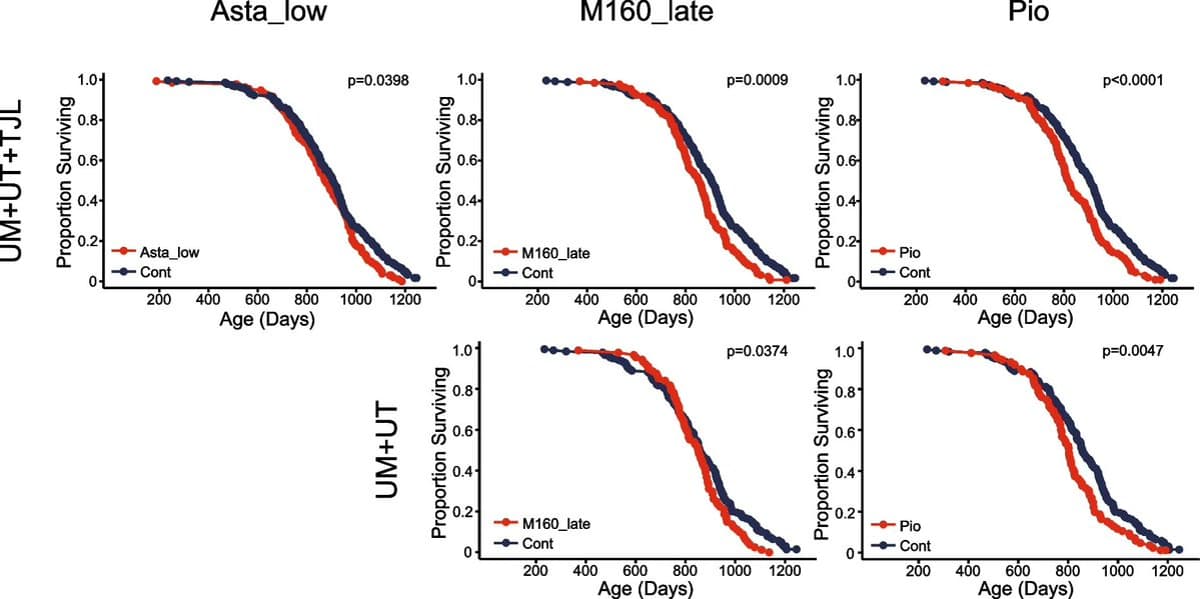
Astaxanthin's Lifespan Boost Hinges on Dose and Timing
Astaxanthin was tested for lifespan in mice. In 2023, it increased lifespan by ~12% in male mice But a new 2026 study found no effect. The big difference: dose and timing. Full video breakdown: https://t.co/6r7rqMc8jw https://t.co/Lm8ApCG64t
![[Comment] Colonoscopy, Cancer Prevention, and the New Arithmetic of Benefit](https://hixhlmpcokxhartfkpyi.supabase.co/storage/v1/object/public/images/thumbnails/9c40ab18f39b6e9571bc1fd179f4f703.webp)
[Comment] Colonoscopy, Cancer Prevention, and the New Arithmetic of Benefit
Colonoscopy has long been hailed as the gold‑standard for colorectal cancer screening, with observational studies suggesting it cuts incidence and mortality by at least 50%. The 13‑year follow‑up of the NordICC randomised trial, however, shows a modest 18% reduction in...

FOXO4-DRI Is Fascinating, but Was Never Intended for Human Use, What Are the Takeaways?
FOXO4‑DRI, a laboratory‑engineered senolytic peptide, has generated excitement for its ability to clear aged cells but was never designed for human administration. Enthusiasts are experimenting with off‑label protocols that combine FOXO4‑DRI, dasatinib, fisetin, quercetin and a suite of peptides such...
Telomeres: History, Health and Hallmarks of Aging
Bill Andrews, a co‑discoverer of human telomerase, argues that telomere shortening is the primary limiter of human lifespan and that systemic activation of telomerase can reverse biological aging. He promotes small‑molecule activators such as TAM‑818 and botanical blends like Telo‑Vital,...

Neural Maintenance: Why Some Brains Defy the Calendar
A new review in Ageing Research Reviews argues that chronological age is a poor predictor of cognitive performance, highlighting extreme inter‑individual variability. The authors identify the medial temporal lobe, especially the hippocampus and entorhinal cortex, as the hub where network...
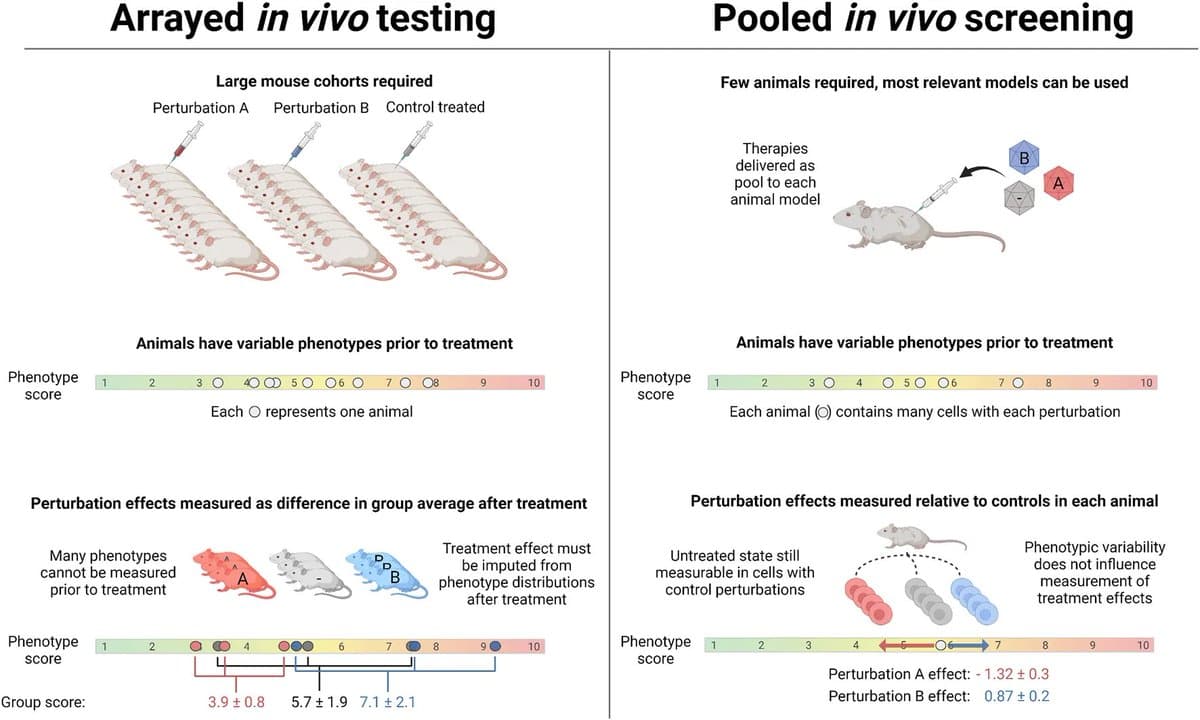
New Method Dramatically Cuts Inter‑animal Variability
"Second, and relatedly, this method dramatically attenuates inter-animal variability." Good time to resurface an old figure: https://t.co/VgRlZrurPE

Special Packaging Enables Effective Mitochondrial Delivery
Researchers have engineered "mito‑capsules" by wrapping donor mitochondria in erythrocyte‑derived plasma membranes, a technique that markedly improves delivery and integration into recipient cells. In vitro, the capsules restored bioenergetic function in mitochondrial disease models, while in vivo studies demonstrated functional...
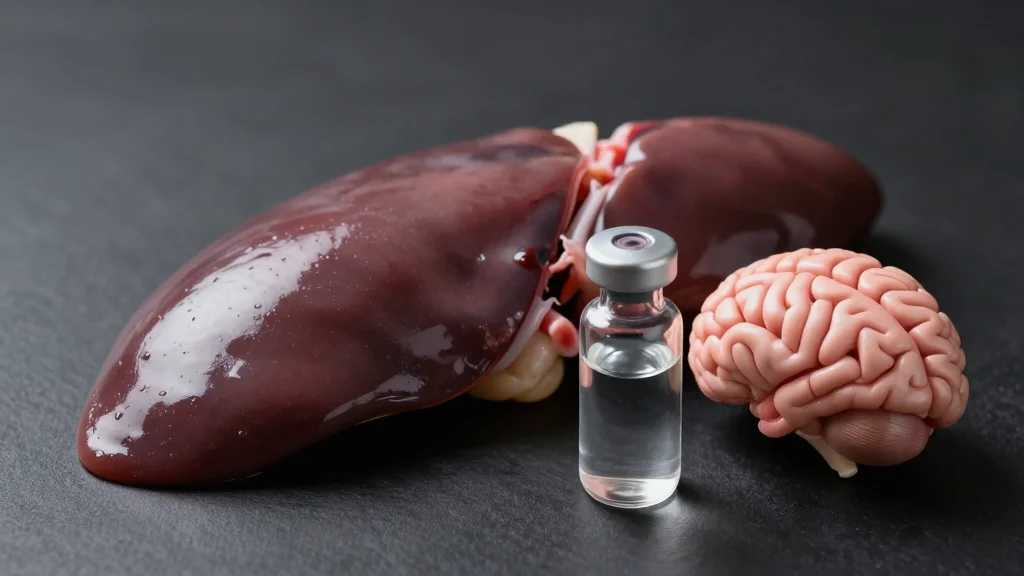
Exerkine GPLD1 Bridges Liver and Brain
A new study shows that exercise raises the liver‑derived enzyme GPLD1, which cleaves tissue‑nonspecific alkaline phosphatase (TNAP) into soluble forms that improve cerebrovascular signaling. The resulting enhancement of blood‑brain barrier integrity, neurogenesis, and synaptic plasticity translates into better cognition in...
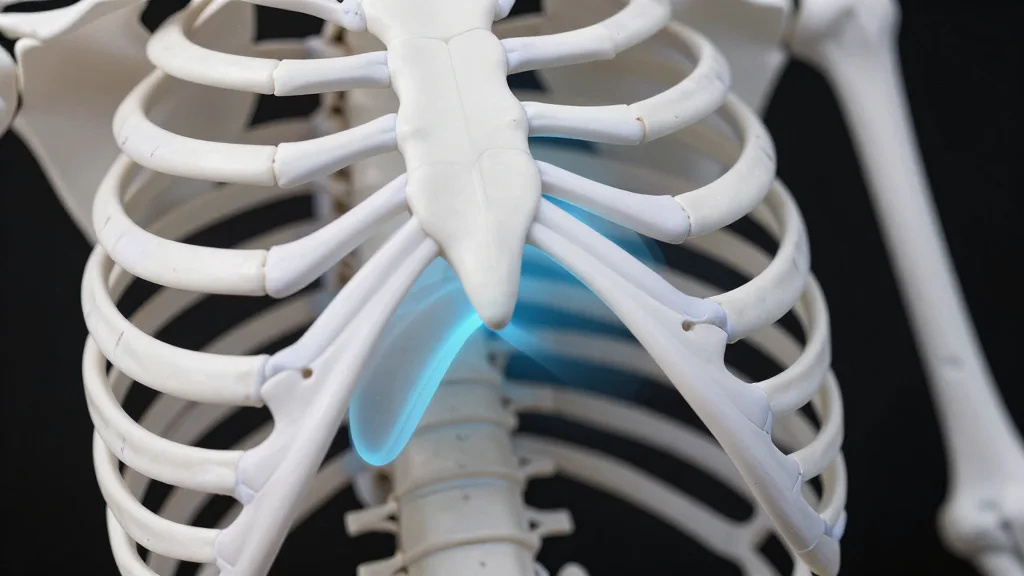
Thymic Health Under the Microscope
A recent *Nature* paper by Bernatz et al. introduces a quantitative "thymic health" score derived from routine chest CT scans. The metric captures thymic tissue density and morphology, providing a non‑invasive proxy for immune competence. In a cohort of over 30,000...

The Ancient Turmeric Drink that Can Revolutionize Your Health
A 5,000‑year‑old Ayurvedic drink called haldi doodh—turmeric paste mixed with warm milk, oil, and black pepper—has been validated by modern clinical research. The addition of piperine from black pepper can increase curcumin absorption by up to 2,000 percent, while the...

Before You Trust that Aging Test, Here’s What Scientists Want You to Know
Epigenetic aging clocks translate DNA methylation patterns into a single age estimate, becoming a cornerstone for population‑level aging research. Dozens of commercial tests now market these clocks to consumers for $30‑$1,000, promising a personal “biological age.” Scientists warn that the...
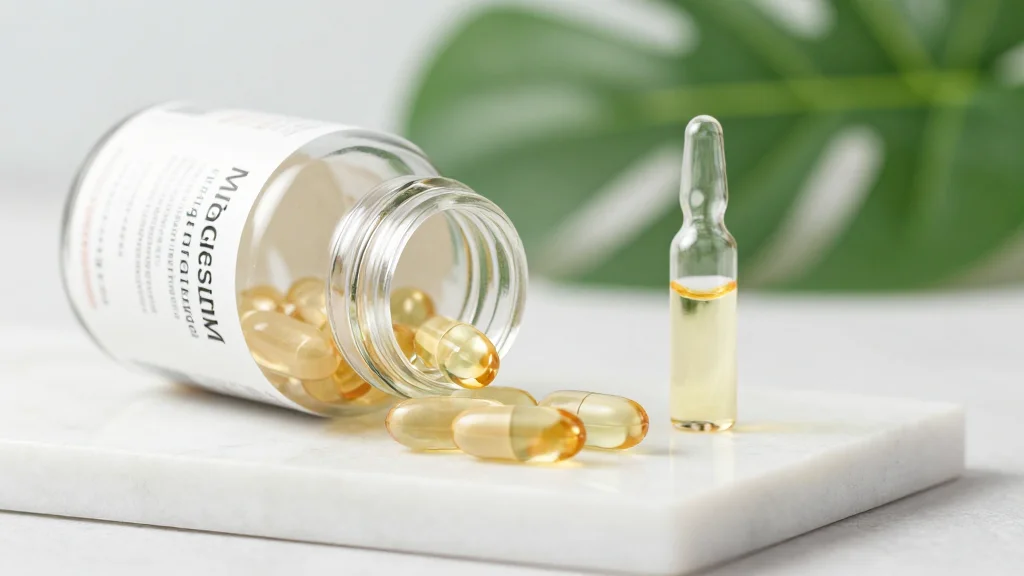
Magnesium Supplementation Cuts Early Colorectal Cancer Risk in New Trial
Researchers at Vanderbilt University Medical Center reported that a 12‑week, personalized magnesium glycinate regimen reduced early signs of colorectal cancer in 240 adults with prior polyps. The supplement reshaped gut microbes to produce vitamin D locally, offering a novel, non‑sunlight‑dependent...

Mixing Exercise Types Cuts Early Death Risk 19%
This new 2026 BMJ Medicine study of over 100,000 people followed for over 30 years suggests that varying your exercise routine (doing a mix of strength, cardio, sports, etc.) is linked to a 19% lower risk of premature death compared...
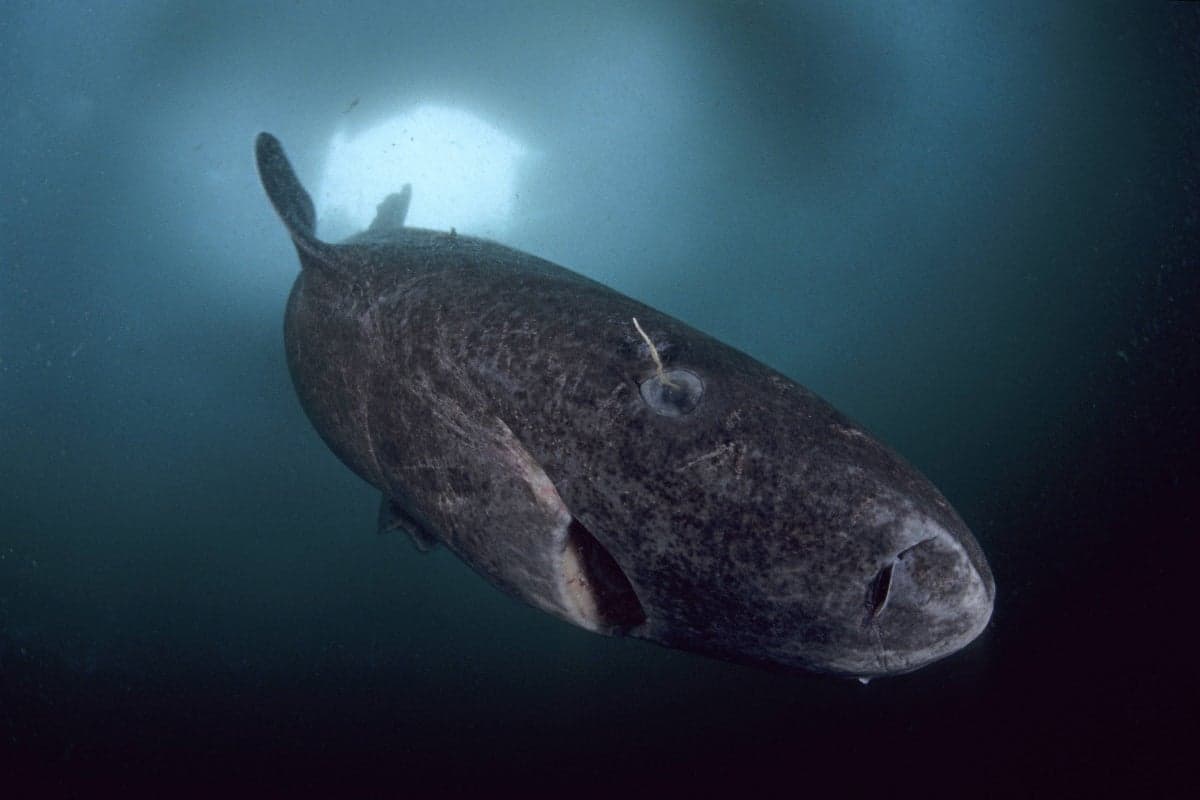
How a Greenland Shark’s Heart Can Beat for Centuries
Scientists examined the hearts of Greenland sharks aged 100‑155 years and found classic signs of cardiac aging, including fibrosis, lipofuscin accumulation, and mitochondrial damage. Despite this molecular wear, the sharks continue to hunt and survive, likely aided by low blood...
Blood as the Mirror of Aging
Recent research positions blood as both a diagnostic mirror and a therapeutic lever for aging. Multi‑omics studies show plasma proteins, metabolites, and extracellular vesicles reflect chronological and organ‑specific age, while heterochronic parabiosis and young plasma transfers demonstrate that youthful circulation...

EVOO Linked to Better Cognitive Function in Older Adults, Refined Oil Not
Researchers analyzing 656 adults aged 55‑75 with overweight and metabolic syndrome found that regular consumption of extra‑virgin olive oil (EVOO) was associated with slower cognitive decline and richer gut microbiota. Refined olive oil showed no such benefit, highlighting a potential...
Romanian 'Project Manhattan' Therapy Begins Human Trials to Reverse Aging
Romanian researchers have launched the first human trials of the experimental "Project Manhattan" therapy, which claims to reverse cellular aging and address dozens of age‑related diseases. The initiative arrives as the global longevity industry is valued at roughly $20 trillion, drawing...
Better Cardiorespiratory Fitness Is Linked to a Lower Risk of Dementia and Depression
A systematic review and meta‑analysis of 27 cohort studies covering 4,007,638 people found that higher cardiorespiratory fitness markedly reduces the risk of several mental and neurocognitive disorders. Participants with the highest fitness levels had a 36% lower incidence of depression...
EU Should Launch Coordination Programme for Healthy Ageing
The need to increase support for healthy ageing and longevity research in the EU by establishing a Coordination and Support Programme on Healthy Ageing and Longevity 🌟This paper calls for the establishment of an EU Coordination and Support Programme on...

Meal Timing Boosts Immune T‑Cells Within Hours, Study Finds
Researchers led by Greg Delgoffe at the University of Pittsburgh reported that eating breakfast and lunch sharply improves T‑cell activity within six hours, with effects persisting after cell division. The findings, published in Nature, highlight meal timing as a fast‑acting...

Longevity Authors Propose ‘Flicker Method’ to Let People Feel Years Younger
Longevity researchers Stuart Kaplan and Marcus Riley unveiled the “flicker method” in their new book, arguing that functional age can be nudged younger through targeted interventions. The concept reframes aging as a fluid, reversible process rather than a fixed timeline.
Longevity Expert Warns 40% of Europeans Over 65 Lack Protein, Speeding Aging
Spanish longevity researcher José Viña warned that 40% of Europeans aged 65 and older consume insufficient protein, a shortfall that can hasten age‑related muscle loss. The claim, made on the “Tus amigas las hormonas” podcast, spotlights a nutritional gap that...
MIT AgeLab Launches Longevity Preparedness Index to Help Millennials Plan for Longer Lives
MIT AgeLab, in partnership with John Hancock, released the Longevity Preparedness Index, a free online quiz that evaluates eight life‑domain factors for millennials facing longer lifespans. The tool, introduced at a John Hancock conference in April, aims to shift retirement...
ML Model Shows CPAP Cuts Heart Risk in Sleep Apnea
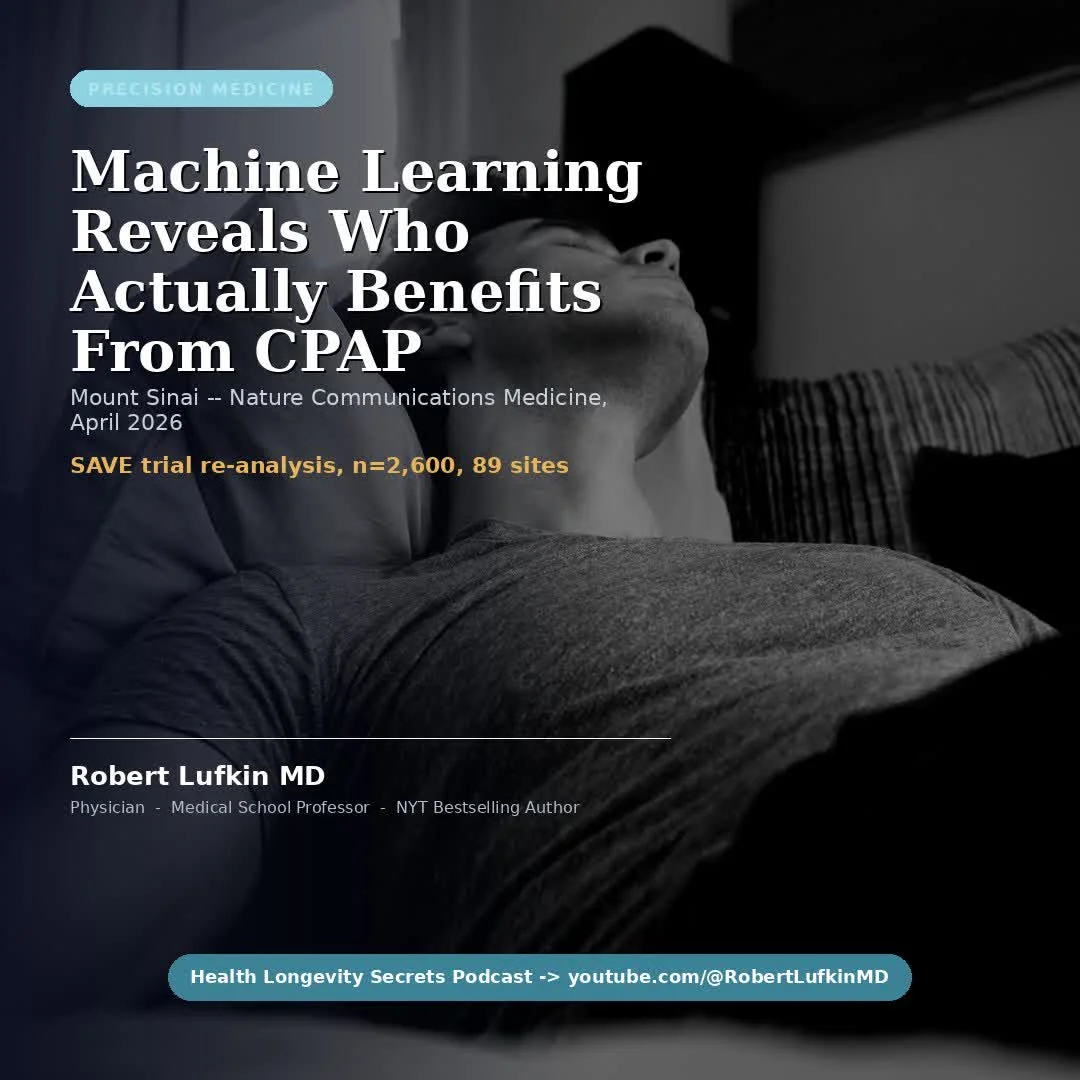
As a medical school professor, I've long argued sleep apnea is undertreated metabolic disease in disguise. A new Mount Sinai study in Nature Communications Medicine adds a wrinkle... https://www.youtube.com/@RobertLufkinMD https://www.mountsinai.org/about/newsroom/2026/mount-sinai-researchers-develop-machine-learning-model-to-predict-how-cpap-affects-cardiovascular-disease-risk-in-patients-with-obstructive-sleep-apnea SleepApnea #CPAP #MetabolicHealth #PrecisionMedicine #HealthLongevitySecrets

UC Berkeley Convenes Experts to Probe the Ultimate Limits of Human Longevity
On May 2, 2026, UC Berkeley hosted a conference that brought together researchers and innovators to explore how long humans could theoretically live. The gathering signals growing academic and public focus on life‑extension strategies within the biohacking community.

Can You Live Longer By Drinking More Coffee? What A New Study Concludes
A new review in the journal Nutrients consolidates decades of cohort data, concluding that drinking roughly 3.5 cups of coffee daily (about 28 ounces) is associated with the greatest longevity benefit. The analysis links regular coffee intake to a 15% lower...
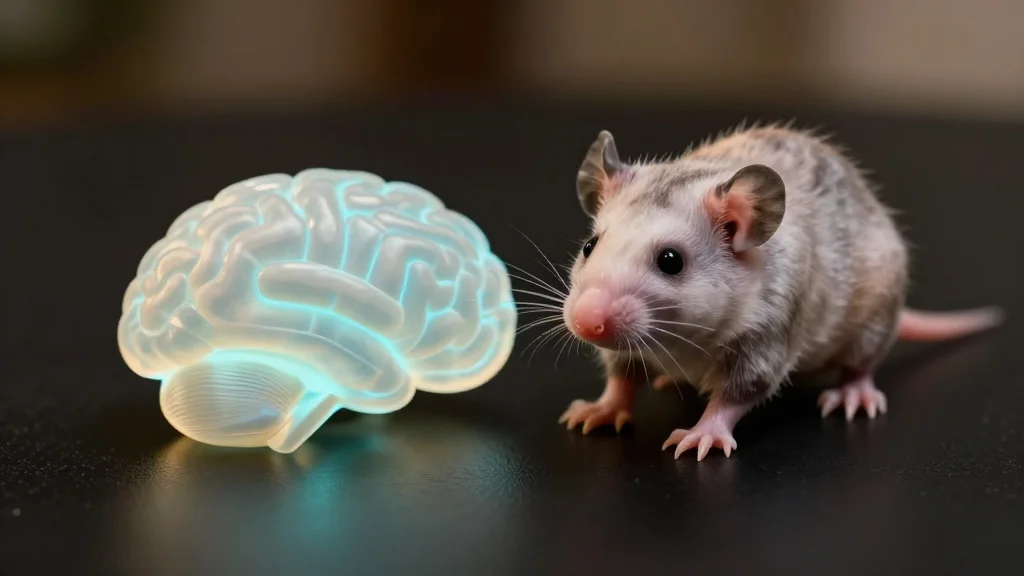
Why Does More Cancer Imply Less Neurodegeneration and Vice Versa?
Epidemiological studies consistently reveal an inverse relationship between cancer incidence and neurodegenerative disease risk. The trade‑off is linked to how tissue‑maintenance activities, especially stem‑cell driven cell replication, decline with age. Lower replication reduces the chance of oncogenic mutations but also...
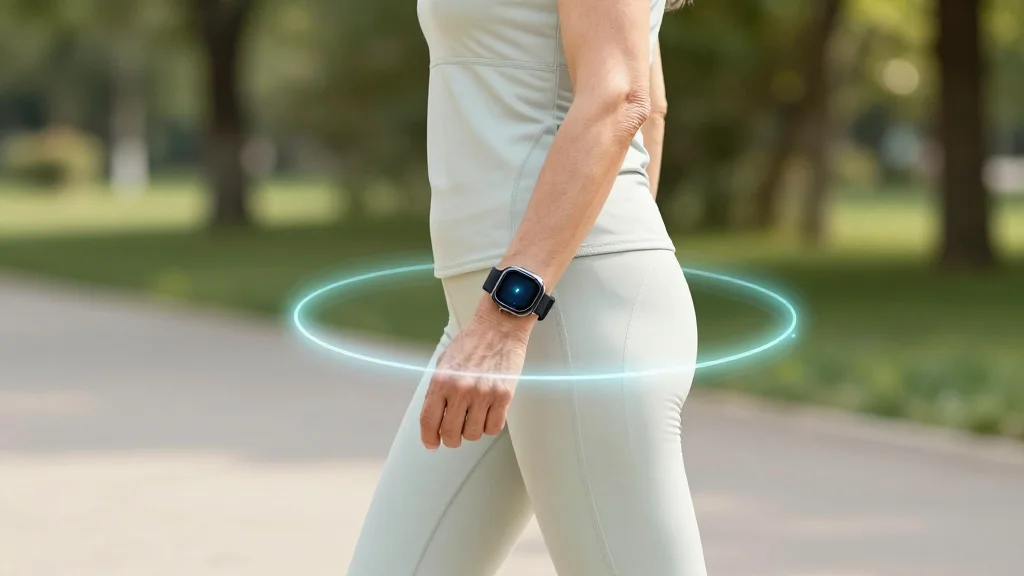
Tech-Based Programs Boost Activity in Adults 55+
Interventions for promoting physical activity and reducing sedentary time among people aged 55 years and older: an overview of systematic reviews "Consistent evidence suggests that technology-based interventions are effective in increasing physical activity, step counts and MVPA, whereas inconsistent findings support...
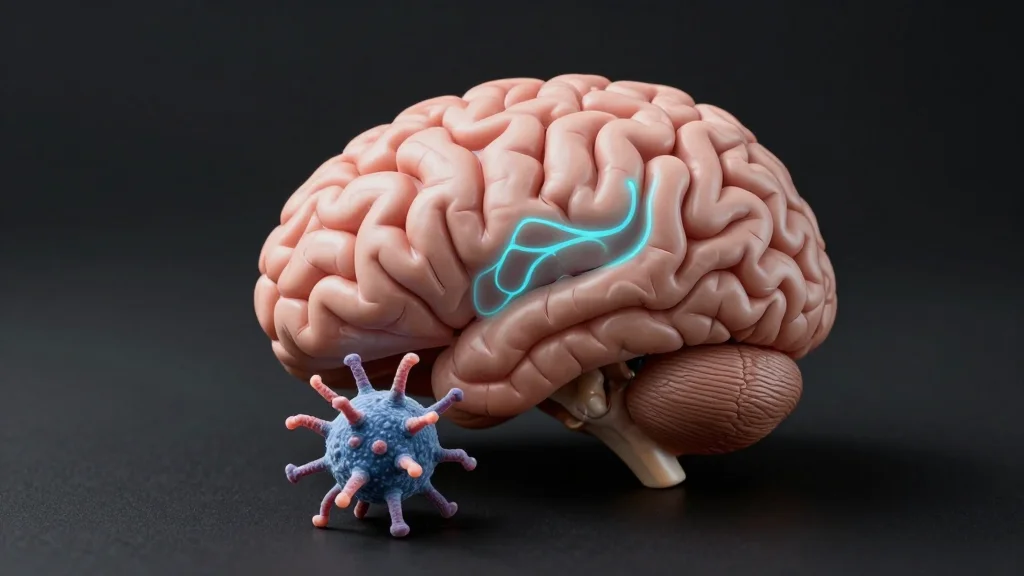
A Mechanism Linking Protein Aggregation to STING Activation and Inflammation in the Aging Brain
Researchers identified S‑nitrosylation of the immune sensor STING at cysteine‑148 as a key driver of neuroinflammation in Alzheimer’s disease. The modified protein, SNO‑STING, was abundant in human Alzheimer’s brains, cultured microglia, and mouse models. Blocking this chemical change reduced microglial...

Scientists Can Now Measure Brain Aging — Here's What It Means For You
A UK Biobank study of 40,488 participants used the DTI‑ALPS MRI index to quantify glymphatic function, establishing it as a reliable biomarker of brain age. Better glymphatic clearance correlated with younger‑looking brains, longer telomeres, and superior cognition. The analysis identified...
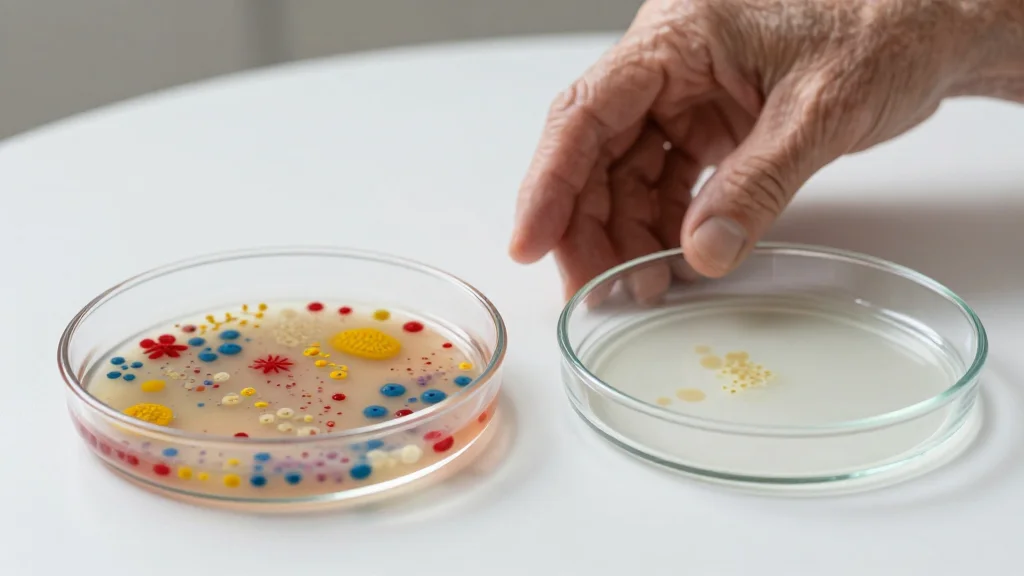
This Woman Lived to 117. Her Daily Diet May Help Explain Why
A recent Cell Reports Medicine study examined the biology of supercentenarian María Branyas Morera, who died at 117 years and 168 days. Researchers found she carried protective genes, low triglycerides, high HDL cholesterol, and a gut microbiome as diverse as...

#390 ‒ AMA #84: Family Health History, Preventing Heart Disease, Metabolic Health, Strength Training Efficiency, Dementia Risk Reduction, NAD Supplements,...
In this AMA, Peter Attia tackles listener questions on building a useful family health history, cardiovascular risk assessment, and why heart disease remains poorly prevented despite available tools. He discusses the concept of metabolically healthy obesity, outlines the minimum effective...

#390 ‒ AMA #84: Family Health History, Preventing Heart Disease, Metabolic Health, Strength Training Efficiency, Dementia Risk Reduction, NAD Supplements,...
In this brief AMA preview, Dr. Peter Atiyah tackles a wide‑range of practical health questions, from building a useful family health history and its role versus genetic testing, to why heart disease remains under‑prevented despite available tools. He discusses the...

7 Consistent Habits of People Who Age Well
Adopting seven evidence‑based habits can significantly improve longevity and quality of life. A positive outlook, nutrient‑dense Mediterranean diet, portion control, regular exercise, social engagement, daily sun protection, and 7‑9 hours of sleep each night are highlighted. Studies cited show mindset...

The Thymus As A Key Target For Aging Intervention, Dr. Greg Fahy (May/2026 Berkeley)
Dr. Greg Fahy argues that restoring the thymus is essential for true immune rejuvenation, citing anecdotal benefits from long‑term HGH use and early data from his TRIIM program. Recent Nature papers link thymic health to lower mortality and stronger cancer‑immunotherapy...
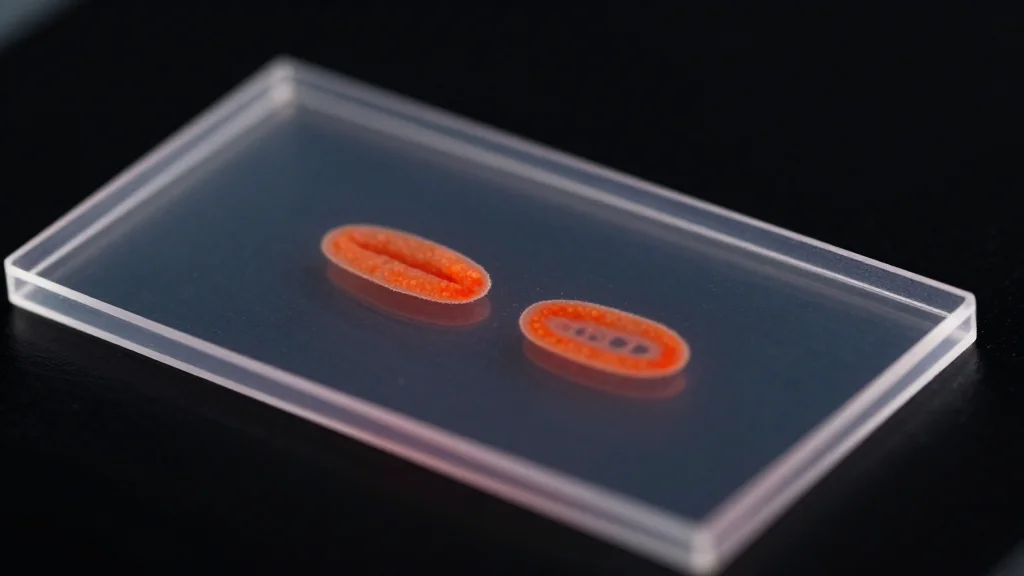
Mitochondrial Dysfunction Drives Frailty; Biomarkers Needed for Precision Therapy
The mitochondrial side of frailty "Mitochondrial dysfunction lies at the intersection of musculoskeletal, metabolic, and immune changes underpinning frailty. While integrative biomarker panels have defined metabolic signatures, early diagnosis and personalized therapies remain unmet needs. Longitudinal studies are required to establish...

Healthy Habits Boost Odds of Living Past 100
Healthy lifestyles and survival beyond age 100: Evidence from a national cohort of Chinese centenarians https://t.co/FsfcGUzlFV

Study Links Oleic Acid to Faster Pancreatic Cancer, Fish Oil Cuts Risk 50%
Yale scientists reported that the type of dietary fat, not the total amount, drives pancreatic cancer development. Oleic acid—common in olive oil—accelerated tumor growth in mice, while omega‑3‑rich fish oil reduced disease burden by 50%, a finding that could reshape...
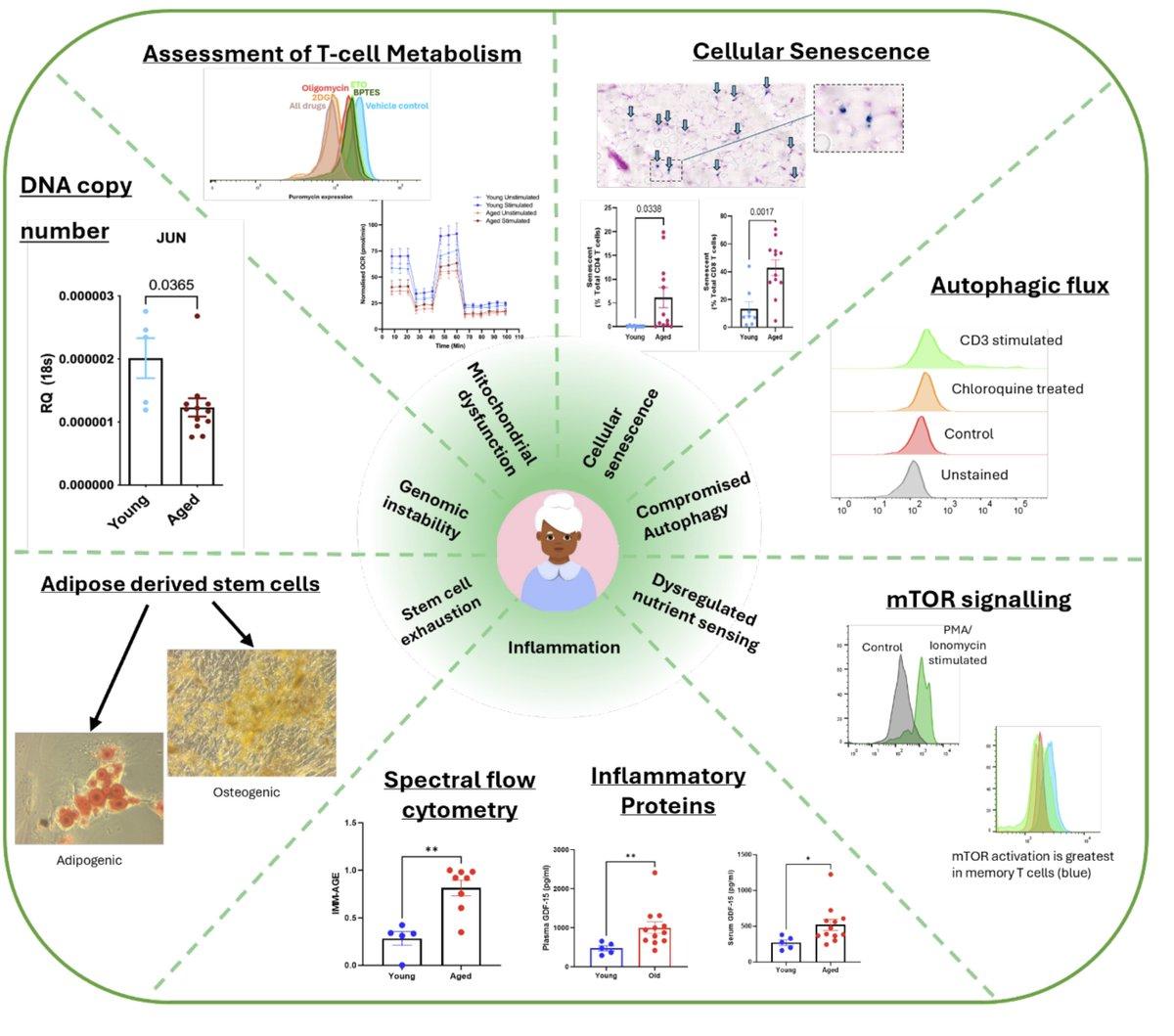
New Toolkit Maps Human Ageing Hallmarks for Translation
🔬 Excited to share our new preprint on a translational toolkit for ageing research. We present a multi-modal approach to profile key hallmarks of human ageing, from immune function to mitochondrial activity and mTOR/autophagy. Our aim is to improve standardisation, reproducibility, biomarker...

Annual Grail Liquid Biopsy: Early Cancer Detection for the Wealthy
Everybody with a net worth over $5 million should do a Grail Liquid Biopsy every year. My wife, me and my parents all do it annually. $1k to do it. Every 3 years for $1-5 million net worth. Can give you super early detection...

Blue Zones After 25 Years: Mixed Evidence on Longevity
What is the status of the Blue Zones 25 years after they were claimed? @ShelleyWood2 and I did an extensive look into this question, one of the forces behind the current longevity movement @statnews https://t.co/avrbAbgr90

Klotho Buffers Age‑Related Brain Atrophy Effects in Seniors
Serum Klotho Levels, Brain Structure, and Cognitive Performance "Results suggest that circulating serum klotho levels modified the known adverse association between age-related brain atrophy and cognition in older, but not younger, adults at risk for AD, suggesting that the neuroprotective effects...
From 18 Years to 1M: Health Literacy Wins
Congrats Bryan. The outcomes worth naming: •Destigmatizing prioritizing health systematically •Pushing quantified self into mainstream conversation •Raising lifestyle medicine literacy Yes biohacking debates get the headlines, but those wins deserve a lot more credit👨🏻⚕️