Today's Semiconductors Pulse

SMIC clears final hurdle for $5.97B takeover of SMNC
China’s Semiconductor Manufacturing International Corp (SMIC) secured regulatory approval to acquire the remaining 49 % of its Beijing‑based unit SMNC, valuing the stake at 40.6 billion yuan (≈$5.97 bn). The transaction will be funded by issuing 547.2 million A‑shares at ¥74.20 ($10.91) each, with a 12‑month lock‑up for sellers, making SMNC a wholly‑owned subsidiary.
Sygaldry Technologies Raises $139 Million to Build Quantum‑Accelerated AI Servers
Sygaldry Technologies closed a $139 million financing round—$105 million Series A led by Breakthrough Energy Ventures and $34 million seed from Initialized Capital—to build quantum‑accelerated AI servers. The capital will fund hardware that integrates quantum processors with classical data‑center infrastructure, targeting the soaring demand for energy‑efficient AI compute.

CEO Interview with Adi Gelvan of Speedata
Speedata, led by veteran CEO Adi Gelvan, has launched the world’s first Analytics Processing Unit (APU), a silicon‑engineered chip that accelerates SQL‑heavy analytics and AI data‑preparation workloads. The APU promises up to 100× speed gains versus CPUs and GPUs and...
Cerebras Raises $5.55 Bn in Biggest US Tech IPO Since Snowflake
Cerebras Systems closed its debut on the Nasdaq with a $5.55 bn raise, valuing the wafer‑scale chip maker at roughly $95 bn. The offering marks the biggest US tech IPO since Snowflake in 2020 and signals fierce investor appetite for pure‑play AI...
Nasdaq Hits Record 26,274 as Micron Soars and Intel Secures Apple Deal
The Nasdaq Composite closed at a fresh all‑time high of 26,274.13, propelled by a 6.5% jump in Micron Technology and a 5.7% rise in Intel after a Wall Street Journal report of a preliminary chip‑manufacturing deal with Apple. The rally...
Researchers Built a Switch 1,000 Times Faster than Today's AI Chips, and It Barely Generates Any Heat
Researchers at the University of Tokyo have created a magnetic spintronic switch that flips binary states in 40 picoseconds—about 1,000 times faster than today’s fastest AI accelerators. The device, built from a manganese‑tin antiferromagnet, consumes only a fraction of the energy and...
Elon Musk Pledges up to $119 B for Massive AI Chip Fab, Sparking Industry Debate
Elon Musk announced plans to pour up to $119 billion into a vertically integrated chip‑making operation, dubbed “Terafab,” to supply AI compute for Tesla, SpaceX and xAI. The proposal pits Musk’s ambition against entrenched players like TSMC and raises questions about...
Doosan to Acquire 100% of SK Siltron, Expanding Semiconductor Footprint
Doosan Group has been named the preferred bidder to acquire 100% of SK Siltron, the world’s third‑largest semiconductor wafer supplier. The deal, expected to close by early 2026, would give Doosan a direct foothold in wafer production, silicon carbide (SiC)...
Nvidia Launches Open‑source Ising Toolkit to Boost Quantum Error Correction
Nvidia released the open‑source Ising toolkit, a suite of AI models that run on its GPUs to automate quantum processor calibration and accelerate error correction. The toolkit claims up to 2.5× faster correction and three‑fold accuracy gains, positioning Nvidia’s hardware...
Samsung Strike Could Wipe Out ₩100T, Hedge KOSPI Tech
Macro: Samsung strike threatens S.Korea semiconductors and exports. PM readies emergency arbitration; 1-day loss ≈₩1T; union resists. Risk: damage up to ₩100T. Trade insight: hedge KOSPI tech. — Viktor Kopylov, PhD, CFA. More insights: t.me/si14Kopylov

'This Is Borderline Mania': Wall Street Sees Bubble-Like Euphoria in AI-Fueled Semiconductor Rally
Wall Street’s AI‑driven semiconductor rally has lifted the Philadelphia Semiconductor Index about 70 % since late March, pushing the broader S&P 500 toward 7,500. Nvidia briefly topped a $5.5 trillion market cap while legacy players like Intel and Cisco joined the surge. Strategists...
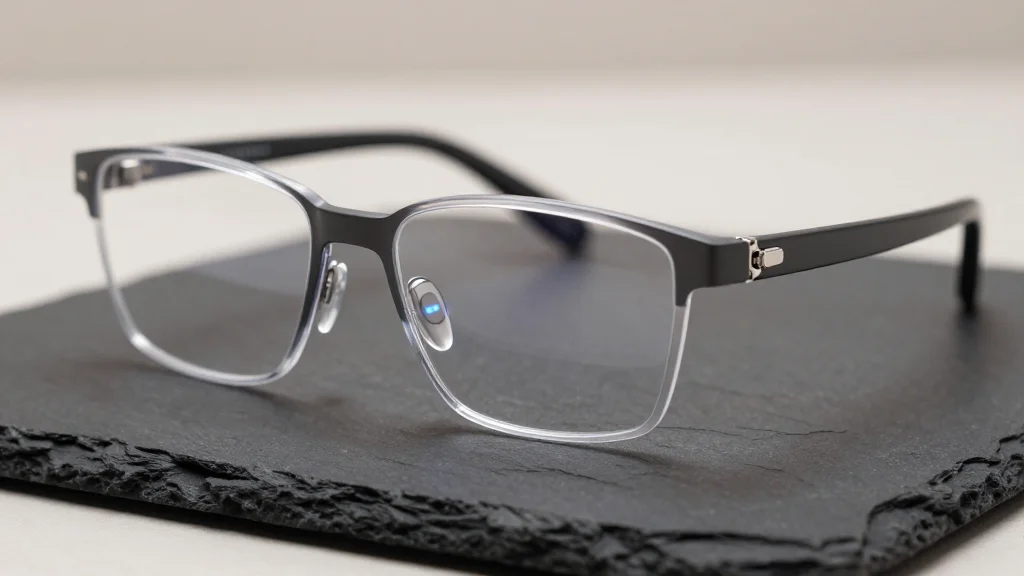
Mosaic Raises $3.8M to Launch Ultra‑Low‑Power Perception Chip for Smart Glasses
Swiss semiconductor startup Mosaic announced a new perception chip that provides real‑time object recognition and scene understanding for smart glasses while consuming a fraction of the power of traditional GPU‑based solutions. The company also closed a $3.8 million funding round to...
Broadcom Becomes Core AI Chip Supplier for Google, Anthropic, OpenAI and Meta
Broadcom's custom AI chips now power the compute engines behind Google, Anthropic, OpenAI and Meta, driving a 106% year‑over‑year surge in AI sales and fueling a $100 billion revenue target for 2027. The move reshapes the hardware foundation of big‑data analytics...
SMIC Q1 Revenue Hits $2.5B as AI-Driven Orders Flood Back to China
SMIC posted Q1 2026 revenue of $2.5 billion, up 8.1% year‑over‑year, and guided a 14‑16% quarter‑over‑quarter increase for Q2. CEO Zhao Haijun said AI‑related demand is pulling mature‑process orders from overseas fabs back to China, reshaping the global chip supply chain.
Nvidia Caps Earnings Season with 40% Rally and $6 Trillion Market Cap Outlook
Nvidia reported a beat‑and‑raise quarter, sending its stock up over 40% in the past six weeks and sparking analyst forecasts that the chipmaker could become the world’s first $6 trillion company. The surge reflects massive AI‑related spending by hyperscalers such as...

Tata Electronics and ASML Partner on India’s First Semiconductor Fab
Tata Electronics and Dutch equipment maker ASML signed an agreement to build India’s first front‑end semiconductor fab in Gujarat. The $11 billion project will feature a 300‑millimetre wafer line and target chips for automotive, mobile and AI applications. The signing ceremony...
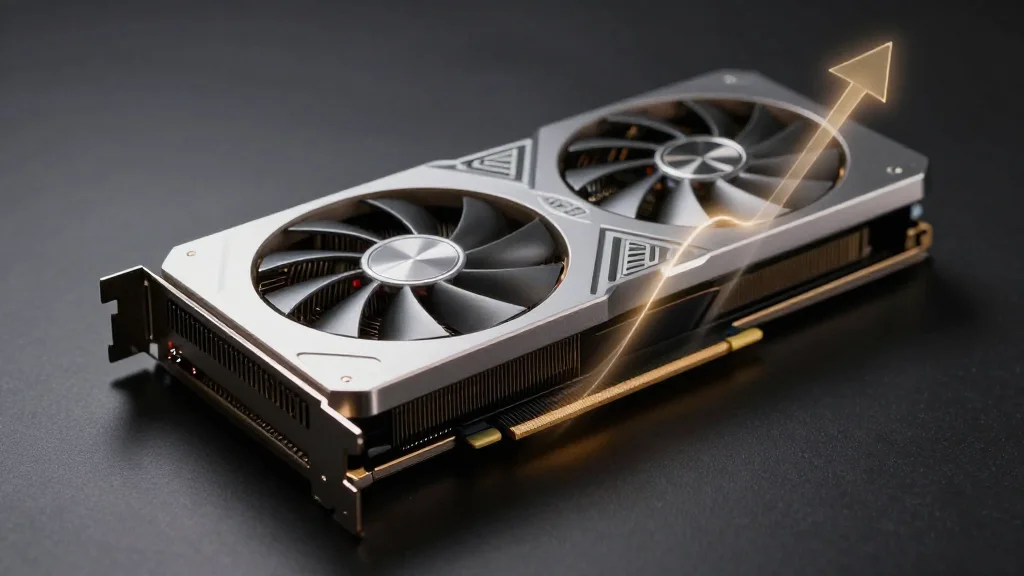
Nvidia to Raise RTX 5090 Price by $300 Amid GDDR7 Memory Cost Surge
Nvidia has told its add‑in‑board (AIB) partners that the flagship RTX 5090 and China‑only RTX 5090D V2 will see a $300 (about 2,000 RMB) price hike. The increase is attributed to soaring GDDR7 VRAM costs amid a broader DRAM shortage, and...

Apple Unveils MacBook Air with M5 Chip and On‑Device AI, Starting at $1,099
Apple introduced a redesigned 13‑inch MacBook Air powered by the new M5 system‑on‑chip, a 10‑core CPU and up to a 10‑core GPU, and bundled it with 512 GB of base storage at a $1,099 entry price. The laptop emphasizes on‑device AI,...
Nvidia Says Vera Rubin Design Hurdles Cleared, Targets Q3 2026 Production Ramp
Nvidia announced that the cooling‑architecture design issues that had delayed its next‑gen Vera Rubin AI platform are now resolved. The company has confirmed a mass‑production schedule with ODM partners and expects a supply ramp beginning in Q3 2026, a relief...
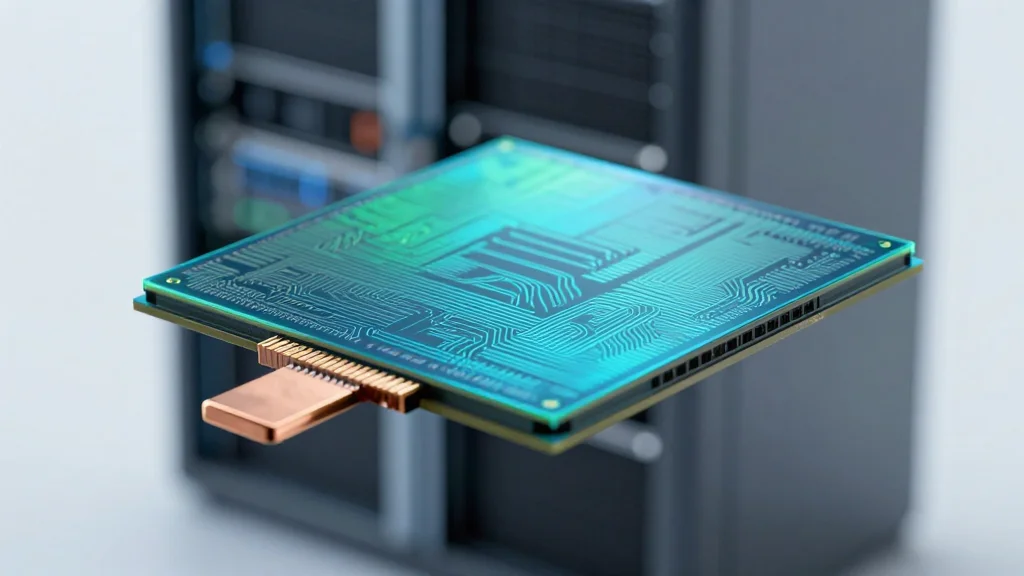
POET and Lumilens Seal $50M Deal to Replace Copper Wiring in AI Data Centers
POET Technologies and Lumilens have signed a $50 million supply and joint‑development agreement to replace copper interconnects with wafer‑level photonic modules in AI data centers. The deal, which could expand to more than $500 million over five years, aims to alleviate the...

Intel Begins iPhone and Mac Chip Production as Apple Explores TSMC Alternative: Report
Apple has started low‑end and legacy processor production for iPhones, iPads and Macs at Intel’s 18A‑P foundry, according to analyst Ming‑Chi Kuo. Roughly 80% of the initial order mix targets iPhone chips, with small‑scale testing slated for 2026 and a...
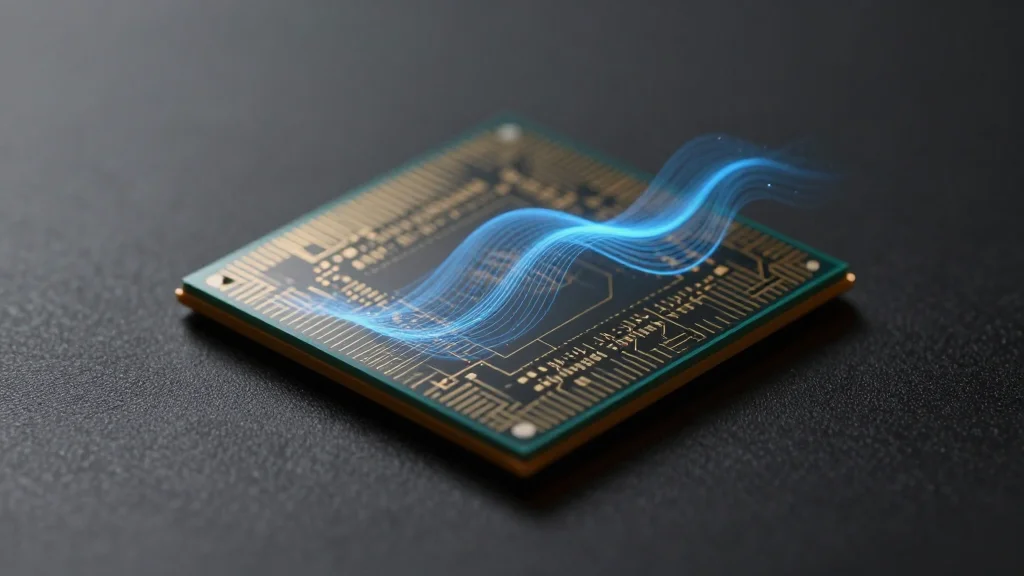
TetraMem Announces 22nm Multi-Level RRAM Analog In-Memory Computing SoC Milestone
TetraMem announced the tape‑out and initial silicon validation of its MLX200 platform, a 22 nm multi‑level RRAM analog in‑memory computing system‑on‑chip. Fabricated on TSMC’s 22 nm process, the SoC integrates mixed‑signal compute engines that perform vector‑matrix operations directly in memory, aiming at...

US Regulator Probes Arm for Possible Semiconductor Monopoly
We just recorded an episode of @Supply_Chained on Arm and I didn’t see this coming: “The US competition and consumer protection regulator is probing whether Arm is trying to illegally monopolize parts of the semiconductor market,” @Bloomberg reports
Applied Materials Posts Record Q2 2026 Revenue, Guides >30% Equipment Growth
Applied Materials announced record quarterly revenue, earnings and a 54.8% gross margin for its Semiconductor Systems segment, driven by surging AI‑related chip demand. The company said its equipment business will grow more than 30% in calendar 2026 and outlined expanded...
Nvidia's H200 AI Chip Sales to China Stalled After US Green Light
Nvidia received U.S. Commerce Department clearance for roughly ten Chinese companies, including Alibaba and Tencent, to purchase up to 75,000 H200 AI chips each, yet no shipments have occurred. The delay underscores the clash between export‑control rules and mounting demand...
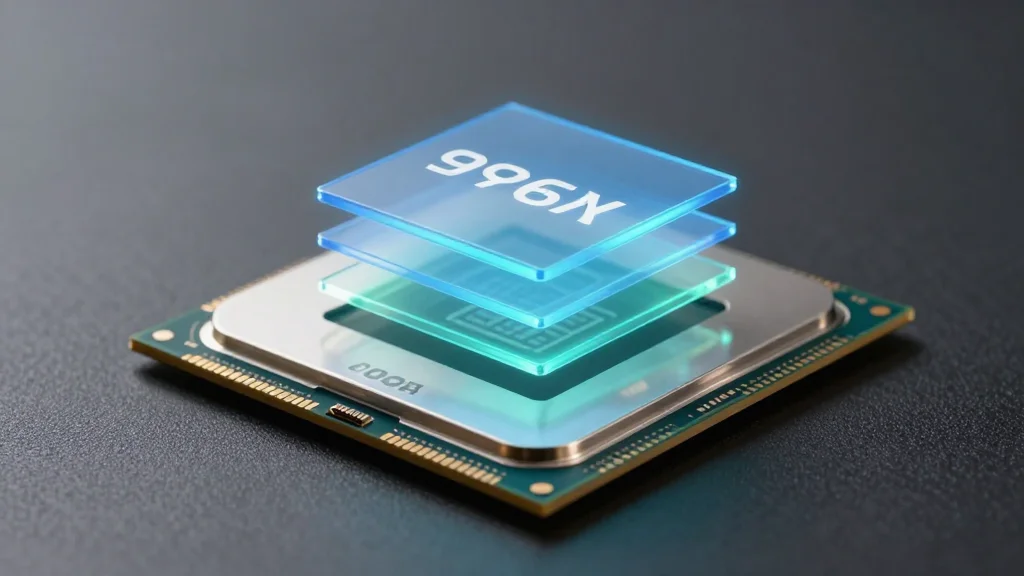
AMD Launches Zen 5 Ryzen Pro 9000 Series with 3D V‑Cache, Up to 128 MB L3 and 170 W TDP
AMD announced six new Ryzen Pro 9000 Series workstation processors built on Zen 5, adding 3D V‑Cache technology for the first time to its professional line. The flagship Ryzen 9 Pro 9965X3D offers 16 cores, 32 threads, 5.5 GHz boost and 128 MB of L3 cache, while TDP...
Cerebras IPO Raises $5.55 Bn, Shares Nearly Double as Analysts Scrutinize Valuation
Cerebras Systems closed its U.S. IPO at $185 per share, raising $5.55 bn and becoming 20‑times oversubscribed. The stock surged nearly 100% from the IPO price, prompting a split among analysts over whether the valuation is justified amid soaring AI‑chip demand.
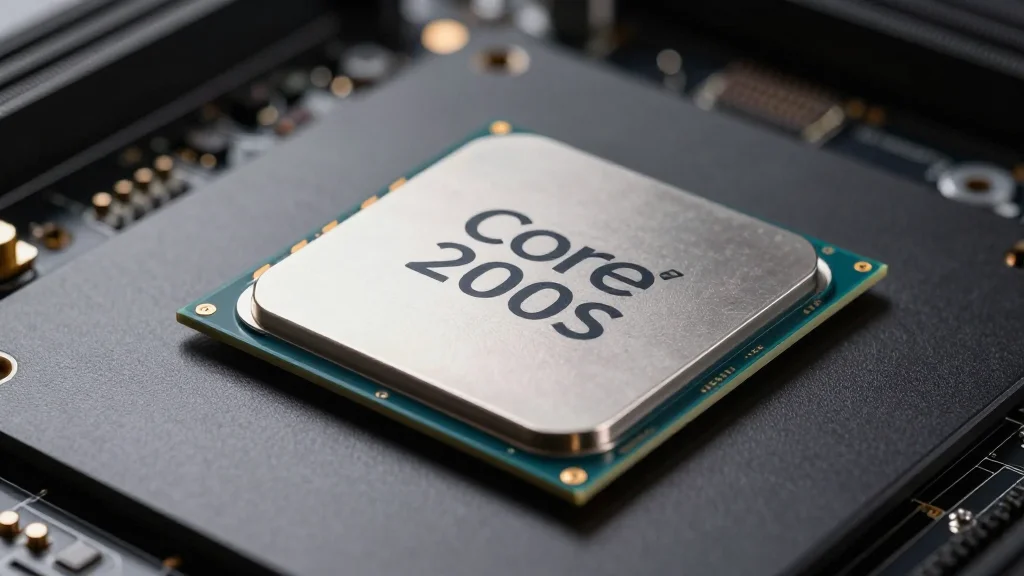
Intel Launches Core Ultra 200S Plus CPUs, Promising Near‑Flagship Performance at Half the Price
Intel introduced the Core Ultra 200S Plus desktop CPUs on May 13, pricing the 250K Plus at $199 and the 270K Plus at $299—roughly half the cost of its 285K flagship. The refresh adds up to six extra efficiency cores,...
Cerebras Systems Raises $5.55 B in Record AI‑Chip IPO, Valued at $56 B
Cerebras Systems completed an upsized initial public offering that raised $5.55 billion, giving the company a fully‑diluted market value of $56.43 billion. The Sunnyvale‑based wafer‑scale chip designer listed on Nasdaq under the ticker CBRS, marking the largest AI‑chip IPO of the year...
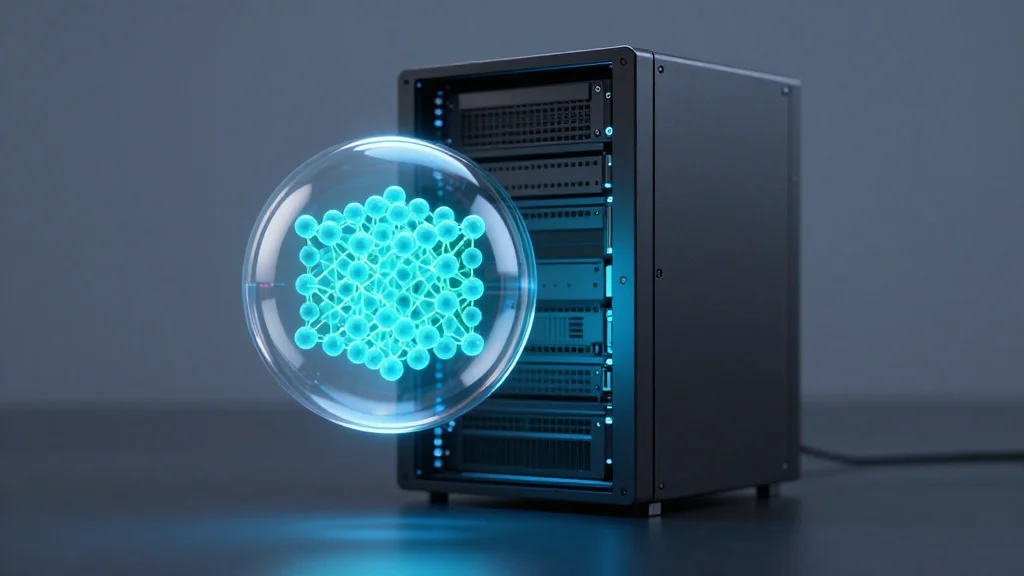
Jülich and NVIDIA Simulate 50‑Qubit Quantum Computer on Europe’s First Exascale Machine
Scientists at Germany’s Jülich Supercomputing Center, in partnership with NVIDIA, used the JUPITER exascale supercomputer to fully simulate a 50‑qubit universal quantum computer—surpassing the previous 48‑qubit record. The achievement, enabled by NVIDIA’s GH200 Superchips and novel compression techniques, creates a...
US Approves NVIDIA H200 Sales to China, Defying Anthropic
The US just cleared NVIDIA to sell H200 chips to China. Exactly the opposite of what Anthropic said to do.
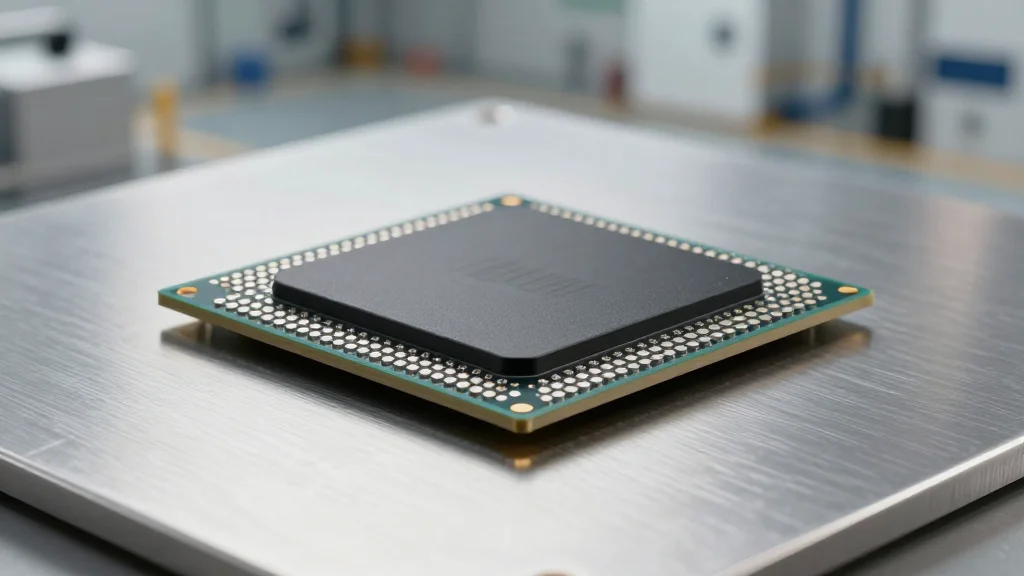
Linux Patch Introduces Panther Lake R: Ruggedized Version Of Panther Lake
Intel has added a Linux kernel patch that reveals a ruggedized variant of its Panther Lake processor, dubbed Panther Lake R. The new SoC carries a distinct model ID 223, indicating hardware changes beyond a simple thermal‑range tweak. It combines performance‑focused P‑cores...
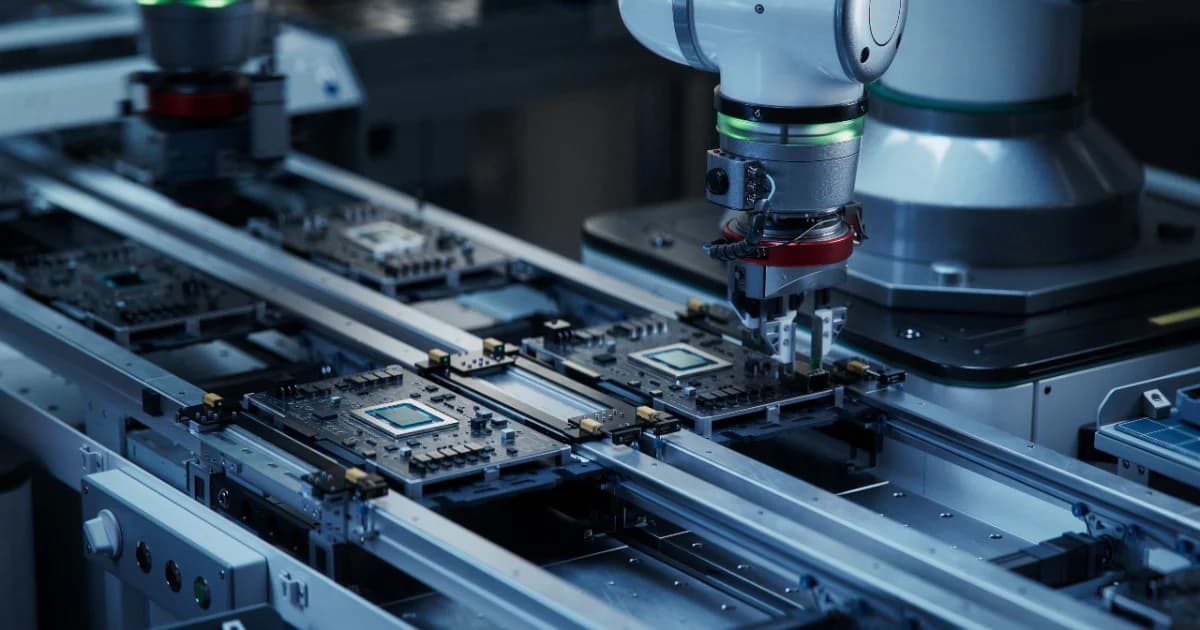
Siemens Unveils AI-Powered Library Characterization to Accelerate Semiconductor Design
Siemens introduced Solido™ Characterizer, an AI‑driven addition to its Solido™ Characterization Suite, aimed at speeding up semiconductor library creation. The tool leverages predictive AI to generate SPICE‑based Liberty files up to seven times faster, shrinking turnaround from weeks to days....
Huawei Shifts to Homegrown Chips as U.S. Sanctions Tighten
Huawei Technologies is redirecting its telecom equipment strategy toward domestically produced Ascend processors and new regional customers after U.S. sanctions blocked imports of high‑end Nvidia and AMD chips. The move reshapes supply chains and raises competition for rivals in both...
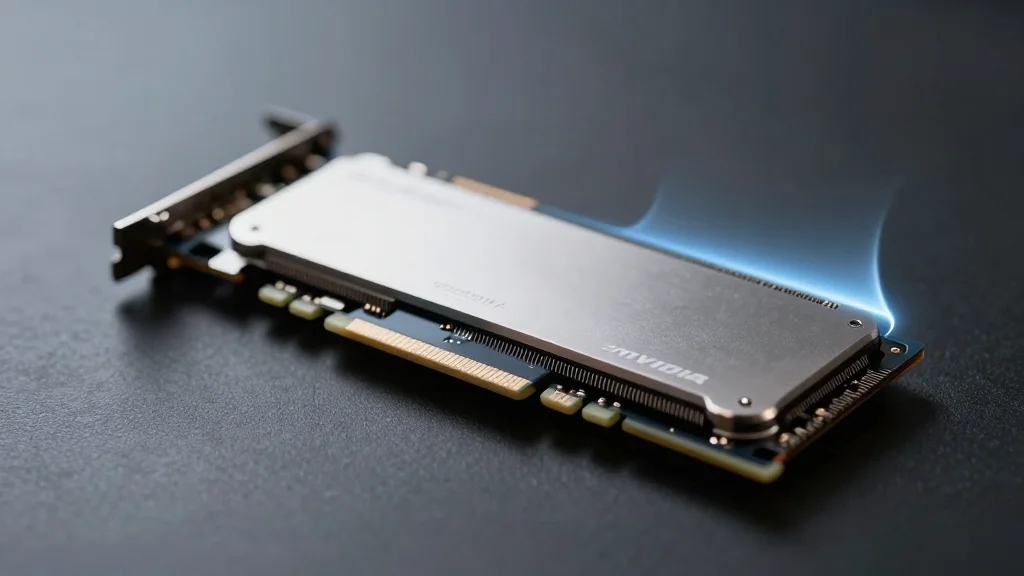
Nvidia's AI‑Driven Earnings Propel Stock to Record High, Forecasting $78 B Revenue
Nvidia's shares jumped up to 4.7% to a new all‑time high after the AI chipmaker signaled a $78.3 billion revenue quarter and disclosed approvals for its H200 chips in China. Analysts lifted price targets, betting the company will beat consensus and...

G42 and Government of India Formalize Commercial Framework for Condor Galaxy India AI Supercomputer
G42 and the Government of India have signed a commercial framework to deploy Condor Galaxy India, an 8‑exaflop AI supercomputing cluster built from 64 Cerebras CS‑3 wafer‑scale systems. The partnership tasks G42, together with India’s Centre for Development of Advanced...

BofA and Goldman Sachs Lift Marvell Price Target to $200 as AI Rally Fuels 135% Stock Surge
Bank of America and Goldman Sachs upgraded Marvell Technology (MRVL), boosting the price target to $200 from $125 after the stock surged 135% since early March. Analysts cited a $1.7 trillion AI data‑center TAM, expanding transceiver markets and strong earnings outlook...
Foundry Set To Boom
In October 2002 UMC CEO John Hsuan projected the silicon‑foundry sector to grow over 30% in 2003, while TSMC chairman Morris Chang forecast annual growth above 20% that could persist through 2010. Both foundries were operating below capacity—UMC at 60%...

Mobile DRAM Prices Squeeze Smartphone Production
TrendForce reports that mobile DRAM prices are soaring in Q2 2026, with LPDDR4X ASPs up 70‑75% and LPDDR5X up 78‑83% quarter‑on‑quarter. Samsung is pursuing an aggressive one‑step price hike while SK Hynix opts for a milder, phased increase. The surge forces smartphone...

The Tech Download: Trump's China Visit Left Chip Export Issue Unresolved, with Rare Earths Deal Still Uncertain
President Donald Trump’s May 2026 visit to China, accompanied by top U.S. tech CEOs, failed to address the looming chip export control dispute, leaving Nvidia’s H200 AI chip sales to Chinese firms in limbo. The bilateral talks also left the...
Kioxia Holdings' FY Profit More than Doubles to $3.6B on AI‑driven Memory Demand
Kioxia Holdings Corp. posted a fiscal‑year net profit of ¥554.5 billion ($3.6 billion), a 104% jump from the prior year, driven by soaring AI‑related memory chip sales. Revenue rose 37% to ¥2.34 trillion ($15.1 billion), and the firm forecast a further 113% profit surge...

Japan Power Chip Alliance Talks Slow as Rohm Resists Integration
Denso has withdrawn its bid to acquire Rohm, leaving Japan’s power‑semiconductor consolidation in limbo. Ongoing talks among Rohm, Toshiba and Mitsubishi Electric are stalled by concerns over joint management control and operational integration. Meanwhile Toshiba and Mitsubishi have each launched...
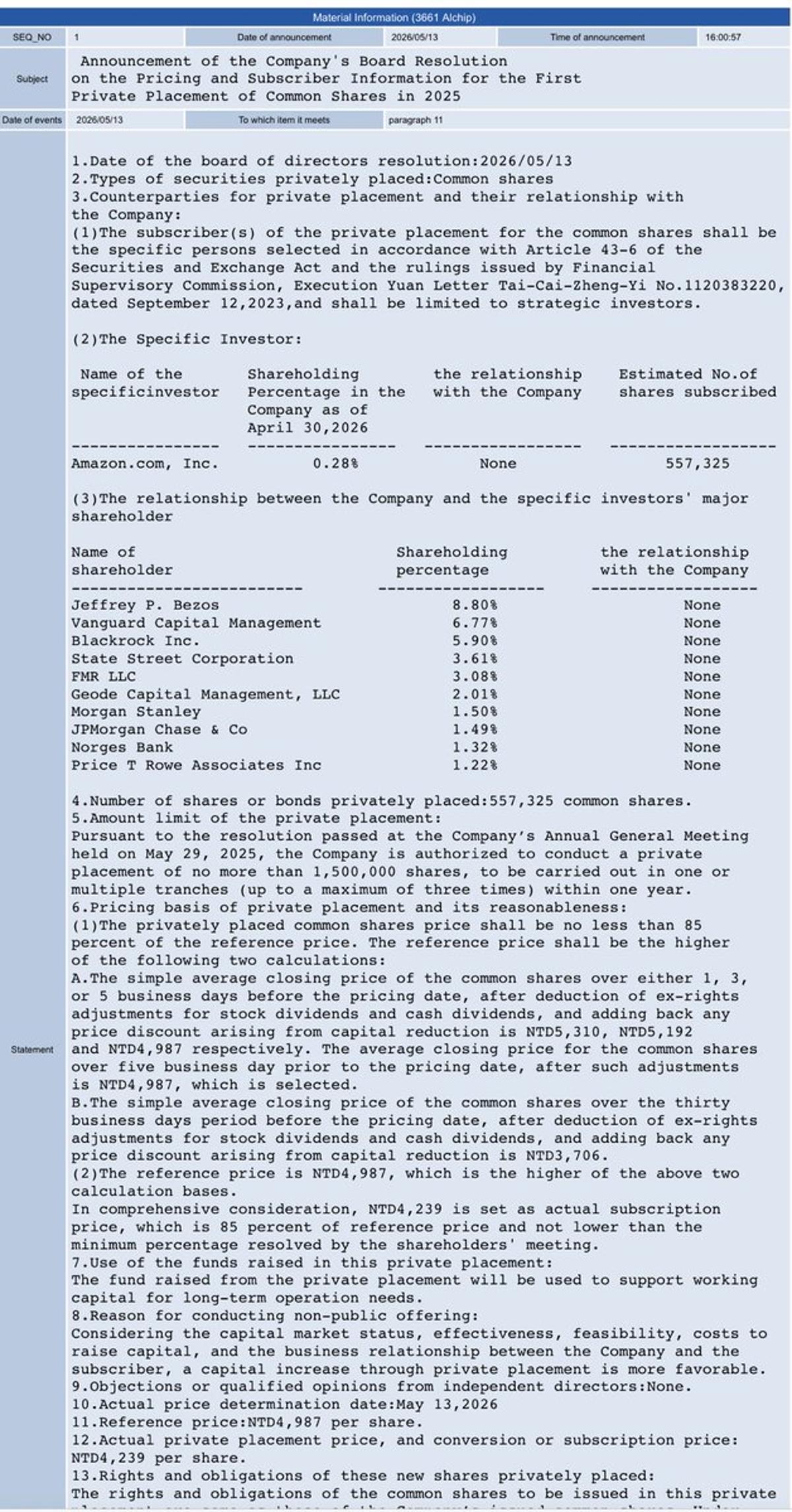
Amazon Acquires Minority Stake in Taiwan ASIC Designer AlChip
Amazon this week closed the purchase of a minor stake in Taiwan chip designer AlChip Alchip designs ASICs for @awscloud https://t.co/3JbqucrgWh
Chip Export Controls Were Not a Major Topic in Beijing, US Trade Rep Greer Says
U.S. Trade Representative Jamieson Greer told Bloomberg that semiconductor export controls were not a major topic at the recent US‑China bilateral meetings in Beijing. The administration, however, cleared Nvidia’s H200 AI chips for several Chinese firms shortly after the summit,...

Intel Razor Lake-AX Rumored with 32 Xe3 Graphics Cores
Intel is developing a Razor Lake‑AX client SoC that could ship with up to 32 Xe³ GPU cores, a dramatic increase over current mobile iGPUs. The graphics tile is rumored to cover roughly 162.84 mm² and may be paired with on‑package...
Chip Industry Week in Review
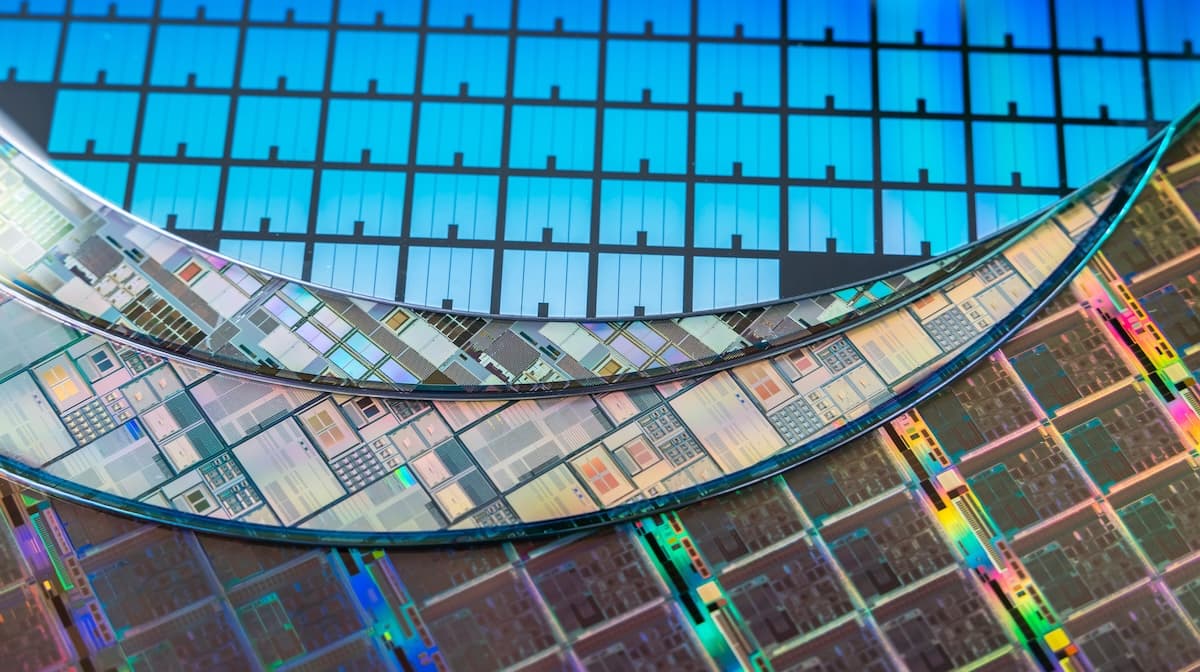
The United States approved Nvidia’s H200 chip sales to ten Chinese firms, though no shipments have been confirmed yet. Industry groups are pressing Congress to extend the semiconductor tax credit and broaden it to design activities as TSMC forecasts IC...

China's Leading Chip Foundries Project Q2 Growth Amid AI Surge
China’s top chip foundries forecast second-quarter growth amid AI boom Bai Peng, Hua Hong’s chairman and president, downplayed the impact of US export controls on the company’s capacity expansion plans https://t.co/mXQcLS1Aig via @scmpnews

NVIDIA Vera: 88 Arm Cores and Alleged Early Customers for the Next AI Platform
NVIDIA unveiled the Vera CPU, an Arm‑v9.2‑compatible processor built on 88 in‑house Olympus cores that deliver 176 threads, up to 1.5 TB of LPDDR5X memory and 1.2 TB/s bandwidth. The chip connects to Rubin GPUs via NVLink‑C2C, offering 1.8 TB/s coherent bandwidth, and...

0.1μm-UMS GaN-on-SiC Technology: Qualification & Perspectives
United Monolithic Semiconductors (UMS) announced that its GH10-10 0.1 µm GaN‑on‑SiC technology has completed qualification and entered production. The new process delivers higher power density and faster switching speeds than previous generations. UMS says the qualification enables customers to accelerate time‑to‑market...
Ericsson Targets Taiwan to Accelerate 6G Rollout Ahead of 2029 Spec
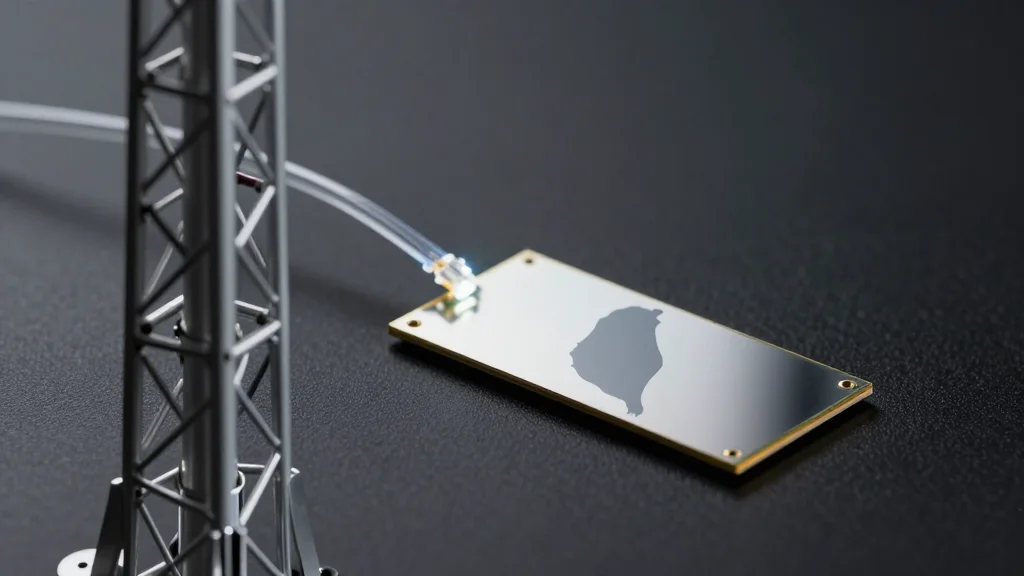
Ericsson announced it expects the first fully implementable 6G specification by March 2029 and is actively courting Taiwan partners to secure critical components and expertise. Marie Hogan, head of Ericsson’s 6G program, said the move is meant to lock in...
TSMC Starts Mass Production of Largest CoWoS with 98%+ Yield, Surpassing Intel and Samsung
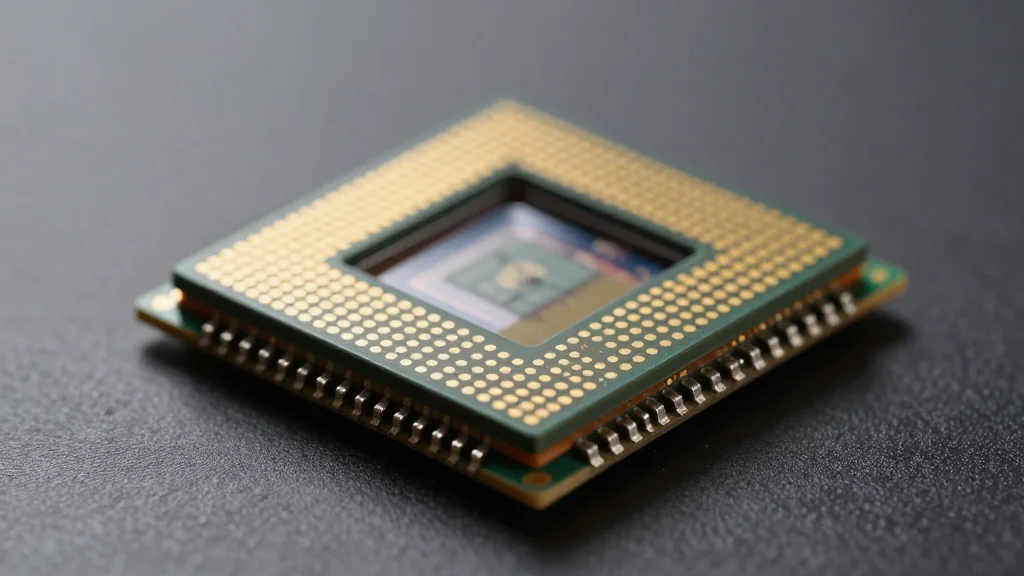
Taiwan Semiconductor Manufacturing Co. (TSMC) announced today that it will mass‑produce the world’s largest 5.5‑times mask CoWoS (Chip‑on‑Wafer‑on‑Substrate) with a yield exceeding 98%. The move, revealed at the Taiwan Technology Forum, is positioned as a decisive edge over rivals Intel...