Can America Build Fast Enough to Win in Space?
In this bonus episode recorded at the 41st Space Symposium, Matt Magana, President of Defense and National Security at Voyager Technologies, discusses how the U.S. space acquisition landscape has shifted from slow, bespoke projects to rapid, high‑rate production enabled by abundant capital markets and new partnership models. He emphasizes the critical role of physical manufacturing capacity—like Voyager’s Long Beach and Pueblo facilities—in scaling LEO, lunar, and Lagrange capabilities for both defense and civil missions. Magana outlines Voyager’s strategy of vertical integration where needed, combined with best‑of‑breed partnerships, to meet the $25 billion Golden Dome integrated defense architecture and to overcome supply‑chain choke points in radiation‑hardened electronics and propulsion. Finally, he calls for acquisition reforms and multi‑year contracts that give small and agile companies the flexibility to innovate at the speed of relevance.

Apollo Journals: The Ultimate Trusted Source for Transcripts
Don’t get distracted. You’ve had access to all of this for years. Apollo journals dot org is my most frequently recommended source for all the transcripts, fully searchable and annotated and lovingly cared for by people who have been working...
Axiom Readies for Yearlong Spacesuit Qualification Testing
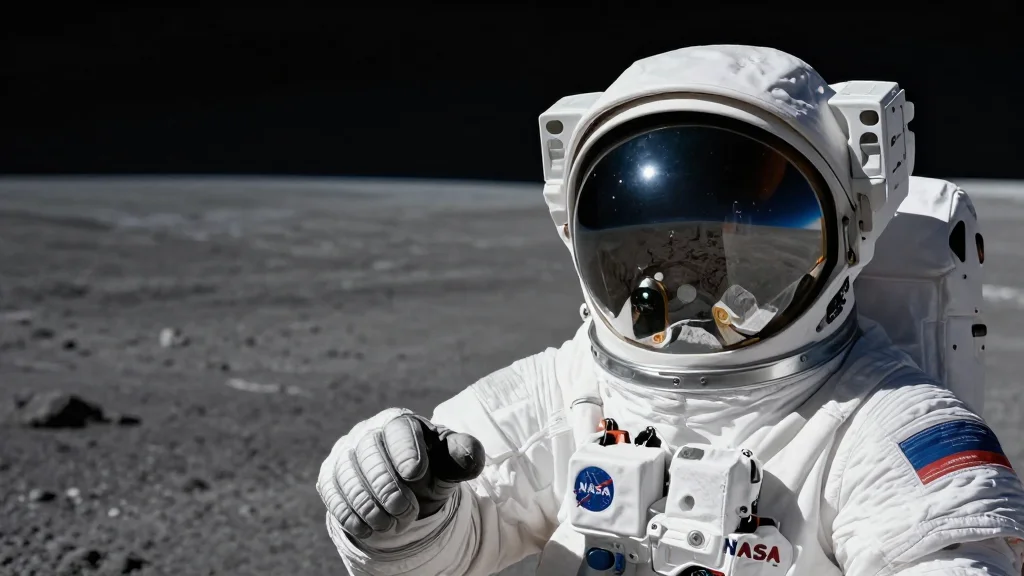
NASA’s Artemis program relies on Axiom Space to deliver its next‑generation xEMU lunar suits. Axiom has secured a $228.5 million task order to build four suits for Artemis IV and is beginning a year‑long qualification campaign that includes vibration, thermal‑vacuum and lander‑interface...

Spaceflight Leaves Astronauts' Joints Unchanged After 18 Days on ISS, Early Data Suggest
Researchers at National Jewish Health examined three astronauts before and after an 18‑day Axiom Mission 4 stay on the ISS, using musculoskeletal ultrasound to assess cartilage, synovial fluid, tendons and ligaments in hips, knees and ankles. The pilot study found...

VanEck Launches 'WARP' Space ETF to Tap Into Exploration and Satellite Boom
VanEck has launched the WARP space ETF, trading under the ticker WARP, to give U.S. investors exposure to the rapidly expanding space sector. The fund tracks the MarketVector Space Index, which focuses on companies involved in launch systems, satellite infrastructure,...

East African Countries Plan Regional Satellite Launch
Ministers from Kenya, Rwanda, South Sudan and Uganda have agreed to move forward with the Northern Corridor Regional Communication and Broadcasting Satellite Initiative (NCRCBSI), a joint effort to launch a satellite that will broaden communication and broadcasting services across East...

Astranis Secures $450 Million to Accelerate High‑Orbit Satellite Production
Astranis raised $450 million in new capital, including a $300 million Series E round and a $155 million credit facility, to scale production of geostationary and other high‑orbit satellites. The funding positions the company to serve a surge in commercial demand and multiple U.S....
Shenyang Institute of Automation Proposes Carbon Fiber/PEEK 3D Printing and Welding for On-Orbit Structures
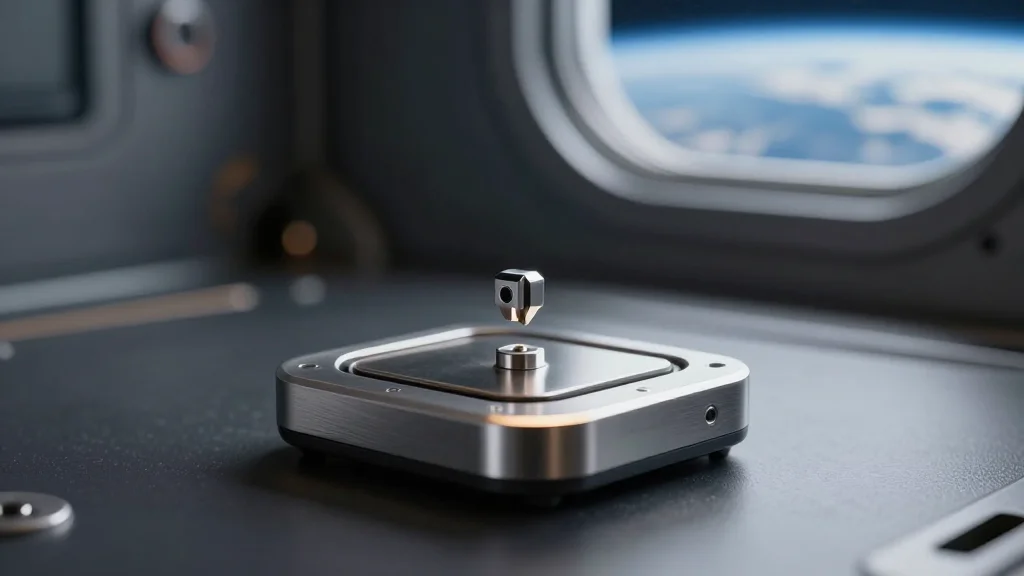
China’s Shenyang Institute of Automation (SIA CAS) announced a new on‑orbit manufacturing method that merges pultrusion molding with laser transmission welding of carbon‑fiber reinforced PEEK composites. The technique produces high‑strength, lightweight tubular units and 3D‑printed PEEK joints that can be...
Louisiana State Senator: Two Unnamed Aerospace Companies Are Bidding for Major Land Purchase
Louisiana State Senator Bob Hensgens confirmed that two unnamed aerospace companies are in talks with landowners about purchasing a 136,000‑acre (over 200 sq mi) Exxon‑owned parcel on the Gulf Coast. The land, located in Vermilion and Cameron parishes, has been speculated as...

Earth Observation for Parametric Insurance
Parametric insurance now relies on Earth Observation (EO) data to trigger automatic payouts when satellite‑measured variables cross predefined thresholds. The model proved its speed when Mozambique’s government received $5.4 million within days after a drought‑cyclone event, based solely on satellite rain...
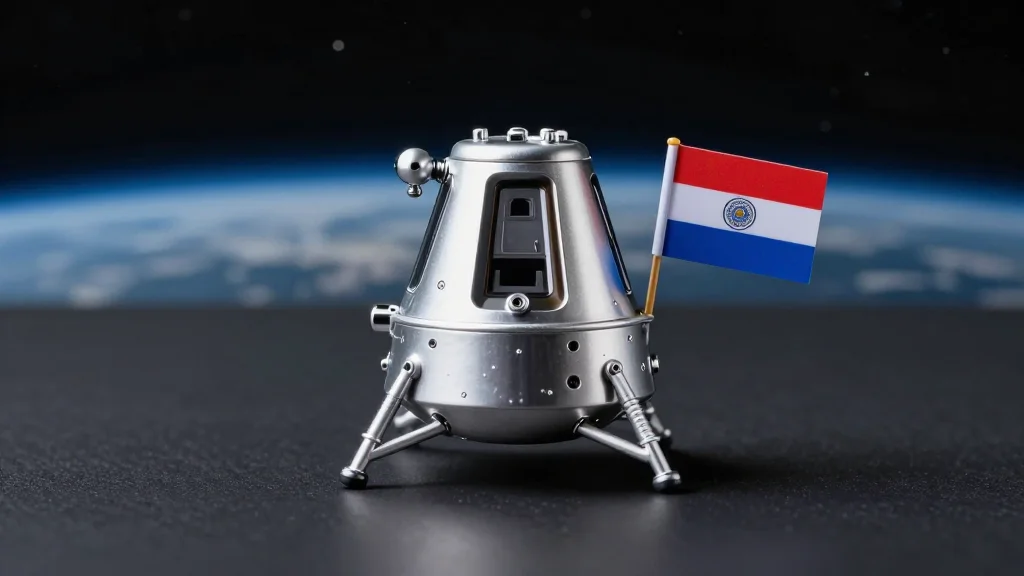
Paraguay Becomes the 67th Nation to Sign Artemis Accords
Paraguay signed the Artemis Accords on July 9, becoming the 67th nation to join the U.S.-led space partnership. The addition follows a recent wave of smaller countries signing after the Artemis‑2 lunar flyby. NASA’s Jared Isaacman highlighted the accords’ focus on...

Rocket Lab Enters Golden Dome Missile Defense Program with Raytheon
Rocket Lab Corp., in collaboration with defense contractor Raytheon, has been chosen by the U.S. Space Force to demonstrate advanced capabilities for the Space Based Interceptor (SBI) program, a cornerstone of the Golden Dome missile‑defense architecture. The selection positions Rocket...
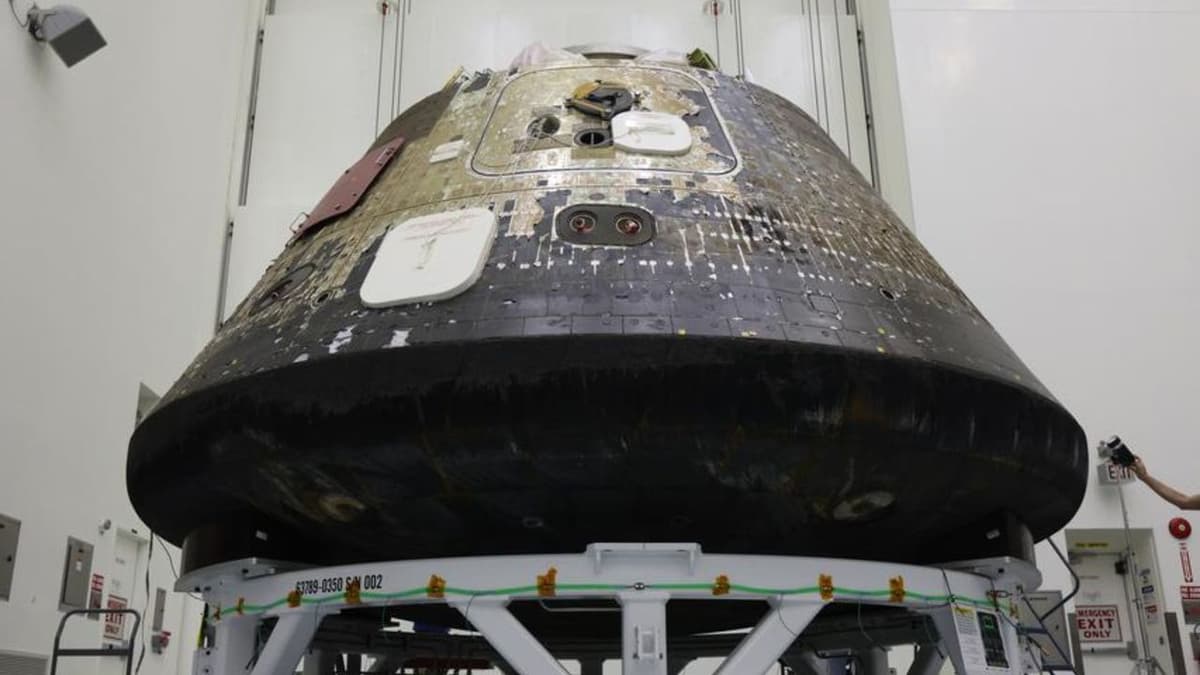
The Charred Hull of Artemis 2's Orion | Space Photo of the Day for May 8, 2026
NASA’s Artemis 2 mission returned four astronauts safely to Earth after a historic 10‑day lunar flyby, the first crewed trip beyond low‑Earth orbit since Apollo 17. The Orion capsule, nicknamed “Integrity,” endured re‑entry temperatures up to 5,000 °F, scorching its exterior while the...
NASAWatch Needs Your Help
NASAWatch, the independent news site run by former NASA biologist Keith Cowing, is seeking fresh donations after a year of operating without a salary. The appeal comes as the White House proposes FY 2027 budget cuts that could cripple major NASA...

A New Race to the Moon Puts Earth-to-Moon Connectivity in the Spotlight
The renewed race to the Moon is spotlighting Earth‑to‑Moon communications as a critical enabler for upcoming Artemis missions and commercial lunar ventures. NASA’s Ignition Initiative will invest $20 billion over seven years to build sustainable habitats, rovers and nuclear power on...

SmallSat Europe Speaker Focus: Johannes Galatsanos, Diffraqtion
Diffraqtion, a quantum‑imaging startup spun out of MIT and the University of Maryland, announced a $4.2 million pre‑seed round that includes a DARPA Small Business Innovation Research Phase‑II contract. The company’s quantum camera promises up to 20‑times higher resolution and 1,000‑times...

Can Pakistan Make Its Space Program Great Again?
Pakistan has selected two Pakistan Air Force pilots for astronaut training in China, paving the way for the nation’s first citizen to fly aboard China’s Tiangong space station in late 2026. In parallel, SUPRCO has launched five indigenous satellites between...

RSAT Space and INNOSPACE Sign MOU for North American Launch and Integration Services
Montreal‑based RSAT Space and South Korean launch provider INNOSPACE signed a Memorandum of Understanding to jointly pursue satellite launch and space‑system contracts across North America. The deal pairs INNOSPACE’s HANBIT‑Nano small‑sat launcher, capable of delivering up to 90 kg to a...
SpaceX Accelerates Shift to Starship, Targeting 12 Tests in 2026
SpaceX announced an accelerated transition from its Falcon 9 workhorse to the next‑generation Starship fleet, aiming for 12 orbital flight tests in 2026 and a launch‑on‑demand capability by the third quarter. The shift is designed to close the emerging heavy‑lift gap...

Hanwha Group Launches ‘Korean SpaceX’ Drive, Targets 8% Stake in KAI
South Korea's Hanwha Group unveiled a “Korean SpaceX” plan to build a vertically integrated space business, expanding from defense into launch vehicles, satellites and data services. The conglomerate has raised its stake in Korea Aerospace Industries to 5.09% and plans...
Rocket Lab Narrows Q1 Loss, Acquires Motiv Space, Secures Multi‑Launch Deal
Rocket Lab reported a narrowed first‑quarter loss of $45 million and revenue of $200.3 million, while announcing the acquisition of Motiv Space Systems and its largest multi‑launch contract to date. The moves expand the company's B2B launch services and position it for...
Artemis II Crew Eyes Meteoroid Impact Flashes
During its lunar flyby, NASA’s Artemis II crew observed brief meteoroid impact flashes on the Moon’s far side, a phenomenon that onboard cameras struggled to capture. The Orion spacecraft carried 31 cameras to document the mission, yet rapid flashes evaded imaging...

UAE Space Agency Drives Public-Private Collaboration at MIITE 2026
At the fifth Make it in the Emirates (MIITE) 2026 forum, the UAE Space Agency showcased its push to embed private firms into the national space agenda outlined in the Space Strategy 2031. The agency highlighted the expansion of Space Economic...

Rocket Lab Announces Large Launch Contract and Plans to Acquire Space Robotics Company
Rocket Lab announced its largest ever launch contract, securing five Neutron and Electron missions for a confidential customer between 2026 and 2029. The deal exceeds the previous $190 million record, underscoring rising demand for the company’s medium‑lift capabilities. Rocket Lab also...

Your Kids Asked the Artemis Astronauts Questions. They Answered.
NASA’s Artemis II crew completed a ten‑day lunar flyby, venturing farther than any human and spending time on the moon’s far side. In a kid‑focused interview, astronauts Reid Wiseman, Victor Glover, Christina Koch and Jeremy Hansen answered questions about the mission,...
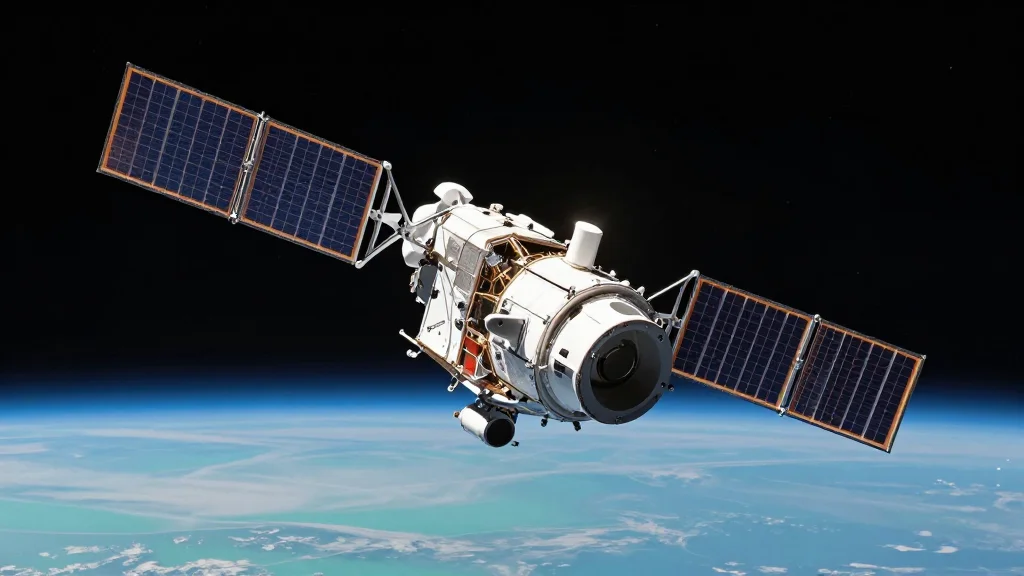
China Leverages Satellite Constellations as Core Climate‑Monitoring Infrastructure
China announced that its growing network of navigation, imaging and broadband satellites now underpins a national climate‑monitoring system, citing 92 launches in 2025—a 35% rise from the prior year. The move deepens Beijing's strategic foothold in space‑based environmental data and...

ESA Begins Developing Replacements for NASA’s Contributions to LISA
The European Space Agency (ESA) has launched a risk‑mitigation program to replace NASA’s planned contributions to the Laser Interferometer Space Antenna (LISA) mission. On 5 May 2026 ESA awarded Thales Alenia Space a €26.1 million contract (about $28.5 million) to develop the mission’s...
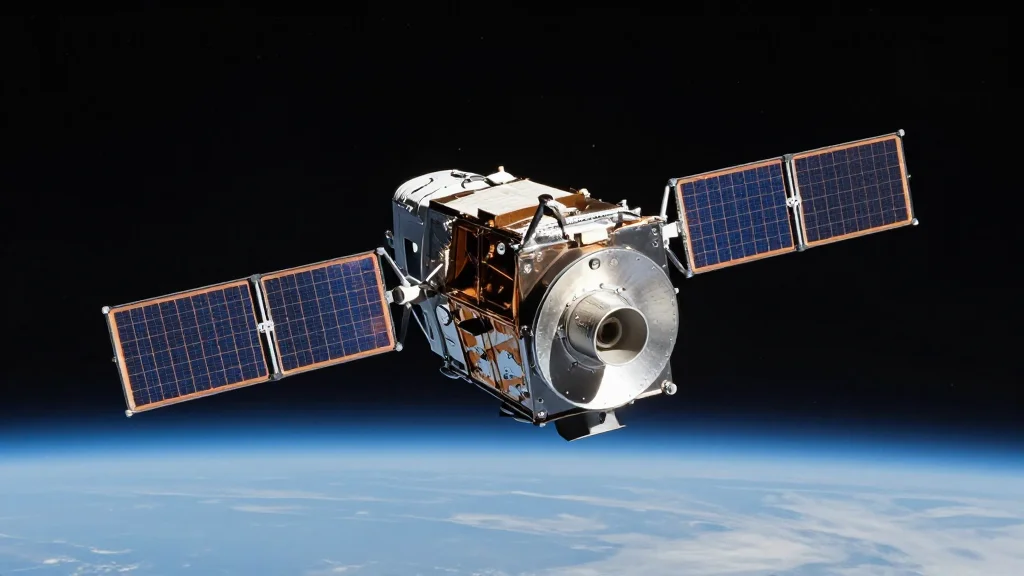
Meet Rassvet, Russia’s Answer to Starlink
Russia’s Bureau 1440 launched the first 16 Rassvet broadband satellites on 23 March 2026, marking the start of a planned low‑Earth‑orbit constellation. The government‑backed project aims for 300‑350 satellites by 2030, delivering up to 1 Gbps speeds and 70 ms latency across the nation....

Bringing Low Earth Orbit (LEO) Satellite Connectivity to Scotland’s Rail Network
Nomad Digital is installing Low Earth Orbit (LEO) satellite‑based Wi‑Fi on ScotRail’s Class 222 intercity fleet, covering routes such as Glasgow‑Edinburgh‑Aberdeen‑Inverness. The solution reduces reliance on terrestrial mobile networks, delivering more consistent connectivity in rural and regional areas. The rollout is...

GCT Taps Satellite Partner to Speed 5G Rollout
GCT Semiconductor has signed a reference platform agreement with a major satellite communications provider to speed the creation of 5G user equipment that works across satellite and terrestrial networks. The deal builds on an earlier chipset licensing pact and delivers...

SatVu Positions Thermal Imaging as the Missing EO Layer
SatVu, the UK thermal‑imaging startup, closed a £30 million (≈$35 million) round in February and this week announced first‑light data from its second satellite, HotSat‑2, launched on SpaceX’s Transporter‑16 rideshare. The thermal images captured activity at an oil refinery in Cuba before...

Zimbabwe Starlink Subscriptions Now The Largest In Southern Africa
Starlink’s Zimbabwe subscriber base hit 67,057 in Q4 2025, a 31.6% quarterly jump and 117% growth since early 2025, making the country the Southern African leader in satellite internet. The surge lifted Zimbabwe to over half of the region’s Starlink users,...

Infineon Rad-Hard Chips Performed Flawlessly on Artemis II
NASA’s Artemis II mission completed a 10‑day crewed flight that set a new record for distance from Earth, while simultaneously proving the reliability of Infineon Technologies’ radiation‑hardened semiconductor portfolio. Infineon’s IR HiRel rad‑hard devices powered critical Orion systems, including power supply, control...

Indonesia’s Space Ambitions: To Sign the Artemis Accords or to Wait?
The United States is urging Indonesia to join the Artemis Accords, the lunar‑exploration framework signed by 64 nations as of May 2026. Indonesia already enjoys a long‑standing space partnership with the U.S., dating back to the 1976 Palapa‑1 satellite and a...

What Supplies Does the International Space Station Require, Why, When, and How
The International Space Station’s supply chain balances daily crew needs, scientific payloads, and hardware maintenance through a coordinated mix of cargo vehicles. NASA treats supplies as an operating system, planning food, water, air, spare parts, and research cargo to match...
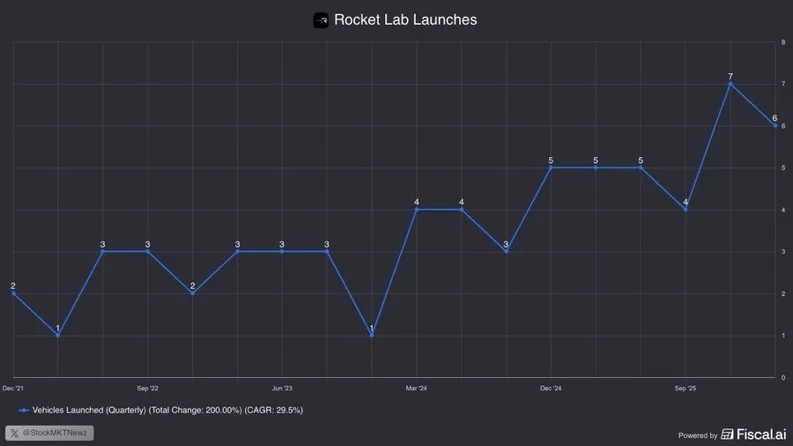
Rocket Lab Records Six Straight Q1 Launch Successes
Rocket Lab $RKLB had 6 successful rocket launches in Q1 2026 1: Q1 2022 3: Q1 2023 4: Q1 2024 5: Q1 2025 6: Q1 2026

OH
.@OHB_SE: Record Q1 backlog, big boost in rev, EBITDA, cash; @esa spending from November ministerial starting; hoping for a @bundeswehrInfo bonanza to come; @rfa_space inaugural flight planned this summer from @SaxaVord_Space. https://t.co/AA1olBC6P9 https://t.co/loZwft608G

Lunar Outpost Raises $30 Million
Colorado‑based Lunar Outpost announced a $30 million oversubscribed Series B round, led by Industrious Ventures, to revamp its rover lineup for NASA’s Artemis program. The company is developing a new Pegasus rover, leveraging 72 % of its Eagle design, to meet NASA’s revised...
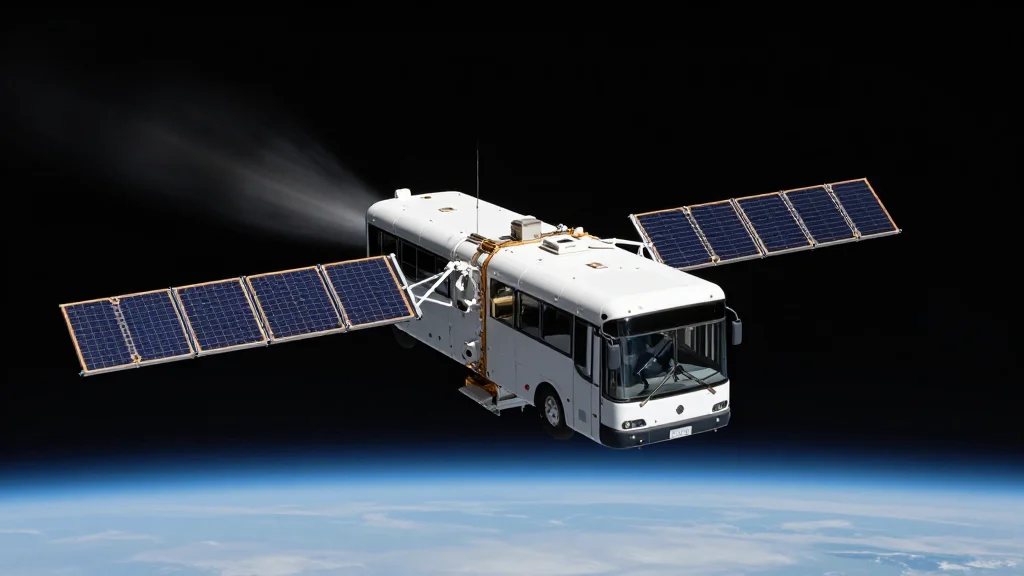
Most March Russian Starlink Satellites Maneuvering to Operational Orbit
All but one "Russian Starlinks" launched in March showed signs of maneuvers, presumably on their way to operational orbits. Context: https://t.co/aDdeCmCNC9
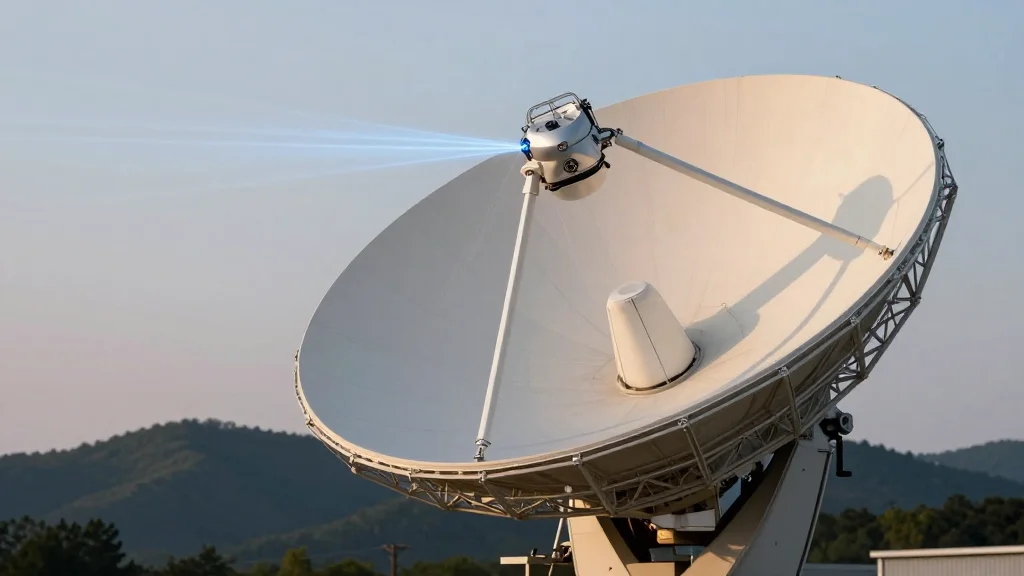
NSF Green Bank Observatory Shares Images, Data From Artemis II Mission
The National Science Foundation’s Green Bank Observatory has released high‑resolution radio images and S‑band telemetry data captured during NASA’s Artemis II crewed lunar‑flyby mission. Using its 100‑meter Robert C. Byrd telescope, the observatory tracked the spacecraft in real time and now...

Space Is Becoming Climate Infrastructure, And China Knows It
China is transforming space into a sovereign, multi‑layered infrastructure, rapidly expanding launch capacity, navigation, communications and Earth‑observation constellations. In 2025 it reported 92 launches, a 35% rise, and plans continued crewed missions, reusable rockets and satellite internet. The United States...

Mint Explainer: Why India’s Space Data Centre Dreams Could Be Far-Fetched
India’s nascent space‑data‑centre sector is attracting buzz, with four home‑grown startups joining global giants like Elon Musk’s X, Starcloud and Relativity in touting satellite‑based AI compute. The Mint explainer argues that while the theory of orbiting GPUs is alluring, the...
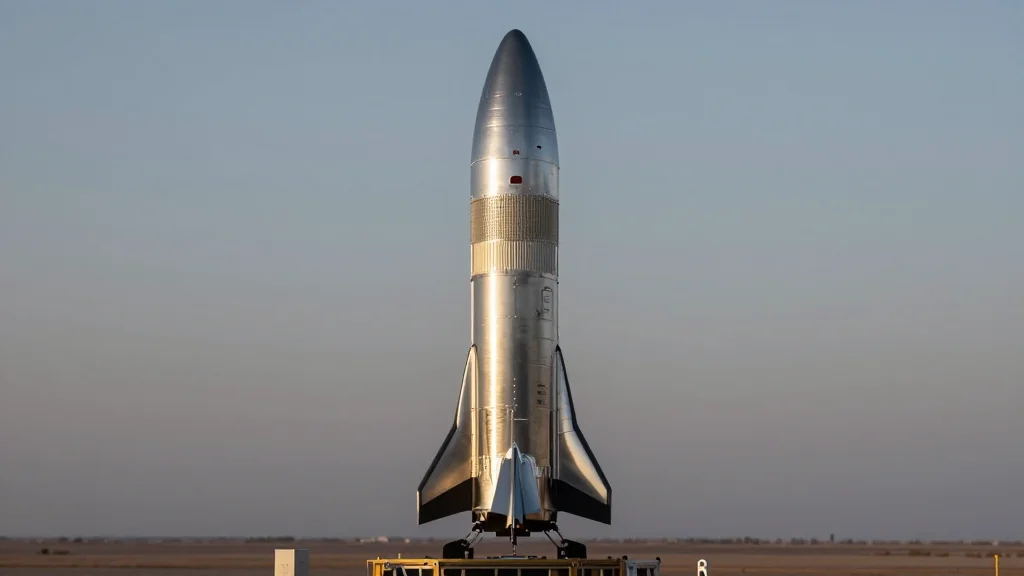
SpaceX Accelerates Shift to Starship, Targets 12 Test Flights by Q3 2026
SpaceX announced an accelerated transition from Falcon 9 to its fully reusable Starship, aiming for 12 orbital test flights and a launch‑on‑demand capability by the third quarter of 2026. The move targets the heavy‑lift gap and positions the company ahead...
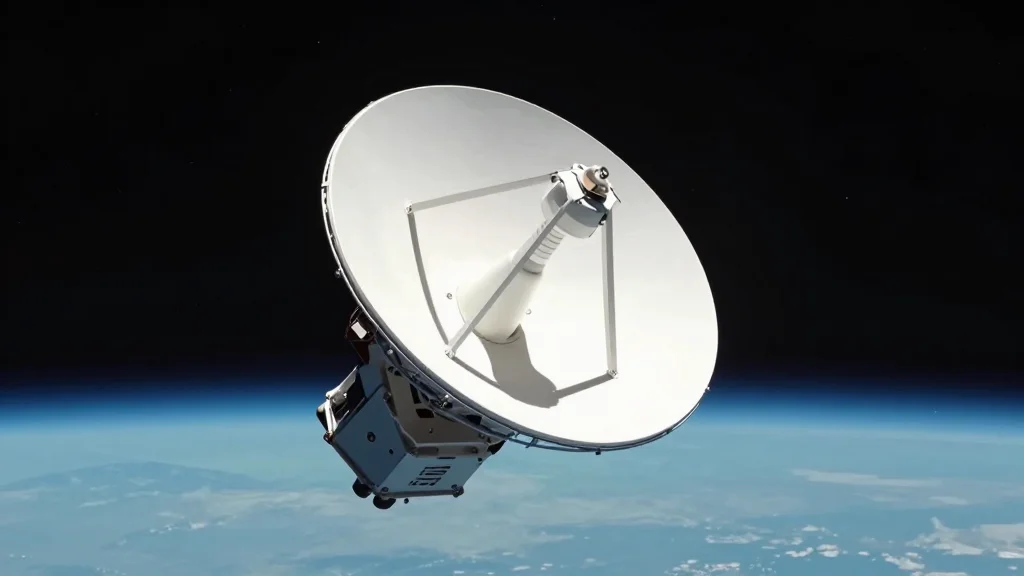
MDA Space Secures 41 Early Customers for CHORUS SAR Constellation
MDA Space revealed 41 early customer commitments for its upcoming CHORUS synthetic‑aperture radar constellation, with nine signed contracts and 32 letters of interest. The announcement highlights robust market appetite for the hybrid SAR system ahead of its planned late‑2026 launch...
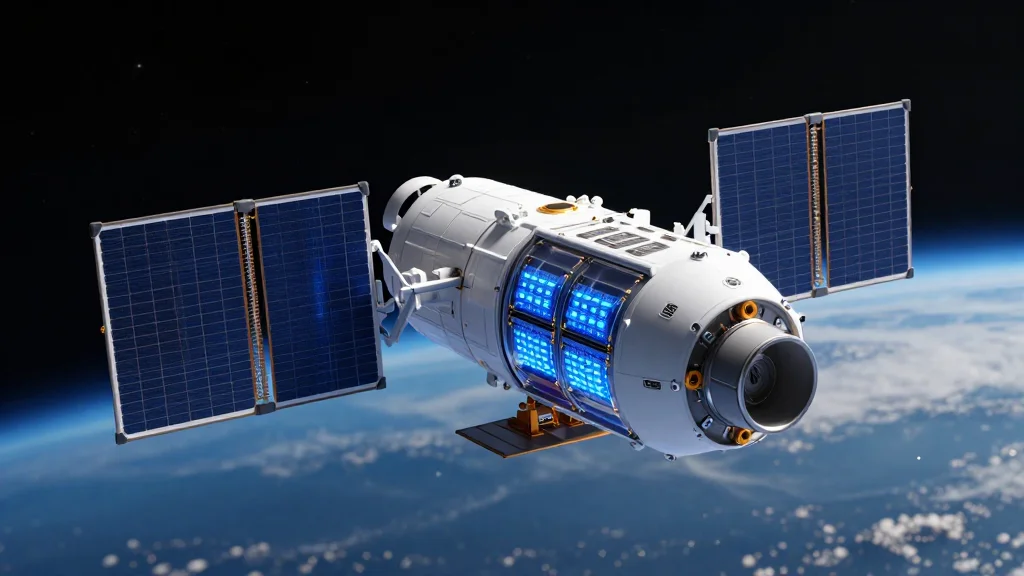
The Case for Data Centers in Space
Starcloud is developing orbital data centers to meet surging AI compute demand, beginning with a 1‑kW satellite that ran inference in space and progressing to a 10‑kW rack‑scale unit slated for launch within a year. The company’s roadmap targets a...

The Invisible Hand: Regaining Control of Service Quality From Outsourced Satellite Networks
Mobile network operators are increasingly leasing Low Earth Orbit satellite capacity from satellite network operators to fill coverage gaps, but the lack of direct control creates a trust gap and makes service‑level enforcement difficult. Researchers at Tsinghua University introduced Ripple,...

Joel Thayer and Matthew Wong: Space Policy Can’t Run on Dial-Up Speeds
The United States now hosts 15,296 active satellites, generating $65.2 billion in 2024, but the FCC’s Space Bureau backlog has swelled to 1,475 applications, slowing projects. A bipartisan push, including FCC rulemaking and the Satellite and Telecommunications (SAT) Streamlining Act, seeks...
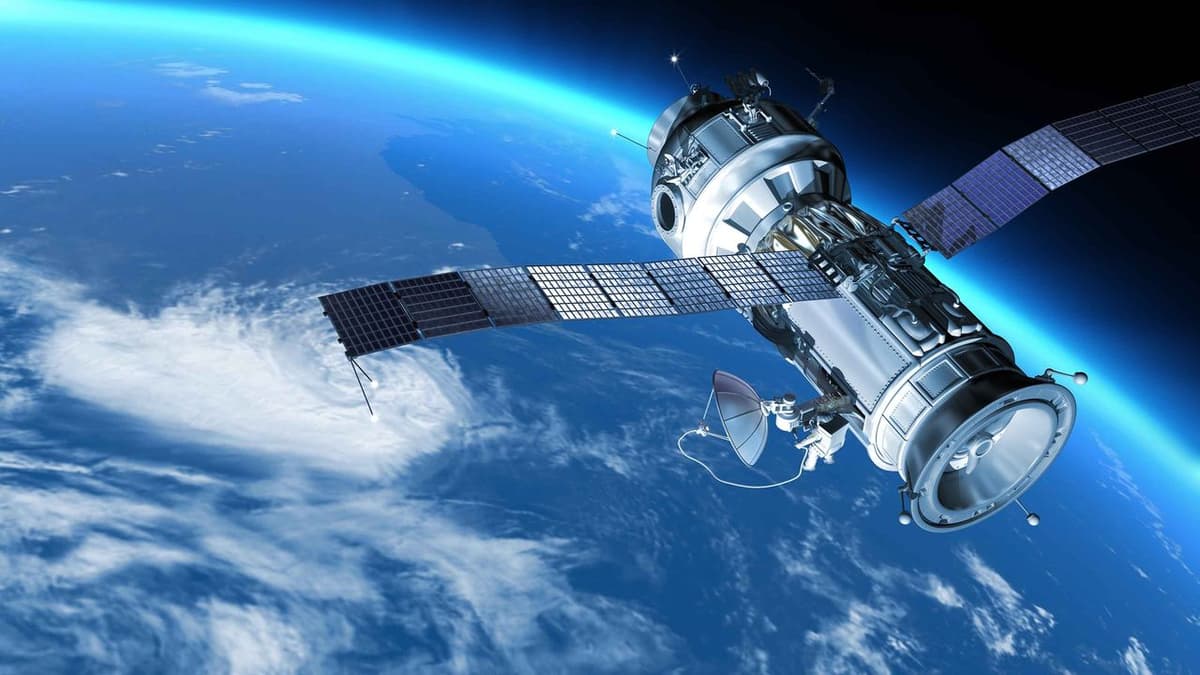
The Rapid Rise of Cell Towers in Space
Satellite firms are racing to deliver direct‑to‑device (D2D) broadband, with SpaceX planning 15,000 new satellites and spending $17 billion on spectrum, while Amazon bought Globalstar for $11.6 billion to launch its own constellation. Market analysts forecast cumulative D2D revenue of $100 billion by...

Starship Test Rescheduled: May 9, 8 Am–8 Pm
🚨New Starship test closure: May 9th, 8 a.m. - 8 p.m. Looks like the WDR has moved a bit. https://t.co/mHpCFWoYEQ https://t.co/lKlErbZJtr
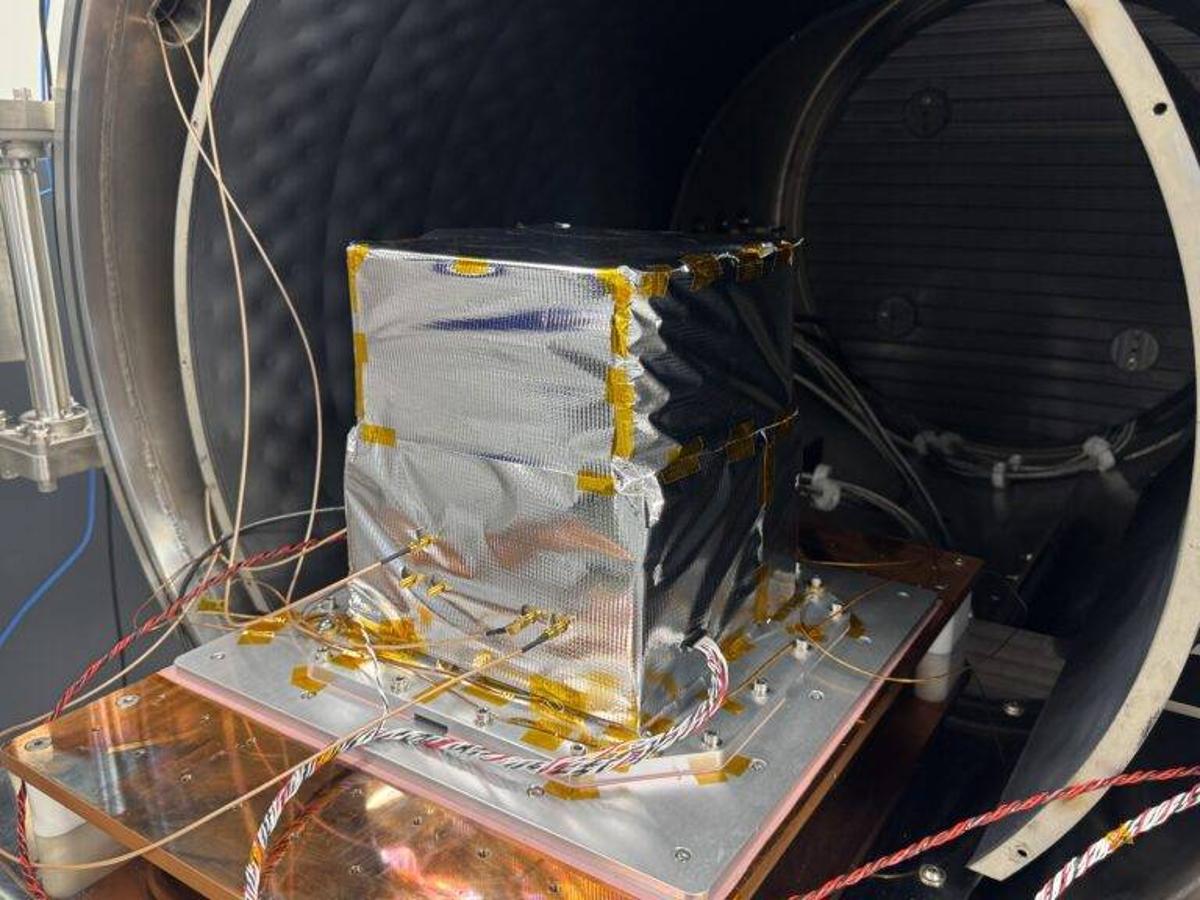
Australian Quantum Technology to Support National Defence Strategy
Australia’s QuantX Labs has launched TEMPO, a quantum clock that delivers up to ten times the precision of conventional GNSS timing systems, now operating in orbit. The technology promises more resilient communications, accurate navigation and robust satellite‑ground synchronization, especially when...