
Bond Traders Focus on Treasury's 3‑Month Funding Plan, Fed Speeches and May Jobs Data
U.S. bond traders are concentrating on the Treasury Department’s upcoming three‑month borrowing plan, a series of Federal Reserve speeches and the May jobs report, with yields near the top of their recent range. The market’s focus reflects concerns over inflation, elevated oil prices and the possibility of rate tightening as early as 2027.

Fed Claims Shrinkage, but Balance Sheet Expands Again
Warsh, Miran and Bessent say they want to shrink the Fed's footprint. But the Fed's balance sheet started growing again in December. Reserve Management Purchases of 40B/month are de facto QE. And they're using the same ATI playbook they criticized Yellen...

Net Negative Migration Threatens U.S. Workforce and Growth
"Why 'net negative migration' could spell bad news for the U.S. economy The U.S. is on track to lose more immigrants than it gains in 2026. That means fewer workers paying taxes, building homes, growing food, and caring for an aging...

Net Job Creation by New Businesses Is Negative Once Again
The Bureau of Labor Statistics Business Employment Dynamics report shows a net loss of 159,000 jobs in the United States for the third quarter of 2025, marking the second consecutive quarter of negative net job creation. Gross job losses from...
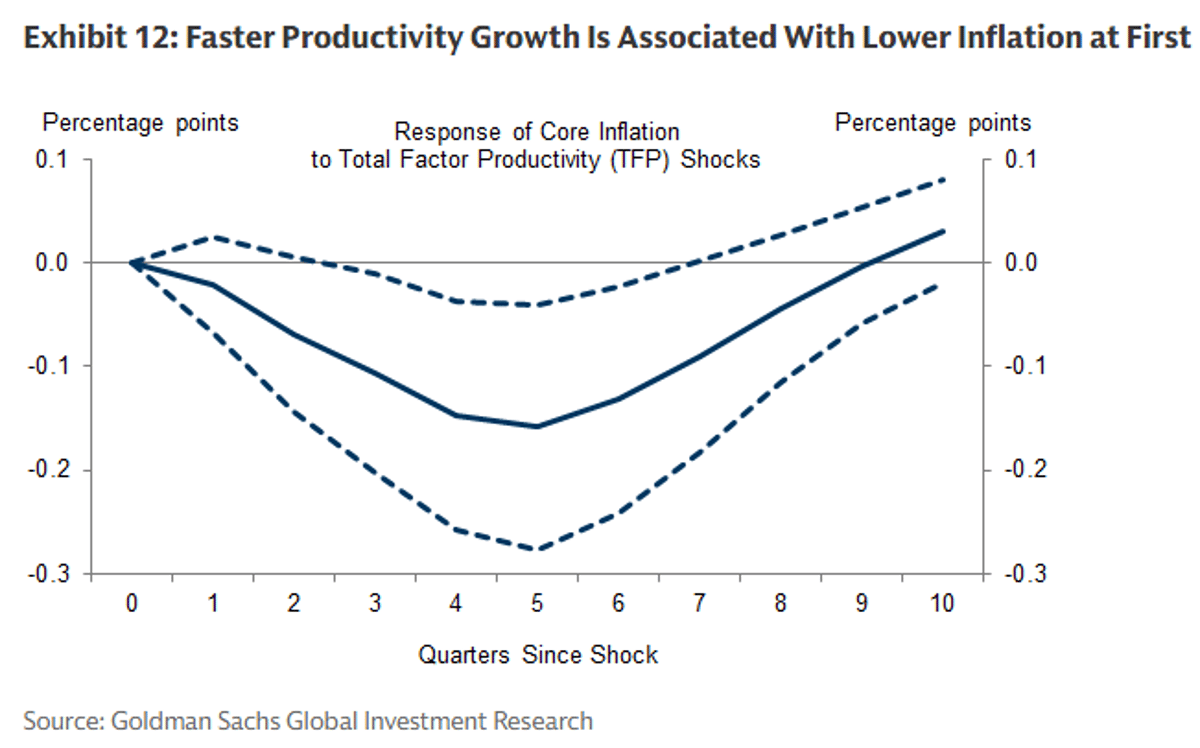
AI Promises Growth, yet Fuels US Inflation Now
GS: We expect artificial intelligence to deliver large productivity gains over the next several years, boosting the economy’s potential growth rate and putting downward pressure on production costs. So far, however, AI is boosting US inflation. https://t.co/c0lNX9gTvd

War Continues, Rate Cuts Unlikely; Hike Probability Rises
No rate cuts while the war is ongoing; there's a higher chance of a hike if this persists.

A Snapshot of Black Employment Trends Under Trump 2.0: Black Workers—Particularly Men—Are Experiencing Lower Employment Compared with a Year Ago
The Economic Policy Institute reports that Black unemployment rose to 7.6% in the first quarter of 2026, a 1.2‑percentage‑point increase from the same period under the second Trump administration. Black men’s employment‑population ratio dropped 1.7 points to 58.8%, driven primarily...
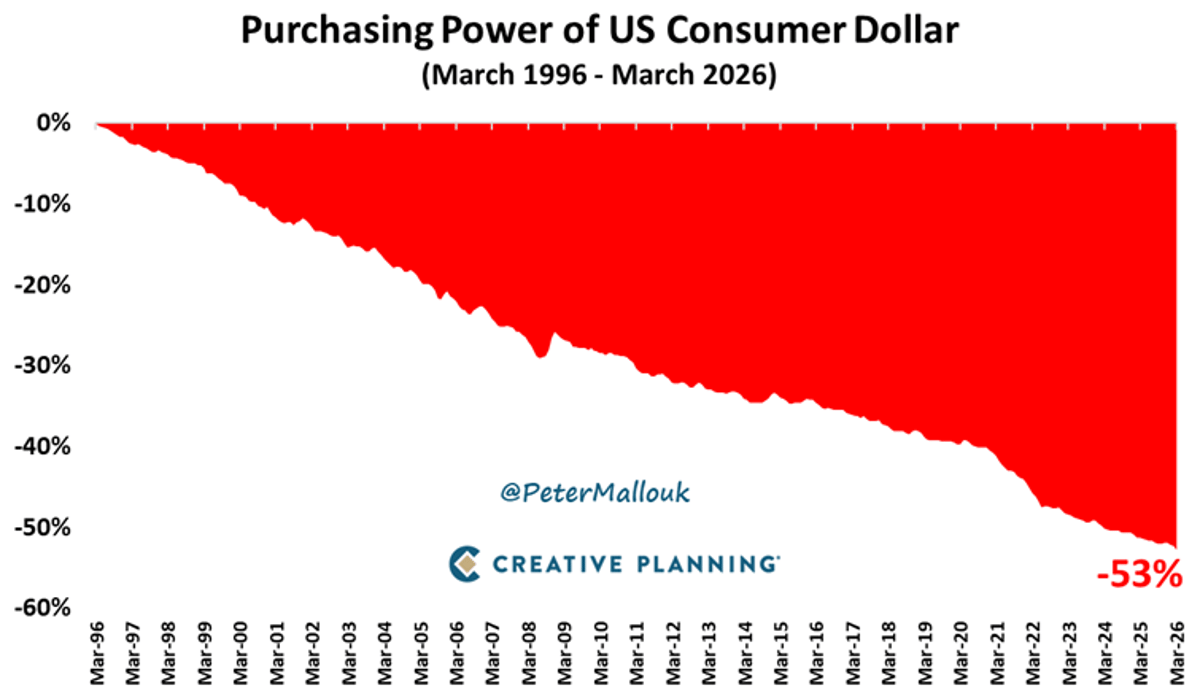
Half of Dollar’s Value Vanished: Invest, Don’t Hoard Cash
Over the past 30 years, the U.S. dollar lost 53% of its purchasing power. That’s the hidden cost of sitting in cash due to inflation. Keep what you need for an emergency in cash and invest the rest. https://t.co/WAUUt2KTKQ

Talk Your Book: Animal Spirits Live with F/M Investments
F/m’s new Compounder ETF series targets after‑tax investors by deferring income, cutting dividend tax drag, and offering higher after‑tax yields. The firm highlights hidden costs in traditional dividend reinvestment programs, advocating market‑order purchases to preserve returns. It contrasts the liquidity...

Factory Orders Rise 0.4% as Fed’s Williams Speaks
Economic Calendar for Mon. May 4th 10:00am - Factory orders m/m for March: Expected 0.4%; Prior 0% 12:50pm - Fed’s Williams speaks

The Daily Feather — Goodbye, Yellow Bus in The Sky
Spirit Airlines announced the end of its 33‑year operation after Flight 1833 landed at Dallas‑Fort Worth, marking the closure of a low‑cost carrier that once served millions of passengers. The airline will retire a fleet of roughly 150 aircraft, removing about 5 million...

Warsh's Take on Fed Independence Is Met with Confusion and some Concern
Kevin Warsh, President Donald Trump’s nominee for Fed chair, told Senate committees that the Federal Reserve must remain “strictly independent” in monetary policy but is open to collaborating with Congress and the Treasury on non‑monetary issues. He floated the idea...
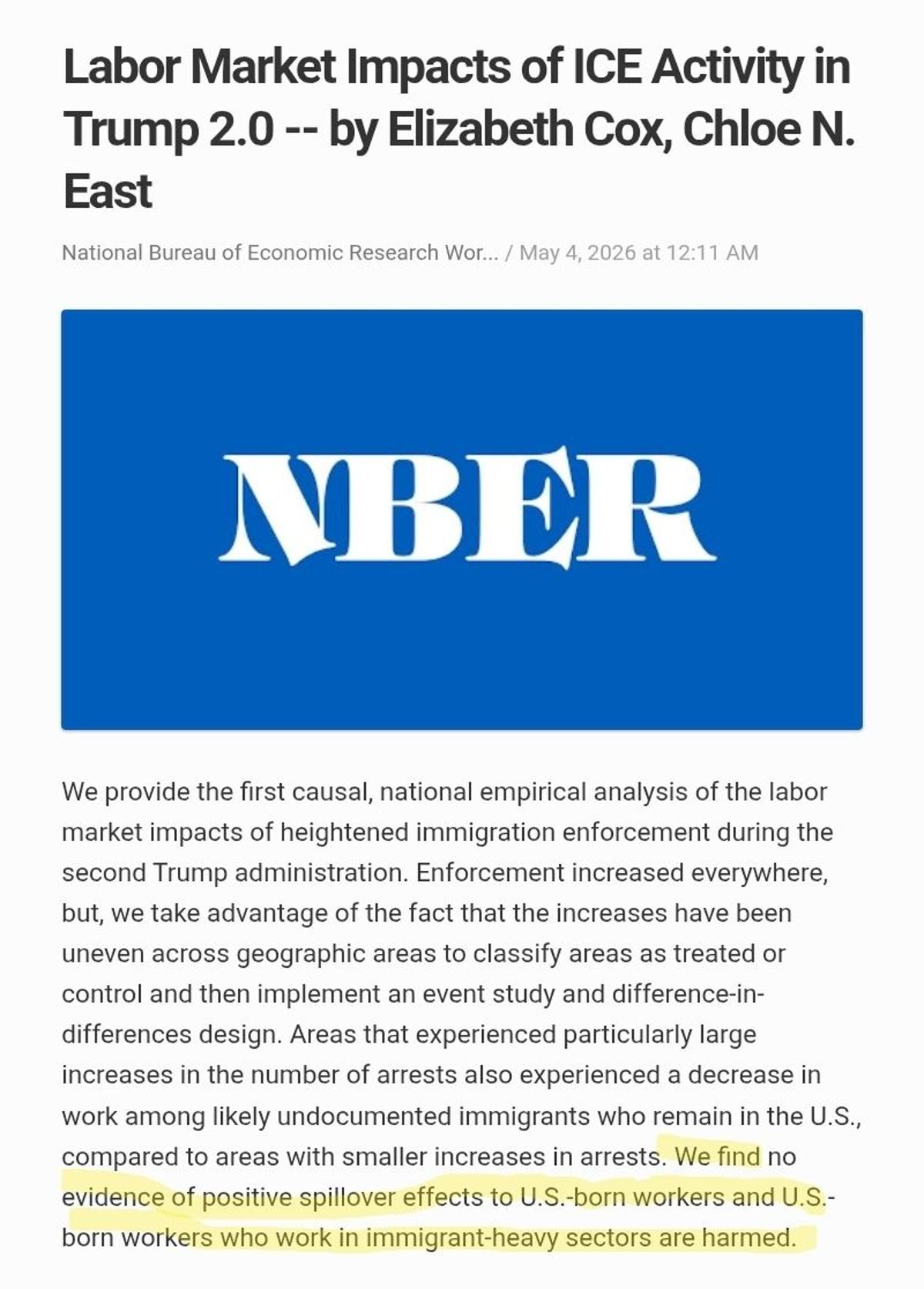
Immigrant Enforcement Harms U.S. Workers, No Spillover Benefits
New @nberpubs: "Labor Market Impacts of ICE Activity in Trump 2.0" https://t.co/LiZXDgySdk "We find no evidence of positive spillover effects to U.S.-born workers and U.S.-born workers who work in immigrant-heavy sectors are harmed" 😲 https://t.co/XepXyVseyO
Core Inflation Barely
LOL are we really gonna pull out this Krugman-esque, ghost of Arthur Burns bullshit again for the Warsh Fed?

Fidelity Warns Homebuyers: Bond Market, Not Fed, Drives 6.44% Mortgage Rates
Fidelity Investments cautioned that long‑term Treasury yields, not Federal Reserve moves, are dictating today’s mortgage rates, which sat at 6.44% for a 30‑year fixed loan on May 1. The firm urged prospective buyers to understand the difference between fixed‑rate and adjustable‑rate...

New Tax Shift Threatens Intergenerational Property Fairness
It will be the most ironic example of policy that undermines intergenerational fairness, if after decades of capital gains for boomers the government doubles taxes on shares and entrepreneurship for the younger generation. Focus on property. Don't destroy everything else with it

Investors Scrutinize Treasury’s New Guidance on Note and Bond Issuance
U.S. Treasury officials released updated guidance that expects no increase in note and bond issuance for at least several quarters. Investors are questioning the plan, warning it could tighten primary‑market supply and raise pricing risk as the government funds a...
GDP Growth May Mask Inflation and Cycle‑Driven Spending
Is all this anticipated GDP growth really just Business Investment, Government spending, Prices going up (inflation), certain Corporate sales rising on what may just be a cycle top.
Inside Fed Strategy: Kurt Lewis Shares Central Bank Insights
In this episode we sit down with Kurt Lewis, Head of Central Bank Policy at Piper Sandler and former Special Advisor to Fed Chair Jerome Powell. https://t.co/N5gUxUSRsB

U.S. Debt Tops 100% of GDP, First Time Since WWII, Sparking Fiscal Alarm
The United States’ national debt rose to $39 trillion, reaching 100.2% of GDP in Q1 2026 – the first time the ratio has exceeded the economy’s size since 1946. Lawmakers and economists warn the surge threatens growth, raises borrowing costs and erodes...
Questioning the Need for Multiple Inflation Measures
Since the Fed has a preferred inflation gauge, why do we even bother with the other ones?

U.S. Dollar's 10% Slide Fuels Higher Everyday Costs for Americans
The U.S. dollar has slipped about 10% against major currencies since early 2025, driving up import‑linked prices for groceries, travel and other everyday items. Economists and business leaders warn the “hidden tax” could tighten personal budgets and alter inflation dynamics.

Freddie Mac Says Mortgage Rates Hit 6.30% as Buyer Demand Remains Strong
Freddie Mac reported that the average 30‑year fixed mortgage rate rose to 6.30%, yet buyer demand stayed robust. The data underscores a market where higher borrowing costs have not yet dampened home‑buyer enthusiasm, keeping pressure on home prices and household...
Treasury's $109 Bn Quarterly Borrowing Plan Triggers Market Scrutiny of Yellen‑Era Guidance
The U.S. Treasury will unveil its borrowing plan for the next three months, estimating $109 bn in net borrowing. Traders are watching the language of the refunding statement for any change to the Yellen‑era promise of no increases in note and...
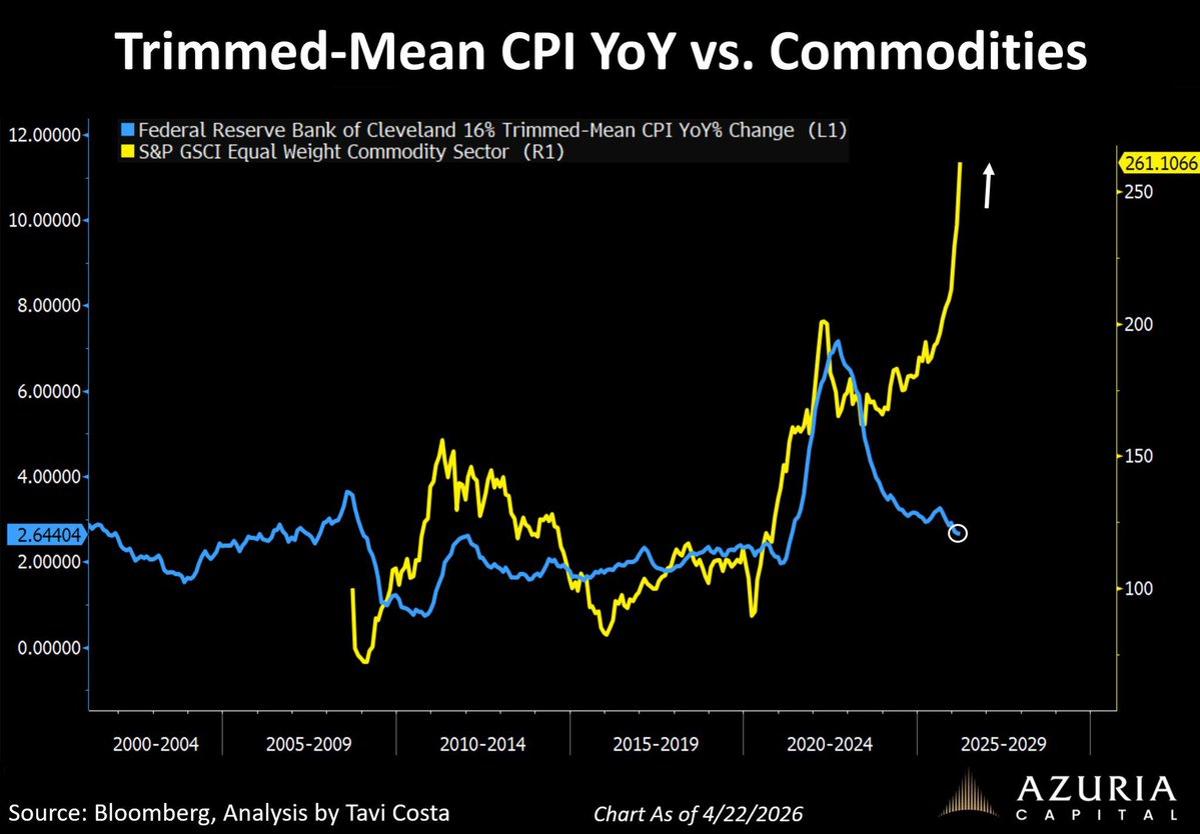
Fed Clings to Flawed Inflation Metric Amid Rising Prices
The St. Louis Fed now posting Kevin Warsh’s useless inflation metric. That’s how far these guys have to go to justify cutting rates while inflation is picking back up. https://t.co/2DvEMmGuRZ https://t.co/hoSrqX9OFs

Wage Slowdown Leaves Gig Work Filling Pay Gaps
Private-sector wages and salaries rose 0.7% in Q1, while total compensation increased 0.9% thanks largely to benefits. On a 12‑month basis, wage growth slowed to 3.4%, and after inflation the real gain was a mere 0.1%. The slowdown is reflected...

Mortgage Spreads at 1.93% Keep 30‑Year Rates Below 7% Amid Rising Inflation
Mortgage spreads narrowed to 1.93% last week, anchoring the 30‑year fixed rate around 6.4% and keeping rates under the 7% threshold that would otherwise result from current 10‑year Treasury yields. Analysts say the spread is the sole factor shielding homebuyers...

U.S. Q1 2026 GDP Grows 2% Annualized, Yet Headwinds Loom
The Bureau of Economic Analysis reported that real GDP grew at a 2% annualized rate in the first quarter of 2026, up from a 0.5% gain in the prior quarter but shy of the 2.3% forecast. Growth was powered by...

Fed’s Barr Says Private Credit Stress Could Trigger Larger Credit Issues
Federal Reserve Governor Michael Barr warned that stress in the $1.8 trillion private‑credit market could trigger a psychological contagion, spilling over into the broader corporate bond market. While direct bank exposure appears limited, ties to insurers and the sector’s opaque valuation...

U.S. Stocks Hit Record Highs as Earnings Surge, Jobs Data Loom, Oil Prices Spike
U.S. equities closed the week at record levels, buoyed by a robust earnings season and expectations for strong April payroll numbers, even as Brent crude surged past $120 a barrel. The S&P 500 posted a 10% monthly gain and the...
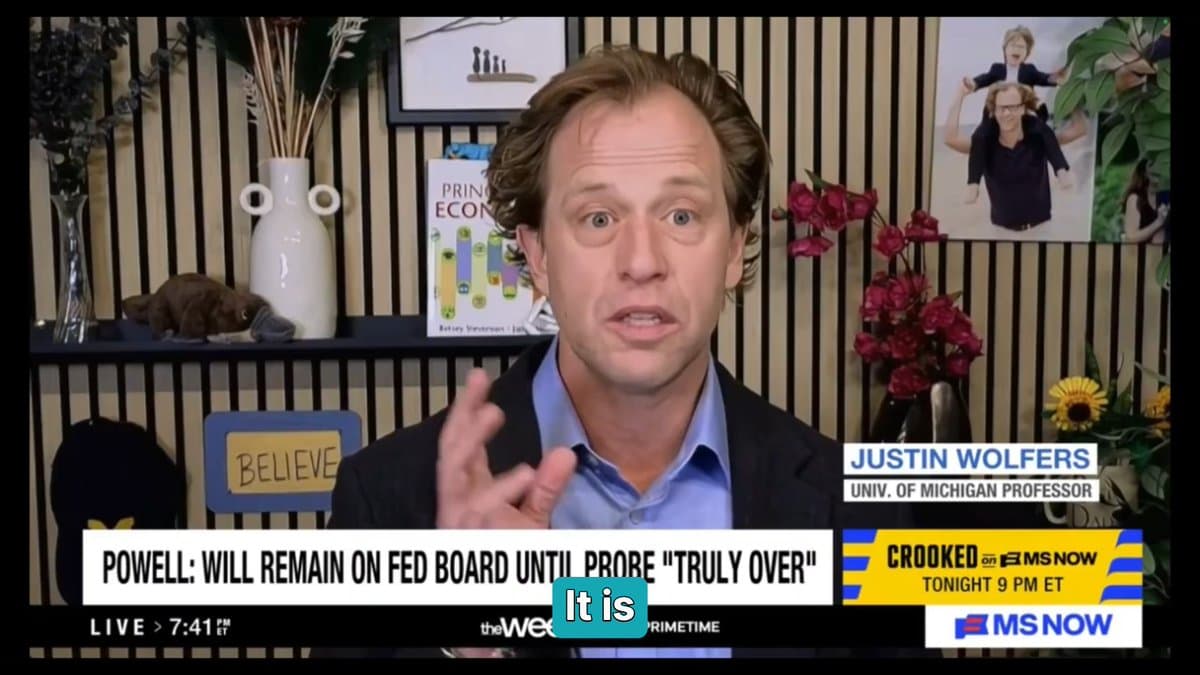
Powell's Governor Role Preserves Leverage, Safeguards Process
Powell’s term as chair may be ending, but his ability to remain a governor still gives him leverage. That matters because process is protection against capture. https://t.co/zmy1pLw79q

Quantifying the Impact of the Iran War on US Inflation
The authors combine a calibrated DSGE model of the global oil market with a monthly structural VAR to estimate how the 2026 Iran war’s oil‑supply shock could affect U.S. inflation. A 15 % shortfall lasting one quarter pushes WTI crude to...
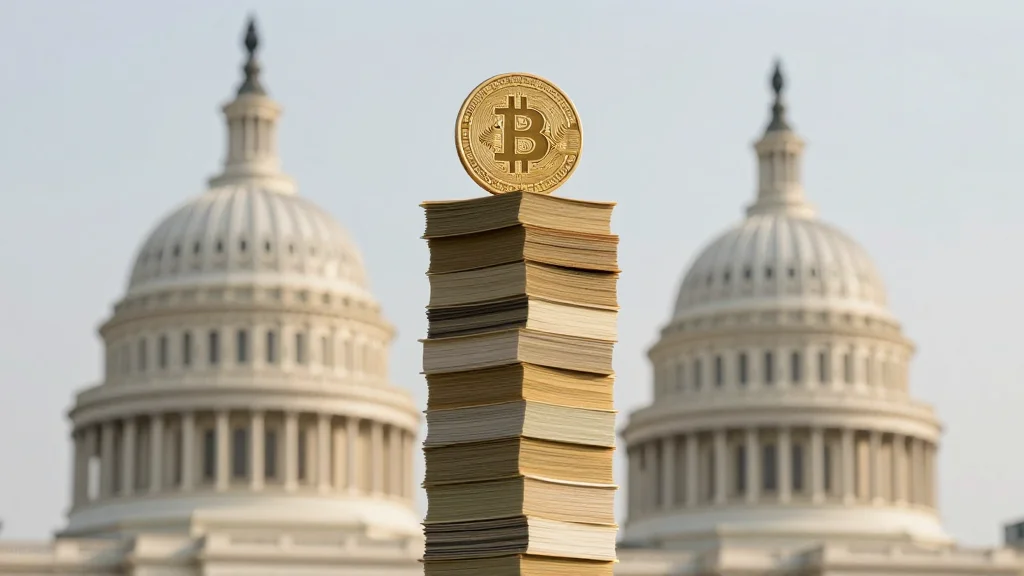
US Debt Soars to $1 Quadrillion; Bitcoin Remains Undervalued
US debt will hit 1 QUADRILLION dollars by 2070. That's 1,000 trillion dollars. Growing at 7.6% per year, that's $87,685 added every second. Interest alone is now $981 billion per year. #Bitcoin is undervalued.
:max_bytes(150000):strip_icc():format(jpeg)/discountrate-Final-2389abe245f049f98e386201d314404e.jpg)
Discount Rate Defined: How It's Used by the Fed and in Cash Flow Analysis
The Federal Reserve’s discount rate serves two distinct purposes: it is the interest rate banks pay for short‑term emergency loans through the discount window, and it is the rate used in discounted cash‑flow (DCF) models to value future cash streams....
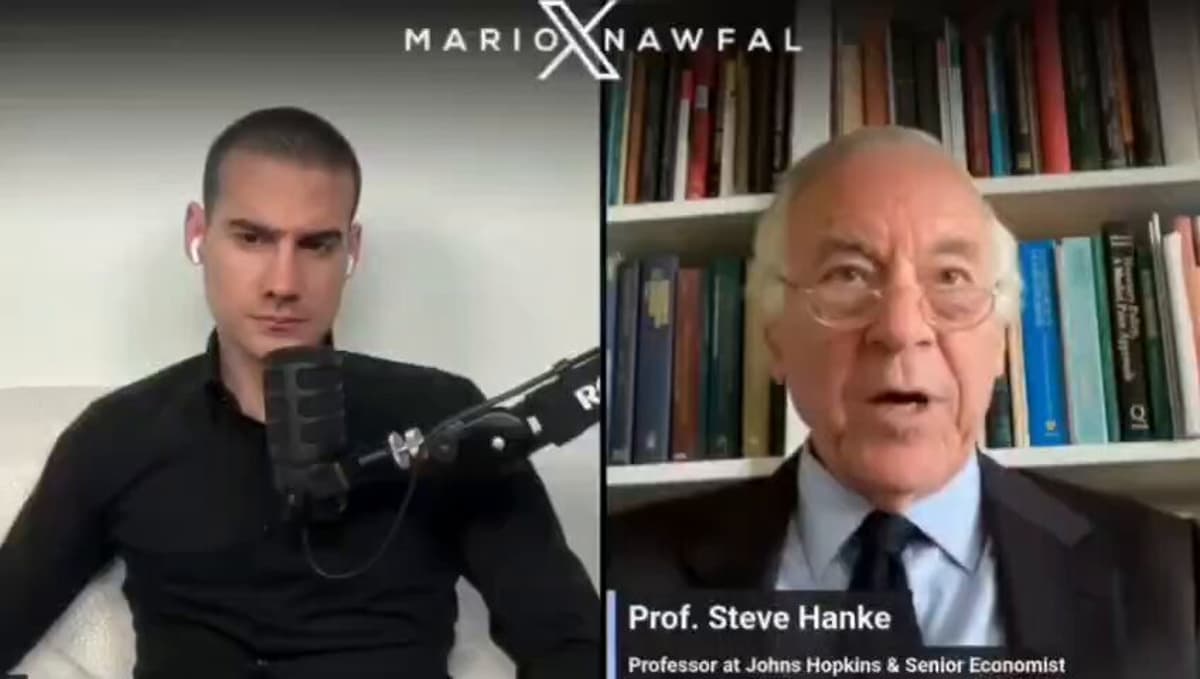
US Economy Stumbles: Inflation Rises, Budget Spirals, Growth Stalls
My view on the POOR state of the US economy on @MarioNawfal : "Inflation is up in the US. The federal budget is out of control. GDP growth is flatlined. Forget Trump's propaganda machine, storm clouds are gathering." https://t.co/1DRQ94bBCd
Trump's Fed Pressure Sparks Bond Market Volatility Fears
President Donald Trump has renewed calls for the Federal Reserve to cut rates outside its regular schedule, prompting analysts to warn of heightened Treasury bond volatility. Historical precedents suggest political meddling can trigger bear markets and push long‑term yields higher.
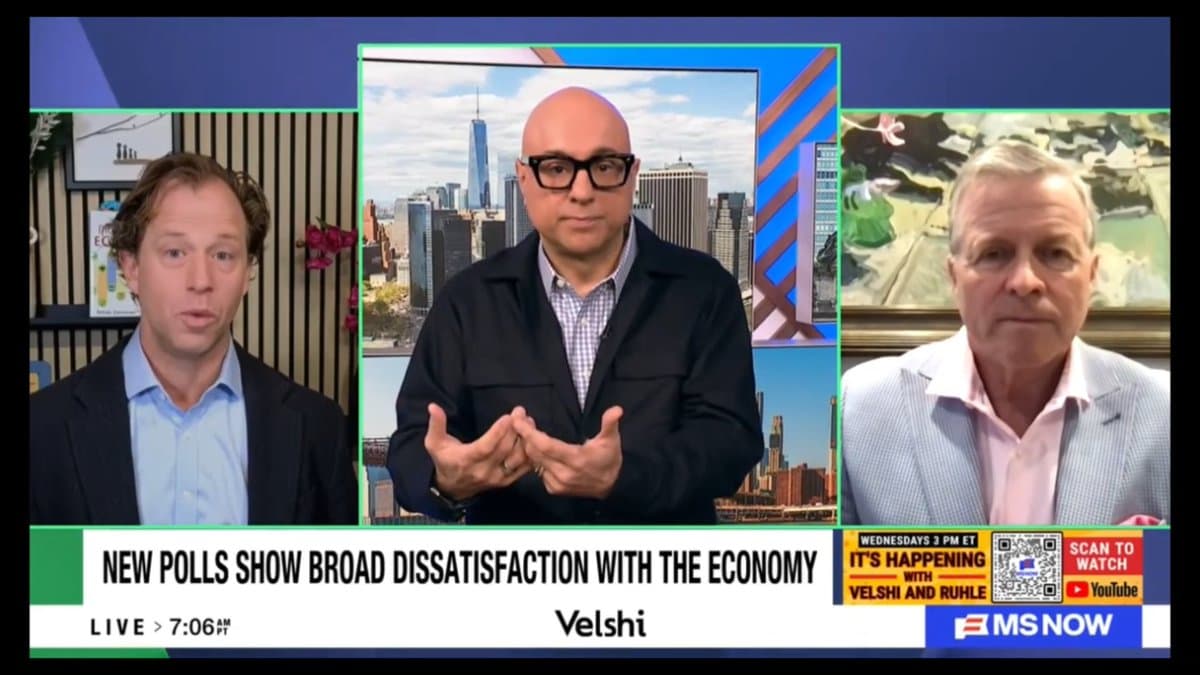
Working Families Face Lasting Price Hikes Despite Tax Cuts
This isn’t just about who gets a tax cut. It’s about who bears the long-run burden. Higher prices for basics plus temporary relief is a rotten deal for working households. https://t.co/Qtku9wBJjJ
Fed's Goolsbee Calls March PCE Inflation 'Bad News' And Urges Delay on Rate Cuts
Chicago Fed President Austan Goolsbee called the 3.5% year‑over‑year rise in March’s Personal Consumption Expenditures price index “bad news” for the Federal Reserve. He warned that the central bank should wait for clear evidence that inflation is moving back toward...

Digital Ray AI Flags 15‑20% Market Correction, Backs Gold and Short Treasuries
Ray Dalio’s AI model, Digital Ray, warns that U.S. equities face a 15%‑20% correction within the next 12‑18 months. The tool advises hedge‑fund managers to tilt toward gold and short‑duration Treasury bonds as defensive positions.

Loans Hit Record High, GDPNow at 3.7%
H.8 Fed Reserve Data: loans grew 8th straight week, the 13th week in 15, and 24th in 28 to a record high. C&I led rising 13th week in 15. Front line of economic activity. Atlanta Fed...
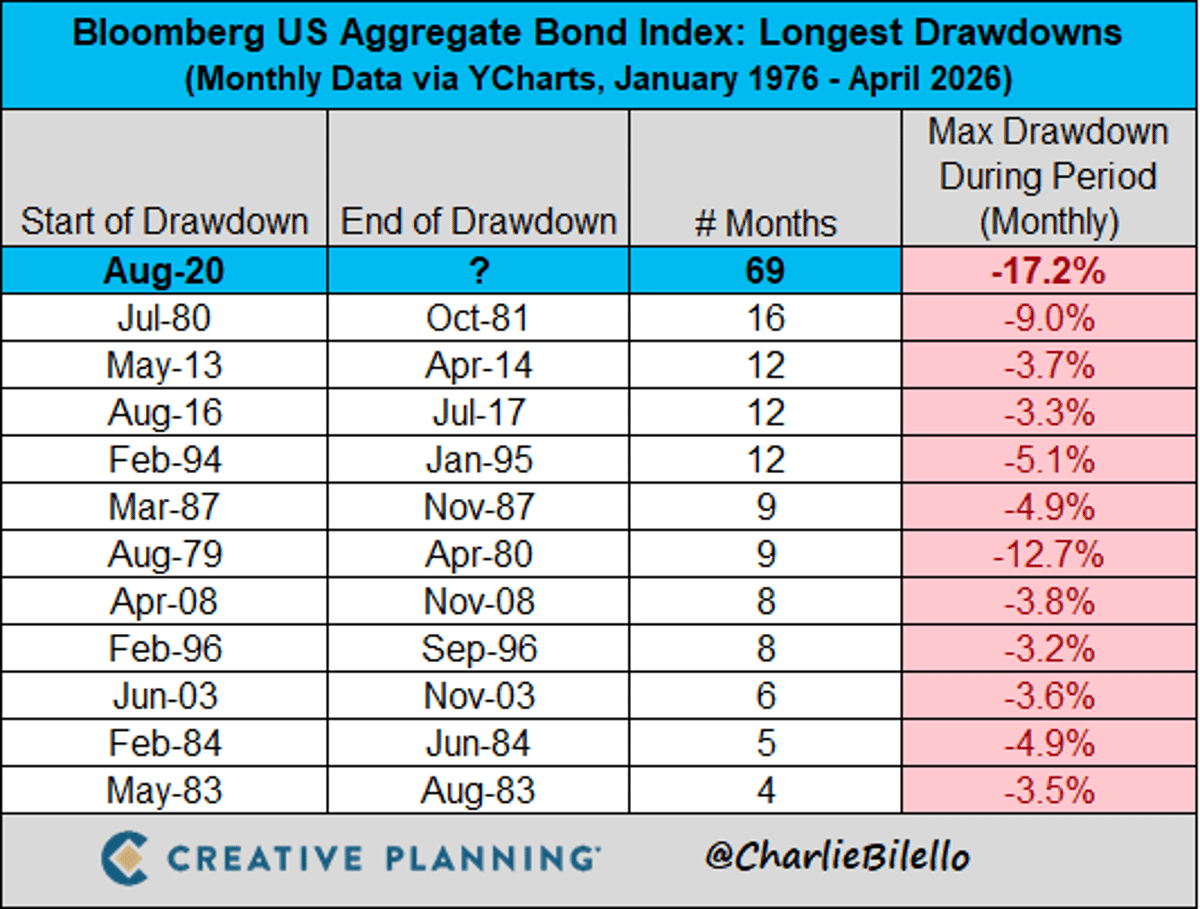
US Bond Market Endures Record 69-Month Drawdown
The US Bond Market has now been in a drawdown for 69 months, by far the longest in history. https://t.co/Y1cdWffv71

War Jobs
U.S. employers are projected to add roughly 60,000 jobs in May, a noticeable slowdown from March’s surge. The ADP report shows private‑sector hiring averaging about 39,000 jobs per week in early April, underscoring continued momentum. Jobless claims have fallen to...

Stocks Rise if Growth Outpaces Inflation
Great chart. The bigger question is whether growth soars more than inflation? What do stocks do if growth keeps surprising to the upside?
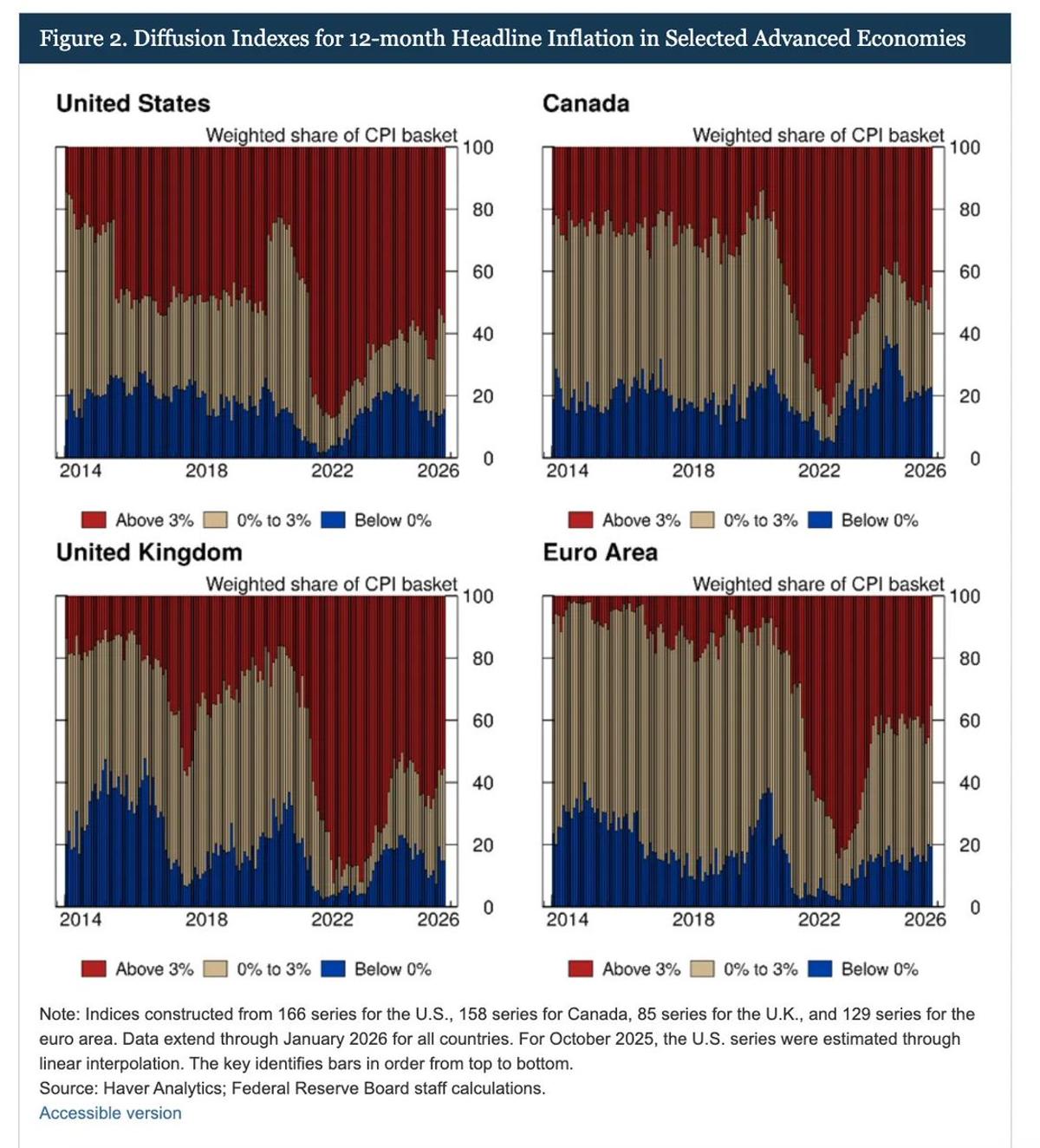
2021‑22 Price Shock Evolved Into Broad Inflation Wave
How the price shock of 2021-2022 mutated into a more comprehensive wave of inflation. More on this in the Chartbook Top Links of today. https://t.co/5s8MaZvyqK

Middle East Conflict Spikes Oil Prices, Stalls Fed Cuts and Lifts Asian Bank Stocks
The Federal Reserve left rates unchanged as the Iran war drove oil to four‑year highs, dampening hopes for near‑term cuts. In Asia, Singapore’s DBS Group posted a $2.93 billion Q1 profit, propelling its shares up 2.8% and buoying regional banking sentiment...

Warsh Nomination Sparks Bond Market Jitters as Powell Stays on Board
President Trump’s nomination of former Fed governor Kevin Warsh to replace Jerome Powell has ignited a debate over future rate policy. Powell will remain on the Board of Governors, but the clash of views is already pushing Treasury yields higher...
Fed Leaves Rates Steady but Signals Tougher Cut Path, Markets Slip
The Federal Reserve left the target range for the federal funds rate unchanged at 3.50%‑3.75% but a record four dissenting votes signaled a tougher road to future cuts. The mixed signal sent the Dow up 0.31%, the S&P 500 up...

Senators Warner and Budd Introduce Workforce Transparency Act to Mandate Real‑Time AI Labor Data
Senators Mark Warner and Joni Ernst (Budd) unveiled the Workforce Transparency Act, a bipartisan bill that would compel firms to submit anonymized, AI‑related workforce data to the Department of Labor. Backed by tech giants and AI research groups, the legislation...

Iran War Pushes U.S. Gas Prices to $4.39/gal, Crude Hits $103/Barrel
U.S. gasoline prices surged to $4.39 a gallon, the highest since the cease‑fire, while crude oil climbed above $103 per barrel after President Trump ordered a continued blockade of Iranian ports. The spike reflects a supply shock from the Iran...

JPMorgan's Jamie Dimon Issued Vague Credit Recession Warning, but the Bond Market Has More Pressing Issues
JPMorgan CEO Jamie Dimon cautioned that a future credit recession could be far worse than expected, even though he offered no specific market signal. At the same time, the impending appointment of Kevin Warsh as Federal Reserve chair is prompting...