
Mortgage and Refinance Rates Today, April 21, 2026: Rates Hold Mostly Firm
Mortgage rates held steady on April 21, with the Zillow‑reported 30‑year fixed rate edging up to 6.05%, a three‑basis‑point rise from the previous day, while the 15‑year fixed stayed at 5.50%. Refinance rates were marginally higher, with the 30‑year at 6.07%. The bond market remained relatively flat, but upcoming geopolitical developments and a slate of economic reports could shift the trend. Industry forecasts from the Mortgage Bankers Association and Fannie Mae suggest rates will hover around 6% through 2026‑27.

Here Are 3 Takeaways as Trump's Pick to Lead the Fed Faces a Confirmation Fight
President Trump’s nominee Kevin Warsh appeared before a Senate banking committee, but his confirmation faces a hurdle from Sen. Thom Tillis, who is demanding the Justice Department end its probe into the Fed and Chairman Jerome Powell. Warsh, a former...
Warsh Pressed on Financial Disclosures, Fed Independence at Hearing
The Senate hearing wrapped up for Kevin Warsh, President Trump’s nominee to lead the Federal Reserve. Warsh stressed that Fed independence is paramount, while declining to comment on Trump’s effort to remove Governor Lisa Cook or the criminal probe into...

FX Daily: Dollar to Weigh up Warsh
Kevin Warsh’s Senate confirmation hearing is set to dominate U.S. monetary policy headlines, with markets expecting a dovish stance on rates and a hawkish approach to the Fed’s balance‑sheet reduction. A potential Iranian delegation to peace talks in Pakistan is...
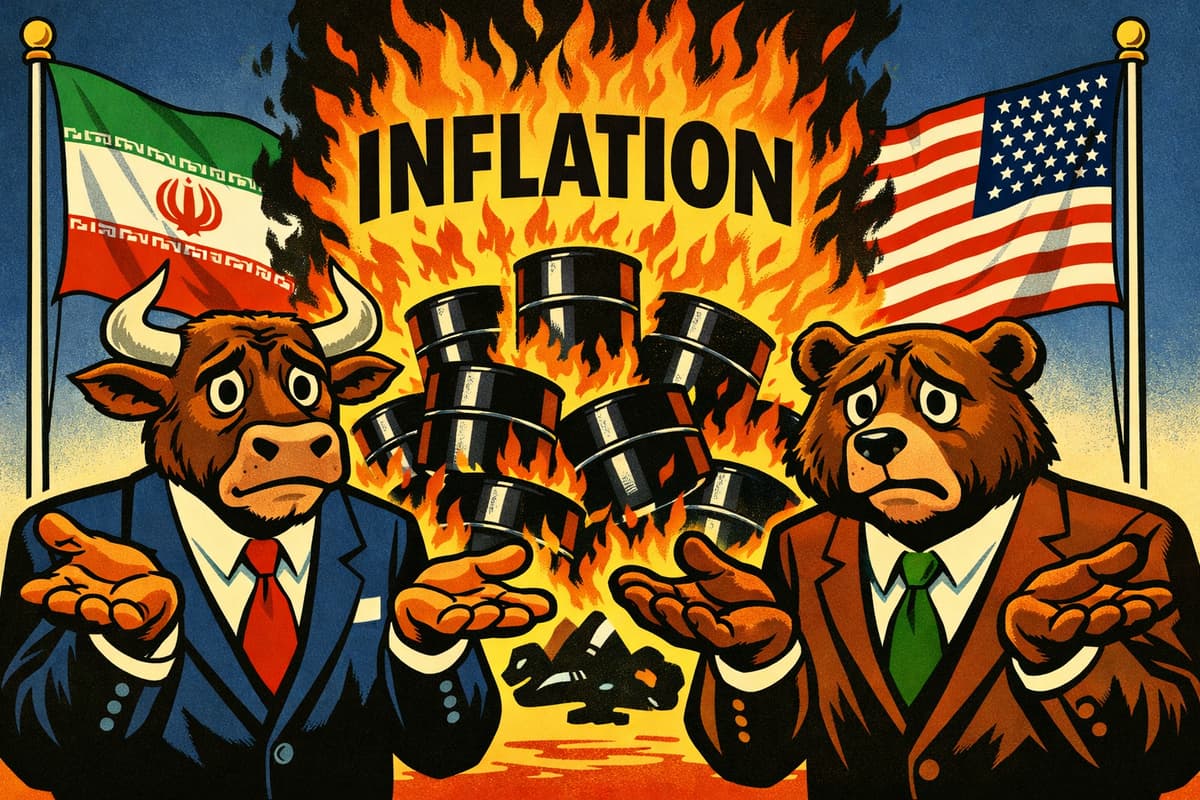
Is the Iran War Hurting the US Economy? Markets Eye Retail Sales Data
Markets reacted cautiously after the U.S. and Iran broke their cease‑fire, with oil prices spiking and equities, bonds and gold slipping. Traders noted a rapid drop in S&P 500 futures volume, the lowest since early April, indicating uncertainty over policy direction....

Redfin Economists’ Weekly Take: All Eyes on Fed Succession as Mortgage-Rate Swings Ease
Mortgage-rate swings have calmed as the United States and Iran move toward a peace agreement, reducing market volatility. At the same time, the Federal Reserve’s leadership transition is back in focus, with nominee Kevin Warsh scheduled for a Senate confirmation...
Commercial Loans Show US Economy Defies Sluggish Forecasts
U.S. banks reported robust growth in commercial loans during Q1, signaling resilience amid inflation, policy uncertainty, and a softening consumer market. Major lenders such as Bank of America, Wells Fargo, and JPMorgan posted double‑digit commercial loan gains, while consumer loan growth...

Wells Fargo's Scharf: Lowering Rates Is 'Wrong Thing to Do'
Wells Fargo CEO Charlie Scharf told a Washington audience that cutting interest rates now would be “the wrong thing to do” given the heightened uncertainty from the ongoing Iran war. He highlighted that loan demand remains robust, delinquencies are low, and...

New York Congressman’s Legislation Would Allow Tax Deductions on Utility Bills
U.S. Rep. Josh Riley (D‑Ithaca) introduced the “No Tax on Utility Bills Act,” a bipartisan bill that would let taxpayers deduct the taxes and state‑mandated surcharges embedded in gas and electric bills. The legislation would apply to both residential and...

Warsh Commits to Monetary Policy Independence, Says President Expressing Views on Rates Isn't a Threat
Kevin Warsh, the President’s nominee for Federal Reserve chair, told Senate bankers that monetary‑policy independence is essential, but he downplayed the risk posed by presidential commentary on interest rates. Warsh, a former Fed governor and former White House economic aide,...

Workers Aren't Happy with Their Pay. But They're Not Looking to Switch Jobs, Either.
A New York Fed survey shows workers are staying put despite growing dissatisfaction with wages and promotion prospects. In March, only 9.7% said they would consider switching jobs, the lowest rate since March 2021, while quits fell to 1.9% of employment. Wage...

Interest Rates, Inflation, and Growth
U.S. fixed‑income markets in 2026 have been defined by sticky inflation, a modest slowdown in real GDP, and a patient Federal Reserve. The 10‑year Treasury hovered around 4.3% while the 2‑year nudged up to 3.7%, reflecting a range‑bound curve rather...
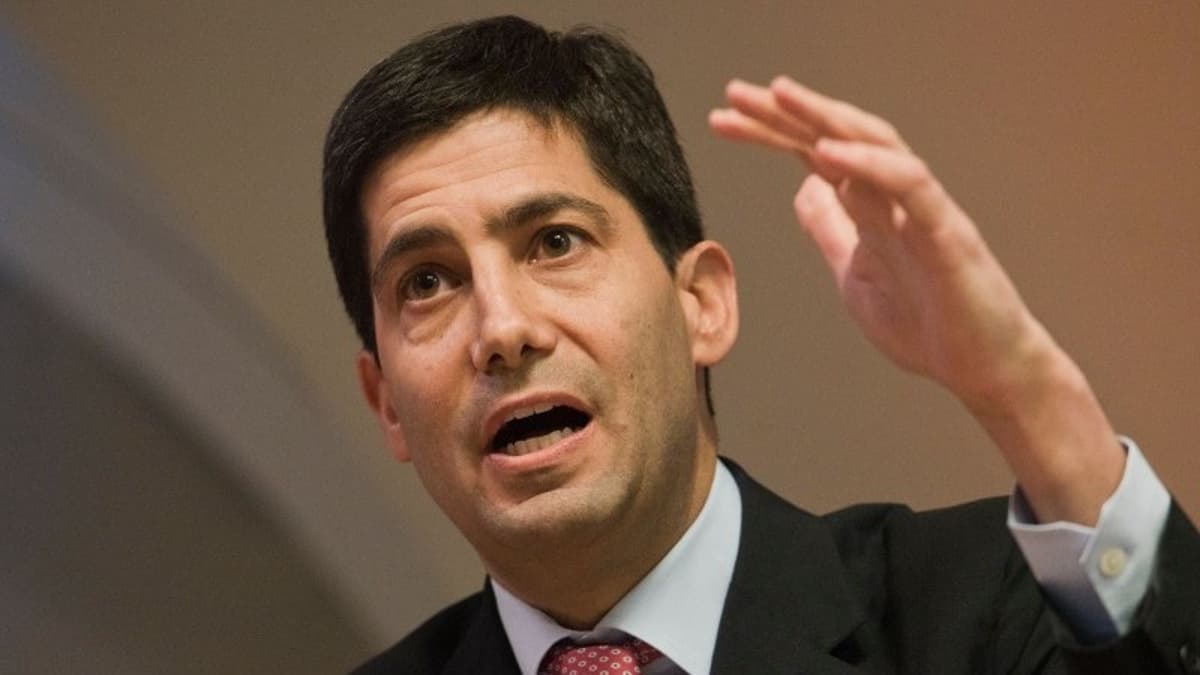
Kevin Warsh’s Fed Confirmation Faces Tough Tests
Kevin Warsh, a former Fed governor and Trump‑nominated candidate for chair, faces a Senate hearing that will test his alignment with the President’s demand for lower interest rates. Warsh is expected to argue for a dovish stance, citing the potential...

Why Are Workers Stuck? Not Enough Employers
Bloomberg argues that the U.S. labor market is behaving like a recession despite the economy not meeting the technical definition of one. A sharp decline in the Labor Market Tightness Index and a rise in long‑term unemployment signal slowed job...

Revisions to 2025 State Employment
In early April 2026 the Bureau of Labor Statistics issued its annual benchmark revision of 2025 state employment figures. The revision reduced the number of states showing positive job growth from 34 to 22 and pushed the median state growth...

Construction Workforce Shifts: Fewer Tradesmen, More White-Collar Jobs
The National Association of Home Builders reports that construction employment has edged past its 2005‑2006 peak, but the workforce composition has shifted dramatically. Tradesmen now account for just 58.8% of the 12.1 million workers, down from 71% in 2005, while management...

The Market's All-Time High Is A Warning Sign
The S&P 500 is trading at price‑to‑earnings multiples that only the Dot‑Com bubble, the 2008‑09 crisis and the COVID‑19 surge have ever exceeded. At the same time, key macro indicators—jobs growth, real personal income and private investment—are trending downward, raising recession...

Philip N Jefferson: Economic Outlook and the Labor Market
Federal Reserve Governor Philip N. Jefferson said the U.S. economy is growing at roughly a 2 percent pace, driven by resilient consumer spending and strong business investment. He described the labor market as roughly balanced but vulnerable to shocks, while inflation...
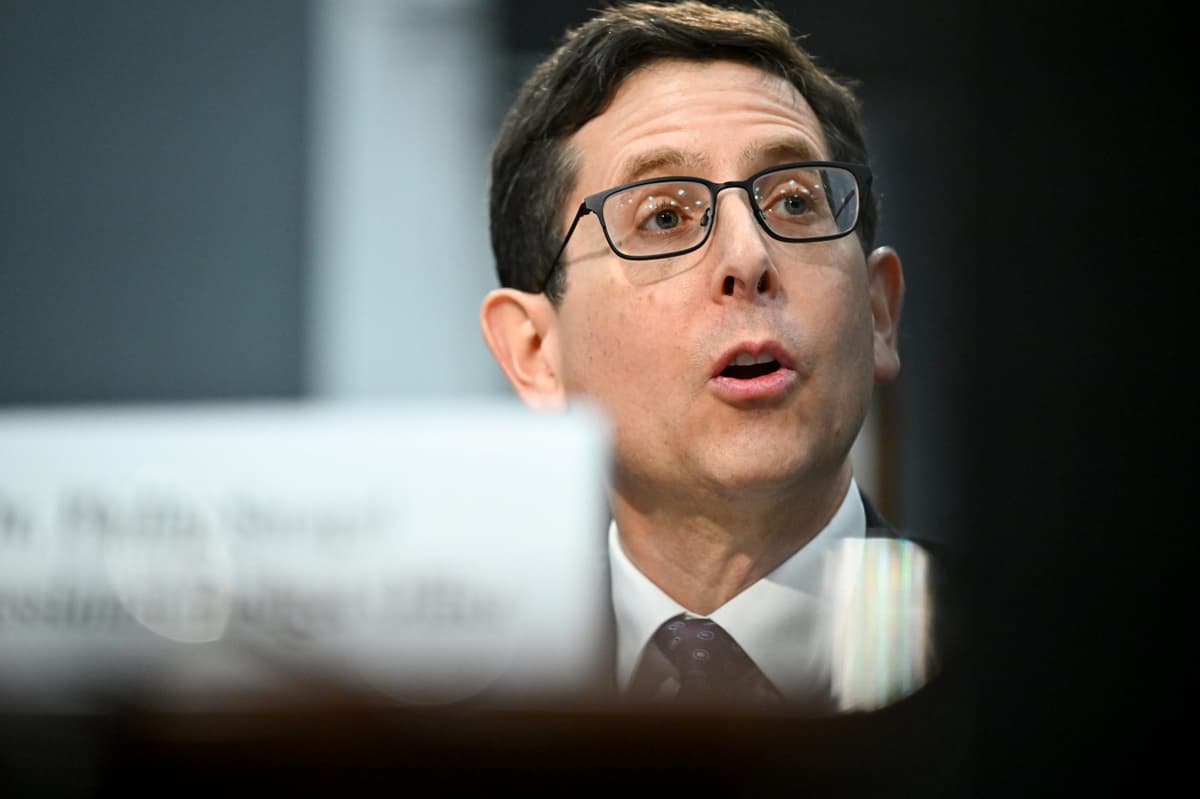
The Director of the Congressional Budget Office—Known for Its Gloomy National Debt Data—Is Very Optimistic that a Crisis Will Be...
Congressional Budget Office director Phillip Swagel, known for stark debt forecasts, says a fiscal crisis can be averted. He points to the United States’ $39 trillion public debt and $1 trillion annual interest outlays but argues that resilient bond markets and the...

Next Catalyst for Treasury Bonds Is Named Kevin Warsh
Bond markets are eyeing the Senate hearing of Kevin Warsh, President Donald Trump’s nominee to lead the Federal Reserve, as the next catalyst for Treasury yields. A brief easing of oil prices after the Strait of Hormuz tension pushed the...
$39 Trillion Debt Signal: 3 TIPS ETFs to Hedge Persistent Inflation
The U.S. Treasury’s latest report shows national debt climbing to roughly $39 trillion, with annual interest outlays near $970 billion—more than the entire defense budget. Policymakers may tolerate modestly higher inflation to ease the real debt burden, especially as $10 trillion of debt...

Why Your Paycheck Feels Smaller
Chief economics correspondent Ben Casselman explains that U.S. wages are lagging behind inflation, causing real paychecks to shrink. He cites data showing wage growth of roughly 1.5% while consumer prices have risen over 4% year‑over‑year. The gap is most pronounced...

Trump Expects His Fed Chair Nominee to Cut Interest Rates. Here’s How Kevin Warsh Might Try to Do It.
President Donald Trump nominated former Fed governor Kevin Warsh to replace Jerome Powell, signaling a push for lower interest rates. Warsh plans to offset a $1 trillion balance‑sheet reduction—an action he equates to a 50‑basis‑point rate hike—by cutting the federal‑funds rate,...

How to Slay the U.S. Tax-Code Dinosaur
The article proposes replacing the United States' intricate tax code with three flat taxes: a 2 % levy on all assets, a 10 % national sales tax, and a 20 % income tax on earnings above $50,000. Using federal data, the author calculates...
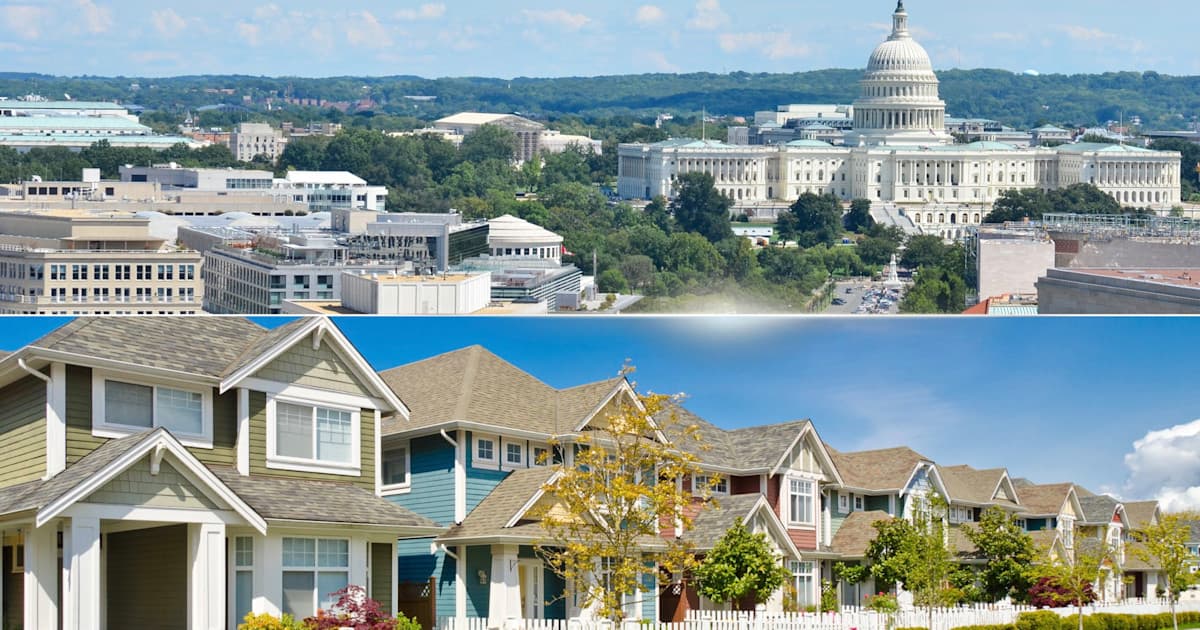
Housing Shortage Number Raises Eyebrows; Fed Nominee Hearing Set
The White House’s 2026 Economic Report claims the United States faces a housing shortfall of at least 10 million single‑family homes, a figure that dwarfs estimates from Realtor.com, Freddie Mac and most economists. Economists generally place the deficit between 3 million and 4 million...

AGC's Data DIGest: April 6-10, 2026
Input prices for new non‑residential construction rose 1.7% in March and 4.4% year‑over‑year, driven by a 37.8% monthly jump in diesel‑fuel PPI and sharp metal price gains. Diesel fuel surged 51.2% y/y, while aluminum, copper and steel saw year‑over‑year increases...

Indeed CEO Says This—Not AI—Is the Biggest Threat to the Workforce
Indeed CEO Hisayuki “Deko” Idekoba told Semafor’s World Economy Summit that an aging labor force poses a far greater risk to the U.S. job market than artificial intelligence. Indeed’s research projects a loss of roughly 20 million workers—about 5% of the...

Fed Governor Waller Says Iran War and Labor Market Risks Are Keeping Central Bank on Hold
Federal Reserve Governor Christopher Waller told a speech in Alabama that persistent inflation risks and a fragile labor market could force the Fed to keep the policy rate in its current 3.5%‑3.75% target range. He highlighted the Iran war and...

Fed's Waller: Job Market Break Even Rate Now Likely Around Zero
Federal Reserve Governor Christopher Waller said the job‑market break‑even rate – the unemployment level that would allow the Fed to keep policy unchanged – is now effectively zero. He warned that a prolonged Middle East conflict could push inflation higher...

Liquidity Drain Underway, Will It Even Matter?
Liquidity is draining as the Treasury General Account climbs and Federal Reserve reserve balances slip toward $2.8‑$2.9 trillion. Historically, the second half of April sees equity weakness, yet the S&P 500 has risen about 2.5% since April 14, 2026, defying the pattern. Overnight...
Fed's Daly: Businesses Cautiously Optimistic
Federal Reserve Governor Lisa Daly says businesses remain cautiously optimistic despite a looming labor‑force slowdown. She predicts zero net job growth could become the new steady state, with productivity gains from AI and technology offsetting demographic headwinds. Daly warns that...
Why the Fed Could Shrink Its Balance Sheet Again (and Markets Might Not Notice)
Late last year the Federal Reserve concluded its most recent quantitative‑tightening cycle, cutting the balance sheet by more than $2 trillion from a peak of nearly $9 trillion, about 35 % of U.S. GDP. The market barely reacted, suggesting the unwind was largely...
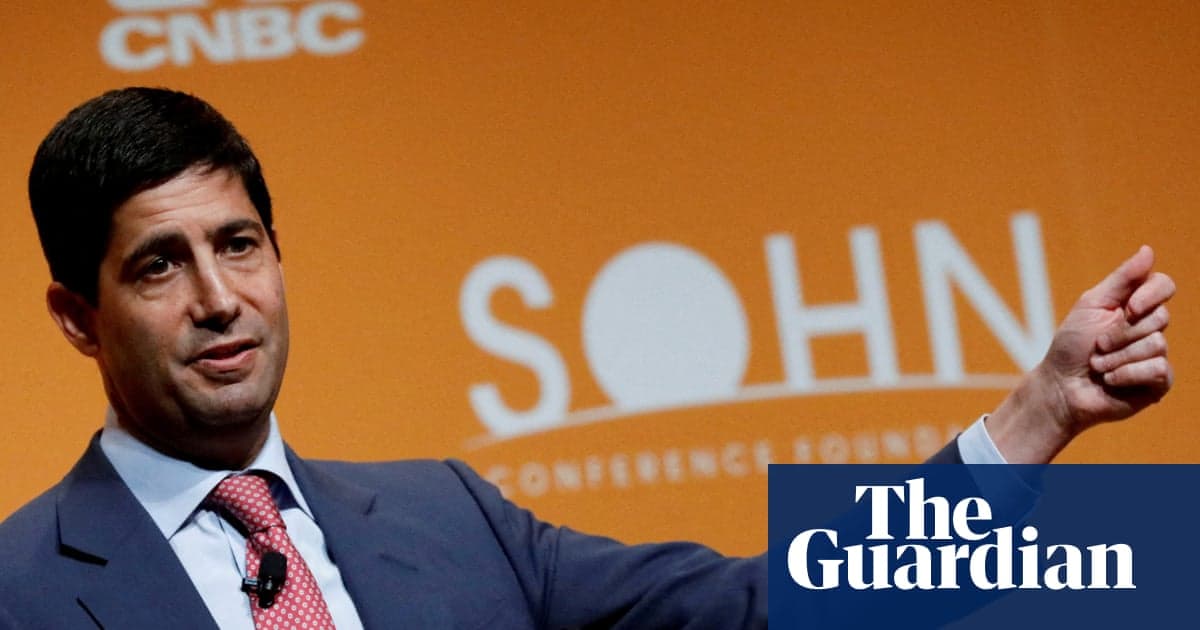
Senate Democrats Move to Stall Trump’s ‘Absurd’ Bid to Install New Fed Chair
Senate Democrats on the banking committee have asked Republican leadership to postpone the confirmation hearing for Kevin Warsh, President Donald Trump’s nominee to replace Federal Reserve Chair Jerome Powell. The request comes as the Justice Department investigates Powell over a...
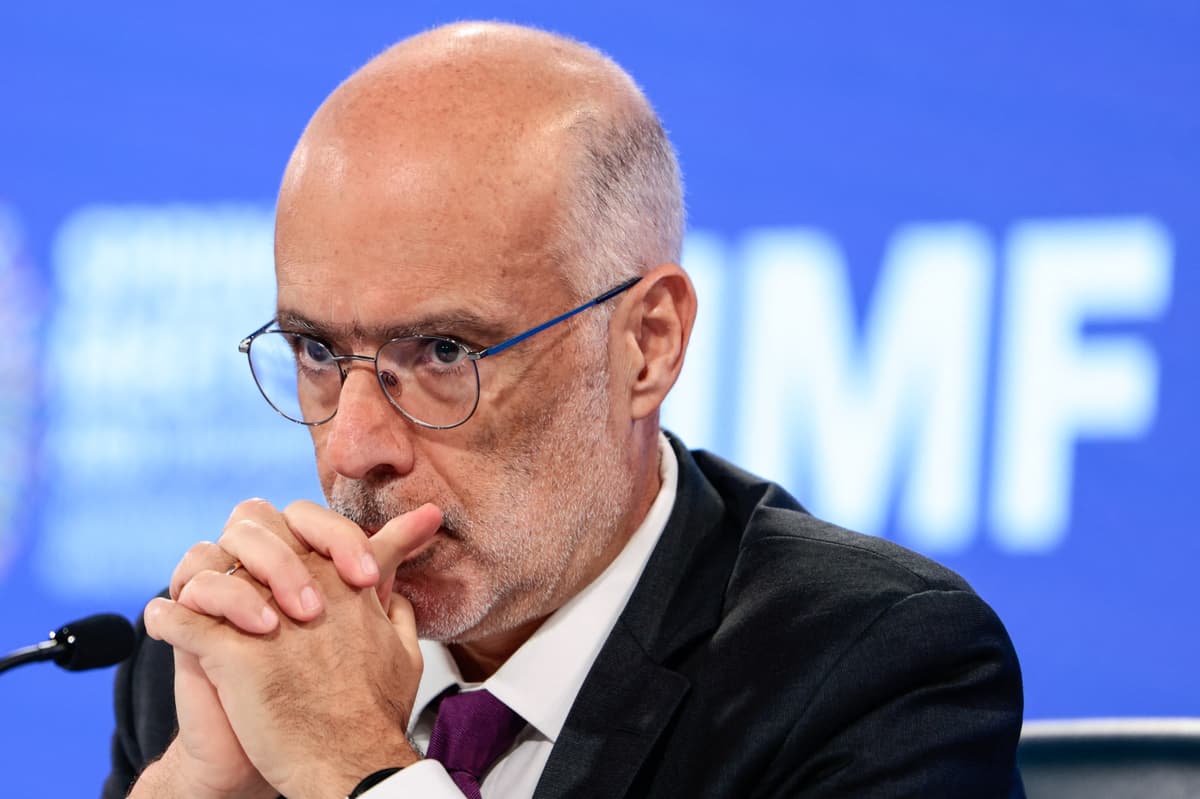
A World Going Broke: IMF Says America’s $39 Trillion National Debt Is Actually a Global Problem—And AI May Be the...
The IMF’s latest Fiscal Monitor warns that global public debt will reach 99% of world GDP by 2028, with a 95th‑percentile stress scenario pushing it to 121% within three years. The United States, carrying a $39 trillion debt, is projected to...

America’s Productivity Pop Has a Startup Backstory
U.S. labor productivity has edged up, marking the strongest post‑Great‑Financial‑Crisis gain, but analysts caution the metric’s volatility and the fact that higher output per worker can stem from workforce composition shifts. The recent surge in business‑formation applications—up roughly 20% over...

After Pandemic Relief Ended, CBO Shows Federal Taxes Remained Progressive in 2022
The Congressional Budget Office’s 2022 income distribution report shows the federal tax and transfer system stayed progressive after pandemic relief expired. Household after‑tax income growth slowed, driven by the loss of recovery rebates, expanded unemployment benefits, and the temporary child‑tax‑credit...

Mortgage Rates Drop to 6.3%
The Freddie Mac 30‑year mortgage rate slipped 7 basis points to 6.30% after a cease‑fire was announced in the Iran conflict, a move mirrored by a decline in the 10‑year Treasury yield. While the dip offers a brief reprieve, its durability...

Placer.ai Macroeconomic Indicators Analysis, March 2026 – Placer.ai Blog
Placer.ai’s March 2026 macro‑economic indicators show retail foot traffic holding steady overall, while e‑commerce distribution‑center visits surged 16.2% year‑over‑year and manufacturing facility visits edged up 0.7%. The flat retail numbers stem largely from a calendar shift—fewer Saturdays—rather than a demand dip....
Early Signals About Retail Sales : An Advance Data Release From the Chicago Fed
The Chicago Federal Reserve has released its Advance Retail Trade Summary (CARTS) data on the FRED platform, offering weekly estimates of U.S. retail and food‑service sales that exclude motor vehicles and parts. Between April 2025 and March 2026, CARTS’ benchmarked weekly averages...

New York Fed President Williams Worries War Will Slow Growth, Aggravate Inflation
New York Fed President John Williams warned that the ongoing Iran war is already nudging U.S. prices higher while dampening economic growth. He highlighted rising energy costs and broader supply‑chain pressures that could trigger a stagflation‑like environment. Williams reaffirmed the Fed’s...

March 2026 Rental Report: Renting Beats Buying in All 50 Major U.S. Metros — and the Savings Gap May Be...
The March 2026 Rental Report shows a 32‑month streak of year‑over‑year rent declines across the 50 largest U.S. metros, with the national median asking rent falling to $1,669, 1.5% lower than a year ago but still 17.5% above pre‑pandemic levels. Renting...

Our Latest Views on the Major Central Banks
ING’s latest outlook assesses the Fed, ECB, BoE and BoJ as they navigate a fresh oil price shock and lingering inflation pressures. The Fed sees inflation testing 4% but expects sub‑2% by 2027 if energy costs fall, opening space for...
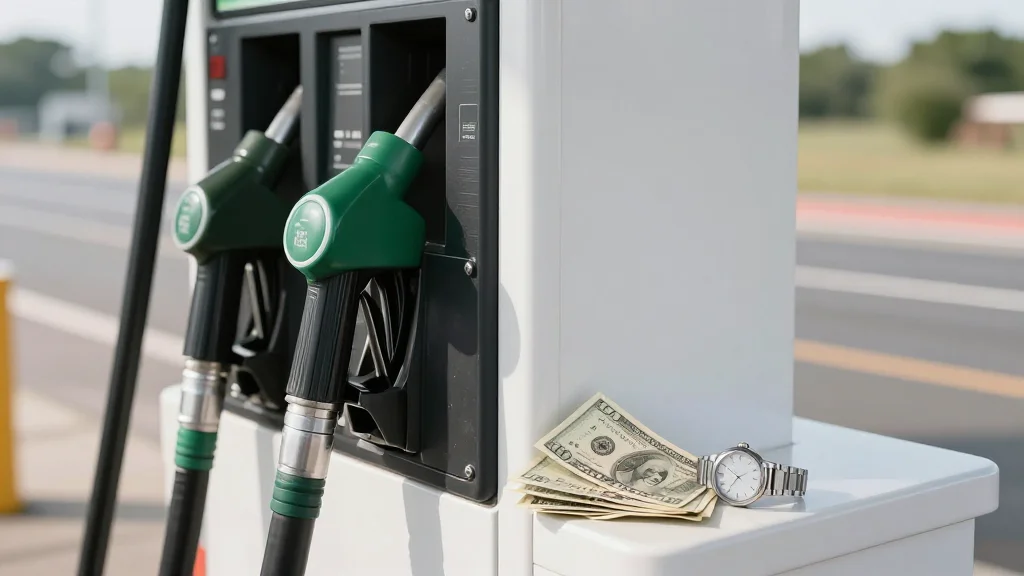
Pain At The Pump Not So Bad For Americans
U.S. gasoline prices have risen over 40% since the war began, pushing the national average above $4 per gallon. When measured against average hourly earnings, a gallon now costs about 7.7 minutes of work, down from 10.7 minutes in June...
OMB's Vought: CDFIs Funded 'Woke' Programs
Office of Management and Budget Director Russell Vought urged cuts to the Community Development Financial Institutions (CDFI) Fund, accusing the program of financing “woke” and DEI‑focused projects. He argued that CDFI loans lack traditional ability‑to‑pay underwriting, raising safety‑and‑soundness concerns. The...

Inflation: A Molehill, Not a Mountain
U.S. consumer prices jumped 3.3% year‑over‑year in March, driven largely by a sharp rise in oil and gas costs. Core inflation, which excludes volatile energy and food, increased only 2.6% YoY and 0.2% month‑over‑month, below market expectations. Other gauges such...

Iran War Is a Major Source of Uncertainty for U.S. Businesses, Fed’s ‘Bei...
The Federal Reserve’s latest Beige Book flags the Iran war as a primary source of uncertainty for U.S. firms, prompting a wait‑and‑see approach to hiring and capital spending. Input costs, especially energy, have risen sharply, squeezing margins across manufacturing and...

Imports/Exports Favorable for March, BofA Beats in Q1
U.S. import prices for March rose 0.8% month‑over‑month, far below the 2.4% forecast, while core imports eased to just 0.2% after excluding fuel. Export prices increased 1.6% MoM and are up 5.6% year‑over‑year, the strongest pace since November 2022. Bank...

Trump Threatens Another Major Firing
President Donald Trump intensified his campaign against Federal Reserve leadership, warning he will fire Chair Jerome Powell if a new chair is not confirmed soon. He has nominated former Fed Governor Kevin Warsh as Powell's successor, but Senate Banking Committee...
Americans Feel Miserable. Why Do They Keep Spending?
New research titled “Down But Not Out: Growth Strategies For The Pessimism Economy” reveals why U.S. consumers keep spending despite historically low confidence. Four forces—media amplification of bad news, personal‑finance proximity, polarized spending concentrated among the affluent, and a turn...
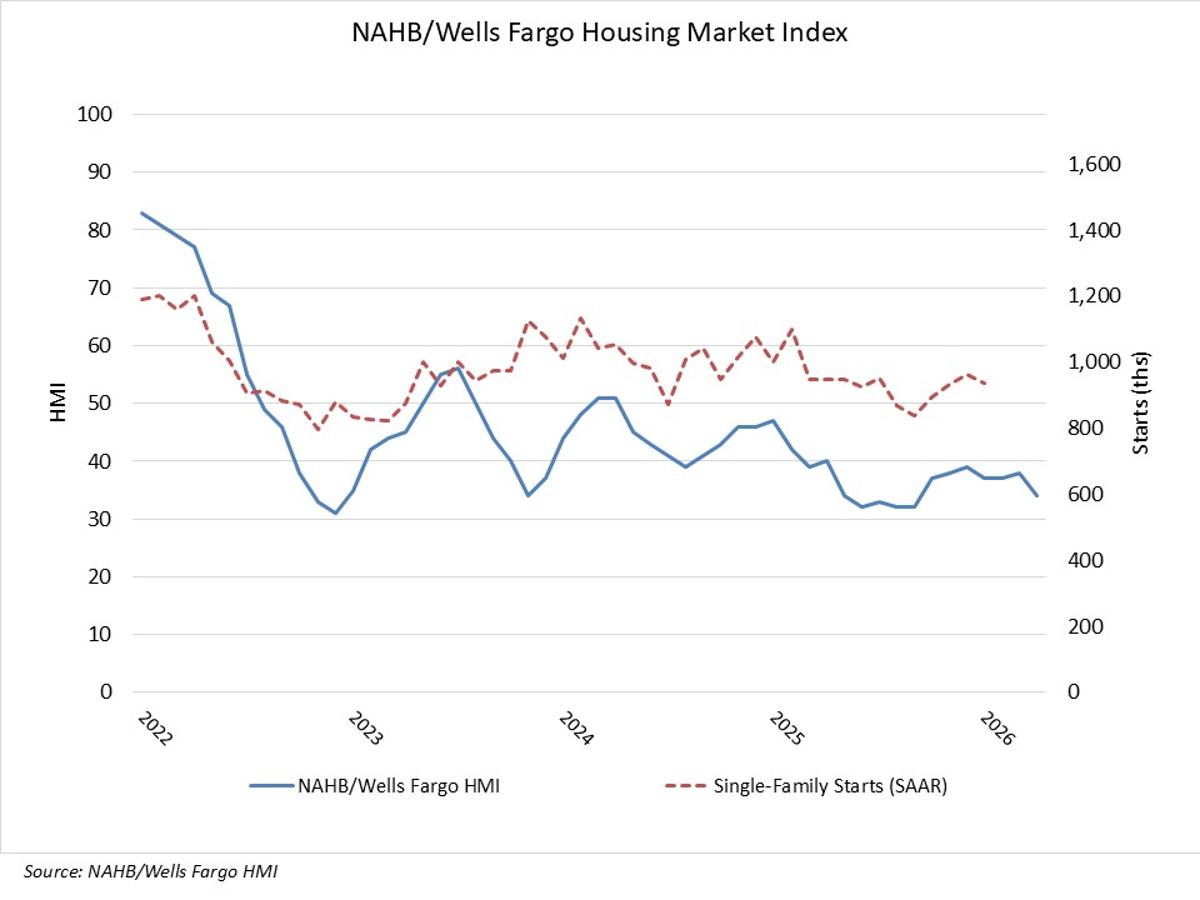
Builder Sentiment Posts Notable Decline on Economic Uncertainty
Builder confidence for new single‑family homes slipped to 34 in April, the lowest reading since September 2025, according to the NAHB/Wells Fargo Housing Market Index. The decline reflects persistent high mortgage rates, rising material costs tied to higher fuel prices, and...