Today's Global Economy Pulse
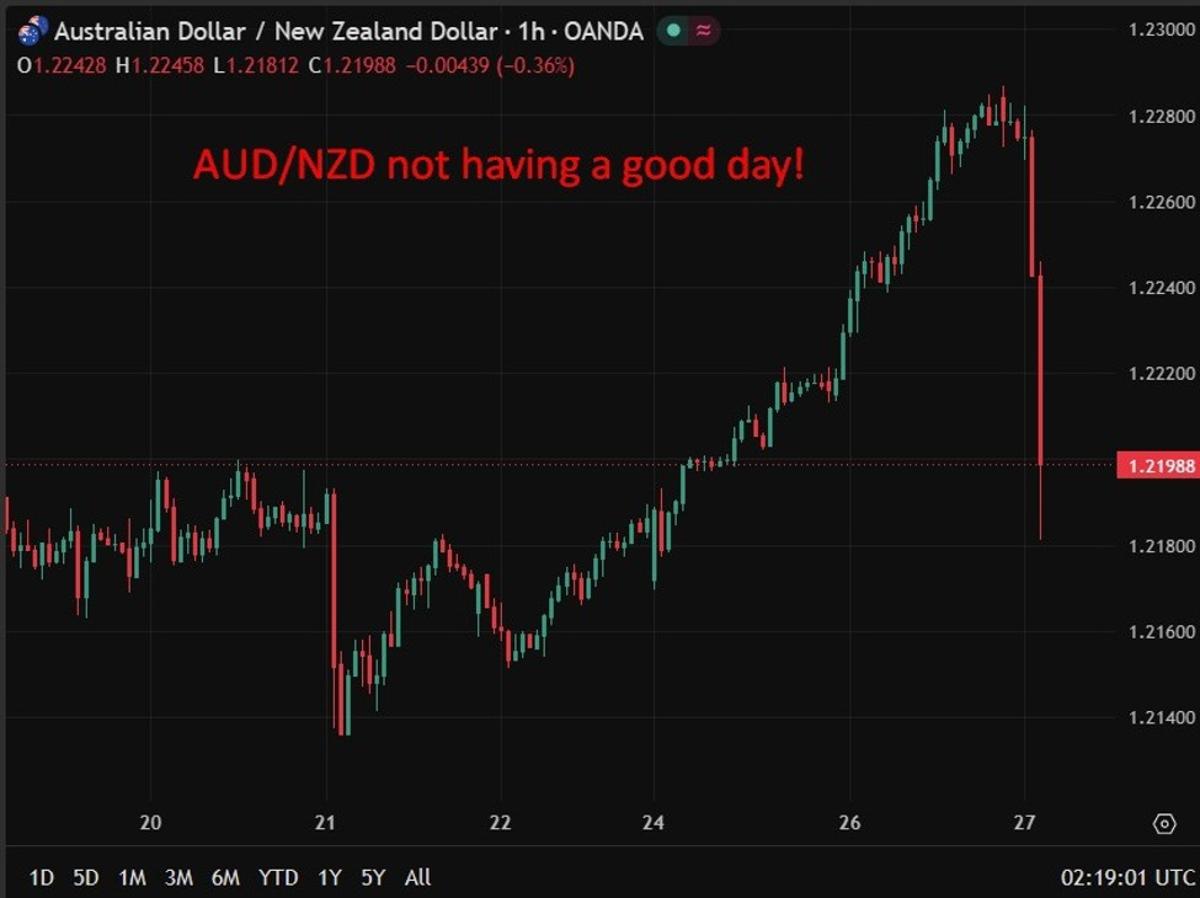
Australia's April CPI eases to 4.2% as core inflation hits 2024 high
Australia’s consumer price index slipped to a 4.2% annual rise in April, missing the 4.4% consensus as a temporary fuel excise cut trimmed transport costs. At the same time, the trimmed‑mean core inflation gauge rose to 3.4% year‑over‑year, the highest level since late‑2024, keeping pressure on the Reserve Bank of Australia’s inflation target.

Blockading the Hormuz Strait Blockade: How Does This Work, Exactly?
The episode dissects the escalating geopolitical tension surrounding a potential U.S. blockade of the Strait of Hormuz, its impact on oil flows, and the ripple effects on global markets. Hosts highlight how Iran’s oil exports to China, possible Houthi retaliation in the Red Sea, and soaring jet‑fuel prices are tightening supply and driving oil to punitive levels, while U.S. crude exports surge. They also review the latest Commitment of Traders report, noting that recent price moves are driven more by position unwinding than fundamentals, and discuss broader market signals in currencies, equities, and the emerging AI‑related cybersecurity risks.
Why Are Global Imbalances Rising, and Why Does It Matter?
In this episode of the Sound of Economics, Bruegel director Jermyn Zettelmeier and CEPR president Beatrice Vedder de Mauro discuss the 2023 Paris Report on global imbalances, tracing their historical evolution and highlighting why they matter again today. They explain...
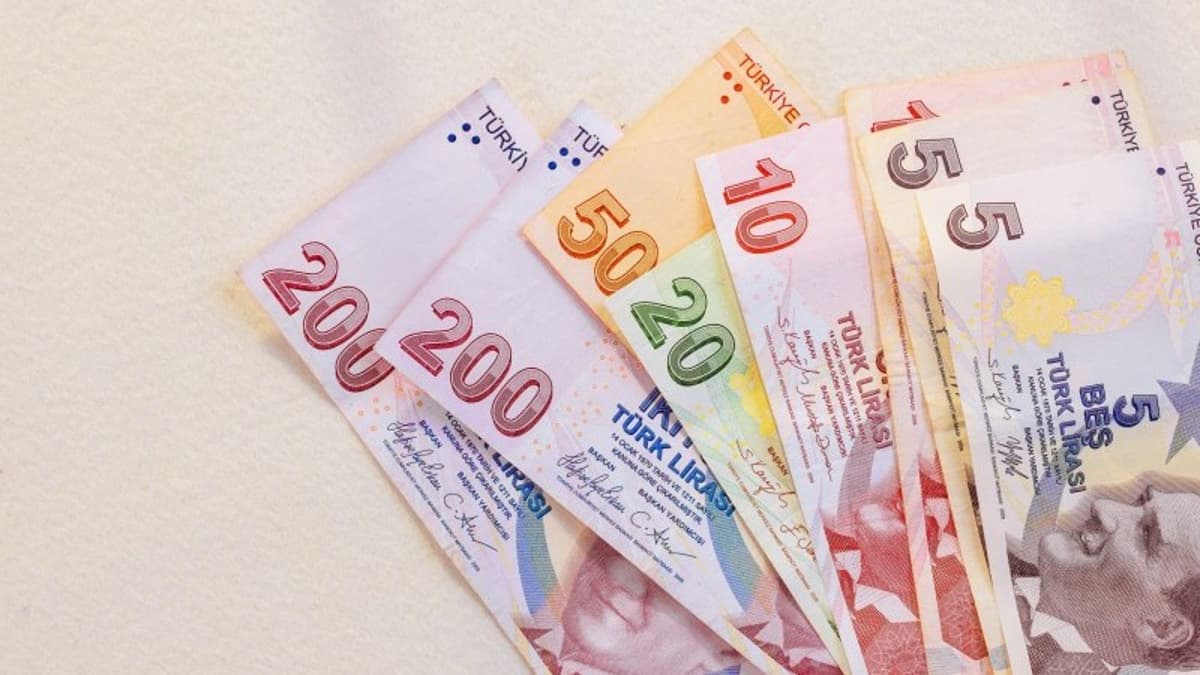
Turkey’s Current Account Deficit Widens Further
Turkey’s current account deficit widened to $7.5 billion in February, surpassing forecasts and pushing the 12‑month deficit to $35.4 billion, or about 2.4 % of GDP. The trade gap turned negative, expanding to $‑7.5 billion, driven by higher gold imports despite lower energy costs....

Cuba Sent Doctors. Washington Sent a Destroyer.
The article reports that a sanctioned Russian tanker, Anatoly Kolodkin, arrived in Matanzas delivering 730,000 barrels of crude—enough for about ten days—while a U.S. destroyer continues to enforce the decades‑old embargo in the Caribbean. It highlights Cuba’s historic global medical diplomacy,...
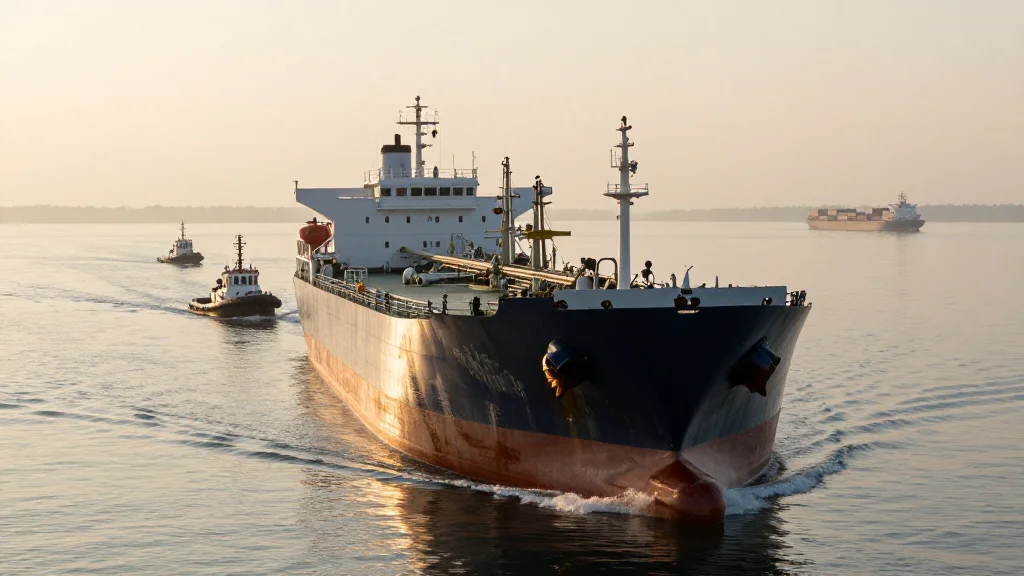
UK Will Not Back Blockade of Strait of Hormuz, PM Starmer Says
British Prime Minister Keir Starmer said the UK will not support any blockade of the Strait of Hormuz, despite U.S. plans to restrict Iranian maritime traffic. He emphasized that Britain’s focus is on keeping the waterway fully open and has...
Fear of Worse Before Better Drives Market Uncertainty
I think personally, that the probabilities are like this: - Trump will TACO by end of day today or tomorrow saying no we like Iran now, so that the blockade is not needed, so that his cronies can benefit from the...

Hormuz Crisis Signals New Era of Risk for Gulf Energy
The six‑week Iran‑Israel‑U.S. war culminated in Iran’s unprecedented closure of the Strait of Hormuz, halting roughly one‑fifth of the world’s oil supply. The shutdown and missile strikes knocked out about 11 million barrels per day of regional production, including Saudi Arabia’s...
The Federal Reserve's April Inflation Forecast Is In -- and It Just Keeps Getting Worse for Wall Street
The Cleveland Federal Reserve’s nowcast pushed its April inflation projection to 3.56% YoY, up from 2.40% in February, as the Iran‑Israel conflict choked the Strait of Hormuz and spiked oil prices. Gas prices surged roughly 40% to $4.16 a gallon,...

What's Different This Cycle, Oil Update and RE Build ?S From E-Mail
The oil market experienced extreme volatility this week, with Brent climbing from roughly $90 to $120 per barrel before settling near $105. The price swings coincided with a rapid escalation in Middle‑East tensions, moving from a tentative cease‑fire to threats...

Hormuz: Disrupted — Not Yet Defined
The United States announced a naval blockade targeting Iran‑linked shipping, causing a sharp slowdown in traffic through the Strait of Hormuz. Vessels that were already operating at reduced rates have now paused or turned back, effectively halting most commercial flow....

China, the Iran War and the Chemical Suddenly Stoking Global Supply Fears
China announced an abrupt halt to sulphuric acid exports, a key input for fertilizer and mining industries worldwide. The decision coincides with renewed tensions in the Iran‑U.S. conflict, where failed peace talks have heightened geopolitical risk. Analysts warn that reduced...

Odd Lots: Daoud on How Iran War Will Reshape the Gulf (Podcast)
Ziad Daoud, Bloomberg Economics chief emerging‑markets economist, warned that the ongoing war with Iran will leave a lasting imprint on the Gulf region. Nations may need to rebuild damaged pipelines or construct new routes that bypass the vulnerable Strait of...

Inflation Could Hit 4.2% This Year: 3 Stocks to Buy Now to Protect Your Portfolio
The OECD’s April 2026 outlook projects U.S. inflation at 4.2%, well above the Federal Reserve’s 2.7% forecast, driven by geopolitical tensions and tariff policies. Higher inflation threatens consumer spending, prompting investors to seek assets that can preserve purchasing power. Analysts highlight...
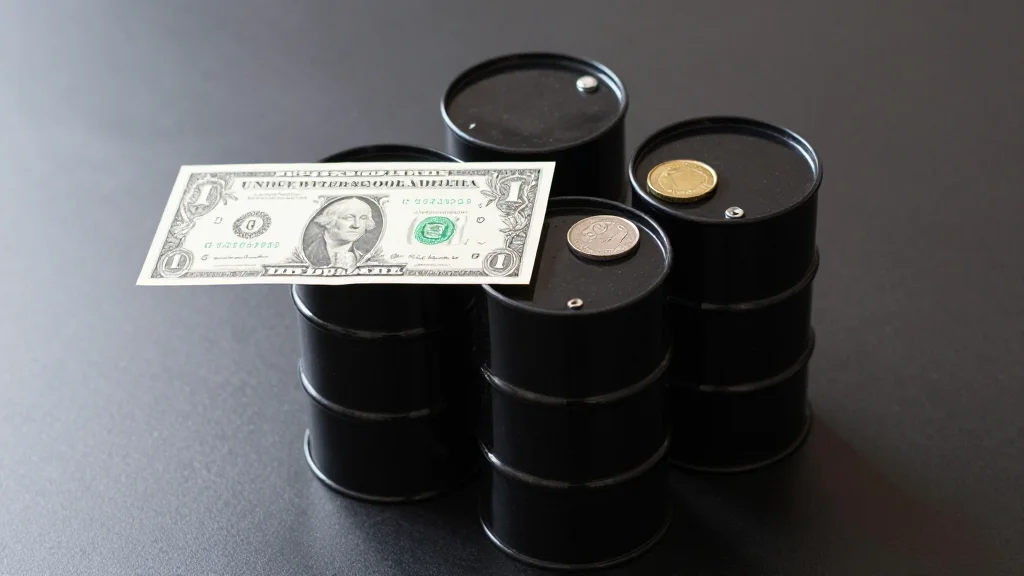
A Q&A About the ‘Petrodollar’
The petrodollar, a system forged in the 1970s that ties global oil sales to the U.S. dollar, remains a cornerstone of international finance. Recent Q&A highlights how sanctions, the rise of alternative currencies, and the shift toward renewable energy are...
Peace‑talk Collapse Fuels Oil, Yields; USD Firm, Asia Soft
Macro: Peace‑talk collapse lifts oil & yields; USD firm, Asia soft. Drivers: Strait blockade, energy spike, tighter Fed. Risks: inflation, earnings. Trade: short EM equities vs USD. —V. Kopylov, PhD, CFA More insights: t.me/si14Kopylov

April 12, 2026
President Donald Trump’s “Liberation Day” tariffs were declared unconstitutional, leaving $175 billion in illegal duties unpaid to importers and accruing roughly $23 million in daily interest. The Supreme Court ruling comes as inflation surged to 3.3%, driven by a 21.2% jump in...
Markets Stumble Amid Middle East Perfect Storm
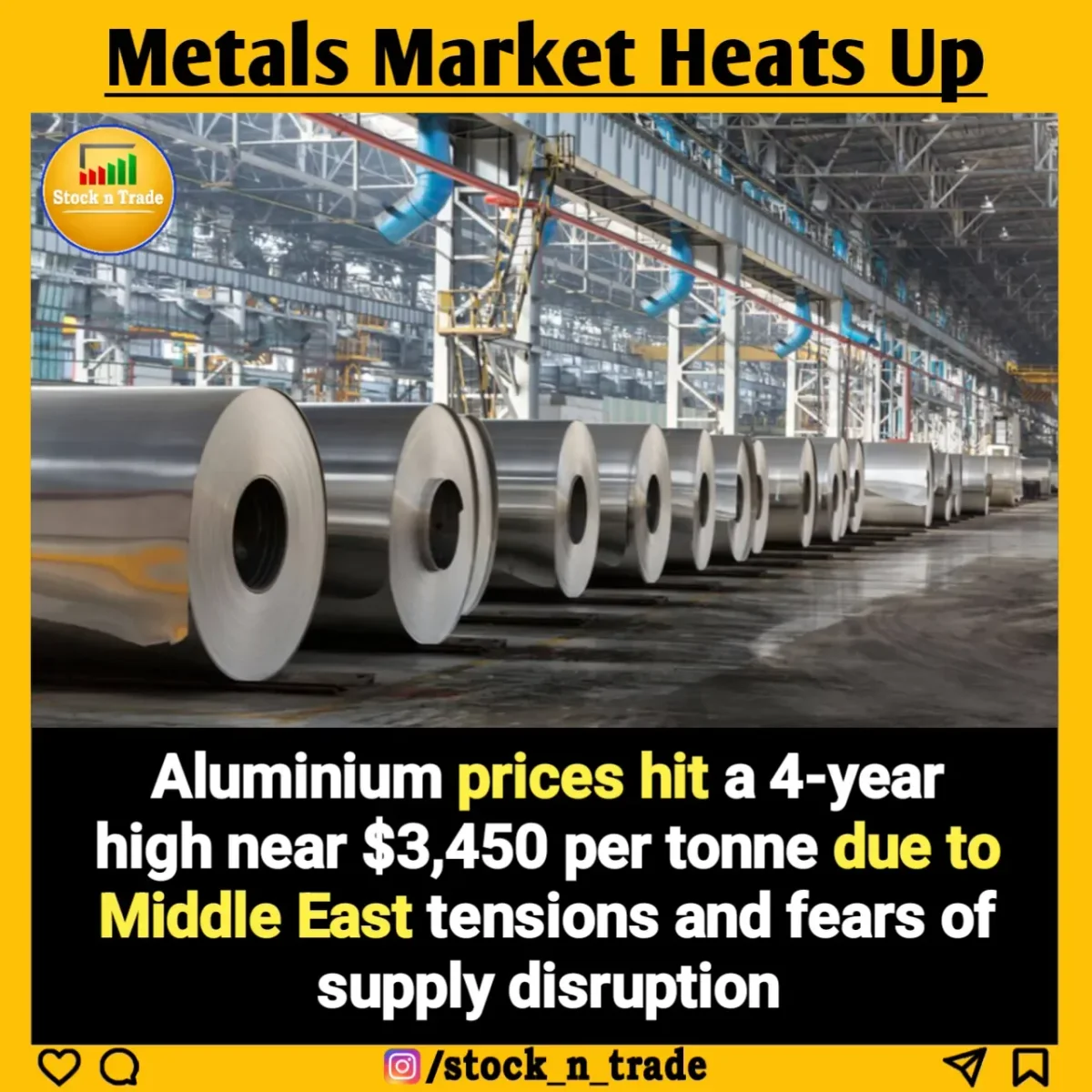
The market is reacting to a "perfect storm" of geopolitical and operational shocks centered in the Middle East.

US Targets Iran’s Maritime Trade with Port Blockade
U.S. Central Command announced an immediate blockade of all vessels traveling to or from Iranian ports, escalating tensions that have already left the Strait of Hormuz effectively shut. The move follows President Biden’s earlier threat of a blanket maritime blockade...

World Bank Chief Sounds Alarm About Looming Jobs Crisis Even After War Ends
World Bank President Ajay Banga warned that 1.2 billion people in developing nations will enter the labor force over the next decade‑plus, yet current trends will create only about 400 million jobs, leaving an 800 million shortfall. He urged the spring Washington meetings...

Regime Change in Iran, Underpants Gnomes, and the Phase II Problem
President Donald Trump and Prime Minister Benjamin Netanyahu launched the Iran conflict with explicit calls for regime change, urging Iranians to overthrow the Islamic Republic. A month‑long ceasefire has paused hostilities, but the original objective remains unfulfilled as the war’s...
Yuan’s ‘Golden Window’ Is Open, Former PBOC Governor Says as US Dollar Credibility Teeters
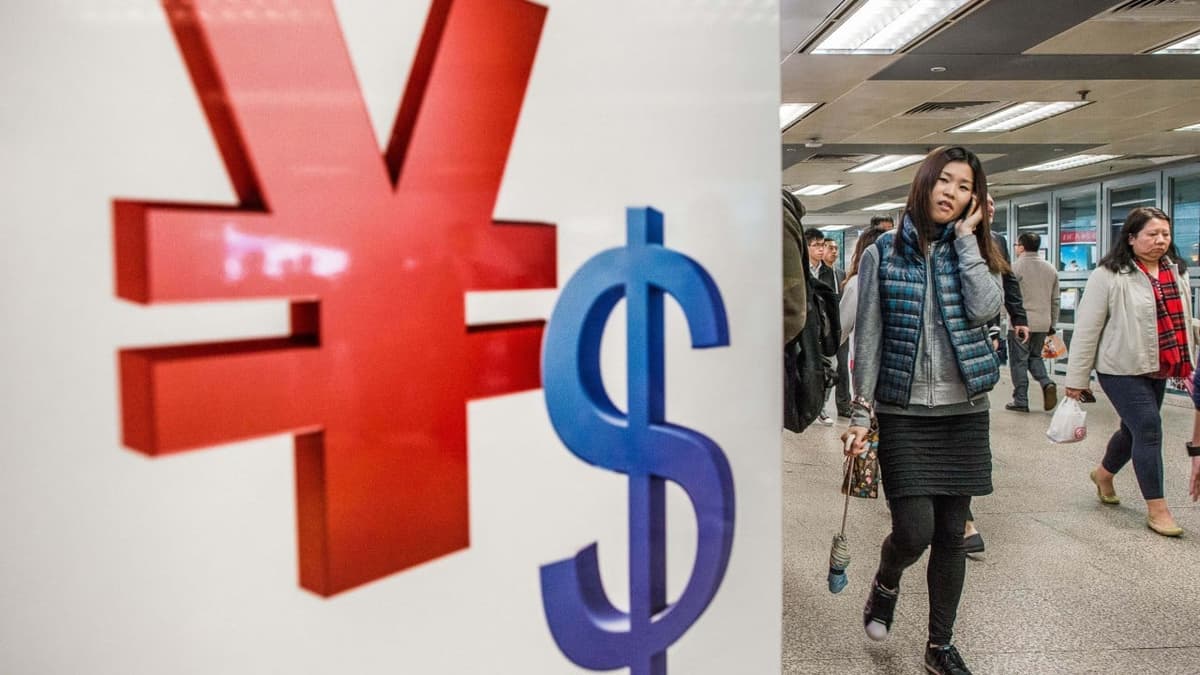
Former PBOC governor Zhou Xiaochuan warned that U.S. policy choices—tariffs, sanctions and geopolitical tensions—are weakening dollar credibility, creating a "golden window" for the yuan. He noted rising capital inflows are putting upward pressure on the renminbi and highlighted China’s 2009...
India's March Palm Oil Imports Fall 19% to Three-Month Low
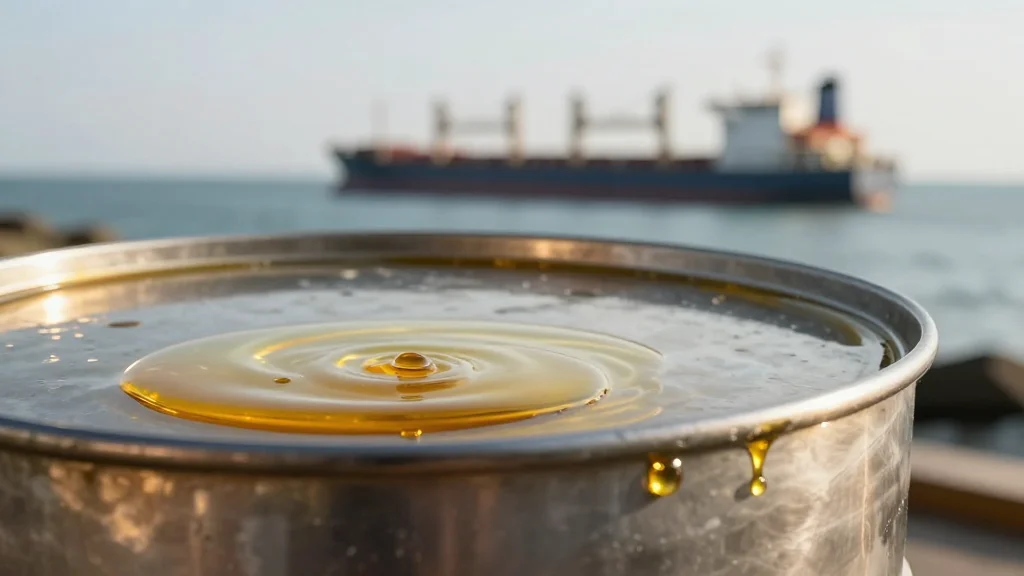
India’s palm oil imports slumped 19% in March, falling to 689,462 metric tons—the lowest level since December 2025. The decline was driven by a rally in global tropical oil prices that prompted domestic refiners to delay purchases. Overall edible‑oil imports...

Asia Markets Trade Lower as Oil Surges After U.S. Moves to Blockade Iran Ports
Asian equity markets slipped on Monday as the United States moved toward a naval blockade of Iranian ports, reigniting fears of a protracted U.S.–Iran conflict. Crude prices surged, with West Texas Intermediate up 8.5% to $104.82 a barrel and Brent...

BOJ Governor Ueda: Underlying Inflation Gradually Accelerating Towards Target
Bank of Japan Governor Kazuo Ueda said underlying inflation is gradually moving toward the 2% target, but highlighted the mixed impact of the U.S.-Iran conflict. Rising oil prices are adding cost‑push pressure while wage growth remains strong, with the latest...

Trump’s Strait of Hormuz Blockade Risks New Costs for the Global Economy
President Donald Trump announced via Truth Social that the U.S. Navy will begin a blockade of all vessels entering or leaving the Strait of Hormuz, a waterway that carries roughly one‑fifth of global oil and gas. Iran has effectively shut...

The True Cost of Oil and Gas
Economists from the World Bank and IMF estimate that explicit subsidies for fossil fuels total $725 bn, while implicit environmental and health costs add another $6.7 tn—about 5.8% of global GDP. Their analysis of retail fuel prices versus true societal costs shows...

How to Invest in Asian Markets – No Longer Just ‘Emerging’
Asian equities are no longer just “emerging” markets; China, South Korea and Taiwan now dominate the MSCI Asia ex‑Japan index, accounting for over 75% of its weight and more than 60% of the broader MSCI Emerging Markets basket. The region’s...

Things Worth Reading: 13th April 2026
The Bank of England warned of a potential 2008‑style financial crash as the Iran‑UK conflict threatens the British economy, while analysts question the resilience of major banks. In Europe, the ECB backed a unified crypto‑supervision framework under the Markets in...

Reader Comments Open Forum, Week of April 13
The Iran‑U.S. conflict is driving a severe economic shock across the Gulf Cooperation Council, with Kuwait and Qatar facing up to 14% GDP contractions and tourism losses of $600 million per day. Regional stock markets have slumped, notably a 15% drop...
Price Revolution: Merchants Thrive, Wage Earners Suffer
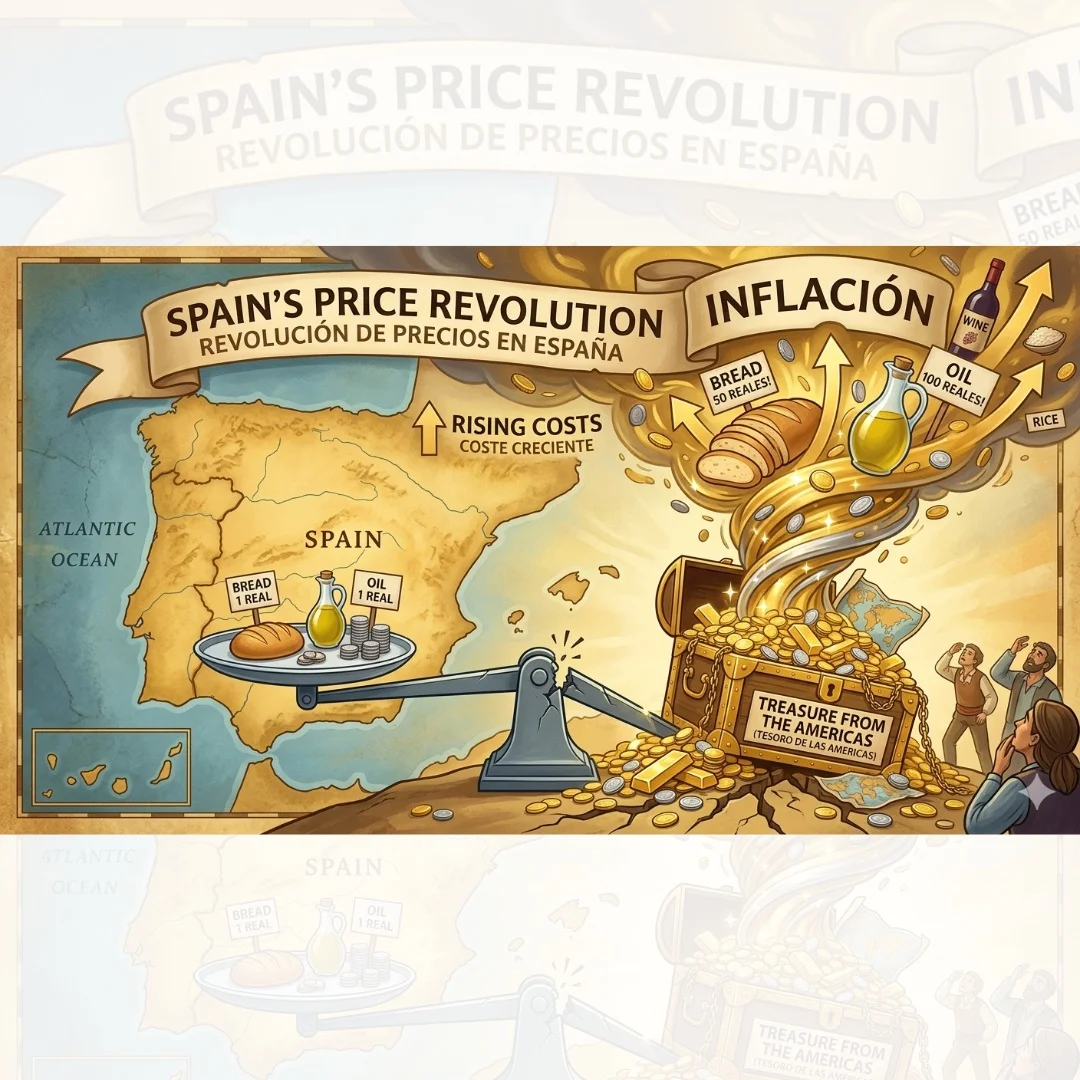
𝐖𝐢𝐧𝐧𝐞𝐫𝐬 𝐚𝐧𝐝 𝐋𝐨𝐬𝐞𝐫𝐬 𝐨𝐟 𝐓𝐡𝐞 𝐏𝐫𝐢𝐜𝐞 𝐑𝐞𝐯𝐨𝐥𝐮𝐭𝐢𝐨𝐧 Like all economic shifts, the effects weren’t equal. 🏆 Winners: ¬ Merchants and traders (prices rose faster than costs) ¬ Debtors (they repaid loans with “cheaper” money) ¬ Landowners who could adjust rents 😢 Losers: ¬ Wage earners (income lagged...
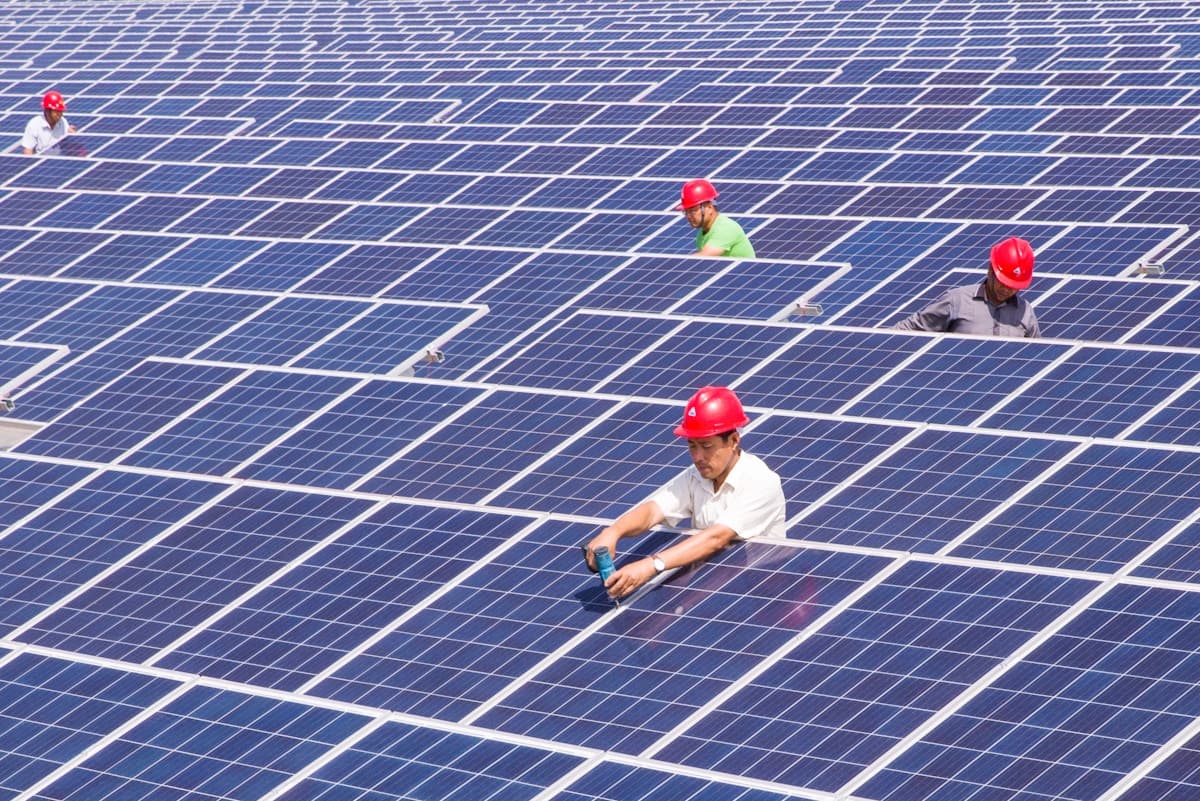
China Remains Resilient in the Face of Middle East Conflict, Says ADB Economist
China’s vast oil reserves and booming clean‑energy exports are cushioning its economy from the fallout of the Middle East conflict, according to Asian Development Bank senior economist Yothin Jinjarak. The country holds 1.2‑1.5 billion barrels of strategic oil stockpiles, enough for...

As Artemis II Is Celebrated, the World Faces Hard Questions About US Leadership in Space
Artemis II completed the first crewed lunar fly‑by in over five decades, carrying the first woman and the first person of colour to orbit the Moon. The mission is a milestone in NASA’s broader goal of establishing a permanent lunar base...
Why Trump’s Latest Threat Could Turn a Crisis Into an Emergency
President Donald Trump announced that the U.S. Navy could block vessels from Iranian ports in the Strait of Hormuz, reviving a high‑risk escalation in a six‑week conflict. The threat sent Brent crude futures up roughly 8%, to $102.80 a barrel,...

The Alarming Reason Crypto Now Moves Like Gold but Falls Like Stocks
The cryptocurrency market slipped 1.17% to a $2.42 trillion valuation, moving in lockstep with equities and commodities after the collapse of US‑Iran peace talks and a US naval blockade of the Strait of Hormuz. Correlations surged to 94% with the S&P 500...

Oil Prices Surge Above $100 After Peace Talks Fail and Trump Threatens Blockade
Oil prices surged above $100 per barrel after U.S.-Iran peace talks collapsed and President Trump announced plans to blockade the Strait of Hormuz. The announcement triggered a sell‑off in equities as investors priced in heightened geopolitical risk. Trump’s threat mirrors...
Instantaneous Inflation in March
The Cleveland Federal Reserve’s nowcast model reveals March’s instantaneous inflation rates for the PCE deflator, CPI quarter‑on‑quarter annualized, and PPI. The chart shows the three measures diverging, with the PCE deflator hovering near the Fed’s 2% target while CPI remains...

More than 500 Global CEOs, Policymakers and Cabinet Secretaries Gather at Semafor World Economy in Washington
Semafor World Economy launched in Washington, D.C., drawing more than 500 global CEOs, finance ministers and U.S. officials such as Treasury Secretary Scott Bessent and Commerce Secretary Howard Lutnick. The gathering arrives amid heightened geopolitical risk after President Donald Trump’s...

The Coming $100 Trillion
The World Bank and IMF reported global GDP at $120 trillion in 2025, and Gallup projects an average 2.5 % annual growth to $220 trillion by 2050, creating roughly $100 trillion of new economic output. The United States, EU and China together account for...
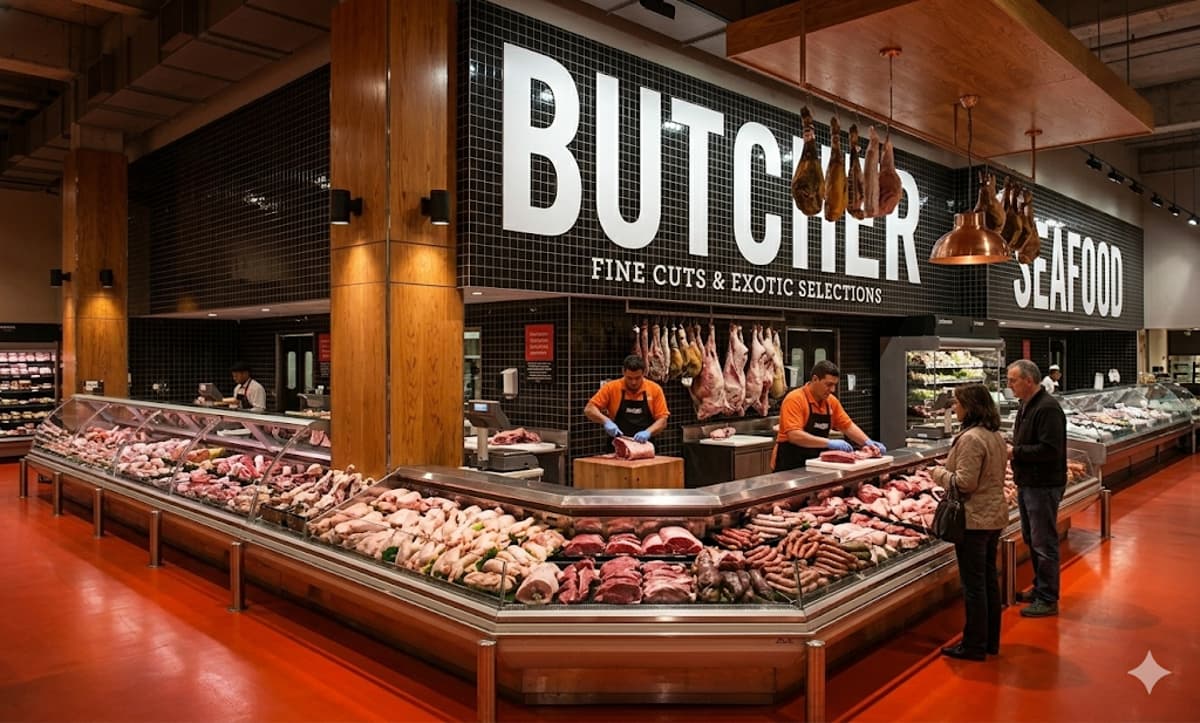
Why Imports Won’t Fix Canada’s Beef Price Problem
The Canadian Cattle Association has petitioned Ottawa to limit beef imports as Mercosur trade talks advance, warning that cheaper South American beef could flood the market. Canadian beef prices have risen about 13‑14% year‑over‑year and sit roughly 40% above their...

Iran War Could Plunge 32 Million Into Poverty, Says United Nations
The UN Development Programme warns that the Iran‑Israel war could push more than 32 million people into poverty, primarily in developing nations. The conflict has triggered a "triple shock" of soaring energy prices, strained food supplies, and weaker global growth. UNDP...

How to End the Iran Crisis
U.S. and Iranian negotiators abruptly ended peace talks, with the nuclear program proving the decisive sticking point. The recent war crippled Iran’s enrichment facilities but left its scientific expertise and long‑term capability largely intact. Analysts argue that coercive pressure alone...

Credit Cycle Playbook: Stagflation vs Melt Up
The article argues that the current geopolitical shock is not a side story but the catalyst exposing the next phase of the global credit cycle. Decades of cross‑border liquidity injections have swollen sovereign balance sheets, and those flows are now...

New UK Steel Tariffs Threaten British Manufacturing, Industry Warns
Britain announced a sweeping steel protection plan that slashes import quotas by 60% and imposes tariffs of up to 50% on steel not made domestically. The measure aims to boost UK steel production to cover half of national demand and...
Asia Stocks Dip After US-Iran Talks Fall Through, Hormuz Disruptions Persist
Asian equity markets slipped more than 1% on Monday after U.S. and Iran failed to reach a breakthrough in weekend talks, prompting Washington to consider a blockade of the Strait of Hormuz. The geopolitical flare‑up sent Brent crude up 8%,...

Middle East War Slashes Asian LNG Deliveries to 2020 Lows
The war in the Middle East is choking LNG supply to Asia 🚢⚠️ Deliveries to Asia fell the the lowest level since 2020, when the Covid pandemic crashed demand Not a single LNG shipment has gone through Hormuz since the war began...

China Emerges Dominant in EVs, Batteries, Solar
Thanks to the US-Israeli war on Iran, China had ended up a big winner. Now, to diversify away from oil, everyone wants more EV’s, more battery storage, and more solar panels. CHINA DOMINATES IN EV'S, BATTERY STORAGE AND SOLAR PANELS. https://t.co/U6TRMZlyBj
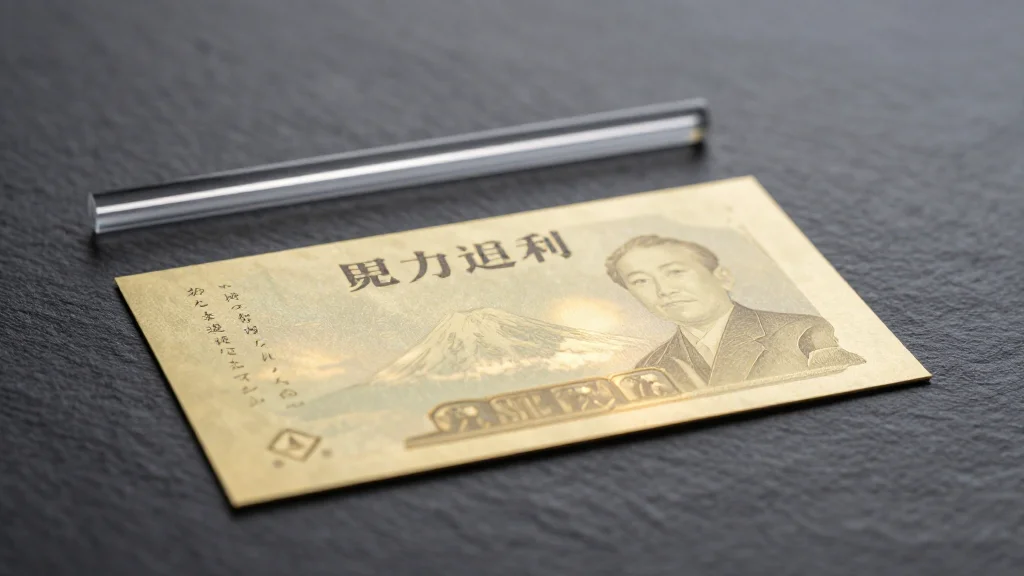
Japan’s Benchmark Bond Yield Jumps to 29-Year High as US-Iran Talks Collapse
Japan’s benchmark 10‑year government bond yield jumped 5.5 basis points to 2.49%, the highest level since June 1997, as the collapse of U.S.–Iran peace talks sent oil prices soaring. The five‑year yield also hit a record 1.90%, reflecting heightened inflation...
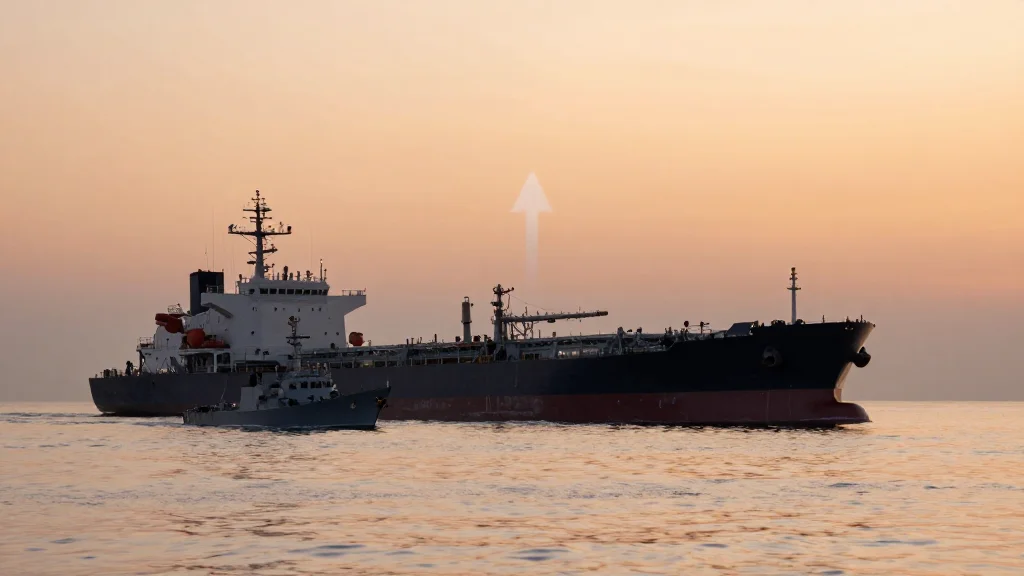
Oil Spikes Above $100, Fueling Inflation and Tighter Monetary Policy
💥 OIL JUMPS ABOVE $100 US-Iran talks broke down, so Trump ordered a naval blockade of the Strait of Hormuz which carries about 20% of the world’s oil. Oil prices shot up fast. Higher oil = higher inflation = tighter money. https://t.co/GRzeLLPize
White House Delays Hormuz Reopening, No Rush
As I was saying weeks ago… the White House is in no rush to reopen Hormuz

Gazprom EU Exports Surge 21%, Russia Hits 15% Share
Gazprom Exports to the EU Jump 21% Y/Y in March as Hormuz Crisis Tighten LNG Supply Russia's gas share in EU gas imports jumps to 15.1% (with 8 Charts) https://t.co/0WqJLzqydw