Today's Global Economy Pulse
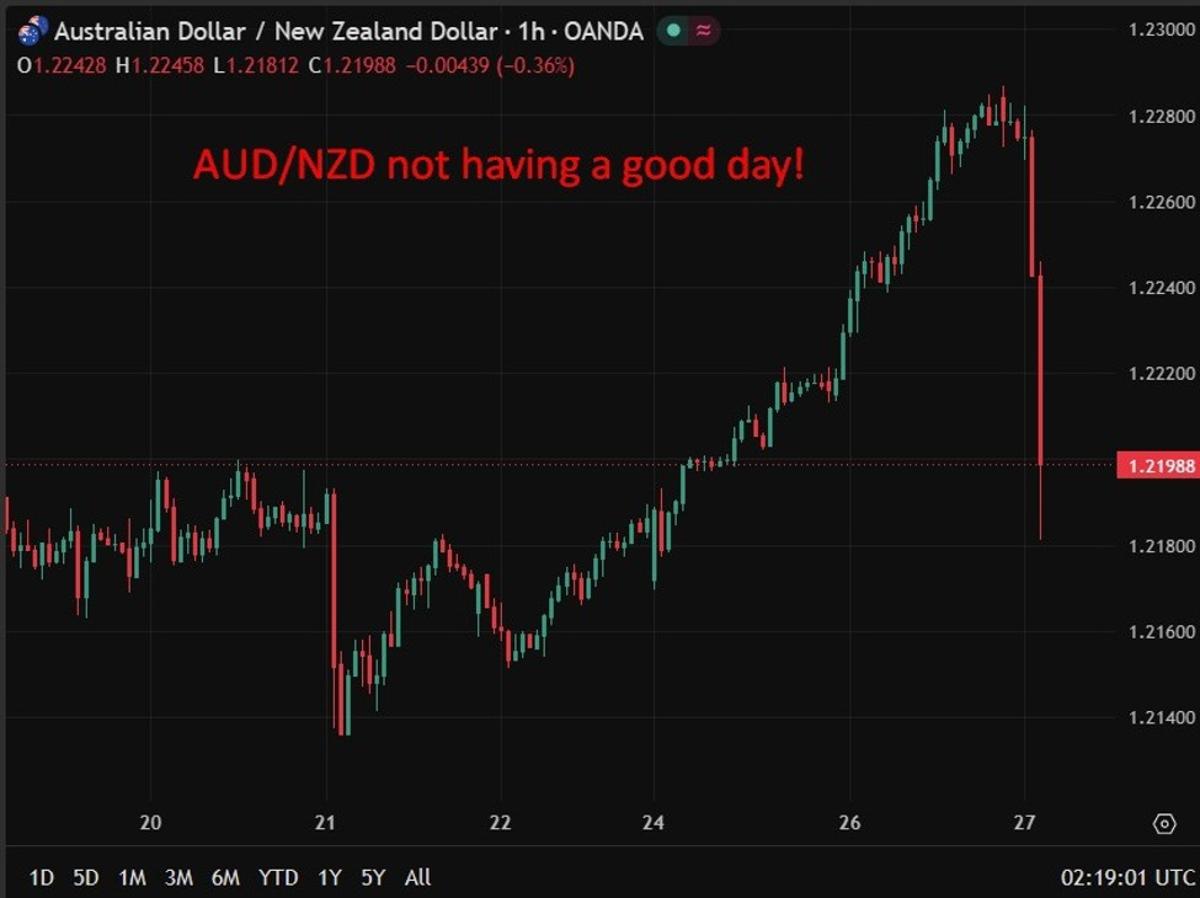
Australia's April CPI eases to 4.2% as core inflation hits 2024 high
Australia’s consumer price index slipped to a 4.2% annual rise in April, missing the 4.4% consensus as a temporary fuel excise cut trimmed transport costs. At the same time, the trimmed‑mean core inflation gauge rose to 3.4% year‑over‑year, the highest level since late‑2024, keeping pressure on the Reserve Bank of Australia’s inflation target.

Asia’s Heat Waves and Oil Shock Push Inflation to Multi‑Year Peaks
Heat waves linked to El Niño and a lingering oil price shock have driven inflation to multi‑year highs across emerging Asian economies. The Philippines and Pakistan saw consumer price inflation climb above 7% and 11% respectively, intensifying pressure on central banks to raise rates.

UK House Prices Slip 0.1% in April, Pressuring London Real‑Estate Stocks
Halifax data showed UK house prices fell 0.1% in April, marking a second consecutive monthly decline and underscoring concerns over inflation and interest‑rate outlooks. The modest drop, slower than March’s 0.5% fall, is expected to weigh on real‑estate equities on...
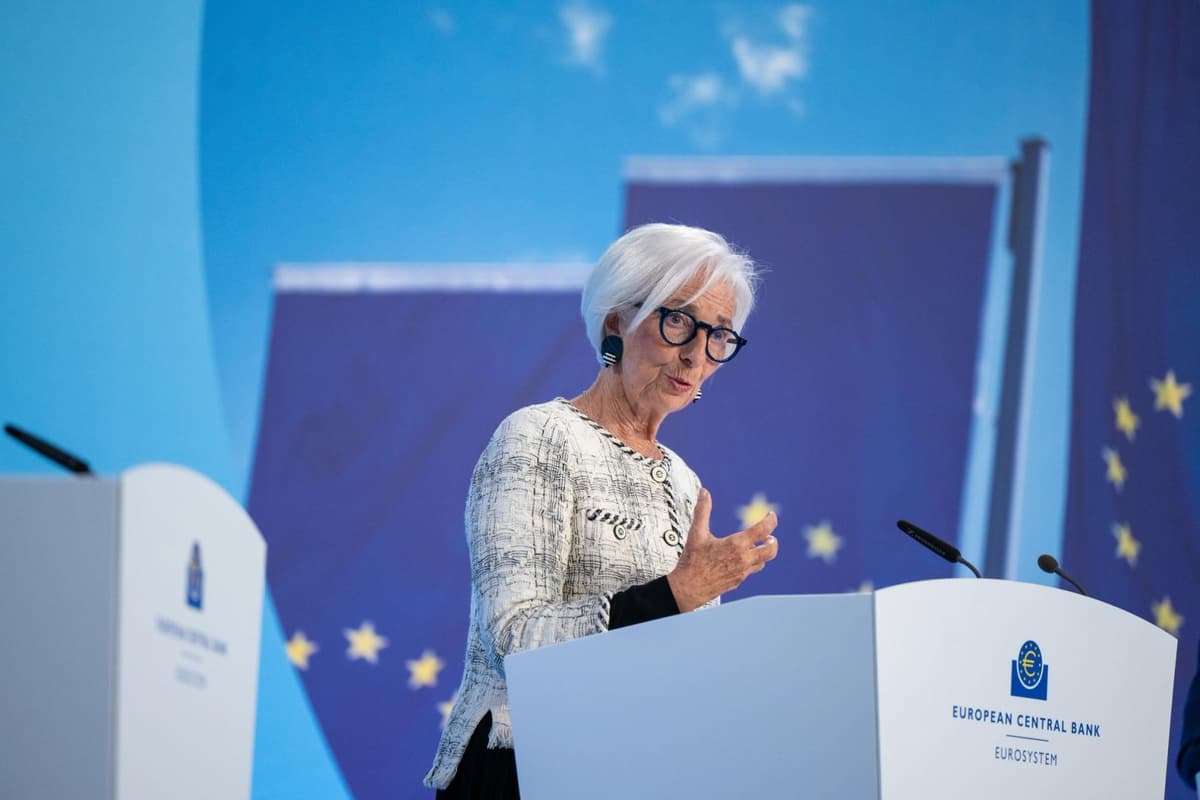
ECB's Lagarde’s Digital Euro Warning: Why Europe Shouldn’t Just Copy the U.S. Stablecoin Model
ECB President Christine Lagarde cautioned that the $310 billion stablecoin market, dominated by U.S. dollar‑pegged tokens, poses systemic risks that could spill over into asset markets during stress. She argued Europe should not replicate the private stablecoin model but instead develop...

Israeli Shekel Pushes Foreign‑Exchange Reserves to Record $235.7 Bn
Israel’s foreign‑exchange reserves climbed to a record $235.7 bn at the end of April 2026, up $6.3 bn from March. The surge stemmed from a $7.5 bn revaluation of assets as the shekel strengthened, offset by $1.2 bn of government foreign‑exchange activity.

Guyana Rises to Third Place in Global Chinese Outbound Investment, Capturing 5.7% Share
Data released by the Brazil‑China Business Council shows Guyana captured 5.7% of total Chinese outbound investment in 2025, placing it third behind Brazil and the United States. The surge reflects a broader shift of Chinese capital toward Latin America and...

UK 10‑Year Gilt Yields Slip to 4.85% as US‑Iran Deal Hopes Dim Rate‑Hike Odds
UK 10‑year gilt yields fell to 4.85%, their lowest since April 20, after investors trimmed expectations for Bank of England tightening. The move was driven by a U.S. memorandum to Iran that raised hopes of a peace deal, easing oil...

How China Killed Every Rare Earth Competitor
China has maintained its rare‑earth monopoly for over two decades by deliberately slashing prices whenever a Western firm attempts to develop independent processing capacity. The price‑undercutting destroys the economics of new projects, causing investors to pull back and companies to...
Mozambique Slashes Diesel Affordability with 46% Price Surge Amid Iran War Shock
On May 7, 2026, Mozambique lifted regulated diesel prices by 46%, the steepest hike in the region, as the Iran war pushes global oil costs higher. The move joins Ethiopia, Gambia and Zambia in tightening fuel subsidies, exposing Africa’s vulnerability...

Contradictory Week in Review
The week saw a stark mix of macro signals: consumer sentiment hit record lows while equity markets reached all‑time highs, and gasoline surged to $4.58 per gallon as the Strait of Hormuz stayed closed. The Federal Reserve’s SLOOS revealed construction‑loan...

China Targets 28,000 Humanoid Robots in 2026 to Lift Export Share to 16.5% by 2030
Morgan Stanley’s latest research projects China will ship roughly 28,000 humanoid robots in 2026, more than double last year’s output, and raise its global manufacturing export share from 15% to 16.5% by 2030. The surge reflects a coordinated state push,...

Crypto Market Slides 1% as Investors Await U.S.-Iran Peace Deal Outcome
Crypto assets slipped about 1% in the past 24 hours as investors held their breath for the result of U.S.-Iran peace talks. The dip coincided with a modest retreat in the Dollar Index and lower US Treasury yields, while the...

Non-Tariff Measures as an Architecture of Strategic Exclusion
Non‑tariff measures (NTMs) were originally technical tools aimed at protecting public health, safety and the environment. In recent years, especially amid heightened geopolitical tension, governments have repurposed NTMs as a covert means of strategic exclusion, limiting market access for rival...

Guest: Omar Qari of Logicbroker on How Retailers and Brands Respond to Shifting Geopolitical Uncertainty; Carton Diversity Drives Sortation Designs;...
In this episode, Omar Qari, CEO of LogicBroker, explains how retailers and brands are grappling with persistent geopolitical uncertainty, tariff volatility, and fragmented supply chains, which are straining inventory visibility and fulfillment orchestration. He emphasizes that resilience now hinges on...

How Venezuela Has – and Hasn’t – Changed Since Maduro’s Capture
Four months after U.S. forces captured President Nicolás Maduro, Vice‑President Delcy Rodríguez assumed power and began rolling back Venezuela's socialist policies under U.S. guidance. The new administration has reshuffled 13 of 32 ministries, lifted sanctions on Rodríguez, and launched a...

Iran War Hits Datacenter Building Supply Chains, Upping Costs
The Iran‑Israel conflict has forced the Strait of Hormuz closed, choking oil‑based building material supplies. BCS Consultancy reports up to 20% price hikes and availability dropping to roughly 25% for key inputs such as steel, aluminum and cement used in...
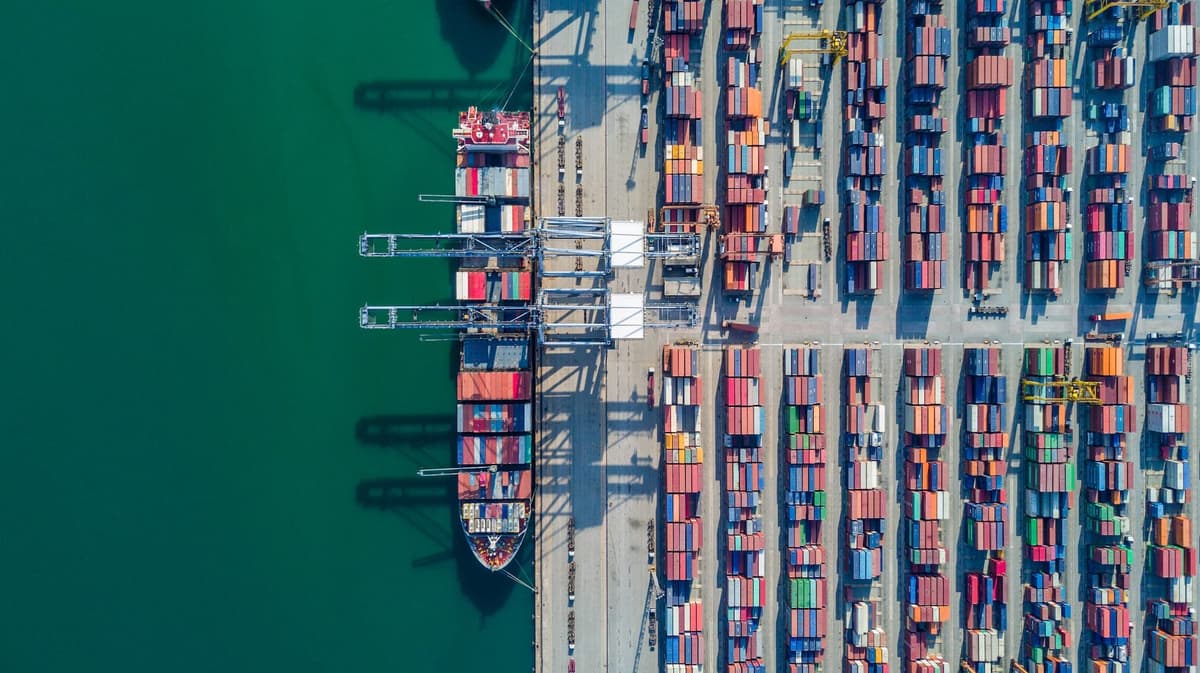
U.S. Import Slowdown Deepens as Retailers Pull Back Amid Iran Crisis
U.S. container imports are projected to stay below last‑year levels through early fall, according to the National Retail Federation and Hackett Associates. A brief rebound in May‑June masks a deeper decline as retailers curb inventory amid rising inflation and the...

The Jobs Fade
Canadian labour market slipped further in April 2026, with the unemployment rate climbing to 6.9%, the highest level in six months. The country shed 17,700 jobs last month, bringing the year‑to‑date loss to roughly 110,000, while youth unemployment topped 14%....
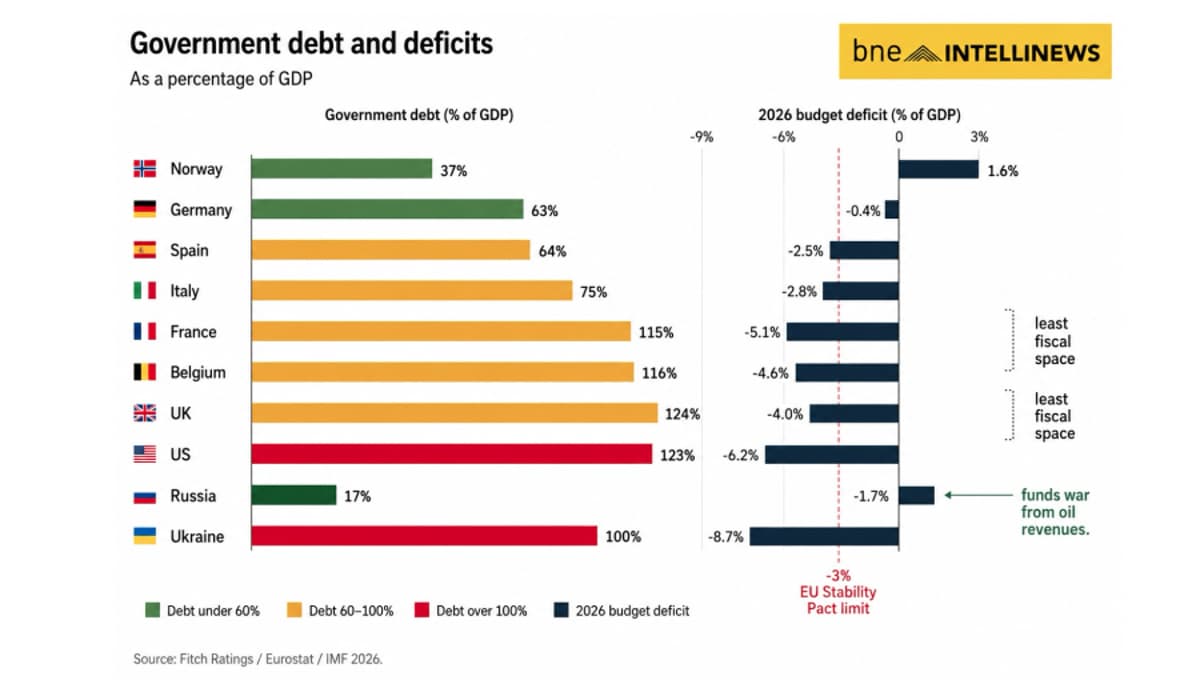
The Iran War Exposes Fiscal Fragility Around the World
Fitch Ratings warns that the Iran war has hit global fiscal buffers at a time when most advanced economies have little room to maneuver. Even the EU’s most disciplined nations—Ireland, Greece, Portugal, the Netherlands and Scandinavia—face pressure on debt and...

Defunding the State: Squeezing the Eurodollar with Bitcoin’s Taproot Assets and L3 Logic.
The post argues that by early 2026 legacy stablecoins have been neutralized as governments merge them with CBDCs, effectively ending the fiat‑backed digital bridge for crypto users. It warns that the state’s next move is to strangle the parallel economy’s...

Sticky Inflation Turns Junk Bonds Into Attractive Carry
Geopolitics & sticky inflation are creating a wild bond market. The surprise? It’s making high-yield "junk" bonds look attractive for carry. Defaults stay low, so investors are reaching for that extra yield. 📈 HighYieldBonds

Pico CEO Sees Global ‘Anywhere to Anywhere’ Trading Straining Market Plumbing
The FIA conference in Boca Raton highlighted a rapid shift toward on‑chain assets, AI‑ready market data, and 24/7 trading models. BMLL Technologies is promoting nanosecond‑level, full‑depth order‑book feeds to cut the costly data‑cleaning burden on quant teams. Marex is expanding...

US Adds 115,000 Jobs in April, Jobless Rate Flat
The U.S. Bureau of Labor Statistics reported a gain of 115,000 non‑farm jobs in April, keeping the unemployment rate unchanged at 4.3%. This marks the first set of back‑to‑back monthly job gains in almost a year, with March’s figure revised...
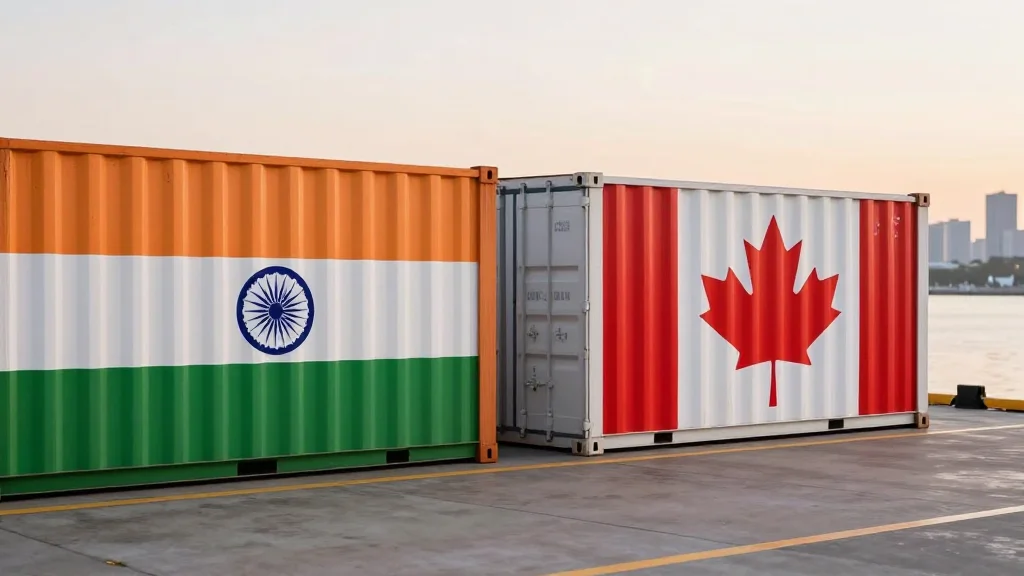
India, Canada to Hold Next Round of FTA Talks in Ottawa in July
India and Canada will reconvene in Ottawa in July 2026 for the next round of negotiations on their Comprehensive Economic Partnership Agreement (CEPA). The two countries completed a second five‑day session in New Delhi, covering goods, services, IP, rules of origin...

Administration Fails to Meet 1974 BoP Deficit Standard
Great thread, and an interesting observation -- There is no doubt that the Administration didn't attempt to meet the standard for 122 (a BoP deficit as understood in 1974 ... ); the USTR filing more or less just noted the deficits...

Trump Beats His Own Dubious ‘Vibecession’ Record
The University of Michigan’s preliminary consumer‑sentiment index slipped to 48.2 in May, marking a second consecutive month at an all‑time low. The decline represents the third straight month of falling sentiment, driven primarily by heightened concerns over prices and personal...

The US and China Don’t Need Another Dialogue. They Need a Circuit Breaker.
U.S. and Chinese officials are drafting a bilateral Board of Trade ahead of President Donald Trump’s upcoming visit, aiming to delineate permissible commerce and flag national‑security red lines. Analysts argue the proposal is incomplete without a built‑in “circuit breaker” that...

‘We’ve Got a Curiously Cautious Government with Failing Politics, Not Economic Ambition’
Professor Anand Menon warned that the United Kingdom’s economy has been under pressure since the end of the 2008 financial crisis, with wages barely rising for almost two decades. He linked prolonged stagnation to voter frustration, noting that many voted...

Fed's Goolsbee: Inflation Has Not Been Great. Job Market Is Pretty Much Stable
Federal Reserve President Austan Goolsbee told investors that inflation remains stubbornly high even as the labor market shows little sign of weakening. He highlighted that price pressures stem from more than just energy costs and pre‑date the Ukraine war, suggesting...

New US-Iran Clashes Hit Peace Hopes, But Oil Under $100
US and Iranian forces clashed in the Gulf after Iran launched missiles, drones and small boats at three US warships, which the United States said it repelled without damage. President Trump maintained that the cease‑fire remains in effect while both...
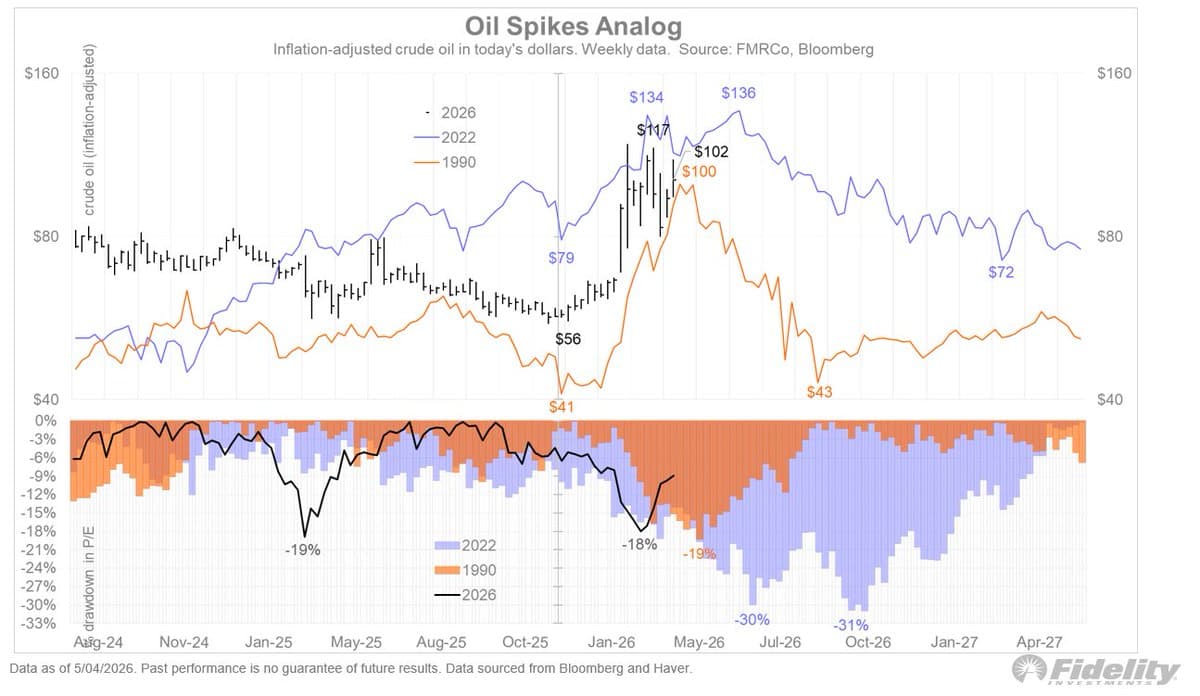
Oil Shock May Mirror 2022 Spike, Not Gulf War
Not to rain on this bullish parade, but there is a left tail lurking out there in the Strait of Hormuz. The more I learn about the mechanics of the energy market, the more concerned I am that what the...

Daybreak May 8: Trump, Lula Talk Trade as Administration Weighs Expanding Beef Imports
President Donald Trump and Brazil’s President Luiz Inácio Lula da Silva met at the White House to discuss trade, including the possibility of expanding U.S. beef imports from Brazil to ease domestic prices. While no decision has been made, the administration is...

How U.S. Manufacturers Can Compete In A Global Market
U.S. manufacturers are grappling with offshore price pressure, but Kent Elastomer Products’ president John Danes argues that a total value proposition—combining quality, innovation, supply‑chain reliability and geographic proximity—offers a competitive edge. He highlights how advanced elastomer materials and strict purity...
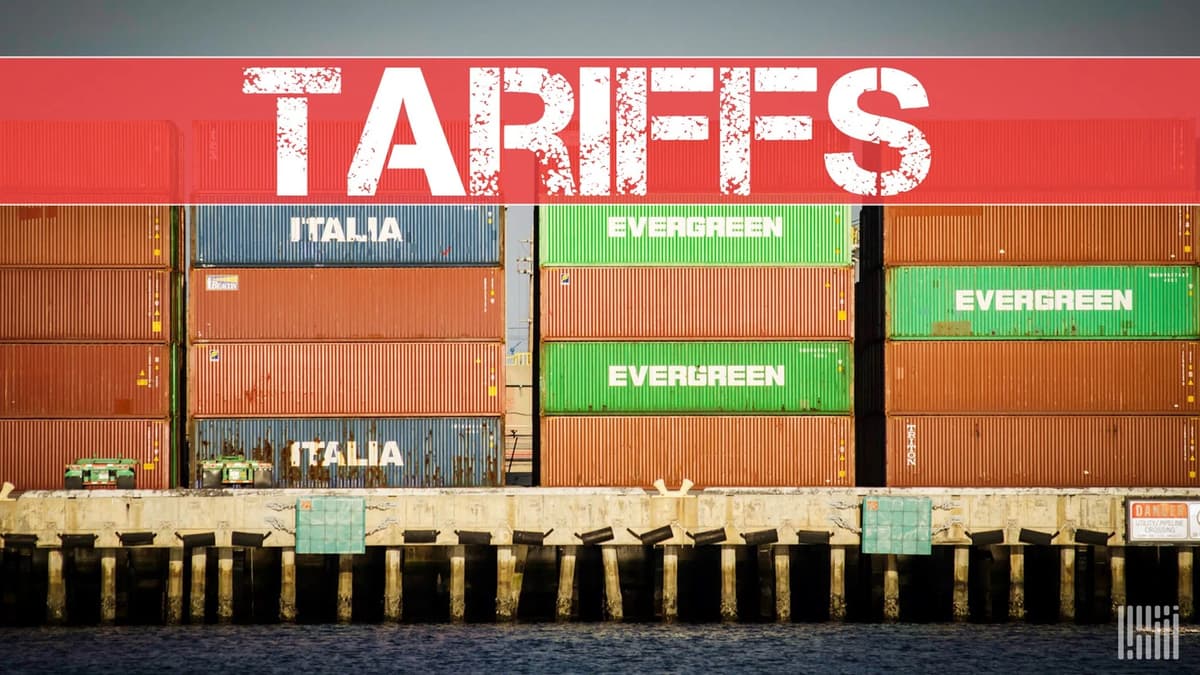
Tariff Uncertainty Deepens for Shippers After New Court Ruling Against Trump
A U.S. Court of International Trade has struck down the administration’s latest 10% global tariffs, deeming them unauthorized under the Trade Act of 1974. The ruling follows a Supreme Court decision that barred broader duties, prompting the court to block...
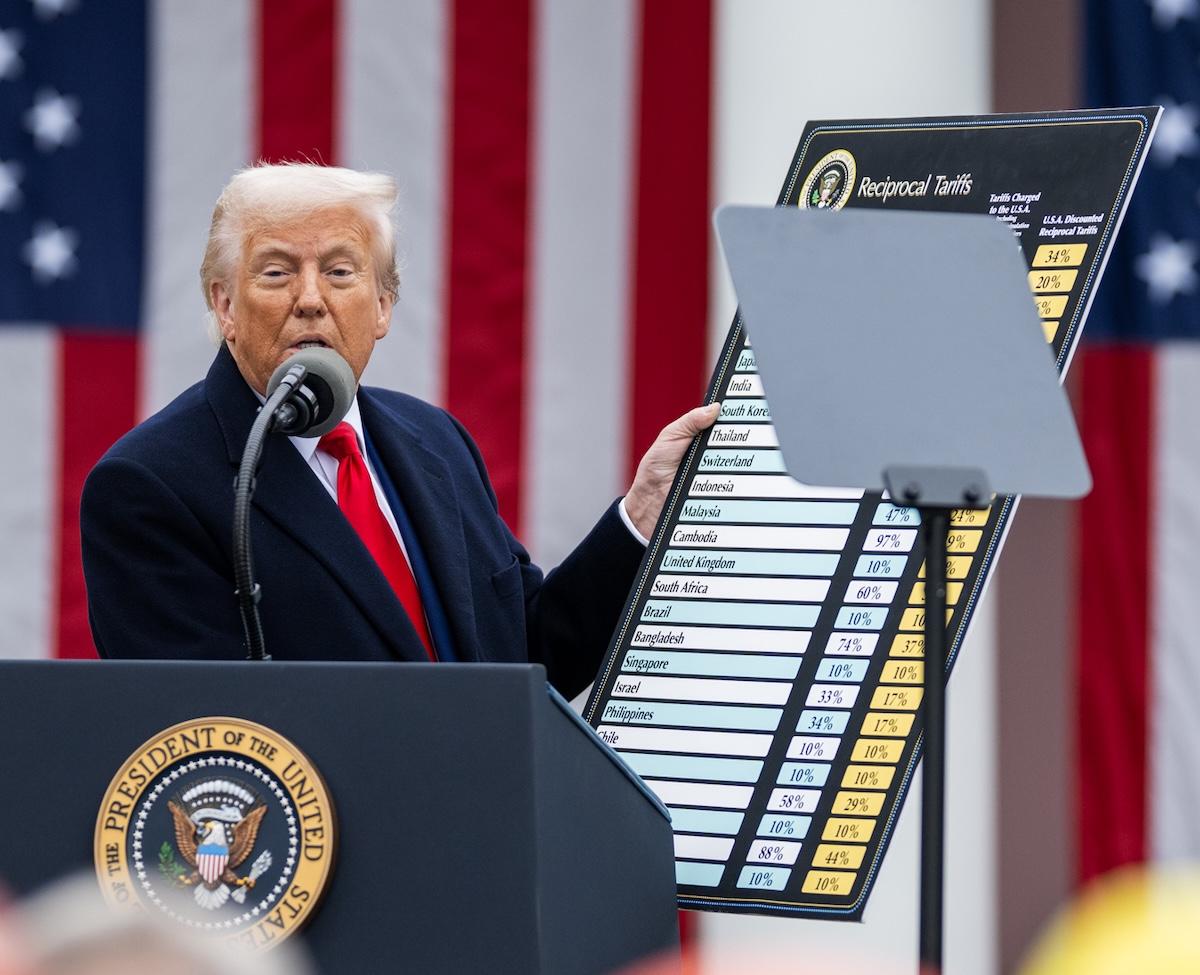
No Promised US Manufacturing Boom as Trump Tariffs Ruled Illegal
A three‑judge panel of the U.S. Court of International Trade ruled 2‑to‑1 that President Donald Trump's sweeping 10% tariffs on most imports were unlawful, a decision the administration is expected to appeal. The ruling, which only blocks tariff collection for...
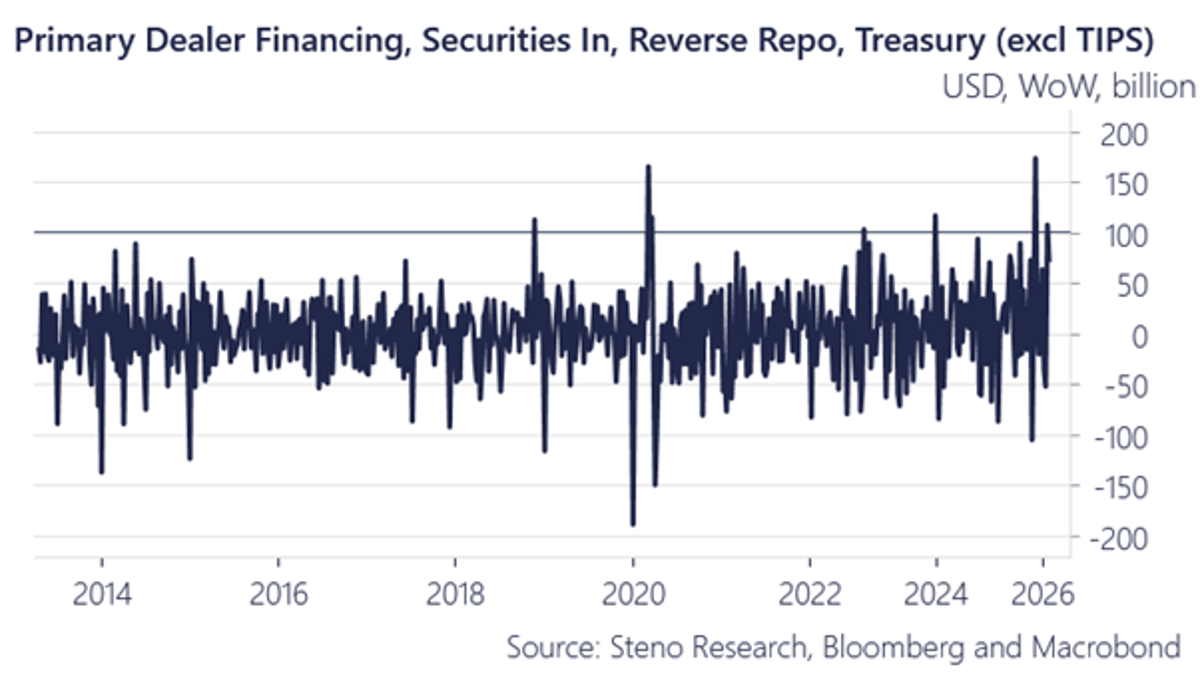
ESLR Reform Fuels Unprecedented Repo Activity Surge
Not since the QE heyday of the first Covid lockdown have we seen repo activity surge like this. The driver is the eSLR reform - still vastly underappreciated by many. We’ve been on top of this and see it as THE...
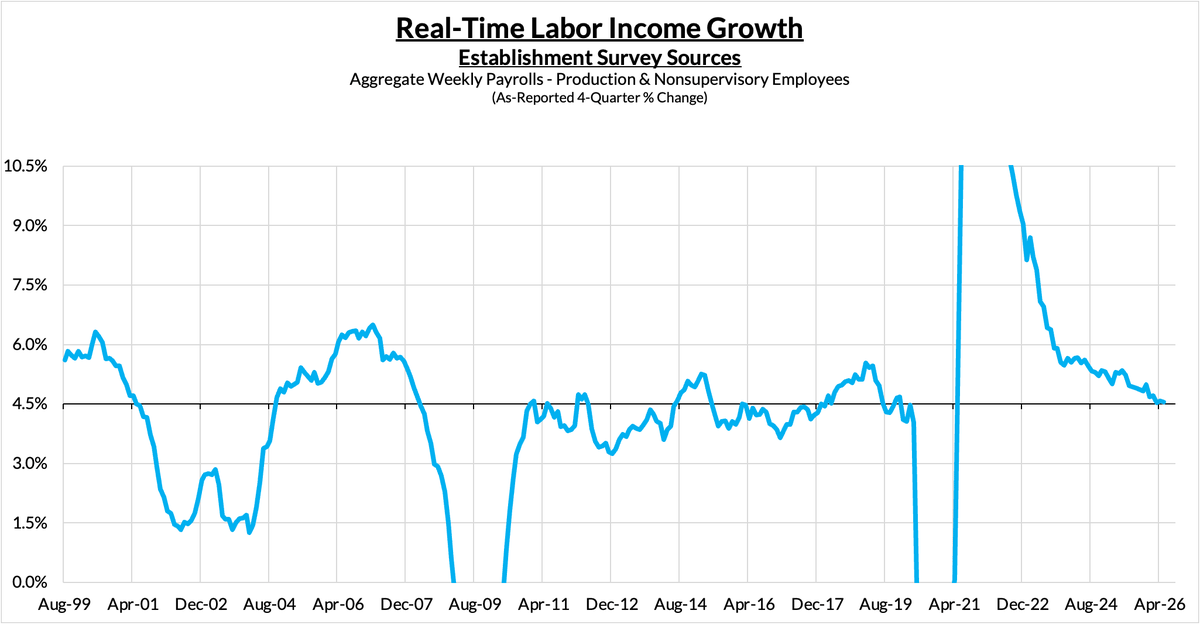
Nominal Wage Growth Stabilizes, Yet Supply Shocks Threaten Real Incomes
This data is somewhat backward looking now, but... We had been seeing a soft landing in the reported pace of nominal labor income growth. Stabilizing around a healthy pace. Problem is self-inflicted supply shocks are already raising inflation again. Will weigh...

Fed Data Suggest Japan Sold U.S. Debt Amid Intervention
The Federal Reserve reported a $8.7 billion drop in its custody of marketable U.S. Treasuries, bringing the total to $2.73 trillion for the week ending May 6. The decline coincides with Japan’s Ministry of Finance spending roughly $55 billion to support the yen, suggesting...
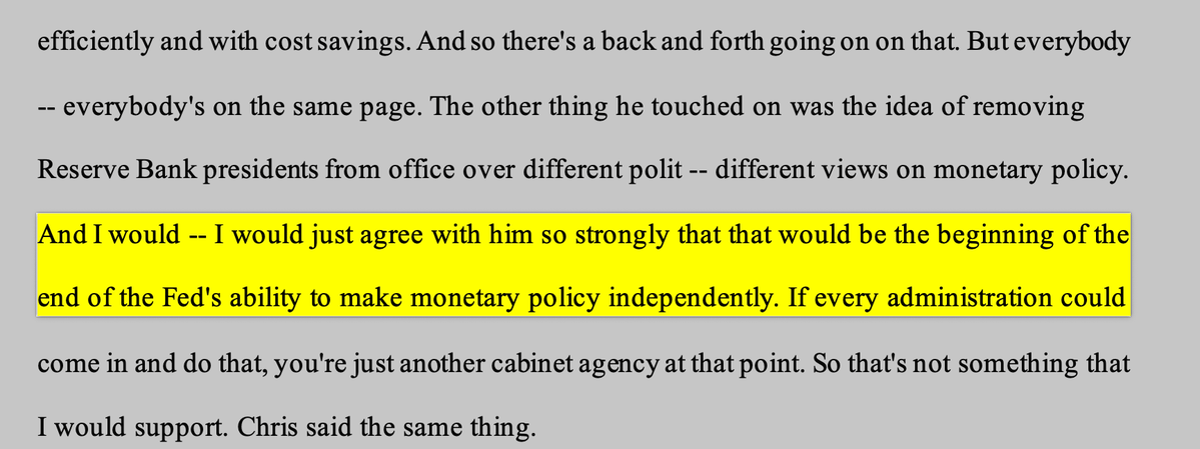
Powell Warns Removal Power Threatens Fed Independence
David Wilcox points out Powell, without being explicitly asked about, pointed to the governors' ability to remove regional Fed Presidents as a risk to independence in his latest press conference. @HooverInst https://t.co/J4Uy69mrei https://t.co/Q0ltpyO3sf
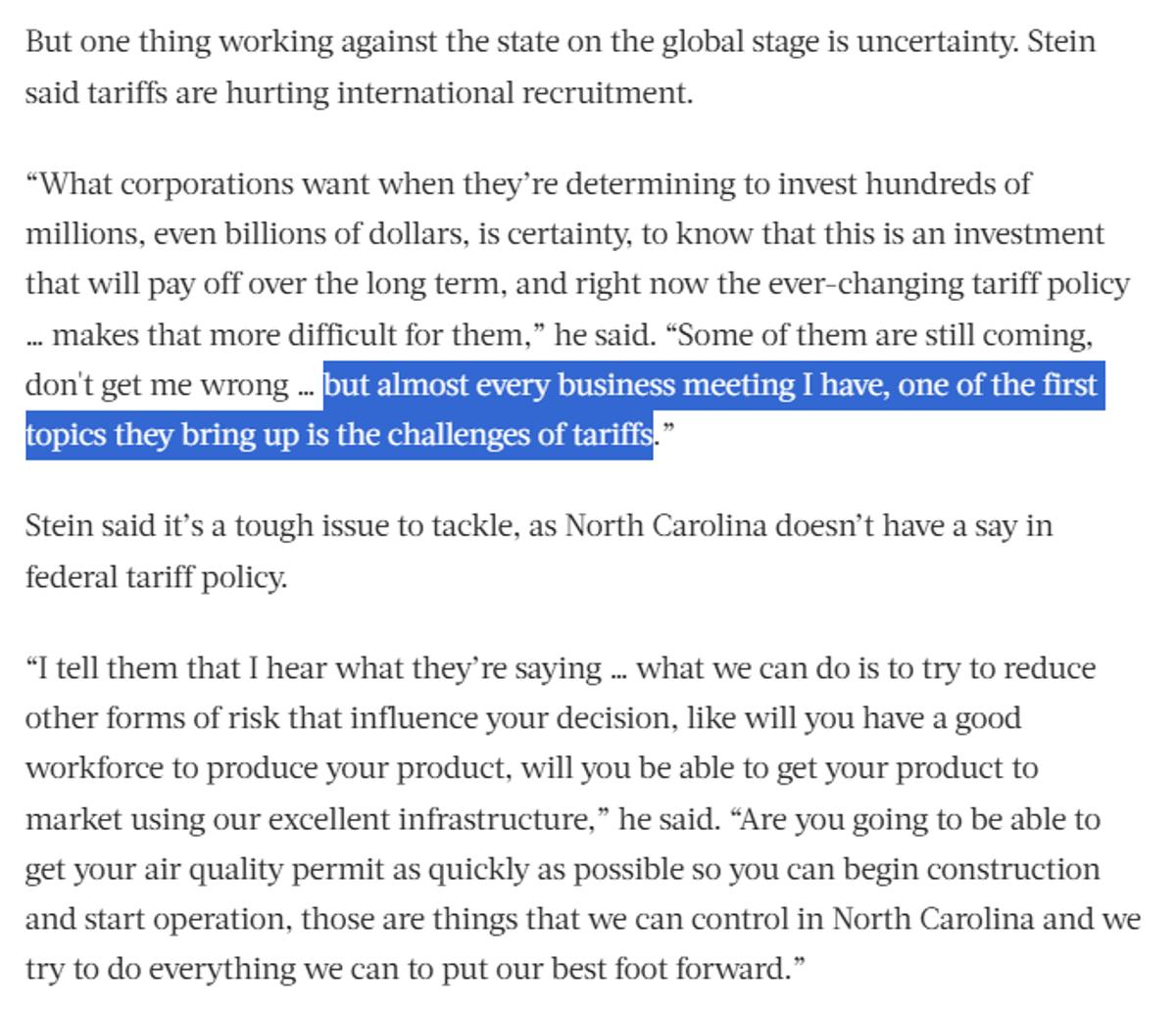
Tariffs Dominate Business Discussions, Says NC Governor
NC Gov. Stein on corporate investment: "Some of them are still coming, don't get me wrong … but almost every business meeting I have, one of the first topics they bring up is the challenges of tariffs" https://t.co/A8Cfovlh2b https://t.co/NetY7oVnbT

Citi CEO Warns Inflation Will Persist Longer Than Expected
“I don’t think it’s fully appreciated” Jane Fraser, Citi CEO, says she expects a more protracted inflation problem
1970s Policy Errors Stemmed From More Than Fed Independence
"Monetary policy mistakes in the 1970s were not due to a lack of Fed independence" Edward Nelson, Senior Adviser Federal Reserve Monetary Affairs @HooverInst

Monetary Policy Nerd Live-Tweets Hoover Conference, Ditches Ballgames
I'm attending @HooverInst's annual monetary conference today. Caution: I'll be tweeting nerdy monetary policy details as someone who thinks monetary policy is far more exciting than a ballgame - I let my dogs chase balls, never quite understood why humans...
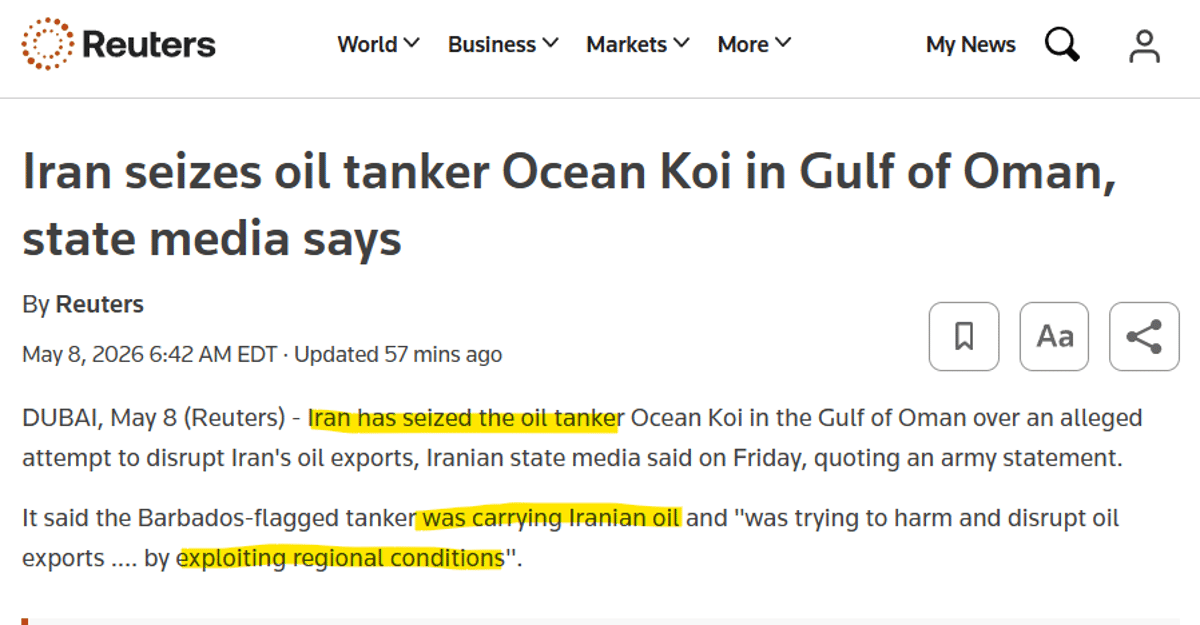
Iran Seizes Its Own Crude Amid Booming Trade
When your Iranian oil trade is so hot that Iran seizes its own crude back. https://t.co/LSKsv5pbu8

ECB Fears Euro Stablecoins Due to Dollar Deficit
In today's Daily Peg, I allege that the ECB's real paranoia about euro-denominated stablecoins stems from a fundamental and structural dollar deficit across the eurosystem. https://t.co/2oIVNDBppn
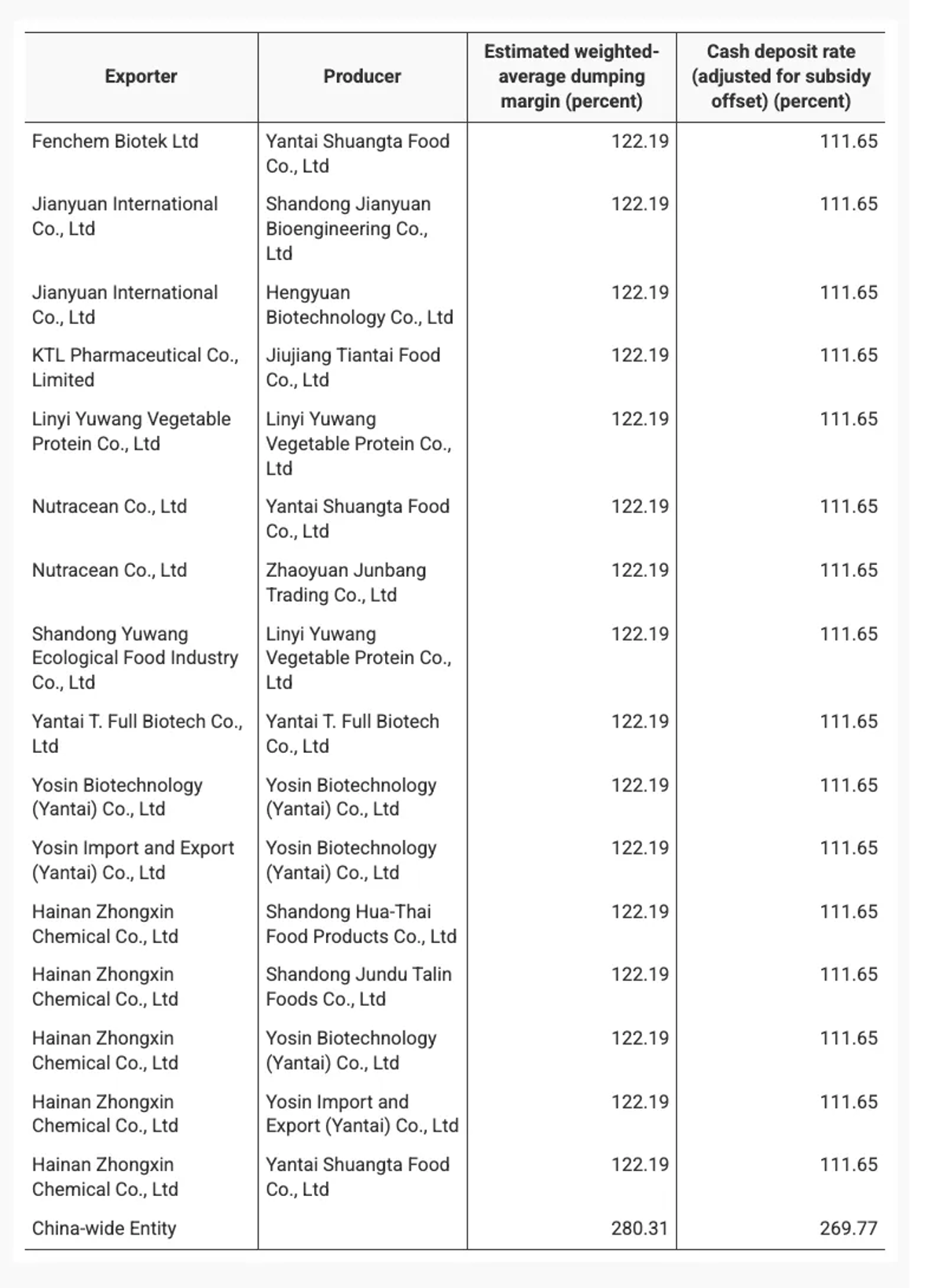
US Slaps Anti-Dumping Duties on Chinese Pea Protein Exporters
Chinese ag-industrial policy story: the US is already levying anti-dumping duties on the following Chinese bio/ag tech firms that were selling underpriced pea protein to the USA. More featured on today's Chartbook Top Links in the comment below. https://t.co/jYxMe3342A

Bank Influence Drives Push for Deeper Market Integration
"deeper capital market integration through the savings and investment union and a stronger safe asset base" translation: "banks bribed us sufficiently"
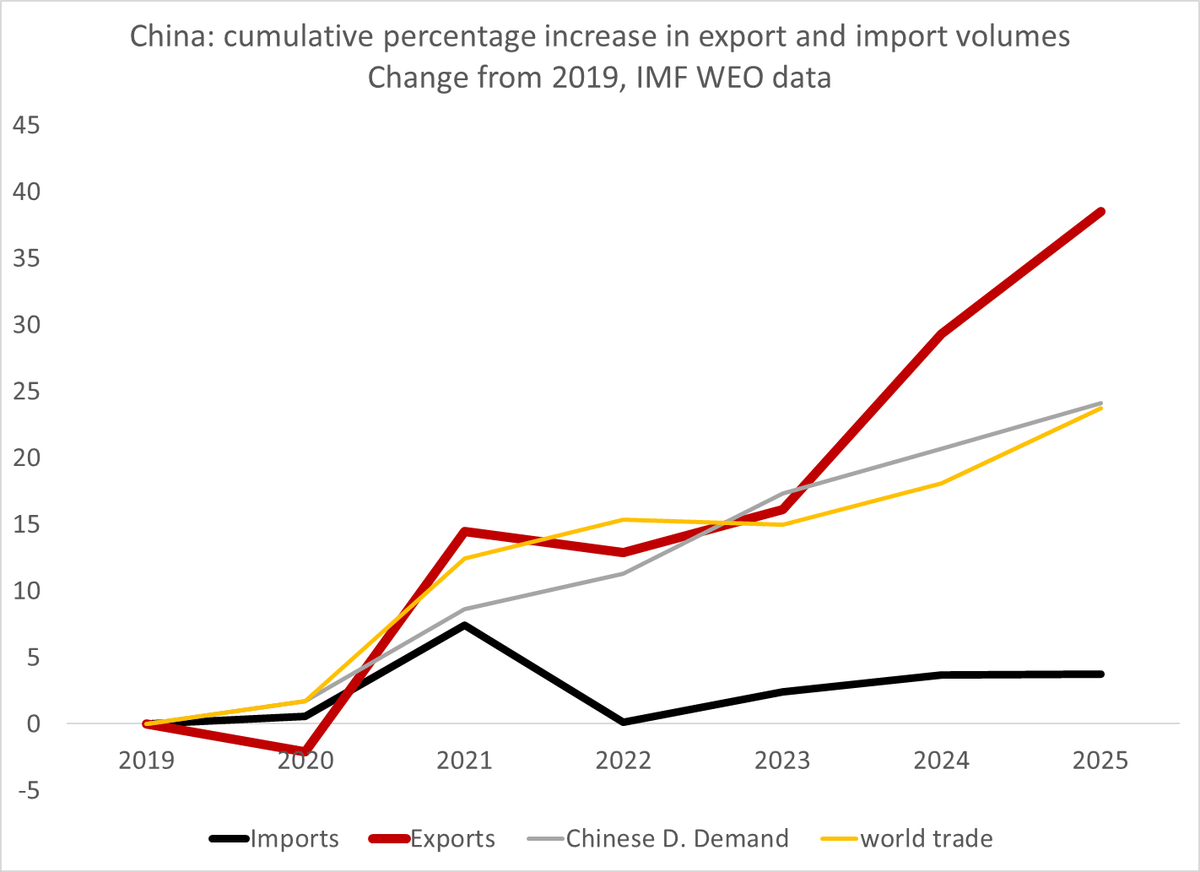
China's Imports Stall While Exports Surge, Creating Trade Imbalance
Chinese import growth has stopped tracking with Chinese domestic demand growth. With Chinese export volumes growing much faster than global trade, there is now enormous gap -- an imbalance -- in China's trade https://t.co/BhObwF49bG
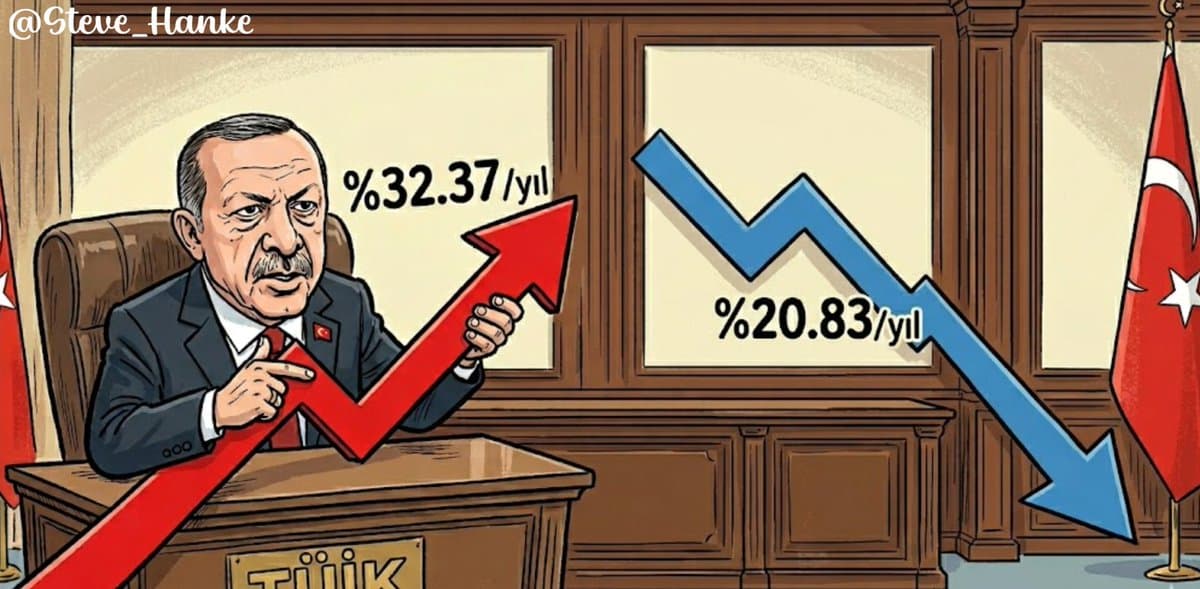
Turkey's Inflation Likely to Ease, Says Leading Metric
#TurkeyWatch 🇹🇷: Turkey’s CPI inflation stands at 32.37%/yr in April. Today, my high-frequency inflation measure is 20.83%/yr — well below the official rate. My measure always leads the official measure. That suggests that Turkey’s inflation will moderate in the coming months. https://t.co/gzVHqiPVDx
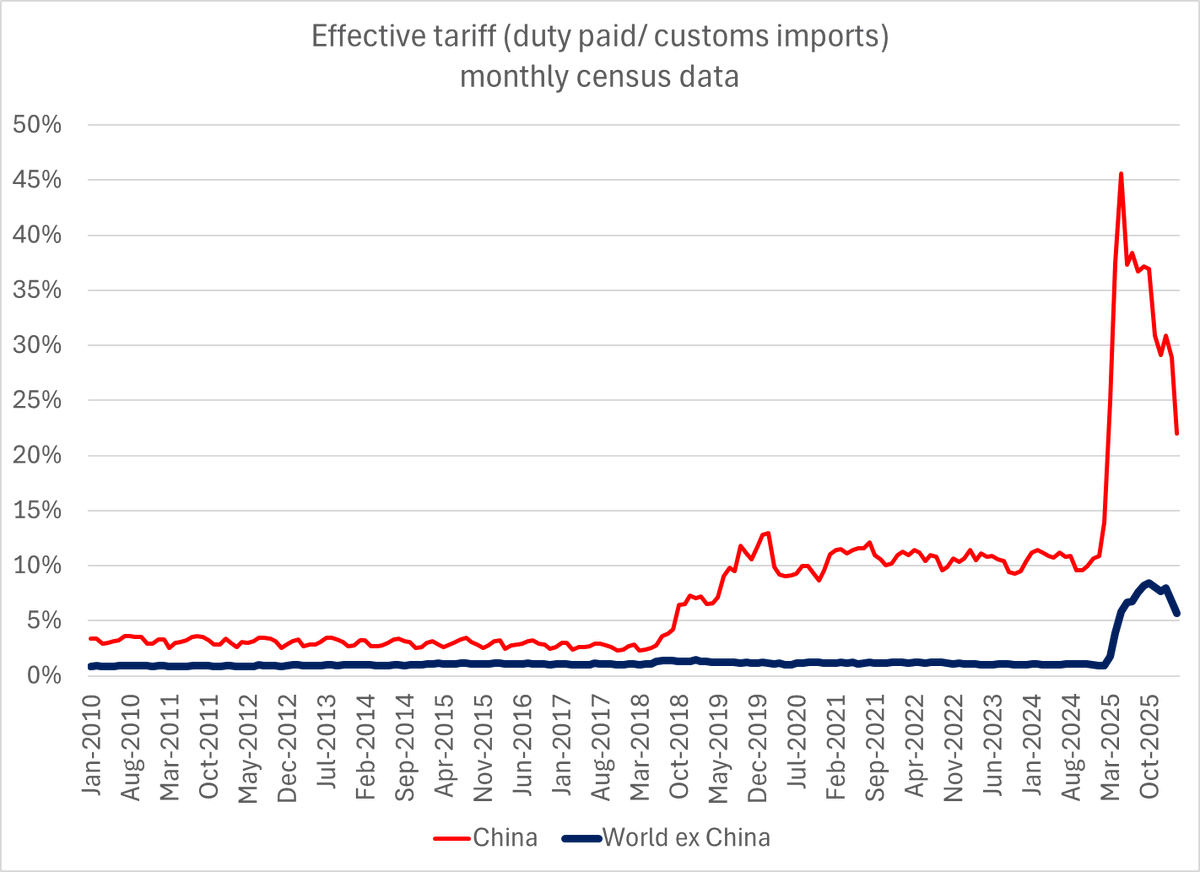
China’s March Tariff Triples Global Average After IEEPA End
In March, the simple effective tariff (tariff revenue/ imports) for China was a bit over 20% -- and the simple effective tariff for the rest of the world was 5%. The end of IEEPA had an impact 1/2 https://t.co/URjXF3lbbB
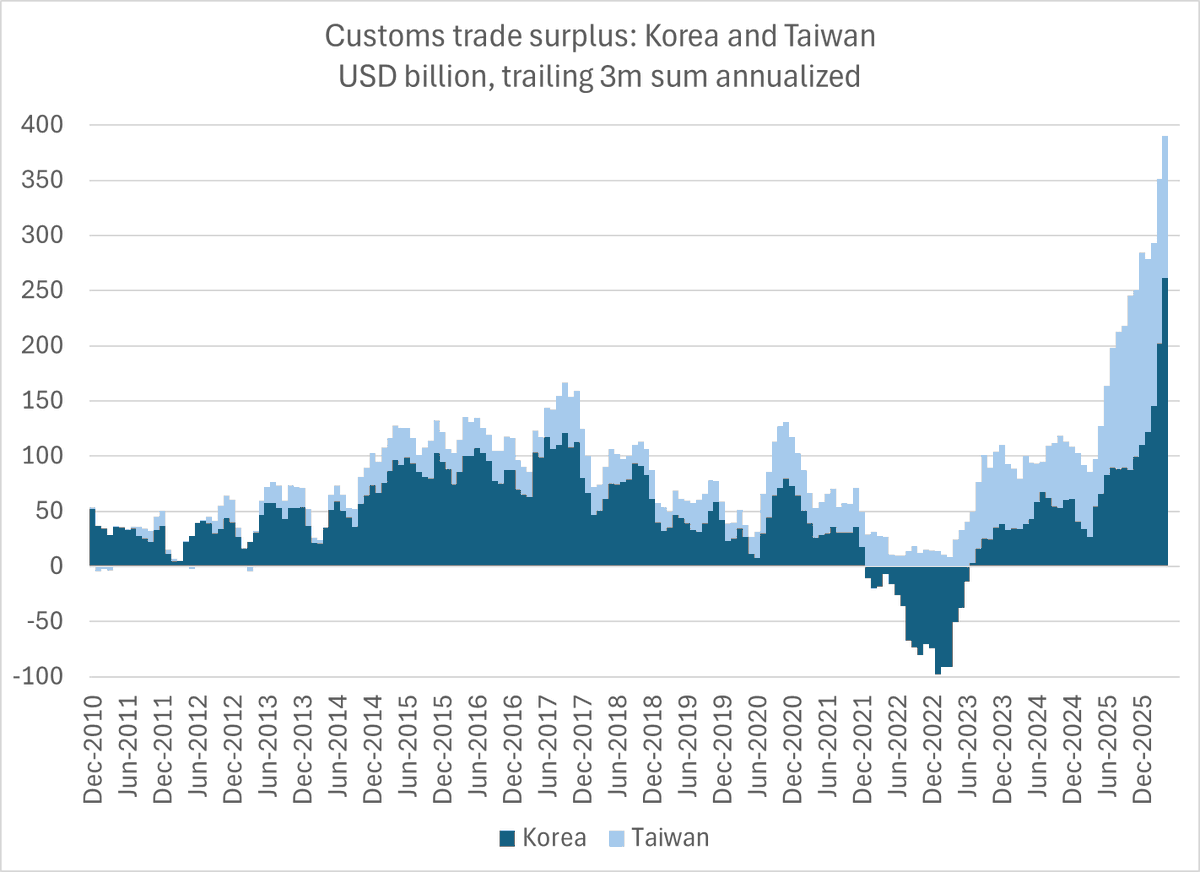
Korea and Taiwan's Chip Trade Surplus Soars $300B
The combined trade surplus of the chip superpowers (Korea and Taiwan) is running about USD 300b above its 2024 level ($400b v 100b). Taiwan's April surplus was down a bit (oil and gas imports) but it didn't change the...