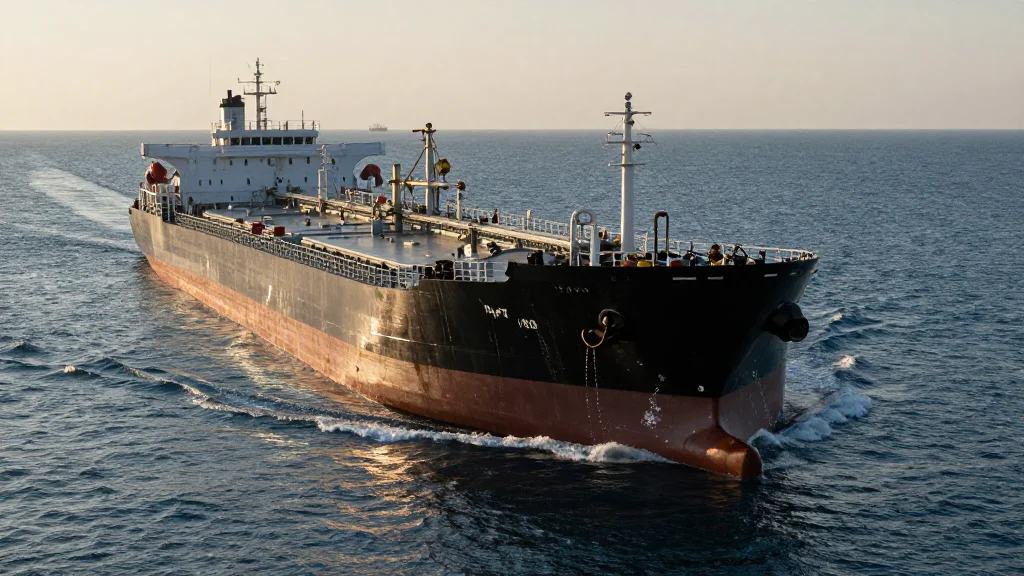
Oil Extends Gains As US-Iran Peace Deal Hopes Fade
Oil prices rose for a third straight session as uncertainty over U.S.-Iran negotiations deepened. Brent August futures climbed 2.2% to $98.15 a barrel and WTI July futures jumped 2.3% to $95.93. The U.S. military reported thwarting Iranian missile attacks and highlighted Iran’s mining of large sections of the Strait of Hormuz, raising fears of supply disruptions. Both Washington and Tehran claim talks continue, but stalled dialogue keeps the market on edge.
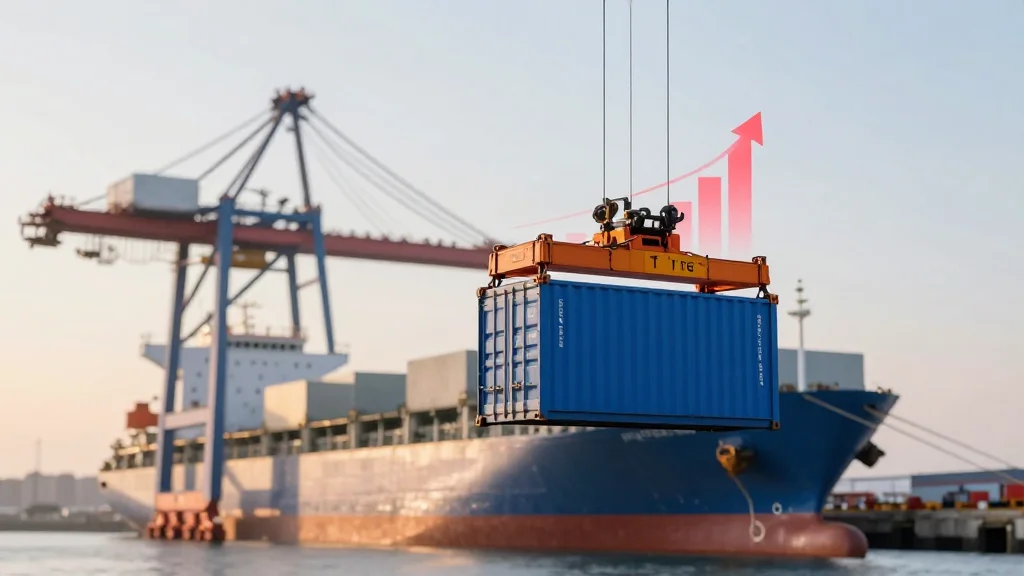
New Trump Administration Tariffs, This Time on Forced Labor, Could Come Into Force as Existing Ones Roll Off
The Trump administration has proposed new tariffs targeting forced‑labor goods from about 60 economies, ranging from 10% to 12.5%, timed to replace the Section 122 tariffs that expire on July 24. The proposal follows a February 10% tariff under Section 122 after the...
Under Pressure
The OECD’s June 2026 Economic Outlook warns that the escalating Middle‑East conflict is now the chief drag on the global economy. While 2025 growth was revised to 3.4%, the outlook projects a slowdown to 2.8% in 2026 under a short‑term disruption...
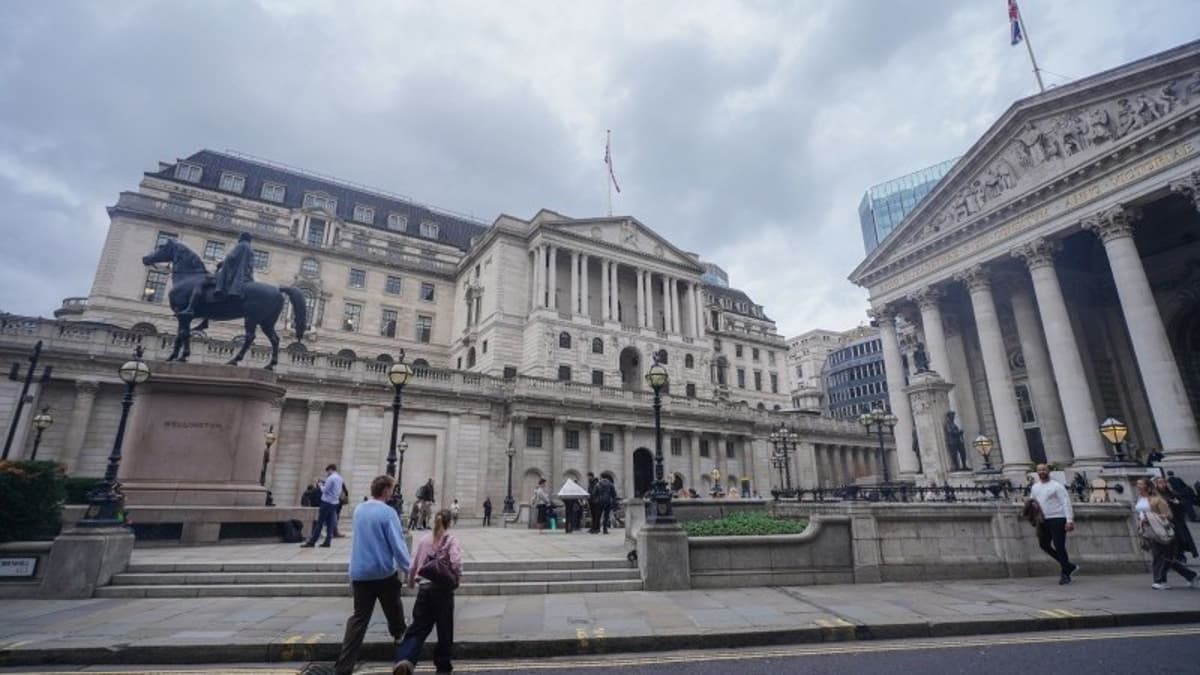
A Bank of England Rate Hike in July Can’t Be Ruled Out
The Bank of England’s June rate‑hike probability has evaporated, with markets now pricing a pause in policy. A drop in natural‑gas futures toward pre‑war levels is easing inflation pressures, allowing the CPI outlook to peak near 3.7% in September—below the...
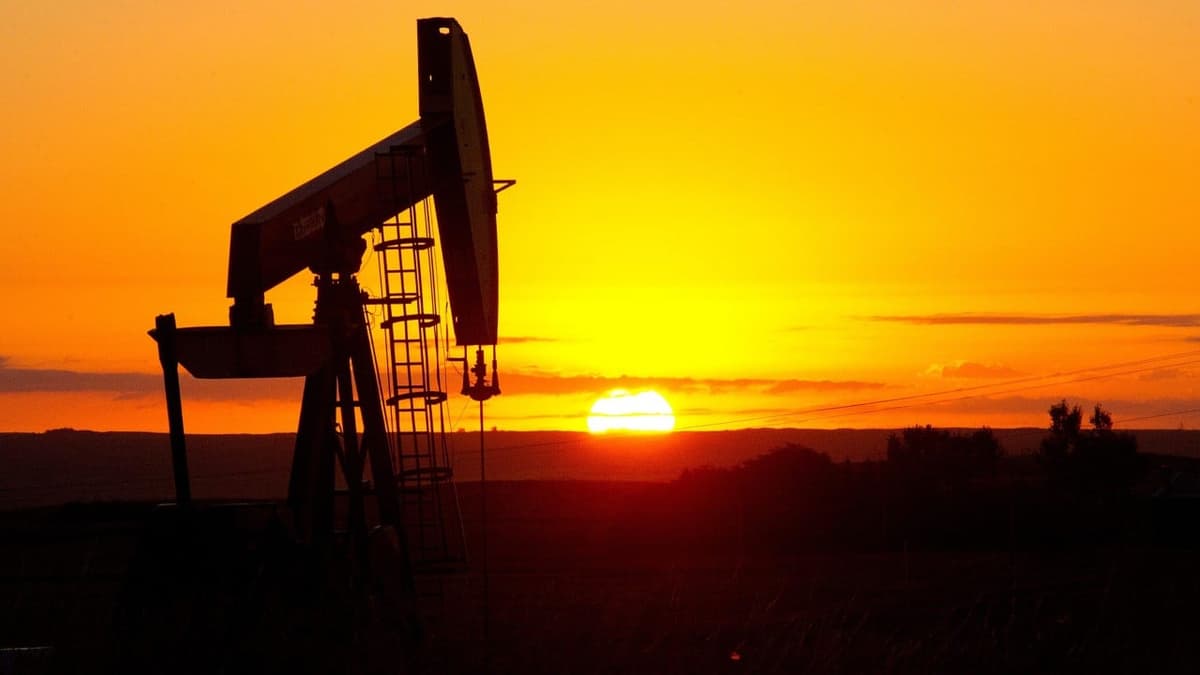
Global Oil Stockpiles Could Fall to ‘Critical Levels’ by Summer, IEA Warns
The International Energy Agency warned that global oil inventories could fall to critical levels before the peak summer demand season, driven by ongoing supply disruptions and dwindling imports. Global crude stocks dropped by 250 million barrels in March‑April, while Chinese onshore...

Trump’s Tariff Comeback? The White House Finds a New Route After Court Setbacks
The White House is reviving country‑specific tariffs by proposing an additional 10‑12.5% duty on imports from India and 53 other economies under Section 301 of the 1974 Trade Act. The move follows a Supreme Court ruling that blocked the use of...
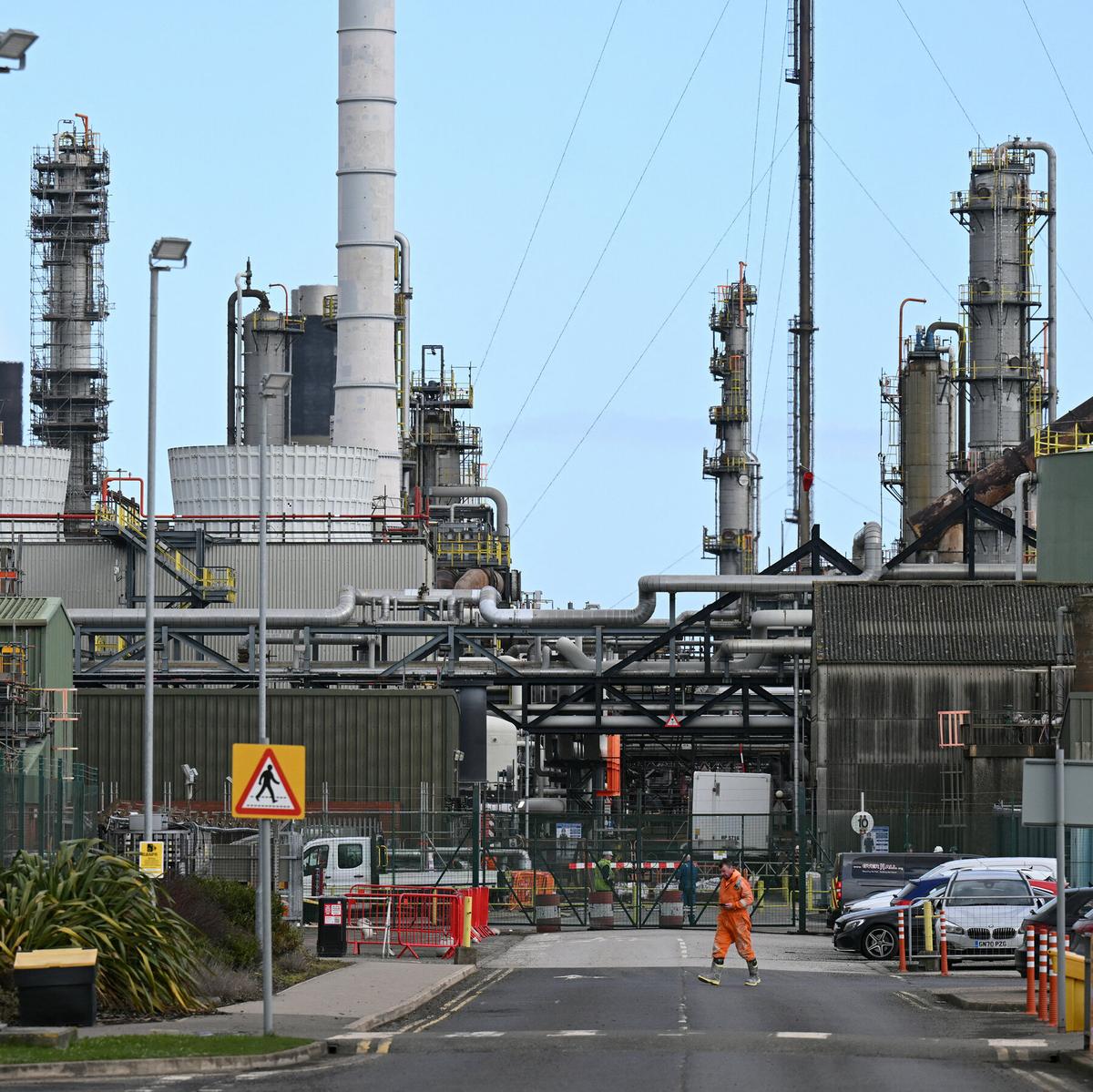
Even if Oil Prices Peak Soon, the Global Economy Will Slow This Year
The OECD warned that the ongoing Middle East war will curb global growth to 2.8% in 2026, down from 3.4% in 2025, before a modest rebound to 3.1% in 2027. The organization assumes oil and gas prices have peaked and...

Shipowners Urged to Stay Nimble as Geopolitics Reshapes Global Shipping
Shipping executives at Posidonia’s TradeWinds Shipowners Forum warned that geopolitics is reshaping markets, not just causing operational hiccups. They cited the US‑China trade war, Ukraine conflict, Red Sea attacks and Gulf tensions, which have shifted trade routes, trapped over 200...
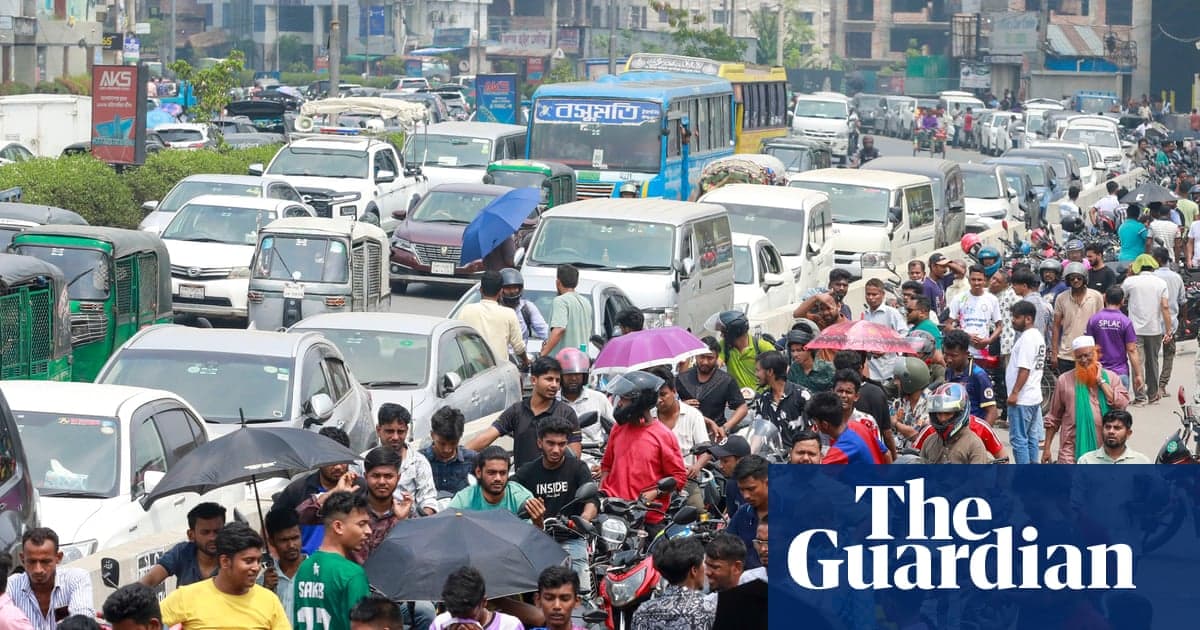
OECD Predicts Spate of Recessions Globally if Iran Conflict Drags Into 2027
The OECD’s latest Economic Outlook warns that a prolonged Iran‑U.S. standoff lasting until 2027 could slash global GDP growth to 2.1% in 2026, down from 3.4% in 2025, pushing several economies into recession. Energy shortages would trigger rationing, higher fertilizer...
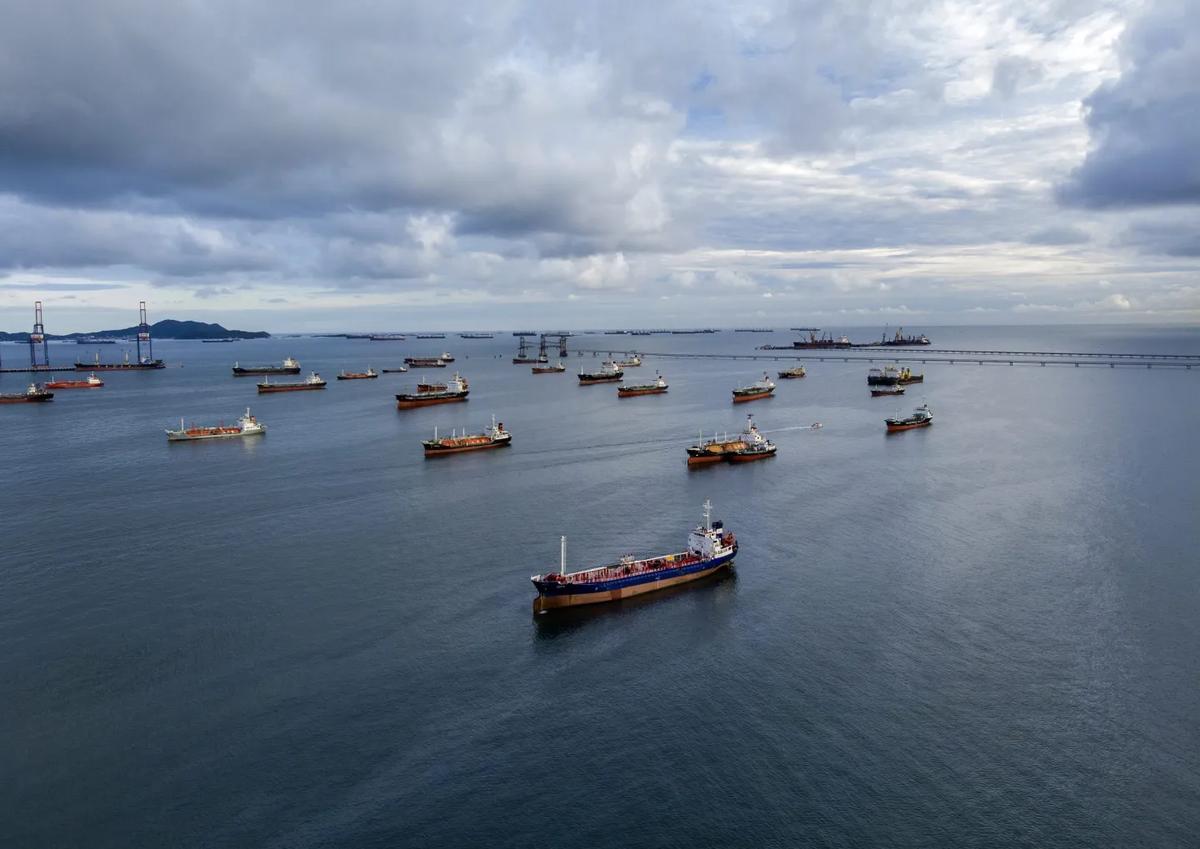
Hormuz Crisis Strains Global Trade as Cost Pressures Spread
Greek shipping magnate Evangelos Marinakis says he would pay up to $200,000 per voyage to transit the Strait of Hormuz rather than endure prolonged delays. The statement underscores a shift toward accepting predictable tolls as a cost of doing business amid...

How Likely Is a U.S. Debt Crisis?
The 2026 UBS Global Family Office Report shows rising anxiety about the U.S. dollar, with about 30% of respondents cutting or considering cutting dollar exposure. The dollar’s reserve share slipped modestly to 56.8% by end‑2025, yet it still handles roughly...

ECB Policymaker Wunsch Says June Discussion to Be Quite Easy if US-Iran Conflict Remains
ECB Governing Council member Peter Wunsch said the June policy discussion will be "quite easy" if the US‑Iran conflict remains unresolved, keeping geopolitical risk high. A potential peace deal before the meeting would complicate the debate, though he doubts its...

Warsh Set to Revamp Fed’s Signals to Wall Street
Kevin Warsh, former Fed governor and longtime market‑watcher, has been tapped to overhaul the Federal Reserve’s communication strategy with Wall Street. The move follows a period of heightened market volatility and criticism that the Fed’s signals have been ambiguous. Warsh...
US Proposes Broad Tariffs of at Least 10%, Citing Forced Labor
The U.S. Trade Representative announced a proposal to impose tariffs of at least 10% on imports from most major trading partners, citing forced‑labor concerns. Canada, Mexico, the EU, Taiwan and the UK would face a 10% duty, while China, India,...
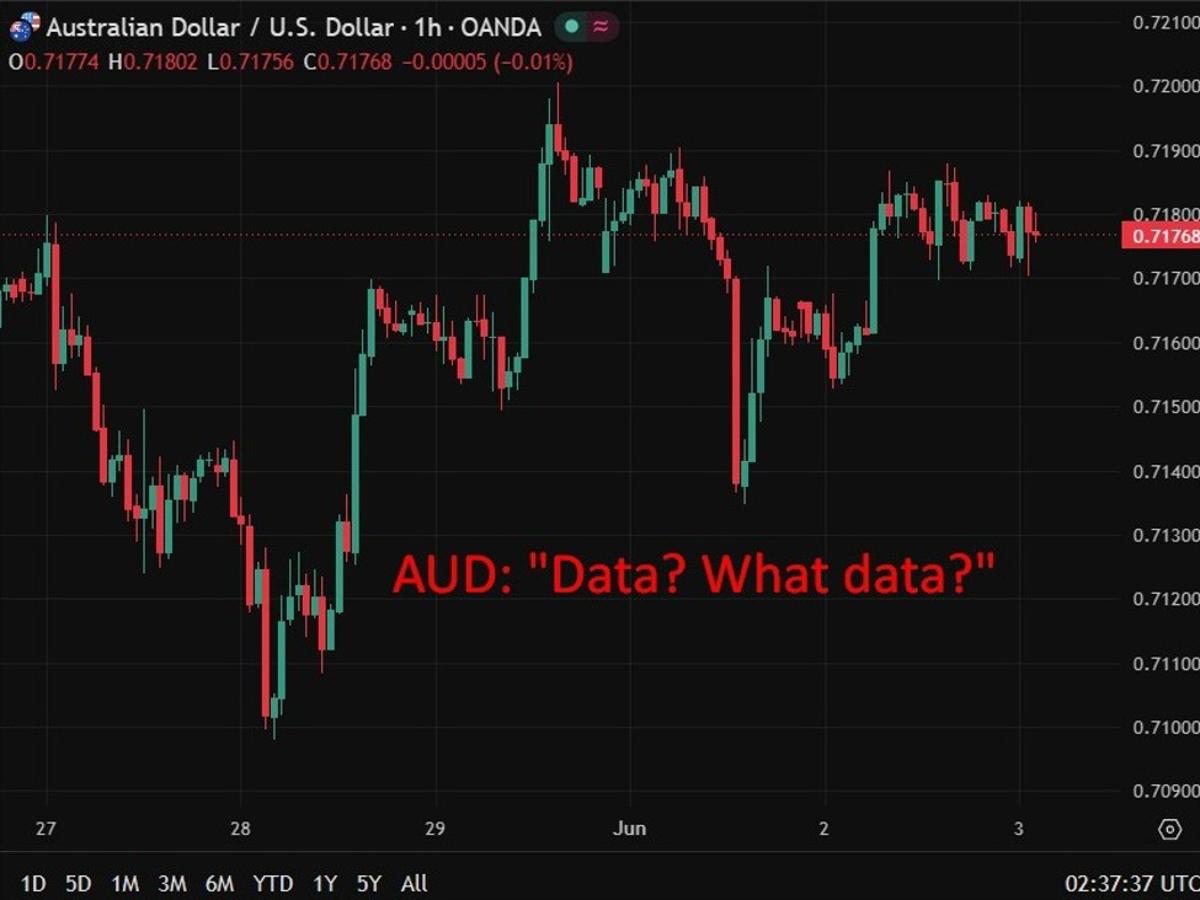
Australia Q1 GDP Slows to 0.3% as Data Centre Imports Drag on Growth
Australia's economy grew 0.3% quarter‑on‑quarter in Q1 2026, trailing the 0.5% consensus and down from 0.9% in Q4. The slowdown was driven by a 0.8‑percentage‑point drag from a surge in imports of data‑centre equipment and war‑related fuel, even as domestic...
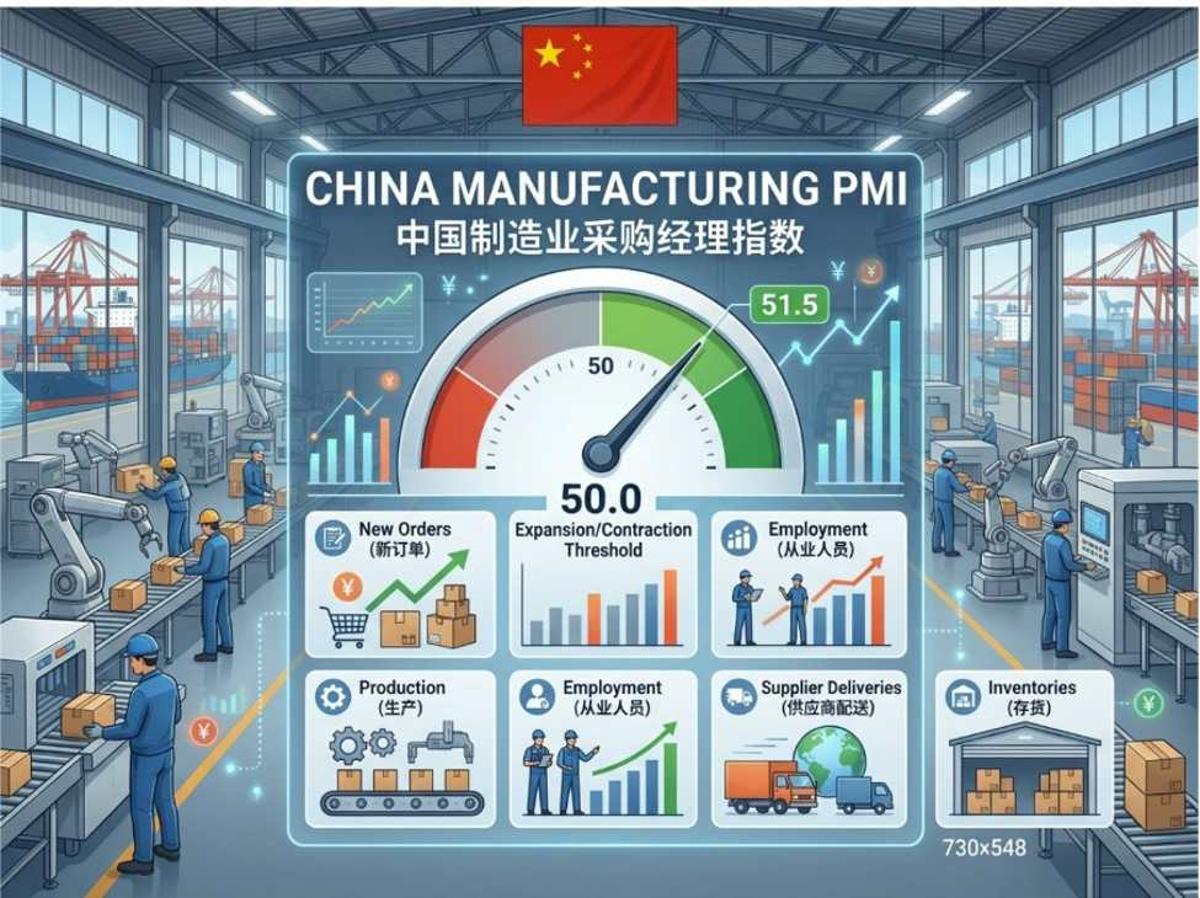
China Services PMI, May 2026 54.4 (Expect 52.3, Prior 52.6) Fastest Expansion in 3 Months
China's services PMI surged to 54.4 in May, the fastest expansion in three months and well above the 52.3 forecast. New orders extended for a 41st consecutive month, the second‑longest streak on record, while employment rose for the first time...
Not All Foreign Exchange Reserves Are Created Alike
A new dataset covering 109 countries shows that central banks have dramatically altered the composition of foreign‑exchange reserves since the late 1990s. Securities now account for roughly two‑thirds of total reserves, up from about one‑third a quarter‑century earlier, a shift...

India’s Oman Bet Looks Timely As Hormuz Crisis Deepens
India’s new Comprehensive Economic Partnership Agreement with Oman has become strategically vital as tensions threaten the Strait of Hormuz, a chokepoint for nearly half of India’s crude and most of its LNG and LPG imports. The pact removes customs duties...
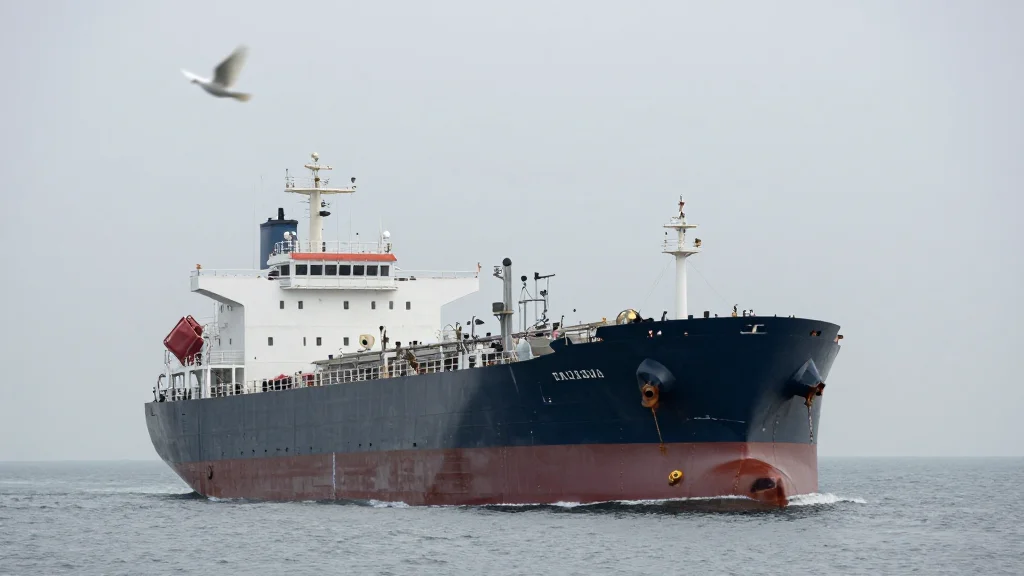
Crude Prices Rise as Market Weighs Prolonged US-Iran Standoff
Crude oil prices edged higher on Tuesday as traders weighed the prospect of a prolonged US‑Iran standoff against mounting signs that the global petroleum system is edging toward a supply crunch. The market cited renewed geopolitical risk in the Middle...
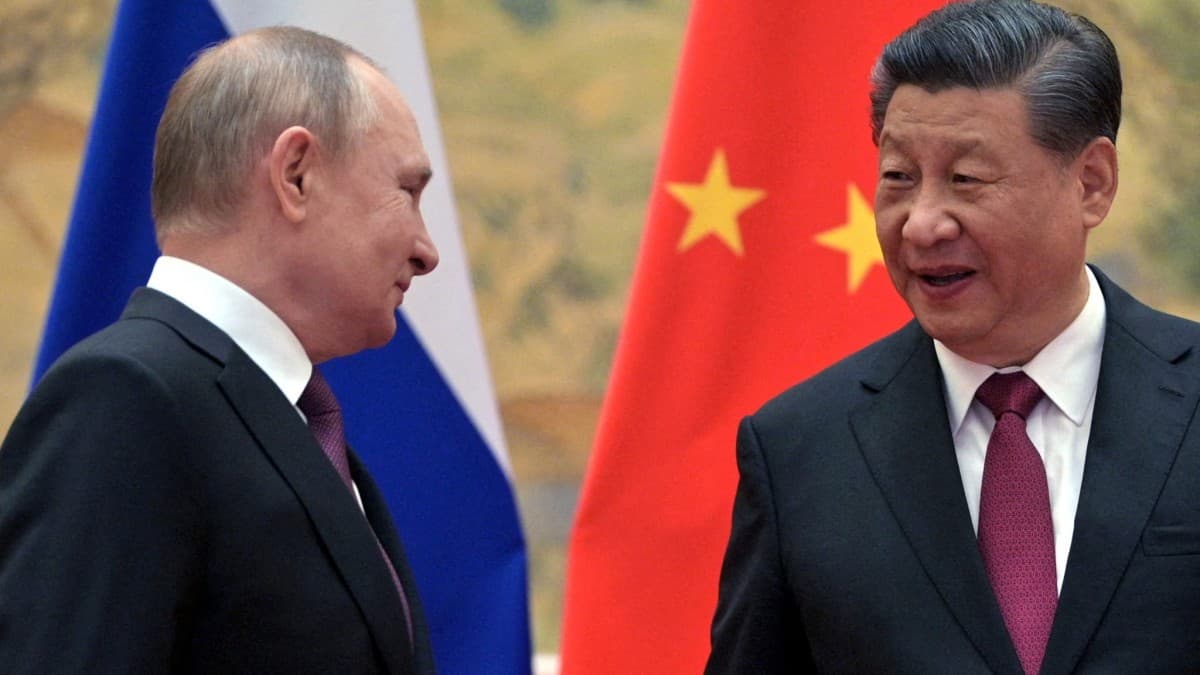
Russia’s China Energy Lifeline Is Becoming a Noose
The recent Xi‑Putin summit produced lofty rhetoric but no concrete concessions for Moscow, leaving Russia dependent on a China that supplies heavily discounted oil and gas while providing most of the sanctioned technology needed for its war effort. Discounts of...
Powell Lookback Favors Large Fed Balance Sheet, Limited Guidance
A Brookings paper analyzing Jerome Powell’s tenure finds the Fed’s attempts to shrink its balance sheet were largely ineffective and that forward guidance constrained policy flexibility. The study, authored by UC‑Berkeley economists Christina and David Romer, notes the balance sheet...
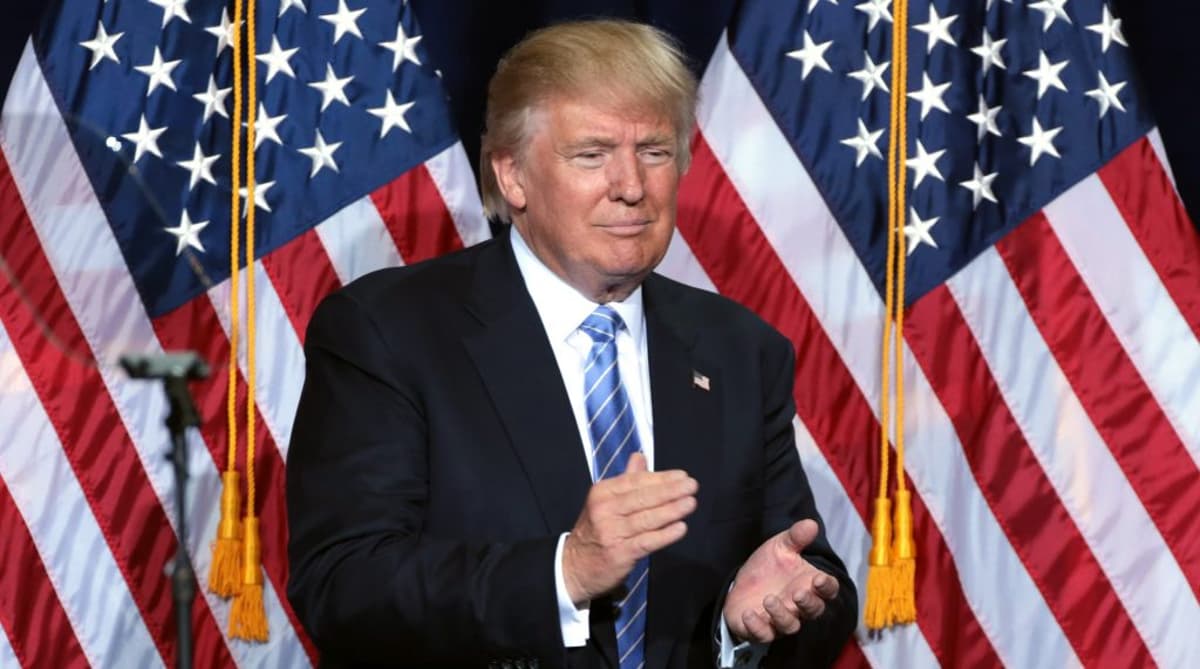
Trump Makes Changes to Steel, Aluminum and Copper Tariffs
President Donald Trump issued an executive order that reshapes tariffs on steel, aluminum, copper and certain equipment. Tariffs on agricultural gear and HVAC systems drop from 25% to 15%, while mobile industrial equipment such as bulldozers and forklifts now falls...
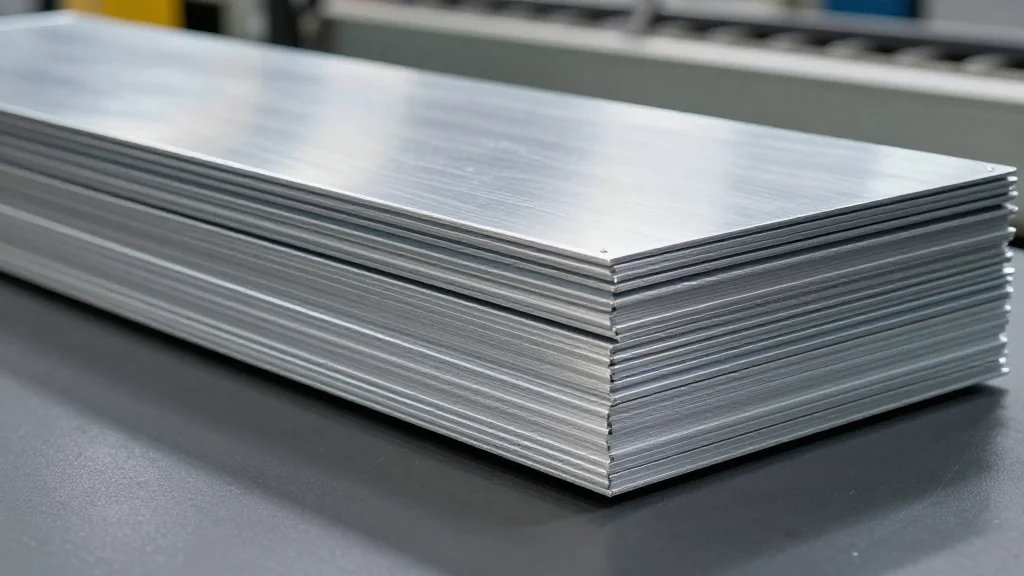
Trump Shakes up Tariff Regime for Steel, Aluminum and Copper
President Donald Trump announced a revision of the Section 232 tariff regime, lowering the duty on certain steel, aluminum and copper‑based products from 25% to 15%. The U.S. sourcing threshold was also reduced, allowing imports with at least 85% domestic...
Rates Spark: The Real Deal
US Treasury real yields are hovering just under 4.5%, remaining sticky despite recent market swings. In the eurozone, 10‑year implied real rates have risen since 2024 but sit near pre‑oil‑price levels, buoyed by a German fiscal boost and AI‑driven growth...
India to Replace WPI with New Producer Price Index over Five Years
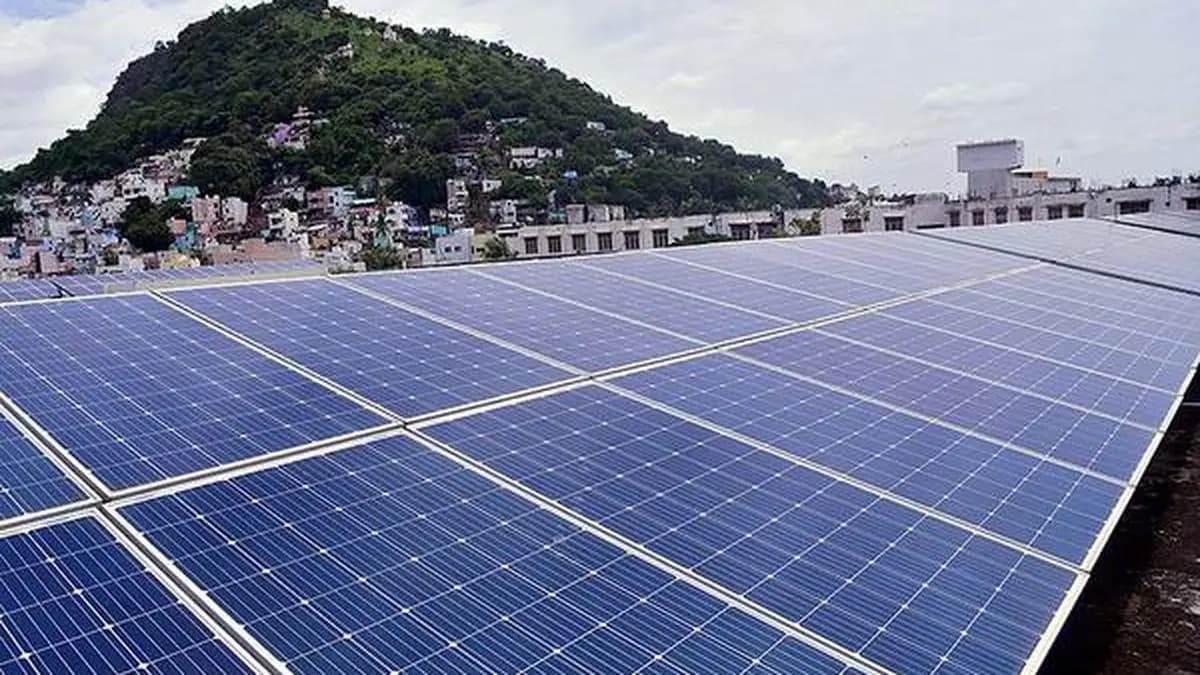
India’s government will debut a revised Wholesale Price Index (WPI) on June 15, expanding the commodity basket to 957 items and updating the base year to FY 23. Simultaneously, it will launch three new Producer Price Index (PPI) series—Output, Trial Input, and...
South Africa Meeting Fiscal, Structural Reform Targets, Treasury DG Pieterse Assures
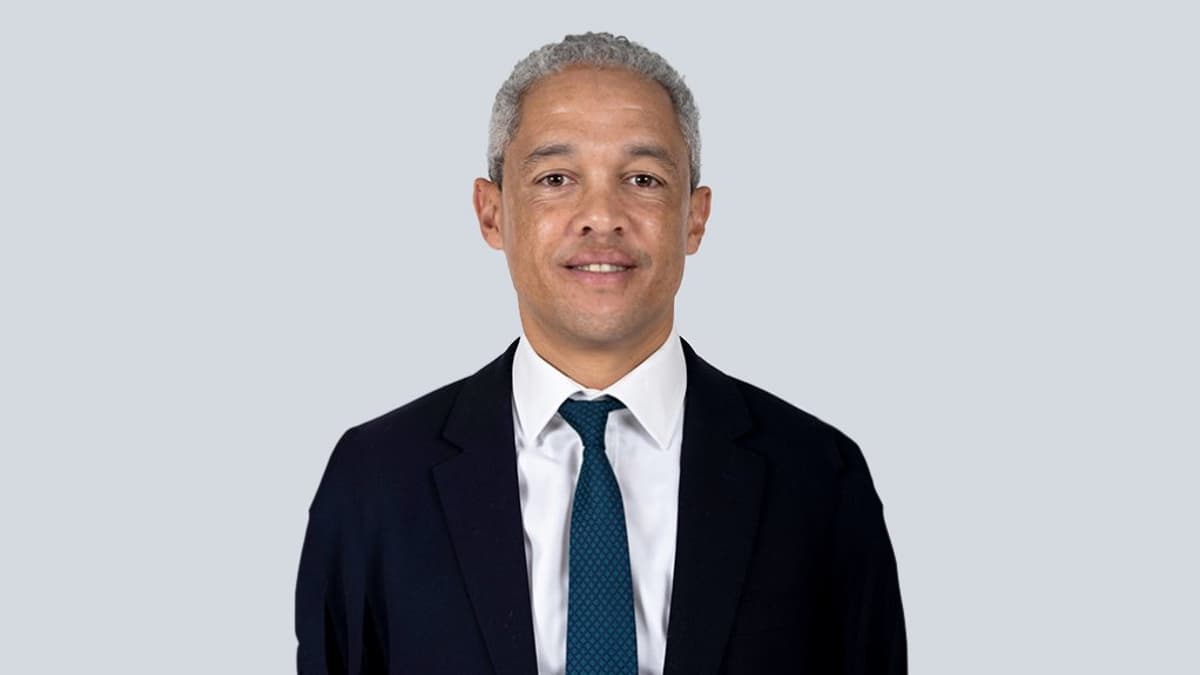
South Africa’s Treasury says the country is on track to meet its fiscal and structural‑reform goals, with debt‑to‑GDP stabilising and a third consecutive primary surplus. The main budget deficit narrowed to 4.3% of GDP and is projected to fall to...
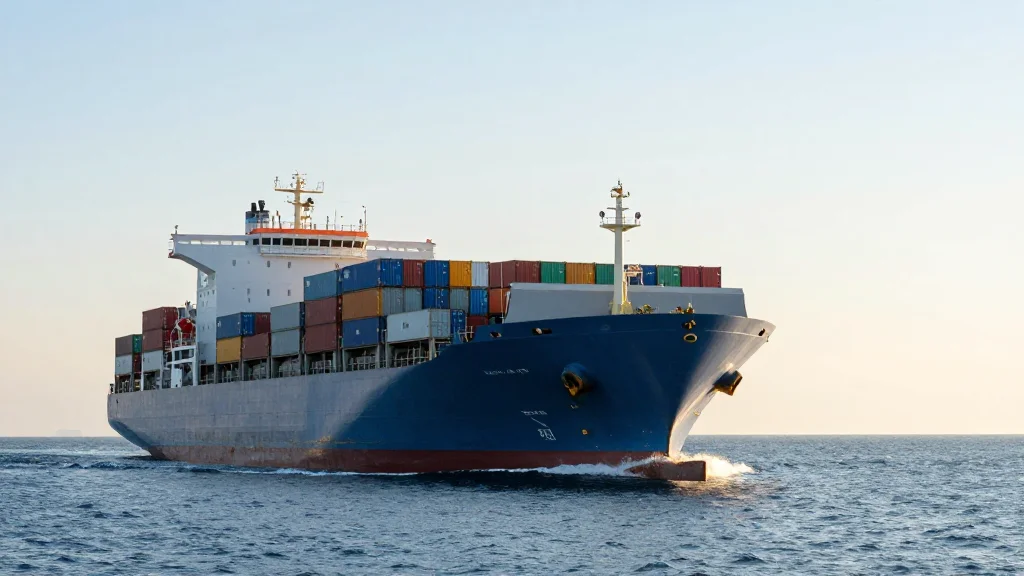
MSC Pulls India-USEC Capacity Amid Cloudy Market Conditions
Mediterranean Shipping Company (MSC) announced the immediate discontinuation of its Indus Express service, which linked West Indian ports to the U.S. East Coast. The route, which called at ports including Karachi, Nhava Sheva, Mundra and several U.S. East Coast hubs,...

Why India Cannot Let the Rupee Float
India’s policymakers argue that a freely floating rupee would exacerbate inflation and social strain because the economy imports nearly 89% of its crude oil and other essential inputs. Recent data show the RBI’s aggressive interventions—spot purchases, forward contracts and reserve...

Taiwan Firms Eye Philippines Amid Shift to Non-China Supply Chains: Expert
Taiwanese firms are boosting investment in the Philippines, reaching an estimated US$257 million in 2025 as they chase non‑China supply‑chain opportunities. U.S. clients are urging Taiwanese manufacturers to set up or expand factories in the archipelago to serve the American market....

Gold Shock Rattles Global Markets as Central Banks Shift Away From Treasuries
Gold has become the top reserve asset for central banks, representing 27% of global holdings at the end of 2025, overtaking US Treasuries at 22%. The shift follows a surge in official‑sector gold buying that began after the 2022 freeze...
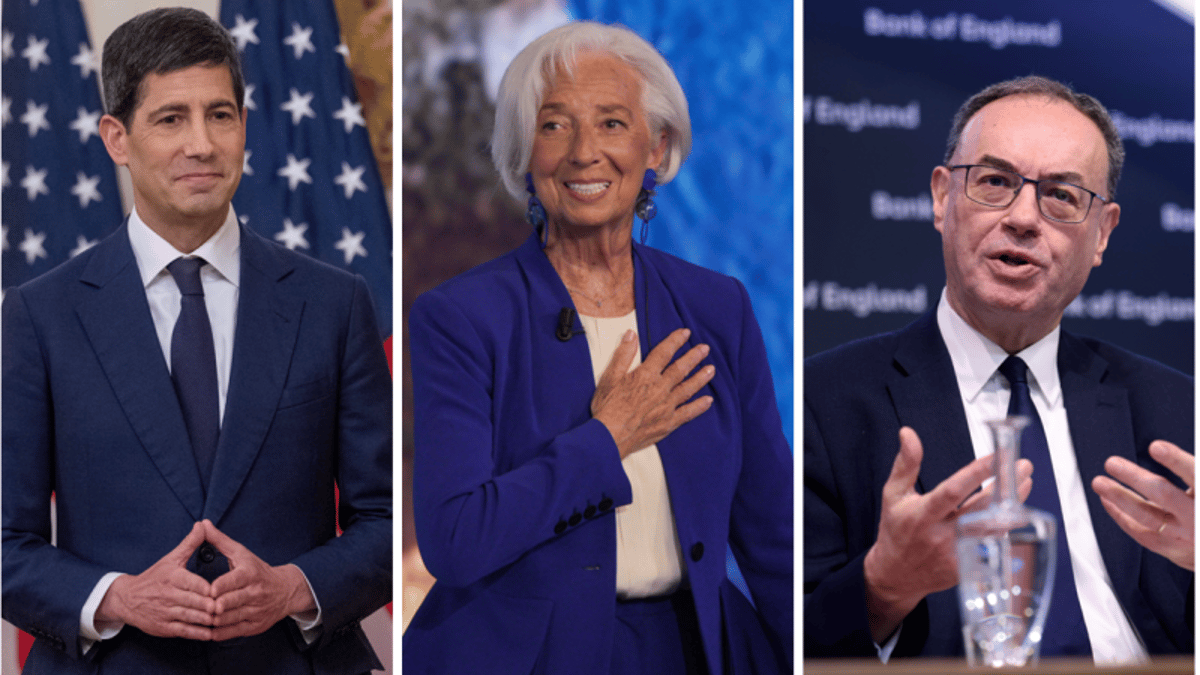
Webinar: War, Oil, and Stagflation – The Central Bank Stress Test
The ING webinar titled "War, oil, and stagflation – The central bank stress test" examines how ongoing Middle‑East conflict, volatile oil prices and emerging stagflation pressures are shaping monetary policy. It predicts an ECB rate hike in June that may...

Oil Industry Faces ‘Gruesome’ Demand Shock From Iran Crisis
The escalation of Iran’s internal crisis and renewed sanctions have sharply curtailed its crude output, creating a sudden demand shock for the global oil market. Analysts estimate a drop of roughly 10% in Iranian production and a 1.5 million‑barrel‑per‑day dip in...
Kazuo Ueda: Oil Price Shocks, Inflation, and Monetary Policy in Japan
Bank of Japan Governor Kazuo Ueda opened the 2026 IMES Conference by reviewing Japan’s five major oil‑price shocks over the past five decades. He highlighted that each shock produced a distinct response in the consumer‑price index, ranging from a 20‑30%...
Philip R Lane: Europe and the World Economy
Philip R. Lane highlighted Europe’s deep integration into global trade, finance and supply chains, noting that the euro area’s trade openness is among the world’s highest. Over the past three decades, participation in regional and global value chains has doubled,...

Thailand Sees 2% Growth and 3% Inflation in 2026: Central Bank Chief
The Bank of Thailand forecasts 2 percent GDP growth for 2026, with headline inflation around 3 percent, after April’s 2.89 percent spike. Growth is expected to ease to 1.7 percent in 2027 while inflation falls to 1.4 percent. Exports are projected to rise 12‑13 percent, potentially...
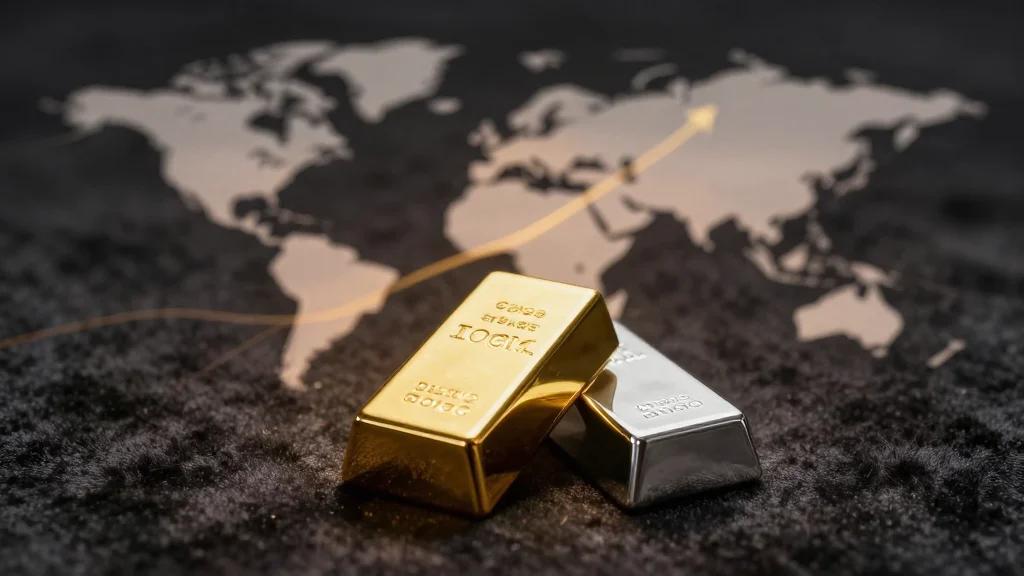
Gold Replaces US Treasuries as World’s Top Reserve Asset, ECB Says
The European Central Bank’s latest reserve composition report shows gold has overtaken U.S. Treasury securities as the world’s largest official reserve asset. Gold now accounts for roughly 20% of global reserves, edging out Treasuries at about 19%. The shift reflects...
Christopher J Waller: Policy Risks Have Changed
Federal Reserve Governor Christopher J. Waller warned that the Middle East conflict has turned energy‑price shocks into a lasting inflation risk, prompting him to drop the FOMC’s "easing bias" language and hold rates steady. While the labor market appears stable...
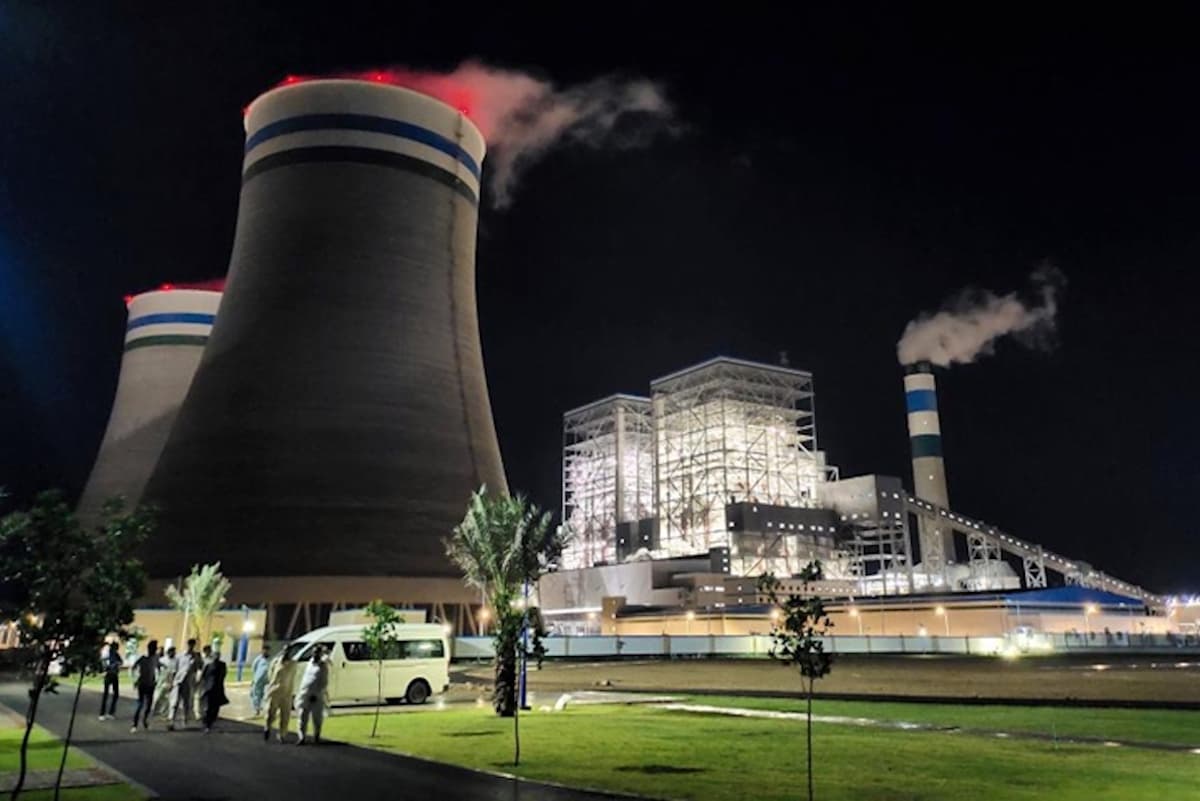
CPEC 2.0: New Green Hope or New China Debt Trap for Pakistan?
Pakistan’s power sector is drowning in a $6.7 billion circular debt, largely tied to China‑Pakistan Economic Corridor (CPEC) Phase One plants that must be paid for whether they generate electricity or not. The IMF warns that these take‑or‑pay contracts threaten macro‑stability, while...

AMRO Flags Rising Philippine Stagflation Risk as Stronger Inflation Pass-Through Threatens Consumption
The ASEAN+3 Macroeconomic Research Office (AMRO) lowered its 2026 Philippine growth forecast to 4.1% and raised its inflation outlook to an average 6%, signaling a potential stagflationary episode. The higher inflation pass‑through is expected to erode household consumption, the engine...

India's CPI Inflation Expected to Rise to 4.8% with Crude Oil Averaging USD 90/Bbl in FY27: Report
India’s consumer price index is projected to climb to 4.8% in FY27, a 70‑basis‑point rise driven by crude oil averaging $90 per barrel. The higher oil price and a downgraded monsoon outlook are expected to pull GDP growth down to...
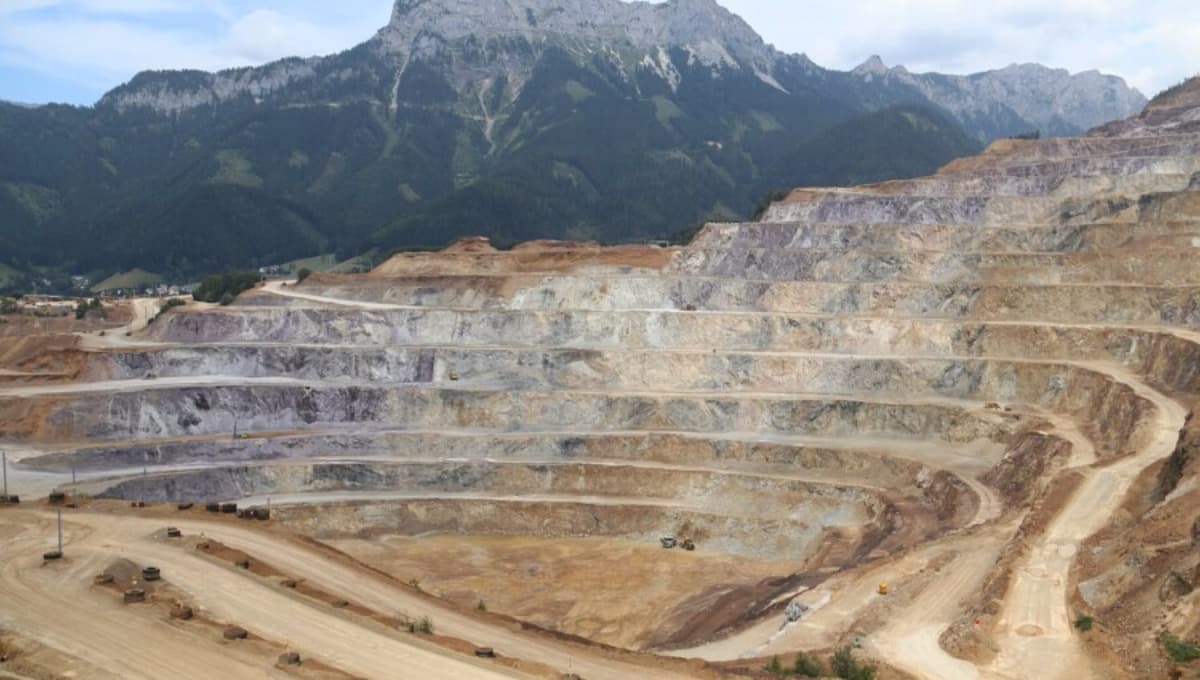
Indonesian Employers' Association, Mining Cartels Yield to Country’s $66bn Export Monopoly
Indonesia’s employers association and major mining cartels have publicly endorsed President Prabowo Subianto’s new export monopoly, handing exclusive rights to state‑controlled trader PT Danantara Sumberdaya Indonesia (DSI). The policy targets roughly $66.13 billion in annual resource revenues—about 23.4% of the country’s...

Employers Warn of Price Pressures as One in Five Workers Get 4.75% Pay Rise
The Fair Work Commission approved a 4.75% wage increase for about 3 million Australian award‑scale workers and a 6% boost for the 100,000 minimum‑wage earners. From July 1 the national minimum wage rises to $1,004.90 AUD per week (≈ $663 USD), pushing the annual minimum...
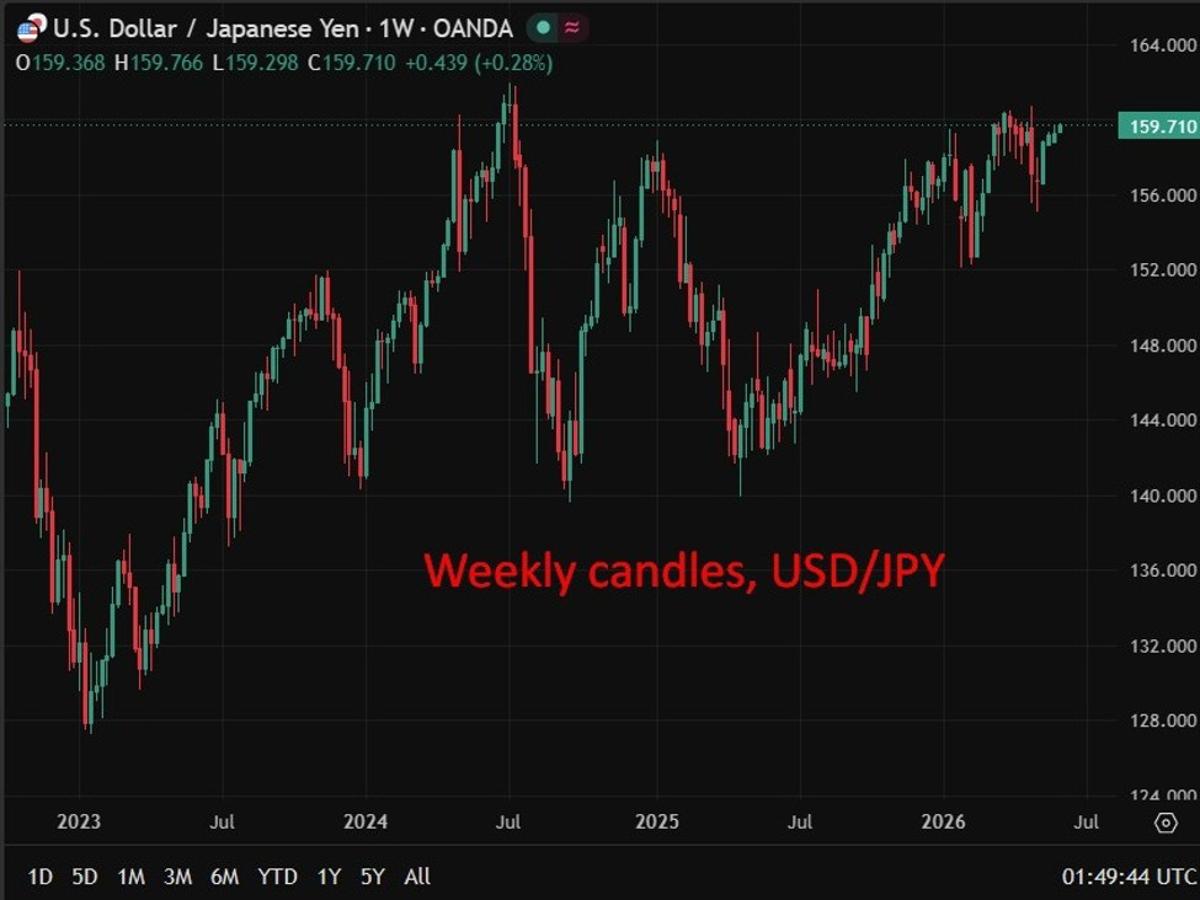
Japan One Step From Historic Yen Collapse, SMBC Nikko Warns
SMBC Nikko strategist Makoto Noji warned that Japan is on the brink of a historic yen collapse, citing sustained oil‑price pressure and ongoing fiscal loosening. He argued that a single policy tool—whether rate hikes, fiscal restraint, or yen‑buying intervention—cannot avert...
Australia Widening Current Account Deficit, Inventory Draw to Weigh on Q1 GDP
Australia’s current account deficit widened sharply in Q1, expanding to A$27.1 billion (about $18 billion) from A$21.1 billion a quarter earlier. Business inventories posted a modest 0.5% quarterly gain, while gross profits slipped 1.3% after a strong prior‑quarter rise. Net exports now subtract...
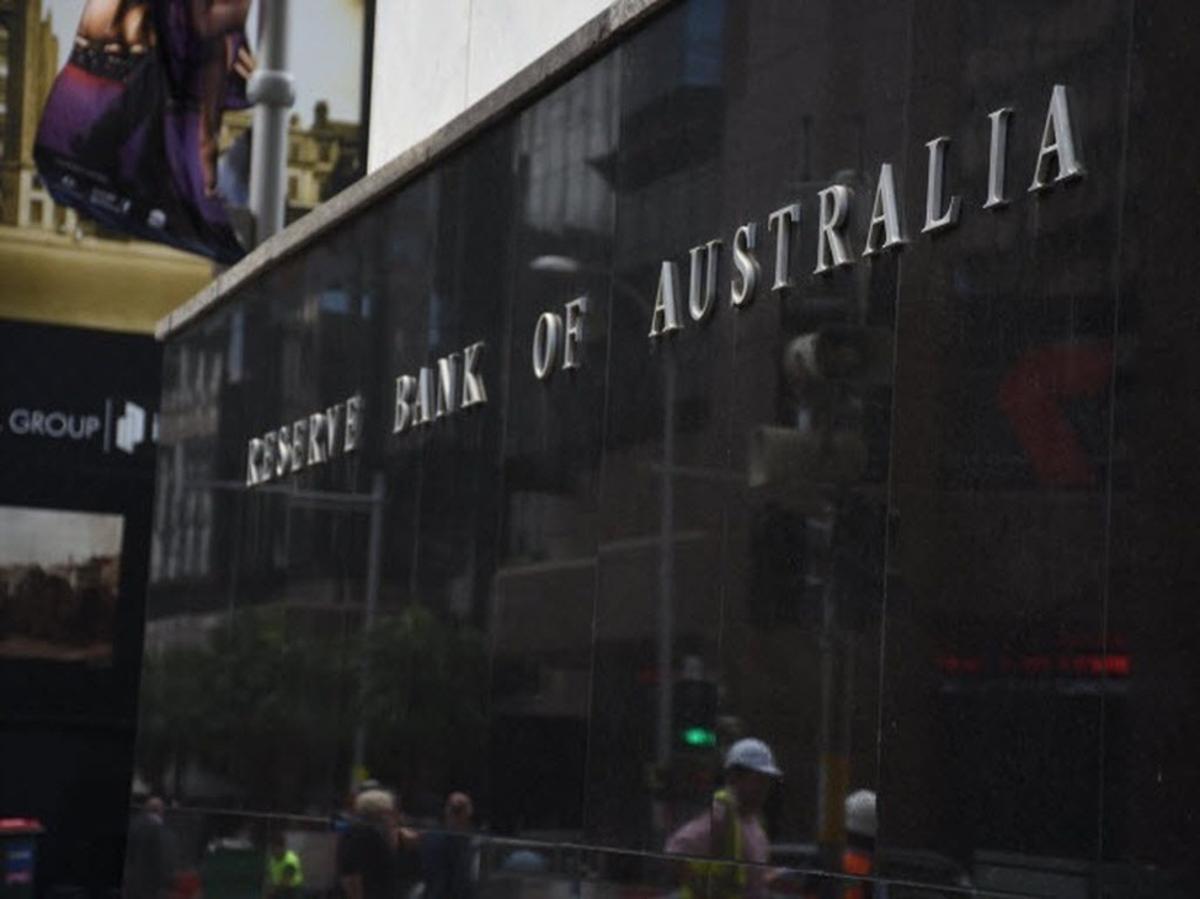
RBA's Hawkish Harper Hints Herald Hike
Reserve Bank of Australia board member Ian Harper warned that stronger‑than‑expected domestic demand and returning capacity constraints have reopened the output gap, prompting markets to anticipate further policy tightening. He highlighted persistent inflation as a genuine concern, noting that market‑based...
Canada Touts US Oil Trade Before Minister’s Talks With Greer
Canada’s trade minister Dominic LeBlanc and chief negotiator Janice Charette are meeting U.S. Trade Representative Jamieson Greer to stress the importance of a tightly integrated North American energy market. The delegation met with major Canadian oil firms, including Imperial Oil...

Cheaper Machines, Costlier Buildings: The Drag on Long-Run Growth
The post‑war United States has seen equipment prices plunge, boosting per‑capita output growth by about 1.3 percentage points. In contrast, the relative price of structures has risen roughly 80 % since 1970, a trend shared by most high‑income economies. A two‑capital growth...
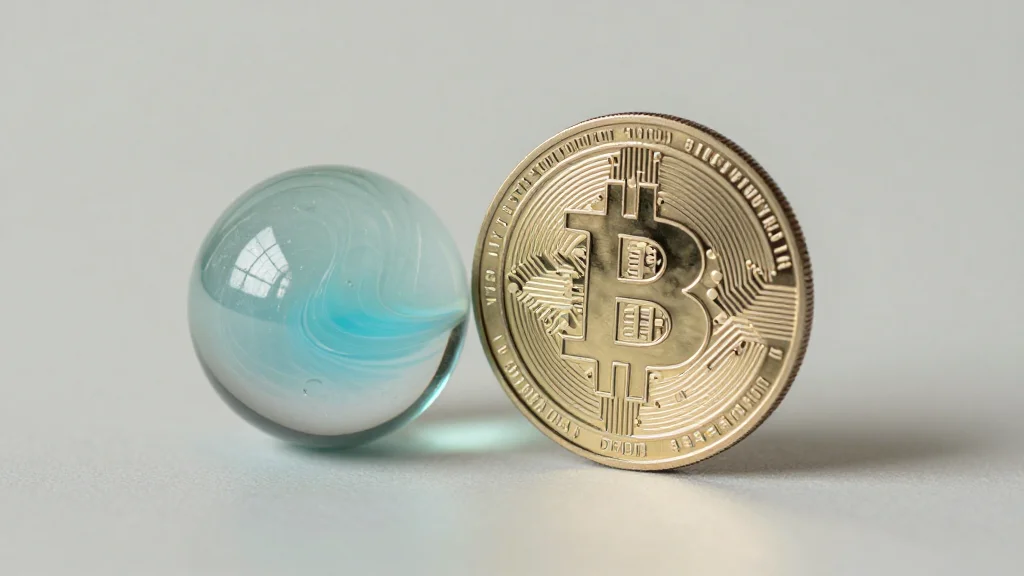
New Coins on the Block: Digital Currencies and the Financial System
The CEPR/IESE report argues that stablecoins, tokenised deposits and retail CBDC will reshape the monetary system, with dollar‑denominated stablecoins emerging as the most consequential development. It stresses that general acceptance of any digital money hinges on central‑bank backing, institutional safeguards...

India-US Interim Trade Truce Nears Signoff, Officials Say
India’s trade ministry says the country is in the home stretch of sealing an interim trade agreement with the United States. Both sides report that 99 percent of the details have been worked out, and negotiations are set to resume...
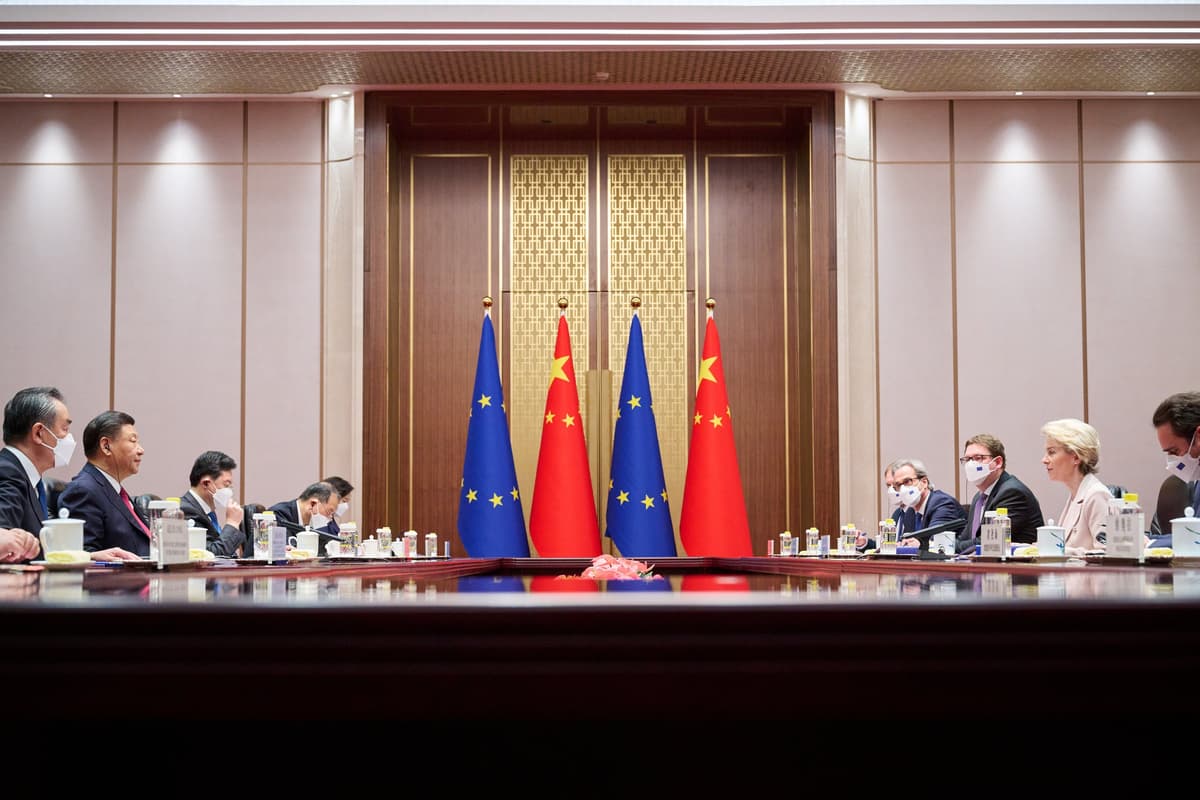
‘De-Risking Not Decoupling’ with Beijing – but What Does the EU Actually Mean?
The European Commission reaffirmed its “de‑risking, not decoupling” stance toward China, labeling Beijing a critical partner while warning that the current trade balance is unsustainable. Officials highlighted China’s massive export share—30% of global shipments—and a €360 billion (≈$396 billion) trade surplus with...