Today's Biohacking Pulse

Menopausal hormone therapy slashes low bone density risk by 69%
A retrospective analysis shows that women on menopausal hormone therapy experience a 69% lower risk of developing low bone mineral density compared with those not receiving therapy. The finding highlights hormone treatment as a potentially powerful tool for preserving skeletal health during menopause.

Study Calls for 560‑610 Minutes of Weekly Exercise to Cut Heart Risk by 30%
Researchers at Macao Polytechnic University analyzed data from more than 17,000 UK Biobank participants and found that 560‑610 minutes of moderate‑to‑vigorous exercise each week can lower cardiovascular events by about 30%. The finding upends the long‑standing public‑health target of 150 minutes per week and has sparked debate over how aggressive future guidelines should be.
Weekend Warrior Exercise Cuts Mortality in Early CKD
Accelerometer-derived “Weekend Warrior” physical activity and all-cause and cardiovascular mortality across CKM stages 0–3 "...while regular activity confers the greatest longevity advantage in early CKM syndrome, a WW pattern still offers meaningful protection and may be a practical alternative for individuals...

Stress Hormones Disrupt Gut Motility via BDNF Pathway, Study Finds
Researchers at Beth Israel Deaconess Medical Center have shown that stress hormones suppress the gut’s cell‑to‑cell signaling through the BDNF‑TrkB pathway, slowing intestinal movement. In mouse models, a compound that stimulates TrkB restored normal motility, pointing to a new therapeutic...
Brain Cells Found to Drive Exercise Endurance, Penn Study Shows
Researchers at the University of Pennsylvania, The Jackson Laboratory and UT Southwestern have identified a specific group of hypothalamic neurons that signal muscles to adapt after exercise. Published in Neuron, the work demonstrates that disabling these steroidogenic factor‑1 cells in...

Topical Senolytic ABT-263 Boosts Wound Healing in Aged Mice by 43%
Researchers at Boston University demonstrated that a cream containing the senolytic ABT-263 removed aging skin cells and accelerated wound repair in elderly mice, achieving an 80% healing rate by day 24 versus 56% in controls. The finding points to a...

Higher Predicted Age by a Metabolomic Aging Clock Correlates with Dementia Risk
Researchers applied a metabolomic aging clock (MileAge) to 223,496 UK Biobank participants and found that a higher metabolomic‑age delta predicts a 61% increase in all‑cause dementia risk and earlier disease onset. The hazard ratio for dementia rose to 1.61 per...

This 2-Nutrient Combo Can Support Mitochondrial & Muscle Health
A recent review of glycine and N‑acetylcysteine (NAC) supplementation finds the duo can boost glutathione production, reduce oxidative damage, and improve mitochondrial function. Across human and animal studies the combination showed modest gains in muscle strength, insulin sensitivity, and even...
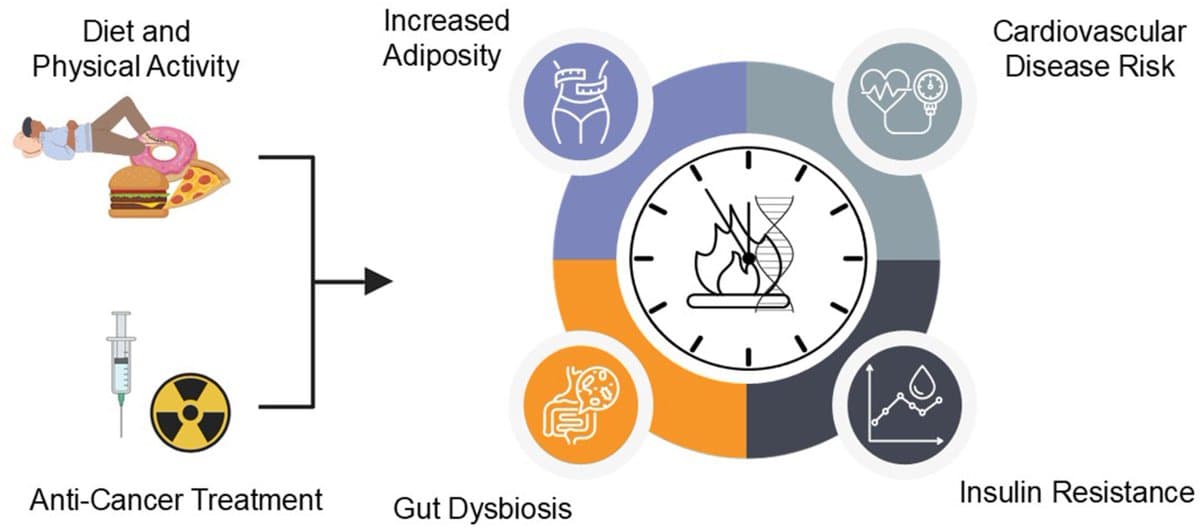
Lifestyle Interventions Lower Cardiometabolic Risk in Young Cancer Survivors
Diet and Exercise Interventions in Pediatric Cancer Survivors and Effects on Cardiometabolic Disease Risk and Inflammaging Biomarkers: A Systematic Review https://t.co/HT1V5Agx2Q https://t.co/0hVvIf2CYb
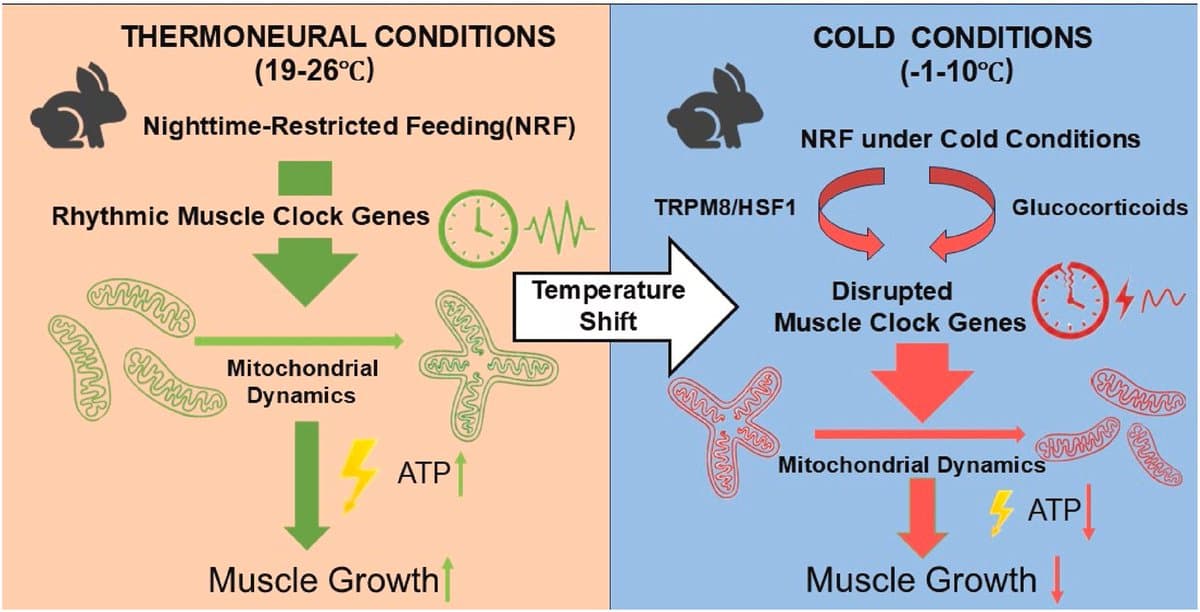
Cold Exposure Disrupts Nighttime Feeding Muscle Growth
Cold exposure impairs the muscle growth-promoting effect of nighttime-restricted feeding by desynchronizing mitochondrial energy supply rhythm in rabbits https://t.co/620Fi7oKG8 https://t.co/yaoPNNz83T

New Research Says the Standard 150 Minutes of Exercise Per Week May Not Be Enough to Substantially Improve Heart Health
A new British Journal of Sports Medicine study of 17,088 UK Biobank participants suggests the standard 150 minutes of moderate exercise per week is only a minimal threshold for heart health. To achieve a substantial (over 30%) reduction in cardiovascular...

Enhanced Mediterranean Diet Cuts Type‑2 Diabetes Risk by 31% in Spanish Trial
A large Spanish clinical trial, PREDIMED‑Plus, demonstrated that a Mediterranean‑style diet paired with modest calorie reduction, regular exercise, and professional weight‑loss coaching lowered the six‑year risk of developing type‑2 diabetes by 31%. The findings provide a data‑backed blueprint for biohackers...

Meet Kate Tolo: First Ultra‑Measured Woman for Free Health Data
We now have a female Bryan Johnson. It’s Kate Tolo. She will become the most measured female in history. +$2 million of spend per year + Developing a female-specific protocol + Sharing everything for free To start, she will spend 3 months mapping her baseline....

Rapid Weight‑Loss Program Beats Gradual Approach in Year‑Long Trial
Researchers at Vestfold Hospital Trust presented a 52‑week randomized trial in Istanbul showing that a rapid, sub‑1,000‑calorie diet led participants to lose nearly 13% of body weight in 16 weeks, outperforming a gradual 1,400‑calorie plan. One year later, the rapid...

Lifting Weights While Pregnant: What the Science Actually Says
Recent meta‑analyses overturn the old belief that pregnant women should avoid weightlifting, showing that strength training markedly improves both maternal and fetal outcomes. Resistance exercise cuts the odds of C‑section by 16%, gestational hypertension by 58%, gestational diabetes by 38%,...
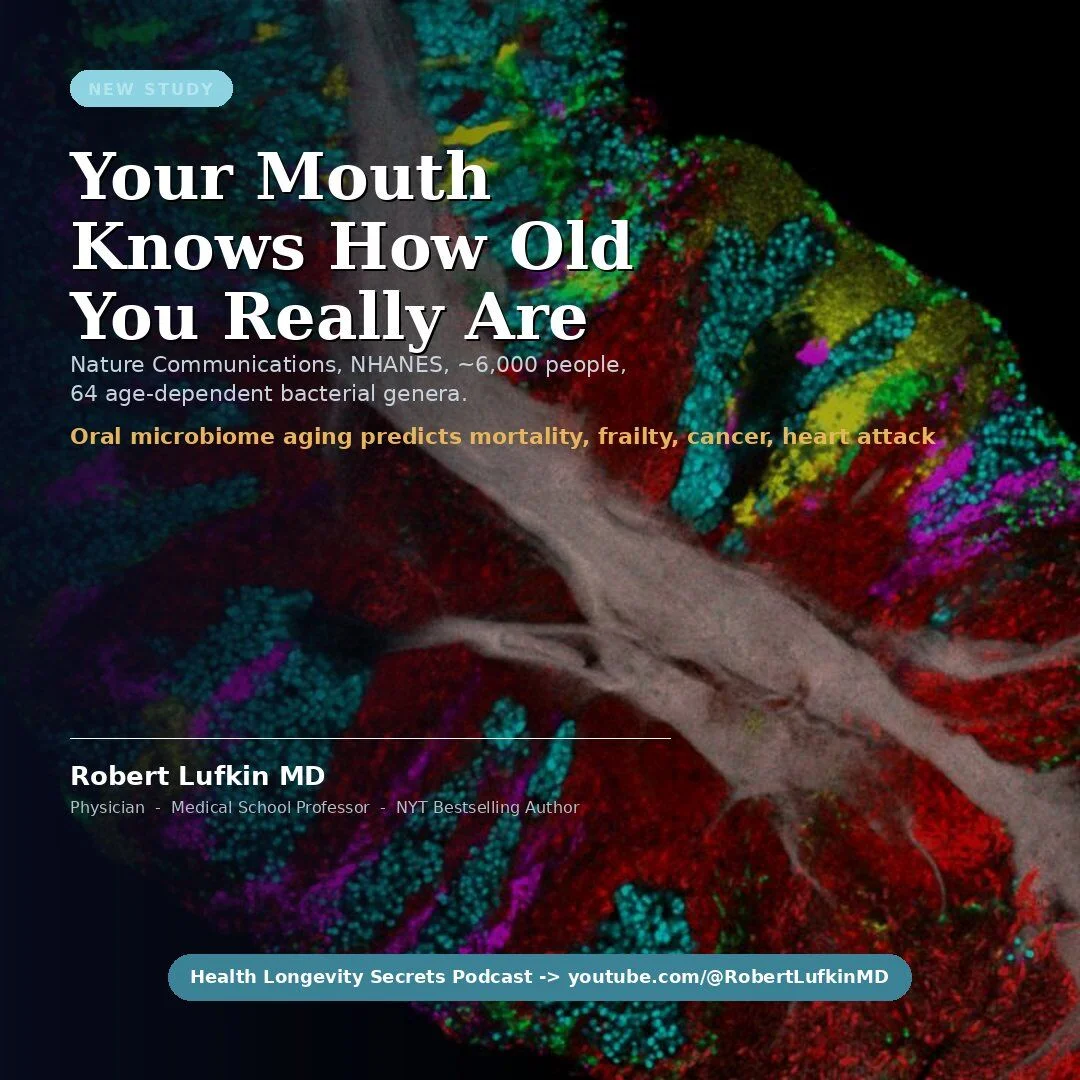
Your Mouth Reveals Your True Biological Age
Your Mouth Knows How Old You Really Are As a medical school professor, I've taught that the mouth is a window into systemic health. A new Nature Communications study just made that literal. Researchers built an "Oral Microbiome Aging" score from 64...

Study of 117‑Year‑Old Maria Branyas Morera Uncovers Youthful Epigenetics and Microbiome
Scientists at the Josep Carreras Leukaemia Research Institute published a multi‑omics analysis of 117‑year‑old Maria Branyas Morera, showing that her epigenetic age markers and gut microbiome resembled those of people decades younger. The findings could reshape how researchers approach longevity...

How to Boost Your Longevity Hormone
FGF21, discovered in 2000, has emerged as a potent metabolic hormone that can slash body fat in monkeys by 27% and extend mouse lifespan by up to 40% without reducing food intake. Pharmaceutical firms are racing to create long‑acting FGF21...
Five‑Minute Daily Exercise May Cut Premature Deaths by 10%, Study Finds
Researchers analyzing data from 150,000 adults across the UK, US and Scandinavia found that five minutes of moderate exercise each day could prevent roughly 10% of premature deaths. The finding offers a low‑effort longevity hack for biohackers and public‑health officials...
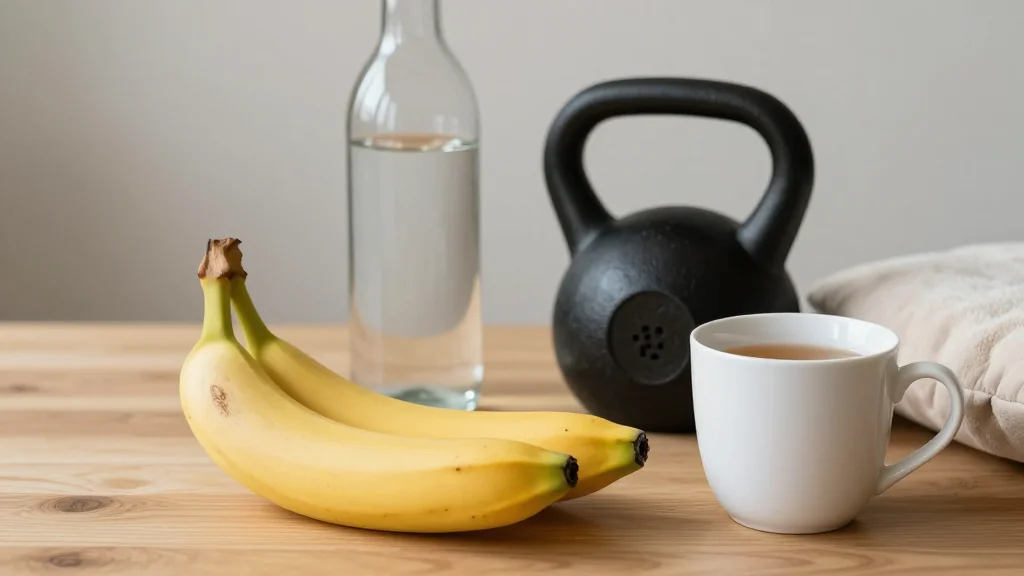
Essential Anti‑Aging Habits Most People Overlook
The “anti-aging stack” most people miss: - getting lean (3,500 mg of dietary potassium a day
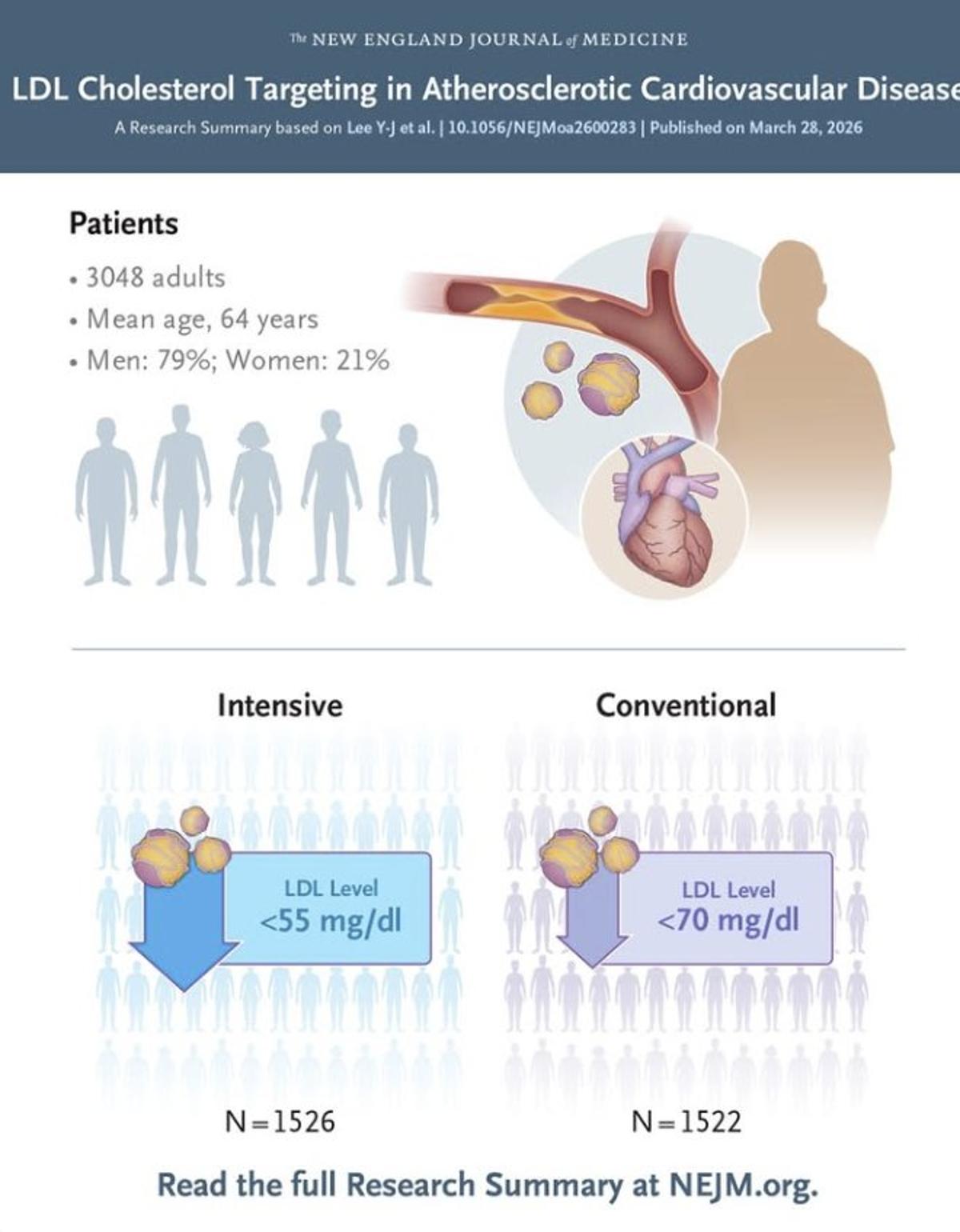
LDL <55 Mg/dL Cuts 3‑year CV Events vs <70
Intensive LDL Cholesterol Targeting in Atherosclerotic Cardiovascular Disease 👉"Among patients with atherosclerotic cardiovascular disease, targeting an LDL cholesterol level below 55 mg per deciliter led to a lower 3-year risk of cardiovascular events than targeting a level below 70 mg per...

Defying Death: The Immortality Movement Goes Mainstream
The longevity movement, once confined to ultra‑wealthy circles, is breaking into mainstream investment. Investor Boyang Wang, backing Vibe Science, highlights a new wave of bold research, including the controversial concept of brainless clones that could receive brain transplants. Venture capital...
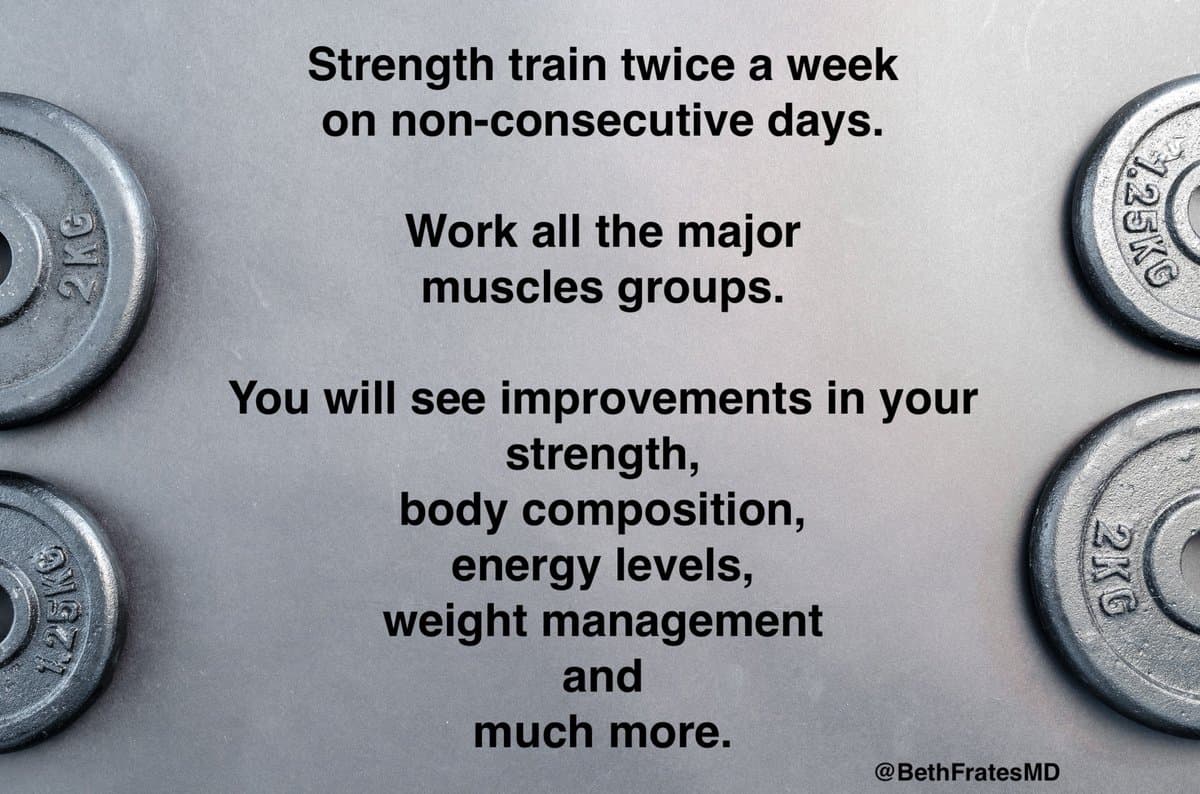
Strength Training Twice Weekly Halts Age‑Related Muscle Loss
When we reach the age of 30, we start to experience age-related sarcopenia--loss of muscle mass. We can lose up to 3-5% each decade, which means by 50, we might lose 10% of our muscle mass. To prevent this, we...

GHK-Cu Rescues Cigarette Smoking‐induced Skeletal Dysfunction via Sirt1
The so‑called Glow Protocol mixes GHK‑Cu, TB‑500 and BPC‑157 into a sub‑cutaneous blend marketed by clinics as an anti‑aging treatment. No peer‑reviewed human trials exist for this injection regimen; the evidence base consists mainly of animal studies and topical human...

High‑Carb Omnivore Diet Cuts Biological Age Markers in Four Weeks, Study Finds
Researchers reported that older adults who switched to an omnivorous high‑carbohydrate diet saw significant reductions in biological age markers after just four weeks. The findings, published in Aging Cell, suggest rapid physiological responses to macronutrient shifts, fueling interest among longevity‑focused...
Normal HbA1c Levels May Hide Diabetes Risk, Study Warns Biohackers
Researchers led by Dr. Anoop Misra published a Lancet Regional Health study showing that a normal HbA1c reading can conceal early diabetes in Indian populations. The paper recommends a suite of tests—including OGTT, fasting plasma glucose and continuous glucose monitoring—to...
Dietary Change Can Shift the Klemera-Doubal Method Aging Clock by a Few Years
Researchers evaluated whether a short‑term dietary shift could move the Klemera‑Doubler Method (KDM) biological‑age clock. In a 4‑week trial with 104 adults aged 65‑75, participants were assigned to high‑fat or high‑carb omnivore and semi‑vegetarian diets. The high‑carb omnivore group showed...

What 5 Minutes in Ice Water Does to Your Brain
Andrew Cotton and breathwork coach Blakey led Red Bull athletes through a two‑day cold‑water immersion in a 4 °C Austrian lake, testing whether participants could stay five minutes under the ice. The protocol combined systematic desensitization with paced breathing, aiming to...
Buck Institute Finds APOE2 Variant Boosts Neuronal DNA Repair, Slowing Brain Aging
Researchers at the Buck Institute for Research on Aging have shown that the APOE2 gene variant improves DNA repair and reduces cellular senescence in human neurons. The discovery reframes APOE2 as a genome‑protective factor, opening fresh therapeutic and biohacking strategies...
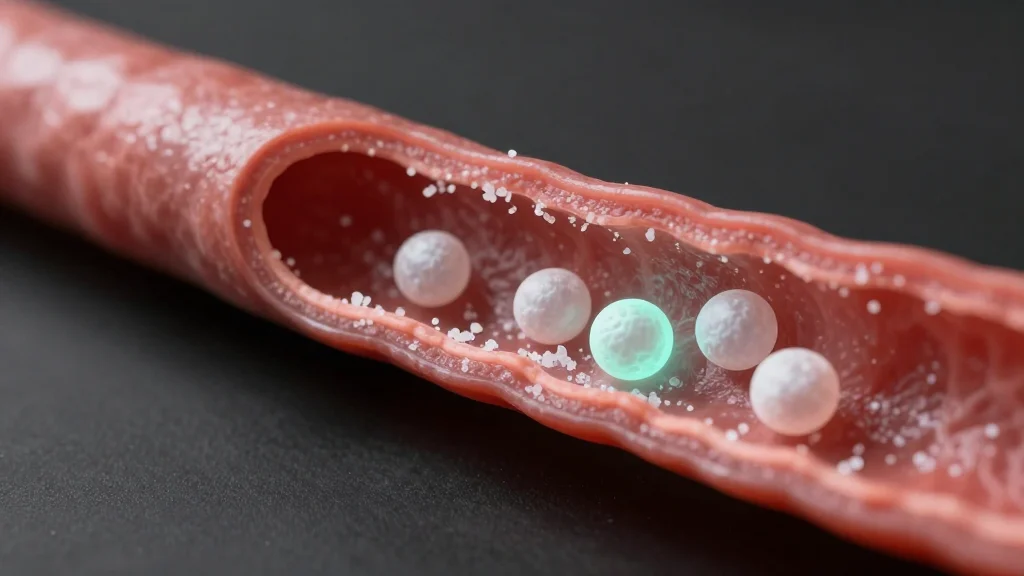
Senolytics Block High‑Salt‑Induced Vascular Dysfunction via Immune‑Mediated Senescence
High‐Salt Diet–Induced Endothelial Dysfunction Is Mediated by Cellular Senescence "Prolonged HSD intake induces vascular senescence and dysfunction via immune activation rather than direct endothelial dysfunction, while senolytic therapy prevents HSD‐induced vascular dysfunction." https://t.co/DlECxYohtQ
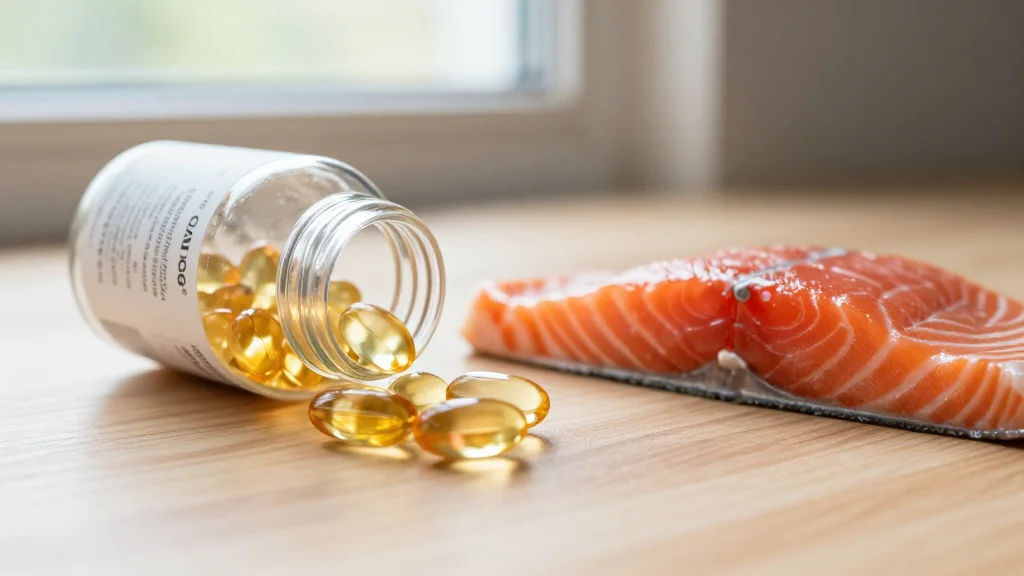
Daily Omega‑3 Intake Slows Biological Aging by a Month Per Year, Study Finds
A new analysis of the DO‑HEALTH trial reveals that participants who took a daily 1‑gram omega‑3 supplement slowed their epigenetic aging by roughly one month per year. The benefit extended to fewer falls, infections, and, when combined with vitamin D...
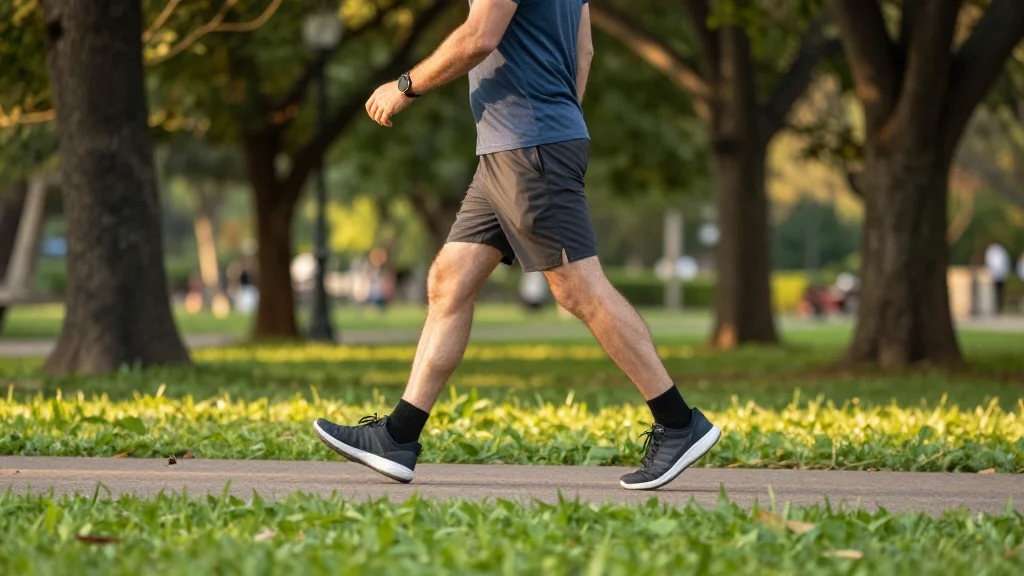
Walking Pace Beats Blood Pressure as Top Longevity Indicator, Study Finds
Researchers at the University of Leicester analyzed data from 407,569 UK Biobank participants and found walking pace to be the strongest single predictor of death, eclipsing traditional metrics like blood pressure and cholesterol. The findings, published in Mayo Clinic Proceedings,...
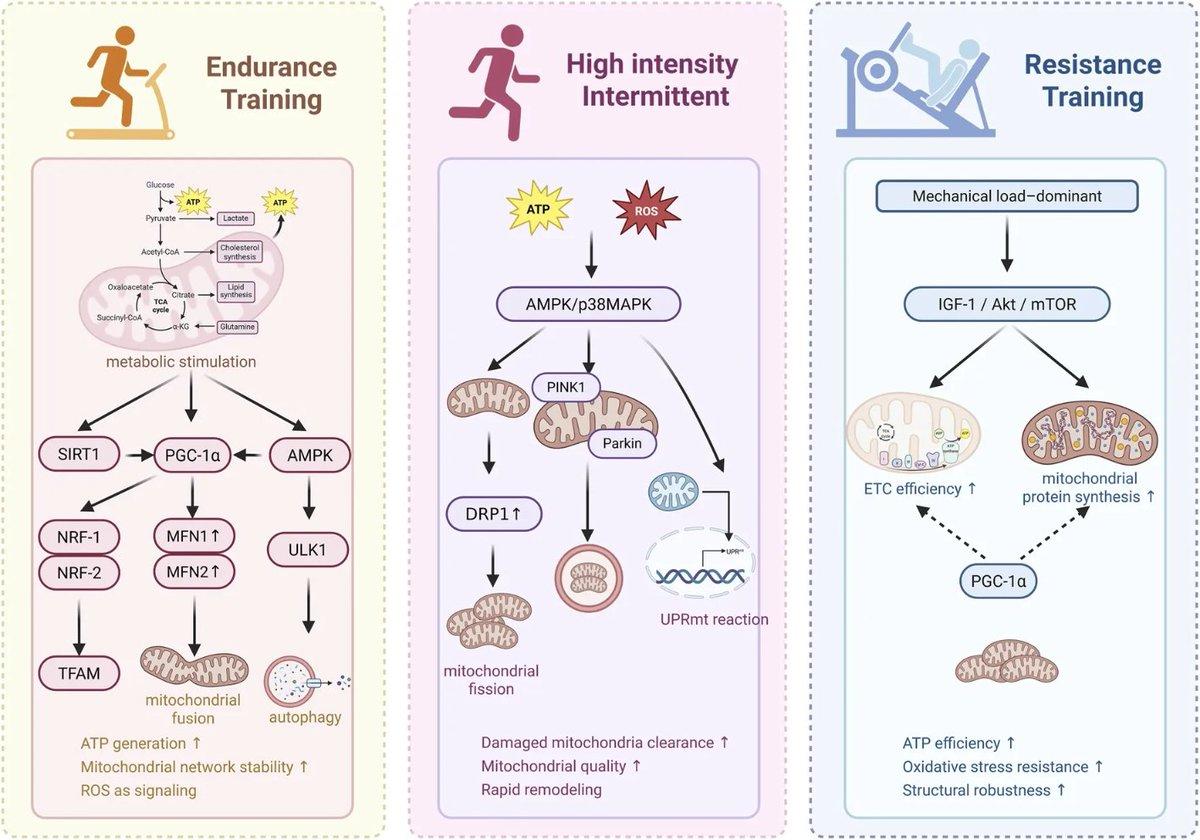
Exercise Remodels Mitochondrial Quality Control to Slow Aging
The role of exercise-mediated mitochondrial quality control remodeling in aging https://t.co/EYmKmjpRDA Mechanisms by which Different Exercise Modes Regulate MQC to Delay Aging. 👇👨⚕️ https://t.co/Dz5bQtrExK

Seven-Day Water Fast Triggers Major Metabolic and Immune Shifts, Study Shows
Researchers at Queen Mary University of London and the Norwegian School of Sports Sciences reported that a seven‑day water‑only fast caused dramatic molecular changes in 12 healthy volunteers, including a 5.7 kg weight loss and shifts in more than a third...

Tips To Unlock Your Rapid Recovery Reflex, From Dr. Victoria Maizes
Dr. Victoria Maizes, founding director of the Andrew Weil Center for Integrative Medicine, released her new book *Heal Faster: Unlock Your Body’s Rapid Recovery Reflex*. The work argues that healing is an active, dynamic process that patients can accelerate by...
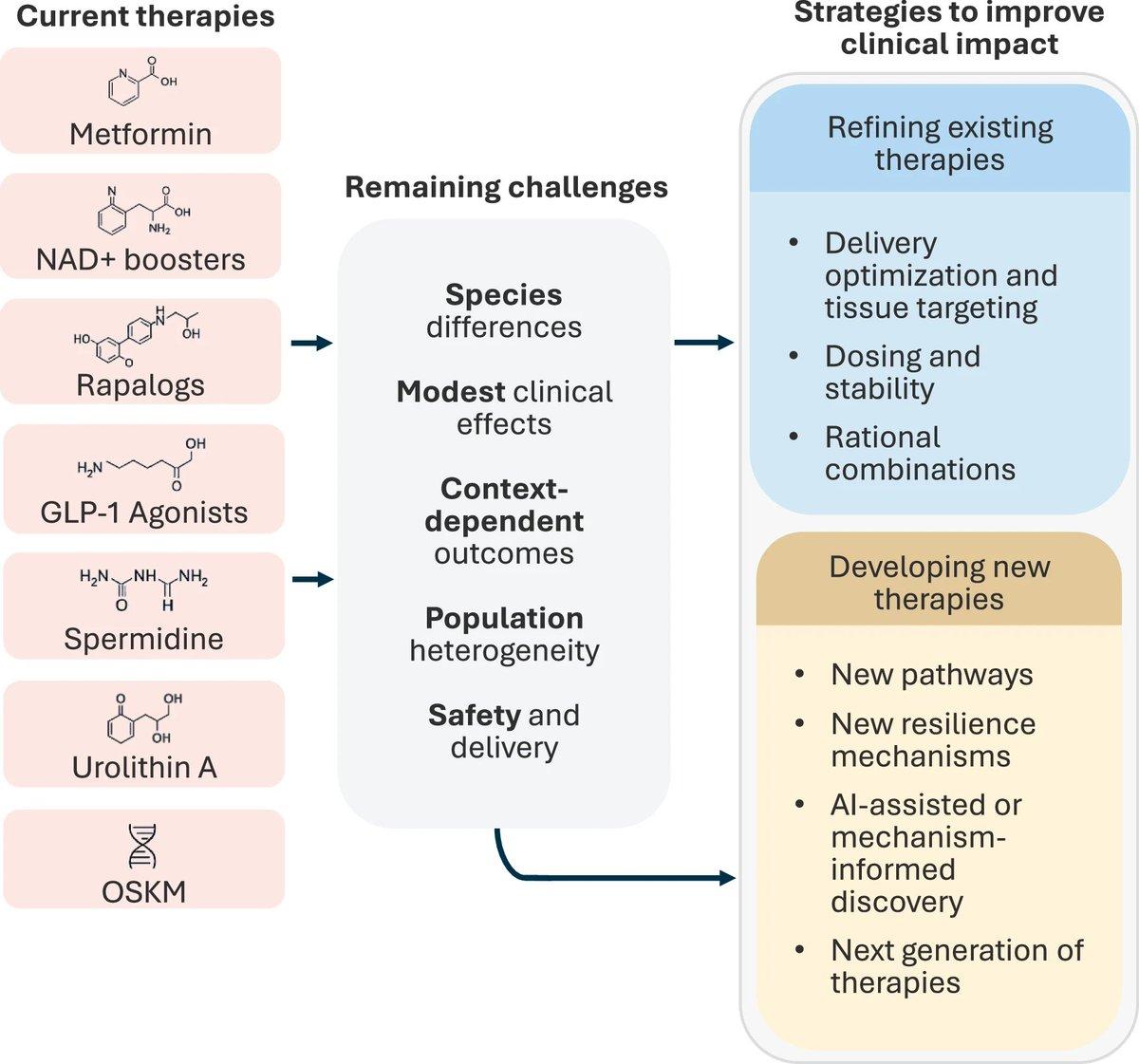
Organelle Resilience Guides Next-Gen Longevity Strategies
Organelle resilience as a comparative blueprint for longevity https://t.co/FUi2ZeEhsn Figure 1: Current anti-aging interventions: translational challenges and strategies for clinical improvement. https://t.co/l9KehubAd0

Simple Field-Based Muscular Strength Tests that Predict Your Future Health
A new systematic review and meta‑analysis of 155 cohort studies confirms that two simple field‑based strength tests – handgrip strength and the 5‑repetition chair‑stand – reliably predict a wide range of future health outcomes. Adults in the highest grip‑strength quartile...

#392 – Genetic Testing: When It’s Valuable, How to Choose the Right Test, and What to Do with the Results
Peter Attia breaks down the hype and reality of genetic testing, explaining that while DNA sequencing is now cheap and widely available, its ability to predict disease risk is often probabilistic rather than deterministic. He highlights scenarios where testing can...

Start Where You Are: #1 Orthopedic Surgeon’s Proven Protocol to Feel Stronger & Look Younger in Weeks
In this episode, Mel Robbins talks with Dr. Vonda Wright, a double‑board‑certified orthopedic surgeon and longevity researcher, about how women can prevent the frailty they fear in aging. Dr. Wright shares that the body can respond positively to small, consistent...
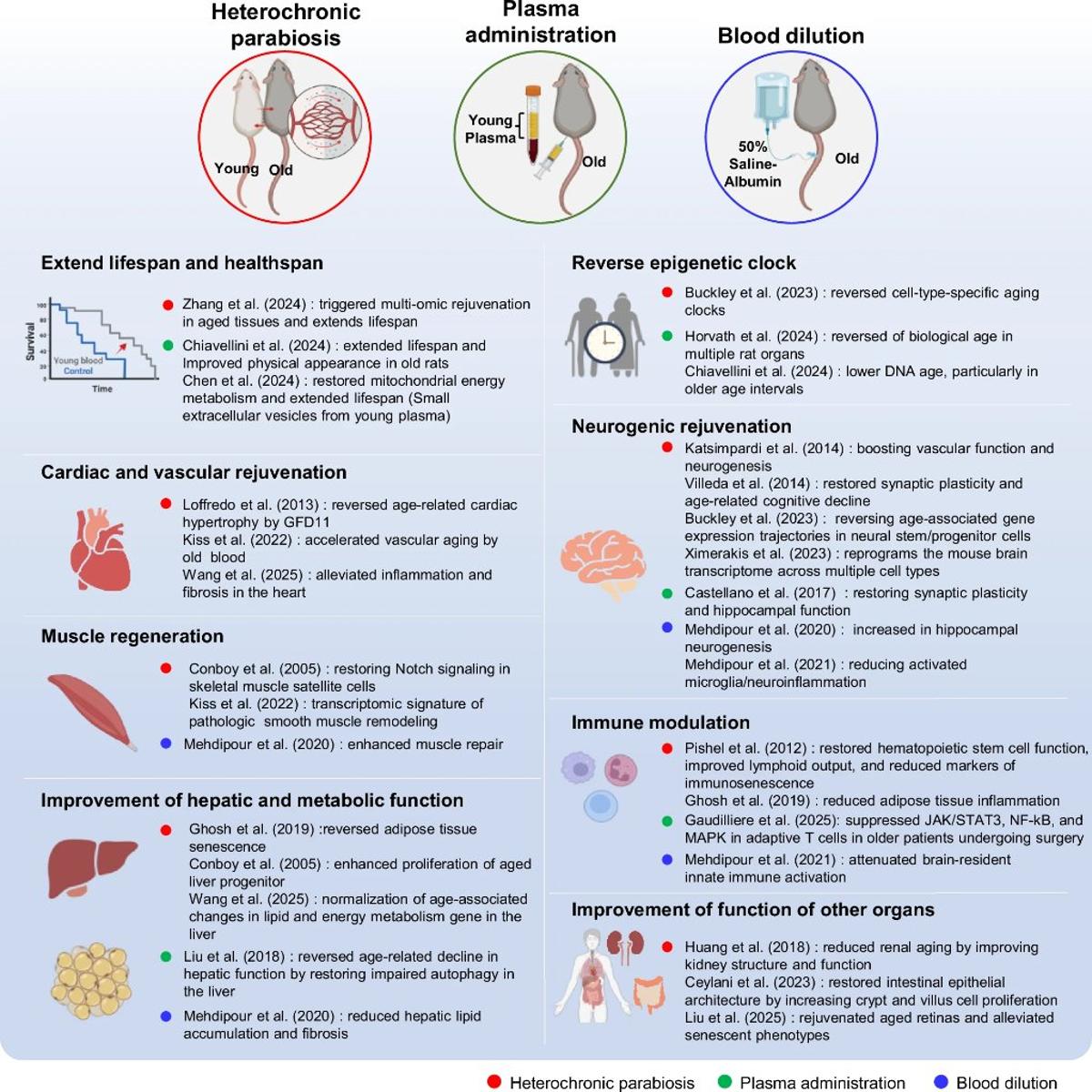
Blood Reveals and Controls Aging Mechanisms
Blood as the mirror and modulator of aging: mechanistic insights and rejuvenation strategies https://t.co/WayE8XIBWp https://t.co/dZt8wHQ2yp
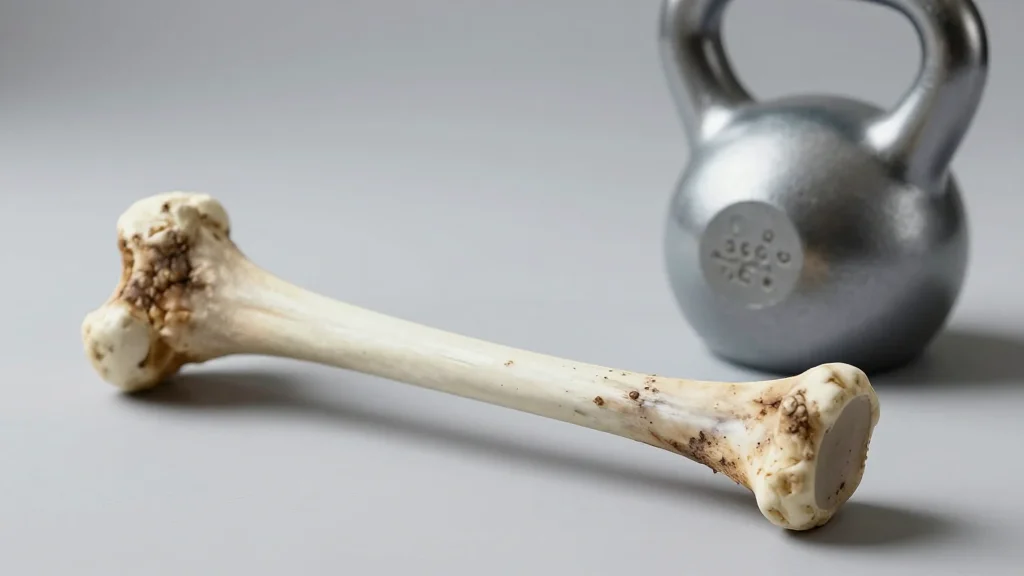
One‑Minute Daily High‑Intensity Move Boosts Bone Density, Study Finds
A large‑scale analysis of more than 2,500 women reveals that just one minute of high‑intensity, weight‑bearing movement per day can improve bone density. The finding offers a low‑time‑commitment option for reducing osteoporosis risk, especially among older women.

ALCAT1 Inhibition Restores Mitochondria, Reverses Cardiac Remodeling
Scientists at a research center in Sophia Antipolis, France, showed that pharmacological inhibition of the ALCAT1 enzyme with the compound Dafaglitapin restores mitochondrial function and reverses pressure‑overload cardiac remodeling in pre‑clinical models. The finding opens a new therapeutic pathway for...

Four-Point Saliva Test Uncovers Cortisol Dysregulation
Your cortisol is supposed to peak 30 to 45 minutes after you wake up. It is called the cortisol awakening response, and it is what gets your body and brain online for the day. When it is too low, you...
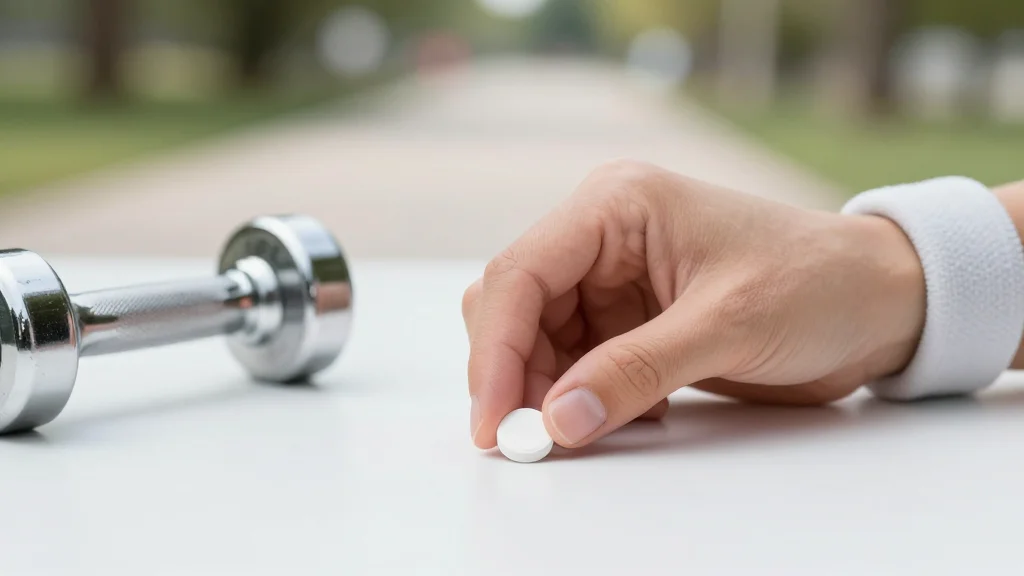
Study Finds Ibuprofen and Home Exercise Ease Chemo Brain Fog
Researchers at the University of Rochester reported that a six‑week program of low‑dose ibuprofen and a home‑based exercise routine improved attention and overall cognition in chemotherapy patients. The phase‑2 trial involved 86 adults, most of whom were women, and highlighted...
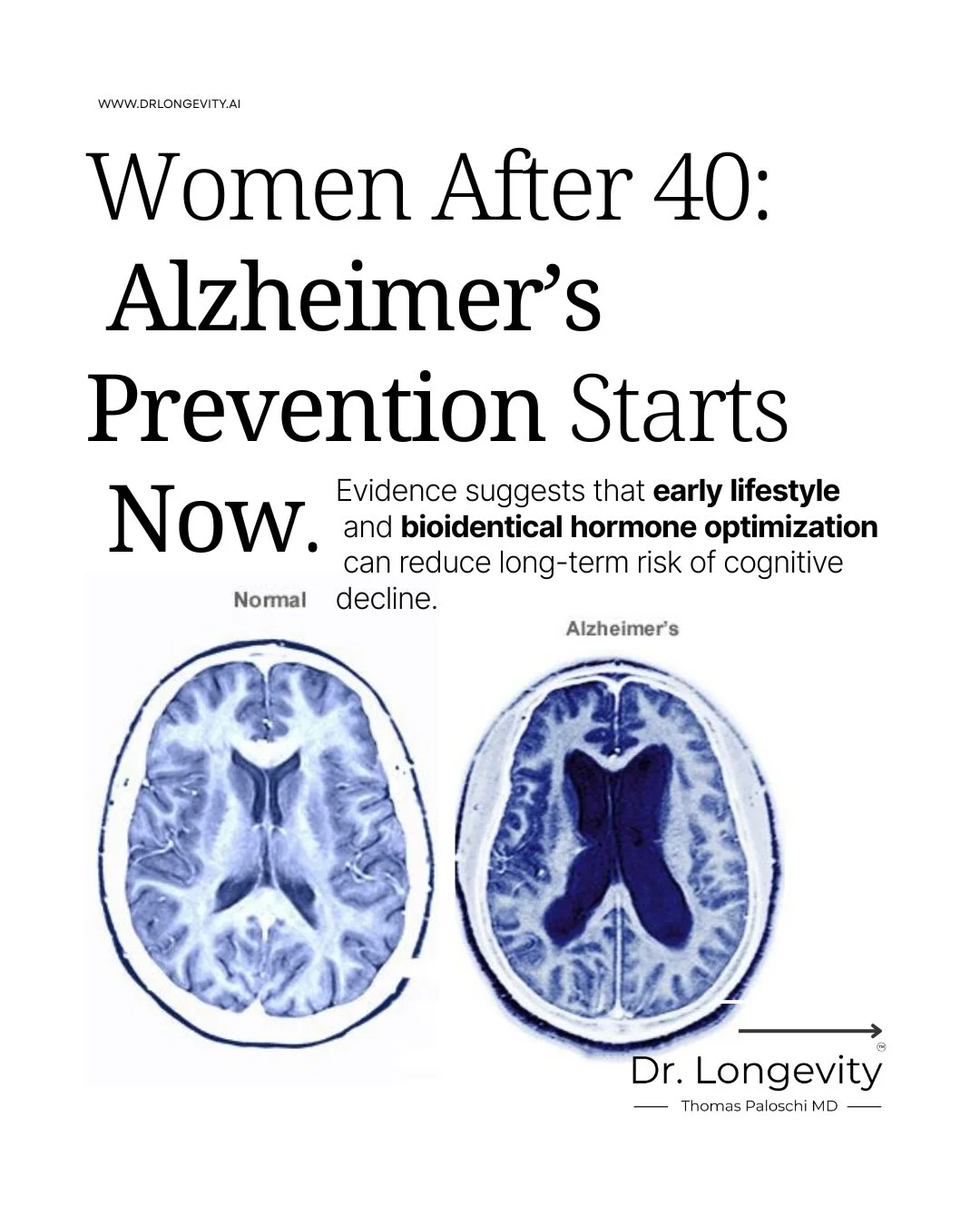
Alzheimer’s Prevention Begins Decades Early with Hormones, Sleep, Muscle
Alzheimer’s doesn’t start with memory loss. It starts decades earlier: through hormonal decline, poor sleep, metabolic dysfunction, inflammation, and loss of muscle. For women, menopause is a major neurological transition, not just a hormonal one. Protecting estrogen balance, preserving muscle, prioritizing deep sleep,...
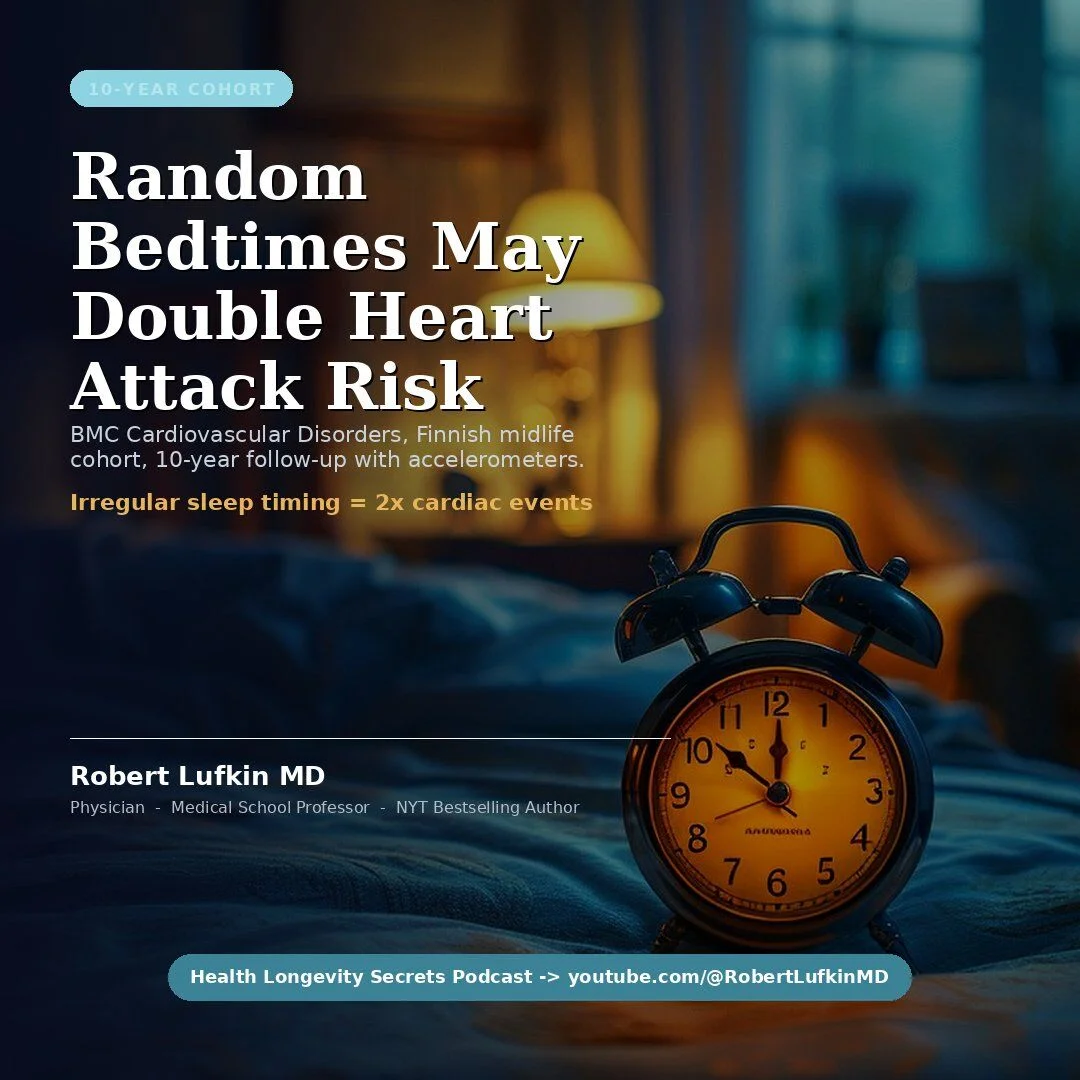
Irregular Bedtimes May Double Heart Attack Risk
Going to Bed at Random Times May Double Your Heart Attack Risk As a medical school professor, I teach that sleep quantity matters. What I am updating is how much sleep TIMING matters -- often more than total hours. A new 10-year...
Cancer, Heart Disease, Diabetes, Dementia Named ‘Four Horsemen’ of Aging
Clinical nutritionist Dr Rhea Kotecha and internal‑medicine consultant Dr Brunda M S warned that cancer, heart disease, type‑2 diabetes and dementia constitute the “Four Horsemen of Aging,” the leading causes of death worldwide. Their assessment, shared on the Masoom Minawala podcast, underscores why biohackers are zeroing...
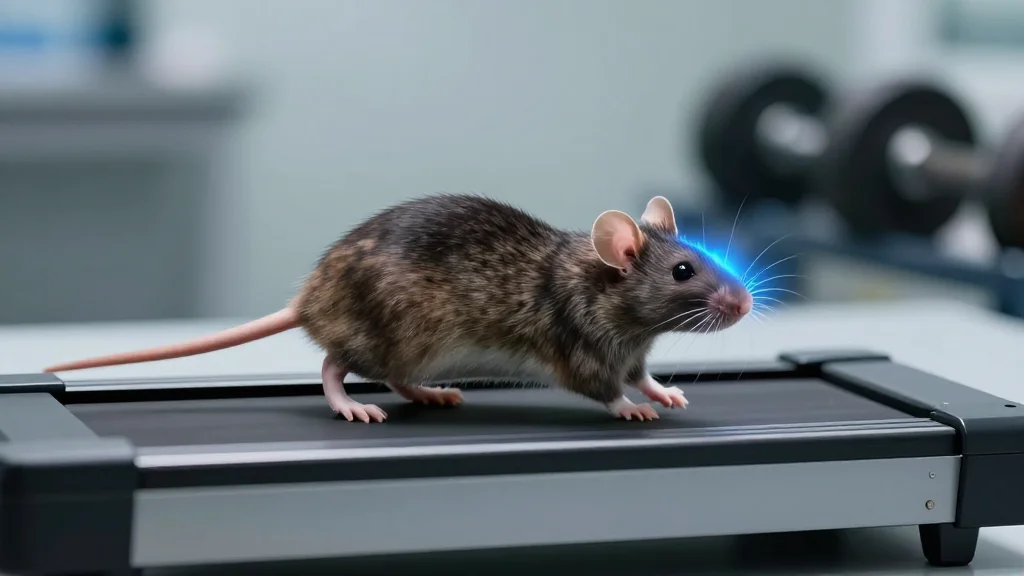
Penn Study Finds Brain Cells Drive Exercise‑Induced Strength Gains
University of Pennsylvania scientists led by J. Nicholas Betley showed that ventromedial hypothalamus SF1 neurons stay active for up to an hour after exercise and are required for mice to gain endurance. Blocking these cells after a workout halted performance...

Ice Vests Cut Fat by 0.9 Kg in Six‑Week Study, Boosting Biohacking Credibility
Researchers at Leiden University Medical Centre and the University of Nottingham reported that participants who wore ice vests for two hours each morning lost an average of 0.9 kg of body fat over six weeks, while a control group gained weight....

John Cena Said He's Training to Lift Weights Into His 80s and Beyond. Here Are 3 Longevity Lessons From the...
Retired WWE legend John Cena, now 49, is re‑engineering his fitness regimen to stay active into his 80s. He emphasizes mobility work, regular rest days, and a balanced mix of cardio and strength training, moving away from the heavy‑lifting grind...

Ancient Breathwork Proven to Cut Stress Hormones in New Study
Researchers from Griffith University, Stanford University and Brighton & Sussex Medical School reported that brief daily sessions of ancient breathwork significantly reduce cortisol levels and boost heart‑rate variability. The findings give scientific backing to practices such as pranayama, box breathing...